4 Desert Garden Ideas for Phoenix, AZ | Xeriscape Designs for the Sonoran Desert
Native plants from the Sonoran desert (Zone 9b) — Hot desert climate
Why Desert/Xeriscape Gardens in Phoenix?
Phoenix sits at the heart of the Sonoran Desert — one of the most biodiverse deserts on Earth. With fewer than 8 inches of rain per year and summer highs routinely cresting 115°F, this isn't the climate for drought-tolerant compromise. It's the climate for true desert landscaping: native cacti, decomposed granite, boulders, and plants that evolved here over millions of years. The saguaro cactus, iconic symbol of the American Southwest, grows only in the Sonoran Desert — and Phoenix sits in prime saguaro habitat.
Sonoran Desert natives aren't a consolation prize for a lawn you can't have. Palo verde trees, desert willow, ocotillo, barrel cactus, and agave form a rich design palette with year-round color, dramatic structure, and zero supplemental water once established. The desert's own aesthetic — warm earth tones, rough-hewn boulders, dry wash arroyos, and the architectural silhouettes of saguaro — is one of the most distinctive and sought-after landscape styles in the country.
Water conservation in Phoenix isn't optional — the city draws from the Colorado River and Salt River systems under increasing stress. Removing turf and embracing xeriscape can cut outdoor water use by 50–70%, and the City of Phoenix Water Services offers rebates for turf removal and drip irrigation upgrades. A well-designed desert garden doesn't just survive Phoenix summers — it looks spectacular through them.
4 Desert/Xeriscape Design Ideas for Phoenix
AI-generated image
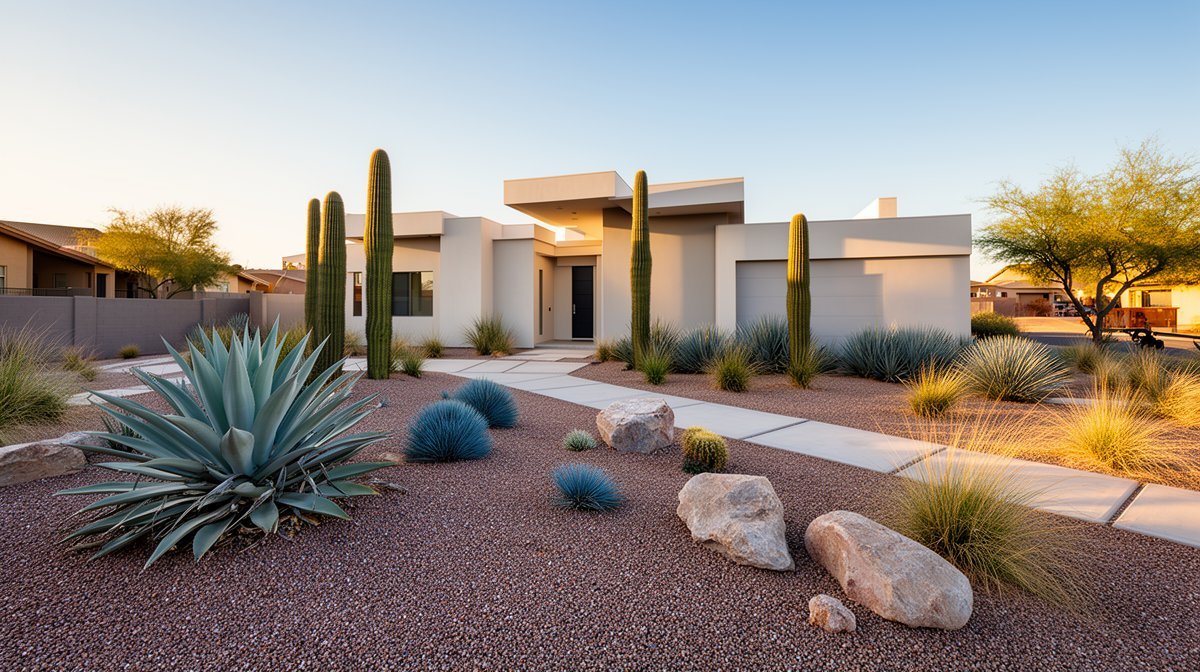
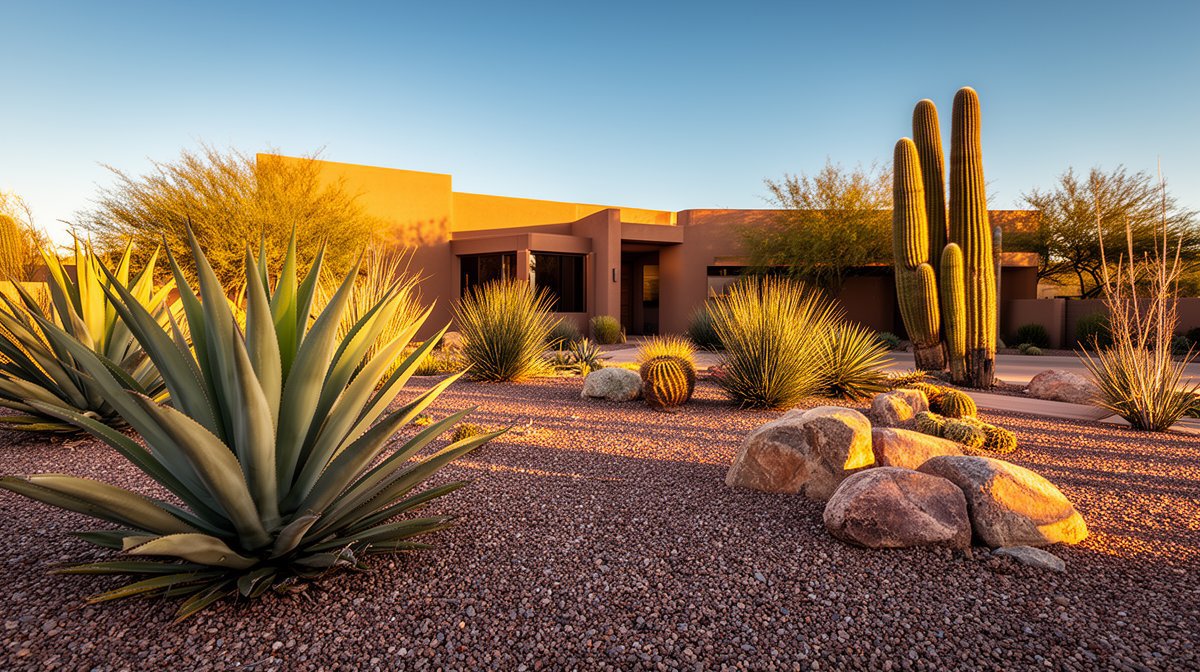
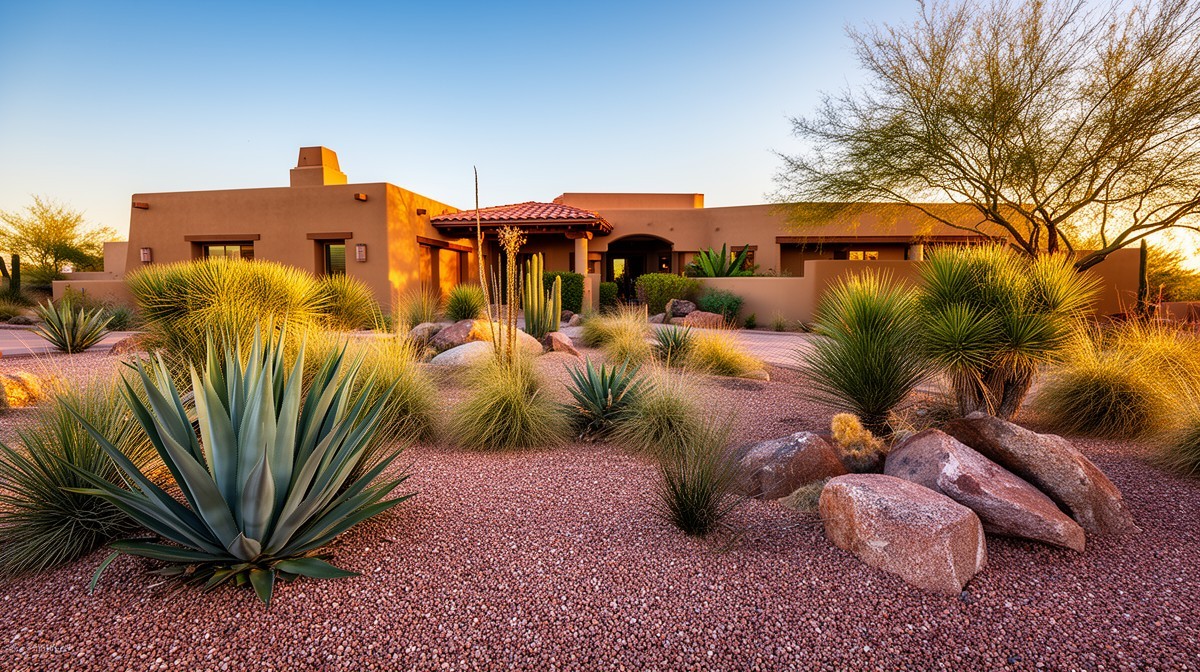
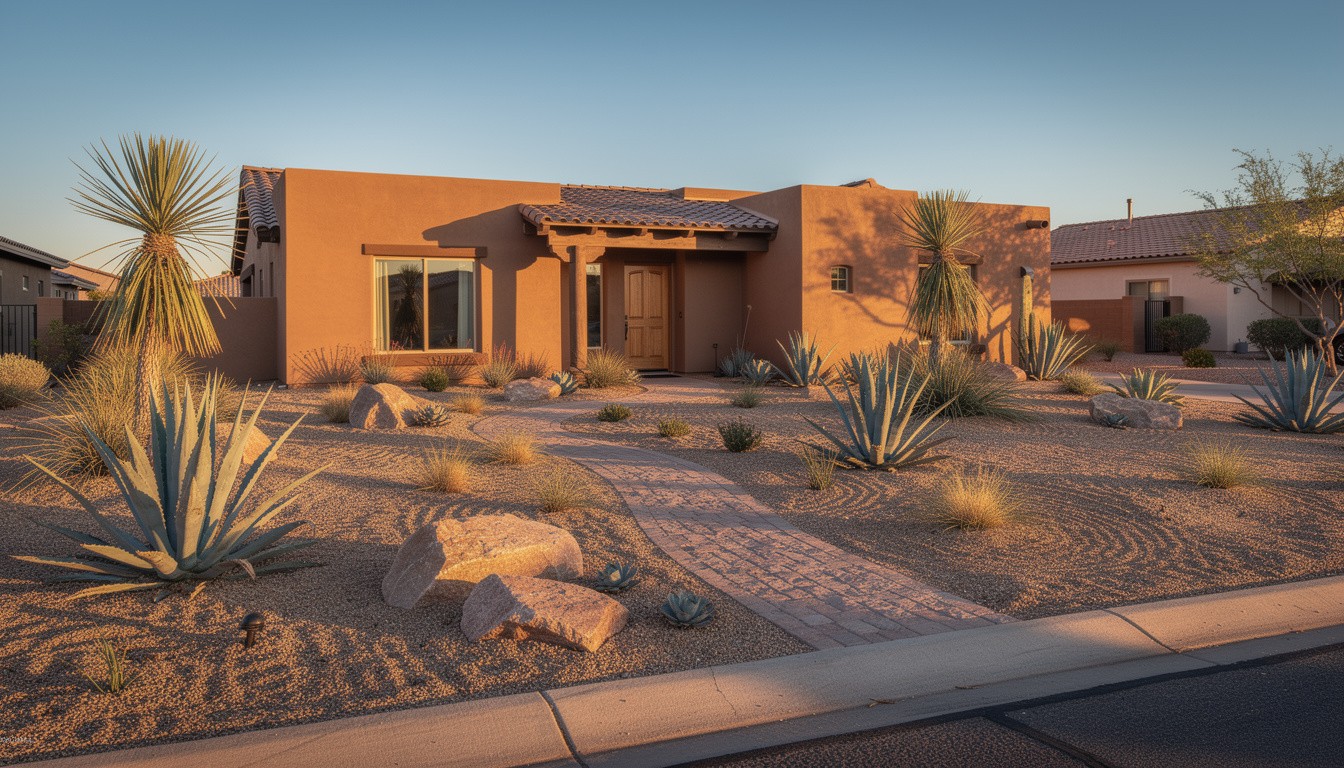
The McDowell Sonoran Xeriscape
$7–15/sqftA pueblo-style stucco home faces a front yard of warm sandy desert gravel with bold blue agave as the primary element, yucca providing tall vertical drama, and scattered granite boulders creating the look of an undisturbed desert floor. The McDowell Mountains or South Mountain Park rise in the distance. This is how Phoenix xeriscape should look — as though the desert simply remained.
AI-generated image
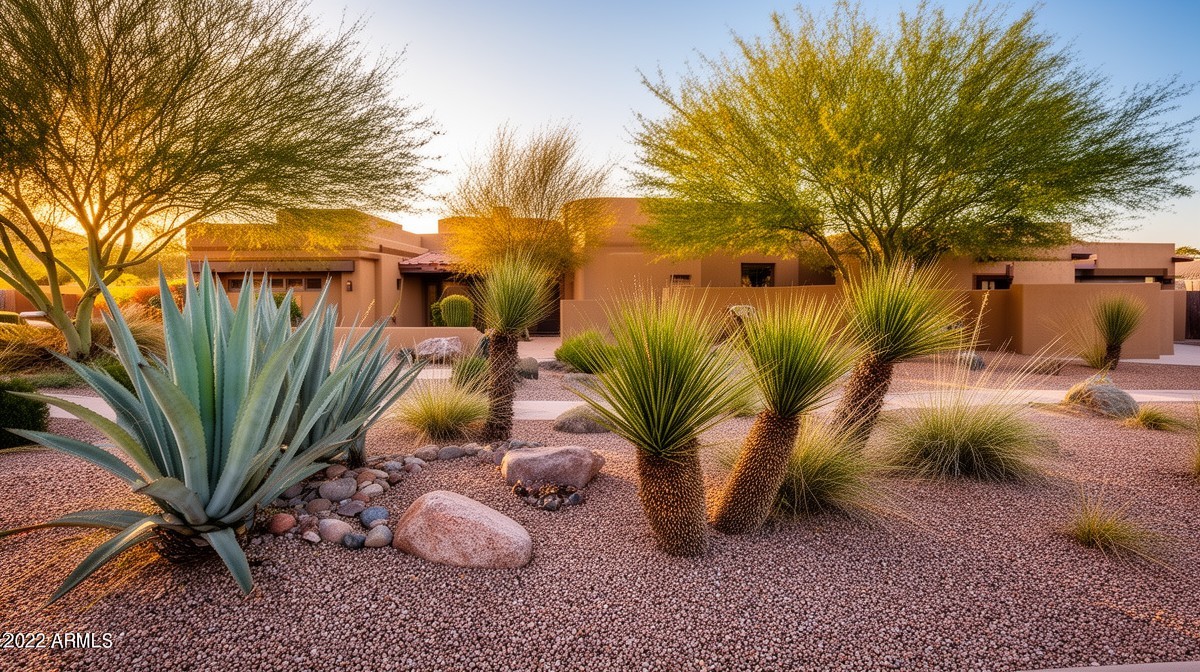
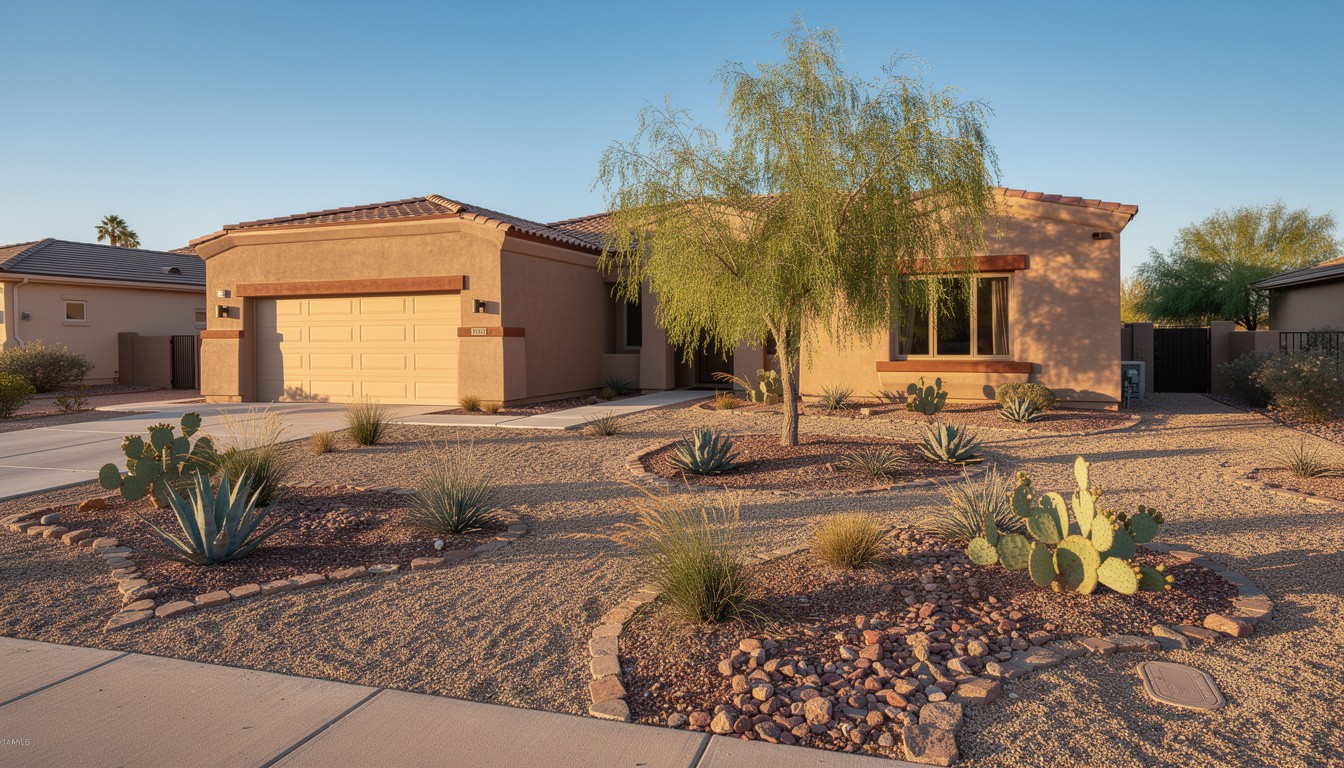
The Palo Verde and Cactus Front
$9–18/sqftA weeping palo verde anchors the center of this front yard, its golden-green canopy shading a composition of prickly pear, barrel cactus, agave, and desert wildflowers in warm river rock gravel. A dry river cobble bed weaves through the planting as a drainage feature. In March through April, the palo verde blooms brilliant yellow while the desert floor erupts with brittlebush gold — Phoenix spring condensed into a front yard.
AI-generated image
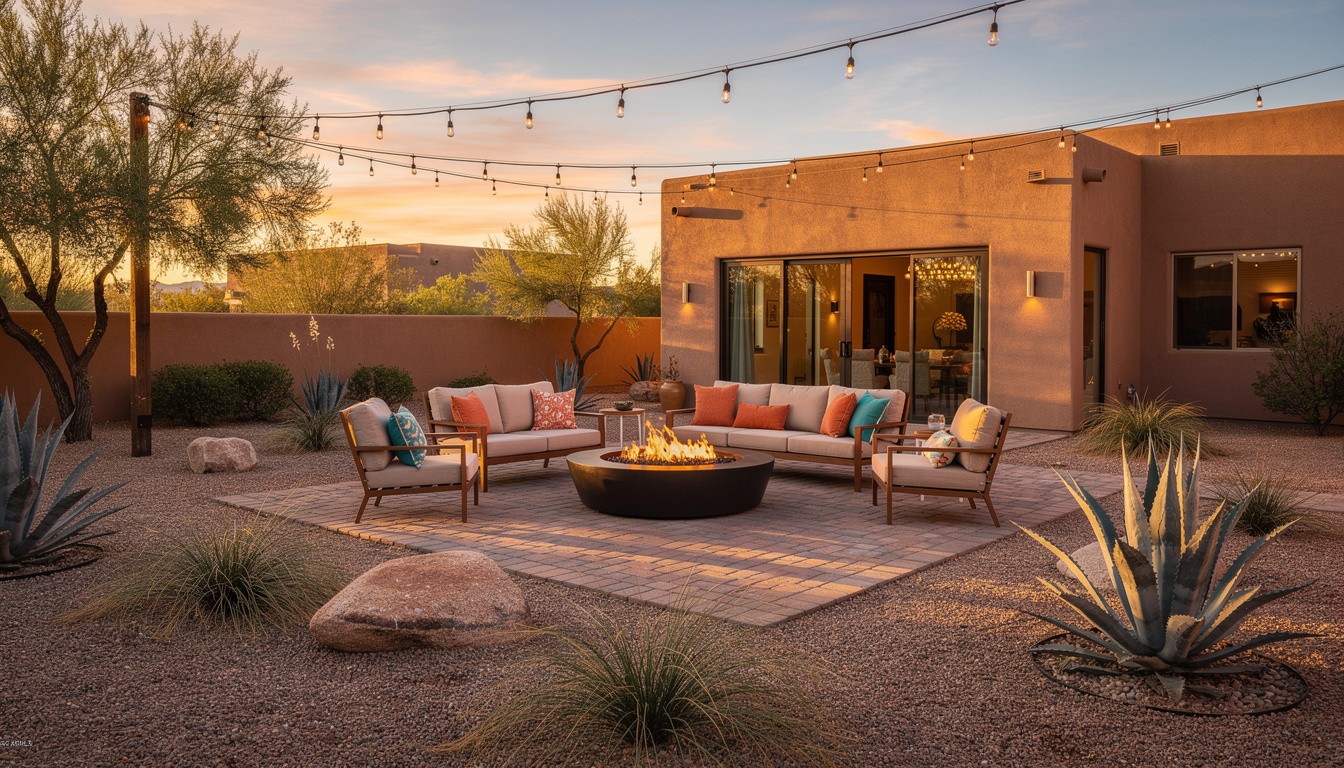
The Desert Patio with Saguaro Views
$18–40/sqftA flagstone patio with a round fire pit and lounge seating fills the center of the backyard under festoon lights, with agave, desert shrubs, and boulders in crushed granite borders. Desert willow and palo verde trees frame the space at the perimeter. The sun sets behind the Phoenix Mountains Preserve, silhouetting saguaro cactus against the orange sky. This view alone is worth the renovation.
AI-generated image
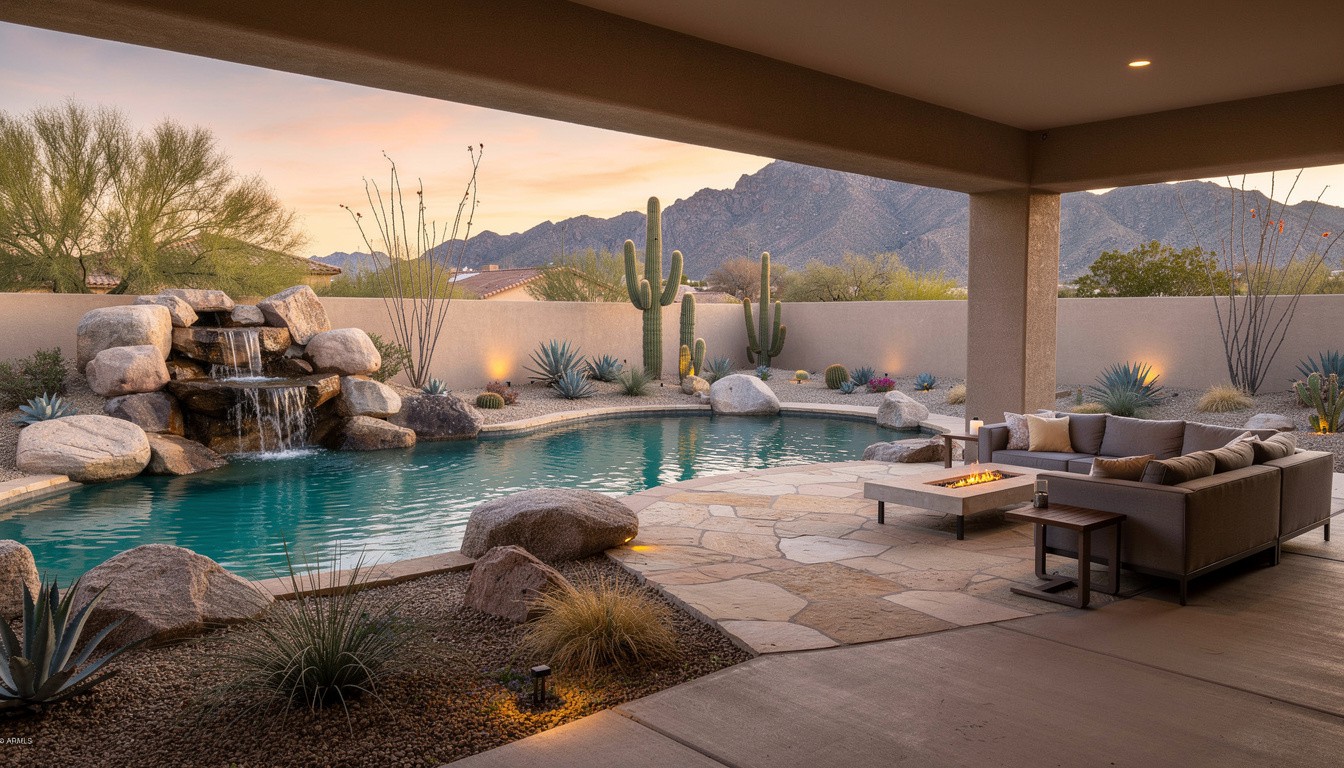
The Camelback Pool Xeriscape
$60–130/sqftA freeform pool with a boulder waterfall feature sits at the far end of a flagstone patio with a built-in fire table and lounge seating under a shade structure. Saguaro cactus, agave, and desert flowering shrubs in crushed gravel beds frame the entire space. Camelback Mountain or the McDowell Sonoran Preserve provides the backdrop above the stucco back wall at dusk. Phoenix outdoor living at its absolute peak.
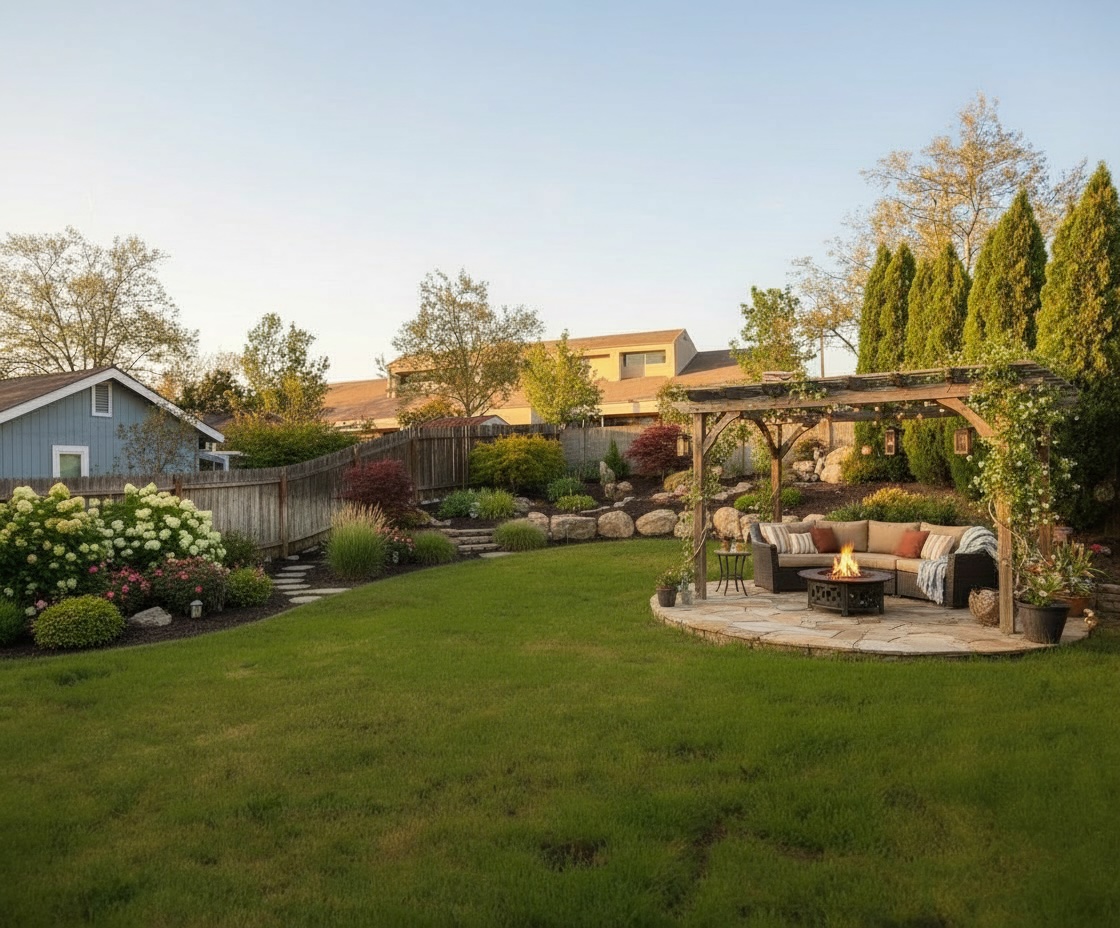
See how a desert/xeriscape garden looks on YOUR property
Upload a photo of your Phoenix yard and visualize your dream garden in seconds.
Try ProScapeAI Free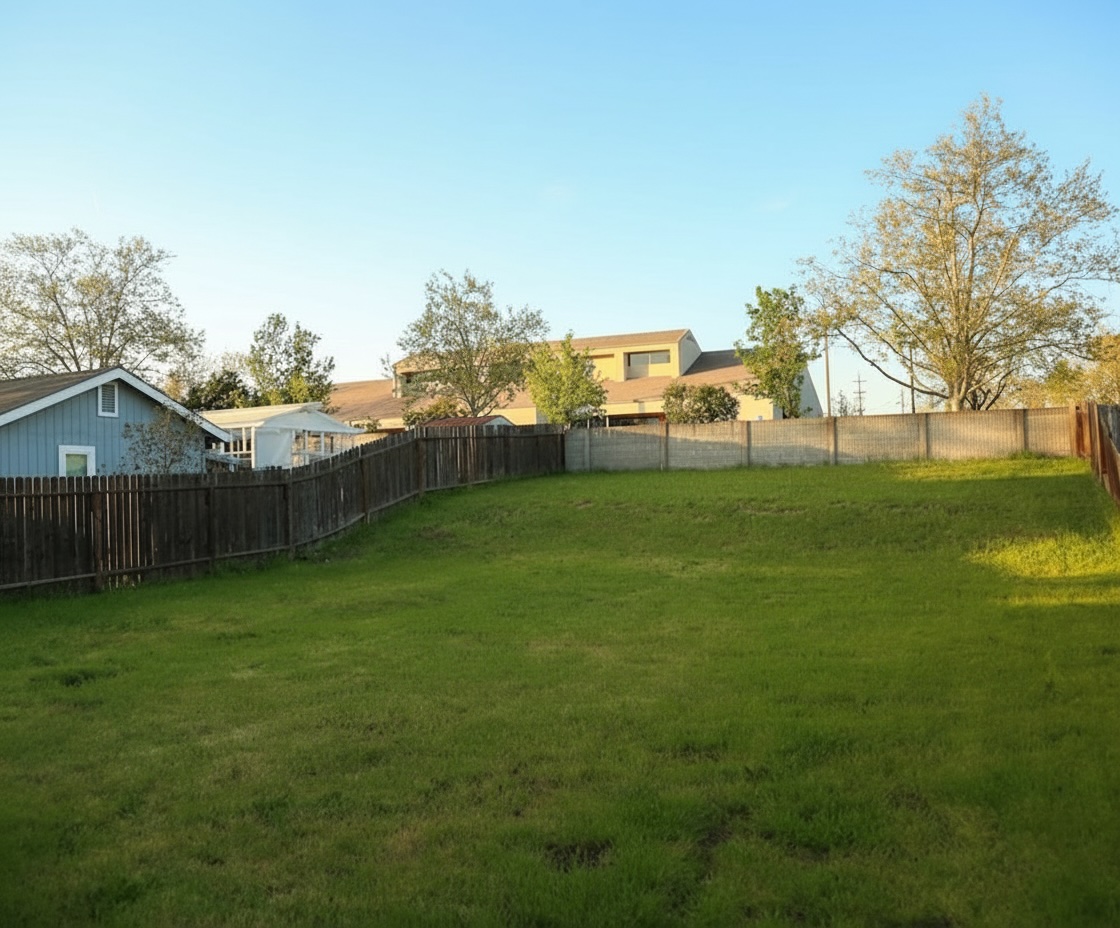
AI-generated image
Featured Trees & Shrubs for Desert/Xeriscape Gardens
Browse all 186 plants for Phoenix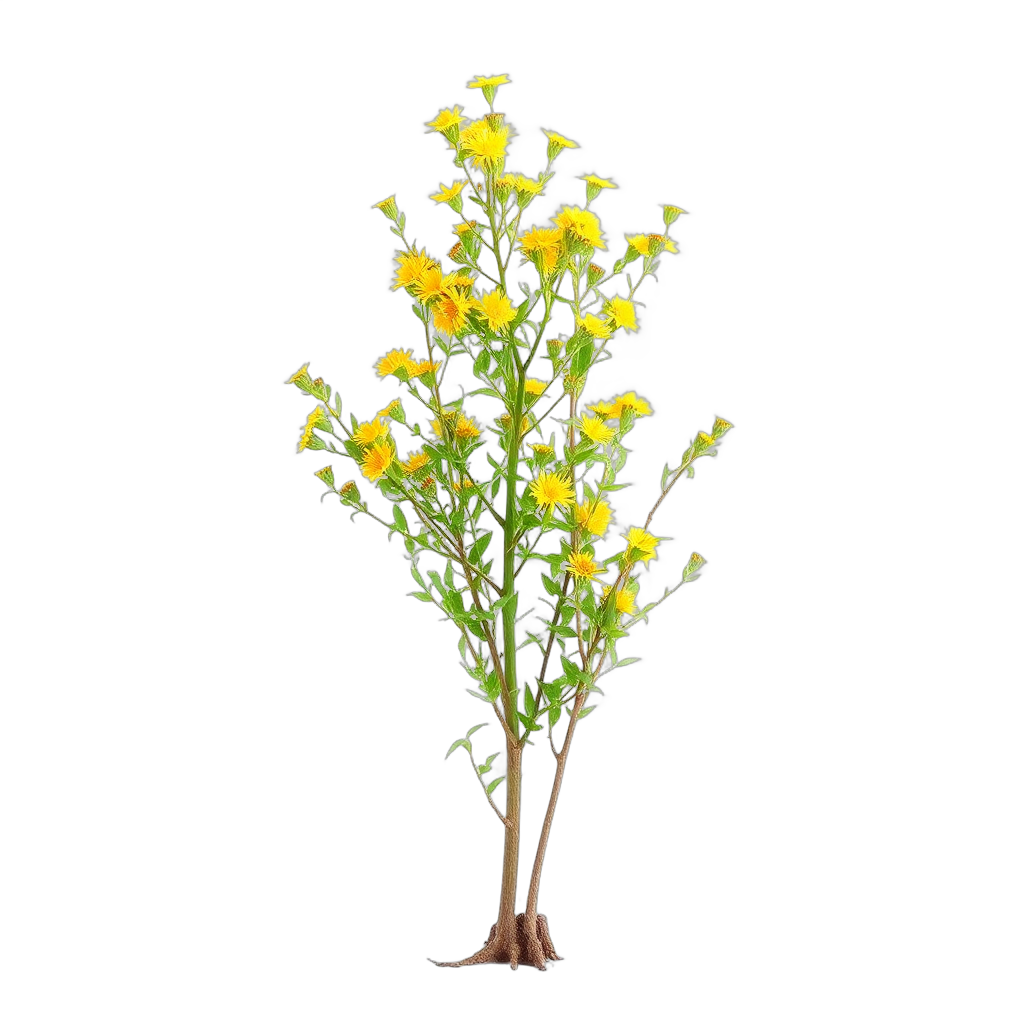
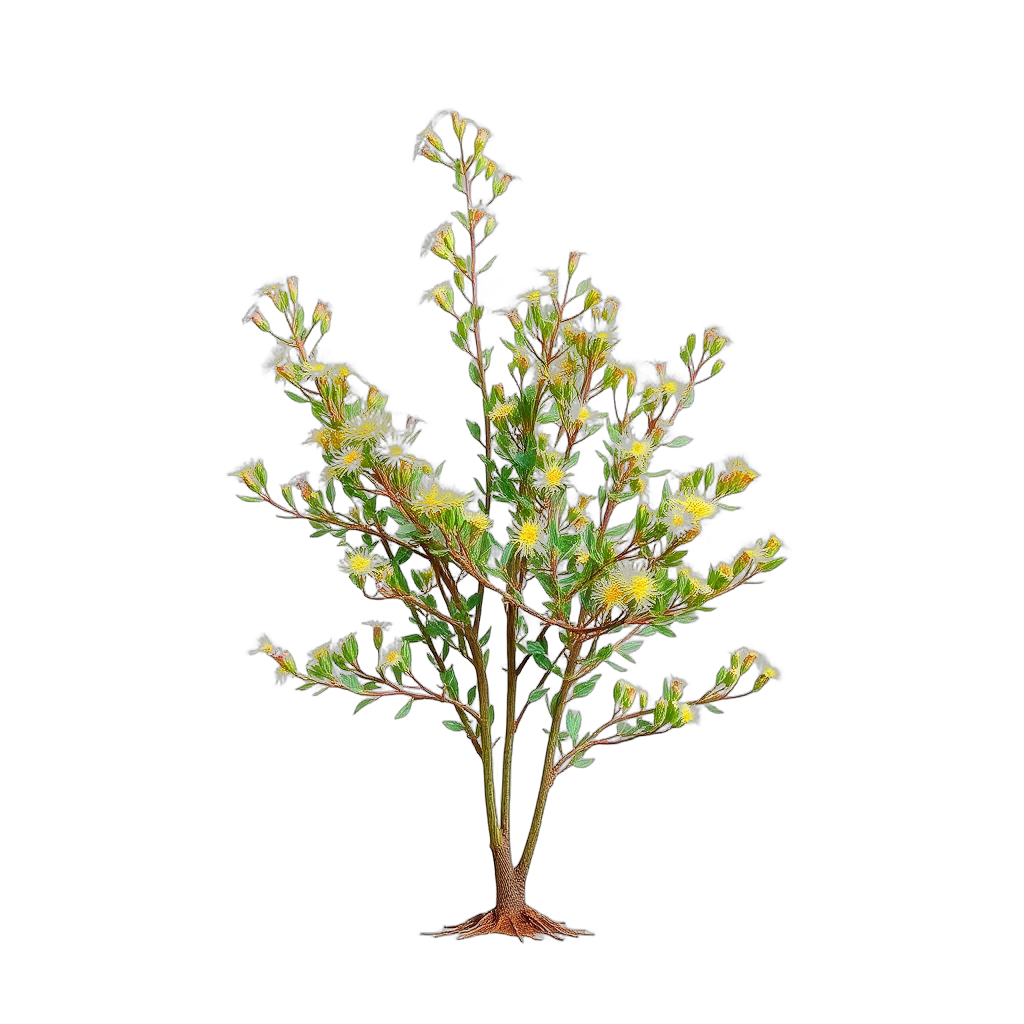
Brittlebush
Encelia farinosa
grows to 3 feet, yellow blooms in spring. Attracts butterflies.
Catclaw Acacia
Acacia greggii
medium-sized at 15 feet, yellow blooms in spring. Pollinator-friendly.
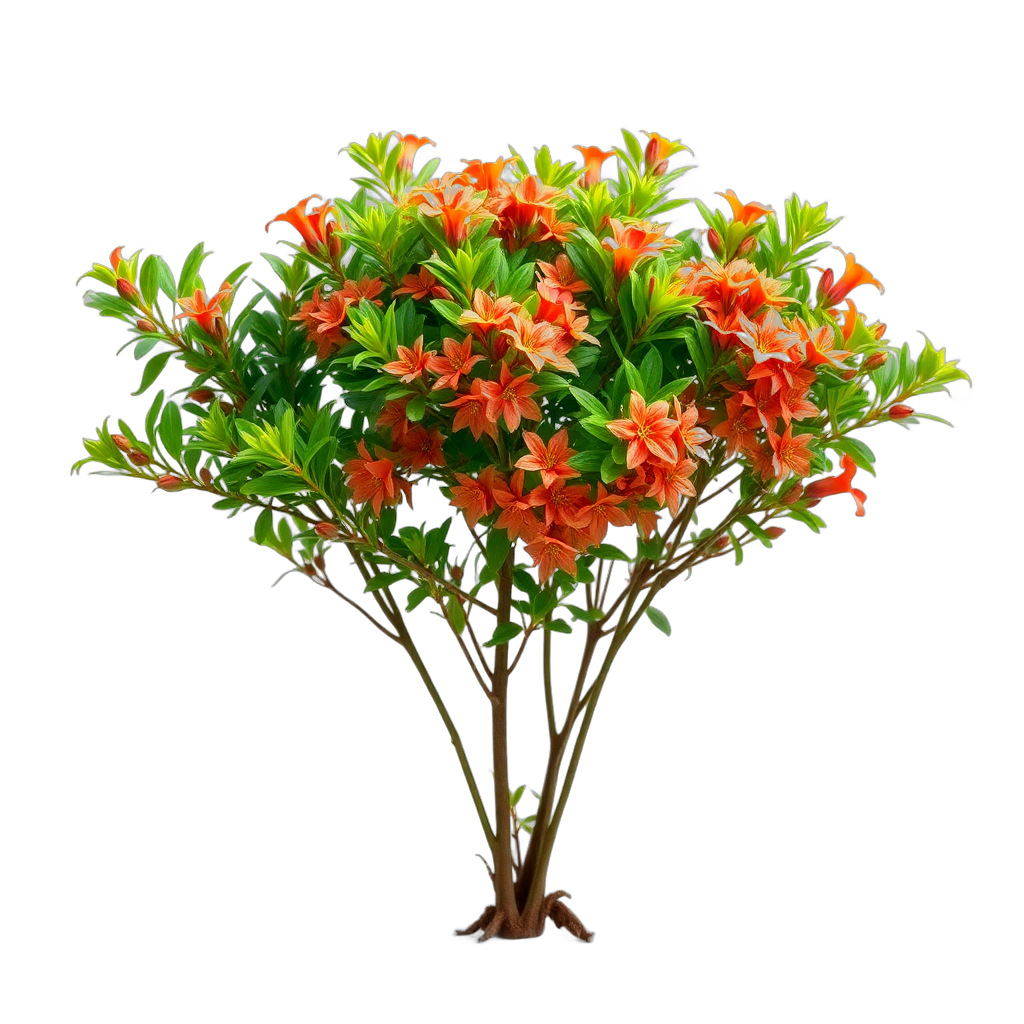
Chuparosa
Justicia californica
grows to 5 feet, red blooms in spring. Attracts hummingbirds.
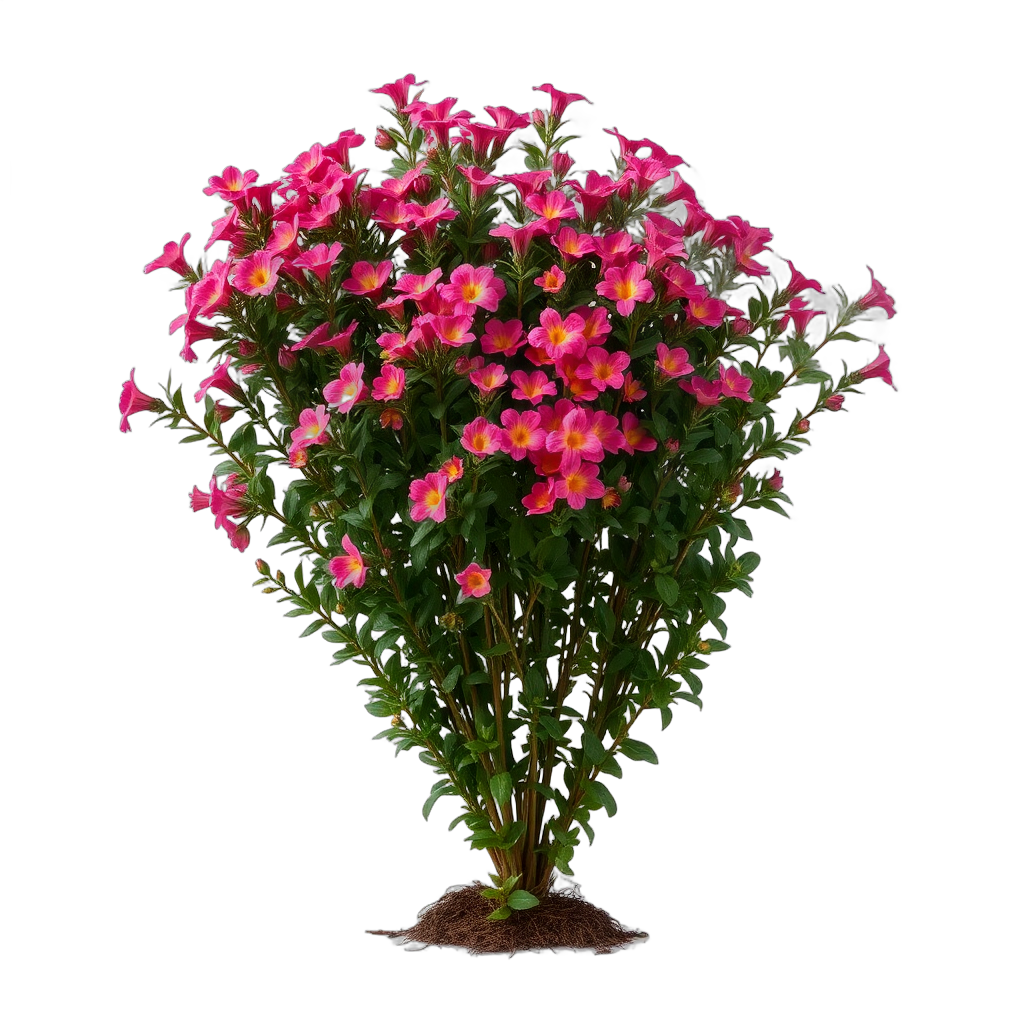
Cliffrose
Purshia mexicana
medium-sized at 8 feet, yellow blooms in spring. Attracts butterflies.
Featured Grasses & Groundcovers for Desert/Xeriscape Gardens
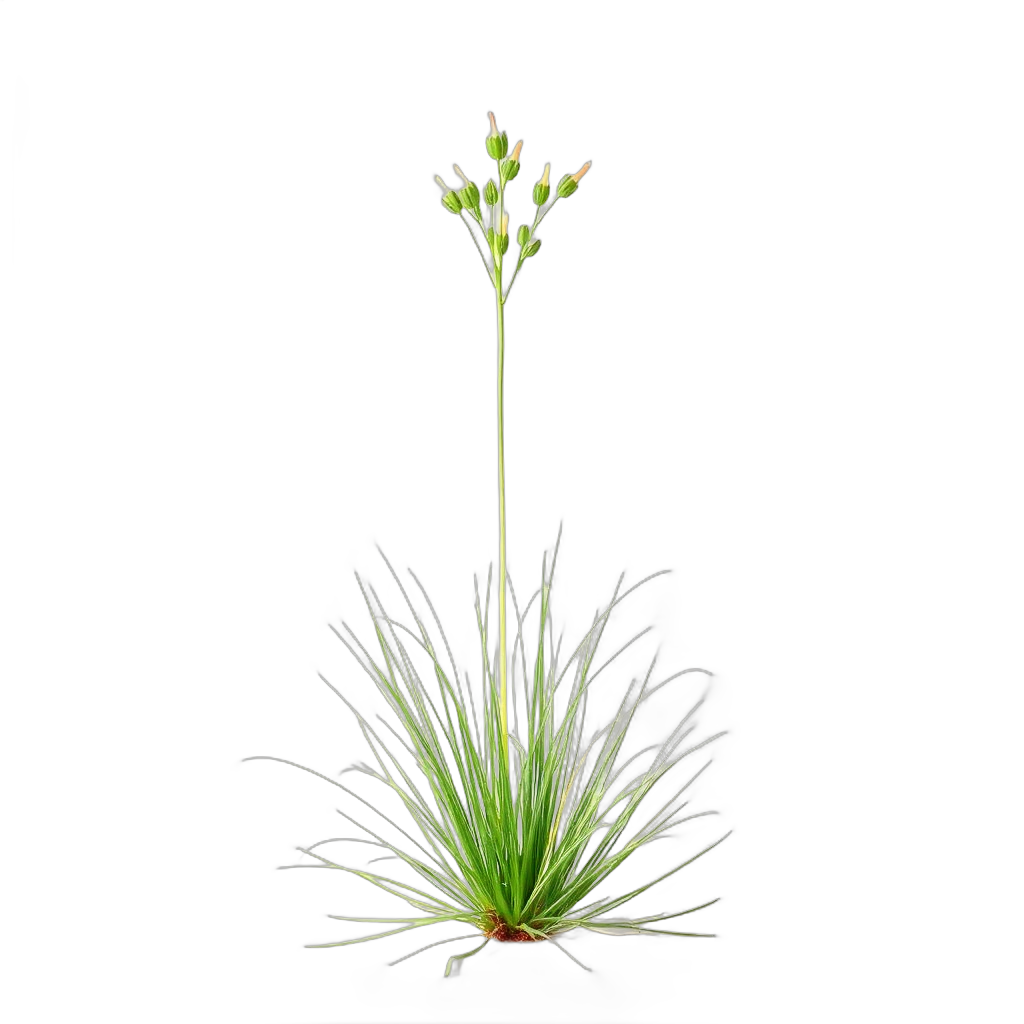
Alkali Sacaton
Sporobolus airoides
grows to 3 feet, blooms in summer. Yellow fall color.
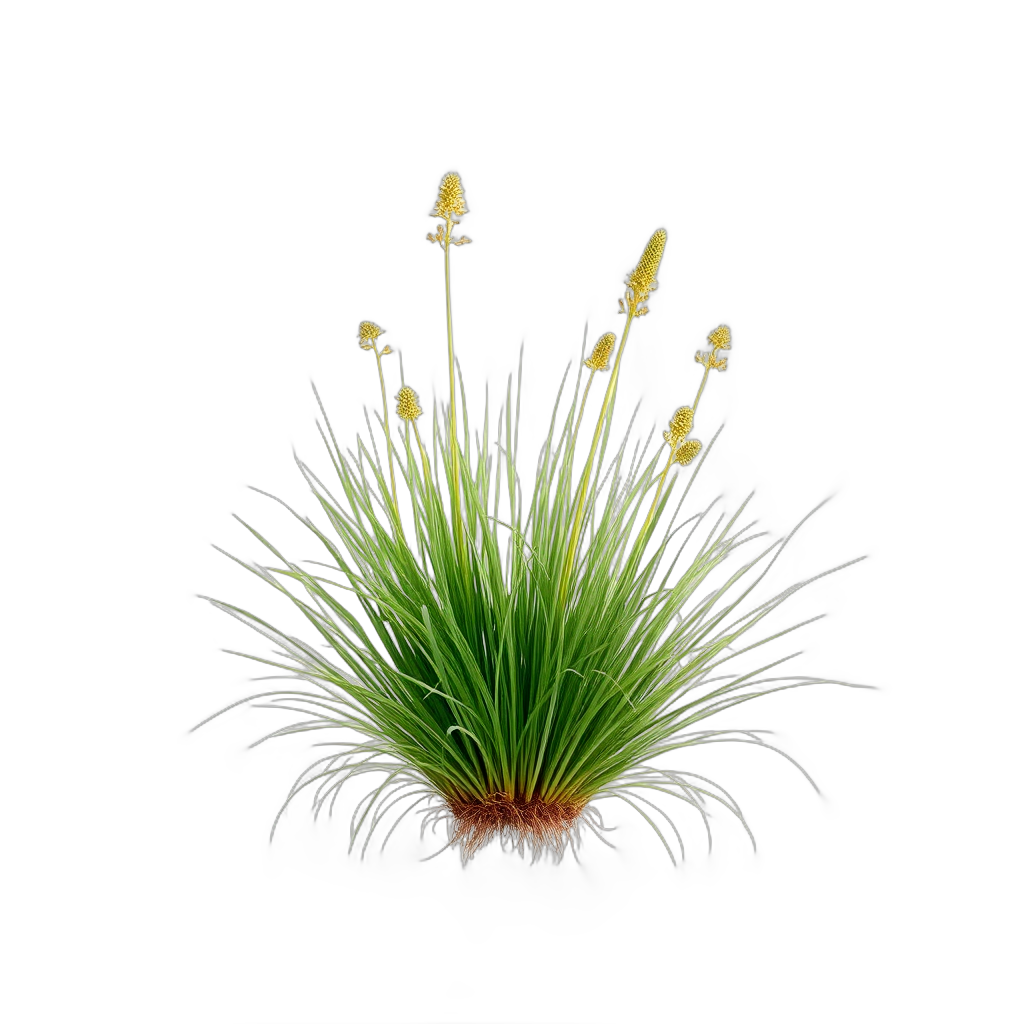
Big Sacaton
Sporobolus wrightii
grows to 5 feet, blooms in summer. Yellow fall color.
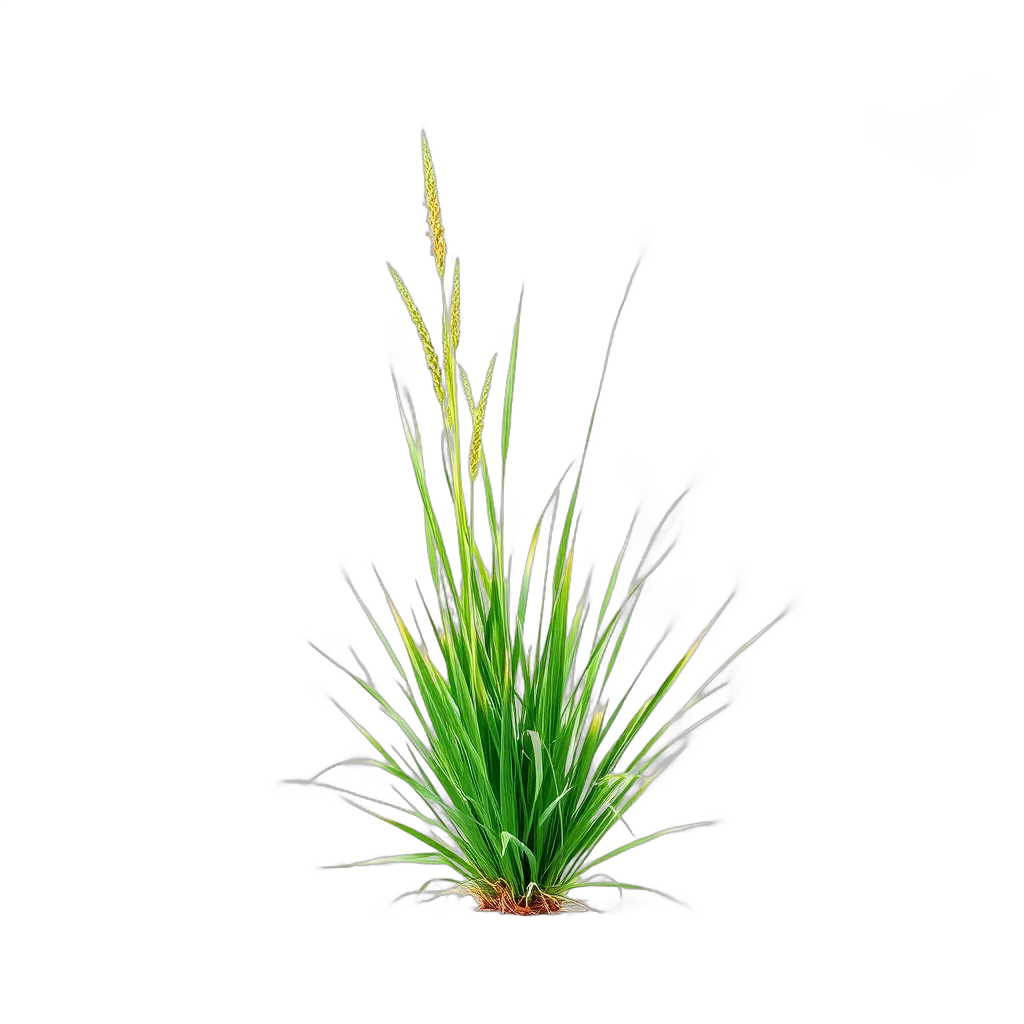
Bull Grass
Muhlenbergia emersleyi
grows to 4 feet, purple blooms in fall. Yellow fall color.
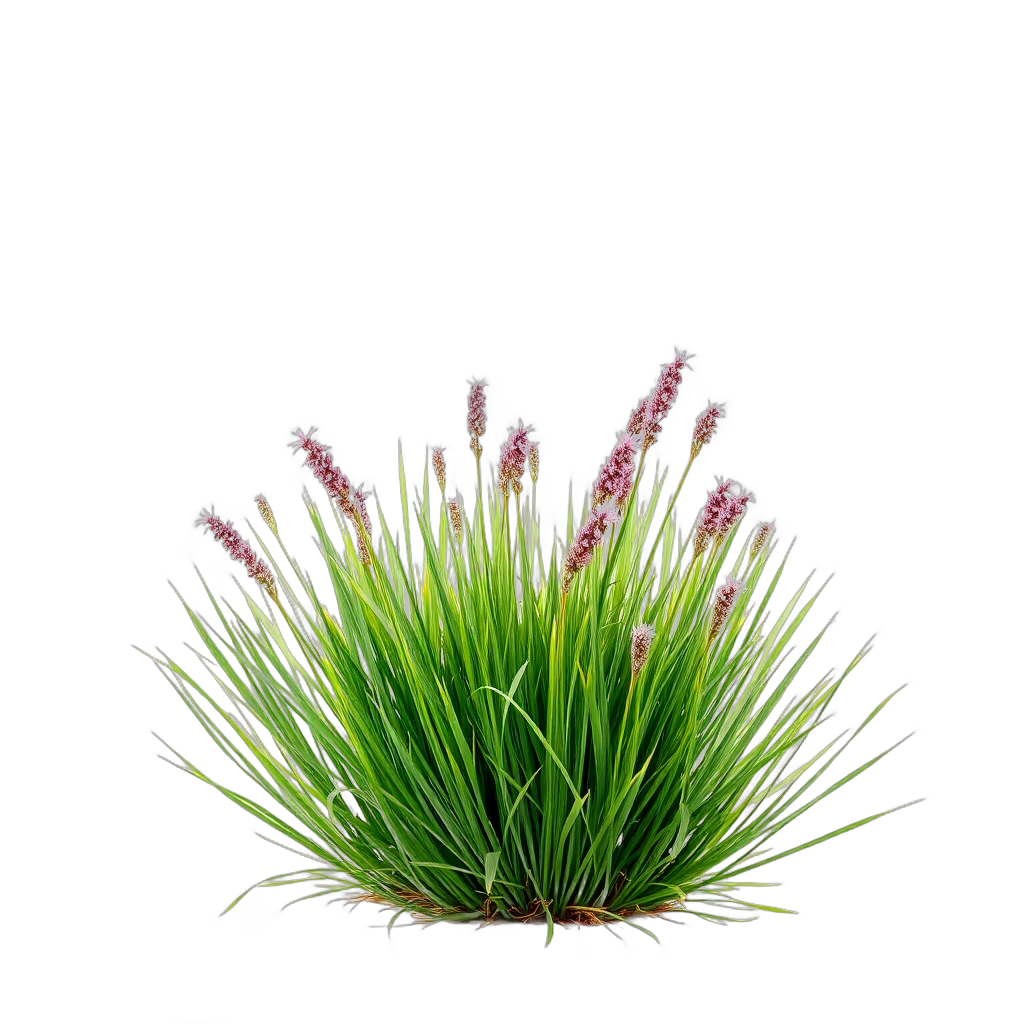
Purple Three-Awn
Aristida purpurea
low-growing ground cover, purple blooms in fall. Yellow fall color.
Featured Flowers & Perennials for Desert/Xeriscape Gardens
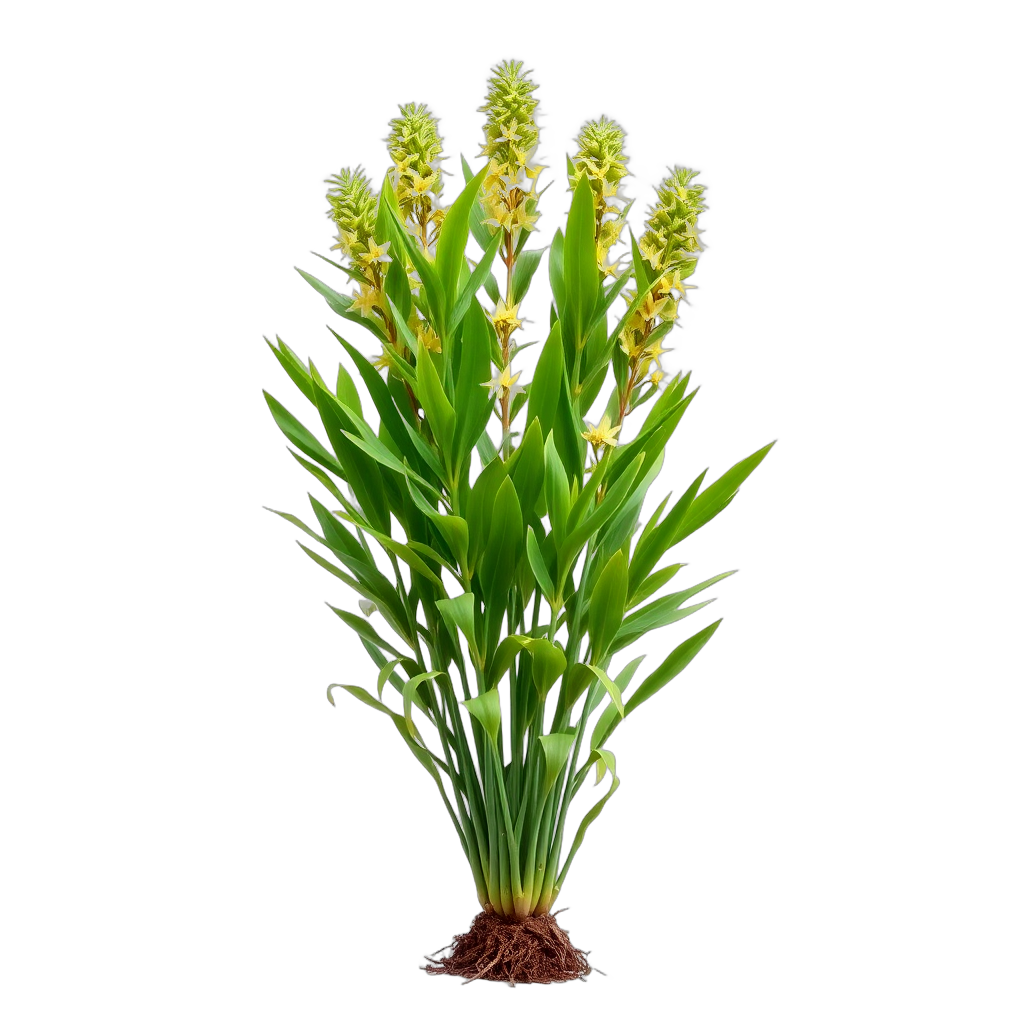
Banana Yucca
Yucca baccata
low-growing ground cover, white blooms in spring. Attracts hummingbirds.
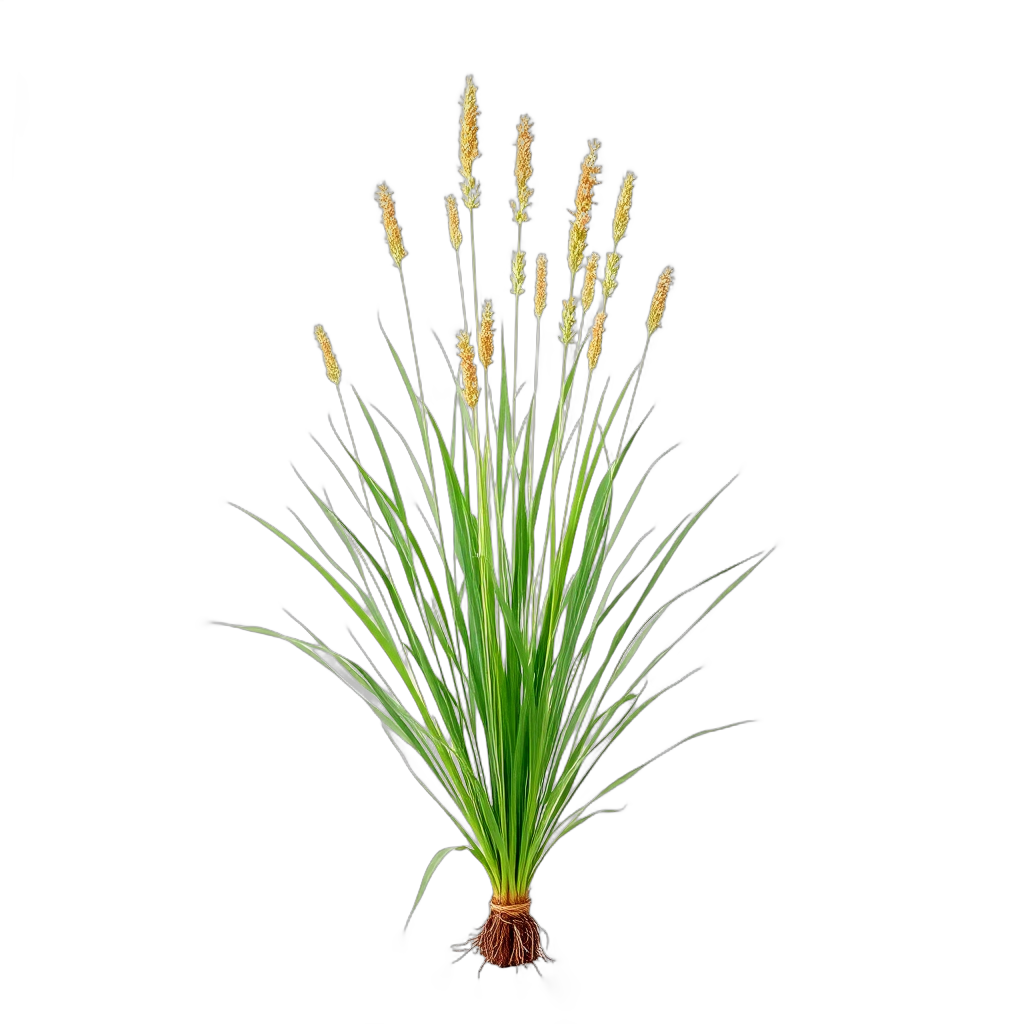
Beargrass
Nolina microcarpa
low-growing ground cover, white blooms in summer. Evergreen year-round.
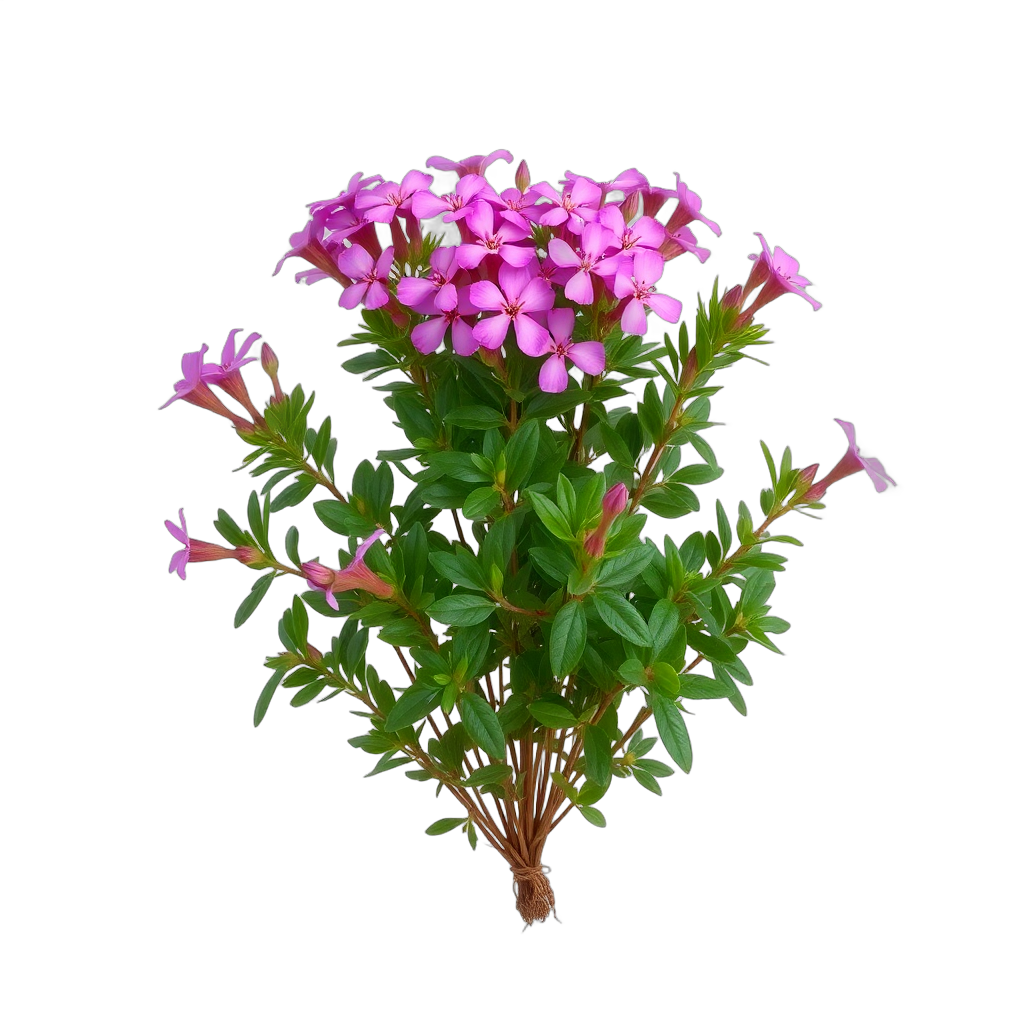
Desert Phlox
Phlox austromontana
low-growing ground cover, pink blooms in spring. Attracts hummingbirds.
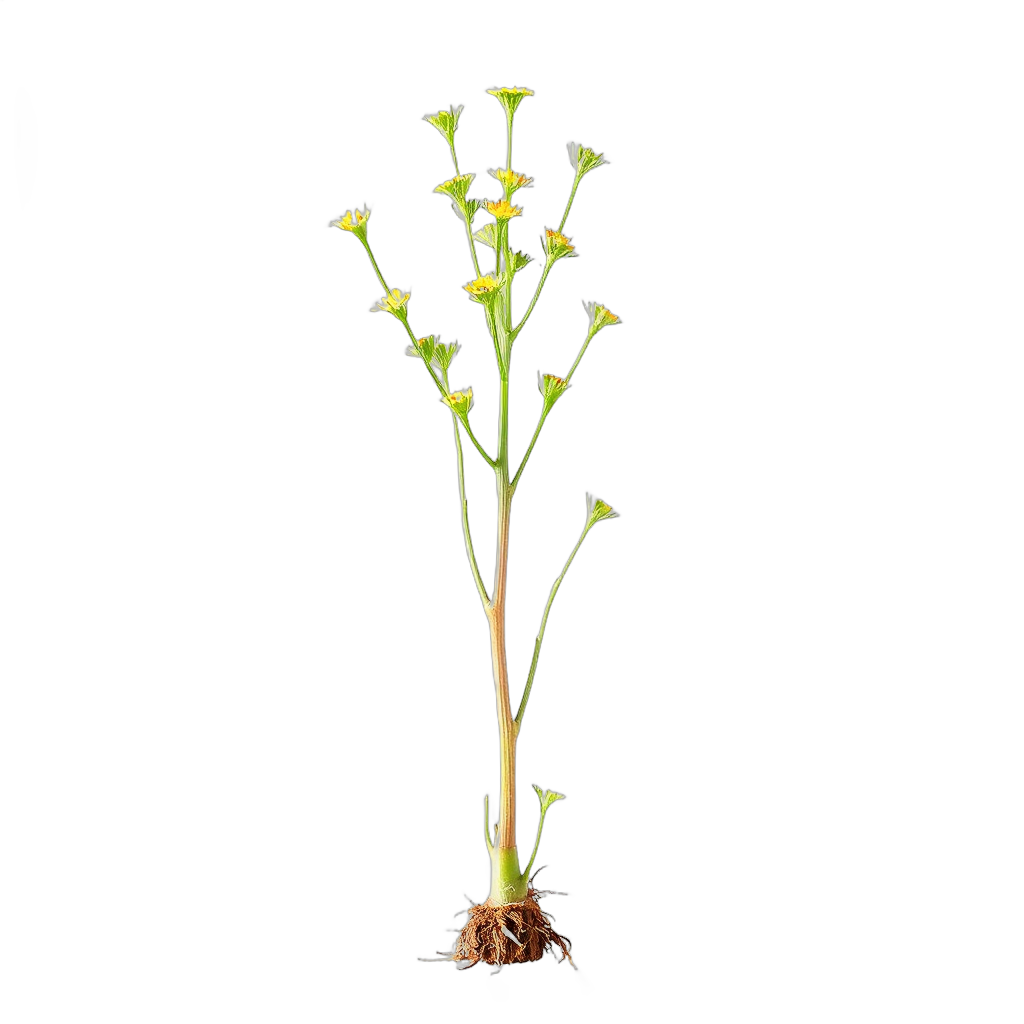
Desert Spoon
Dasylirion wheeleri
grows to 4 feet, white blooms in summer. Evergreen year-round.
Zone and sun checks come from our database — confirm with your local nursery before you buy.
Bloom Calendar for Phoenix
spring
Banana Yucca, Desert Phlox, Brittlebushsummer
Beargrass, Desert Spoon, Alkali Sacatonfall
Bull Grass, Purple Three-Awnwinter
Limited bloomsDesign Tips for Phoenix (Zone 9b)
- Break through caliche hardpan when planting — the dense calcium carbonate layer common in Phoenix soils blocks drainage and roots; use a jackhammer or auger to create planting pockets at least 18 inches deep
- Orient shade structures and large trees on the west and southwest sides of the house — Phoenix's afternoon sun (3–7 PM) is the most intense and can add 10–15°F to west-facing walls and patios
- Design dry wash features as functional drainage channels that handle monsoon runoff — a naturalistic arroyo lined with river rock is both beautiful and essential engineering for Phoenix's burst-rain monsoon pattern
- Never plant saguaro within 10 feet of a structure — their root systems extend the full height of the plant and they can fall without warning in high winds; Phoenix code may also restrict placement near utilities
- Use a two-layer mulch strategy in planting beds: landscape fabric first, then 3–4 inches of DG on top — Phoenix's monsoon storms and wind can displace lighter mulches, and bare soil rapidly compacts into an impermeable crust
- Take advantage of the City of Phoenix Water Services turf removal rebate program — Phoenix offers rebates for converting lawn to water-efficient landscaping, which can offset $500–$1,500+ of project costs
Where to Source Plants in Phoenix
Skip the big-box stores. These independent Phoenix nurseries specialize in the plants that make desert/xeriscape gardens thrive in Zone 9b.
Phoenix Desert Nursery
South Phoenix
3 acres of cacti, succulents, and desert plants — established 1979
Desert Foothills Gardens
Cave Creek
Desert plants, flowering cacti, aloe, yuccas, bougainvillea — since 1985
Desert Tree Farm South
Laveen Village
90+ acre growing facility — wholesale and retail native desert plants
Desert/Xeriscape Landscaping Costs in Phoenix
| Project Scope | Estimated Cost |
|---|---|
| Front yard Sonoran xeriscape conversion (400–600 sqft) | $3,500 – $9,000 |
| Flagstone patio with fire pit | $8,000 – $22,000 |
| Turf removal + desert gravel + native plants (per sqft) | $4.50 – $17/sqft |
| Paver or flagstone patio installation | $15 – $35/sqft |
| Drip irrigation system | $1,200 – $3,000 |
| Large specimen saguaro (installed) | $1,000 – $6,000 depending on height |
| AI visualization with ProScapeAI | Free to start |
Estimates based on Phoenix, AZ-area contractor rates as of 2026. Actual costs vary by site conditions, materials, and contractor.
Phoenix Climate & Growing Zone
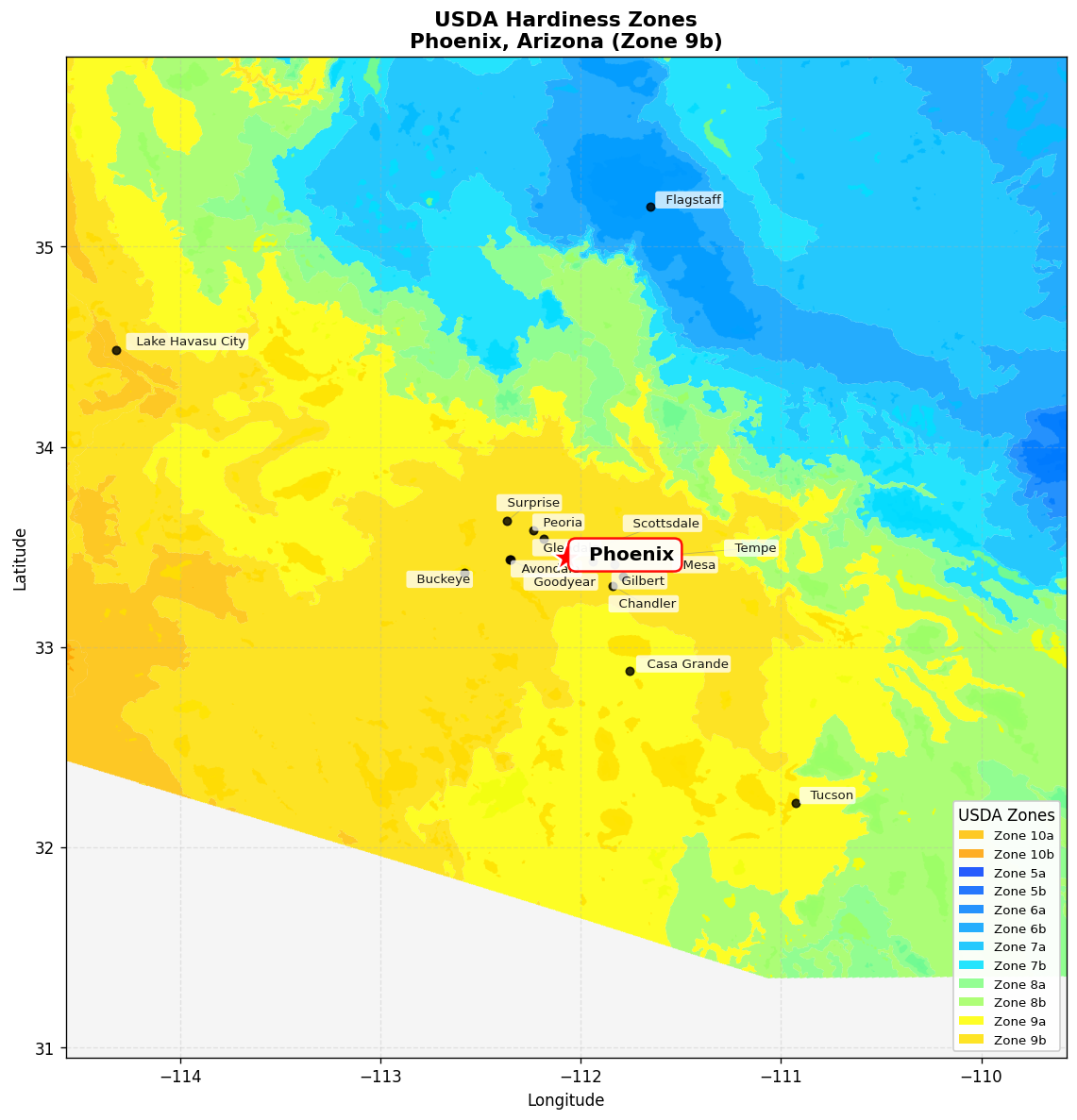
USDA Zone 9b
Hardiness zone for Phoenix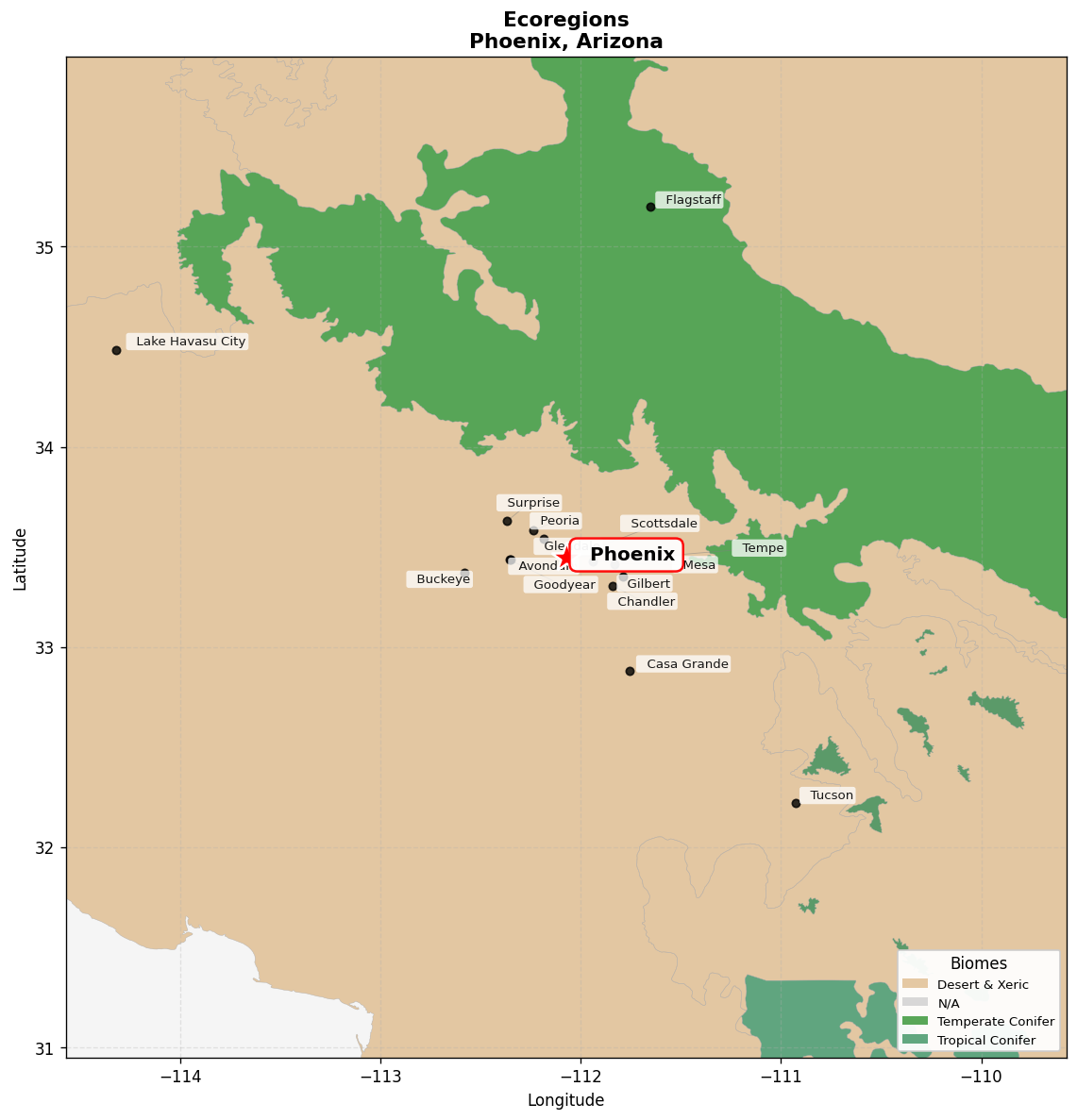
Sonoran desert
Native ecoregionFrequently Asked Questions
Do I need a permit to remove or transplant a saguaro cactus in Phoenix?
Yes — saguaro are protected under Arizona's Native Plant Law. You cannot remove, damage, or destroy a saguaro without a permit from the Arizona Department of Agriculture, even on your own property. Transplanting saguaro requires a permit and must be done by a licensed nursery or contractor. Permits cost $7–$25 per plant depending on size. Violations can result in fines up to $25,000 per plant. If you're buying saguaro for your landscape, ensure they come with a state-issued tag certifying legal salvage.
How should I design my Phoenix landscape for monsoon season?
Phoenix's monsoon season (June 15–September 30) delivers intense but brief storms — 1–2 inches in under an hour — that can overwhelm flat or poorly graded yards. Design for drainage first: grade soil away from the foundation (minimum 2% slope), incorporate dry wash features that channel runoff to the street or a retention area, and use gravel/DG over impermeable surfaces. Avoid planting in low spots that pond water. Caliche hardpan (common in Phoenix soils) blocks drainage — break through it during installation or build raised planting pockets above the caliche layer.
What are the best shade trees for Phoenix desert landscaping?
Palo verde (both Blue and Desert) is the quintessential Phoenix shade tree — native, drought-adapted, and produces stunning yellow blooms in spring. Mesquite (velvet and honey) grows fast and provides dense shade. Desert willow offers softer foliage and orchid-like flowers from spring through fall. For non-native options, Texas ebony and Chilean mesquite provide reliable shade. Avoid ash, elm, and mulberry — they're water-hungry, allergen-heavy, and banned in some Phoenix jurisdictions as 'dirty' or high-allergen trees.
Should I use decomposed granite or river rock in my Phoenix xeriscape?
Both have a place in Phoenix landscapes. Decomposed granite (DG) is the workhorse: affordable ($80–$120 per ton installed), stays in place, allows water infiltration, and reads as a natural desert surface. It compacts over time and can become weedy if landscape fabric is skipped. River rock is heavier and more permanent, better suited for dry wash features, accent areas, and high-traffic paths where DG would track into the house. Use DG for large ground cover areas and river rock for drainage channels, borders, and decorative focal points.
Does adding a pool increase water use significantly in Phoenix?
A standard 15,000-gallon Phoenix pool loses roughly 1 inch of water per week to evaporation in summer — about 500–600 gallons weekly, or 25,000–30,000 gallons annually just from evaporation. However, replacing a 1,000 sqft lawn (which uses 35,000–45,000 gallons/year) with a pool and desert landscaping can actually reduce total water use. Pool covers reduce evaporation by up to 95%. The real savings come from eliminating turf around the pool — desert stone coping and DG surrounds use virtually no water.
Can I salvage native plants from my property before construction?
Yes — Arizona law allows property owners to salvage protected native plants (saguaro, palo verde, ironwood, desert willow, etc.) before development. You'll need an Arizona Department of Agriculture permit before any removal. Many Phoenix landscapers offer native plant salvage services, and some will take plants off your hands in exchange for reduced installation costs on new landscaping. The Phoenix area also has native plant sales through the Desert Botanical Garden and Arizona Native Plant Society where you can source legally collected plants.