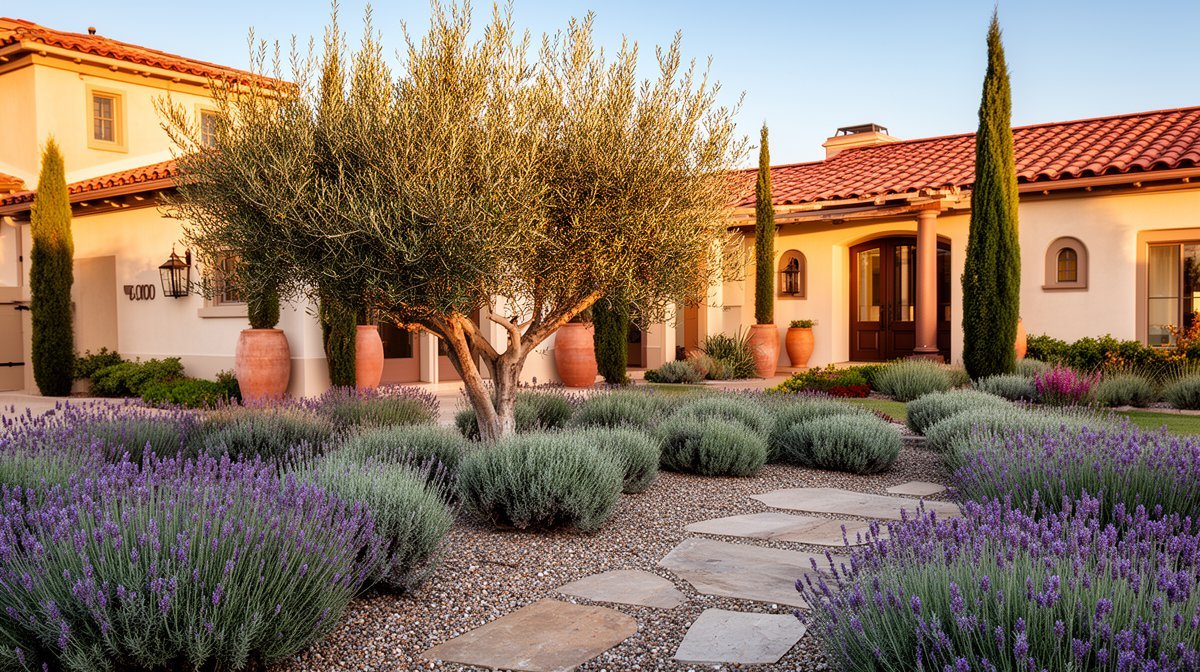
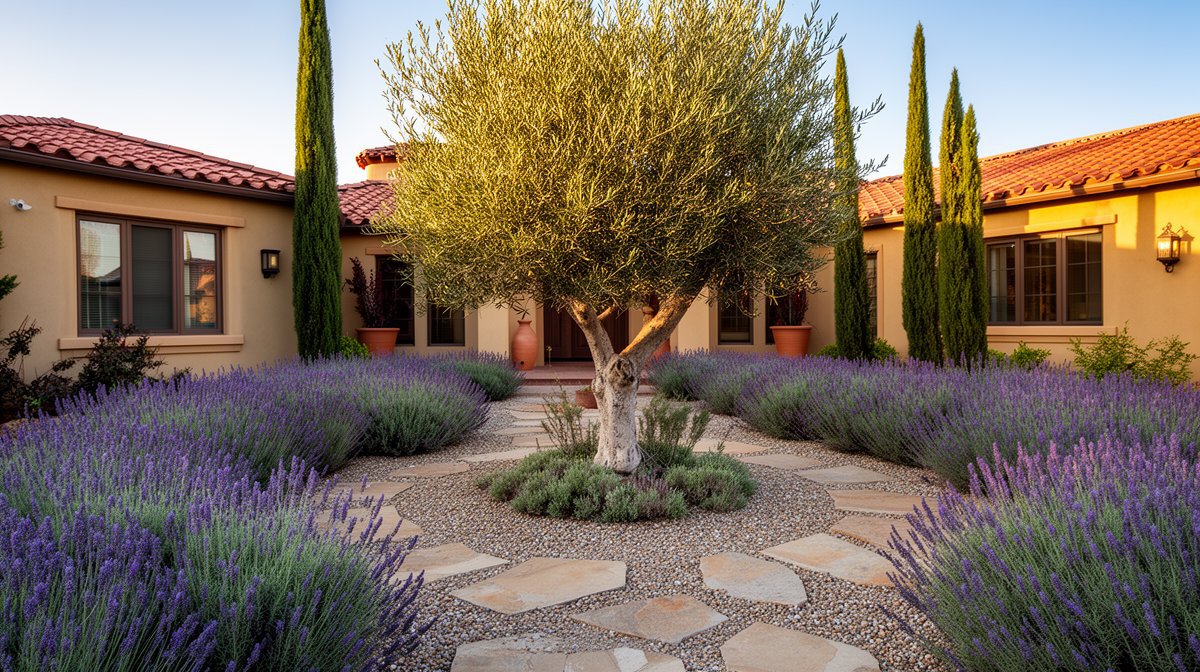
4 Mediterranean Garden Ideas for Glendale, CA | Fire-Wise Drought Design for Zone 10a
Native plants from the California coastal sage and chaparral (Zone 10a) — Mediterranean (hot summer) climate
Why Mediterranean Gardens in Glendale?
Glendale sits inside one of only five Mediterranean climate zones on Earth, sharing its Köppen Csa classification with Seville, Perugia and the hills above Nice — which means a Mediterranean garden here isn't a theme, it's the native condition. Roughly 19 inches of rain falls between November and April, and essentially none falls from June through September: the exact rhythm that Olea, Lavandula, Cistus and Citrus evolved around. The architecture cooperates too. The 1920s Spanish Colonial Revival stock in Rossmoyne, the tile-roofed bungalows around Kenneth Village, the terraced Andalusian houses stepping up Chevy Chase Canyon, and the older estates near Brand Park were all drawn with courtyards, arcades and stucco walls that a Mediterranean planting scheme completes rather than decorates.
Zone 10a lows of 30–35°F unlock a palette Tuscany itself cannot grow outdoors. Citrus × sinensis 'Washington Navel' and Citrus × limon 'Improved Meyer' fruit reliably here, Bougainvillea 'Barbara Karst' holds magenta from April into December, and Agave attenuata never freezes back. The backbone trees are Olea europaea 'Wilsonii' and 'Swan Hill' — fruitless olive cultivars that deliver the silver canopy without staining a driveway or setting off the fruit-drop and pollen complaints that pushed several California cities to restrict fruiting olives. Underneath them, Lavandula dentata blooms nearly ten months in Glendale where Lavandula angustifolia sulks in our mild winters; Westringia fruticosa 'Grey Box' clips into a hedge that outperforms boxwood on a third of the water; Teucrium fruticans 'Azureum', Phlomis fruticosa, Cistus × purpureus and Salvia leucantha 'Santa Barbara' carry color through the dry months. The ground helps: Verdugo foothill lots sit on coarse decomposed-granite alluvium, sharp-draining and alkaline at pH 7.0–8.0 — precisely what these species want, which is why heavy organic amendment usually does more harm than good here.
The complication is fire. Everything above Verdugo Road and along the Chevy Chase, Glenoaks and La Tuna canyon corridors sits inside a Very High Fire Hazard Severity Zone, where Glendale Fire enforces 100 feet of defensible space and California's Zone 0 rules push toward an ember-resistant, plant-free strip in the first five feet off the wall. That rewrites part of the classic Mediterranean vocabulary. Cupressus sempervirens, juniper, massed unpruned rosemary and Cortaderia selloana are torch species and belong nowhere near a foothill house, while olive, citrus, Westringia, Teucrium, Agave and clipped Buxus microphylla japonica 'Green Beauty' are high-moisture, low-fuel plants that pass inspection. Factor in Santa Ana winds gusting past 50 mph through the canyons each October, and the Mediterranean garden that actually works in Glendale is the disciplined one — irrigated on drip, deadheaded, and generously spaced.
4 Mediterranean Design Ideas for Glendale
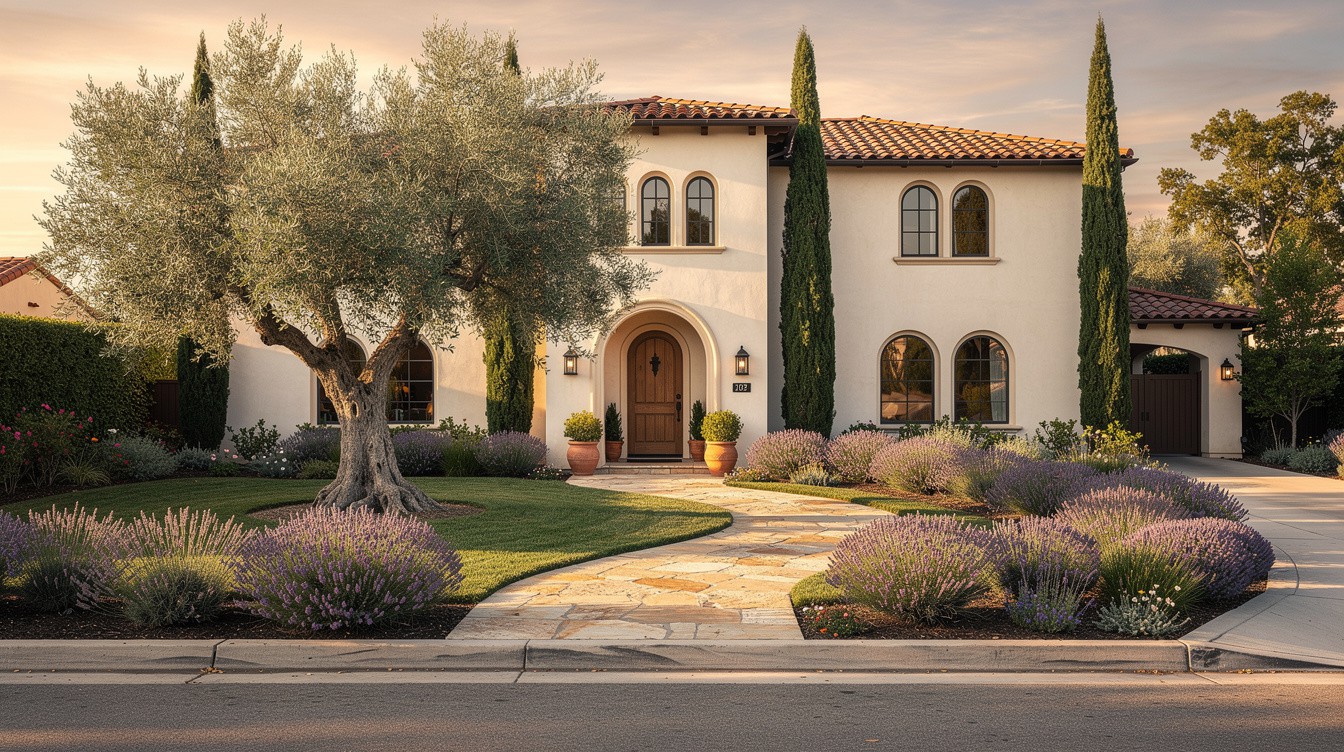
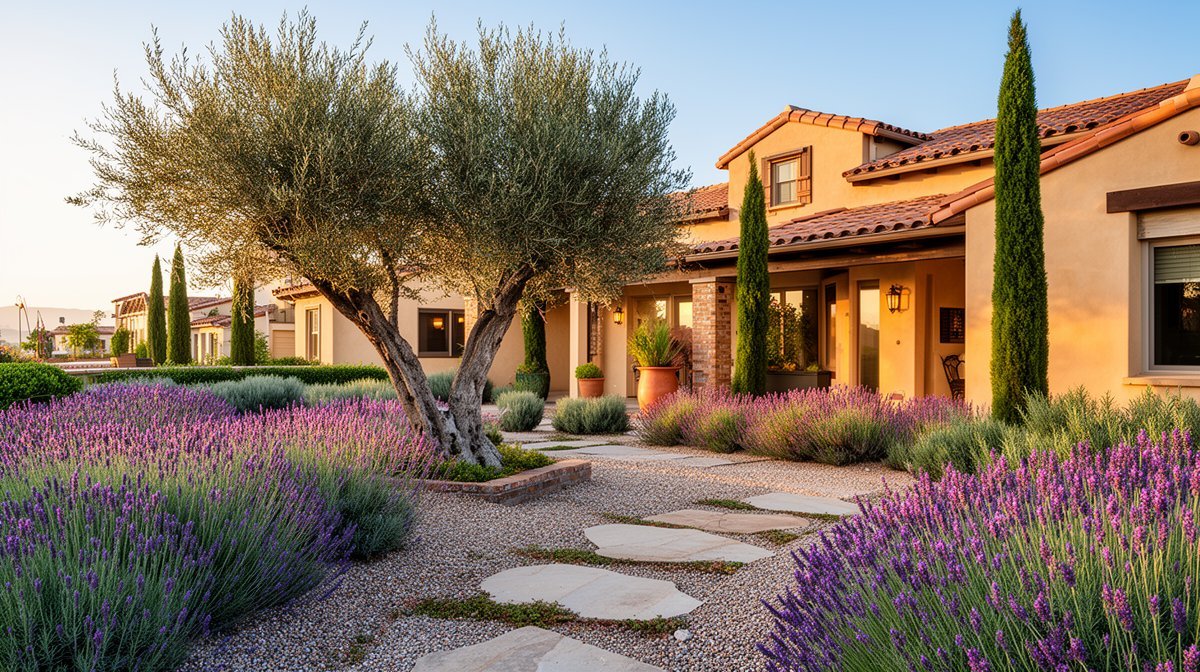
The Rossmoyne Olive Court
$22–40/sqftA two-story white-stucco, clay-tile-roofed Spanish Revival with arched windows and an arched plank door, fronted by a single gnarled multi-trunk olive set in a small emerald lawn island. Flagstone paving fans from the driveway to the entry, and the real work is done by broad continuous drifts of lavender on both sides of the walk — one species, planted by the dozen, so the front reads as a hedgerow rather than a collection. Slim cypress punctuate the facade and clipped boxwood spheres in terracotta pots frame the door. Note the restraint: three plants total, repeated.
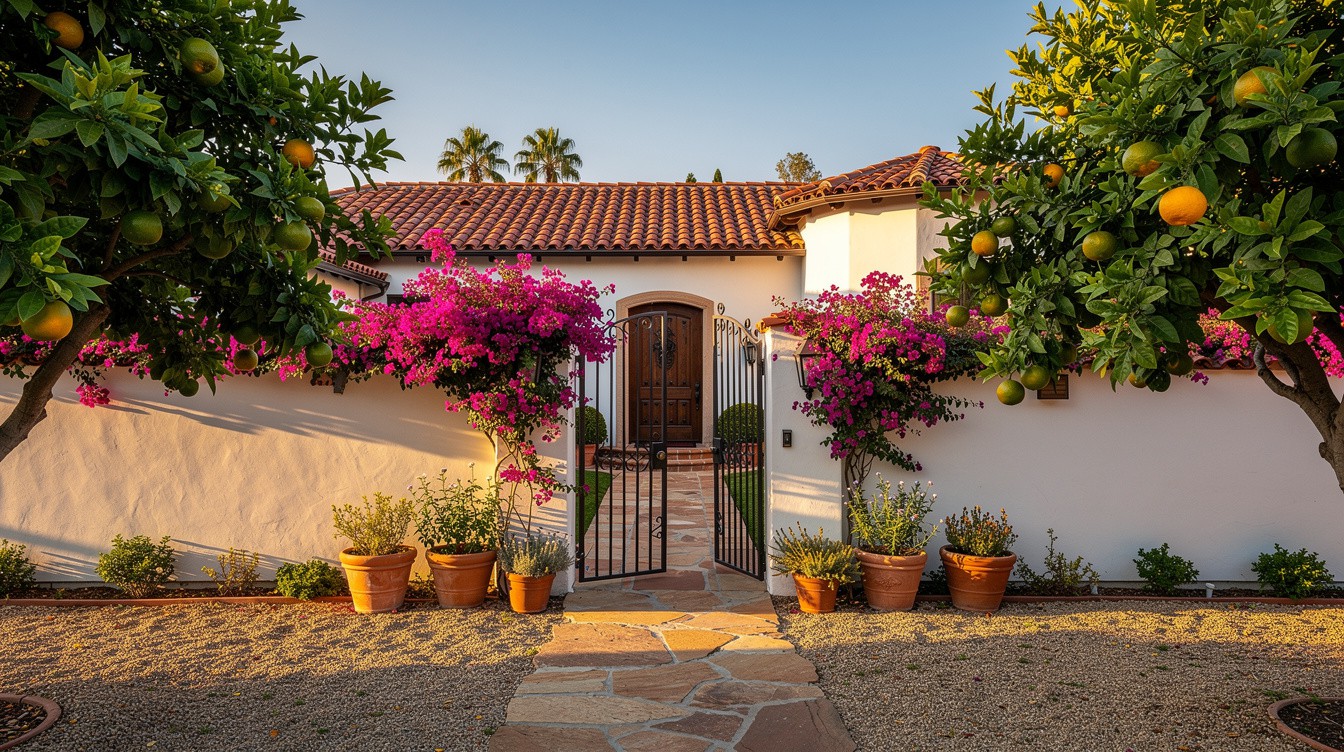
The Walled Citrus Forecourt
$28–50/sqftA low white-stucco courtyard wall with a red barrel-tile cap turns the front yard into an outdoor room, and a black wrought-iron gate lets the eye through to a flagstone entry beyond. Mature citrus lean over the wall from both sides, heavy with fruit at eye level, while magenta bougainvillea is trained flat against the stucco and allowed to spill over the cap. A gravel forecourt replaces every square foot of lawn, and a line of terracotta pots holding rosemary, lavender and germander softens the wall base. This is the highest-privacy, lowest-water front yard in the set.
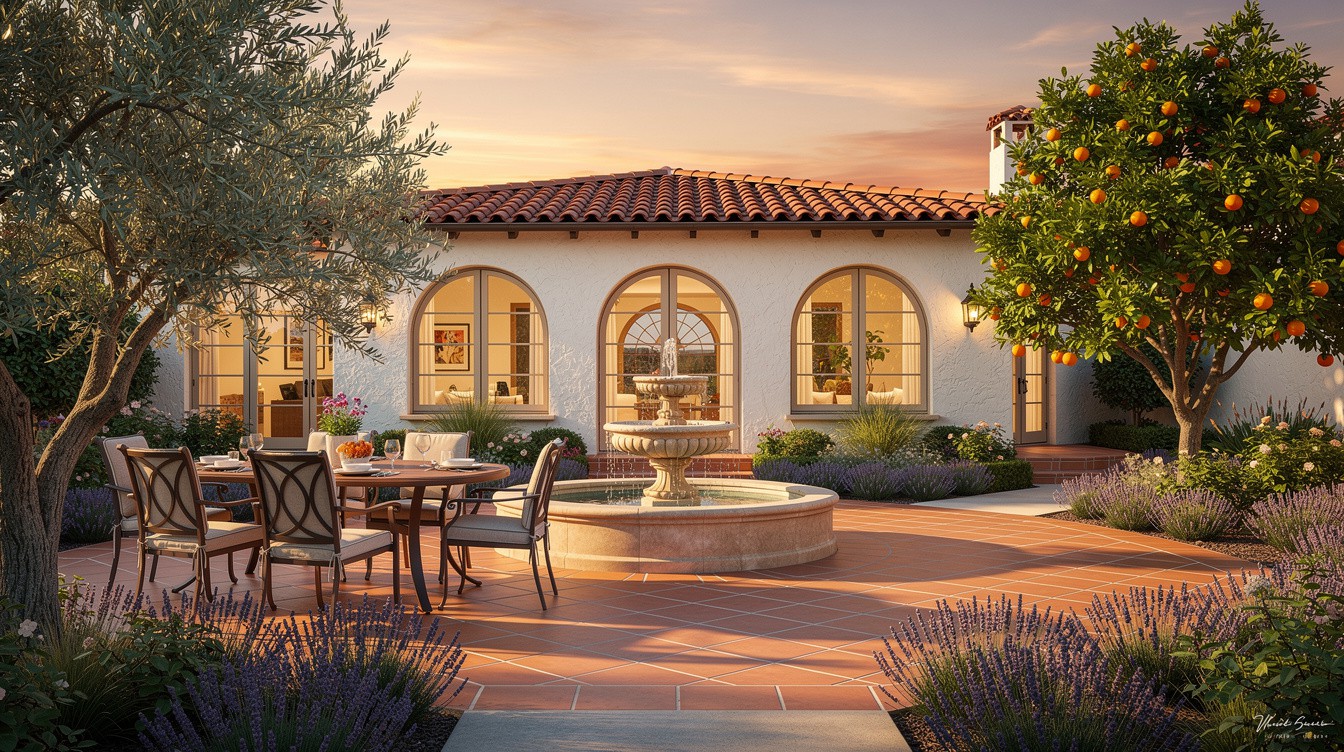
The Sunset Fountain Terrace
$35–65/sqftA generous terracotta-tile terrace wraps a triple-arched rear elevation, with a round two-tier cast-stone fountain as the single organizing element — its splash is the point, masking the freeway hum that carries into a lot of Glendale backyards. A mature olive shades the dining set on one side, a heavy-cropping orange tree anchors the other, and low lavender and germander borders skirt the house wall. The terrace is deliberately unfurnished at the edges so the fountain and the two specimen trees do the composing.
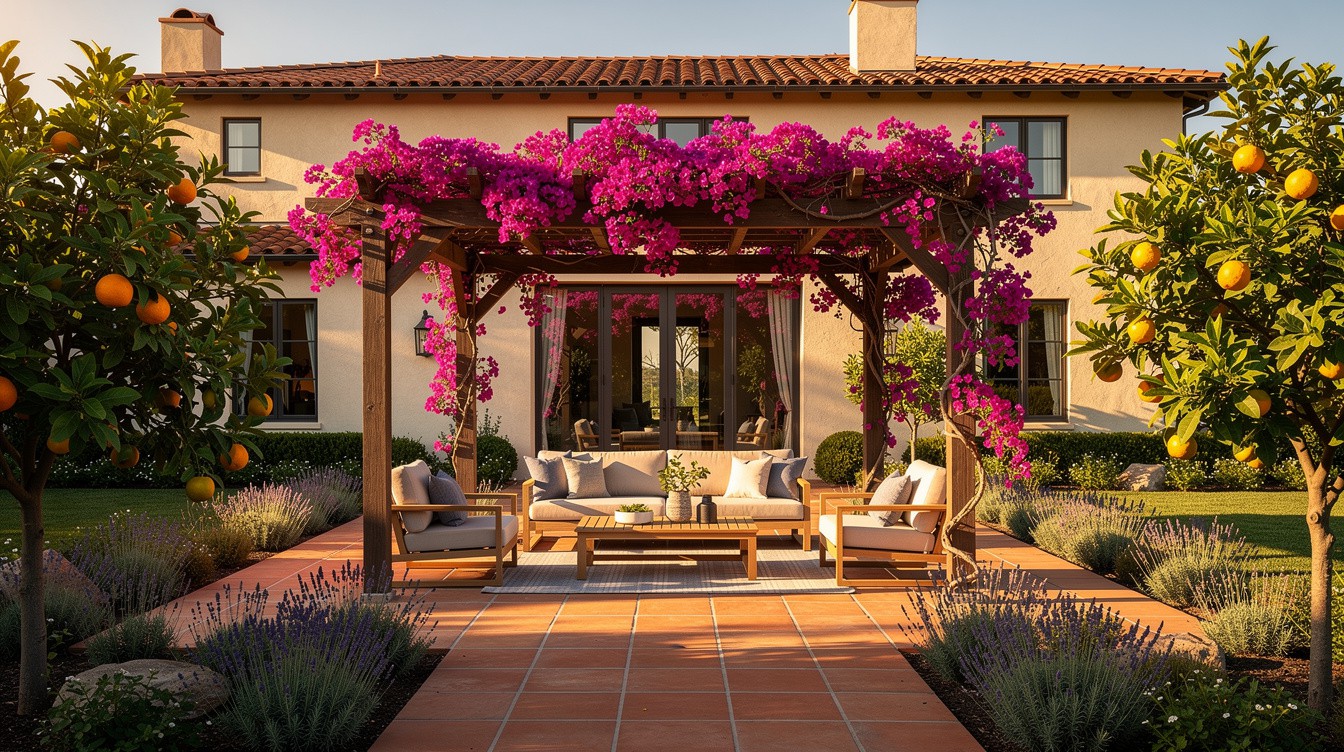
The Bougainvillea Pergola Room
$30–55/sqftA heavy timber pergola bolted to a cream stucco rear wall disappears under a canopy of magenta bougainvillea — the woody trunks trained up the posts are the giveaway that this is a fifteen-year-old vine, not a nursery plant. Beneath it, a deep lounge grouping sits on a terracotta tile pad, with the tile continuing out as a central spine path flanked by lavender, granite boulders and narrow ribbons of lawn. Potted citrus at both corners frame the view. It's the cheapest way to get a shaded, genuinely usable Glendale outdoor room without building a roof.
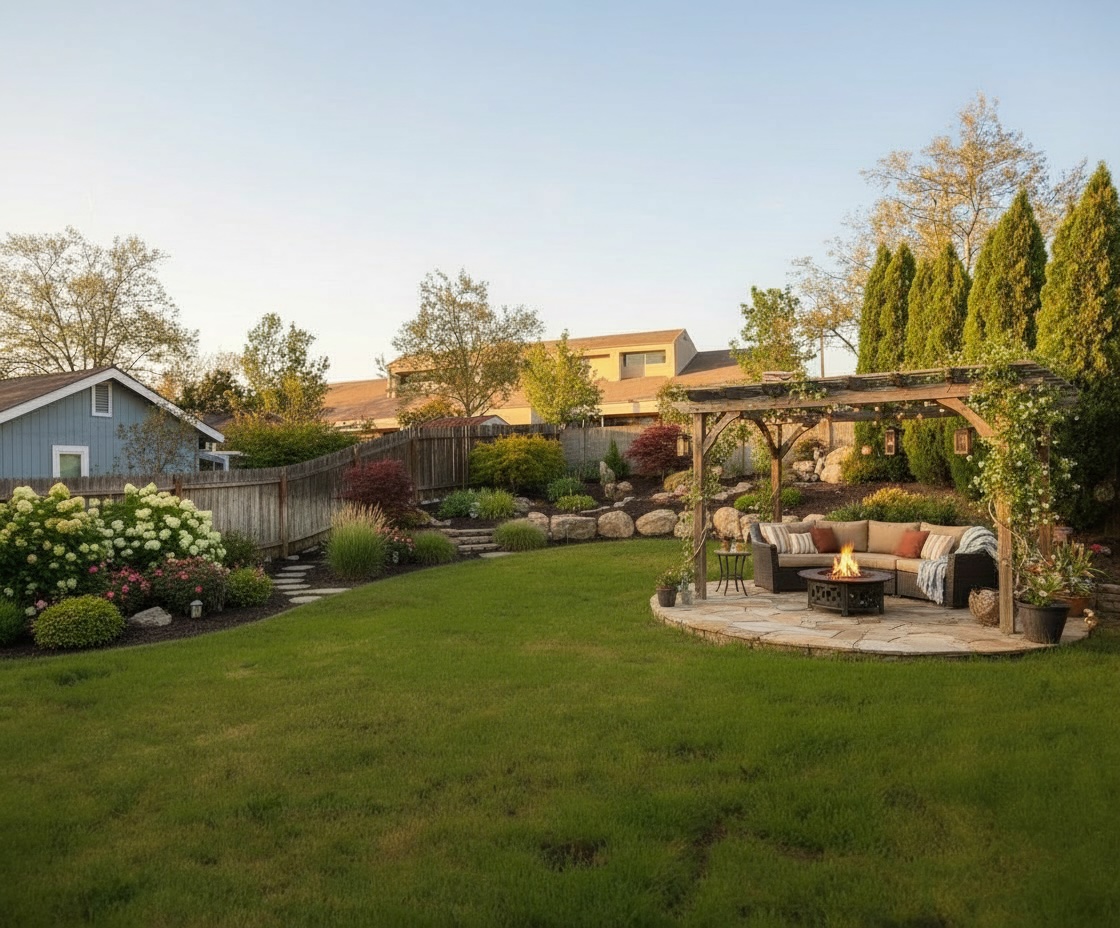
See how a mediterranean garden looks on YOUR property
Upload a photo of your Glendale yard and visualize your dream garden in seconds.
Try ProScapeAI Free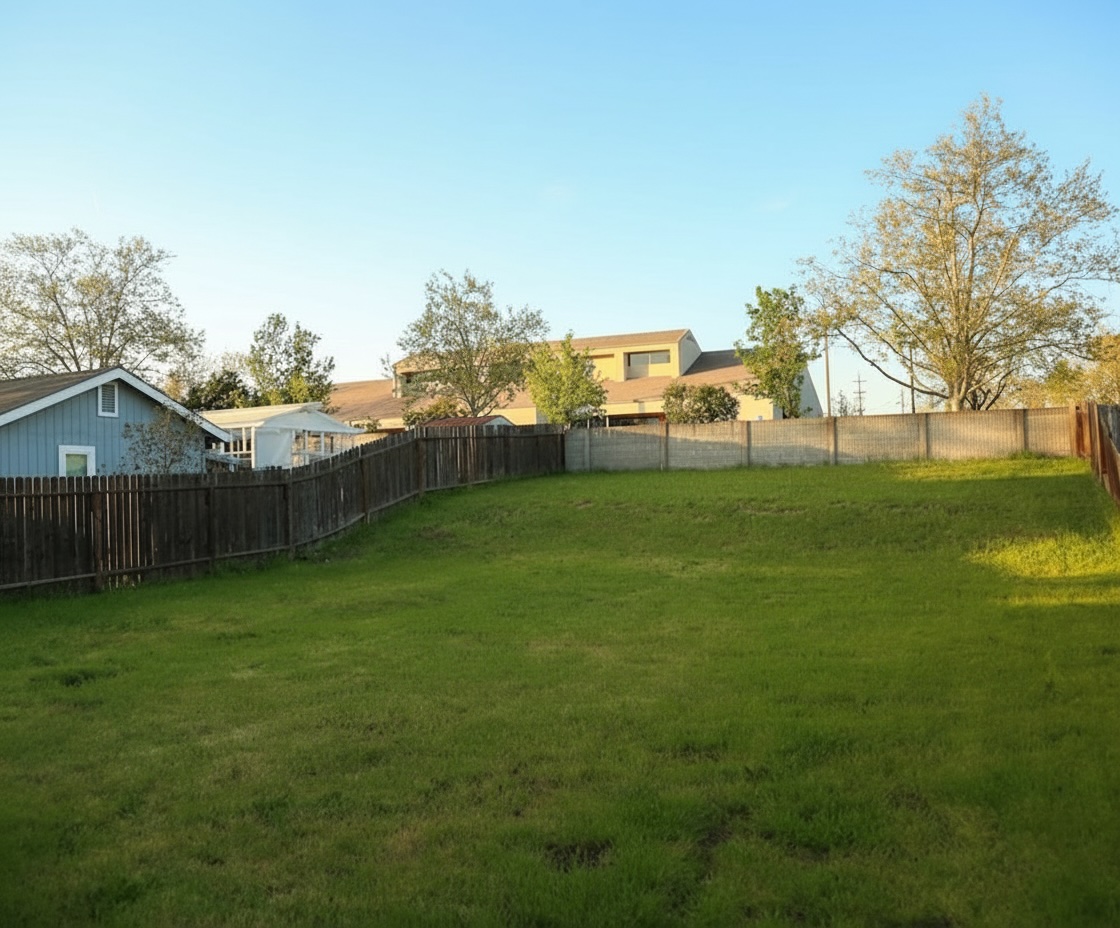
Featured Trees & Shrubs for Mediterranean Gardens
Browse all 115 plants for Glendale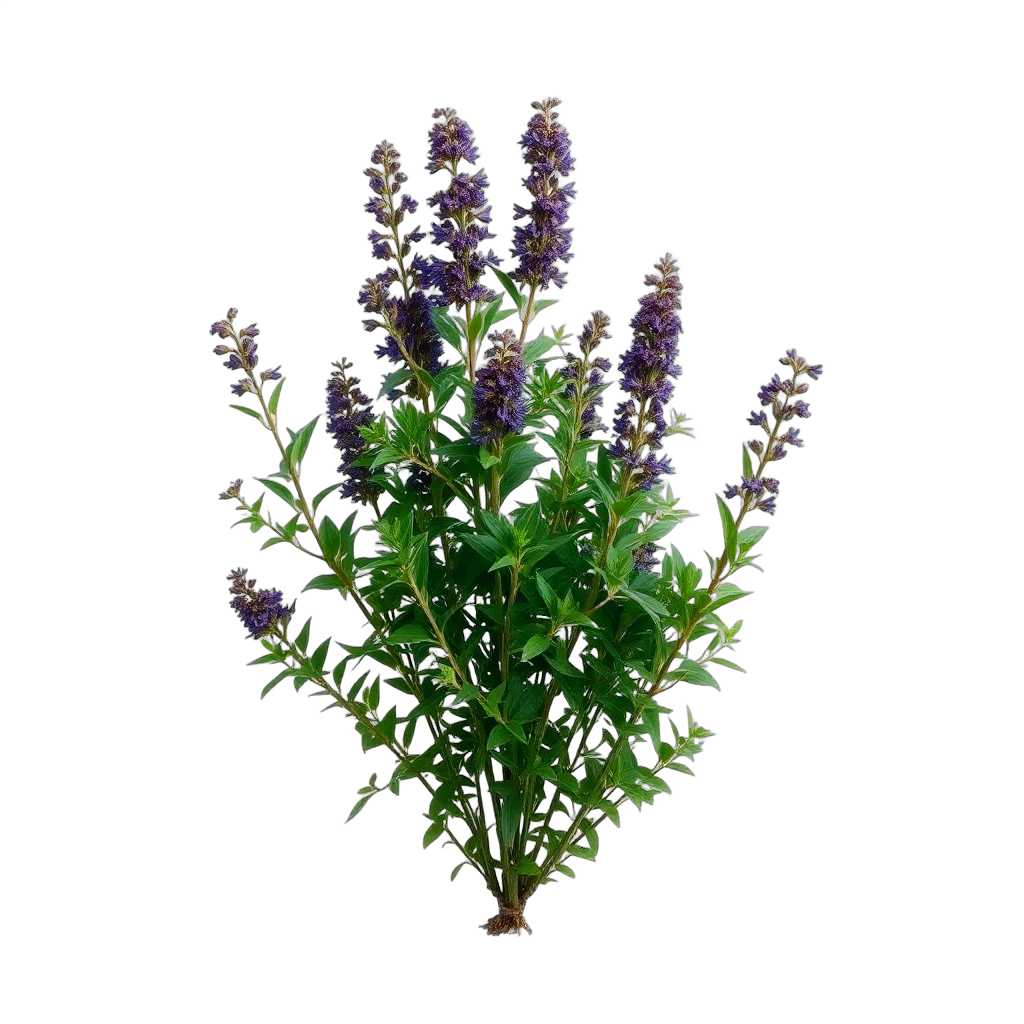
Black Sage
Salvia mellifera
grows to 4 feet, white blooms in spring. Attracts butterflies.
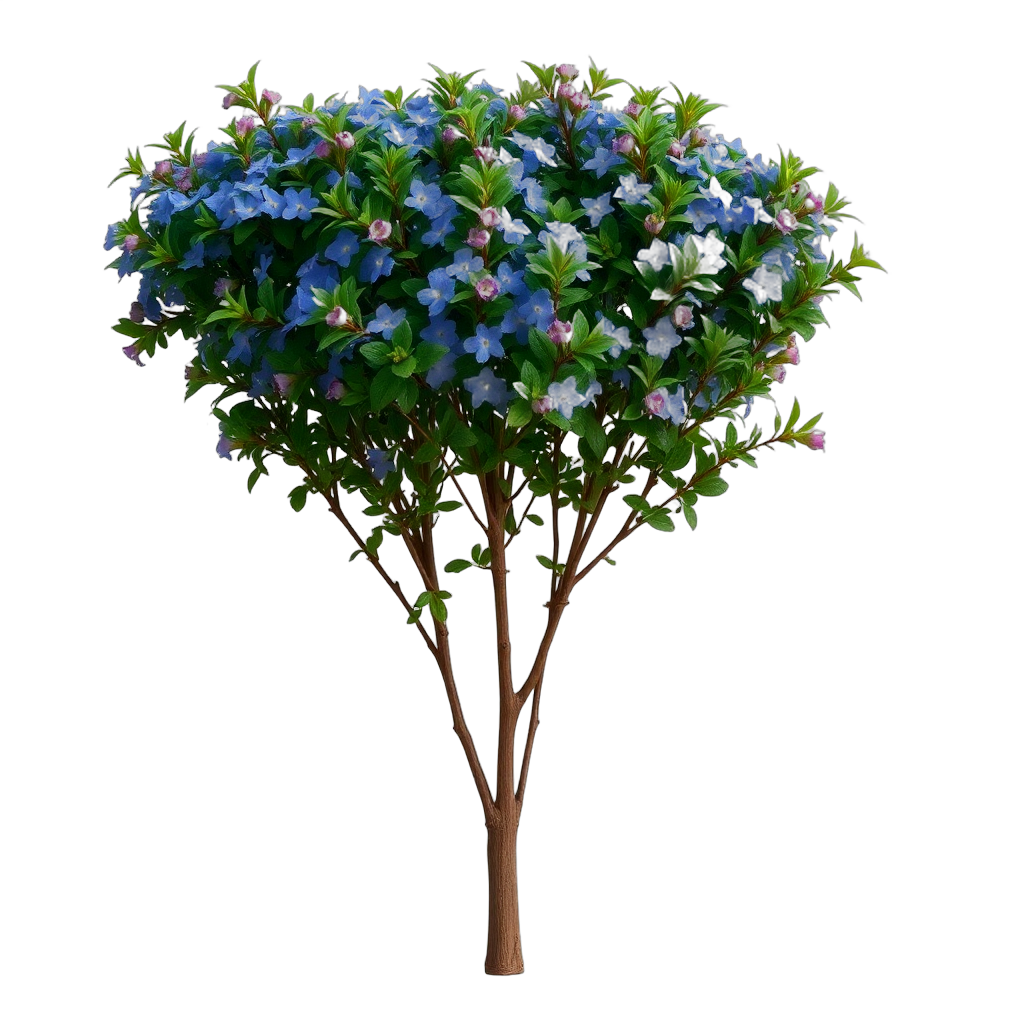
Blue Blossom
Ceanothus thyrsiflorus
medium-sized at 12 feet, blue blooms in spring. Attracts butterflies.
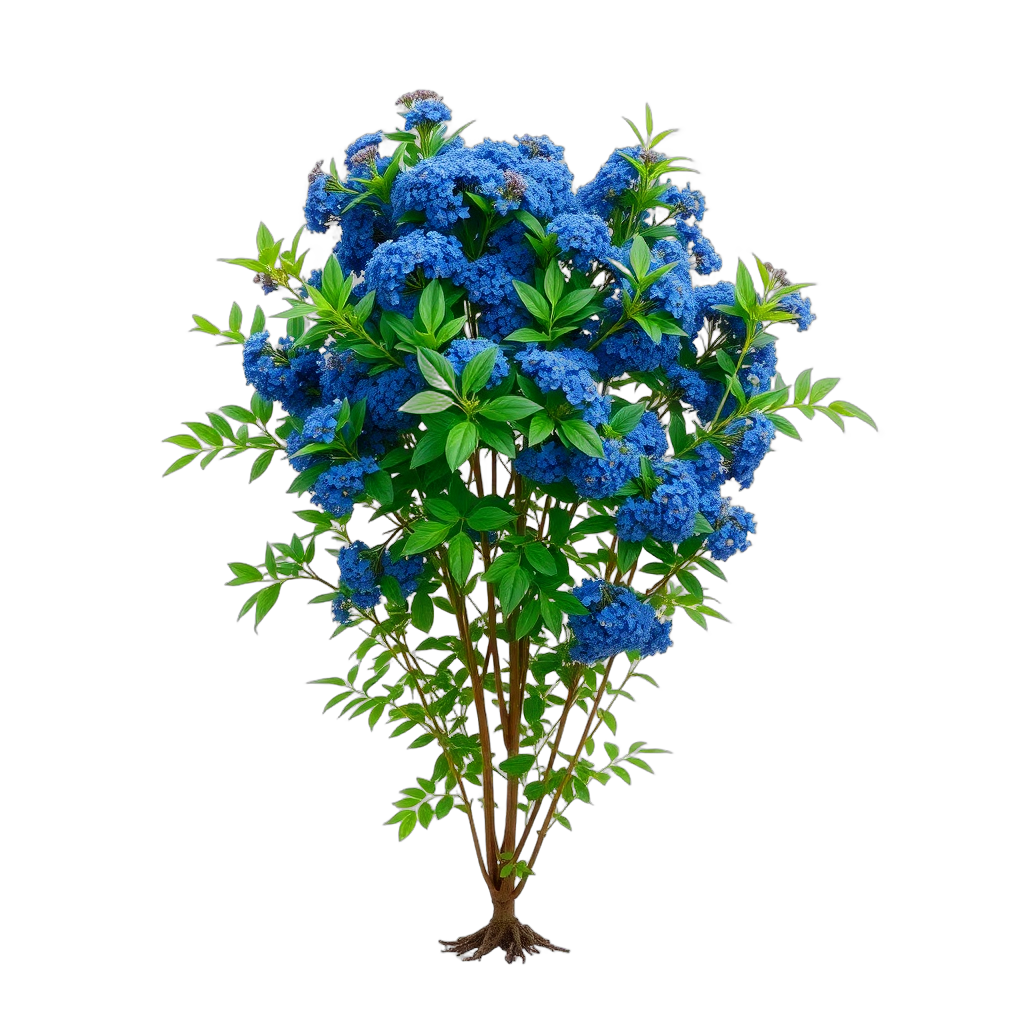
Blue Elderberry
Sambucus cerulea
medium-sized at 15 feet, white blooms in spring. Attracts butterflies.
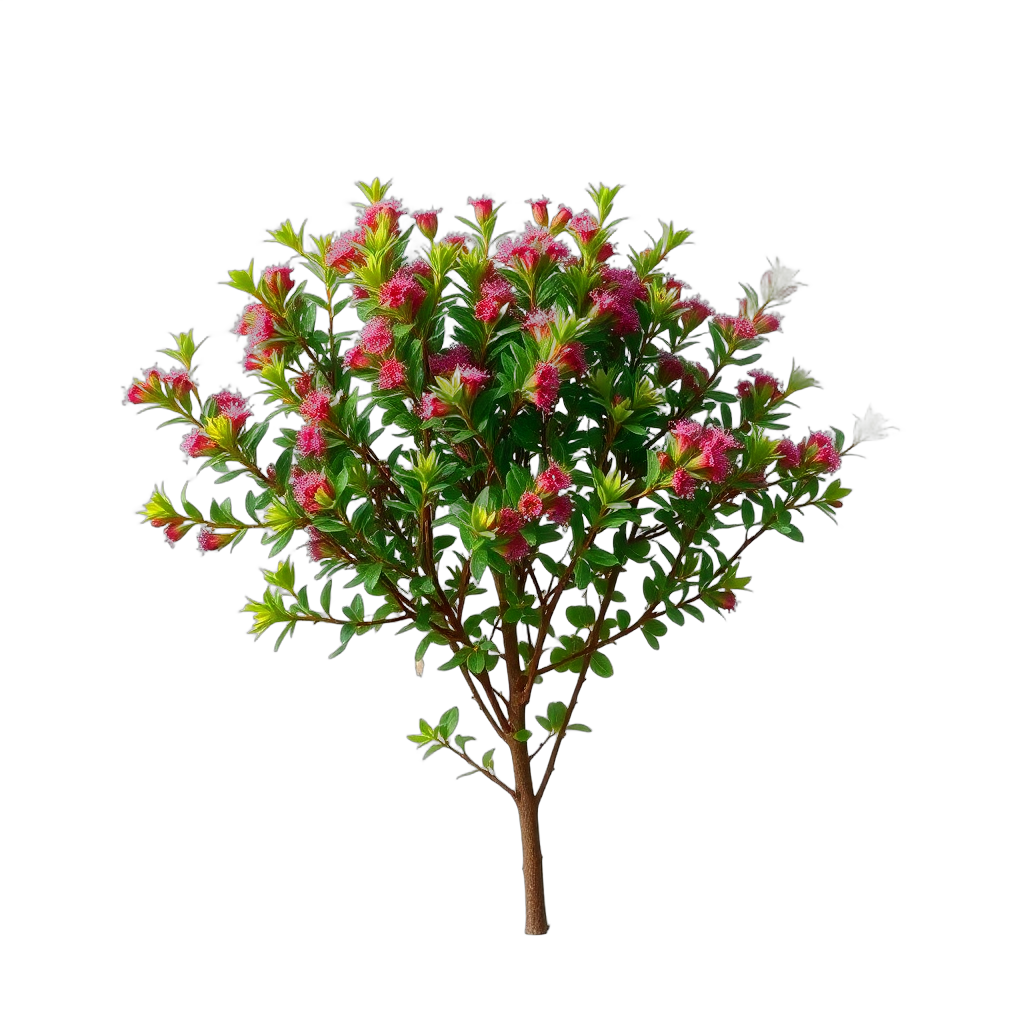
Buckbrush
Ceanothus cuneatus
medium-sized at 7 feet, white blooms in spring. Attracts butterflies.
Featured Grasses & Groundcovers for Mediterranean Gardens
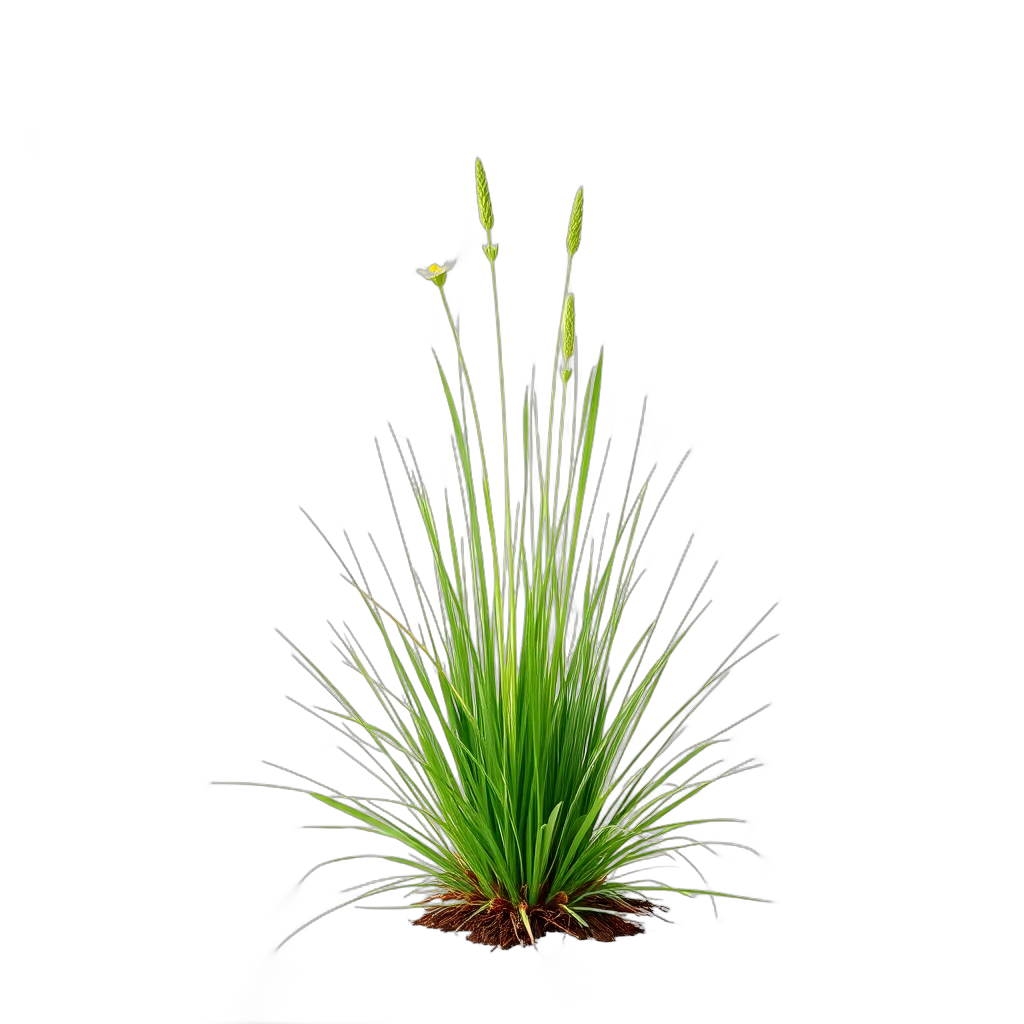
California Brome
Bromus carinatus
low-growing ground cover, blooms in spring. Yellow fall color.
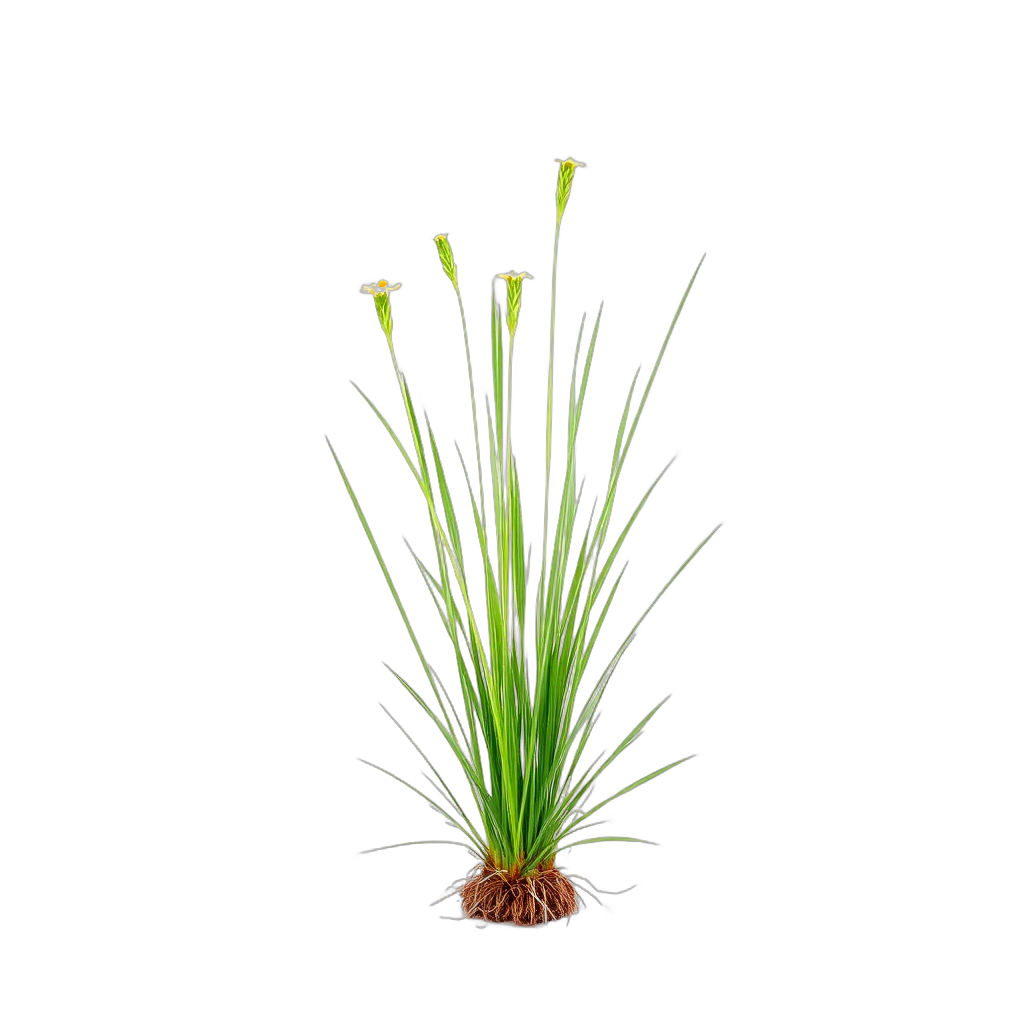
California Melic
Melica californica
low-growing ground cover, blooms in spring.
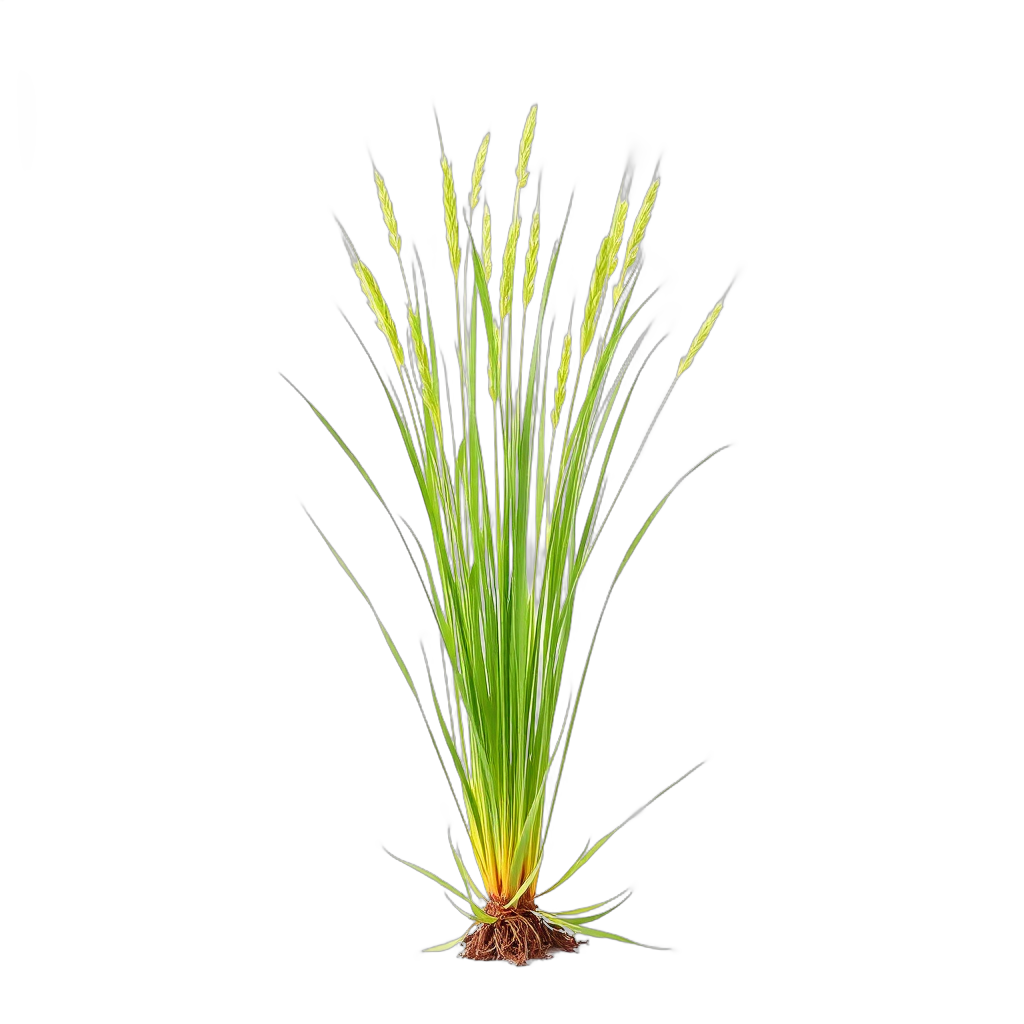
California Oatgrass
Danthonia californica
low-growing ground cover, blooms in spring. Yellow fall color.
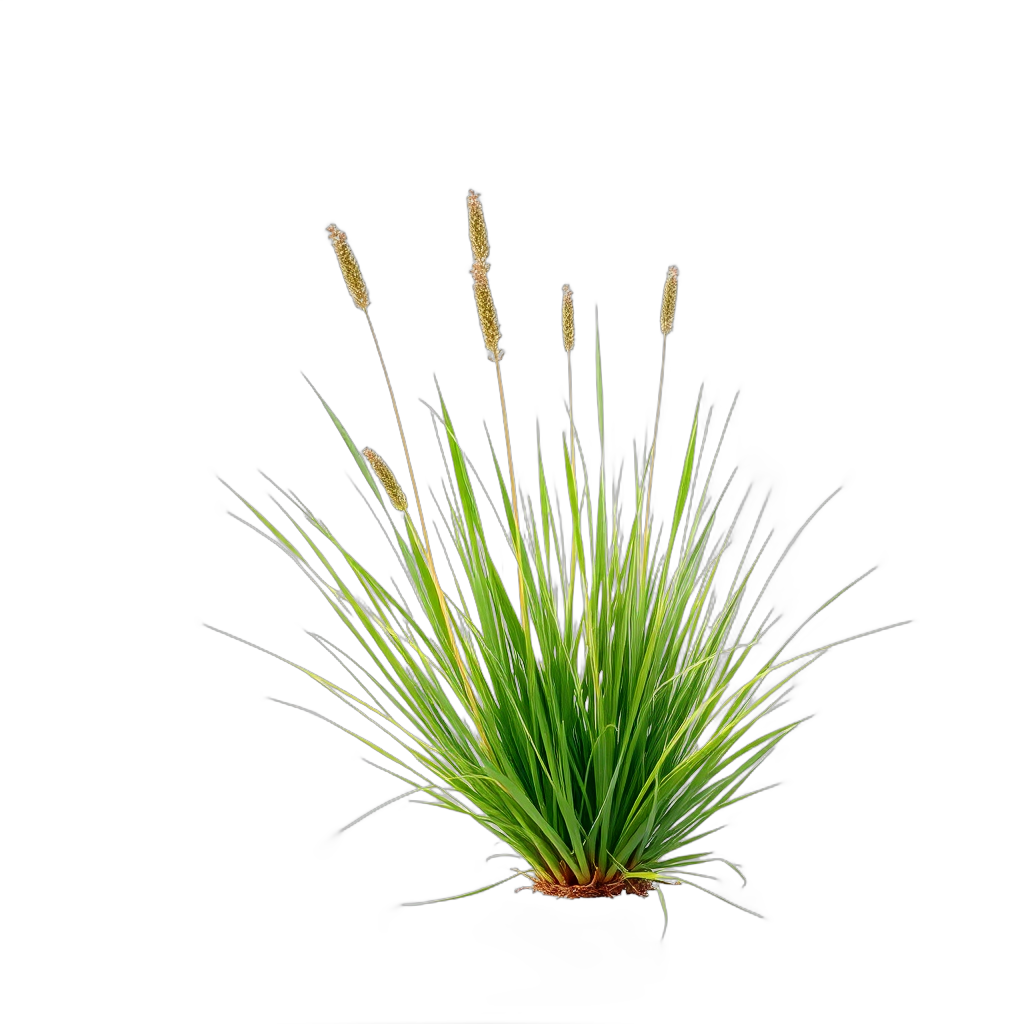
Deer Grass
Muhlenbergia rigens
grows to 3 feet, yellow blooms in fall. Evergreen year-round.
Featured Flowers & Perennials for Mediterranean Gardens
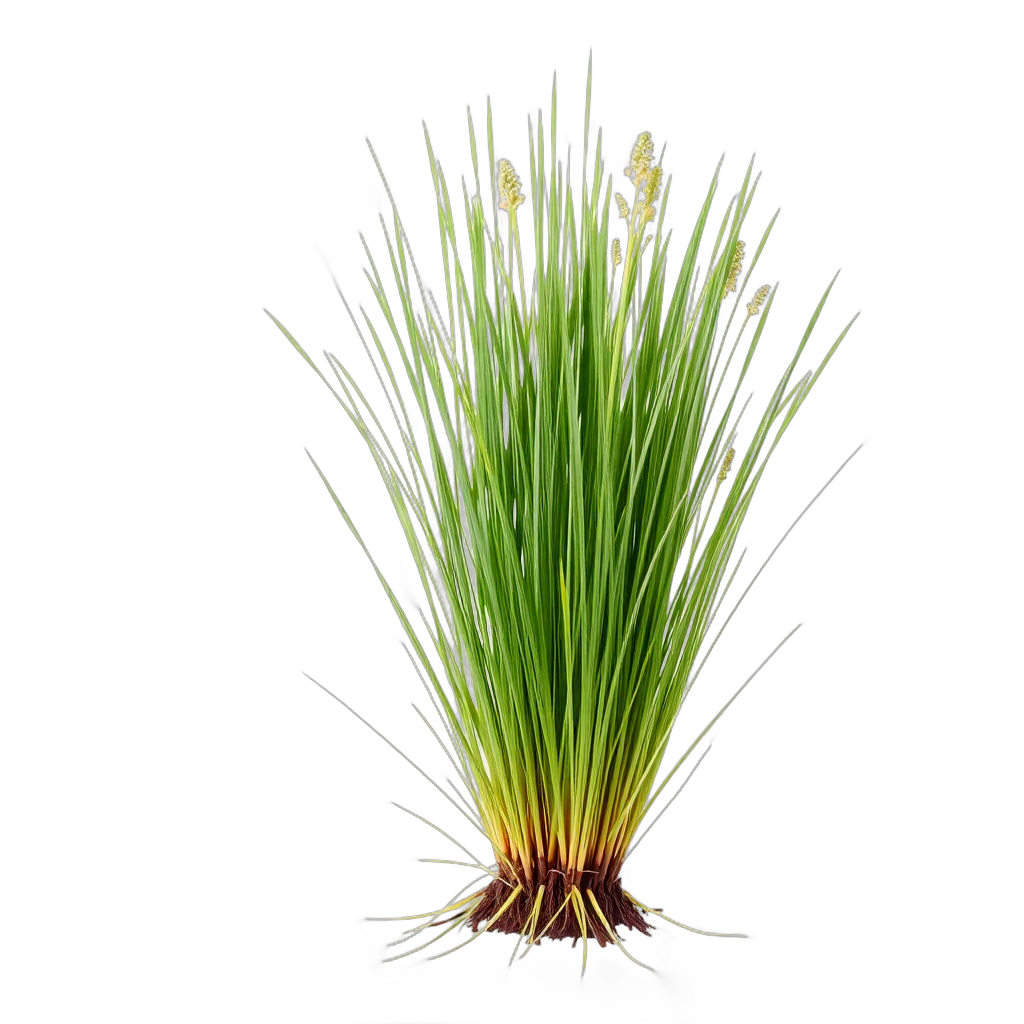
California Gray Rush
Juncus patens
low-growing ground cover, blooms in summer. Evergreen year-round.
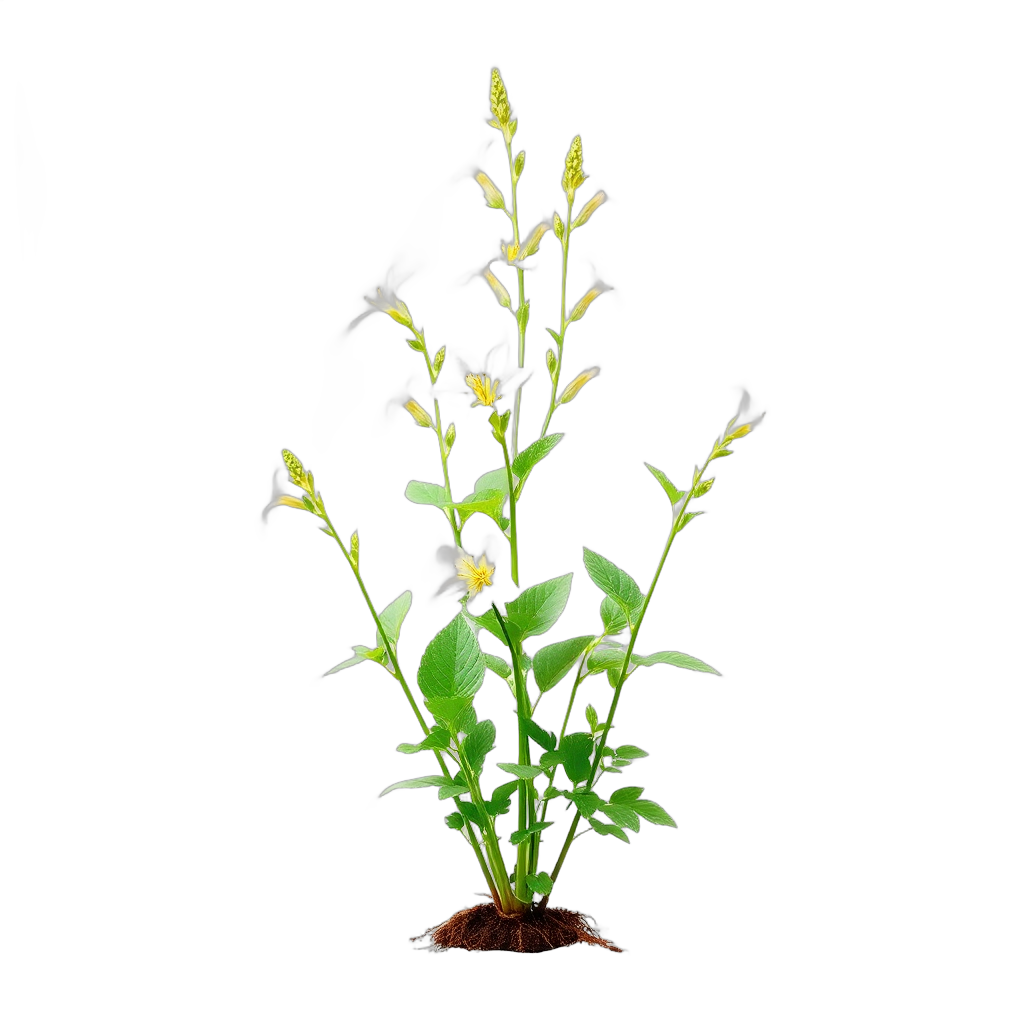
Beach Evening Primrose
Camissonia cheiranthifolia
low-growing ground cover, yellow blooms in spring. Attracts butterflies.
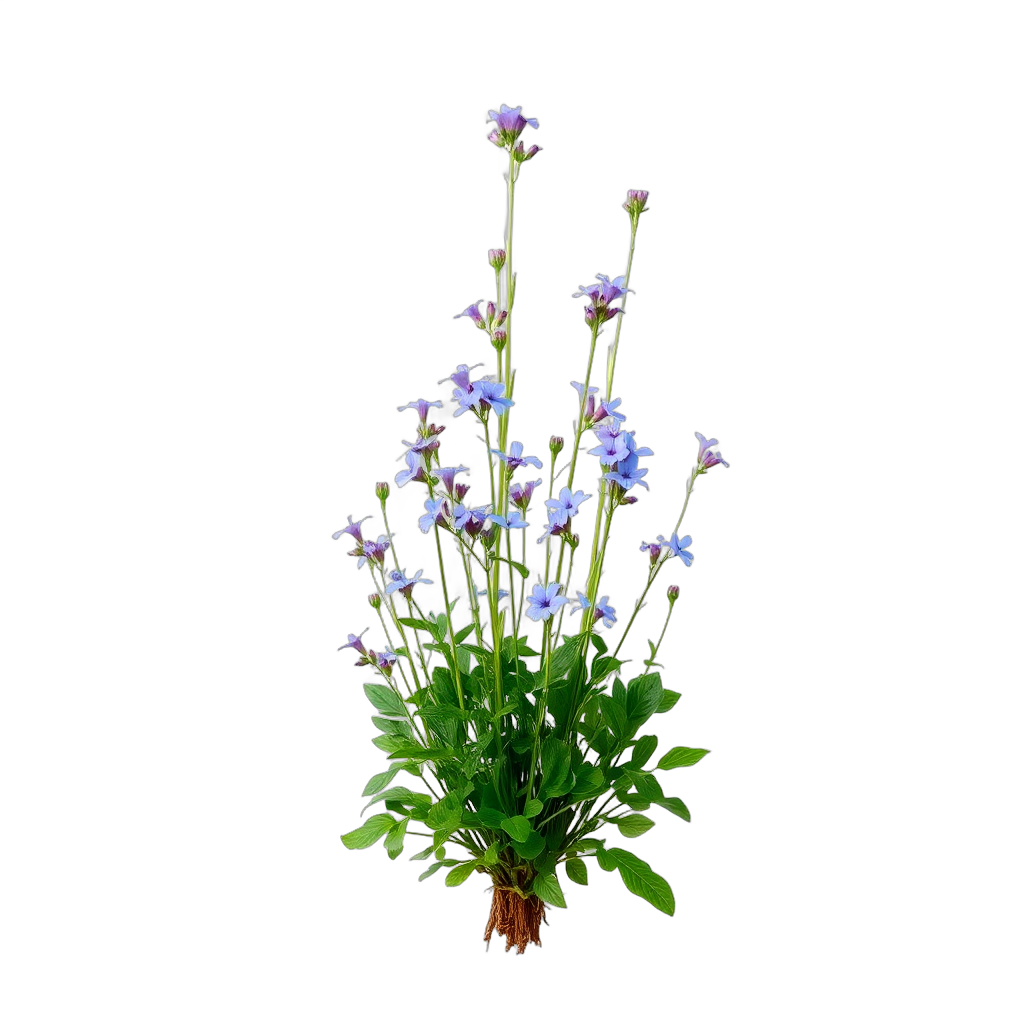
Blue Dicks
Dichelostemma capitatum
low-growing ground cover, blue blooms in spring. Pollinator-friendly.
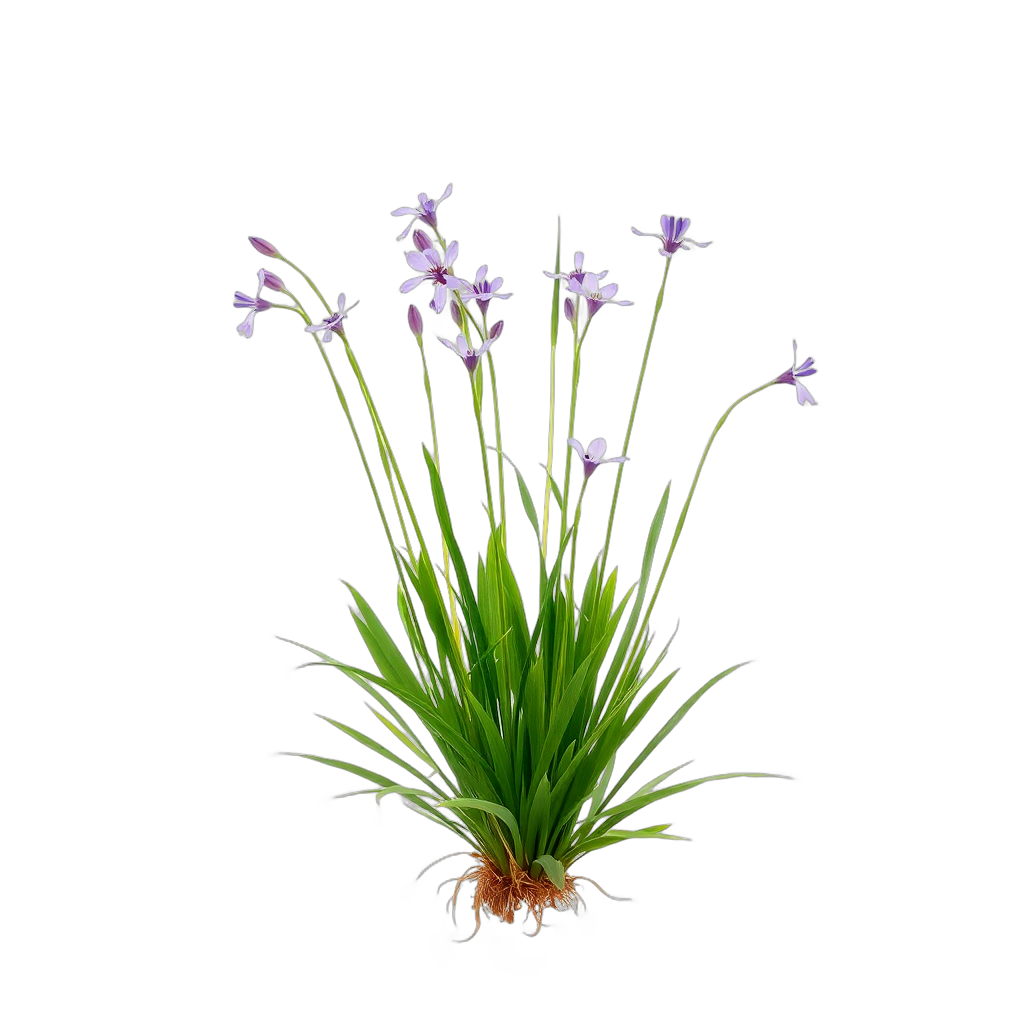
Blue-Eyed Grass
Sisyrinchium bellum
low-growing ground cover, blue blooms in spring. Attracts butterflies.
Bloom Calendar for Glendale
spring
Beach Evening Primrose, Blue Dicks, Blue-Eyed Grasssummer
California Gray Rush, Hooker's Evening Primrose, Hummingbird Mintfall
California Fuchsiawinter
Limited bloomsDesign Tips for Glendale (Zone 10a)
- Plant lavender by the dozen, not the three — Glendale's Mediterranean gardens fail visually when they read as a plant collection; a 20-foot unbroken drift of Lavandula × intermedia 'Provence' along a walk does more than twenty different species ever will
- Keep the first five feet from every exterior wall plant-free and mulch-free if you're in the Verdugo VHFHSZ — swap bark for 3/8-in crushed rock or tile; this Zone 0 detail is now the single most consequential line item in a foothill landscape plan
- Choose Lavandula dentata or 'Goodwin Creek Grey' over Lavandula angustifolia — English lavender needs winter chill Glendale doesn't get (200–400 hours) and goes woody and sparse by year three, while dentata blooms almost ten months here
- Don't amend decomposed-granite foothill soil for olives, Cistus, Westringia or Teucrium — a rich, water-holding backfill pocket in fast-draining DG creates a bathtub that rots the crown; plant into native soil slightly high and mulch with gravel
- Add chelated iron and soil sulfur to every citrus twice a year — GWP's alkaline water and our pH 7.0–8.0 soils reliably produce yellow interveinal chlorosis on Meyer lemons and navels, and it's the number one reason Glendale citrus looks sick in an otherwise healthy garden
- Give bougainvillea something structural to own and then stop watering it — the magenta explosion on a pergola or wall comes from drought stress and hard spring pruning, not fertilizer; overwatered plants throw green growth and almost no bracts
Where to Source Plants in Glendale
Skip the big-box stores. These independent Glendale nurseries specialize in the plants that make mediterranean gardens thrive in Zone 10a.
Southland Nursery
Sun Valley
Trees, shrubs, and hedging plants plus topsoil and landscape services for Southern California properties.
Mediterranean Landscaping Costs in Glendale
| Project Scope | Estimated Cost |
|---|---|
| Front yard turf-to-Mediterranean conversion (600–1,000 sqft, drip + planting) | $14,000 – $34,000 |
| Terracotta or Saltillo tile terrace on new slab (300–500 sqft) | $18,000 – $42,000 |
| Cast-stone tiered fountain, installed with recirculation and electrical | $4,000 – $14,000 |
| Stucco courtyard wall with wrought-iron gate (30 linear ft) | $10,000 – $24,000 |
| 36-in box multi-trunk fruitless olive, delivered and planted | $1,200 – $3,500 each |
| AI visualization with ProScapeAI | Free to start |
Estimates based on Glendale, CA-area contractor rates as of 2026. Actual costs vary by site conditions, materials, and contractor.
Glendale Climate & Growing Zone
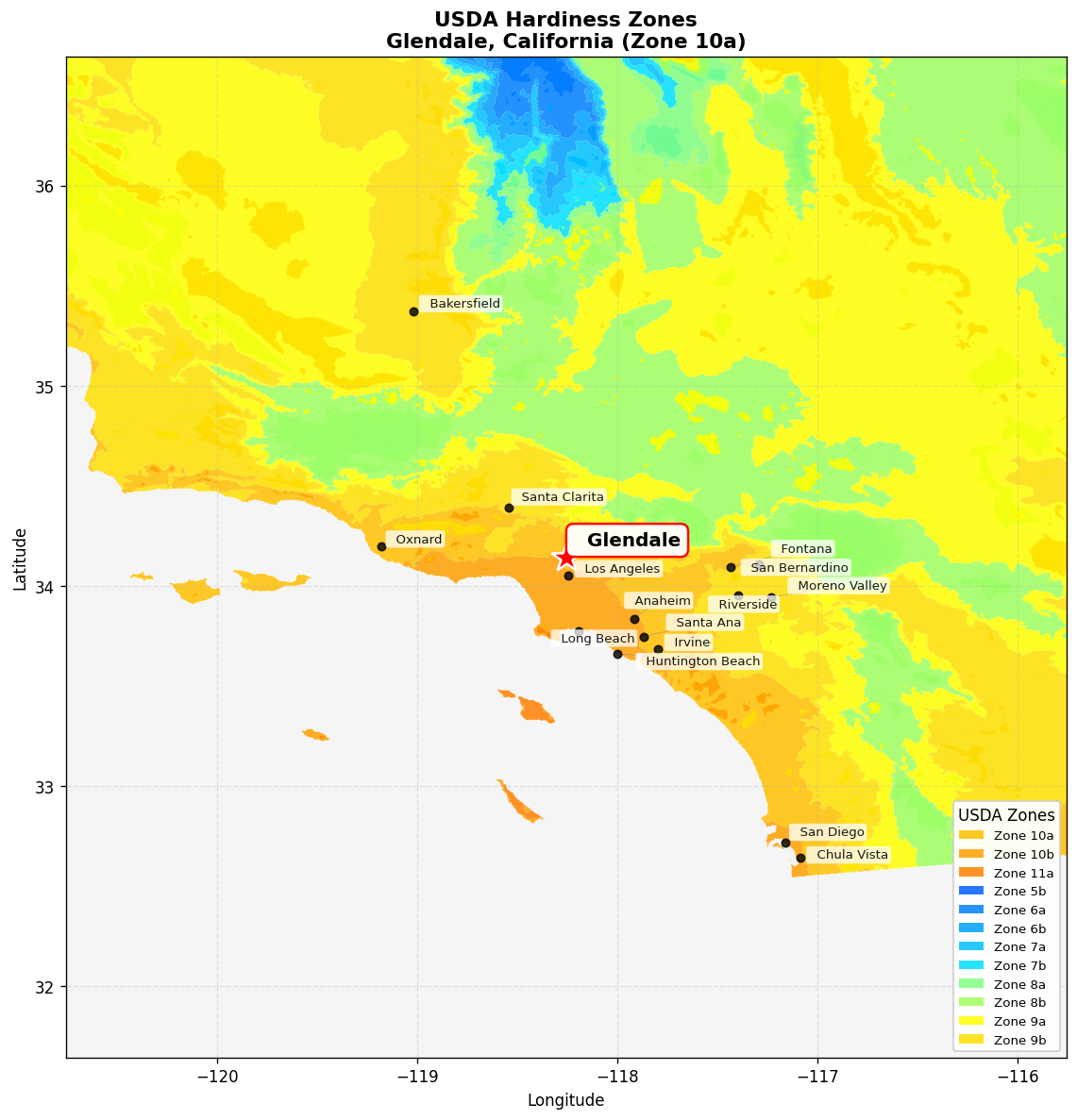
USDA Zone 10a
Hardiness zone for Glendale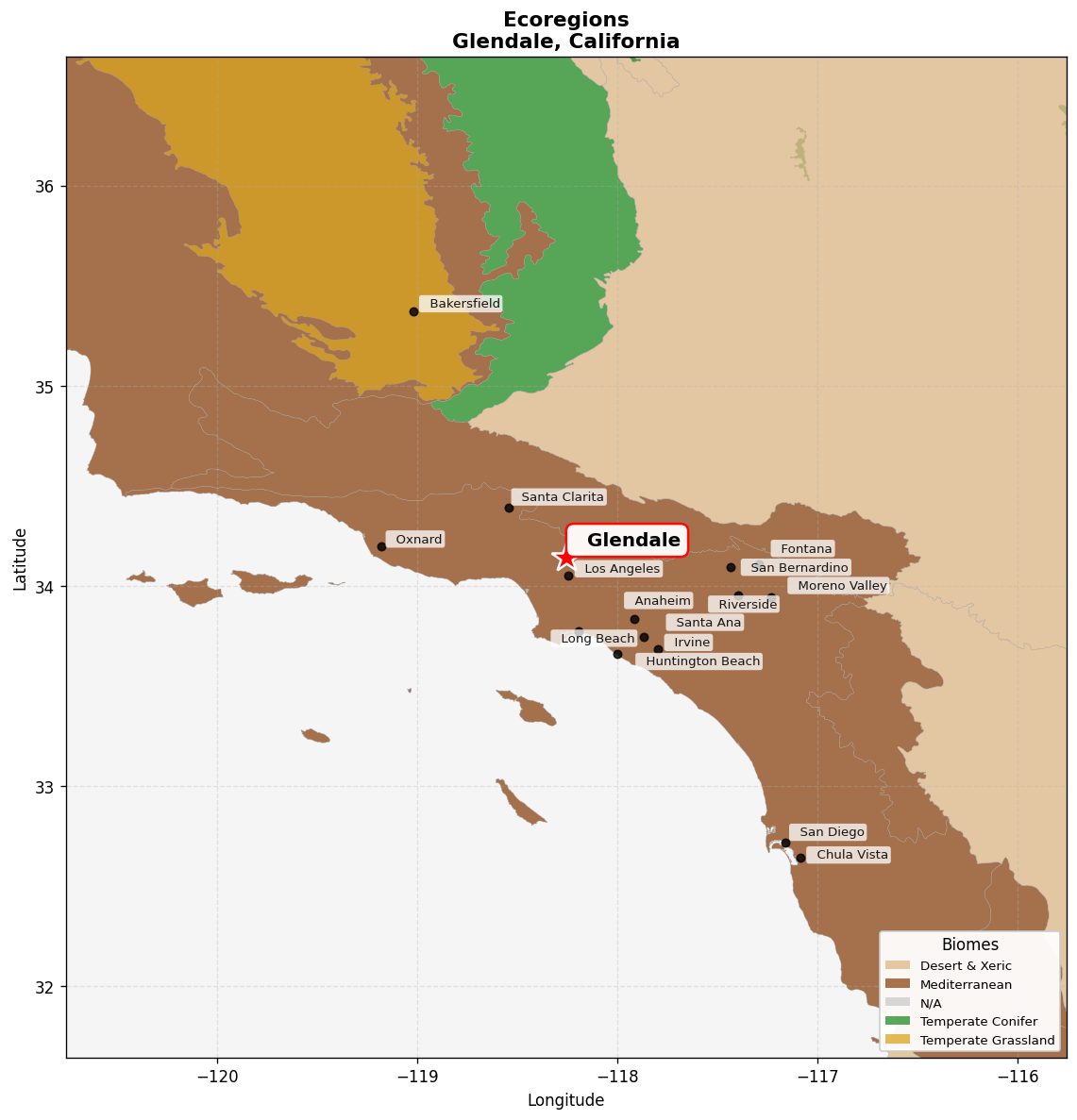
California coastal sage and chaparral
Native ecoregionFrequently Asked Questions
How much does a Mediterranean landscape cost in Glendale?
Budget for LA County labor, which is among the highest in the country — expect crew rates of $75–120 per hour and licensed hardscape bids well above national averages. A front-yard turf-to-Mediterranean conversion of 600–1,000 sqft (removal, drip, soil prep, olive, lavender masses, DG or flagstone) typically runs $14,000–$34,000 installed. A terracotta-tile rear terrace with a fountain lands at $18,000–$45,000. A stucco courtyard wall with an iron gate runs roughly $300–$700 per linear foot. Specimen 36-inch box multi-trunk fruitless olives are $1,200–$3,500 each delivered and planted. Doing the planting yourself after a contractor handles demo and hardscape typically cuts 25–35% off the total.
Which olive trees should I plant, and can I still plant fruiting olives?
Plant a fruitless cultivar unless you genuinely want to cure olives. Olea europaea 'Wilsonii' and 'Swan Hill' are the two standards — 'Swan Hill' is the most reliably fruitless and lowest-pollen, 'Wilsonii' has the more picturesque multi-trunk habit and is what most Glendale designers specify for a front-yard specimen. Fruiting cultivars like 'Manzanillo' and 'Mission' drop pounds of oily fruit that stains flagstone, concrete and car paint, and they're a meaningful allergen source in the San Fernando Valley air basin. Whatever you plant, keep it 15+ feet from a foundation, water deeply and infrequently once established (once a month in summer, never weekly), and skip the staking after year two so the trunk builds Santa Ana wind resistance.
Is a Mediterranean garden fire-safe in the Verdugo foothills?
It can be the safest style available — or one of the worst — depending entirely on species selection. If you're above Verdugo Road, in Chevy Chase Canyon, Glenoaks Canyon or along La Tuna Canyon, you're in a Very High Fire Hazard Severity Zone with 100 feet of required defensible space and an annual Glendale Fire brush-clearance inspection. Avoid the high-fuel Mediterranean clichés near the house: Cupressus sempervirens (Italian cypress torches from the base up), Juniperus in any form, unpruned massed Salvia rosmarinus, Cortaderia selloana (pampas grass), Acacia, Eucalyptus and Washingtonia fan palms, which throw embers for miles. Use instead Olea, Citrus, Westringia fruticosa, Teucrium fruticans, Agave attenuata, Aloe striata, Dymondia margaretae, Buxus 'Green Beauty' and Lantana montevidensis — all high-moisture, low-volume plants. Under California's Zone 0 rules the first five feet from any wall should be gravel, tile or bare mineral soil with no woody plants and no bark mulch at all.
How much water does this actually use, and are there rebates?
A properly hydrozoned Mediterranean garden on inline drip uses roughly a third to a quarter of the water a fescue lawn does in Glendale — established olive, Westringia, Teucrium, Cistus and lavender want deep soaks every 2–4 weeks in summer, not weekly sprinkler cycles. Citrus is the exception and needs consistent deep watering plus chelated iron, because Glendale Water & Power's moderately hard, alkaline supply induces iron chlorosis in the leaves. Turf-replacement rebates through the Metropolitan Water District's SoCal Water$mart program have historically run around $2–3 per square foot for Glendale addresses, and GWP has offered additional local incentives — verify the current rate and get pre-approval BEFORE you remove any grass, since retroactive claims are rejected. Also note GWP's conservation ordinance limits outdoor irrigation to assigned days and prohibits watering between 9 a.m. and 6 p.m.
Do I need permits, and what about protected trees?
Planting, drip irrigation, gravel and tile-on-grade need no permit. You'll need one from Glendale Building & Safety for retaining walls over 4 feet (measured from bottom of footing), any wall carrying a surcharge from a slope, fences over 6 feet, pools, and gas or electrical runs to a fountain or fire feature. The one that catches people out is Glendale's Indigenous Tree Ordinance, which protects coast live oak (Quercus agrifolia), California sycamore (Platanus racemosa), California bay (Umbellularia californica) and deodar cedar (Cedrus deodara) above set trunk diameters — removal, heavy pruning, or trenching and grading inside the protected root zone all require a permit and often an arborist report. If your lot falls in the Hillside district, expect additional grading limits and Fire Department review of the landscape plan.
When is the best time to plant in Glendale?
October through early December, without close competition. Planting into the start of the rainy season gives olives, lavender, Westringia and Cistus five or six months of cool, naturally moist soil to root into before their first dry summer, and it's the difference between a plant that needs supplemental water for one season and one that needs it for three. February and early March is the acceptable second window. Avoid planting May through September entirely — new roots can't keep up with 95°F afternoons and a five-month rainless stretch, and you'll water twice as much for a worse result. Hardscape and stucco work run fine year-round; just schedule concrete pours away from the handful of winter storm days.