4 Modern Garden Ideas for Glendale, CA | Clean-Line Drought Landscape Design in Zone 10a
Native plants from the California coastal sage and chaparral (Zone 10a) — Mediterranean (hot summer) climate
Why Modern/Minimalist Gardens in Glendale?
Glendale has an unusually deep bench of modern housing stock, and most of it is still wearing a 1958 lawn. The postwar tracts north of Glenoaks Boulevard, the low-slung ranches threading through Verdugo Woodlands, and the post-and-beam hillside houses stepping down Chevy Chase Canyon and Glenoaks Canyon were all designed around horizontal lines, deep eaves and wall-sized glass — architecture that a clean-line landscape amplifies and a foundation hedge of overgrown junipers actively fights. Modern design here isn't a style imposition. It's the correct answer to a house that already wants a flat plane of gravel, one sharp walkway and three sculptural plants doing the talking.
The climate makes it easy. Zone 10a lows of 30–35°F, roughly 19 inches of rain confined to November through April, and five rainless summer months mean the architectural plants that define modern gardens are simply what grows here. Agave parryi var. truncata and Agave 'Blue Glow' hold their rosettes year-round without a hint of frost damage; Agave attenuata, which needs greenhouse protection almost everywhere else, grows into three-foot heads in Glendale front yards. The grass work is best done with Muhlenbergia rigens — deergrass, a California native that turns to golden mounds by late summer and asks for nothing — with Muhlenbergia capillaris 'Regal Mist' for autumn pink and Muhlenbergia dubia where you need a tighter form. Skip Nassella tenuissima (Mexican feather grass) entirely: it's Cal-IPC listed, seeds prolifically into the Verdugos, and its dry thatch is a fine-fuel liability. Fill between with Senecio mandraliscae, Dymondia margaretae, Aloe striata and Salvia clevelandii 'Winnifred Gilman', and top it with a canopy tree — Arbutus 'Marina', Olea europaea 'Wilsonii', or Geijera parviflora for a light, non-invasive root system near hardscape.
The deciding factor for foothill lots is fire, and this is where modern design genuinely wins. Homes above Verdugo Road and along the Chevy Chase, Glenoaks and La Tuna canyon corridors sit inside a Very High Fire Hazard Severity Zone requiring 100 feet of defensible space, annual Glendale Fire brush inspections, and — under California's Zone 0 rules — an ember-resistant strip in the first five feet off every wall. A gravel field with steel-edged succulent beds satisfies Zone 0 by default, where a traditional landscape has to be dismantled to comply. Agave, Aloe, Sedum, Senecio and Dymondia carry so much water in their tissue they will not sustain flame, while the species this style tempts people toward — Juniperus, Cupressus sempervirens, massed unpruned rosemary, Cortaderia selloana and Washingtonia palms — are exactly what Santa Ana embers exploit each October. Build the modern garden and you've built the compliant one.
4 Modern/Minimalist Design Ideas for Glendale
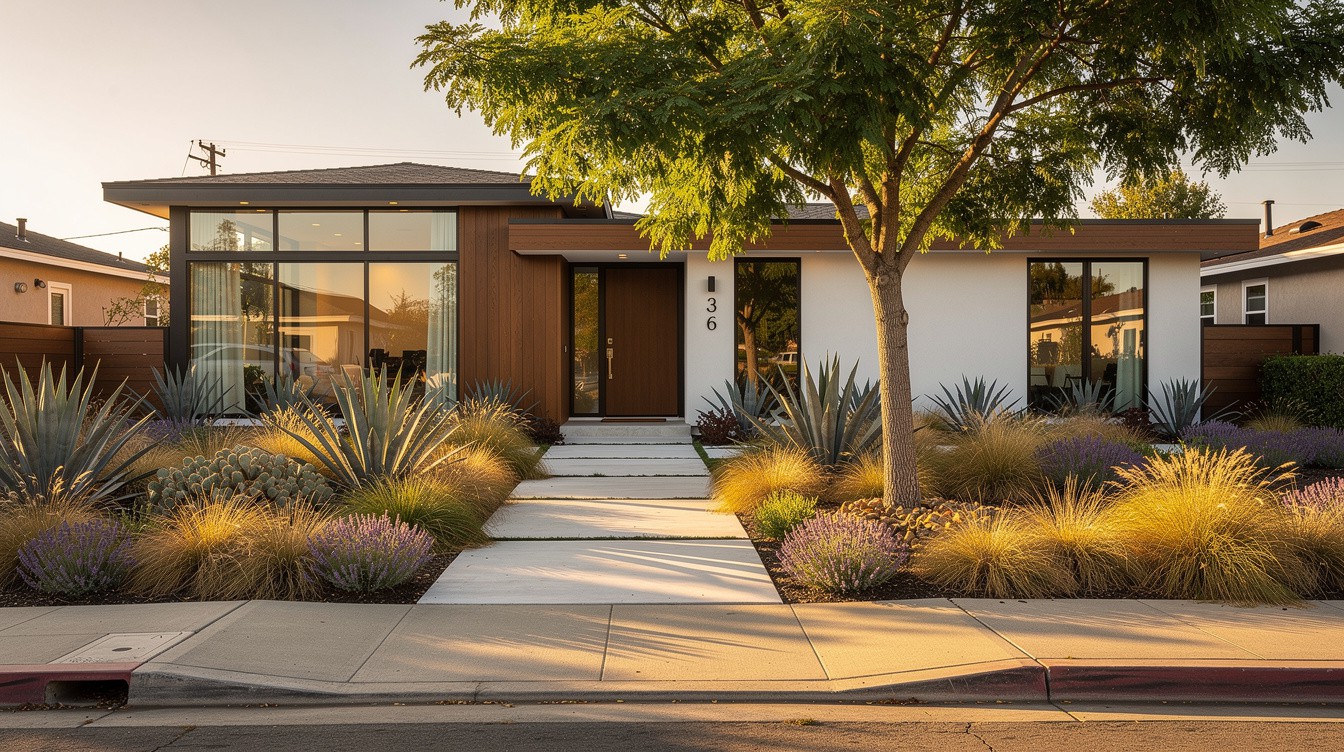
The Deergrass Midcentury Front
$18–34/sqftA post-and-beam ranch in walnut siding and white stucco, with a floating walkway of large concrete pads separated by open joints running to a wide plank door. The lawn is gone completely, replaced by a loose, naturalistic sweep: golden deergrass mounds massed at knee height, blue agaves punching through as vertical accents, low purple salvia along the sidewalk edge, and a clump of prickly pear as a textural surprise. The existing street tree stays and throws late-afternoon shadow across the glass — proof that a modern front yard doesn't require clearing the site.
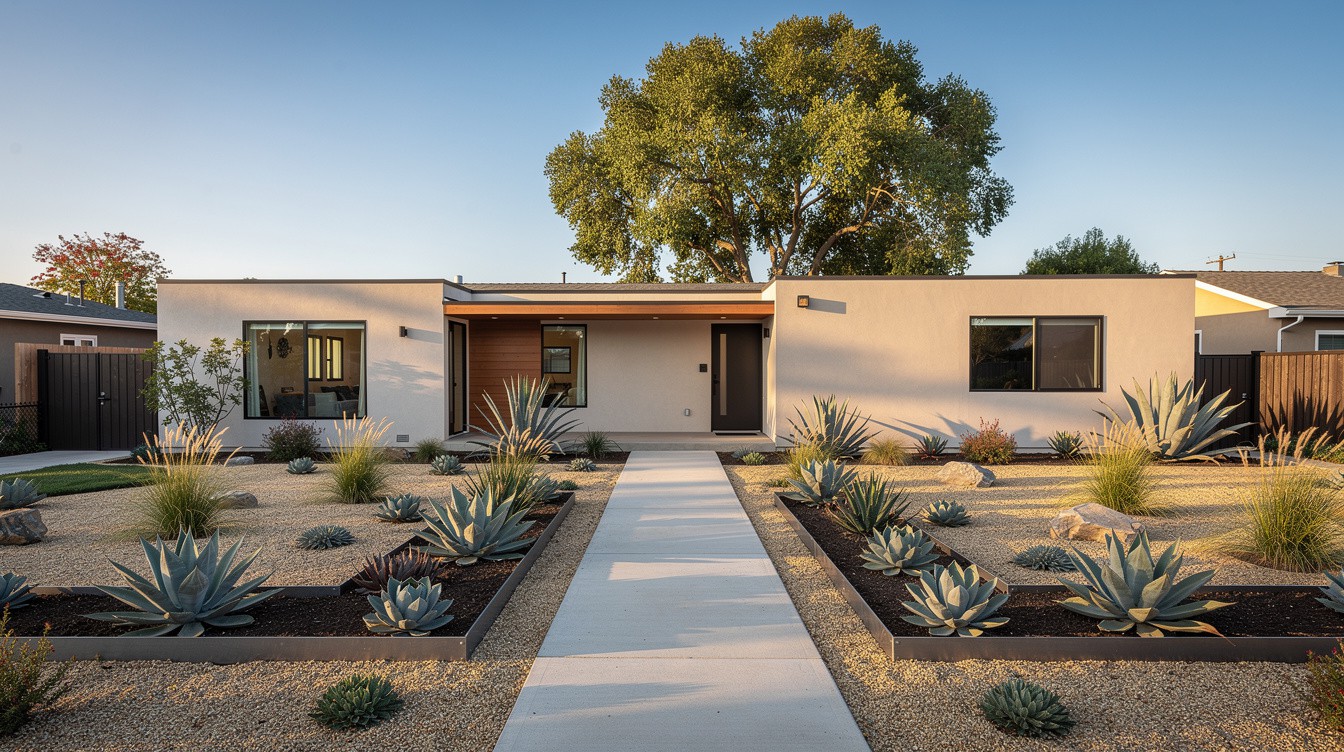
The Steel-Edged Agave Grid
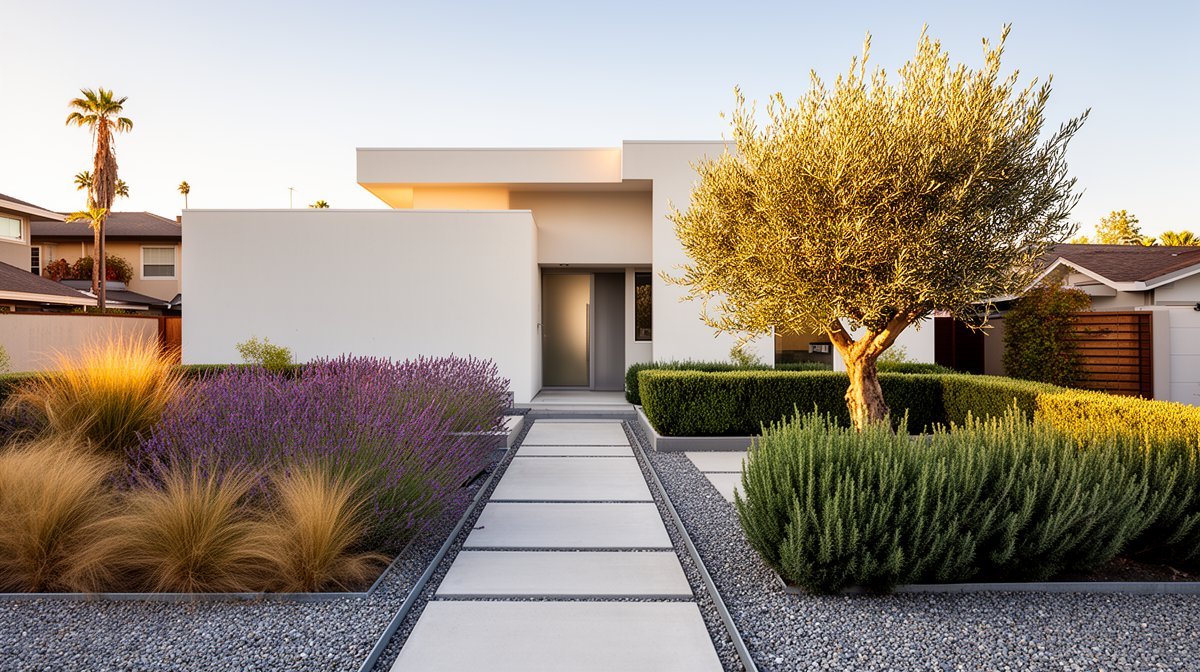
$16–30/sqftThe disciplined counterpart to the scheme above: a flat-roofed stucco ranch fronted by a field of tan gravel organized by rectangular steel-edged planter beds set at right angles to the walkway. Inside each bed, blue agave rosettes are planted on a regular grid in dark mulch, with a few granite boulders and small grasses breaking the rhythm just enough. A single wide concrete ribbon splits the composition down the middle. The whole yard is under 30 plants, and the mature shade tree behind the house does all the softening.
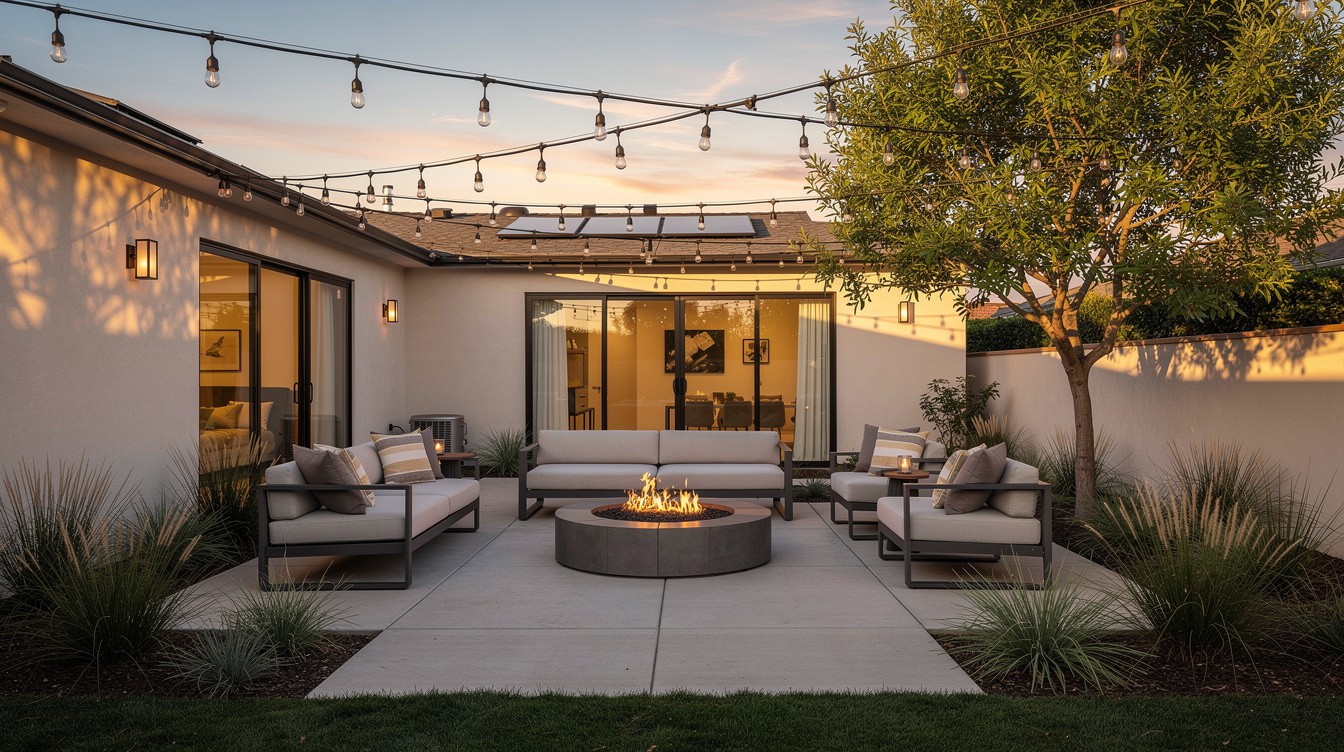
The String-Light Fire Courtyard
$26–48/sqftA compact rear courtyard where a poured concrete slab with clean saw-cut joints holds four pieces of low grey outdoor seating around a round concrete gas fire bowl. Café string lights criss-cross overhead on catenary cables anchored to the roofline and the perimeter wall, which is the single element that turns a small paved rectangle into a room. Grass borders in dark mulch run tight against the white stucco walls, an olive-toned specimen tree leans in from the corner, and a narrow strip of lawn survives at the foreground edge. Under 500 square feet, and completely usable ten months a year.
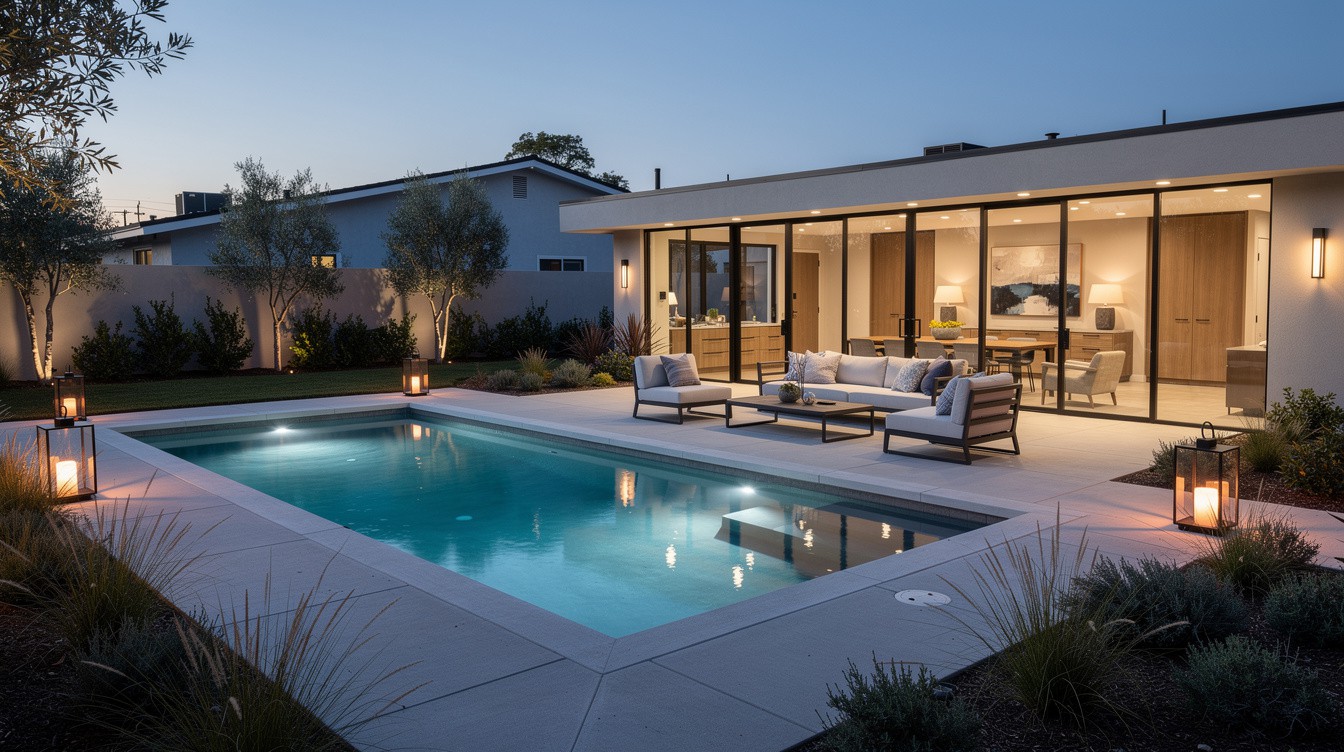
The Twilight Pool Terrace
$55–110/sqft (pool area inclusive)A rectangular pool with a shallow tanning ledge, set in a wide unbroken concrete deck against a glass-walled single-story modern house lit warm from inside. The landscape works entirely at the perimeter: multi-trunk olives with pale bark uplit against a smooth stucco privacy wall, low mounding grasses and grey-blue succulents filling the deck edges, and oversized floor lanterns marking the corners. The restraint is the point — one water plane, one paving material, two plant textures, and lighting doing the rest after sunset, when Glendale backyards are actually used.
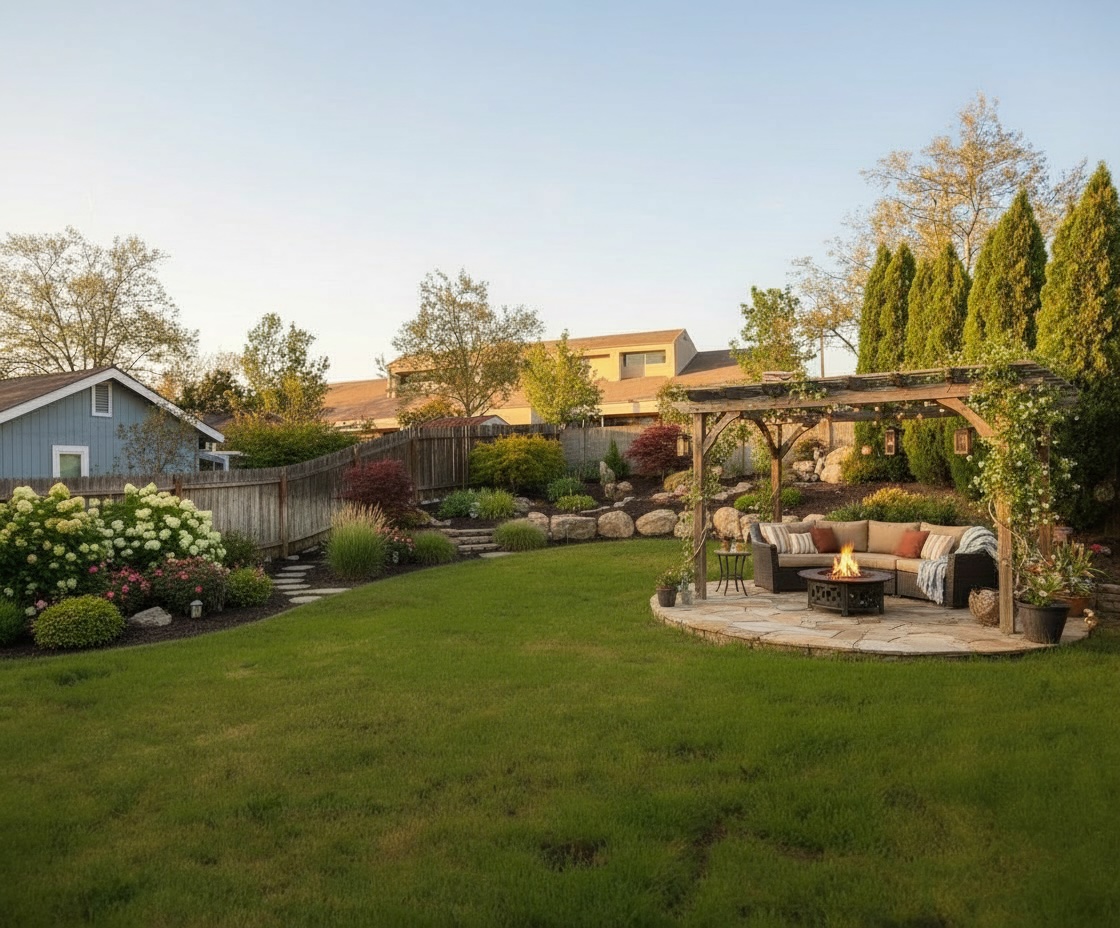
See how a modern/minimalist garden looks on YOUR property
Upload a photo of your Glendale yard and visualize your dream garden in seconds.
Try ProScapeAI Free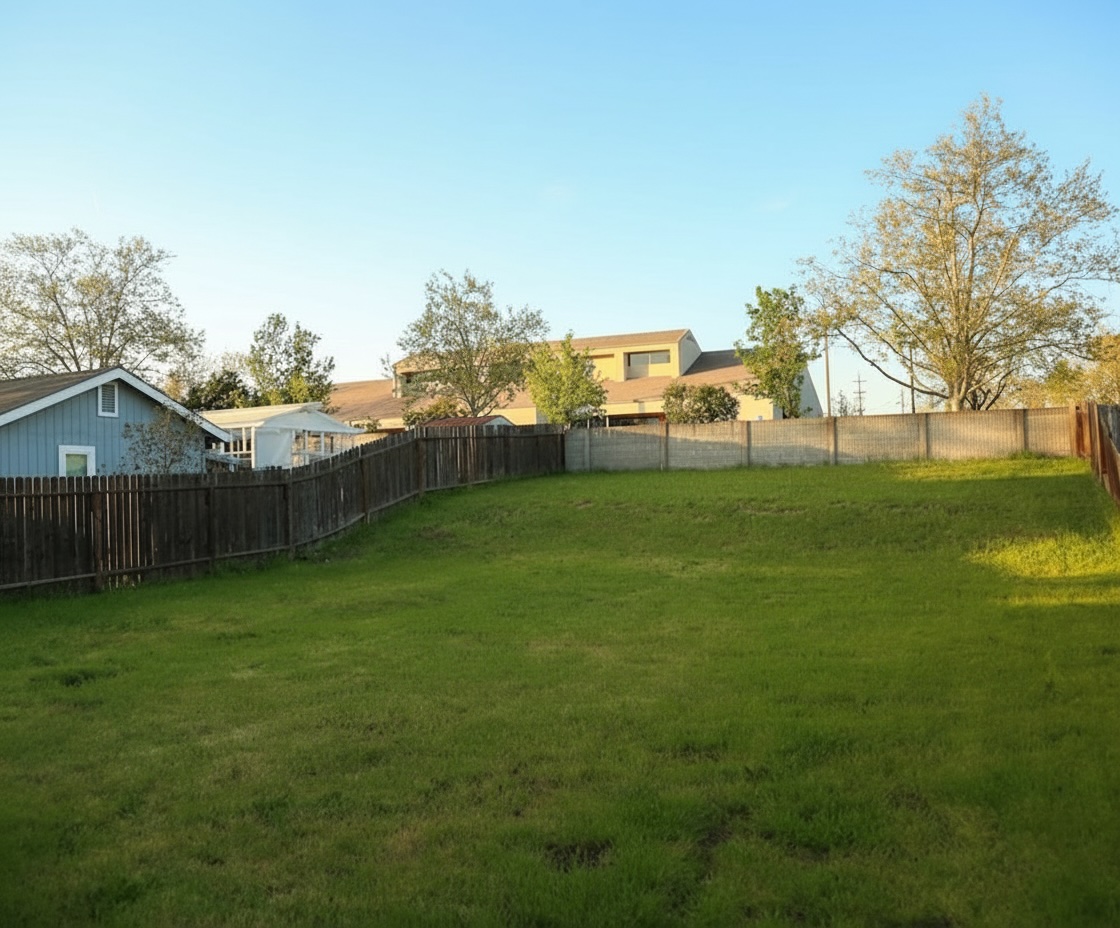
Featured Trees & Shrubs for Modern/Minimalist Gardens
Browse all 115 plants for Glendale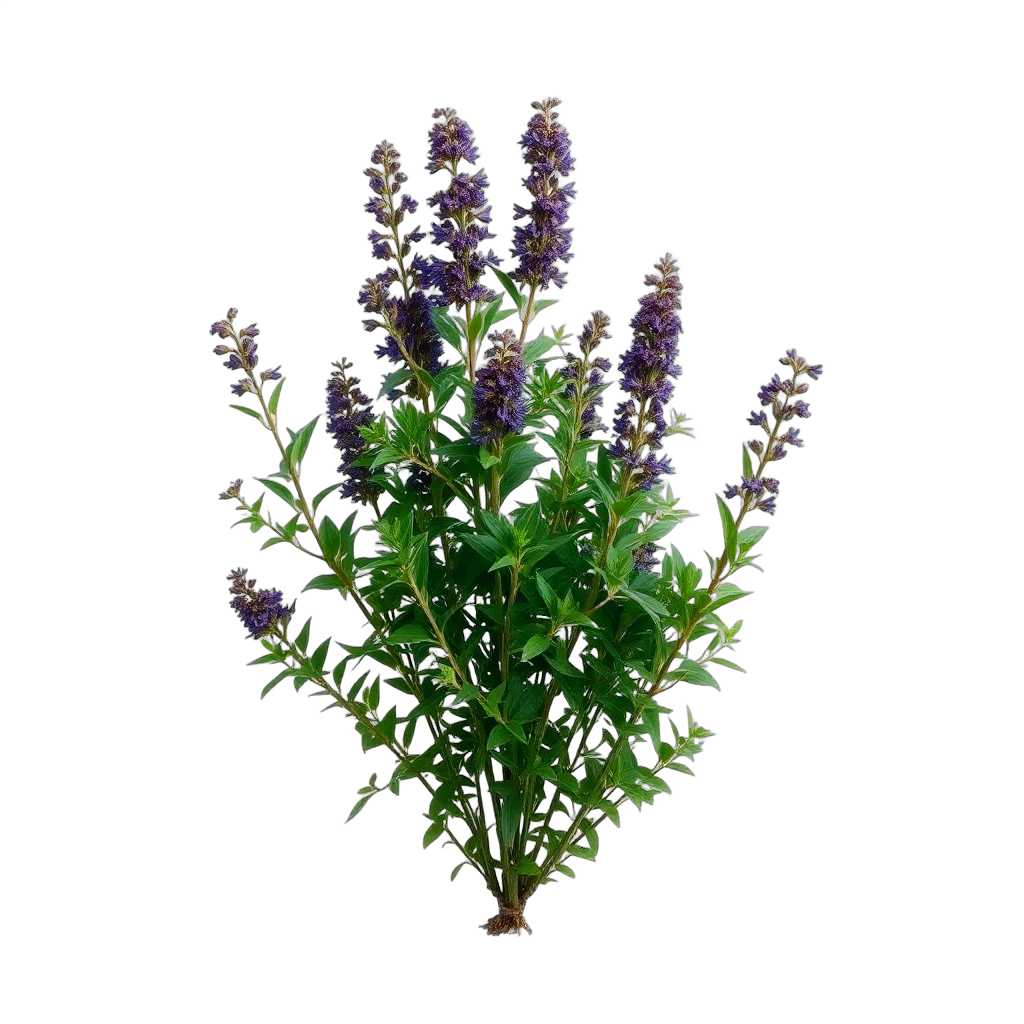
Black Sage
Salvia mellifera
grows to 4 feet, white blooms in spring. Attracts butterflies.
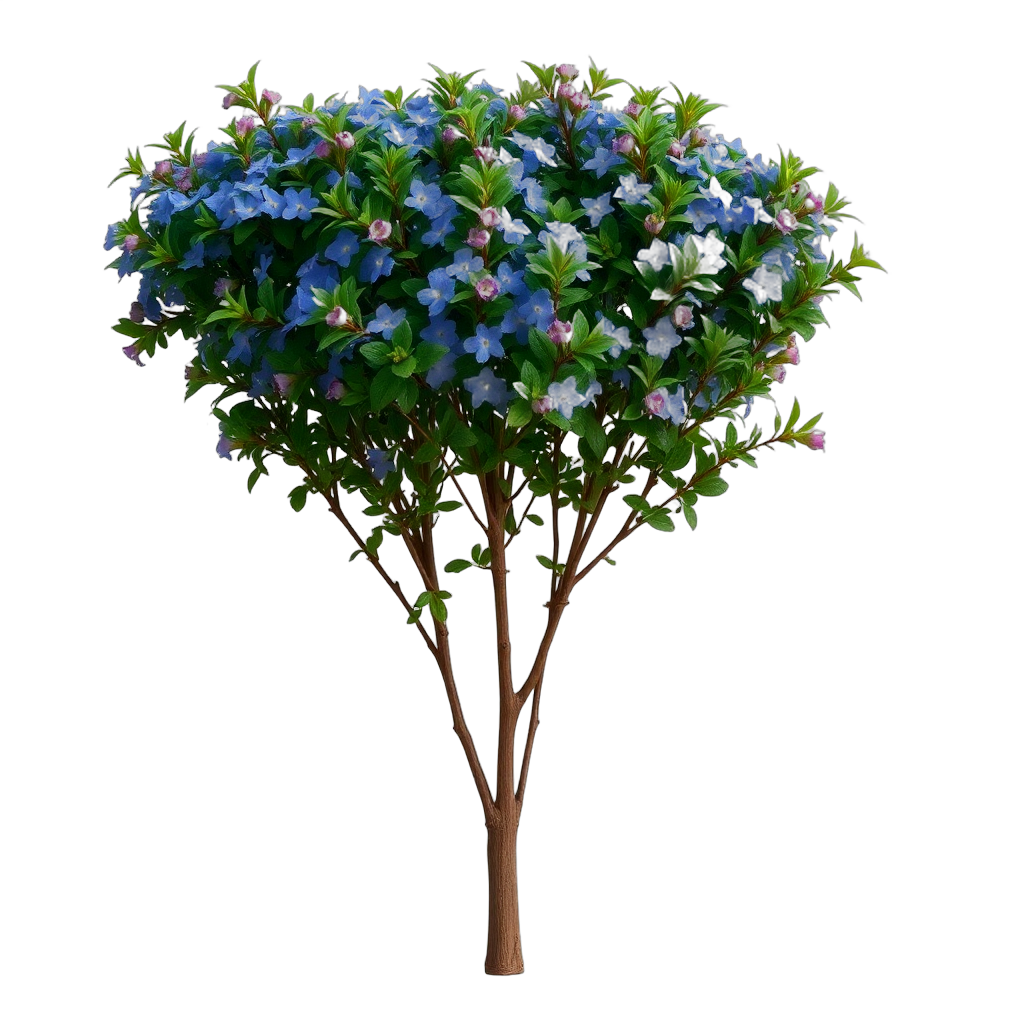
Blue Blossom
Ceanothus thyrsiflorus
medium-sized at 12 feet, blue blooms in spring. Attracts butterflies.
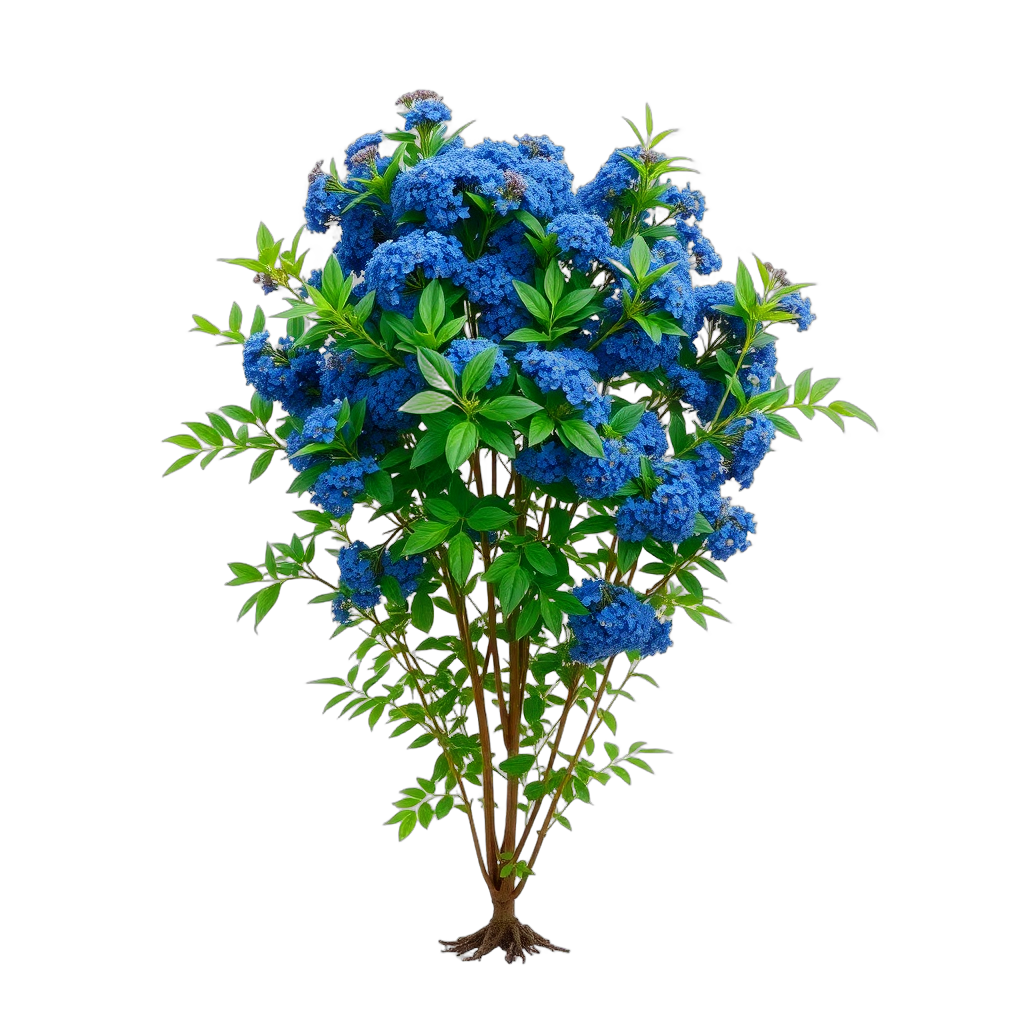
Blue Elderberry
Sambucus cerulea
medium-sized at 15 feet, white blooms in spring. Attracts butterflies.
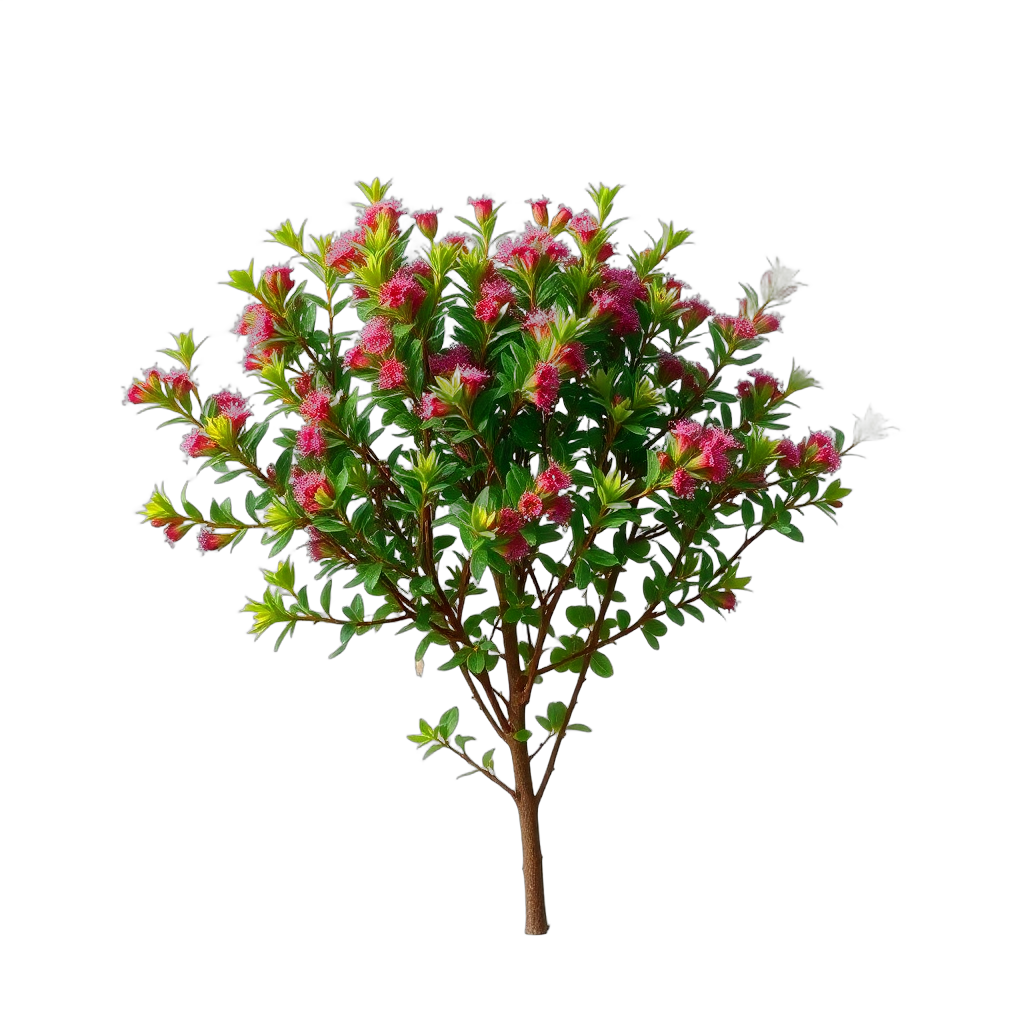
Buckbrush
Ceanothus cuneatus
medium-sized at 7 feet, white blooms in spring. Attracts butterflies.
Featured Grasses & Groundcovers for Modern/Minimalist Gardens
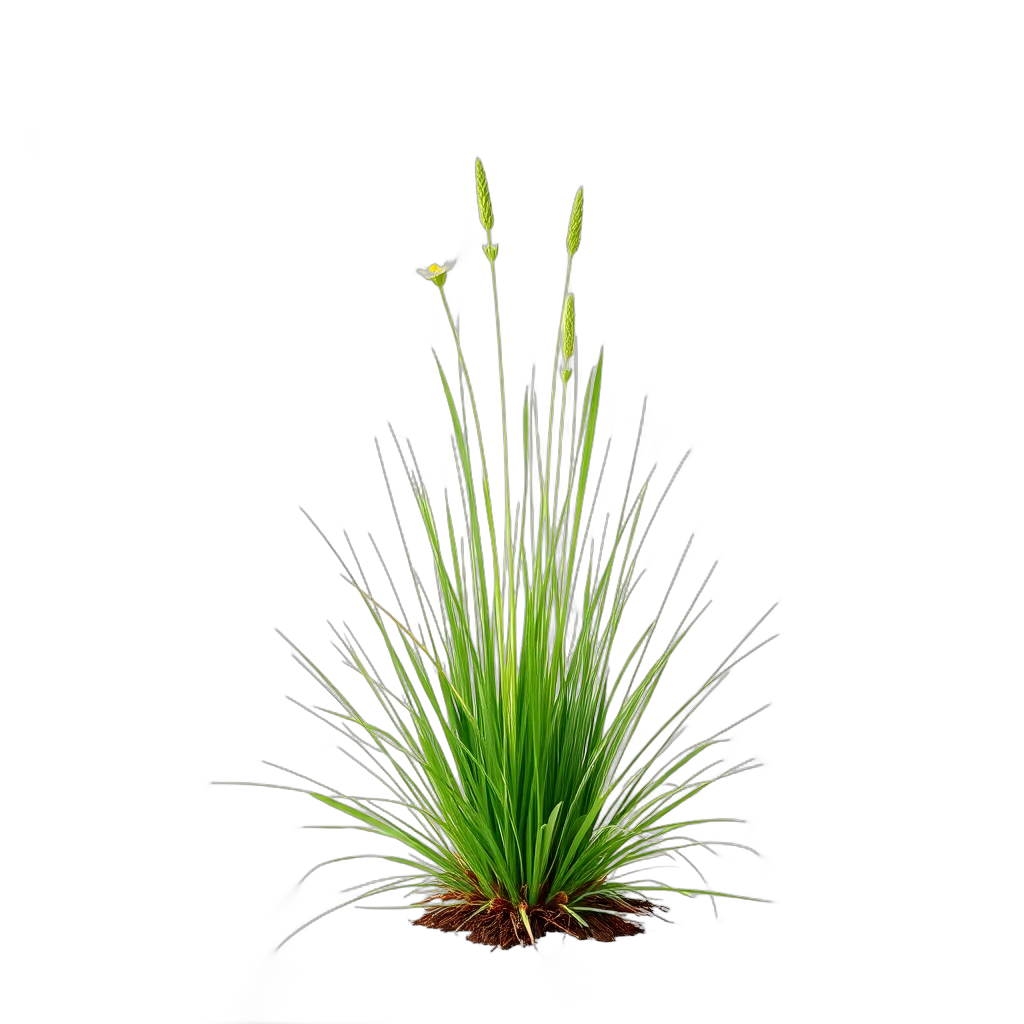
California Brome
Bromus carinatus
low-growing ground cover, blooms in spring. Yellow fall color.
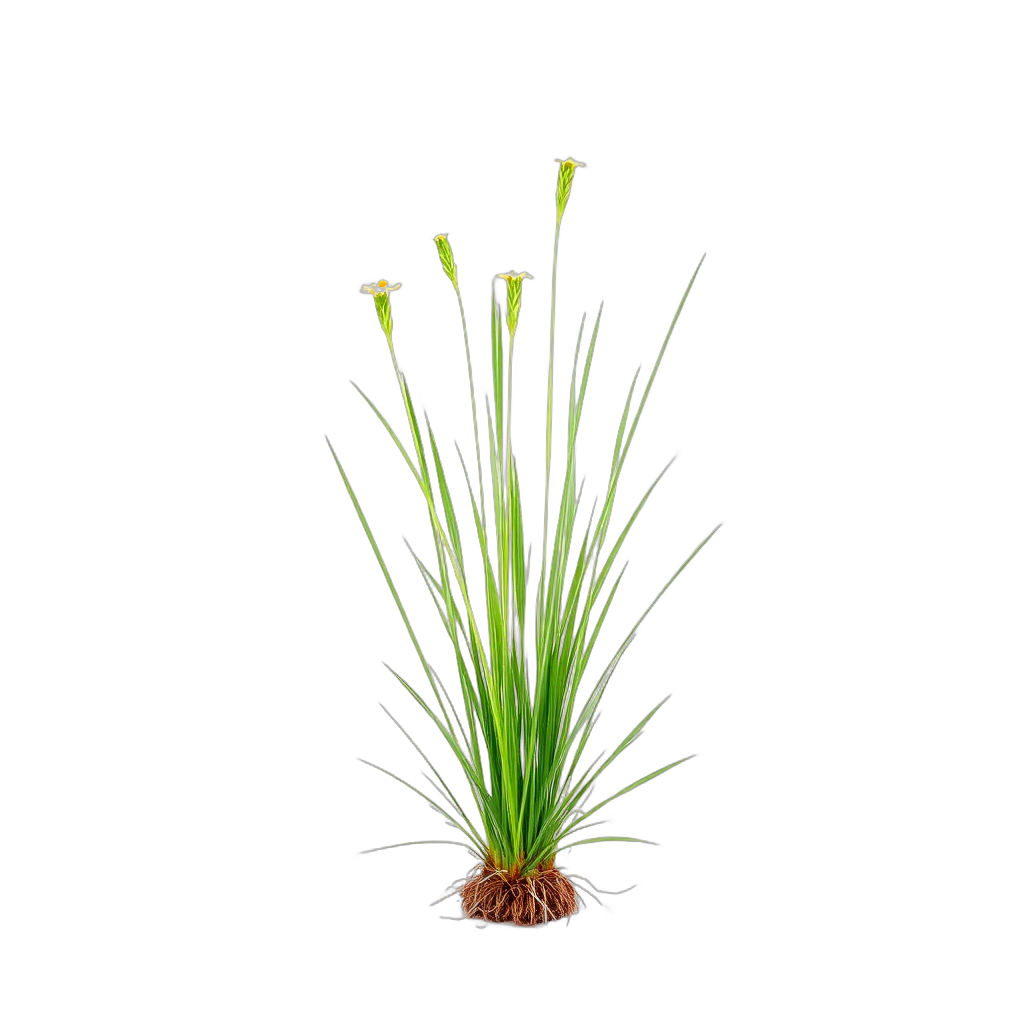
California Melic
Melica californica
low-growing ground cover, blooms in spring.
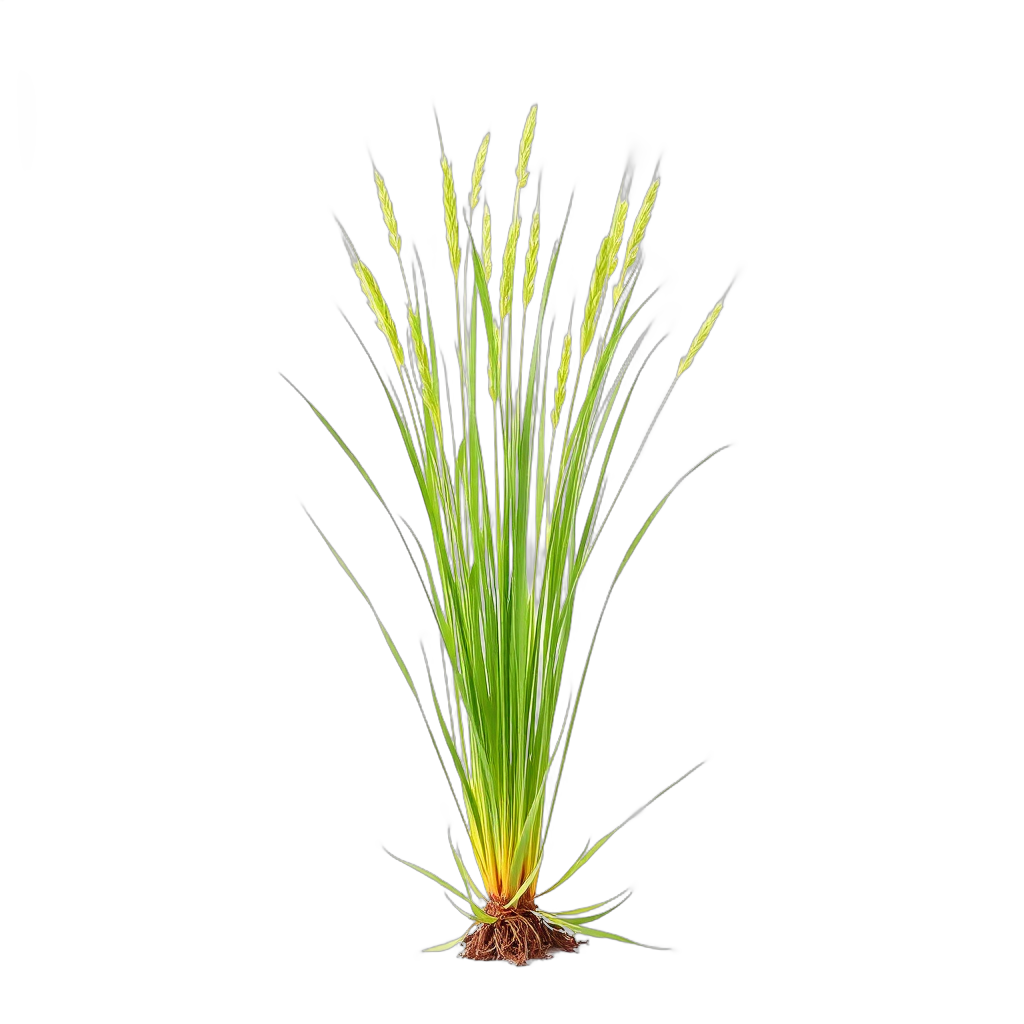
California Oatgrass
Danthonia californica
low-growing ground cover, blooms in spring. Yellow fall color.
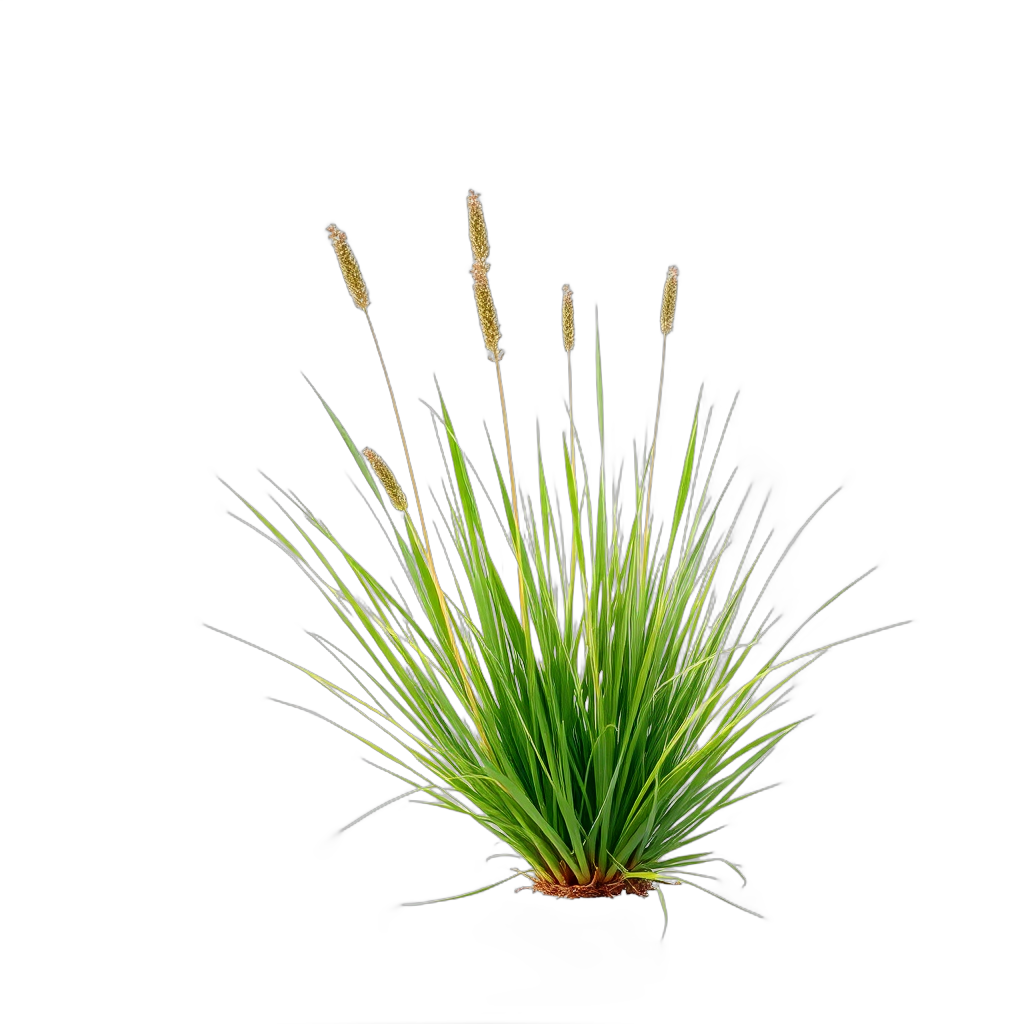
Deer Grass
Muhlenbergia rigens
grows to 3 feet, yellow blooms in fall. Evergreen year-round.
Featured Flowers & Perennials for Modern/Minimalist Gardens
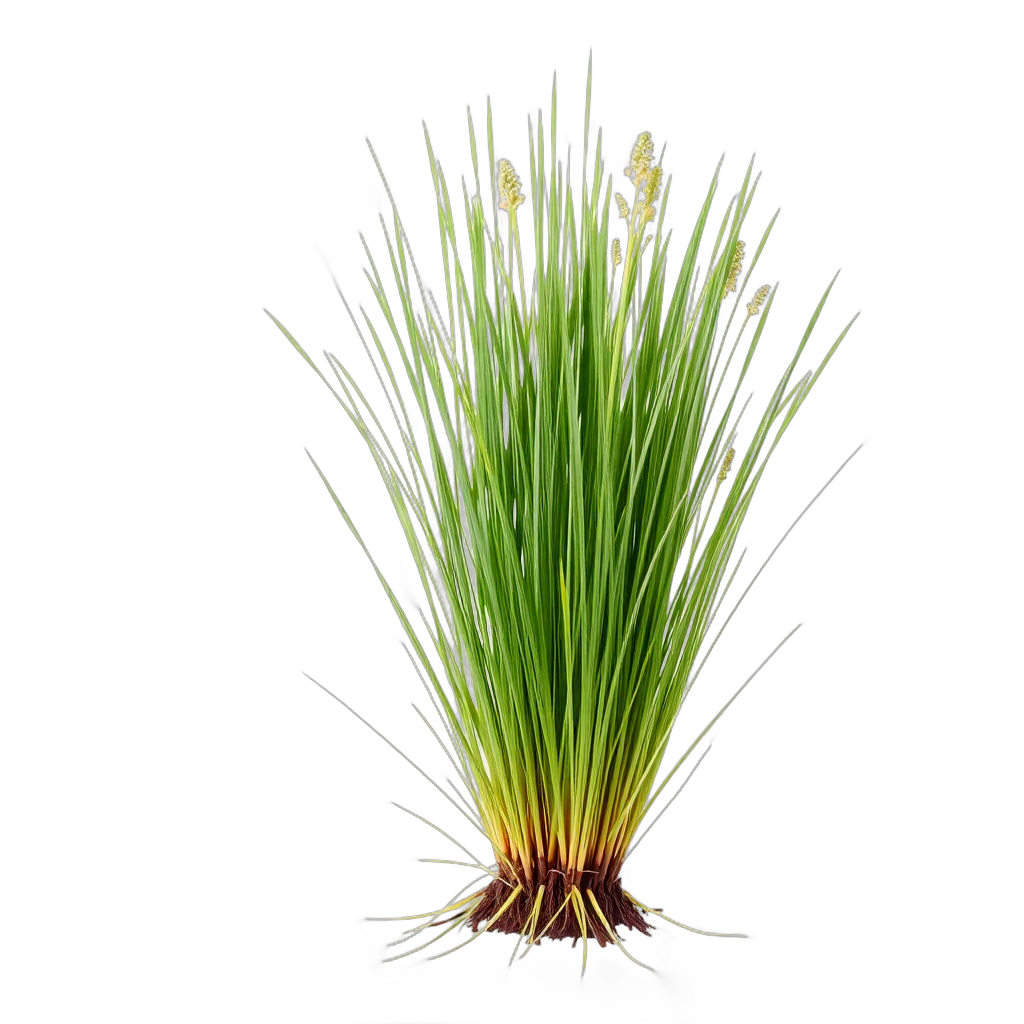
California Gray Rush
Juncus patens
low-growing ground cover, blooms in summer. Evergreen year-round.
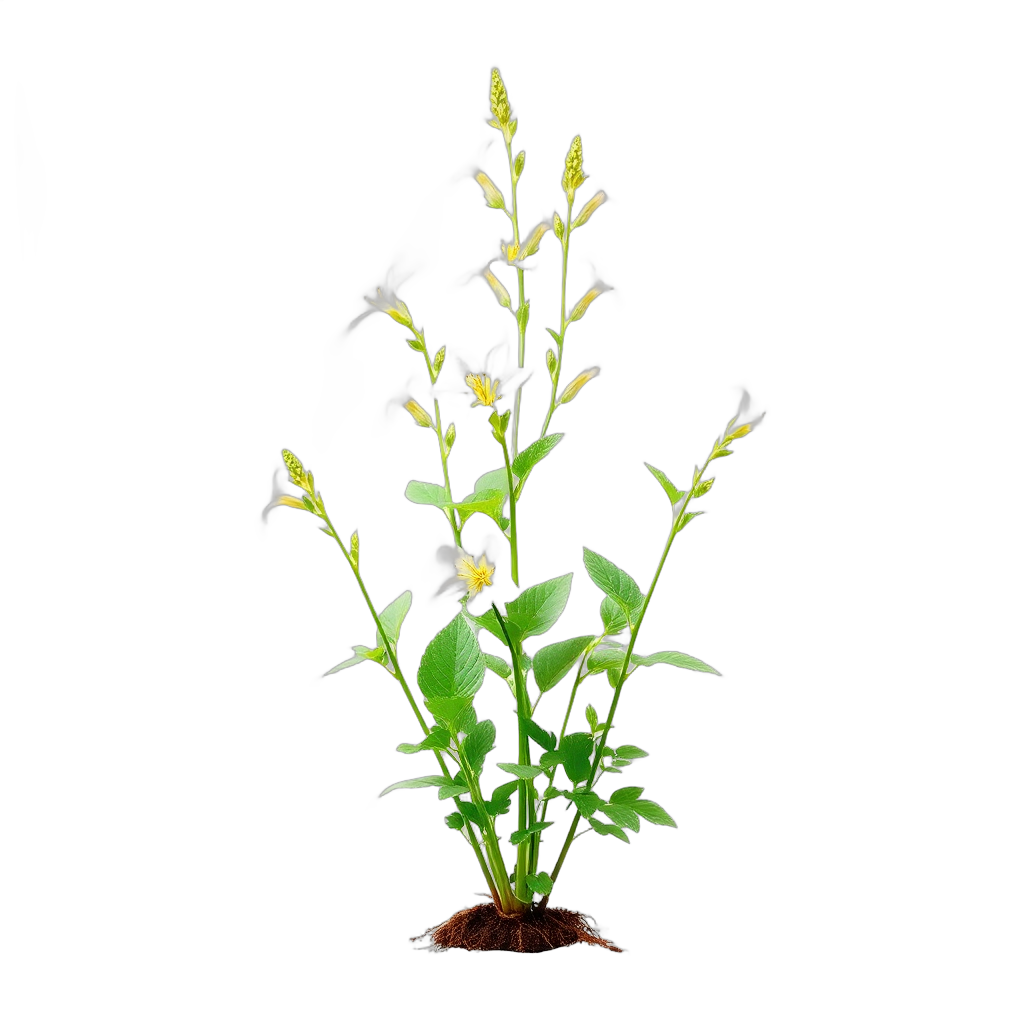
Beach Evening Primrose
Camissonia cheiranthifolia
low-growing ground cover, yellow blooms in spring. Attracts butterflies.
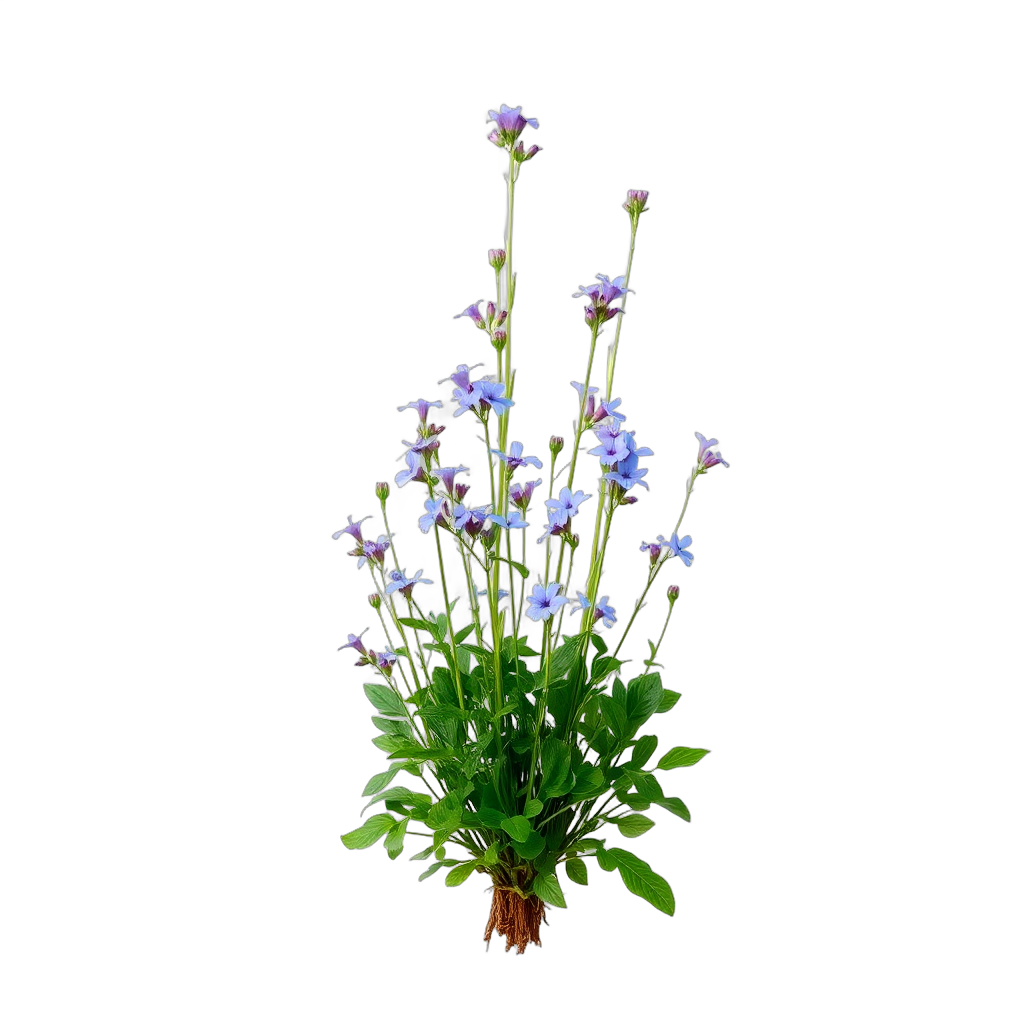
Blue Dicks
Dichelostemma capitatum
low-growing ground cover, blue blooms in spring. Pollinator-friendly.
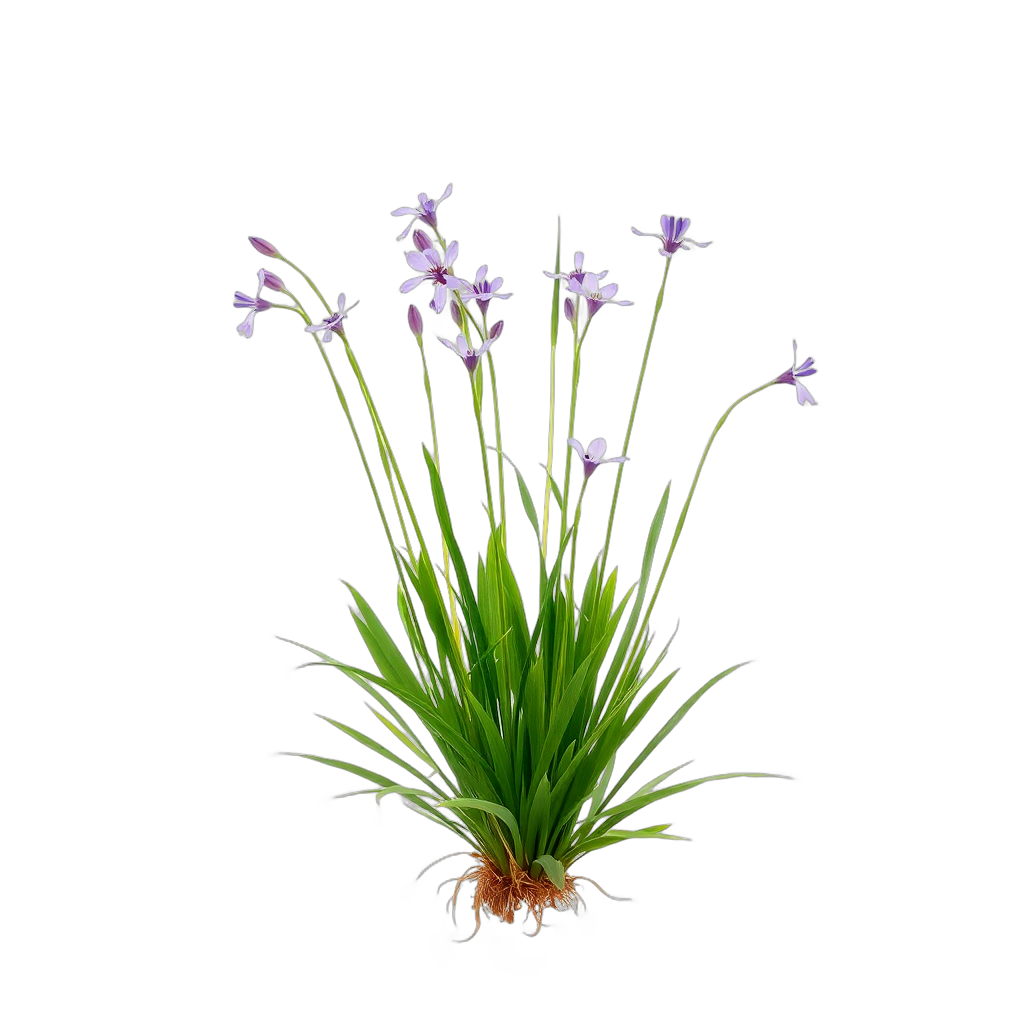
Blue-Eyed Grass
Sisyrinchium bellum
low-growing ground cover, blue blooms in spring. Attracts butterflies.
Bloom Calendar for Glendale
spring
Beach Evening Primrose, Blue Dicks, Blue-Eyed Grasssummer
California Gray Rush, Hooker's Evening Primrose, Hummingbird Mintfall
California Fuchsiawinter
Limited bloomsDesign Tips for Glendale (Zone 10a)
- Use Muhlenbergia rigens (deergrass) as your default mass and refuse Nassella tenuissima — Mexican feather grass is Cal-IPC listed, reseeds into the Verdugo hillsides, and its dry thatch is exactly the fine fuel Glendale Fire flags during brush inspection
- Let the gravel field run right up to the wall and keep the first five feet plant-free — this is Zone 0 compliance and a design decision at the same time; a clean mineral apron makes the architecture read sharper and satisfies the inspector without a single change to your plan
- Buy three of the same agave, not three different ones — modern reads as intentional through repetition; a 15-gallon Agave parryi var. truncata repeated seven times across a front yard costs less and looks more expensive than seven different specimens
- Steel-edge every gravel boundary in 1/4-inch raw or Corten steel — Glendale's sloped lots and the sheer force of Santa Ana gusts will migrate loose rock onto sidewalks and into drains within a season, and edging is the cheapest line item that determines whether the yard still looks crisp in year five
- Keep or plant one real canopy tree — Arbutus 'Marina', Geijera parviflora or a multi-trunk fruitless olive; a light-gravel front yard with no shade in a 95°F September afternoon is unlivable, and canopy is also the difference between a modern garden and a parking lot
- Light the plants at 2700K, not the paving — in-grade uplights under agave rosettes and behind grass masses throw the sculptural shadows that make these gardens work, and Glendale's warm, mostly cloudless evenings give you nine or ten months of return on the fixture cost
Where to Source Plants in Glendale
Skip the big-box stores. These independent Glendale nurseries specialize in the plants that make modern/minimalist gardens thrive in Zone 10a.
Southland Nursery
Sun Valley
Trees, shrubs, and hedging plants plus topsoil and landscape services for Southern California properties.
Modern/Minimalist Landscaping Costs in Glendale
| Project Scope | Estimated Cost |
|---|---|
| Front yard turf-to-gravel modern conversion (700–1,200 sqft) | $16,000 – $40,000 |
| Poured concrete patio with saw-cut joints (300–500 sqft) | $10,000 – $26,000 |
| Concrete or steel gas fire pit with dedicated line and permit | $4,500 – $15,000 |
| Board-formed concrete or stuccoed CMU seat wall (25 linear ft) | $9,000 – $24,000 |
| Pool + modern concrete deck on a hillside lot | $110,000 – $250,000 |
| AI visualization with ProScapeAI | Free to start |
Estimates based on Glendale, CA-area contractor rates as of 2026. Actual costs vary by site conditions, materials, and contractor.
Glendale Climate & Growing Zone
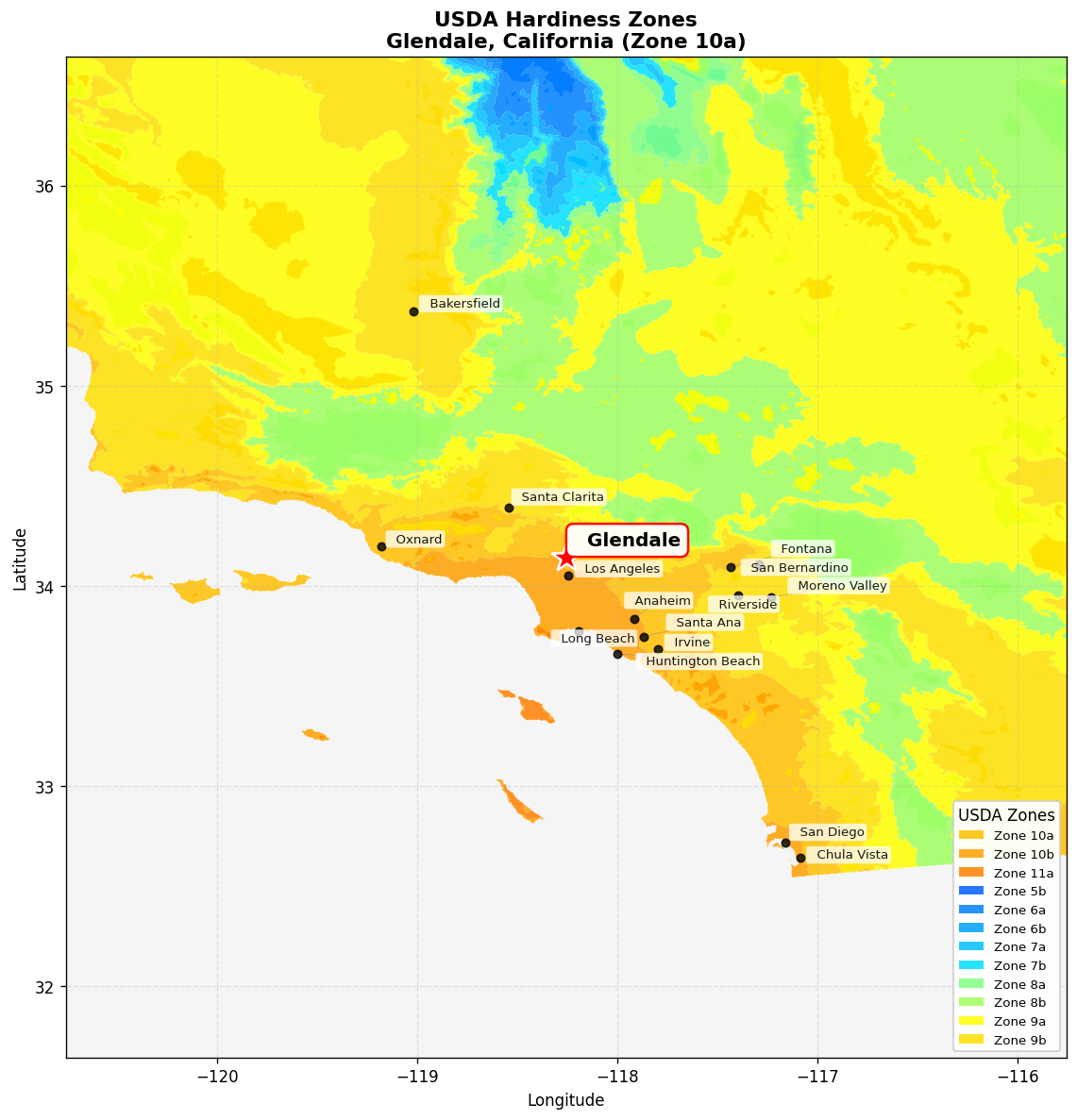
USDA Zone 10a
Hardiness zone for Glendale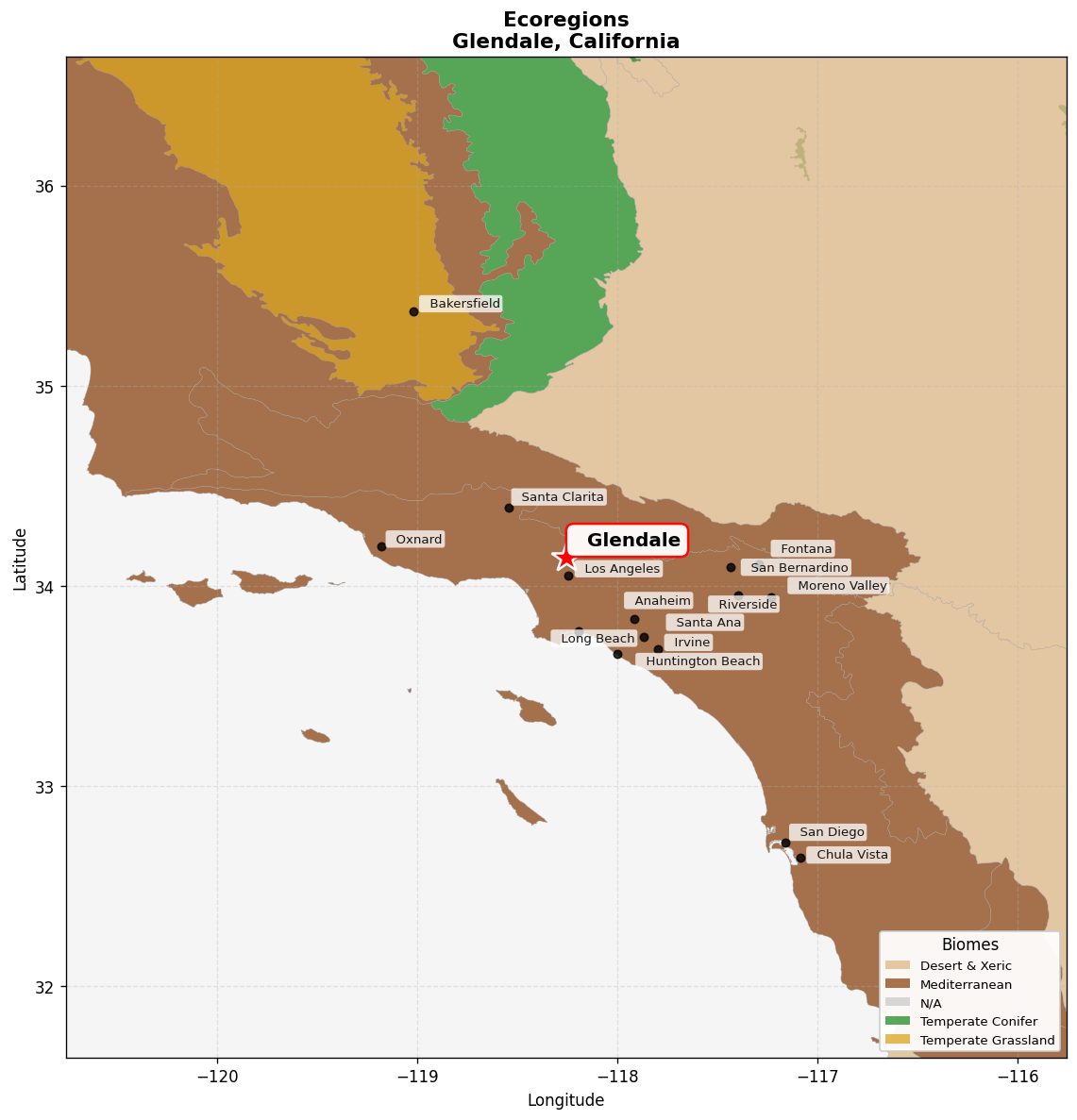
California coastal sage and chaparral
Native ecoregionFrequently Asked Questions
How much does a modern landscape cost in Glendale?
LA County is one of the most expensive markets in the country for landscape construction — plan on $75–120 per hour in crew rates and licensed hardscape bids 25–40% above national averages. A front-yard turf-to-gravel modern conversion of 700–1,200 square feet, including demolition, grading, drip, steel edging, gravel and 20–30 architectural plants, runs $16,000–$40,000 installed. A poured concrete rear patio of 300–500 square feet with saw-cut joints is $10,000–$26,000. A gas fire pit with a dedicated line and permit is $4,500–$15,000. Board-formed concrete or stuccoed CMU seat walls run $350–$900 per linear foot. A pool with a modern concrete deck on a Chevy Chase Canyon slope lot commonly lands between $110,000 and $250,000 once you account for hillside engineering and access.
Which architectural plants actually thrive here?
Glendale's Zone 10a is close to ideal for this palette. Agave parryi var. truncata, Agave 'Blue Glow', Agave americana 'Mediopicta Alba' and Agave attenuata all hold form year-round with no frost protection — 'Blue Glow' is the best choice near walkways since it stays under two feet and its terminal spine is comparatively benign. Dasylirion wheeleri, Hesperaloe parviflora 'Brakelights' and Aloidendron barberae give vertical structure. For grasses, use Muhlenbergia rigens (deergrass) as your workhorse, Muhlenbergia capillaris 'Regal Mist' for the October pink haze, and Festuca 'Siskiyou Blue' for tight blue mounds. Ground cover goes to Senecio mandraliscae, Dymondia margaretae and Sedum rupestre 'Angelina'. Trees: Arbutus 'Marina' for evergreen mahogany bark, Olea europaea 'Wilsonii' for silver canopy, Geijera parviflora where you need a non-aggressive root system beside a slab, and Parkinsonia 'Desert Museum' for filtered shade. Deliberately avoid Nassella tenuissima — Cal-IPC lists it as invasive and it reseeds into the Verdugo hillsides.
Is a modern gravel landscape actually good for the Verdugo fire zone?
It's the strongest fire-defense position of any residential style, which is why it's spreading fast in Glendale's hillside neighborhoods. If you're above Verdugo Road, in Chevy Chase Canyon, Glenoaks Canyon or off La Tuna Canyon Road, you're in a Very High Fire Hazard Severity Zone with 100 feet of required defensible space and an annual Glendale Fire brush-clearance inspection. Under California's Zone 0 rules, the first five feet from any wall should carry no woody plants and no bark mulch — a gravel or decomposed-granite field with steel-edged succulent beds satisfies that by construction. Agave, Aloe, Sedum, Senecio and Dymondia hold so much tissue water they won't sustain flame. What you must not do is reach for the modern-adjacent species that are severe fire hazards: Juniperus in any form, Cupressus sempervirens near a structure, massed unpruned Salvia rosmarinus, Cortaderia selloana, Acacia, Eucalyptus and Washingtonia palms, which cast embers for miles during a Santa Ana event.
What gravel should I use, and how do I stop weeds and heat?
Use 3/8-inch angular crushed rock or stabilized decomposed granite, not smooth pea gravel — angular material locks together, stays put on Glendale's slopes and doesn't roll underfoot. Cal Gold DG is the local standard for warm tones; 3/8-inch Baja or Apache Brown crushed rock reads cooler and more contemporary. Lay 2.5–3 inches over a commercial-grade woven weed fabric, and steel-edge every boundary or you'll be sweeping rock off your sidewalk for years. For weeds, fabric handles what comes from below; what actually germinates is windblown seed sitting in the top half inch, so plan on a spot spray or hand pull twice a year. On heat: light-colored gravel reflects and can push adjacent stucco surface temperatures noticeably higher, so keep a canopy tree in the design. A modern Glendale front yard with no shade tree becomes unusable and unpleasant to walk past from June through September.
Do I need permits, and what applies on a hillside lot?
Gravel, planting, drip and concrete flatwork on grade need no permit. You will need one from Glendale Building & Safety for retaining walls over 4 feet measured from the bottom of the footing, any wall carrying a slope surcharge, fences over 6 feet, pools, and the gas and electrical runs for a fire pit or lighting. Hillside-district properties in Chevy Chase Canyon, Glenoaks Canyon, Oakmont and the upper Verdugo Woodlands face additional grading and cut/fill limits and Fire Department review of the landscape plan. The most-missed requirement is Glendale's Indigenous Tree Ordinance: coast live oak (Quercus agrifolia), California sycamore (Platanus racemosa), California bay (Umbellularia californica) and deodar cedar (Cedrus deodara) above set trunk diameters are protected, and removal, major pruning, or trenching and grading inside the protected root zone all require a permit — which matters because a gravel conversion usually means excavating three inches across the entire front yard.
How much water will this use, and are there rebates?
Once established, a modern succulent-and-grass front yard on drip typically uses 70–85% less water than the fescue lawn it replaced, and Glendale Water & Power's tiered rates mean that shows up on the bill quickly. Water on individual emitters, not spray — agaves and aloes want a deep soak every three to four weeks in summer and essentially nothing from November to April. Deergrass takes one deep monthly soak; do not baby it. Turf-replacement rebates through the Metropolitan Water District's SoCal Water$mart program have historically run around $2–3 per square foot for Glendale addresses, with GWP offering additional local incentives at times, but you must apply and receive approval before removing any grass — retroactive claims are denied. Remember GWP's ordinance also assigns watering days and bans irrigation between 9 a.m. and 6 p.m., so program controllers for pre-dawn cycles.