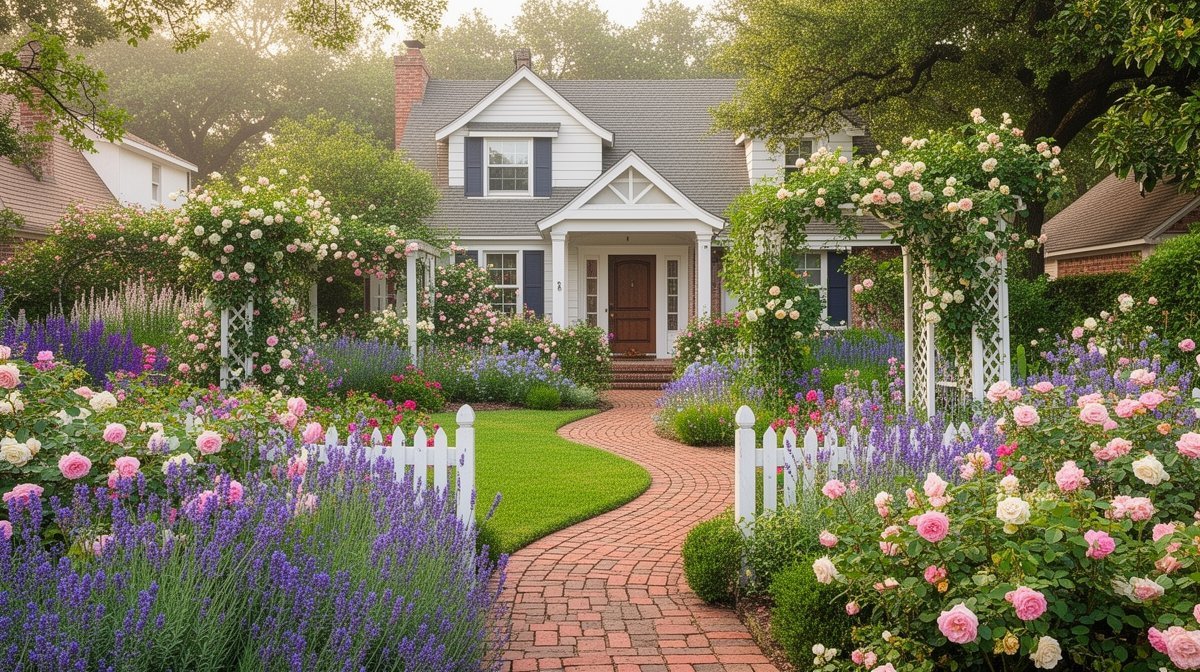
4 Cottage Garden Ideas for Grand Prairie, TX | English-Style Planting for Blackland Clay in Zone 8b
Native plants from the Texas blackland prairies (Zone 8b) — Humid subtropical climate
Why Cottage/English Gardens in Grand Prairie?
Grand Prairie is unusually well suited to the cottage look because so much of its housing stock already has the bones for it. The 1940s and '50s cottages around Dalworth Park and the historic Main Street district, the brick ranches of Westchester and Sheffield Village, and the porch-heavy new builds filling Mira Lagos, Grand Peninsula, and the Lake Parks neighborhoods above Joe Pool all give you the picket fences, front porches, and arbor-friendly entries that an English garden needs to lean against. Zone 8b also buys you a growing season a Cotswolds gardener would envy: roses here start in late March and are still throwing flushes in November, and cool-season larkspur, bluebonnets, and Byzantine gladiolus fill the March–May gap with no irrigation at all.
What does not translate is the plant list. Grand Prairie gets roughly 37 inches of rain a year — barely half of southern England's effective moisture — and it arrives in violent May and October bursts rather than a steady drizzle, with 20-plus days above 100°F in a typical August wedged in between. Delphinium, foxglove, and true English lavender (Lavandula angustifolia 'Munstead') will not perennialize here; treat the first two as fall-sown winter annuals and swap the lavender for 'Phenomenal' lavandin or Spanish lavender (Lavandula stoechas), both of which shrug off humidity. Roses are where local knowledge pays most: the Texas A&M Earth-Kind trials — run an hour from here — identified varieties that thrive on rainfall and no fungicide, and 'Belinda's Dream', 'Marie Daly', 'Caldwell Pink', 'Climbing Pinkie', and 'New Dawn' are the backbone of every good Grand Prairie cottage garden. Pair them with Texas Superstar perennials like 'John Fanick' phlox and 'Henry Duelberg' salvia and you get English abundance on a Texas water budget.
The third factor is underfoot. Grand Prairie sits on Houston Black clay, the Texas state soil and the defining feature of the blackland prairie — it is fertile and alkaline (pH 7.8–8.2), but it swells when wet and shrinks so hard in August that cracks open two inches wide. That movement is what cracks foundations and heaves flagstone, so every path, patio, and stone-edged bed needs 6 inches of compacted crushed limestone base over geotextile fabric, and keep new shade trees at least 15–20 feet off the slab. The alkalinity rules out azaleas, hydrangeas, and dogwoods — the classic cottage crutches — which is exactly why the Texas version leans on roses, salvias, and heirloom bulbs instead.
4 Cottage/English Design Ideas for Grand Prairie
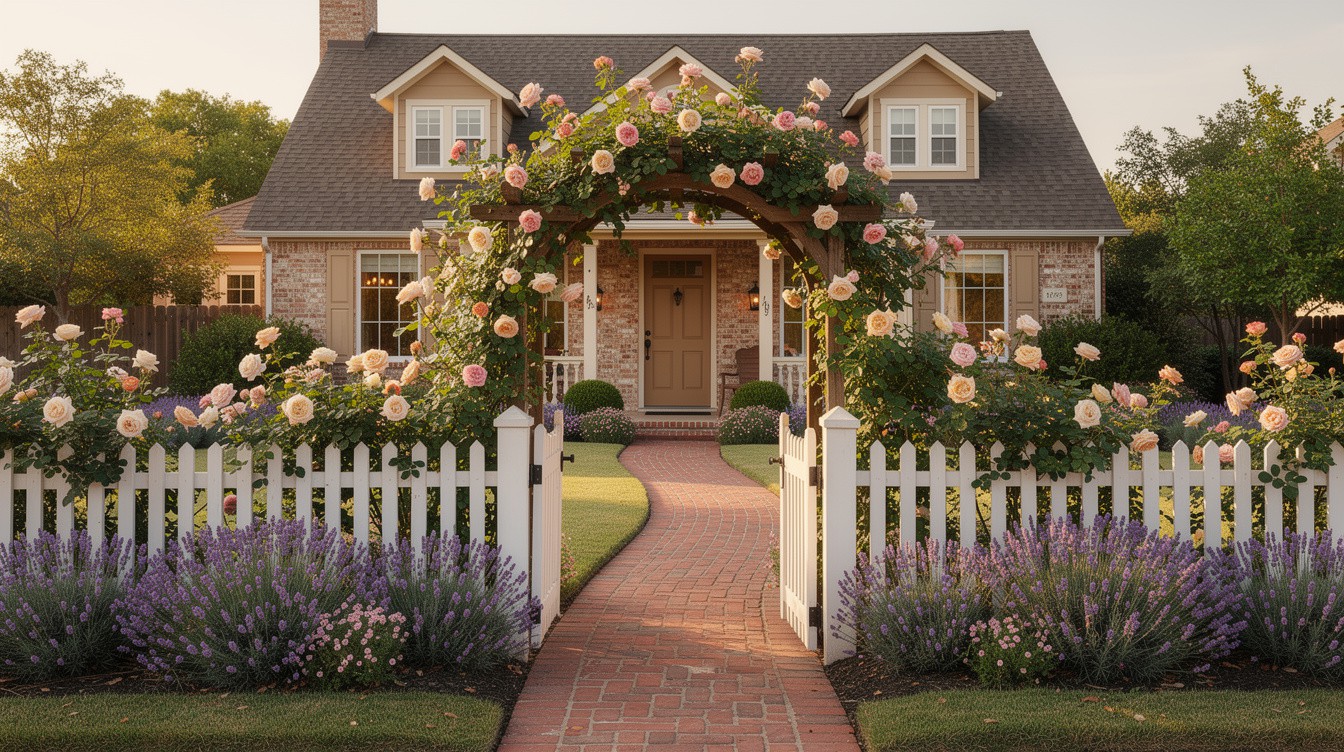
The Picket Fence Rose Arbor
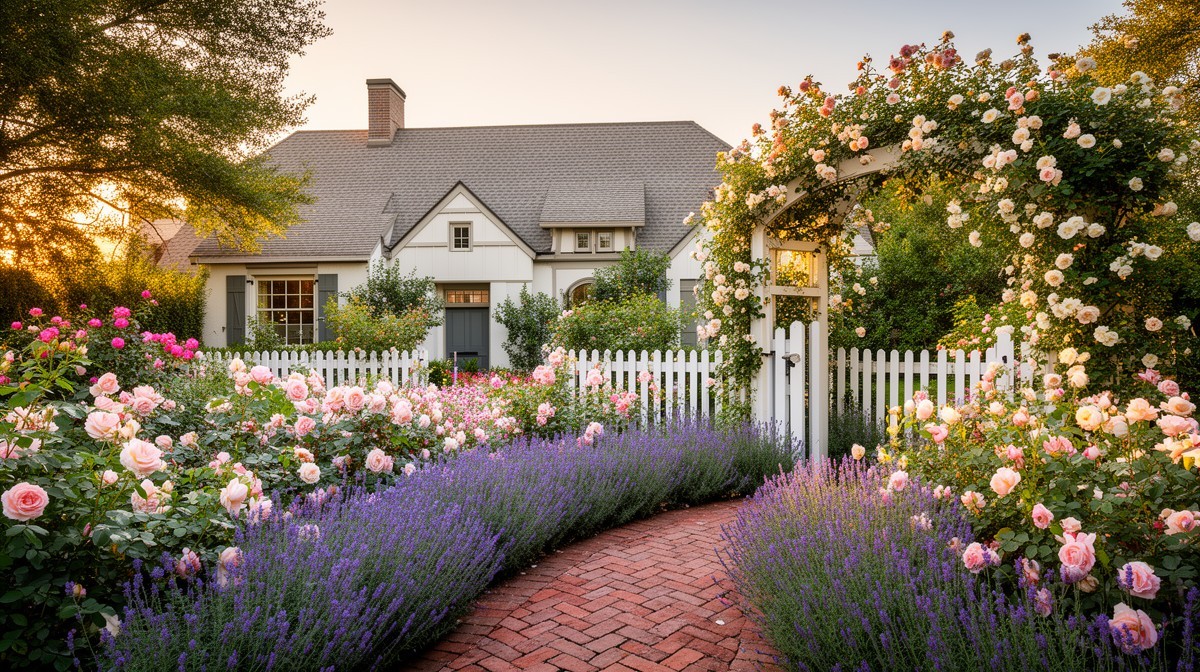
$14–26/sqftA cedar arbor smothered in blush and cream climbing roses frames a red brick herringbone walk that curves from a white picket gate to the front door of a brick-and-siding cottage. Shrub roses in the same soft palette repeat along both sides of the fence, and the outside of the fence line is planted solid with lavender and dianthus so the display reads from the street even before you open the gate. The whole composition works because the arbor gives the climbers a structure independent of the house — critical on blackland clay, where you never want a rose's root mass and soaker hose sitting against the foundation.
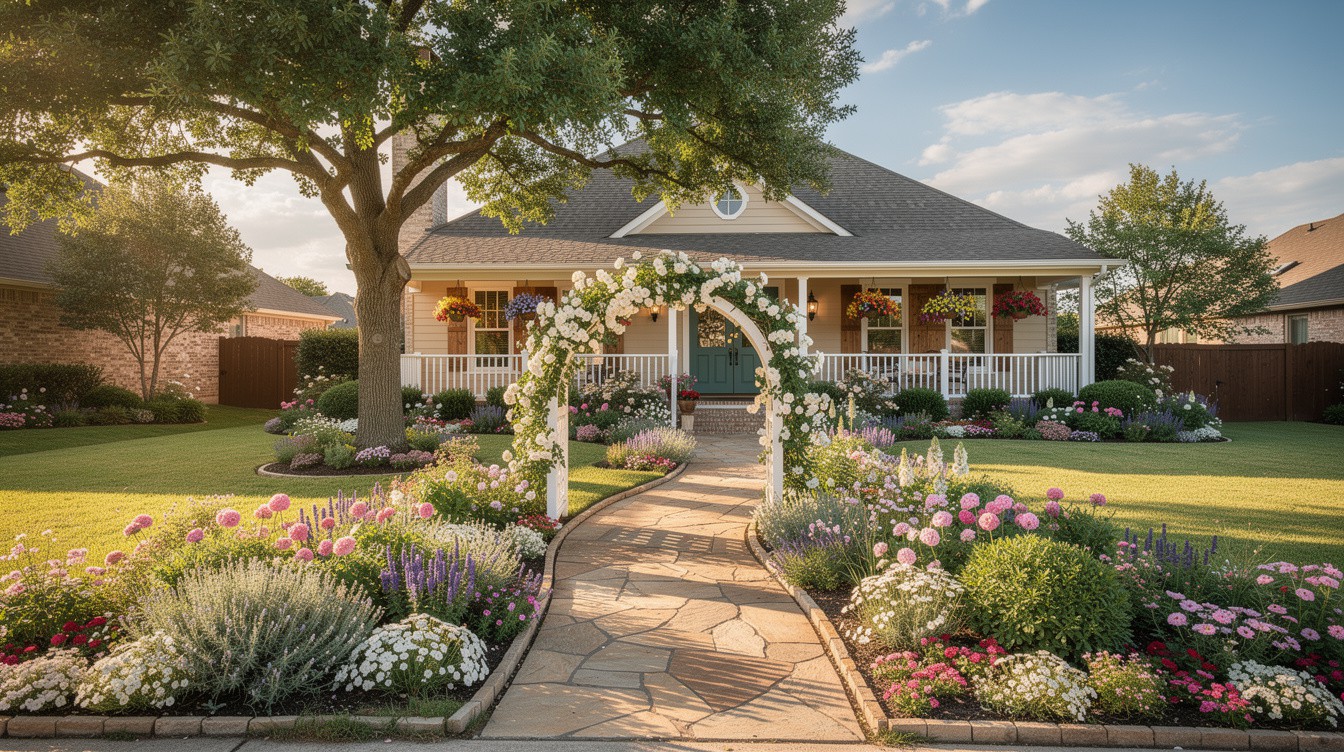
The Live Oak Shade Border
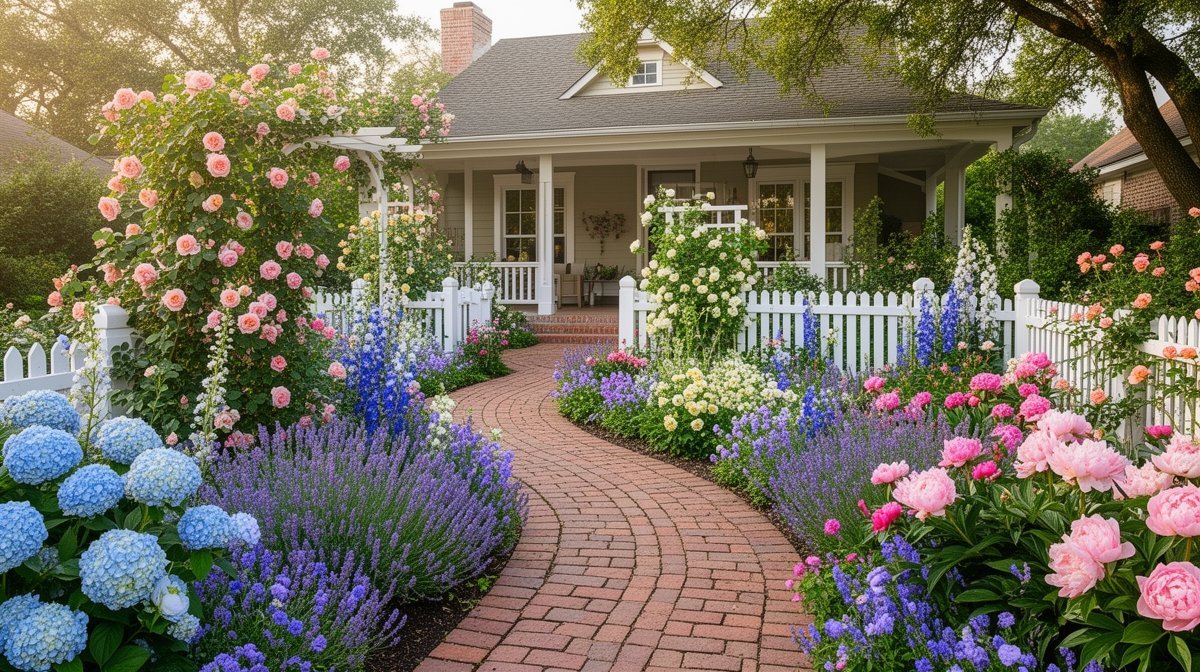
$16–30/sqftA white-painted arch of climbing roses opens onto a flagstone path that wanders past deep, stone-edged perennial borders packed shoulder-high with pink phlox, silver artemisia, white daisies, and drifts of blue salvia. The mature live oak on the left is the real design tool here: it drops the bed temperature 10–15°F on a July afternoon, which is the difference between phlox that blooms into September and phlox that fries in July. Hanging baskets and window boxes on the porch pull the border colors up onto the facade, and the curving stone edge keeps Bermuda grass out of the beds without a mow strip.
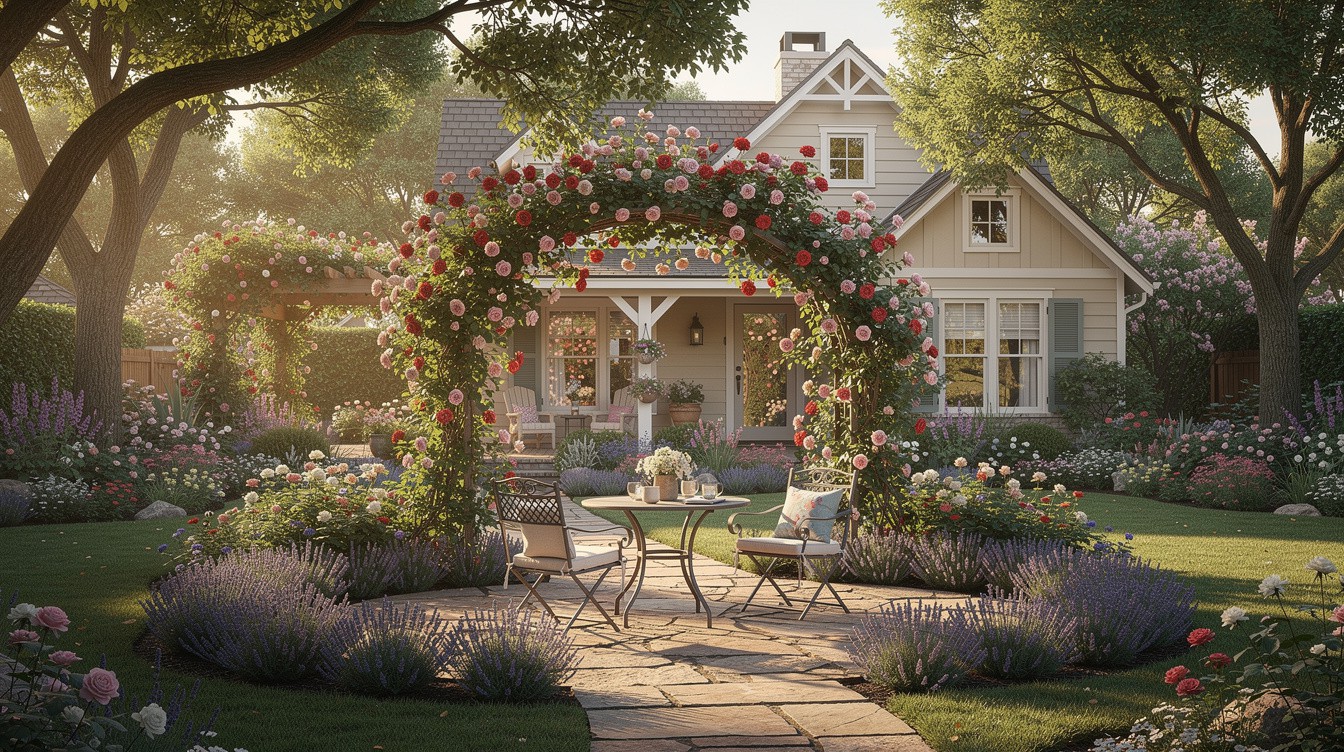
The Rose Arbor Tea Terrace
$18–34/sqftA flagstone terrace just big enough for a bistro table and two iron chairs sits under a rose-covered arbor that steps down from a pergola along the house, so the seating is shaded by roses at 4 p.m. and by the mature canopy trees by 6 p.m. Crimson and pink climbers cover both structures, and the terrace is ringed with tight lavender mounds that release scent when you brush past — the layer that makes a small garden feel like a room. Mixed white and pink roses, salvias, and shasta daisies fill the beds beyond, spilling right up to the lawn edge with no visible hard boundary.
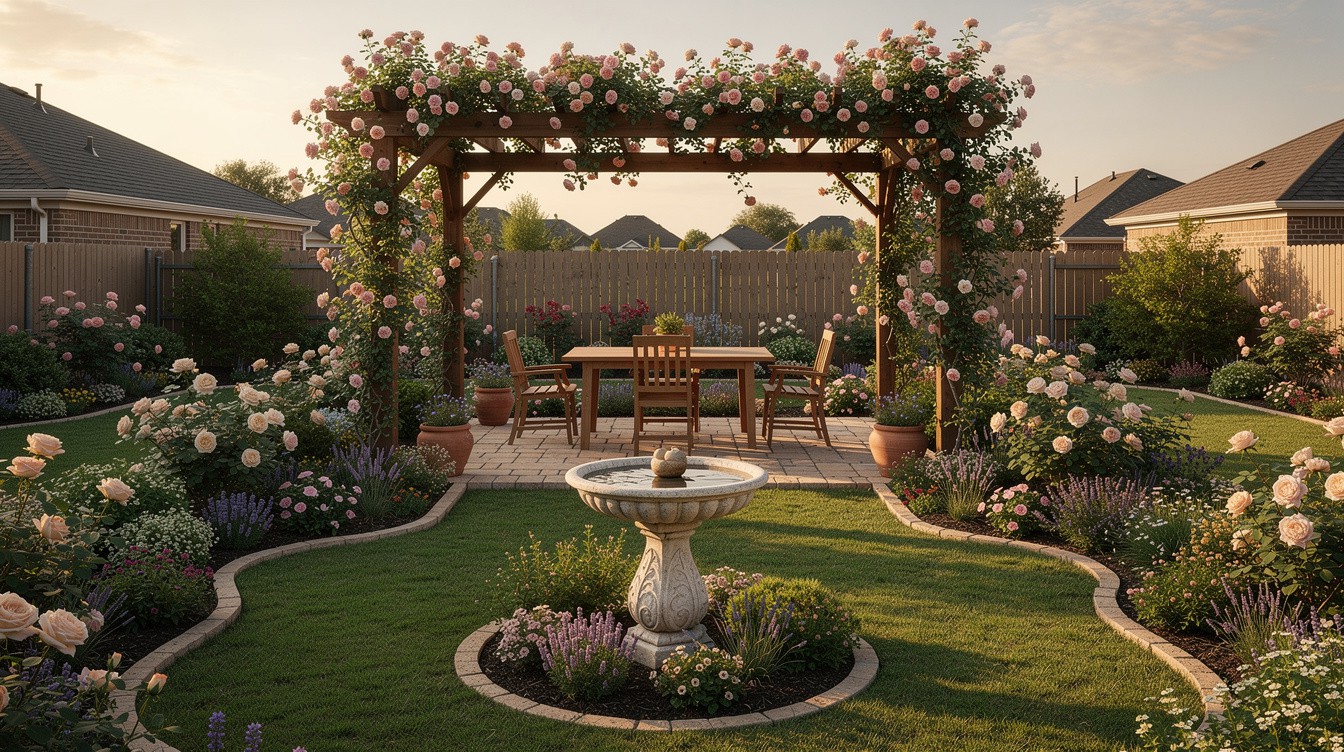
The Pergola and Fountain Garden
$22–40/sqftA heavy cedar pergola draped in pink climbing roses shelters a paver dining patio at the back of the lot, while a carved stone fountain anchors a circular planting island in the middle of a curving lawn. Stone-edged borders sweep around the entire fence line in long crescents, filled with pale roses, catmint, and lavender so the six-foot cedar privacy fence disappears behind flowers rather than being screened by a hedge you have to prune. This is the design for a new-build lot: it turns a flat rectangle of Bermuda into three distinct rooms using nothing but bed geometry and one vertical structure.
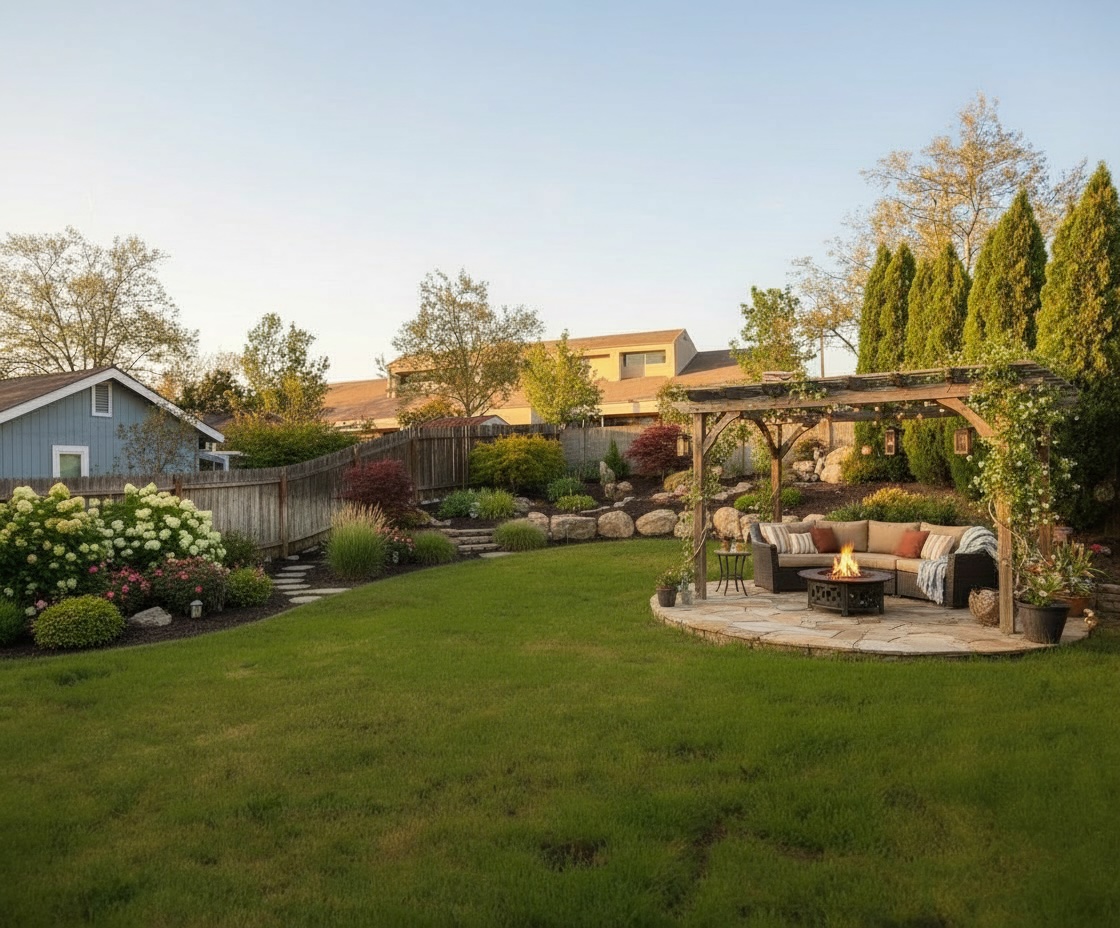
See how a cottage/english garden looks on YOUR property
Upload a photo of your Grand Prairie yard and visualize your dream garden in seconds.
Try ProScapeAI Free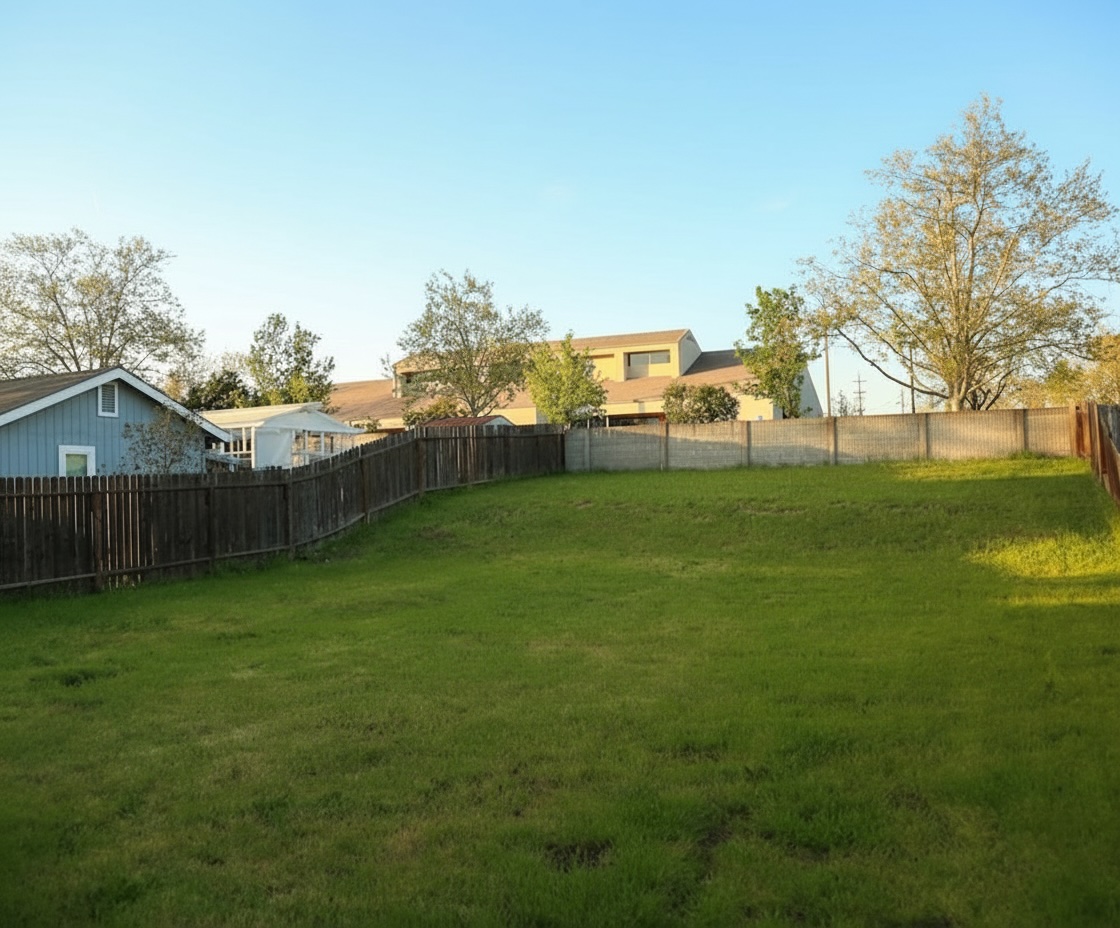
Featured Trees & Shrubs for Cottage/English Gardens
Browse all 158 plants for Grand Prairie
Texas Mountain Laurel
Sophora secundiflora
medium-sized at 12 feet, purple blooms in spring. Evergreen year-round.
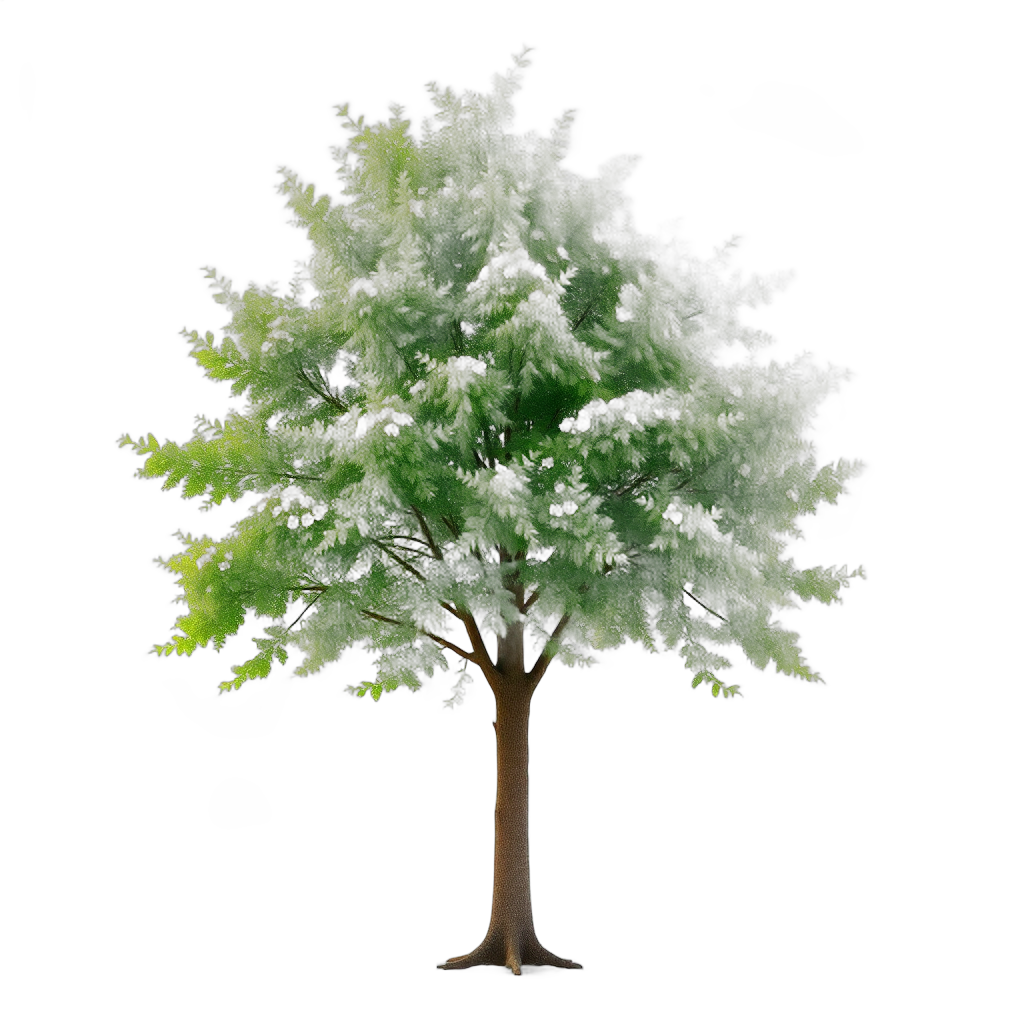
Cedar Elm
Ulmus crassifolia
large shade tree reaching 60+ feet, blooms in fall. Yellow fall color.
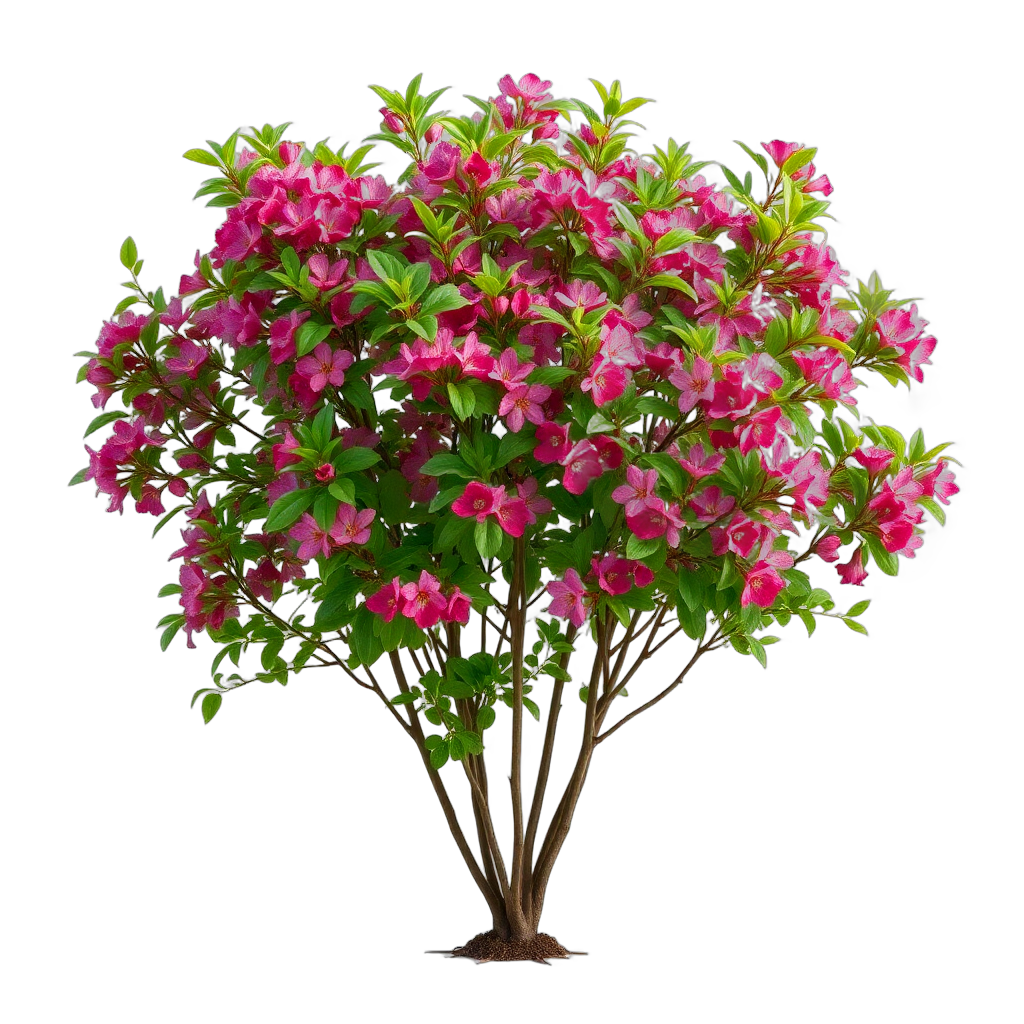
Oklahoma Redbud
Cercis reniformis
reaches 20 feet tall, purple blooms in spring. Attracts hummingbirds.
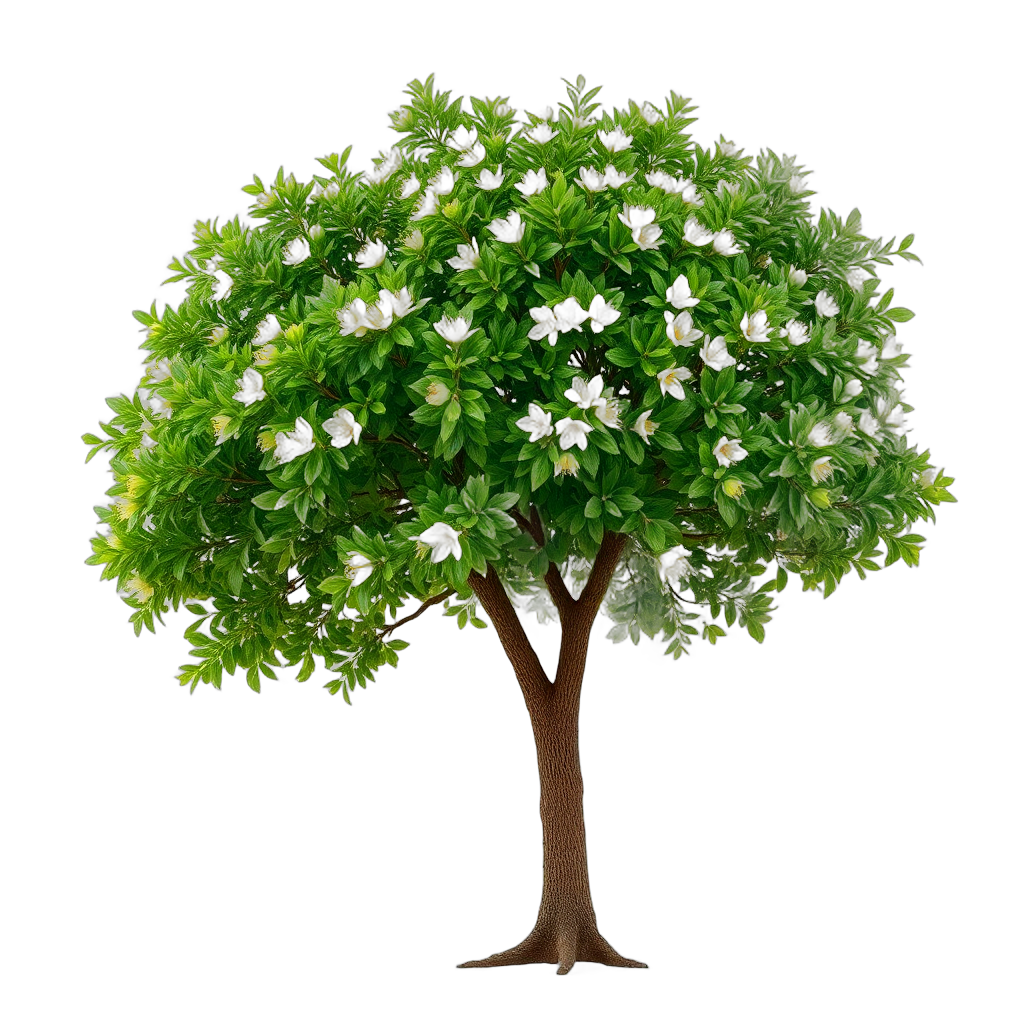
Osage Orange
Maclura pomifera
large shade tree reaching 50+ feet, blooms in spring. Yellow fall color.
Featured Grasses & Groundcovers for Cottage/English Gardens
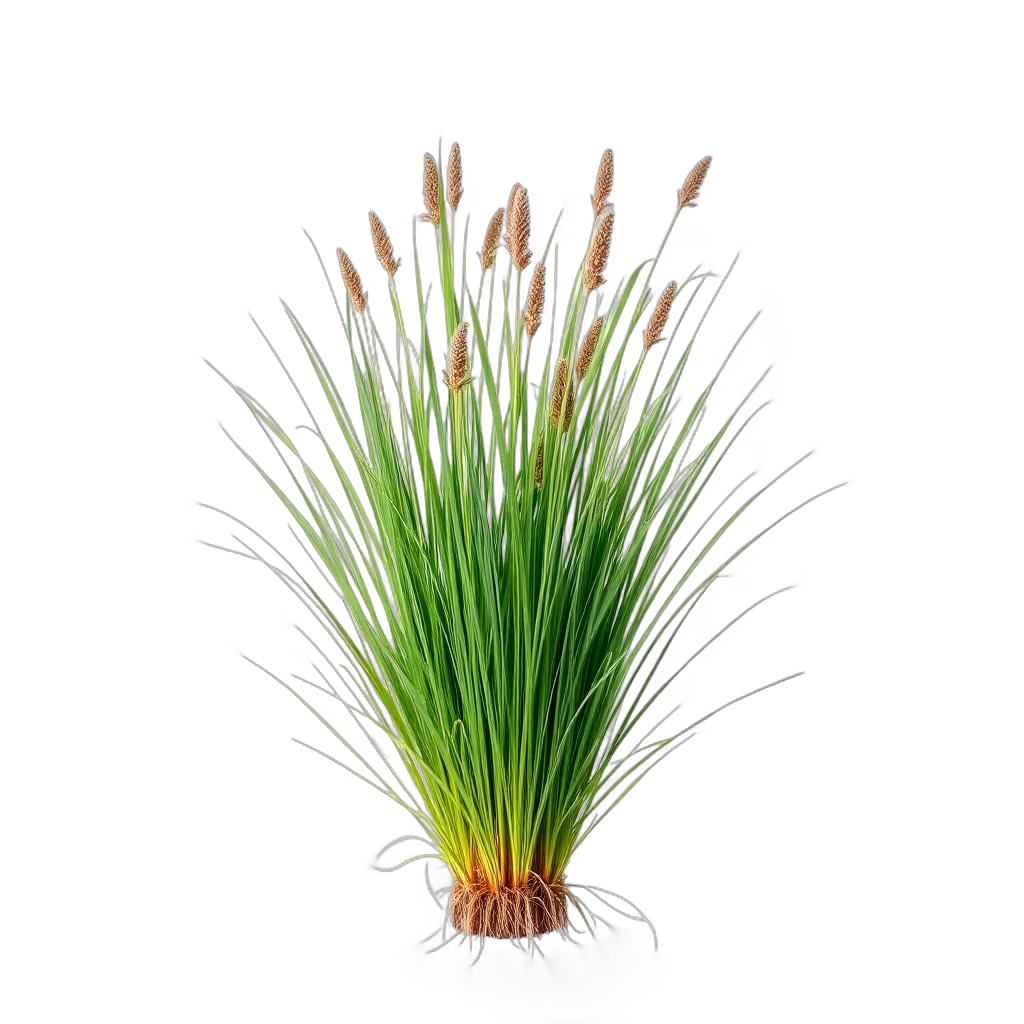
Lindheimer's Muhly
Muhlenbergia lindheimeri
grows to 4 feet, white blooms in fall.
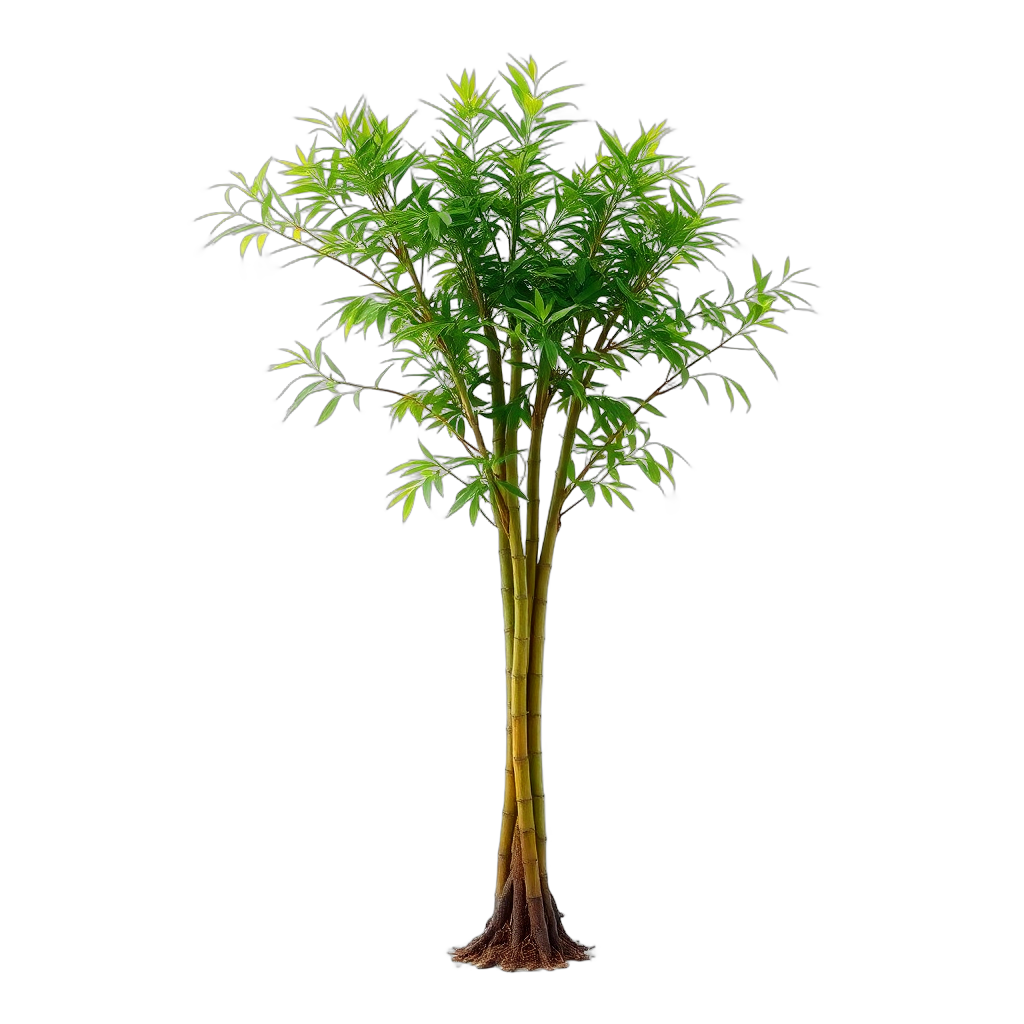
Anceps Bamboo
Yushania anceps
medium-sized at 12 feet, blooms in none. Evergreen year-round.
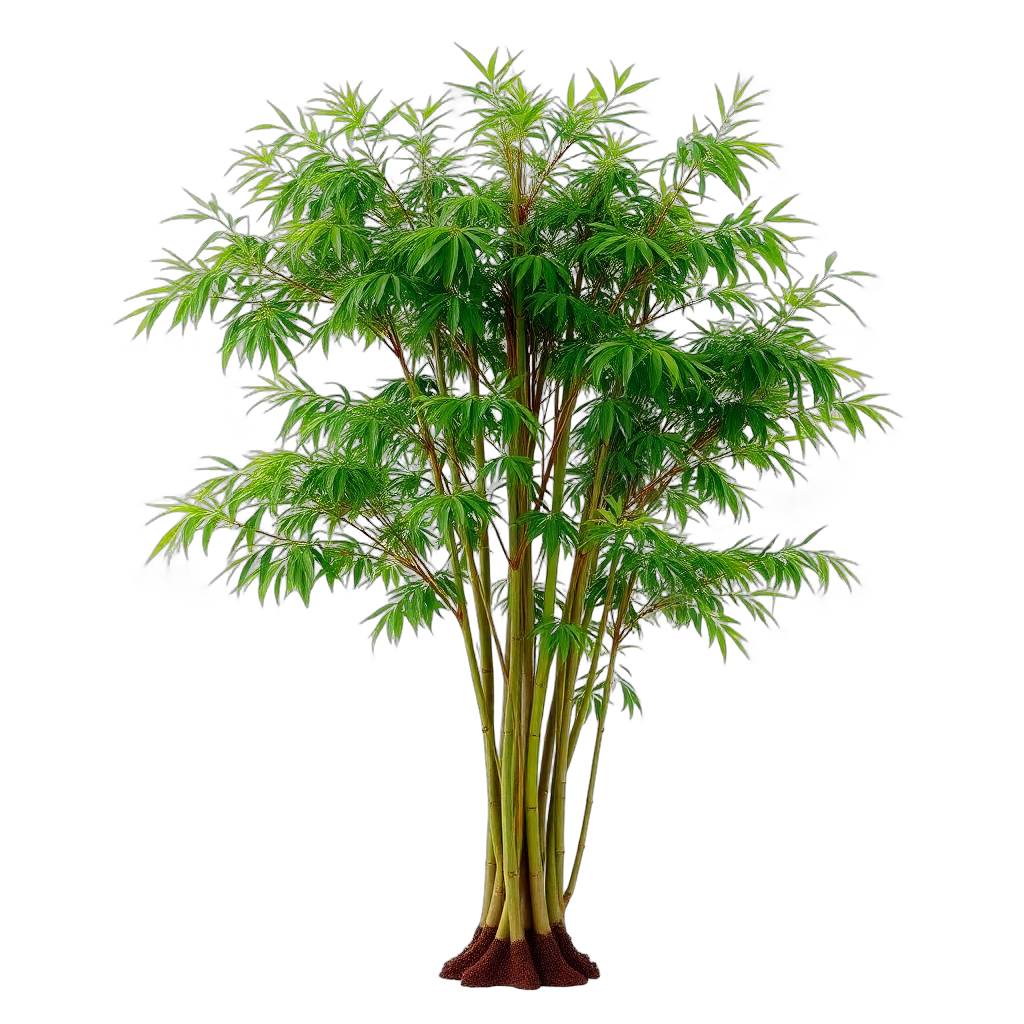
Arrow Bamboo
Pseudosasa japonica
medium-sized at 15 feet, blooms in none. Evergreen year-round.
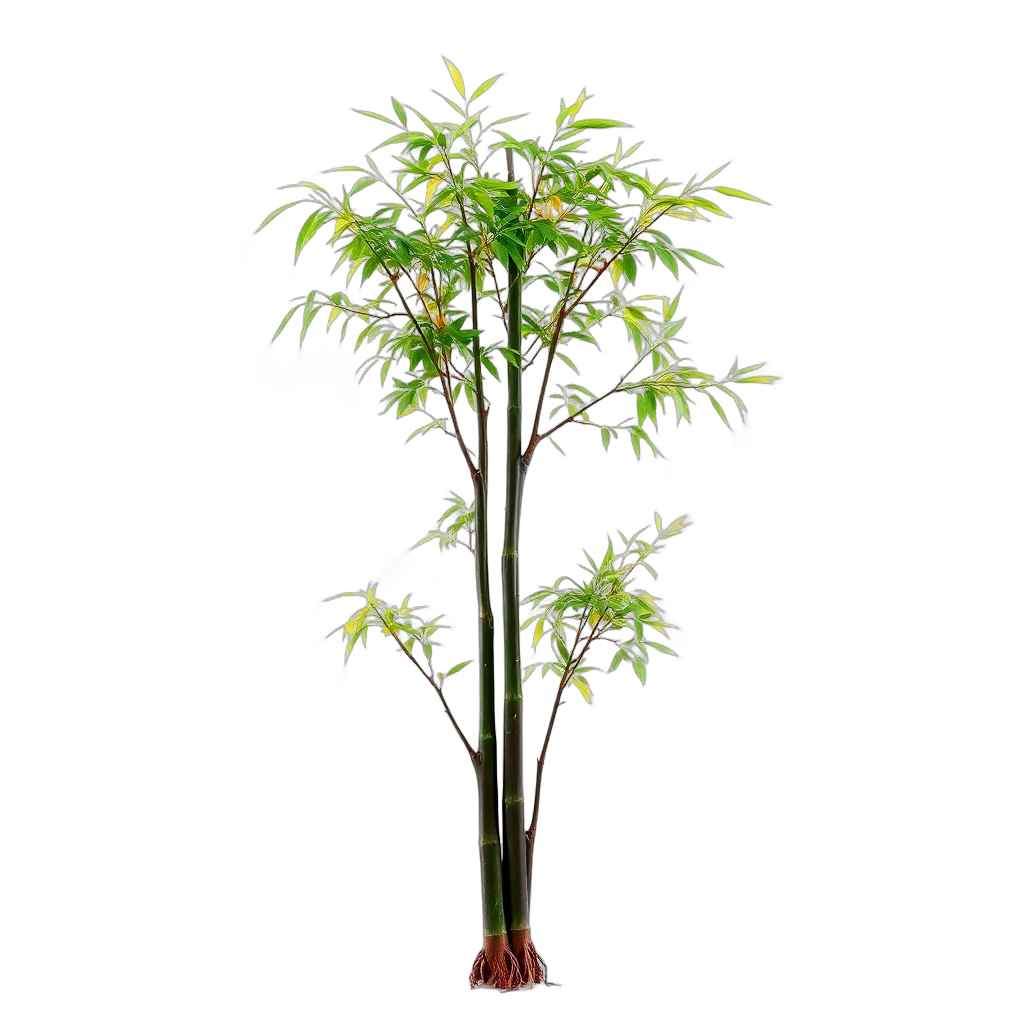
Black Bamboo
Phyllostachys nigra
reaches 25 feet tall, blooms in none. Evergreen year-round.
Featured Flowers & Perennials for Cottage/English Gardens
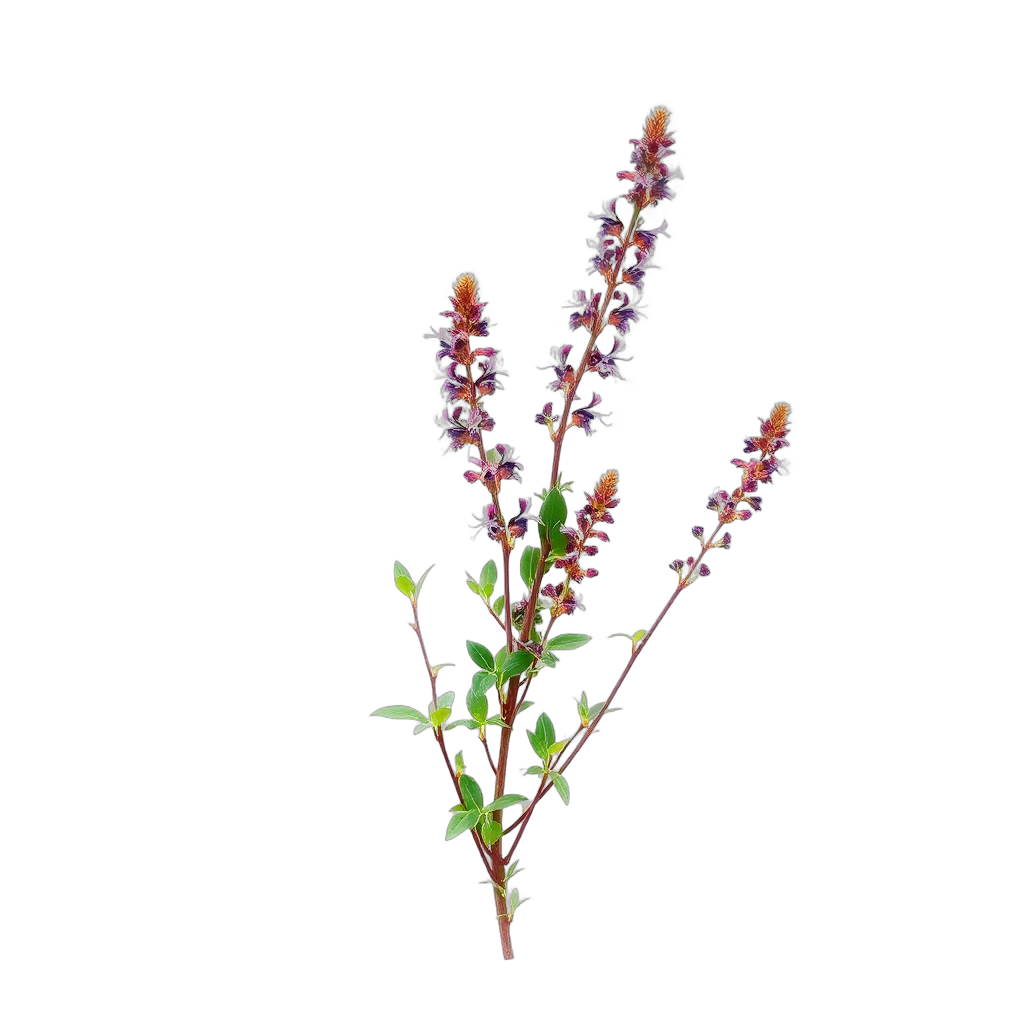
Mealy Cup Sage
Salvia farinacea
low-growing ground cover, blue blooms in summer. Attracts butterflies.
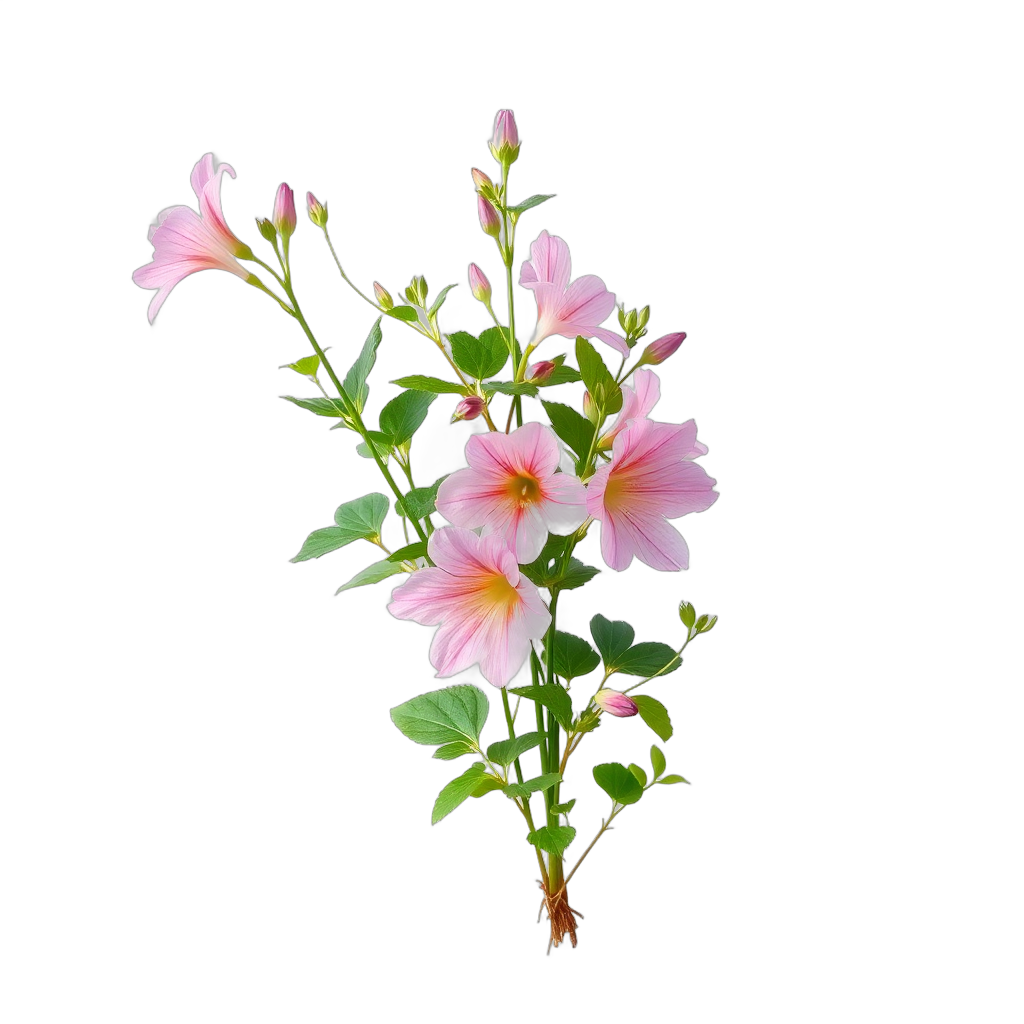
Pink Evening Primrose
Oenothera speciosa
low-growing ground cover, pink blooms in summer. Attracts butterflies.

Tussock Sedge
Carex stricta
low-growing ground cover, blooms in spring. Brown fall color.

Umbrella Sedge
Cyperus alternifolius
grows to 4 feet, blooms in summer. Evergreen year-round.
Bloom Calendar for Grand Prairie
spring
Texas Mountain Laurel, Oklahoma Redbud, Osage Orangesummer
Mealy Cup Sage, Pink Evening Primrose, Umbrella Sedgefall
Mealy Cup Sage, Lindheimer's Muhly, Cedar Elmwinter
Limited bloomsDesign Tips for Grand Prairie (Zone 8b)
- Build every bed 8–12 inches above grade with expanded shale worked into the clay — in Houston Black soil the difference between a rose that lives 15 years and one that dies in two winters is drainage at the crown, not cold hardiness
- Buy roses by Earth-Kind designation, not by catalog photo: 'Belinda's Dream', 'Marie Daly', 'Caldwell Pink', 'Mutabilis', and 'Climbing Pinkie' earned that label in North Texas alkaline clay with no fungicide, which is exactly the trial your yard is running
- Substitute Salvia farinacea 'Henry Duelberg' wherever an English plan calls for delphinium and Phlox paniculata 'John Fanick' wherever it calls for border phlox — both are Texas Superstars that hold form through a 100°F August instead of collapsing in July
- Keep the arbor and any large new tree 15–20 feet away from the slab; blackland clay shrinks around thirsty roots and differential settlement under a post-tension foundation is the most expensive mistake a Grand Prairie garden can cause
- Plan for spring hail — DFW sits in hail alley and March through May storms shred big soft leaves; keep cannas, elephant ears, and hostas out of the front yard and lean on fine-textured salvias, lavender, and roses that recover in one flush
- Layer heirloom bulbs that naturalize on rainfall: oxblood lily for a surprise September bloom after the first rain, Byzantine gladiolus and 'Grand Primo' narcissus for February, and cemetery iris (Iris albicans) as evergreen bed edging that never needs dividing
Where to Source Plants in Grand Prairie
Skip the big-box stores. These independent Grand Prairie nurseries specialize in the plants that make cottage/english gardens thrive in Zone 8b.
Pat's Plants and Gifts
Downtown Grand Prairie
Wide selection of indoor and outdoor plants with personalized customer service.
Grand Prairie Feed & Garden
East Grand Prairie
Garden supplies and plants alongside a long-running feed store, a local institution.
Chambers Nursery Garden Center
Irving (DFW metro)
Family-owned nursery specializing in native and ornamental plants.
Cottage/English Landscaping Costs in Grand Prairie
| Project Scope | Estimated Cost |
|---|---|
| Front yard cottage border (bed prep, roses, perennials, edging, mulch) | $4,500 – $11,000 |
| Cedar rose arbor over walkway (installed, on pier footings) | $1,800 – $4,500 |
| Flagstone or brick path with proper limestone base (60–100 sqft) | $2,000 – $4,000 |
| 12x16 cedar pergola with paver dining patio | $14,000 – $32,000 |
| Drip irrigation retrofit for beds (licensed irrigator, permit, backflow) | $1,500 – $4,000 |
| AI visualization with ProScapeAI | Free to start |
Estimates based on Grand Prairie, TX-area contractor rates as of 2026. Actual costs vary by site conditions, materials, and contractor.
Grand Prairie Climate & Growing Zone
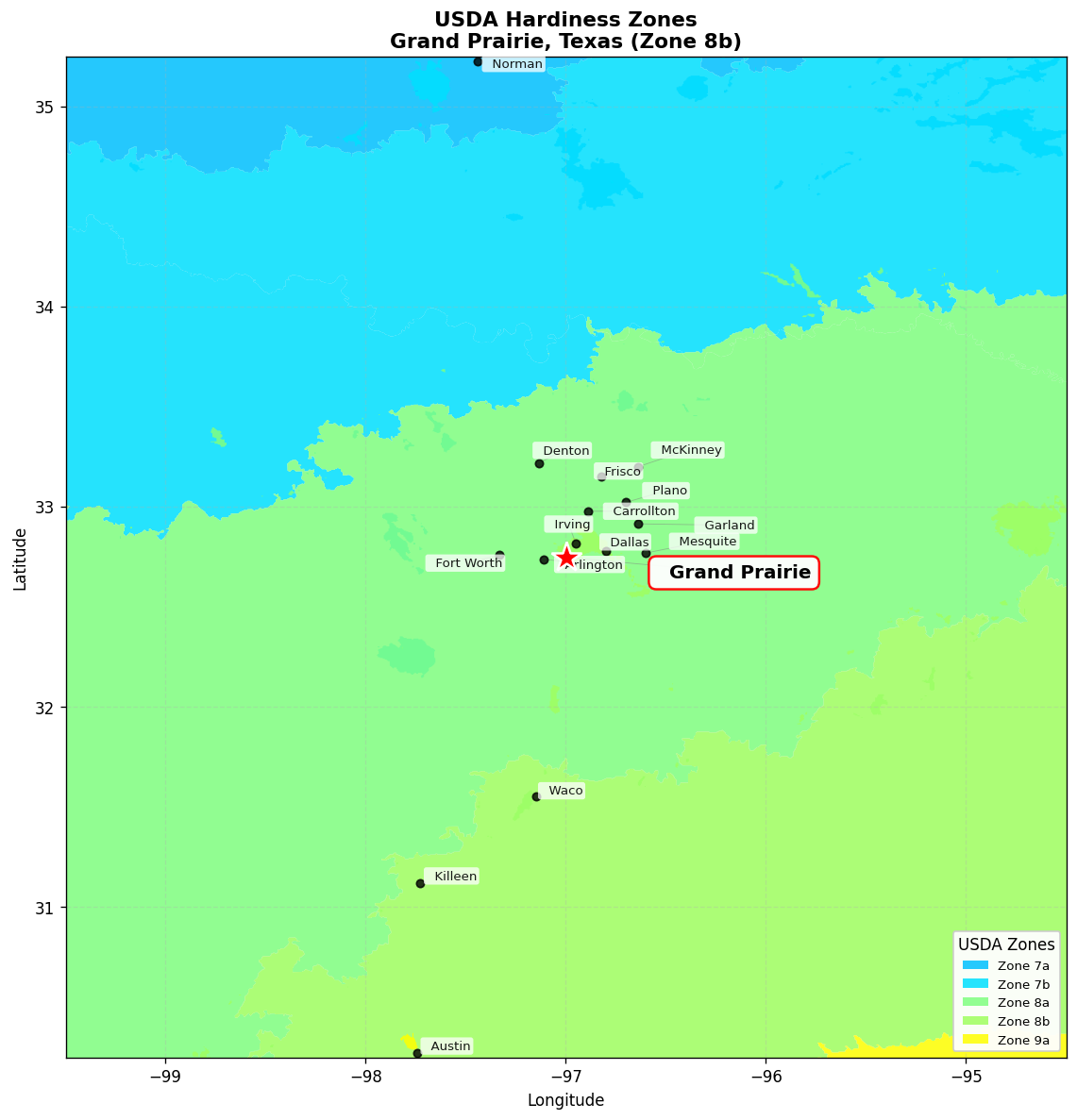
USDA Zone 8b
Hardiness zone for Grand Prairie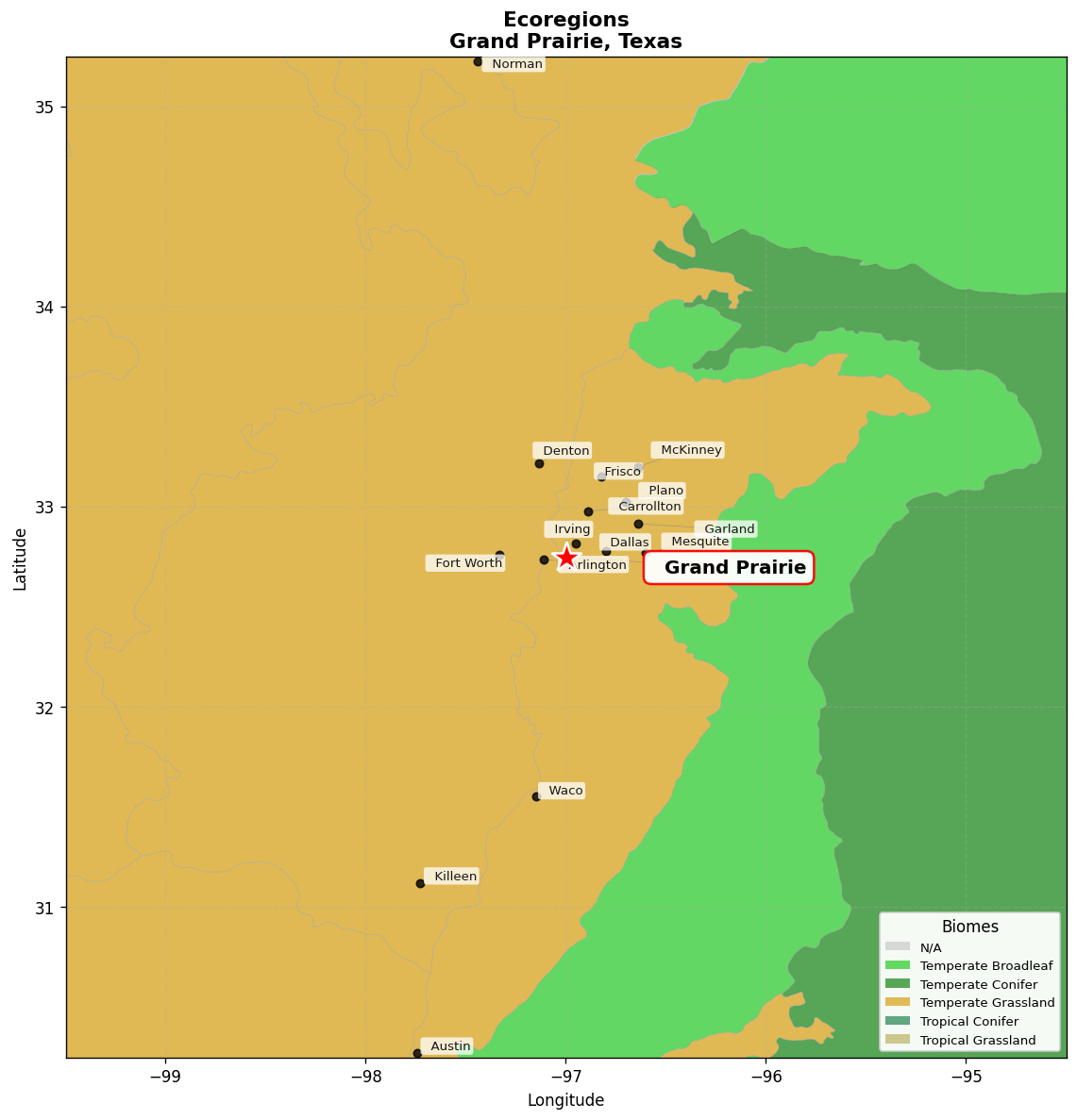
Texas blackland prairies
Native ecoregionFrequently Asked Questions
Which roses actually survive Grand Prairie summers without spraying?
Stick to the Texas A&M Earth-Kind list — those varieties were trialed in North Texas alkaline clay on rainfall alone with zero fungicide. The workhorses here are 'Belinda's Dream' (also a Texas Superstar, big pink cabbage blooms, disease-proof), 'Marie Daly' (compact, thornless, nonstop), 'Caldwell Pink' (a shrub you can hedge), 'Mutabilis' (a 6-foot butterfly rose), and 'Knock Out' for pure toughness. For arbors and pergolas use 'New Dawn', 'Climbing Pinkie', or 'Peggy Martin'. Avoid hybrid teas and most David Austins: they blackspot in our humid Mays and stall completely once nights stay above 80°F in July.
Can I grow lavender in Grand Prairie's blackland clay?
Only if you change both the variety and the soil. True English lavender (Lavandula angustifolia 'Munstead', 'Hidcote') rots within two seasons in Houston Black clay. Use Lavandula x intermedia 'Phenomenal' or 'Provence', or Spanish lavender (L. stoechas 'Otto Quast'), and plant them in beds raised 8–12 inches above grade with 40–50% expanded shale or crushed granite mixed in, then mulch with gravel rather than hardwood so the crown stays dry. Where that is not practical — north-facing beds, heavy shade — plant Nepeta 'Walker's Low' instead; it delivers the same blue-gray haze and is genuinely bulletproof here.
How do I build a flagstone path that will not heave in blackland clay?
Excavate 8–10 inches, lay geotextile fabric, then compact 6 inches of crushed limestone flex base in two lifts with a plate compactor, and set the flagstone on 1 inch of screened sand. Houston Black clay has extreme shrink-swell — it can crack two inches wide in a dry August and swell shut in May — and stone laid straight on soil will be a trip hazard within two summers. For poured concrete, use a 4-inch slab with #3 rebar on 18-inch centers (not fiber mesh alone) and control joints every 8–10 feet. Budget the base prep as part of the job; it is typically 25–35% of hardscape cost here and it is the part you cannot retrofit.
Why do my hydrangeas and azaleas look yellow in Grand Prairie?
That is iron chlorosis, and it is a soil chemistry problem you cannot fix permanently. Blackland prairie soils run pH 7.8–8.2 and are calcareous, which locks up iron and manganese. Azaleas, hydrangeas, blueberries, dogwoods, red maples, pin oaks, and river birch will all yellow between the veins and slowly decline no matter how much chelated iron you apply. Design around it instead: Earth-Kind roses, salvias, phlox, lantana, Texas sage, and vitex all prefer alkaline soil. If you must have hydrangeas, grow oakleaf types in large containers with acidic potting mix.
When should I plant a cottage garden in Grand Prairie?
October through early December is the best window by a wide margin — roses, perennials, and shrubs put down roots through a mild winter and are established before the first 100°F day. February and early March is the second window, before the average last frost around mid-March. Sow larkspur, poppies, and bluebonnet seed in October for a spring show; plant heirloom bulbs like oxblood lily and 'Grand Primo' narcissus in September. Avoid planting anything from mid-June to early September: new roots simply cannot keep up with 100°F afternoons and low humidity, even under daily irrigation.
What do Grand Prairie's watering rules and HOAs mean for a flower-heavy garden?
Grand Prairie enforces water conservation limits that restrict landscape irrigation to a set number of days per week and prohibit sprinkler use during the hottest midday hours in summer — confirm the current schedule with the city's Water Utilities before you size a system. The practical answer is drip irrigation under mulch for all beds (drip is generally exempt from time-of-day limits and delivers 90% efficiency versus 50–65% for spray), plus 3 inches of hardwood mulch. Any new irrigation system in Texas must be installed by a licensed irrigator with a backflow preventer and requires a permit. In HOA neighborhoods like Mira Lagos and Grand Peninsula, submit plans for approval, but note that Texas Property Code §202.007 prevents an HOA from flatly banning drought-tolerant landscaping.