4 English Cottage Garden Ideas for Hartford, CT | Rose-City Borders for Zone 6b
Native plants from the Northeast US Coastal forests (Zone 6b) — Humid continental (hot summer) climate
Why Cottage/English Gardens in Hartford?
Hartford has a better claim on the English cottage garden than most American cities, because it already owns the country's oldest one of its kind. The rose garden at Elizabeth Park, laid out by Theodore Wirth in 1904, is the oldest municipal rose garden in the United States, with roughly 15,000 bushes in about 800 varieties, and it sits on the West End line where Hartford meets West Hartford. The housing stock does the rest. The Victorian and Queen Anne houses of the West End and Asylum Hill, the porched two-families of Parkville, Frog Hollow and Barry Square, and the Capes and Colonials of Blue Hills and the South End all give a cottage border the backdrop it wants: a porch, a picket line, and a front setback short enough that the planting reads from the sidewalk.
Zone 6b means designing for an average coldest night near -3°F (the 1991–2020 mean annual extreme minimum at Bradley is -3.4°F), January lows that average about 19°F, and July highs near 85°F with full Connecticut River Valley humidity. The valley takes about 47 inches of precipitation and around 50 inches of snow a year. That climate is close to ideal for the classic English list: Paeonia lactiflora 'Festiva Maxima' and 'Sarah Bernhardt' get the winter chill they need, Delphinium elatum gets a cool spring, and Digitalis purpurea self-sows along a Hartford fence the way it does in Kent. Winter wet and swings across freezing do more damage than the cold itself. Lavandula angustifolia 'Hidcote' tends to rot out in a soggy March; Lavandula × intermedia 'Phenomenal' is the one that comes back. Hydrangea macrophylla loses its flower buds to a February cold snap most years, so Hydrangea paniculata 'Limelight' and Hydrangea arborescens 'Annabelle', which bloom on new wood, carry the late summer instead.
Soil under Hartford changes with the ground you stand on. The riverside flats and the Meadows sit on floodplain silt and the old lakebed clays and sands of glacial Lake Hitchcock; the higher neighborhoods toward the West End and Blue Hills sit on reddish glacial till washed off the valley's Triassic brownstone. Both typically test acidic, around pH 5.0–6.0, which suits Hydrangea and Astilbe and is too sour for lavender, Dianthus and roses. Test first, lime the rose and lavender beds toward 6.5, and on the heavy clay build beds up 8–10 inches instead of digging a hole that fills with meltwater every March.
Then there is road salt. A plowed Hartford street throws salt spray 6–10 feet into the front garden every winter, which browns boxwood and arborvitae by April. Keep the clipped evergreens back from the curb, put salt-shrugging Nepeta × faassenii 'Walker's Low', Hemerocallis and Achillea on the street edge, and choose roses with real cold hardiness: Rosa 'New Dawn', Rosa 'John Cabot' and Rosa 'William Baffin' on arbours, and Rosa 'Olivia Rose Austin' in the shrub layer.
4 Cottage/English Design Ideas for Hartford

AI-generated image
The West End Porch Border
$20–42/sqftA deep two-story Queen Anne porch looks down a straight brick walk to a white picket gate, and the front yard either side is all border: three layers deep, tall spires at the back against the porch skirt, catmint and lavender spilling over the walk edge at the front. The house faces south, so the beds get full sun from late morning, and a single old maple at the corner throws afternoon shade onto the lawn strip and the hostas under it. A cedar arch over the gate carries a climbing rose that the whole street sees in June.

AI-generated image
The Two-Family Front Strip
$15–30/sqftA narrow front yard between a two-family porch and the city sidewalk becomes a single generous border behind a low iron fence, with a brownstone step and a short gravel path to the stoop. Because the bed sits within salt-spray range of a plowed street, the front row is all tough perennials, and the roses and peonies sit one step back near the house wall where the brick holds heat. It is a design for 150 to 300 square feet that still reads as a full cottage garden from a passing car.

AI-generated image
The Rose Garden Walk
$25–50/sqftA back garden behind a Colonial Revival is laid out as a small homage to Elizabeth Park: a gravel cross-path, a painted arch at the center crossing, and four beds of roses underplanted with catmint and lady's mantle. The beds run north to south so every rose gets sun on both faces and the foliage dries by mid-morning, which keeps blackspot down in a humid valley July. A bench at the end of the walk sits under a white-flowered kousa dogwood for shade.

AI-generated image
The Brownstone Terrace and Herb Corner
$30–60/sqftA small terrace of reclaimed brownstone and bluestone flags sits off the kitchen door with a café table, and the planting closes in on three sides: a raised gritty bed of lavender and thyme on the sunniest edge, peonies and foxgloves along the fence, and a shade corner of ferns and hellebores under the neighbor's tree. Every bed edge is built up 8 inches with a low dry-laid wall, which drains the March meltwater off the valley clay and gives the lavender the dry feet it needs to come back. It costs more in stone than in plants, and the stone outlasts everything.
See how a cottage/english garden looks on YOUR property
Upload a photo of your Hartford yard and visualize your dream garden in seconds.
Try ProScapeAI Free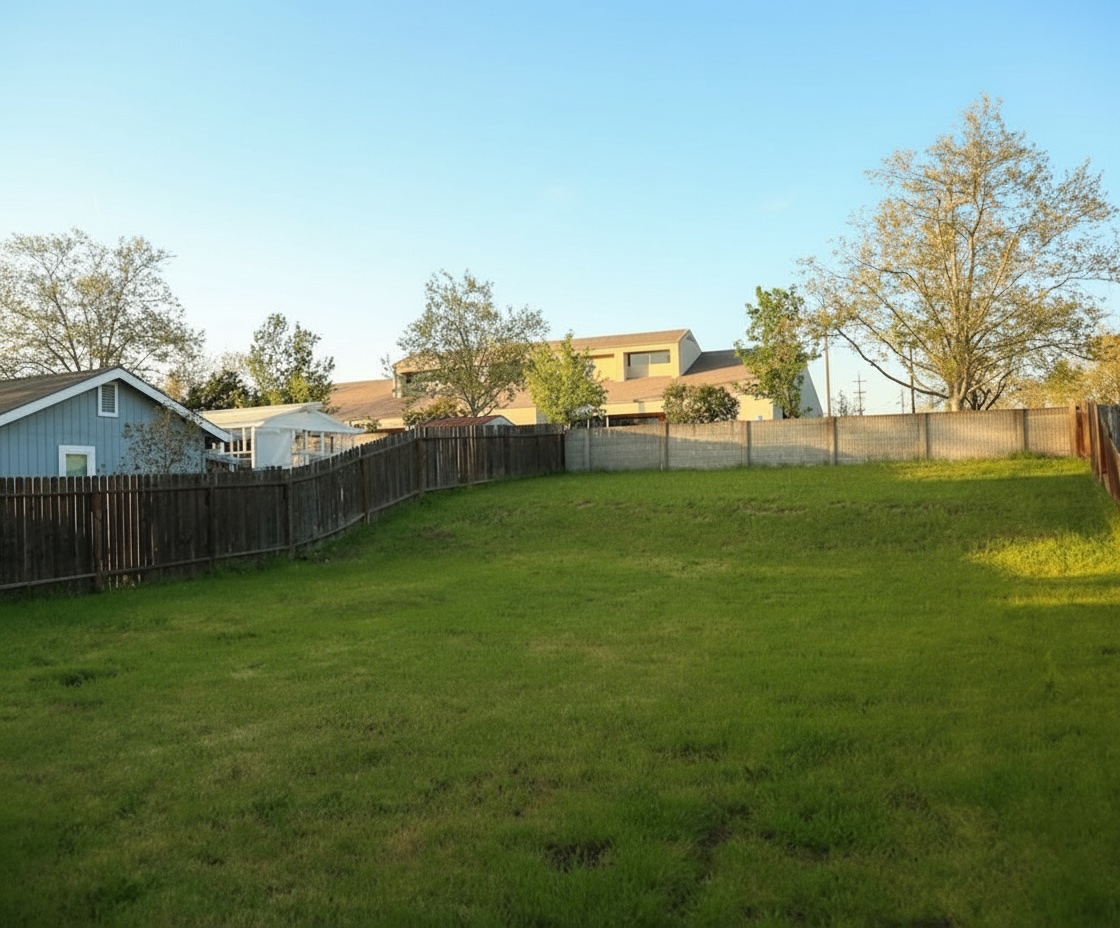
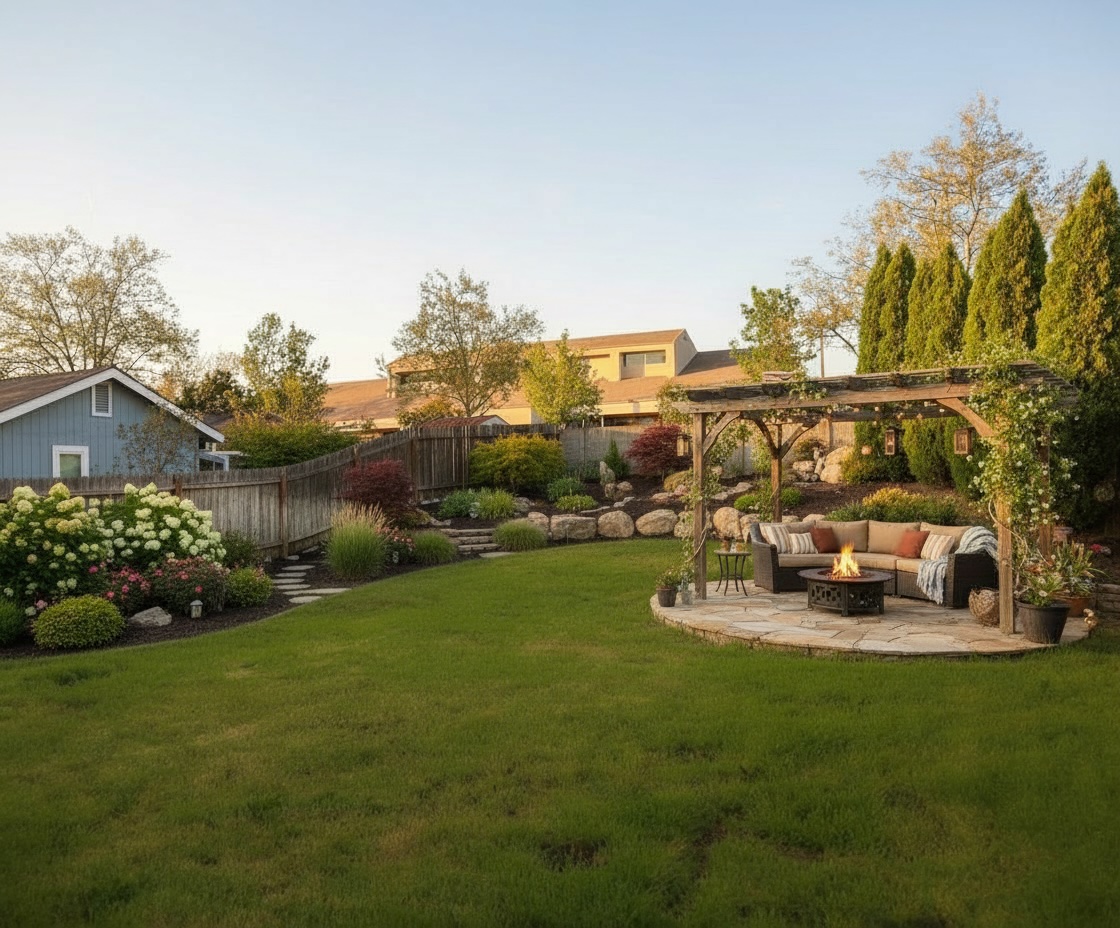
AI-generated image
Featured Trees & Shrubs for Cottage/English Gardens
Browse all 181 plants for Hartford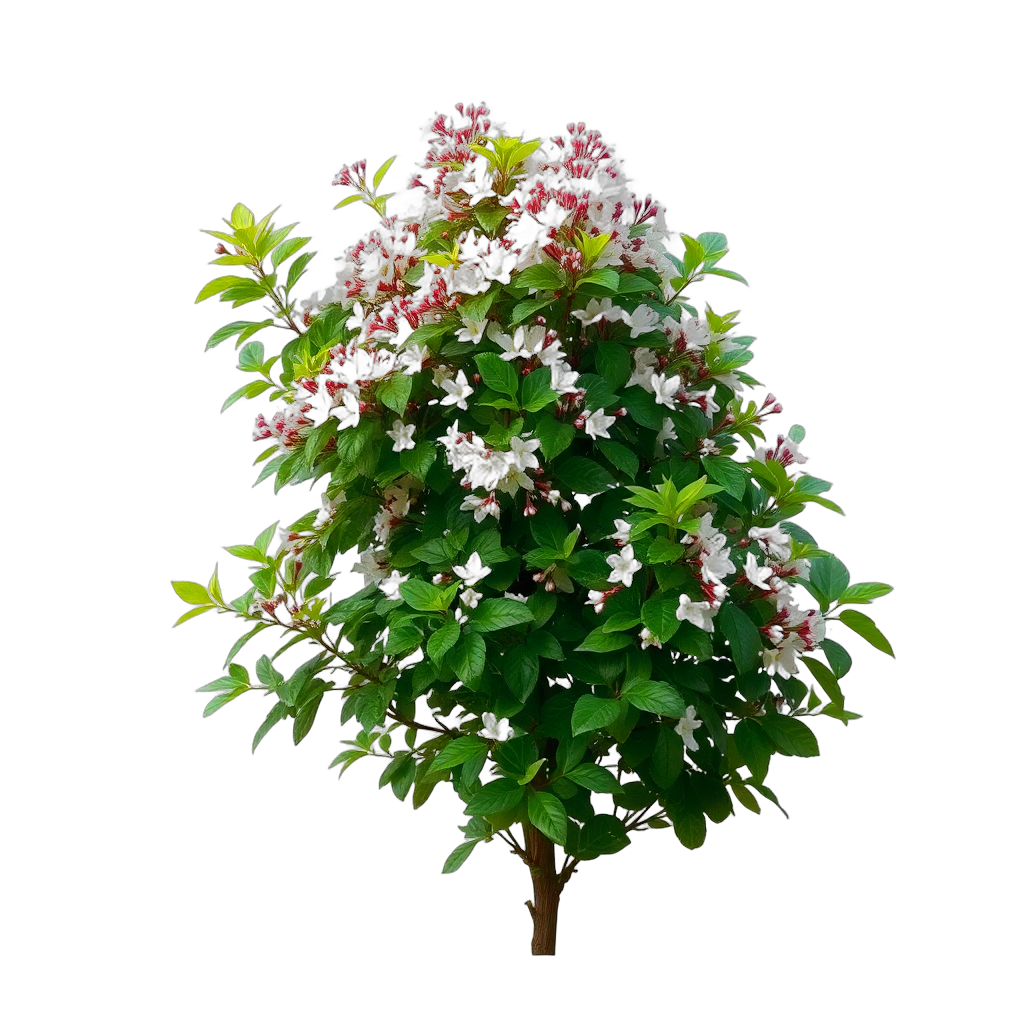
Arrowwood Viburnum
Viburnum dentatum
medium-sized at 10 feet, white blooms in spring. Pollinator-friendly.
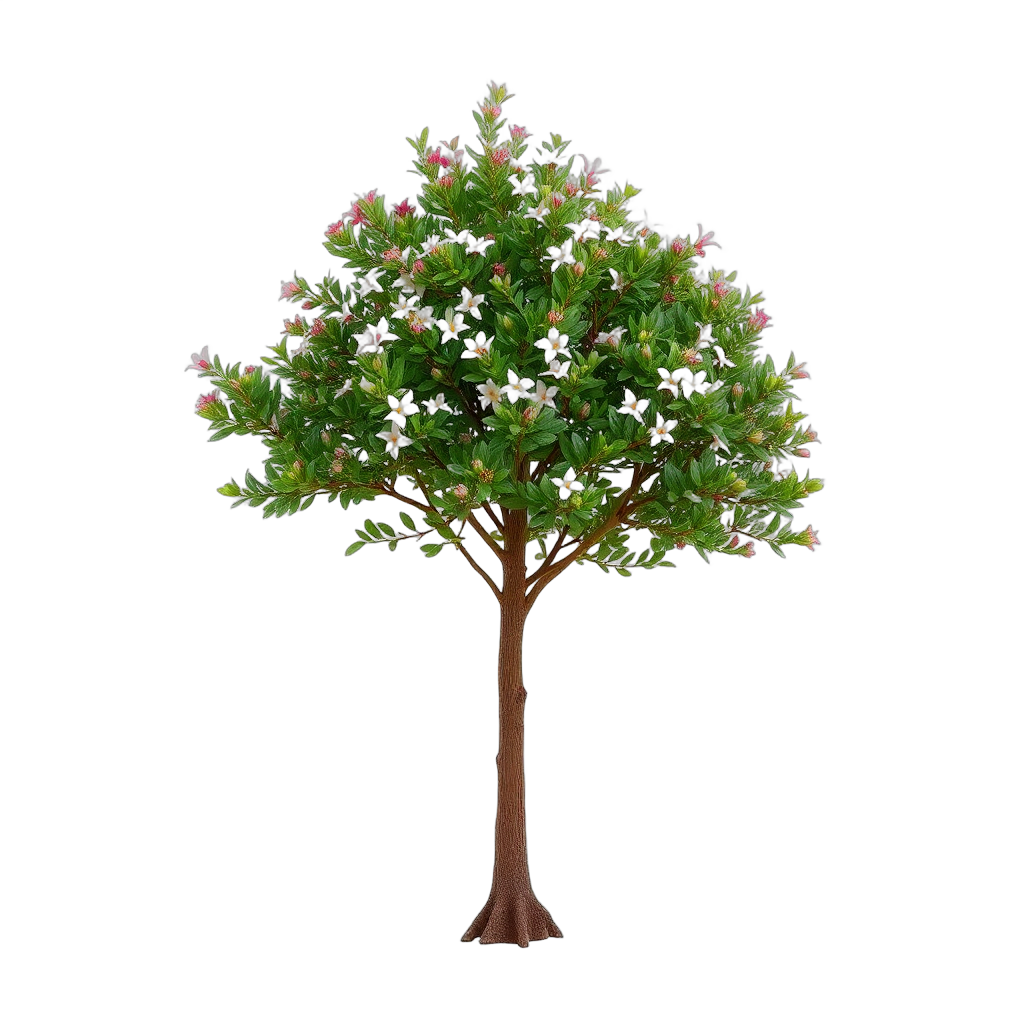
Coastal Leucothoe
Leucothoe axillaris
grows to 3 feet, white blooms in spring. Evergreen year-round.
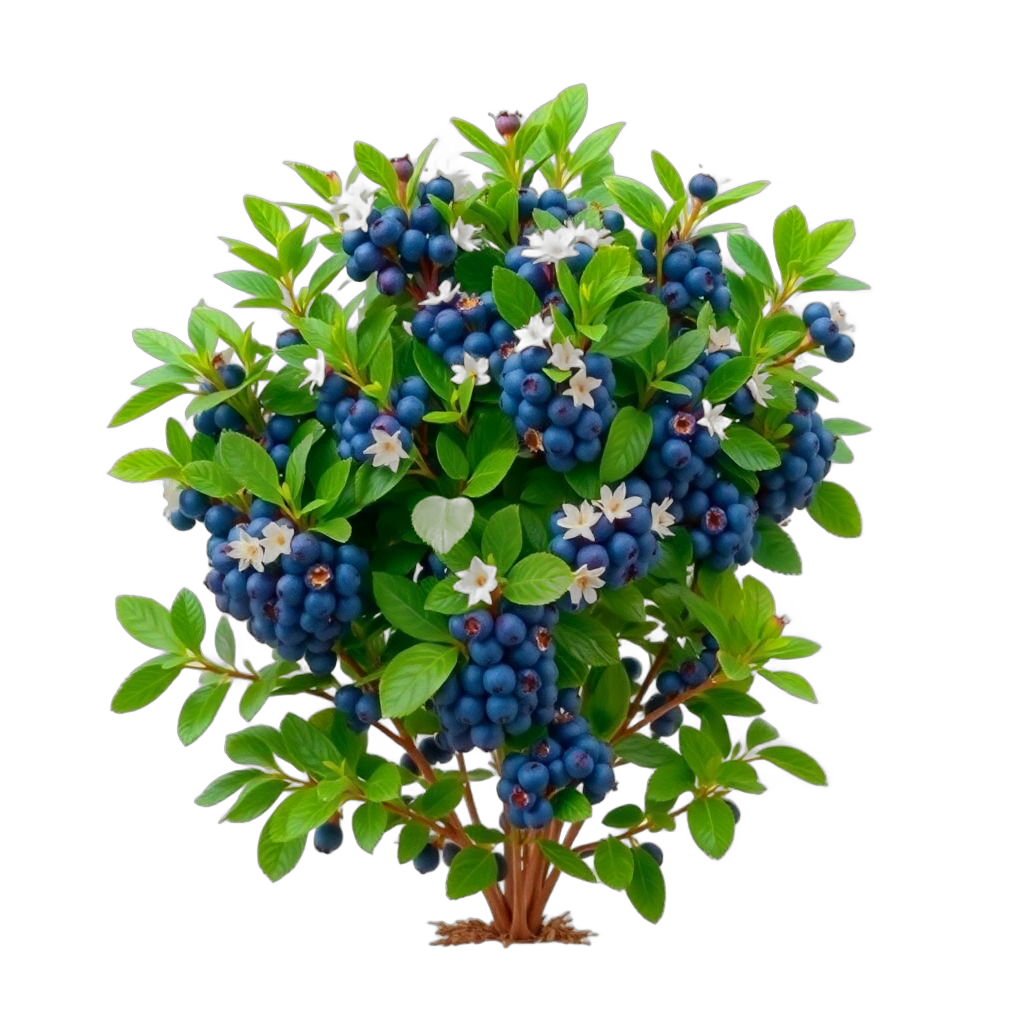
Highbush Blueberry
Vaccinium corymbosum
medium-sized at 7 feet, white blooms in spring. Attracts butterflies.

Inkberry
Ilex glabra
medium-sized at 8 feet, white blooms in spring. Pollinator-friendly.
Featured Grasses & Groundcovers for Cottage/English Gardens
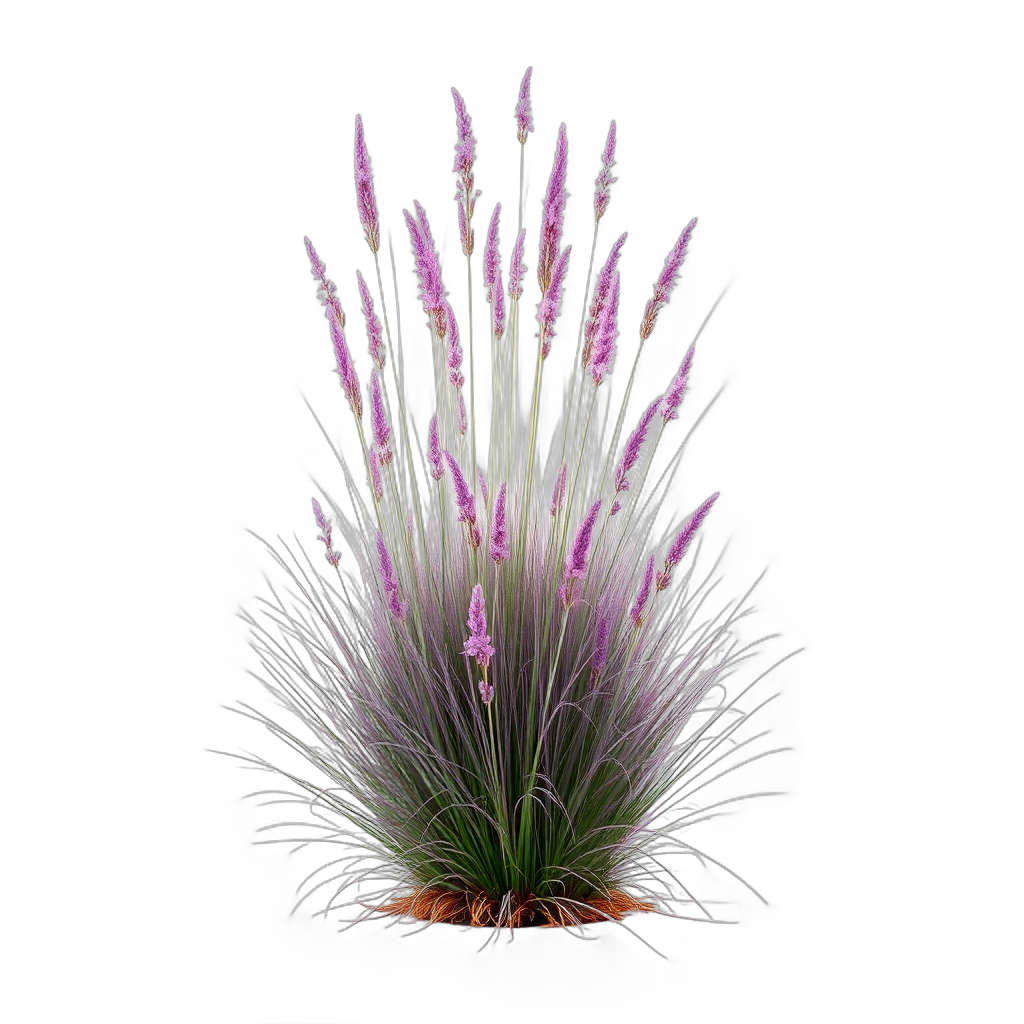
Purple Love Grass
Eragrostis spectabilis
low-growing ground cover, purple blooms in fall. Orange fall color.
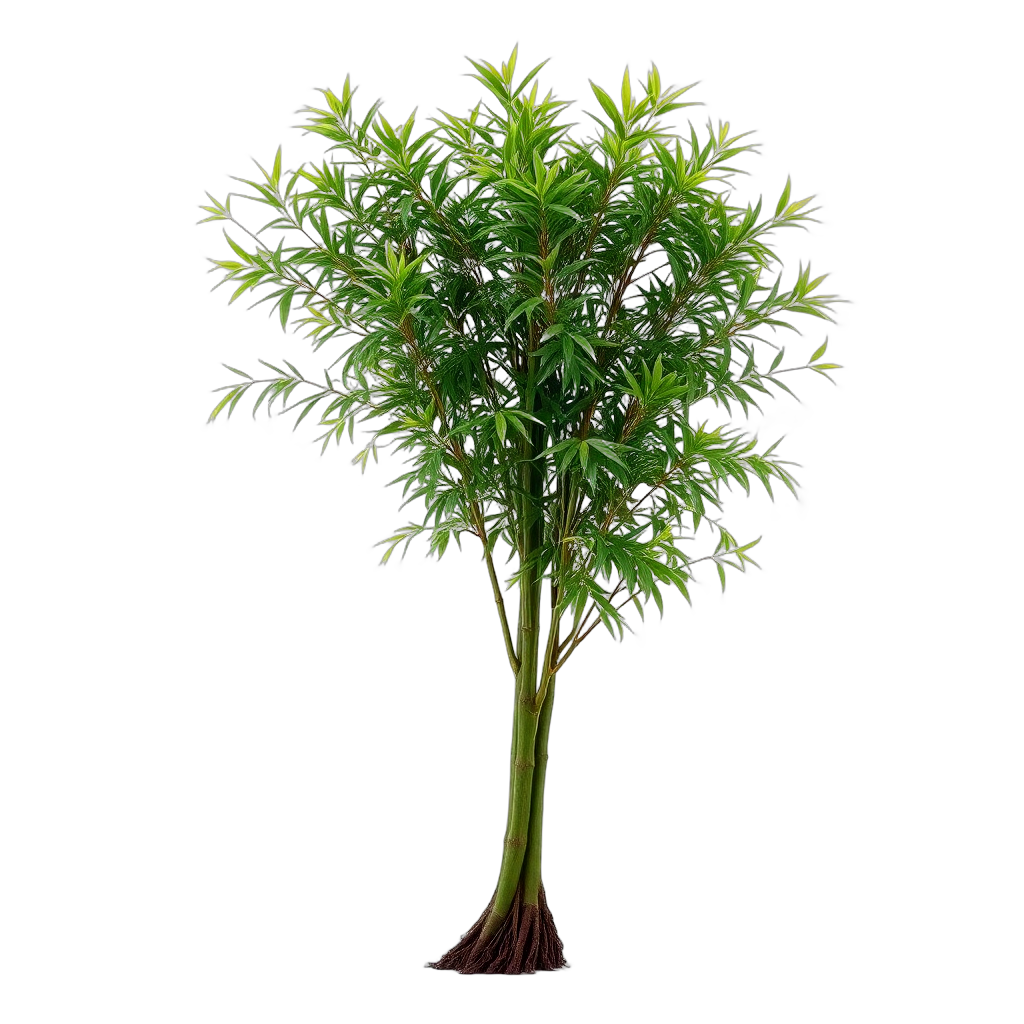
Broad-leaf Bamboo
Sasa palmata
medium-sized at 7 feet, blooms in none. Evergreen year-round.
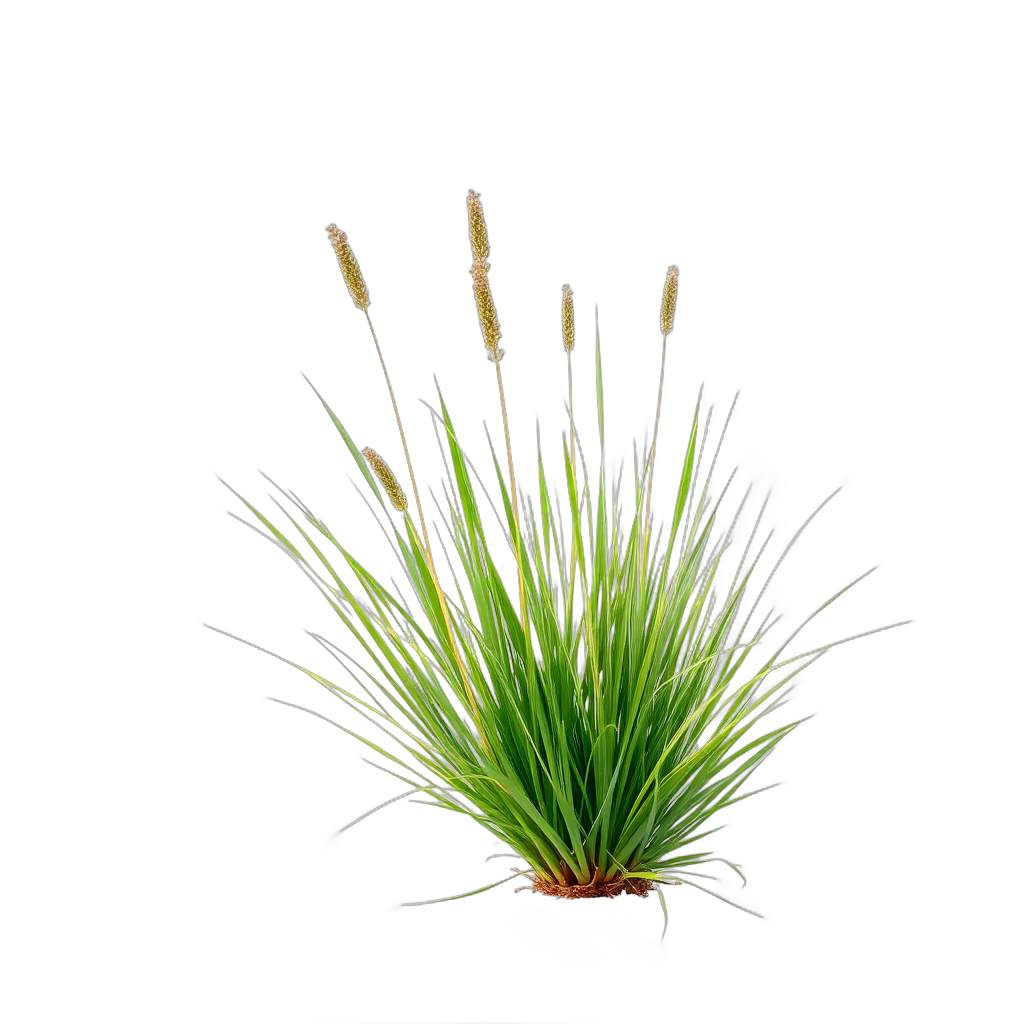
Deer Grass
Muhlenbergia rigens
grows to 3 feet, yellow blooms in fall. Evergreen year-round.
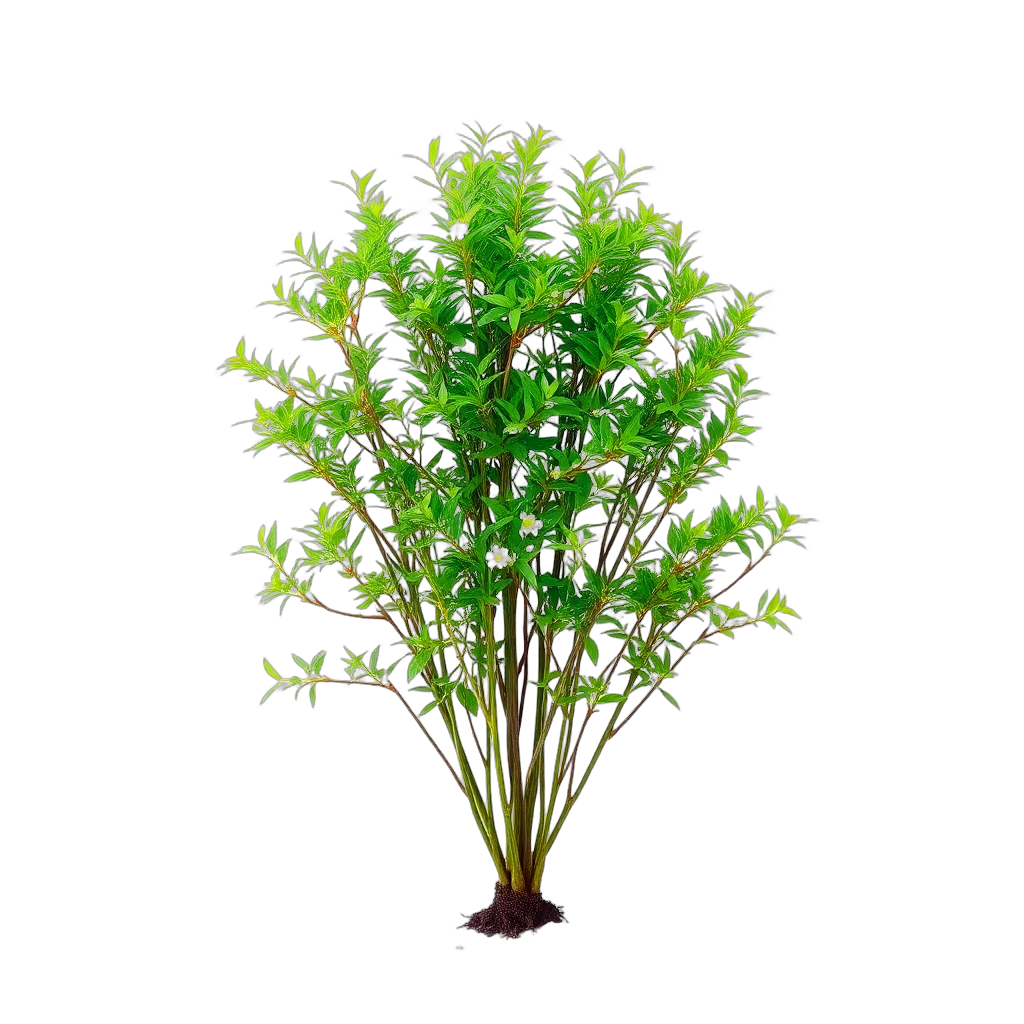
Dwarf Fernleaf Bamboo
Pleioblastus distichus
low-growing ground cover, blooms in none. Evergreen year-round.
Featured Flowers & Perennials for Cottage/English Gardens
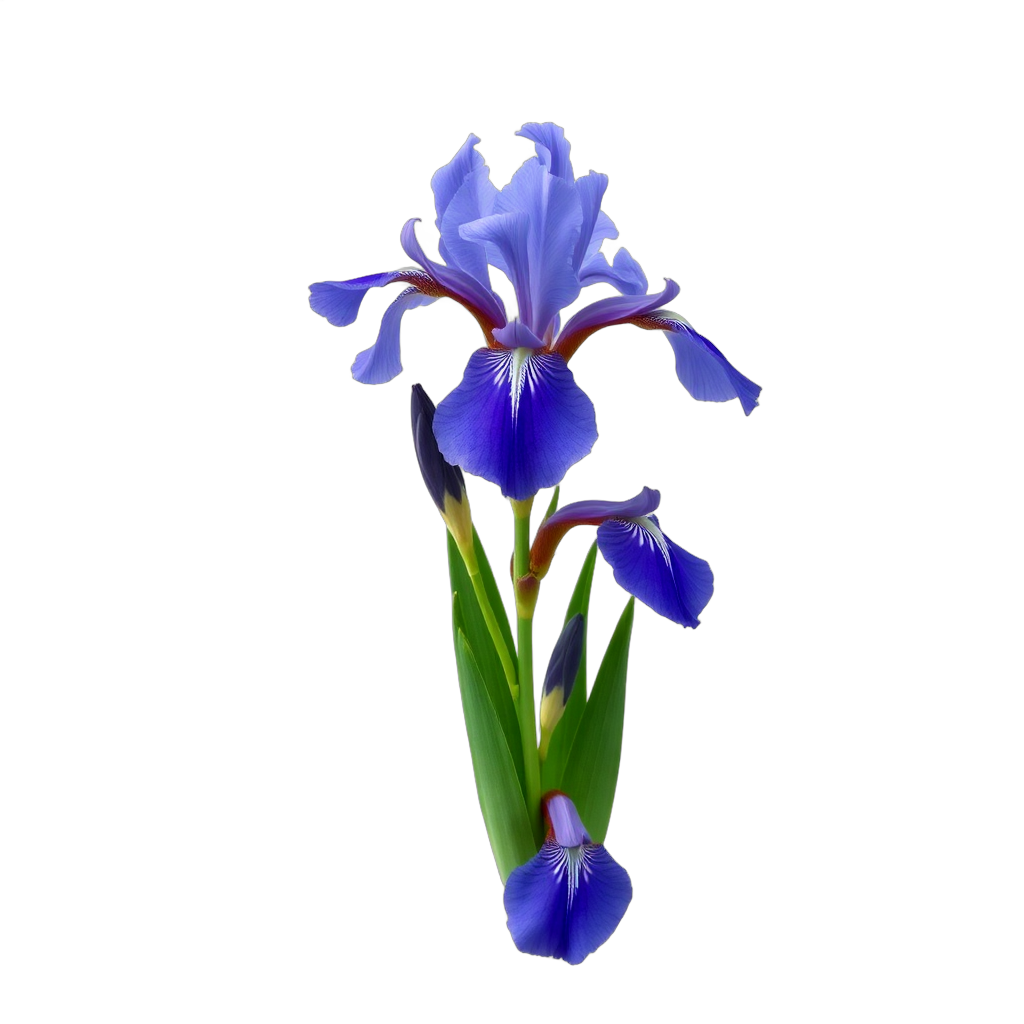
Blue Flag Iris
Iris versicolor
low-growing ground cover, purple blooms in spring. Attracts butterflies.

New York Ironweed
Vernonia noveboracensis
grows to 6 feet, purple blooms in fall. Attracts butterflies.
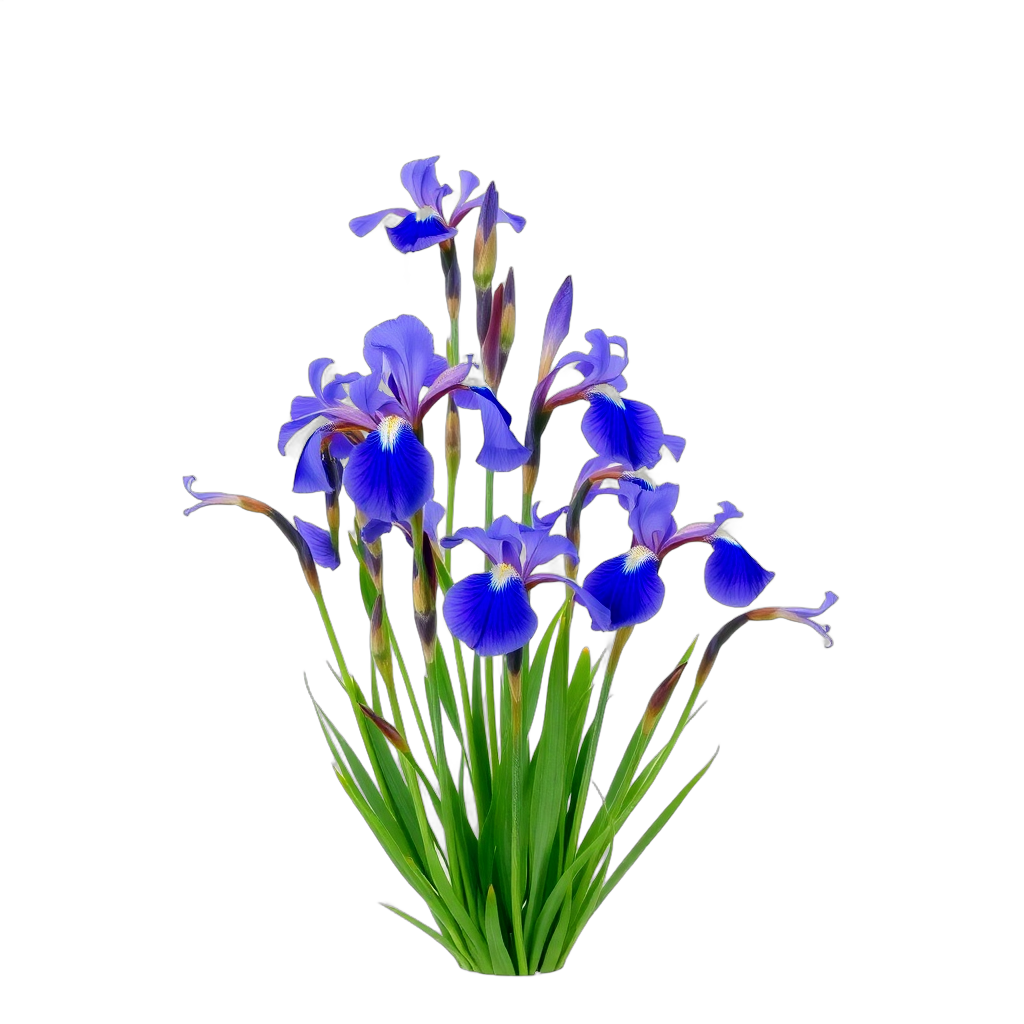
Southern Blue Flag
Iris virginica
low-growing ground cover, blue blooms in spring. Attracts butterflies.

Eastern Prickly Pear
Opuntia humifusa
low-growing ground cover, yellow blooms in summer. Attracts butterflies.
Zone and sun checks come from our database — confirm with your local nursery before you buy.
Bloom Calendar for Hartford
spring
Blue Flag Iris, Southern Blue Flag, Arrowwood Viburnumsummer
Ruby Spice Summersweet, Summersweet, Eastern Prickly Pearfall
New York Ironweed, Purple Love Grasswinter
Limited bloomsDesign Tips for Hartford (Zone 6b)
- Walk the Elizabeth Park rose garden in the last week of June with a notebook: any rose still clean and flowering there has passed a Hartford winter and a humid valley summer, which is a better test than any catalogue
- Test the soil before you buy a plant: Hartford ground usually comes back at pH 5.0–6.0, so lime only the rose, lavender and Dianthus beds toward 6.5 and leave the Hydrangea and Astilbe beds acidic
- Build up, never dig down, on the old lakebed clays near the river: an 8–10 inch raised bed with 30% grit stops meltwater from sitting on lavender and rose crowns every March
- Set every arbour, arch and gate post on a pier below 42 inches, the Hartford County frost depth; a shallow post visibly leans after two winters of freeze-thaw
- Keep boxwood and arborvitae 6 feet or more back from a plowed street and give the curb strip to Nepeta × faassenii 'Walker's Low', Achillea 'Moonshine' and Hemerocallis, which take the salt spray
- Choose hydrangeas that bloom on new wood: Hydrangea paniculata 'Limelight' and Hydrangea arborescens 'Annabelle' flower after any Hartford February, while Hydrangea macrophylla often comes up all leaves
- Plant 150–300 bulbs into the borders in October; Narcissus 'Thalia' and Allium 'Purple Sensation' between the peonies fill the bare weeks from snowmelt to the first June roses
Where to Source Plants in Hartford
Skip the big-box stores. These independent Hartford nurseries specialize in the plants that make cottage/english gardens thrive in Zone 6b.
Woodland Gardens
Manchester
Full-service CT Grown nursery and garden center on 8 acres with 16 greenhouses: trees, shrubs, roses, perennials and annuals, open seven days a week
Bosco's Garden Center
Simsbury (Hopmeadow Street)
Family owned and operated garden center since 1997 with perennials, shrubs, trees and houseplants, plus pickup and delivery
O'Brien Nurserymen
Granby
Specialist hosta and shade-plant nursery with display gardens of over 1,300 hosta varieties plus epimediums, pulmonarias, asarums and dwarf conifers; open on seasonal sales weekends
Cottage/English Landscaping Costs in Hartford
| Project Scope | Estimated Cost |
|---|---|
| Front cottage border with picket fence and gate arch (300–500 sqft) | $8,000 – $22,000 |
| Two-family front strip border with low iron fence (150–300 sqft) | $3,000 – $9,000 |
| Clay brick or reclaimed brownstone walk (100–200 sqft) | $3,000 – $9,000 |
| Cedar or steel rose arch on 42-inch footings | $1,500 – $5,000 |
| Bluestone and brownstone terrace (200–350 sqft) | $7,000 – $18,000 |
| Full back cottage garden: gravel paths, arch, rose and perennial beds | $30,000 – $75,000 |
| AI visualization (ProScapeAI) | Free to start |
Estimates based on Hartford, CT-area contractor rates as of 2026. Actual costs vary by site conditions, materials, and contractor.
Hartford Climate & Growing Zone
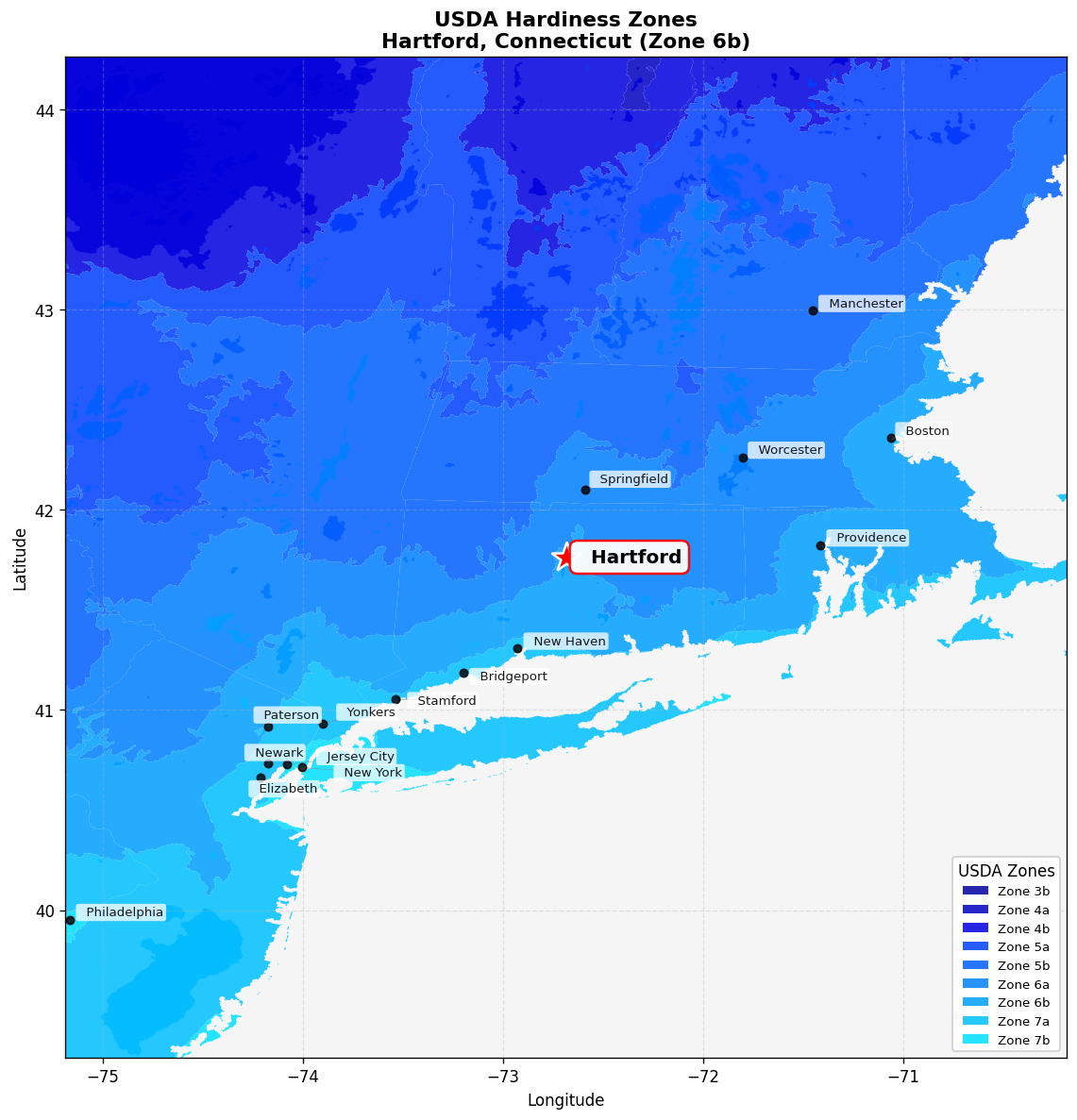
USDA Zone 6b
Hardiness zone for Hartford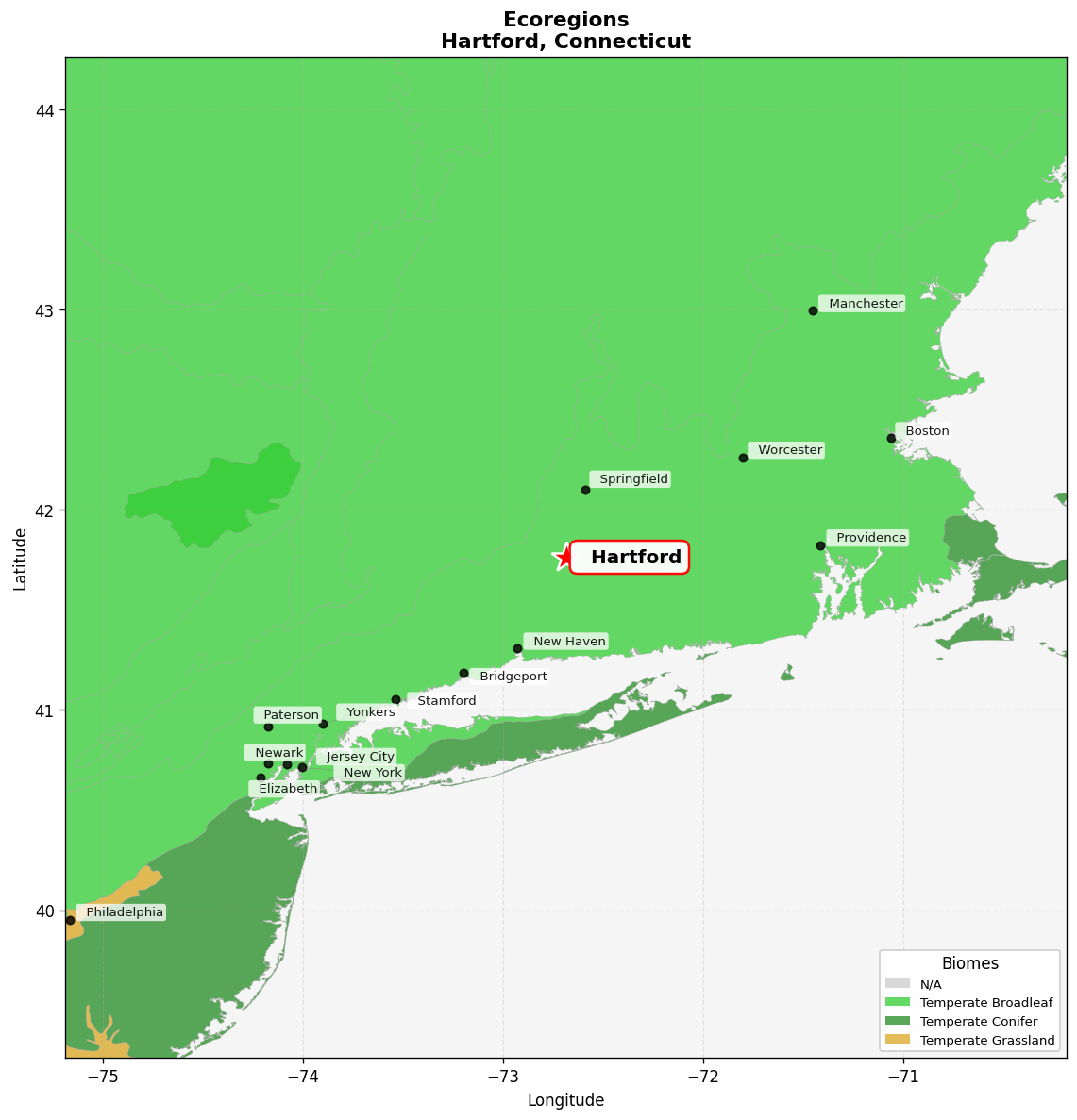
Northeast US Coastal forests
Native ecoregionFrequently Asked Questions
How much does a cottage garden cost in Hartford, CT?
Greater Hartford landscape crews typically bill around $55–90 per hour per worker, and design-build firms price a planted cottage border at roughly $15–35 per square foot installed. A 300–500 sqft front border with a picket fence and gate arch on a West End or Blue Hills lot usually lands at $8,000–22,000. Clay brick or brownstone walks run about $25–45 per square foot, a cedar rose arbour on proper footings $1,500–5,000, and a full back garden with paths, an arch and deep beds $30,000–75,000. Planting it yourself with one-gallon Nepeta × faassenii 'Walker's Low' and bare-root Rosa 'New Dawn' brings a border down under $10 per square foot.
Which roses survive a Hartford winter and still look good in July?
Go and look at Elizabeth Park in late June, then choose for hardiness and disease resistance over catalogue romance. Rosa 'John Cabot' and Rosa 'William Baffin' are Canadian Explorer climbers that shrug off -20°F and rarely need spraying; Rosa 'New Dawn' is the dependable blush climber for a gate arch; Rosa 'Quadra' gives a deep red; and among English shrub roses, Rosa 'Olivia Rose Austin' holds its leaves best in valley humidity. Give every rose six-plus hours of sun with morning exposure, water at the base by drip, and mound 8–10 inches of compost over grafted roses after the ground freezes in late November.
Can lavender really grow in Hartford?
Yes, if you pick the right one and plant it high. Lavandula × intermedia 'Phenomenal' reliably comes through a Zone 6b winter here; Lavandula angustifolia 'Hidcote' and 'Munstead' often die in a wet March, killed by water sitting on the crown rather than by cold. Raise the bed 8 inches, mix a third coarse grit into the soil, lime toward pH 6.5–7.0 (Hartford soils usually test 5.0–6.0), mulch with pea gravel instead of bark, and put it on the south side of a wall or walk. Shear it back by a third right after the July bloom and never cut into bare wood in autumn.
When is the best time to plant a cottage garden in Hartford?
Early September to mid-October is the best window: the soil is still warm, autumn rain returns, and roots establish before the ground freezes. Plant peonies in that window too, with the eyes no more than 2 inches below grade, or Paeonia lactiflora 'Sarah Bernhardt' will sulk without flowering for years. Mid-April to the end of May is the second window and the better one for lavender and roses, which like a full season to root before their first Hartford winter. Last frost usually falls in late April to early May and first frost around mid-October, so hold tender annuals until Mother's Day.
Is boxwood still a good choice for edging in Connecticut?
Use it carefully. Boxwood blight is established in Connecticut, and old English edging box (Buxus sempervirens 'Suffruticosa') is the most vulnerable. If you want a clipped edge, the blight-tolerant Buxus 'NewGen Freedom' and 'NewGen Independence' are the safer picks; Ilex glabra 'Gem Box' and Ilex crenata 'Steeds' clip to the same crisp line with no blight risk. Keep any of them at least 6 feet back from a plowed street, because winter salt spray browns them faster than disease does, and water at the base rather than overhead.
Do I need a permit or approval for a cottage garden in Hartford?
Planting, beds, mulch and at-grade paths generally need nothing. Approvals come into play for structures: retaining walls over about 4 feet, decks, and roofed pergolas or sheds usually need a building permit, and posts must go below the 42-inch frost depth. Parts of the West End and several other Hartford neighborhoods are local historic districts, where new fences, walls and other changes visible from the street can need historic review before you build. Settle the design first, then confirm the review path and permits with the City of Hartford before any fence or arbour goes up.
What plants handle the Hartford snow, salt and freeze-thaw?
For the street edge: Nepeta × faassenii 'Walker's Low', Achillea 'Moonshine', Hemerocallis 'Happy Returns', Rudbeckia fulgida 'Goldsturm' and Sedum 'Autumn Joy' all take road salt and a snow pile on top of them. Freeze-thaw heaving lifts shallow-rooted Heuchera and young Digitalis out of the ground in March, so mulch 2–3 inches deep after the soil freezes, not before. Leave seedheads of Rudbeckia and Echinacea standing through winter for structure above roughly 50 inches of seasonal snow, and do the whole cutback in one pass in mid-April.