4 English Cottage Garden Ideas for New Haven, CT | Zone 7a
Native plants from the Northeast US Coastal forests (Zone 7a) — Humid continental (hot summer) climate
Why Cottage/English Gardens in New Haven?
New Haven is a cottage garden city that never quite admitted it. The Italianate and Greek Revival houses around Wooster Square, the Colonial Revivals and Queen Annes climbing East Rock, the 1920s Tudors of Westville and Beaver Hills, and the shingled capes of Morris Cove all sit on exactly the kind of narrow, deep, fenced front lot the English cottage style was invented for. The nine-square grid left the city with short setbacks and long side yards, so a New Haven cottage garden is almost never a sweeping meadow — it is a picket fence, a brick or fieldstone path, and eight feet of border on either side doing all of the work. That compression is a gift rather than a limit: a 400-square-foot dooryard packed with Rosa 'New Dawn' on an arbor, Lavandula × intermedia 'Phenomenal' along the walk and Nepeta 'Walker's Low' spilling over the brick edge reads as far more generous than an acre of mown turf.
The climate is USDA Zone 7a — winter lows of 0 to 5°F — moderated by Long Island Sound, which buys New Haven roughly half a zone over inland Hartford. That margin is the whole reason the classic English palette works here: Hydrangea macrophylla 'Endless Summer' holds flower buds that get frozen off forty miles north, and Rosa 'Gertrude Jekyll' overwinters on nothing more than a mulch collar. The catch is humidity, not cold. New Haven collects roughly 47 inches of rain across a genuinely muggy hot-summer continental season, and the storybook cottage perennials mildew or rot if you plant them the way an English book tells you to. Use the disease-proof clones — Phlox paniculata 'David' rather than the old seedling phlox, Monarda 'Jacob Cline' rather than the species bee balm, Leucanthemum × superbum 'Becky' for stems that stay upright through a July thunderstorm — and give every plant close to double the spacing a catalogue suggests so the Sound breeze can move through the border and dry the foliage by noon.
Soil is the local obstacle nobody warns you about. The city sits on glacial till scraped off the traprock ridges of East Rock and West Rock, so most yards are a stony, acidic loam sitting around pH 5.0–5.5, while the lowlands toward Fair Haven and the Quinnipiac marshes stay heavy and cold into May. Roses, peonies and lavender all want something nearer 6.5. A serious New Haven cottage border therefore starts with a soil test from the UConn lab (about $20), then lime and three to four inches of compost turned into the top eight inches — and for Lavandula, a raised gritty berm rather than flat ground, because in Connecticut it is winter wet, not winter cold, that kills lavender. Peonies are the opposite problem: set Paeonia lactiflora 'Sarah Bernhardt' with its eyes no more than an inch and a half below grade or it will sulk for years without flowering.
Water and wildlife rules are light here, but they are real. The South Central Connecticut Regional Water Authority serves the city and imposes no standing irrigation ban, though it has asked for voluntary conservation in drought summers — 2016, 2020 and 2022 all produced advisories — so design a border that can live on one deep weekly soak by August rather than a daily sprinkle. On the shoreline at Morris Cove, City Point and Lighthouse Point, salt spray and winter road salt push the exposed edge of the planting toward Rosa rugosa 'Alba' and Panicum virgatum 'Shenandoah'. Inland in Woodbridge, Bethany and Hamden the pressure is deer, which is why the practical New Haven cottage palette leans so hard on Nepeta, Salvia nemorosa 'Caradonna', Baptisia australis and Kalmia latifolia, Connecticut's own state flower — and why Buxus 'Green Velvet' edging is increasingly swapped for Ilex glabra 'Shamrock' now that boxwood blight is established across New Haven County.
4 Cottage/English Design Ideas for New Haven

The Picket Fence Rose Walk
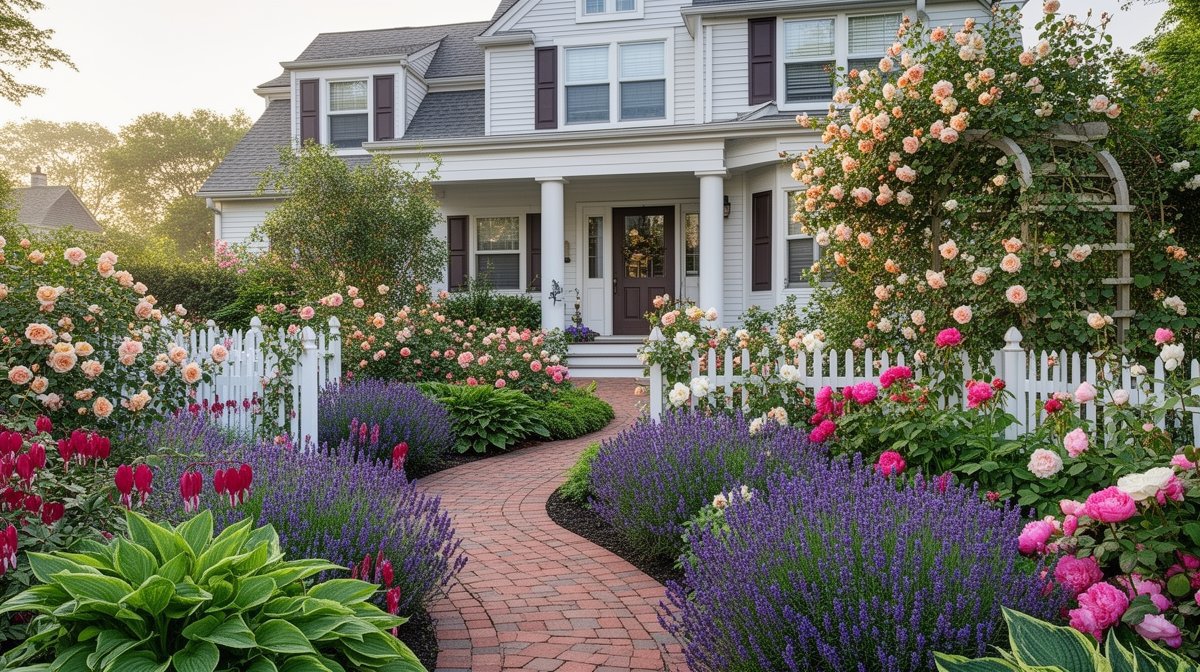
$28–55/sqftA two-storey clapboard colonial with black shutters and twin brick chimneys, fronted by a herringbone brick walk that runs dead straight from the sidewalk gate to a white arbor smothered in pink climbing roses over the front door. A low white cedar picket fence holds the whole composition together, and behind it the border is deliberately simple and repeated: a band of lavender running the length of the fence on both sides of the walk, backed by big loose shrub roses in pink and white, with clipped green mounds tucked against the foundation and window boxes on every sill. It is the most photographed front-garden formula in New England and it works on a New Haven lot because the straight walk and the fence do the structural work that a small yard cannot spare space for.

The Great Oak Dooryard Garden
$22–40/sqftA shingled gambrel cape with a deep covered porch, sitting under an enormous mature oak whose trunk fills a third of the yard. Instead of fighting the tree, the design curves an irregular flagstone path around it from the driveway to the porch steps, and fills every remaining foot with a loose, many-coloured dooryard border — tulips and early bulbs through the pinks and blues of the spring border, hanging baskets on the porch, terracotta pots on the fieldstone steps, and a rose-covered arbor marking the porch corner. A white bench sits on the porch looking straight down the path. This is the New Haven reality: a big tree, a small lawn, and a garden that has to work in dappled shade.

The Rose Arch Tea Garden
$30–60/sqftA back garden built around one gesture: a tall arched rose tunnel in pale pink and cream, straddling the path where the lawn meets the terrace, with a white iron bistro table and two chairs set on an irregular flagstone circle directly beneath it. Everything else is border. Foxgloves and delphiniums spire up at the back on both sides, mophead hydrangeas and peonies fill the middle, and long soft ribbons of lavender edge the stone in the foreground. A narrow strip of lawn survives purely as a green path through the middle. It is a design that turns a 30-foot New Haven back yard into an outdoor room without building a single wall.

The Rose Pergola Dining Garden
$45–85/sqftThe full-scale version: a white timber pergola completely buried under apricot and blush climbing roses, sheltering a long wooden table set for eight on a pale stone terrace against a shingled house. In the lawn in front of it sits a circular island bed with a carved stone birdbath fountain at its centre, ringed with low pinks and blues, and the whole space is enclosed by deep double borders — roses, delphinium, foxglove and lavender — with small multi-stemmed trees breaking the skyline at either side. This is a design for a real suburban lot, and its cleverness is that the fountain, not the house, becomes the thing the borders point at.
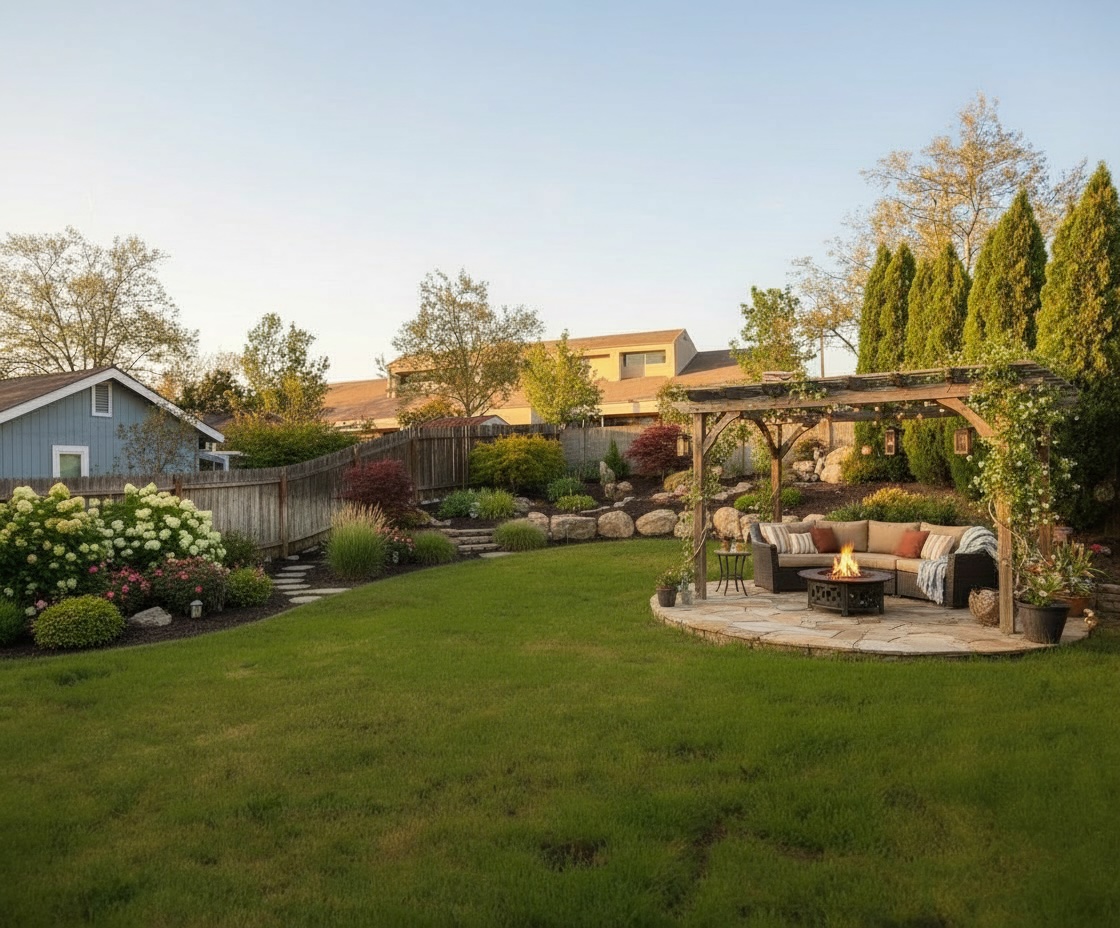
See how a cottage/english garden looks on YOUR property
Upload a photo of your New Haven yard and visualize your dream garden in seconds.
Try ProScapeAI Free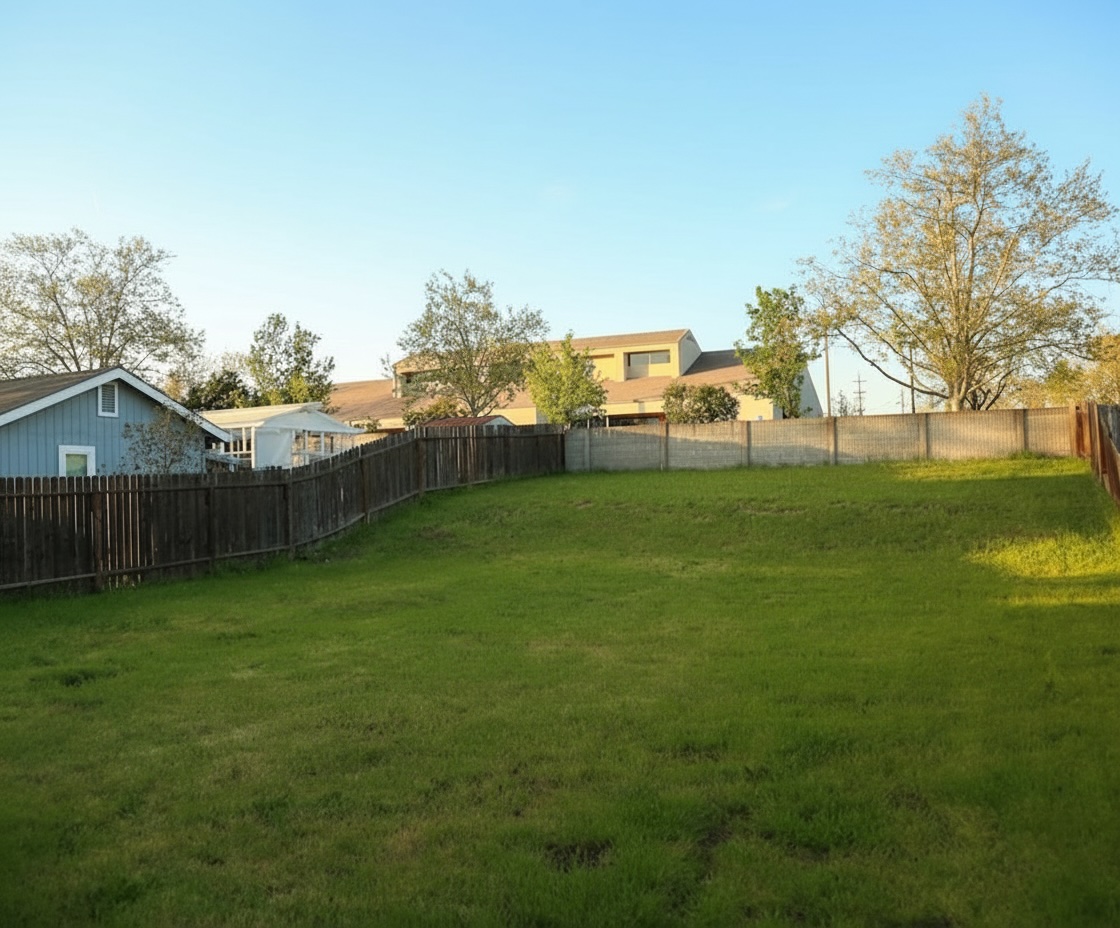
Featured Trees & Shrubs for Cottage/English Gardens
Browse all 181 plants for New Haven
Arrowwood Viburnum
Viburnum dentatum
medium-sized at 10 feet, white blooms in spring. Pollinator-friendly.
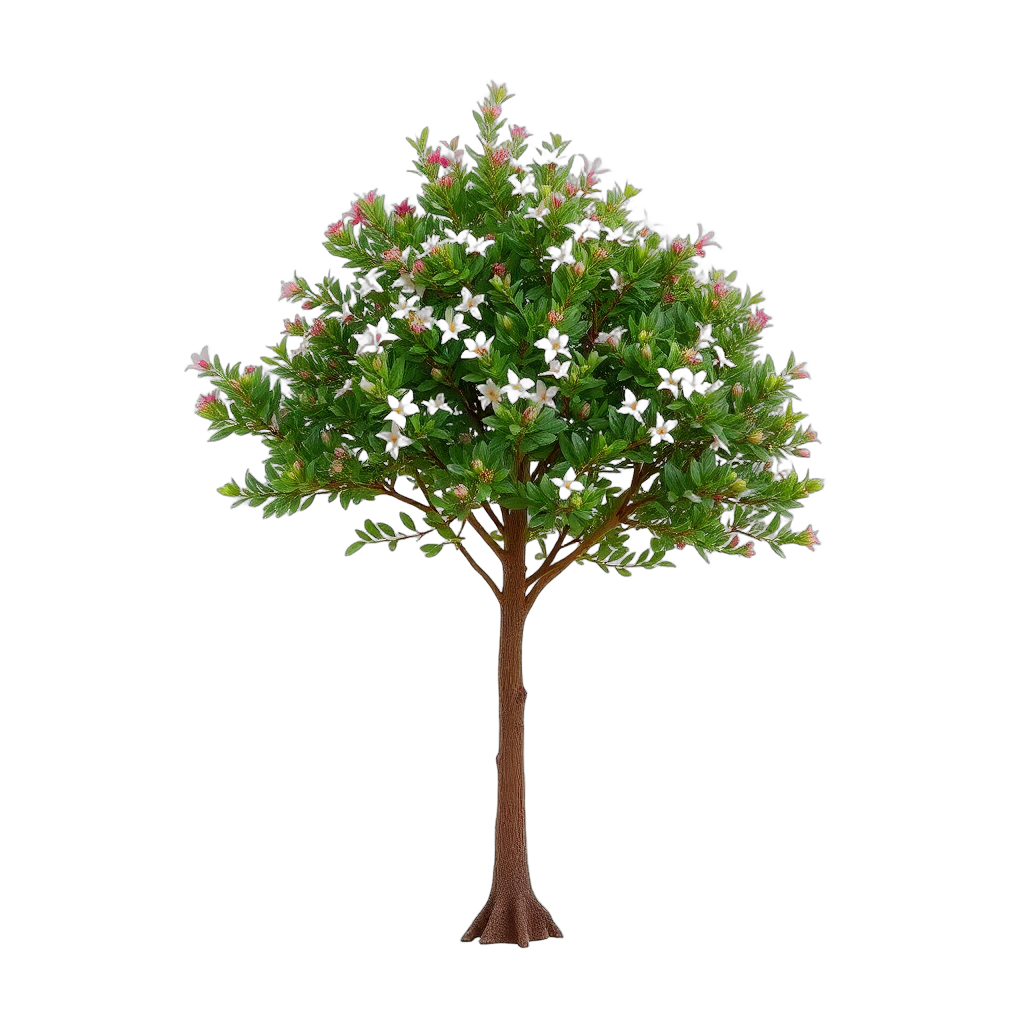
Coastal Leucothoe
Leucothoe axillaris
grows to 3 feet, white blooms in spring. Evergreen year-round.
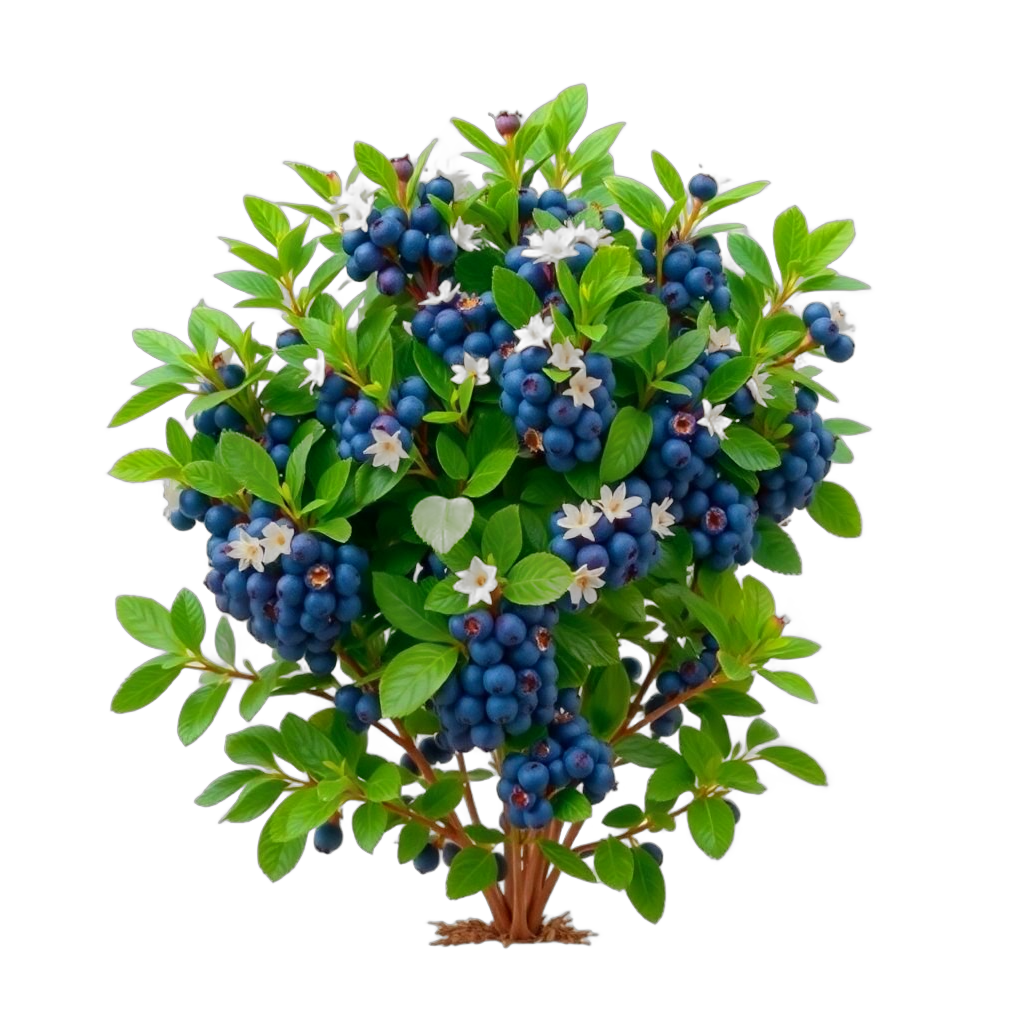
Highbush Blueberry
Vaccinium corymbosum
medium-sized at 7 feet, white blooms in spring. Attracts butterflies.

Inkberry
Ilex glabra
medium-sized at 8 feet, white blooms in spring. Pollinator-friendly.
Featured Grasses & Groundcovers for Cottage/English Gardens
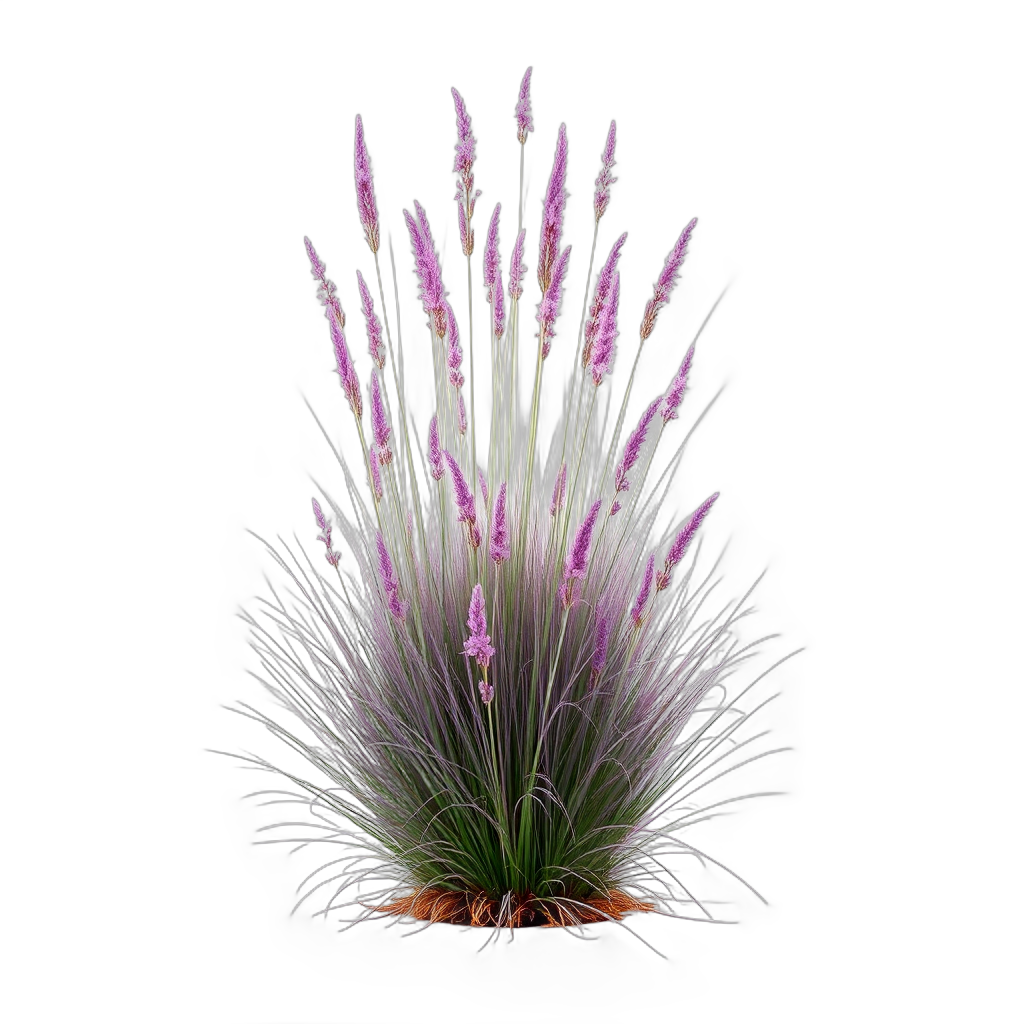
Purple Love Grass
Eragrostis spectabilis
low-growing ground cover, purple blooms in fall. Orange fall color.
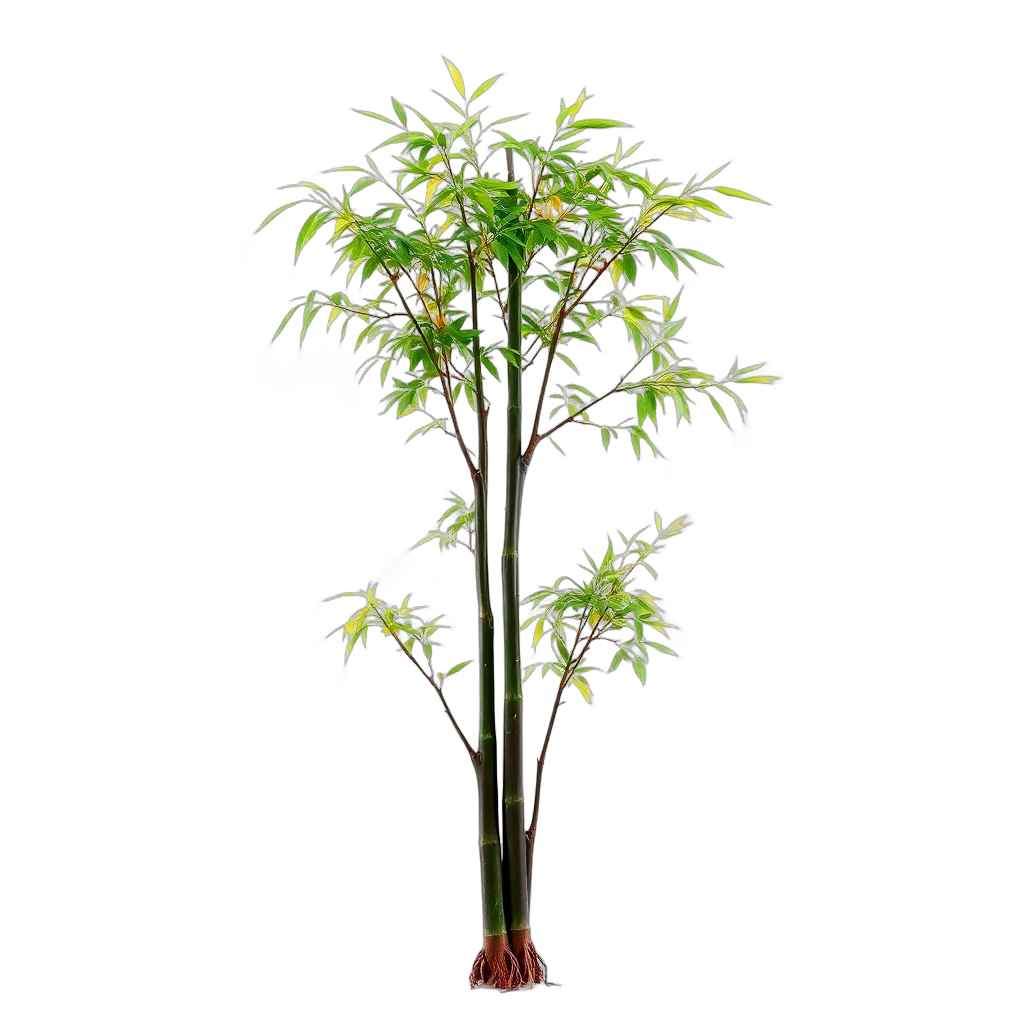
Black Bamboo
Phyllostachys nigra
reaches 25 feet tall, blooms in none. Evergreen year-round.
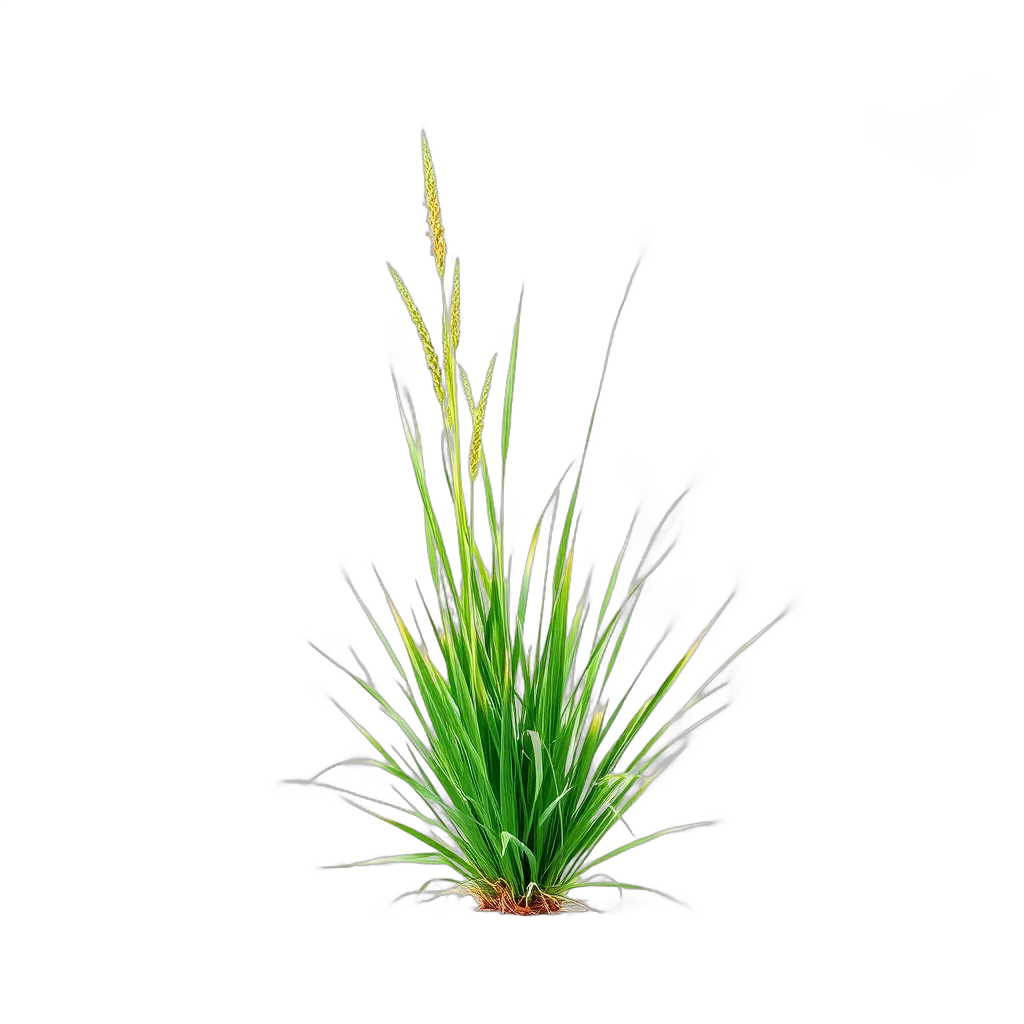
Bull Grass
Muhlenbergia emersleyi
grows to 4 feet, purple blooms in fall. Yellow fall color.
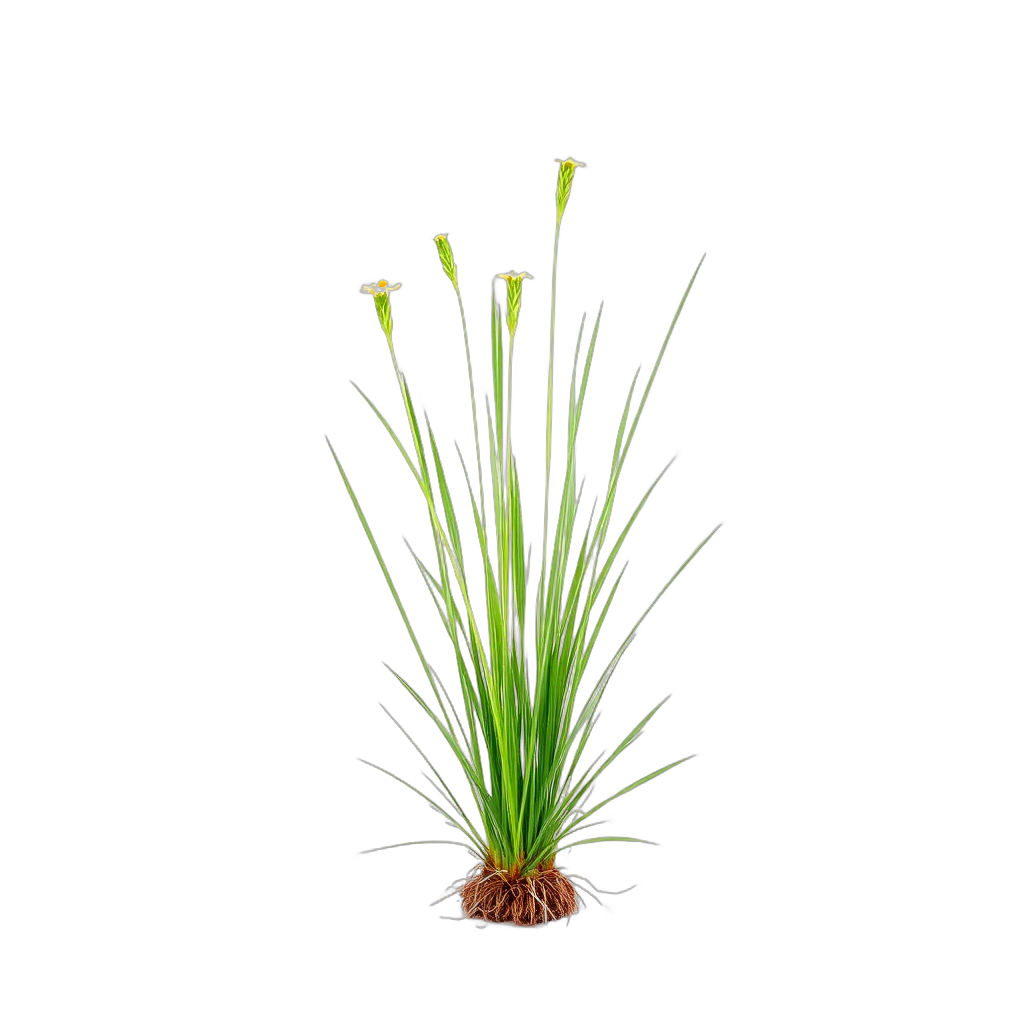
California Melic
Melica californica
low-growing ground cover, blooms in spring.
Featured Flowers & Perennials for Cottage/English Gardens

Blue Flag Iris
Iris versicolor
low-growing ground cover, purple blooms in spring. Attracts butterflies.

New York Ironweed
Vernonia noveboracensis
grows to 6 feet, purple blooms in fall. Attracts butterflies.

Southern Blue Flag
Iris virginica
low-growing ground cover, blue blooms in spring. Attracts butterflies.

Eastern Prickly Pear
Opuntia humifusa
low-growing ground cover, yellow blooms in summer. Attracts butterflies.
Zone and sun checks come from our database — confirm with your local nursery before you buy.
Bloom Calendar for New Haven
spring
Blue Flag Iris, Southern Blue Flag, Arrowwood Viburnumsummer
Ruby Spice Summersweet, Summersweet, Eastern Prickly Pearfall
New York Ironweed, Purple Love Grasswinter
Limited bloomsDesign Tips for New Haven (Zone 7a)
- Test and lime before you plant anything: New Haven's traprock till sits near pH 5.0–5.5, and Rosa, Paeonia and Lavandula all underperform until you bring a bed up toward 6.5 — a $20 UConn soil test is the cheapest thing in the whole design
- Space for airflow, not for the catalogue: 47 inches of rain and a muggy hot-summer continental climate mean powdery mildew and blackspot decide which cottage garden looks good in August, so plant Phlox paniculata 'David' and Monarda 'Jacob Cline' at generous spacing and water at the roots only
- Raise the lavender: build Lavandula × intermedia 'Phenomenal' into a gritty berm six to eight inches above grade and mulch it with pea gravel — Connecticut kills lavender with winter wet, never with Zone 7a cold
- Design the structure for February: a picket fence, a brick walk, a rose arch and three or four clipped Ilex glabra 'Shamrock' domes are what carry the garden through five months when the borders are bare, and they matter more in New Haven than any single flowering plant
- Use the traprock ridge microclimates — a south-facing East Rock or West Rock slope runs several degrees warmer and drains sharply, which is where Rosa 'Gertrude Jekyll' and Salvia nemorosa 'Caradonna' will outperform the same plants in a Fair Haven lowland yard that stays cold and wet into May
- On the shoreline, put the salt-tolerant plants on the outside: Rosa rugosa 'Alba', Panicum virgatum 'Shenandoah' and Hydrangea macrophylla 'Endless Summer' take the Morris Cove wind so the Delphinium and Digitalis behind them never see the spray
- Plant in September, not May: autumn rain and warm soil establish Paeonia, Kalmia latifolia and shrub roses far better than a spring planting that has to survive its first New Haven July with no root system
Where to Source Plants in New Haven
Skip the big-box stores. These independent New Haven nurseries specialize in the plants that make cottage/english gardens thrive in Zone 7a.
Broken Arrow Nursery
Hamden (Mount Carmel)
Specialty grower of rare and unusual trees and shrubs with a searchable plant library; the place to find Kalmia latifolia, Hydrangea and Cornus kousa selections you will not see elsewhere in Zone 7a
Bethany Farm and Nursery
Woodbridge
Over 2,000 kinds of annuals, herbaceous plants, shrubs and trees plus bulk mulch, topsoil, Sweet Peet and landscape boulders — the practical one-stop for building a whole cottage border in a weekend
Bell Nurseries Inc
North Haven (Hartford Turnpike)
Family garden center and landscape yard carrying trees, shrubs and border plants along with Coast of Maine soil products, mulch and soil testing — useful when you are correcting New Haven's acidic till
Cheshire Nursery Garden Center & Florist
Cheshire (Route 10, South Main Street)
Garden center and florist established in 1906, deep on trees, roses, border plants, bulbs, seed and mulch — a 20-minute drive north of New Haven and worth it for the range
Cottage/English Landscaping Costs in New Haven
| Project Scope | Estimated Cost |
|---|---|
| Front dooryard border + picket fence (300–500 sqft planted) | $9,000 – $22,000 |
| Brick or bluestone front walk (60–100 sqft) | $3,500 – $9,000 |
| Rose arbor or arch, set and planted | $1,200 – $4,500 |
| Back garden double borders + flagstone tea terrace | $18,000 – $45,000 |
| Cedar pergola on 42-inch frost footings, rose-planted | $12,000 – $30,000 |
| Soil test, lime and compost amendment (per 500 sqft bed) | $400 – $1,200 |
| AI visualization with ProScapeAI | Free to start |
Estimates based on New Haven, CT-area contractor rates as of 2026. Actual costs vary by site conditions, materials, and contractor.
New Haven Climate & Growing Zone
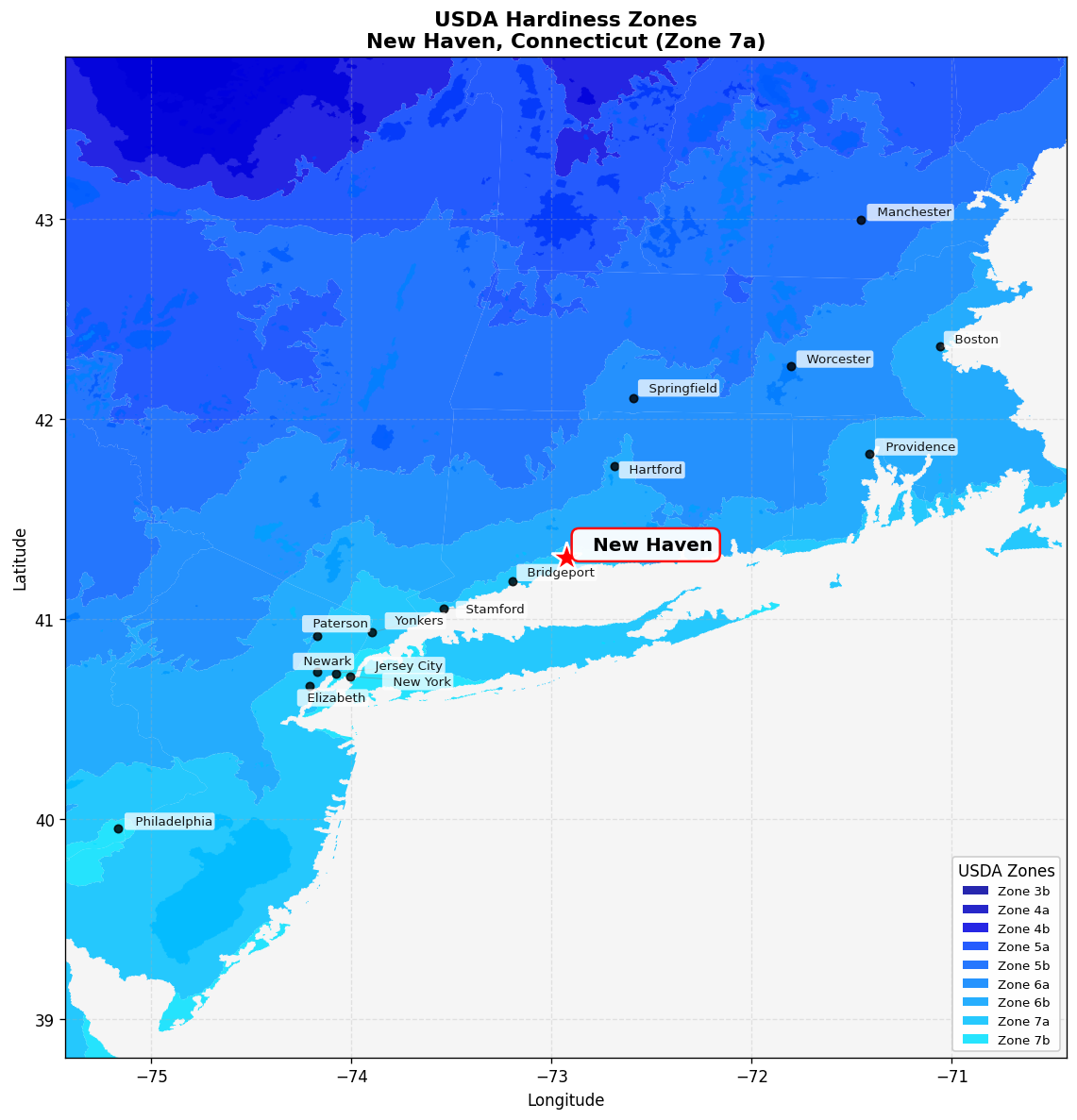
USDA Zone 7a
Hardiness zone for New Haven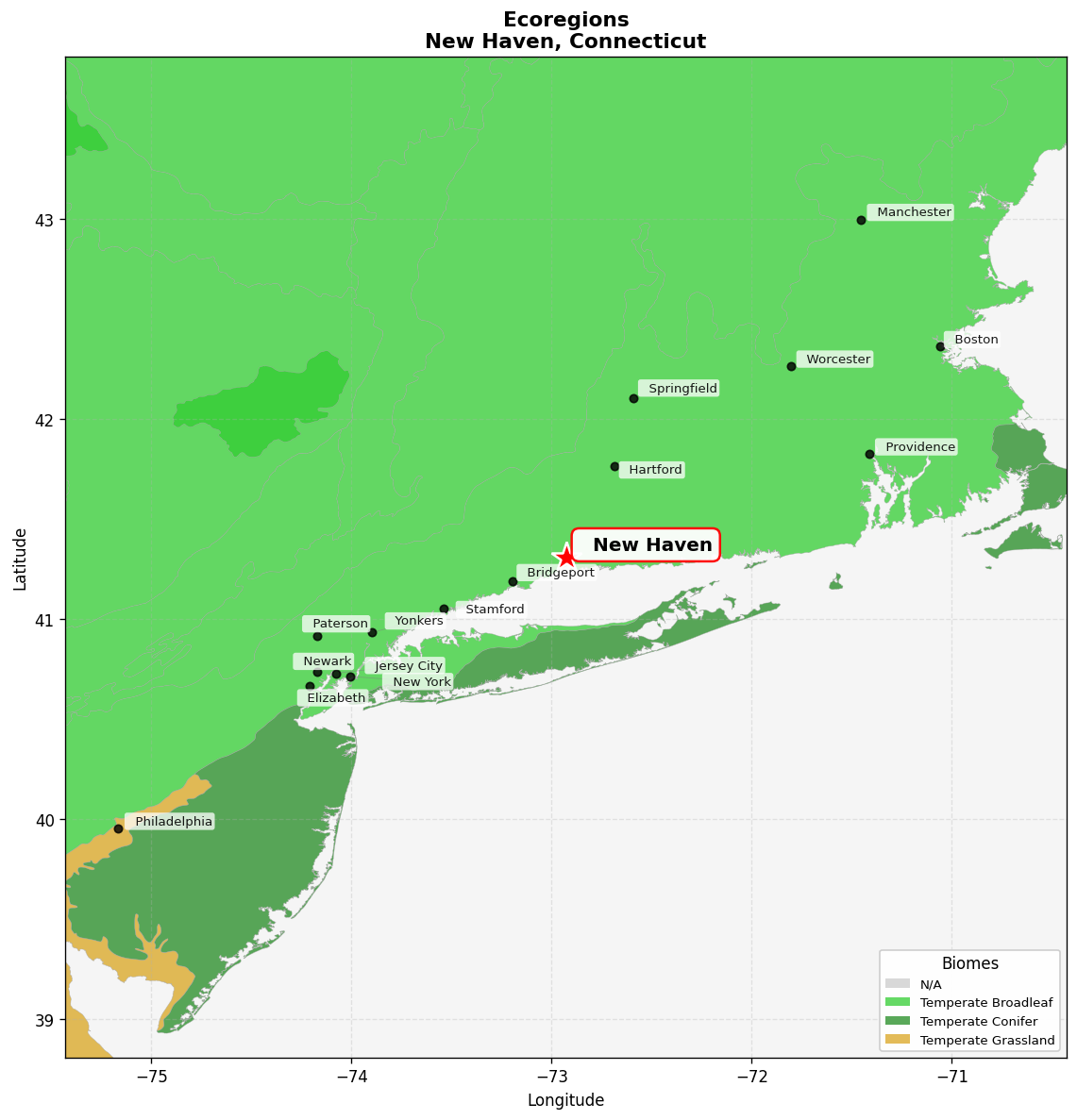
Northeast US Coastal forests
Native ecoregionFrequently Asked Questions
How much does a cottage garden cost in New Haven?
Connecticut labour runs roughly 10–20% above the national average, so plan accordingly. A front dooryard garden — picket fence, brick or bluestone walk, and 300–500 square feet of planted border with Rosa 'Bonica', Lavandula × intermedia 'Phenomenal' and Nepeta 'Walker's Low' — typically lands between $9,000 and $22,000 installed. A rose arch or arbor, set and planted, is $1,200–$4,500. A full back garden with double borders and a flagstone tea terrace runs $18,000–$45,000, and a cedar pergola on proper 42-inch footings adds $12,000–$30,000. Doing the planting yourself after paying a contractor for the hardscape usually cuts 30–40% off the total, because plants are the cheap part in a cottage design.
Which roses actually survive New Haven winters and summers?
Zone 7a cold is not the problem — humidity and blackspot are. The reliable performers here are the tough own-root and shrub types: Rosa 'New Dawn' and Rosa 'William Baffin' for arbors and arches, Rosa 'Bonica' and Rosa 'Knock Out' for masses along a fence, and among the English roses, Rosa 'Olivia Rose Austin' and Rosa 'Gertrude Jekyll' have the best disease record in Connecticut gardens. On the shoreline in Morris Cove or Branford, Rosa rugosa 'Alba' shrugs off salt spray that would burn a hybrid tea. Give any rose at least six hours of sun, three feet of air on all sides, and water at the roots rather than over the leaves; overhead irrigation at dusk is what turns a New Haven July into a blackspot outbreak.
Will lavender grow in New Haven, or will it die every winter?
It grows, but only if you fix two things. First, pH: New Haven's glacial till runs about 5.0–5.5 and lavender wants 6.5–7.0, so lime the bed the autumn before planting after a UConn soil test. Second, drainage: it is winter wet, not the 0–5°F Zone 7a lows, that rots lavender in Connecticut. Plant into a berm raised six to eight inches above grade, mix a third coarse grit or stone dust into the backfill, and mulch with pea gravel rather than bark. Lavandula × intermedia 'Phenomenal' is by far the most reliable clone here; Lavandula angustifolia 'Munstead' and 'Hidcote' are good in a raised, sunny, south-facing bed. Prune by a third in April, never in autumn.
When is the best time to plant a cottage garden in New Haven?
The last spring frost falls around April 20 and the first autumn frost around October 22, giving roughly 180–190 frost-free days. Early September through late October is the best planting window of the year: soil is still warm, autumn rain does the watering, and roots establish before the ground freezes. Mid-April to late May is the second window and the only sensible time for Delphinium and Digitalis plugs. Plant Paeonia and spring bulbs such as Tulipa 'Angelique' and Allium 'Purple Sensation' in October. Avoid planting anything bare-root in July and August — New Haven's muggy heat will cook a plant that has not rooted out.
How do I keep deer out of a cottage border in Woodbridge or Bethany?
Deer pressure is severe in Woodbridge, Bethany, and upper Hamden and light in the dense city neighbourhoods. Nothing is deer-proof, but a cottage border built on Nepeta 'Walker's Low', Salvia nemorosa 'Caradonna', Lavandula × intermedia 'Phenomenal', Baptisia australis, Achillea 'Moonshine' and Digitalis purpurea will be browsed far less than one built on Hosta and Tulipa. Kalmia latifolia and Ilex glabra 'Shamrock' hold their structure through winter without becoming deer forage the way Thuja occidentalis does. If you insist on roses and tulips in a high-pressure yard, keep them inside a fenced dooryard — which is precisely what the traditional New England picket fence was originally for.
Do I need approval for a fence, arbor or wall in New Haven?
Planting and bed work need nothing. Fences, however, are regulated by the New Haven zoning ordinance with different height limits in front yards than in side and rear yards, so confirm the limit for your district before you order pickets. Freestanding walls above four feet, decks, and any roofed structure generally trigger a building permit, and a pergola's posts must reach Connecticut's 42-inch frost depth. Properties inside the state's Coastal Boundary — much of Morris Cove, City Point and the shoreline towns — have an additional coastal site plan review layer for certain work. Requirements change and vary by district, so treat this as a starting point and check with the city or your town's land use office; the design itself is the part we can help you settle first.