Mediterranean Landscape Design in Hayward, CA | Zone 9b Ideas
Native plants from the California interior chaparral and woodlands (Zone 9b) — Mediterranean (warm summer) climate
Why Mediterranean Gardens in Hayward?
Hayward is one of the few American cities where a Mediterranean garden is not a theme - it is simply the correct answer. The city sits in a warm-summer Mediterranean climate (Koppen Csb) that is a near twin of coastal Tuscany and the Spanish Levante: about 20 inches of rain a year, essentially all of it falling between November and April, and a bone-dry June through September when August routinely records zero. Olea europaea 'Swan Hill', Lavandula x intermedia 'Grosso', Salvia rosmarinus 'Tuscan Blue', Cistus x purpureus and Cupressus sempervirens 'Glauca' evolved on exactly that rainfall pattern. They do not merely tolerate Hayward - they prefer it to the summer-irrigated conditions most local gardens force on them.
The building stock supports it too. Hayward's 1920s and 1930s Spanish Revival stucco bungalows around Prospect Hill and B Street, the tile-roofed tract Mediterranean homes of Eden Shores, Cannery-district infill and the hillside estates around Stonebrae all share the same vocabulary: cream or ochre stucco, terracotta barrel tile, arched openings and wrought iron. Those facades want the planting palette they were drawn for - a gnarled multi-trunk olive throwing shadow across the wall, three narrow Italian cypress punctuating the roofline, and lavender running right out to the curb. USDA Zone 9b gives you the range to do it properly: winter lows of roughly 25-30F let you grow Citrus limon 'Improved Meyer', Citrus sinensis 'Washington', Punica granatum 'Wonderful' and even Bougainvillea 'Barbara Karst' in the ground, which is the dividing line between a Mediterranean garden and a Mediterranean-ish one. Bougainvillea in particular needs a warm south or west wall and a Fairview or Hayward Hills microclimate to shine; in a cold flatland frost pocket near the shoreline, keep it in a large pot you can shelter.
Soil is the local catch. The Hayward flats sit on alkaline bay-plain clay that holds winter water like a saucer, and the hillsides above Cal State East Bay carry expansive adobe clay on moving slopes. Almost every Mediterranean plant that dies here dies of winter wet feet, not of cold or drought - Lavandula, Cistus, Santolina chamaecyparissus and Teucrium fruticans all rot at the crown in saturated ground. Every planting bed should be bermed 8-14 inches above grade over ripped clay, mulched with 2-3 inches of 3/8-inch gravel rather than bark for the crowns of the grey-leaved plants, and irrigated with inline drip that you shut off entirely from December through March. Terracotta tile and flagstone paving needs a properly compacted aggregate base for the same reason: Hayward clay swells and shrinks between the wet and dry halves of the year, and tile laid straight on grade will crack at the joints within a few seasons.
Water rules make the style even more attractive. The City of Hayward Water System has run a Lawn Conversion Rebate paying roughly $0.75 per square foot for street-visible front lawns, $0.50 per square foot for back yards, and an additional $0.25 per square foot for sheet mulching, subject to a pre-work plan review, plant list and site inspection. Funding is limited and first-come, so check current status before buying. California's Model Water Efficient Landscape Ordinance shapes any permitted landscape over 500 square feet by capping turf area and requiring low-water plant selections - and a lavender-and-olive design clears those thresholds without compromise. Established Mediterranean plantings in Hayward typically need deep watering only two or three times a month through summer, roughly a fifth of what the lawn they replaced consumed.
4 Mediterranean Design Ideas for Hayward

The Olive and Lavender Streetscape
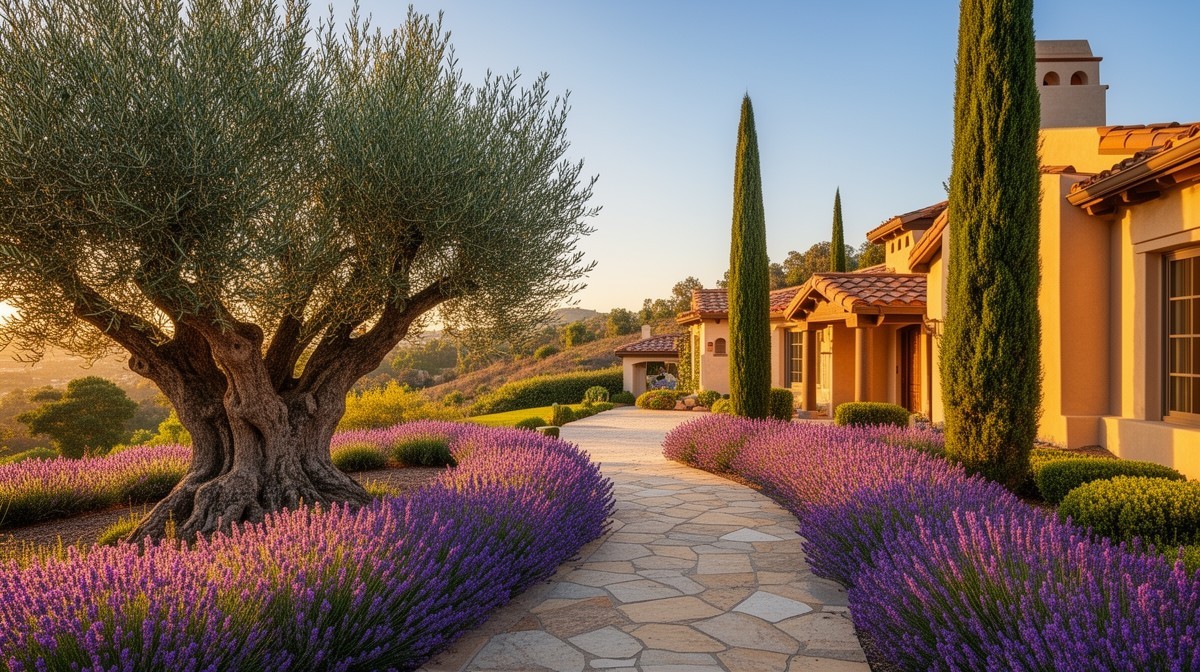
$26-45/sqftA single-story ochre stucco house with a terracotta barrel-tile roof, fronted by a design with no lawn in it whatsoever. A mature multi-trunk olive with a heavy, sculptural trunk anchors the left of the yard and casts long evening shadow across the stucco, three slim Italian cypress rise as vertical punctuation against the facade, and a wide flagstone walk sweeps in a shallow curve from the street to the front door. Everything else is lavender - solid, blooming, waist-high drifts on both sides of the path that run all the way to the curb strip and wrap the corner.

The Bougainvillea Courtyard Entry
$35-65/sqftA two-story white Spanish Revival with a red tile roof, an arched entry and a wrought-iron gate set into a low white courtyard wall. Magenta bougainvillea pours over the arch and spills the full length of the wall on both sides, and two mature citrus trees - a heavy-cropping lemon on the left, an orange on the right - stand in the decomposed-granite forecourt like matched sentries. A flagstone path threads between them to the gate, glazed terracotta pots of scarlet and orange flowers flank the entry, and agave rosettes and clipped hedging fill the strip behind the wall.

The Fountain Courtyard Dining Terrace
$55-95/sqftThe back of a white stucco, tile-roofed house opens onto a broad terracotta-tiled terrace laid out around a two-tier cast-stone fountain sitting in a wide circular basin - the sound of it is the entire point, and it does more for a Hayward back yard than any planting. A teak dining table for six sits off to one side, cafe lights swing overhead between the house and the trees, a silvery olive frames the left edge and a mature orange tree loaded with fruit closes the right. Rows of lavender edge every tile boundary, softening the geometry into something that looks fifty years old.

The Bougainvillea Pergola Lounge
$48-85/sqftA heavy timber pergola runs the width of a white stucco house with sage-green shutters, and it is completely engulfed in magenta bougainvillea that flowers across the whole roof structure. Beneath it, deep wicker lounge seating with linen cushions surrounds a low table on a warm terracotta tile floor. Fruiting citrus close both sides of the design - lemons to the left, oranges to the right - clipped low hedges and lavender define the edges of the tile, potted olive urns mark the corners, and two simple lawn panels sit beyond the planting as green relief.
See how a mediterranean garden looks on YOUR property
Upload a photo of your Hayward yard and visualize your dream garden in seconds.
Try ProScapeAI Free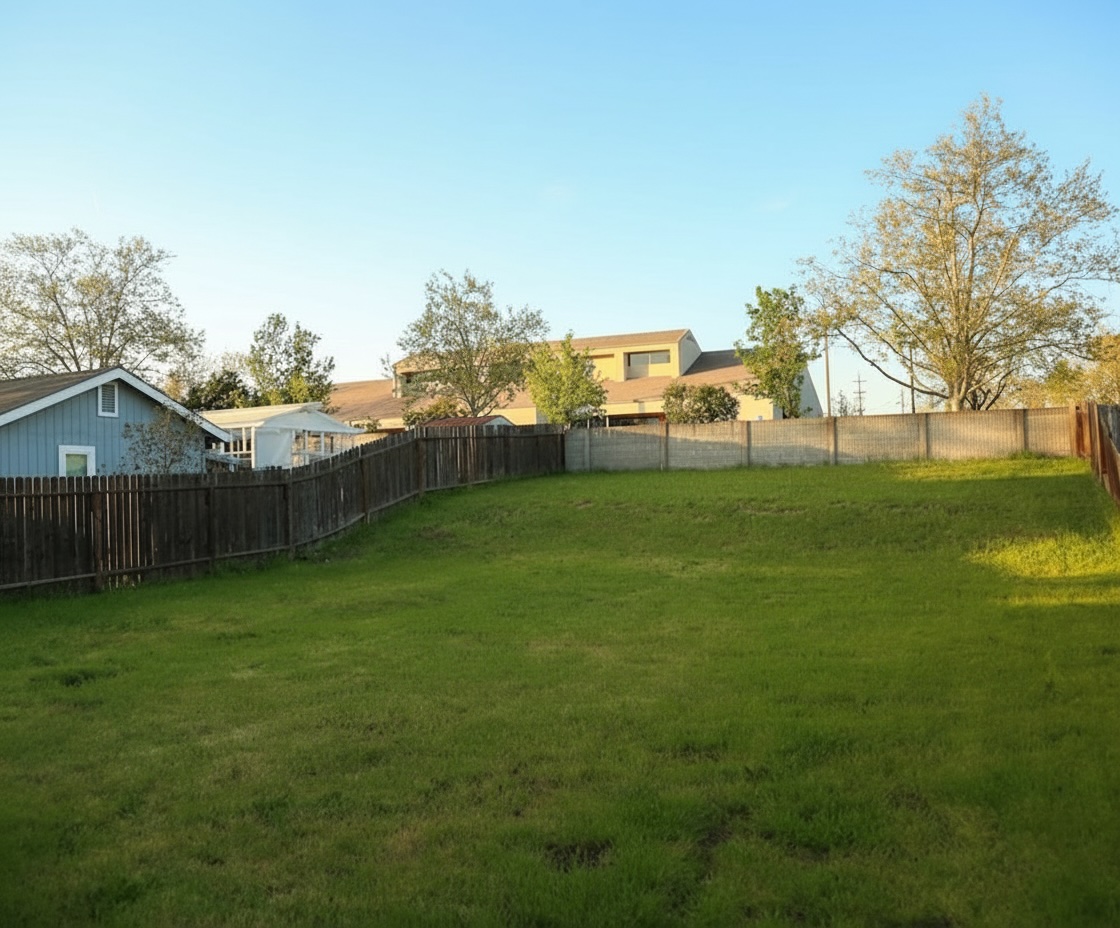
Featured Trees & Shrubs for Mediterranean Gardens
Browse all 197 plants for Hayward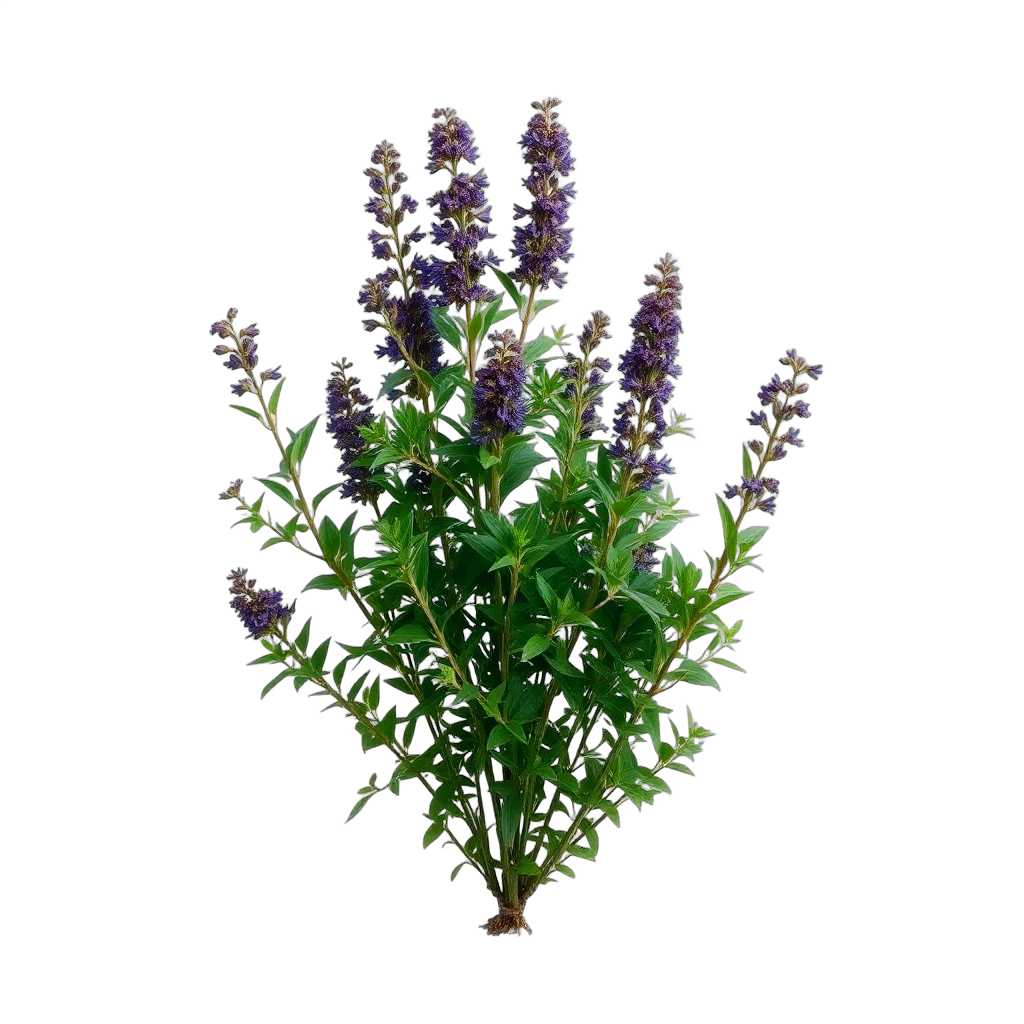
Black Sage
Salvia mellifera
grows to 4 feet, white blooms in spring. Attracts butterflies.
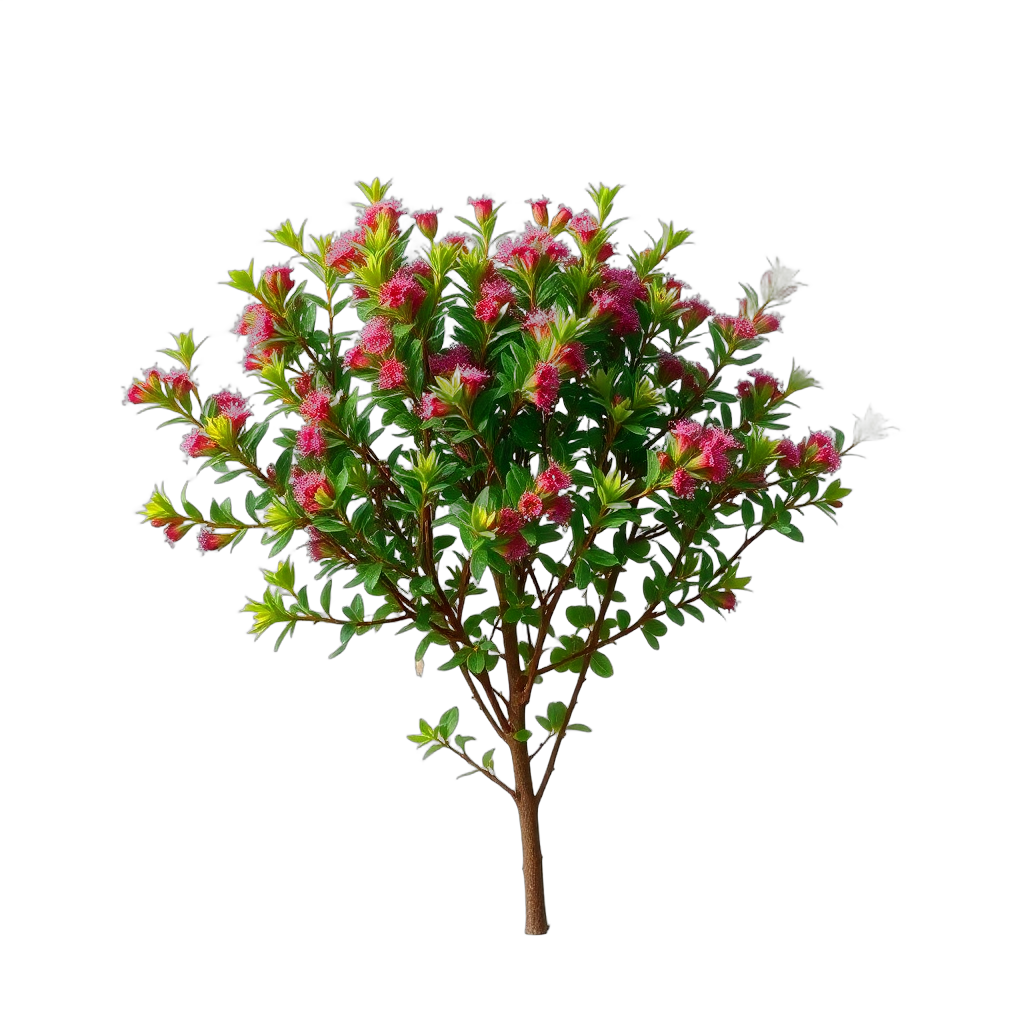
Buckbrush
Ceanothus cuneatus
medium-sized at 7 feet, white blooms in spring. Attracts butterflies.
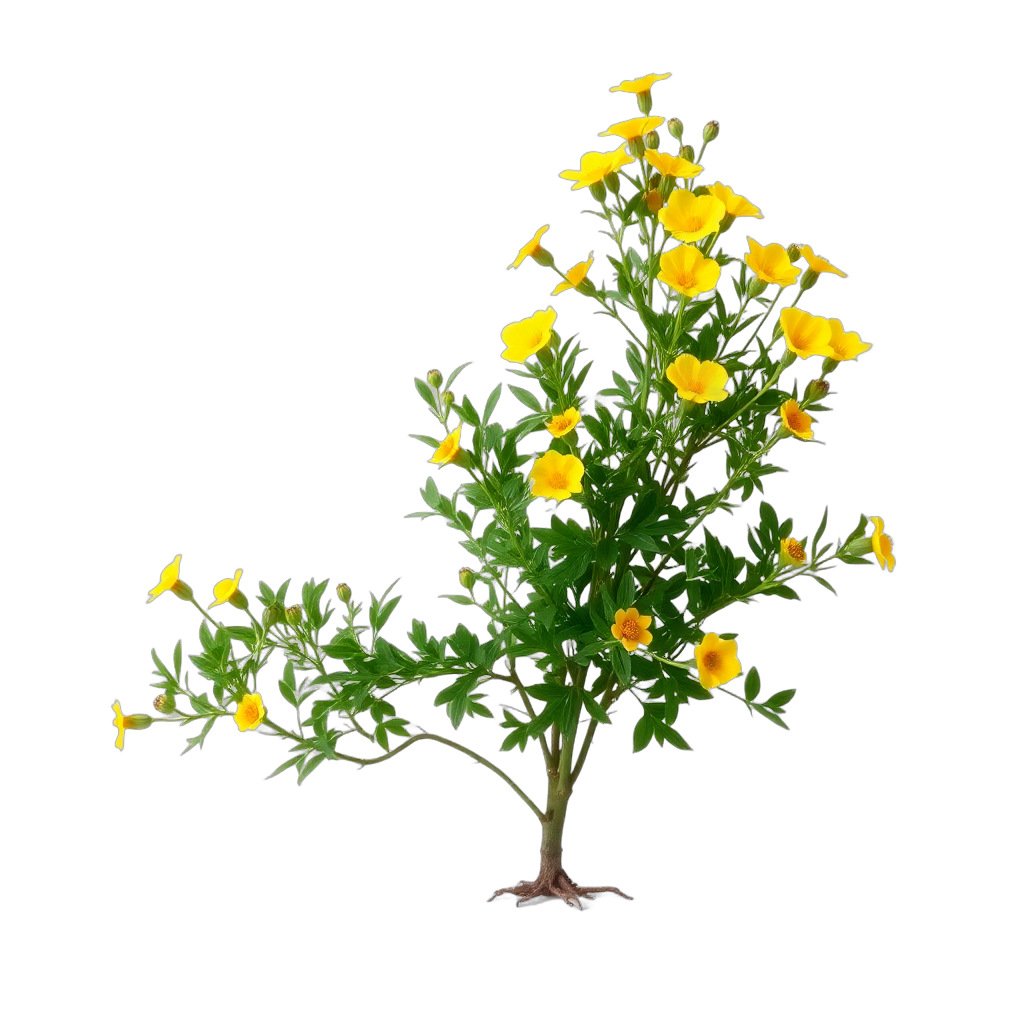
Bush Poppy
Dendromecon rigida
grows to 6 feet, yellow blooms in spring. Pollinator-friendly.
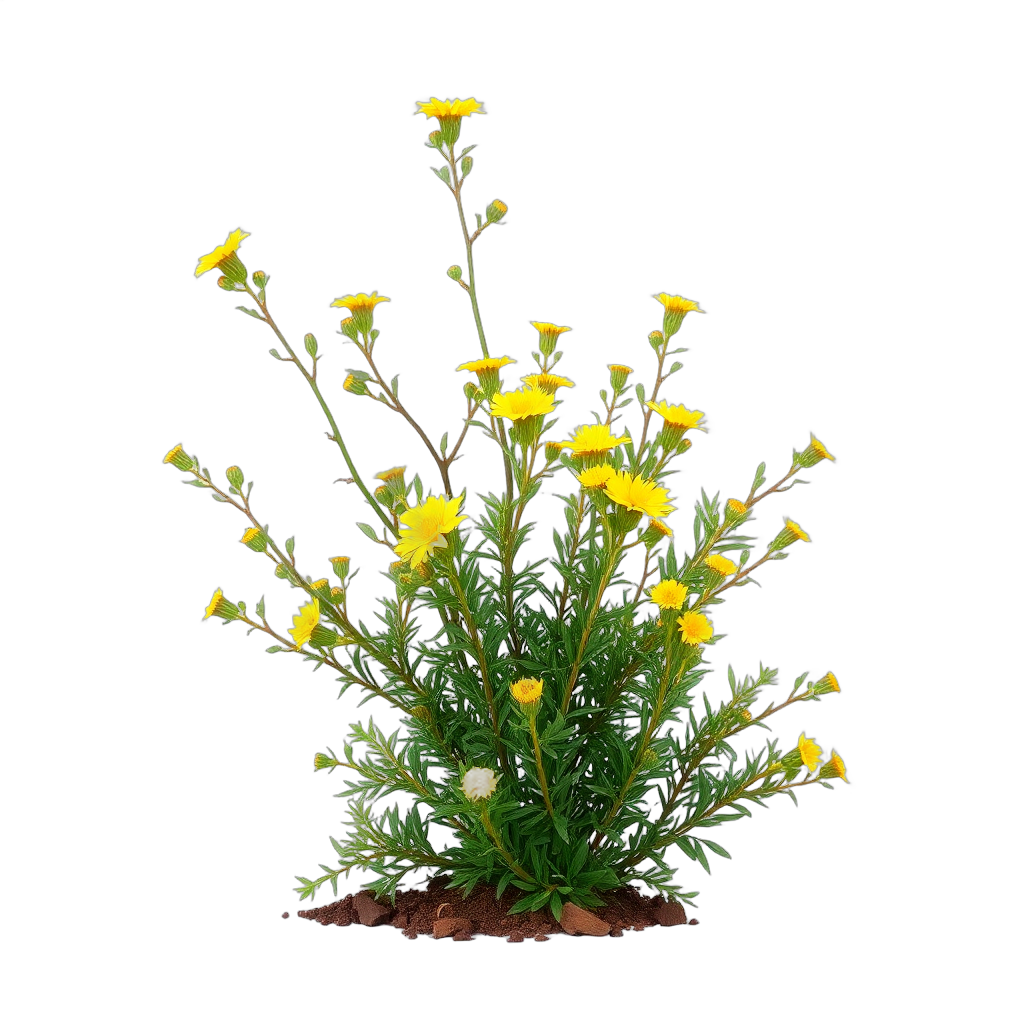
California Brittlebush
Encelia californica
grows to 4 feet, yellow blooms in spring. Attracts butterflies.
Featured Grasses & Groundcovers for Mediterranean Gardens
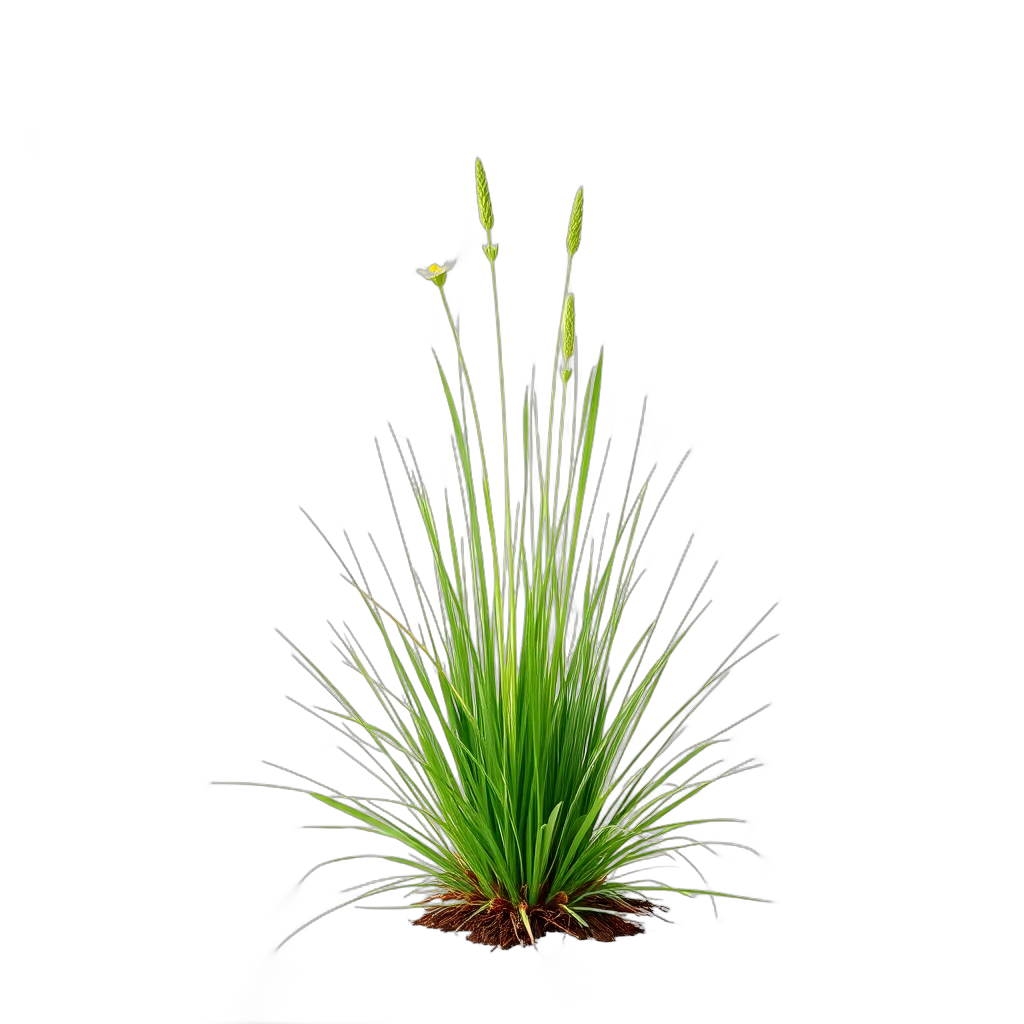
California Brome
Bromus carinatus
low-growing ground cover, blooms in spring. Yellow fall color.
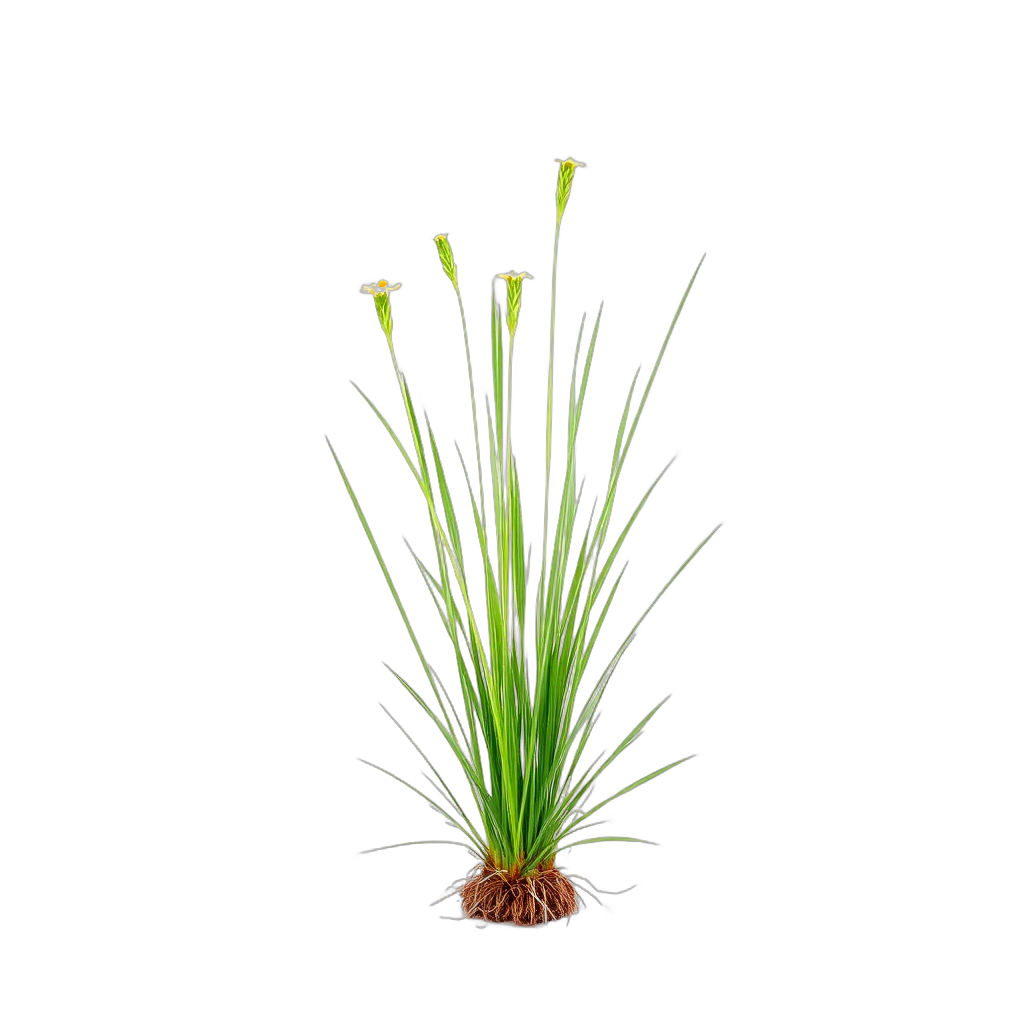
California Melic
Melica californica
low-growing ground cover, blooms in spring.
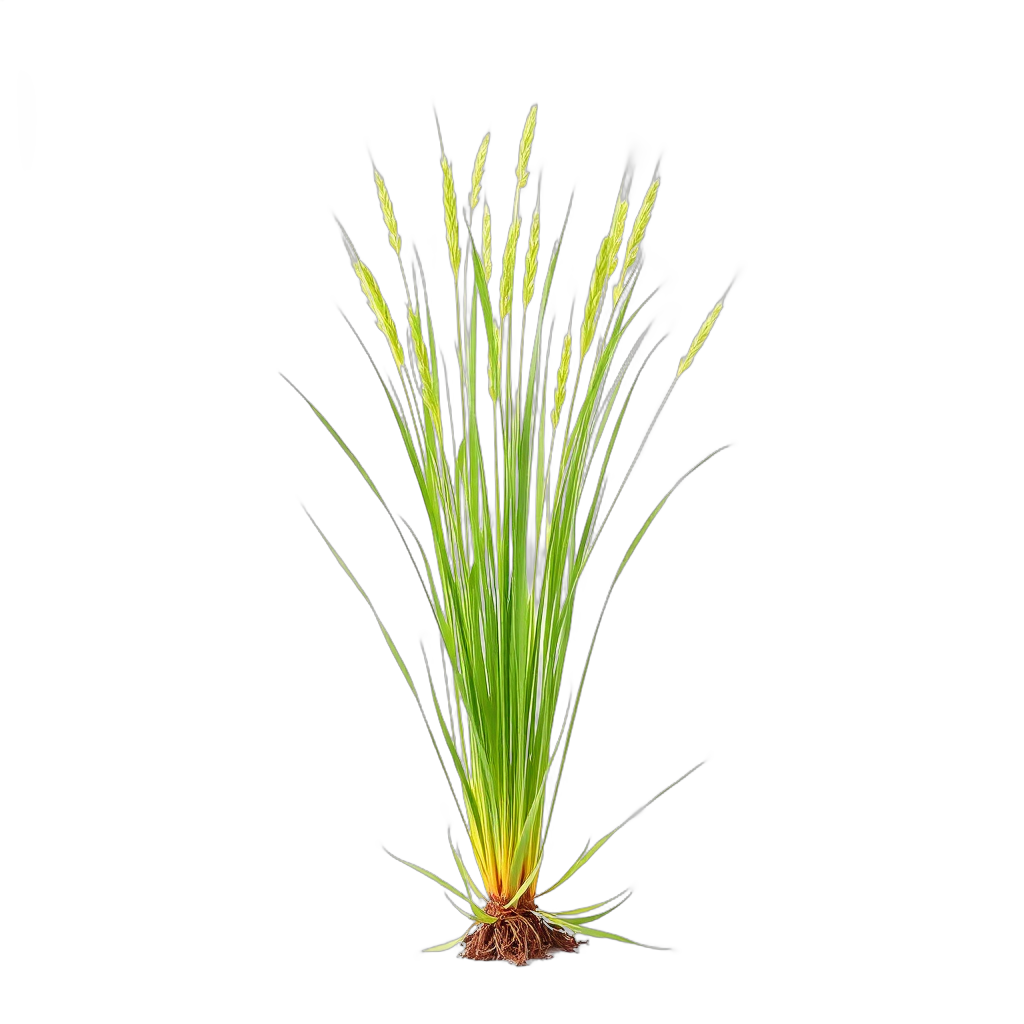
California Oatgrass
Danthonia californica
low-growing ground cover, blooms in spring. Yellow fall color.
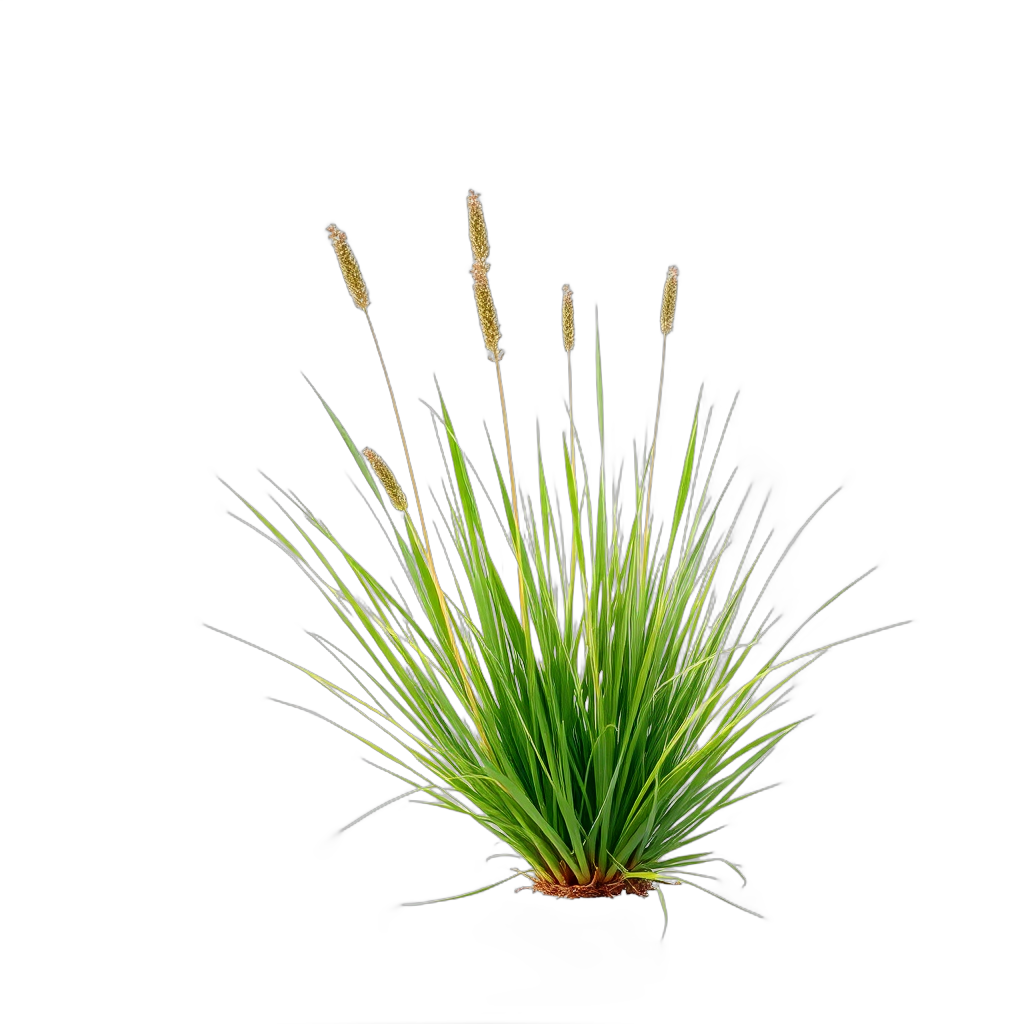
Deer Grass
Muhlenbergia rigens
grows to 3 feet, yellow blooms in fall. Evergreen year-round.
Featured Flowers & Perennials for Mediterranean Gardens
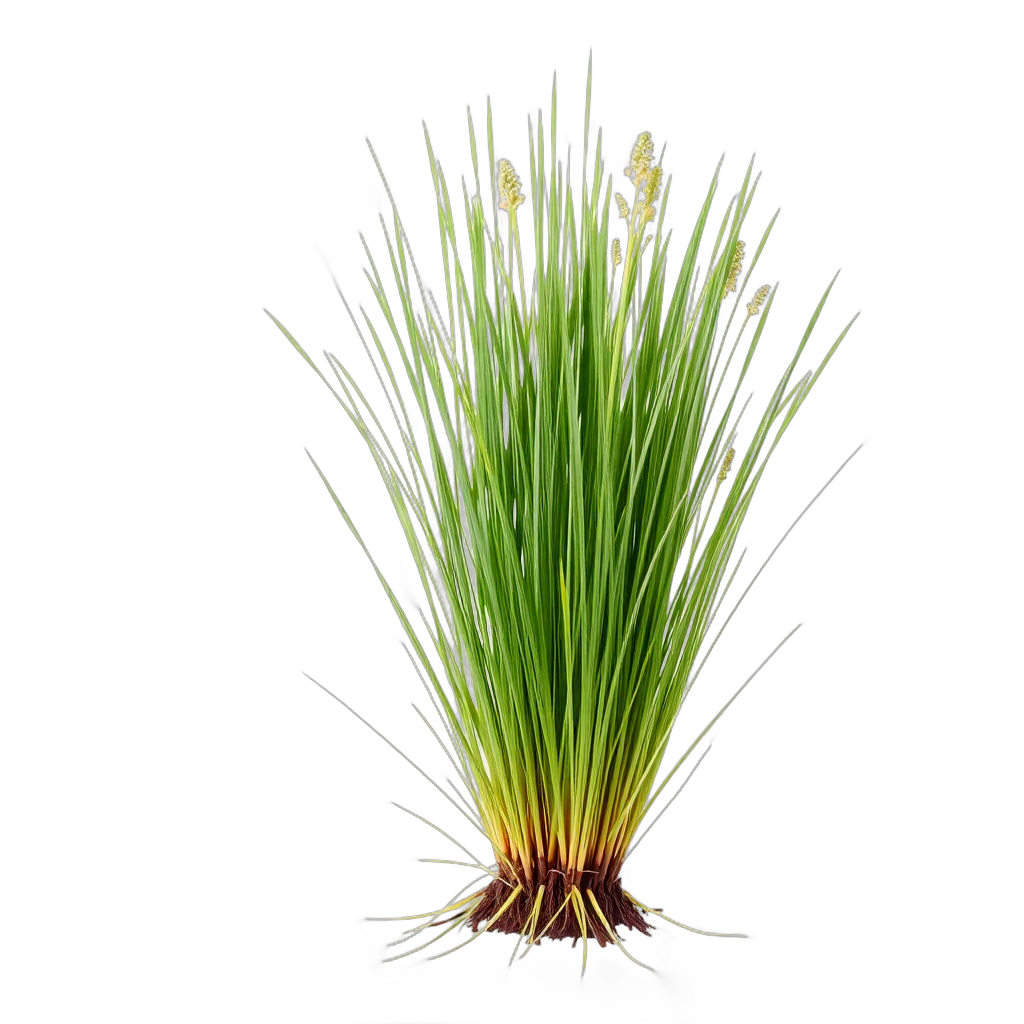
California Gray Rush
Juncus patens
low-growing ground cover, blooms in summer. Evergreen year-round.
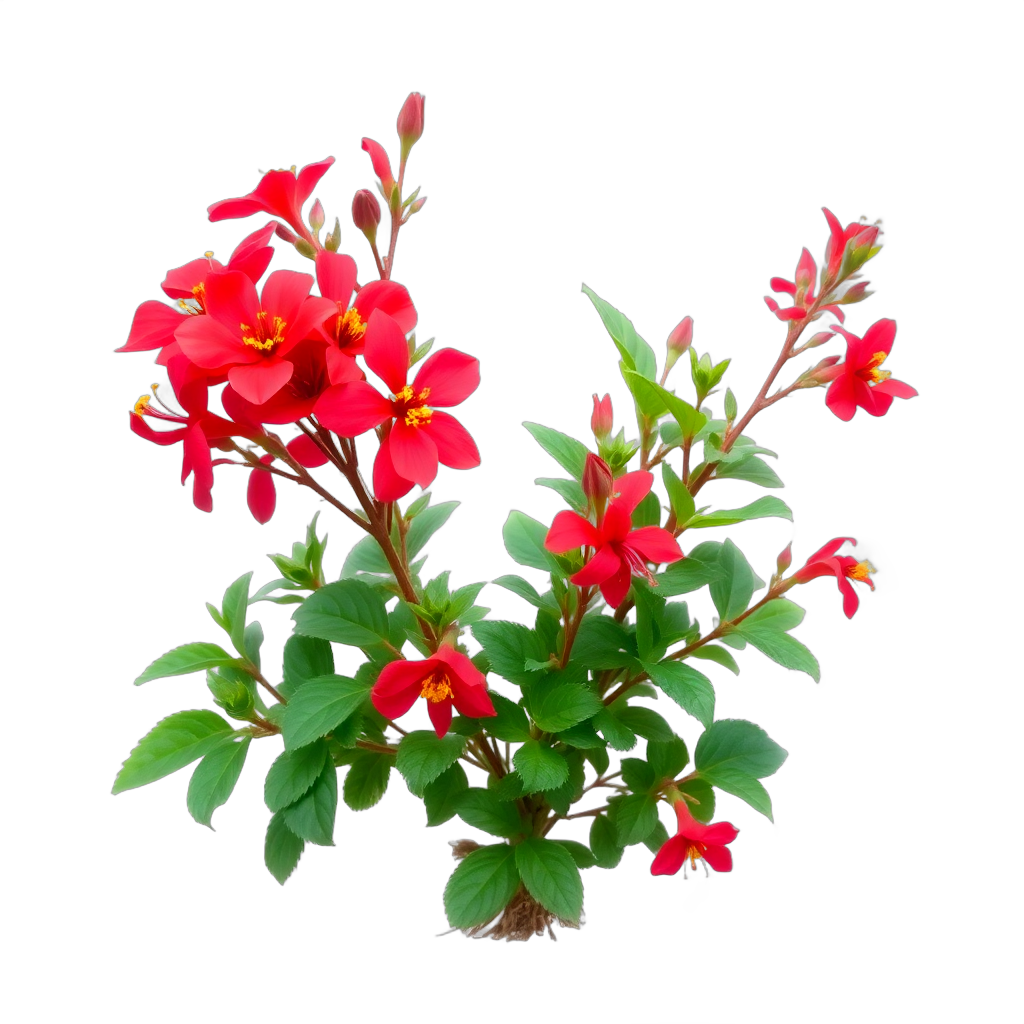
California Fuchsia
Zauschneria californica
low-growing ground cover, red blooms in fall. Attracts hummingbirds.
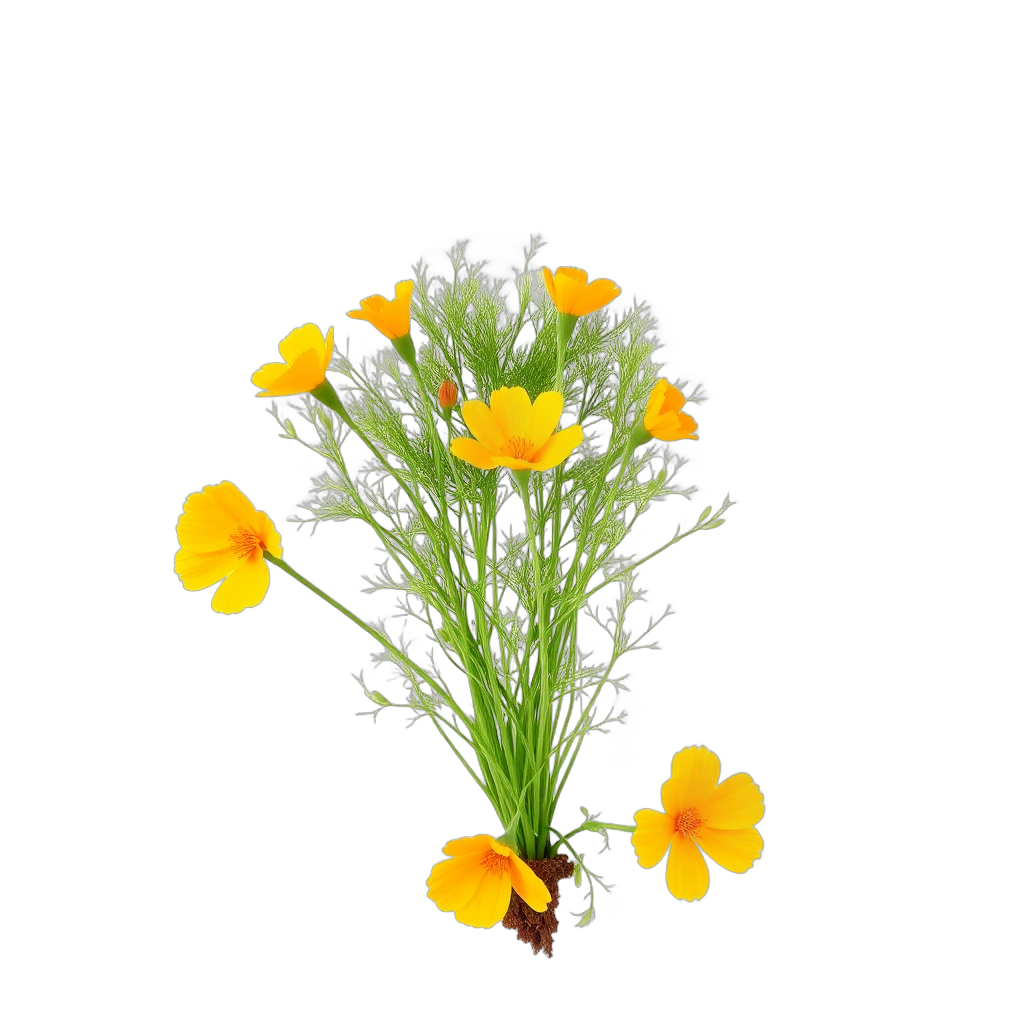
California Poppy
Eschscholzia californica
low-growing ground cover, orange blooms in spring.
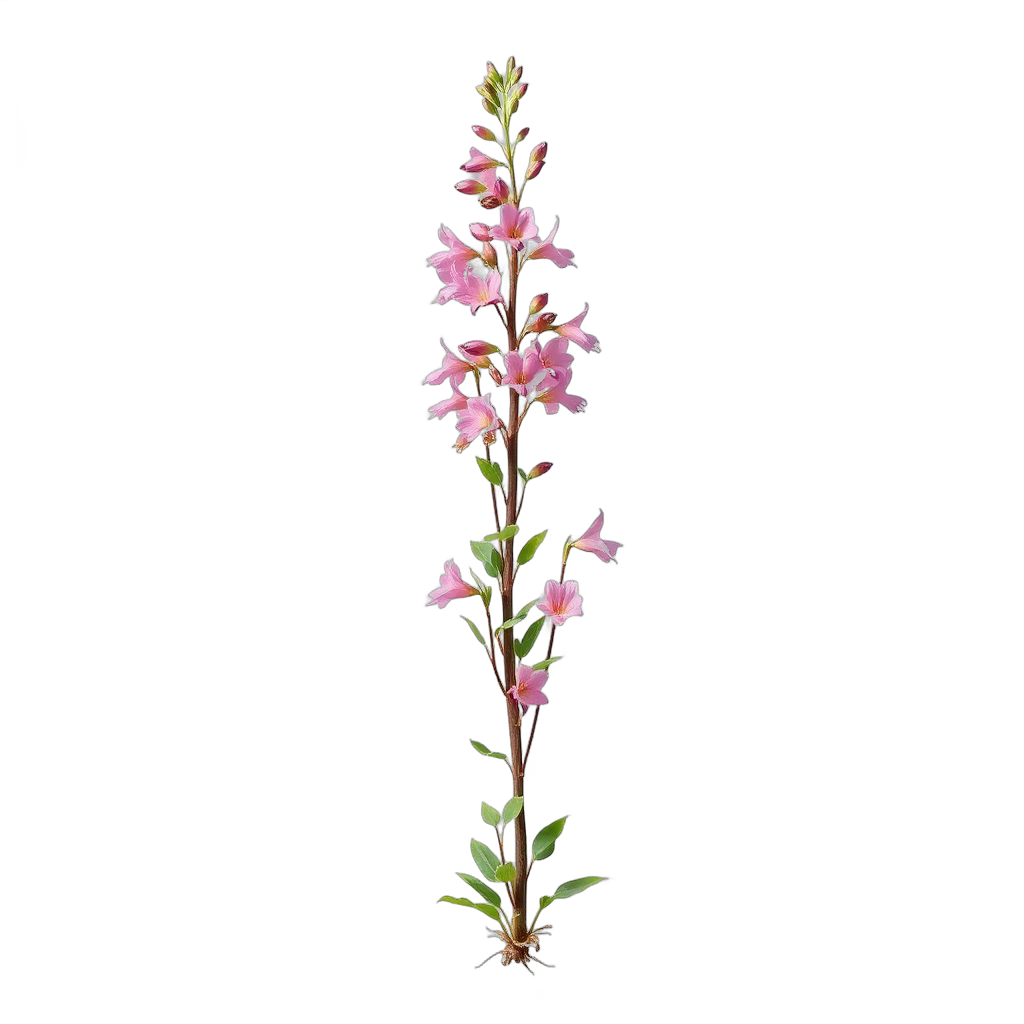
Foothill Penstemon
Penstemon heterophyllus
low-growing ground cover, blue blooms in spring. Attracts hummingbirds.
Zone and sun checks come from our database — confirm with your local nursery before you buy.
Bloom Calendar for Hayward
spring
California Poppy, Foothill Penstemon, Foothill Sedgesummer
California Gray Rush, Black Sage, California Buckwheatfall
California Fuchsia, Deer Grasswinter
Limited bloomsDesign Tips for Hayward (Zone 9b)
- Berm every grey-leaved bed 8-14 inches above grade and mulch the crowns with 3/8-inch gravel instead of bark - Lavandula, Cistus and Santolina die of Hayward's saturated winter clay, not of its dry summers
- Put citrus on its own irrigation valve and leave the olive, rosemary and lavender on a separate low-frequency one; Citrus limon 'Improved Meyer' wants steady moisture while Olea europaea 'Swan Hill' wants to be forgotten from December to March
- Always specify a fruitless olive - 'Swan Hill', 'Wilsonii' or 'Majestic Beauty' - if the tree overhangs paving, a driveway or a seating terrace; fruiting olives stain flagstone black and sprout seedlings through gravel for years
- Use vertical form deliberately: three Cupressus sempervirens 'Glauca' set against a stucco facade do more for a Hayward Mediterranean elevation than a dozen mounded shrubs, and they cast the long evening shadows the style depends on
- Add moving water even at small scale - a Hayward back yard is dead quiet by August, and a recirculating cast-stone fountain masks freeway noise from I-880 and 238 while giving birds the only reliable water for blocks
- Extend the bloom season past lavender with Salvia greggii 'Furman's Red', Cistus x purpureus and Westringia fruticosa 'Morning Light' so the design still reads in September when the Lavandula x intermedia 'Grosso' has been cut back
- Compact a real aggregate base under every tile and flagstone surface; Hayward's expansive clay moves seasonally and paving set on bare graded soil will open joints within three years
Where to Source Plants in Hayward
Skip the big-box stores. These independent Hayward nurseries specialize in the plants that make mediterranean gardens thrive in Zone 9b.
Evergreen Nursery
San Leandro (10 minutes north on I-880)
Closest full-service independent garden center to Hayward, with a strong drought-tolerant and California native bench, citrus, fruit trees and bulk gravel and soil
The Dry Garden Nursery
North Oakland (Shattuck Ave, Oakland-Berkeley border)
Independent since 1987 and the East Bay's specialist in dry-climate, xeriscape and unusual Mediterranean material - agaves, aloes, yuccas and architectural specimens
East Bay Nursery
Berkeley (San Pablo Ave at Bancroft Way)
Family owned since 1942, third generation, with citrus, avocado, olive and dry-climate stock plus soil amendments for clay-heavy Bay Area gardens
Alden Lane Nursery
Livermore
Large independent nursery under a grove of ancient oaks, well stocked with olives, citrus, lavender and Mediterranean shrubs suited to inland East Bay heat
Mediterranean Landscaping Costs in Hayward
| Project Scope | Estimated Cost |
|---|---|
| Front-yard Mediterranean conversion (turf removal, bermed beds, olive, cypress, lavender, 600 sqft) | $16,000 - $30,000 |
| Flagstone or decomposed-granite entry walk and forecourt (200-350 sqft) | $6,000 - $17,000 |
| Terracotta tile terrace on prepared base (350-500 sqft) | $18,000 - $42,000 |
| Cast-stone tiered fountain, installed with pump and auto-fill | $3,500 - $14,000 |
| Heavy-timber pergola with vine planting (12 x 18 ft) | $11,000 - $28,000 |
| Specimen multi-trunk fruitless olive, 24-36 inch box, planted | $900 - $6,500 |
| AI visualization with ProScapeAI | Free to start |
Estimates based on Hayward, CA-area contractor rates as of 2026. Actual costs vary by site conditions, materials, and contractor.
Hayward Climate & Growing Zone
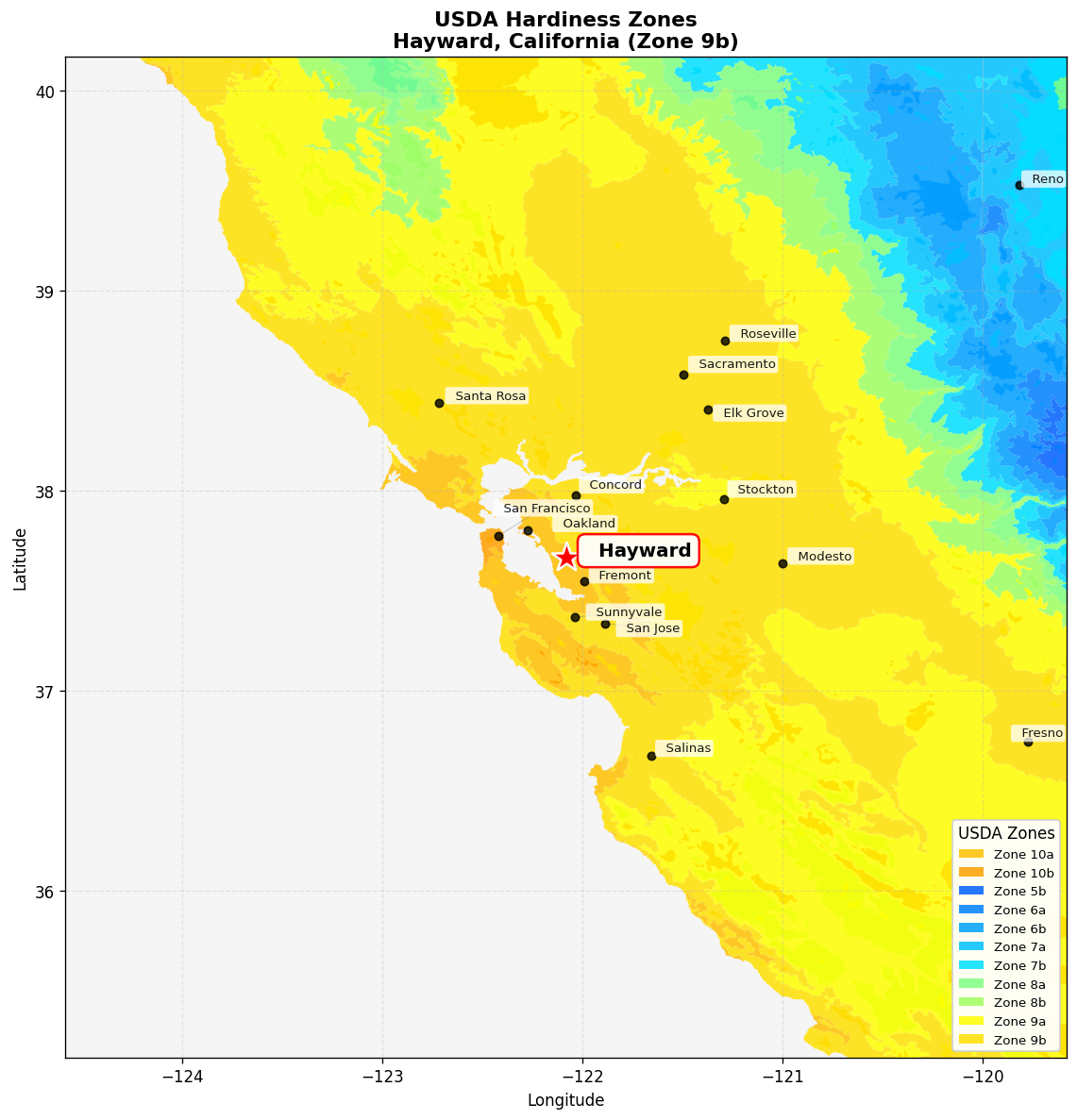
USDA Zone 9b
Hardiness zone for Hayward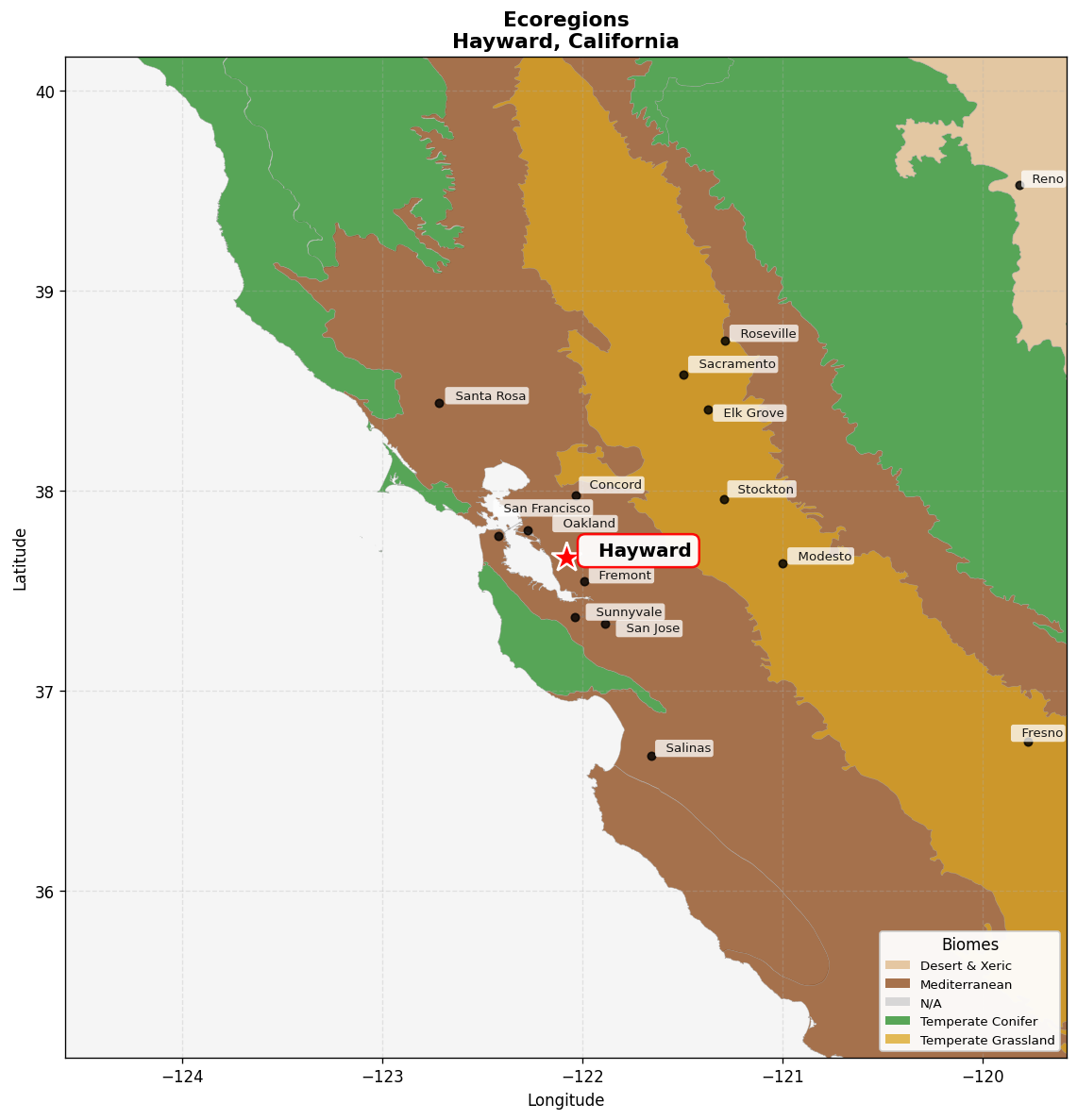
California interior chaparral and woodlands
Native ecoregionFrequently Asked Questions
How much does a Mediterranean landscape cost in Hayward?
East Bay labour is expensive, so budget accordingly. A front-yard Mediterranean conversion on a typical 600 square foot Hayward front yard - turf removal, bermed beds, flagstone or decomposed-granite paving, a specimen Olea europaea 'Swan Hill', cypress and mass lavender - runs about $16,000 to $30,000 installed, or roughly $26 to $45 per square foot. A terracotta-tiled back terrace with a cast-stone fountain and full borders lands between $45,000 and $110,000. A single 24-inch box multi-trunk fruitless olive alone is typically $900 to $2,500 planted, and a 36-inch box specimen with real character can exceed $6,000.
Will bougainvillea survive a Hayward winter?
In most of Hayward, yes, with siting care. Zone 9b lows of roughly 25-30F sit right at the edge for Bougainvillea 'Barbara Karst' and Bougainvillea 'San Diego Red', which take light frost but defoliate below about 28F. Plant against a warm south or west stucco wall that radiates stored heat overnight, and site it in the warmer Fairview, Hayward Highlands and Stonebrae microclimates rather than the cold air that pools in the flats toward the shoreline. Keep it lean and dry - overwatered, overfed bougainvillea grows leaves instead of bracts. In a frost pocket, grow it in a large pot you can pull under an eave for a few December nights.
Which olive and citrus varieties work best in Hayward?
For olives, choose a fruitless cultivar - Olea europaea 'Swan Hill', 'Wilsonii' or 'Majestic Beauty' - which avoids both the staining fruit drop onto paving and most of the pollen that fruiting olives release. For citrus, Citrus limon 'Improved Meyer' is the most forgiving tree in the city and crops heavily even in the fog belt; Citrus limon 'Eureka' and Citrus aurantiifolia 'Bearss' also do well. Sweet oranges such as Citrus sinensis 'Washington' and the blood orange 'Moro' need Hayward's warmer inland pockets and a reflective wall to colour and sweeten properly - fruit from a foggy Mt. Eden back yard will be edible but less sweet than the same tree in Livermore.
How much water does a Mediterranean garden actually need here?
Far less than people assume, but only after establishment. For the first two summers, water new Olea, Cistus x purpureus and Lavandula deeply once a week to push roots down. From year three, established plantings need a deep soak only two or three times a month between June and September, and nothing at all from December through March when Hayward receives most of its roughly 20 inches of annual rain. Citrus is the exception and wants consistent moisture year-round on its own valve. Overwatering is the single most common cause of Mediterranean plant failure in the East Bay - Santolina chamaecyparissus and Teucrium fruticans will rot in a bed irrigated on a lawn schedule.
Does Hayward offer rebates for replacing my lawn?
The Hayward Water System's Lawn Conversion Rebate has paid approximately $0.75 per square foot for front lawns visible from the street, $0.50 per square foot for back yards, plus $0.25 per square foot more when the area is sheet-mulched. You must be a Hayward water customer, submit a planting plan and plant list, and pass a site inspection before any turf is removed - starting work first disqualifies the application. Plants must be low water use, and at least half the converted area has to be covered by living plants at maturity, which a lavender, Salvia rosmarinus 'Tuscan Blue' and Cistus design meets easily. Funds are limited and first-come, so verify the current program before ordering material.
Can I lay terracotta tile outdoors in Hayward?
Yes - hard freezes are rare in Zone 9b, so freeze-thaw spalling is not the concern it is inland. The real issue is Hayward's expansive clay, which swells through the wet season and shrinks hard by August. Terracotta and saltillo-style tile need a properly designed reinforced slab or a well-compacted aggregate base with movement joints, not a thin bed laid over graded soil. Use a sealed exterior-grade tile with a slip-resistant surface, keep positive drainage away from the house, and expect to reseal every two to three years. On Fairview and Hayward Hills slopes, drainage design behind any adjacent wall matters more than the tile spec itself.