Modern Landscape Design in Hayward, CA | 4 Zone 9b Yard Ideas
Native plants from the California interior chaparral and woodlands (Zone 9b) — Mediterranean (warm summer) climate
Why Modern/Minimalist Gardens in Hayward?
Hayward has more good bones for modern landscape design than its reputation suggests. The city built out fast between 1950 and 1970, which left whole districts - Southgate, Glen Eden, Longwood-Winton Grove, Harder-Tennyson and the tracts around Cal State East Bay - full of low, wide, flat-fascia post-war ranches with big horizontal windows. That is the exact geometry modern landscape design amplifies: a long low roofline, a wide shallow front yard, and a facade that a single sculptural plant can carry. Add the newer flat-roofed infill going into the Cannery district and along Mission Boulevard, plus the contemporary hillside builds above Fairview and around Stonebrae, and there is a real supply of houses that want gravel, board-formed concrete, Corten steel and one enormous agave rather than a lawn and two junipers.
The climate does most of the design work for you. Hayward is warm-summer Mediterranean (Koppen Csb) in USDA Zone 9b, with winter lows around 25-30F, July averaging near 80F, and only about 20 inches of rain a year falling almost entirely between November and April. Nearly rainless summers plus frost-free winters mean the architectural plants that define modern landscapes - Agave ovatifolia, Agave parryi var. truncata, Aeonium arboreum 'Zwartkop', Curio repens, Leucadendron 'Safari Sunset', Muhlenbergia rigens - live outdoors permanently and hold their shape all twelve months. Cold is rarely the constraint. Marine air pushing through the Hayward gap on summer afternoons keeps the light soft and holds the ornamental grass season long, which is why backlit plumes of Pennisetum spathiolatum and Calamagrostis x acutiflora 'Karl Foerster' work so well against dark fascia and glass here.
Soil and structure are where Hayward projects actually go wrong. The flats sit on dense, alkaline bay-plain clay that saturates through winter and cracks by August, while the hills above Fairview carry expansive adobe clay on slopes that shift seasonally - and the Hayward Fault runs directly through the city, beneath the Cal State East Bay campus and the older neighbourhoods along Mission Boulevard. Modern design lives and dies on crisp lines, so the base preparation matters more than in any other style: a concrete terrace or a Corten-edged gravel field poured or set on unprepared clay will lift, crack and go out of square within a few seasons. Excavate and compact a proper aggregate base under every hard surface, cut real control joints in slabs, and treat any hillside retaining wall as a licensed-engineer design rather than a weekend build. On the planting side the same clay is what kills agaves - not frost. Raise every succulent bed 10-16 inches above grade, backfill with a sharp 50/50 mix of native soil and crushed rock, and top-dress with gravel so nothing sits wet at the crown from December to March.
The water rules point the same direction. The City of Hayward Water System has run a Lawn Conversion Rebate paying roughly $0.75 per square foot for front lawns visible from the street, $0.50 per square foot for back yards, and another $0.25 per square foot when the area is sheet-mulched, all subject to a pre-work plan review, plant list and inspection. Funding is limited and first-come, so confirm the current program before you order anything. California's Model Water Efficient Landscape Ordinance also caps turf and requires drip-based, low-water planting on permitted landscapes over 500 square feet. A gravel-and-agave modern front yard does not merely comply - it is the most rebate-friendly style you can build in Hayward, and once established it typically runs on a deep soak two or three times a month all summer.
4 Modern/Minimalist Design Ideas for Hayward

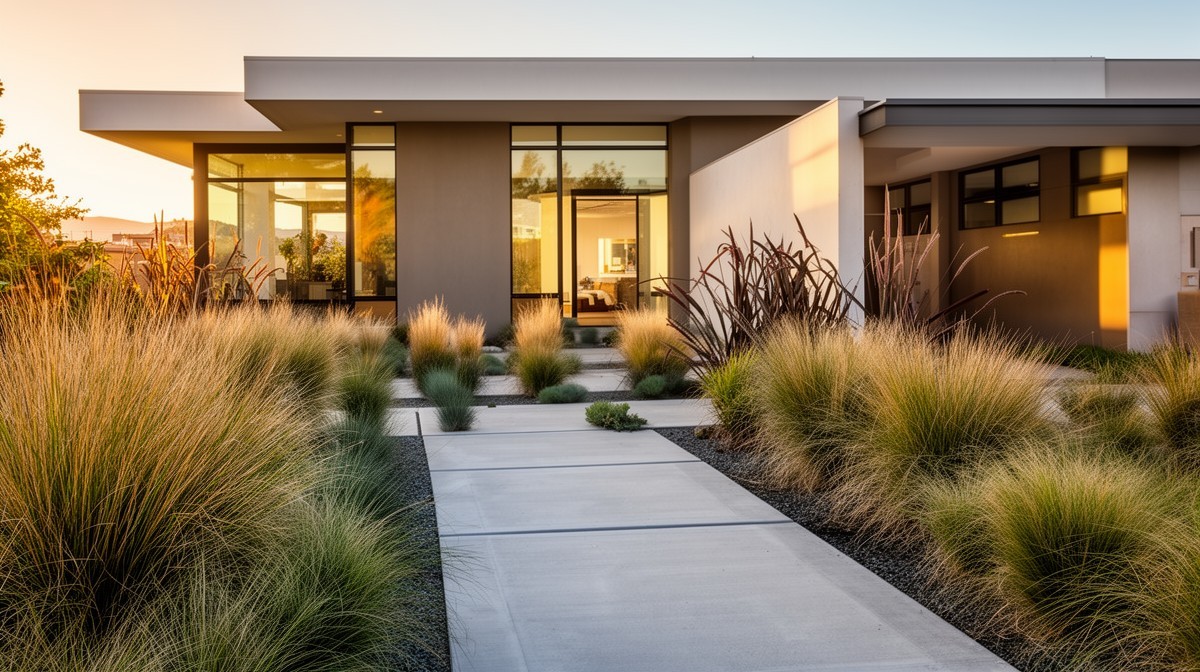
The Mid-Century Grass and Agave Frontage
$28-48/sqftA low flat-roofed mid-century house with a dark fascia band and a full wall of glass, seen through the planting rather than over a lawn. A wide broom-finished concrete walk curves from the sidewalk to the entry, splitting two deep gravel-mulched beds. On one side, tall wheat-coloured grass plumes catch the low sun and glow against the dark roof line; on the other, an enormous blue-grey agave, wine-red rosettes and mounded silver-blue grasses sit among rounded boulders with lavender threading between them. A single spreading shade tree throws dappled light across the whole composition.

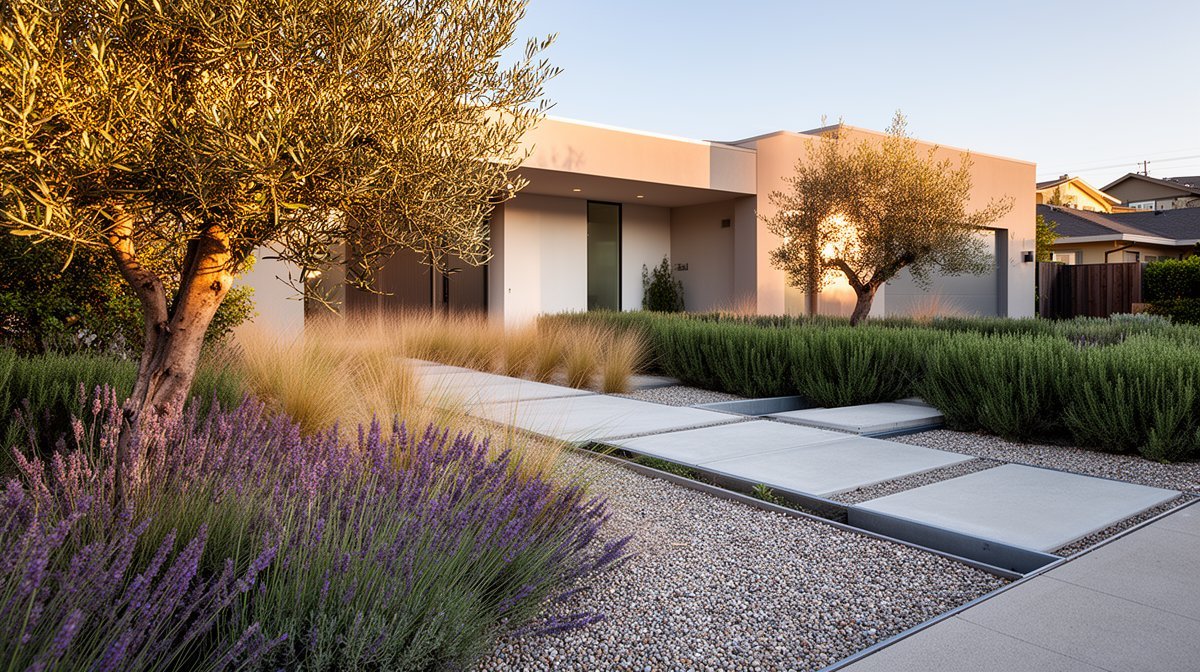
The Corten Grid Gravel Court
$24-42/sqftA flat-roofed cream stucco house with dark window frames and a mature coast live oak behind it, fronted by pure geometry. There is no lawn - instead, a field of pale gravel is organised by rectangular planting beds edged in weathered Corten steel, each one a raised composition of large blue-green agave rosettes, pale echeveria clusters, small silver tufts and red-tipped accents in dark mulch. The rectangles step in a loose grid across the yard and along the driveway apron, and a slim multi-trunk tree softens one corner. It is the cheapest way to make a plain tract facade look designed.

The Fire Bowl Concrete Lounge
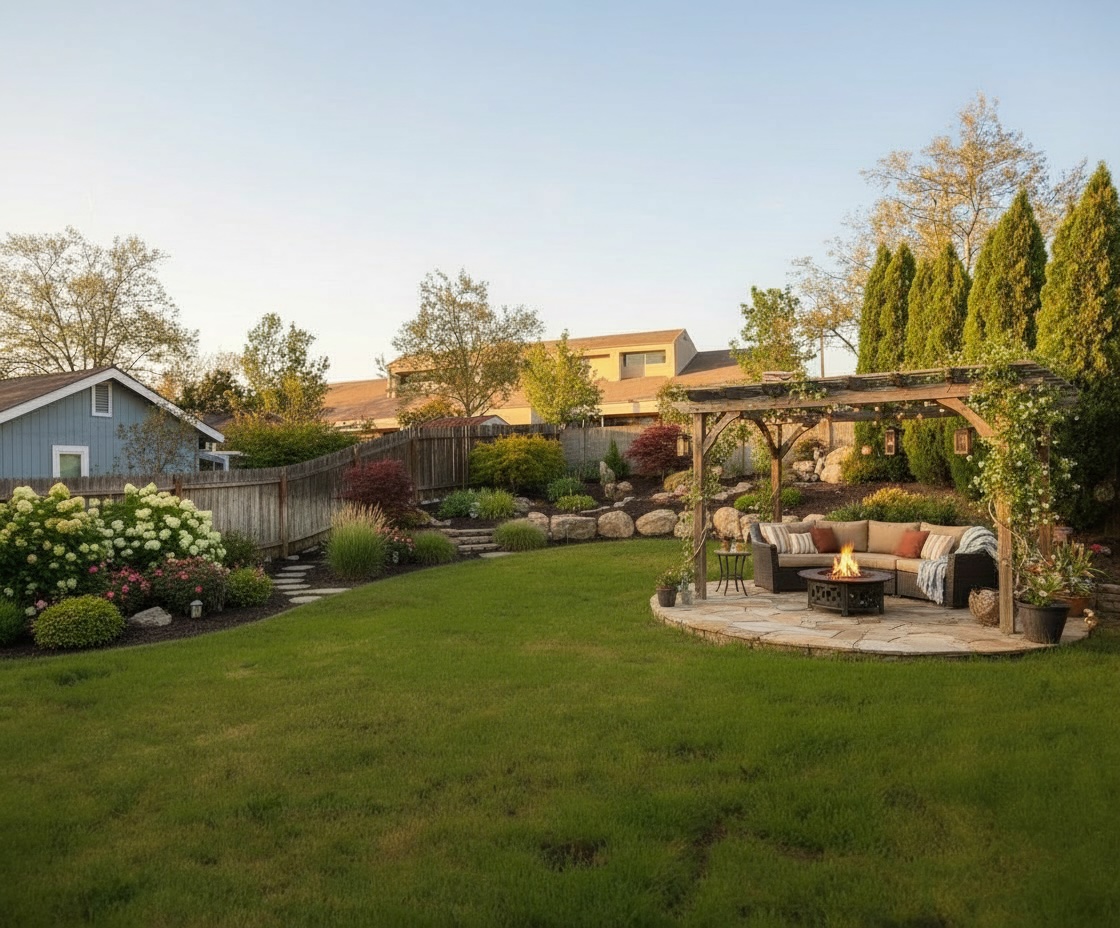
$45-78/sqftA large-format concrete paver terrace off the back of a single-story house with warm wood siding and black-framed sliders. Four modern lounge chairs with wood arms and pale cushions face a low round concrete gas fire bowl at the centre, string lights sweep overhead from the roofline to the fence, and a horizontal cedar fence closes the space with the East Bay hills visible above it. Feathery grass plumes press in from beds on both sides, a low block seat wall steps down to a small green lawn panel, and one spreading multi-trunk tree anchors the far corner.

The Lit Pool Terrace
$110-210/sqft (pool area inclusive)A two-story glass-walled contemporary house glowing at dusk, opening onto a rectangular pool with underwater lighting set in a wide pale concrete deck. Chaise lounges occupy one side, a linear gas fire table and a sofa the other, and the white perimeter walls carry evenly spaced downlights that turn the boundary into a lantern. The planting is restrained and entirely textural - low tufted grasses and dark burgundy rosettes running in continuous bands along the deck edges, lit from below by recessed LED strips set into the bed headers. Colour comes from the light, not the flowers.
See how a modern/minimalist garden looks on YOUR property
Upload a photo of your Hayward yard and visualize your dream garden in seconds.
Try ProScapeAI Free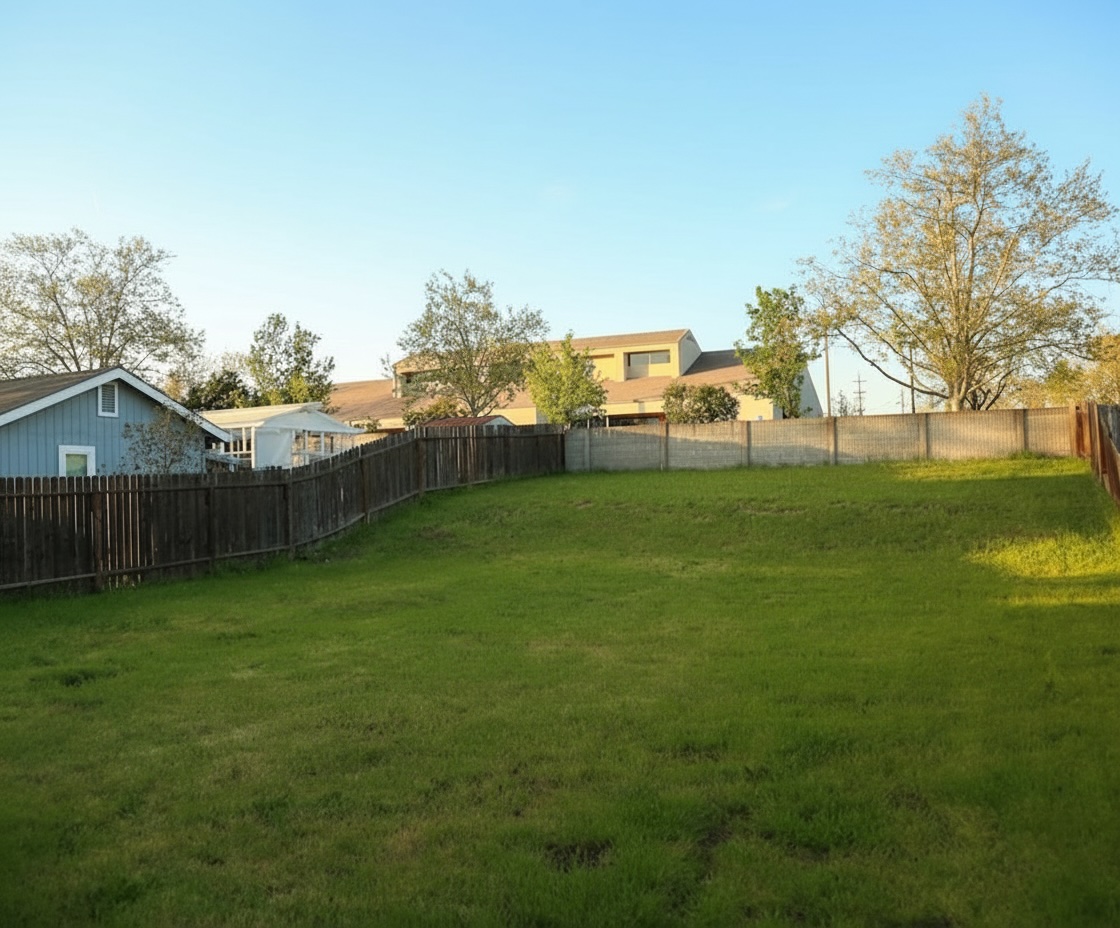
Featured Trees & Shrubs for Modern/Minimalist Gardens
Browse all 197 plants for Hayward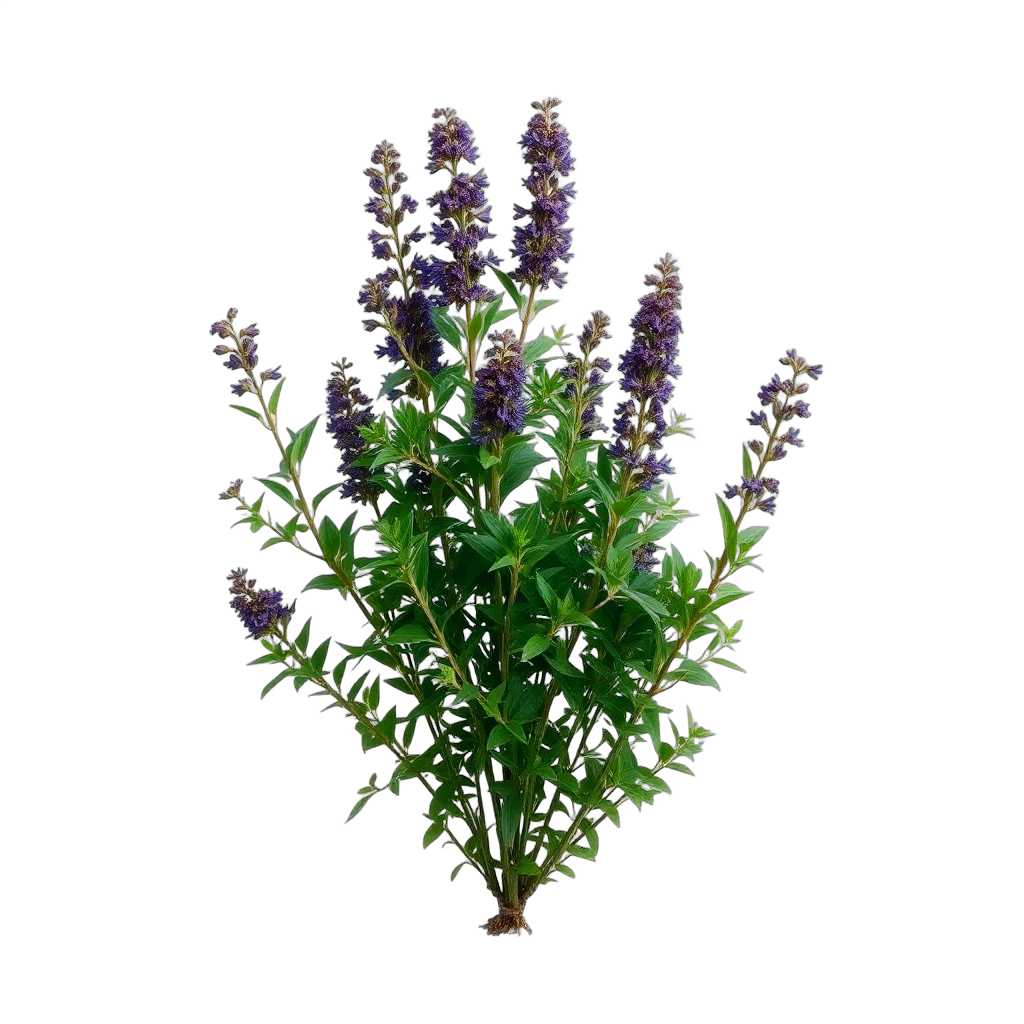
Black Sage
Salvia mellifera
grows to 4 feet, white blooms in spring. Attracts butterflies.
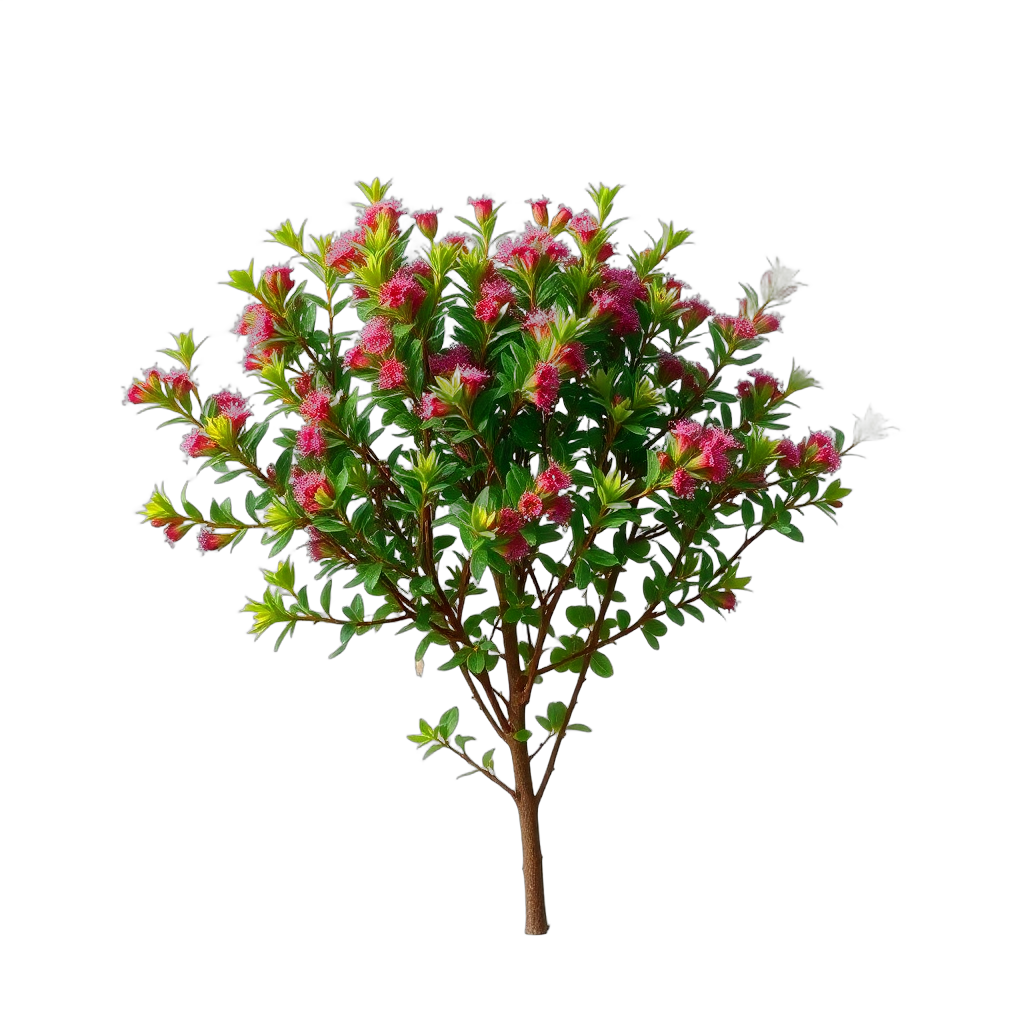
Buckbrush
Ceanothus cuneatus
medium-sized at 7 feet, white blooms in spring. Attracts butterflies.
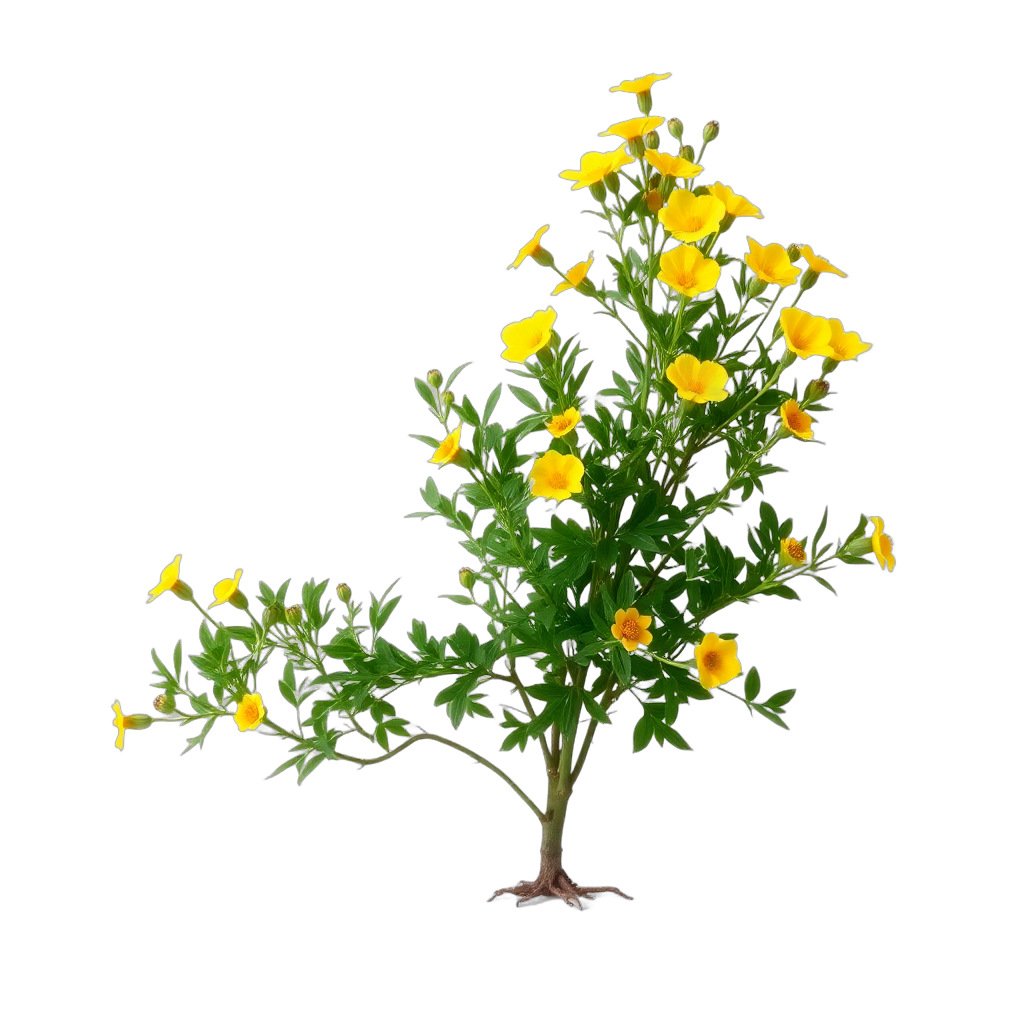
Bush Poppy
Dendromecon rigida
grows to 6 feet, yellow blooms in spring. Pollinator-friendly.
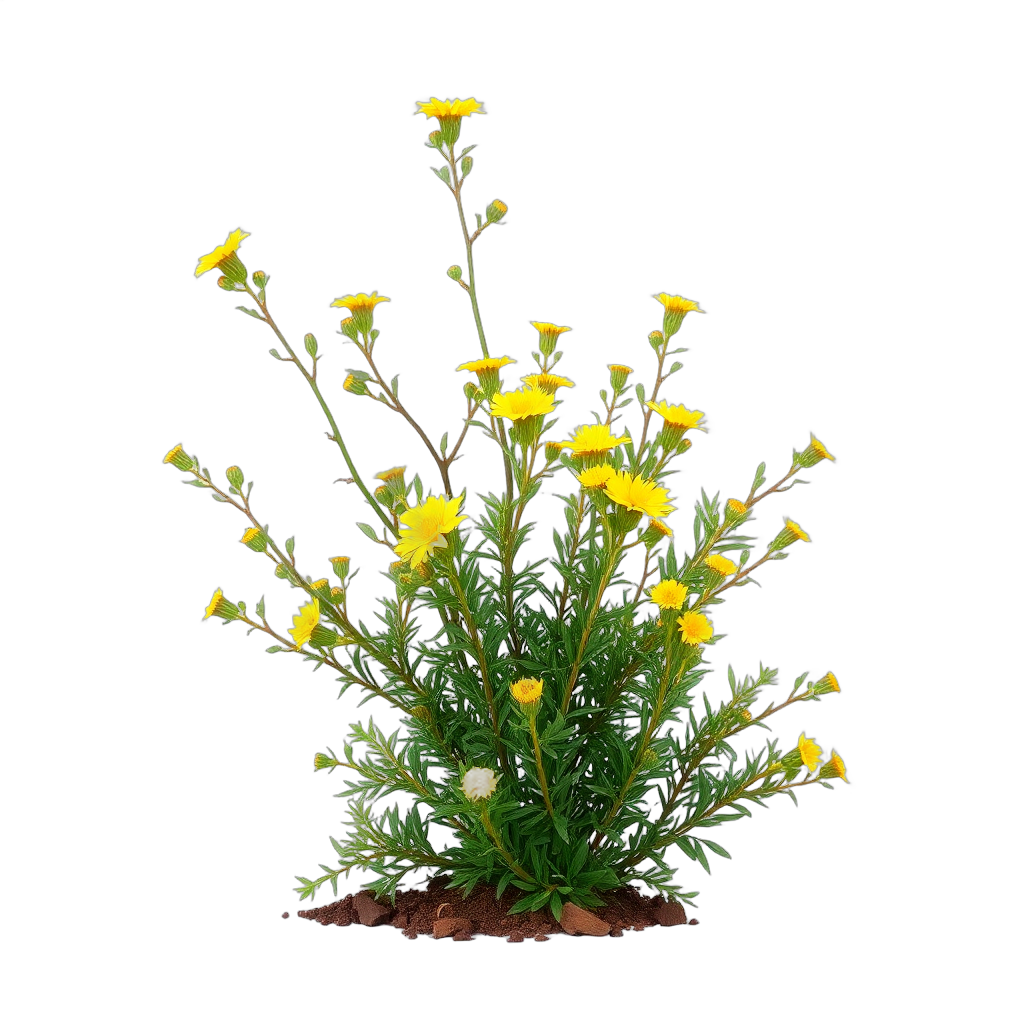
California Brittlebush
Encelia californica
grows to 4 feet, yellow blooms in spring. Attracts butterflies.
Featured Grasses & Groundcovers for Modern/Minimalist Gardens
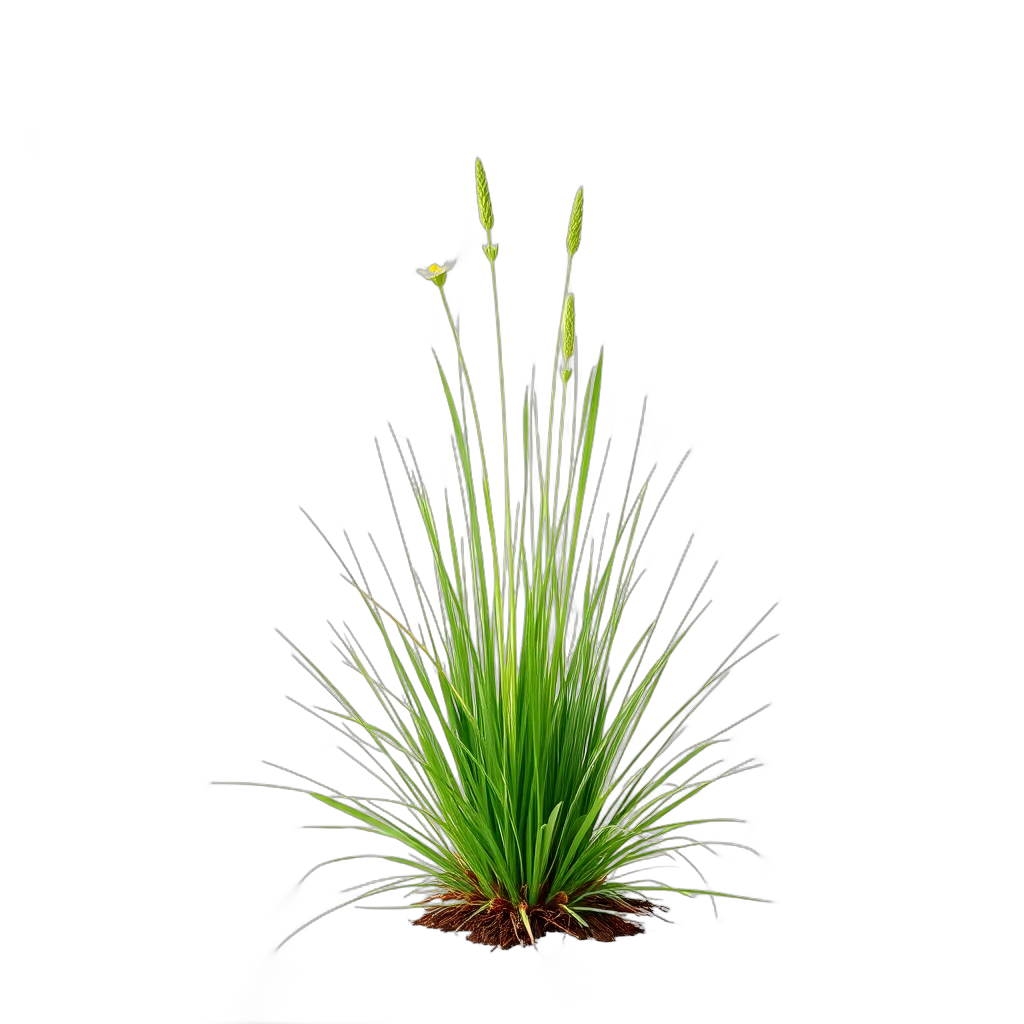
California Brome
Bromus carinatus
low-growing ground cover, blooms in spring. Yellow fall color.
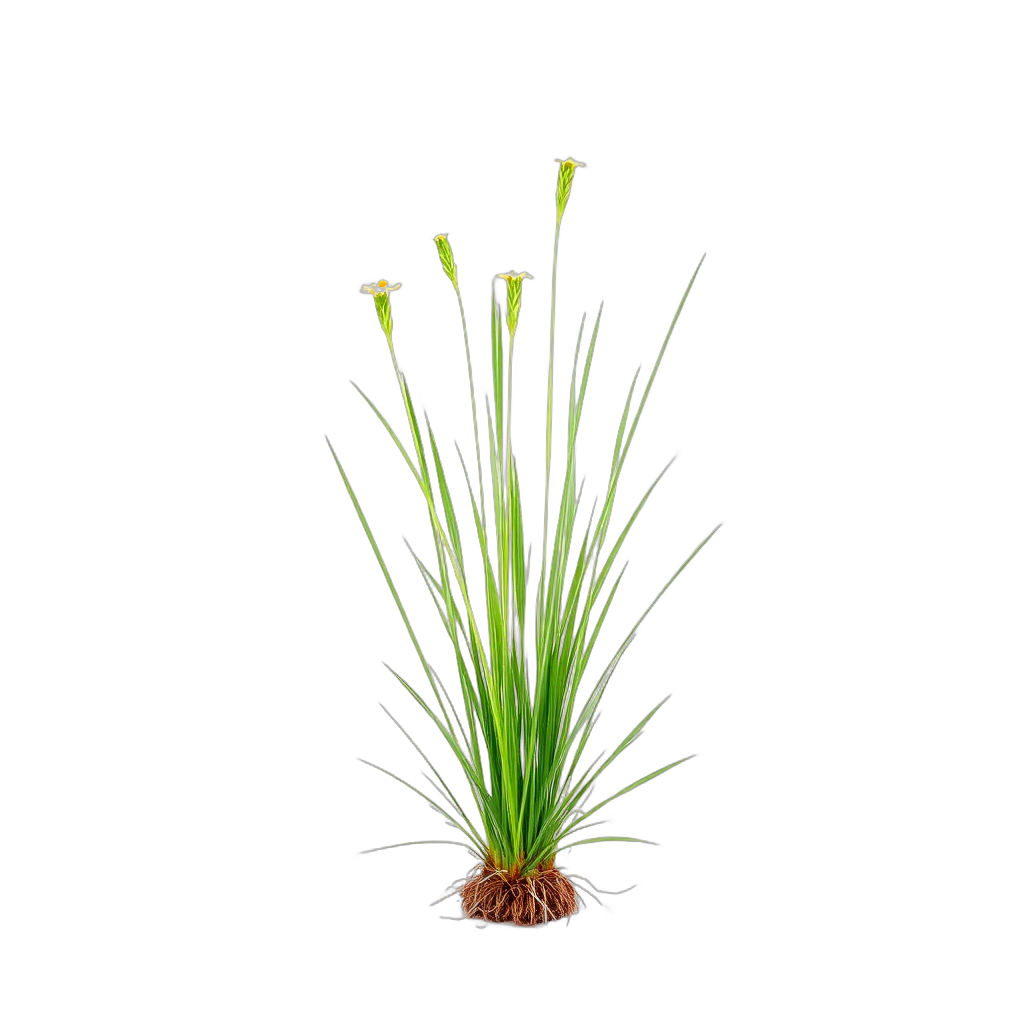
California Melic
Melica californica
low-growing ground cover, blooms in spring.
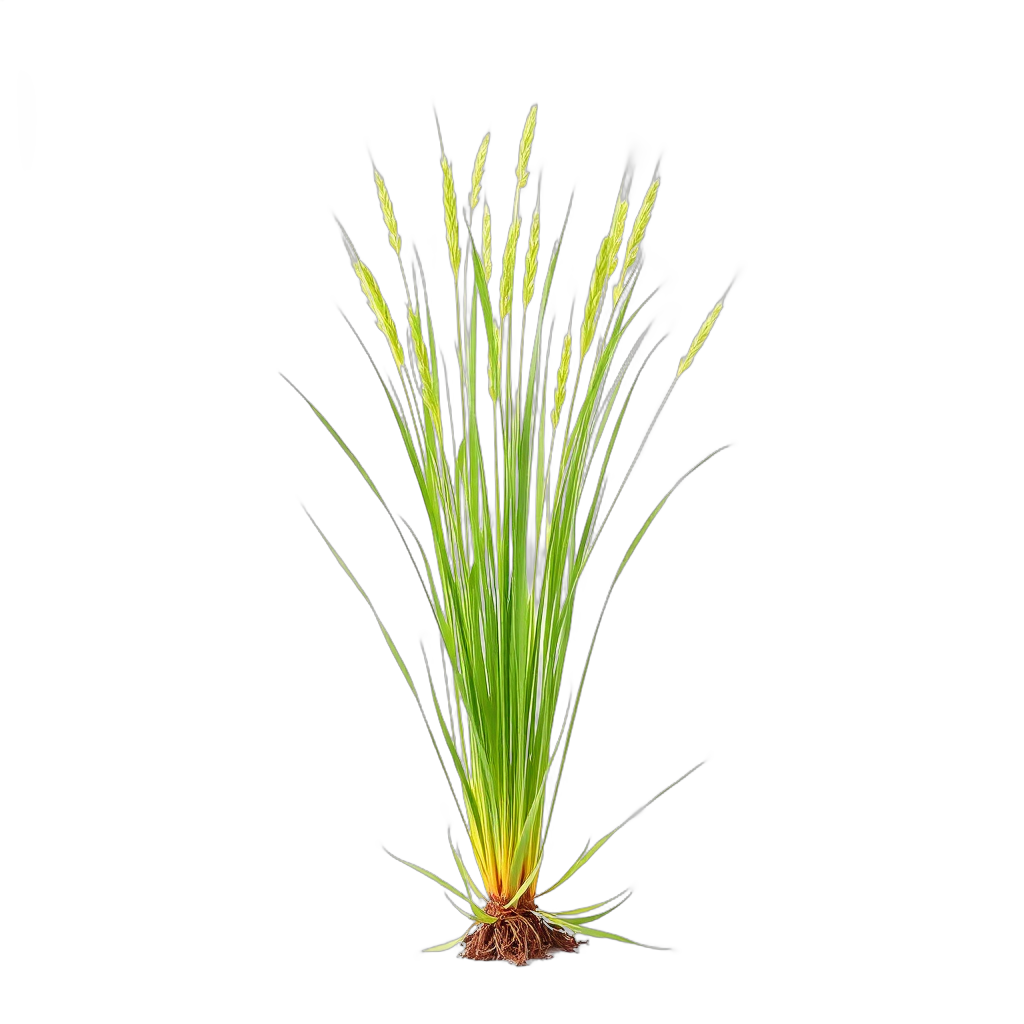
California Oatgrass
Danthonia californica
low-growing ground cover, blooms in spring. Yellow fall color.
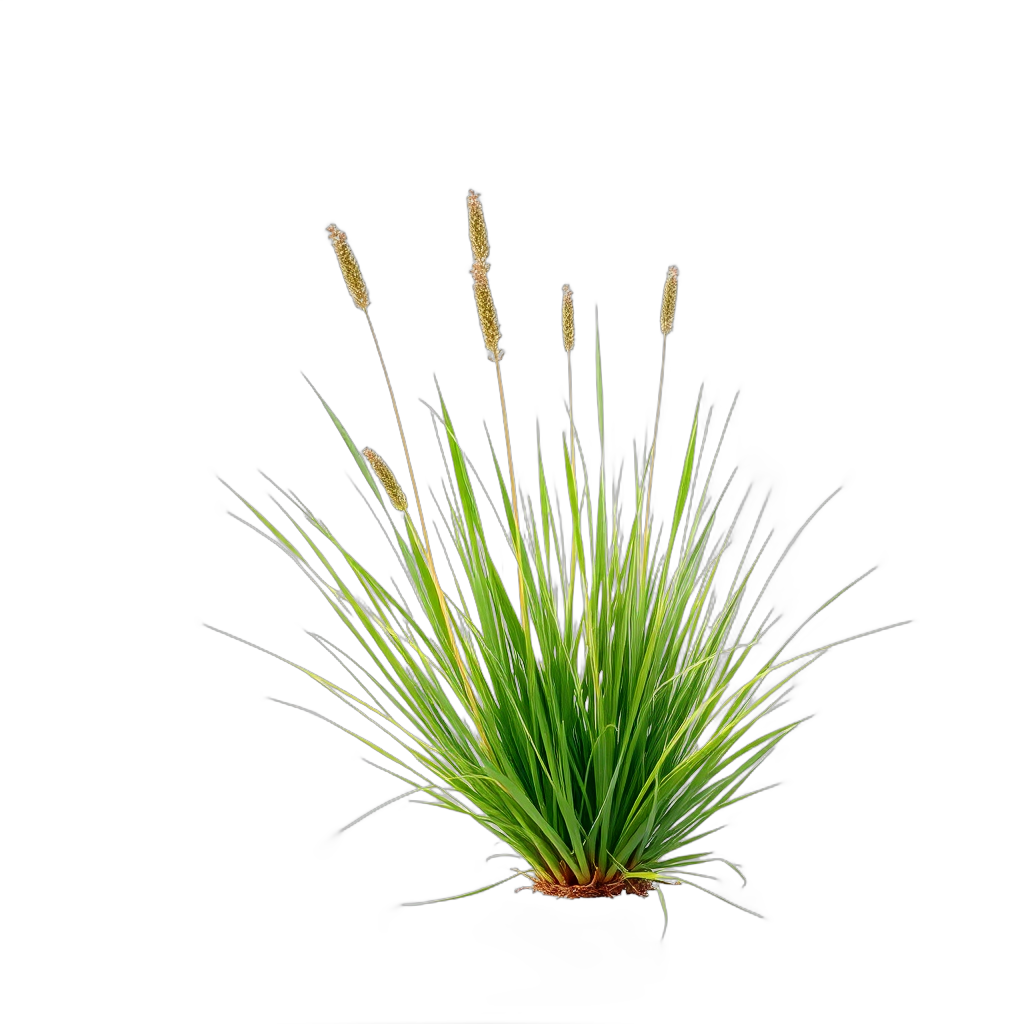
Deer Grass
Muhlenbergia rigens
grows to 3 feet, yellow blooms in fall. Evergreen year-round.
Featured Flowers & Perennials for Modern/Minimalist Gardens
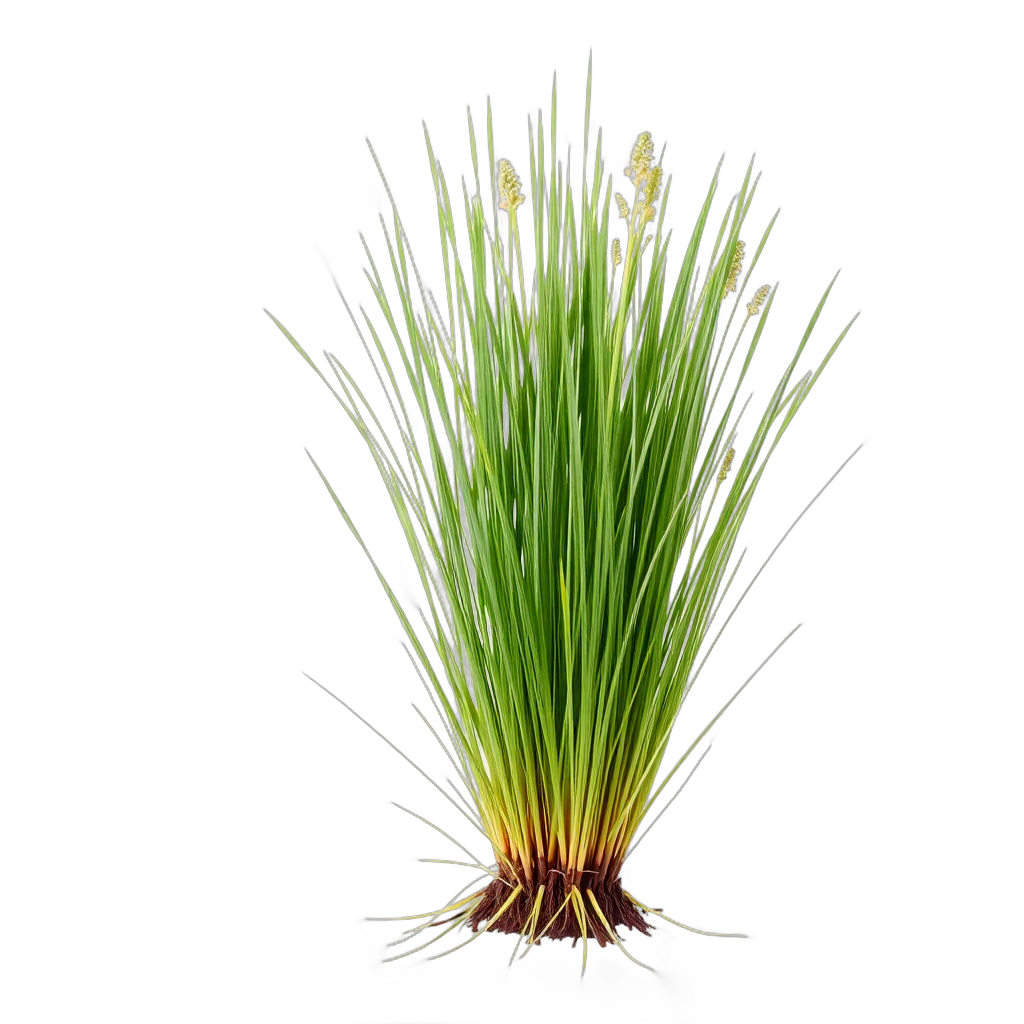
California Gray Rush
Juncus patens
low-growing ground cover, blooms in summer. Evergreen year-round.
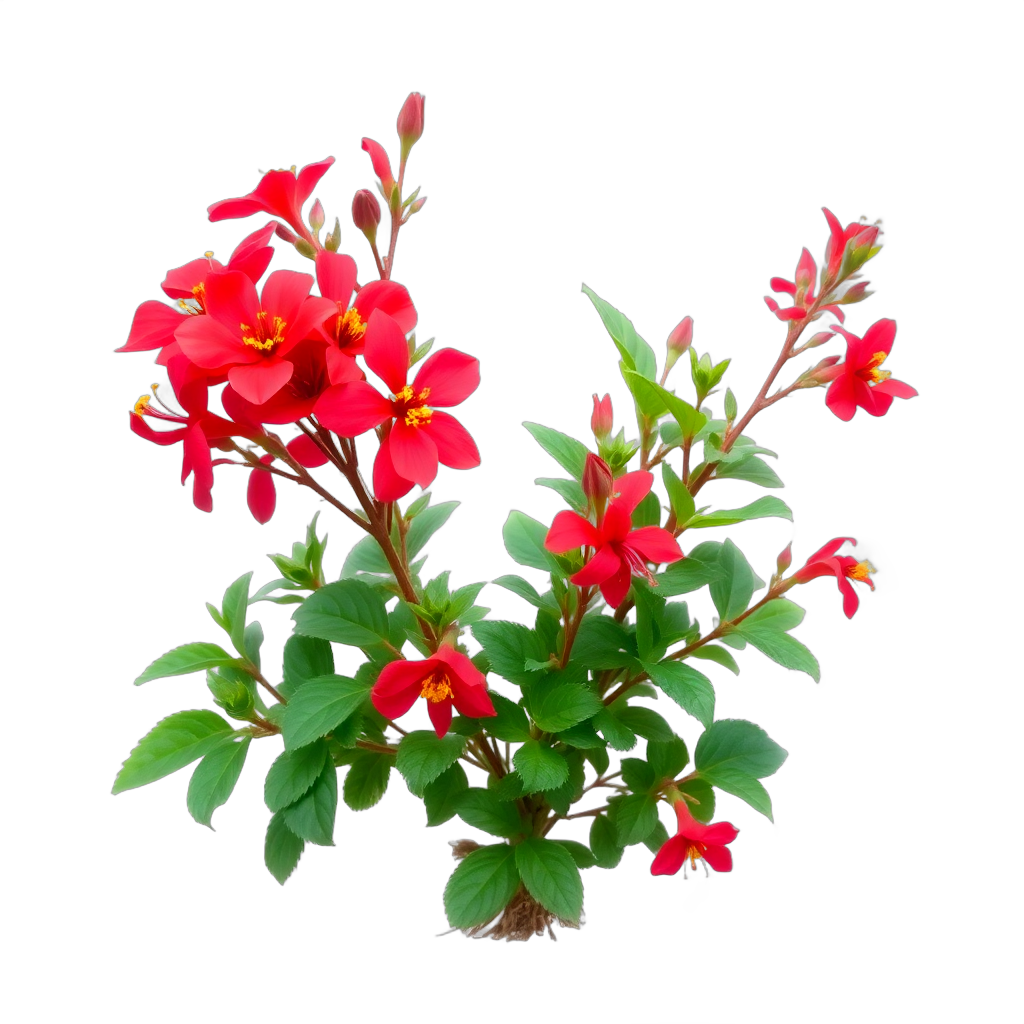
California Fuchsia
Zauschneria californica
low-growing ground cover, red blooms in fall. Attracts hummingbirds.
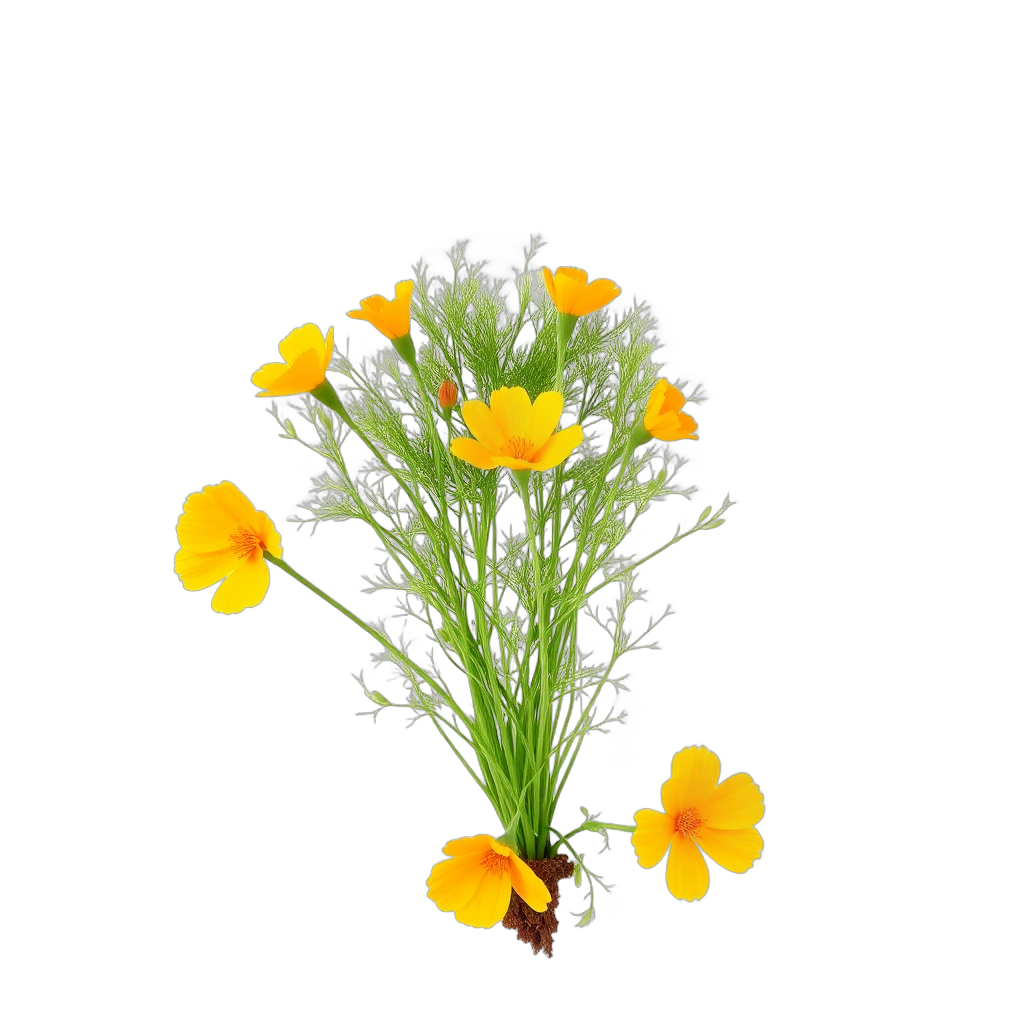
California Poppy
Eschscholzia californica
low-growing ground cover, orange blooms in spring.
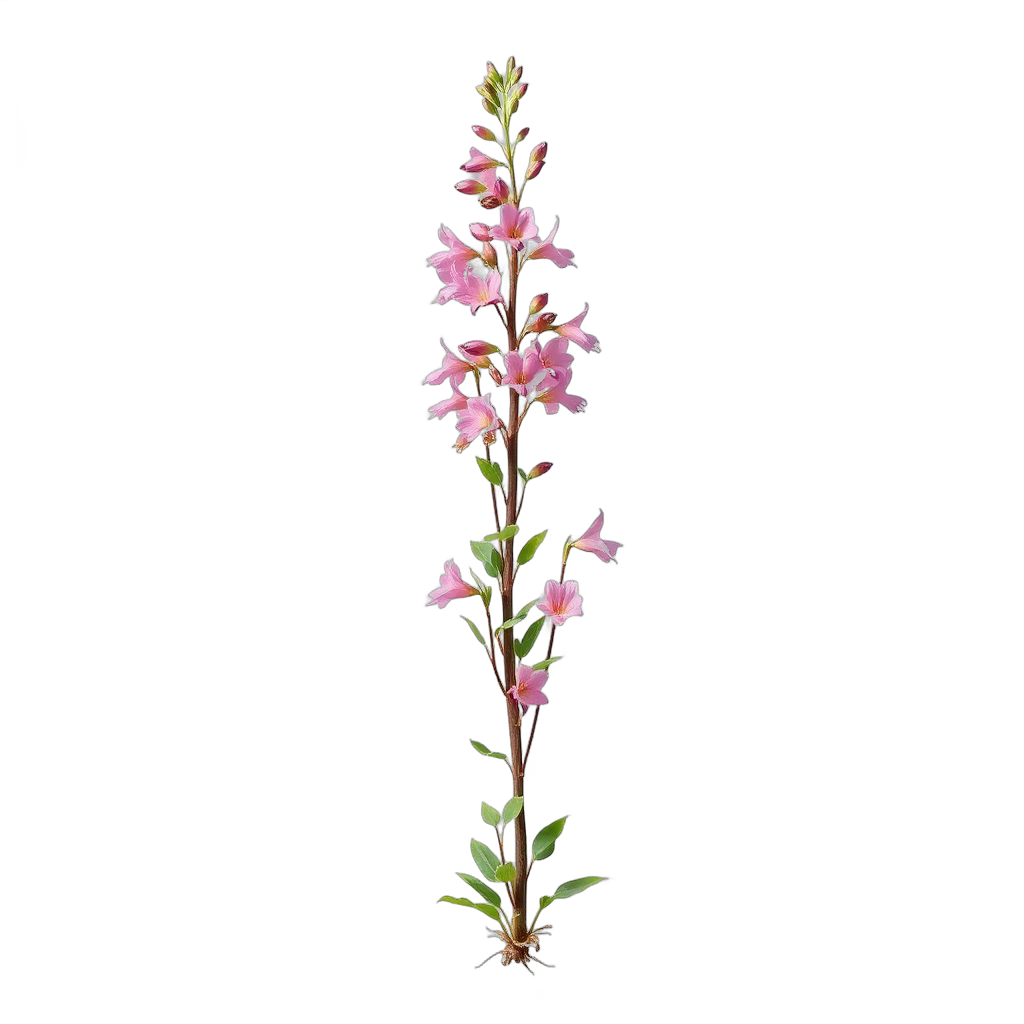
Foothill Penstemon
Penstemon heterophyllus
low-growing ground cover, blue blooms in spring. Attracts hummingbirds.
Zone and sun checks come from our database — confirm with your local nursery before you buy.
Bloom Calendar for Hayward
spring
California Poppy, Foothill Penstemon, Foothill Sedgesummer
California Gray Rush, Black Sage, California Buckwheatfall
California Fuchsia, Deer Grasswinter
Limited bloomsDesign Tips for Hayward (Zone 9b)
- Raise every succulent bed 10-16 inches over Hayward's bay-plain clay and backfill with a sharp 50/50 native soil and crushed-rock mix - Agave ovatifolia and Agave parryi var. truncata die of saturated winter ground here, essentially never of a 28F night
- Use Muhlenbergia rigens where a desert-modern designer would reach for Nassella tenuissima; deergrass gives the same soft architectural mass, is native to the California interior chaparral and woodlands around Hayward, and will not seed itself into the hills
- Compact a real aggregate base and saw-cut deliberate control joints under every concrete surface; Hayward clay swells and shrinks between the wet and dry seasons and will crack a slab poured on graded soil within three years
- Plant one specimen at three times the size of everything else - a single 15-gallon Agave americana or a multi-trunk Arbutus 'Marina' does more for a flat post-war Hayward facade than twenty evenly-sized shrubs ever will
- Design the lighting before the hardscape: recessed LED strips in bed headers and grazing lights behind Pennisetum spathiolatum turn a modern Hayward yard into its best version for the four hours a day people are actually home to see it
- Keep at least half the converted area covered by living plants at maturity so the design still qualifies for Hayward's lawn conversion rebate; a pure gravel field looks striking in renderings and fails the program rules
- Repeat exactly three plants across the whole front yard rather than collecting ten - restraint is the entire mechanism of modern planting design, and Zone 9b tempts Hayward gardeners into buying one of everything
Where to Source Plants in Hayward
Skip the big-box stores. These independent Hayward nurseries specialize in the plants that make modern/minimalist gardens thrive in Zone 9b.
The Dry Garden Nursery
North Oakland (Shattuck Ave, Oakland-Berkeley border)
Independent since 1987 and the East Bay's dry-climate specialist - agaves, aloes, yuccas, cacti and architectural specimens up to 6 feet for xeriscape design
Evergreen Nursery
San Leandro (10 minutes north on I-880)
Closest full-service independent garden center to Hayward, with California natives, grasses, agaves and bulk gravel, rock and soil for base preparation
East Bay Nursery
Berkeley (San Pablo Ave at Bancroft Way)
Family owned since 1942, third generation, carrying California natives, low-water plants, grasses and trees plus soil amendments for clay-heavy Bay Area sites
Berkeley Horticultural Nursery
North Berkeley
Family-run since 1922 with an unusually deep bench of specimen shrubs and structural plants for designers working the East Bay hills
Modern/Minimalist Landscaping Costs in Hayward
| Project Scope | Estimated Cost |
|---|---|
| Front-yard modern conversion (turf removal, gravel field, steel edging, raised beds, 600 sqft) | $15,000 - $28,000 |
| Poured concrete or large-format paver terrace (300-500 sqft) | $14,000 - $38,000 |
| Back-yard modern room with gas fire feature, seat wall and lighting | $30,000 - $70,000 |
| Pool, deck and full modern backyard landscape | $150,000 - $400,000 |
| Corten steel raised planter, fabricated, set and filled | $1,200 - $3,800 each |
| Low-voltage landscape lighting design and installation (12-20 fixtures) | $3,500 - $11,000 |
| AI visualization with ProScapeAI | Free to start |
Estimates based on Hayward, CA-area contractor rates as of 2026. Actual costs vary by site conditions, materials, and contractor.
Hayward Climate & Growing Zone
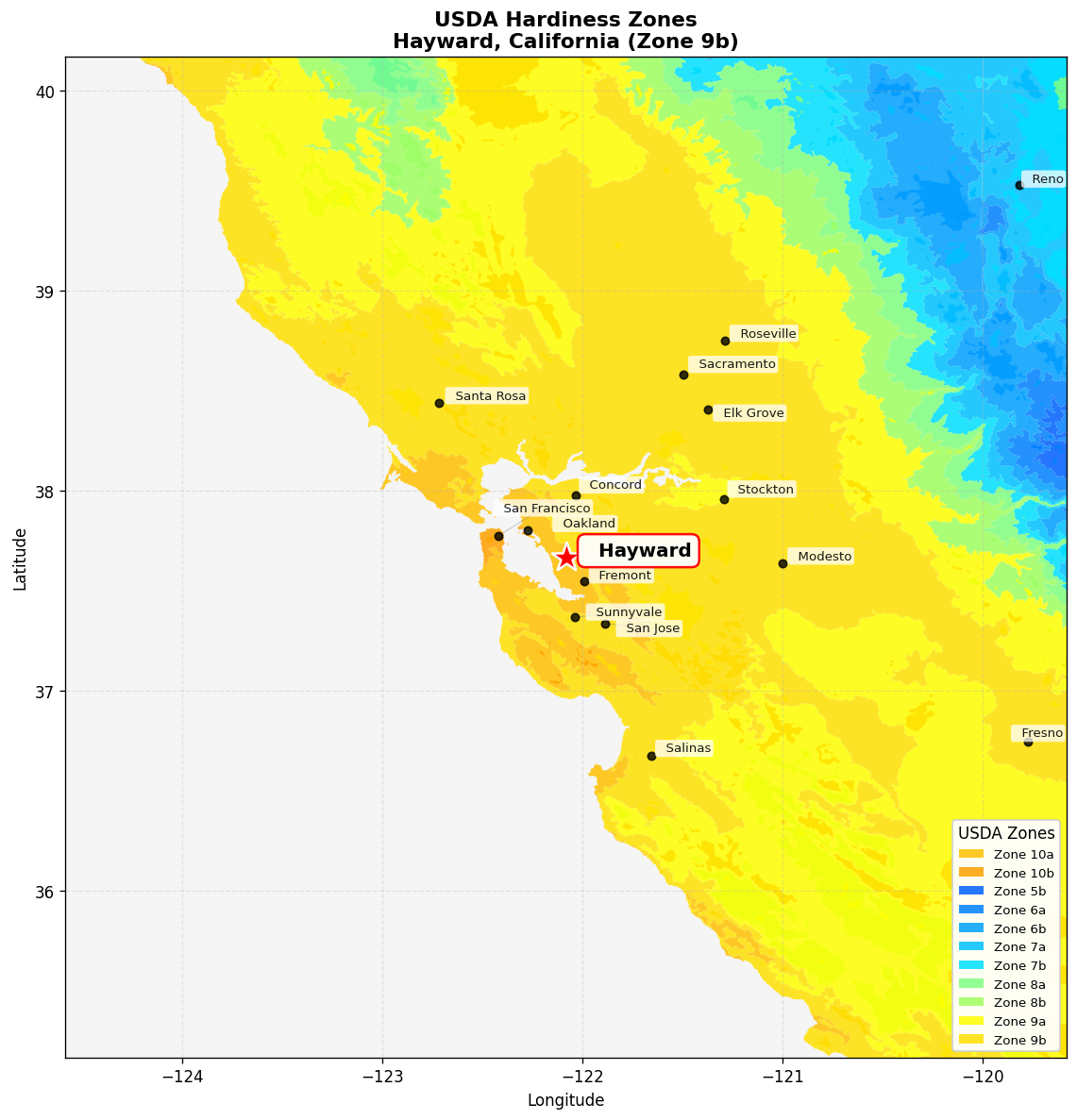
USDA Zone 9b
Hardiness zone for Hayward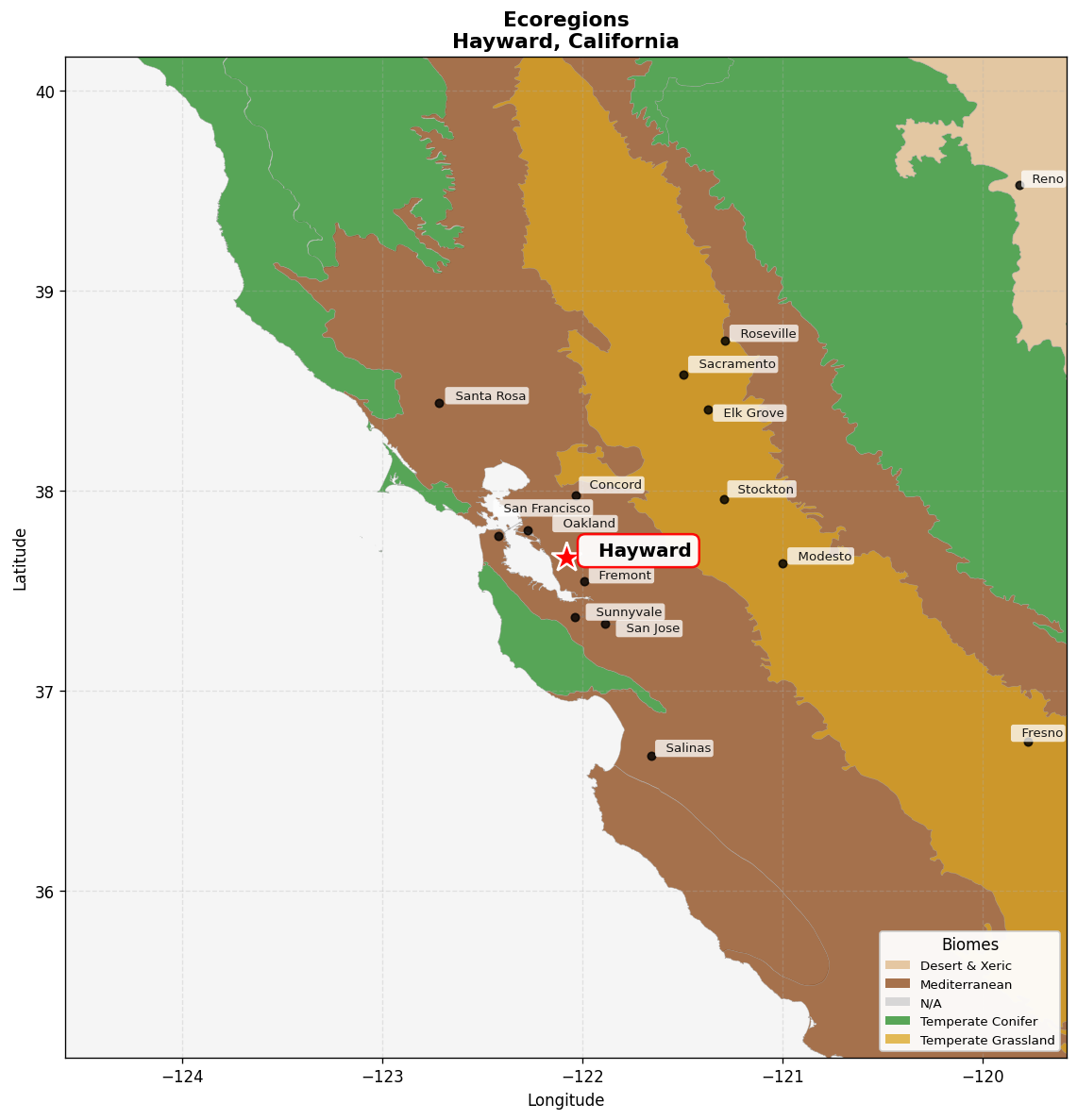
California interior chaparral and woodlands
Native ecoregionFrequently Asked Questions
How much does a modern landscape cost in Hayward?
Bay Area labour sets the floor. A modern front-yard conversion on a typical 600 square foot Hayward front yard - turf removal, compacted gravel field, Corten or steel edging, raised beds and architectural plants - runs roughly $15,000 to $28,000 installed, or about $24 to $48 per square foot. A concrete back terrace with a gas fire feature and seating typically lands between $30,000 and $70,000. A full pool-and-landscape backyard on a Fairview or Stonebrae lot commonly runs $150,000 to $400,000. Hardscape drives the number: the same yard planted without concrete can cost half as much, and Hayward's lawn conversion rebate gives some of it back.
Will agaves and other succulents survive Hayward's winters?
Cold is almost never the problem - Zone 9b lows of 25-30F are comfortably within range for Agave ovatifolia, Agave parryi var. truncata, Agave americana and Curio repens. Wet clay is what kills them. Hayward's roughly 20 inches of rain arrives in a concentrated November-to-April block onto bay-plain soil that drains badly, and a succulent planted at grade will rot at the crown by February. Build beds 10-16 inches above grade, backfill with a sharp 50/50 mix of native soil and 3/8-inch crushed rock, top-dress with gravel rather than bark, and shut the irrigation off entirely from December through March. Softer species such as Agave attenuata and Aeonium arboreum 'Zwartkop' are the frost-sensitive ones and prefer a sheltered wall or an eave in the colder flats.
Which ornamental grasses should I use - and which should I avoid?
Muhlenbergia rigens is the local backbone: a California native deergrass that takes clay, needs almost no summer water once established, and holds a clean fountain form year-round. Muhlenbergia capillaris 'Regal Mist', Calamagrostis x acutiflora 'Karl Foerster', Pennisetum spathiolatum, Sesleria autumnalis and Festuca glauca 'Elijah Blue' are all reliable in Hayward. Avoid Mexican feather grass, Nassella tenuissima - it seeds aggressively into California wildlands and is rated invasive here, so it is a poor choice regardless of how good it looks. For a low meadow-lawn alternative, Carex pansa mows a few times a year and uses a fraction of a fescue lawn's water.
What does Hayward's clay soil and the fault mean for concrete work?
It means base preparation is not optional. Hayward's bay-plain and adobe clays swell through the wet season and shrink hard by late summer, so a slab or paver field set on graded soil will crack, lift and pull out of square - fatal in a style built on straight lines. Excavate 6-10 inches, compact a clean aggregate base in lifts, reinforce slabs, and cut control joints on a deliberate grid so the inevitable cracking happens where you designed it to. The Hayward Fault runs through the city and under older Mission Boulevard neighbourhoods, and hillside lots in Fairview and Hayward Highlands add slope movement, so any retaining wall of consequence should be engineered by a licensed professional and reviewed by the City of Hayward before it is built.
Can I get money back for replacing my lawn with gravel and plants?
This is the most rebate-friendly style available in Hayward. The Hayward Water System's Lawn Conversion Rebate has paid about $0.75 per square foot for street-visible front lawns, $0.50 per square foot for back yards, and an extra $0.25 per square foot for sheet mulching. You must be a Hayward water customer, submit a planting plan and plant list, and pass an inspection before removing any turf - starting early disqualifies you. One rule catches gravel designs out: at least half the converted area has to be covered by living plants at maturity, so a pure gravel field will not qualify. Space Muhlenbergia rigens and Agave ovatifolia for their mature spread and the design meets it while still reading as minimal.
Gravel or decomposed granite - which works better in Hayward?
Use both, for different jobs. Angular 3/8-inch crushed gravel is the better mulch inside planting beds: it stays put on Hayward's occasional slopes, keeps succulent crowns dry through the wet season, and does not compact into a crust. Stabilised decomposed granite is the better walking surface for informal paths and forecourts, but it needs a compacted base, real edge restraint and a binder, or the winter rain will channel it into the street. Neither should go down over bare clay - install a proper base, and skip plastic sheeting in planting beds since it traps water against the very roots you are trying to keep dry.