4 Desert Garden Ideas for Laredo, TX | Zone 9a Tamaulipan Mezquital Xeriscape
Native plants from the Tamaulipan mezquital (Zone 9a) — Hot semi-arid climate
Why Desert/Xeriscape Gardens in Laredo?
Laredo occupies the heart of the Tamaulipan mezquital ecoregion — a vast, biologically unique semi-arid shrubland defined by honey mesquite, Texas ebony, cenizo (silver-leaf sage), and an extraordinary diversity of cacti, shrubs, and drought-tolerant wildflowers that are found nowhere else in the world. This ecoregion stretches across both sides of the US–Mexico border along the Rio Grande, and Laredo’s landscapes are most authentic and sustainable when they draw from this native Tamaulipan plant community rather than the water-intensive turf traditions of wetter regions.
Laredo’s climate is characterized by hot summers regularly exceeding 100°F, mild winters with occasional freezing temperatures, and a bi-seasonal rainfall pattern — spring and fall rains punctuate long dry periods. Annual rainfall averages only 19–21 inches, making water-wise landscaping not just environmentally responsible but economically essential. Webb County water rates and the long-term stress on the Rio Grande water supply make drought-tolerant design an investment with clear financial returns.
Laredo’s landscape character is defined by the South Texas heat haze, the dramatic silhouettes of honey mesquite and Texas ebony against blue sky, and the bold forms of native agave and prickly pear. The binational character of the city — deeply connected to Nuevo Laredo across the Rio Grande — creates a design context where hacienda elements, terracotta, and Saltillo tile complement the native plant palette in a landscape vocabulary that is distinctly Tejano.
4 Desert/Xeriscape Design Ideas for Laredo
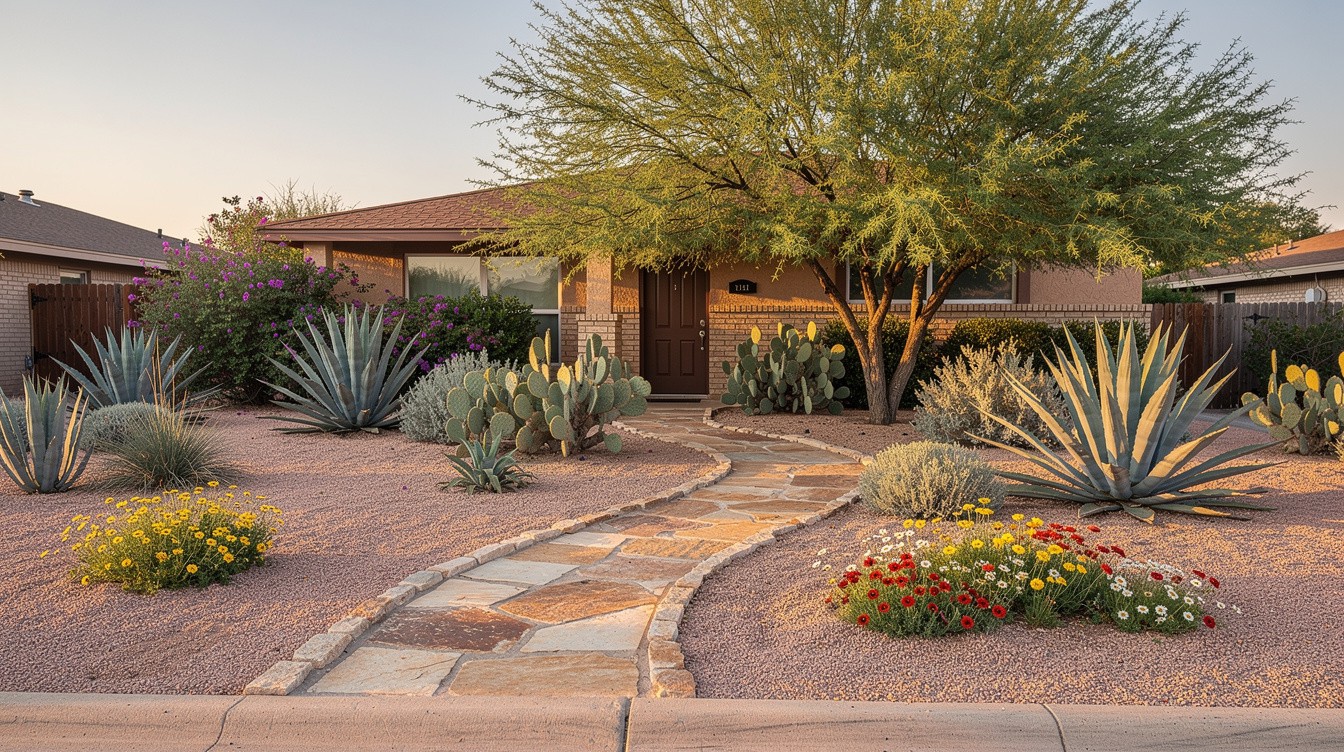
The Tamaulipan Front Yard
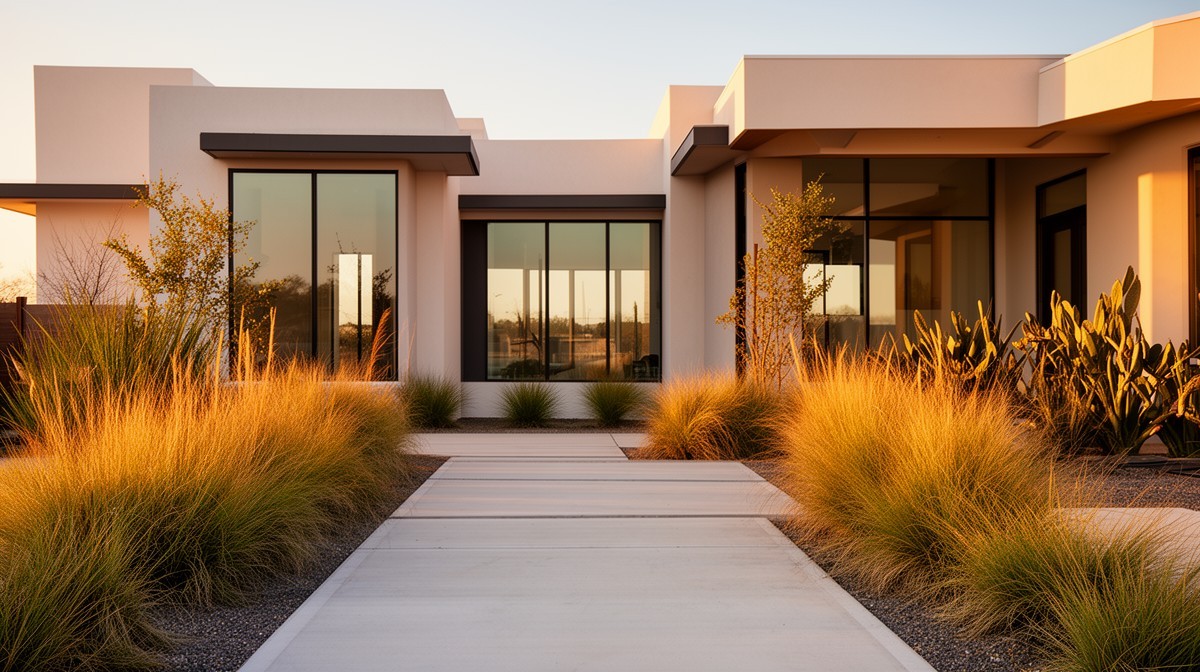
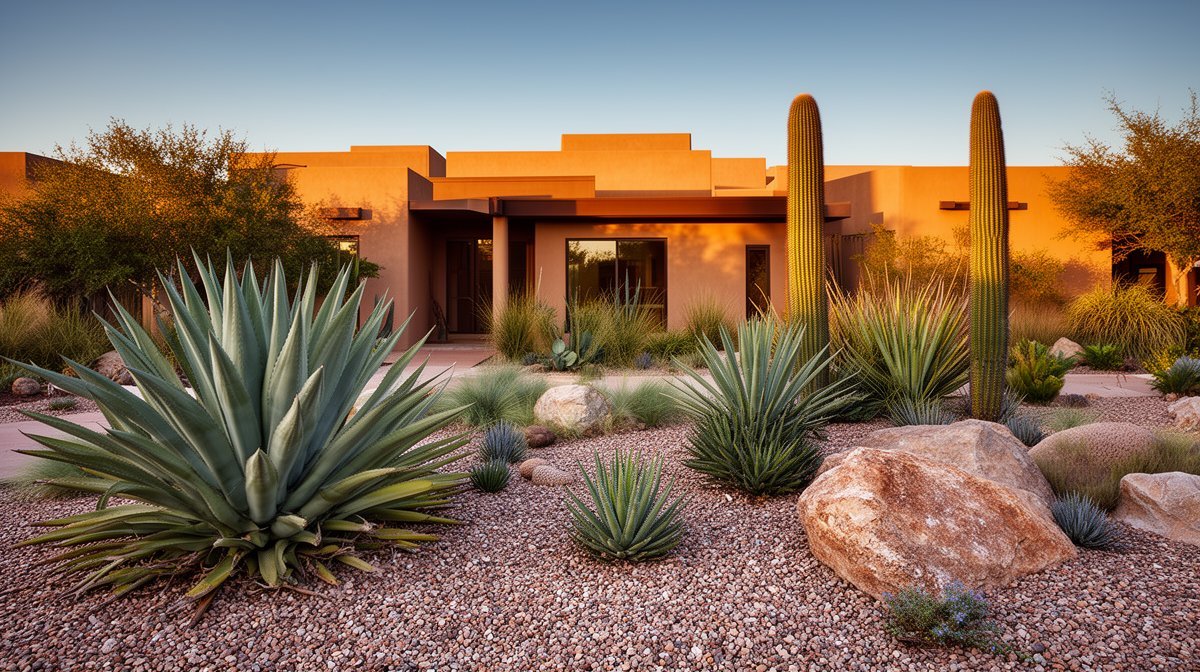
$4‑9/sqftA Laredo front yard transformed from thirsty turf to an authentic Tamaulipan mezquital landscape: decomposed granite in warm rose-buff tone covers the groundplane. A honey mesquite or Texas ebony tree anchors the back corner, providing dappled shade over the entire front yard. Century plant (Agave americana) and native prickly pear (Opuntia) create bold desert forms in the planted pockets. Cenizo (Texas sage or purple sage) provides silvery foliage and purple blooms after every rain. Mexican hat wildflower and blackfoot daisy create a colorful low-water seasonal display. A simple flagstone path from the sidewalk to the front entry is edged in rough limestone pieces. The design uses 80% less water than an equivalent turf lawn.
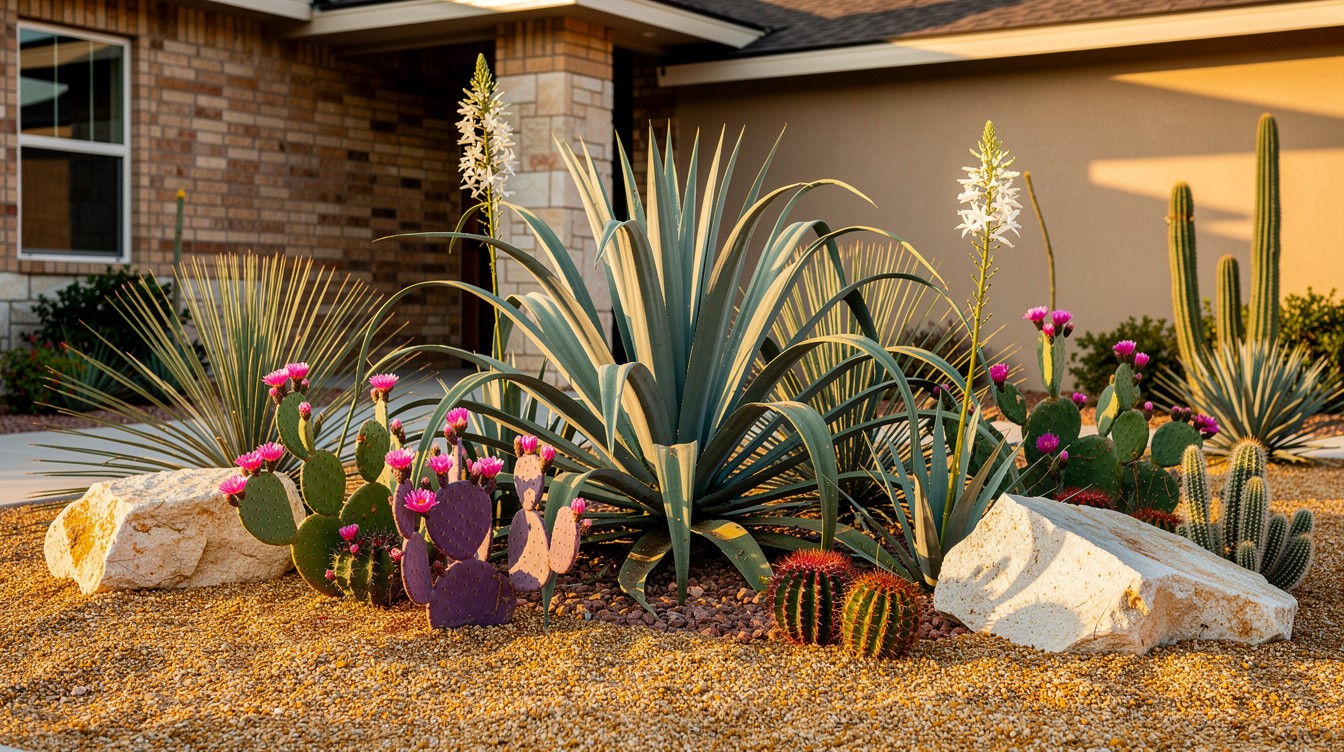
The South Texas Agave and Cactus Garden
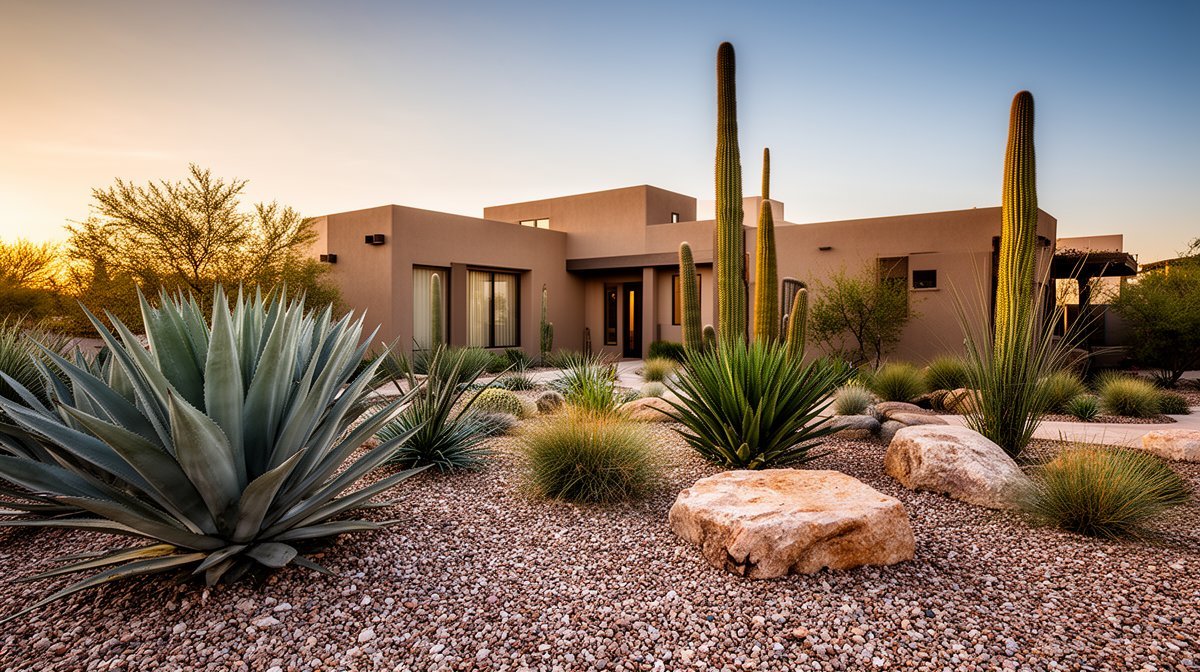
$5–13/sqftA sun-drenched Laredo side yard or front yard designed around the dramatic sculptural forms of native South Texas succulents and cacti: a large lechuguilla or century plant anchors the center. Native Texas prickly pear in several varieties (green, purple) create mid-height focal points. Texas rainbow cactus provides brilliant pink blooms in spring and extraordinary striped column forms year-round. Yucca (Spanish dagger or Arkansas yucca) adds architectural spike forms and white flower spires in summer. All plants are arranged in naturalistic clusters over a warm granite DG groundplane, with Laredo-region caliche boulders placed to simulate the dry rocky arroyos of the Tamaulipan landscape.
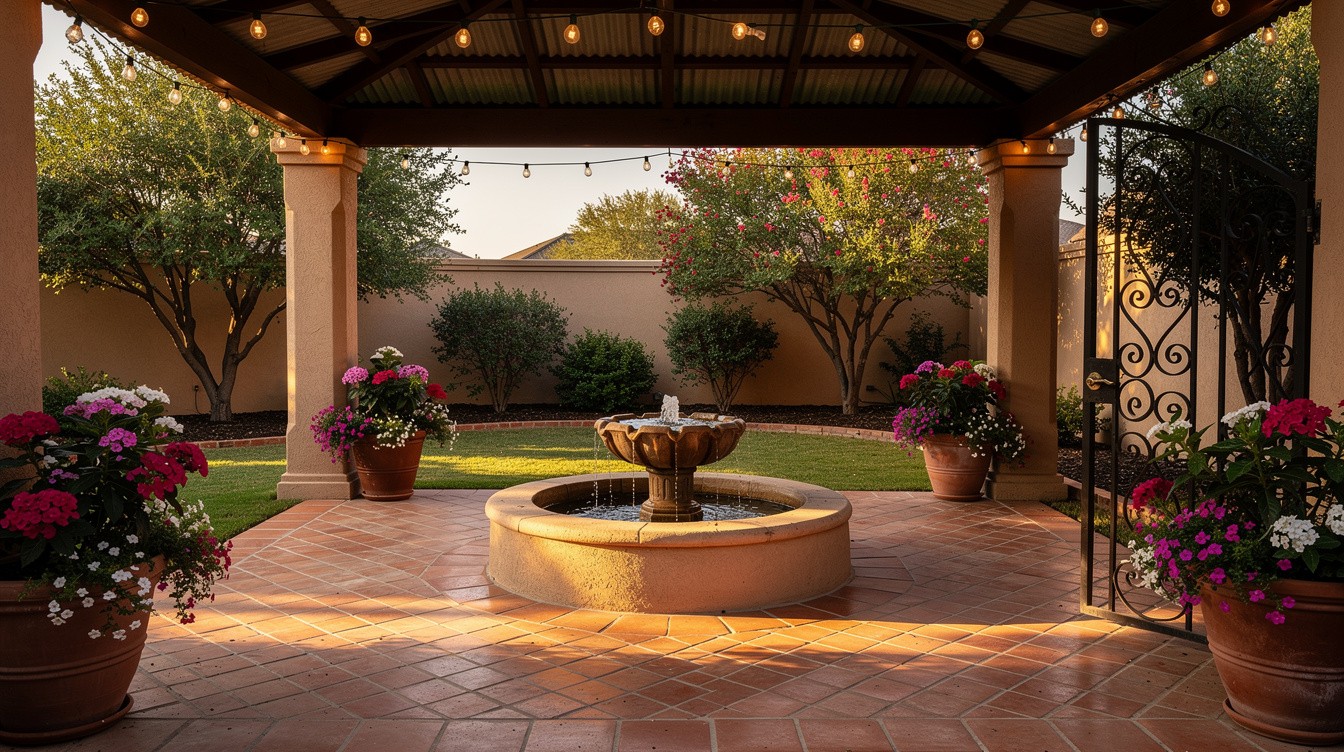
The Laredo Hacienda Patio
$12–22/sqftA shaded Laredo backyard designed in the Tejano hacienda tradition: a covered patio with a corrugated steel or Saltillo tile roof creates shade from the 100°F+ summer heat. The patio floor is Saltillo tile or Mexican-fired terracotta pavers laid in a Herringbone or diamond pattern. A simple masonry fountain at the patio’s center creates the ambient sound of water in the dry South Texas landscape. Container plantings of bougainvillea and pentas line the patio perimeter. Texas ebony and cenizo are planted at the patio edges for dappled shade and fragrance. A hacienda-style wrought iron gate leads from the front yard into the enclosed patio. In the evening, string lights under the shade structure create a warm, welcoming atmosphere.
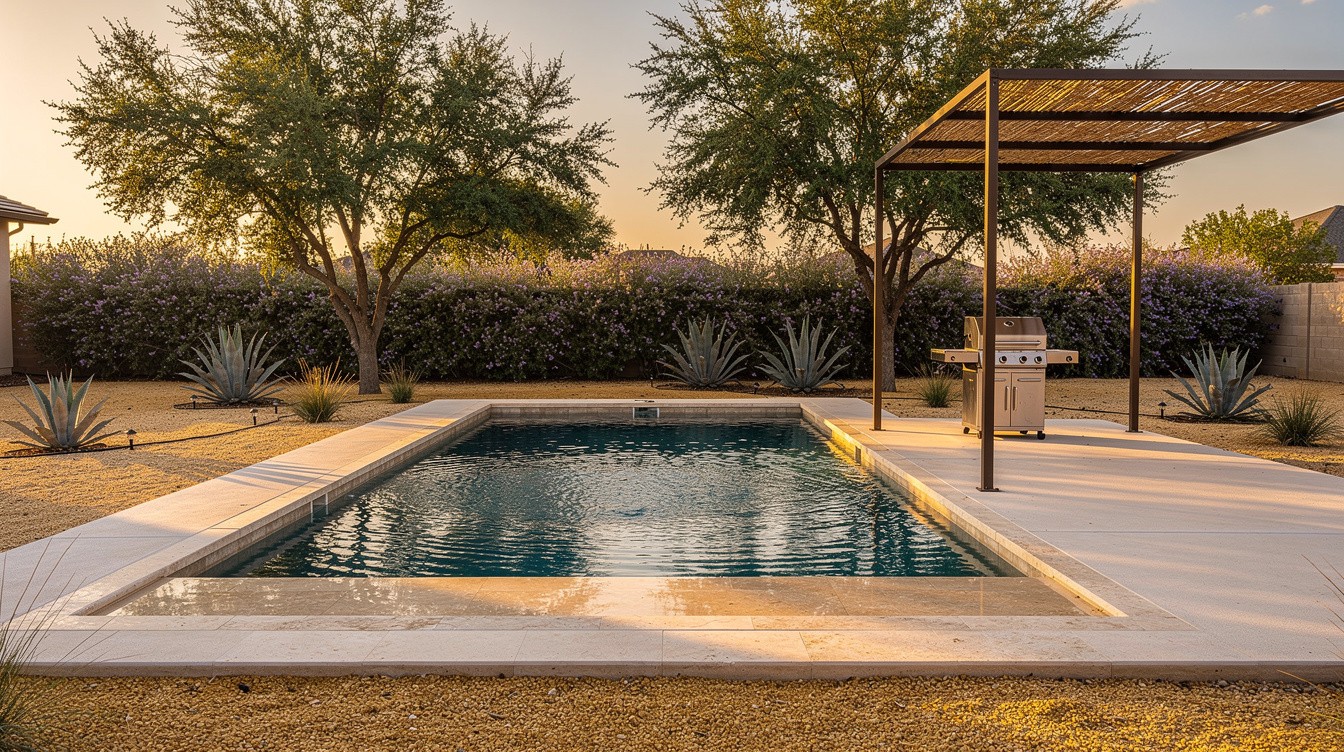
The Desert-Modern Pool Surround
$25–55/sqft (complete pool surround)A Laredo pool transformed with South Texas desert-modern character: a rectangular pool with travertine or limestone coping, a wide concrete deck, and a sun shelf entry is framed by a desert landscape of Texas ebony trees, cenizo hedges, and agave specimens. A ramada with steel posts and reed or metal shade structure provides poolside shade essential in Laredo’s 102°F summer afternoons. Cenizo hedges in flower create a stunning purple-grey backdrop behind the pool. Golden DG covers all landscape areas outside the pool deck. A simple outdoor gas grill station on concrete slab completes the entertainment space. The entire landscape outside the pool is irrigated by a drip system, and established native plants require no summer irrigation at all.
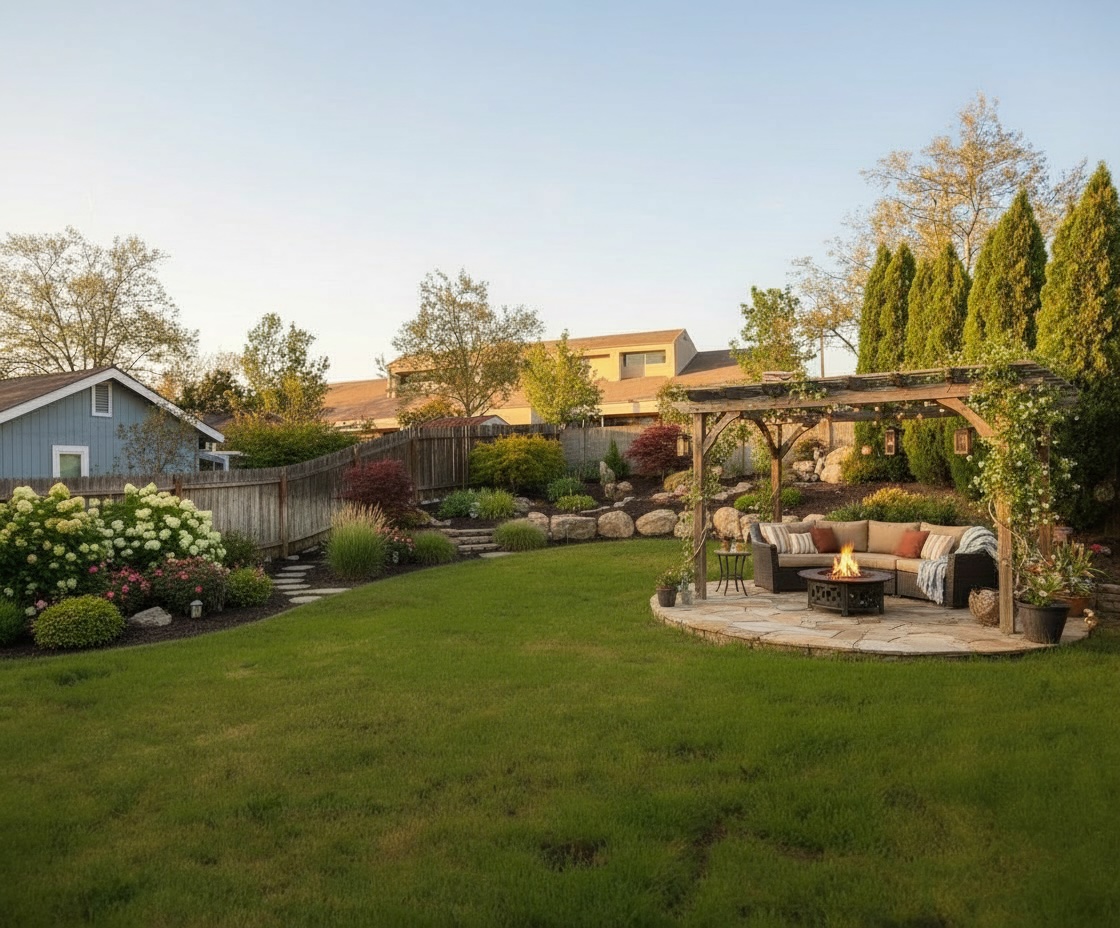
See how a desert/xeriscape garden looks on YOUR property
Upload a photo of your Laredo yard and visualize your dream garden in seconds.
Try ProScapeAI Free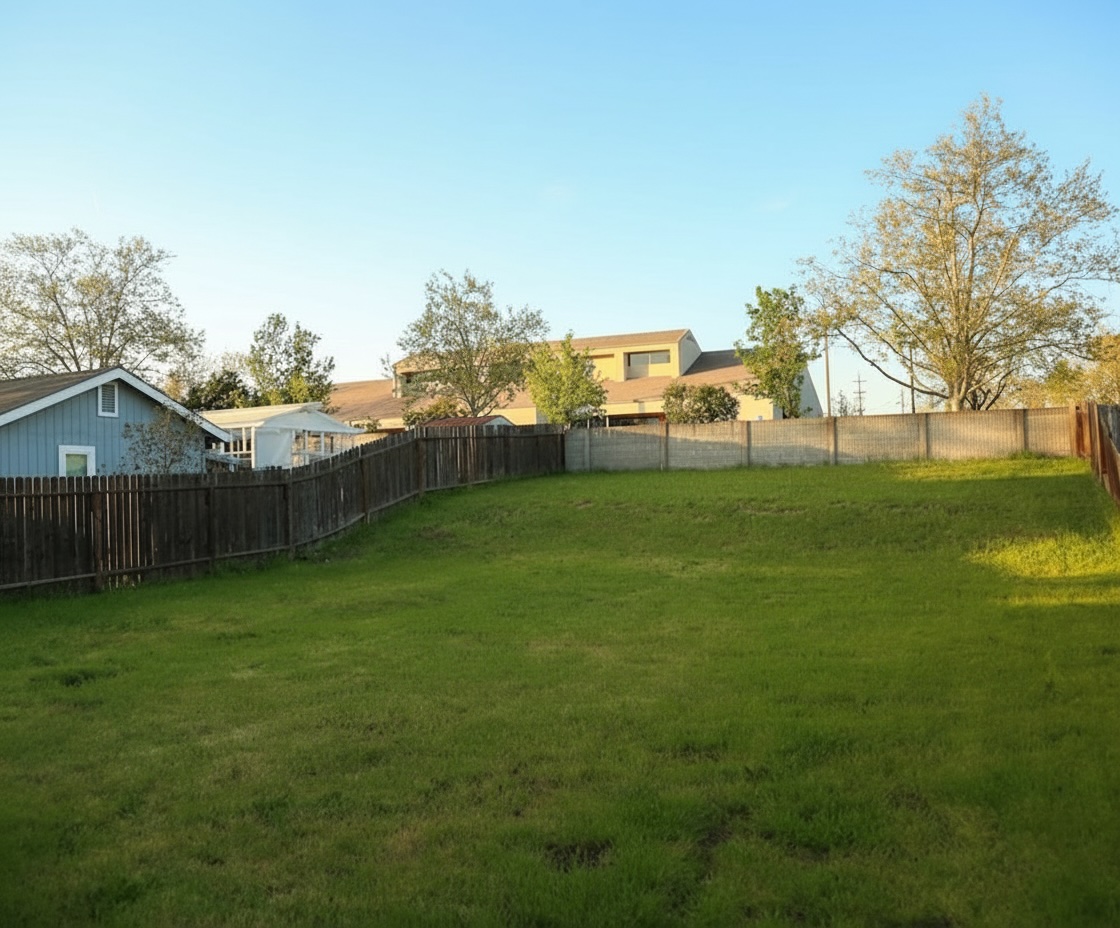
Featured Trees & Shrubs for Desert/Xeriscape Gardens
Browse all 154 plants for Laredo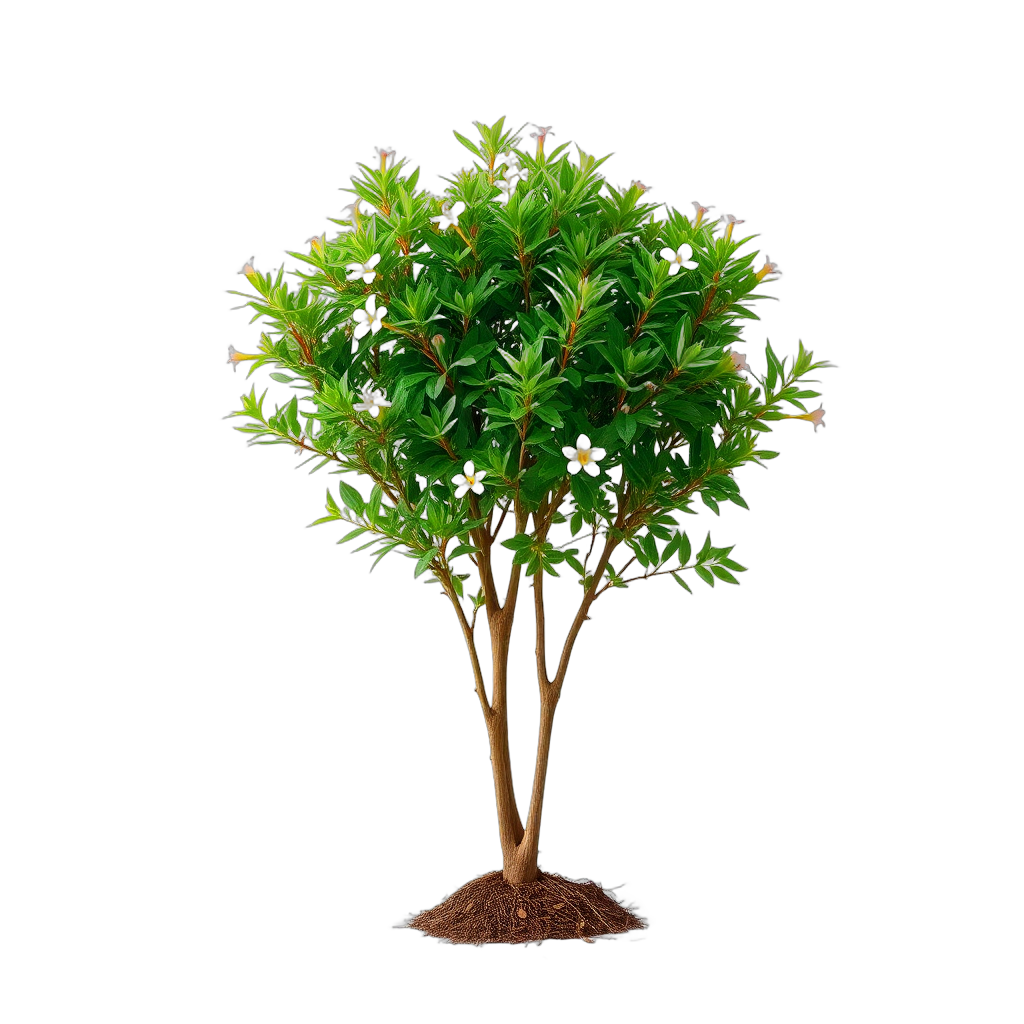
Brasil
Condalia hookeri
medium-sized at 10 feet, white blooms in spring.
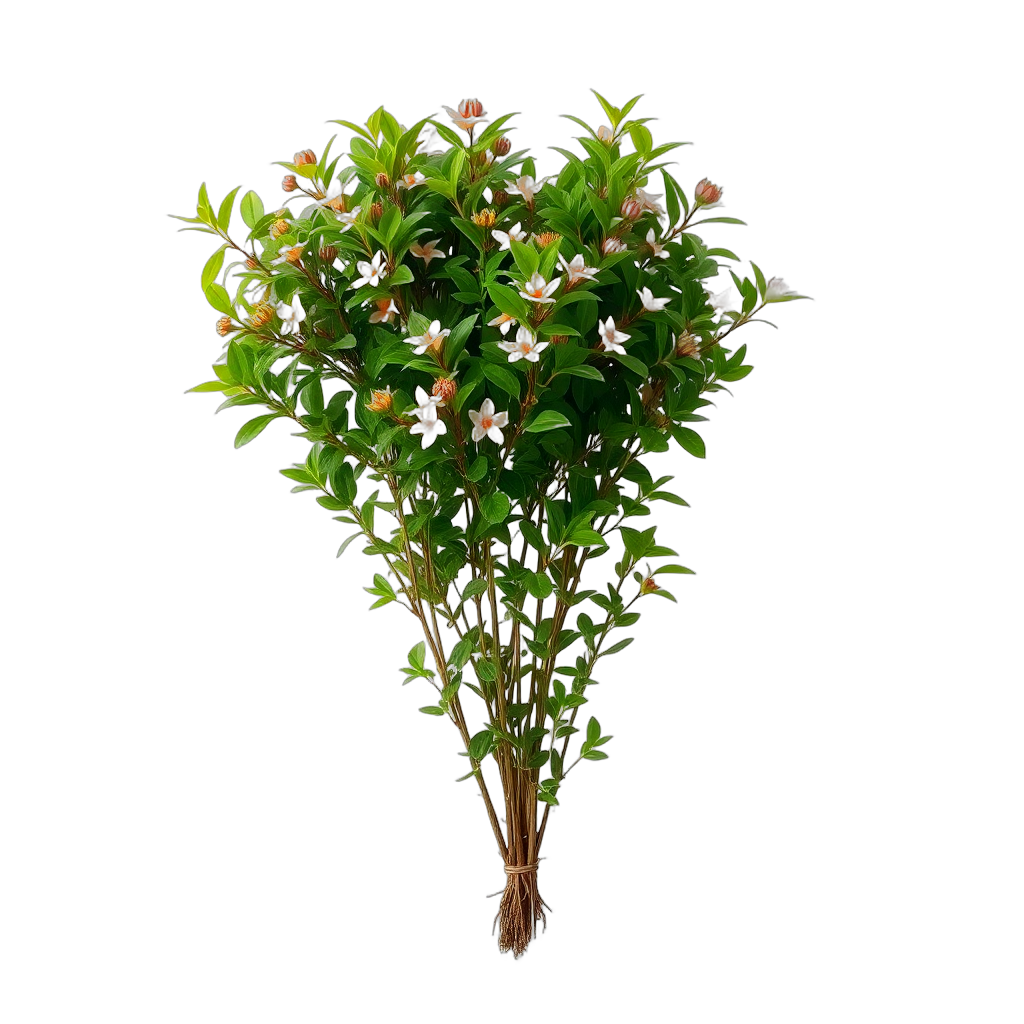
Knifeleaf Condalia
Condalia spathulata
grows to 5 feet, white blooms in spring.
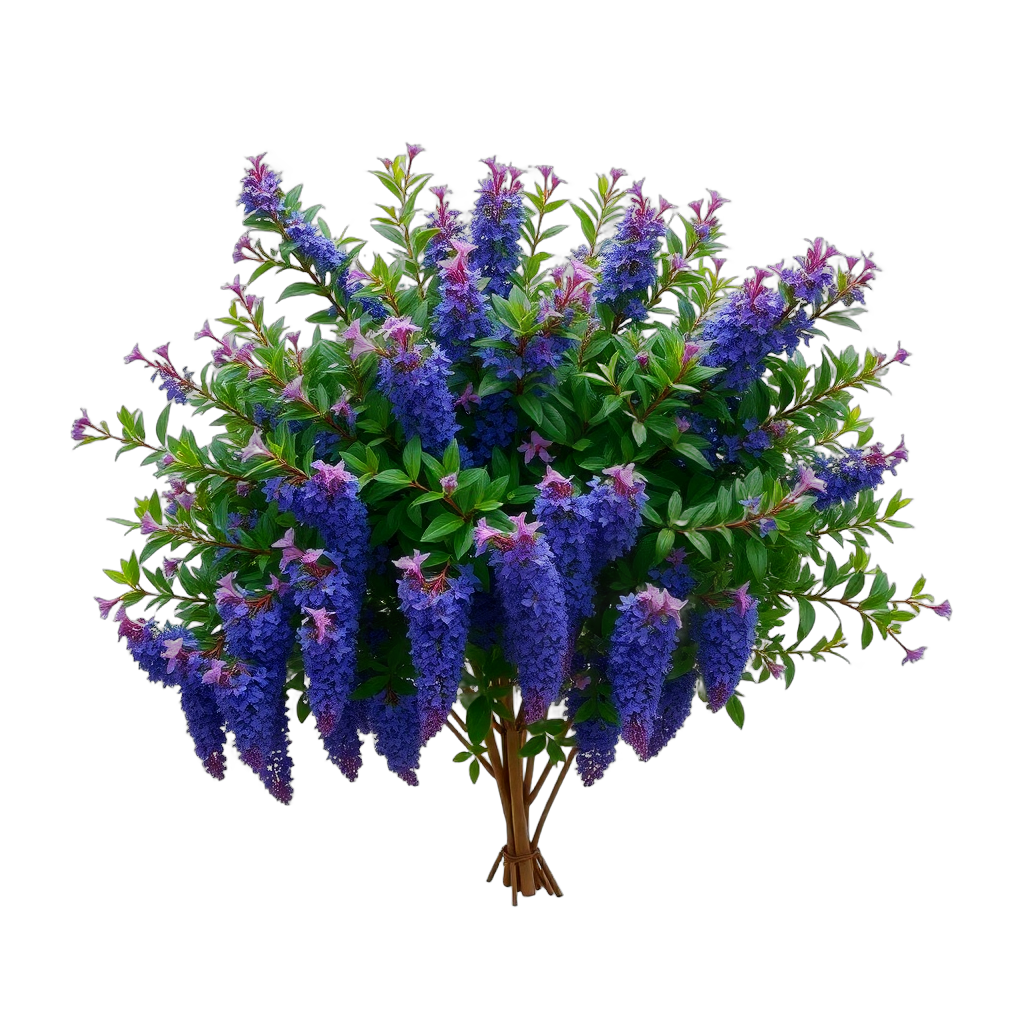
Trailing Indigo Bush
Dalea gregii
low-growing ground cover, purple blooms in summer. Attracts butterflies.
Featured Flowers & Perennials for Desert/Xeriscape Gardens
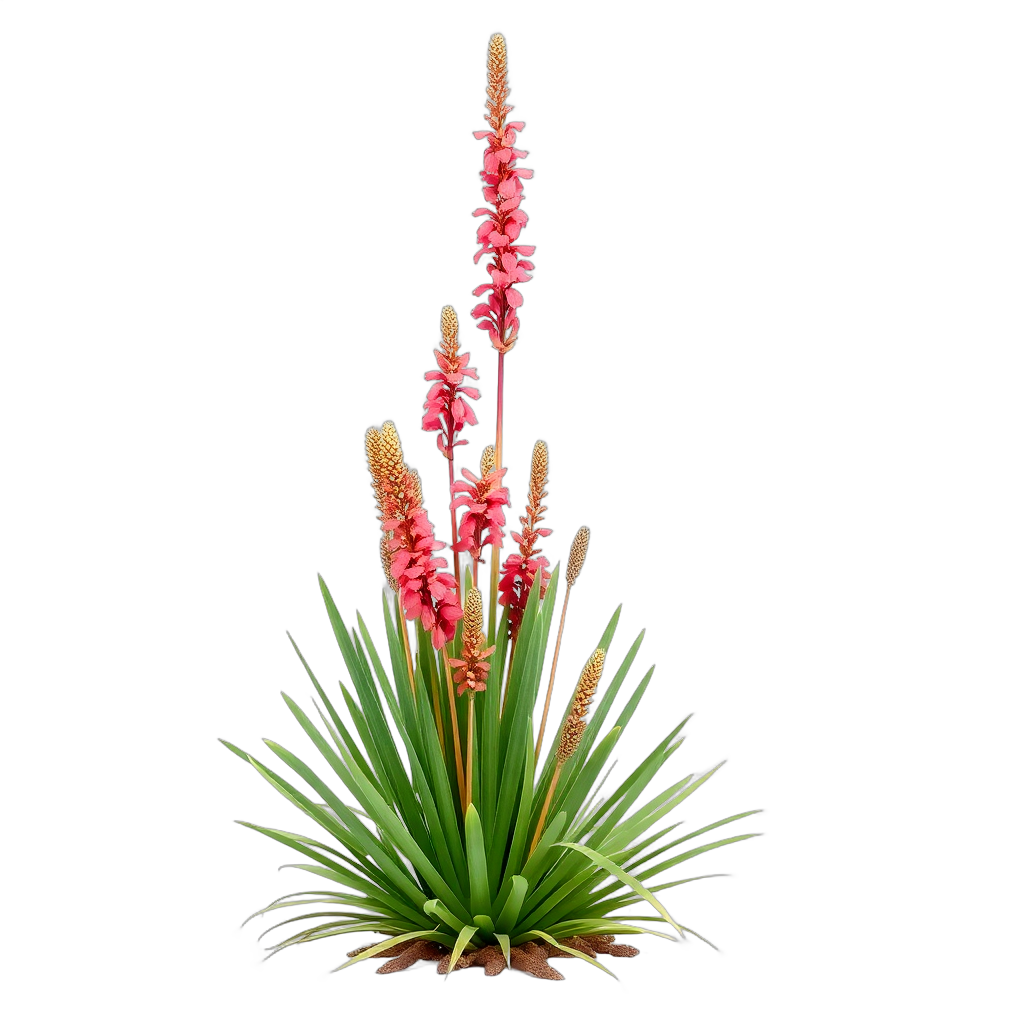
Red Yucca
Hesperaloe parviflora
grows to 3 feet, red blooms in summer. Attracts hummingbirds.

Papyrus
Cyperus papyrus
grows to 5 feet, blooms in summer. Pollinator-friendly.

Water Hyacinth
Eichhornia crassipes
low-growing ground cover, purple blooms in summer. Attracts butterflies.

Water Plantain
Alisma plantago-aquatica
low-growing ground cover, white blooms in summer. Attracts butterflies.
Zone and sun checks come from our database — confirm with your local nursery before you buy.
Bloom Calendar for Laredo
spring
Brasil, Knifeleaf Condalia, Arrow Arumsummer
Red Yucca, Trailing Indigo Bush, Papyrusfall
Limited bloomswinter
Limited bloomsDesign Tips for Laredo (Zone 9a)
- Use cenizo (Leucophyllum frutescens, Texas sage) as the signature shrub of any Laredo landscape — it blooms brilliant purple within 24–48 hours after every significant rainfall, creating the most dramatic and climate-responsive display of any desert shrub in the Tamaulipan region
- Plant Texas ebony as the primary shade tree in Laredo landscapes rather than non-native species — it’s the dominant canopy tree of the Tamaulipan mezquital, provides dense evergreen shade year-round, and its small dark leaves don’t create the cleanup problem of larger deciduous trees
- Use caliche or rough limestone boulders in any Laredo desert design rather than imported granite — caliche is the regional rock of Webb County and its pale cream color is authentic to the South Texas landscape, creating a more natural appearance than grey or rose granite from other regions
- Apply drip irrigation even to native xeriscape plantings during the first summer in Laredo — summer temperatures regularly exceed 100°F and even native plants need establishment watering; once established after 1–2 years, most Tamaulipan natives survive on rainfall alone
- Add a Saltillo or terracotta tile accent in any Laredo patio or pathway design — it connects the landscape to the deep Tejano heritage and Spanish Colonial tradition of the Webb County region, creating an aesthetic authenticity that imported materials can’t replicate
- Plant blackfoot daisy (Melampodium leucanthum) as the primary groundcover wildflower of any Laredo xeriscape — it blooms nearly year-round in Laredo’s warm climate, needs no irrigation after establishment, and its white flowers with yellow centers read as bright and cheerful from the street in every season
Where to Source Plants in Laredo
Skip the big-box stores. These independent Laredo nurseries specialize in the plants that make desert/xeriscape gardens thrive in Zone 9a.
Silva’s Nursery & Landscaping
Northwest Laredo
Landscaping services, plants, trees wholesale and retail; native and South Texas-adapted selections
Roy’s Palms
North Laredo
Palm trees, pallet grass, native plants, landscaping design, and irrigation installation
Magnolia Garden Center
Northeast Laredo
Laredo’s garden center with large plant and tree selection including South Texas native and adapted species
Yardart Garden Center
Laredo
Full-service garden center with friendly expert staff specializing in South Texas climate plant selection
Indoor Gardens
Laredo
Laredo’s indoor and outdoor plant shop with unique selections and South Texas growing expertise
Desert/Xeriscape Landscaping Costs in Laredo
| Project Scope | Estimated Cost |
|---|---|
| Front yard turf-to-xeriscape conversion with DG and native plants (600–1,000 sqft) | $2,500 – $8,000 |
| Saltillo tile or flagstone patio (200–300 sqft) | $2,500 – $7,000 |
| Masonry or ceramic patio fountain | $800 – $3,500 |
| Steel ramada or shade structure (16x20 ft) | $4,000 – $14,000 |
| Texas ebony or honey mesquite tree (installed, 15–20 gallon) | $300 – $700 per tree |
| Full backyard desert landscape makeover with pool surround (1,000–1,500 sqft) | $8,000 – $25,000 |
| AI visualization with ProScapeAI | Free to start |
Estimates based on Laredo, TX-area contractor rates as of 2026. Actual costs vary by site conditions, materials, and contractor.
Laredo Climate & Growing Zone
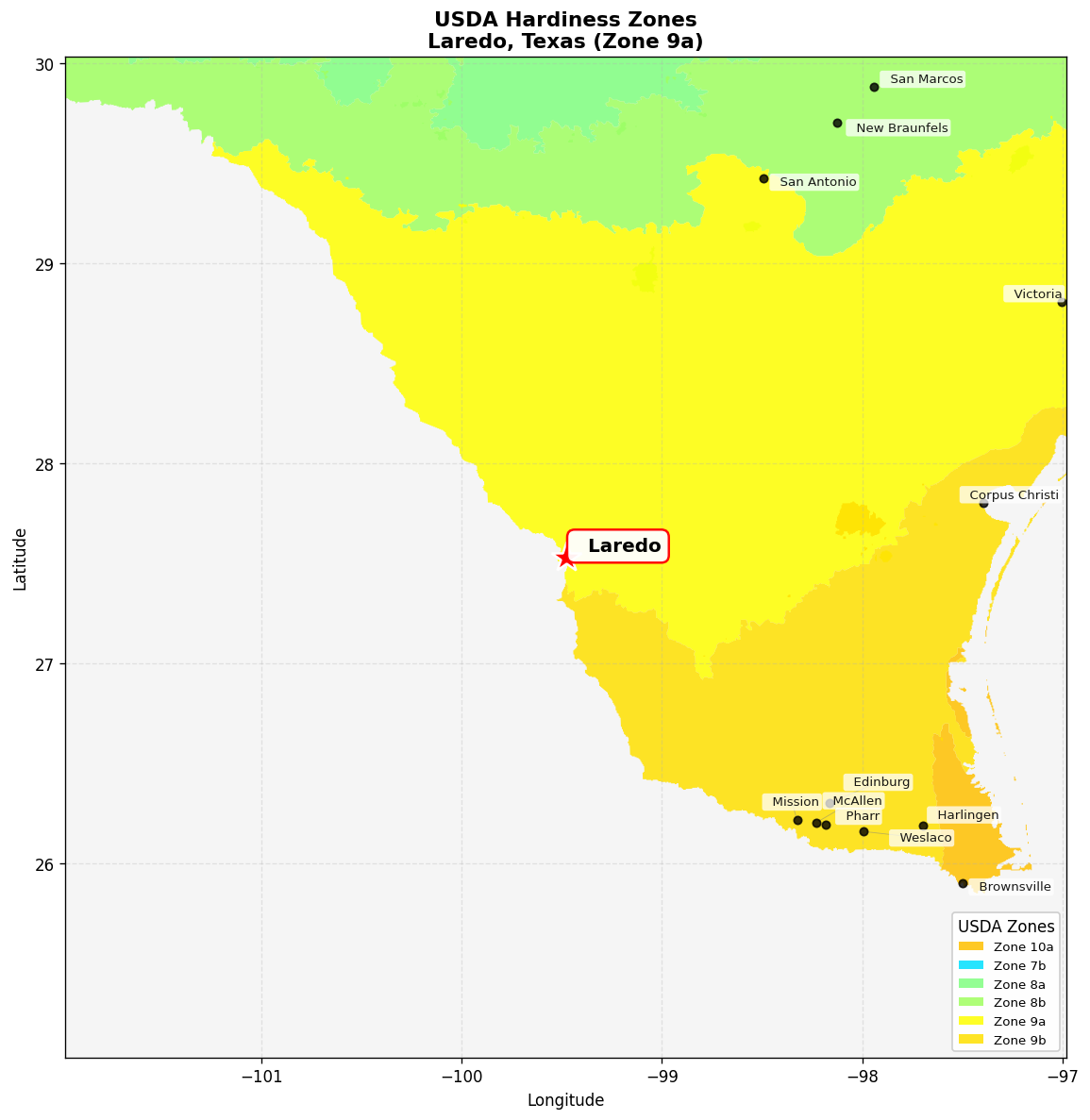
USDA Zone 9a
Hardiness zone for Laredo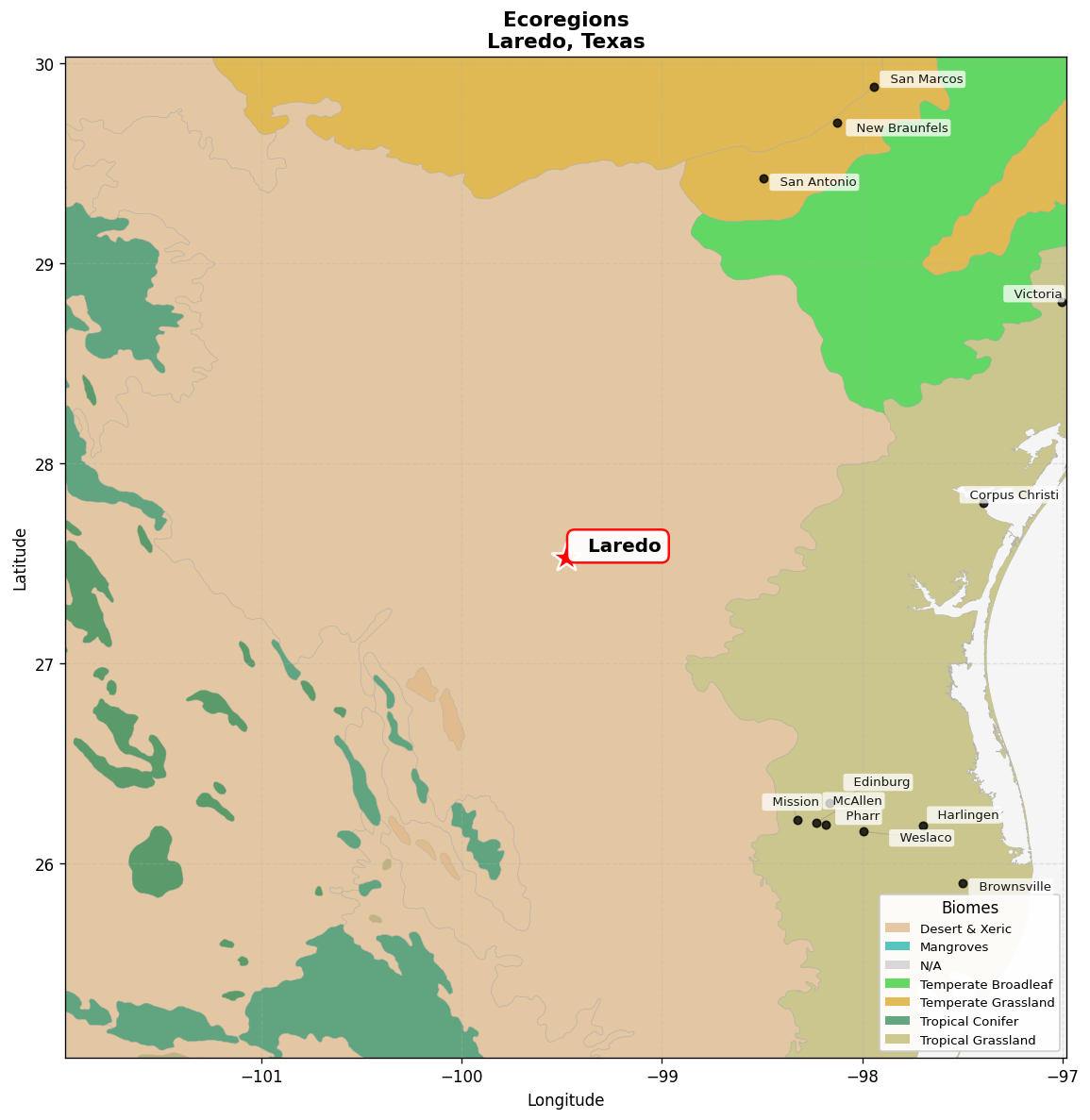
Tamaulipan mezquital
Native ecoregionFrequently Asked Questions
What native plants thrive in Laredo’s Zone 9a Tamaulipan climate?
Laredo’s Tamaulipan mezquital has an extraordinary native plant palette: trees — honey mesquite (shade, pods), Texas ebony (evergreen, dark canopy), anacua (sweet berries, native birds), retama (yellow bloom in summer). Shrubs — cenizo/Texas sage (purple bloom after rain), guayacan (yellow bloom), native lantana (yellow/orange, butterfly magnet), Texas sage (Salvia texana). Cacti/succulents — prickly pear (native Opuntia), lechuguilla (Tamaulipan specialty), rainbow cactus, tasajillo. Wildflowers — blackfoot daisy (blooms nearly year-round), Mexican hat, Engelmann daisy. All are essentially water-independent after establishment in Laredo’s conditions.
How much does landscaping cost in Laredo, TX?
Laredo has among the lowest landscaping costs in Texas due to lower labor rates. Basic landscape installation runs $4–12 per square foot. A front yard xeriscape transformation (600–1,000 sqft) typically costs $2,500–8,000. A Saltillo tile or limestone patio (200–300 sqft) runs $3,000–8,000. A pool surround renovation is $8,000–20,000. Full design-build projects for a typical Laredo residential lot run $8,000–22,000. Labor costs are 20–40% below San Antonio or Austin for comparable work. Get quotes from local Laredo landscapers — Silva’s Nursery and Roy’s Palms can provide plant pricing.
Does Laredo have any water conservation programs for landscaping?
Laredo’s water is supplied by the Rio Grande through the Laredo Utilities Water System. Webb County and the City of Laredo periodically implement watering restrictions during drought conditions. While Laredo doesn’t currently have a turf-buyback rebate program as extensive as some cities, water bills in Laredo are directly reduced by installing drought-tolerant native plants. The Texas AgriLife Extension Service Webb County office (956-721-2080) provides free xeriscape guidance and native plant recommendations specifically for the Tamaulipan region. The Texas Water Development Board also offers landscape water conservation resources.
What materials suit Laredo’s extreme heat in hardscape design?
Laredo’s intense heat (100°F+ regularly from May through September) requires heat-appropriate material choices. Best: Saltillo tile and terracotta pavers (traditional, heat-tolerant, aesthetically authentic to South Texas), large-format travertine or concrete pavers (stay cooler than small pavers due to fewer dark joint lines), poured concrete with a light broom or exposed aggregate finish. Shade structure materials: powder-coated steel (most durable for Laredo’s climate), treated wood, or Alumawood (painted aluminum with wood appearance). Avoid: dark-colored paving (extreme heat absorption in Laredo’s direct sun), untreated wood (deteriorates rapidly in heat and occasional humidity).
Can I grow bougainvillea in Laredo?
Yes — bougainvillea thrives in Laredo’s hot, dry summers. Zone 9a means occasional freezes in December–February; bougainvillea may freeze back to the ground in hard freezes but typically regrows vigorously from the root system in spring. To protect: plant against a south-facing masonry wall for thermal mass warmth, cover with frost cloth when temperatures below 28°F are forecast, and mulch the root zone heavily with 4–6 inches of wood chip mulch before winter. Bougainvillea is at its most spectacular in Laredo in October–November and March–May when temperatures are mild and rainfall prompts vigorous bloom. During summer drought, bloom slows but the plant remains healthy.
What is the best shade tree for a Laredo front yard?
The three best shade trees for Laredo front yards: (1) Texas ebony (Ebenopsis ebano) — the most authentic Tamaulipan tree, evergreen, dense shade, fragrant cream flowers in summer, very hardy; grows to 25–30 feet. (2) Honey mesquite (Prosopis glandulosa) — fast-growing, filtered shade, golden seed pods attractive to wildlife, deeply rooted (drought-proof after establishment); grows to 25–35 feet. (3) Anacua (Ehretia anacua) — semi-evergreen, white fragrant flowers in spring, orange berries beloved by birds, excellent shade; grows to 30–40 feet. All three are native Tamaulipan species requiring zero irrigation after establishment.