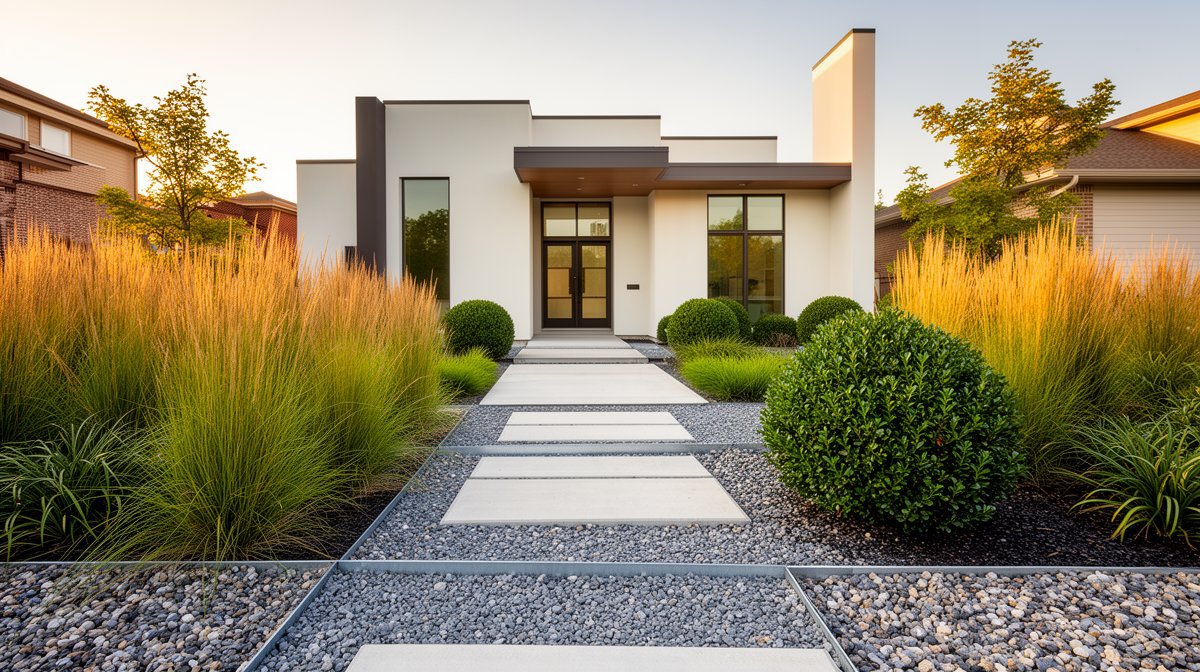
4 Modern Garden Ideas for Little Rock, AR | Contemporary Landscape Design in Zone 8a
Native plants from the Ozark Mountain forests (Zone 8a) — Humid subtropical climate
Why Modern/Minimalist Gardens in Little Rock?
Modern landscaping and Little Rock are a better match than the city's reputation suggests. The Heights and Cammack Village are full of low-slung 1950s and '60s ranches whose long horizontal rooflines already speak the language of modern design, Riverdale and Hillcrest keep filling their infill lots with glass-and-stucco contemporaries, Chenal Valley's newer streets are dominated by wide-eaved prairie-modern builds, and even the Quapaw Quarter has sharp contemporary houses slotted between the Victorians. The terrain helps too: as you climb the Ouachita foothill ridges west of downtown, lots tilt, and a sloped yard is where modern design earns its keep — board-formed retaining walls, terraced gravel planes, and floating concrete treads solve a grade problem a lawn simply can't.
The climate sets the rules. Zone 8a winters bottom out around 10–15°F, mild enough for year-round evergreen structure, but the real constraint is roughly 50 inches of rain a year landing on heavy, acidic clay. That combination is what kills the desert-modern palette people copy from Phoenix and Palm Springs: Agave americana, Echeveria, and Sempervivum don't freeze to death in Little Rock, they rot, usually during a wet February. The fix is drainage engineering, not plant avoidance. Build architectural beds up into 12–18 inch berms of expanded shale blended with native soil, top-dress with 3 inches of washed #57 gravel instead of bark mulch, and the palette works — Agave ovatifolia, Yucca rostrata 'Sapphire Skies', Yucca filamentosa 'Color Guard', and Hesperaloe parviflora 'Brakelights' hold their architectural form here for years, with Hylotelephium 'Matrona' standing in for the fleshy rosettes that won't survive a 92°F July under 70-degree dew points.
Grasses are where a Little Rock modern garden really goes native. Amsonia hubrichtii — the thread-leaf bluestar with electric-orange fall color that designers now use worldwide — was discovered in Arkansas's own Ouachita Mountains, and it pairs with Panicum virgatum 'Northwind', Schizachyrium scoparium 'Standing Ovation', Sporobolus heterolepis, and Muhlenbergia capillaris to build the massed, wind-moved planting that defines contemporary landscape design, all in plants that shrug off Pulaski County clay. Skip the Miscanthus and Pennisetum most box stores push; both reseed into Arkansas fencerows. For the crisp green panel that makes the geometry read, Zoysia 'Zeon' or 'Emerald' outperforms tall fescue, which browns out every August here. Best of all, concrete, steel, and gravel labor in central Arkansas runs 15–25% under national metro averages — the hardscape-heavy look that prices out homeowners on either coast is genuinely attainable in Little Rock.
4 Modern/Minimalist Design Ideas for Little Rock
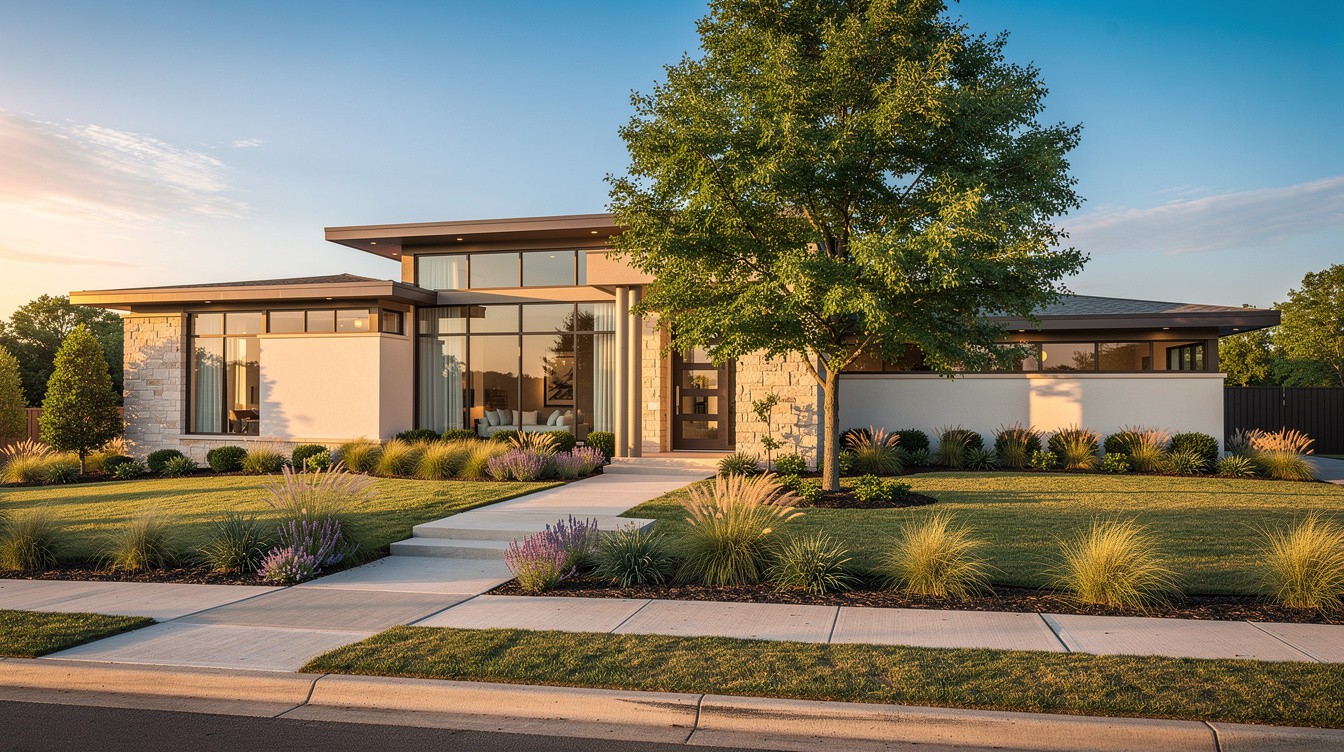
The Prairie Panel Approach
$14–22/sqftA wide-eaved prairie-modern house in stone and stucco sits behind two clean panels of mown turf, split by a walk of offset poured-concrete pads that step up to the entry rather than curving politely to it. The planting does all the softening: long drifts of upright switchgrass and little bluestem run parallel to the street, punctuated by violet spikes of Salvia nemorosa and low clipped mounds of dwarf yaupon holding the foundation line. A single high-limbed lacebark elm throws late-afternoon shade across the whole composition. The trick here is repetition — three or four species massed in big sweeps, never a mixed border.
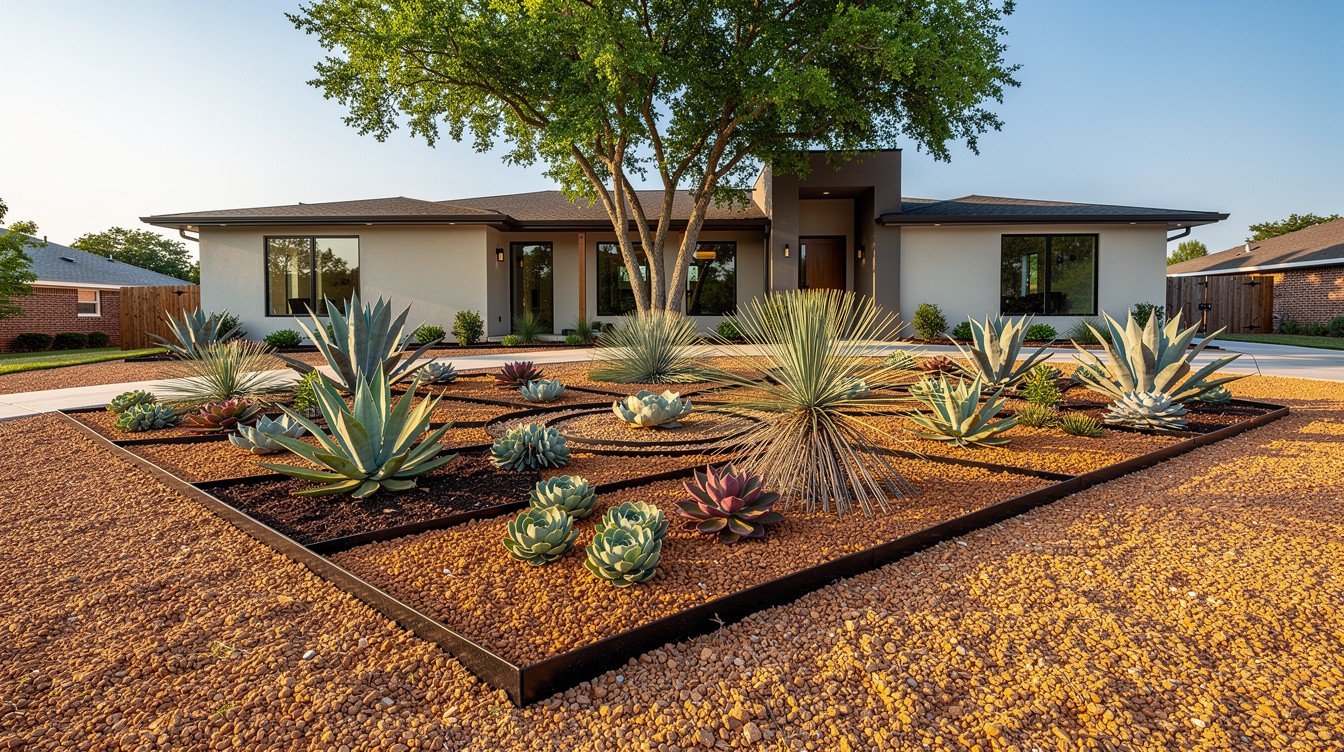
The Heights Gravel Grid
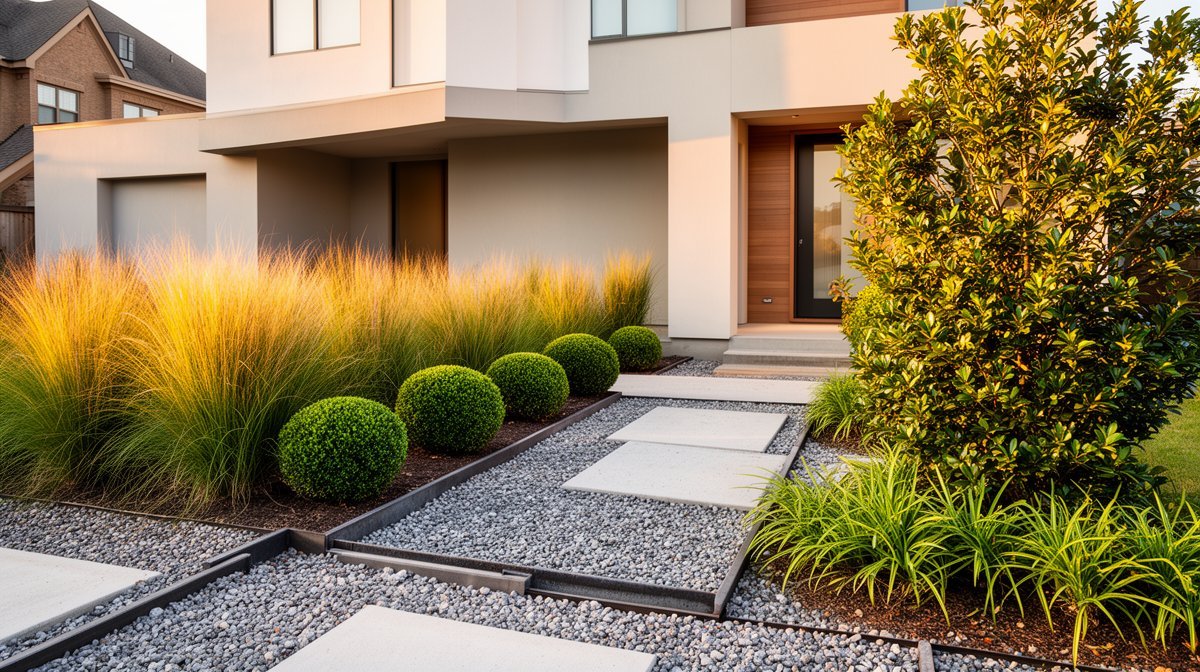
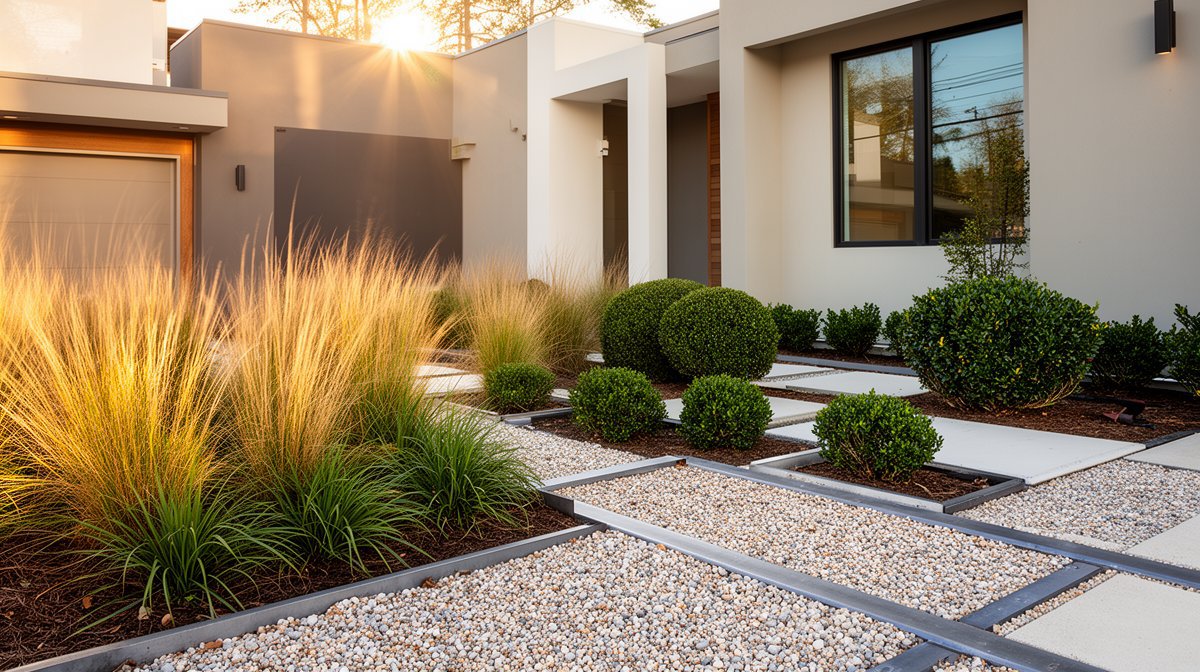
$12–20/sqftA mid-century ranch with a flat parapet entry loses its front lawn entirely to a corten-steel grid: rectangular cells of chocolate-brown lava rock and gold decomposed granite, each holding a single sculptural specimen. Blue-gray agave rosettes anchor the corners, a filament-topped Yucca rostrata explodes in the center like a firework, and squat succulent rosettes punctuate the smaller cells. This is the design that most often fails in Arkansas — and the one worth getting right, because every cell must be built as a raised berm, not a flat bed, or 50 inches of rain will turn those rosettes to mush by the second winter.
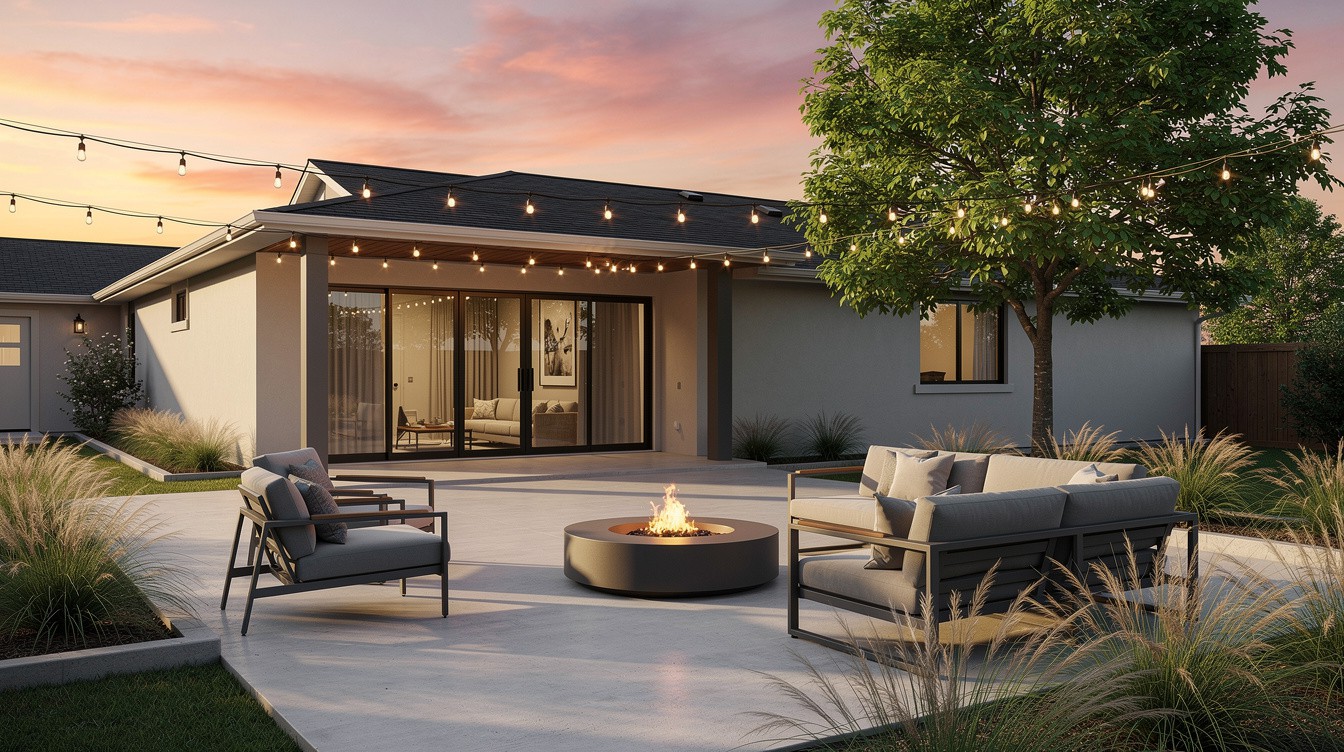
The Muhly Fire Court
$20–32/sqftA large saw-cut concrete patio extends the covered porch into the yard, furnished like an outdoor living room around a low round gas fire bowl, with catenary string lights strung overhead from steel posts. Ornamental grasses do the wall-building — pink muhly and switchgrass press right up against the slab edges so the patio feels carved out of a meadow rather than dropped onto a lawn. A shallow board-formed step and a narrow ribbon of turf handle the grade change. Because it's stone underfoot, the space stays usable through a wet central Arkansas spring when a lawn seating area would be a swamp.
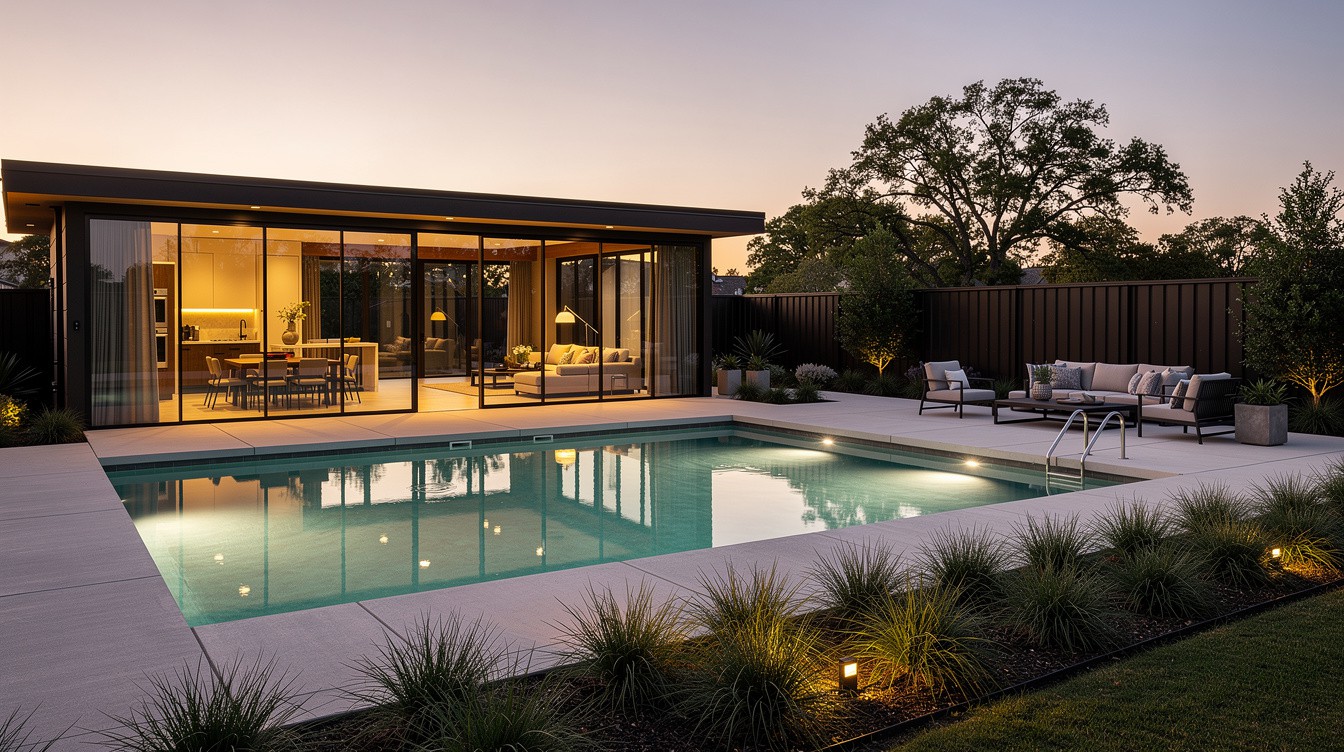
The Chenal Glass Pool Room
$30–55/sqft for deck and planting; pool priced separatelyA glass-walled pavilion opens onto a rectangular pool with a broad, large-format concrete deck and a six-foot dark bronze vertical-slat fence that doubles as the code-required pool barrier and erases the neighbors entirely. Geometric planting beds of low grasses wrap the far coping, lit from below by in-grade uplights so the whole yard turns into a lantern at twilight. A mature oak is deliberately kept well back from the water. Restraint is the design: one paving material, one fence color, two or three plant species, and the light doing the rest.
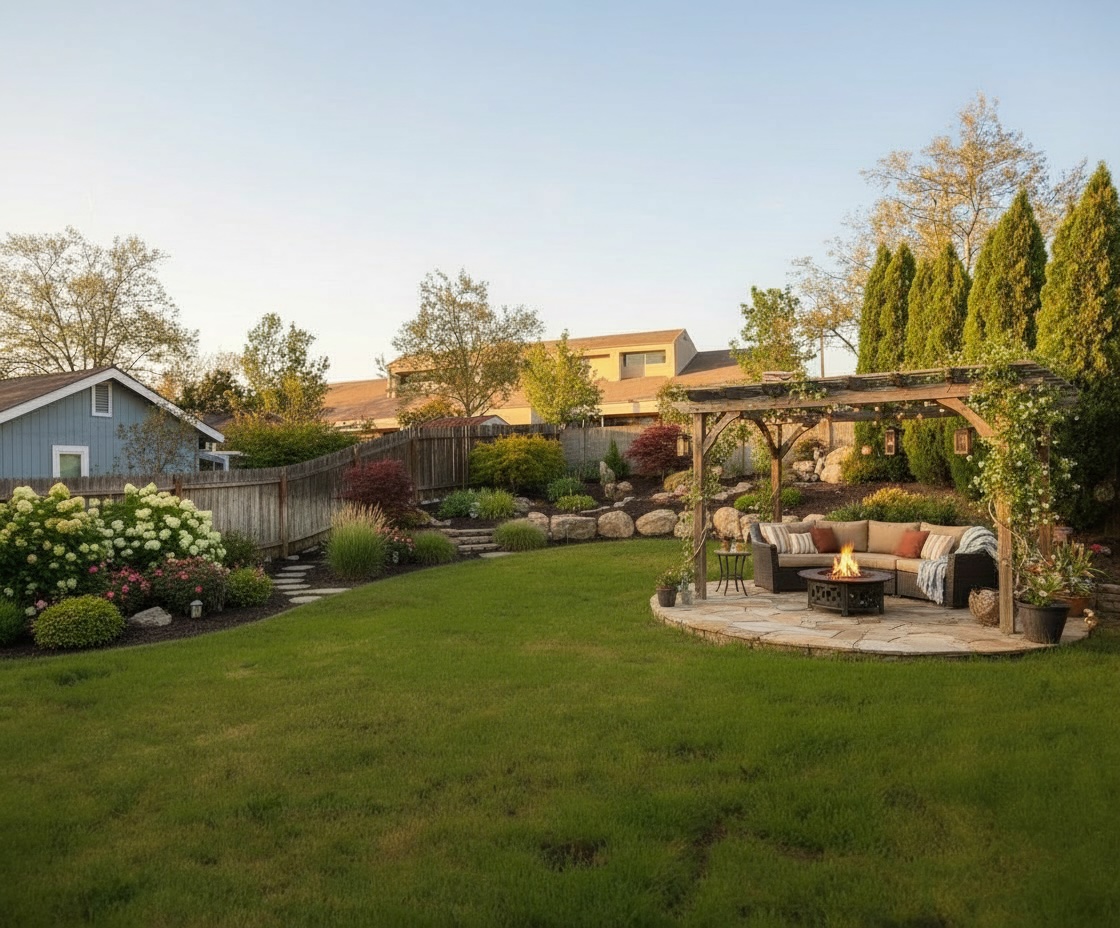
See how a modern/minimalist garden looks on YOUR property
Upload a photo of your Little Rock yard and visualize your dream garden in seconds.
Try ProScapeAI Free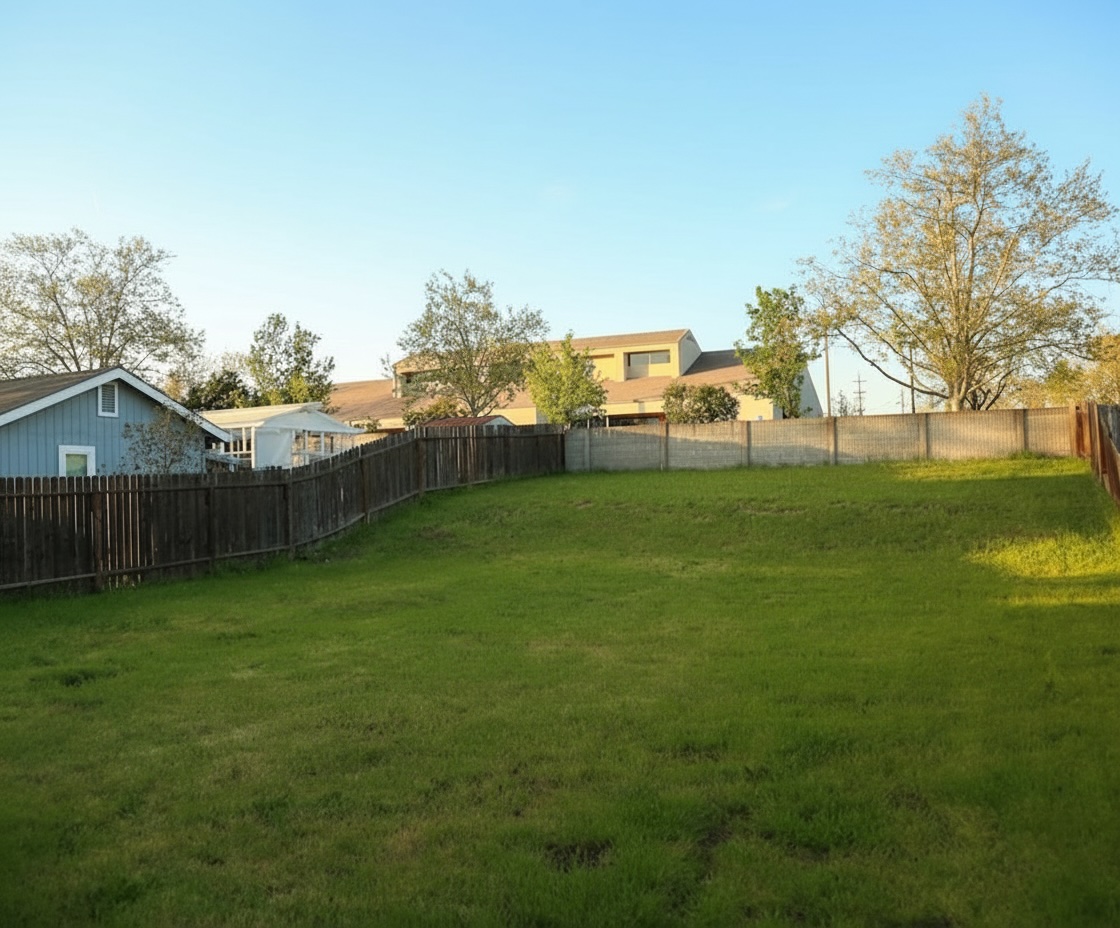
Featured Trees & Shrubs for Modern/Minimalist Gardens
Browse all 154 plants for Little Rock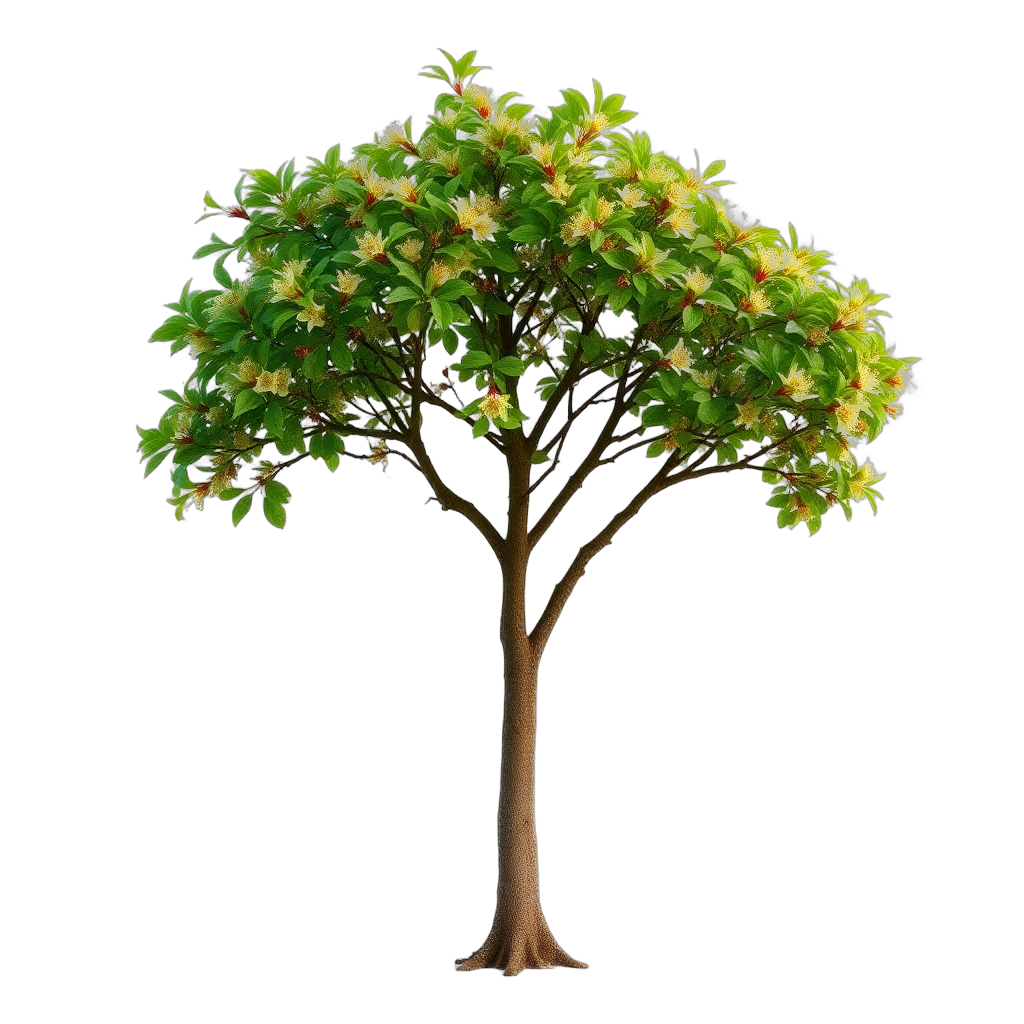
Vernal Witch Hazel
Hamamelis vernalis
medium-sized at 8 feet, yellow blooms in spring. Pollinator-friendly.
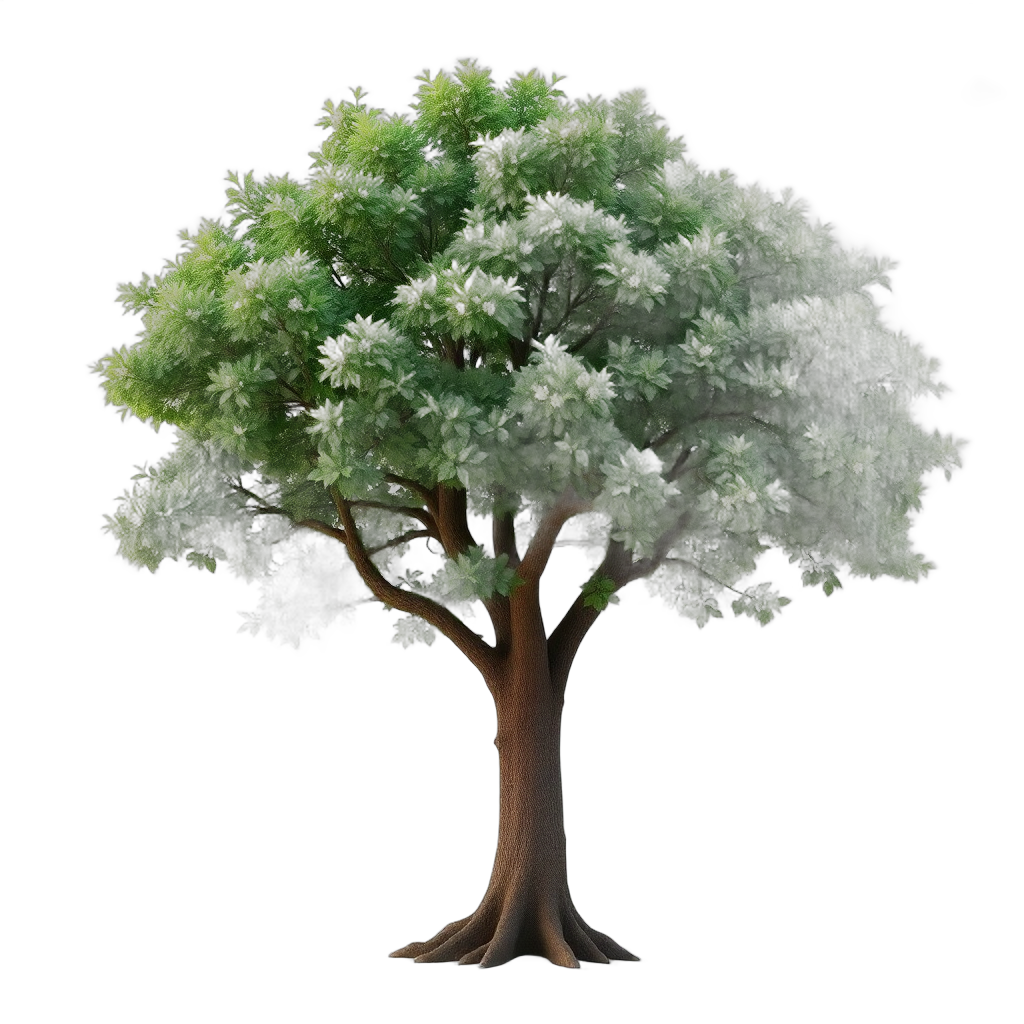
Shingle Oak
Quercus imbricaria
large shade tree reaching 55+ feet, blooms in spring. Yellow,red fall color.
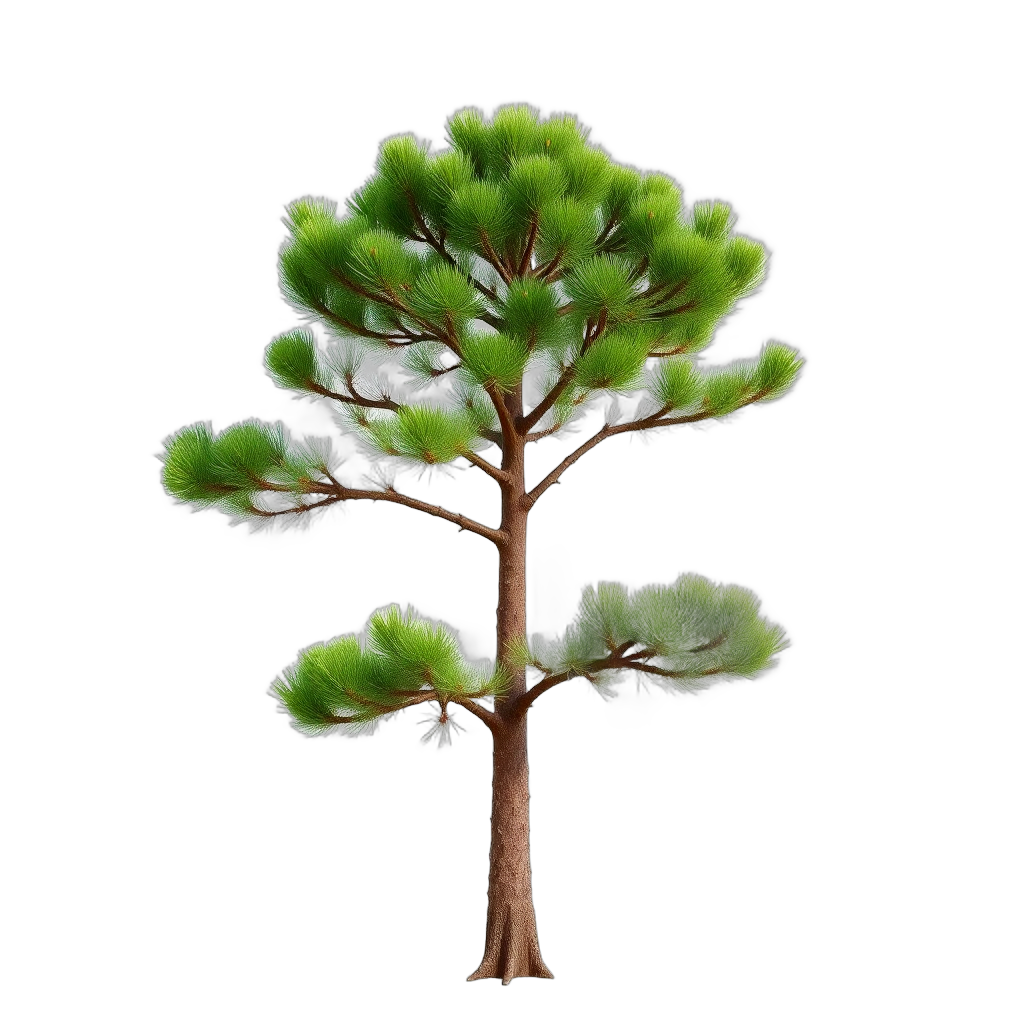
Shortleaf Pine
Pinus echinata
large shade tree reaching 70+ feet, blooms in spring. Evergreen year-round.
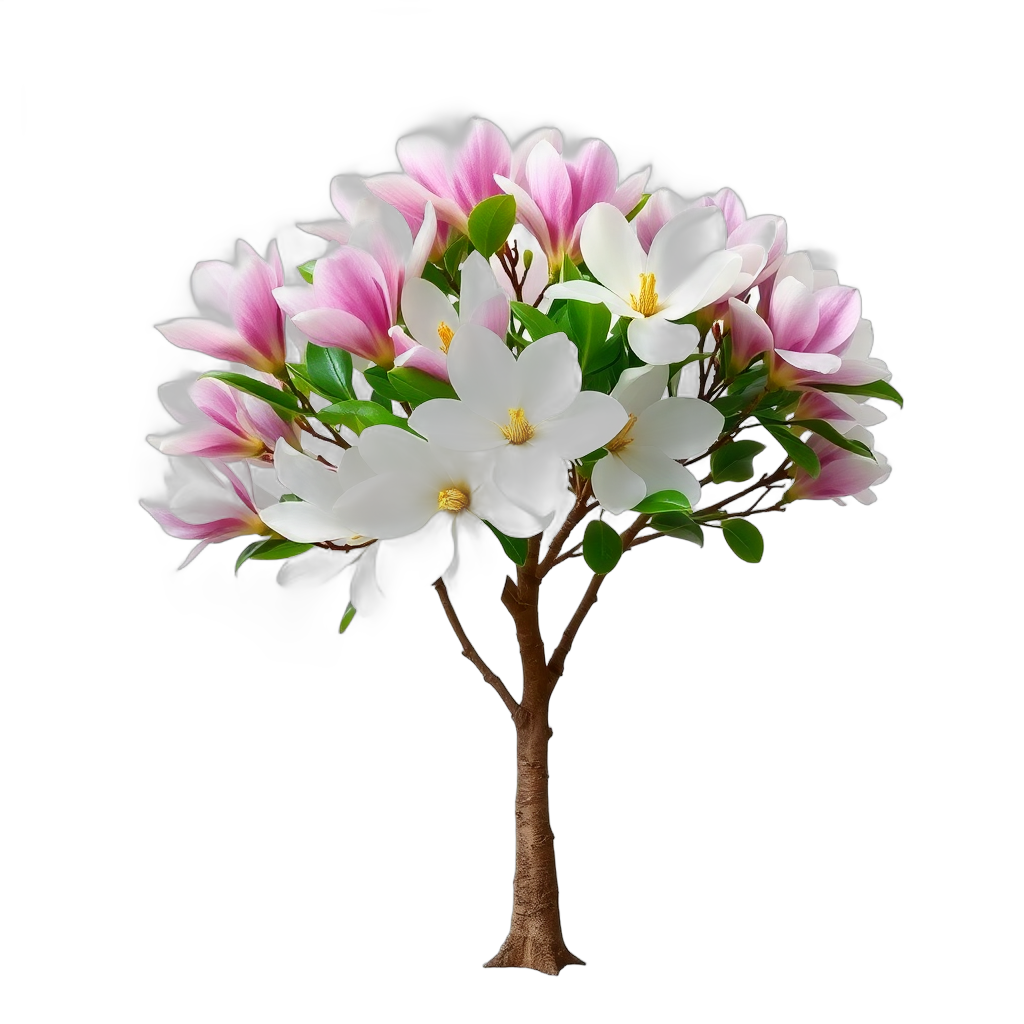
Southern Magnolia
Magnolia grandiflora
large shade tree reaching 70+ feet, white blooms in spring. Evergreen year-round.
Featured Grasses & Groundcovers for Modern/Minimalist Gardens
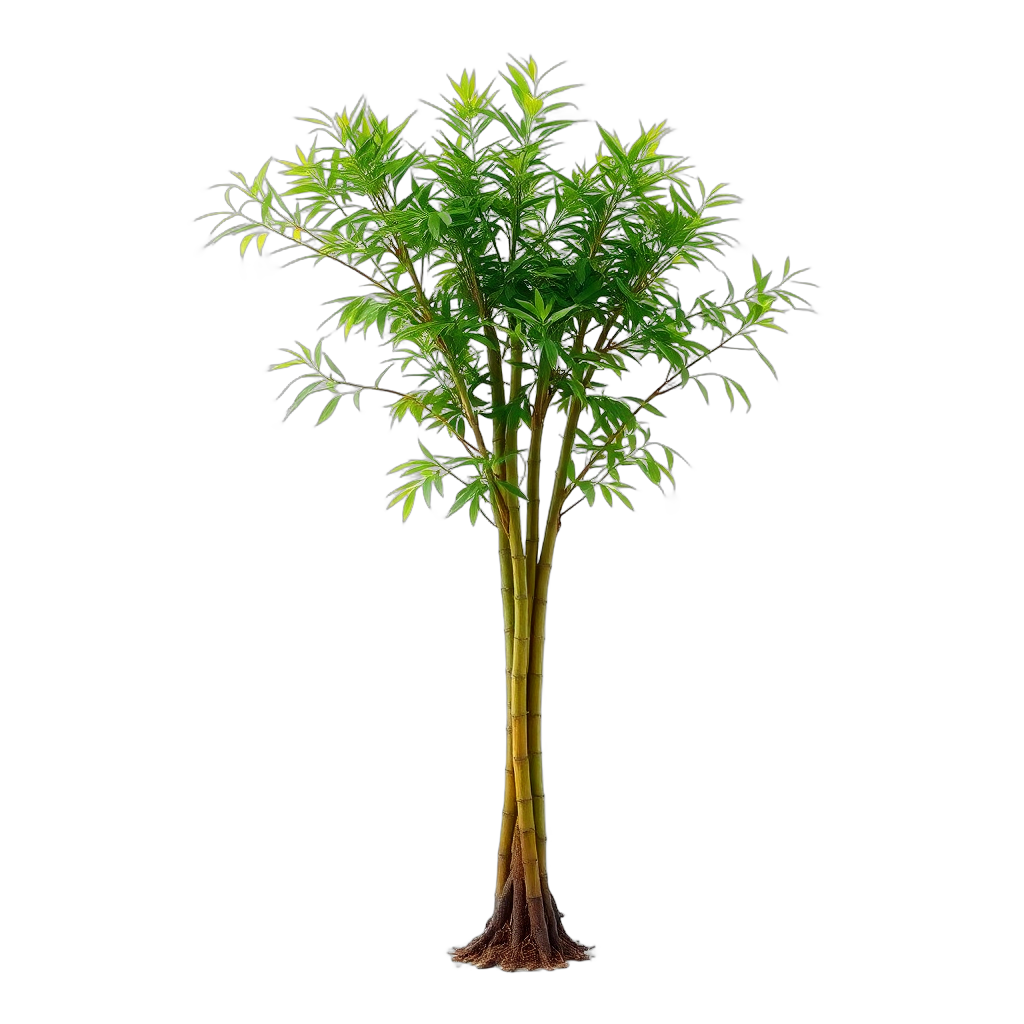
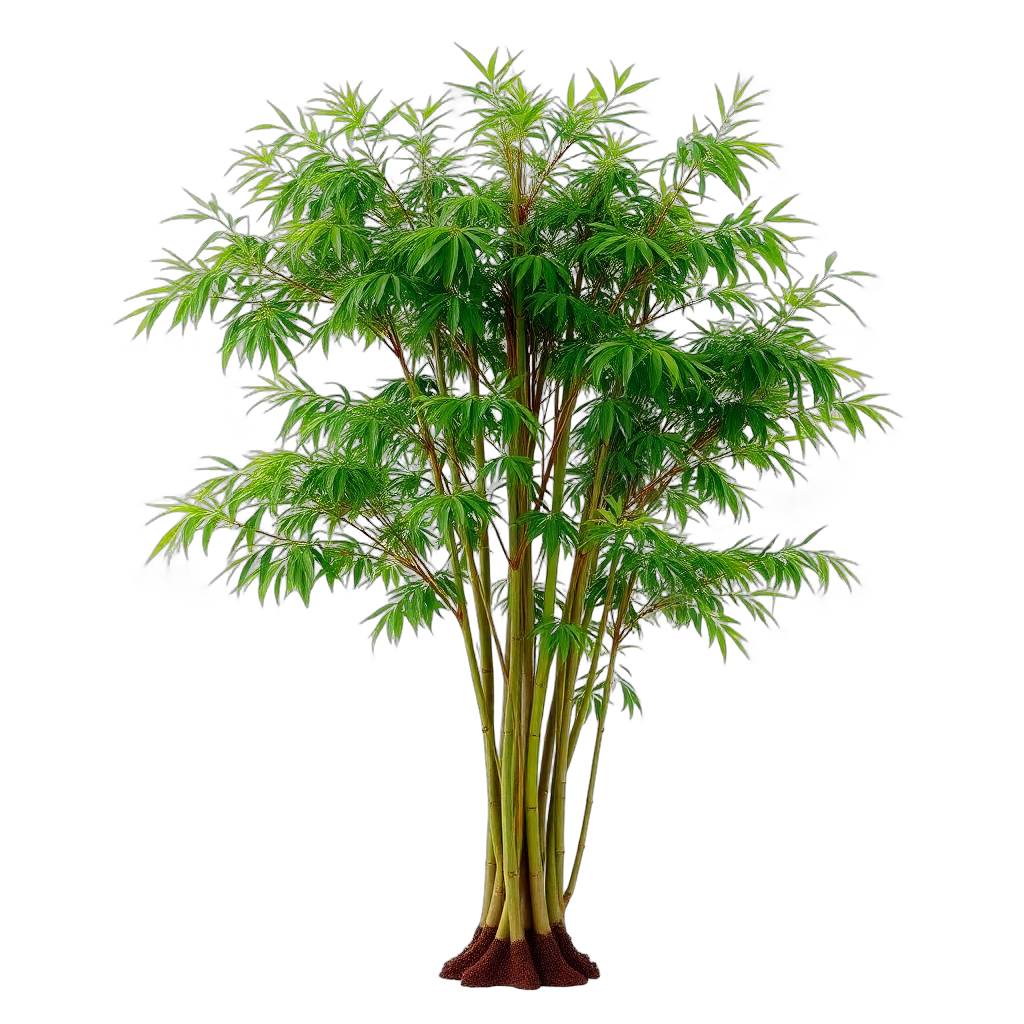
Anceps Bamboo
Yushania anceps
medium-sized at 12 feet, blooms in none. Evergreen year-round.
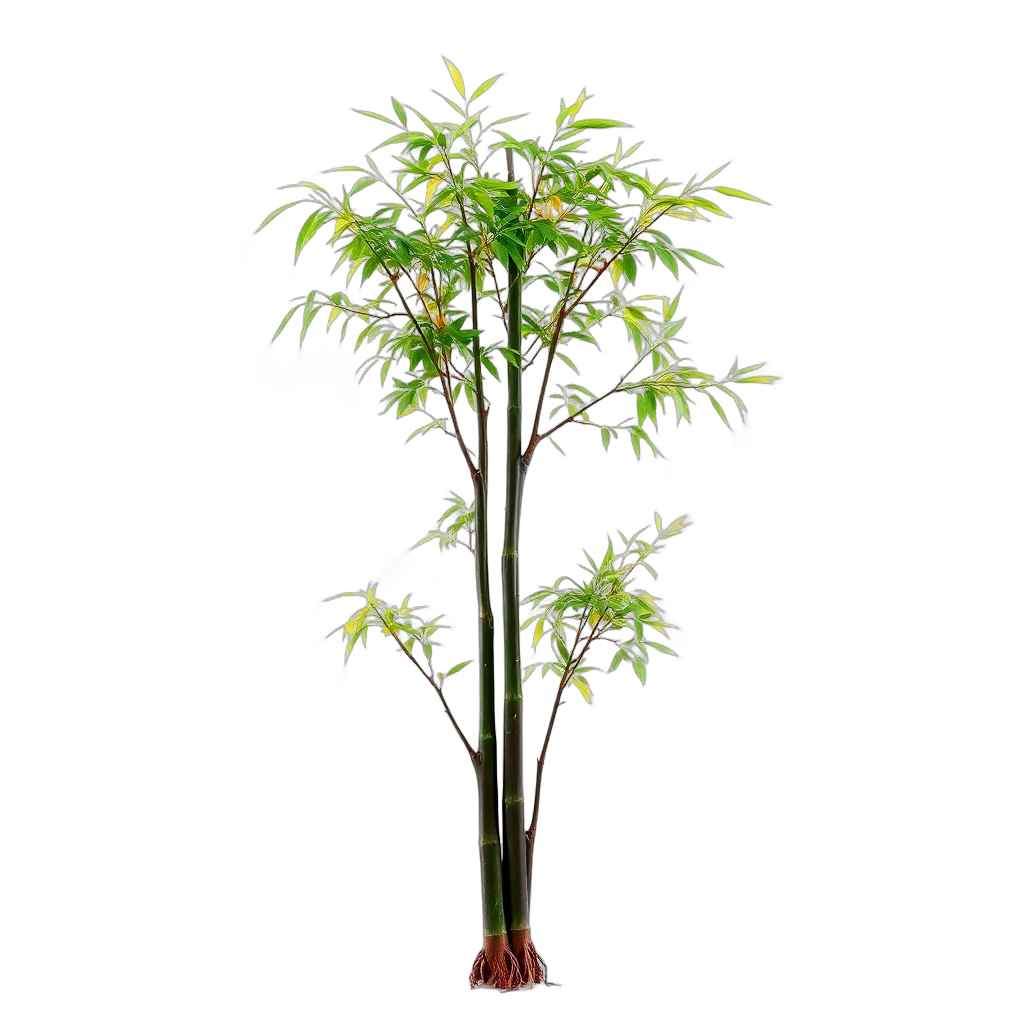
Arrow Bamboo
Pseudosasa japonica
medium-sized at 15 feet, blooms in none. Evergreen year-round.
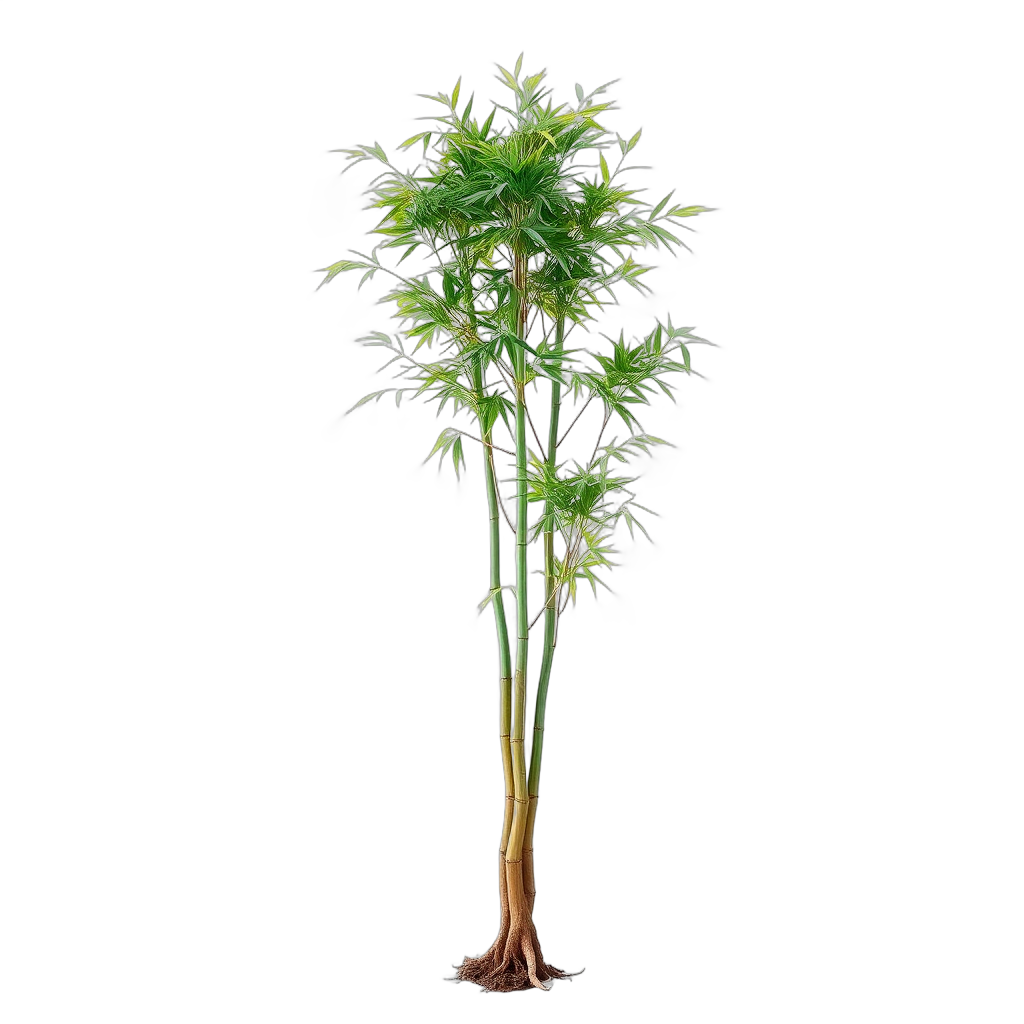
Black Bamboo
Phyllostachys nigra
reaches 25 feet tall, blooms in none. Evergreen year-round.
Blue Bamboo
Borinda papyrifera
reaches 20 feet tall, blooms in none. Evergreen year-round.
Featured Flowers & Perennials for Modern/Minimalist Gardens

Tussock Sedge
Carex stricta
low-growing ground cover, blooms in spring. Brown fall color.

Umbrella Sedge
Cyperus alternifolius
grows to 4 feet, blooms in summer. Evergreen year-round.
Bloom Calendar for Little Rock
spring
Vernal Witch Hazel, Shingle Oak, Shortleaf Pinesummer
Umbrella Sedgefall
Limited bloomswinter
Limited bloomsDesign Tips for Little Rock (Zone 8a)
- Berm every architectural plant 12–18 inches in 50/50 expanded shale and native soil, then collar the crown with washed #57 gravel instead of bark — this single detail is the difference between Agave ovatifolia and Yucca rostrata 'Sapphire Skies' looking sculptural for a decade and rotting out in a wet Little Rock February
- Replace the two plants modern designers reach for by reflex: Italian cypress dies in Arkansas humidity, so use Ilex vomitoria 'Will Fleming' or Juniperus virginiana 'Taylor' for verticals, and boxwood is losing ground to blight statewide, so mass Distylium 'Vintage Jade' or Ilex vomitoria 'Nana' for the clipped green blocks
- Cut Panicum virgatum 'Northwind', Muhlenbergia capillaris, and Schizachyrium scoparium 'Standing Ovation' back to 6 inches in late February, never in fall — the bleached winter silhouette is the whole point of grass massing, and cutting early exposes crowns to wet-cold rot
- Mass three to five species in large sweeps and repeat them; a modern planting fails when it becomes a plant collection, and in Little Rock the reliable core is Panicum 'Northwind', Amsonia hubrichtii, Salvia nemorosa 'Caradonna', Ilex vomitoria 'Nana', and Muhlenbergia capillaris
- Sod Zoysia 'Zeon' or 'Emerald' rather than seeding fescue for turf panels, install a 6-inch steel or concrete edge to keep it out of your gravel, and lay it April through August when the soil is warm — a crisp edge is what makes the geometry legible
- Use Arkansas natives that already read modern: Amsonia hubrichtii (found in the Ouachitas) for feathery mass and orange fall color, Cercis canadensis 'The Rising Sun' as a chartreuse specimen, Taxodium distichum 'Peve Minaret' for the low wet corner that drains poorly, and Lagerstroemia 'Natchez' multi-trunk for exfoliating cinnamon bark against a stucco wall
Where to Source Plants in Little Rock
Skip the big-box stores. These independent Little Rock nurseries specialize in the plants that make modern/minimalist gardens thrive in Zone 8a.
Hocott's Garden Center
Hillcrest
Locally owned garden center and landscaping business offering plants, trees, and shrubs since 1939.
The Good Earth Garden Center
West Little Rock (Cantrell Road)
Full selection of shrubs, trees, annuals, perennials, and a stone yard, with landscape design services.
Cantrell Gardens
Cantrell Road
Little Rock's premier garden center since 1963, known especially for roses.
Modern/Minimalist Landscaping Costs in Little Rock
| Project Scope | Estimated Cost |
|---|---|
| Front yard modern conversion (concrete walk, steel-edged gravel beds, grass massing) | $9,000 – $22,000 |
| Saw-cut poured concrete patio (400–600 sqft) | $8,000 – $18,000 |
| Gas fire bowl with dedicated line, plus string-light posts | $3,500 – $9,000 |
| Board-formed concrete or corten retaining wall (per linear foot) | $150 – $400 /lf |
| Gunite pool with large-format concrete deck and metal privacy fence | $65,000 – $130,000 |
| AI visualization with ProScapeAI | Free to start |
Estimates based on Little Rock, AR-area contractor rates as of 2026. Actual costs vary by site conditions, materials, and contractor.
Little Rock Climate & Growing Zone
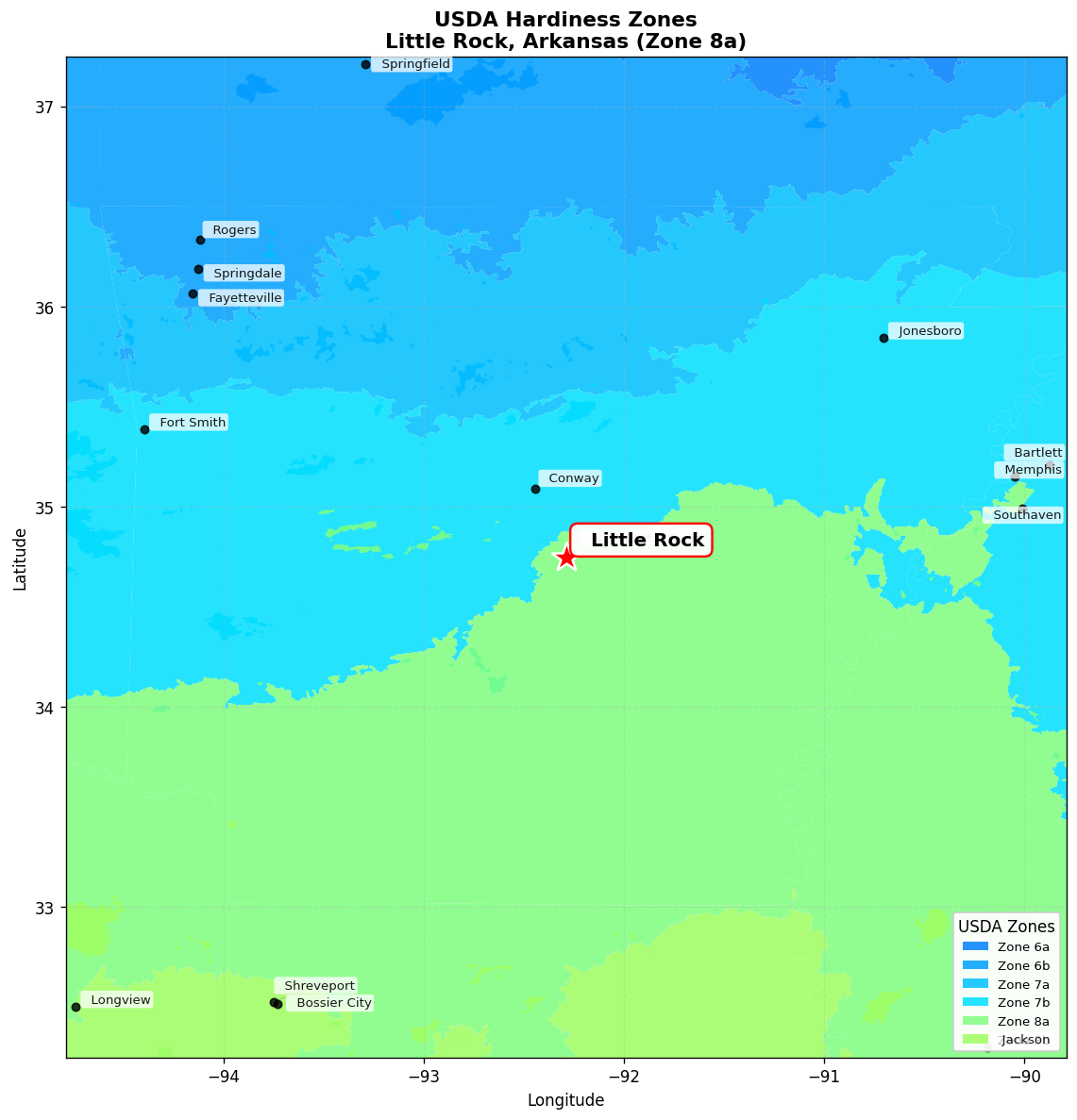
USDA Zone 8a
Hardiness zone for Little Rock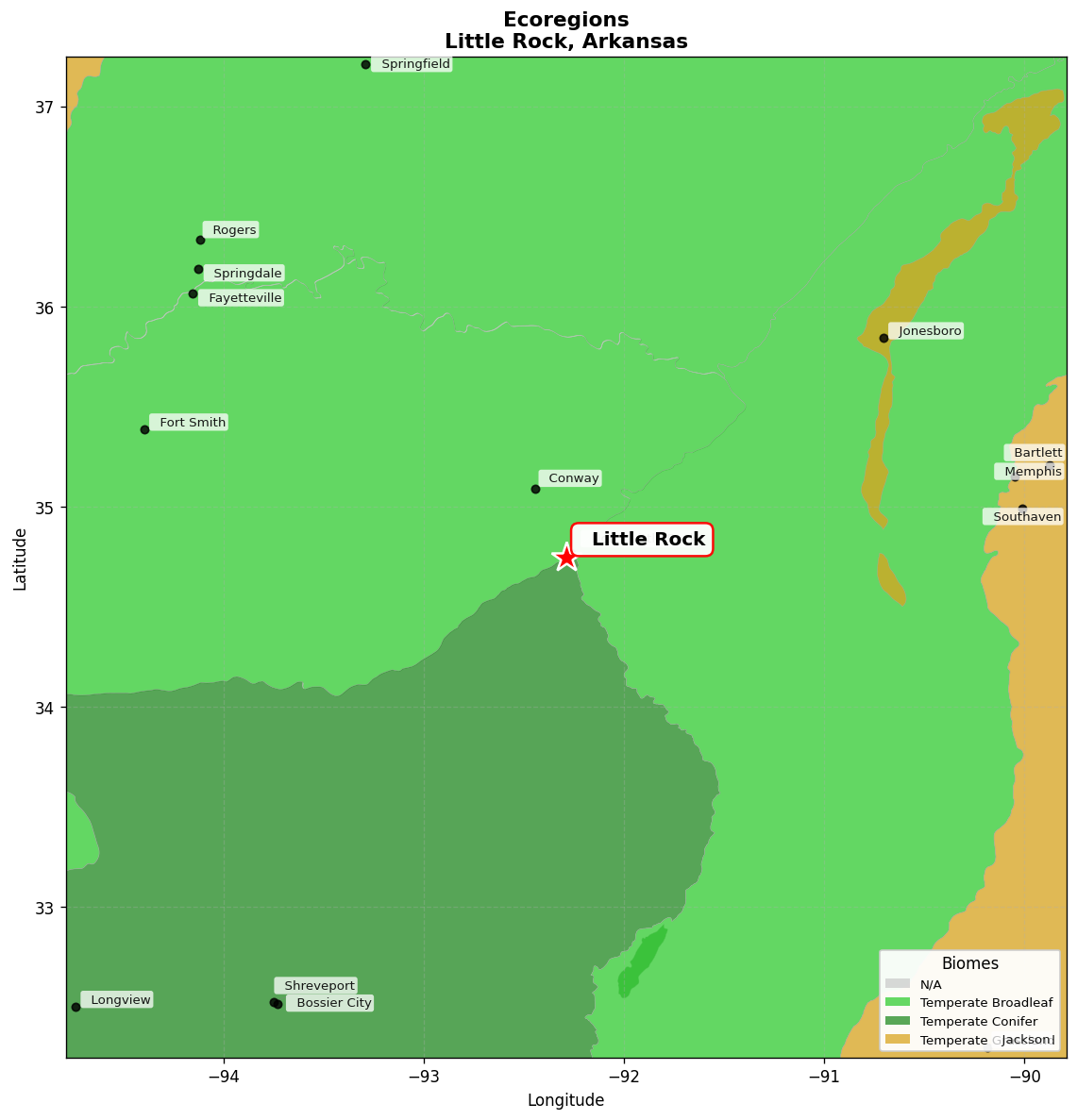
Ozark Mountain forests
Native ecoregionFrequently Asked Questions
How much does a modern landscape cost to install in Little Rock?
Modern style is hardscape-heavy, so the budget lives in concrete and steel rather than plants — which is exactly why Little Rock is a good place to build it. Central Arkansas concrete, masonry, and grading labor runs roughly 15–25% below national metro averages. A full front-yard conversion for a typical Heights ranch — concrete entry walk, steel-edged gravel beds, grass massing, and a handful of Agave ovatifolia and Yucca rostrata 'Sapphire Skies' specimens — lands around $9,000–22,000. A backyard concrete court with a gas fire bowl and grass borders runs $18,000–45,000. Add a gunite pool and modern deck and you're at $65,000–130,000. The plants themselves are the cheap part: a mass of Panicum virgatum 'Northwind' in one-gallon pots costs less per square foot than the mulch around it.
Will agaves and succulents actually survive Little Rock's climate?
Cold isn't the problem — Zone 8a lows of 10–15°F are survivable for most of the hardy agaves and yuccas. Water is the problem. Roughly 50 inches of rain a year sitting in Pulaski County clay rots crowns and roots, usually in a wet January or February when nothing is transpiring. Agave americana, Echeveria, and Sempervivum will all fail here within two or three seasons planted flat. What works: Agave ovatifolia and Agave parryi var. truncata on berms raised 12–18 inches with 50/50 expanded shale and native soil, Yucca rostrata 'Sapphire Skies', Yucca filamentosa 'Color Guard', and Hesperaloe parviflora 'Brakelights'. Collar every crown with 3 inches of washed #57 gravel rather than bark mulch, plant on a slight tilt so water sheds out of the rosette, and skip winter irrigation entirely. For the small rosette look, Hylotelephium 'Matrona' and Sedum 'Angelina' give you the same geometry with none of the risk.
Which ornamental grasses work best here, and which should I avoid?
Grasses carry a modern planting, and Arkansas natives are the strongest performers. Panicum virgatum 'Northwind' is the workhorse — strictly upright, never flops in humidity, and holds through winter. Schizachyrium scoparium 'Standing Ovation' and 'The Blues' give you the blue-to-copper little bluestem look but need sharp drainage, so berm them. Muhlenbergia capillaris delivers the pink October cloud and Sporobolus heterolepis gives a fine, fountaining texture at knee height. Andropogon ternarius, our native splitbeard bluestem, is silvery and underused. Avoid Miscanthus sinensis and Pennisetum alopecuroides 'Hameln' — both reseed into Arkansas roadsides and fencerows, and Miscanthus flops badly by August in this humidity. Cut everything back to 6 inches in late February, not fall; the winter silhouette is half the reason you planted grasses.
What lawn grass gives modern design its crisp green panel in Little Rock?
Modern layouts depend on a lawn that reads as a flat, sharp-edged geometric plane, and tall fescue can't do that here — it browns out under 92°F July afternoons and needs constant overseeding. Zoysia is the answer for most Little Rock modern yards: 'Zeon' and 'Emerald' are fine-bladed, take moderate shade, and hold a dense, even color that makes a steel edge look intentional. 'TifTuf' bermuda is tougher and cheaper if you have full sun and no tree canopy, but it goes fully dormant tan in winter and creeps aggressively into gravel beds, so it needs a 6-inch deep steel or concrete edge to contain it. Under the mature oak and willow oak canopy in Hillcrest or The Heights, stop fighting it — replace the turf panel with a mass of Carex pensylvanica or Ophiopogon japonicus 'Nana', which gives the same green plane without an irrigation bill.
How do I keep concrete and gravel from failing on Little Rock's clay?
Central Arkansas clay is expansive — it swells wet and shrinks dry, which is what cracks slabs and swallows gravel. For poured concrete, insist on 6 inches of compacted crushed base, 4 inches of 3,500 psi concrete with fiber mesh or #3 rebar on 18-inch centers, control joints at 10–12 feet, and a proper expansion joint at the house. For gravel beds, excavate 4 inches, compact a crushed-stone base, and set steel edging in concrete footings; gravel laid straight onto clay will sink and turn muddy within one rainy season. On the cherty ridge lots in The Heights and Chenal Valley, drainage is naturally better but you'll hit rock, so budget for it. Everywhere else, plan where the water goes before you pour: a French drain or dry creek routing runoff away from your new slab costs a fraction of replacing it. Hardscape can be built year-round since frost depth here is shallow, but plant in October and November so roots establish over the mild wet winter.
Do I need permits for a modern patio, fence, or pool in Little Rock?
At-grade concrete patios generally don't need a building permit, but retaining walls over 4 feet do, and modern designs on the sloped west-side lots hit that threshold fast. Fences are capped at 4 feet in the front yard and 6 feet in side and rear yards in most residential zones. Pools require a permit plus a compliant barrier — a 6-foot dark metal privacy fence with self-closing, self-latching gates satisfies both the code and the design. Gas lines for a fire bowl need a licensed plumber and a mechanical permit. If your house sits in the MacArthur Park or Governor's Mansion historic districts in the Quapaw Quarter, anything visible from the street — including a contemporary fence or a front-yard gravel conversion — needs Historic District Commission approval first, and the Commission is generally more receptive to modern work than people expect when it's clearly of its own era rather than faux-historic. Planting alone never needs a permit.