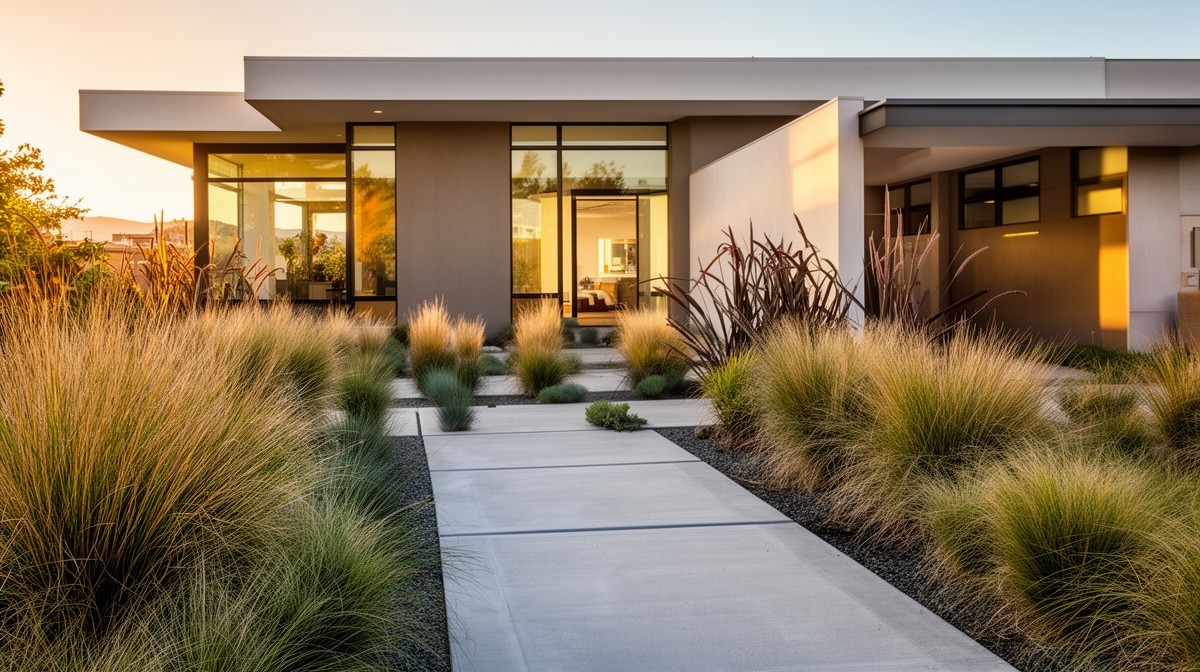
4 Modern Landscape Ideas for Livermore, CA | Zone 9b Drought-Smart Designs
Native plants from the California interior chaparral and woodlands (Zone 9b) — Mediterranean (warm summer) climate
For a modern garden in Livermore, CA, a zone 9b city with a mediterranean (warm summer) climate, start with Muhlenbergia rigens, Festuca glauca 'Elijah Blue' and Olea europaea 'Wilsonii', the plants this guide's first design is built on.
Why Modern/Minimalist Gardens in Livermore?
Modern landscaping fits Livermore's newer streets. The stucco two-story homes in Springtown, the south-side subdivisions and the flat-fronted ranch houses in Springtown all have clean rooflines and plain wall planes, and a modern yard picks those lines up with straight edges, large pavers and a few repeated plants. The usual starting point here is a front lawn that takes most of the water bill. Swapping that rectangle for a planned bed of grasses, succulents and one specimen tree shows the architecture better than turf does.
The NOAA 1991–2020 normals for the Livermore station give 14.6 inches of rain a year, about a quarter of an inch of it from June through September, a January average low of 39.0°F and a July average high of 89.0°F. Only about 13 nights a year drop to 32°F or below. That is a good climate for Muhlenbergia rigens, Festuca glauca 'Elijah Blue' and Agave 'Blue Glow', which sit in the sun all summer on a few minutes of drip. Some classics of the modern look do not belong here: Miscanthus sinensis 'Morning Light' and Calamagrostis × acutiflora 'Karl Foerster' need steady summer water and go ragged in July heat, so Muhlenbergia capillaris 'Regal Mist' gives the same upright, plumed line on less. The tree is Olea europaea 'Wilsonii', a fruitless olive that does not drop olives on the pavers.
Soil varies from gravelly loam to heavy clay, and clay is the main risk for succulents, which rot if water sits around the crown in a January storm. Test drainage before you plant. Where water stands, mound the planting areas 10–12 inches with gritty mix and set the agaves on the high points, with Dymondia margaretae or Sedum 'Angelina' as the low filler. Pea gravel or decomposed granite mulch keeps weeds down and heat off the roots, and steel edging holds the shapes crisp.
Two utilities supply Livermore, Livermore Municipal Water and Cal Water, so check which one bills you. The Zone 7 lawn conversion rebate applies to Livermore Municipal Water customers only, needs approval before work starts, requires plants, and does not cover artificial turf, so a modern yard with a plastic lawn will not qualify. Design the planted area first, then keep the receipts and photos the program asks for.
4 Modern/Minimalist Design Ideas for Livermore
AI-generated image
The Grass-and-Boulder Front Yard
$14–28/sqftA stucco two-story house loses its front lawn to a gently mounded bed of deer grass and blue fescue, with three large granite boulders set at different heights near the walk. A strip of concrete stepping pads crosses the bed to the front door, and a single fruitless olive anchors the corner where the afternoon sun hits the south facade. Everything is on a drip grid, so the front yard runs on a fraction of the lawn's water.
Try this on your yard: The Grass-and-Boulder Front YardAI-generated image
The Cor-Ten and Gravel Entry Court
$24–45/sqftA flat-front ranch house gets a rust-colored Cor-Ten planter wall that lines the walkway, with a gravel court beside the door and bold, sculptural plants in groups of three. Agave attenuata stands against the wall, Aloe striata fills the gaps, and a Yucca rostrata gives the court one tall point. The gravel stays cool in the evening and the planter wall hides the irrigation valves.
Try this on your yard: The Cor-Ten and Gravel Entry CourtAI-generated image
The Paver-and-Fire Patio Back Yard
$32–60/sqftThe backyard is divided into a large concrete-paver dining terrace and a lower gravel seating area with a linear gas fire feature. A fruitless olive gives afternoon shade over the table, and a long bed of grasses and low salvias runs along the back fence. Lawn stays only as a small rectangle for the dog, and the rest takes drip.
Try this on your yard: The Paver-and-Fire Patio Back YardAI-generated image
The Sloped Succulent Terrace
$30–55/sqftA sloped side yard is cut into three low terraces held by board-formed concrete walls, each planted in a single color band: blue agave, silver-green aloe, and gray-green rock rose. Steps run through the middle of the slope in matching concrete, and a pea-gravel mulch keeps the slope from washing in a January storm. The whole slope drains fast, which succulents want.
Try this on your yard: The Sloped Succulent TerraceSee how a modern/minimalist garden looks on YOUR property
Upload a photo of your Livermore yard and visualize your dream garden in seconds.
Try ProScapeAI Free

AI-generated image
Featured Trees & Shrubs for Modern/Minimalist Gardens
Browse all 197 plants for Livermore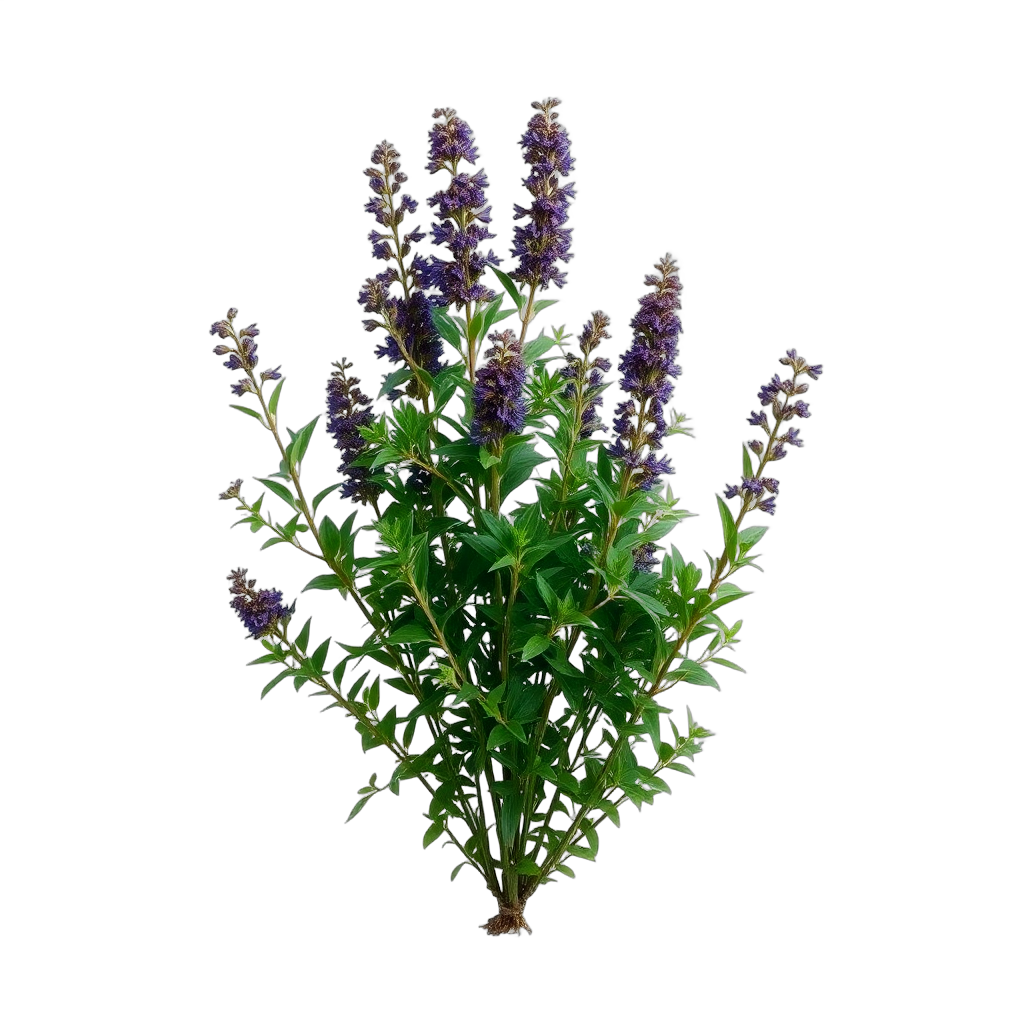
Black Sage
Salvia mellifera
grows to 4 feet, white blooms in spring. Attracts butterflies.
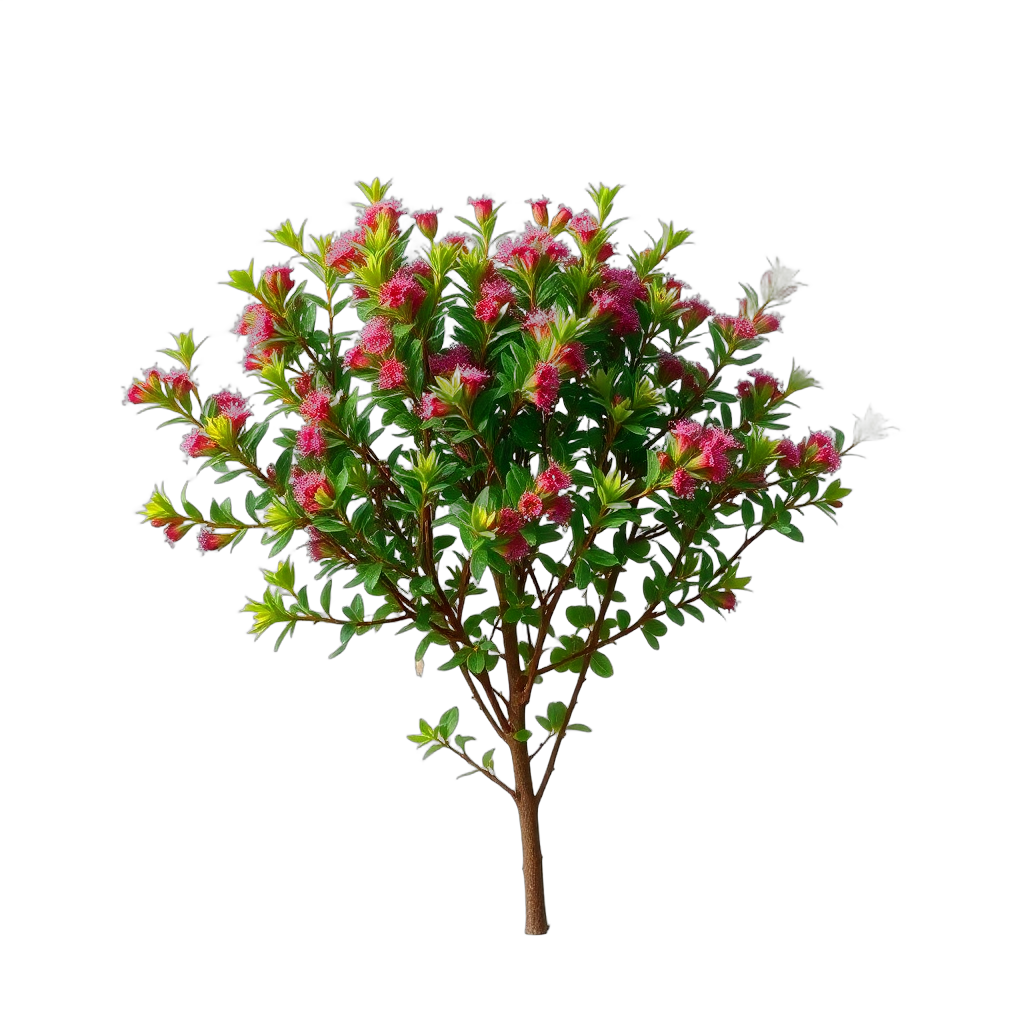
Buckbrush
Ceanothus cuneatus
medium-sized at 7 feet, white blooms in spring. Attracts butterflies.
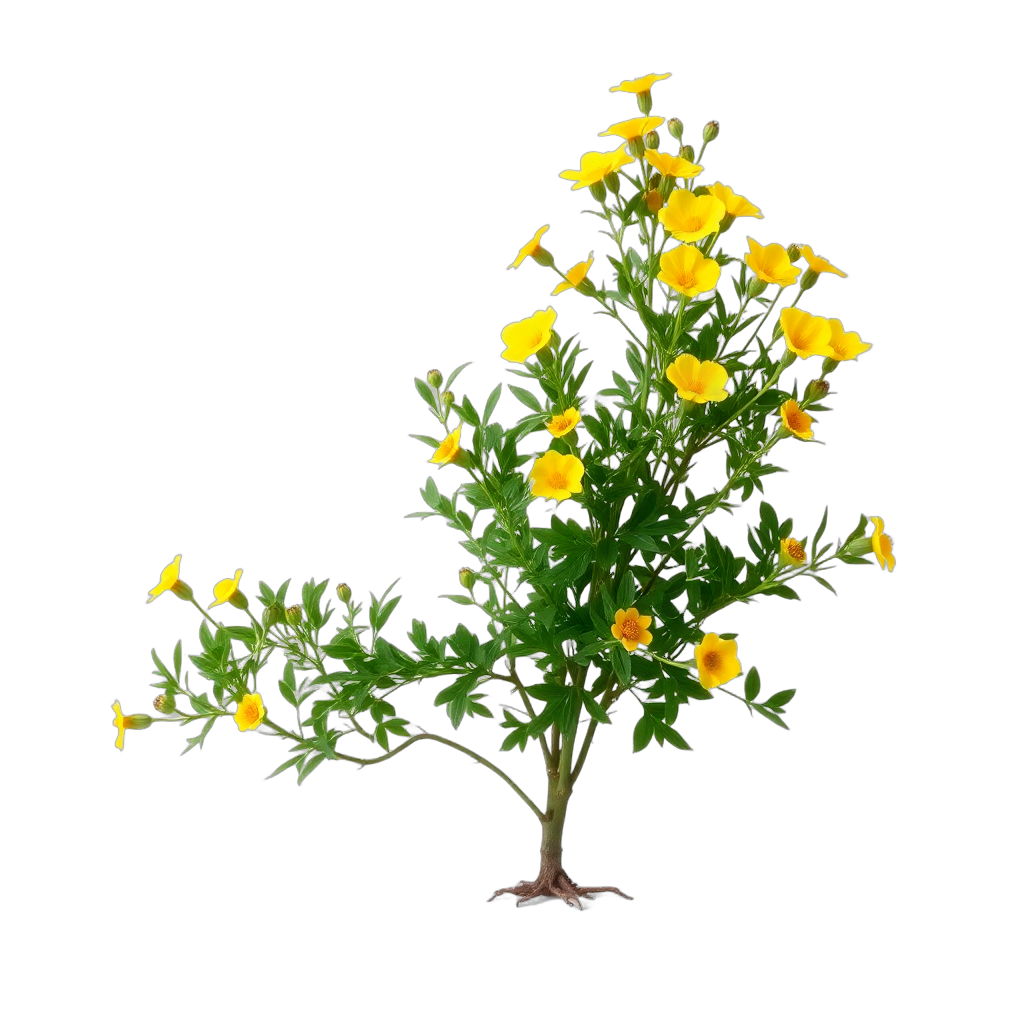
Bush Poppy
Dendromecon rigida
grows to 6 feet, yellow blooms in spring. Pollinator-friendly.
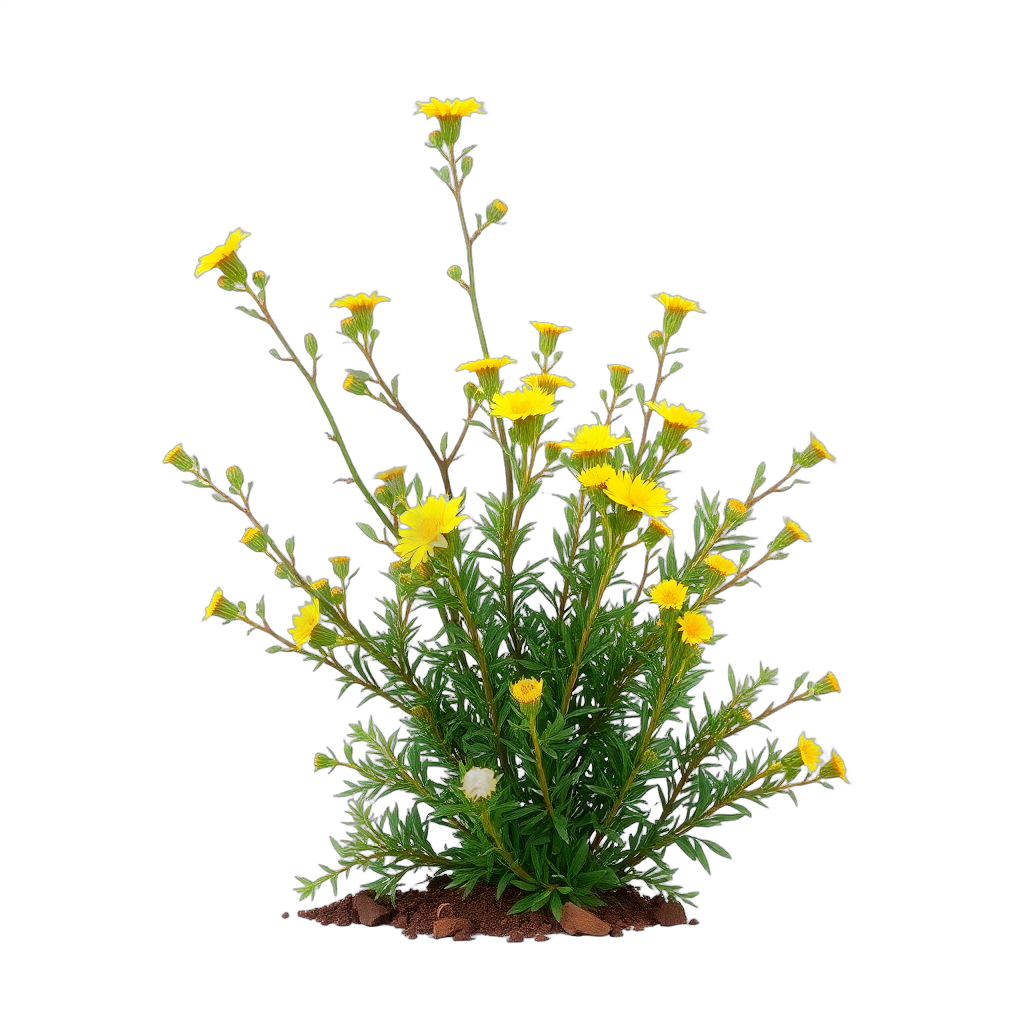
California Brittlebush
Encelia californica
grows to 4 feet, yellow blooms in spring. Attracts butterflies.
Featured Grasses & Groundcovers for Modern/Minimalist Gardens
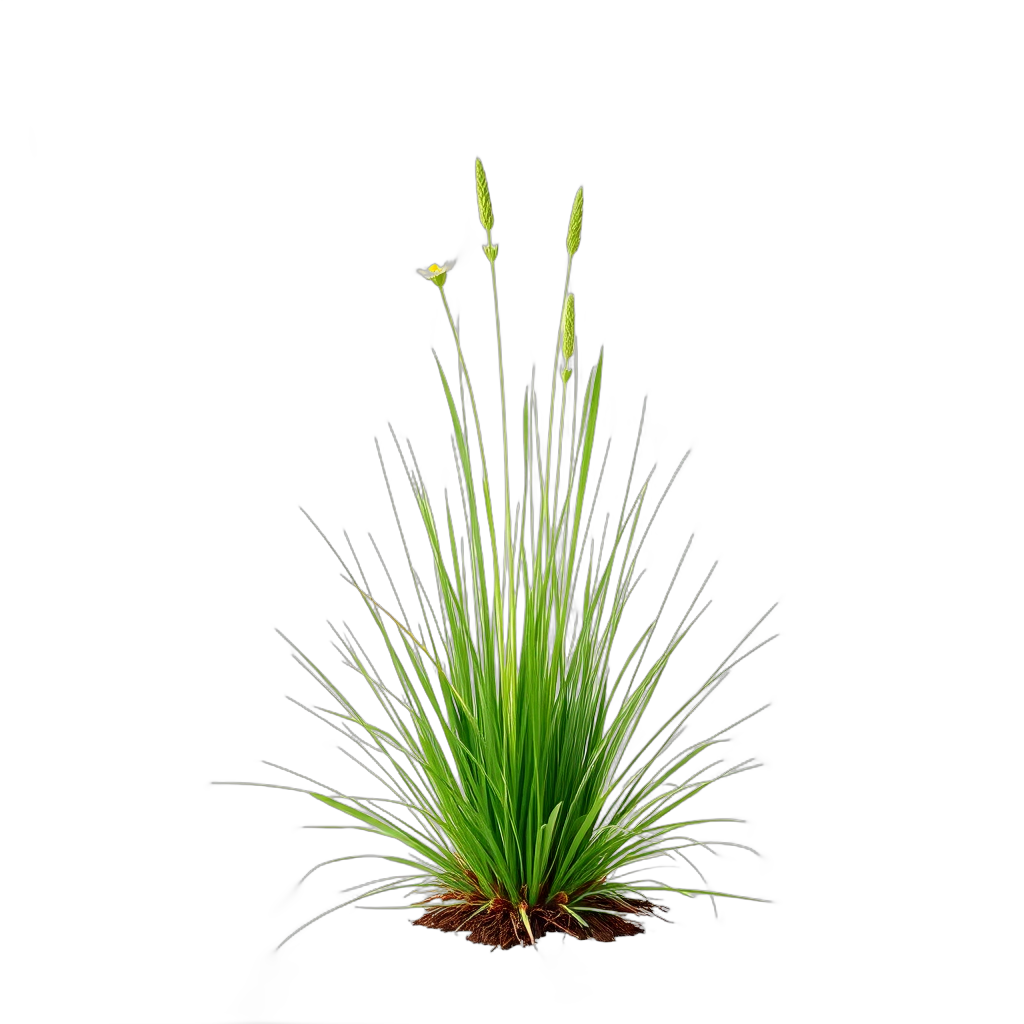
California Brome
Bromus carinatus
low-growing ground cover, blooms in spring. Yellow fall color.
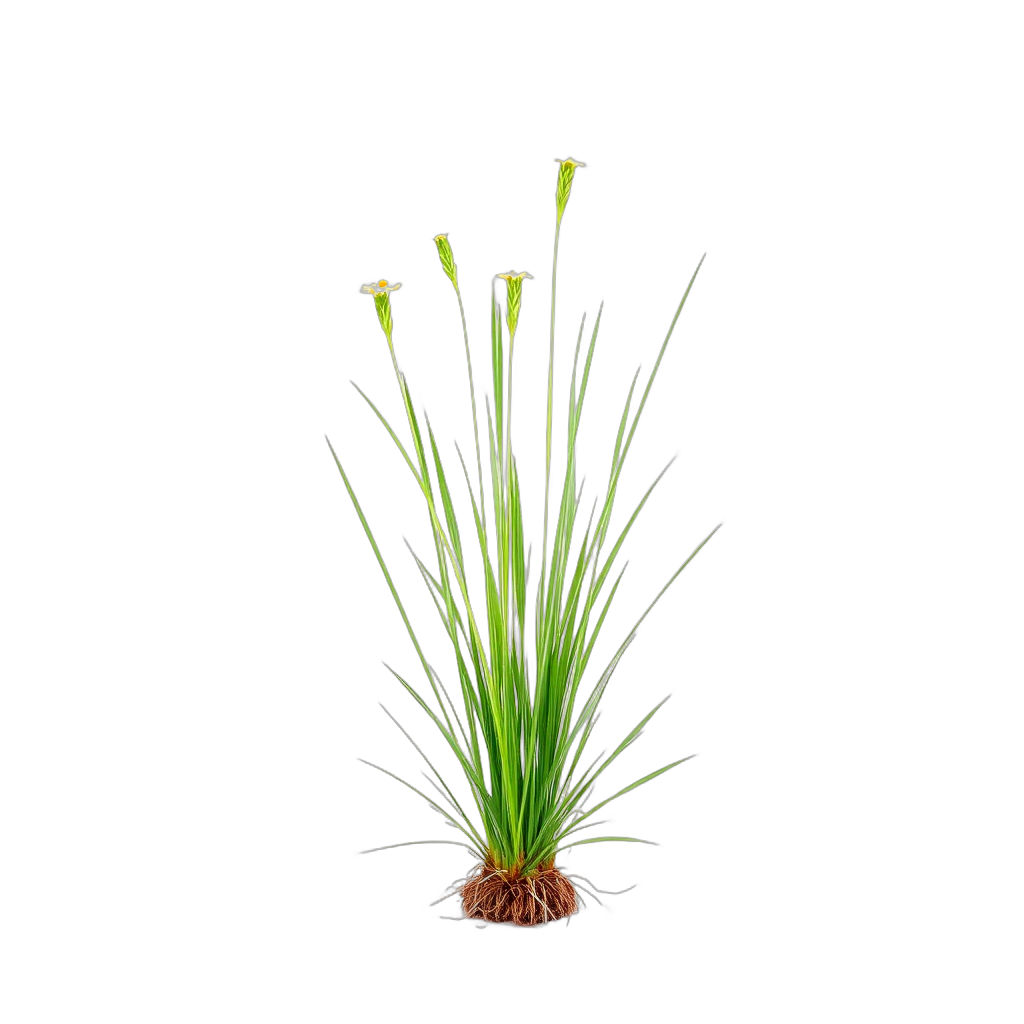
California Melic
Melica californica
low-growing ground cover, blooms in spring.
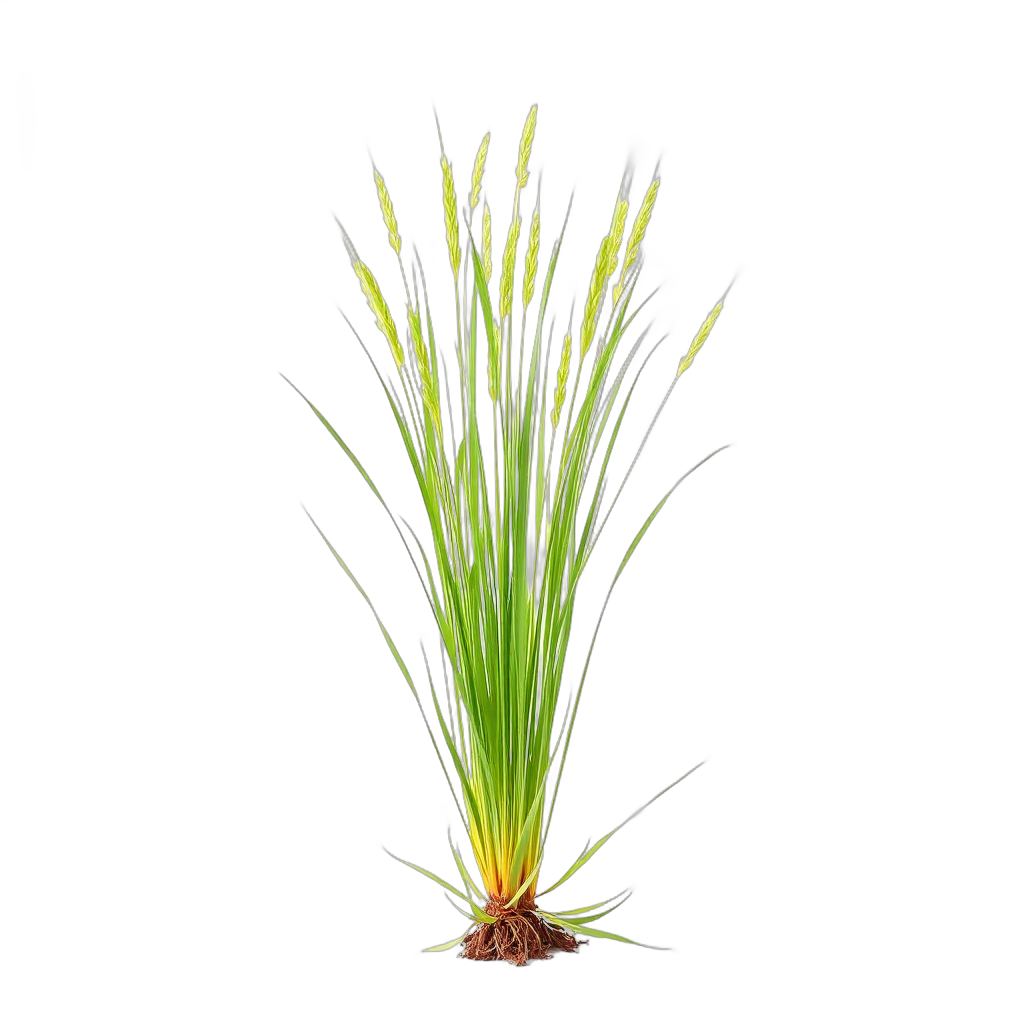
California Oatgrass
Danthonia californica
low-growing ground cover, blooms in spring. Yellow fall color.
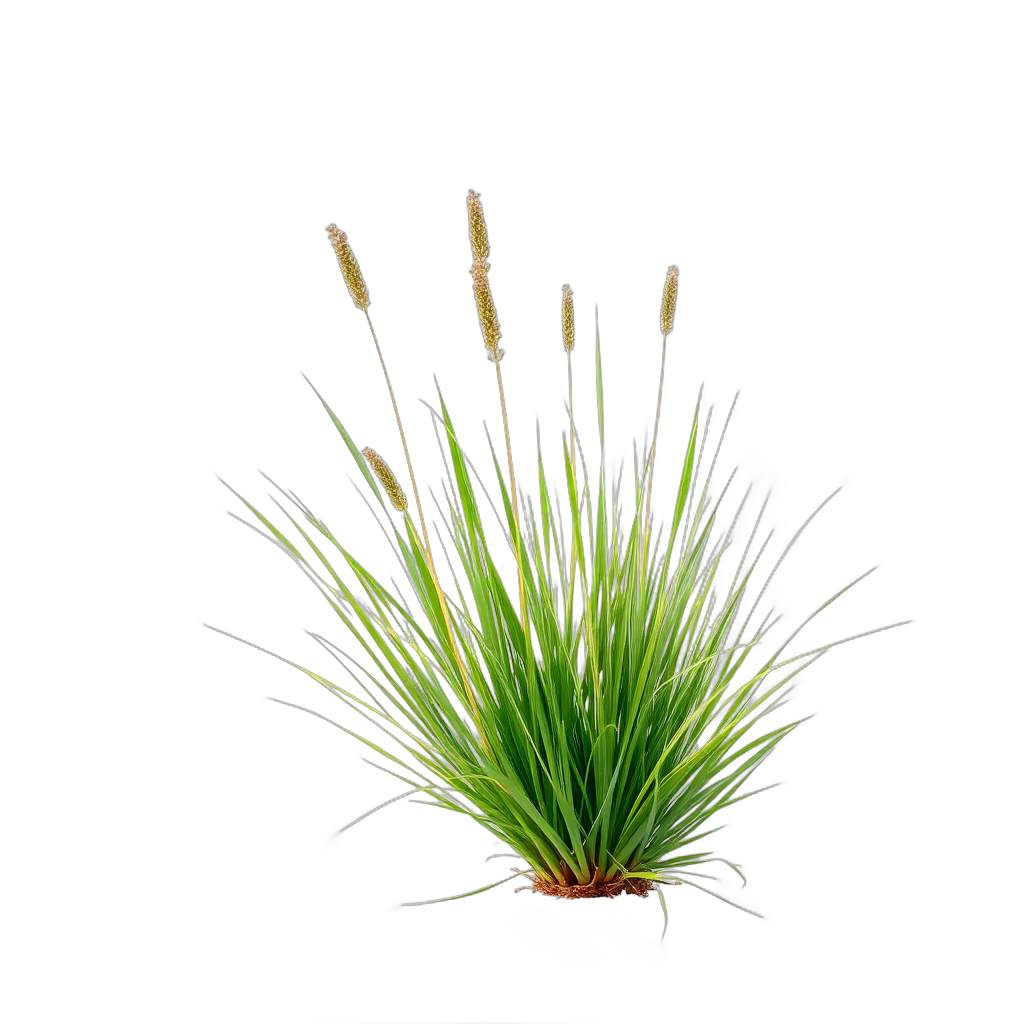
Deer Grass
Muhlenbergia rigens
grows to 3 feet, yellow blooms in fall. Evergreen year-round.
Featured Flowers & Perennials for Modern/Minimalist Gardens
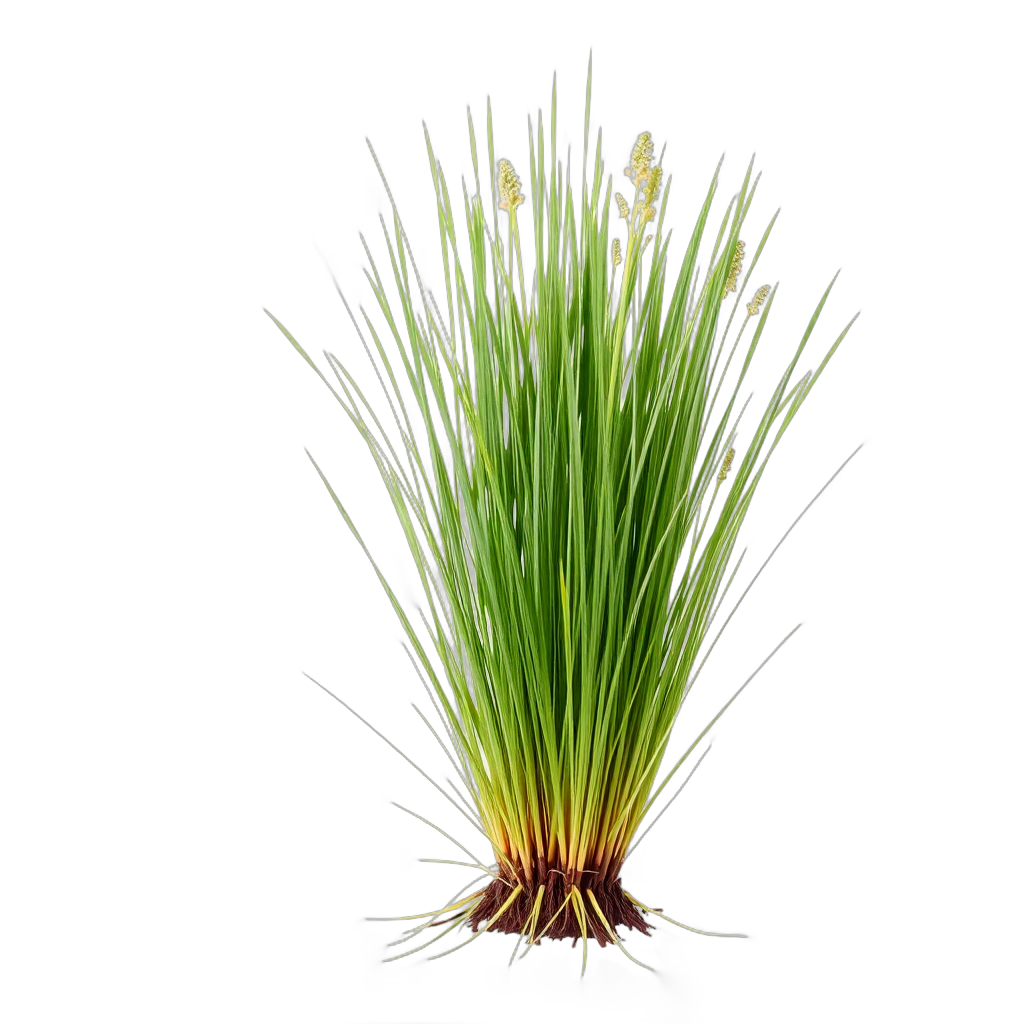
California Gray Rush
Juncus patens
low-growing ground cover, blooms in summer. Evergreen year-round.
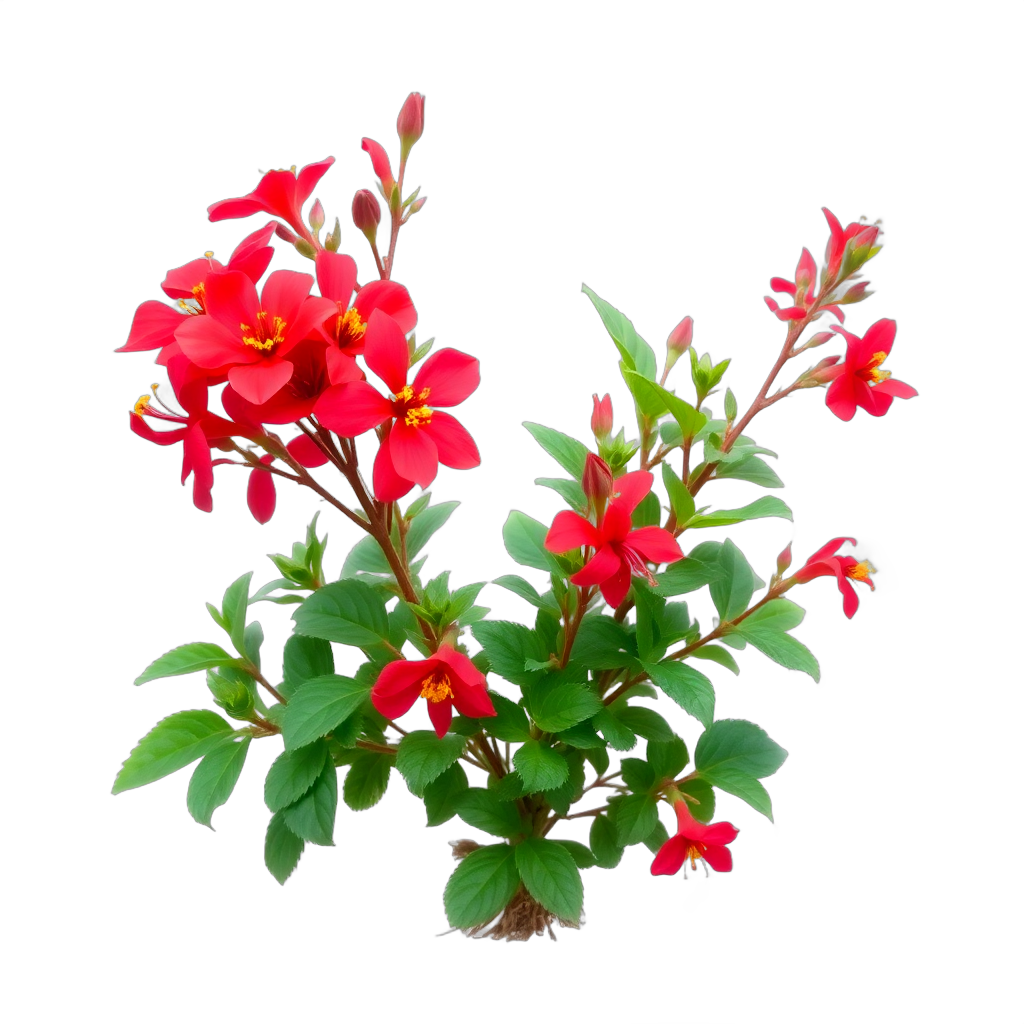
California Fuchsia
Zauschneria californica
low-growing ground cover, red blooms in fall. Attracts hummingbirds.
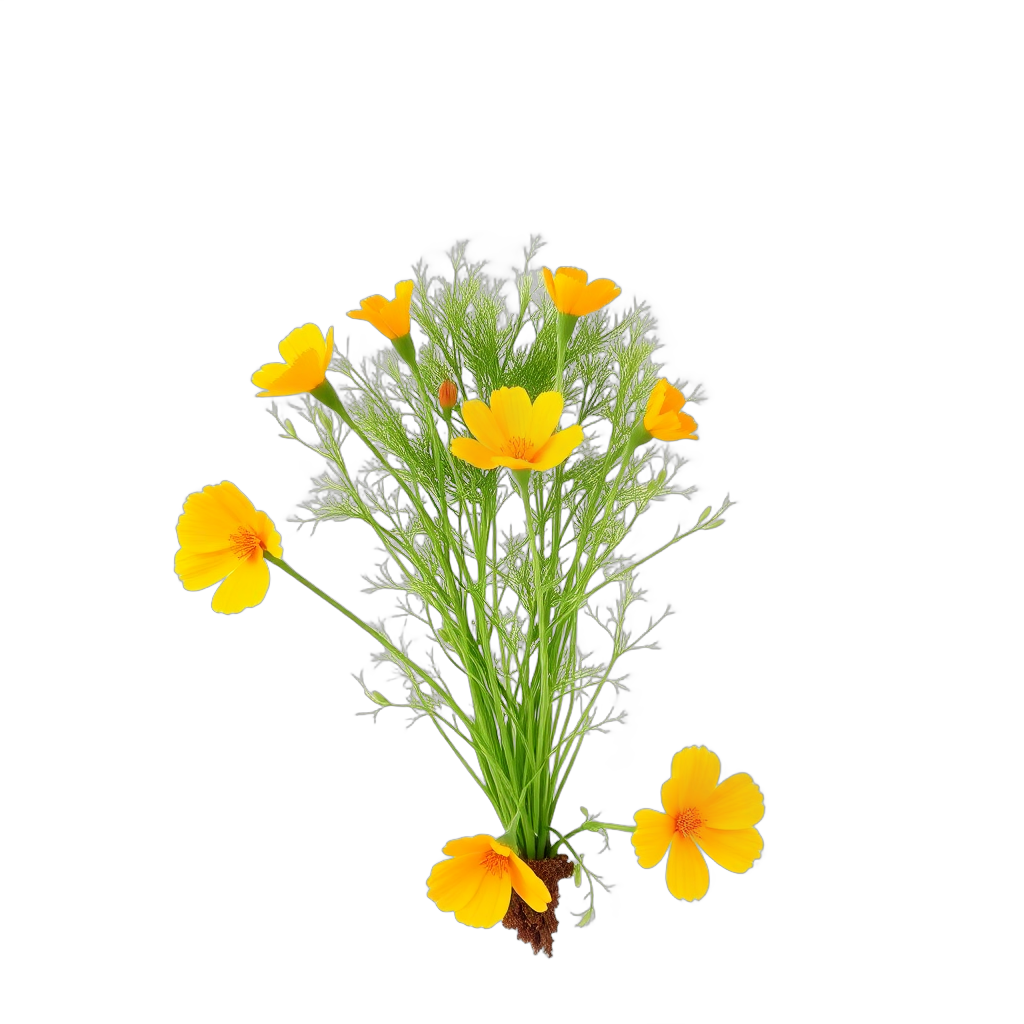
California Poppy
Eschscholzia californica
low-growing ground cover, orange blooms in spring.
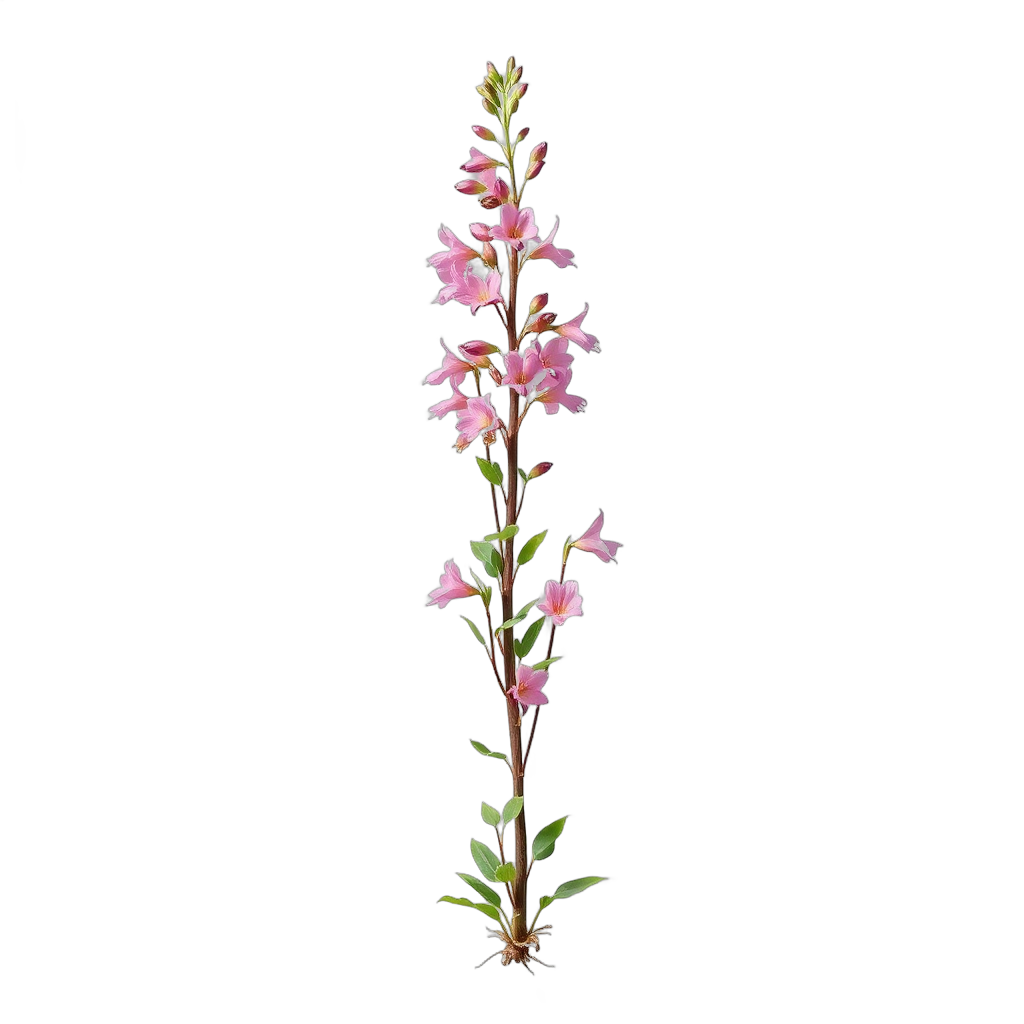
Foothill Penstemon
Penstemon heterophyllus
low-growing ground cover, blue blooms in spring. Attracts hummingbirds.
Zone and sun checks come from our database — confirm with your local nursery before you buy.
Bloom Calendar for Livermore
spring
California Poppy, Foothill Penstemon, Foothill Sedgesummer
California Gray Rush, Black Sage, California Buckwheatfall
California Fuchsia, Deer Grasswinter
Limited bloomsDesign Tips for Livermore (Zone 9b)
- Test drainage before planting succulents: Livermore soil runs from gravelly loam to heavy clay, and agaves rot if January storm water sits at the crown, so mound the beds 10–12 inches where it does
- Swap Miscanthus sinensis 'Morning Light' and Calamagrostis × acutiflora 'Karl Foerster' for Muhlenbergia capillaris 'Regal Mist' and Muhlenbergia rigens, which hold their shape through a July average high of 89.0°F on far less water
- Choose fruitless Olea europaea 'Wilsonii' for the specimen tree, so olives do not stain the pavers
- Put the whole yard on drip with pressure-compensating emitters: NOAA normals show only about a quarter of an inch of rain from June to September, so every plant relies on the system
- Use pea gravel or decomposed granite at least 3 inches deep over weed fabric, and keep the mulch a hand's width off each agave crown
- Skip artificial turf if you plan to claim the Zone 7 lawn conversion rebate: it requires plants, needs approval before work starts, and covers Livermore Municipal Water customers only
- Light the garden with a few low-voltage uplights on the olive and the agaves, since summer evenings in the valley are when people use the yard most
Where to Source Plants in Livermore
Skip the big-box stores. These independent Livermore nurseries specialize in the plants that make modern/minimalist gardens thrive in Zone 9b.
Alden Lane Nursery
Livermore (downtown area)
Independent garden center among centuries-old oaks, with a wide range of outdoor and indoor plants, decorative garden items, supplies and classes
SummerWinds Nursery
Dublin (San Ramon Road)
Regional garden center with succulents, native California plants, shrubs, perennials and a large pottery selection
Modern/Minimalist Landscaping Cost Ranges
| Project Scope | Estimated Cost |
|---|---|
| Concrete patio, broom finish (200 sqft) | $2,100–$2,500 |
| Low-voltage landscape lighting (6 fixtures) | $1,200–$2,000 |
| Composite decking boards, surface only on existing framing (200 sqft) | $4,700–$5,800 |
| Drip irrigation system (500 sqft of planted area) | $1,200–$2,200 |
| AI visualization (ProScapeAI) | Free to start |
National average installed ranges for 2026 from our landscaping price list (Homewyse and other published sources). Prices in Livermore, CA vary with site, materials and contractor, so get two or three local quotes.
Livermore Climate & Growing Zone
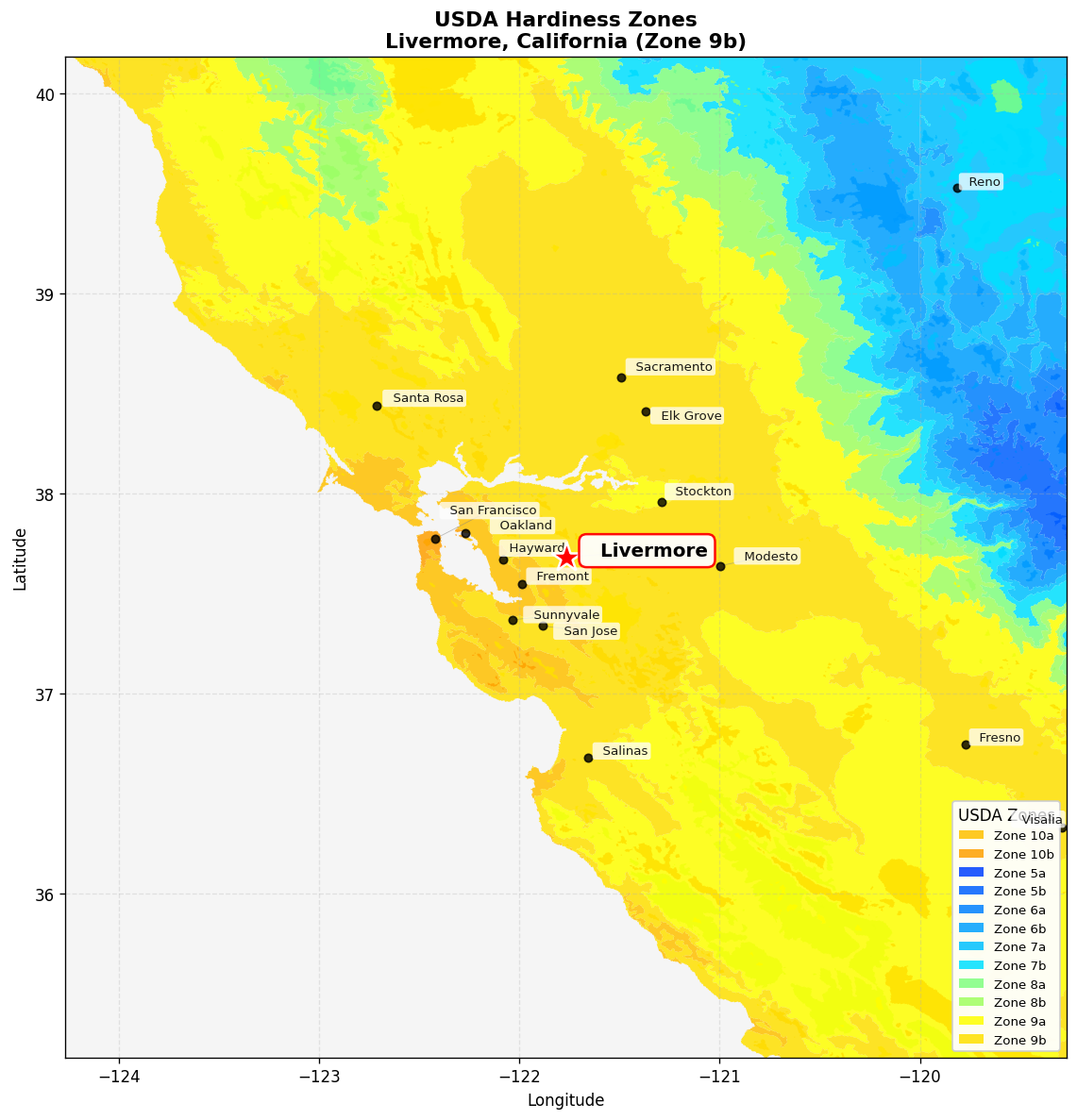
USDA Zone 9b
Hardiness zone for Livermore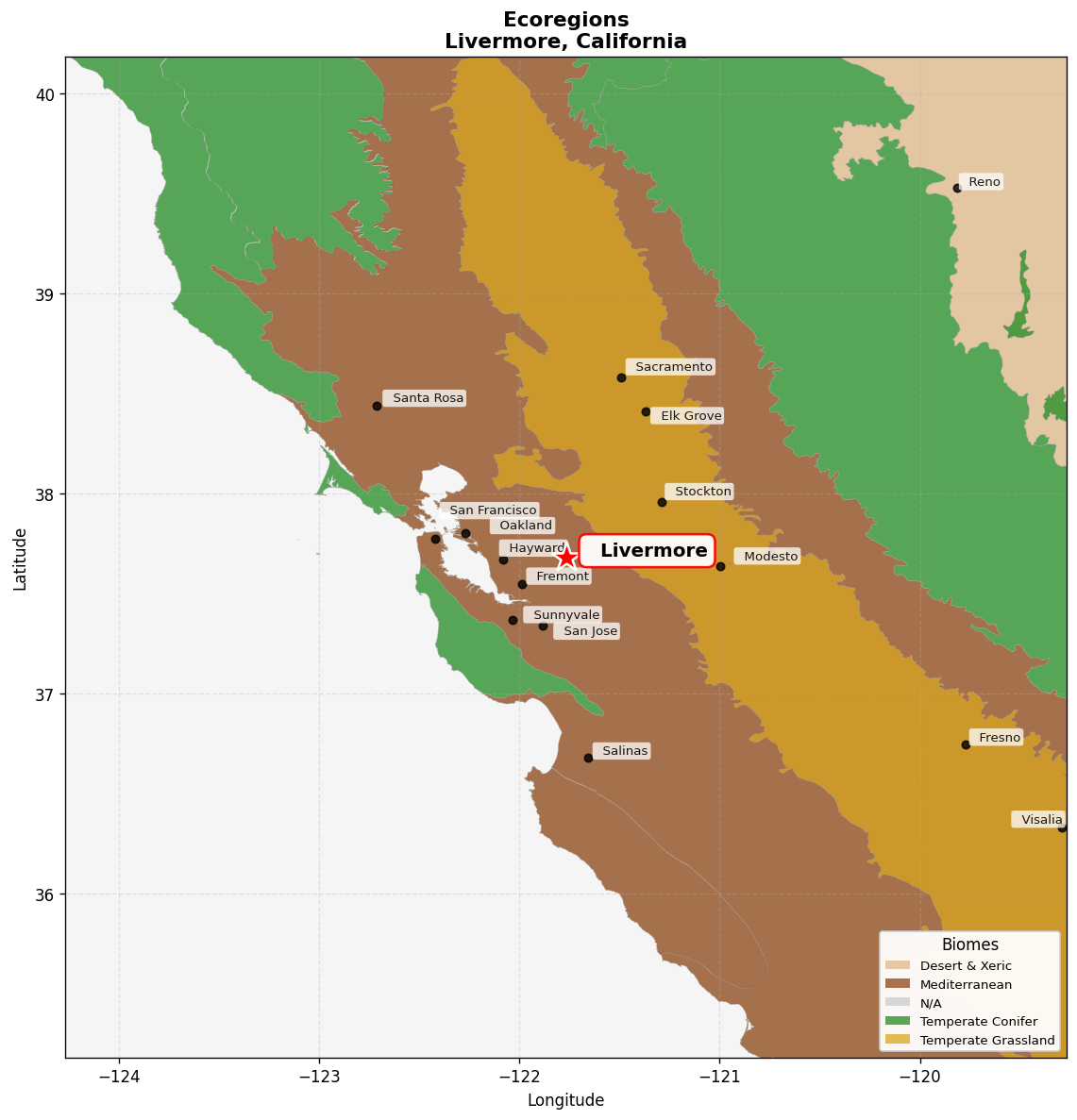
California interior chaparral and woodlands
Native ecoregionFrequently Asked Questions
How much does a modern landscape cost in Livermore, CA?
Bay Area labor runs above the national average. Costs vary with site, access, materials and local labor rates, so get two or three local quotes before you budget.
Is a modern landscape low maintenance in Livermore?
Yes, among the lowest of the four styles. NOAA normals show about a quarter of an inch of rain from June through September, so the plants here are chosen to live on drip. Cut Muhlenbergia rigens back in late winter, check the drip lines each spring, and pull weeds from the gravel in March. Pruning an olive tree once a year is the only regular task with tools. The Agave 'Blue Glow' plants need no routine care except removing a dead leaf now and then.
When should I plant a modern landscape in Livermore?
Plant from October through March. The NOAA 1991–2020 normals give about 0.77 inches of rain in October, 1.54 in November and roughly 2.7 inches a month in December through February, so roots settle with the winter storms. Agaves and aloes can go in through spring too, as long as you water them in. Avoid July and August, when the average high is 89.0°F and heat waves run well past it. Only about 13 nights a year reach 32°F or below, so winter planting rarely hits frost.
Do I need a permit or HOA approval for a modern yard in Livermore?
Check before you build. Hardscape such as retaining walls, fire features with a gas line and larger fences may need a permit, so confirm the rules with the City of Livermore. HOA neighborhoods often review front-yard changes in writing. For water, find out whether Livermore Municipal Water or Cal Water bills you: the Zone 7 lawn conversion rebate applies to Livermore Municipal Water customers only, needs approval before work starts, requires plants, and does not accept artificial turf.
Which plants survive Livermore's summers in a modern yard?
Muhlenbergia rigens, Festuca glauca 'Elijah Blue', Agave 'Blue Glow', Yucca rostrata and Olea europaea 'Wilsonii' all handle a July average high of 89.0°F and the heat waves above it. Salvia 'Bee's Bliss' and Westringia fruticosa 'Wynyabbie Gem' give a lower layer that blooms through the dry months. Winters are easy: the January average low is 39.0°F, and only about 13 nights a year reach 32°F or below, so frost rarely marks them.
Should I use artificial turf in a modern Livermore yard?
It does not qualify for the Zone 7 lawn conversion rebate, which requires plants and does not accept artificial turf. It also holds heat: a synthetic lawn in an 89.0°F July gets uncomfortably hot, especially in the afternoon sun. A better modern surface is gravel or concrete pavers with grasses beside them, and a small rectangle of real lawn if you want green. If the lawn is for a dog, Carex divulsa in a bed beside gravel handles light traffic better than most people expect.