4 Cottage Garden Ideas for Memphis, TN | English Garden Design in Zone 7b
Native plants from the Southeast US conifer savannas (Zone 7b) — Humid subtropical climate
Why Cottage/English Gardens in Memphis?
Memphis sits at the meeting point of the Mid-South and the Deep South, and its climate reflects that hybrid character. Zone 7b delivers winter lows of 5–10°F on the coldest nights, cold enough to give peonies and roses the chilling hours they need for robust bloom, while summer means July averages of 90°F with humidity that rarely lets up. The city receives 54 inches of annual rainfall, generously distributed through the year, and the growing season runs from late February through November — nine months of active gardening interrupted only by summer’s most intense heat waves.
Memphis’s historic neighborhoods are where cottage gardening has deepest roots. Midtown, Cooper-Young, and Central Gardens are lined with Victorian, craftsman, and colonial revival homes built between 1890 and 1940 on tree-lined streets where mature oaks, magnolias, and crape myrtles have been growing for 80 to 100 years. Central Gardens in particular — a historic district listed on the National Register — is Memphis’s most celebrated garden neighborhood, where residents maintain historically-informed cottage borders that bloom from February’s camellias through November’s Confederate roses. Memphis cottage style is distinctly Southern: crape myrtles as the summer anchor, daylilies in generous drifts, and magnolias providing the evergreen architectural backdrop.
Memphis’s Mississippi Delta alluvial soil is one of its greatest horticultural advantages. Unlike Atlanta’s red clay, Memphis sits on deep, rich alluvial deposits from centuries of Mississippi River flooding — dark, fertile, loamy soil that drains reasonably while retaining moisture. This soil grows cottage plants with remarkable vigor. Daylilies in Memphis grow twice as large as they do in thin Piedmont clay. Roses establish quickly and bloom prolifically. The main management need is consistent organic matter addition to maintain the soil’s tilth over time, not the radical amendment that clay soils require.
4 Cottage/English Design Ideas for Memphis
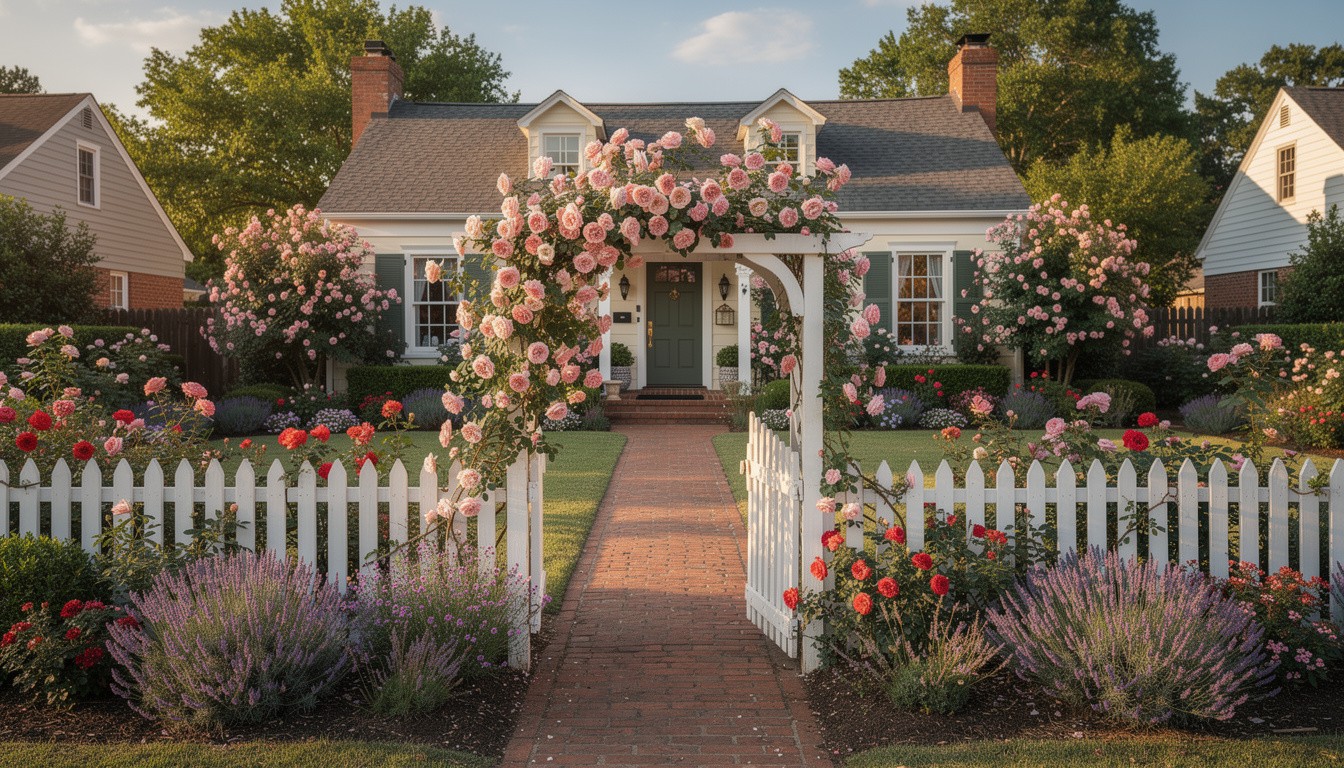
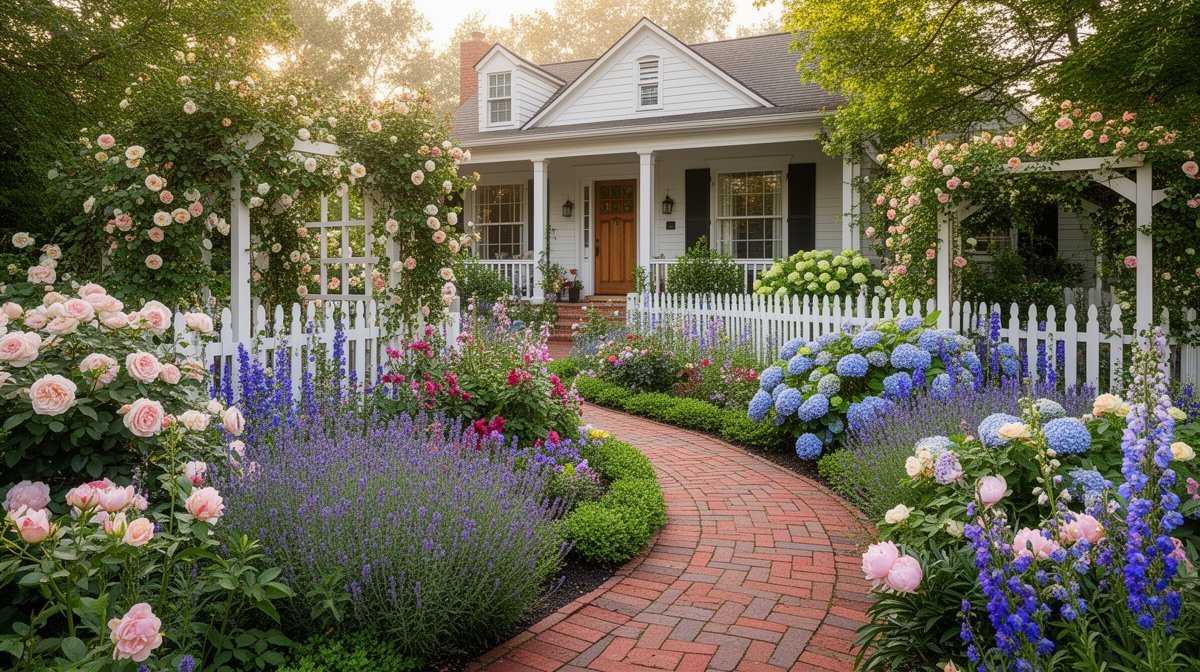
White Picket Cottage with Climbing Rose Arch
$9–18/sqftA white picket fence with a rose-covered arch gate frames a brick path leading to a craftsman front porch, with billowing mixed borders of roses, hydrangeas, and cottage perennials on both sides. Memphis’s deep alluvial soil grows roses and perennials with exceptional vigor — borders that take three seasons in clay soils fill in after one or two seasons here. The combination of white picket, brick path, and generous rose arch is quintessential Memphis cottage in Midtown and Central Gardens, where this kind of front garden tradition has roots going back 80 years.
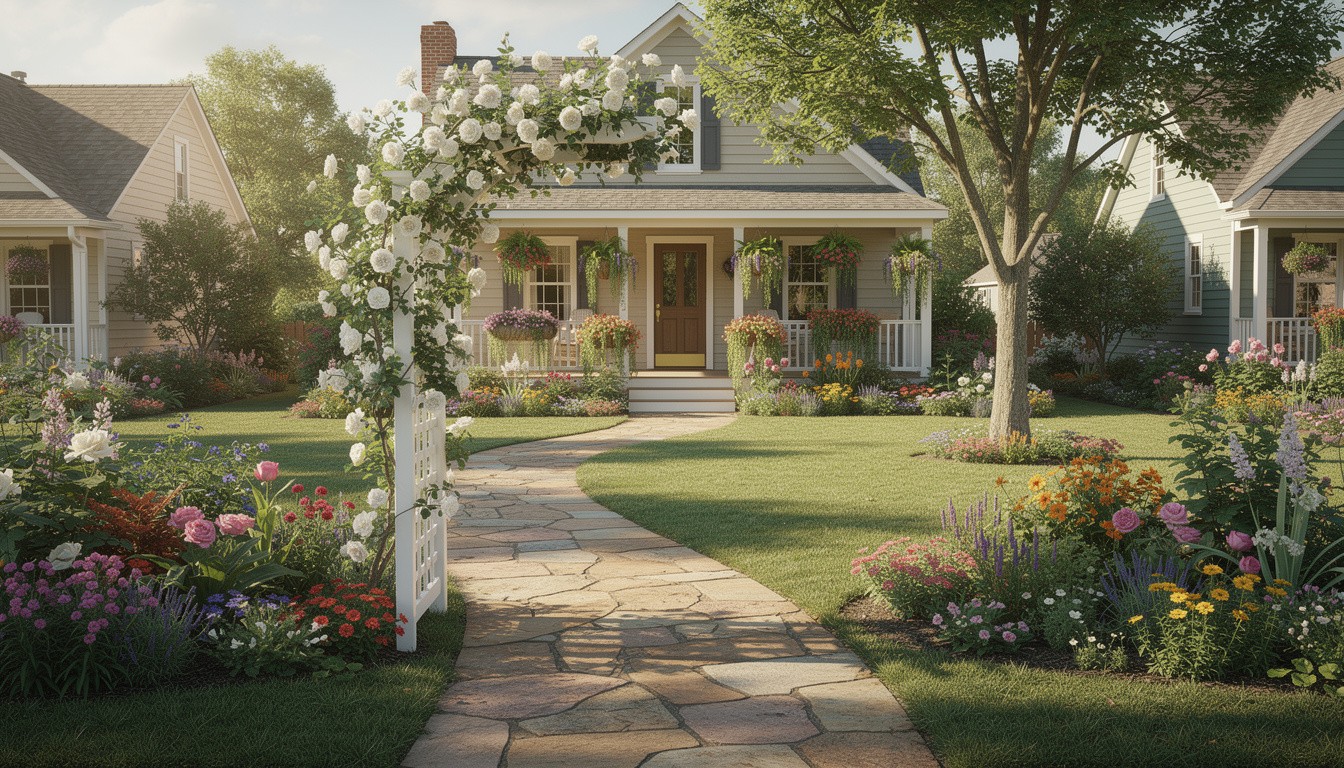
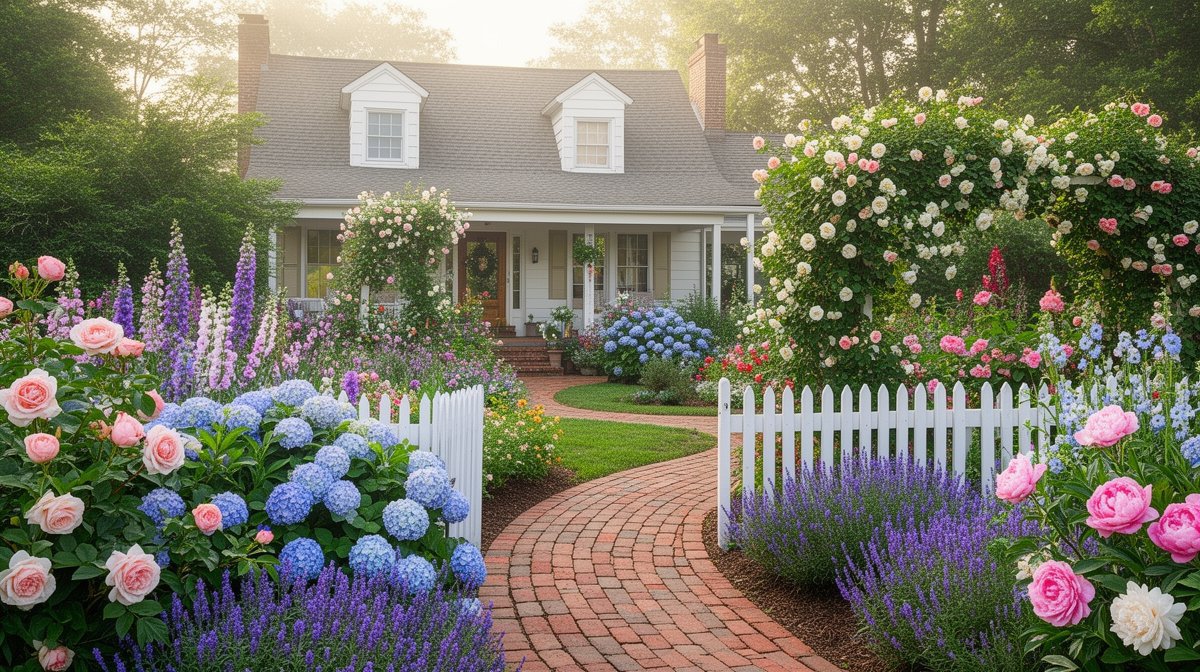
Flagstone Path Cottage with Rose Arbor Entry
$10–20/sqftA wide flagstone path curves through lush mixed cottage borders of roses, foxgloves, and colorful perennials under a mature shade tree, leading to a front porch framed by a climbing rose arbor. The layered planting takes full advantage of Memphis’s fertile alluvial soil — taller shrub roses in back, mid-height foxgloves and coneflowers in the middle, and low ground-cover cottage plants at the flagstone edge. Memphis’s nine-month growing season allows this kind of abundant, multi-layered planting to deliver continuous color from spring through late fall.
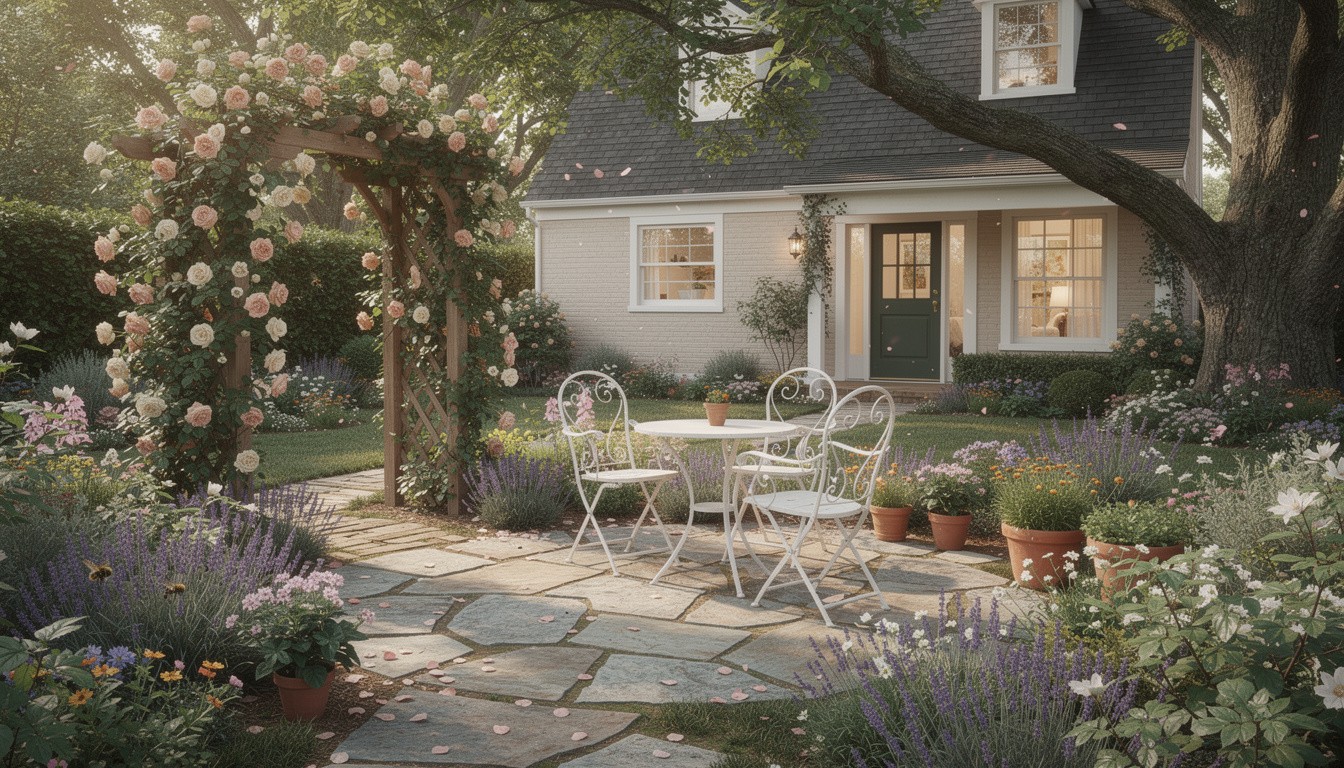
Stone Patio with Rose Arch and Bistro Garden
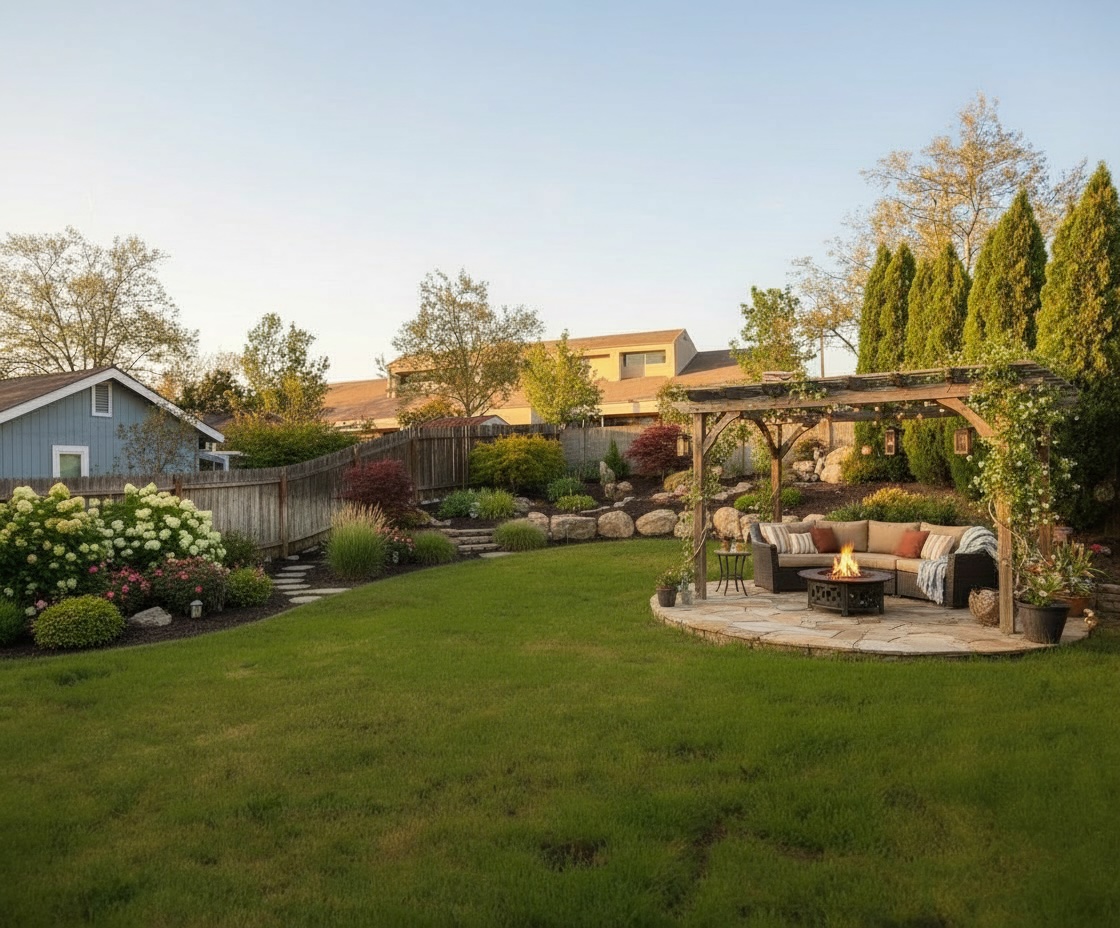
$15–30/sqftA circular flagstone patio sits at the center of a backyard cottage garden, entered through a wide rose-covered arch and surrounded by cottage borders of roses, lavender, and foxgloves. A small bistro table and chairs invite sitting in the garden room. Terracotta pots at the patio edges add color and flexibility. Memphis’s extended outdoor season makes this garden room usable nine months of the year, and the rose arch creates the sense of enclosure and discovery that defines the cottage garden ideal. The alluvial soil means the surrounding borders grow thick and lush with minimal inputs.
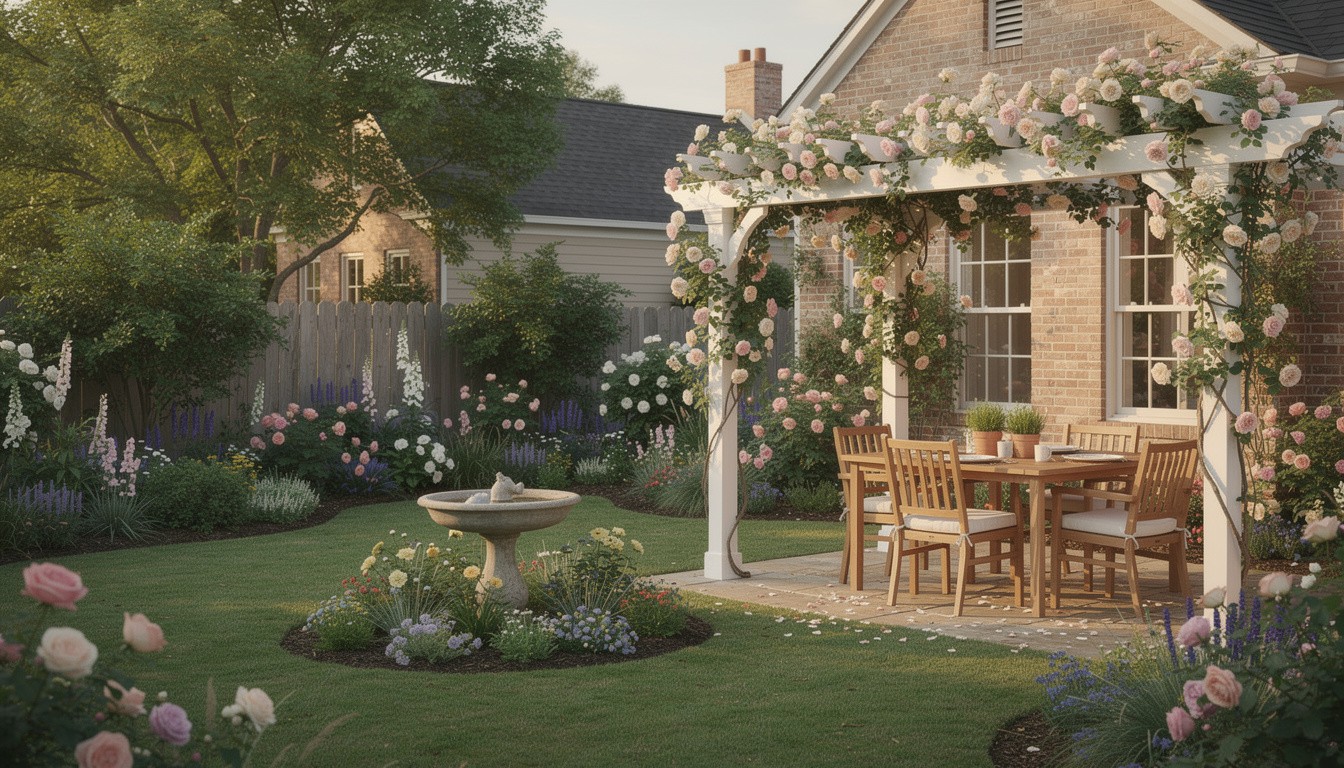
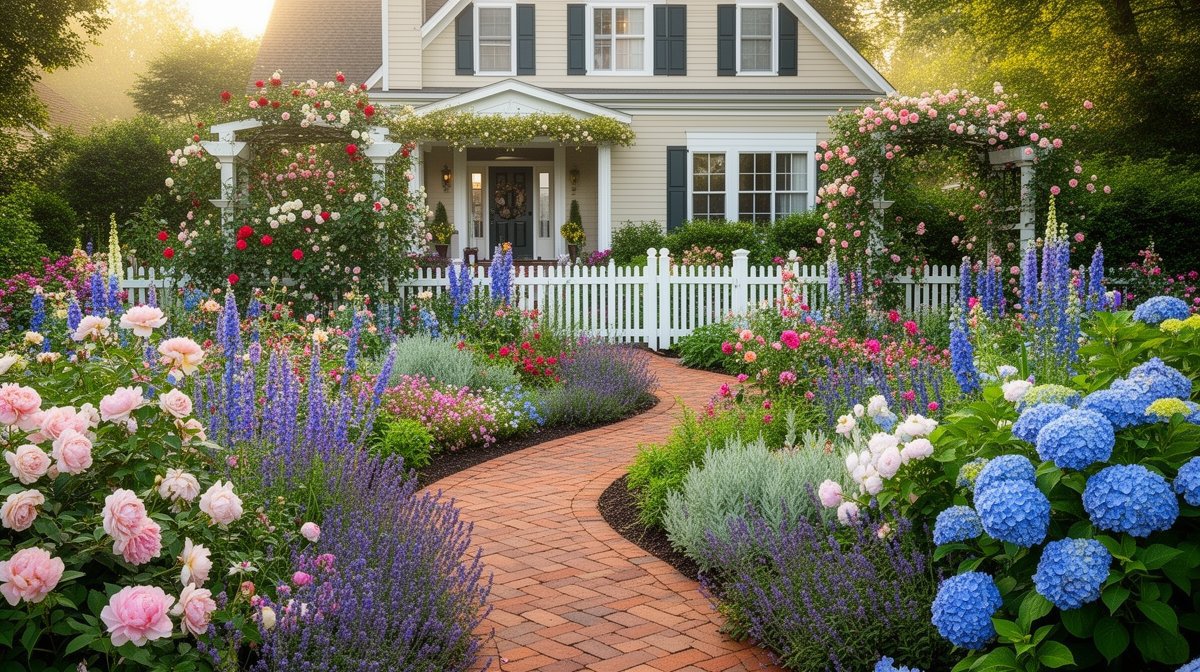
Pergola Dining Garden with Roses and Birdbath
$18–38/sqftA white open pergola draped in climbing roses creates a covered outdoor dining area at the edge of a generous backyard cottage garden. Mixed cottage borders surround a central lawn panel, with a birdbath as the focal point at the lawn’s center. Memphis’s alluvial soil produces the kind of lush, full cottage borders that make this setting feel genuinely romantic — roses and perennials grow generously, creating the layered abundance that the pergola dining room requires as its visual backdrop. The screened porch and cedar pergola combination is a quintessential Memphis outdoor living pairing.
See how a cottage/english garden looks on YOUR property
Upload a photo of your Memphis yard and visualize your dream garden in seconds.
Try ProScapeAI Free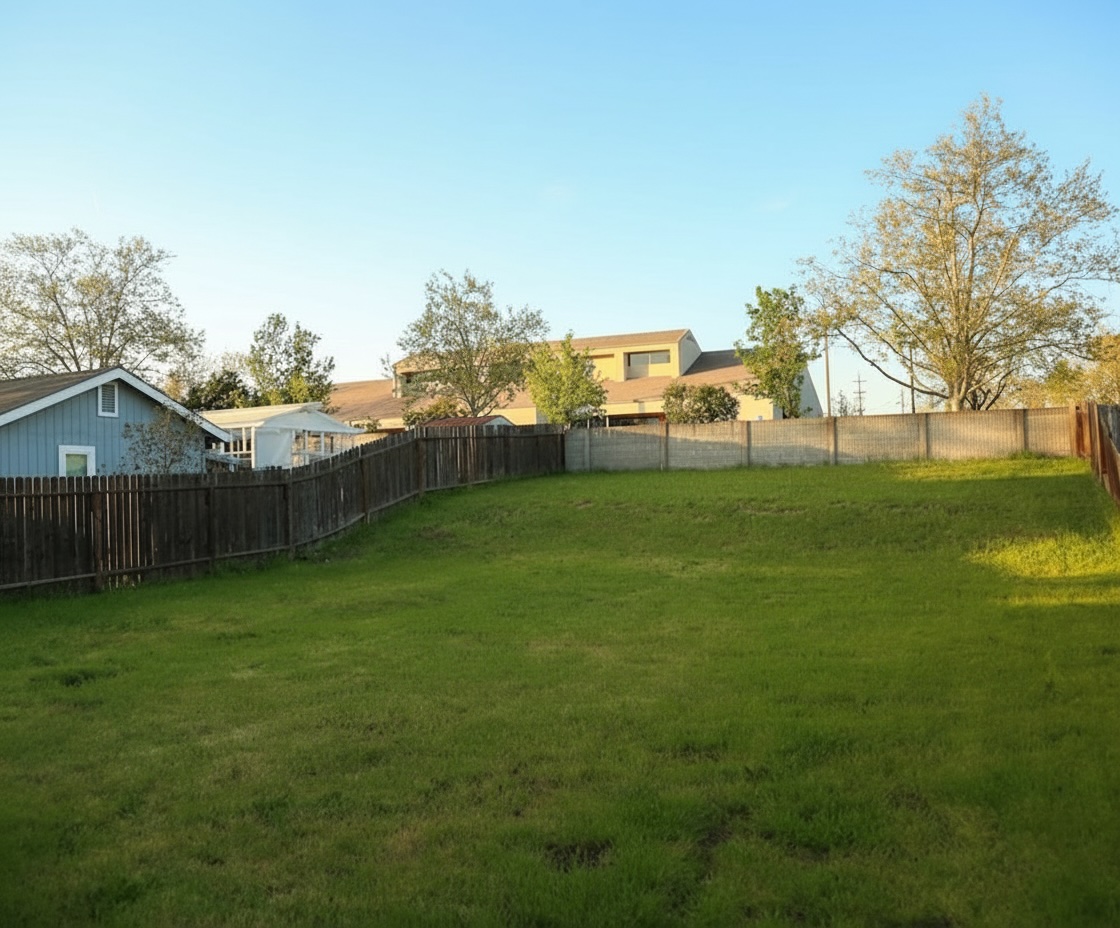
Featured Trees & Shrubs for Cottage/English Gardens
Browse all 45 plants for Memphis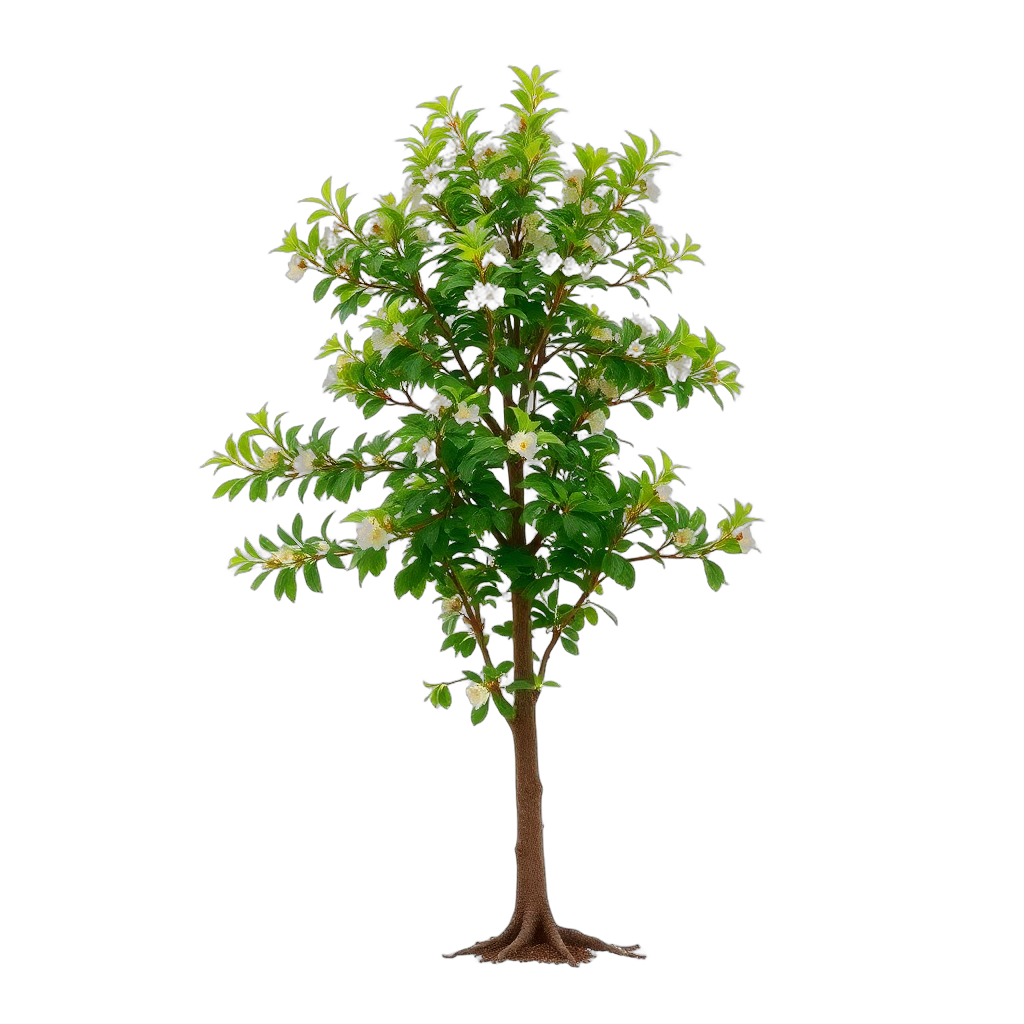
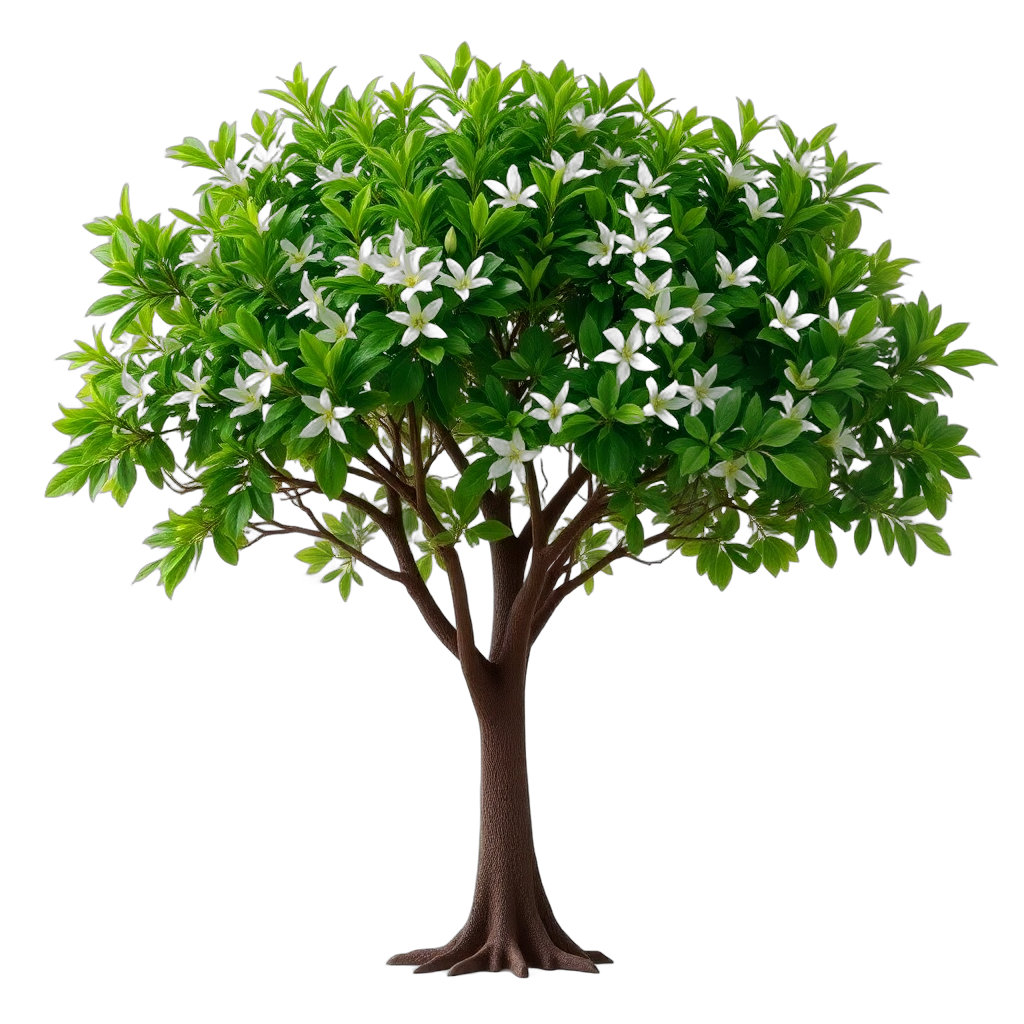
Buckwheat Tree
Cliftonia monophylla
medium-sized at 15 feet, white blooms in spring. Attracts butterflies.
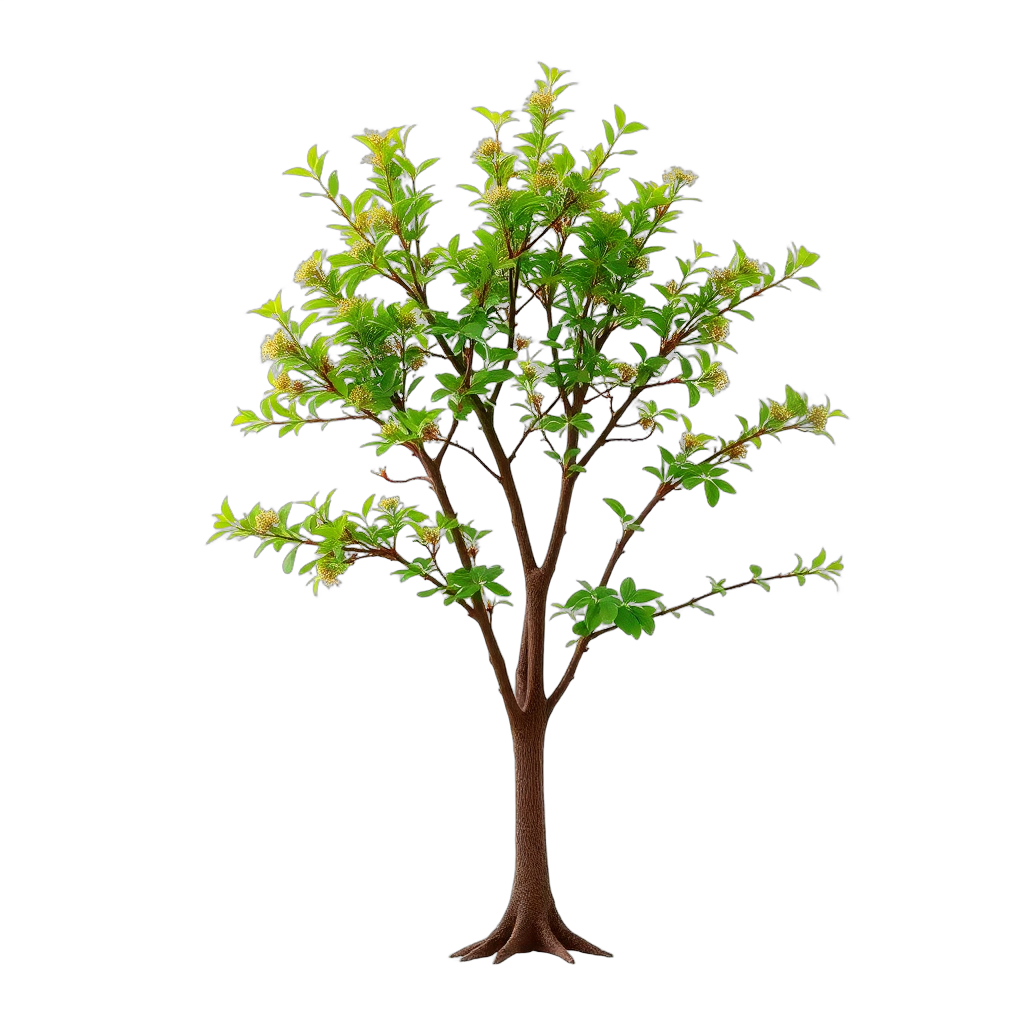
Fetterbush
Lyonia lucida
grows to 6 feet, white blooms in spring. Evergreen year-round.
Florida Anise
Illicium floridanum
medium-sized at 8 feet, red blooms in spring. Evergreen year-round.

Inkberry
Ilex glabra
medium-sized at 8 feet, white blooms in spring. Pollinator-friendly.
Featured Grasses & Groundcovers for Cottage/English Gardens

Pink Muhly Grass
Muhlenbergia capillaris
grows to 3 feet, pink blooms in fall.
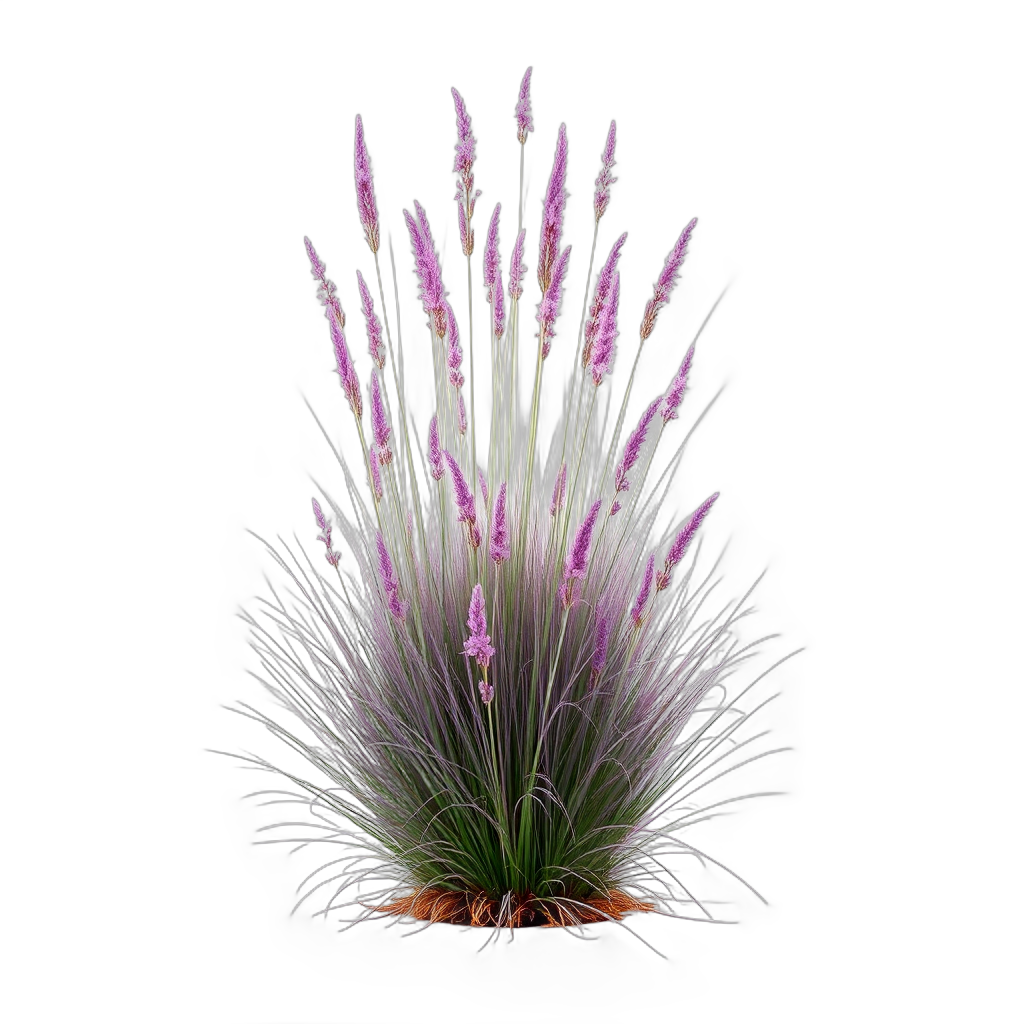
Purple Love Grass
Eragrostis spectabilis
low-growing ground cover, purple blooms in fall. Orange fall color.

Bermuda Grass
Cynodon dactylon
low-growing ground cover, blooms in summer. Brown fall color.

St. Augustine Grass
Stenotaphrum secundatum
low-growing ground cover, blooms in summer. Brown fall color.
Featured Flowers & Perennials for Cottage/English Gardens
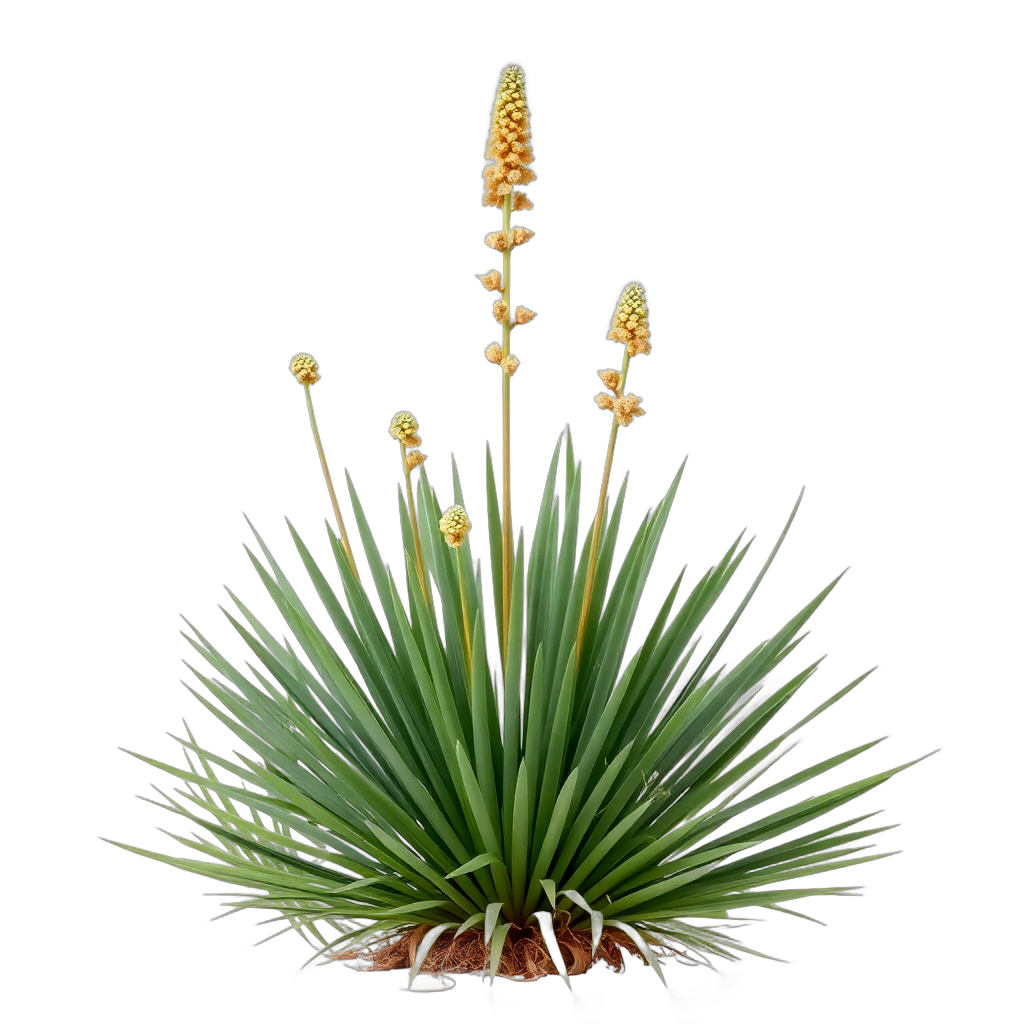
Adam's Needle
Yucca filamentosa
low-growing ground cover, white blooms in summer. Attracts hummingbirds.

Water Fern
Azolla filiculoides
low-growing ground cover, blooms in none. Red fall color.

Ghost Plant
Graptopetalum paraguayense
low-growing ground cover, yellow,white blooms in spring. Attracts hummingbirds.

Armand's Clematis
Clematis armandii
medium-sized at 15 feet, white,pink blooms in winter. Attracts butterflies.
Bloom Calendar for Memphis
spring
Buckwheat Tree, Fetterbush, Florida Anisesummer
Adam's Needle, Swamp Cyrilla, Loblolly Bayfall
Pink Muhly Grass, Purple Love Grasswinter
Limited bloomsDesign Tips for Memphis (Zone 7b)
- Leverage Memphis’s exceptional alluvial soil — plant daylilies in generous drifts and expect them to grow twice as large as they would in clay soils; divide them every 3–4 years and share with neighbors, as Midtown cottage gardeners traditionally do
- Use crape myrtles as the primary summer cottage anchor — they bridge the gap between spring and fall rose peaks with months of bloom and are the defining landscape plant of Central Gardens and Midtown’s cottage character
- Plant camellias on the south or east side of structures for winter wind protection in Memphis’s Zone 7b margin — in sheltered Midtown microclimates, japonica camellias bloom reliably January through April
- Grow Confederate jasmine on every porch railing and arbor — it’s the fragrance anchor of Memphis cottage gardens, performing strongly in Zone 7b and providing the evening scent experience that defines Southern outdoor living
- Top-dress cottage beds annually with 2–3 inches of compost to maintain the alluvial soil’s natural tilth — it’s not as demanding as clay amendment, but organic matter does deplete in Memphis’s active growing season
- Plant spring bulbs (tulips, daffodils, muscari) in October for early cottage color — Memphis’s Zone 7b winters provide adequate chilling for reliable tulip and daffodil bloom, bridging the gap between camellia season and azalea peak
Where to Source Plants in Memphis
Skip the big-box stores. These independent Memphis nurseries specialize in the plants that make cottage/english gardens thrive in Zone 7b.
Whitehaven Garden Center
Whitehaven
Full-service independent garden center — strong cottage plant inventory including crape myrtles, roses, daylilies, and perennial borders
Lichterman Nature Center Plant Sales
Audubon Park
Annual native plant sales featuring Tennessee-native azaleas, wildflowers, and woodland plants for cottage shade gardens
Southland Nurseries
Memphis (multiple locations)
Large regional nursery serving Memphis metro — broad cottage plant selection, landscape design services
Morning Glory Garden Center
East Memphis
Independent garden center with strong daylily, rose, and perennial cottage plant inventory
Tennessee Nursery
McMinnville, TN (wholesale source used by Memphis landscapers)
One of Tennessee’s largest wholesale growers — source of cottage perennials, shrubs, and trees for Memphis landscape contractors
Cottage/English Landscaping Costs in Memphis
| Project Scope | Estimated Cost |
|---|---|
| White picket fence with rose arch gate and brick path | $5,000 – $11,000 |
| Full cottage front yard with flagstone path, rose arbor, and perennial borders | $7,000 – $16,000 |
| Backyard stone patio with rose arch and cottage border planting | $12,000 – $30,000 |
| Pergola dining garden with rose borders and birdbath | $15,000 – $36,000 |
| Drip irrigation system for established cottage beds | $1,200 – $3,000 |
| AI visualization with ProScapeAI | Free to start |
Estimates based on Memphis, TN-area contractor rates as of 2026. Actual costs vary by site conditions, materials, and contractor.
Memphis Climate & Growing Zone
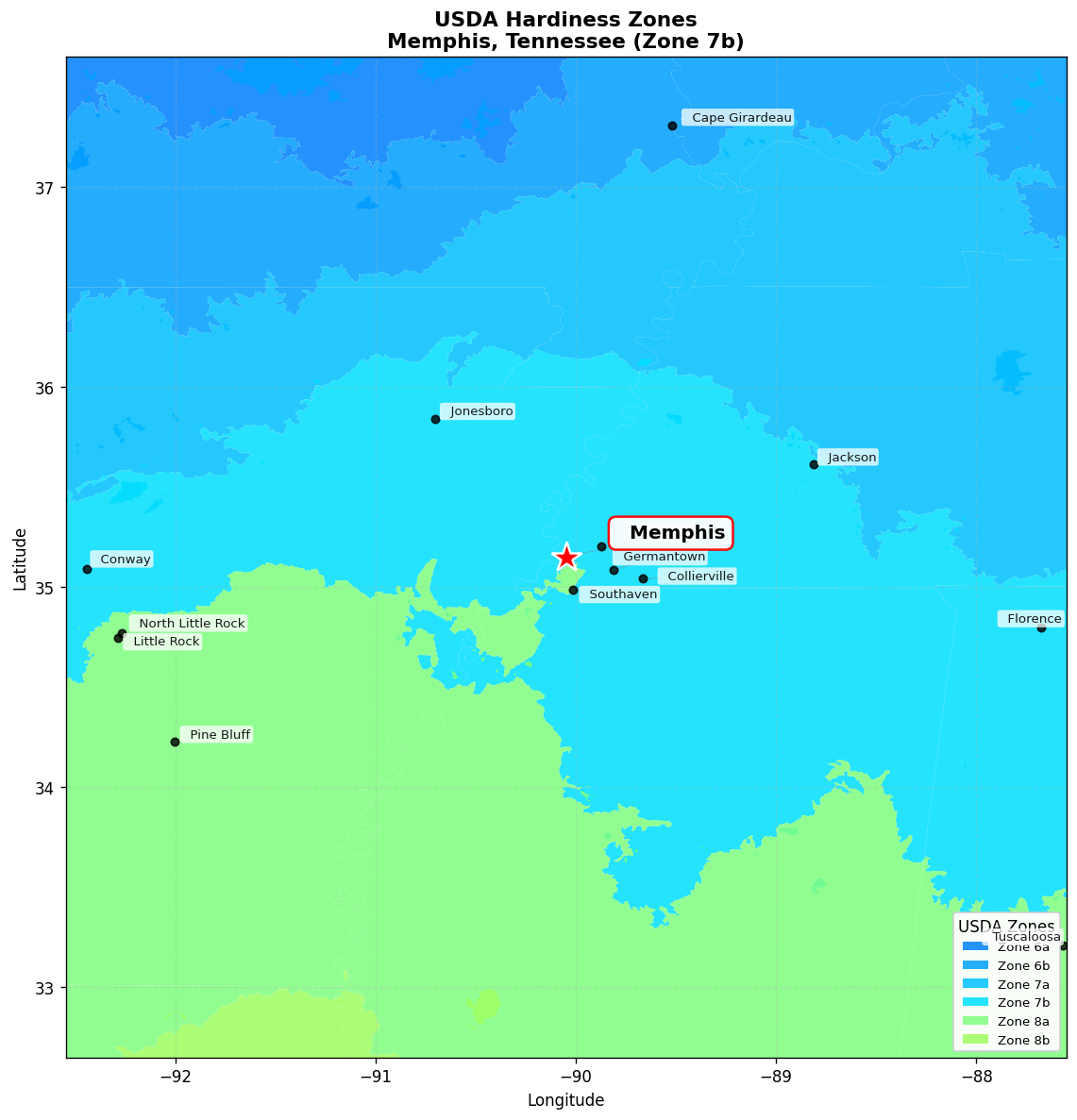
USDA Zone 7b
Hardiness zone for Memphis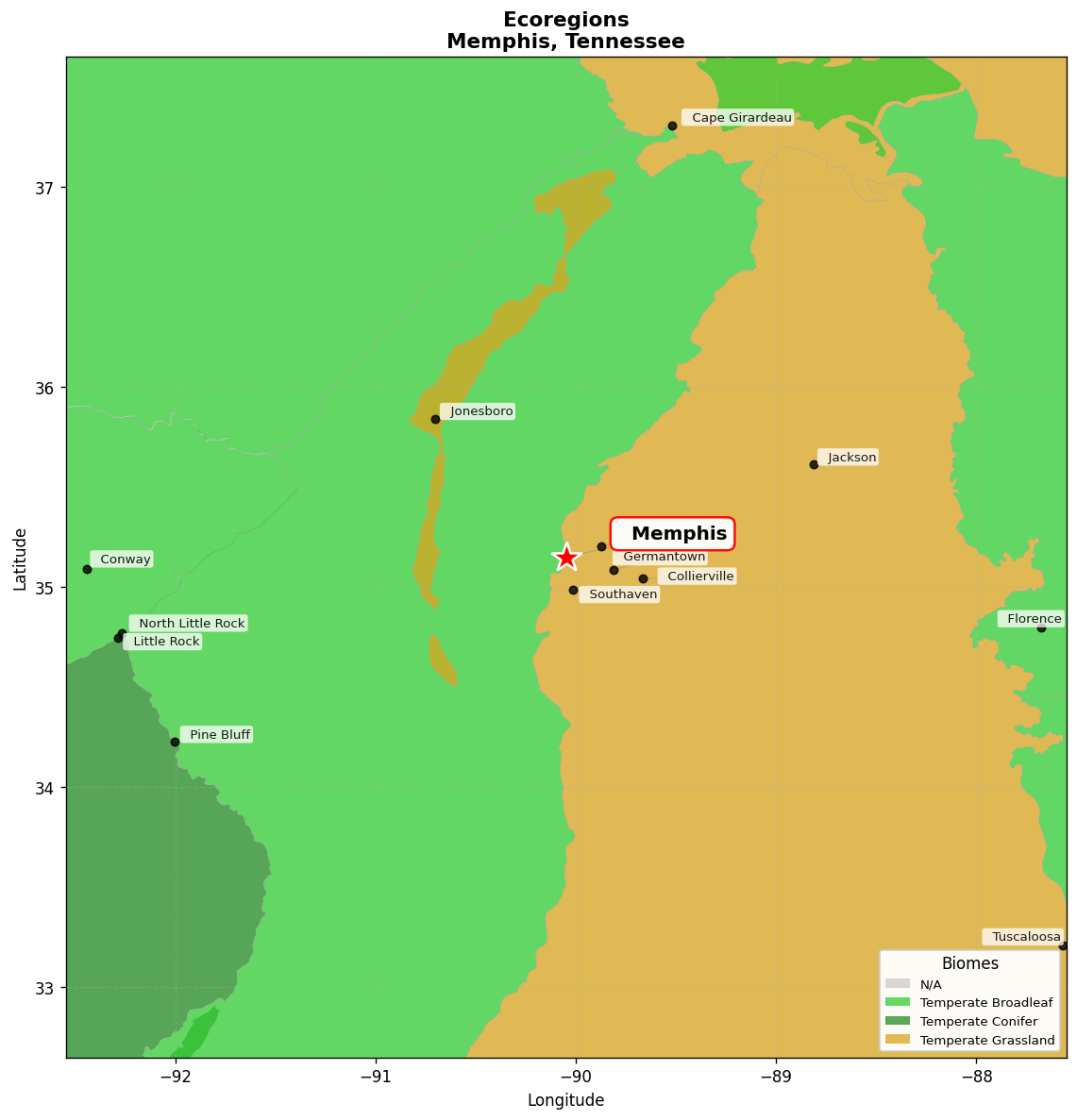
Southeast US conifer savannas
Native ecoregionFrequently Asked Questions
Why do daylilies grow so well in Memphis compared to other cities?
Memphis’s deep Mississippi Delta alluvial soil is exceptional daylily territory. The dark, loamy soil retains moisture while draining adequately, provides natural fertility from centuries of river deposits, and warms quickly in spring to encourage early growth. Memphis daylilies regularly grow to 36–48 inches in height with bloom scapes carrying 15–20 buds, compared to the same varieties struggling to 24 inches in thin clay soils. The Memphis Daylily Society is one of the most active in the region — members maintain impressive collections and hold annual plant sales in June.
What roses perform best in Memphis’s Zone 7b humid climate?
Disease-resistant shrub roses are essential in Memphis’s humidity. Top performers: Knock Out and Double Knock Out — bloom from April through November, resist black spot in humidity, require minimal maintenance; 'Carefree Beauty' — single pink blooms, extremely disease-resistant; David Austin English roses ('Olivia Rose', 'The Lark Ascending') — perform well in Zone 7b with good air circulation. For climbing cottage roses: 'New Dawn' and 'Blaze' are proven Memphis performers. Traditional hybrid teas need a regular spray program in Memphis humidity — choose them for the fragrance if willing to maintain, otherwise lean on shrub roses.
When is the best time to plant a cottage garden in Memphis?
Fall (October through November) is ideal for roses, shrubs, and perennials — Memphis’s mild winters allow root establishment before summer heat arrives. Spring (February through April) works well for daylilies, perennials, and annuals. For camellias, October planting is strongly preferred — the warm fall soil promotes root establishment before winter. Avoid summer planting — Memphis’s July–August heat and humidity stress transplants severely. The alluvial soil’s moisture retention makes fall-planted Memphis cottage gardens establish faster than those in drier or clay-heavy cities.
How does Memphis’s alluvial soil compare to other Southern cities for cottage gardening?
Memphis has a significant soil advantage over Atlanta, Charlotte, and Raleigh, which all sit on red Piedmont clay. Memphis’s deep alluvial loam is naturally fertile, well-structured, and far more forgiving than clay — plants establish quickly, roots penetrate easily, and cottage perennials grow to impressive size without the aggressive amendment that clay soils require. The main maintenance need is annual organic matter addition to keep the soil’s tilth, but this is modest compared to clay amendment programs. The soil’s fertility does mean weeding is more active than in leaner soils.
Can I grow camellias in Memphis’s Zone 7b?
Yes, with site selection. Memphis’s Zone 7b is at the northern edge of reliable camellia territory — japonicas can be damaged in severe winters (below 10°F), which occur occasionally. Best practices: plant on the south or east side of a structure for wind protection; choose cold-hardy varieties like 'Professor Sargent', 'Tiffany', and 'Lady Clare'; grow sasanqua camellias (more cold-hardy than japonicas) for fall bloom; and mulch heavily at the base. In protected Midtown and Central Gardens microclimates, camellias perform reliably. In exposed locations, expect occasional winter damage every 5–10 years.
How much does cottage garden installation cost in Memphis?
Memphis landscaping costs are among the most affordable of any major Southern city. A front yard cottage transformation with picket fence, brick path, and perennial borders runs $5,500–12,000. A backyard screened porch garden with pergola and cottage borders runs $15,000–38,000. Annual maintenance for an established cottage garden runs $1,000–2,800/year. Soil amendment is modest — $200–600 rather than the $1,000–3,000 clay amendment budgets needed in Atlanta or Charlotte.