4 Cottage Garden Ideas for St. Louis, MO | Classic Garden Design in Zone 6b
Native plants from the Central US forest-grasslands transition (Zone 6b) — Humid subtropical climate
Why Cottage/English Gardens in St. Louis?
St. Louis sits in the Central US Forest-Grasslands Transition ecoregion, a zone where Eastern woodland plants and prairie species meet—creating one of the Midwest’s most interesting cottage gardening environments. Zone 6b with 38–40 inches of annual rainfall, four distinct seasons, and Missouri’s clay-rich soils provide exactly the conditions that cottage classics like peonies, garden phlox, and roses require. The city’s long spring (March through May) and warm fall (September through November) deliver two extended planting and blooming seasons that cottage gardeners can exploit, while the hot, humid summer (July averages 89°F) challenges those who have not selected heat-tolerant cottage varieties.
The neighborhoods that define St. Louis cottage gardening include Webster Groves, Kirkwood, Maplewood, and the Central West End—historic areas of bungalows, Victorians, and Arts and Crafts homes whose architecture calls naturally for lush, layered planting. Webster Groves in particular has a long tradition of elaborate cottage gardens behind Victorian fences, visible from the sidewalk in the classic English manner. The mature street trees—oaks, maples, and elms—that canopy these neighborhoods create the dappled shade conditions that allow hostas, astilbe, and ferns to thrive beneath the more sun-loving cottage border plants.
Missouri clay soil is the central challenge of St. Louis cottage gardening. Heavy clay compacts when wet and bakes hard when dry, creating the drainage problems that drown roses and lavender in wet springs and stress them in summer dry periods. The proven local solution: raised beds amended with compost and coarse grit, planted with clay-tolerant cottage plants at the margins and the most demanding specimens in the best-draining amended spots. The Missouri Botanical Garden—one of the world’s great botanical institutions, located in St. Louis—is an invaluable local resource for plant selection guidance specific to Zone 6b Missouri conditions.
4 Cottage/English Design Ideas for St. Louis
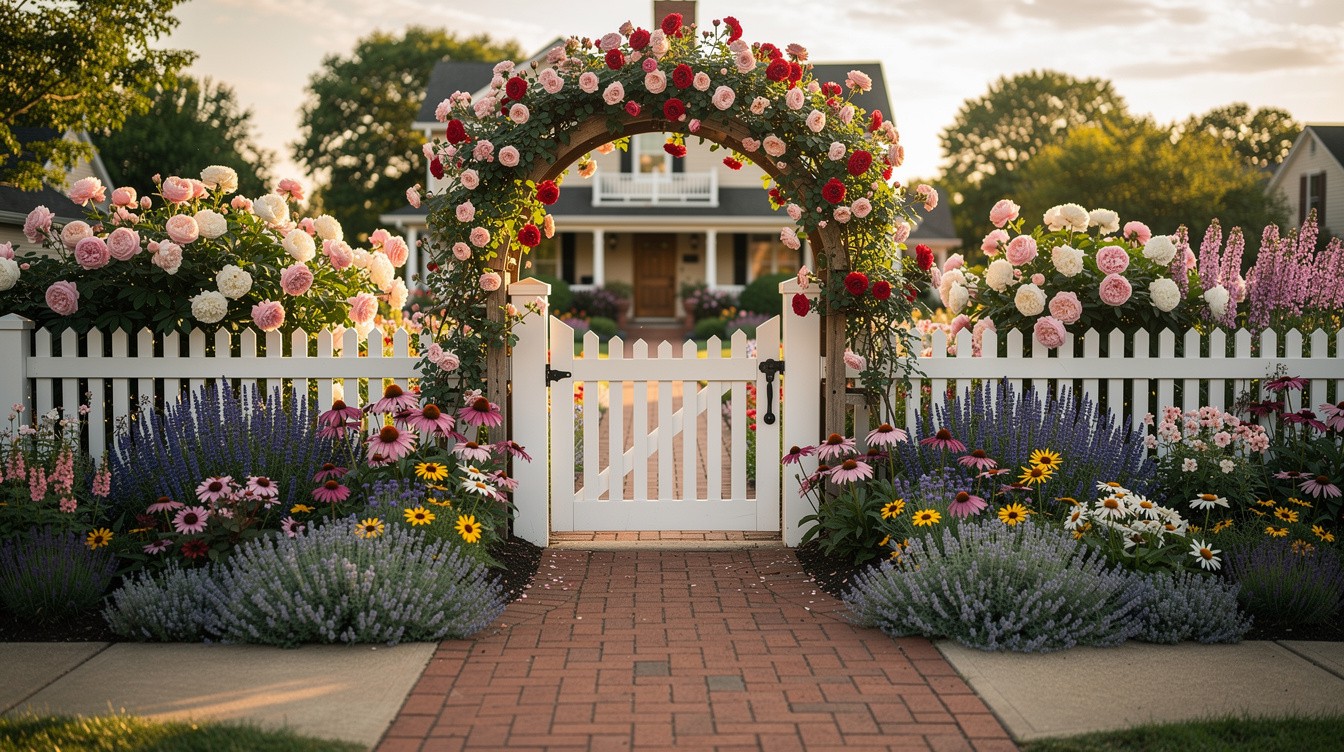
Victorian Fence Entry with Peony and Rose Borders
$10–22/sqftA white-painted board fence with a gate arch draped in climbing roses frames a wide brick path flanked by the quintessential Missouri cottage combination—peonies and garden phlox in the back, mid-height salvias and coneflowers filling the center, and low-spreading catmint spilling at the path edge. May and June deliver peak cottage spectacle when the peonies and roses overlap; from July through September, coneflowers, phlox, and black-eyed Susans carry the color. The brick path grounds the design in St. Louis’s traditional building material.
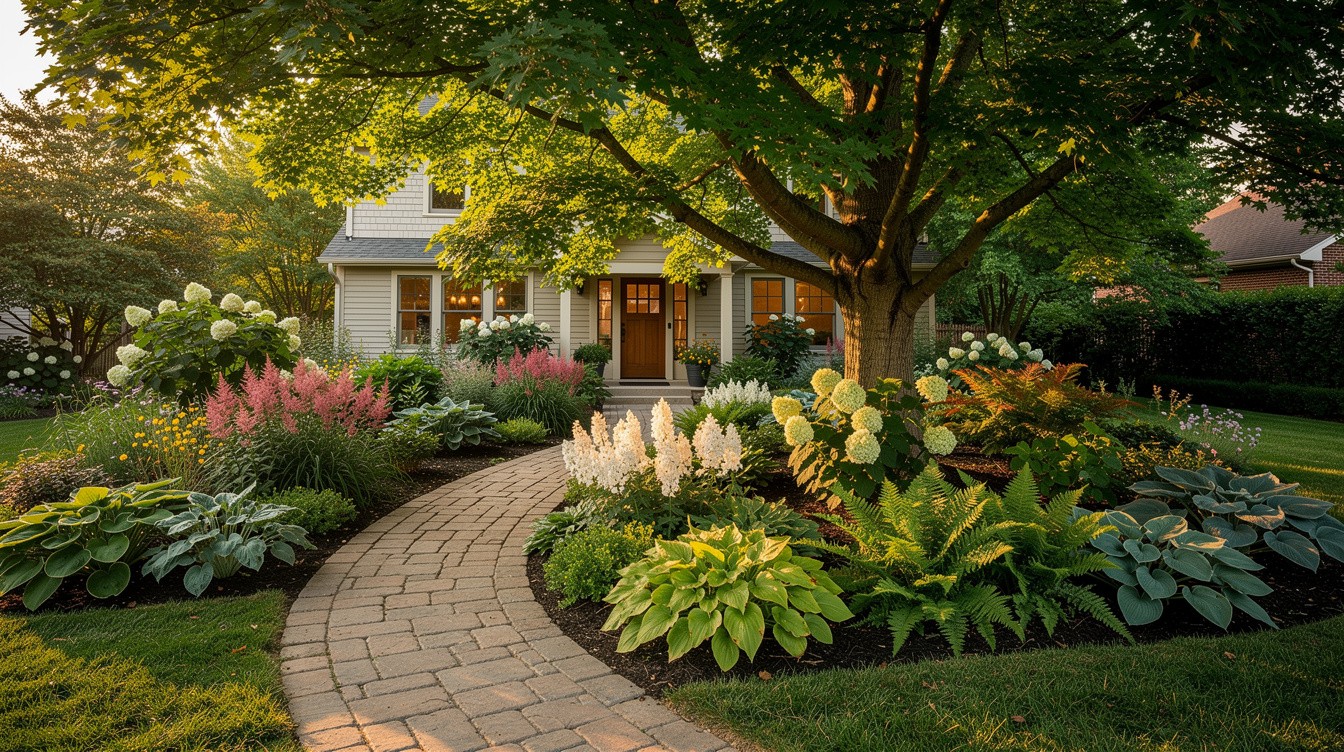
Stone Path Cottage with Shade Garden
$8–18/sqftA flagstone path winds through a layered cottage garden where a mature oak or maple provides canopy shade over a composition of oakleaf hydrangeas, hostas, astilbe, and native ferns. This shade cottage garden design exploits the mature tree canopy common to St. Louis’s historic neighborhoods—using what’s already there as the primary structural element. The front section in dappled light gets the showiest cottage plants: astilbe in pink and white for late spring, hostas for bold summer foliage, and oakleaf hydrangeas for August bloom and dramatic fall color.
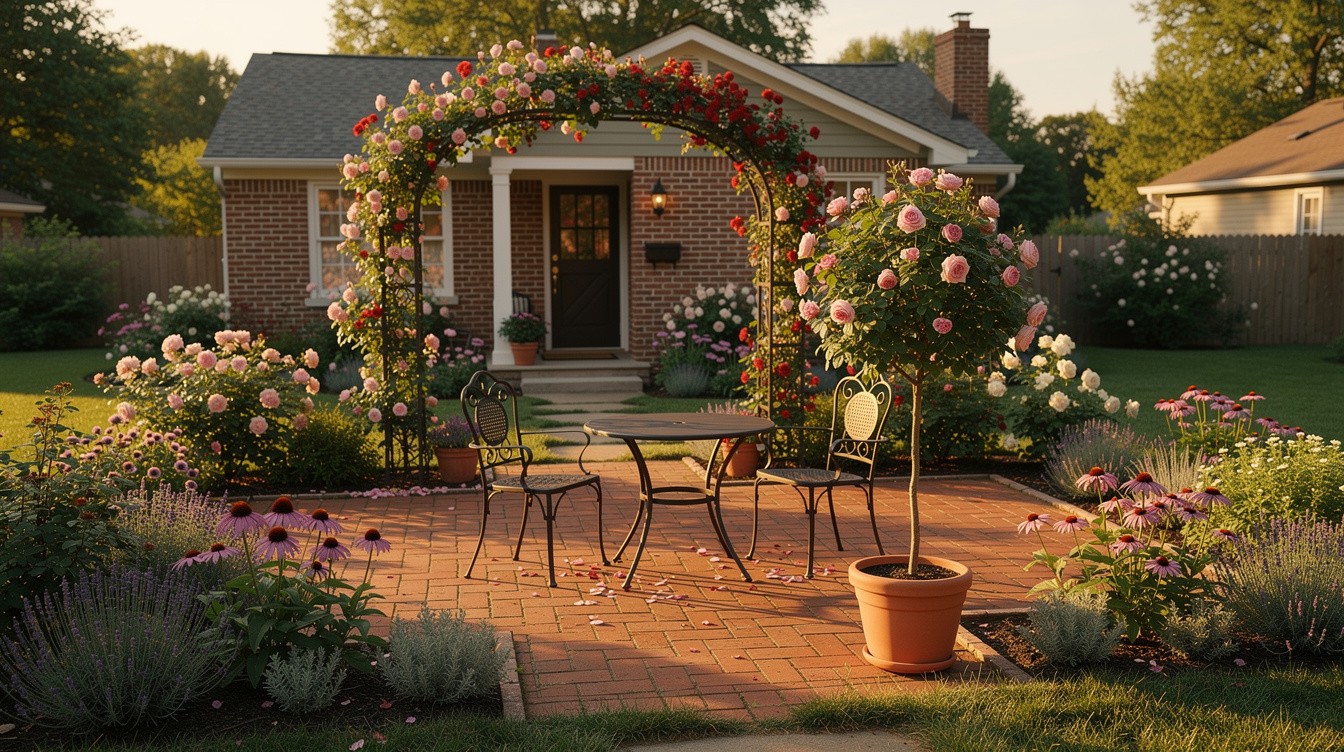
Brick Patio Cottage Garden with Rose Arch
$18–38/sqftA generous brick patio at the rear of the property features a rose-covered metal arch as the entrance from the house, with mixed cottage borders wrapping the patio perimeter—shrub roses, phlox, coneflowers, and lavender creating the enclosed, room-within-a-garden feeling that cottage style aims for. An iron bistro set and a potted standard rose create the seating focal point at the patio center. Missouri’s long spring and fall give this design its best months; the brick retains warmth, extending the outdoor season into early November.
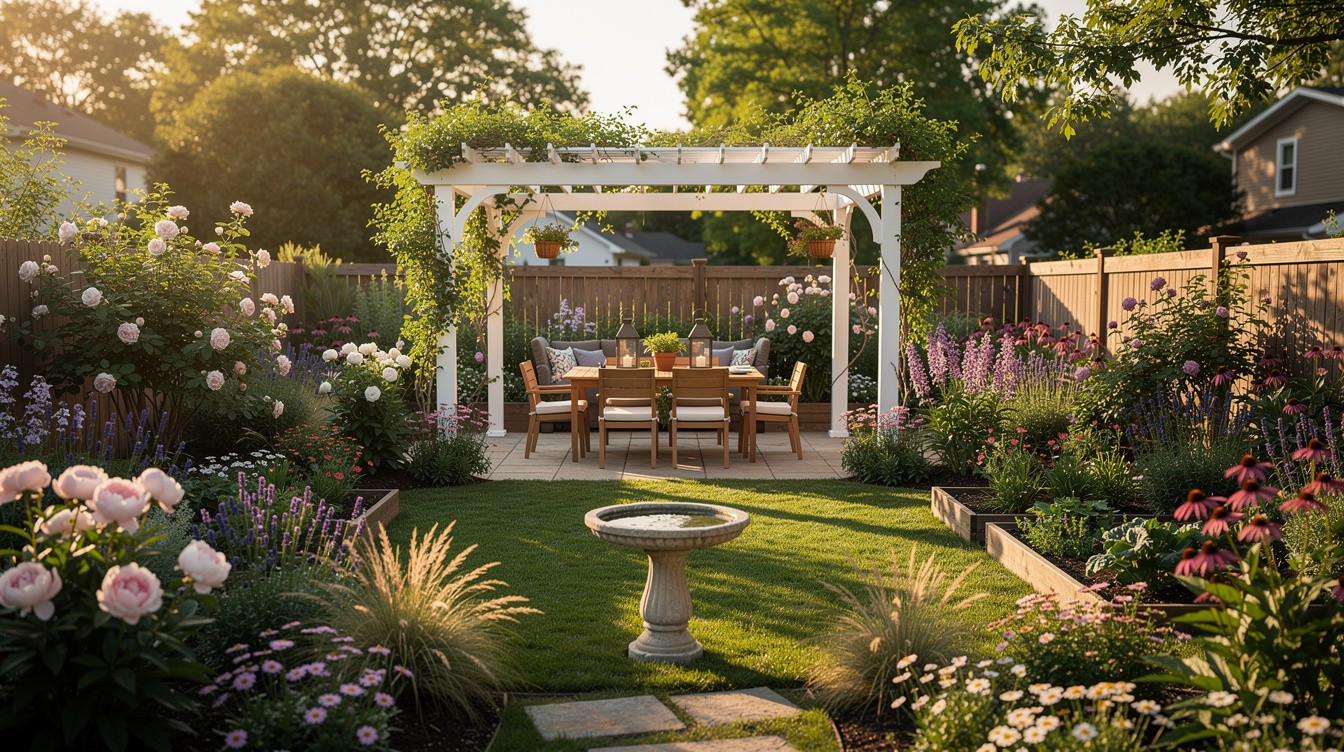
Pergola Dining Garden with Cottage Borders
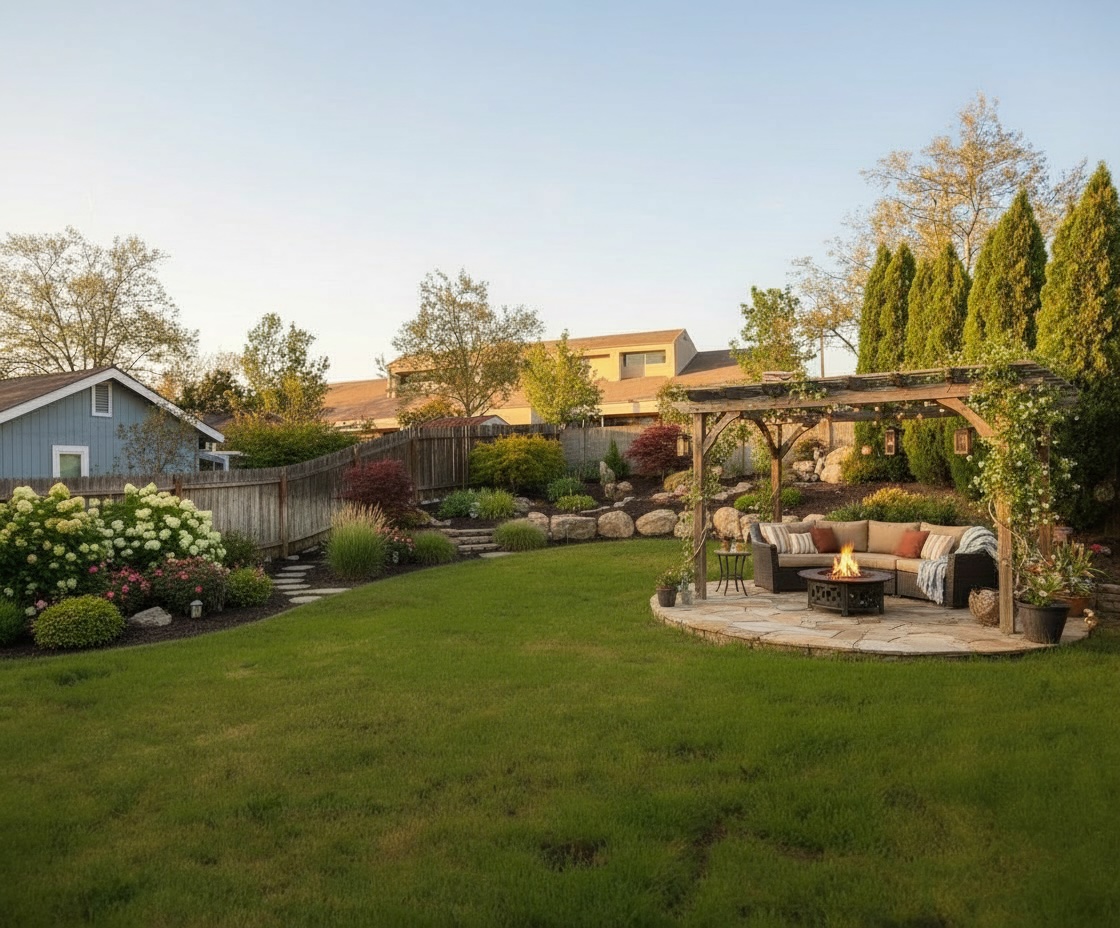
$20–45/sqftA white wood pergola creates an outdoor dining room at the center of a generous backyard cottage garden with wide mixed borders—peonies and roses in spring, phlox and coneflowers through summer, ornamental grasses and asters into fall. A birdbath stands as a focal point in the lawn panel between the pergola and rear border. The design integrates a practical kitchen garden section in the sunniest corner—herbs and cutting flowers in the cottage tradition—and uses the pergola to give the backyard a destination and structure it would otherwise lack.
See how a cottage/english garden looks on YOUR property
Upload a photo of your St. Louis yard and visualize your dream garden in seconds.
Try ProScapeAI Free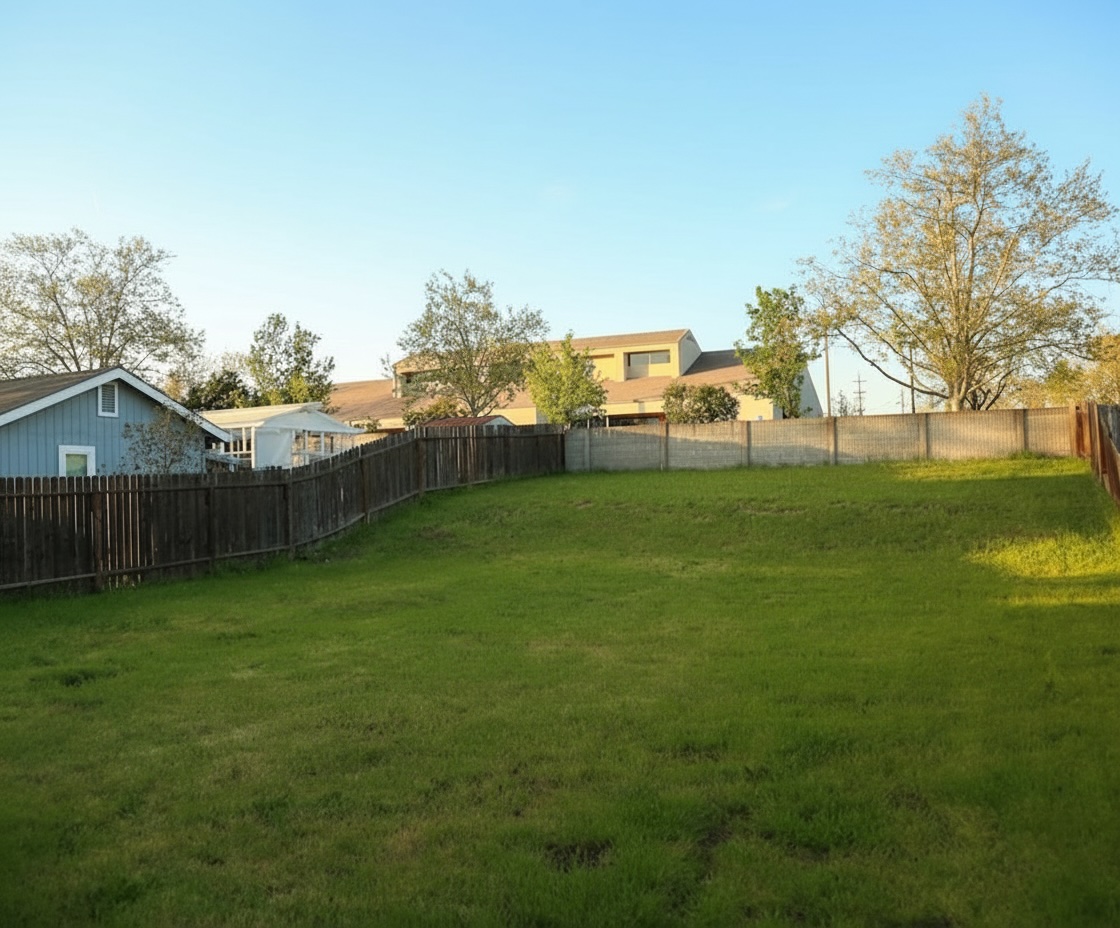
Featured Trees & Shrubs for Cottage/English Gardens
Browse all 169 plants for St. Louis
American Black Currant
Ribes americanum
grows to 5 feet, white,yellow blooms in spring. Attracts hummingbirds.

Clove Currant
Ribes odoratum
grows to 6 feet, yellow blooms in spring. Attracts hummingbirds.

Fragrant Sumac
Rhus aromatica
grows to 4 feet, yellow blooms in spring. Attracts butterflies.

Golden Currant
Ribes aureum
grows to 6 feet, yellow blooms in spring. Attracts hummingbirds.
Featured Grasses & Groundcovers for Cottage/English Gardens
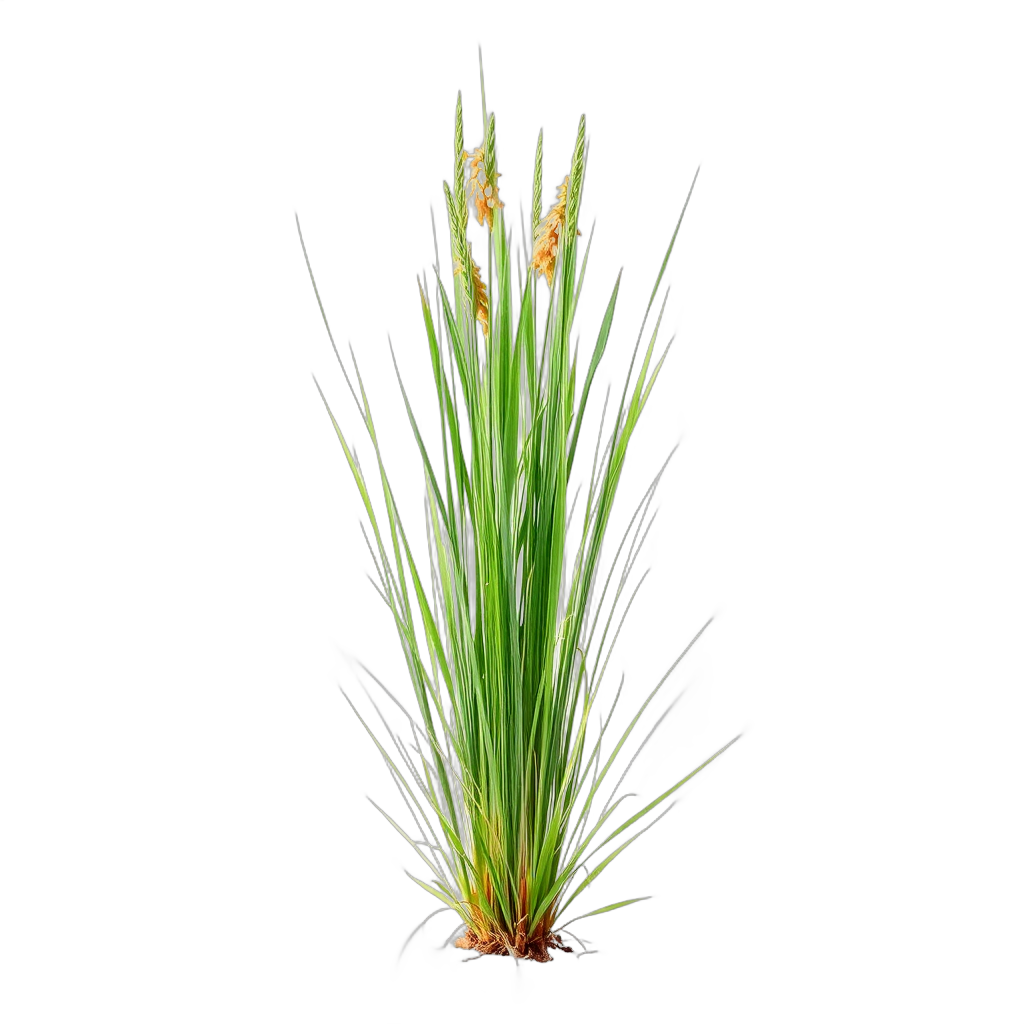
Eastern Gamagrass
Tripsacum dactyloides
grows to 6 feet, blooms in summer. Yellow fall color.
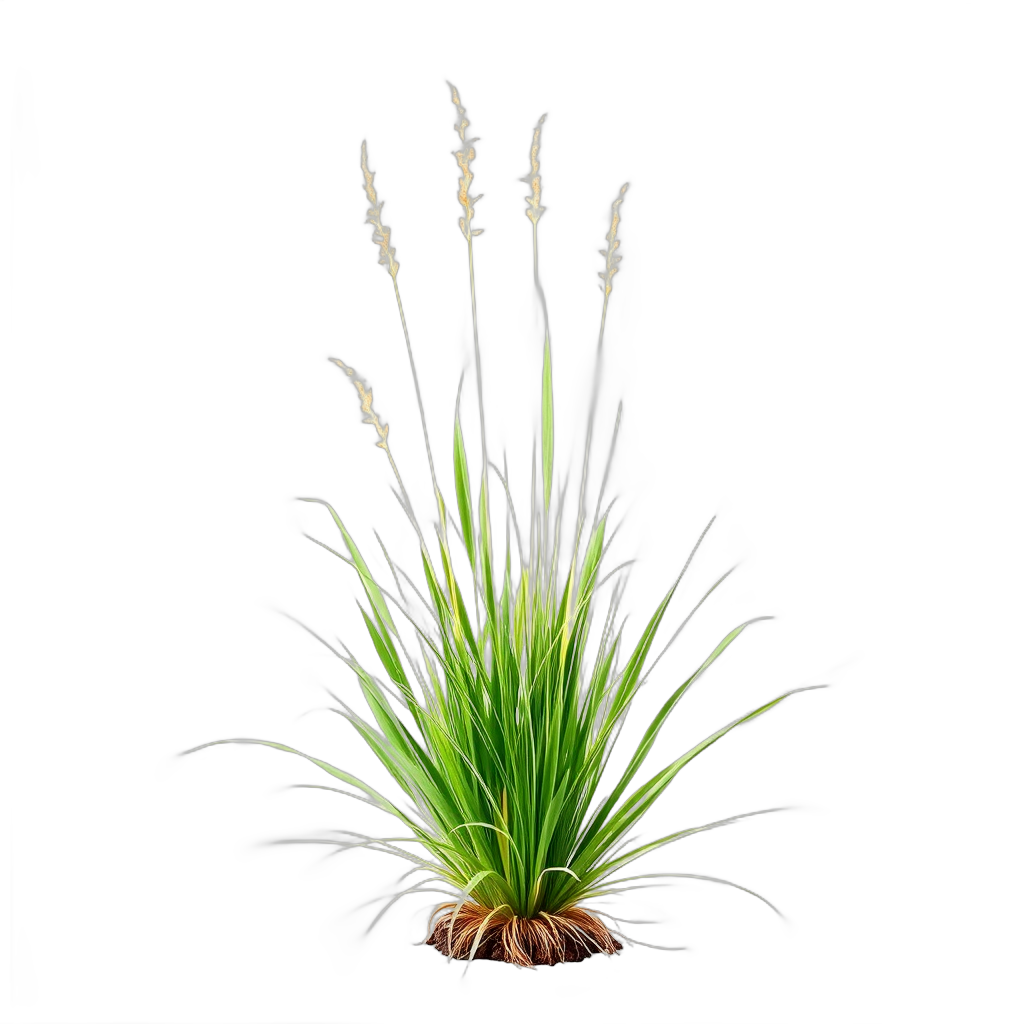
Northern Sea Oats
Chasmanthium latifolium
grows to 4 feet, blooms in fall. Bronze fall color.

Dwarf Fernleaf Bamboo
Pleioblastus distichus
low-growing ground cover, blooms in none. Evergreen year-round.

Large-leaf Bamboo
Indocalamus tessellatus
grows to 5 feet, blooms in none. Evergreen year-round.
Featured Flowers & Perennials for Cottage/English Gardens

Cup Plant
Silphium perfoliatum
medium-sized at 7 feet, yellow blooms in summer. Attracts butterflies.
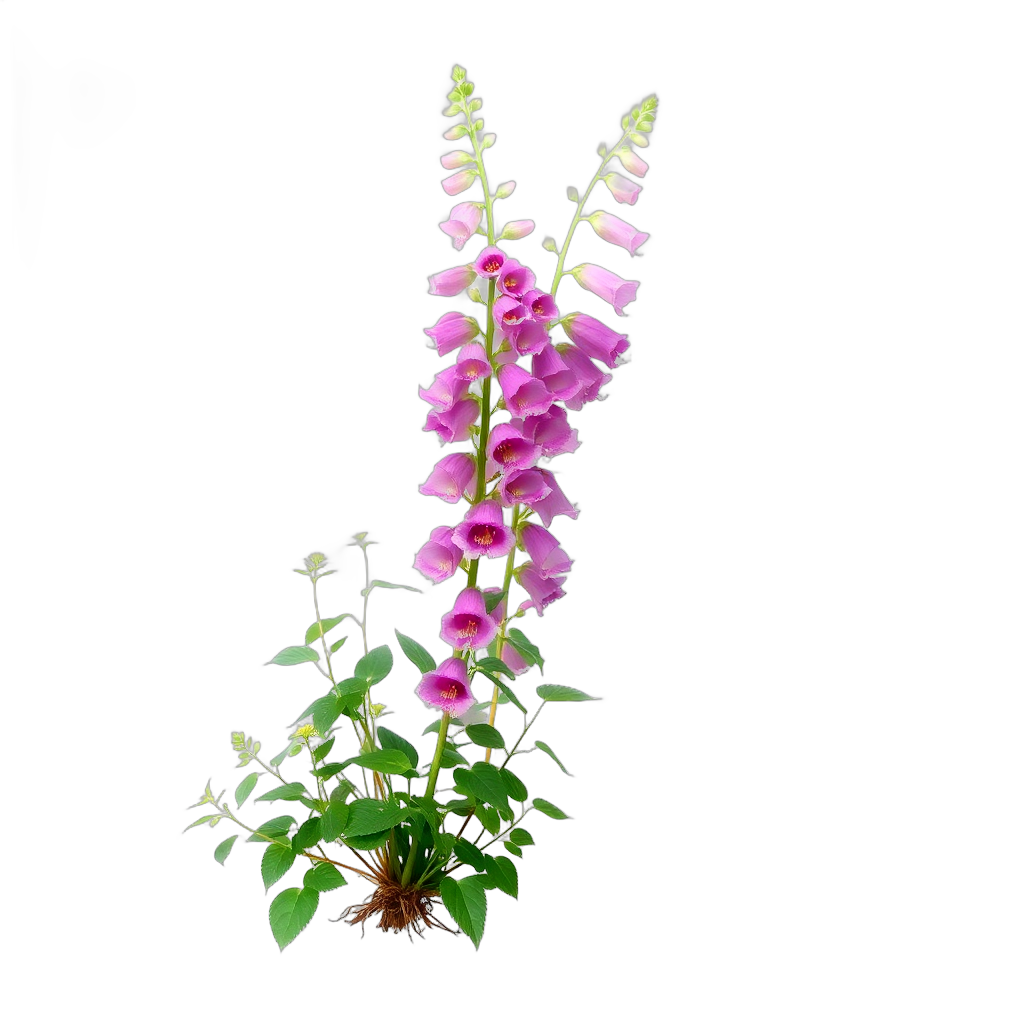
Foxglove Beardtongue
Penstemon digitalis
grows to 3 feet, white blooms in spring. Attracts hummingbirds.
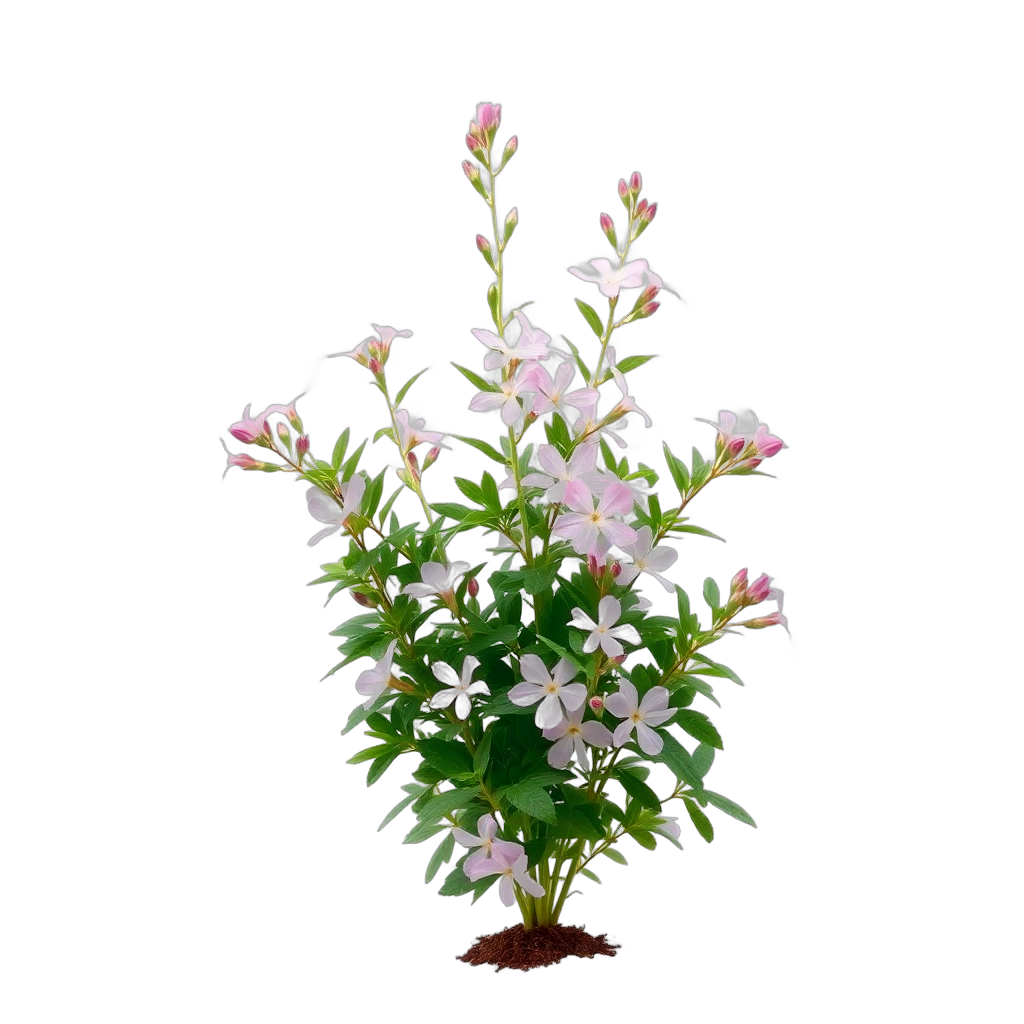
Garden Phlox
Phlox paniculata
grows to 3 feet, multi blooms in summer. Attracts hummingbirds.

Gloriosa Daisy
Rudbeckia hirta
low-growing ground cover, yellow blooms in summer. Attracts butterflies.
Zone and sun checks come from our database — confirm with your local nursery before you buy.
Bloom Calendar for St. Louis
spring
Foxglove Beardtongue, American Black Currant, Clove Currantsummer
Cup Plant, Garden Phlox, Gloriosa Daisyfall
Northern Sea Oatswinter
Limited bloomsDesign Tips for St. Louis (Zone 6b)
- Plant peonies in fall (September–October) rather than spring—fall planting allows root establishment before winter dormancy and produces reliably blooming plants the following spring, while spring-planted peonies often skip their first bloom season
- Use the Missouri Botanical Garden’s Plant Finder (mobot.org) to verify Zone 6b performance of any cottage plant before purchasing—it’s the most authoritative local plant selection resource and lists specific cultivar performance in St. Louis conditions
- Incorporate native prairie plants—coneflower, black-eyed Susan, prairie phlox—into cottage borders alongside English cottage classics; they are fully adapted to Missouri’s climate extremes, require no spraying, and support native pollinators that make the garden more lively
- Top-dress all cottage beds with pine bark mulch every spring—St. Louis clay soil benefits enormously from the gradual organic matter addition as bark breaks down, improving drainage and water retention simultaneously over several years
- Space garden phlox generously and choose mildew-resistant cultivars like ‘David’ (white) or ‘Jeana’ (pink) for St. Louis’s humid summer—crowded phlox in humid weather develops powdery mildew that ruins summer cottage bloom
- Design a small section of cutting garden for summer flower arrangements—dahlias, zinnias, cosmos, and sunflowers grown in a productive kitchen garden section add cottage authenticity and provide the household with fresh-cut flowers from June through October
Where to Source Plants in St. Louis
Skip the big-box stores. These independent St. Louis nurseries specialize in the plants that make cottage/english gardens thrive in Zone 6b.
Bowood Farms
Central West End, St. Louis
Premier St. Louis cottage nursery—peonies, roses, perennials, and a destination garden shop beloved by the cottage gardening community
Sugar Creek Gardens
Kirkwood
Specialty perennial nursery with outstanding cottage border plants, Zone 6b-tested selections, and knowledgeable staff
Greenscape Gardens
Ellisville / West County
Full-service garden center with strong cottage and native plant inventory, seasonal color, and landscape design services
City Greens
South St. Louis
Urban-focused nursery with native plants, cottage perennials, and vegetables for St. Louis city gardens
Missouri Botanical Garden Shop
Tower Grove / Central St. Louis
Plant sales featuring Missouri-tested cottage perennials, native plants, and specialty specimens selected by expert horticulturists
Cottage/English Landscaping Costs in St. Louis
| Project Scope | Estimated Cost |
|---|---|
| Victorian fence entry with rose arch, brick path, and peony/rose borders | $8,000 – $18,000 |
| Shade cottage garden with flagstone path and mixed perennial borders | $6,000 – $15,000 |
| Brick patio with rose arch and cottage border planting | $18,000 – $40,000 |
| Pergola dining garden with mixed cottage borders | $20,000 – $48,000 |
| Clay soil amendment and raised bed installation | $1,200 – $3,500 |
| Annual cottage garden maintenance (mulching, pruning, dividing) | $1,200 – $3,000/year |
| AI visualization with ProScapeAI | Free to start |
Estimates based on St. Louis, MO-area contractor rates as of 2026. Actual costs vary by site conditions, materials, and contractor.
St. Louis Climate & Growing Zone
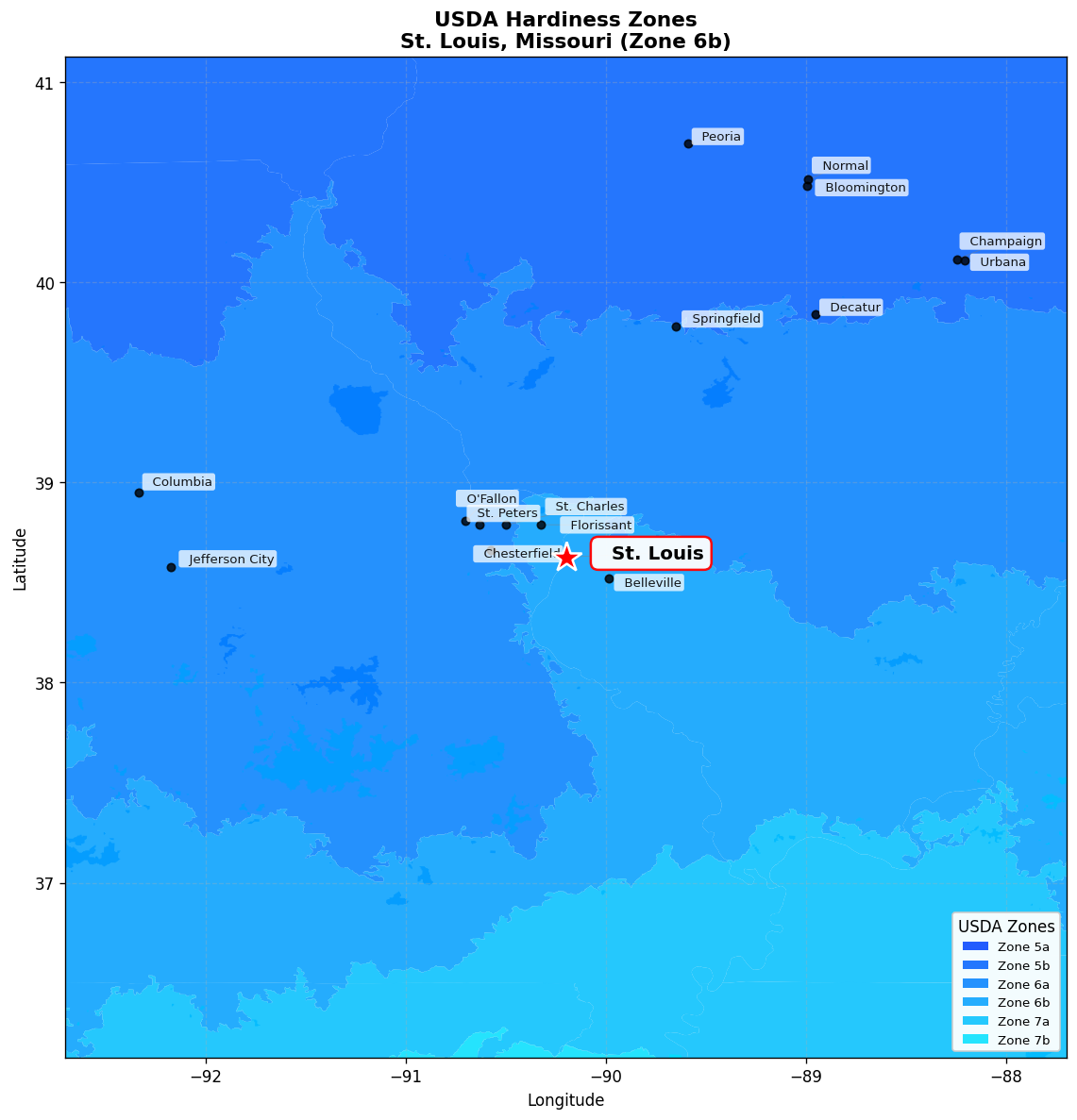
USDA Zone 6b
Hardiness zone for St. Louis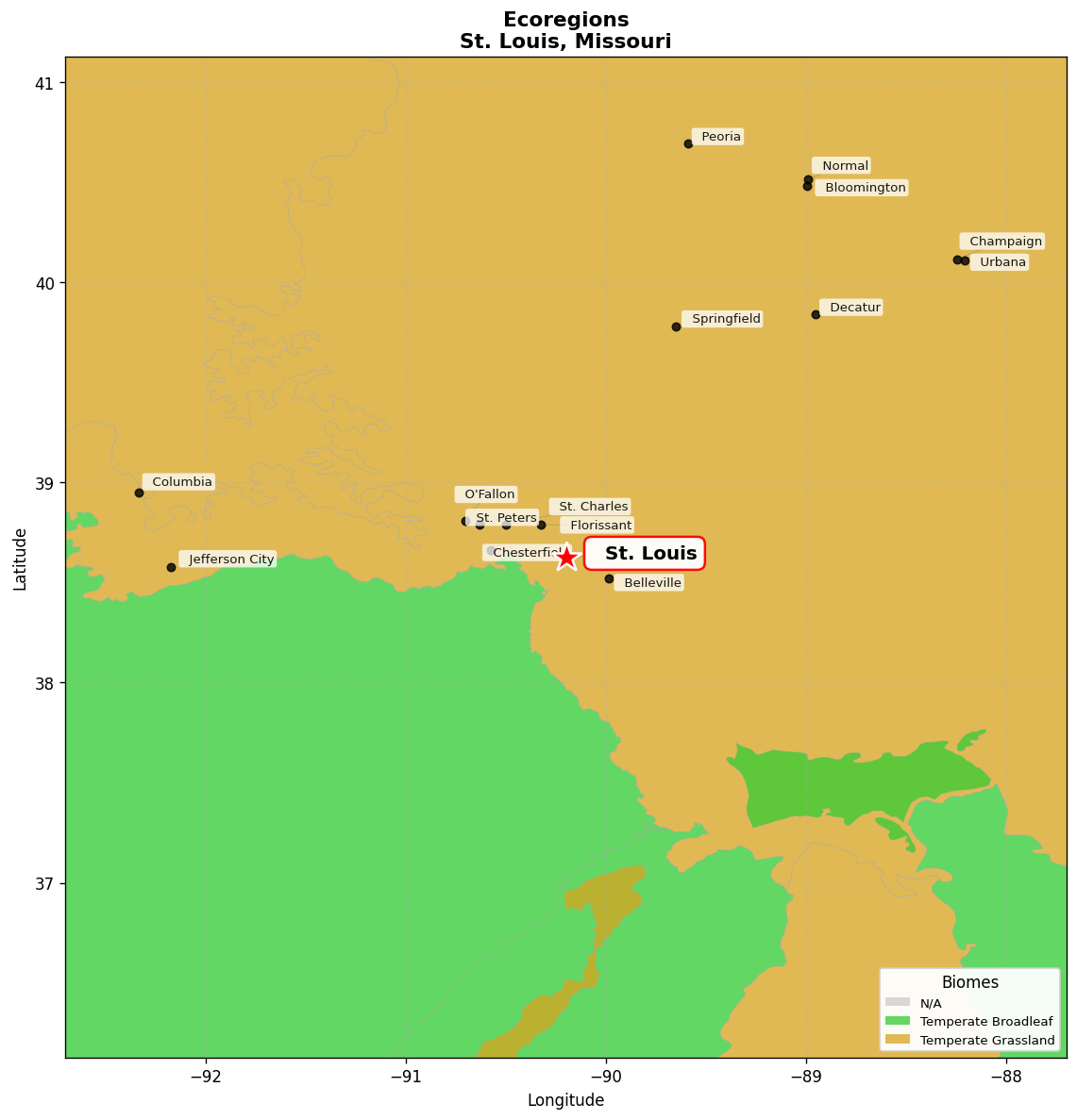
Central US forest-grasslands transition
Native ecoregionFrequently Asked Questions
What cottage plants grow best in St. Louis’ Zone 6b clay soil?
St. Louis’ Zone 6b with clay soil supports outstanding cottage plants once drainage is addressed. Top performers: peonies (the quintessential Missouri cottage plant; Zone 6b winters provide the cold they need to bloom reliably), Knock Out and shrub roses, garden phlox (native origin, tolerates Missouri humidity), coneflower (Echinacea, native to Missouri prairies), black-eyed Susan, catmint, daylilies, hosta (shade), astilbe (shade), and oakleaf hydrangea. The Missouri Botanical Garden’s Plant Finder database is an excellent resource for Zone 6b St. Louis plant selection—it lists cold hardiness, heat tolerance, and soil requirements for thousands of species tested locally.
How do I improve St. Louis clay soil for a cottage garden?
Missouri clay is manageable with proper amendment. For new beds, till 4–6 inches of compost into the top 12 inches of soil and top-dress with pine bark mulch to maintain organic matter. For serious drainage issues, build raised beds 10–15 inches above grade with a mixed fill of native soil, compost, and sharp grit. Never add sand to clay—it creates a cement-like mixture. For roses in particular, a slightly raised planting mound (3–4 inches above surrounding grade) improves root drainage significantly. The Missouri Botanical Garden Extension recommends Sphagnum peat or pine bark fines as the most effective clay amendment materials for home gardens.
When is the best time to plant a cottage garden in St. Louis?
Fall (September–November) is ideal for perennials, roses, and shrubs—mild temperatures and autumn rainfall allow root establishment before winter dormancy, and plants emerge stronger in spring than those planted in spring. Spring (March–May) works well for annuals and warm-season perennials. Peonies must be planted in fall for reliable bloom—spring-planted peonies rarely bloom their first year. Roses planted in fall in Zone 6b need 2–3 inches of mulch over the root zone for winter protection during the coldest December–February period.
Do peonies grow well in St. Louis?
Peonies are one of the best cottage plants for St. Louis’s Zone 6b climate—they require cold winters for reliable bloom, and Missouri’s Zone 6b winters (average lows −10° to −5°F) provide exactly the cold stratification peonies need. Once established, peonies in St. Louis bloom reliably every May for 30–50+ years without replanting. Top cottage varieties for Zone 6b: ‘Sarah Bernhardt’ (pink, fragrant, classic), ‘Festiva Maxima’ (white, red flecks, heirloom), ‘Bowl of Beauty’ (pink anemone form), and ‘Karl Rosenfield’ (deep red). Plant in full sun, amend for drainage, and barely cover the eyes—planting too deep is the primary reason peonies fail to bloom.
How do I protect St. Louis cottage plants in winter?
Zone 6b cottage gardens need moderate winter protection. Key practices: apply 3 inches of pine bark mulch over all perennial root zones after the first hard frost (late November) to insulate against freeze-thaw cycles; mound additional mulch 6–8 inches over newly planted roses; cut back perennials like phlox and coneflower in spring (not fall), leaving stalks through winter to provide structural interest and wildlife habitat; water evergreen plants thoroughly before the ground freezes to prevent winter desiccation. Most established cottage perennials and shrubs in Zone 6b need no additional protection beyond consistent mulching.
How much does a cottage garden installation cost in St. Louis?
St. Louis landscaping costs are modest compared to coastal cities. A cottage front yard transformation with fence, rose arbor, brick path, and perennial borders typically costs $8,000–$18,000. A backyard patio with rose arch and cottage borders runs $18,000–$40,000. A pergola dining garden with mixed cottage planting ranges $20,000–$50,000. Annual maintenance for an established cottage garden (mulching, cutting back, dividing perennials every 3–5 years) runs $1,200–$3,000/year. Missouri’s lower labor costs make St. Louis cottage garden installation 20–30% cheaper than comparable Chicago or Columbus projects.