4 Cottage Garden Ideas for Milwaukee, WI | English Garden Design in Zone 5b
Native plants from the Central US forest-grasslands transition (Zone 5b) — Humid continental (hot summer) climate
Why Cottage/English Gardens in Milwaukee?
Milwaukee is a city of gardens — and its cottage garden tradition runs deep. The city's remarkable stock of late 19th and early 20th-century German, Polish, and Scandinavian immigrant architecture in neighborhoods like Brady Street, Bay View, Riverwest, and the Historic Third Ward provided generations of homeowners with exactly the kind of modest, well-proportioned domestic housing that cottage gardens complement perfectly. The tradition of Milwaukee's urban gardens is visible in the neighborhood density, the mature street trees, and the ornate decorative details of craftsman bungalows and Victorian workers' cottages that still define much of the city's residential fabric.
Zone 5b (winter lows to -15°F) is meaningfully colder than the Ohio cities to the south, and this requires taking cold hardiness seriously in plant selection. But the cottage plant palette available in Zone 5b is genuinely rich: peonies (Zone 3), delphiniums (Zone 3–4), hollyhocks, catmint, salvia, echinacea, cold-hardy shrub roses (William Baffin Zone 3, Knock Out Zone 4, Canadian Explorer series), and all of the traditional cottage perennials perform reliably in Milwaukee without special protection beyond standard winter mulching. Lake Michigan's moderating influence is significant: Milwaukee's lakefront neighborhoods experience temperatures several degrees warmer than the interior of Wisconsin, and the growing season near the lake is meaningfully longer than Zone 5b statistics alone would suggest.
Milwaukee's growing season runs roughly 155–165 days from mid-May to mid-October, slightly shorter than Ohio cities but sufficient for a full cottage garden display. Annual rainfall of 32 inches is distributed reasonably through the growing season. The city's Central US forest-grasslands transition ecoregion position means the landscape naturally lends itself to a blend of traditional cottage plants and prairie-influenced natives — a particularly Milwaukee approach that reflects both the city's European heritage and the Wisconsin prairie landscape. Bay View's Victorian workers' cottages, Riverwest's eclectic owner-occupant culture, and Brady Street's Italian heritage neighborhood are all ideal contexts for cottage gardening.
4 Cottage/English Design Ideas for Milwaukee
AI-generated image
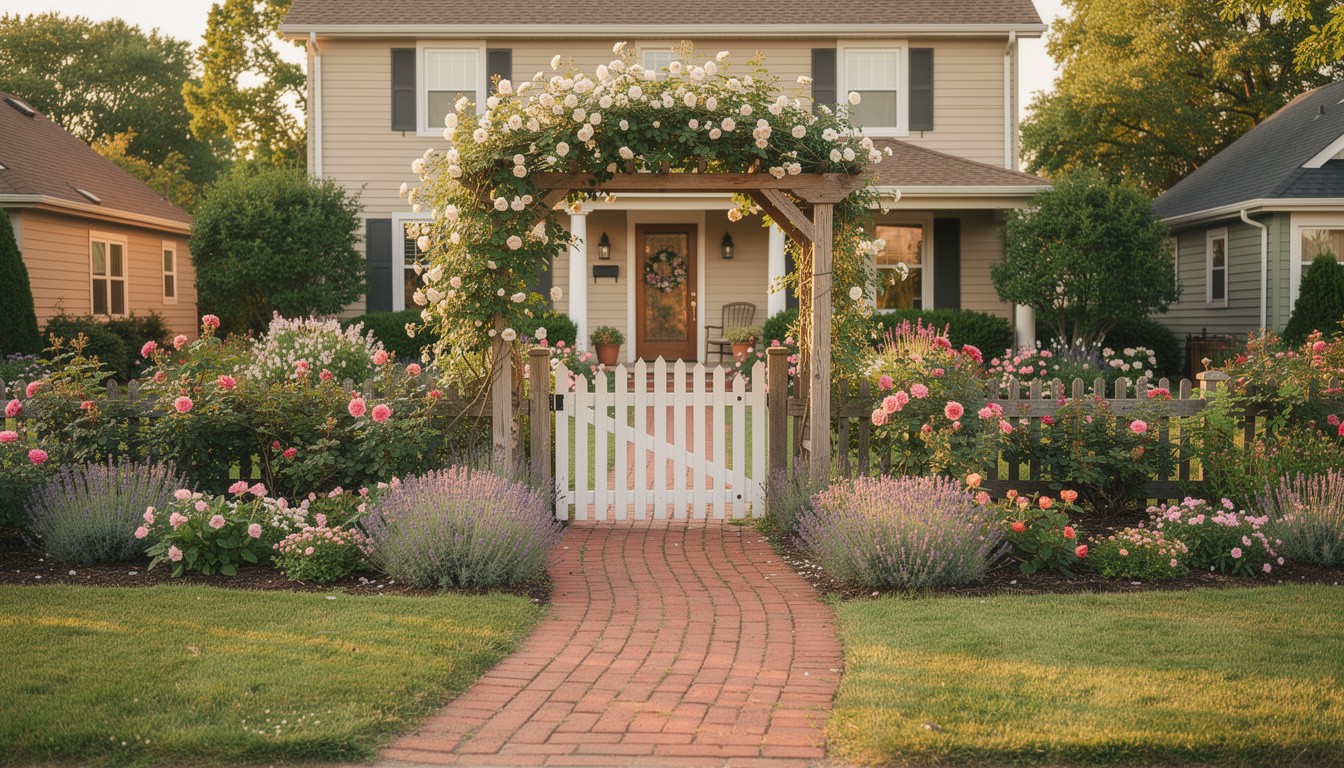
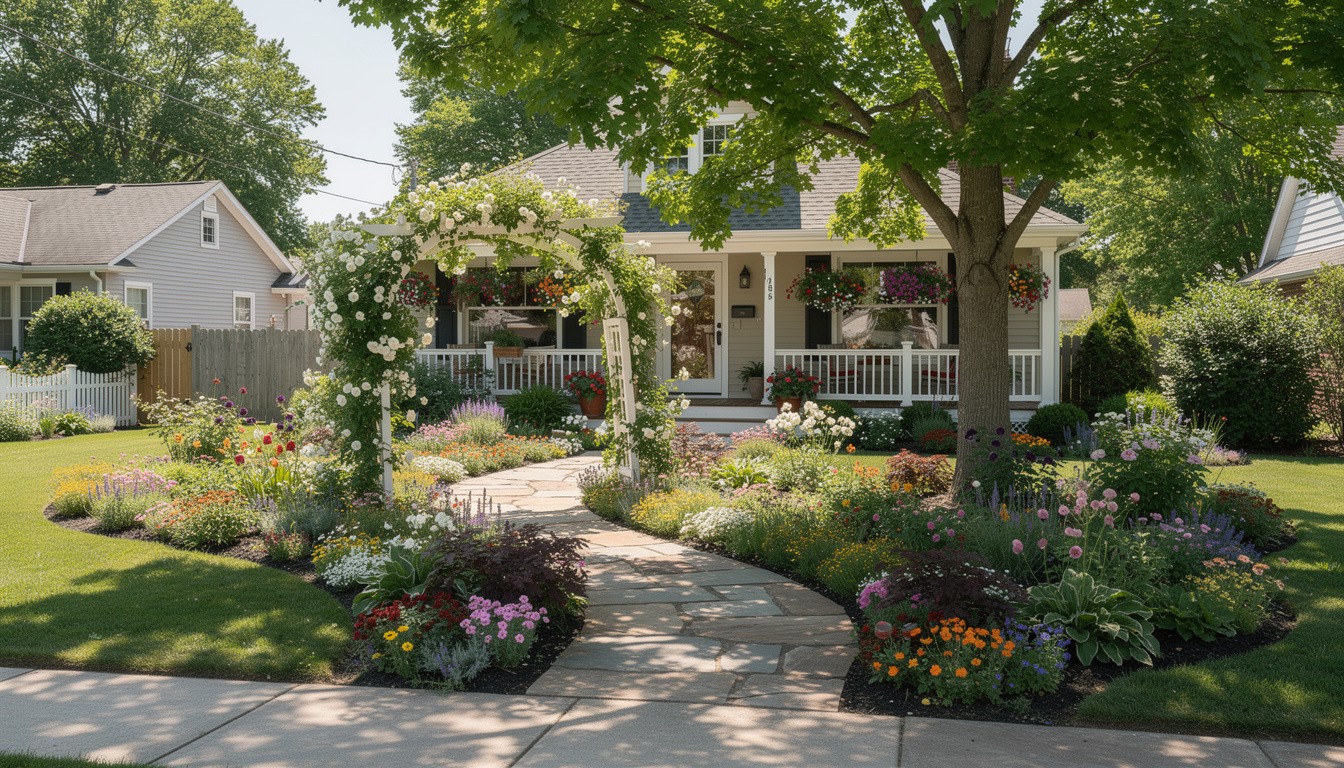
The Bay View Rose Arbor Entry
$12–22/sqftA white picket fence with a central wooden arbor smothered in climbing roses frames a brick path to the front door of a craftsman home fronted by pink rose borders and lavender. The arbor is covered in blush and pink roses at peak bloom, with catmint and cottage perennials filling the borders on both sides of the path all the way to the fence base. In Bay View and Riverwest, where Milwaukee's craftsman bungalows and Victorian homes sit on narrow lots with intimate front yard proportions, this kind of entry garden achieves its full romantic effect within a modest footprint.
AI-generated image
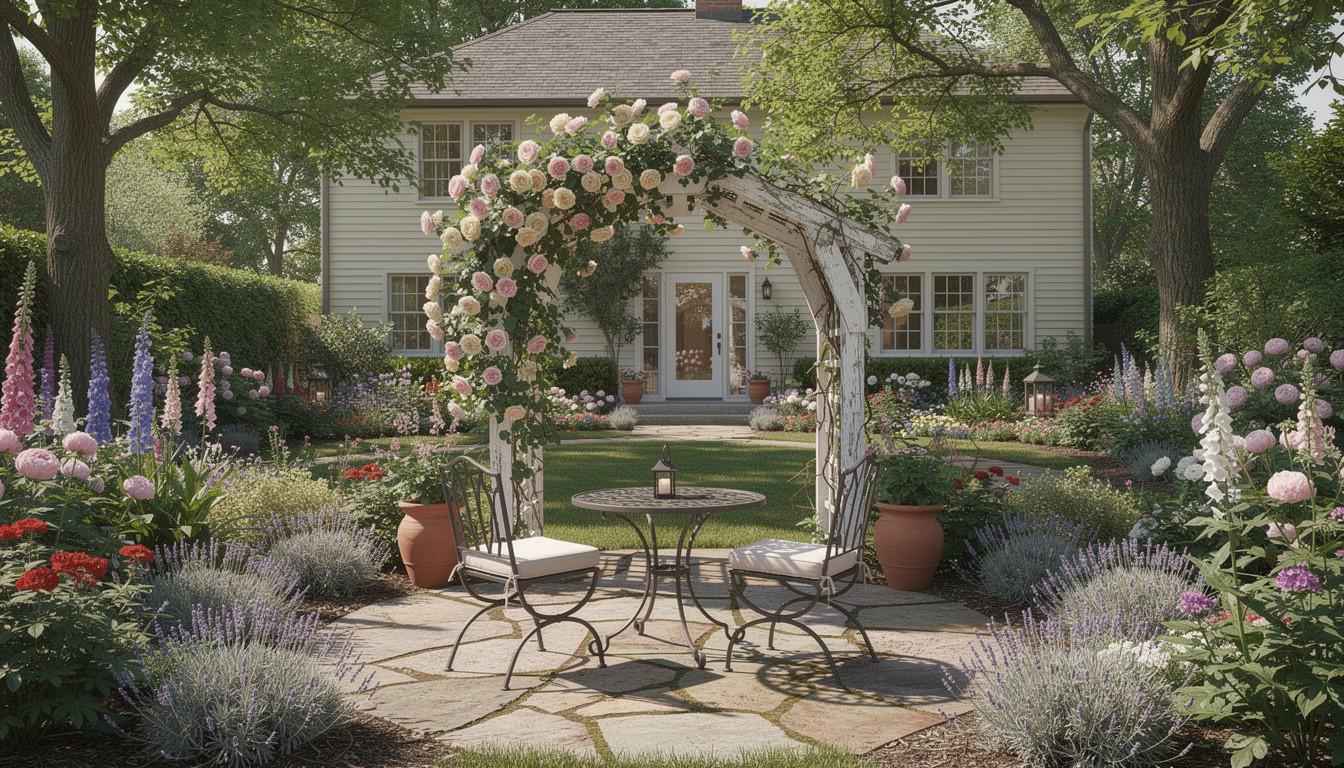
The Whitefish Bay Cottage Border Garden
$10–20/sqftA white rose arch on the paved front walk of a craftsman-style home with wide sweeping cottage borders that carry a large shade tree on the left and generous mixed planting — roses, foxgloves, hydrangeas, catmint, and bright annuals — through the entire front yard width. The front yard has a generous lawn panel with curved border edges and the composition has the lush, overflowing abundance that cottage gardens aspire to. Lake Michigan's moderating climate gives Milwaukee's Zone 5b gardens more reliable summer moisture than inland cities, keeping cottage borders lush from June through September.
AI-generated image
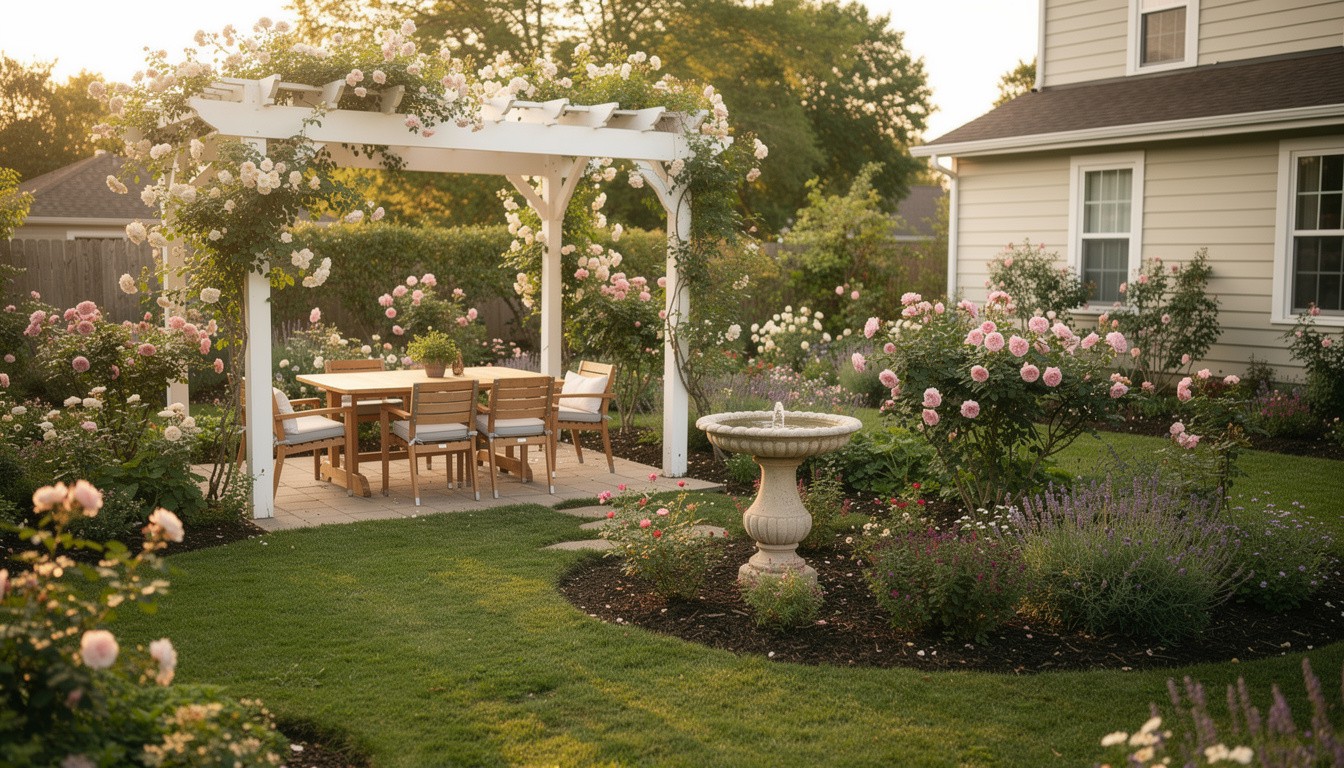
The East Side Cottage Patio Garden
$18–36/sqftA backyard cottage patio framed by a climbing rose arch as the focal point, with a small bistro table and chairs on the flagstone surface surrounded by dense lavender borders and cottage perennials. The scene is dappled with late-afternoon light filtered through mature trees, creating the intimate, enclosed feeling that makes cottage gardens so compelling. Milwaukee's East Side Victorian homes sit on lots with mature tree canopy that makes this kind of intimate backyard garden room both necessary and beautiful.
AI-generated image
The Whitefish Bay Cottage Pergola Backyard
$20–40/sqftA full backyard cottage garden with a white painted pergola draped in climbing roses as the dining area centerpiece, a central lawn panel, and a stone birdbath fountain as the focal point. Deep mixed borders of roses, phlox, foxgloves, and lavender ring the entire yard, with the privacy fence softened by climbing roses. The pergola shelters a wooden dining table and the surrounding borders create complete cottage enclosure. This design suits the larger lots of Whitefish Bay and Fox Point, where generous backyards allow a cottage garden with multiple distinct features.
See how a cottage/english garden looks on YOUR property
Upload a photo of your Milwaukee yard and visualize your dream garden in seconds.
Try ProScapeAI Free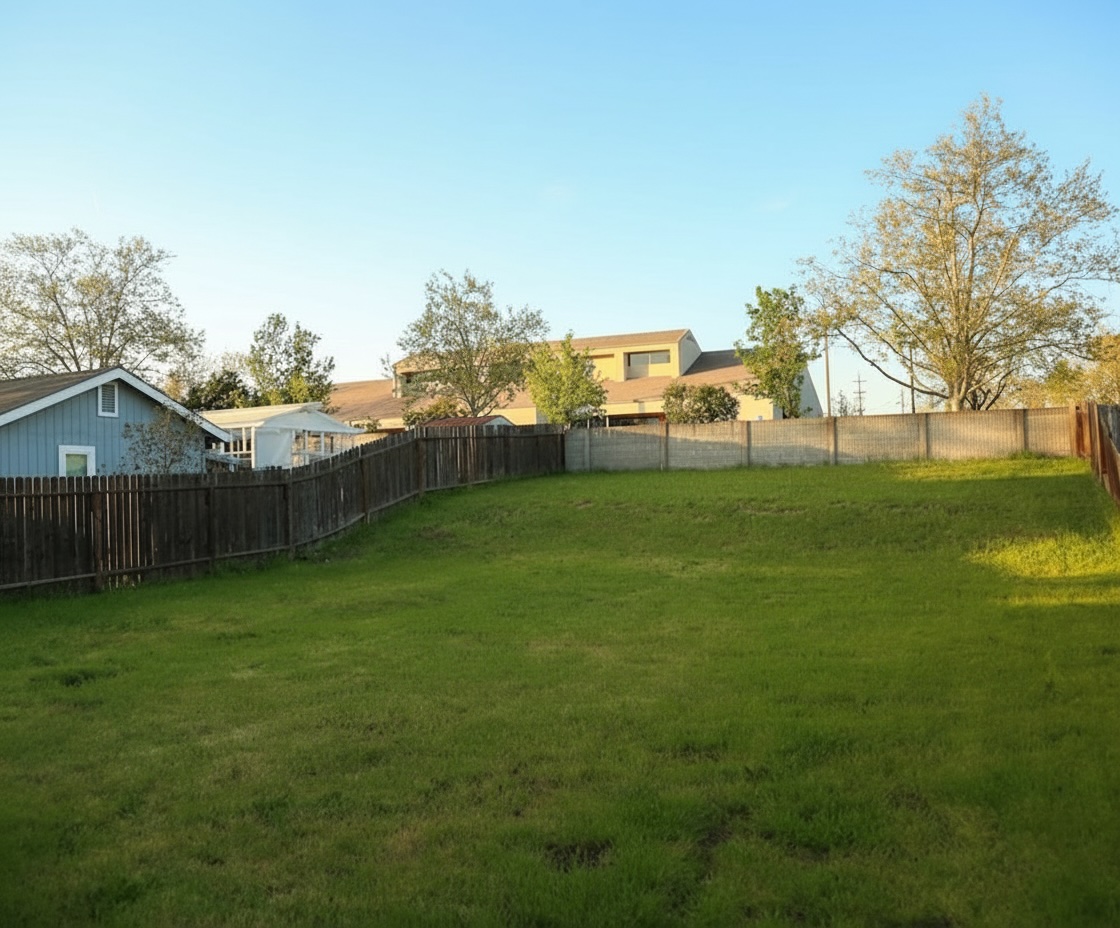
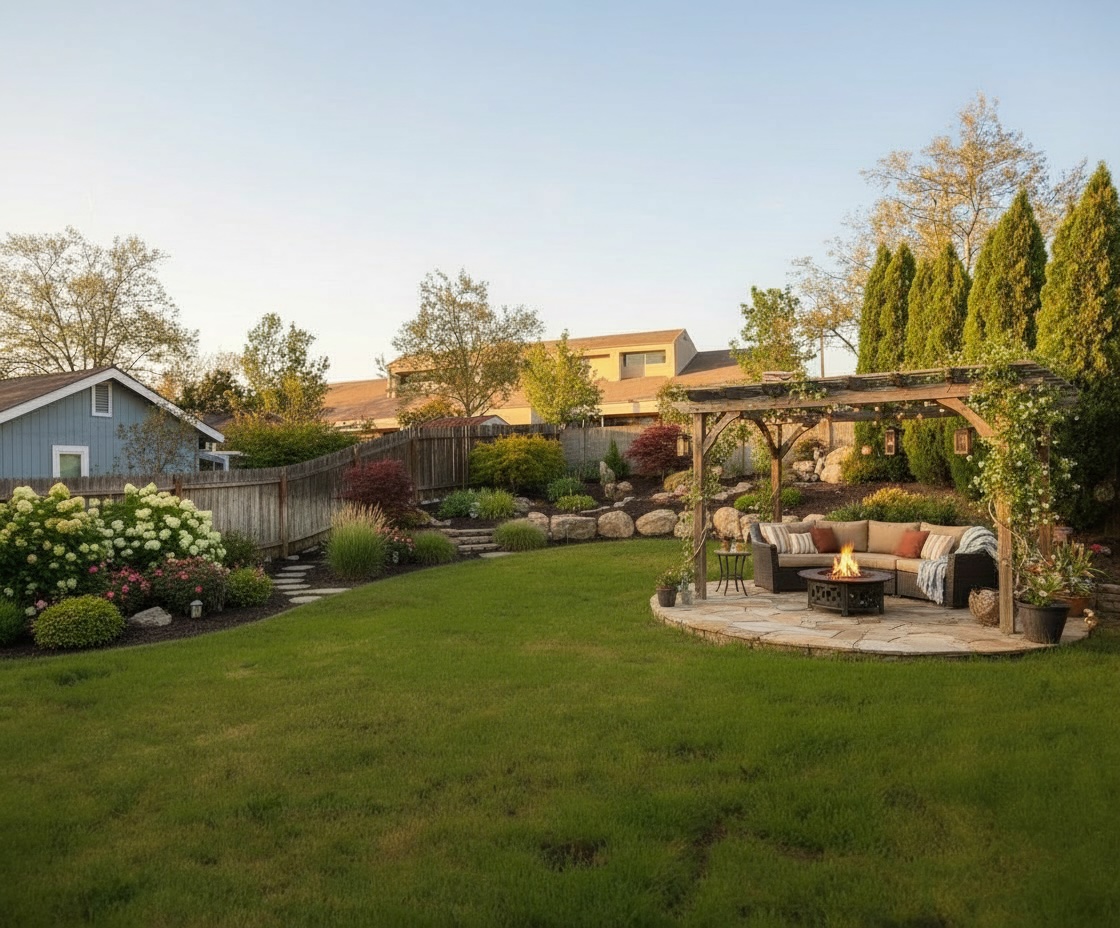
AI-generated image
Featured Trees & Shrubs for Cottage/English Gardens
Browse all 169 plants for Milwaukee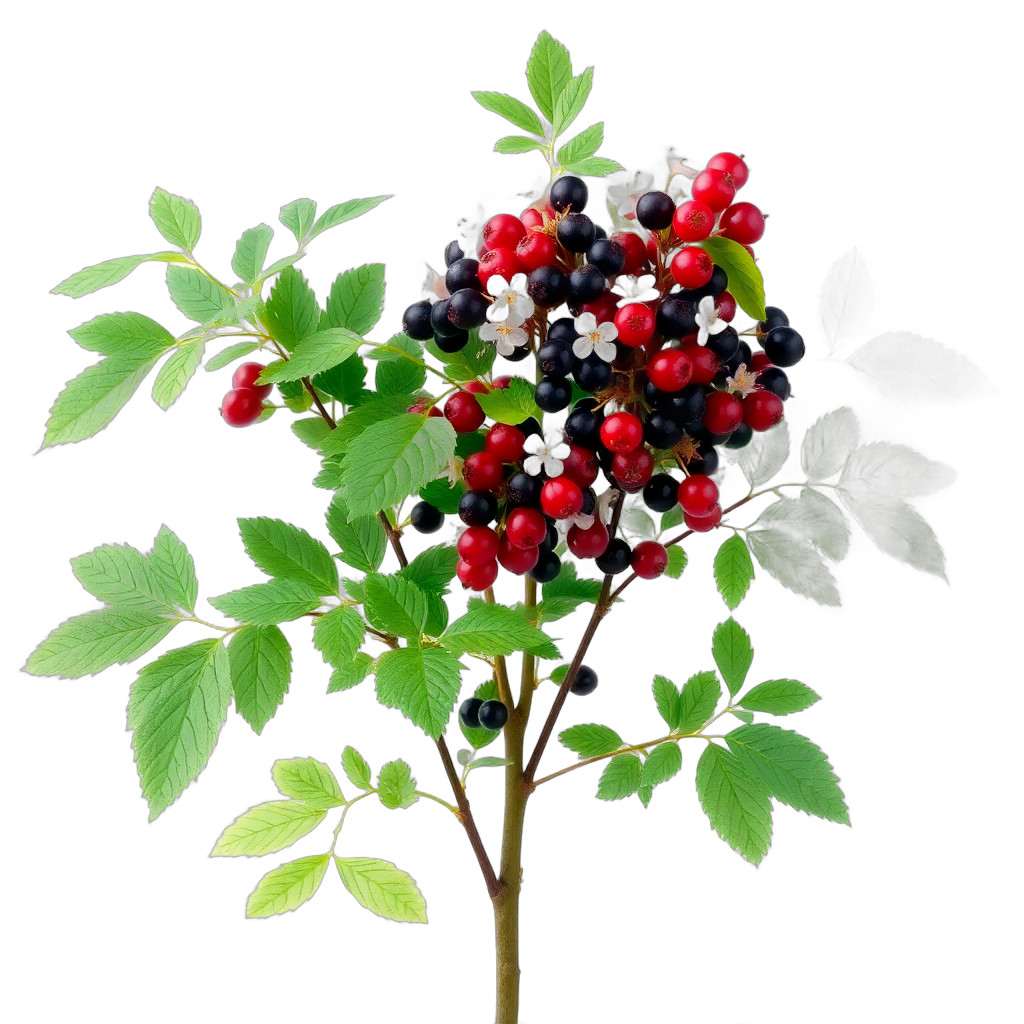
American Black Currant
Ribes americanum
grows to 5 feet, white,yellow blooms in spring. Attracts hummingbirds.
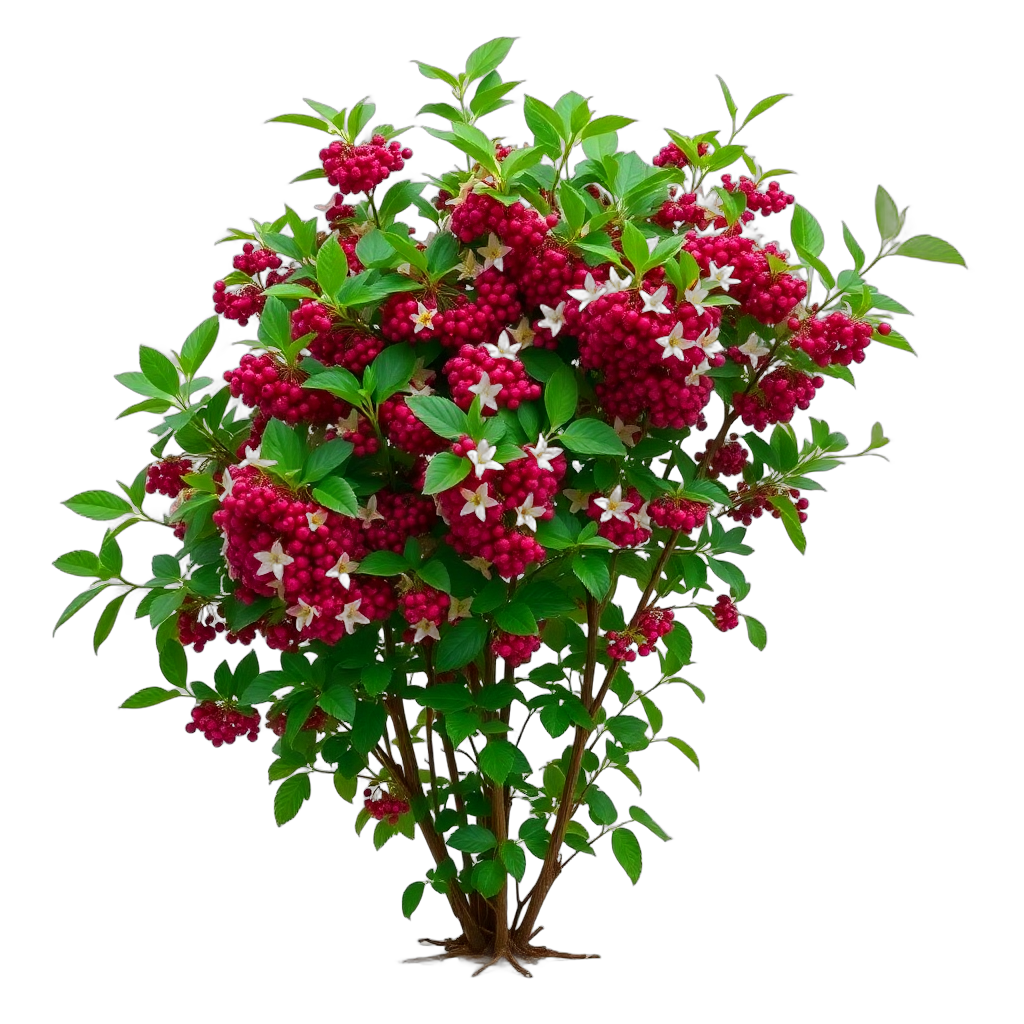
Clove Currant
Ribes odoratum
grows to 6 feet, yellow blooms in spring. Attracts hummingbirds.

Fragrant Sumac
Rhus aromatica
grows to 4 feet, yellow blooms in spring. Attracts butterflies.

Golden Currant
Ribes aureum
grows to 6 feet, yellow blooms in spring. Attracts hummingbirds.
Featured Grasses & Groundcovers for Cottage/English Gardens
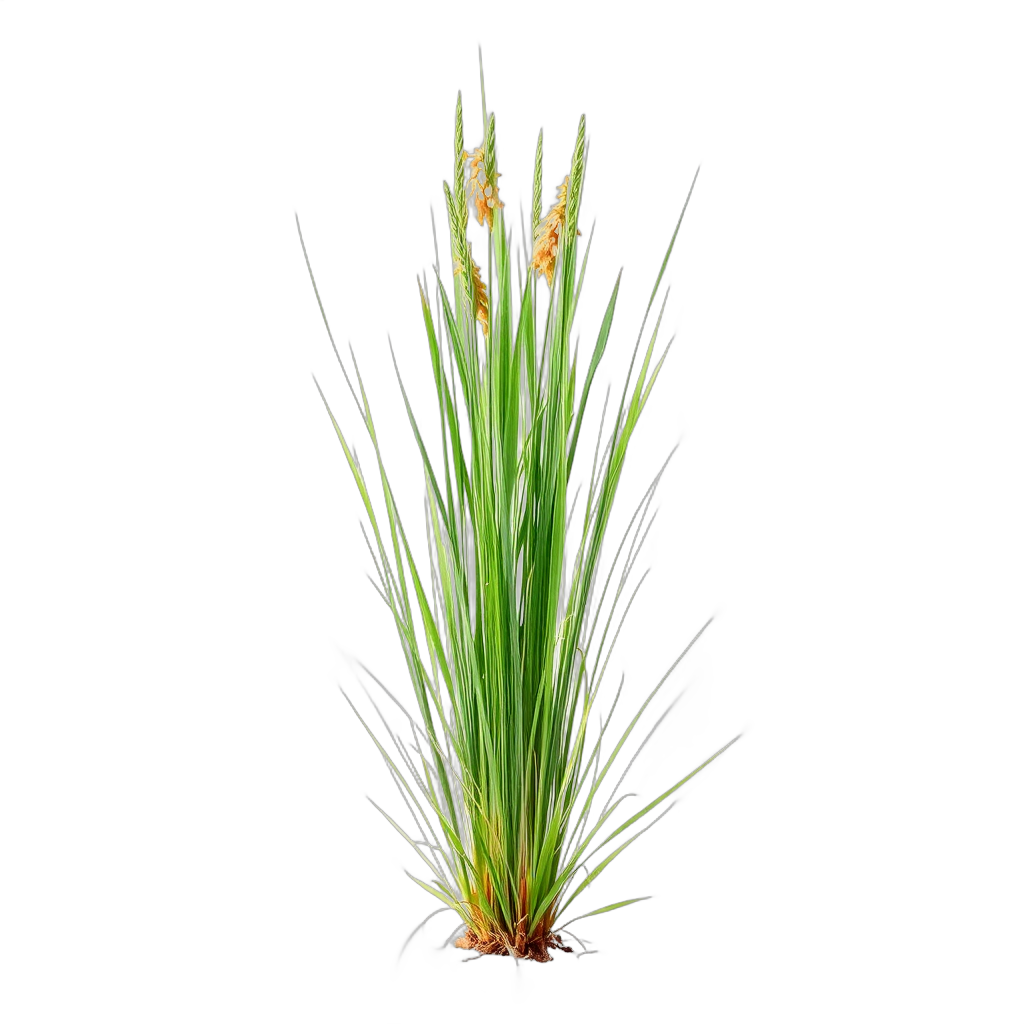
Eastern Gamagrass
Tripsacum dactyloides
grows to 6 feet, blooms in summer. Yellow fall color.
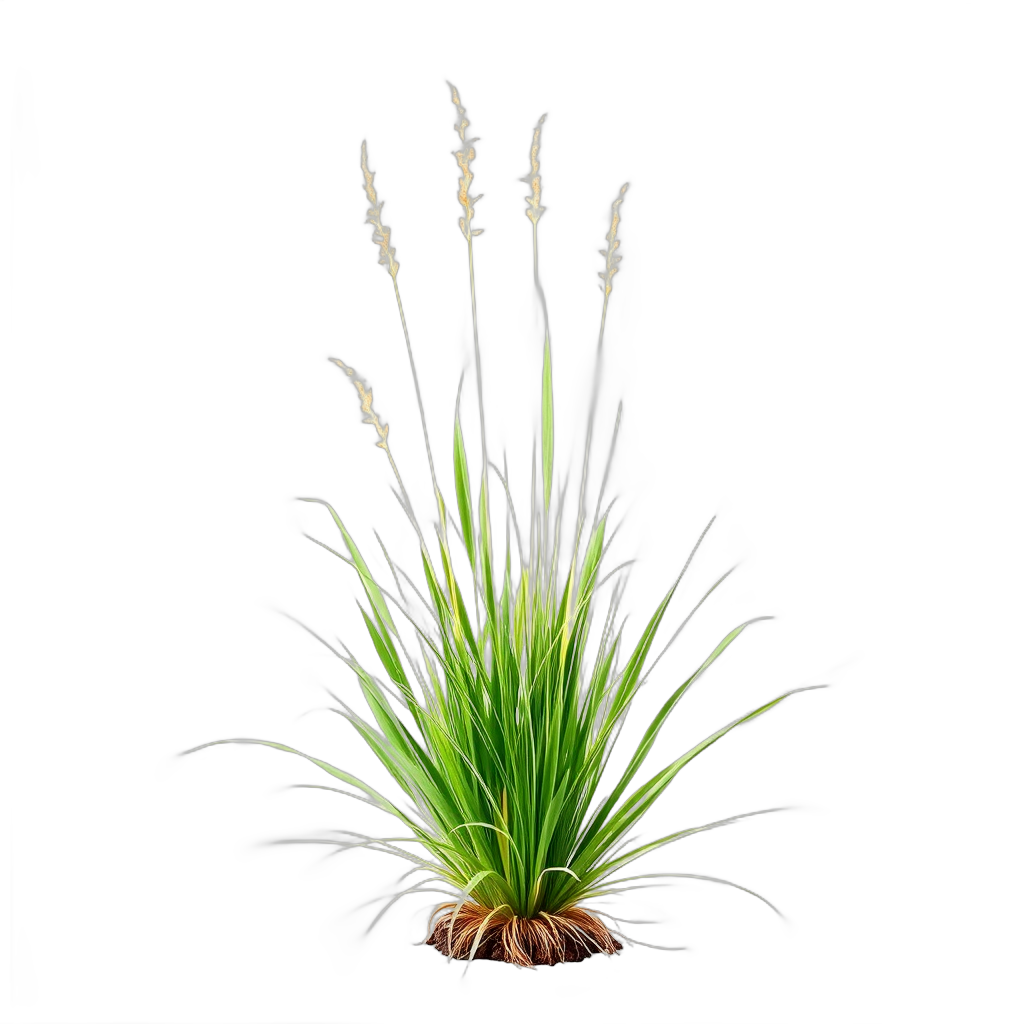
Northern Sea Oats
Chasmanthium latifolium
grows to 4 feet, blooms in fall. Bronze fall color.
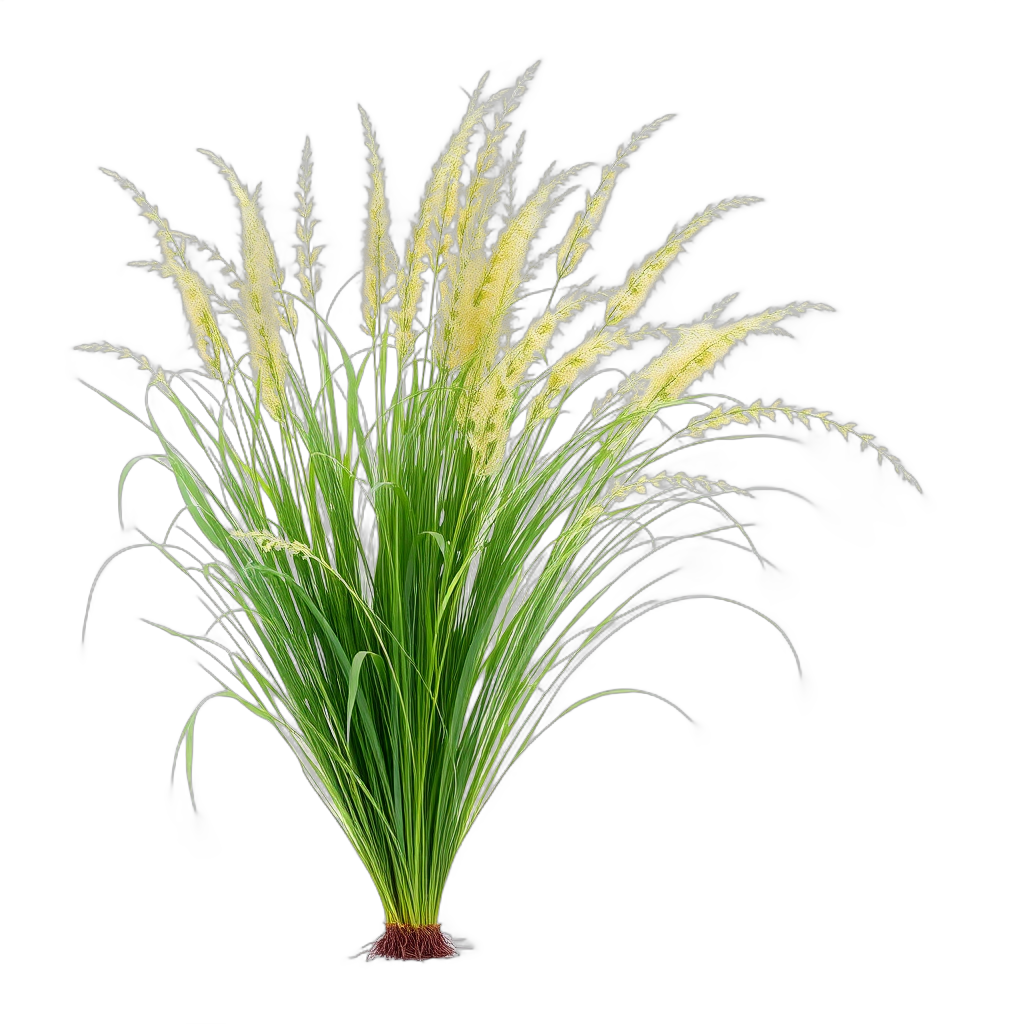
Adagio Maiden Grass
Miscanthus sinensis 'Adagio'
low-growing ground cover, pink blooms in summer. Orange fall color.
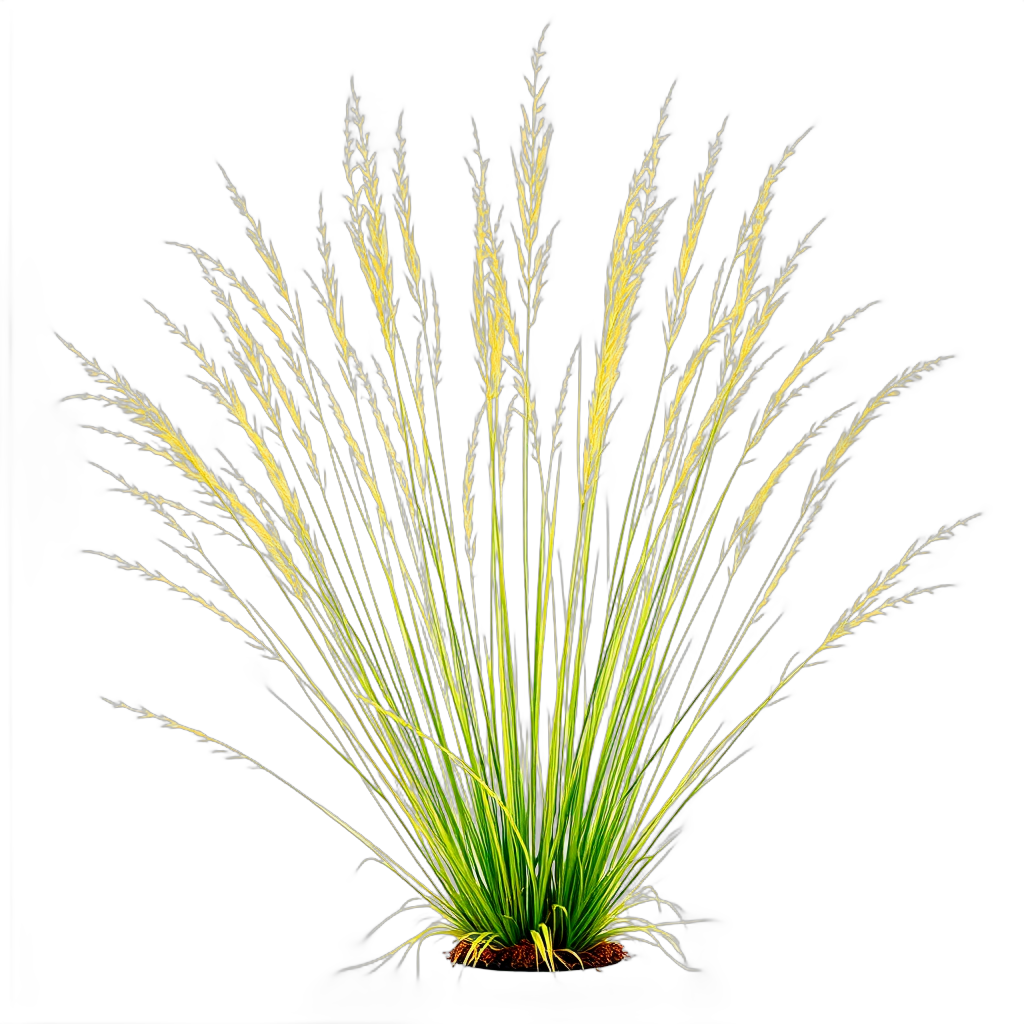
All Gold Japanese Forest Grass
Hakonechloa macra 'All Gold'
low-growing ground cover, blooms in summer.
Featured Flowers & Perennials for Cottage/English Gardens

Cup Plant
Silphium perfoliatum
medium-sized at 7 feet, yellow blooms in summer. Attracts butterflies.
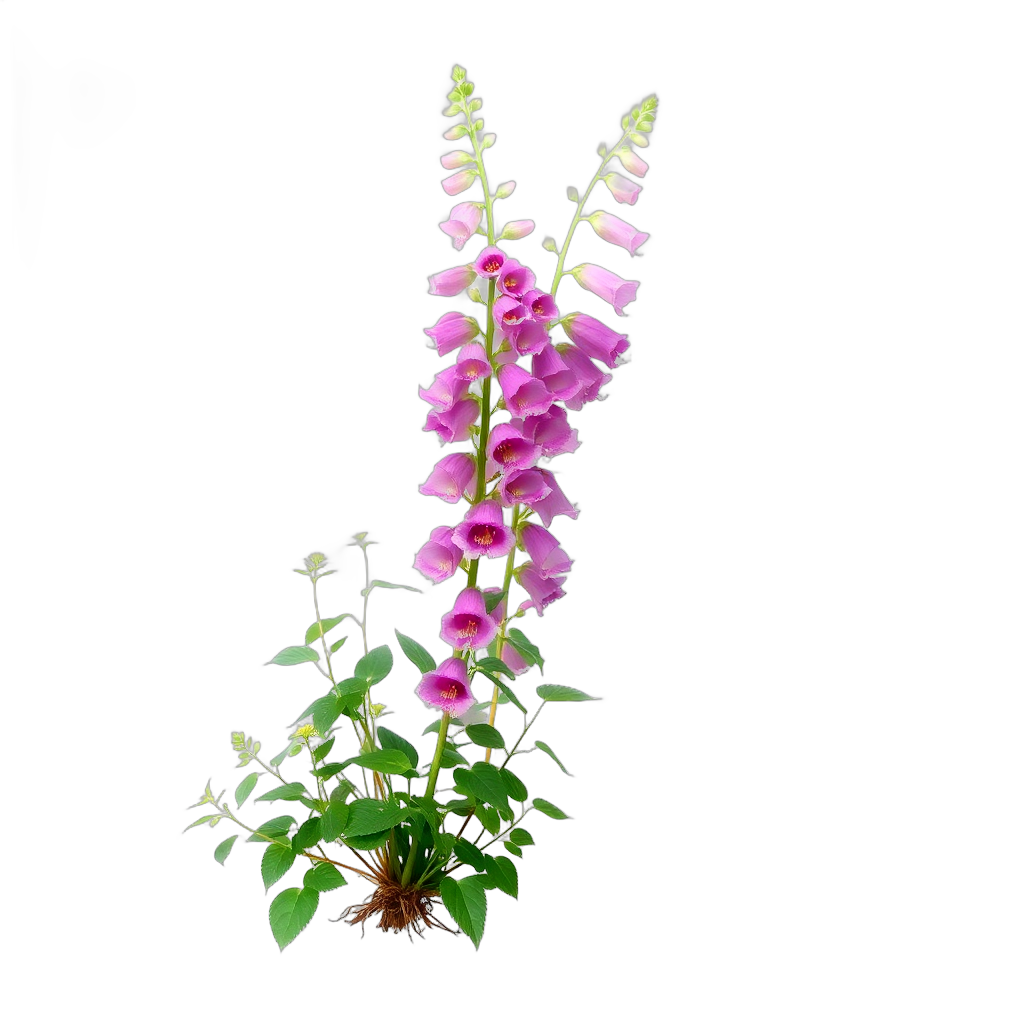
Foxglove Beardtongue
Penstemon digitalis
grows to 3 feet, white blooms in spring. Attracts hummingbirds.
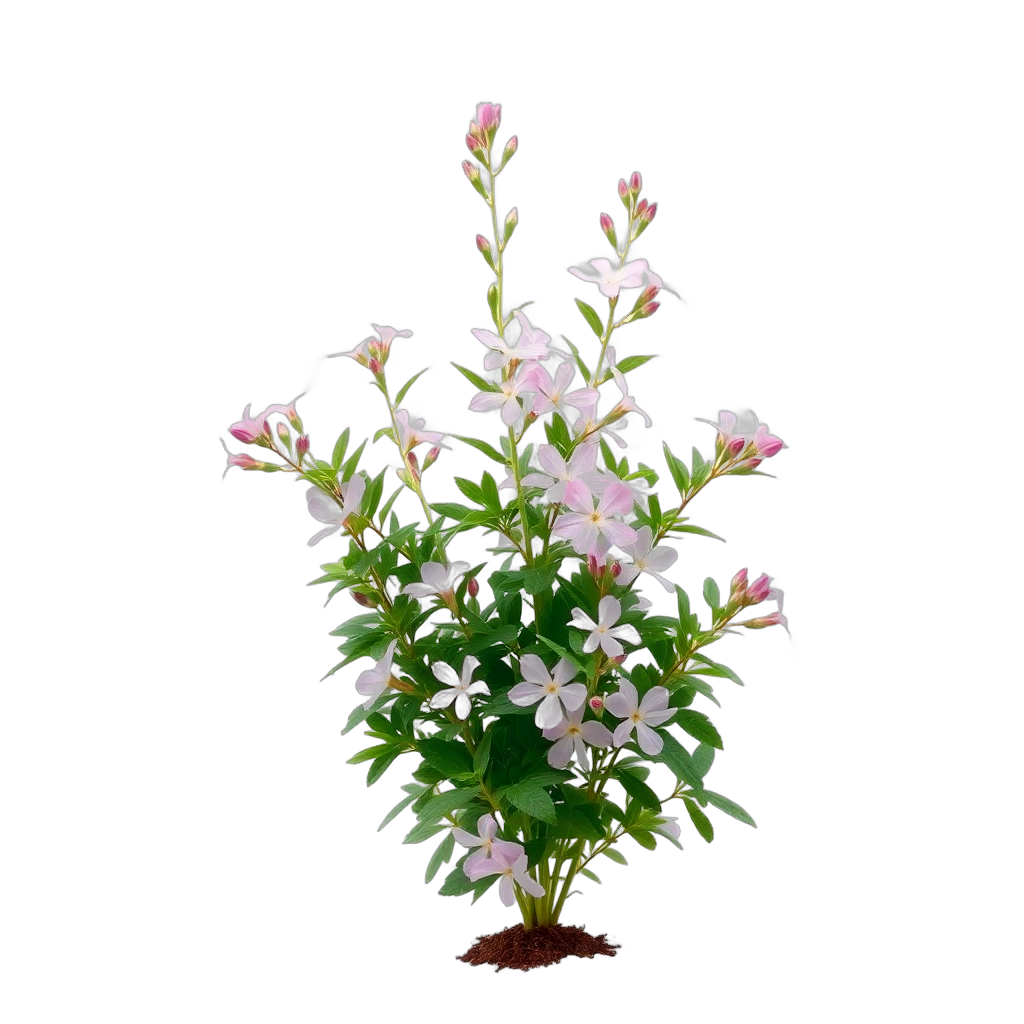
Garden Phlox
Phlox paniculata
grows to 3 feet, multi blooms in summer. Attracts hummingbirds.

Gloriosa Daisy
Rudbeckia hirta
low-growing ground cover, yellow blooms in summer. Attracts butterflies.
Zone and sun checks come from our database — confirm with your local nursery before you buy.
Bloom Calendar for Milwaukee
spring
Foxglove Beardtongue, American Black Currant, Clove Currantsummer
Cup Plant, Garden Phlox, Gloriosa Daisyfall
Northern Sea Oatswinter
Limited bloomsDesign Tips for Milwaukee (Zone 5b)
- Choose roses rated Zone 3–4 in Milwaukee — the Canadian Explorer and Parkland series, rugosa varieties, and 'William Baffin' are specifically bred for cold-continental winters and will return reliably year after year without the heavy protection that hybrid teas require
- Mound 6–8 inches of compost around climbing rose bases in November and wrap canes with burlap in exposed locations — this extra step vs. southern Midwest gardens is what Zone 5b requires for climbing rose longevity
- Bay View and Riverwest's narrow deep lots suit a side-garden cottage design: a long border along the property fence line with a mown grass path creates the feel of a country garden hidden behind the house, which is both beautiful and a Milwaukee neighborhood tradition
- Use rugosa roses as both a garden plant and a functional windbreak in lakeside neighborhoods — their dense thorny structure breaks Lake Michigan winds effectively while providing fragrant blooms and spectacular orange-red fall hips that extend the season into November
- Apply mulch after first hard freeze in late November — not before. In Milwaukee, mulching too early in warm late autumns keeps soil warm and can delay dormancy, leaving plants more vulnerable when the real cold arrives
- Milwaukee's German and Polish garden heritage includes a tradition of productive cottage gardens — integrate edible plants (herbs, alpine strawberries, nasturtiums) into cottage borders as historical nod to the neighborhood's cultural roots and a practical way to enjoy the garden beyond aesthetics
Where to Source Plants in Milwaukee
Skip the big-box stores. These independent Milwaukee nurseries specialize in the plants that make cottage/english gardens thrive in Zone 5b.
Johnson's Nursery
Menomonee Falls (northwest suburbs)
Premier Wisconsin nursery; exceptional cold-hardy perennial, rose, and tree selection for Zone 5b; family-owned
Stein's Garden and Home
Multiple Milwaukee-area locations
Large Wisconsin chain; broad Zone 5b-tested perennial, rose, and cottage plant selection
Waldvogel's Pharmacy and Garden
Bay View
Small neighborhood garden section; locally curated cottage plants and Bay View community institution
Prairie Nursery
Westfield (Wisconsin — mail order / day trip)
Wisconsin's leading native and prairie plant nursery; excellent cottage-native hybrid plant selection
Milaeger's
Racine (south of Milwaukee)
Premier Southeast Wisconsin independent; outstanding perennial, rose, and specialty plant selection
Cottage/English Landscaping Costs in Milwaukee
| Project Scope | Estimated Cost |
|---|---|
| Rose arbor + picket fence front entry (cottage) | $5,000 – $12,000 |
| Full cottage front yard redesign (400–600 sqft) | $8,000 – $20,000 |
| Backyard cottage terrace with pergola + planting | $16,000 – $48,000 |
| Flagstone patio installation (200–400 sqft) | $5,000 – $15,000 |
| Soil amendment and raised bed preparation | $900 – $3,500 |
| AI visualization with ProScapeAI | Free to start |
Estimates based on Milwaukee, WI-area contractor rates as of 2026. Actual costs vary by site conditions, materials, and contractor.
Milwaukee Climate & Growing Zone

USDA Zone 5b
Hardiness zone for Milwaukee
Central US forest-grasslands transition
Native ecoregionFrequently Asked Questions
What roses survive Milwaukee's Zone 5b winters (-15°F)?
Cold-hardy shrub and Explorer series roses are the reliable choices. Top performers: 'William Baffin' (Zone 3, climbing, deep pink, essentially bulletproof in Milwaukee), 'Henry Kelsey' (Zone 3, climbing, red), 'Hansa' rugosa (Zone 3, shrub, fragrant purple-red), 'Frau Dagmar Hastrup' rugosa (Zone 2, shrub, pink, incredible hardiness), 'Knock Out' series (Zone 4, shrub, disease-resistant), 'Morden Blush' (Zone 3, shrub, Canadian series). Hybrid teas are borderline in Zone 5b and require serious protection — wrapping canes with burlap plus soil mounding. Canadian Explorer and Parkland series roses bred specifically for Prairie winters are the most reliable choices for Milwaukee's climate.
How long is the growing season in Milwaukee?
Milwaukee's growing season is approximately 155–165 days: last frost averages May 10–15, first fall frost around October 10–15. Lake Michigan's thermal mass meaningfully moderates these dates in lakeside neighborhoods — Shorewood, Whitefish Bay, and the East Side can see last frost as early as May 1 and first fall frost as late as October 20–25. Spring perennial emergence begins in April; fall color from grasses and late perennials extends interest through October. Plant spring bulbs (tulips, alliums, narcissus) in October for the early-season cottage sequence. The Milwaukee growing season is shorter than Ohio cities but fully sufficient for outstanding cottage garden displays.
Does Lake Michigan's climate affect gardening in Milwaukee?
Yes, and mostly favorably. The lake moderates temperature extremes in lakeside neighborhoods: spring warms later (lake stays cold in April, delaying spring warm-up), but fall extends longer (lake retains summer heat, delaying fall frosts). The net effect is a marginally longer growing season near the lake, meaningfully milder Zone 5b conditions in lakefront neighborhoods. Humidity from the lake is higher than inland Wisconsin, which benefits moisture-loving cottage plants. The tradeoff is persistent spring cloudiness and occasional summer fog near the lakefront, but these have minimal impact on plant performance.
Is Milwaukee's soil good for cottage gardens?
It varies by neighborhood and history. Bay View and Riverwest's older residential areas often have reasonably good urban soil from decades of gardening and composting. The East Side near UWM and in historic neighborhoods tends toward better soil quality. Milwaukee's urban core soils often have high pH (alkaline, common in the Great Lakes region due to limestone bedrock), which can affect nutrient availability for roses and acid-preferring plants. A basic soil test (UW-Extension offers testing) before planting is worthwhile. Most cottage perennials tolerate mildly alkaline soil well; roses benefit from annual sulfur application if pH is above 7.5.
When should I plant cottage perennials in Milwaukee?
Fall (mid-September through October) is ideal for perennials and roses — Milwaukee's soil stays workable through October while air temperatures are mild. Spring planting should wait until after last frost (May 10–15 for most of Milwaukee, May 1–5 for lakeside neighborhoods). Plant tulips, alliums, and narcissus bulbs in October while soil is still workable. Hardy cottage perennials (catmint, salvia, echinacea, delphiniums) can go in from late April in most years. Avoid planting roses in late spring/summer heat — fall or early spring establishment is significantly easier in Milwaukee's climate.
What winter mulching routine works for Milwaukee cottage gardens?
Apply winter mulch after the first hard freeze (typically late November in Milwaukee), not before. Apply 3–4 inches of shredded leaf mulch over all perennial crowns. For climbing roses, mound 6–8 inches of compost or soil around the base and wrap canes loosely with burlap in exposed locations — Zone 5b winters warrant more protection than Ohio cities. Remove mulch gradually in spring starting in late April: begin peeling back mulch from perimeter edges when daytime temps consistently reach 40°F+, completing removal by mid-May. Leaving mulch too long in spring in Milwaukee can cause crown rot as the soil warms beneath insulated covers.