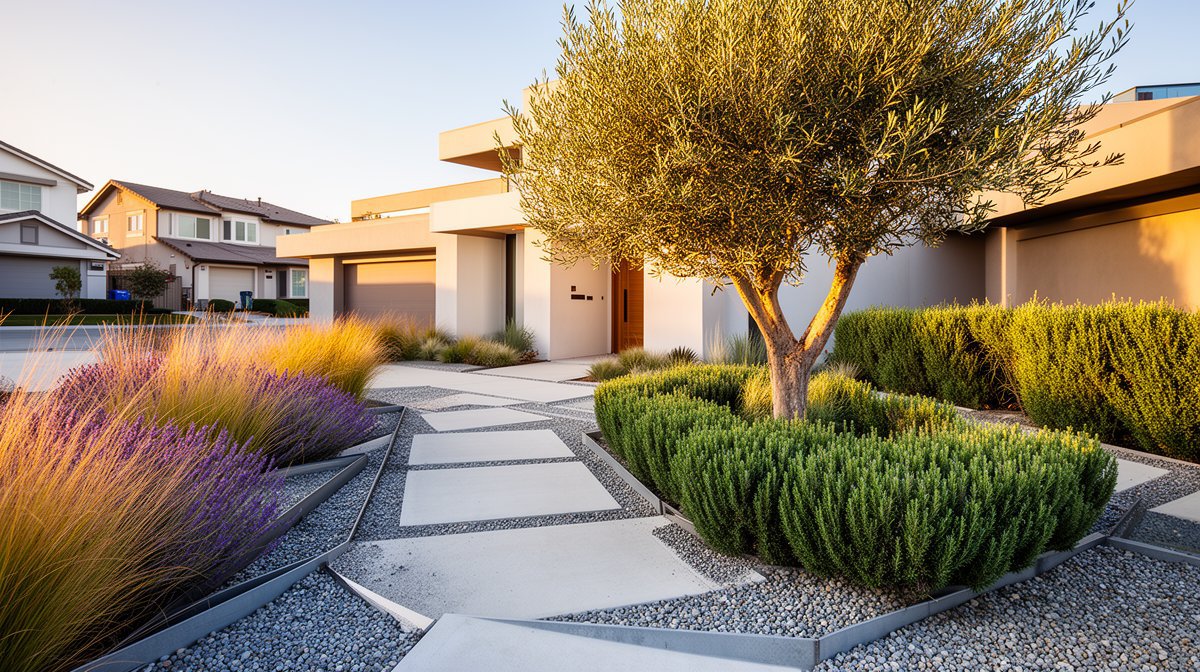
4 Modern Garden Ideas for Moreno Valley, CA | Clean-Line Landscape Design in Zone 9b
Native plants from the California coastal sage and chaparral (Zone 9b) — Cold semi-arid climate
Why Modern/Minimalist Gardens in Moreno Valley?
Moreno Valley may be the single easiest place in Southern California to pull off a modern landscape. The city's housing stock — from the 1980s ranches of Sunnymead and Edgemont to the newer stucco contemporaries filling out Rancho Belago and Moreno Valley Ranch — is dominated by clean single-story lines, wide garage-forward facades, and open, sun-drenched lots that modern design was practically invented for. Add the backdrop of Box Springs Mountain to the west and the ridgelines above Lake Perris to the south, and even a simple composition of gravel, concrete, and agave borrows a sense of drama that coastal cities have to fake.
The climate does most of the design work for you. Moreno Valley sits in USDA Zone 9b with a semi-arid steppe climate (Köppen BSk): roughly 12 inches of rain a year, 270-plus days of sunshine, summer highs that regularly push past 100°F, and winter lows that only occasionally dip to 25–30°F. That means the sculptural plants that define modern landscapes — agaves, yuccas, hesperaloe, ornamental grasses — grow here without protection, without amendment gymnastics, and mostly without irrigation once established. The traditional lawn, by contrast, is the most expensive thing you can own in this climate; keeping fescue green through an August of triple-digit heat and Santa Ana winds takes thousands of gallons a week. Eastern Municipal Water District, which serves Moreno Valley, has paid residents through the SoCal WaterSmart program to remove turf — often $2 or more per square foot — which can offset a meaningful chunk of a gravel-and-agave front yard conversion.
The local soil is the last piece of good news. Much of Moreno Valley sits on decomposed granite and sandy loam that drains sharply — the exact opposite of the clay that torments gardeners elsewhere — so succulents and Mediterranean plants can go straight in the ground at grade. The two real constraints are heat and wind: west- and south-facing hardscape needs shade structures or tree canopy to stay usable in summer, and Santa Ana wind events will shred oversized, thin-leafed plants and unanchored shade sails. Design with low, wind-firm architectural plants, give every seating area afternoon shade, and a modern Moreno Valley landscape becomes what it should be: nearly zero maintenance, dramatically cheaper to water than a lawn, and sharp-looking twelve months a year.
4 Modern/Minimalist Design Ideas for Moreno Valley
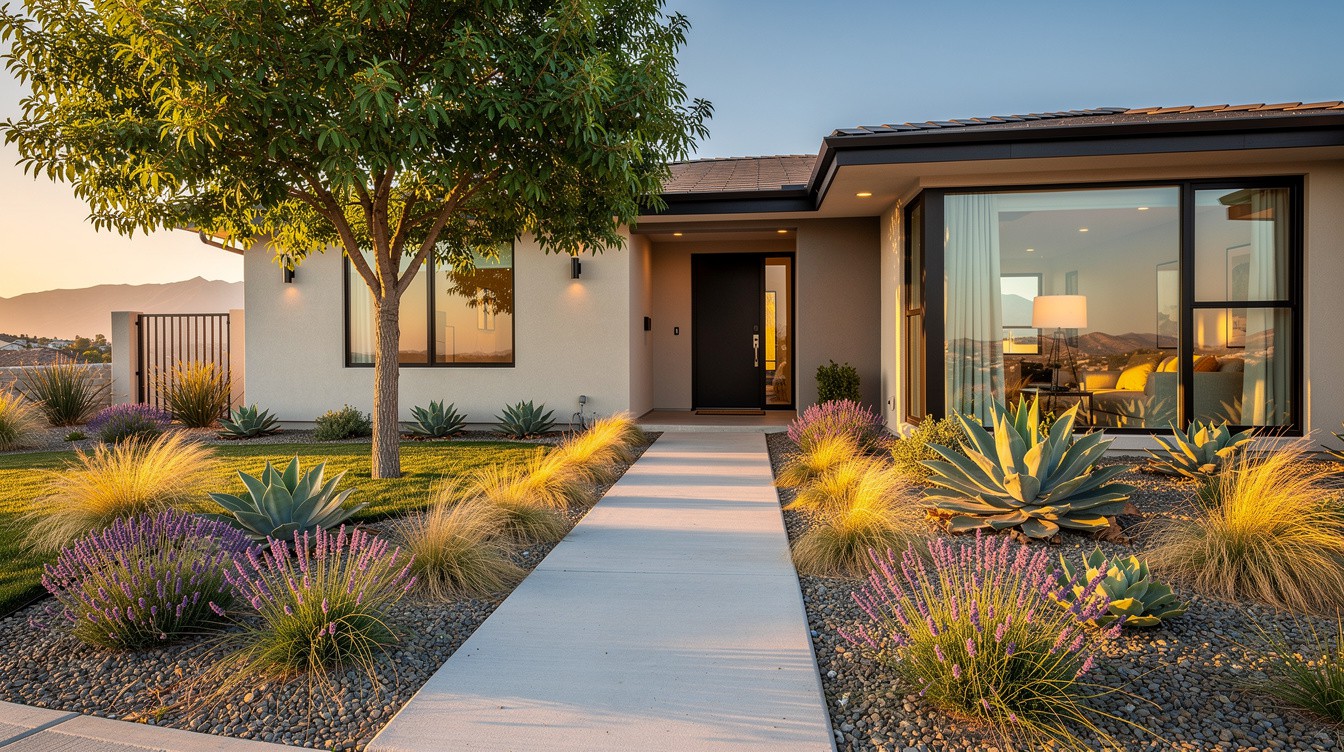
The Lavender Line Entry
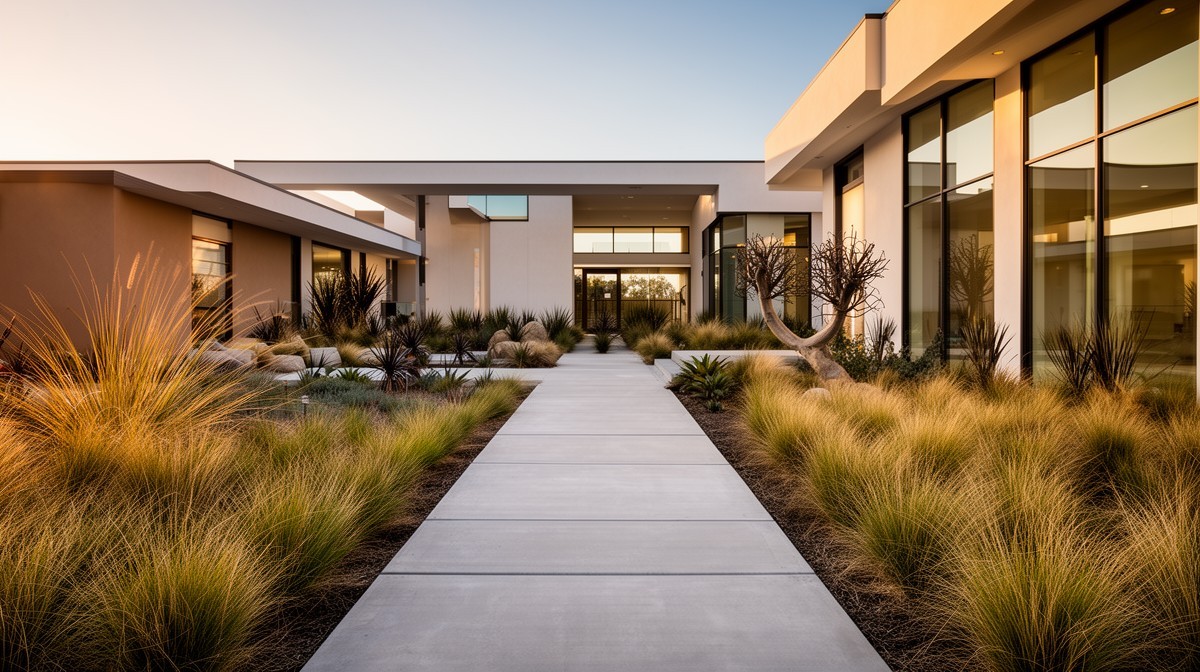
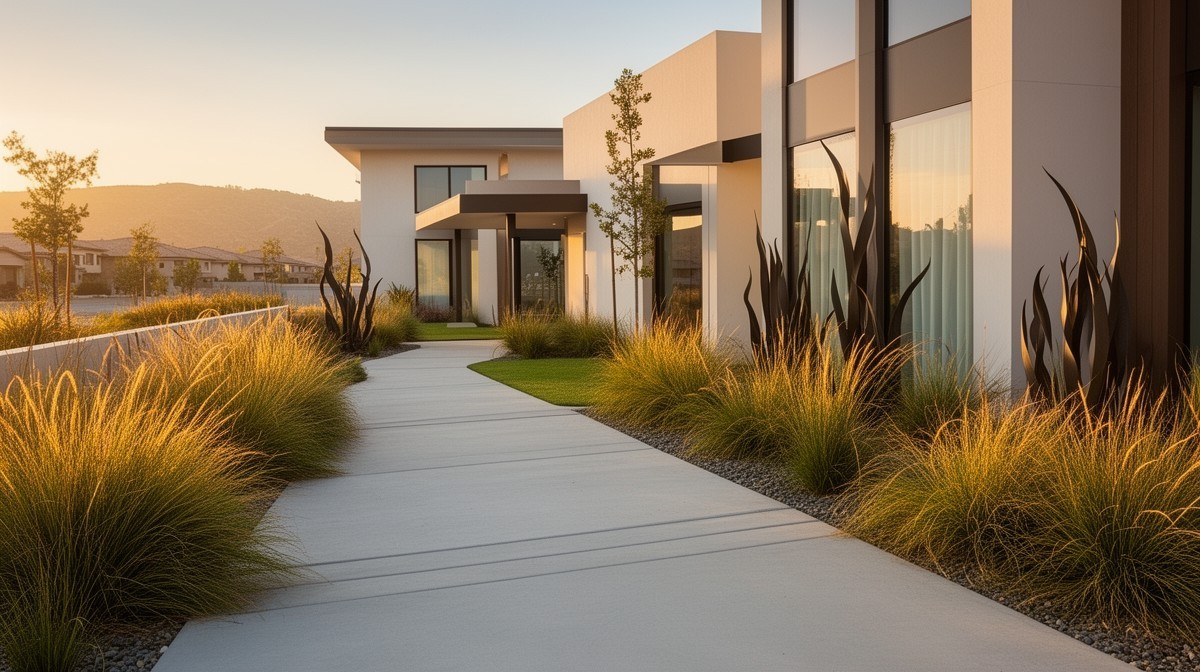
$9–18/sqftA cream-stucco single-story contemporary with a matte-black front door and a full-height corner window, approached by a long, clean concrete walkway that runs dead straight to the entry. Both sides of the walk are planted in rhythm — silvery-blue agaves, golden Mexican feather grass catching the low sun, and repeated drifts of purple-spiked lavender — all set in dark pebble mulch, with one restrained panel of lawn and a single multi-branched shade tree softening the facade. Mountain views to the west finish the composition; this is the front yard equivalent of a well-tailored suit.
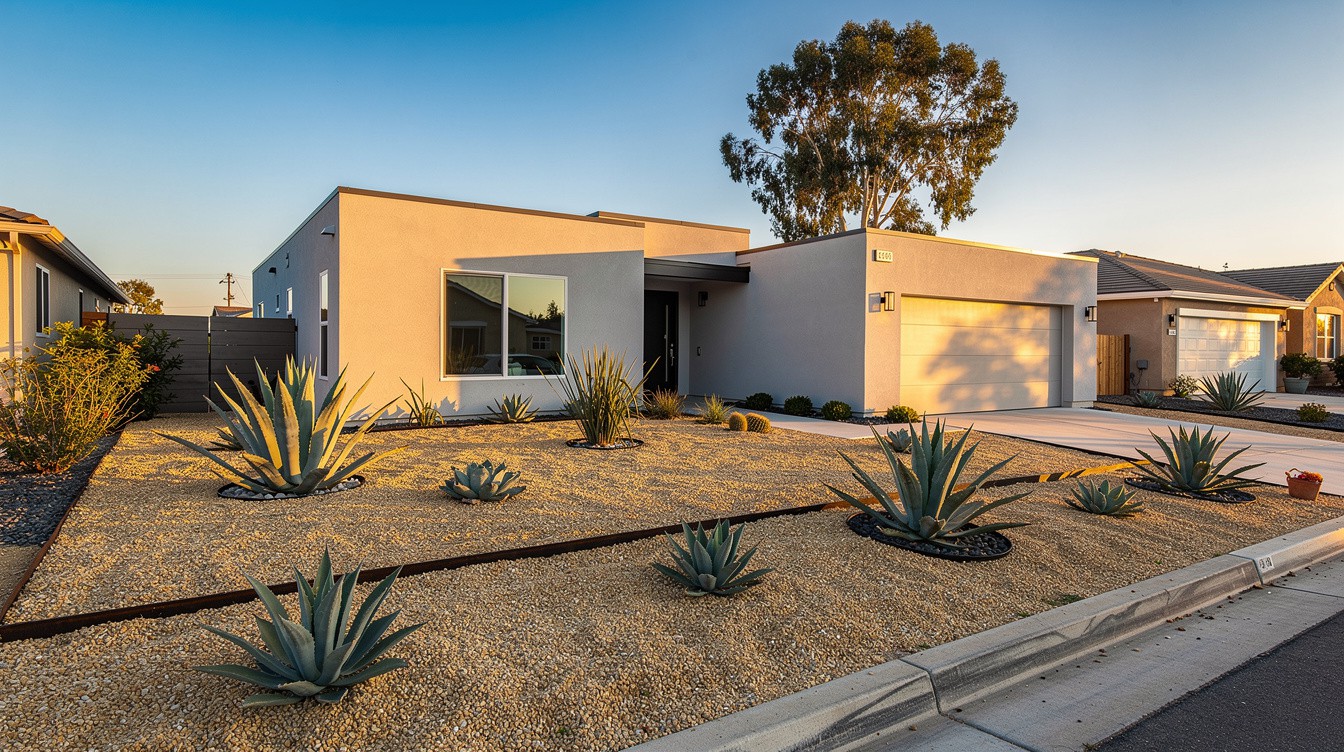
The Corten Terrace Yard
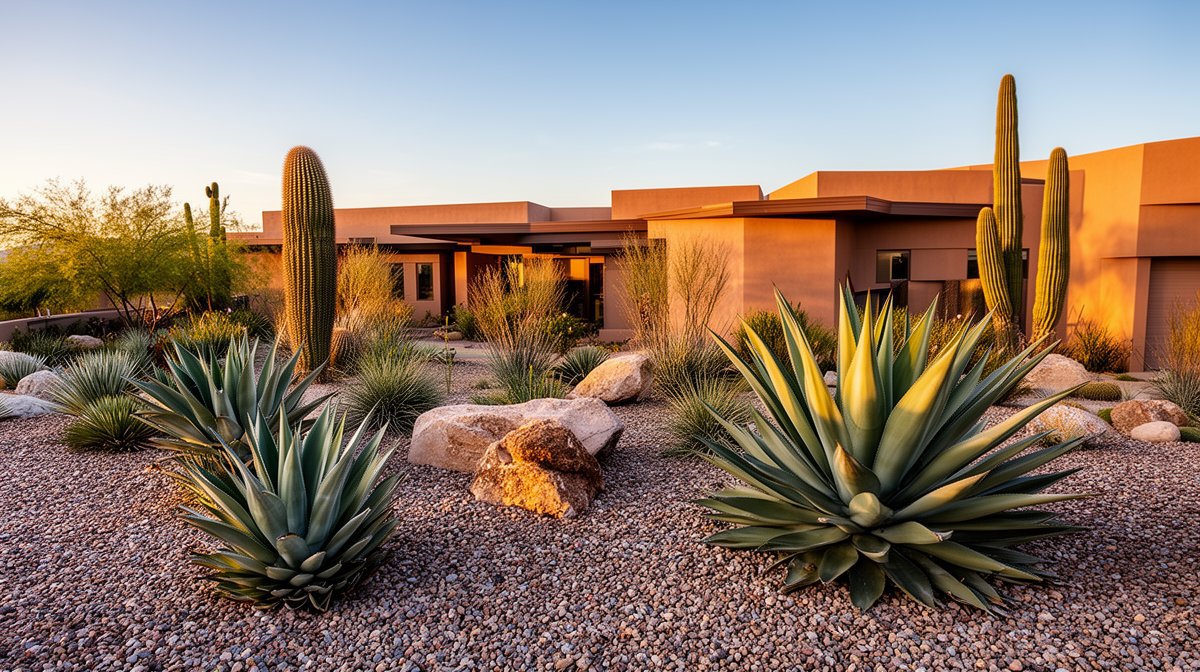
$8–15/sqftTurf is gone entirely on this flat-roofed contemporary — the whole front yard is a field of golden decomposed granite, organized into shallow terraces by thin weathered-steel strips that step down toward the sidewalk. Sculptural agaves are placed like chess pieces, each ringed with dark cobble, joined by fox tail agaves, small yuccas, and a single golden barrel cactus near the entry. A mature eucalyptus rises behind the parapet roofline. It reads high-design but it is one of the cheapest yards on this page to build and nearly free to maintain: no mowing, no spray heads, drip only.
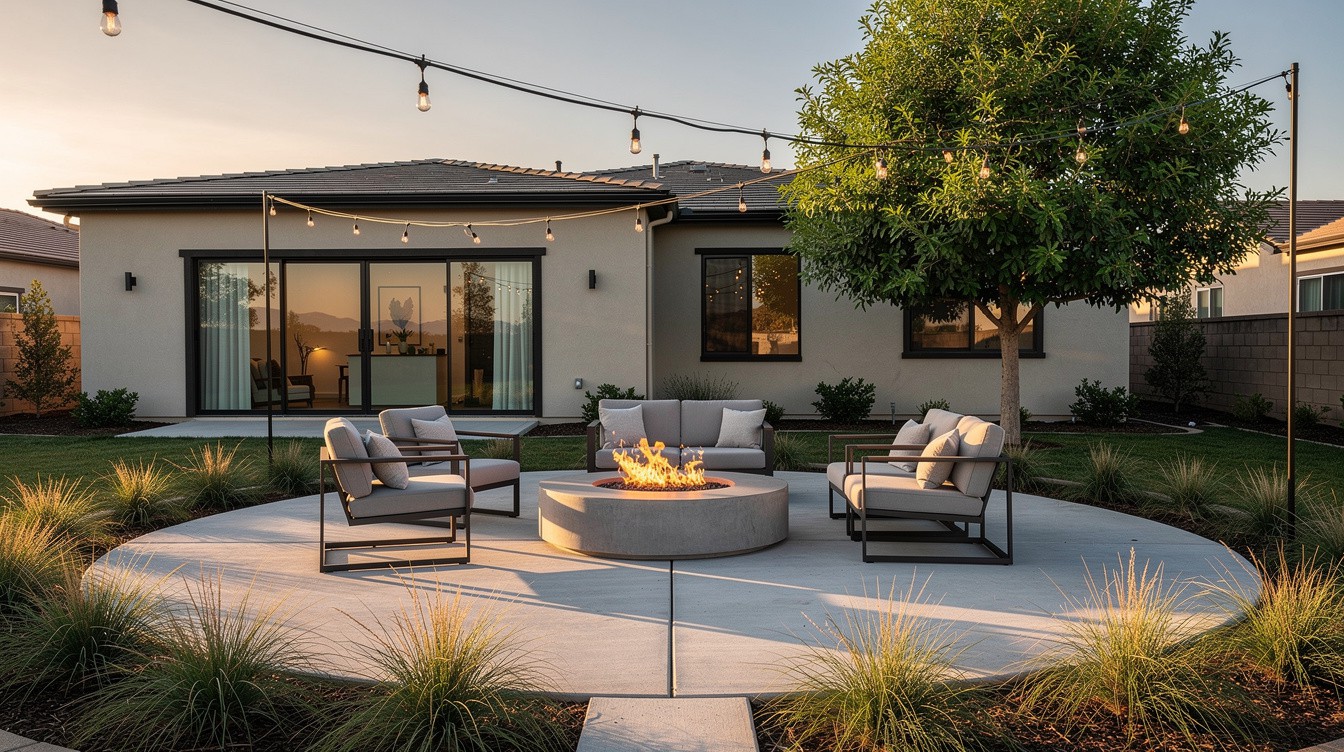
The Round Patio Fire Lounge
$15–28/sqftA perfect circle of poured concrete floats in the backyard, ringed by loose drifts of native deer grass that glow gold at sunset. At its center sits a low round board-formed concrete fire bowl surrounded by four steel-framed lounge chairs and a small sofa, with string lights swept overhead between black poles and the roofline. A young ornamental tree anchors one edge, lawn fills the gaps between planting beds, and the block wall behind disappears into grasses and shrubs. The geometry — one circle, one material, one plant texture — is what makes it feel expensive.
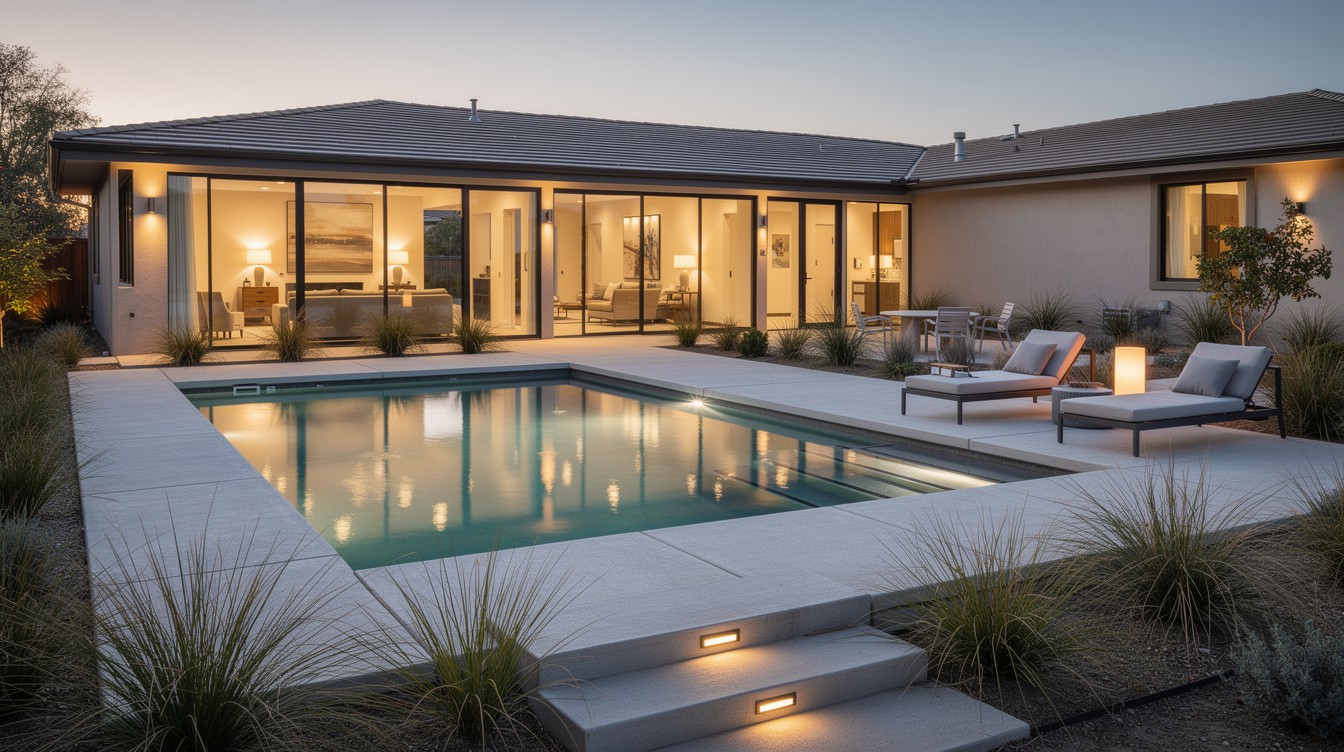
The Dusk-Lit Pool Court
$35–70/sqft (pool area inclusive)An L-shaped single-story home wraps two sides of a rectangular pool in floor-to-ceiling glass, so at dusk the whole interior glows like a lantern over the water. The pool is set in pale board-finished concrete decking with wide steps — each tread washed by a recessed linear light — and the planting is deliberately wild against all that precision: unclipped native grasses spill over the deck edges from gravel beds, with a single sculptural shrub by the far window. Two loungers and a glowing cube lamp are the only furniture. Resort minimalism, Inland Empire edition.
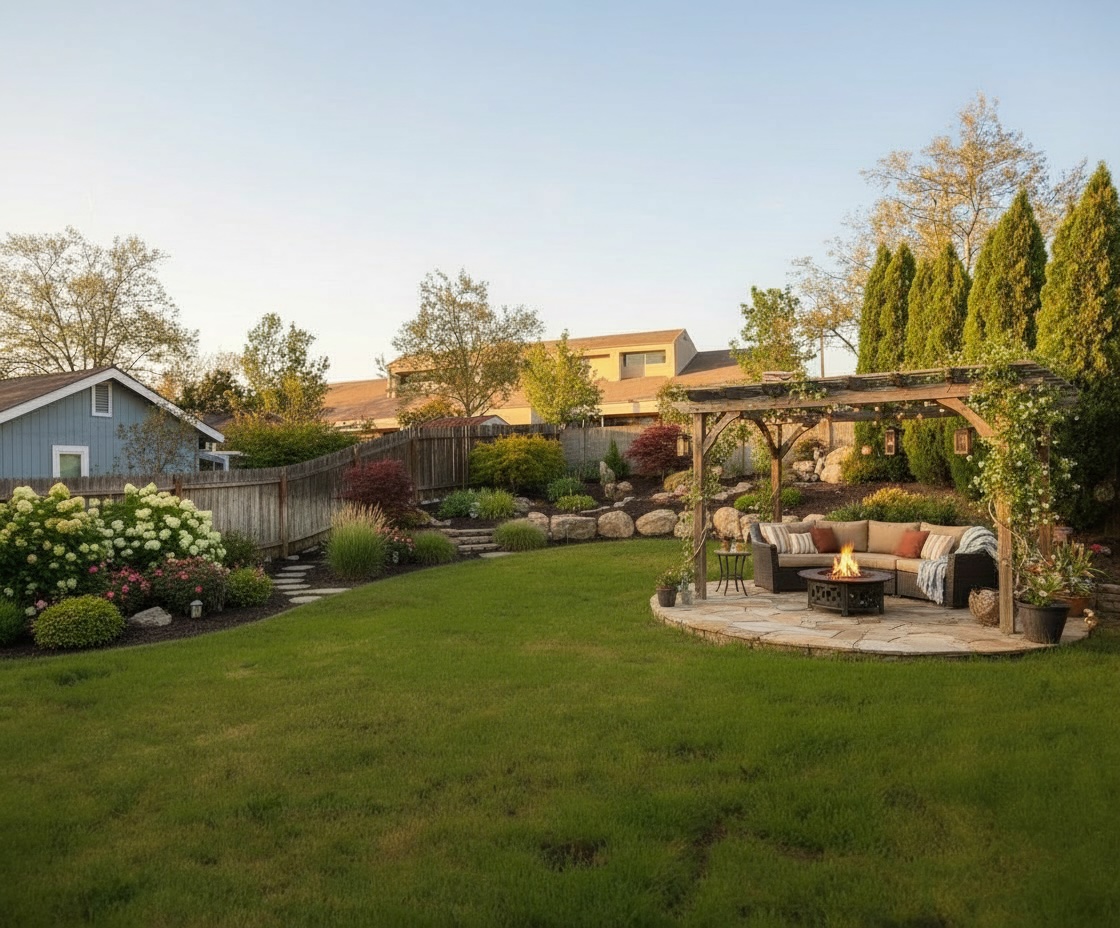
See how a modern/minimalist garden looks on YOUR property
Upload a photo of your Moreno Valley yard and visualize your dream garden in seconds.
Try ProScapeAI Free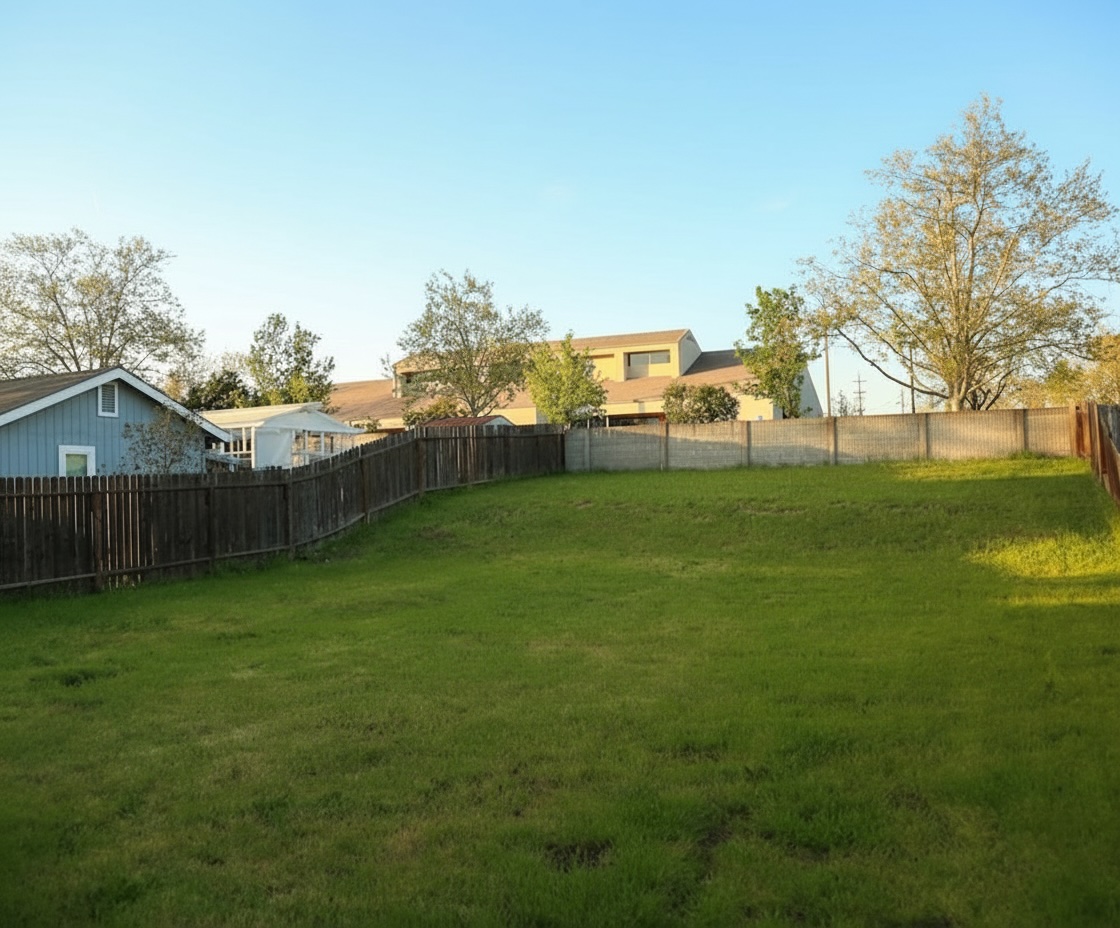
Featured Trees & Shrubs for Modern/Minimalist Gardens
Browse all 223 plants for Moreno Valley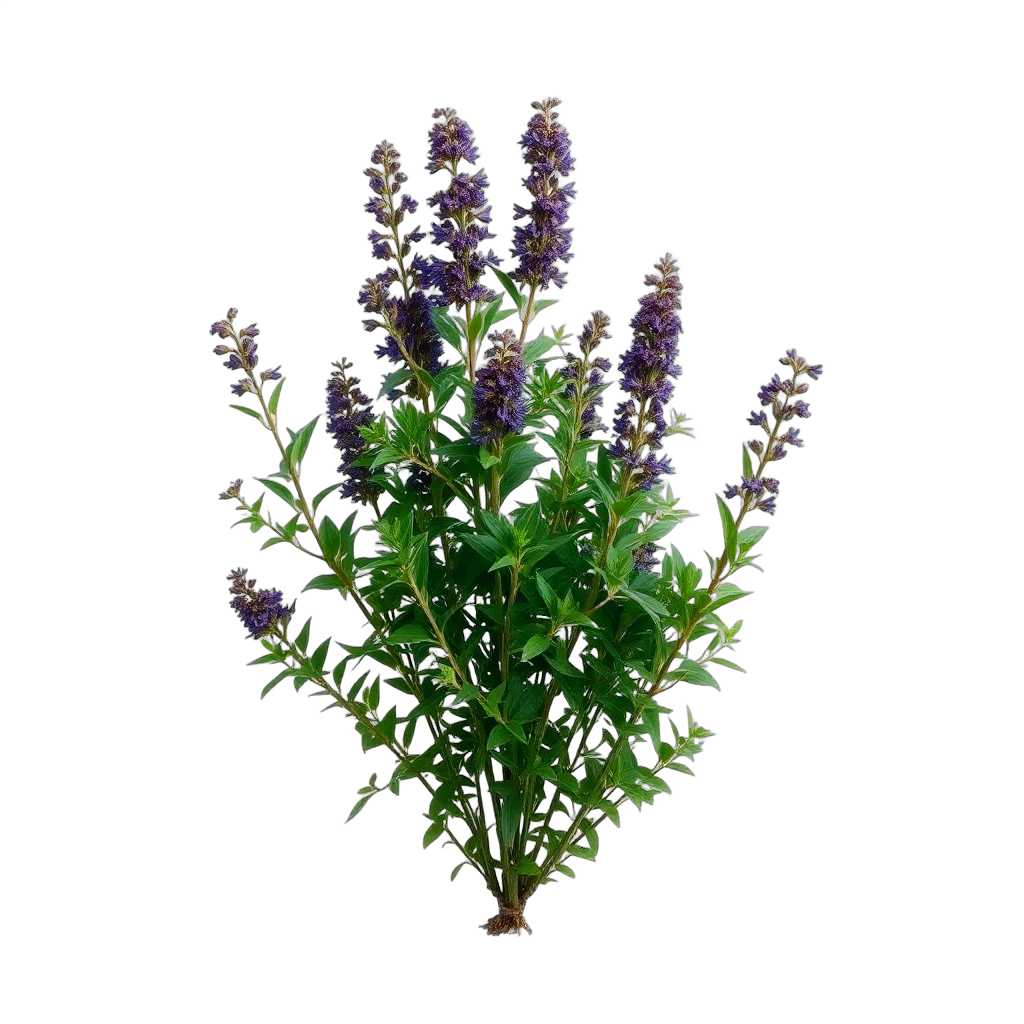
Black Sage
Salvia mellifera
grows to 4 feet, white blooms in spring. Attracts butterflies.
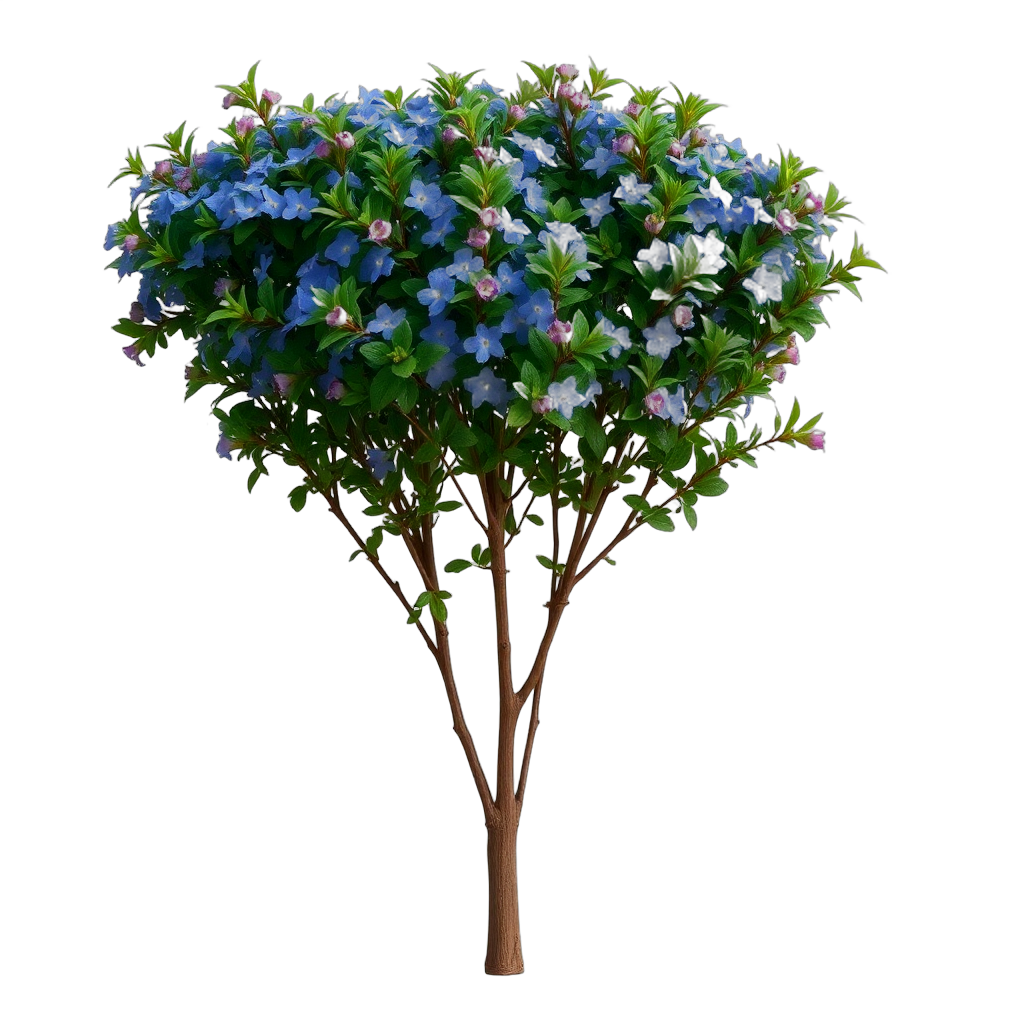
Blue Blossom
Ceanothus thyrsiflorus
medium-sized at 12 feet, blue blooms in spring. Attracts butterflies.
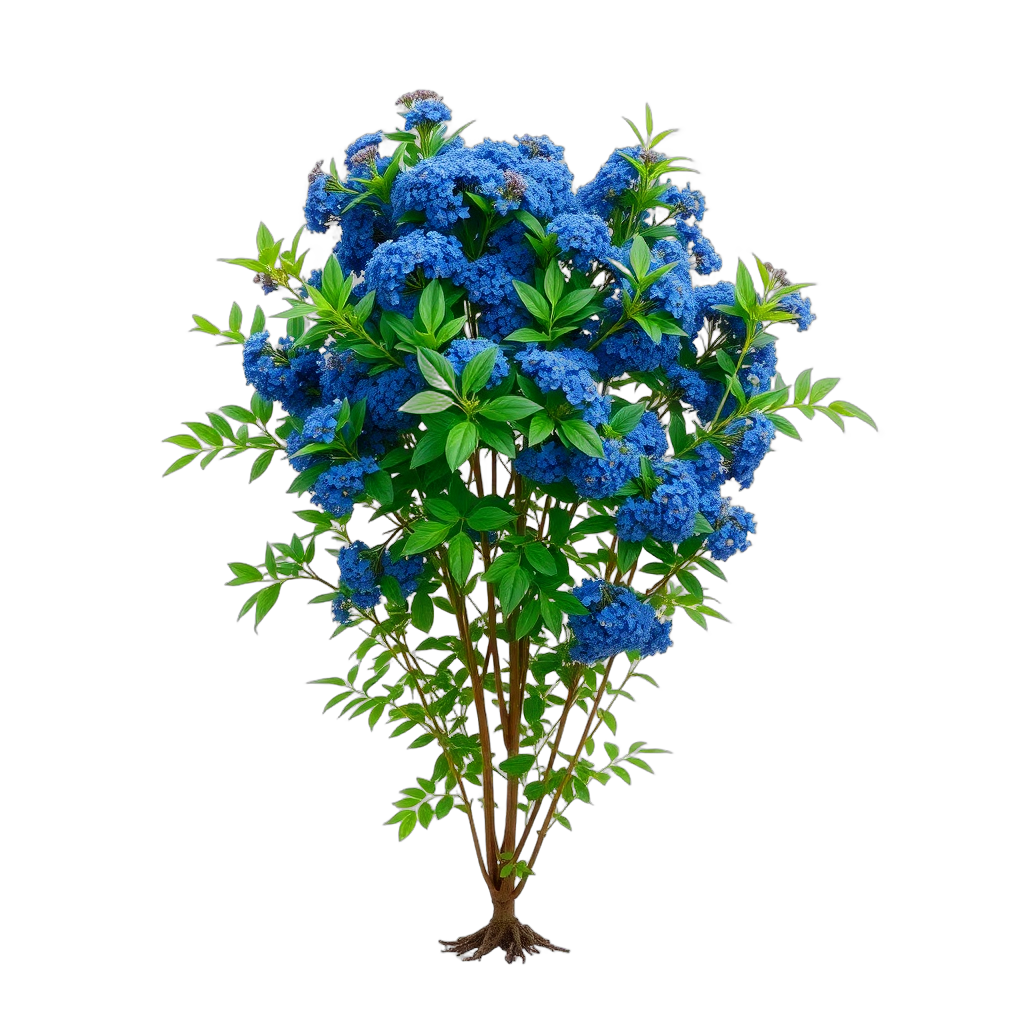
Blue Elderberry
Sambucus cerulea
medium-sized at 15 feet, white blooms in spring. Attracts butterflies.
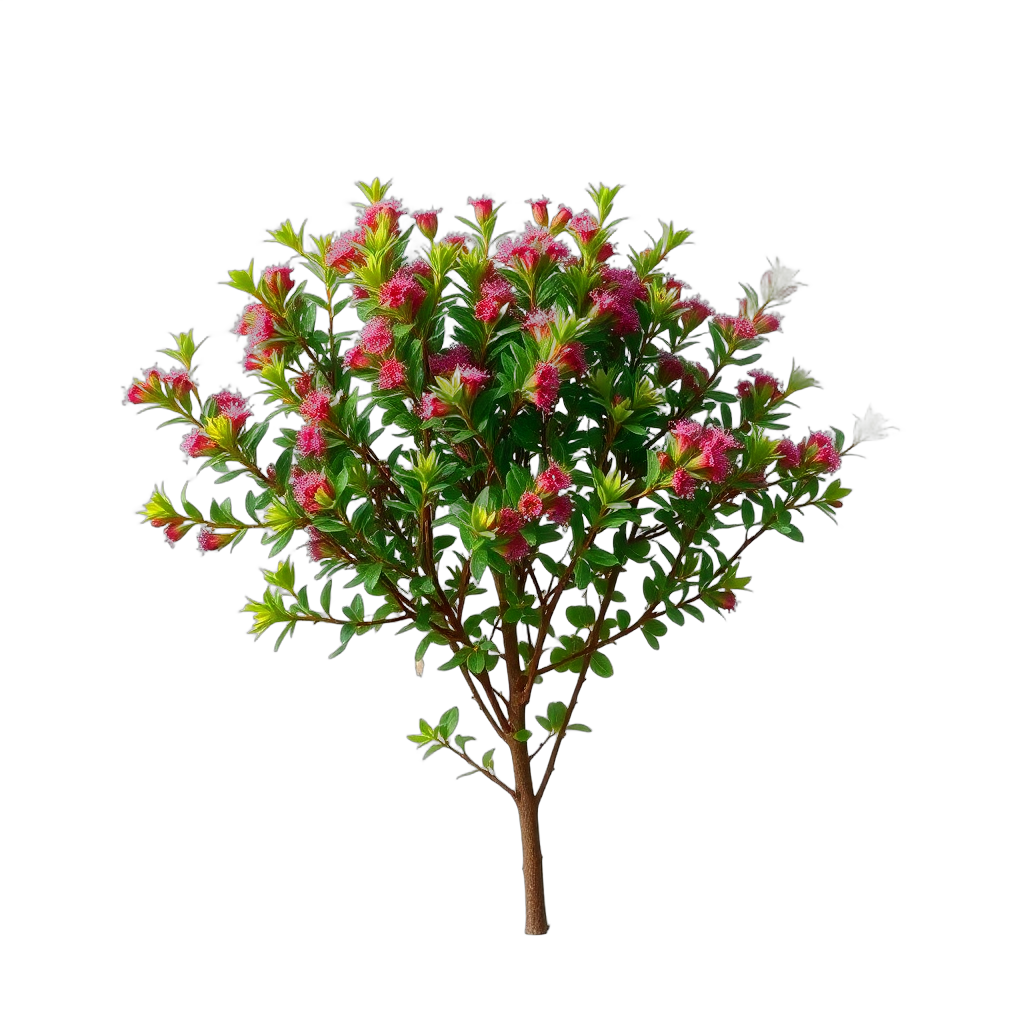
Buckbrush
Ceanothus cuneatus
medium-sized at 7 feet, white blooms in spring. Attracts butterflies.
Featured Grasses & Groundcovers for Modern/Minimalist Gardens
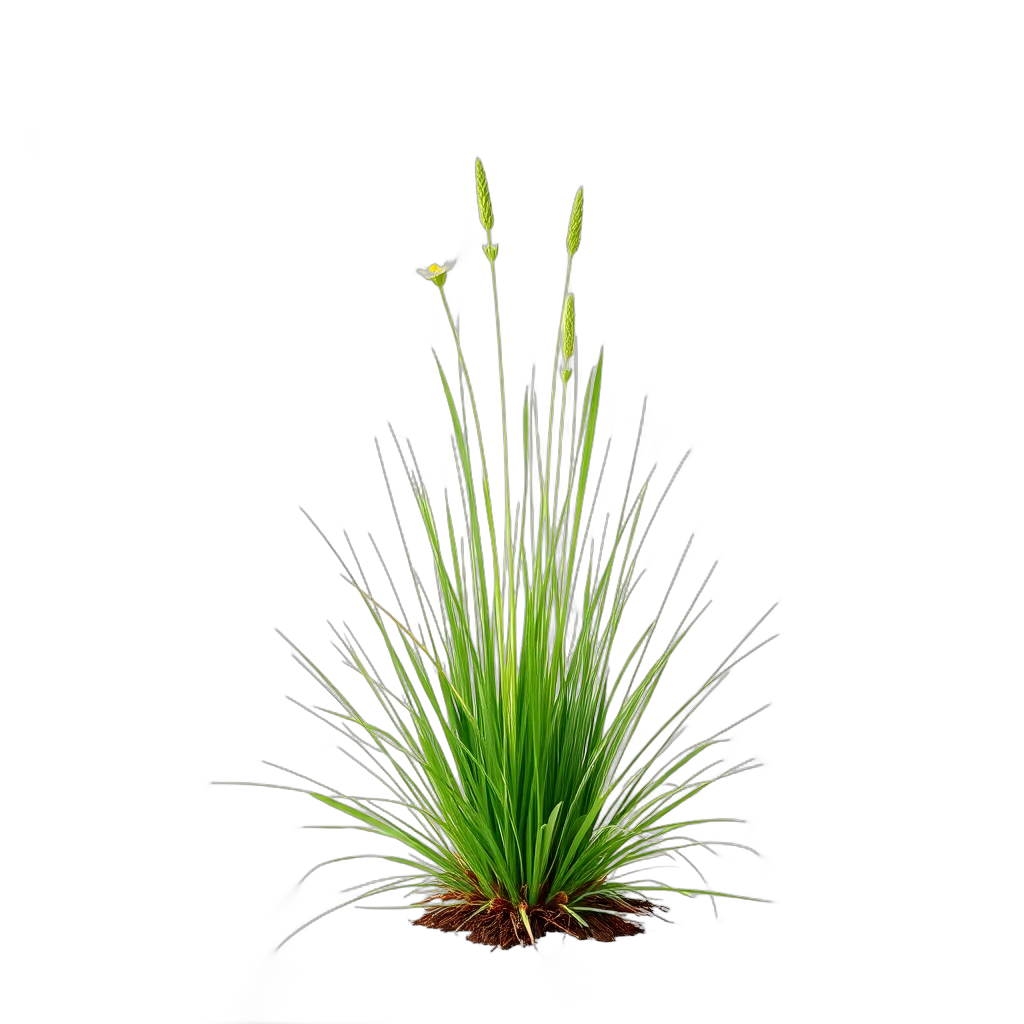
California Brome
Bromus carinatus
low-growing ground cover, blooms in spring. Yellow fall color.
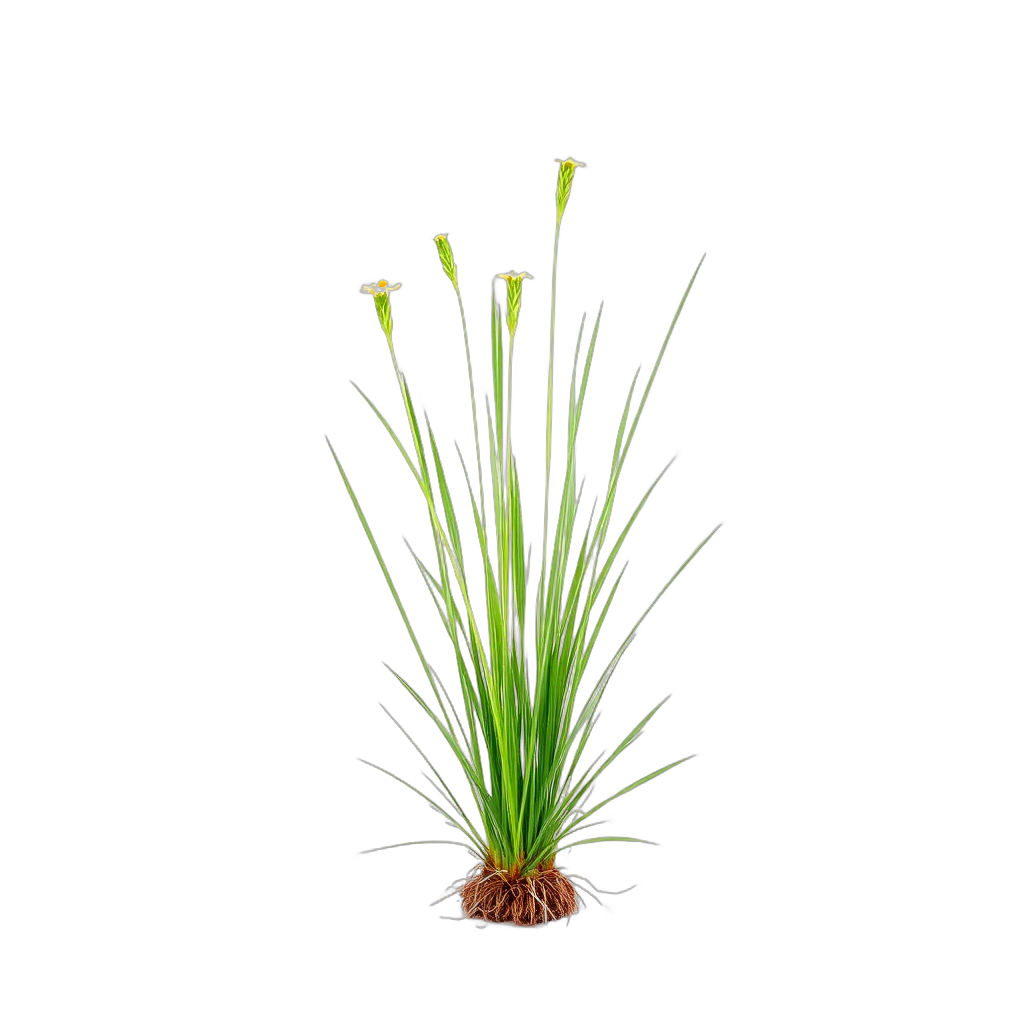
California Melic
Melica californica
low-growing ground cover, blooms in spring.
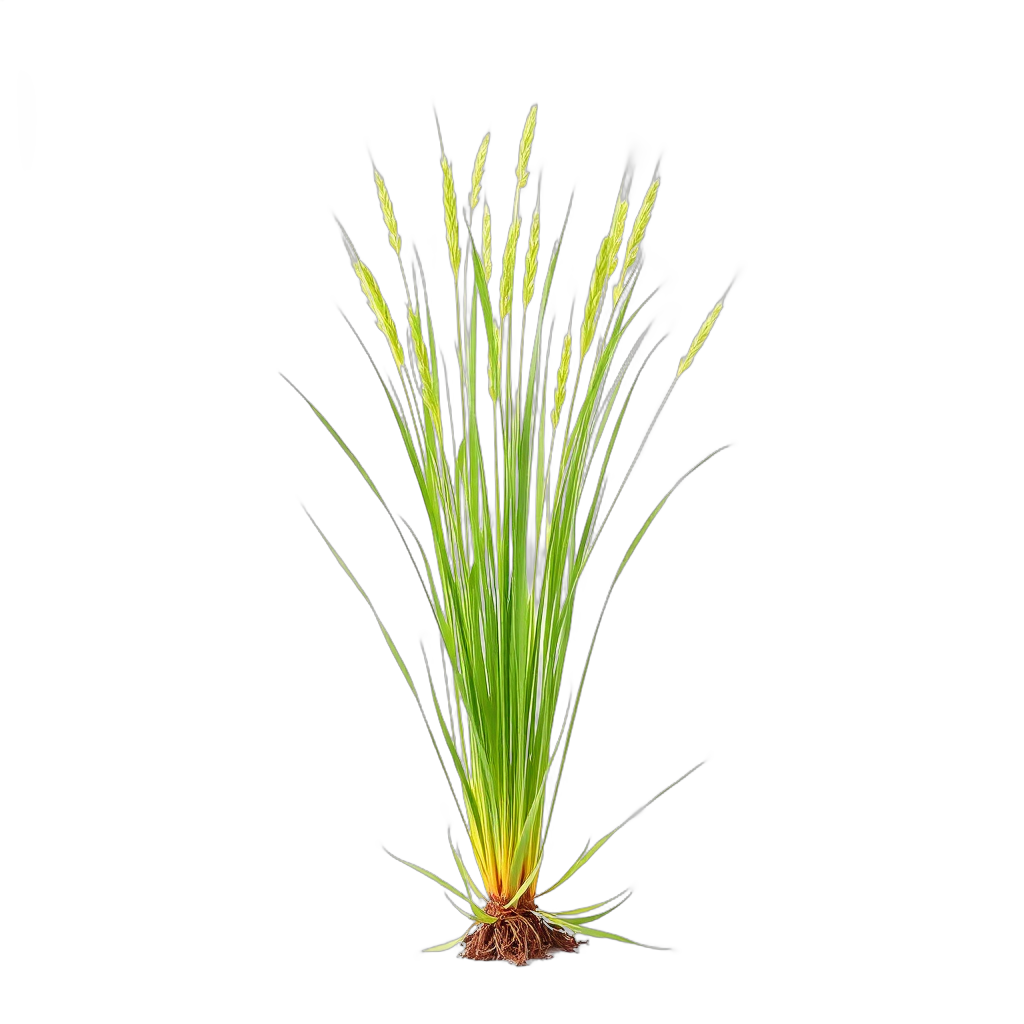
California Oatgrass
Danthonia californica
low-growing ground cover, blooms in spring. Yellow fall color.
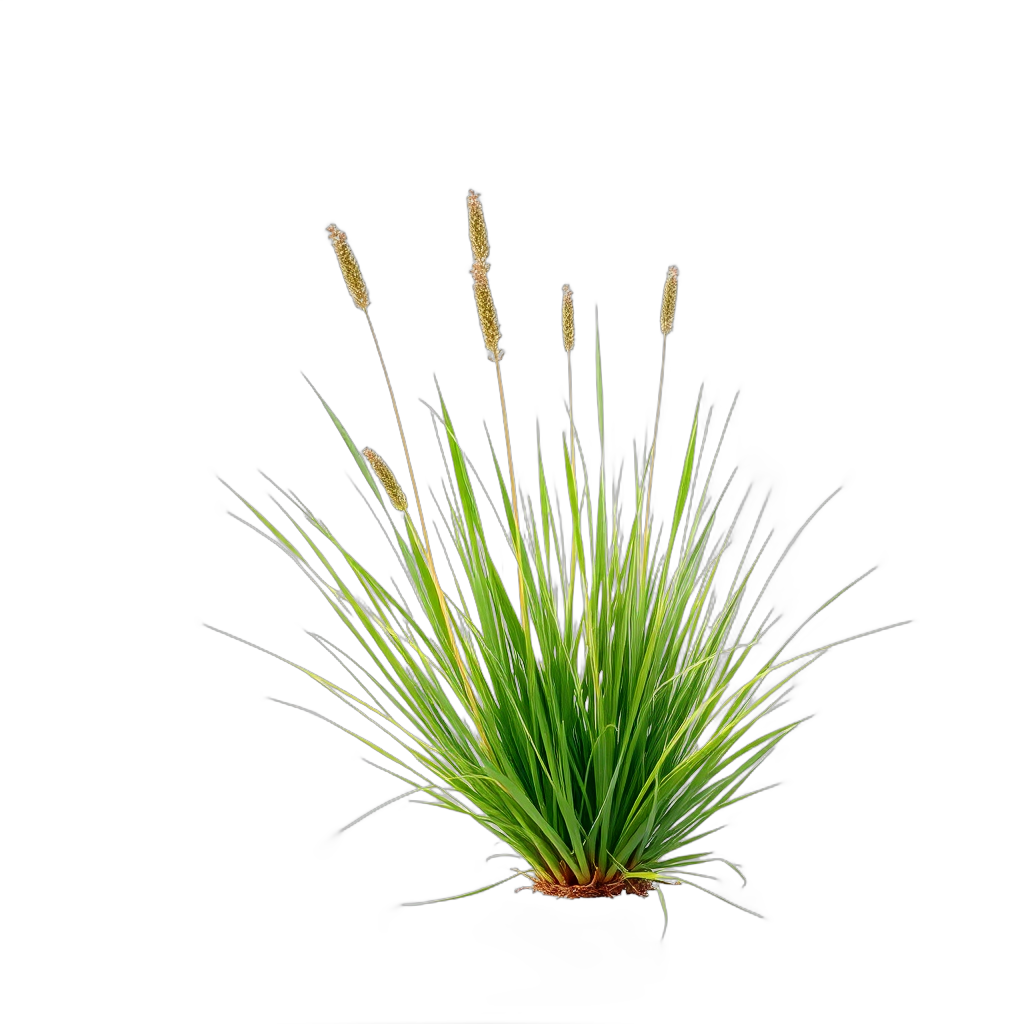
Deer Grass
Muhlenbergia rigens
grows to 3 feet, yellow blooms in fall. Evergreen year-round.
Featured Flowers & Perennials for Modern/Minimalist Gardens
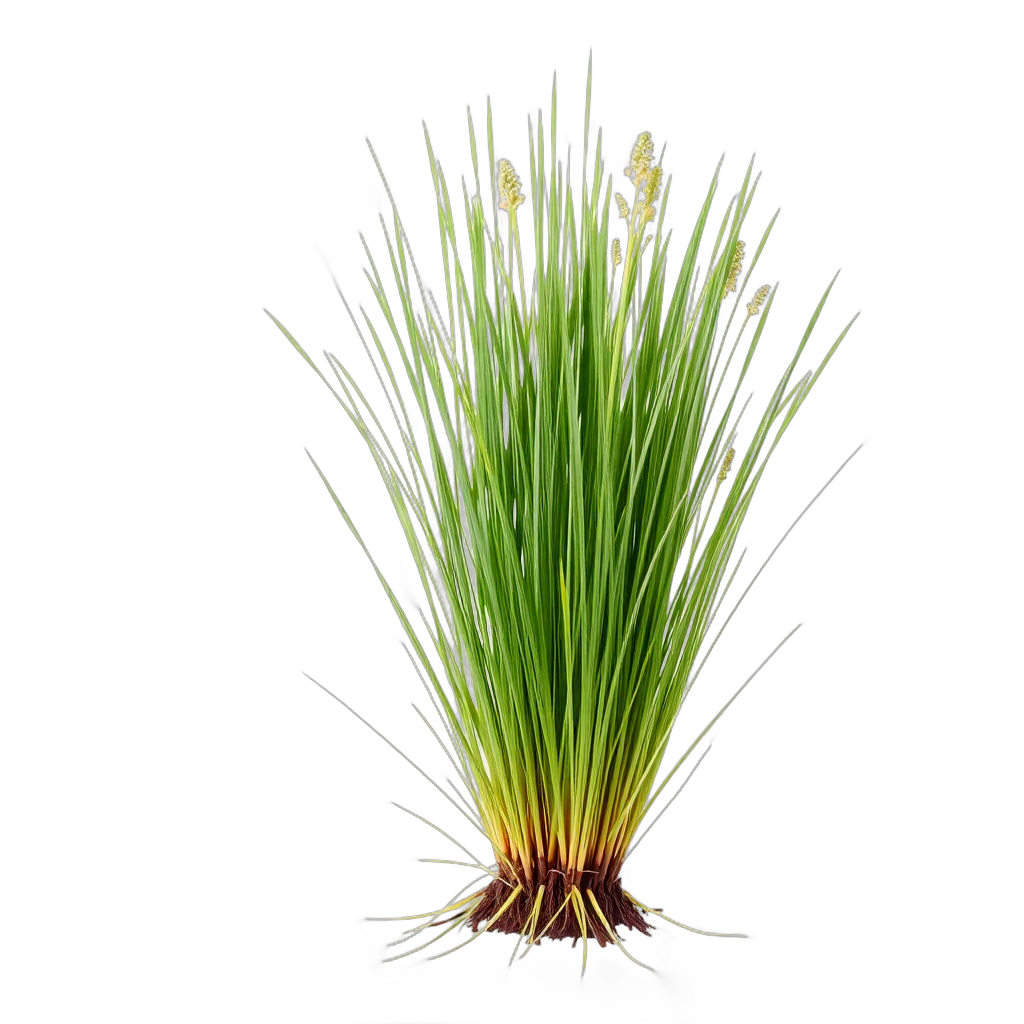
California Gray Rush
Juncus patens
low-growing ground cover, blooms in summer. Evergreen year-round.
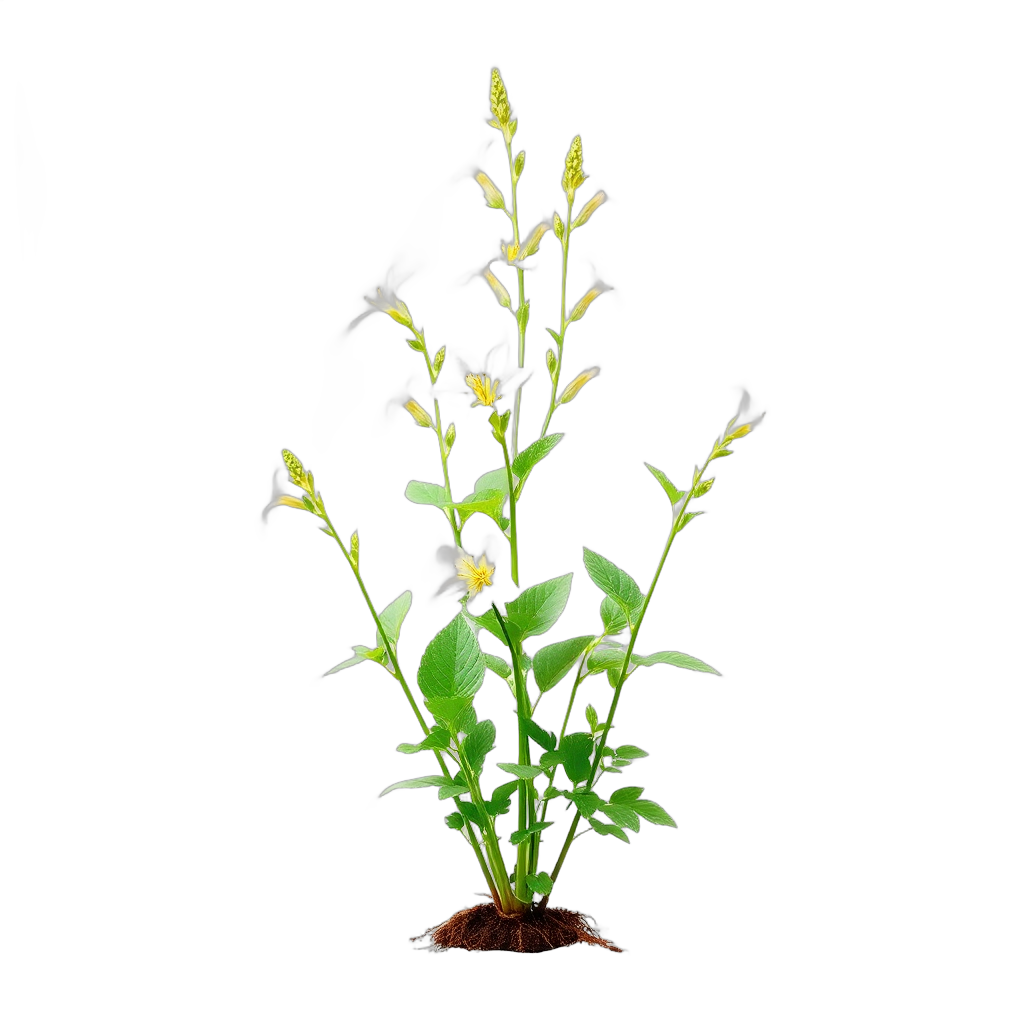
Beach Evening Primrose
Camissonia cheiranthifolia
low-growing ground cover, yellow blooms in spring. Attracts butterflies.
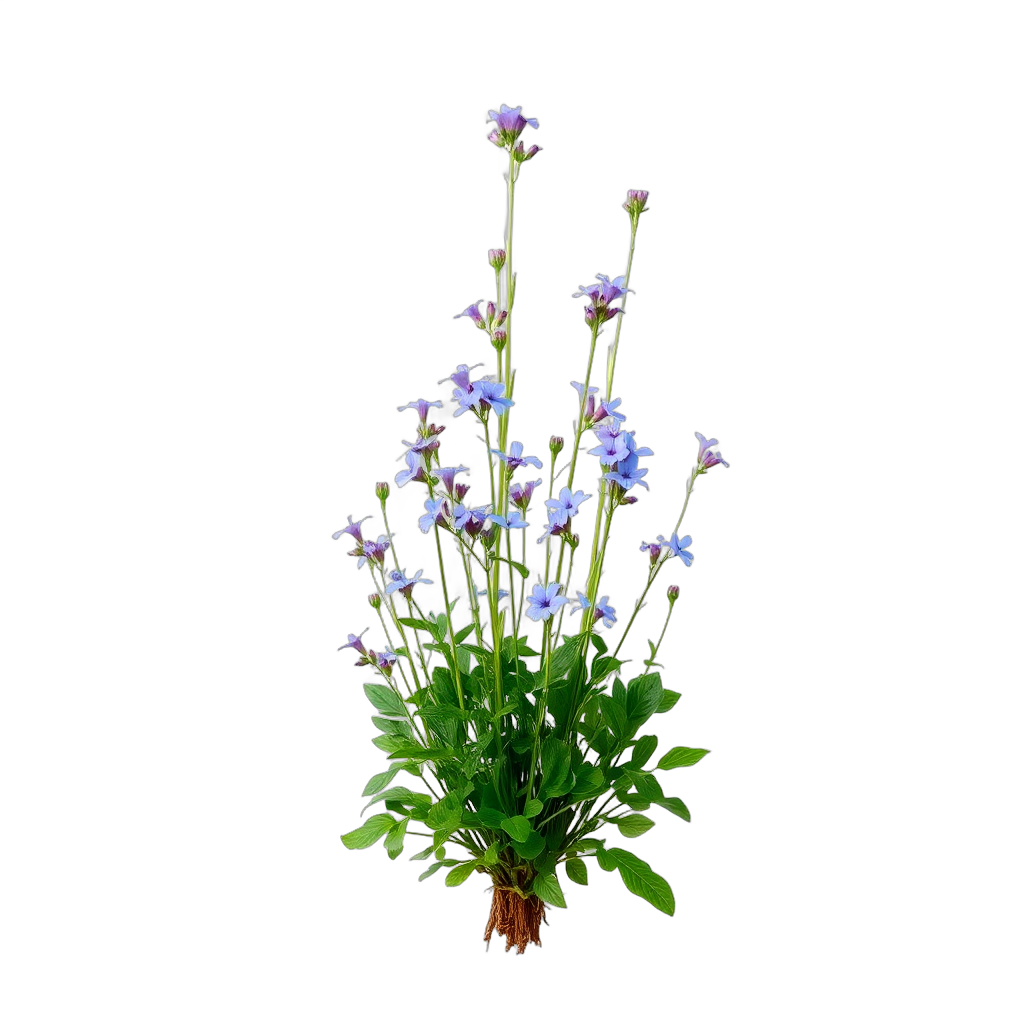
Blue Dicks
Dichelostemma capitatum
low-growing ground cover, blue blooms in spring. Pollinator-friendly.
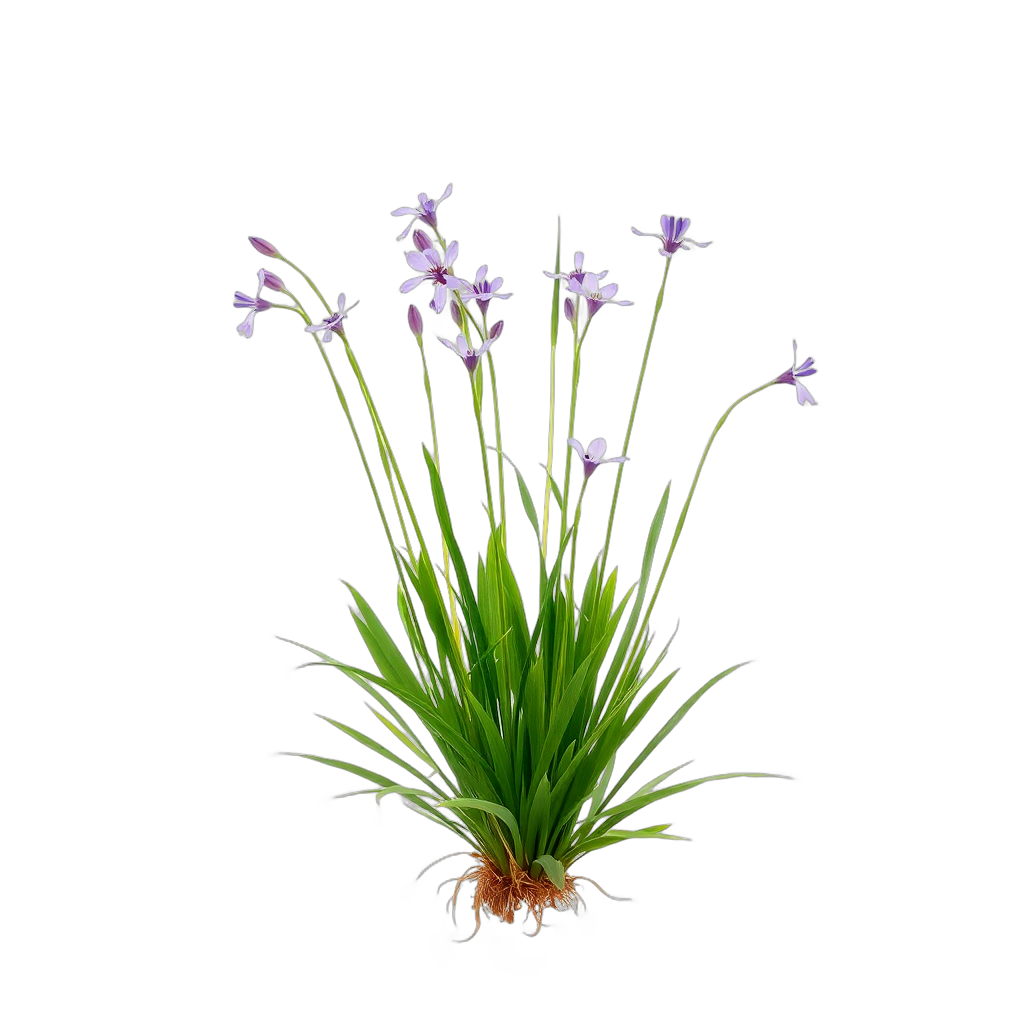
Blue-Eyed Grass
Sisyrinchium bellum
low-growing ground cover, blue blooms in spring. Attracts butterflies.
Bloom Calendar for Moreno Valley
spring
Beach Evening Primrose, Blue Dicks, Blue-Eyed Grasssummer
California Gray Rush, Hooker's Evening Primrose, Hummingbird Mintfall
California Fuchsiawinter
Limited bloomsDesign Tips for Moreno Valley (Zone 9b)
- Apply for the EMWD turf-removal rebate through SoCal WaterSmart BEFORE touching your lawn — pre-approval with photos of living turf is mandatory, and the rebate can fund a large share of a gravel conversion
- Give every seating area real afternoon shade — a west-facing Moreno Valley patio is unusable from 2 to 7 pm in summer without a solid patio cover, pergola, or canopy tree; string lights alone won't save you
- Anchor for the Santa Anas: shade sails, umbrellas, and string light poles need engineered footings here, and thin-leafed tropical plants will shred — choose stiff, low, wind-firm architecture like agave, dasylirion, and deer grass
- Use two tones of decomposed granite separated by steel edging instead of one — the subtle color shift creates the terraced, designed look of the best local yards for almost no extra cost
- Point the design at the view — lots across much of the city look toward Box Springs Mountain or the ridges above Lake Perris; keep plantings low on that sightline and put the tall tree on the opposite side
- Light plants, not pavement: uplights in deer grass and agaves throw dramatic shadows on stucco walls and give you eight-plus months of warm-evening payoff for a few hundred dollars of low-voltage gear
Where to Source Plants in Moreno Valley
Skip the big-box stores. These independent Moreno Valley nurseries specialize in the plants that make modern/minimalist gardens thrive in Zone 9b.
Adam Hall's Plant Nursery
Alessandro Boulevard corridor
Shrubs, shade trees, fruit trees, and palm trees for homeowners and landscapers.
Steve's Valley Nursery
Sunnymead Boulevard
Comprehensive selection of vibrant flowers, hardy shrubs, and gardening products.
Nicolas Nursery
Ironwood Avenue
Specializes in palms and trees with 20+ years serving local landscapers.
Modern/Minimalist Landscaping Costs in Moreno Valley
| Project Scope | Estimated Cost |
|---|---|
| Front yard modern conversion (turf removal + DG + steel edging + architectural plants) | $4,000 – $10,000 |
| Concrete patio or walkway (200–400 sqft) | $5,000 – $14,000 |
| Backyard fire lounge with circular patio + seating + lighting | $12,000 – $30,000 |
| Pool + full modern backyard landscape | $50,000 – $120,000 |
| Corten steel terrace edging (installed, per 50 linear ft) | $1,500 – $3,500 |
| AI visualization with ProScapeAI | Free to start |
Estimates based on Moreno Valley, CA-area contractor rates as of 2026. Actual costs vary by site conditions, materials, and contractor.
Moreno Valley Climate & Growing Zone
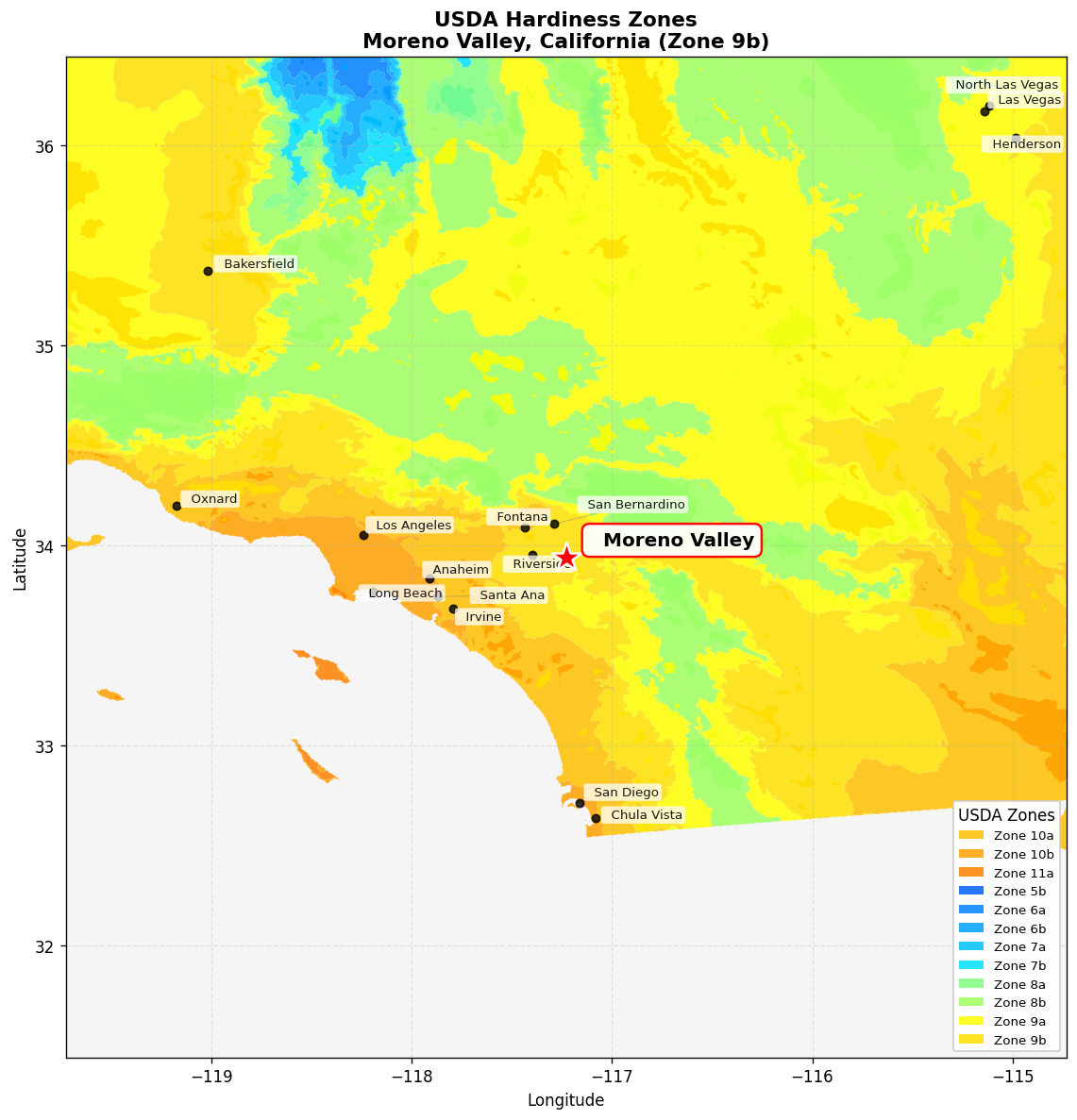
USDA Zone 9b
Hardiness zone for Moreno Valley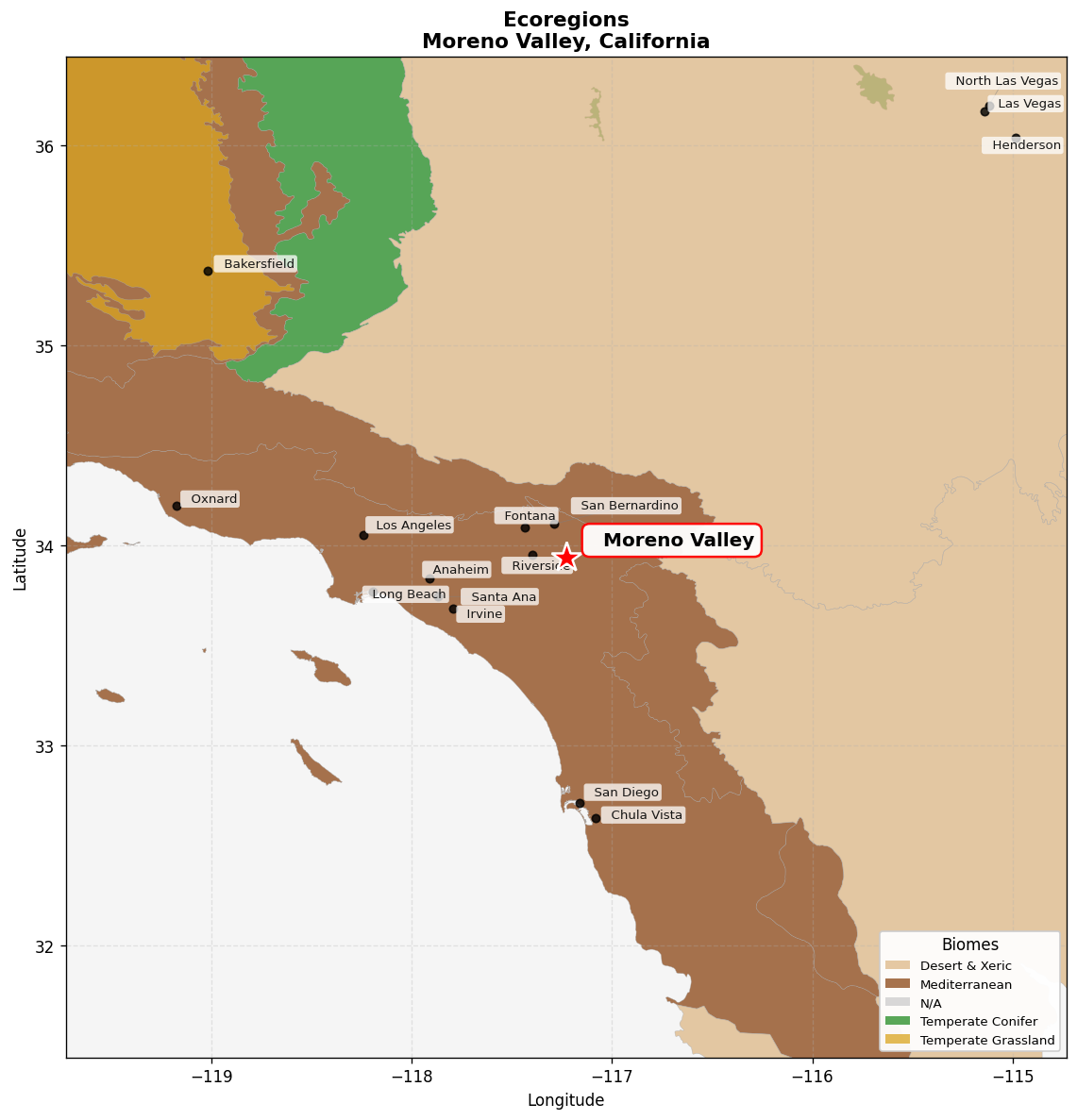
California coastal sage and chaparral
Native ecoregionFrequently Asked Questions
How much does modern landscaping cost in Moreno Valley?
Inland Empire labor runs meaningfully below Los Angeles and Orange County rates, which makes Moreno Valley one of the more affordable places in Southern California to build a designed landscape. A full front-yard modern conversion — turf removal, decomposed granite, steel edging, agaves, and drip — runs roughly $4,000–10,000 for a typical 500 sqft front yard, and EMWD turf rebates through SoCal WaterSmart can claw back a real portion of that. Concrete patios land around $12–20/sqft installed. Full pool-and-landscape backyards typically run $50,000–120,000 here versus $80,000+ nearer the coast.
What is the best lawn replacement for Moreno Valley's climate?
Decomposed granite with architectural planting is the workhorse: it matches the local geology, drains instantly, handles 100°F+ summers, and costs $2–4/sqft installed. If you want green underfoot, a small panel of hybrid bermuda or UC Verde buffalograss uses a fraction of fescue's water and shrugs off the heat — keep it to 20–30% of the yard as a design accent, the way the best local modern yards do. Artificial turf works visually but surface temperatures can exceed 160°F on Moreno Valley summer afternoons, so keep it out of full western sun and away from play areas.
Which sculptural plants handle Moreno Valley's heat and occasional frost?
Zone 9b is a sweet spot. Agave americana, Agave 'Blue Glow', foxtail agave, golden barrel cactus, dasylirion, hesperaloe, and soft-leaf yucca all take the summer heat and ride out the occasional 25–28°F winter night without protection. Deer grass and Mexican feather grass provide the soft counterpoint and are effectively unkillable here. The plants to be careful with are the tropical-modern staples — bird of paradise and kentia palms can burn in a hard cold snap and hate Santa Ana wind desiccation; site them against south-facing walls or substitute hesperaloe and dasylirion for the same silhouette.
Do I need to worry about soil preparation in Moreno Valley?
Far less than most places. Much of the city sits on decomposed granite and sandy loam that drains sharply — ideal for the agaves, grasses, and Mediterranean shrubs modern design relies on, and they can be planted at grade with no raised beds. Two caveats: some flatter pockets have compacted or slightly alkaline clay-loam layers, so dig a test hole and fill it with water before planting day (it should drain within a few hours), and under hardscape you still need a properly compacted base — 4 inches of compacted crushed rock under paver or concrete work prevents settling in our loose granitic soils.
When is the best time to install a landscape in Moreno Valley?
October through March, no contest. Fall planting lets roots establish through the mild, occasionally rainy winter, so plants face their first triple-digit summer already anchored — irrigation demand in year one drops dramatically. Avoid planting June through September: even drought natives struggle to establish in 100°F heat, and installers spend half the day fighting the sun. Hardscape can be built year-round, though summer concrete pours are usually scheduled at dawn. If you're claiming a turf-removal rebate, start the EMWD/SoCal WaterSmart application before removing anything — pre-approval with photos is required.
Do I need a permit for landscaping in Moreno Valley?
Basic planting, gravel conversion, and drip irrigation need no permit. The City of Moreno Valley requires permits for pools and spas, retaining walls over 3–4 feet, patio covers and other roofed structures, and significant electrical or gas runs (fire features and pool equipment included). New landscapes over 500 sqft installed with a permit also fall under California's Model Water Efficient Landscape Ordinance (MWELO), which effectively caps high-water planting — modern gravel-and-agave designs pass easily. If your lot backs open space near Box Springs Mountain or Lake Perris, check fire-defensible-space guidance before planting close to structures.