4 Desert Garden Ideas for Moreno Valley, CA | Xeriscape Landscape Design for Zone 9b
Native plants from the California coastal sage and chaparral (Zone 9b) — Cold semi-arid climate
Why Desert/Xeriscape Gardens in Moreno Valley?
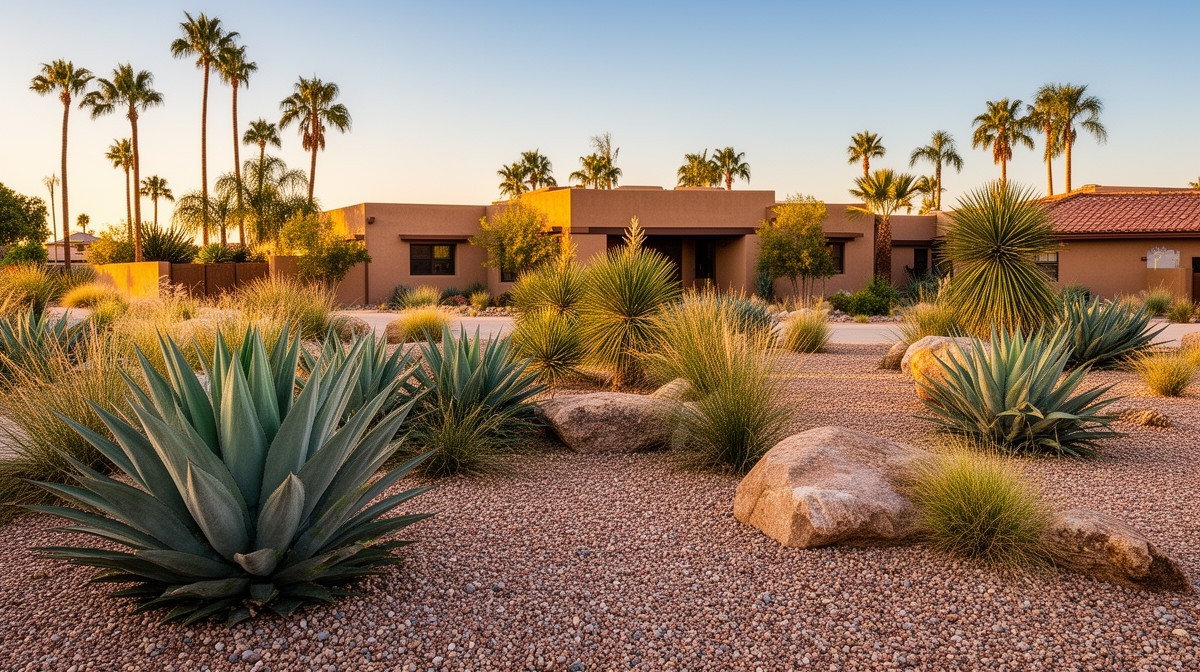
A xeriscape is not a style you impose on Moreno Valley — it is the landscape already sitting ten feet past the property line. The city sits around 1,600 feet in the lee of Box Springs Mountain in USDA Zone 9b, with a semi-arid steppe climate (Köppen BSk): roughly 10 inches of rain a year, almost all of it December through March, and summer highs that hold above 100°F for weeks at a stretch. The granite boulders, buckwheat and bunchgrass on the slopes above Sunnymead Ranch, and the dry ridges of the Badlands east of Rancho Belago, are the reference design. The housing stock cooperates too: the 1980s stucco-and-tile ranches of Sunnymead and Edgemont and the newer builds in Moreno Valley Ranch and Rancho Belago wear warm earth tones that gravel, sandstone and blue agave flatter immediately.
Zone 9b with only occasional 25–30°F winter lows opens the widest desert plant palette in California — but "desert plant" and "coastal succulent" are not the same list, and that difference is where most Moreno Valley yards fail. Agave ovatifolia 'Frosty Blue', Agave parryi var. truncata, Agave weberi, Yucca rostrata 'Sapphire Skies', Dasylirion wheeleri, Hesperaloe parviflora 'Brakelights', Muhlenbergia rigens and Leucophyllum frutescens 'Green Cloud' take the July inferno and a January frost without blinking. Meanwhile the plants that fill coastal nurseries — Agave attenuata, Aeonium 'Zwartkop', Phormium 'Yellow Wave', Leucadendron 'Safari Sunset' and Ceanothus 'Dark Star' — scorch, brown out or die outright twenty miles inland, where afternoon sun runs 15–20°F hotter and the tap water is alkaline and salty. Substitute one for one: attenuata to Agave ovatifolia, Phormium to Hesperaloe funifera, Leucadendron to Leucophyllum langmaniae 'Rio Bravo', Ceanothus to Rhus ovata.
The ground helps as much as the climate. Much of the valley sits on decomposed granite and sandy loam shed off the Box Springs batholith — sharp-draining, low-organic soil that agaves, Opuntia and desert legumes want, planted at grade with no amendment and no raised beds. The money case is blunter still: Eastern Municipal Water District customers can claim Metropolitan's SoCal WaterSmart turf-replacement rebate at a $2/sqft base, higher in years EMWD adds local funding, against a lawn that drinks roughly 45–60 gallons per square foot per year in this heat. The one real hazard is wind — Santa Ana events from October through February arrive with 40–60 mph gusts and single-digit humidity that topple top-heavy columnar cactus and desiccate thin foliage. Plant low and stiff, set boulders and specimen agaves before spreading gravel, and the yard asks for about an hour a month.
4 Desert/Xeriscape Design Ideas for Moreno Valley
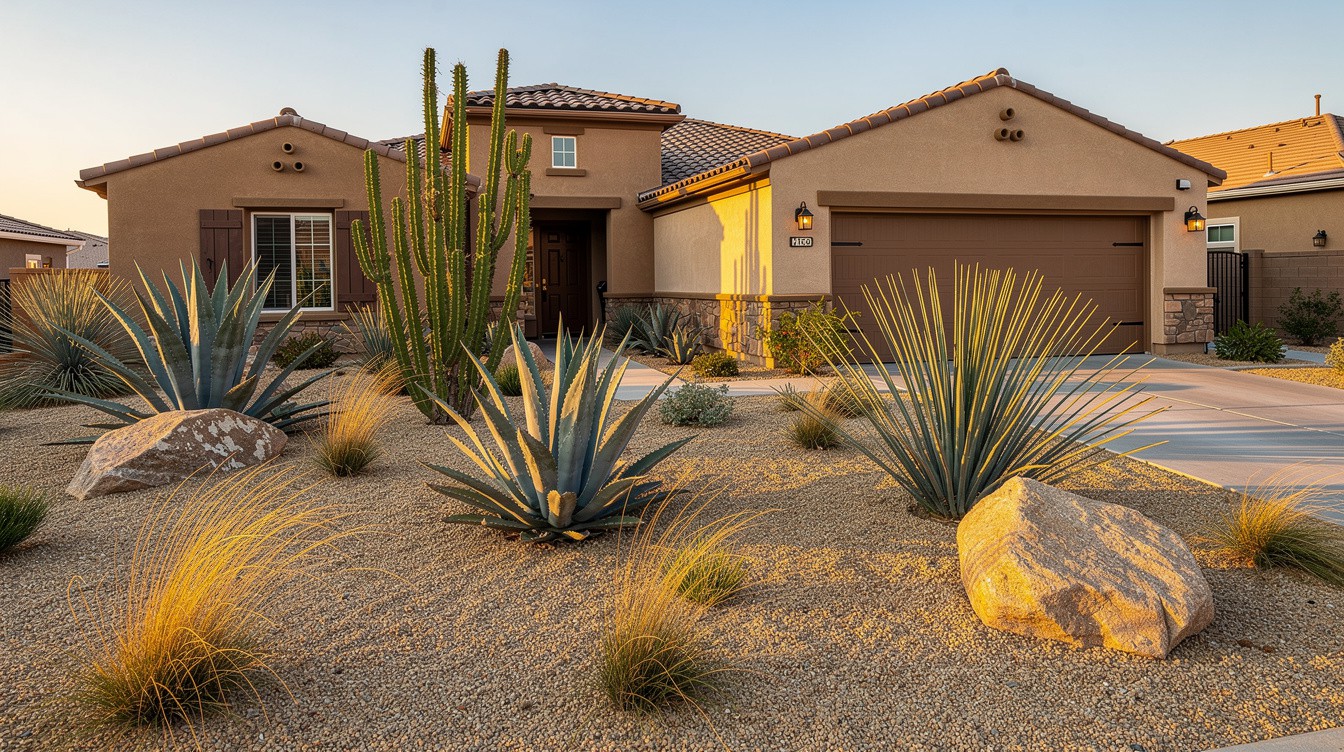
The Granite Wash Entry
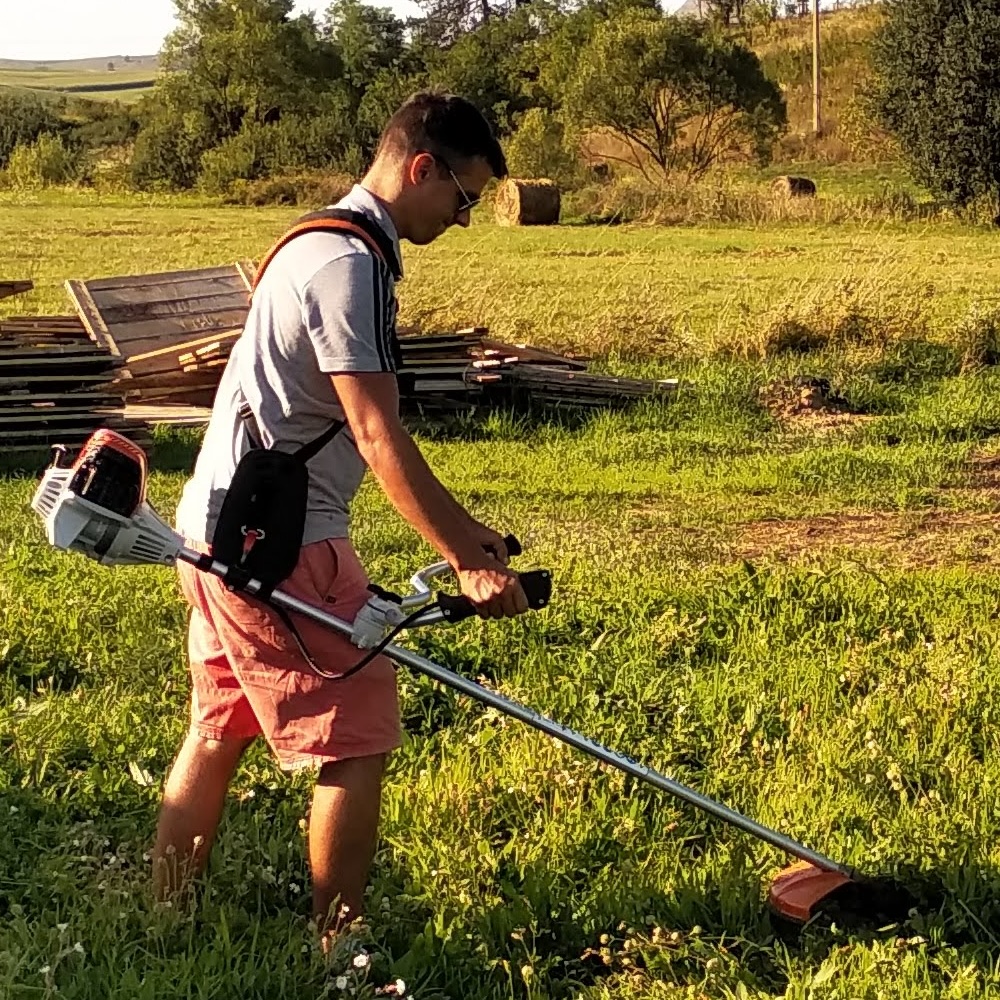
$7–14/sqftLawn is gone completely on this tan stucco single-story with stone-veneer wainscot and a dark brown garage door — the entire front yard reads as a dry wash lifted off the Box Springs foothills. A field of warm gold 3/8-inch gravel carries scattered one- to two-ton granite boulders, and the planting is pure sculpture: chalky blue agave rosettes as focal points, a branched columnar cactus punching above the roofline near the entry, spherical blue sotol flanking the driveway apron, and tufts of bunchgrass repeated at loose intervals so the low sun lights them from behind. The whole yard is drip-irrigated, mowed never, and looks finished from day one because the boulders and rosettes do the work plants elsewhere take five years to do.
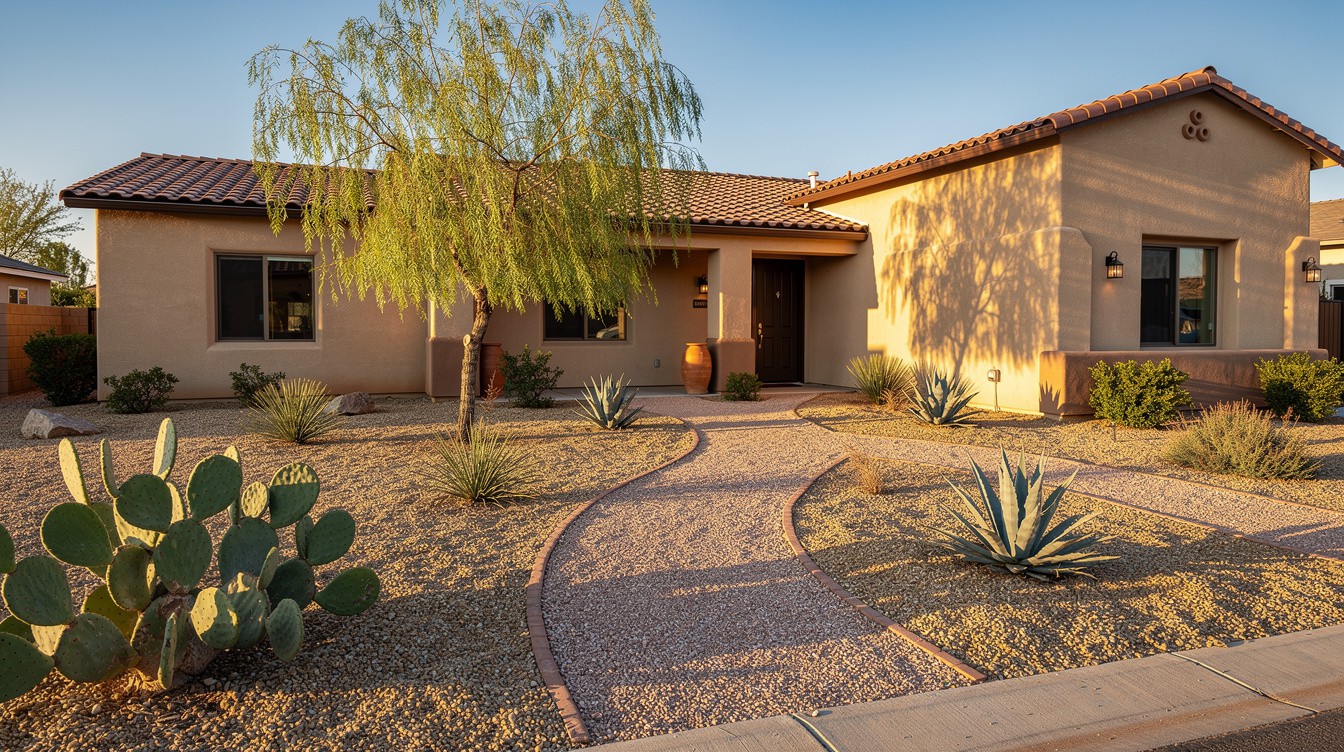
The Mesquite Wash Walk
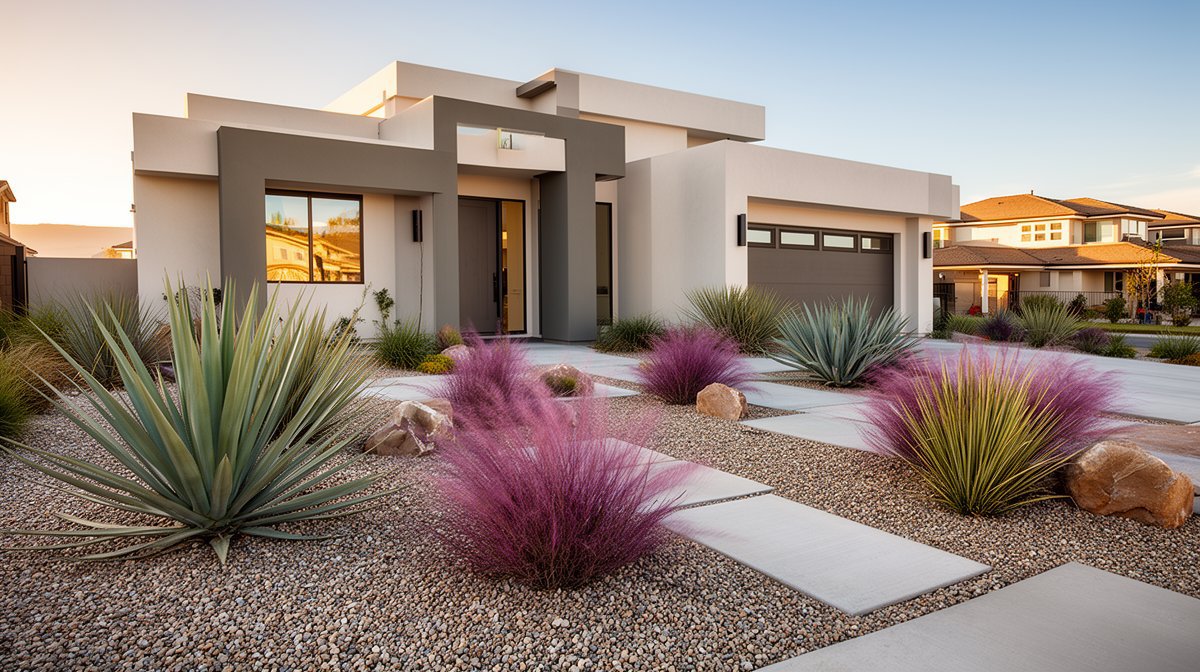
$9–16/sqftA curving decomposed-granite path sweeps in a long S from the driveway to the front door, edged in clay brick soldier course so the line stays crisp against two tones of gravel. A multi-trunk thornless mesquite leans over the walk with fine weeping foliage, throwing filtered shade across the entry all afternoon — the single most valuable thing you can add to a west-facing Moreno Valley front yard. A big prickly pear anchors the street corner, artichoke agaves punctuate the gravel field in threes, low mounding shrubs soften the foundation line, and a terracotta olla sits beside the door as the only ornament the design needs.
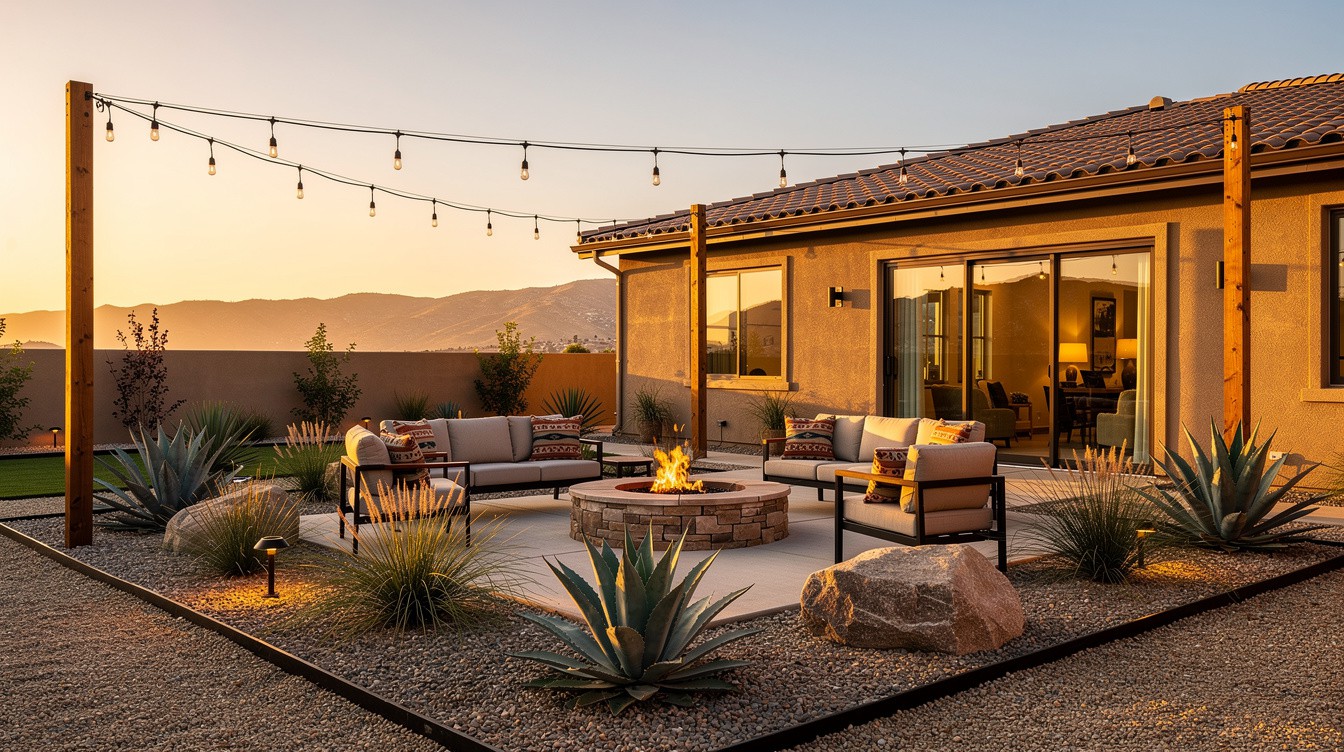
The Firepit Terrace on the View Side
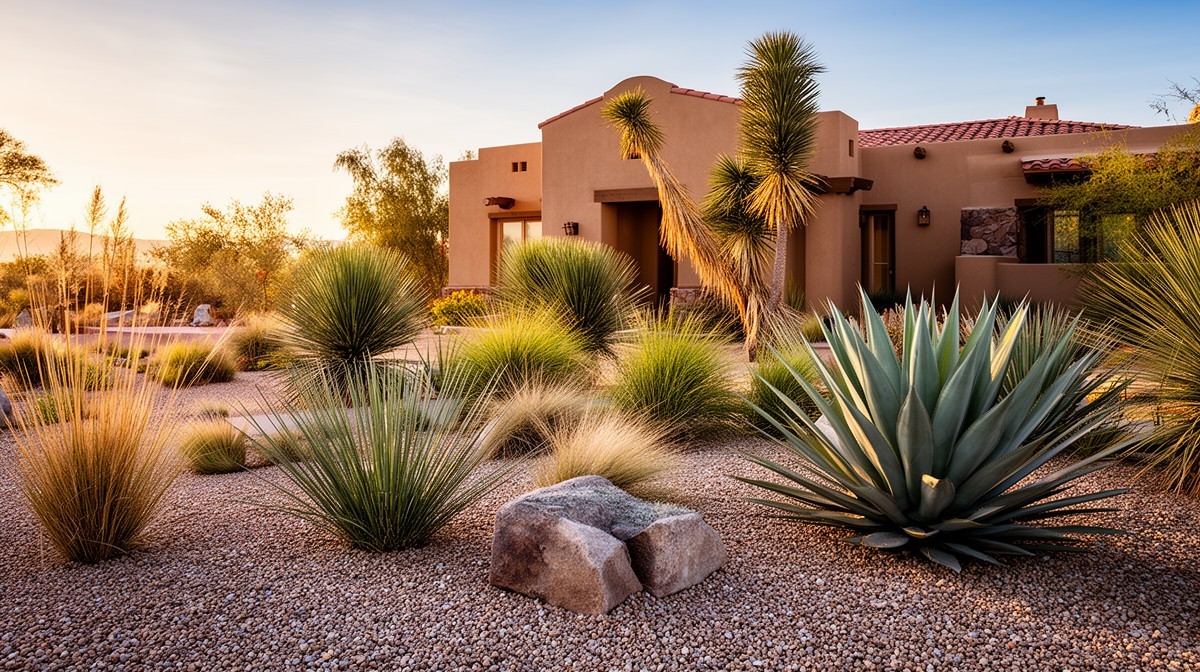
$16–30/sqftA broom-finished concrete pad steps out from the sliding glass doors and stops in a clean square, edged in steel against a gravel apron — no wasted hardscape. At its center a round stacked-stone gas fire pit is ringed by four low-slung seats, and two cedar 6x6 posts carry string lights from the pole line back to the tile roof. The planting is deliberately spare so the sunset over the ridgeline stays the main event: three big blue agave rosettes read as sculpture, pink muhly and pine muhly plume gold in the low light, and a single strip of turf survives at the far edge. Path lights wash the grasses after dark.
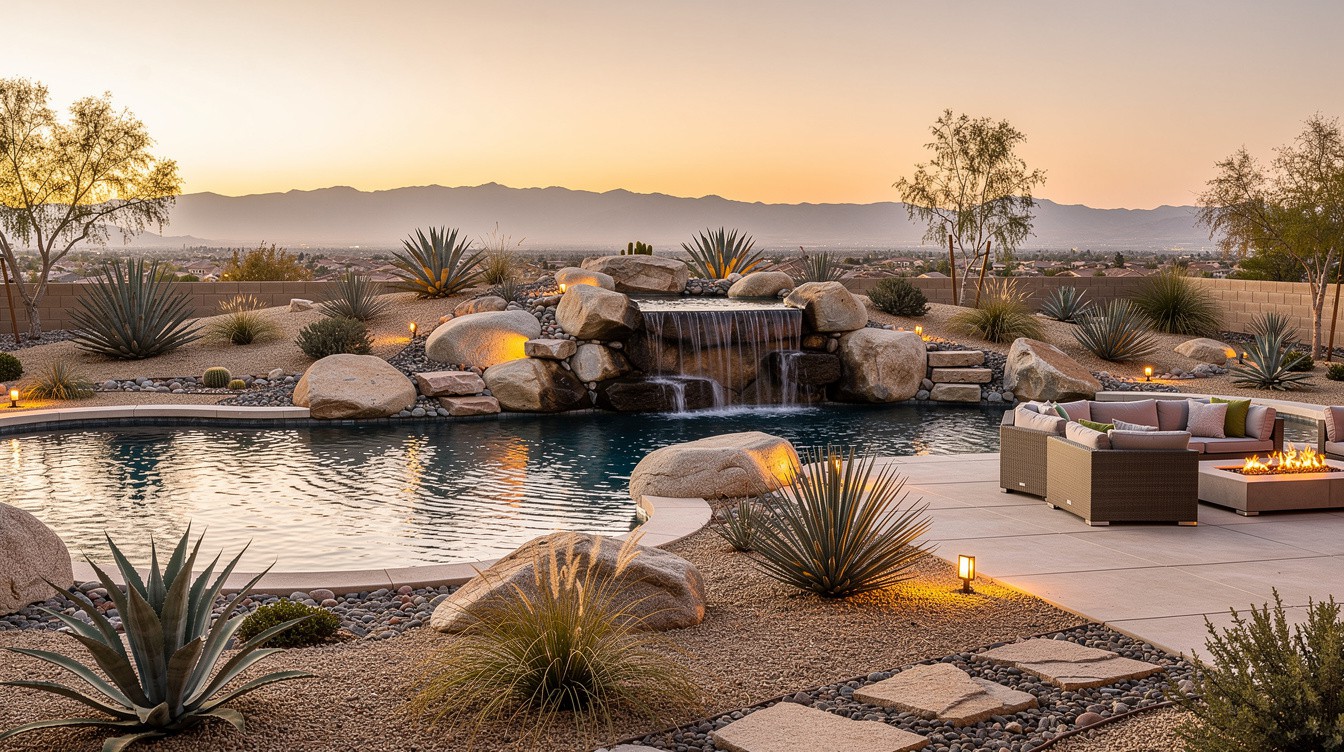
The Boulder Grotto Pool
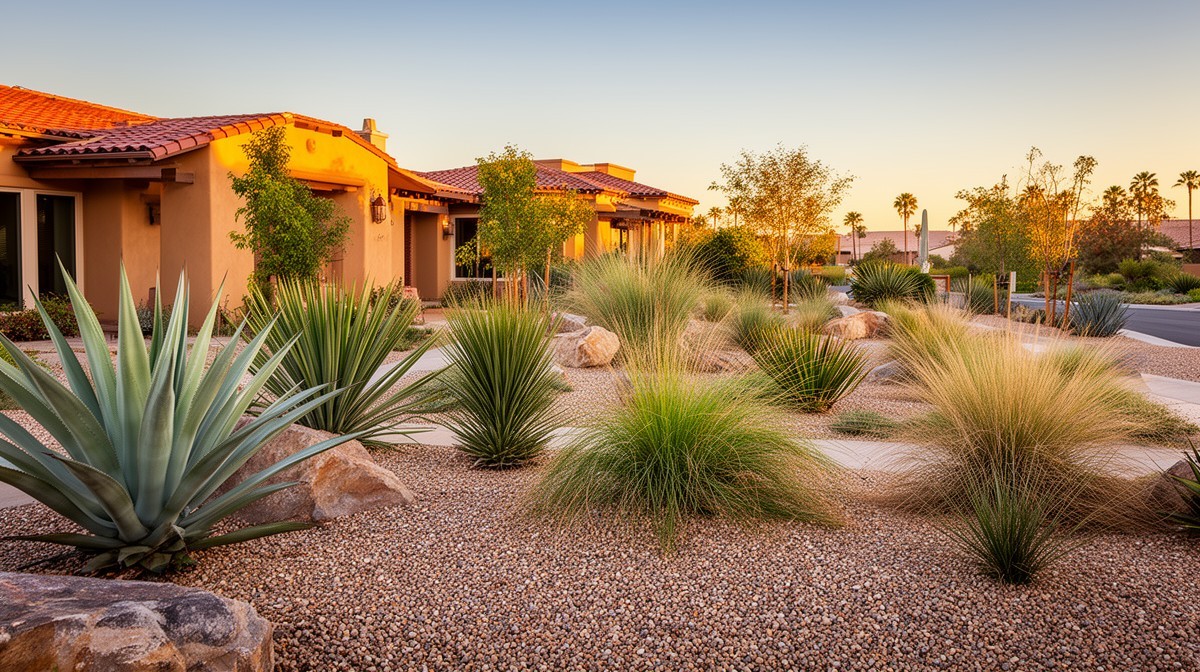
$40–80/sqft (pool area inclusive)A freeform pool wraps around a stacked granite waterfall built from two- to four-ton boulders, with the spill sheet dropping into the deep end and the valley lights spread out beyond the block wall at dusk. The deck is sandblasted concrete, wide on the seating side for a wicker sectional and a linear gas fire table, and the transitions are all desert: bands of Mexican beach pebble, flagstone steppers set in cobble, and gravel beds carrying tall yuccas, agaves and grasses that catch the low light. Airy palo verde canopies frame both edges of the view without ever dropping enough shade to cool the water.
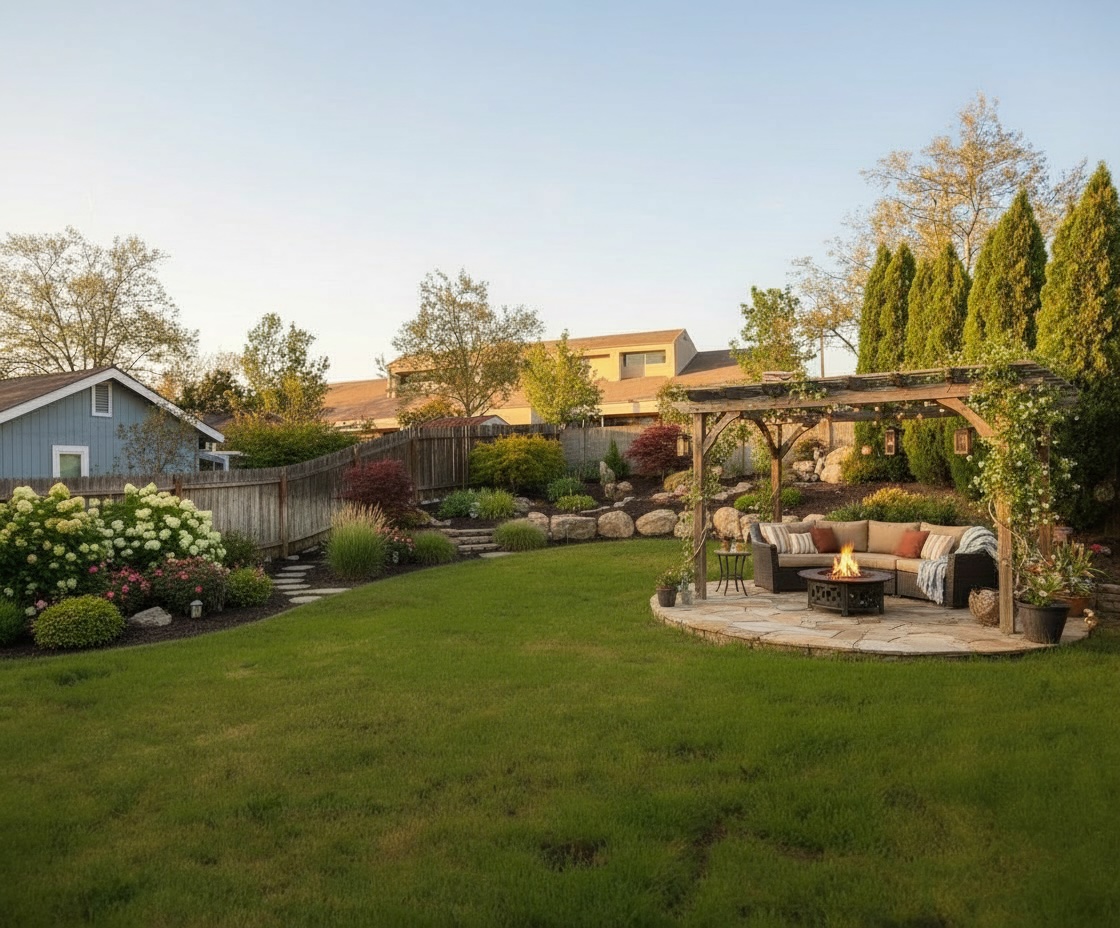
See how a desert/xeriscape garden looks on YOUR property
Upload a photo of your Moreno Valley yard and visualize your dream garden in seconds.
Try ProScapeAI Free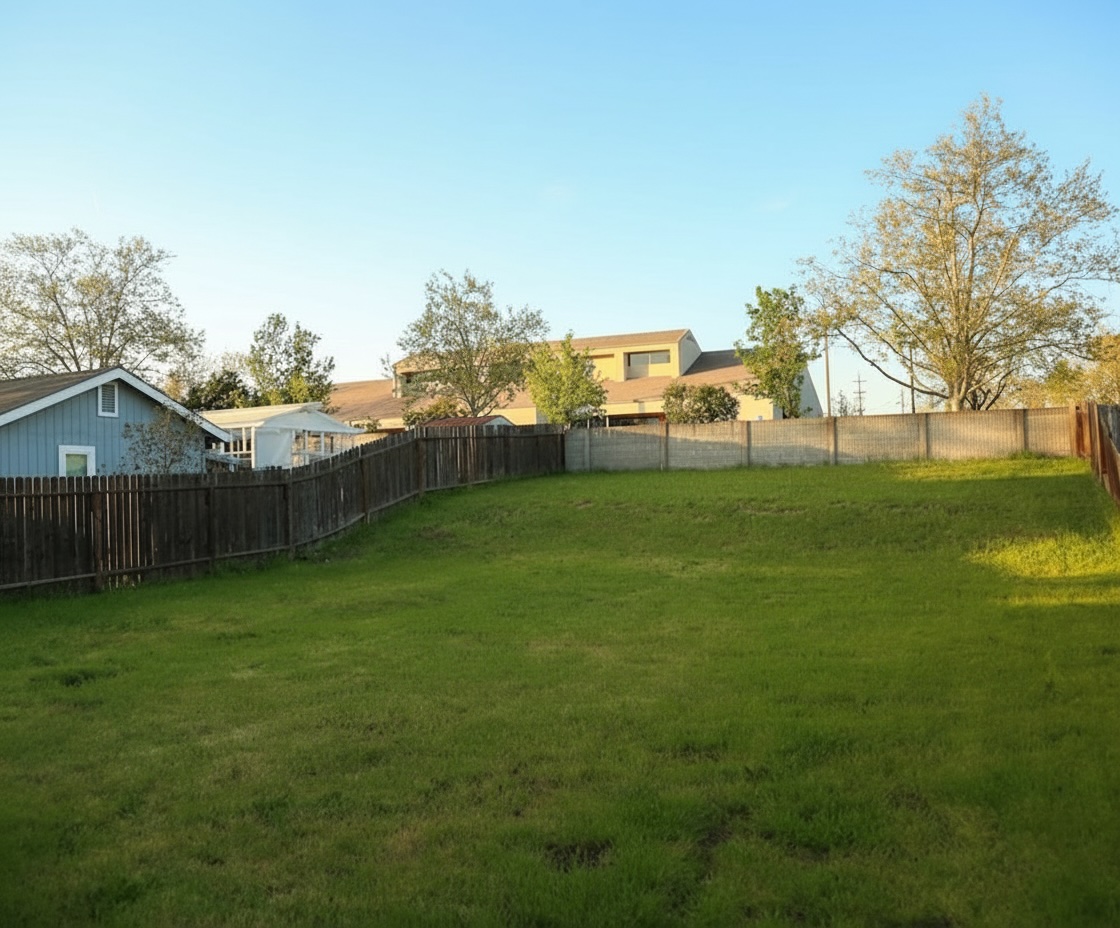
Featured Trees & Shrubs for Desert/Xeriscape Gardens
Browse all 223 plants for Moreno Valley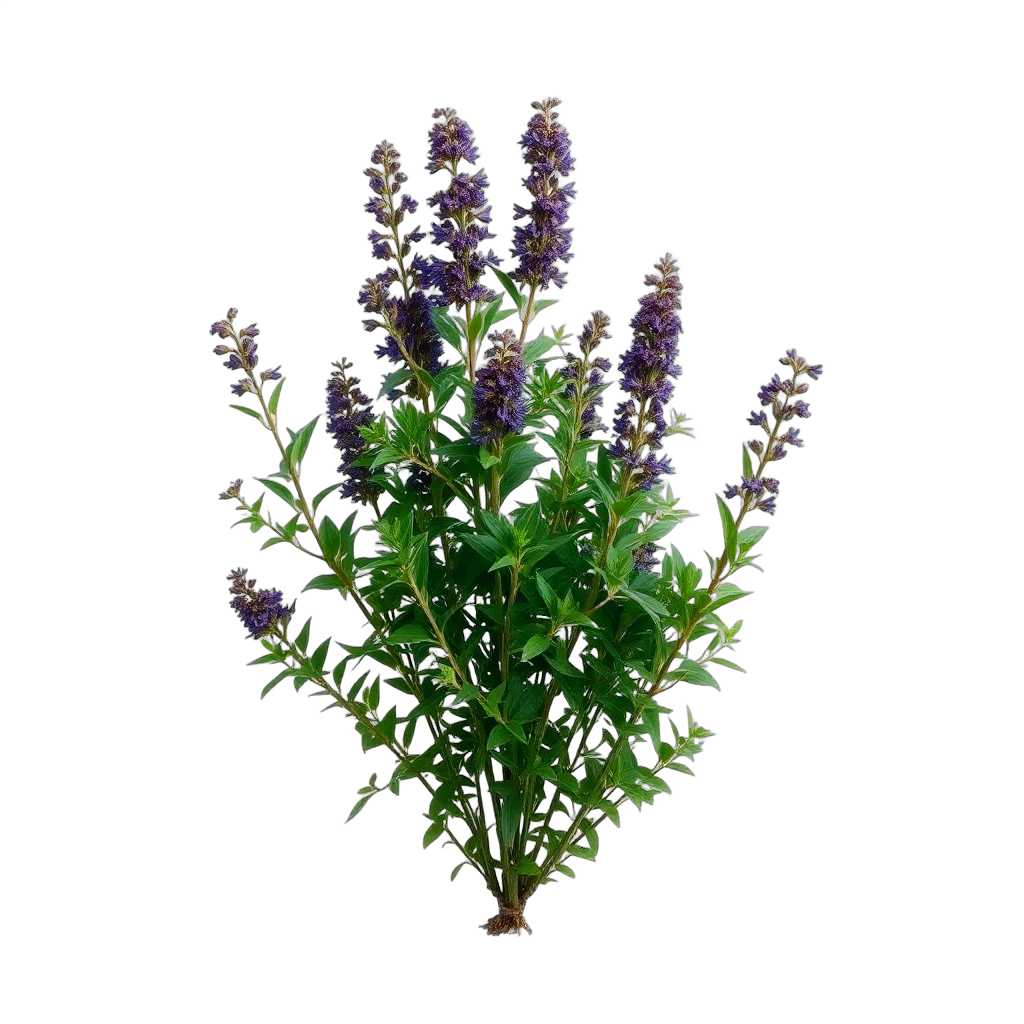
Black Sage
Salvia mellifera
grows to 4 feet, white blooms in spring. Attracts butterflies.
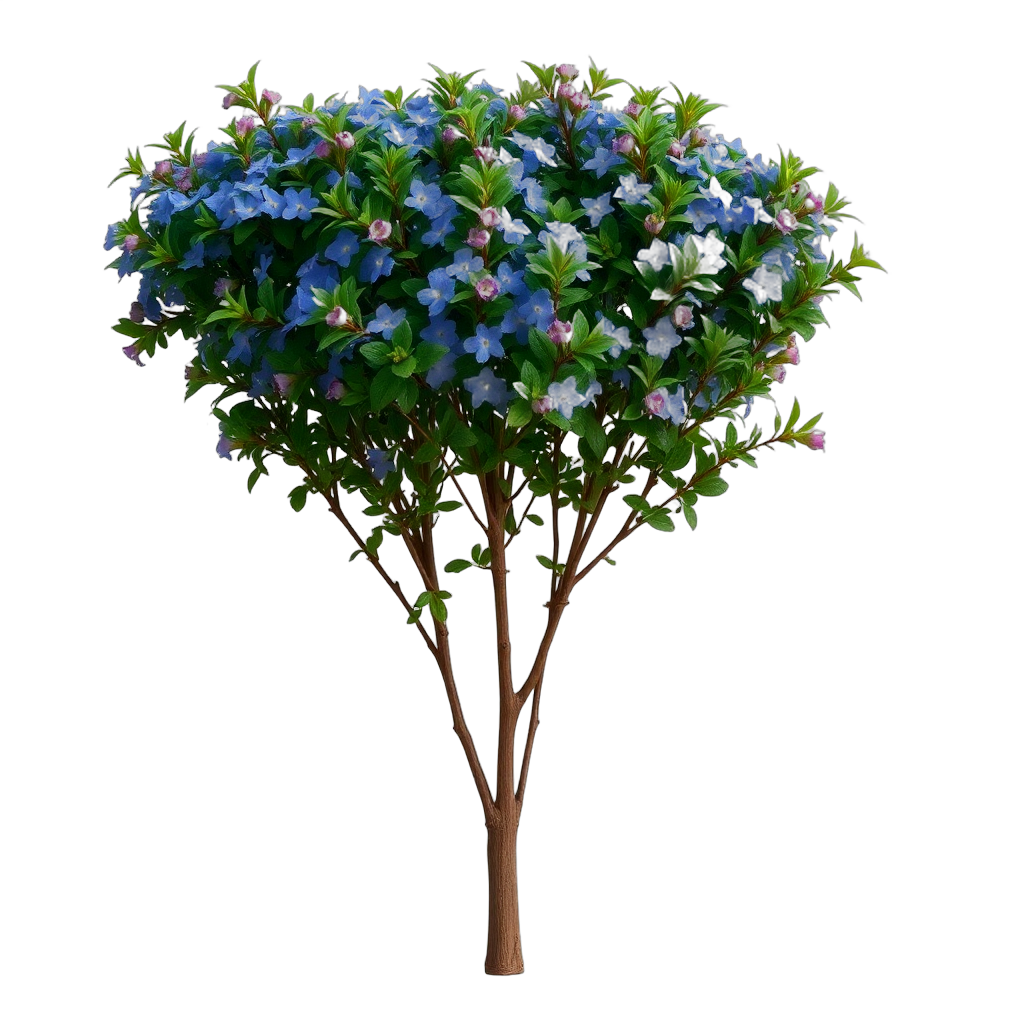
Blue Blossom
Ceanothus thyrsiflorus
medium-sized at 12 feet, blue blooms in spring. Attracts butterflies.
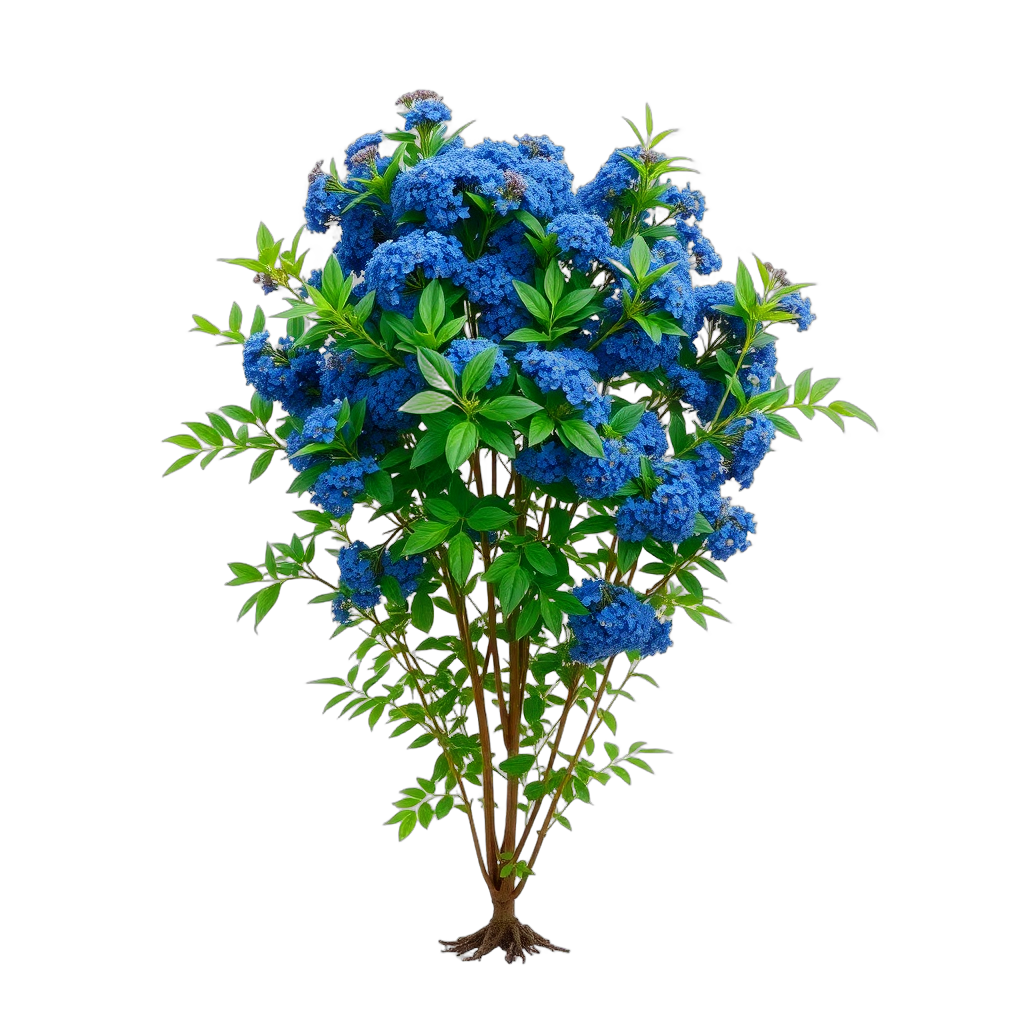
Blue Elderberry
Sambucus cerulea
medium-sized at 15 feet, white blooms in spring. Attracts butterflies.
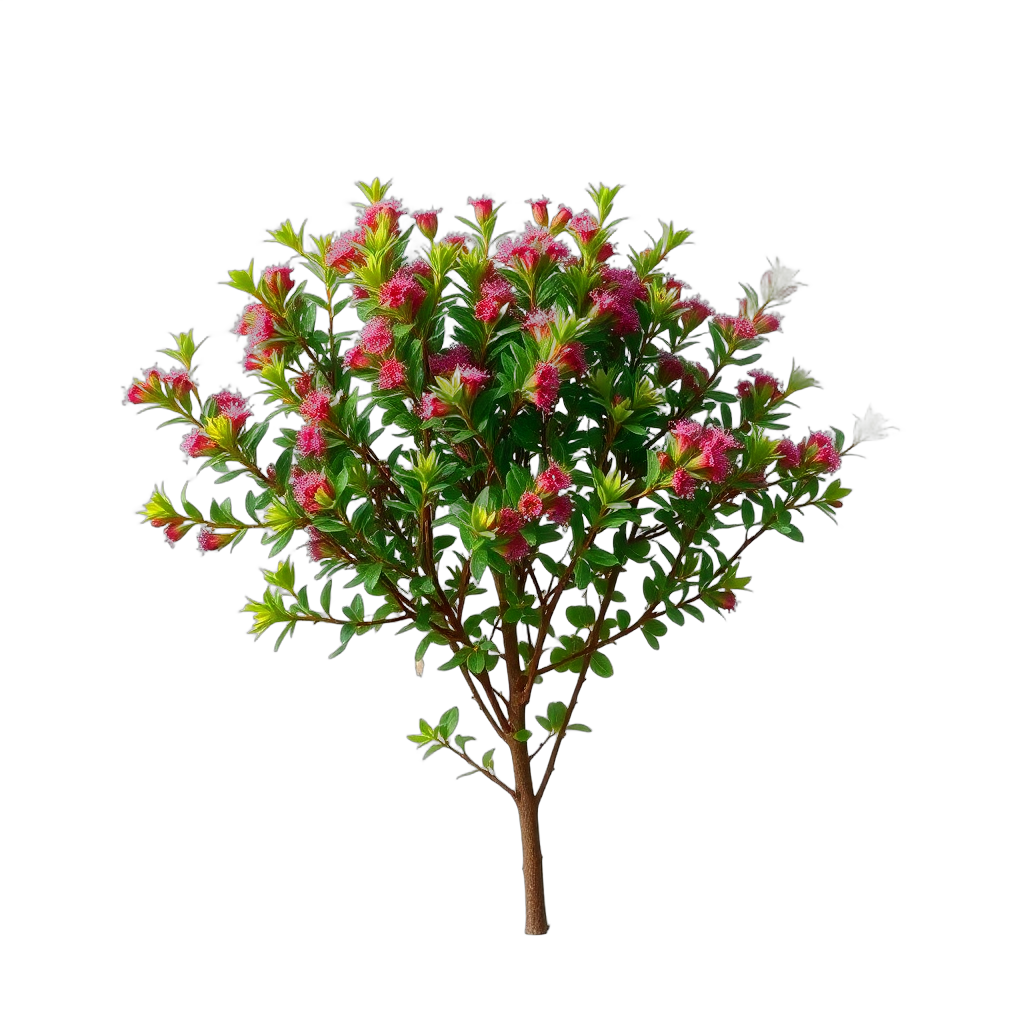
Buckbrush
Ceanothus cuneatus
medium-sized at 7 feet, white blooms in spring. Attracts butterflies.
Featured Grasses & Groundcovers for Desert/Xeriscape Gardens
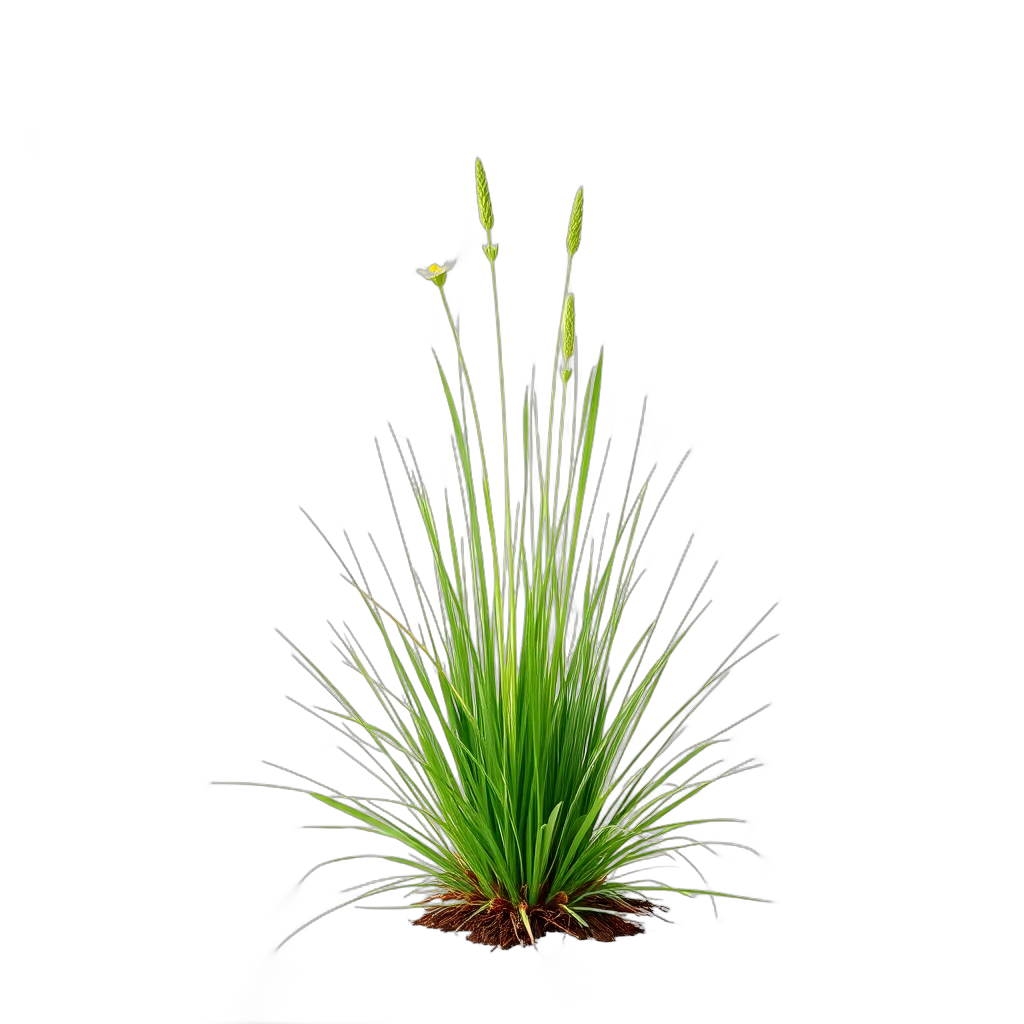
California Brome
Bromus carinatus
low-growing ground cover, blooms in spring. Yellow fall color.
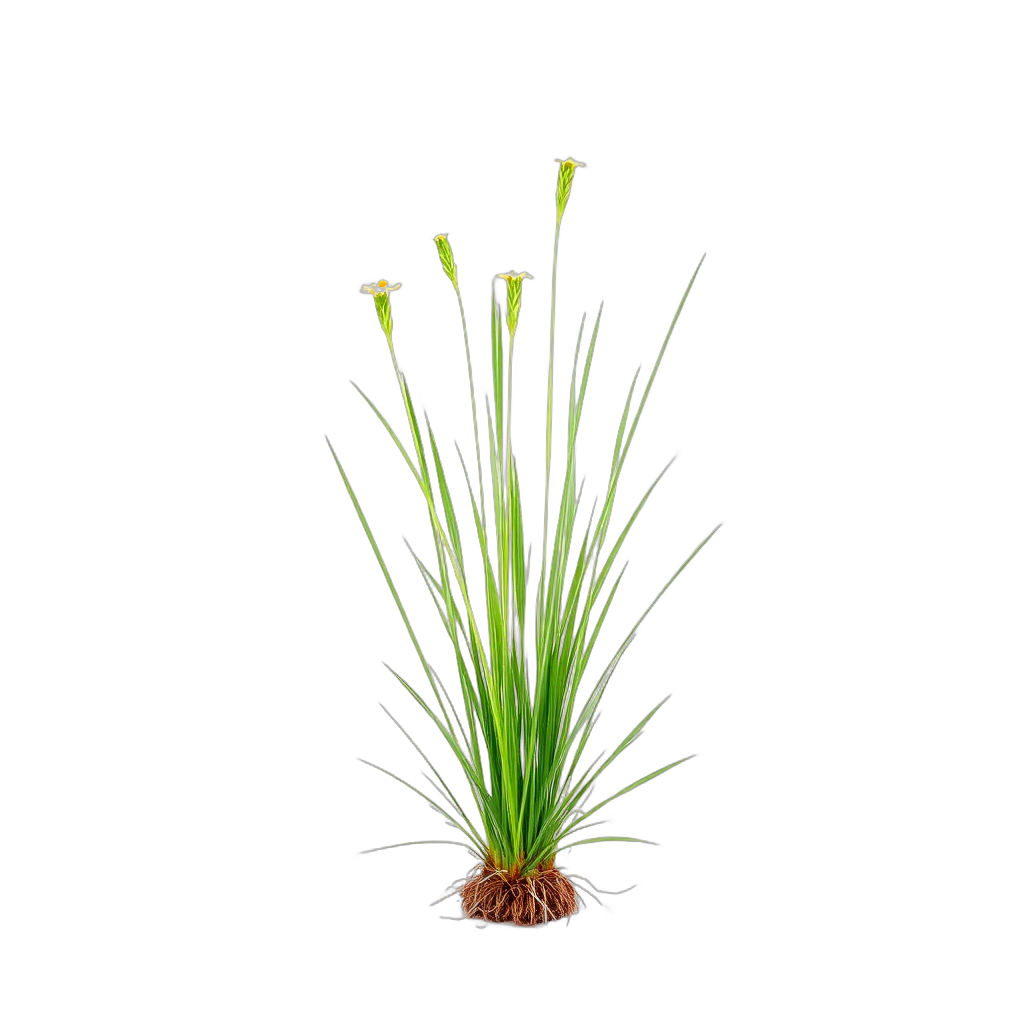
California Melic
Melica californica
low-growing ground cover, blooms in spring.
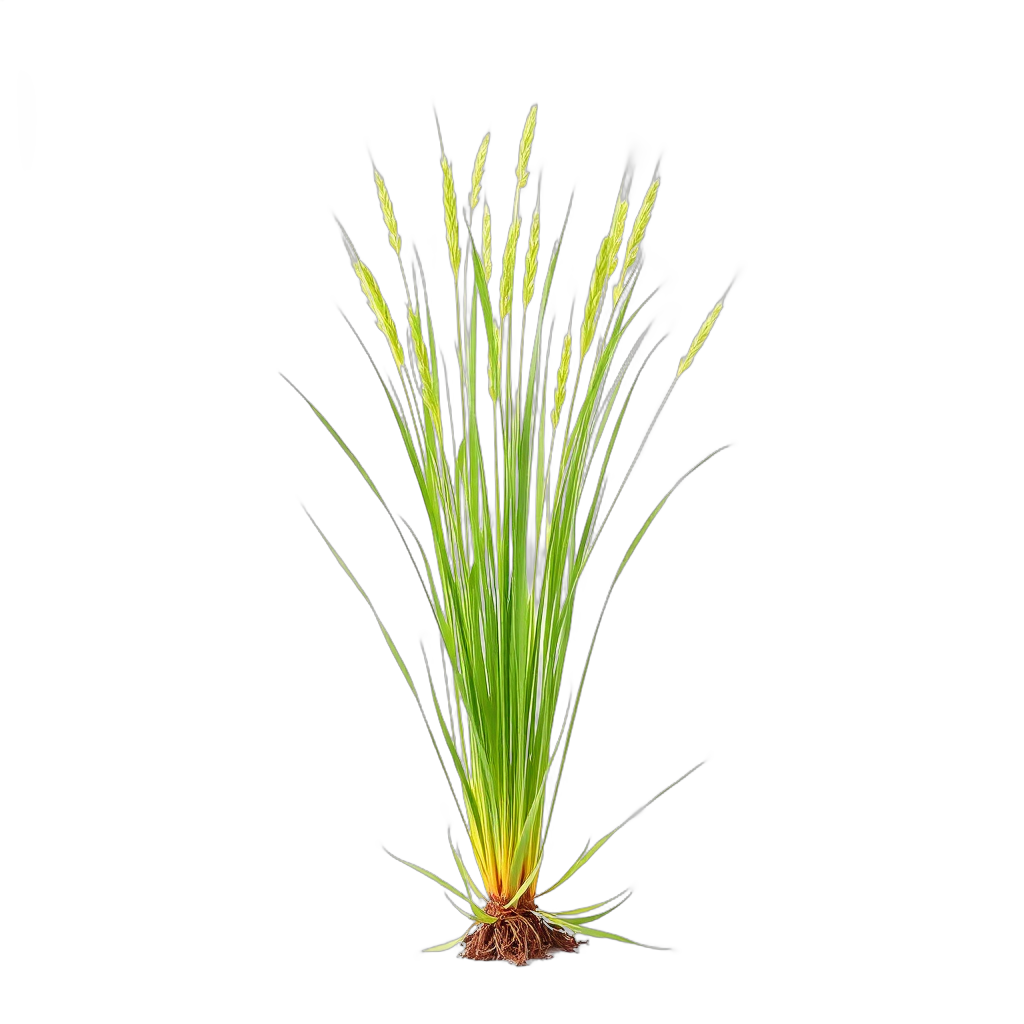
California Oatgrass
Danthonia californica
low-growing ground cover, blooms in spring. Yellow fall color.
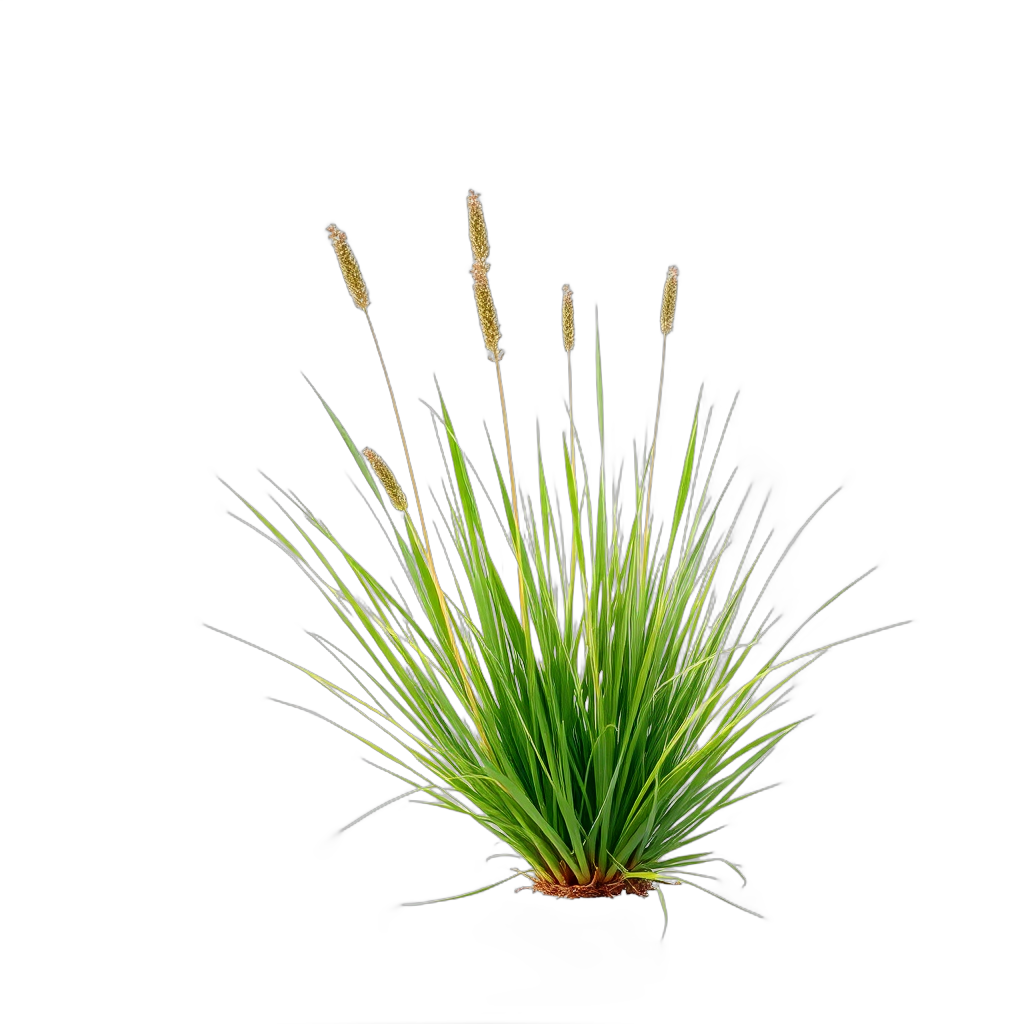
Deer Grass
Muhlenbergia rigens
grows to 3 feet, yellow blooms in fall. Evergreen year-round.
Featured Flowers & Perennials for Desert/Xeriscape Gardens
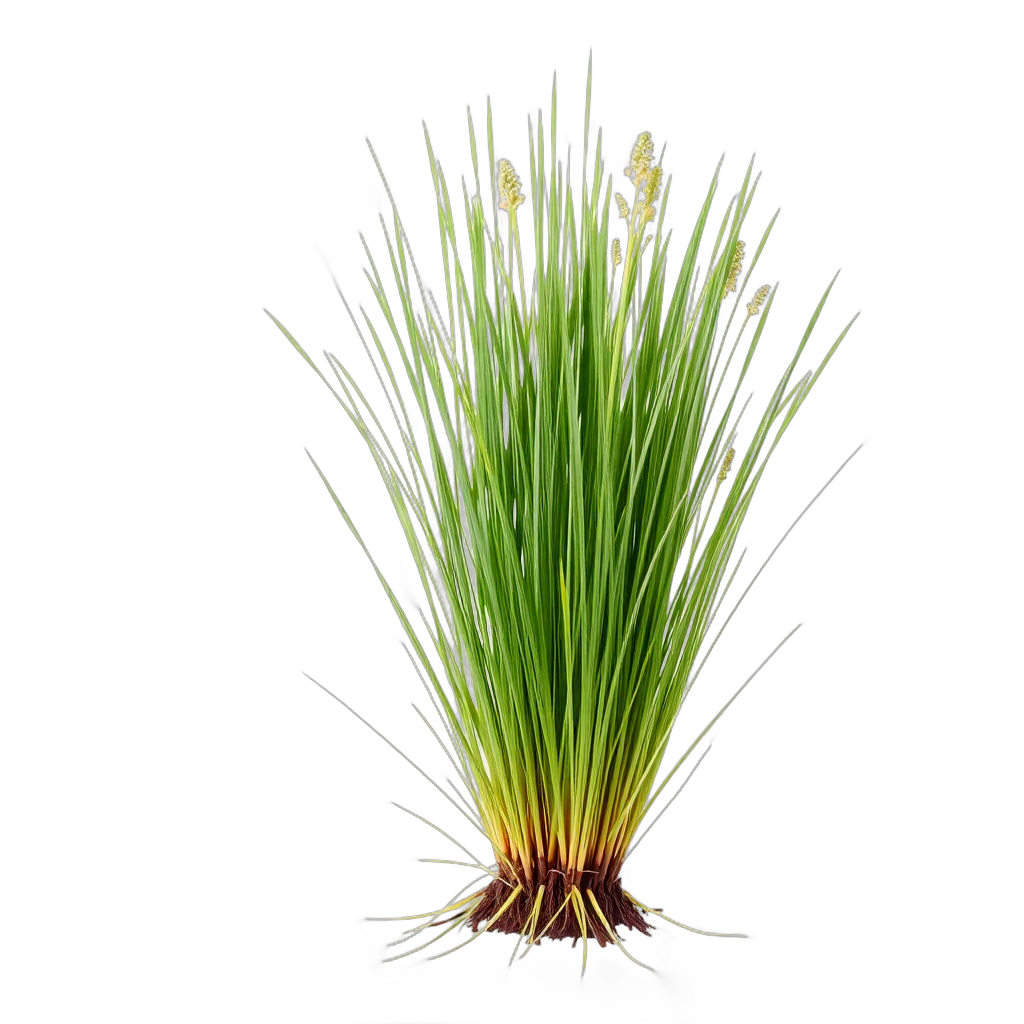
California Gray Rush
Juncus patens
low-growing ground cover, blooms in summer. Evergreen year-round.
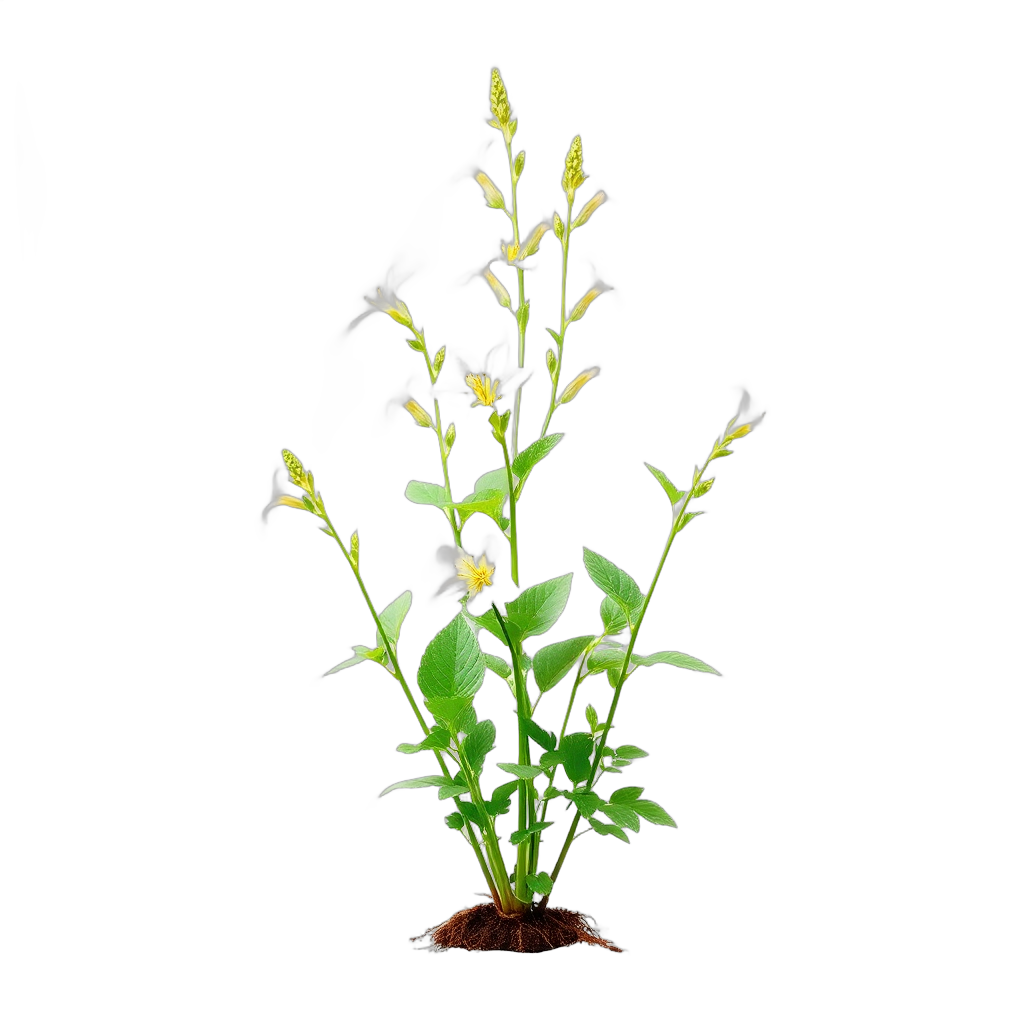
Beach Evening Primrose
Camissonia cheiranthifolia
low-growing ground cover, yellow blooms in spring. Attracts butterflies.
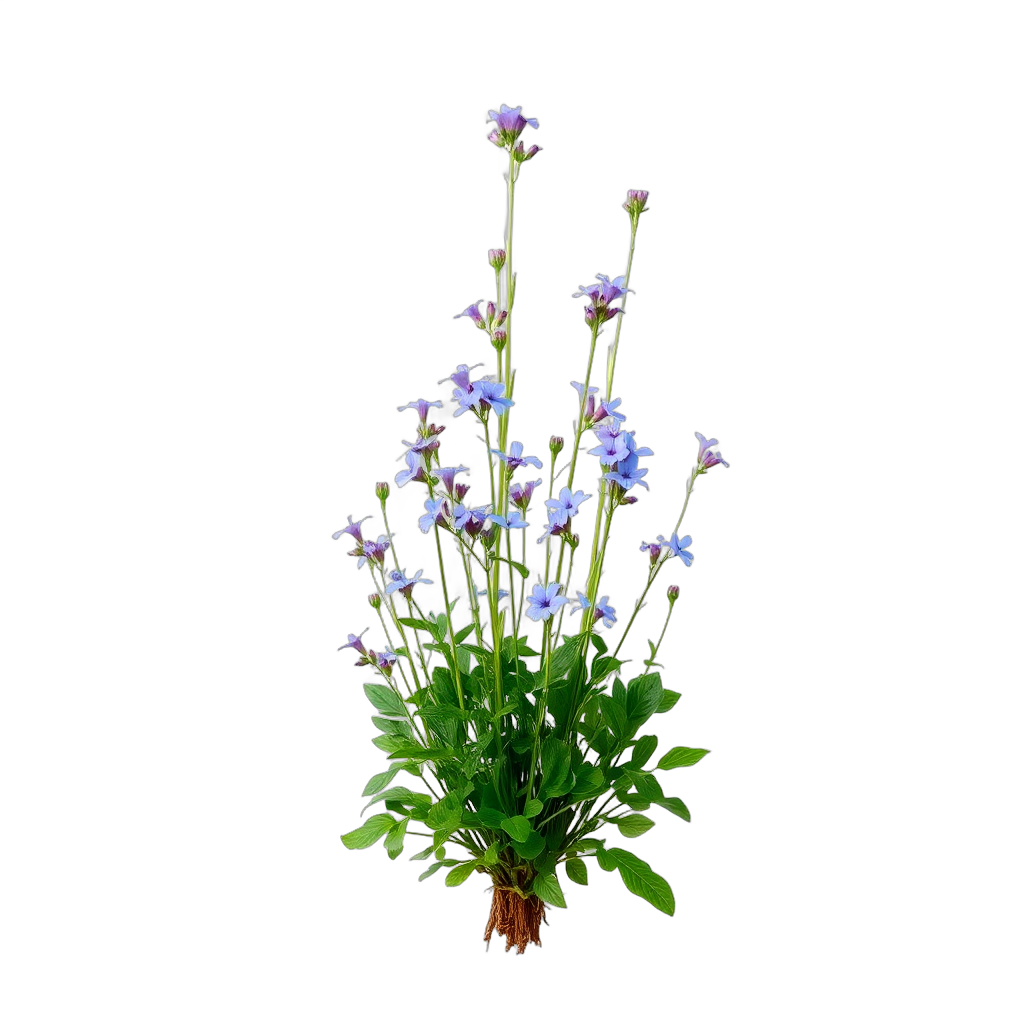
Blue Dicks
Dichelostemma capitatum
low-growing ground cover, blue blooms in spring. Pollinator-friendly.
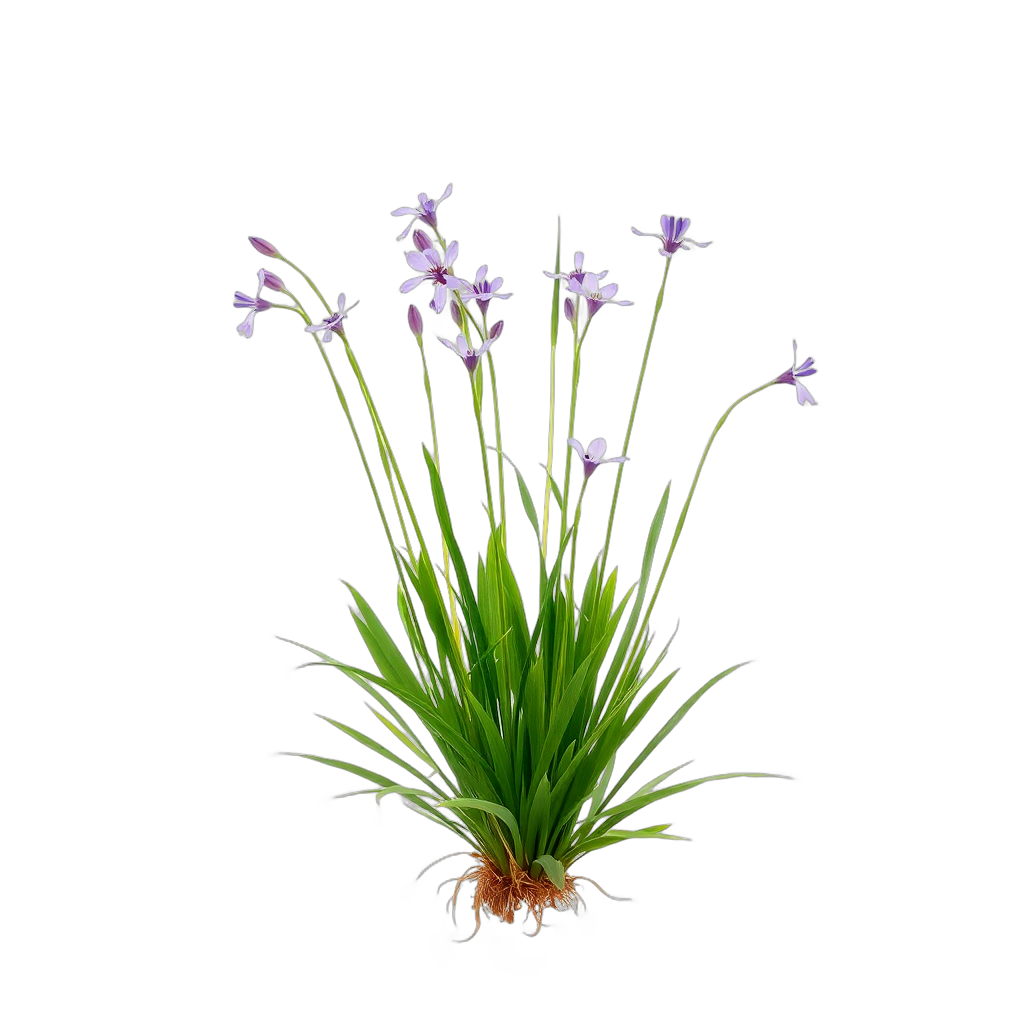
Blue-Eyed Grass
Sisyrinchium bellum
low-growing ground cover, blue blooms in spring. Attracts butterflies.
Bloom Calendar for Moreno Valley
spring
Beach Evening Primrose, Blue Dicks, Blue-Eyed Grasssummer
California Gray Rush, Hooker's Evening Primrose, Hummingbird Mintfall
California Fuchsiawinter
Limited bloomsDesign Tips for Moreno Valley (Zone 9b)
- Apply to EMWD / SoCal WaterSmart before you kill a single blade of grass — the turf-replacement rebate requires pre-approval with photos of living lawn, and the program also sets plant-coverage minimums, so design the Agave weberi and Muhlenbergia rigens layout before you submit
- Set boulders and 15-gallon-plus specimens with the equipment on site BEFORE the gravel goes down — retrofitting a two-ton boulder into a finished decomposed granite field means re-grading and re-screeding the whole yard
- Space agaves for their mature width, not their nursery pot: Agave ovatifolia and Agave weberi finish at 4–5 feet across, and the crowded look every third yard in Sunnymead has is just a five-year-old planting nobody thinned
- Buy the inland version, not the coastal lookalike — swap Agave attenuata for Agave ovatifolia, Phormium for Hesperaloe funifera, and Festuca glauca for Muhlenbergia dubia, or you will replace them after the first August
- Anchor everything for the Santa Anas: columnar cactus like Pachycereus marginatus needs staking for its first two years, string-light posts need engineered concrete footings, and umbrellas need ballast — 40–60 mph gusts arrive every winter
- Keep drip on the plants and off the gravel, and cut it back deliberately in year two — most 'desert' plant deaths here are Agave and Dasylirion crowns rotting from an irrigation schedule nobody dialed down after establishment
Where to Source Plants in Moreno Valley
Skip the big-box stores. These independent Moreno Valley nurseries specialize in the plants that make desert/xeriscape gardens thrive in Zone 9b.
Adam Hall's Plant Nursery
Alessandro Boulevard corridor
Shrubs, shade trees, fruit trees, and palm trees for homeowners and landscapers.
Steve's Valley Nursery
Sunnymead Boulevard
Comprehensive selection of vibrant flowers, hardy shrubs, and gardening products.
Nicolas Nursery
Ironwood Avenue
Specializes in palms and trees with 20+ years serving local landscapers.
Desert/Xeriscape Landscaping Costs in Moreno Valley
| Project Scope | Estimated Cost |
|---|---|
| Front yard xeriscape conversion, 500 sqft (turf removal + DG + drip retrofit + specimen plants) | $3,500 – $8,000 |
| Granite boulders delivered and set (1–2 ton, per boulder) | $300 – $900 |
| Specimen plants (15-gal Agave ovatifolia, field-grown Yucca rostrata, 24-in box mesquite) | $150 – $1,200 each |
| Backyard concrete terrace with stacked-stone gas fire pit and string-light posts | $12,000 – $28,000 |
| Freeform pool with boulder waterfall + full desert landscape | $85,000 – $180,000 |
| AI visualization with ProScapeAI | Free to start |
Estimates based on Moreno Valley, CA-area contractor rates as of 2026. Actual costs vary by site conditions, materials, and contractor.
Moreno Valley Climate & Growing Zone
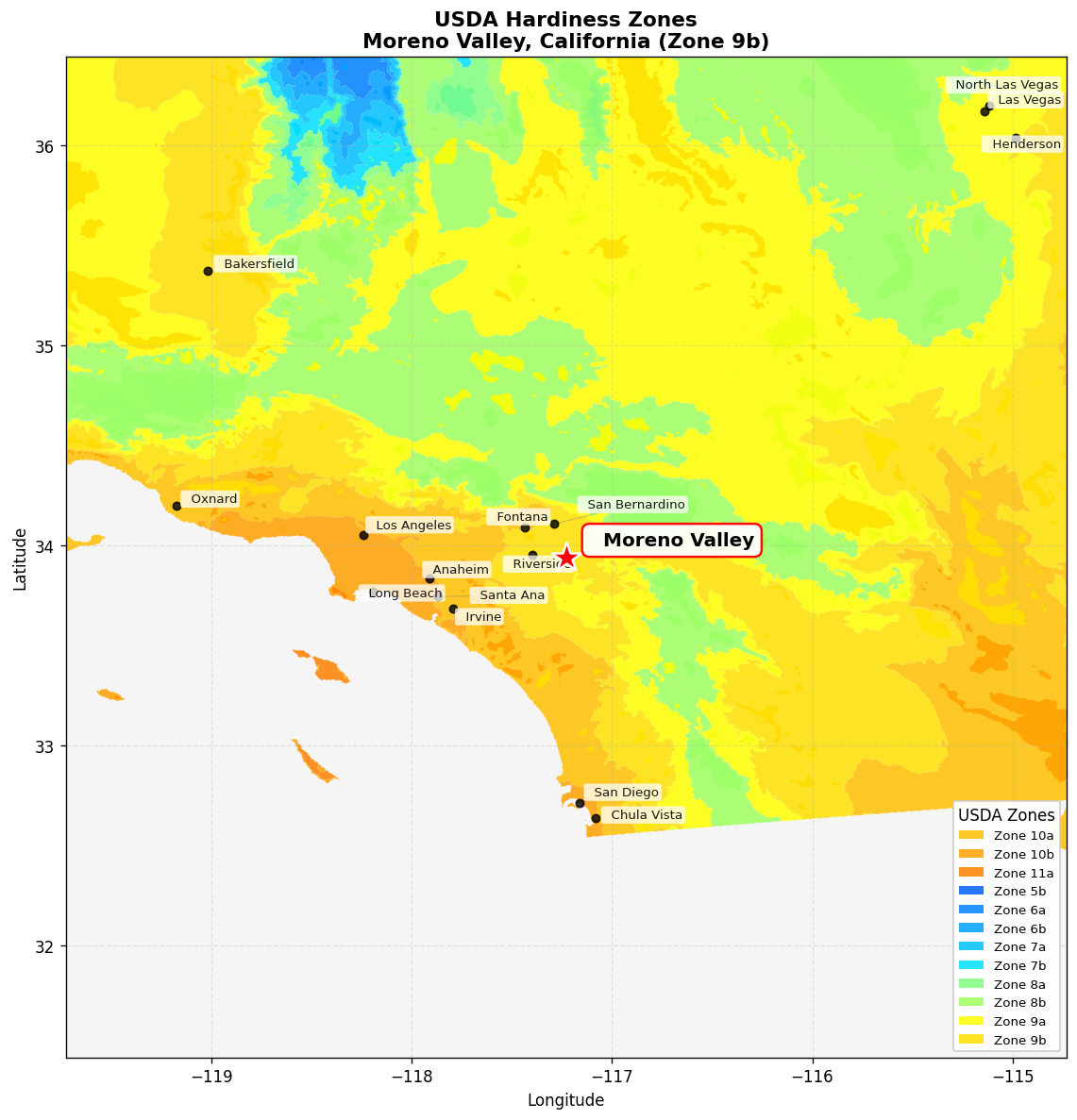
USDA Zone 9b
Hardiness zone for Moreno Valley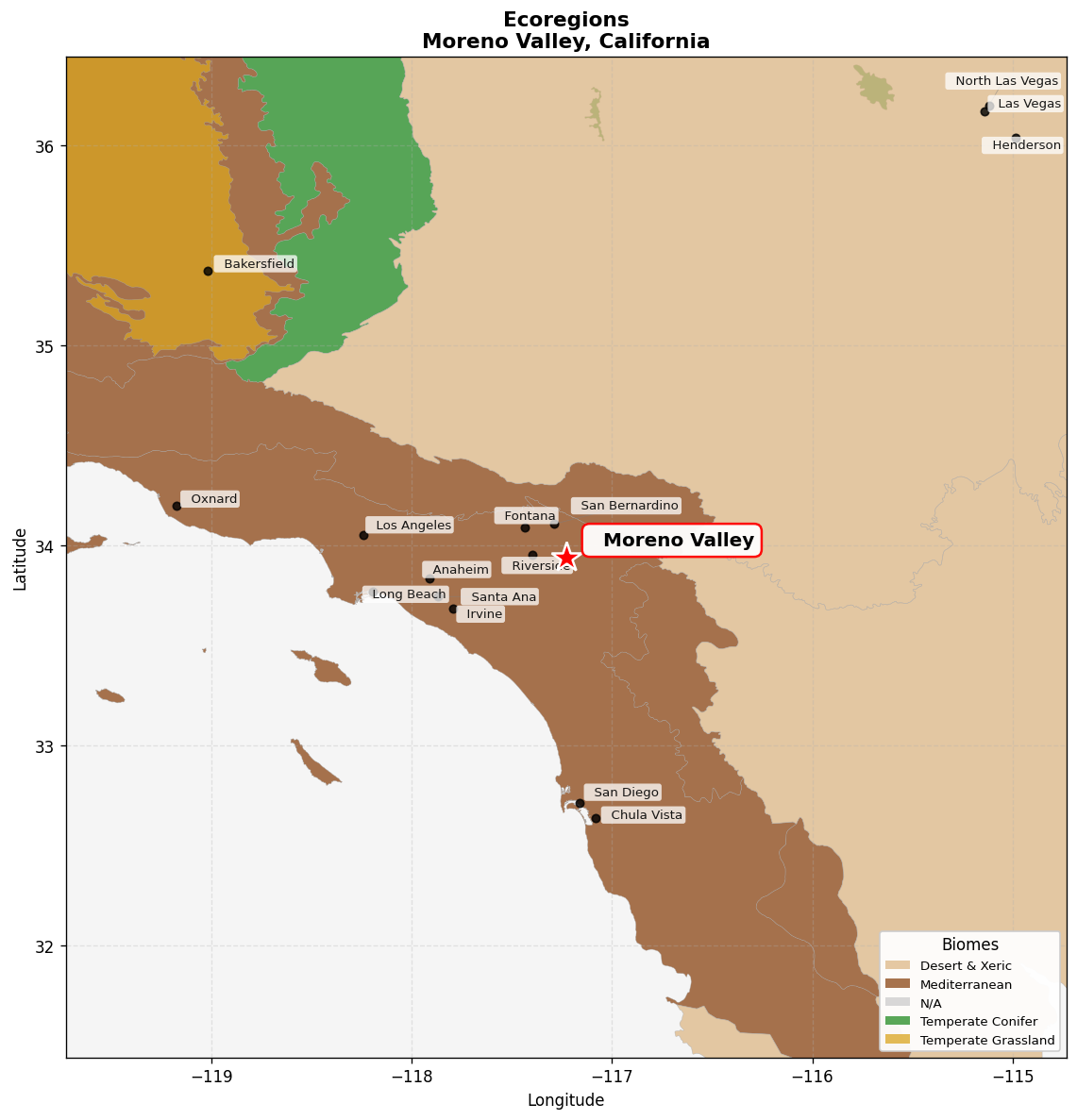
California coastal sage and chaparral
Native ecoregionFrequently Asked Questions
How much does a desert or xeriscape landscape cost in Moreno Valley?
Inland Empire crews price noticeably below Los Angeles and Orange County — usually 15–25% less for the same scope — which makes Moreno Valley one of the cheapest places in Southern California to build a serious desert garden. A full 500 sqft front-yard conversion (turf removal, weed fabric, 3/8-inch decomposed granite, drip retrofit, three or four specimen Agave ovatifolia or Dasylirion wheeleri, and a couple of boulders) typically lands at $3,500–8,000 before rebates. The line items that move the number most are specimens and rock: a 5-gallon Hesperaloe parviflora 'Brakelights' is $35–55, but a field-grown Yucca rostrata 'Sapphire Skies' with real trunk runs $400–1,200, and one- to two-ton granite boulders are $300–900 each delivered and set. Backyard fire pit terraces run $12,000–28,000; a freeform pool with a boulder waterfall and full desert planting is $85,000–180,000 here.
Which desert plants actually survive Moreno Valley's 100°F summers and winter frost?
Zone 9b means you need both heat tolerance and about 25°F of cold hardiness, and plenty of nursery favorites only have one. Reliable in both directions: Agave ovatifolia 'Frosty Blue', Agave parryi var. truncata, Agave weberi, Agave vilmoriniana, Yucca rostrata 'Sapphire Skies', Dasylirion wheeleri, Hesperaloe parviflora 'Brakelights', Hesperaloe funifera, Nolina nelsonii, Muhlenbergia rigens, Muhlenbergia dubia, Leucophyllum frutescens 'Green Cloud', Eremophila maculata 'Valentine', Dalea greggii and Opuntia santa-rita. Agave 'Blue Glow' is gorgeous and worth planting, but it tip-burns in full reflected western sun and sulks below about 25°F — give it an east-facing bed or the filtered shade under a mesquite. Echinocactus grusonii (golden barrel) is bulletproof on heat but will scar if a hard frost lands on a wet crown, so keep it out of low spots where cold air pools.
Why do plants from coastal nurseries keep dying in my Moreno Valley yard?
Because Moreno Valley is not coastal Southern California in any way that matters to a plant. Afternoon temperatures run 15–20°F above Long Beach or Newport, humidity crashes during Santa Ana events, and the irrigation water is alkaline and comparatively salty. The usual casualties are Agave attenuata (sunburns to brown mush and freezes near 28°F), Aeonium 'Zwartkop' (goes dormant and crisps by August), Phormium 'Yellow Wave' and Cordyline australis (fry and split), Leucadendron 'Safari Sunset' and any Protea (killed by heat plus alkaline water), Festuca glauca (melts out), and coastal Ceanothus like 'Dark Star' (dies from summer heat combined with any irrigation at all). Swap them: Agave ovatifolia for attenuata, Euphorbia rigida or Aloe 'Blue Elf' for aeoniums, Hesperaloe funifera for Phormium, Leucophyllum langmaniae 'Rio Bravo' for Leucadendron, Muhlenbergia dubia for Festuca, and Rhus ovata for Ceanothus.
What is the turf rebate worth and how much water will I actually save?
Most of Moreno Valley is served by Eastern Municipal Water District, which participates in Metropolitan's SoCal WaterSmart turf-replacement program at a $2 per square foot base, with local adders in years EMWD funds them — call EMWD or check socalwatersmart.com for the current figure and cap before you plan a budget. Pre-approval is mandatory: you must apply and submit photos of living turf before removing anything, and the finished design has to hit the program's plant-coverage and permeability rules (a gravel field with well-spaced Agave weberi and Muhlenbergia rigens generally qualifies; bare gravel with three plants does not). On usage, a cool-season fescue lawn here needs roughly 45–60 gallons per square foot per year to stay green through triple digits, while an established desert planting on drip needs under 10. On a 700 sqft front yard, that is a difference you feel in every summer bill.
Is a gravel yard high maintenance, and won't it make my house hotter?
Weeds are the real maintenance item, not the plants. Wind-blown seed germinates in the top layer of decomposed granite after every winter rain, so plan on a pre-emergent application in late fall and again in late winter, plus about an hour a month of hand-pulling. Commercial-grade woven fabric under the rock helps for the first several years; cheap plastic sheeting does not, and it strangles your drip lines. On heat: light-colored gravel reflects, dark gravel absorbs, and either is far cooler at the ground plane than artificial turf, which can exceed 160°F on a Moreno Valley August afternoon. The fix is canopy, not material — a Parkinsonia x 'Desert Museum' or a thornless Prosopis chilensis over the west-facing walk drops the felt temperature more than any color choice, and both are fast here.
Do I need permits or HOA approval for a xeriscape in Moreno Valley?
Removing turf, spreading gravel, planting Agave parryi and running drip needs no permit. The City of Moreno Valley does require permits for pools and spas, retaining walls over roughly 3–4 feet, patio covers and other roofed structures, and any new gas or electrical runs — which covers the fire pit and pool equipment in two of the designs above. Permitted landscape projects over 500 sqft also fall under California's Model Water Efficient Landscape Ordinance (MWELO), which desert designs pass without effort. On HOAs: California Civil Code 4735 bars an association from prohibiting low-water landscaping or from enforcing a green-lawn rule during a declared drought, so a Rancho Belago or Moreno Valley Ranch HOA can review your plant and rock palette but cannot simply require turf. If your lot backs open space near Box Springs Mountain or the Badlands, check fire defensible-space spacing before planting anything resinous within 30 feet of the house.