4 Cottage Garden Ideas for Newport News, VA | English Border Design for Tidewater Zone 8a
Native plants from the Mid-Atlantic US coastal savannas (Zone 8a) — Humid subtropical climate
Why Cottage/English Gardens in Newport News?
Newport News is one of the few American cities literally built around the English garden village idea. Hilton Village, laid out in 1918 as federal housing for Newport News Shipbuilding workers, was modeled on Britain's garden-city movement — Tudor and Colonial Revival cottages, deep uniform setbacks, hedged property lines, and streets bent to follow the James River bluff. A century on, those bones are exactly what cottage planting wants: modest frontages, human-scaled porches, and enough front yard for a picket fence and a rose arbor without crowding the sidewalk. The look carries just as well onto the New Urbanist lots of Port Warwick, the deep 1960s yards of Denbigh, and the riverfront properties in Riverside and Hidenwood, where a loose layered border is the only thing that keeps a big lawn from reading as empty.
Zone 8a puts winter lows around 10–15°F, which is generous — but a Newport News garden is decided by summer, not winter. About 47 inches of rain falls each year, mostly in warm-season downpours, and Hampton Roads humidity keeps foliage wet from June into September. That one fact rewrites the English plant list. Delphiniums and lupines melt by July; use Digitalis purpurea 'Camelot' and Baptisia australis 'Purple Smoke' for the same vertical line. Lavandula angustifolia 'Munstead' and 'Hidcote' rot at the crown within two seasons, while Lavandula x intermedia 'Phenomenal' and 'Grosso' persist for years, and Nepeta racemosa 'Walker's Low' gives the same blue haze with no fuss. Skip common boxwood — boxwood blight is established across Virginia — and clip Ilex crenata 'Soft Touch', Ilex vomitoria 'Nana', or Distylium 'Vintage Jade' instead. Pick roses for disease resistance first: Rosa 'New Dawn' on arbors, Rosa 'Zéphirine Drouhin' where thornless matters, Rosa 'The Fairy' and Rosa 'Bonica' in the borders.
Tidewater soil here is sandy loam over a dense clay subsoil, and most of the city sits below 25 feet of elevation with the water table close behind. Beds drain fast on top and then perch water underneath, so build borders up 6 to 8 inches with compost and pine fines rather than digging deeper. Closer to the James, salt carried on nor'easter and hurricane winds narrows things further: Rosa rugosa 'Alba', Morella cerifera, Clethra alnifolia 'Ruby Spice', Itea virginica 'Henry's Garnet', and Hibiscus moscheutos all take it in stride, while Phlox paniculata 'David' and Leucanthemum x superbum 'Becky' shrug off the humidity that flattens their cousins. Build arbors like structures, not decorations — Hampton Roads designs to roughly 115 mph gusts, and Isabel settled that argument in 2003.
4 Cottage/English Design Ideas for Newport News
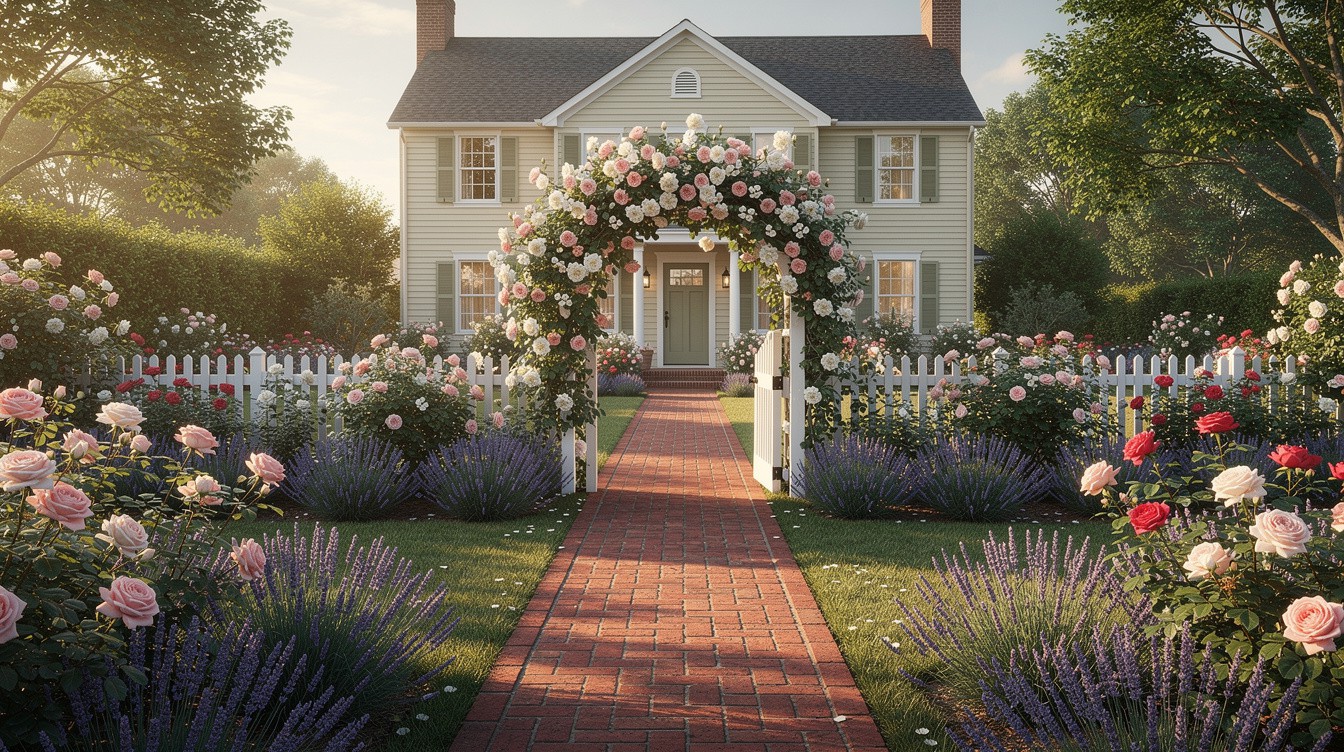
The Hilton Village Picket & Rose Arbor
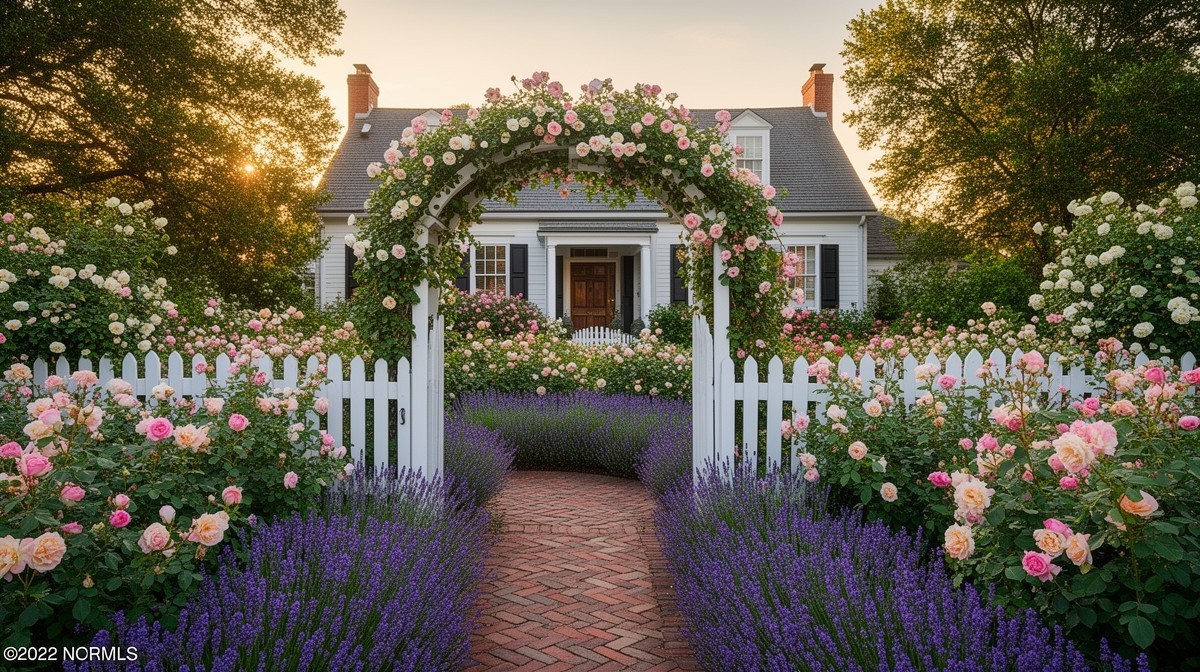
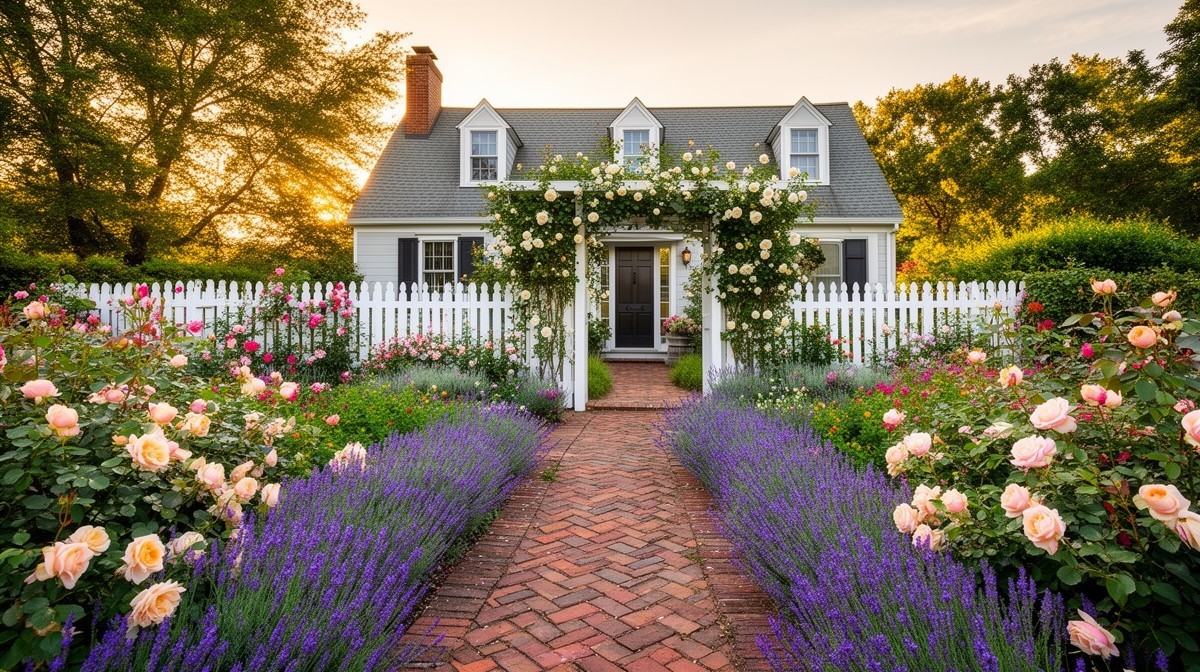
$14–26/sqftA cream clapboard two-story with sage-green shutters sits behind a low white picket fence that runs the full frontage, broken only by a gate buried under a rose-covered arbor. A running-bond brick walk goes dead straight from gate to door, and the whole composition is held together by two deep ribbons of lavender flanking the brick, backed by mounding shrub roses that lean over the pickets. It is the most literal cottage look on this list and the most historically correct for Newport News — deliberately symmetrical, deliberately restrained in color, and reliant on structure rather than variety. The trick is that every plant in it has been swapped for a Tidewater-proof cultivar: Rosa 'New Dawn' instead of a fussy climbing hybrid tea, Lavandula x intermedia 'Phenomenal' instead of English lavender that would rot by the second August, and clipped Ilex crenata in place of blight-prone boxwood.
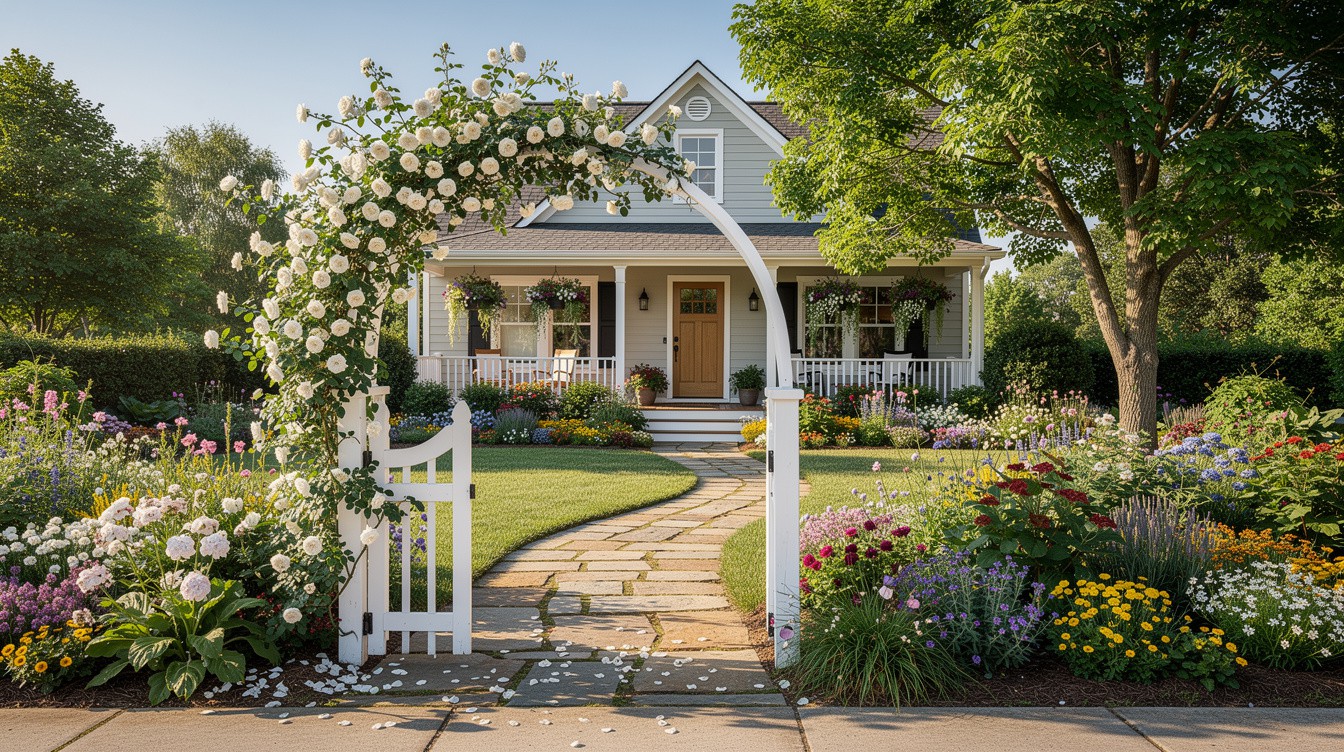
The Porch-Front Cottage Border
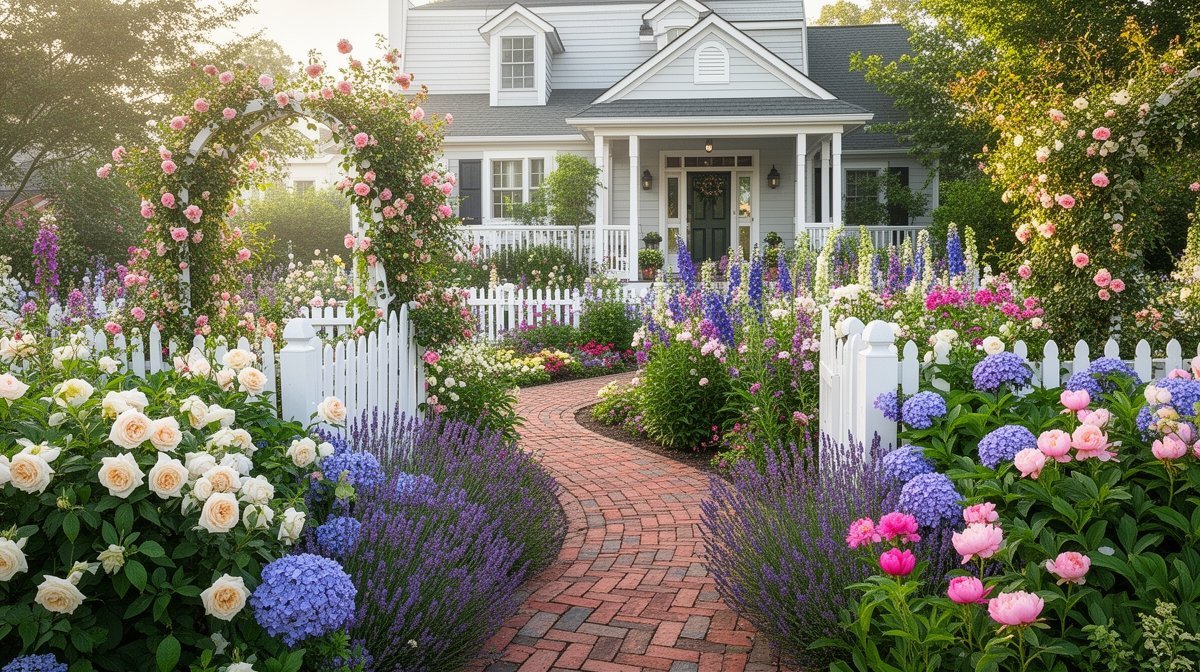
$12–22/sqftA gray-sided cottage with a deep railed porch and hanging baskets is approached by an irregular flagstone path that curves rather than runs straight, passing under a white-painted arbor and gate smothered in white climbing roses. Both sides of the path dissolve into full, unedited mixed borders — yellows, magentas, blues, whites, all at once — while the lawn is reduced to a small green rug in the middle. This is the informal, high-color version of cottage, and it works best where the lot is small enough that abundance reads as intentional rather than neglected. Keep the color chaos and control the disease risk: Phlox paniculata 'David' instead of mildew-magnet older phlox, Leucanthemum x superbum 'Becky' instead of 'Alaska' shastas that flop in Hampton Roads humidity, and Hydrangea macrophylla 'Endless Summer' set where it gets morning sun only.
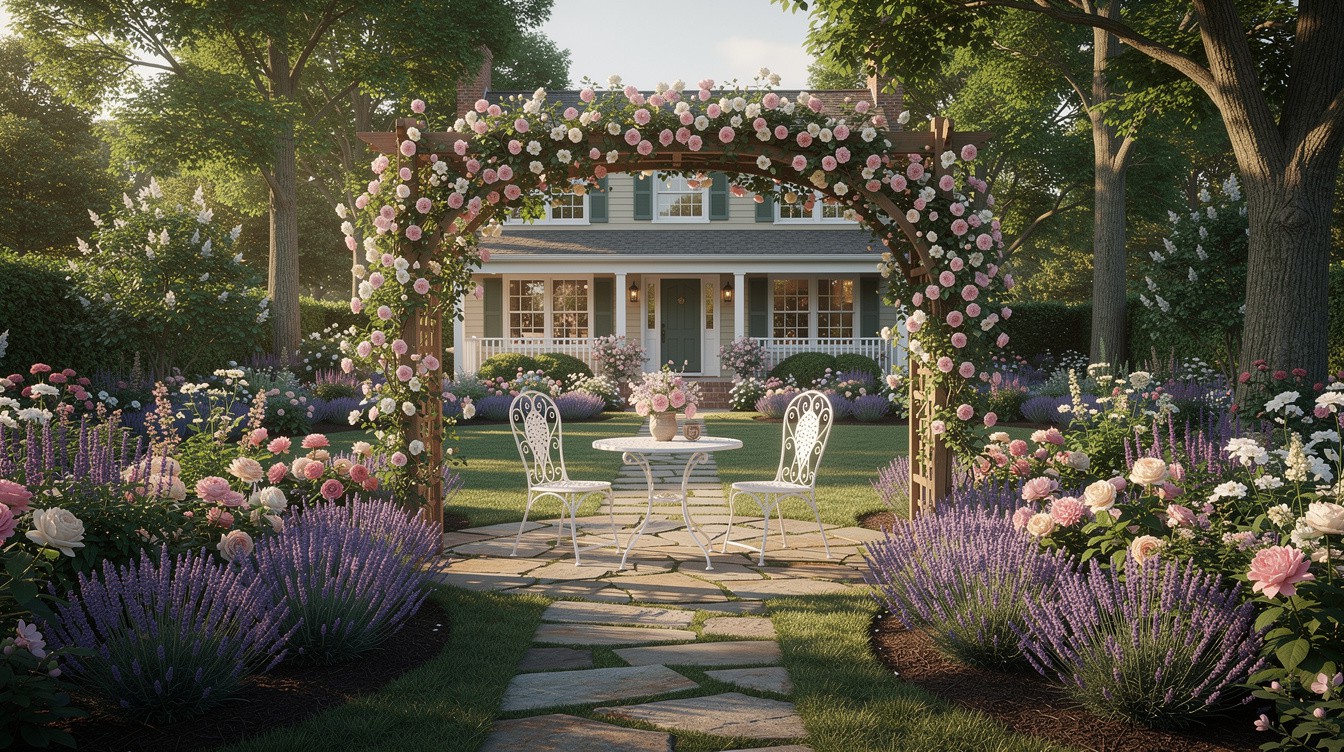
The Rose Arbor Tea Terrace
$16–30/sqftIn the back yard, a heavy cedar arbor draped in pink and white climbing roses frames a circular flagstone terrace just big enough for a bistro table and two iron chairs. Flagstone stepping pads lead out to it across the lawn, and the terrace is anchored on both sides by big mulched mounds of lavender with rose and perennial borders climbing behind them toward mature oaks. The whole idea is scale discipline — one small hard surface, one strong overhead structure, and everything else soft — which is why it costs a fraction of a full patio and still reads as the best spot on the property. In Newport News the arbor is the part to overbuild: 4x4 or 6x6 posts set in concrete below the frost line, because a rose-loaded arbor is a sail in a nor'easter.
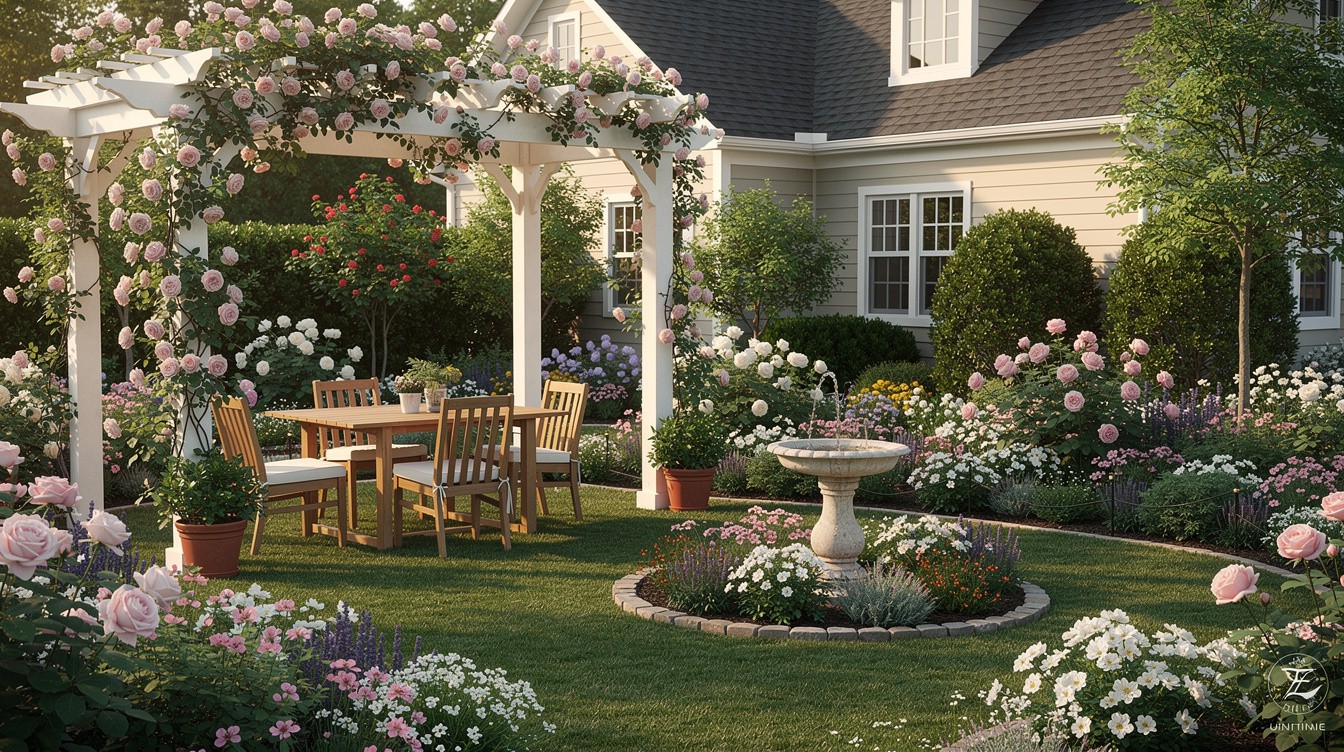
The Pergola Dining Garden with Fountain Island
$22–40/sqftA white-painted pergola thick with pink climbing roses shelters a teak dining table for six at one edge of a wide lawn, and the lawn's center is interrupted by a circular island bed edged in granite cobble around a cast-stone fountain. Deep mixed borders wrap the perimeter — hydrangeas, roses, white perennials, small flowering trees — while clipped evergreen globes hold the line against the house so the composition does not go shapeless in winter. This is the full entertaining version of a Newport News cottage garden, and the fountain earns its keep beyond looks: moving water masks traffic noise from Warwick Boulevard and Jefferson Avenue, and it draws in the birds that keep Japanese beetle pressure off the roses in July.
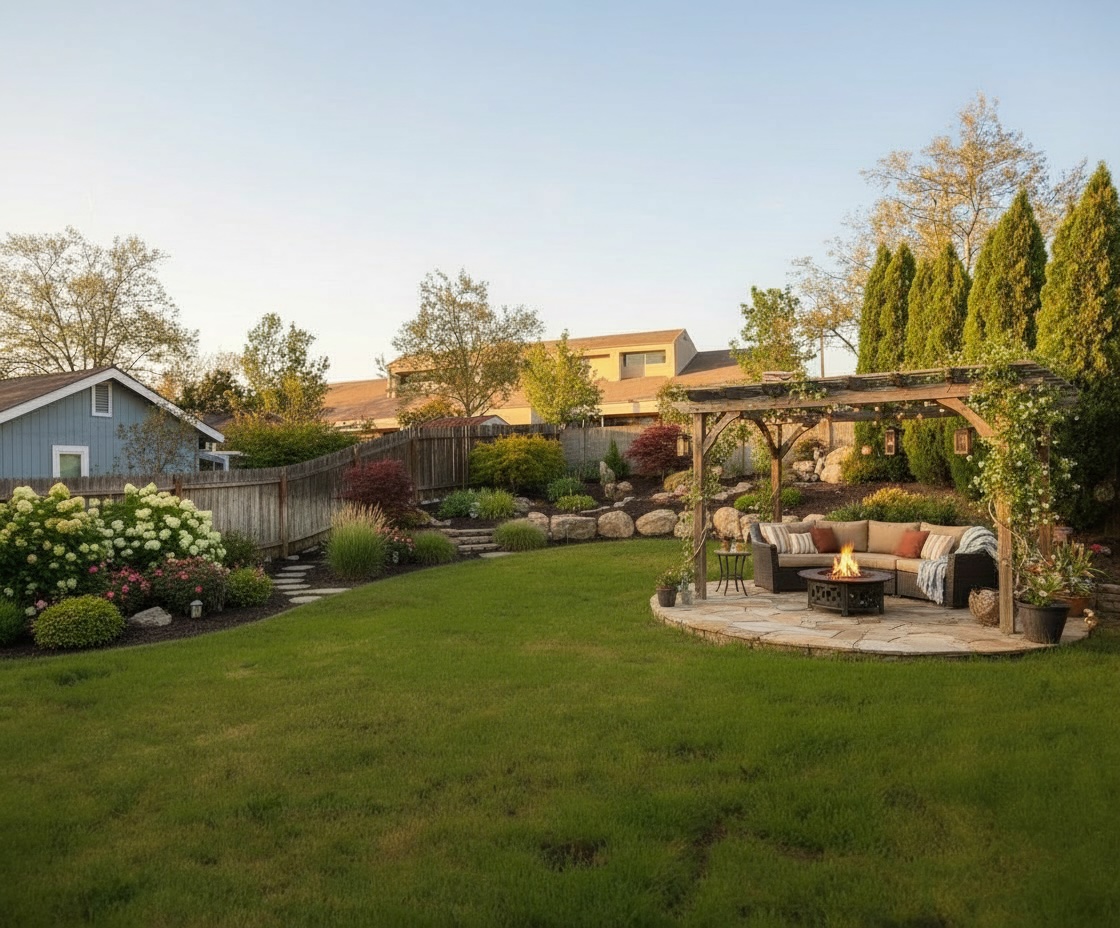
See how a cottage/english garden looks on YOUR property
Upload a photo of your Newport News yard and visualize your dream garden in seconds.
Try ProScapeAI Free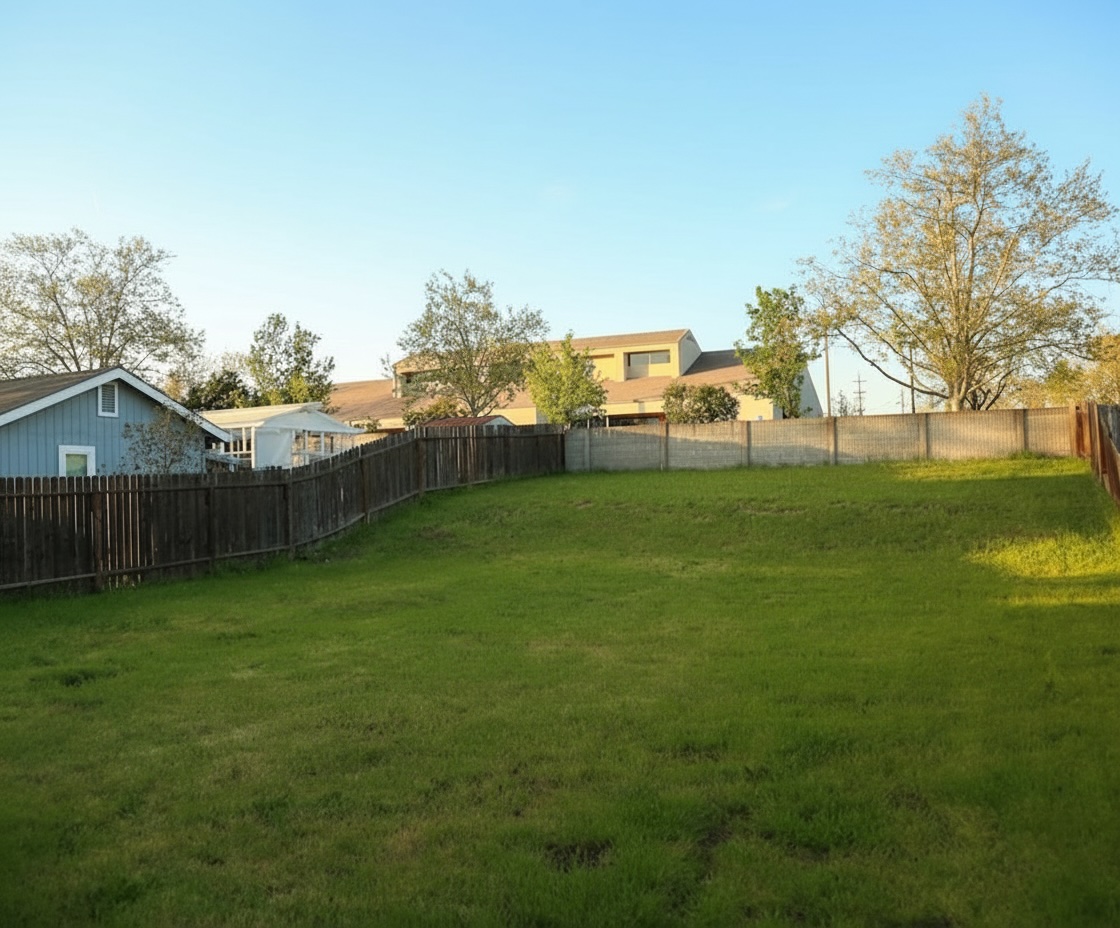
Featured Trees & Shrubs for Cottage/English Gardens
Browse all 150 plants for Newport News
Cabbage Palm
Sabal palmetto
reaches 40 feet tall, white,yellow blooms in spring. Pollinator-friendly.

California Fan Palm
Washingtonia filifera
reaches 40 feet tall, white blooms in spring. Pollinator-friendly.

Chilean Wine Palm
Jubaea chilensis
large shade tree reaching 60+ feet, purple,yellow blooms in summer. Pollinator-friendly.

Mediterranean Fan Palm
Chamaerops humilis
grows to 6 feet, yellow blooms in spring. Pollinator-friendly.
Featured Grasses & Groundcovers for Cottage/English Gardens

Anceps Bamboo
Yushania anceps
medium-sized at 12 feet, blooms in none. Evergreen year-round.

Arrow Bamboo
Pseudosasa japonica
medium-sized at 15 feet, blooms in none. Evergreen year-round.
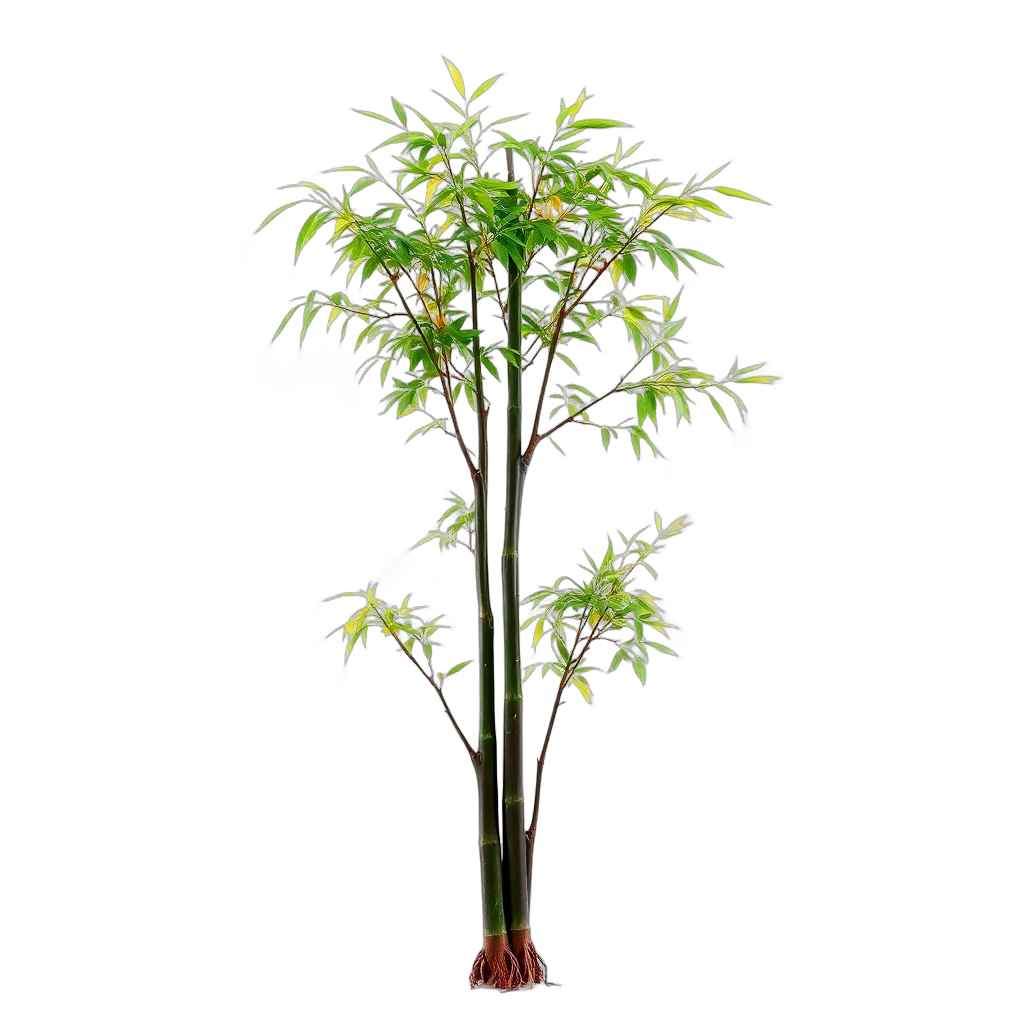
Black Bamboo
Phyllostachys nigra
reaches 25 feet tall, blooms in none. Evergreen year-round.

Blue Bamboo
Borinda papyrifera
reaches 20 feet tall, blooms in none. Evergreen year-round.
Featured Flowers & Perennials for Cottage/English Gardens

Tussock Sedge
Carex stricta
low-growing ground cover, blooms in spring. Brown fall color.

Umbrella Sedge
Cyperus alternifolius
grows to 4 feet, blooms in summer. Evergreen year-round.
Bloom Calendar for Newport News
spring
Tussock Sedgesummer
Umbrella Sedgefall
Limited bloomswinter
Limited bloomsDesign Tips for Newport News (Zone 8a)
- Raise every border 6–8 inches above grade with compost and pine fines — on Newport News sandy loam over clay subsoil, crown rot from perched winter water kills more cottage perennials than any Zone 8a cold snap
- Buy roses by disease resistance before color: Rosa 'New Dawn' for arbors, Rosa 'Bonica' and Rosa 'The Fairy' for borders, Rosa rugosa 'Alba' near the James — hybrid teas will defoliate by August in 47 inches of rain
- Use Lavandula x intermedia 'Phenomenal' on a gravel-mulched berm, never Lavandula angustifolia 'Munstead' at grade; if you want zero risk, Nepeta racemosa 'Walker's Low' delivers the identical blue haze
- Set arbor and pergola posts in concrete footings sized for roughly 115 mph gusts — a rose-covered arbor is a sail, and Hampton Roads gets a hurricane or serious nor'easter often enough to prove it
- Plant a wax myrtle (Morella cerifera) or Juniperus virginiana 'Emerald Sentinel' screen on the river-facing side of waterfront lots, then put hydrangeas and tender roses in its lee
- Plant in October and November rather than spring — mild Tidewater winters let roots establish for five months before the first 95°F day, and Hampton Roads installers have far more schedule then
Where to Source Plants in Newport News
Skip the big-box stores. These independent Newport News nurseries specialize in the plants that make cottage/english gardens thrive in Zone 8a.
Anderson's Newport News
Hilton/Central Newport News
Home and garden store featuring exotic tropicals, cacti, and specialty plants.
McDonald Garden Center
Newport News
Long-running independent regional garden center with seasonal and perennial plant selections.
Hudgins Nursery & Garden Center
Hayes (Hampton Roads metro)
Established 1952; specializes in annuals, perennials, grasses, shrubs, and trees.
Cottage/English Landscaping Costs in Newport News
| Project Scope | Estimated Cost |
|---|---|
| Front yard cottage conversion (picket fence + brick walk + borders) | $8,000 – $18,000 |
| Cedar rose arbor, installed on concrete footings | $1,400 – $4,500 |
| Flagstone tea terrace, 120–200 sqft | $4,500 – $11,000 |
| Mixed perennial and shrub border, per 100 sqft installed | $1,200 – $2,600 |
| Full backyard pergola, fountain island + wrapped borders | $25,000 – $60,000 |
| AI visualization with ProScapeAI | Free to start |
Estimates based on Newport News, VA-area contractor rates as of 2026. Actual costs vary by site conditions, materials, and contractor.
Newport News Climate & Growing Zone
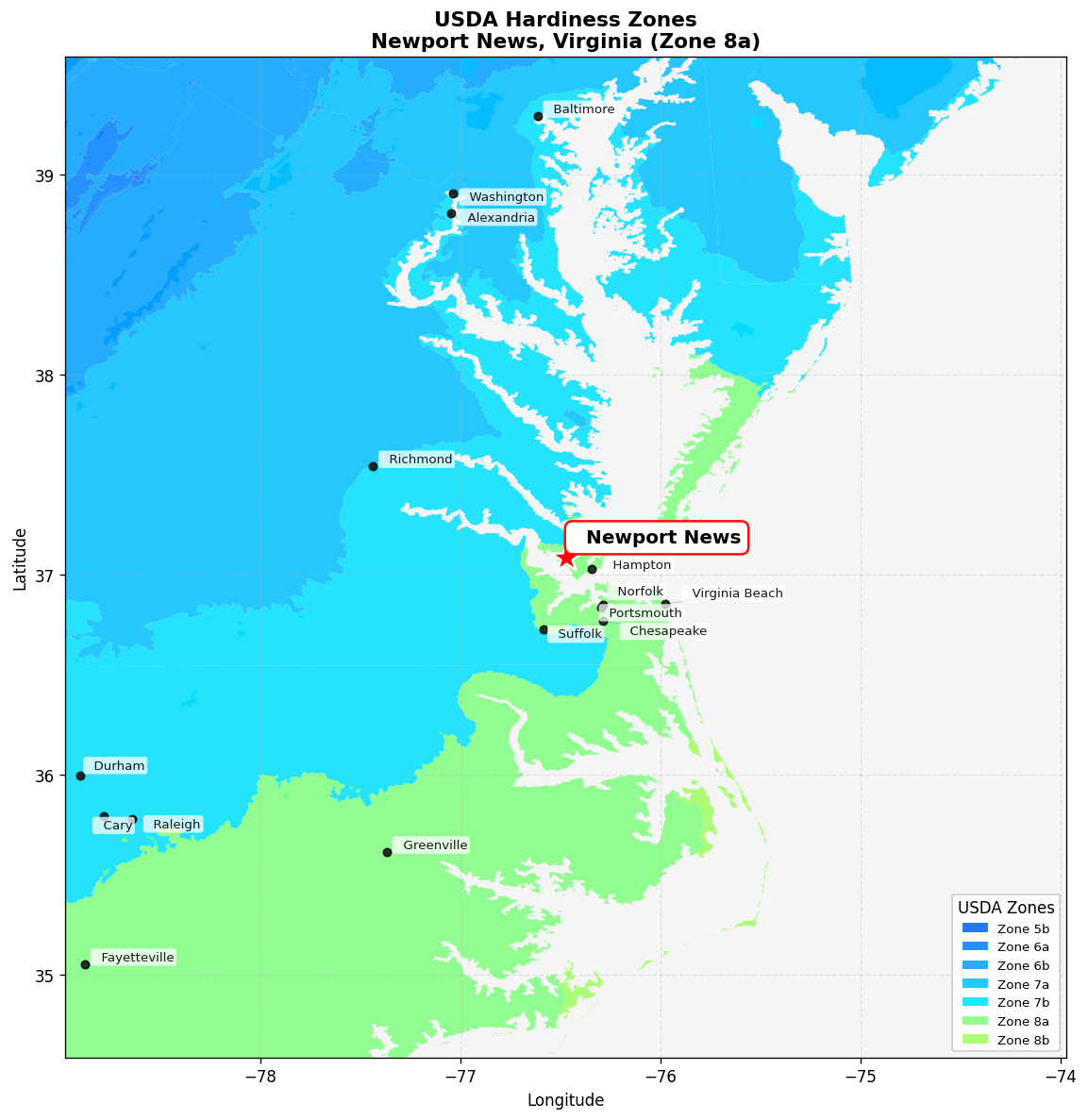
USDA Zone 8a
Hardiness zone for Newport News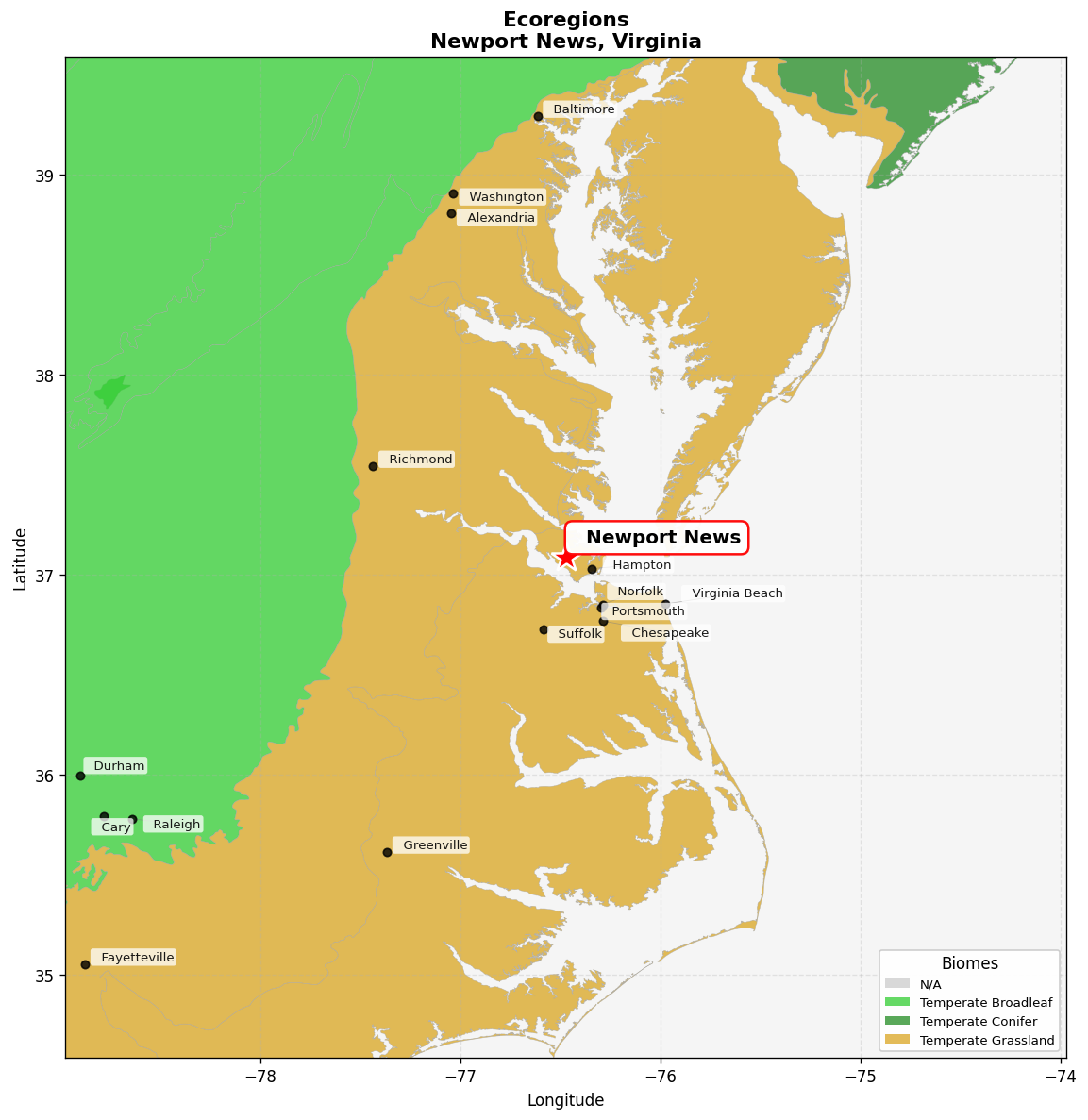
Mid-Atlantic US coastal savannas
Native ecoregionFrequently Asked Questions
How much does a cottage garden cost in Newport News?
Hampton Roads install labor runs right around the national average — cheaper than DC or Richmond's high end, more than rural Virginia. A picket-fence-and-rose-arbor front yard conversion for a typical 400–600 sqft Hilton Village frontage lands at $8,000–18,000 installed, most of it in the brick walk and fence rather than the plants. A small flagstone tea terrace with a cedar arbor runs $6,000–14,000. A full back-yard pergola, fountain island, and wrapped borders is a $25,000–60,000 project. Doing your own planting and hiring out only the masonry typically cuts 30–40% off, because Rosa 'Bonica' and Nepeta 'Walker's Low' in 1-gallon pots are the cheapest part of any of these designs.
Which roses actually survive Hampton Roads humidity and black spot?
Choose by disease resistance, not flower photos. On arbors and pergolas, Rosa 'New Dawn' is the workhorse — nearly bulletproof against black spot, tolerant of part shade, and vigorous enough to cover a 7-foot arbor in three seasons. Rosa 'Zéphirine Drouhin' is the thornless option for gates and paths. In borders, Rosa 'Bonica', Rosa 'The Fairy', Rosa 'Iceberg', and the Knock Out group carry the season. Rosa rugosa 'Alba' is the pick for anything within salt reach of the James. Skip most hybrid teas here — with 47 inches of rain and near-constant summer leaf wetness they defoliate by August unless you spray every 10 days. Space everything for airflow, water at the roots, and never overhead-irrigate roses in Newport News.
What do I plant instead of English lavender, delphiniums, and boxwood?
These three are the classic Tidewater disappointments. Lavandula angustifolia 'Munstead' and 'Hidcote' rot at the crown in our humid, wet-winter soil — plant Lavandula x intermedia 'Phenomenal' or 'Grosso' on a raised, gravel-mulched berm instead, or use Nepeta racemosa 'Walker's Low' or Perovskia 'Denim 'n Lace' for the same blue-gray drift with zero drama. Delphiniums and lupines cannot handle July nights above 75°F; substitute Digitalis purpurea 'Camelot', Baptisia australis 'Purple Smoke', Salvia nemorosa 'Caradonna', or Veronicastrum virginicum for vertical spires. Buxus sempervirens is a genuine risk given boxwood blight's spread through Virginia — Ilex crenata 'Soft Touch', Ilex vomitoria 'Nana', Distylium 'Vintage Jade', and Buxus microphylla 'NewGen Freedom' all clip into the same shapes without the exposure.
How do I handle Newport News's sandy tidewater soil and high water table?
Most of the city sits under 25 feet of elevation on sandy loam over a dense clay subsoil, which produces a specific failure mode: the top 10 inches dry out fast in August while water perches below all winter. The fix is to build up, not dig down. Raise borders 6–8 inches above grade with a 50/50 mix of native soil, compost, and pine fines, and mulch 2–3 inches deep. Never excavate a deep planting hole and backfill with soft soil in a low-lying Denbigh yard — it becomes a bathtub. For genuinely wet corners, lean on Clethra alnifolia 'Ruby Spice', Itea virginica 'Henry's Garnet', Hibiscus moscheutos, and Iris versicolor, which all prefer the conditions that kill lavender.
Will salt spray from the James River damage a cottage garden?
Within a few blocks of the river in Riverside, Hilton, and along Warwick Point it will, and it arrives with nor'easters and hurricanes rather than day to day. Aerosol salt burns new growth on roses, hydrangeas, and Japanese maples first. Plant a windward filter of Morella cerifera (wax myrtle) or Juniperus virginiana 'Emerald Sentinel' and put the tender material behind it. Salt-tough performers that still look like cottage plants include Rosa rugosa 'Alba', Hibiscus moscheutos, Hemerocallis 'Happy Returns', Achillea millefolium 'Moonshine', Panicum virgatum 'Shenandoah', and Baccharis halimifolia. After a named storm, rinse foliage with fresh water within a day or two — it prevents most of the burn.
Do I need permits, and what applies in historic or waterfront areas?
Planting beds, mulch, and small arbors generally need nothing. Fences require a City of Newport News permit and must respect height limits — typically 4 feet in front yards, 6 feet in rear — so verify before ordering pickets. Hilton Village is a locally designated historic district, and exterior changes visible from the street, including fences and walls, go through design review; plan an extra few weeks. The bigger one is the Chesapeake Bay Preservation Act: Newport News is a Tidewater locality, so properties near the James River and its tributaries fall in Resource Protection Areas with a 100-foot buffer, and land disturbance over 2,500 sqft triggers erosion and sediment control review. Check your parcel on the city's CBPA mapping before you order a bobcat.