4 Cottage Garden Ideas for Norfolk, VA | Zone 8a Mid-Atlantic Coastal Cottage Style
Native plants from the Mid-Atlantic US coastal savannas (Zone 8a) — Humid subtropical climate
Why Cottage/English Gardens in Norfolk?
Norfolk occupies a remarkable position within the Mid-Atlantic US coastal savannas ecoregion — a landscape shaped by Chesapeake Bay, the Elizabeth River, and the Atlantic coastal plain’s sandy, well-drained soils. The city’s naval heritage, Victorian architecture, and proud neighborhood traditions — from Ghent and Colonial Place to Larchmont and the historic Freemason District — create a city where classic Southern cottage garden aesthetics feel absolutely at home.
Norfolk’s Zone 8a climate is a gardener’s advantage: mild winters rarely dropping below 15°F allow broad-leaf evergreen shrubs — camellias, cherry laurel, and gardenias — to thrive and anchor cottage designs with year-round structure. The growing season runs from March through November, with camellias blooming October–February when nothing else flowers, and an extraordinary range of spring bulbs, roses, hydrangeas, and summer perennials that make Norfolk one of the best cottage gardening climates on the Eastern Seaboard.
Norfolk’s coastal influences add both character and challenge: salt air from Chesapeake Bay and the Atlantic affects plant selection in exposed locations, and the city’s low elevation means occasional flooding from nor’easters and the increasingly frequent king tide events. Choosing plants with salt tolerance and slightly elevated planting beds in flood-prone areas are key design considerations for any Norfolk cottage garden that aims to last generations.
4 Cottage/English Design Ideas for Norfolk
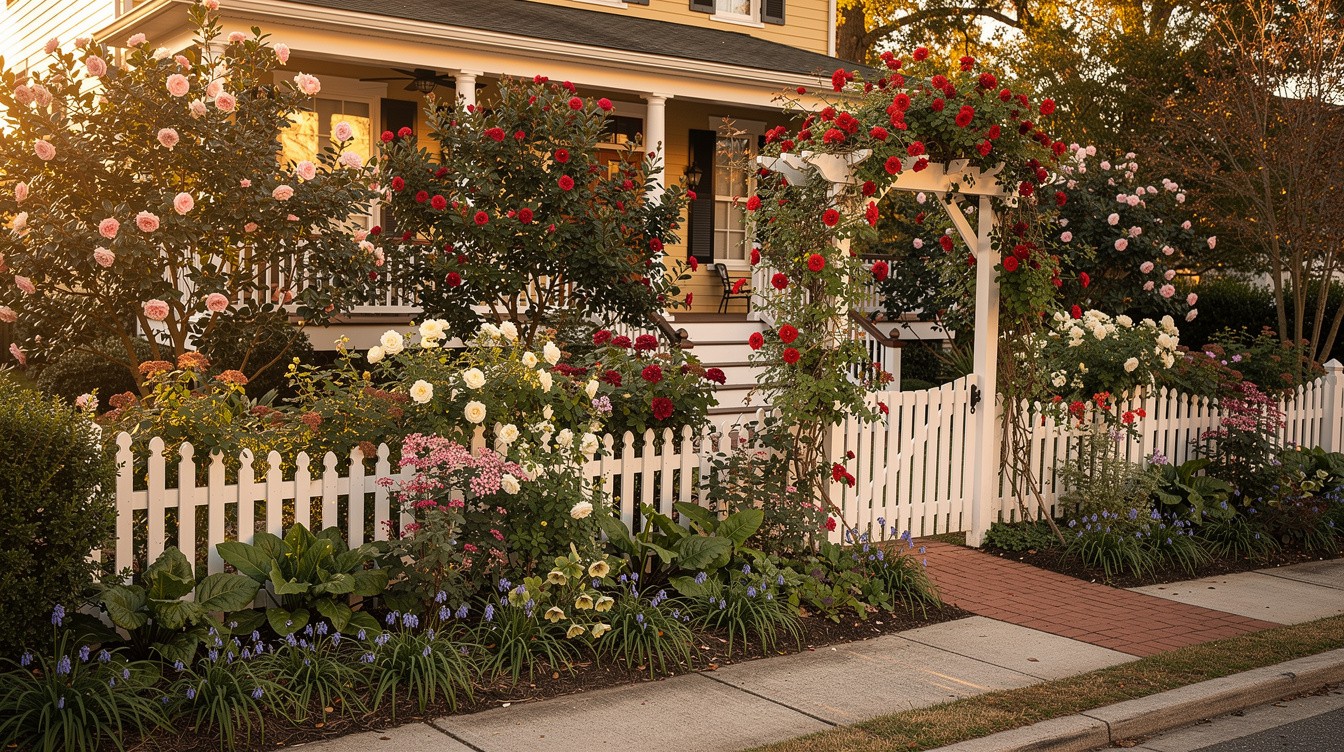
The Ghent District Cottage Border
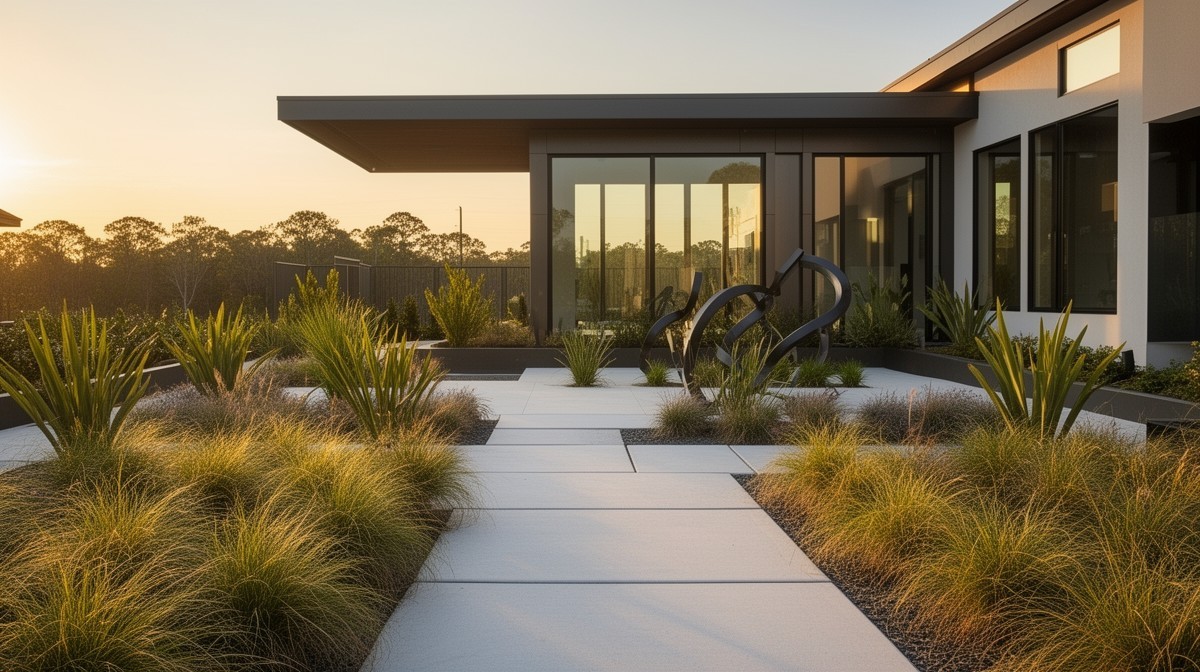
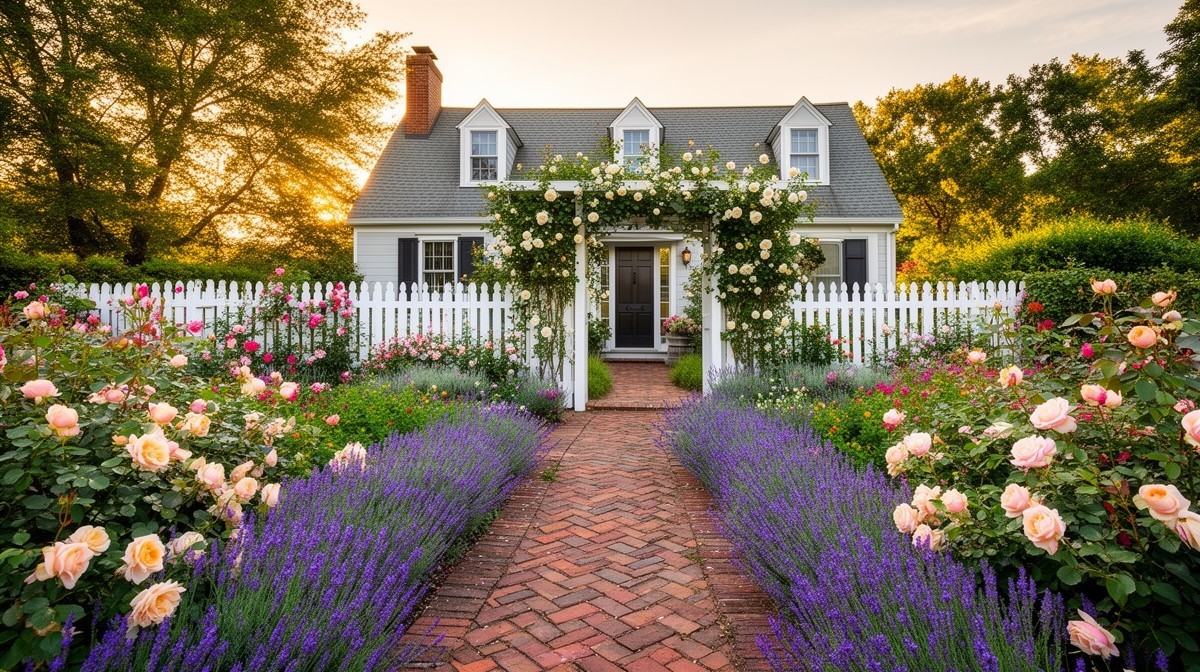
$7–15/sqftA Norfolk Victorian or Craftsman front yard designed in the classic Southern cottage tradition: a deep border along the property line holds camellias as the back-of-border anchors (blooming October–February in pink, red, and white), with knock out roses, pentas, and fall asters filling the mid-layer. A white picket fence defines the property edge, and climbing Coral Dawn or Don Juan rose frames the front gate arbor. Hellebores and native Virginia bluebells create the early spring display beneath the camellias. A simple brick path from the sidewalk to the porch steps meanders slightly through the planting. In October, when the camellias open, this is one of the most beautiful cottage garden displays in Tidewater Virginia.
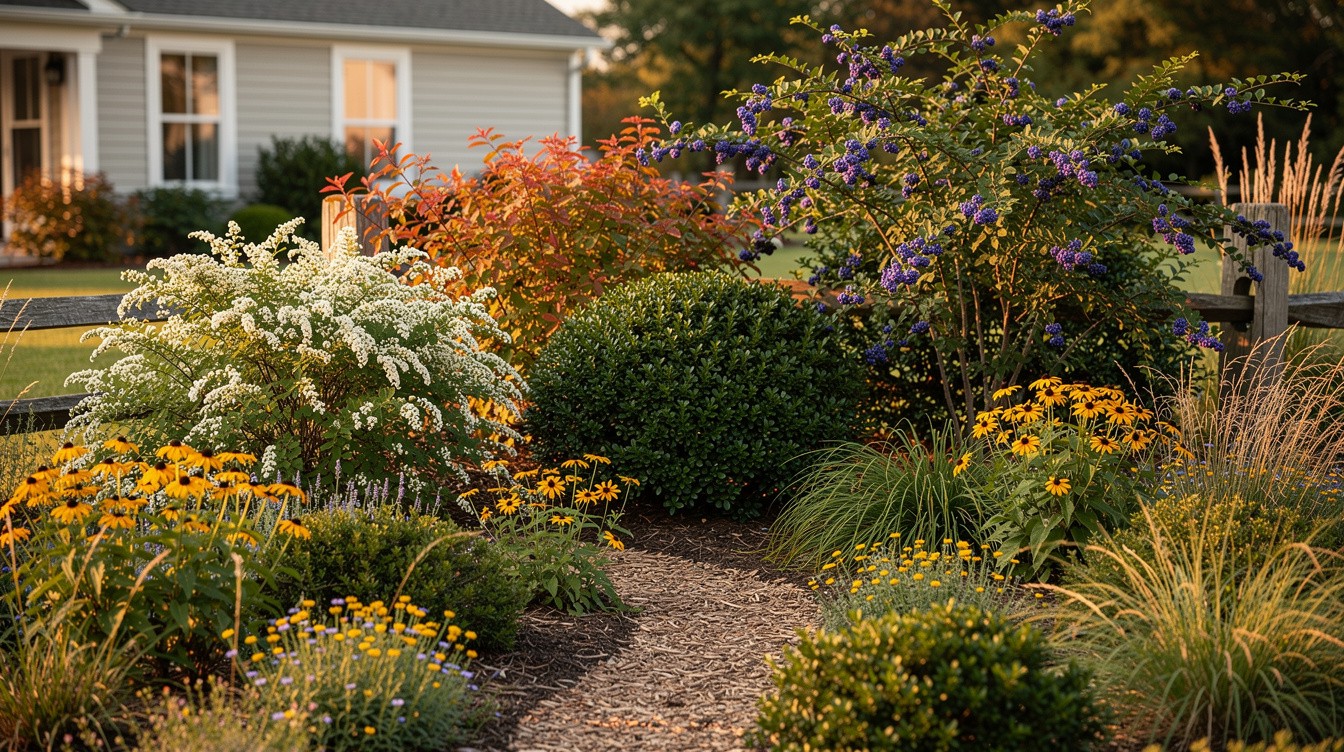
The Native Virginia Coastal Garden
$6–12/sqftA Norfolk front or side yard celebrating the native plants of the Mid-Atlantic coastal savannas: native coastal plain wildflowers and grasses create a dynamic four-season display. Virginia sweetspire provides brilliant red-orange fall color and fragrant white flower wands in June. Native Rudbeckia and black-eyed Susan bloom July through October. Inkberry holly provides dense evergreen structure and berries for winter birds. Native switchgrass creates movement and texture through fall and winter. Beautyberry (Callicarpa) produces extraordinary bright purple berries in September that are the talk of any Norfolk neighborhood. A simple bark chip path winds through the planting, and a split-rail fence defines the property edge with period character.
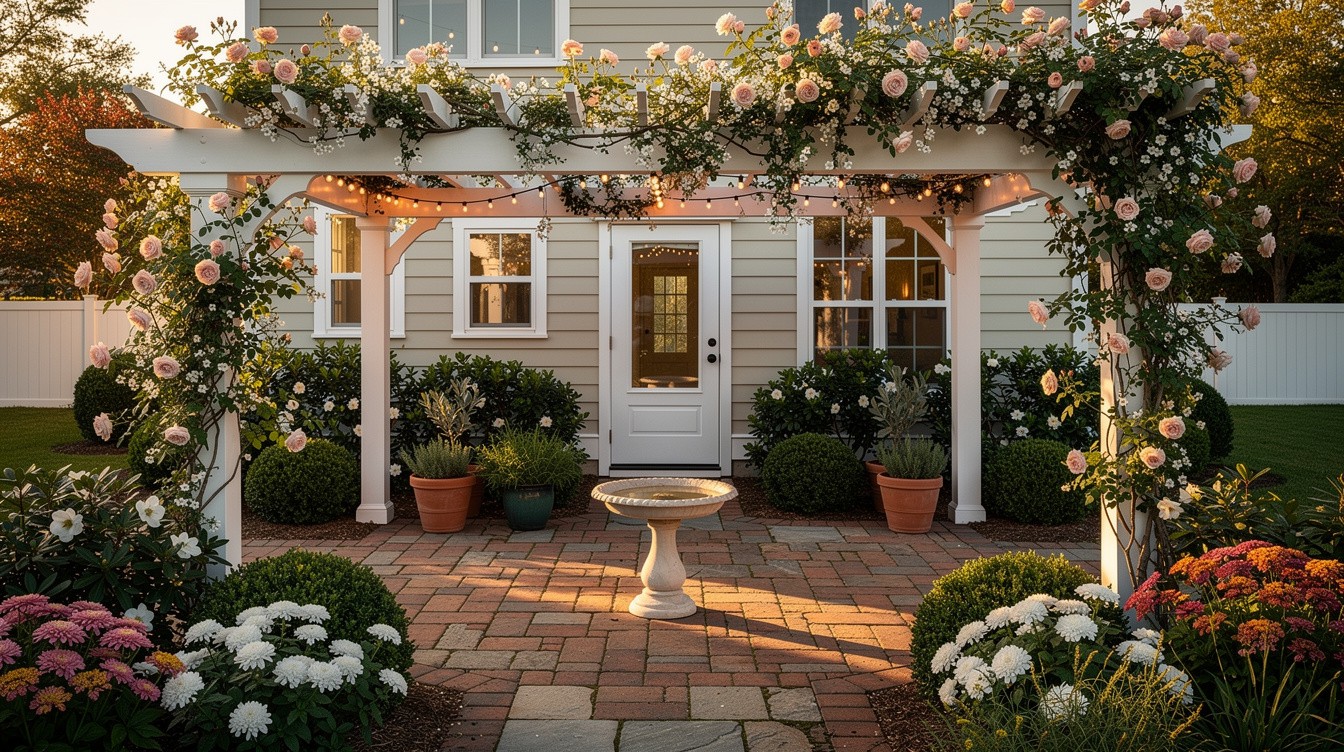
The Tidewater Cottage Patio
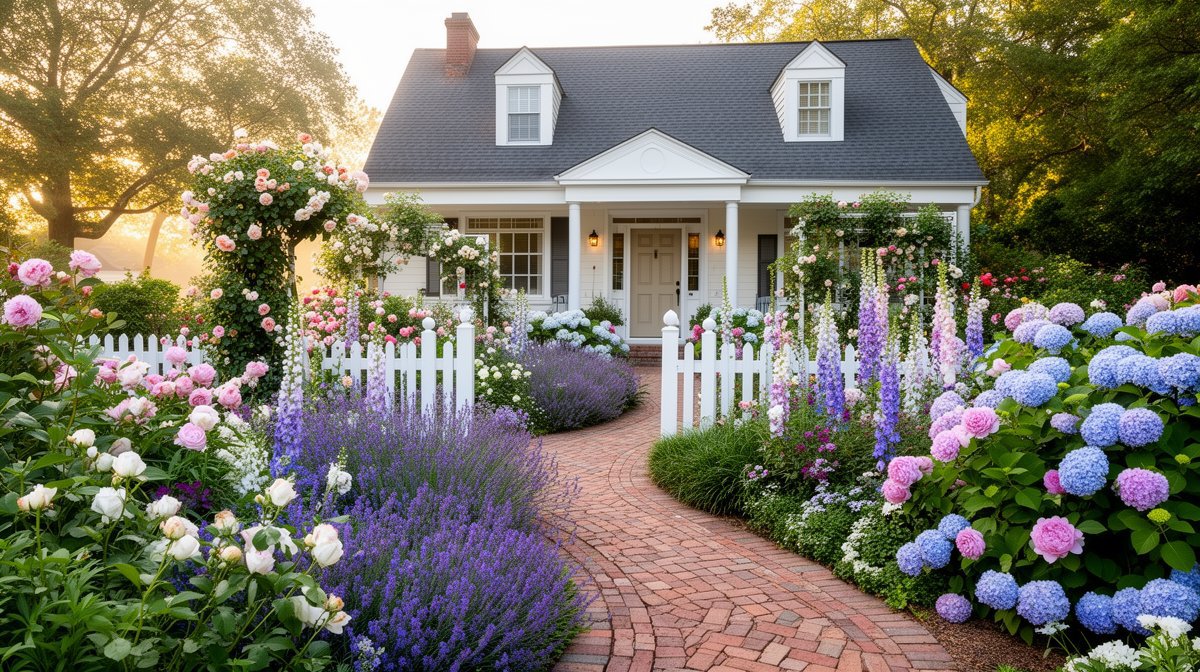
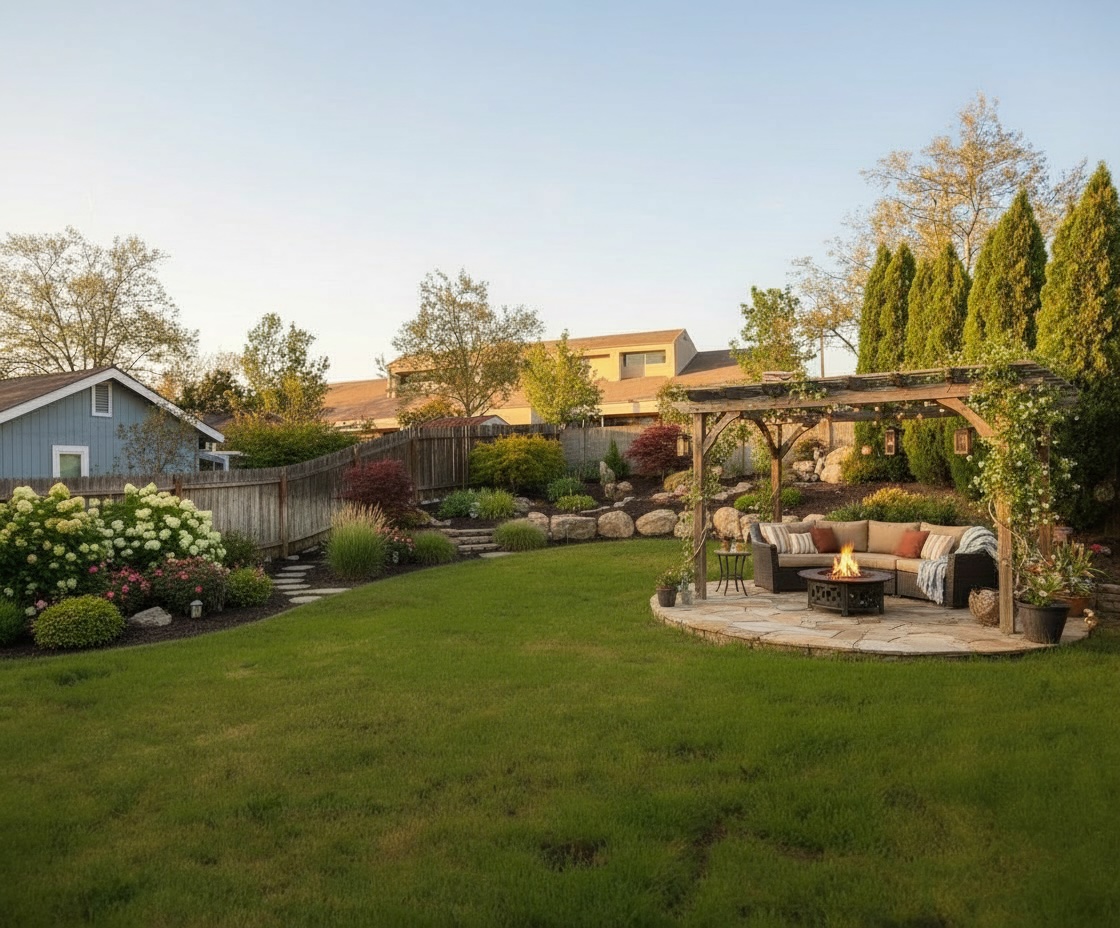
$11–22/sqftA Norfolk backyard designed as a Tidewater cottage retreat: a brick paver or flagstone patio extends from the back of the house, enclosed on two sides by pergolas supporting climbing roses (Cecile Brunner, New Dawn) and Confederate jasmine. Fragrant gardenias and boxwood define the patio perimeter in the classic Southern cottage vocabulary. A simple birdbath anchors the center of the patio clearing. Potted bay laurel, rosemary, and lemon verbena provide culinary herbs and fragrance at the patio door. Japanese anemones and chrysanthemums bloom in fall, extending the season well into October. String lights over the pergola create warm evening ambiance through Norfolk’s long, mild fall.
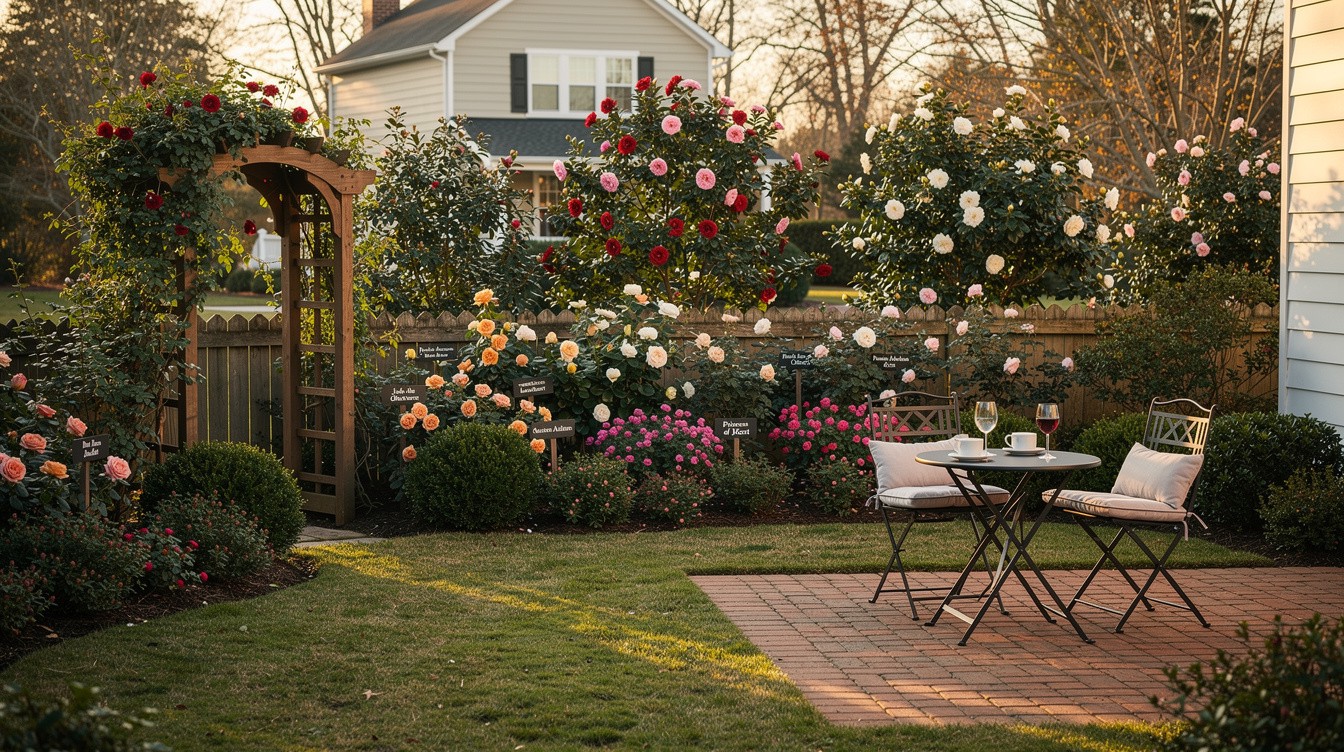
The Camellia and Rose Premier Garden
$13–25/sqftA premium Norfolk cottage backyard built around the two signature plants of Tidewater Virginia cottage gardens: camellias and roses. A long curving border at the back of the yard holds a succession of camellia varieties — sasanqua (October–December), japonicus (February–April) — creating a 6-month flowering season with no gaps. In front of the camellias, a cutting-garden section of David Austin English roses (Jude the Obscure, Princess Alexandra) blooms May–June and September–October. A simple wood arbor supports Don Juan climbing rose at one end. A brick paver patio with a bistro table and chairs creates the garden’s social center. In February, when Norfolk’s camellias are at peak bloom while Northern gardens lie buried under snow, this garden is spectacular.
See how a cottage/english garden looks on YOUR property
Upload a photo of your Norfolk yard and visualize your dream garden in seconds.
Try ProScapeAI Free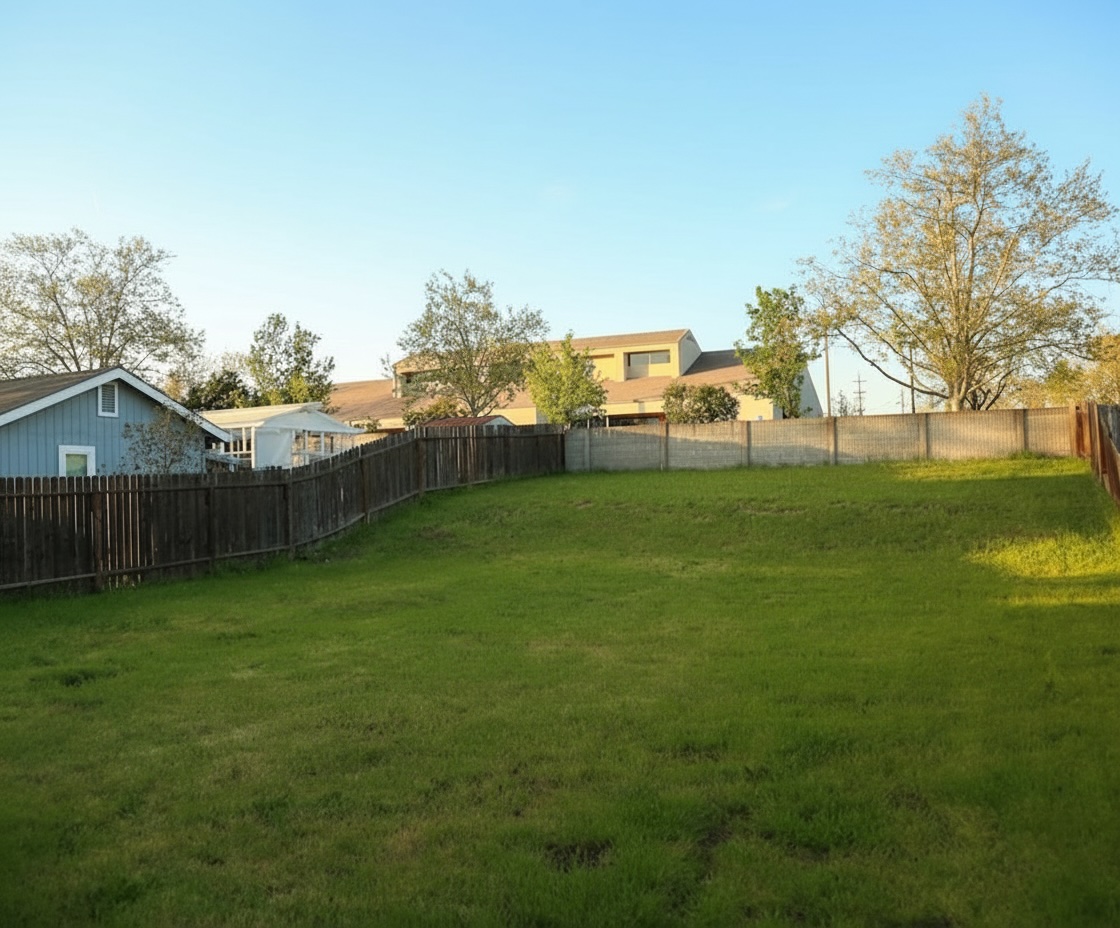
Featured Flowers & Perennials for Cottage/English Gardens
Browse all 150 plants for Norfolk
Water Lettuce
Pistia stratiotes
low-growing ground cover, white blooms in summer. Evergreen year-round.

Tussock Sedge
Carex stricta
low-growing ground cover, blooms in spring. Brown fall color.

Umbrella Sedge
Cyperus alternifolius
grows to 4 feet, blooms in summer. Evergreen year-round.
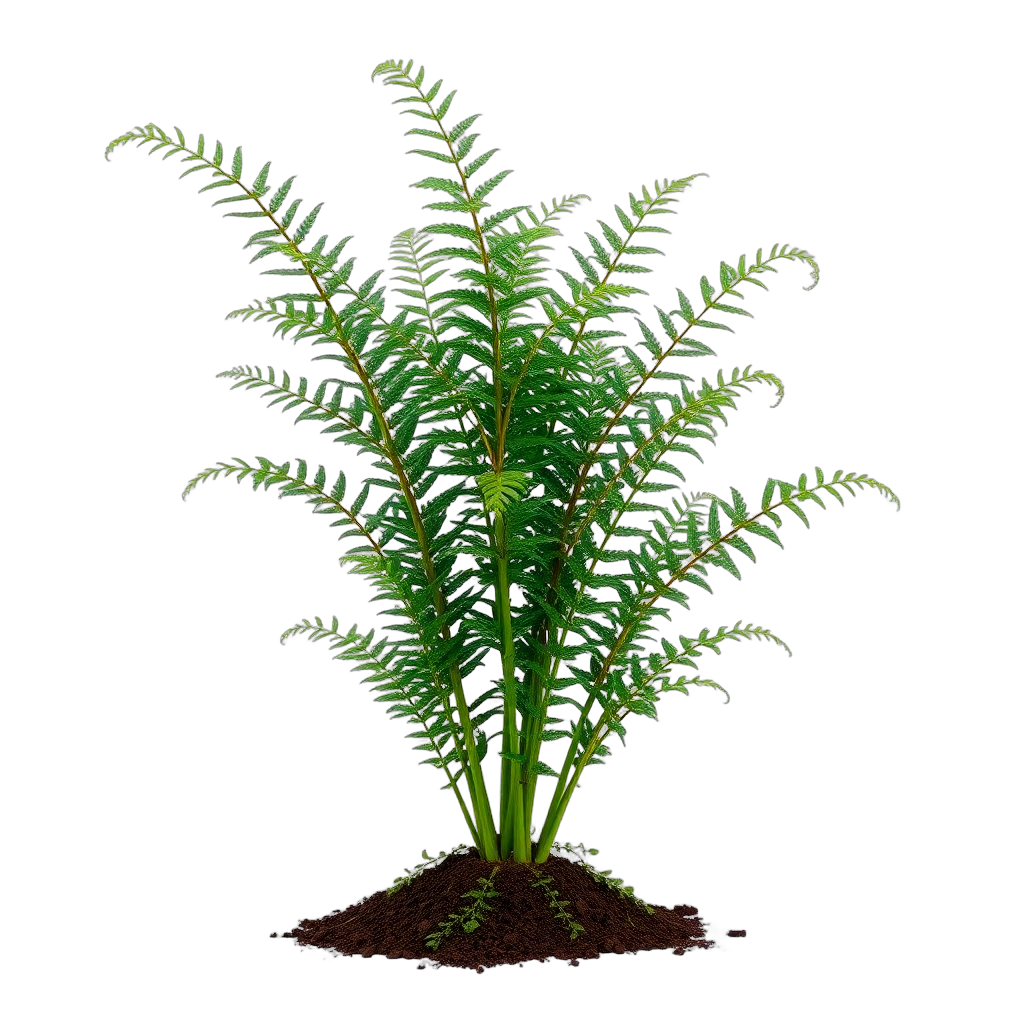
Deer Fern
Blechnum spicant
low-growing ground cover, blooms in none. Evergreen year-round.
Zone and sun checks come from our database — confirm with your local nursery before you buy.
Bloom Calendar for Norfolk
spring
Tussock Sedge, Austrian Speedwell, Bigroot Geraniumsummer
Water Lettuce, Umbrella Sedge, Alpine Sea Hollyfall
Autumn Snakerootwinter
Limited bloomsDesign Tips for Norfolk (Zone 8a)
- Plant camellia sasanqua varieties in October for the most beautiful November–December bloom in any Norfolk cottage garden — sasanqua camellias bloom in fall when nothing else is flowering, creating a spectacular display in the Tidewater neighborhoods when Northern gardens have gone completely dormant
- Use Norfolk’s mild winter climate to grow gardenias successfully — the fragrant white blooms in June are one of the defining scents of a Southern cottage garden, and Zone 8a is just warm enough for gardenias to thrive when planted against a south-facing wall for winter warmth
- Choose Virginia sweetspire (Itea virginica) as the signature native shrub in any Norfolk cottage design — it produces fragrant white flower wands in June, turns brilliant scarlet-orange-crimson in October, and tolerates both drought and the occasional flooding that affects many Norfolk yards
- Plant Confederate jasmine (Trachelospermum jasminoides) on any south-facing arbor or fence in Norfolk — it’s reliably hardy through Zone 8a winters, perfumes the entire yard in April–May, and provides handsome dark-green foliage year-round as a trellis backdrop
- Add a layer of beautyberry (Callicarpa americana) to any Norfolk cottage border for the most spectacular September display — the iridescent bright purple berries on arching branches are a Virginia cottage garden classic and beloved by migratory birds stopping on the Atlantic flyway
- Research the Norfolk flood zone maps before designing any major hardscape — areas in flood zone AE or VE should prioritize pervious paving and raised planting beds to maintain landscape performance through the increasing frequency of king tide and nor’easter flooding events
Where to Source Plants in Norfolk
Skip the big-box stores. These independent Norfolk nurseries specialize in the plants that make cottage/english gardens thrive in Zone 8a.
Eggleston Garden Center
Norfolk (near Virginia Zoo)
Specializes in native and wetland plants plus wide variety of annuals, shrubs, and indoor plants for Tidewater landscapes
Four Seasons Nursery
Virginia Beach (serving Norfolk)
Full-service plant nursery since 1972 delivering to Norfolk, Virginia Beach, and Chesapeake for residential and commercial landscapes
McDonald Garden Center
Hampton Roads area
Full-service garden center and landscape services with deep Tidewater Virginia horticultural expertise
Lady Fern’s Native Plants
Norfolk area
Virginia native plants grown from nursery stock — ideal for eco-friendly cottage garden design in the Chesapeake Bay watershed
Anderson’s Garden Center
Hampton Roads
Garden center with greenhouse, restaurant, and full selection of plants for Hampton Roads residential landscapes
Cottage/English Landscaping Costs in Norfolk
| Project Scope | Estimated Cost |
|---|---|
| Cottage front border with camellias, roses, and arbor (400–600 sqft) | $4,000 – $10,000 |
| White picket fence with rose arbor (50 linear feet + arbor) | $2,000 – $5,500 |
| Brick paver patio (200–350 sqft) | $4,000 – $10,000 |
| Wood pergola with climbing rose training | $2,500 – $8,000 |
| Raised bed planting area (amended soil + edging, 200 sqft) | $800 – $2,500 |
| Full cottage backyard makeover with patio and planting (800–1,200 sqft) | $12,000 – $30,000 |
| AI visualization with ProScapeAI | Free to start |
Estimates based on Norfolk, VA-area contractor rates as of 2026. Actual costs vary by site conditions, materials, and contractor.
Norfolk Climate & Growing Zone
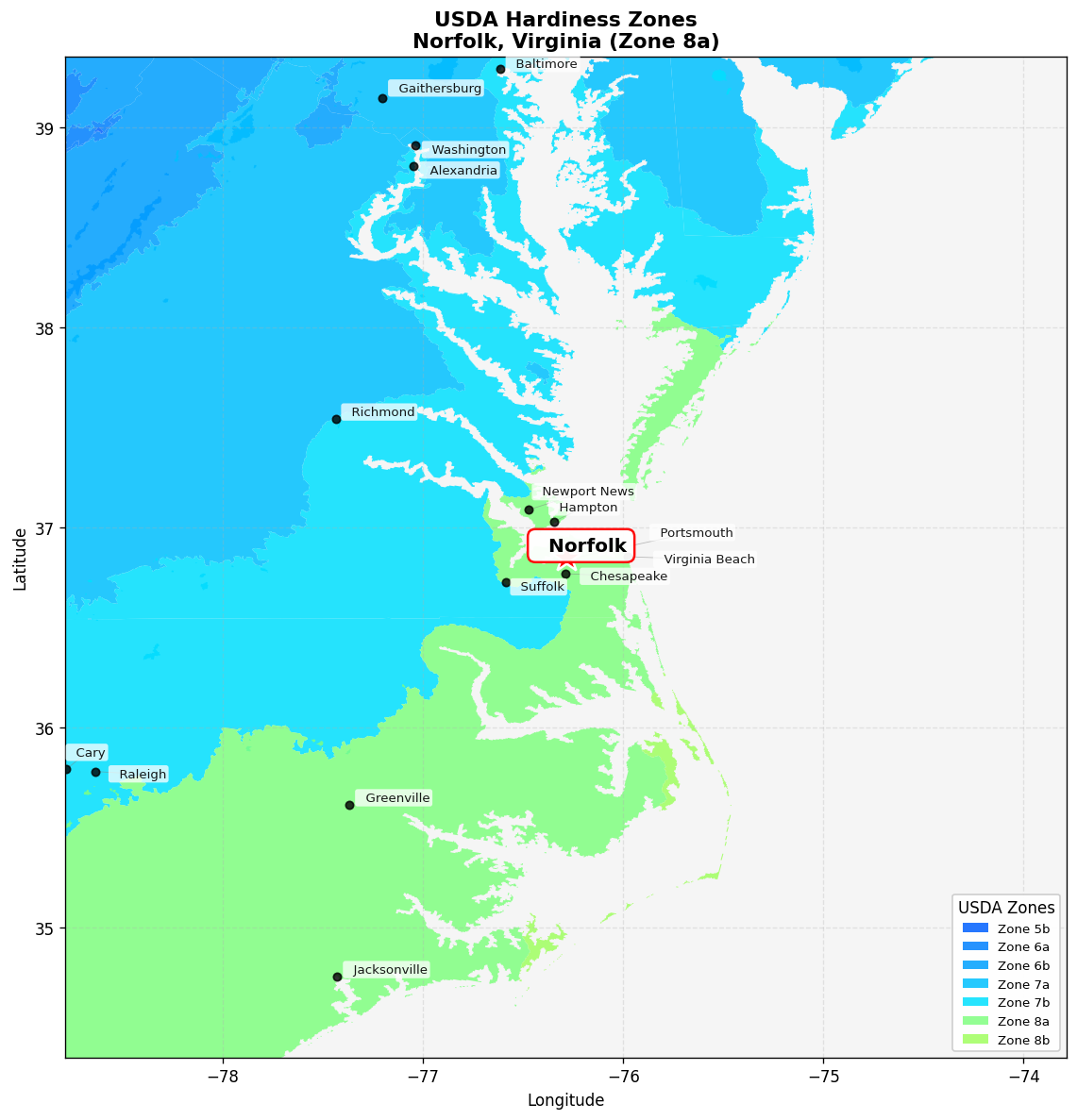
USDA Zone 8a
Hardiness zone for Norfolk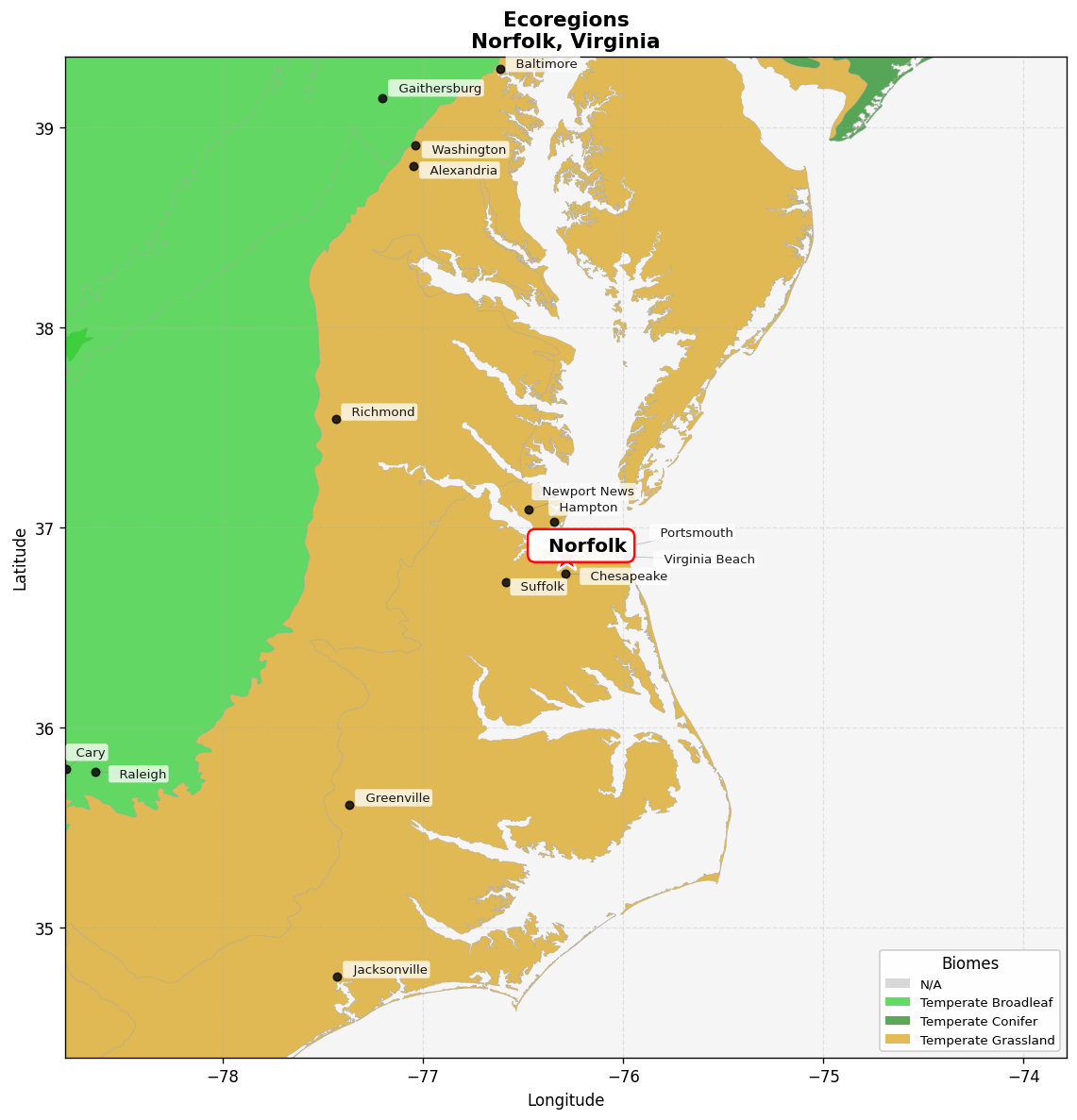
Mid-Atlantic US coastal savannas
Native ecoregionFrequently Asked Questions
What cottage plants thrive in Norfolk’s Zone 8a coastal climate?
Norfolk’s Zone 8a is exceptional for cottage gardening. Stars of the Norfolk cottage garden: camellias (both japonicus and sasanqua thrive here — Norfolk is at the northern edge of reliable camellia territory, and they perform magnificently), gardenias (fragrant, evergreen, June bloom), Knock Out and climbing roses (disease-tolerant, bloom spring and fall), Confederate jasmine (vine, fragrant white spring bloom), hydrangeas (especially Annabelle and panicle types), hellebores (February–April, shade-tolerant), beautyberry (fall purple berries), and Virginia sweetspire (native, brilliant fall color). Native wildflowers including black-eyed Susan, coneflower, and native asters are outstanding performers.
How do I handle Norfolk’s coastal salt air in a cottage garden?
Salt air from Chesapeake Bay and the Atlantic affects plant selection in exposed Norfolk locations. Salt-tolerant cottage plants: roses (moderate tolerance), camellias (moderate — better in sheltered spots), gardenias (moderate), Virginia sweetspire (good), inkberry holly (excellent salt tolerance), native asters (good), switchgrass (excellent), black-eyed Susan (good). Strategies for salt-exposed sites: plant windbreak of salt-tolerant shrubs on the bay-facing side, rinse foliage with fresh water during dry nor’easters, and apply fresh mulch annually to buffer soil salt accumulation. Ghent and Colonial Place are well-sheltered from direct salt exposure.
How much does cottage landscaping cost in Norfolk?
Norfolk landscaping costs are moderate for the Mid-Atlantic region. Basic installation runs $4–12 per square foot. A cottage front border with camellias, roses, and arbor (400–600 sqft) typically costs $4,000–10,000. A brick patio with pergola and planting (600–900 sqft) runs $10,000–25,000. A full design-build cottage garden for a Ghent or Larchmont home is $15,000–40,000. Get quotes from local firms including McDonald Garden Center and Eggleston Services, both of which provide landscape design and installation in the Norfolk area.
When is the best time to plant camellias in Norfolk?
Fall (October–November) is the ideal planting time for camellias in Norfolk — the mild fall temperatures allow root establishment before winter dormancy. Spring planting (March–April) also works well. Avoid summer planting (June–August) — camellias are sensitive to heat stress during establishment. Plant in part shade — afternoon shade is especially important; direct western sun in Norfolk’s Zone 8a summers can stress camellias. Well-drained, slightly acidic soil (pH 5.5–6.5) is essential — if Norfolk’s soil is alkaline or heavy clay, amend thoroughly with composted pine bark before planting.
How do I design a cottage garden that handles Norfolk’s flooding events?
Norfolk’s low elevation creates flood risk from nor’easters and king tides. Flood-resilient cottage garden design: (1) Raise planting beds 12–18 inches above existing grade — raised beds drain quickly and protect plants from standing water. (2) Incorporate a rain garden in the lowest area to accept and filter runoff naturally. (3) Choose flood-tolerant native plants for low areas — cardinal flower, swamp rose mallow, and native iris thrive in wet conditions and look beautiful. (4) Use pervious paving (brick or flagstone set in sand or gravel) for paths to improve drainage. (5) Choose the upper portion of sloped lots for the main cottage planting areas.
What roses perform best in Norfolk’s humid coastal climate?
Norfolk’s humidity creates blackspot and fungal rose disease challenges. Best performers: Knock Out and Double Knock Out (disease-resistant, prolific bloomer, available in multiple colors), Carefree series (Carefree Wonder, Carefree Beauty — highly disease-resistant), shrub roses bred for the Southeast (Coral Drift, Peach Drift), climbing roses New Dawn and Cecile Brunner (relatively disease-resistant for climbers). David Austin English roses require weekly fungicide in humid Norfolk summers but reward the effort with extraordinary fragrance and form. Hybrid teas are beautiful but require intensive disease management programs in coastal humidity — best suited to dedicated rose gardeners rather than low-maintenance cottage designs.