4 Cottage Garden Ideas for Richmond, VA | Virginia Cottage Style Zone 7b
Native plants from the Southeast US conifer savannas (Zone 7b) — Humid subtropical climate
Why Cottage/English Gardens in Richmond?
A cottage garden in Richmond, VA thrives in one of the most cottage-friendly climates on the East Coast — Zone 7b’s mild winters, hot humid summers, and the southeastern US mixed forests ecoregion’s generous rainfall (43 inches annually) create conditions where roses bloom from April through November, camellias from October through March, and the layered perennial border barely pauses across the seasons. Richmond’s position in the Upper South gives it the deep-summer heat that makes tropical cottage plants — dahlias, cannas, ginger — thrive while the Zone 7b winters are mild enough for most English cottage favorites to overwinter in the ground.
Richmond’s extraordinary historic neighborhoods provide the most compelling cottage garden contexts in Virginia. The Fan District’s stunning Victorian row houses, the Museum District’s early 20th century homes, and the Church Hill and Jackson Ward historic districts with their Federal-era and Victorian architecture all invite the traditional English cottage garden treatment: deep perennial borders overflowing onto brick sidewalks, picket fences supporting climbing roses, arbors covered in wisteria and Clematis, and front stoops framed by camellia standards and boxwood. The brick sidewalks and streets of Richmond’s historic neighborhoods create the perfect backdrop for the exuberant color and informality of cottage planting.
Richmond’s Virginia camellia culture is one of the city’s most distinctive landscape traditions — camellias planted by previous generations are visible in neighborhoods across the city, blooming in the depths of winter when little else flowers, and the state’s cottage garden tradition has always centered on the camellia as its most beloved shrub. A Richmond cottage garden that begins with camellias and azaleas as its backbone, adds climbing roses and David Austin English roses, and fills the borders with Virginia natives — phlox, echinacea, black-eyed Susan, and butterfly weed — creates a garden that is simultaneously deeply Southern, genuinely cottage, and authentic to the Piedmont’s plant community.
4 Cottage/English Design Ideas for Richmond
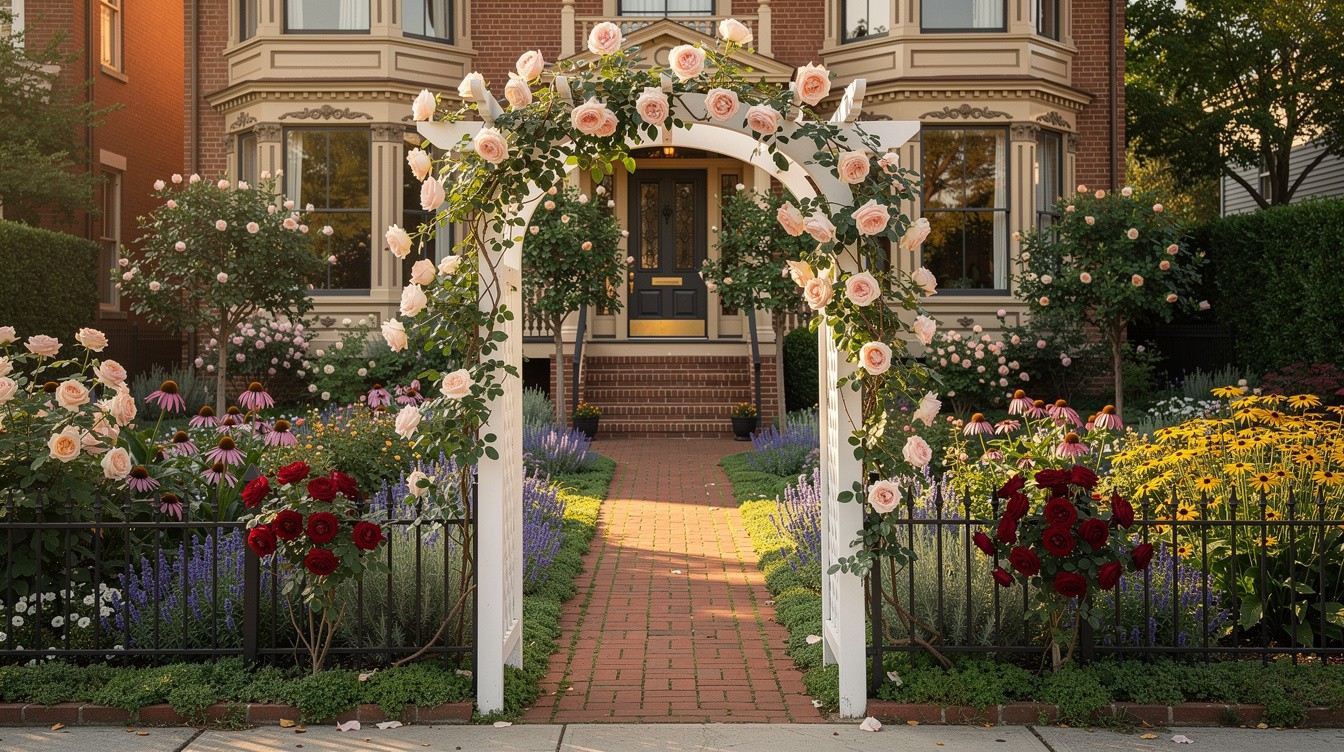
The Fan District Rose Cottage
$12–22/sqftA Fan District Victorian row house gains a front garden anchored by a white cedar rose arch over the brick entry path, draped in a climbing ‘New Dawn’ rose. The wrought iron fence along the sidewalk supports a second climber in deep red ‘Don Juan’ while the deep cottage border overflows with David Austin English roses, echinacea, salvia, catmint, and black-eyed Susan. A camellia standard at each corner of the front steps provides the deep-winter bloom that keeps the garden alive when everything else is dormant. Brick paths with creeping thyme in the joints tie together the Victorian architecture with the exuberant cottage planting.
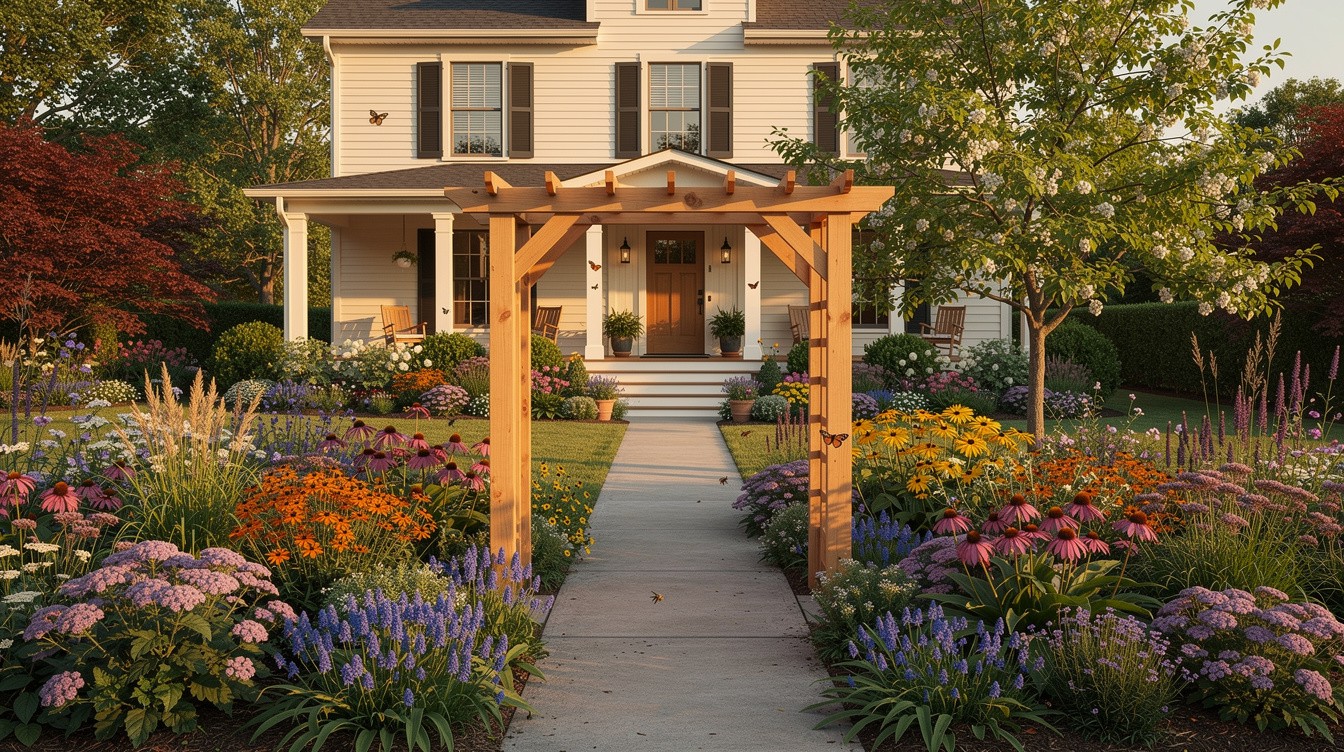
The Virginia Native Cottage Border
$12–22/sqftA Richmond home in the Museum District replaces its foundation planting with deep cottage borders celebrating Virginia Piedmont native plants in cottage style. Virginia bluebells open the season in April, followed by phlox, butterfly weed, echinacea, black-eyed Susan, Joe Pye weed, and asters that carry bloom through October. A simple cedar arbor frames the walkway while a native serviceberry tree provides spring bloom and fall color. The garden is simultaneously cottage in character and deeply Virginia — qualifying for many Virginia Cooperative Extension’s native garden recommendations and creating significant habitat for Richmond’s native pollinators.
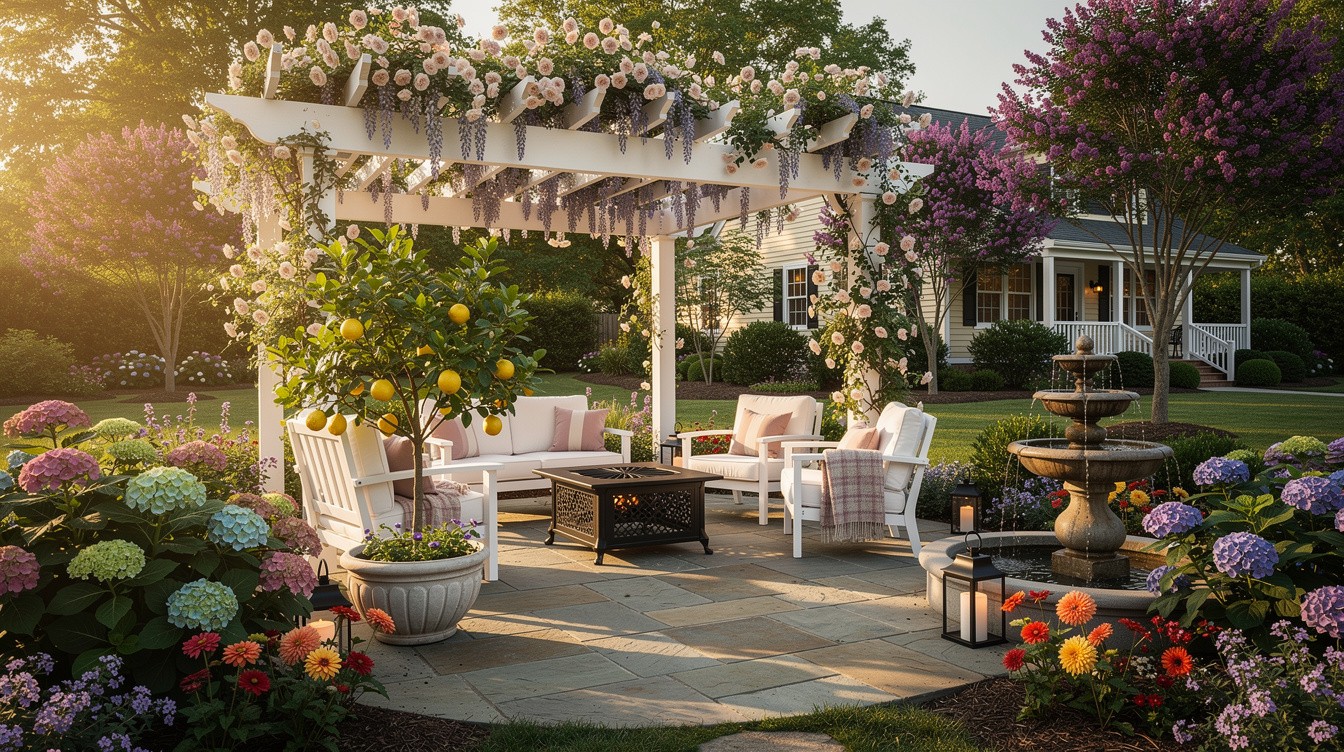
The Backyard Cottage Patio with Pergola
$16–32/sqftA flagstone patio with a white cedar pergola covered in wisteria and ‘New Dawn’ rose creates a classic outdoor cottage room in this Richmond backyard. White garden furniture clusters around a central cast iron fire table for Richmond’s crisp fall evenings while the surrounding borders bloom with hydrangeas, dahlias, phlox, and Richmond’s beloved crepe myrtle in a rich lavender variety. A Meyer lemon tree in a large pot adds the Southern kitchen garden element while a tiered birdbath fountain provides the sound of water. Richmond’s excellent outdoor season — April through November — means this patio sees genuine year-round use.
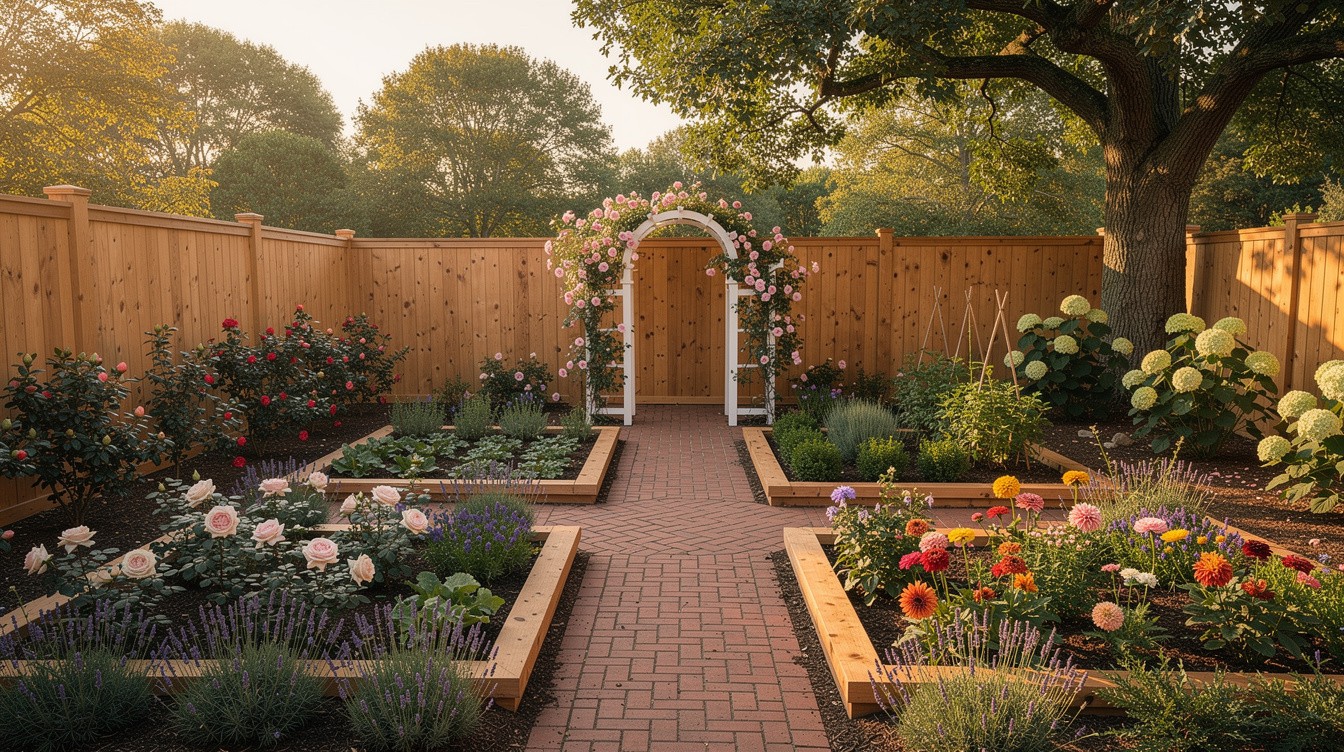
The Walled Camellia and Rose Garden
$20–40/sqftA cedar board fence encloses this Richmond backyard into a fully structured cottage room. A formal camellia walk along the south-facing fence line features four alternating varieties — winter-blooming japonicas and spring-blooming sasanquas — providing bloom from October through April. The central garden holds four cottage beds divided by brick paths: roses with lavender, a cutting garden with dahlias and zinnias, an herb and vegetable garden with an antique rose hedge, and a shade garden with hydrangeas under a large southern red oak. A white arbor with climbing ‘Cecile Brunner’ rose frames the garden entry.
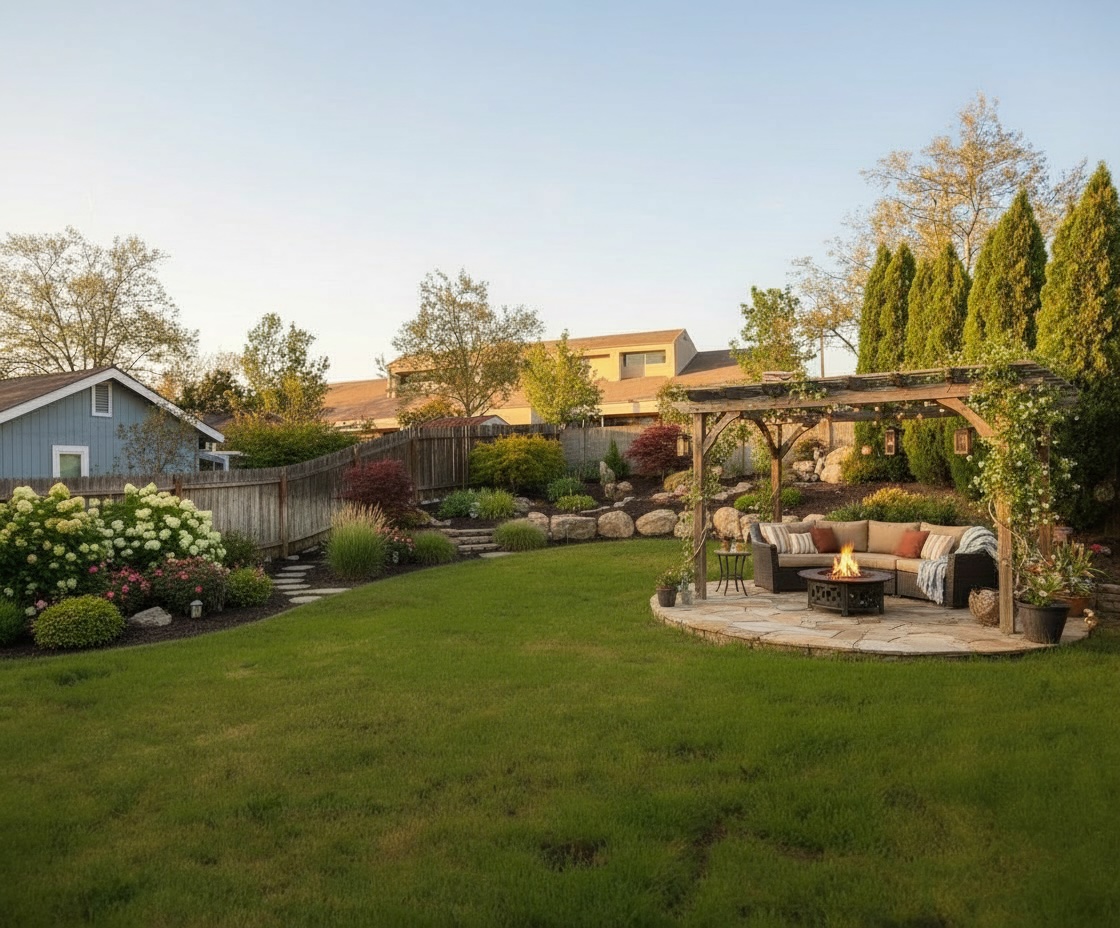
See how a cottage/english garden looks on YOUR property
Upload a photo of your Richmond yard and visualize your dream garden in seconds.
Try ProScapeAI Free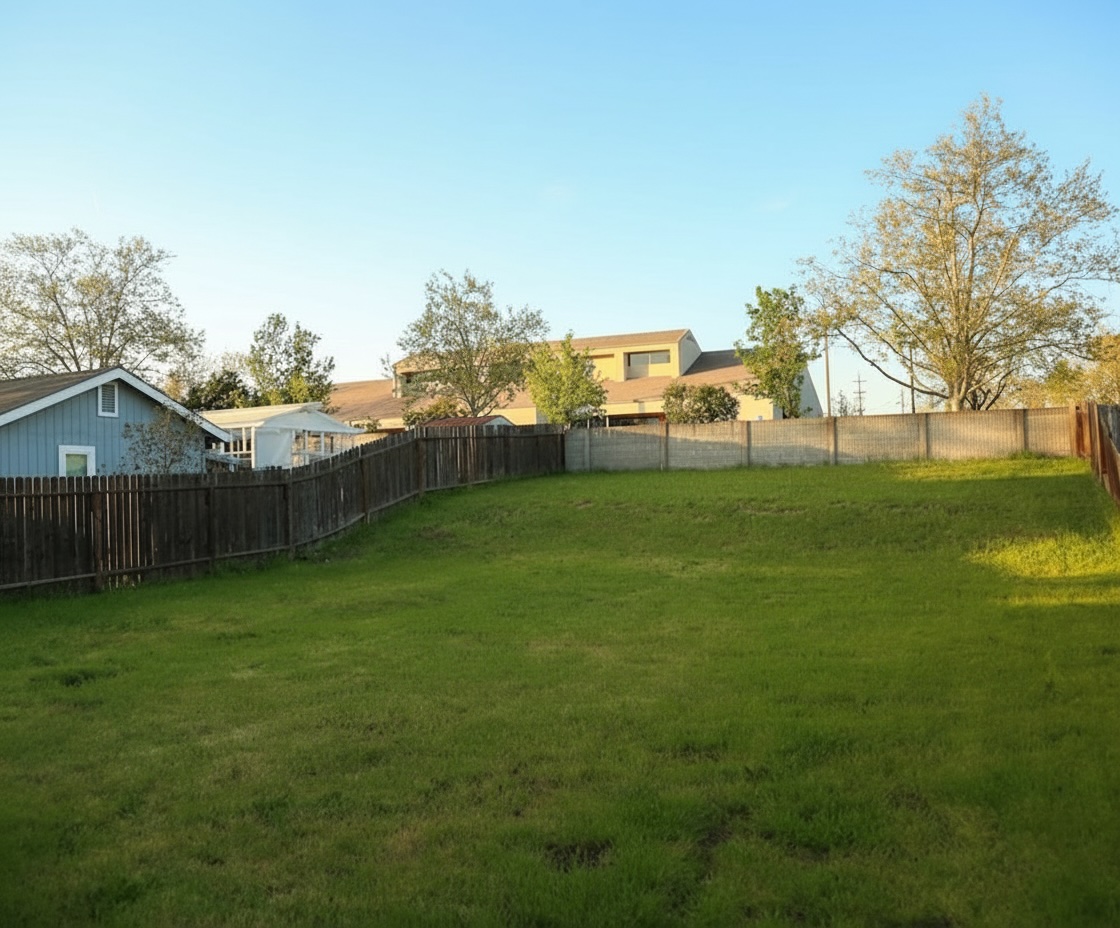
Featured Trees & Shrubs for Cottage/English Gardens
Browse all 178 plants for Richmond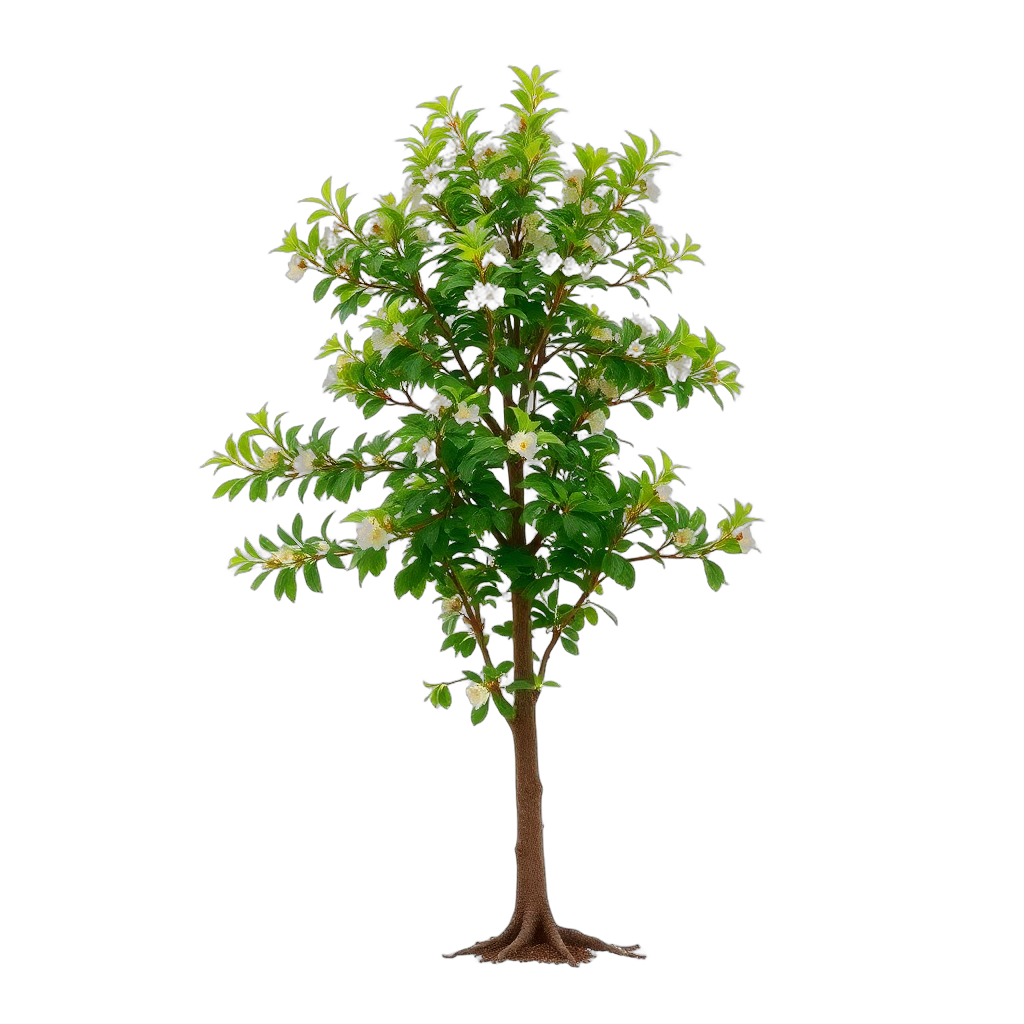
Buckwheat Tree
Cliftonia monophylla
medium-sized at 15 feet, white blooms in spring. Attracts butterflies.

Fetterbush
Lyonia lucida
grows to 6 feet, white blooms in spring. Evergreen year-round.
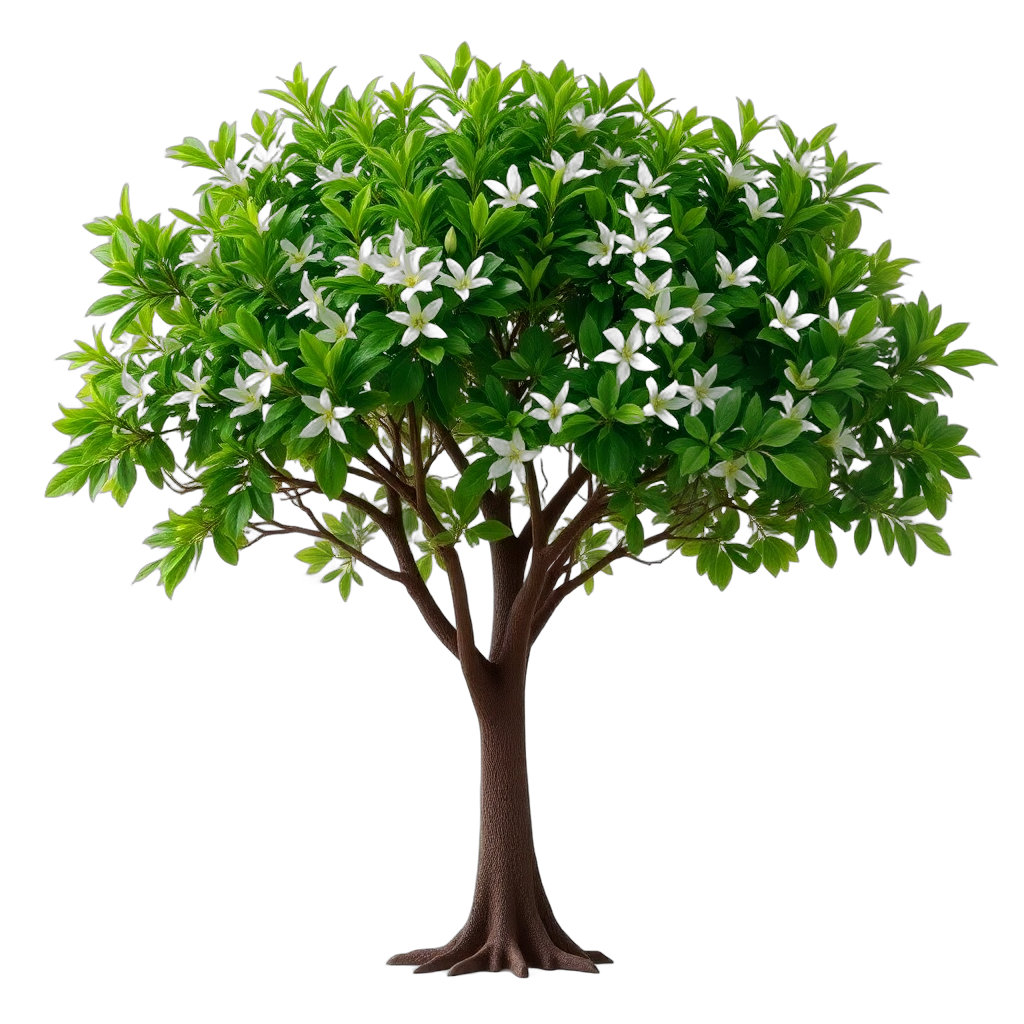
Florida Anise
Illicium floridanum
medium-sized at 8 feet, red blooms in spring. Evergreen year-round.

Inkberry
Ilex glabra
medium-sized at 8 feet, white blooms in spring. Pollinator-friendly.
Featured Grasses & Groundcovers for Cottage/English Gardens

Pink Muhly Grass
Muhlenbergia capillaris
grows to 3 feet, pink blooms in fall.
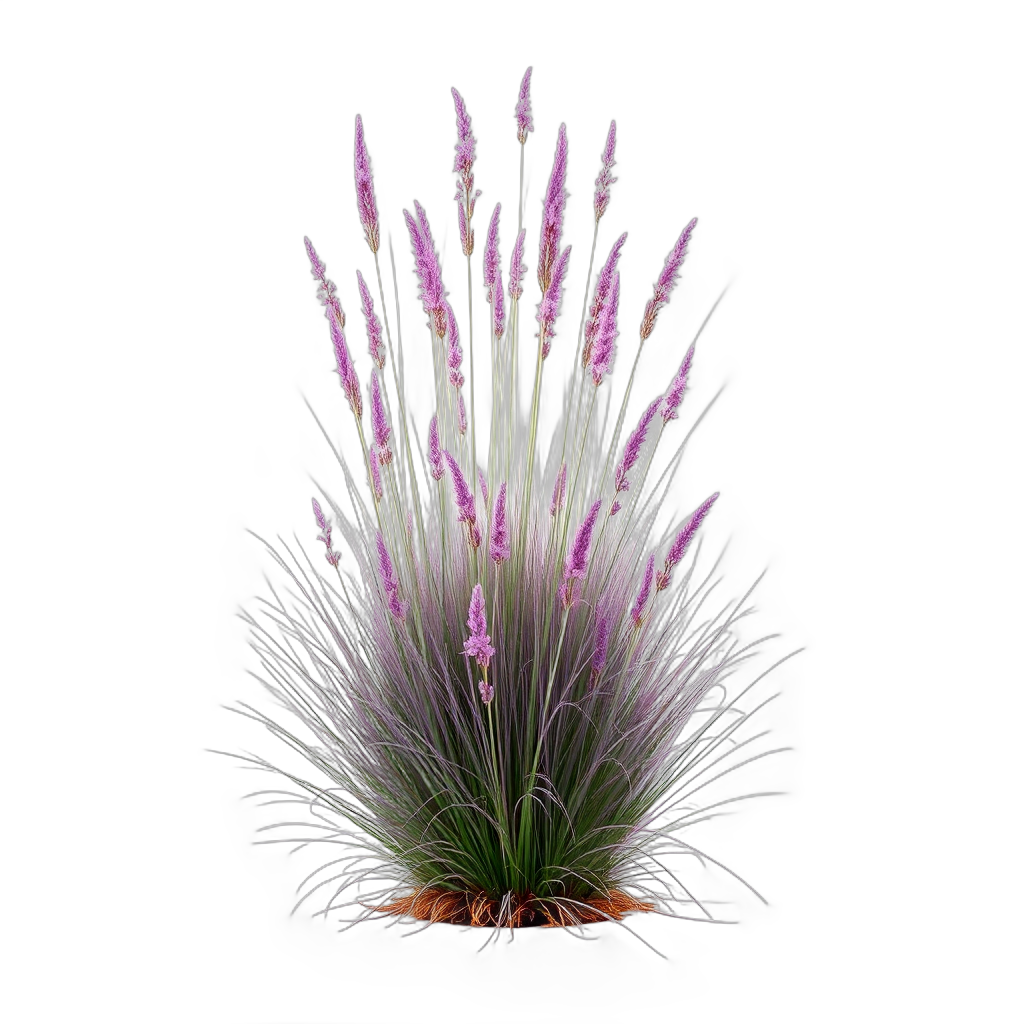
Purple Love Grass
Eragrostis spectabilis
low-growing ground cover, purple blooms in fall. Orange fall color.
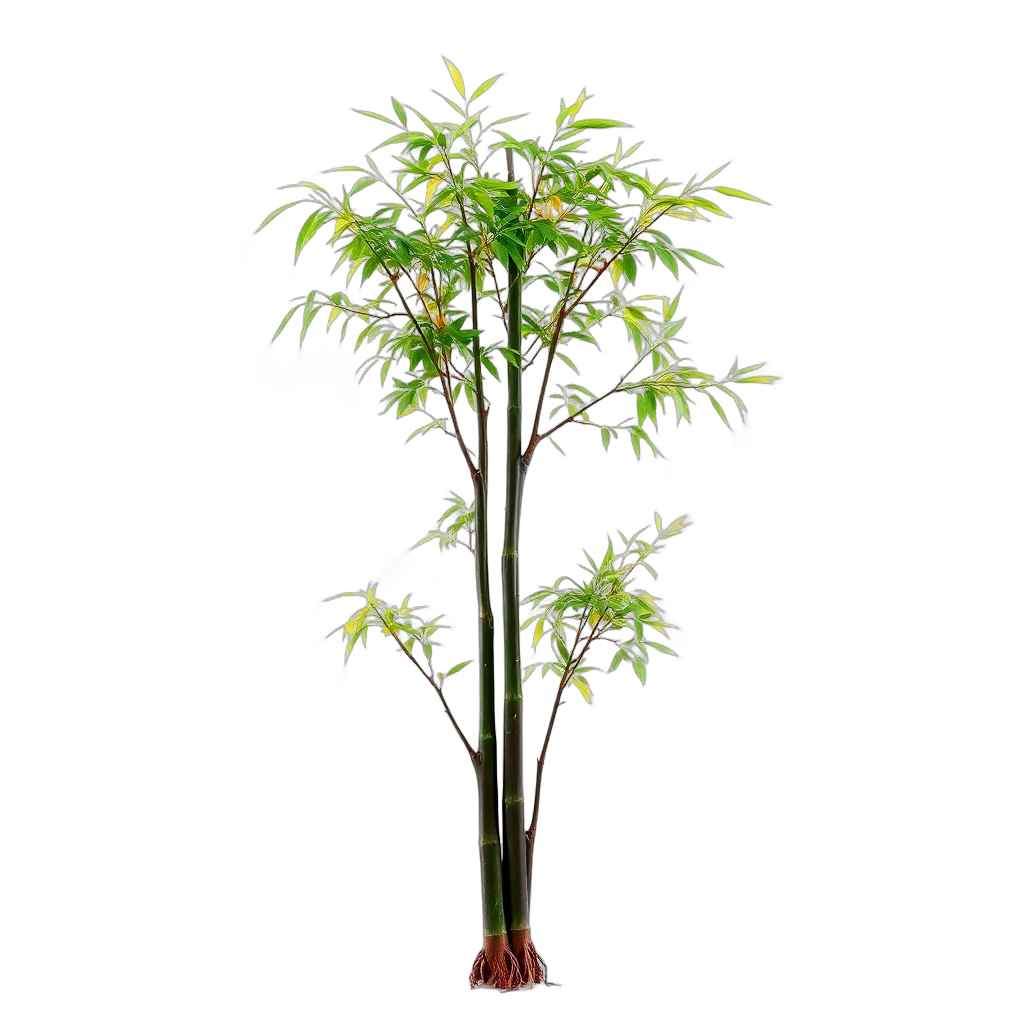
Black Bamboo
Phyllostachys nigra
reaches 25 feet tall, blooms in none. Evergreen year-round.
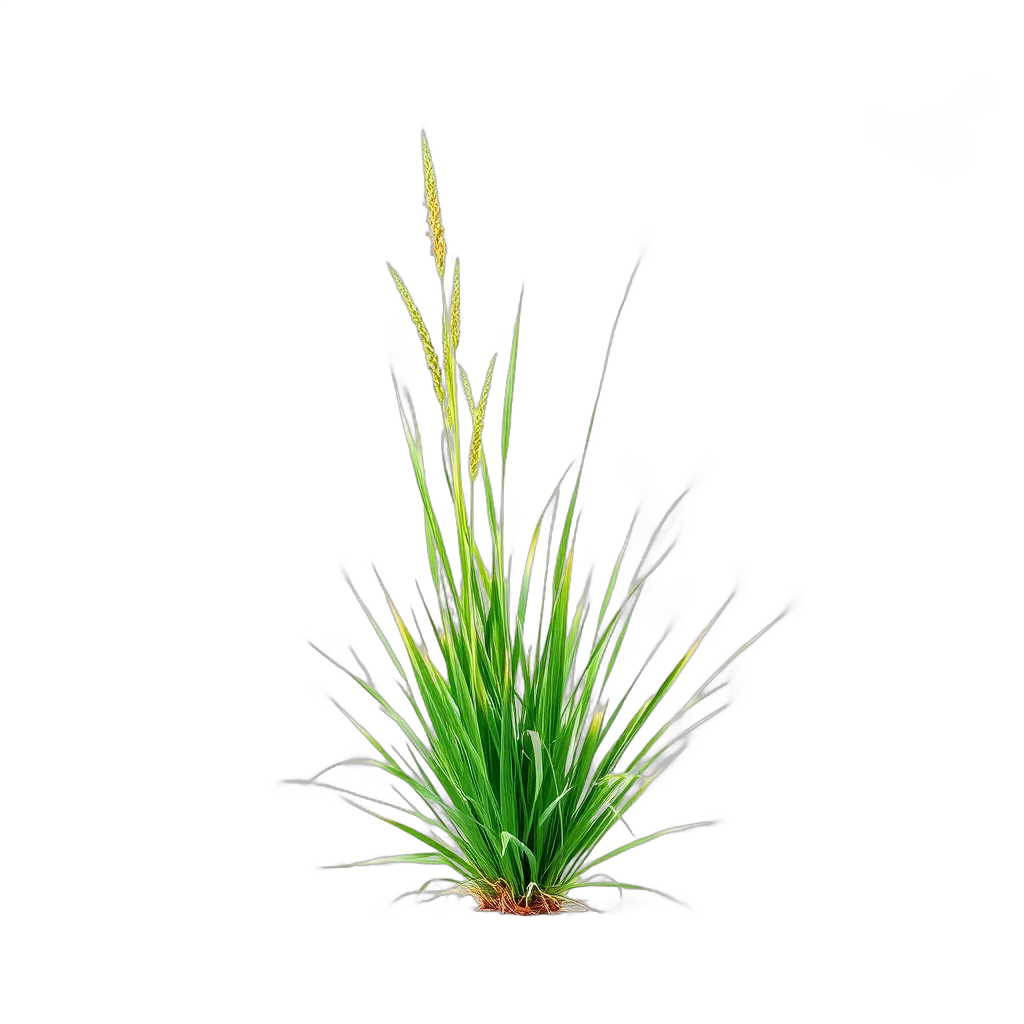
Bull Grass
Muhlenbergia emersleyi
grows to 4 feet, purple blooms in fall. Yellow fall color.
Featured Flowers & Perennials for Cottage/English Gardens
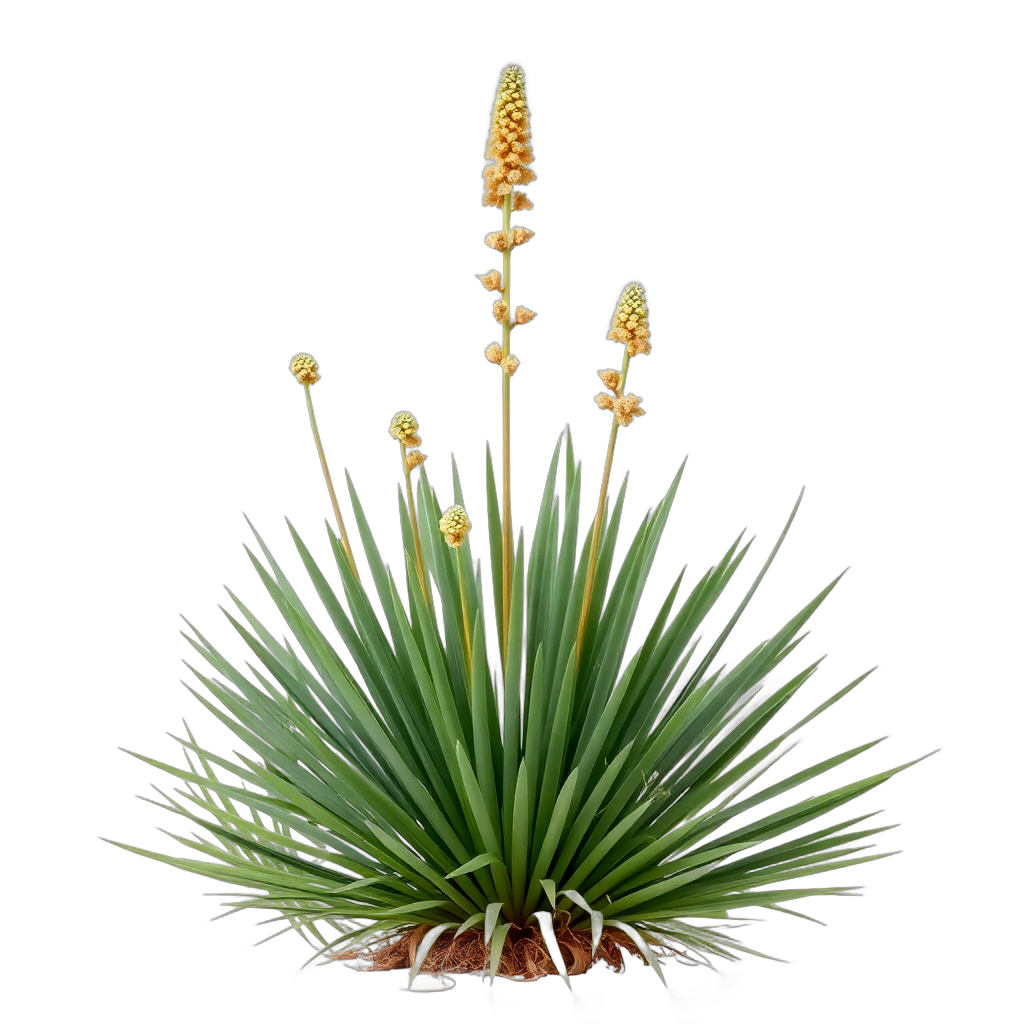
Adam's Needle
Yucca filamentosa
low-growing ground cover, white blooms in summer. Attracts hummingbirds.

Water Fern
Azolla filiculoides
low-growing ground cover, blooms in none. Red fall color.
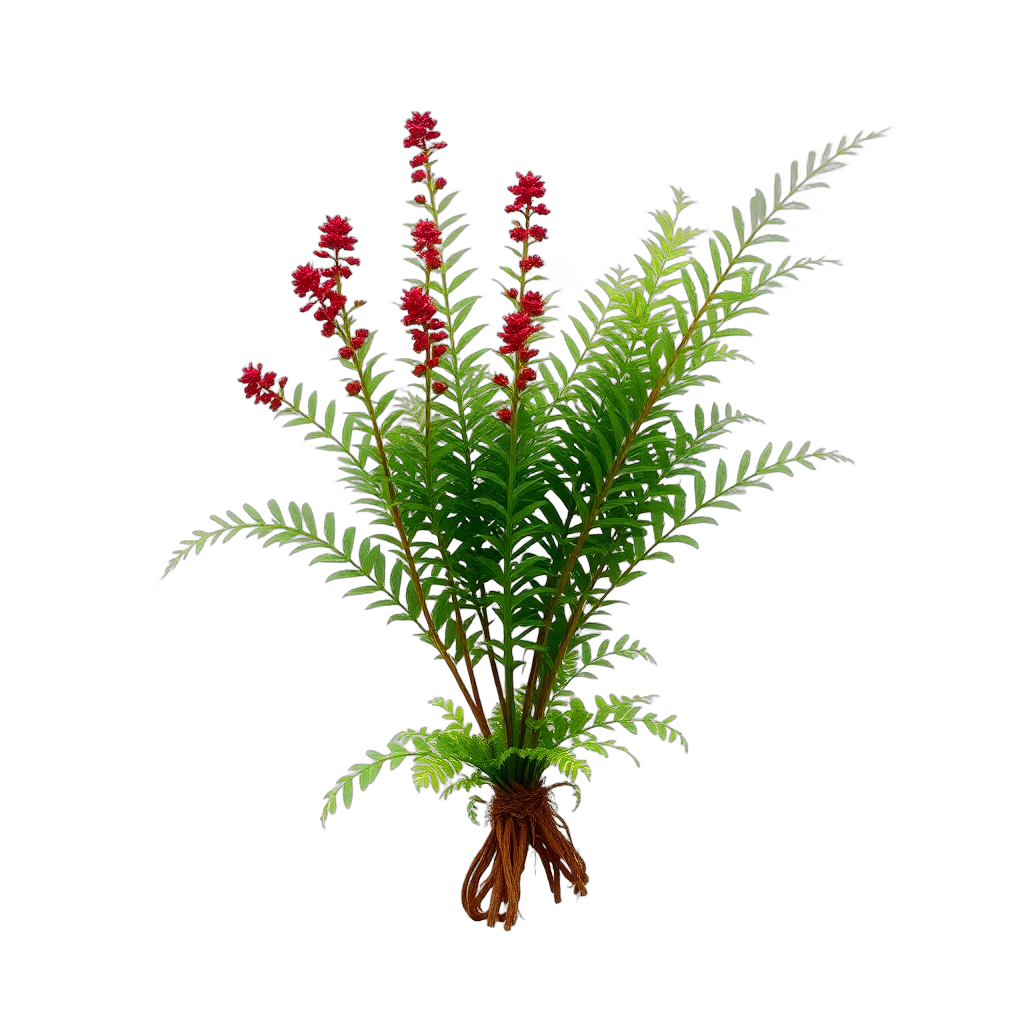
Holly Fern
Cyrtomium falcatum
low-growing ground cover, blooms in none. Evergreen year-round.
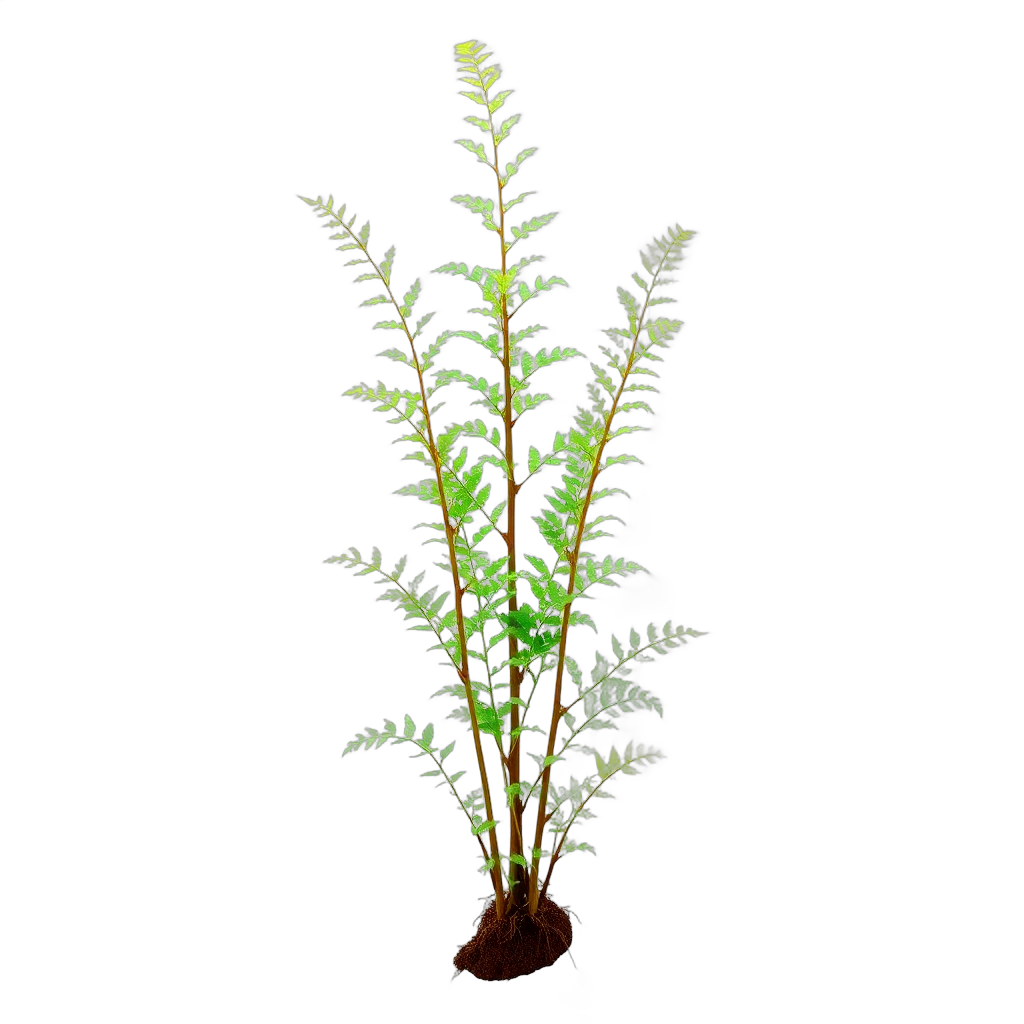
Lady Fern
Athyrium filix-femina
low-growing ground cover, blooms in none.
Zone and sun checks come from our database — confirm with your local nursery before you buy.
Bloom Calendar for Richmond
spring
Buckwheat Tree, Fetterbush, Florida Anisesummer
Adam's Needle, Swamp Cyrilla, Loblolly Bayfall
Pink Muhly Grass, Purple Love Grasswinter
Limited bloomsDesign Tips for Richmond (Zone 7b)
- Plant camellias on north or east-facing exposures in Richmond — the most common cause of camellia winter damage in Zone 7b is freeze-thaw cycling of flower buds, which is dramatically reduced on north-facing walls where buds thaw slowly; south-facing walls open buds to rapid temperature swings
- Use ‘New Dawn’ rose on pergolas and arbors throughout Richmond — it’s the most proven climbing rose for the Upper South with disease resistance, repeat bloom, and fragrance that no other climber matches in Richmond’s humid climate
- Include Virginia native plants in the outer cottage border layers — butterfly weed, native phlox, and asters provide drought-tolerant backbone, create habitat for Richmond’s diverse native bees and monarchs, and qualify the garden for Virginia Cooperative Extension’s Backyard Habitat recognition
- Design for Richmond’s excellent fall season — September through November is the finest outdoor period in the Piedmont; plant asters, dahlias, and late-blooming roses specifically to maximize the fall cottage garden and extend the season to first hard frost in November
- Use brick for all paths in Richmond’s historic neighborhoods — recycled antique brick salvaged from Richmond’s many demolition projects is available from local salvage yards, costs less than new brick, and creates an authentic patina that suits the Fan District and Church Hill’s 19th century character
- Plant David Austin English roses rather than hybrid teas in Richmond’s humid climate — the English roses’ superior fragrance, better disease resistance in high-humidity conditions, and superior repeat bloom make them dramatically better performers in Piedmont Virginia cottage gardens
Where to Source Plants in Richmond
Skip the big-box stores. These independent Richmond nurseries specialize in the plants that make cottage/english gardens thrive in Zone 7b.
Sneed’s Nursery
Richmond (multiple locations)
Organic garden center with Virginia native plants, cottage perennials, roses, and camellias for Richmond gardens
Hanover Plant Farm
Hanover County (north of Richmond)
Cottage perennials, annuals, roses, and seasonal color for Richmond and Piedmont Virginia gardens
Meadows Farms Nurseries
Richmond (multiple Metro locations)
Full-service Mid-Atlantic garden center with camellias, azaleas, hydrangeas, and cottage garden plant selection
The Great Big Greenhouse
Richmond / Chesterfield
Premium shrubs, perennials, Japanese maples, hydrangeas, and cottage garden plants for Piedmont Virginia
Homestead Garden Center
Williamsburg (serves Richmond area)
Virginia native plants, cottage perennials, and Mid-Atlantic landscape plants with knowledgeable staff
Cottage/English Landscaping Costs in Richmond
| Project Scope | Estimated Cost |
|---|---|
| Cottage front yard with arbor, borders, and brick path (500 sqft) | $5,000 – $12,000 |
| Full backyard cottage garden with patio and pergola | $16,000 – $40,000 |
| White cedar pergola (12x16 ft installed) | $6,000 – $14,000 |
| Flagstone patio (per sqft installed) | $14 – $28/sqft |
| Brick path installation or restoration (per sqft) | $20 – $40/sqft |
| Perennial border installation with mulch (per sqft) | $8 – $18/sqft |
| AI visualization with ProScapeAI | Free to start |
Estimates based on Richmond, VA-area contractor rates as of 2026. Actual costs vary by site conditions, materials, and contractor.
Richmond Climate & Growing Zone
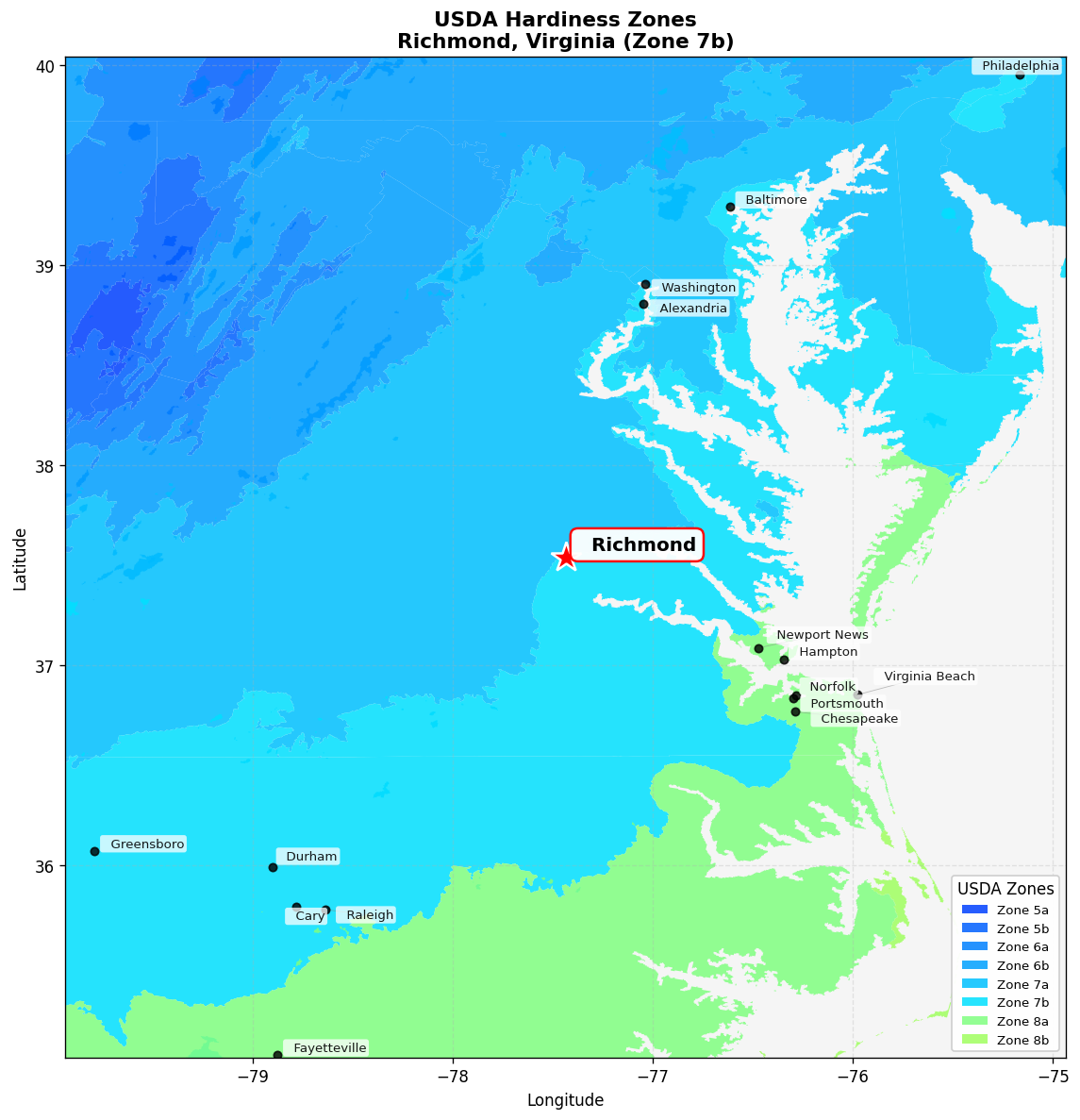
USDA Zone 7b
Hardiness zone for Richmond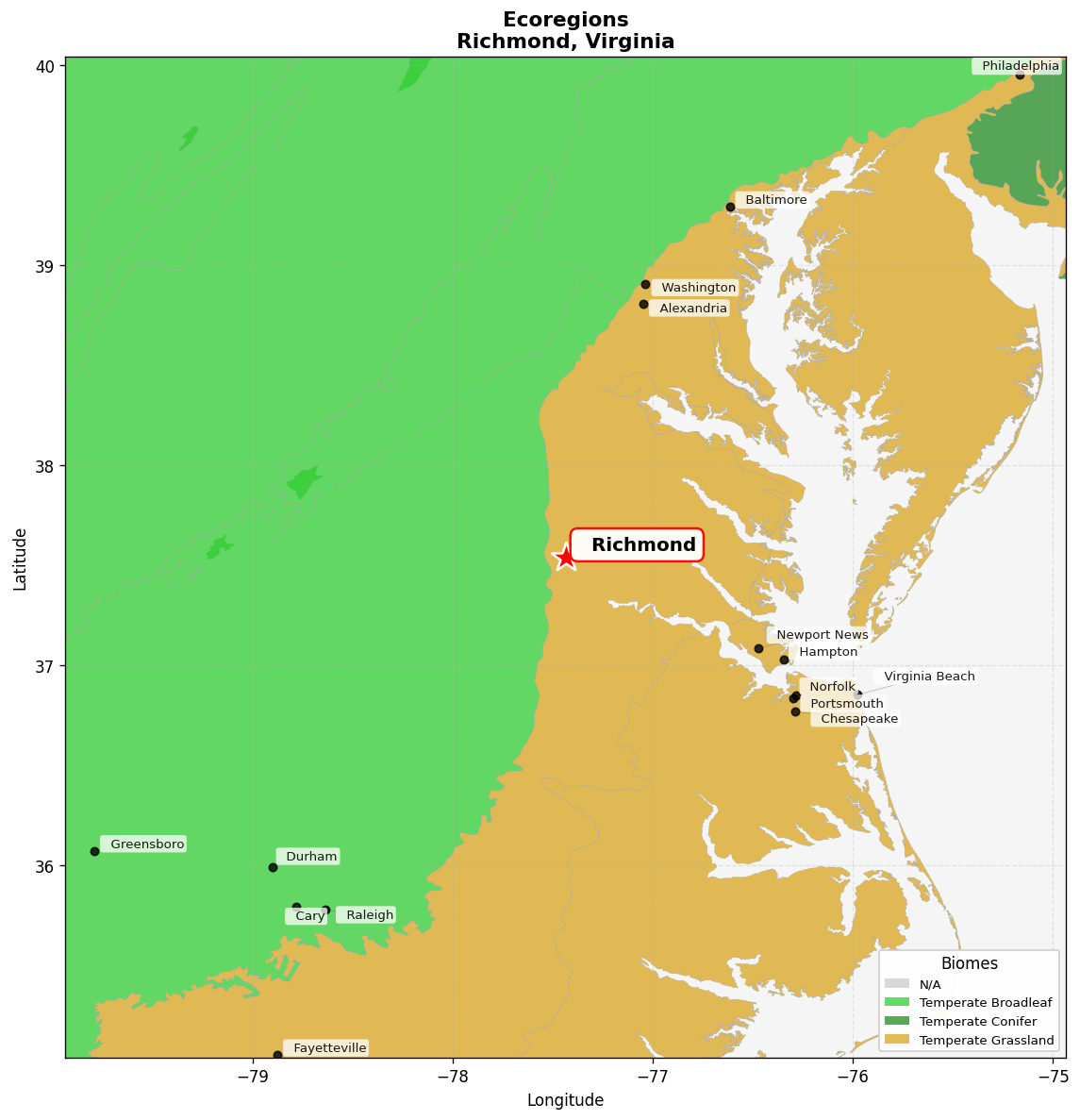
Southeast US conifer savannas
Native ecoregionFrequently Asked Questions
What roses grow best in Richmond, VA’s Zone 7b climate?
Richmond’s hot, humid Zone 7b summers make disease resistance the critical selection criterion for roses. Best performers: David Austin English roses with superior heat tolerance — Olivia Rose, Gertrude Jekyll, and Lady of Shalott are Richmond favorites; Knockout roses for disease resistance and continuous bloom; climbing ‘New Dawn’ as the quintessential Southern cottage climber; antique roses like Mutabilis, Old Blush, and Cecile Brunner that were bred for Southern conditions before modern fungicides; and hybrid musks like ‘Buff Beauty’ for fragrant shrub character. Richmond’s humidity increases black spot and powdery mildew pressure — choose disease-resistant varieties and ensure excellent air circulation in planting design.
How much does cottage landscaping cost in Richmond, VA?
Landscaping in Richmond runs $4–$12/sqft for standard installations reflecting Mid-Atlantic labor rates. A cottage front yard (500 sqft) with arbor, perennial borders, brick path, and mulch costs $5,000–$12,000. A full backyard cottage garden with patio, pergola, and established planting runs $16,000–$40,000. Richmond landscapers charge $40–$75/hour for labor. Monthly maintenance for an established cottage garden runs $100–$250/month in the Richmond market. Flagstone installation: $14–$28/sqft installed. Brick path restoration (common in historic neighborhoods): $20–$40/sqft.
What camellias grow best in Richmond’s Piedmont climate?
Richmond is at the northern reliable edge of camellia culture — Zone 7b winters can occasionally dip to 5–10°F, requiring careful variety selection. Best performers: Camellia sasanqua varieties — ‘Yuletide’, ‘Setsugekka’, and ‘Kanjiro’ — for fall bloom (October–December) and the most cold-hardiness; Camellia japonica varieties ‘Professor Sargent’ and ‘Daikagura’ for winter–spring bloom with proven Zone 7b hardiness; and Camellia ‘Winter’s series hybrids — specifically bred for cold hardiness and rated to Zone 6. Plant camellias on north or east-facing walls in Richmond to protect flower buds from freeze-thaw cycling, the most common cause of winter camellia damage.
Can I grow dahlias in Richmond, VA?
Richmond’s Zone 7b climate is excellent for dahlias. Dahlia tubers can be left in the ground over winter in Zone 7b with heavy mulch protection — though many Richmond gardeners lift and store tubers in October as insurance. Start tubers in late March–April; they emerge in May and bloom from July through frost (typically November). Dahlias in Richmond’s climate produce spectacular stems and large flowers during the long warm autumn. Key requirements: full sun (6+ hours); excellent drainage (Richmond’s clay soils may need amendment or raised beds); consistent deep watering through summer; staking for tall dinner-plate varieties; and deadheading every 3–5 days for continuous bloom.
What Virginia native plants work in a Richmond cottage garden?
Virginia’s Piedmont native plant palette overlaps beautifully with cottage garden aesthetics. Best native cottage plants for Richmond: Virginia bluebells (Mertensia virginica) for April–May blue bloom in shade; native phlox (Phlox paniculata) for July–August fragrant masses; butterfly weed (Asclepias tuberosa) for orange summer color and monarch habitat; black-eyed Susan for late summer yellow; Joe Pye weed for tall late-summer purple bloom; asters (New England and smooth) for October–November color; serviceberry for spring white bloom and fall color; Virginia sweetspire for fragrant white summer bloom and fall red foliage; and mountain mint for white summer bloom and outstanding native bee attraction.
When is the best time to plant a cottage garden in Richmond?
Richmond’s climate allows two excellent planting windows. Fall (October–November) is optimal for most shrubs, perennials, and bulbs — warm soil and the beginning of reliable rainfall allow root establishment before winter, and fall-planted perennials typically bloom better in their first summer. Spring (mid-March–April) is the second window, after Richmond’s last frost date (typically April 7–15 for Zone 7b). Summer planting is not recommended for most cottage plants in Richmond — the combination of 90°F+ heat and high humidity creates transplant stress, and Richmond’s July–August dry spells require intensive irrigation for newly installed plants.