4 Cottage Garden Ideas for Virginia Beach, VA | Coastal Garden Design in Zone 8a
Native plants from the Mid-Atlantic US coastal savannas (Zone 8a) — Humid subtropical climate
Why Cottage/English Gardens in Virginia Beach?
Virginia Beach is one of the most climatically generous cities on the East Coast for cottage gardening — if you design with its coastal character rather than against it. Zone 8a means minimum winter temperatures of 10–15°F, but Virginia Beach’s direct proximity to the Atlantic Ocean moderates that significantly: the thermal mass of the ocean keeps coastal neighborhoods 3–5°F warmer in winter and cooler in summer than inland Virginia. Homes within a mile of the oceanfront or Chesapeake Bay shore effectively garden in Zone 8b conditions, which means gardenias, Confederate jasmine, camellias, and other borderline-tender cottage plants succeed here that would fail in Richmond or Roanoke. The growing season runs a generous early March through late November — nearly nine months of active garden expression.
The challenge unique to Virginia Beach cottage gardening is the dual reality of the city’s geography: oceanfront and bayside neighborhoods deal with salt spray, sandy well-draining soils, and coastal wind exposure, while inland neighborhoods like Kempsville, Great Neck, and Chesapeake have heavier clay soils, no salt issue, and a slightly cooler winter profile. These two contexts demand meaningfully different cottage plant selections. Along the oceanfront and in beach communities like Croatan, Sandbridge, and Shore Drive, the cottage garden must be built around salt-tolerant anchors — rugosa roses, beach plum, sea holly, native bayberry, and dune grass — with more sensitive cottage plants in the sheltered interior where a windbreak provides protection. Inland Virginia Beach supports a fuller English cottage palette without salt restrictions.
Virginia Beach sits in the Mid-Atlantic US coastal savannas ecoregion, and the native flora of the Mid-Atlantic coastal plain produces some of the most beautiful cottage-compatible plants in North America. Virginia willow, swamp rose mallow, native wild blue indigo, and seaside goldenrod are genuinely spectacular in bloom, ecologically essential for coastal plain pollinators, and — critically for Virginia Beach — salt-tolerant to varying degrees. Building cottage gardens around these natives creates the most sustainable, lowest-maintenance, and most locally authentic result. Virginia Beach’s 45 inches of annual rainfall, including reliable summer afternoon thunderstorms from Chesapeake Bay sea breeze convection, keeps cottage plantings well-watered through the season.
4 Cottage/English Design Ideas for Virginia Beach
AI-generated image
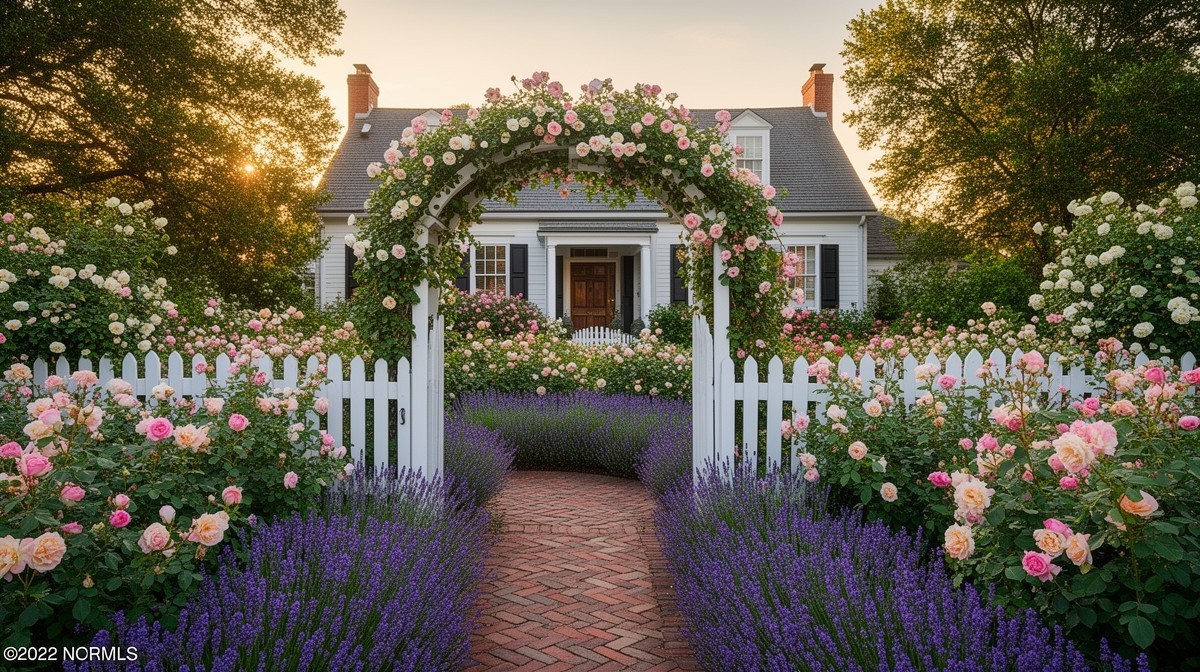
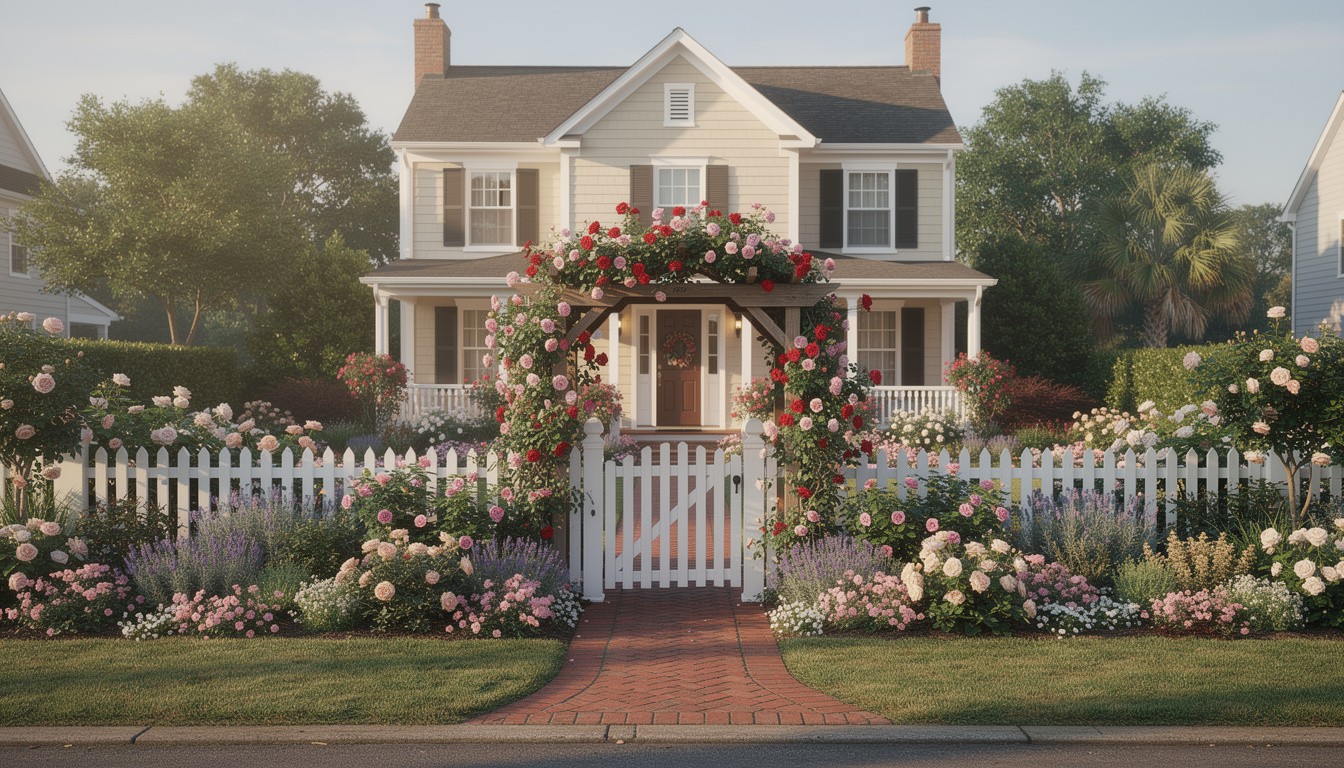
The Coastal Rose Gate Entry
$10–20/sqftA white coastal Colonial home becomes the cottage ideal with a climbing rose arch cascading deep pink and red blooms over a white picket gate, a brick path to the front door, and dense rose borders flanking the fence line from corner to corner. This is the cottage design that belongs specifically to Virginia Beach’s residential neighborhoods — the combination of white picket fence, pink roses, and a traditional Colonial facade reads as authentically coastal Tidewater. Rugosa roses excel here for salt-tolerant properties; ‘New Dawn’ and ‘Knock Out’ varieties perform in the more protected inland positions. Zone 8a means these roses bloom heavily from May through November.
AI-generated image
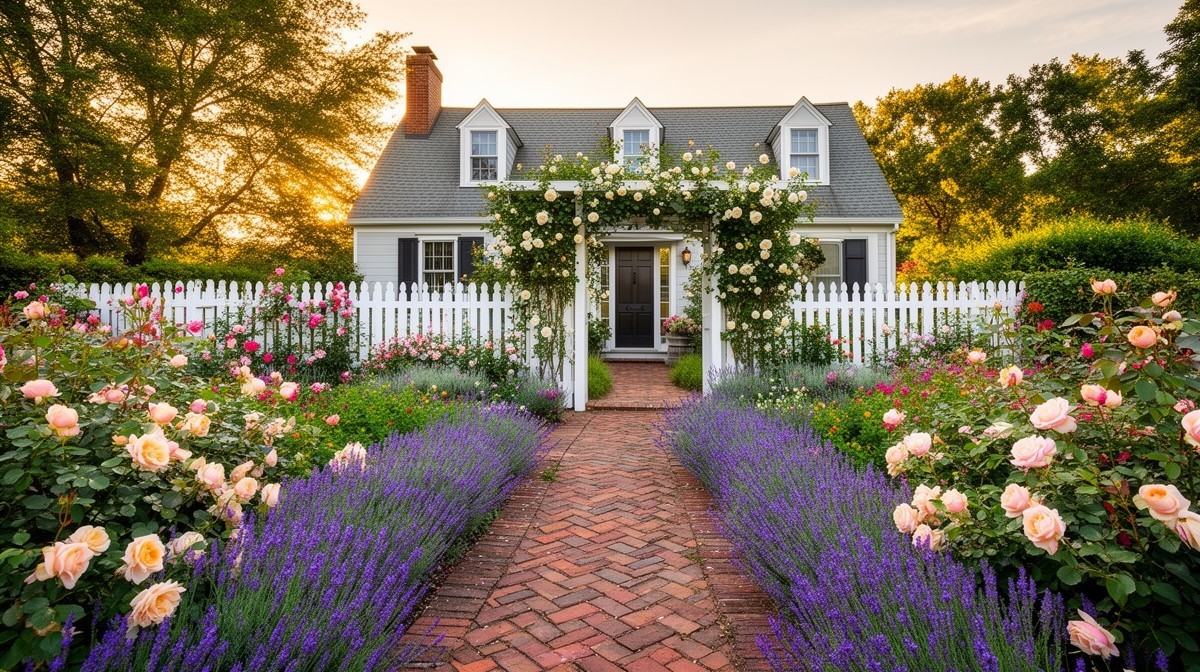
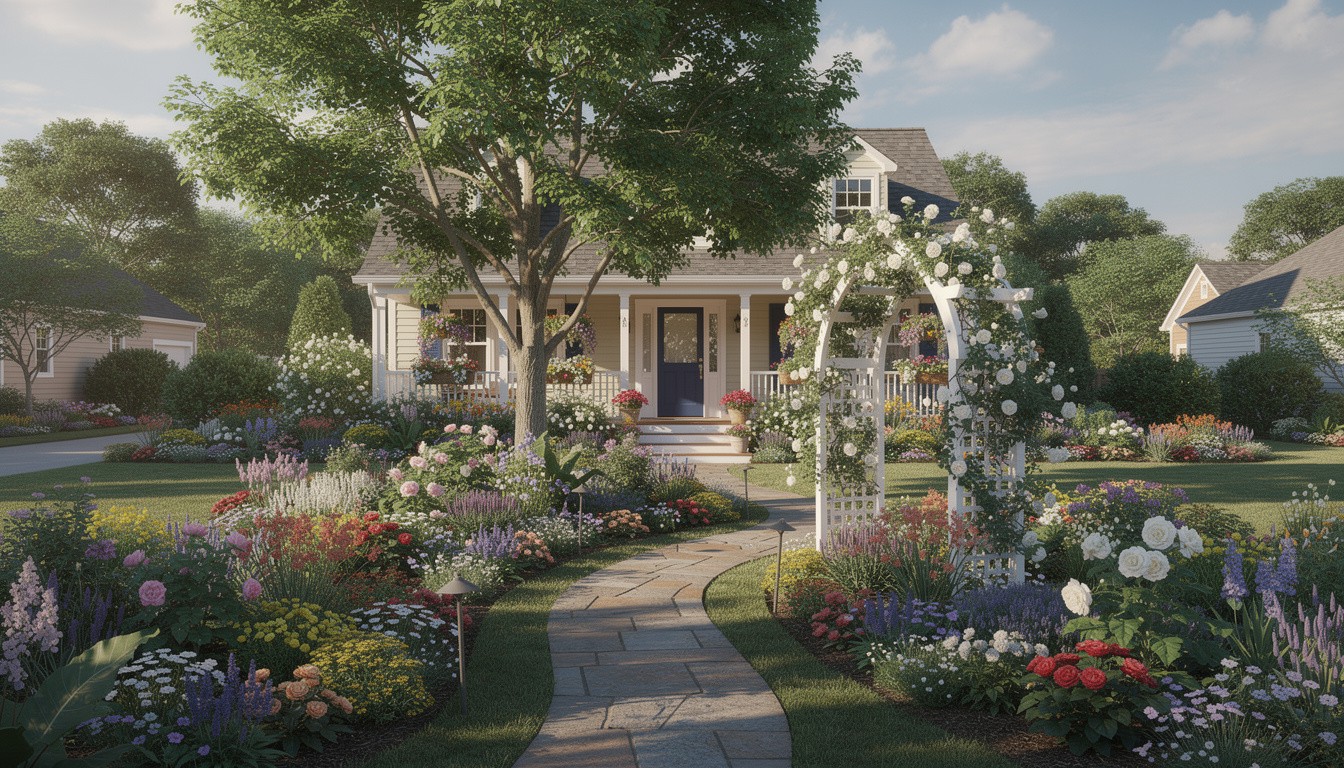
The Virginia Beach Cottage Border
$12–22/sqftA white Cape Cod or Colonial home gains a full English cottage front with a white rose arbor over the entry, a stepping stone path through dense mixed perennial borders of coneflowers, phlox, daisies, and lavender, and a mature shade tree providing canopy and scale overhead. The cottage borders bloom in waves from spring through fall — Virginia Beach’s Zone 8a growing season runs nearly nine months, giving cottage perennials far more bloom time than Northern cities. Confederate jasmine trained on the fence perfumes the entire yard in May with its distinctly Tidewater fragrance.
AI-generated image
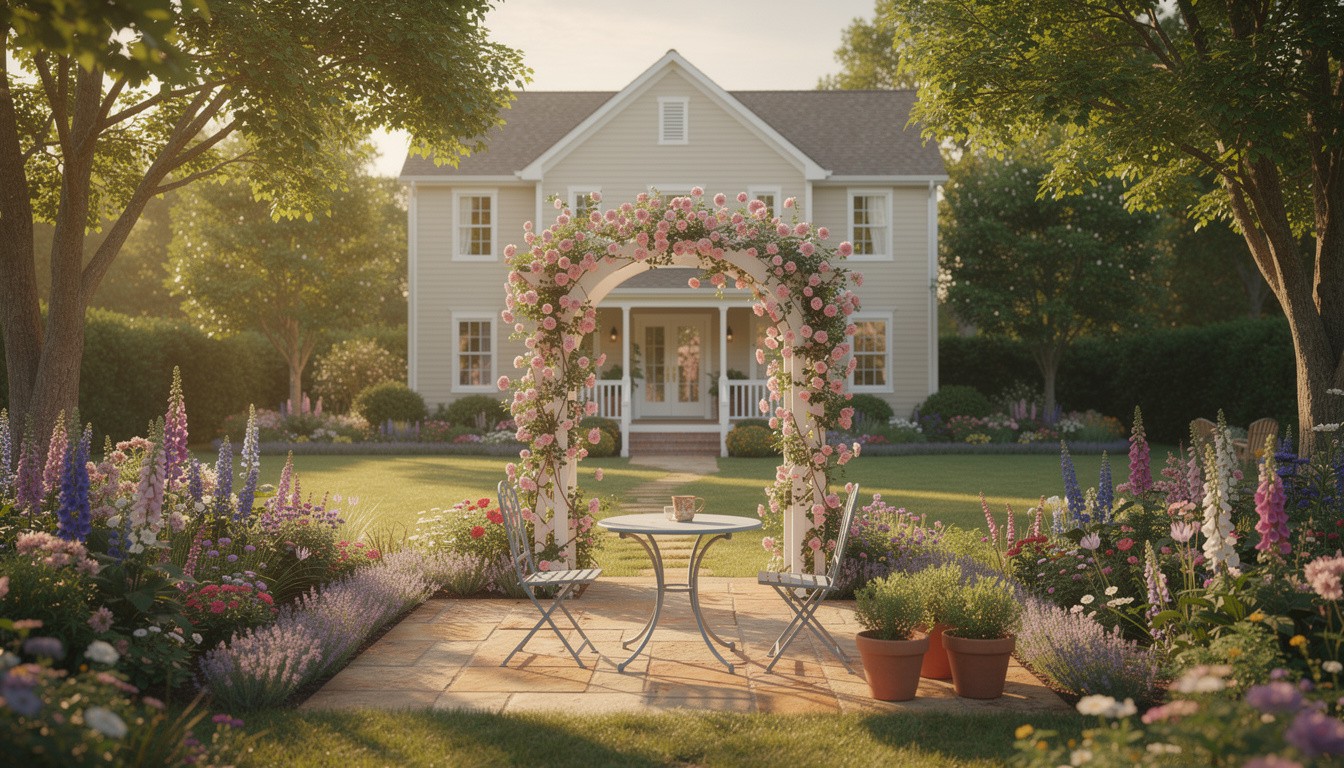
The Virginia Beach Cottage Terrace Garden
$18–38/sqftA white Colonial backyard becomes an intimate cottage room: a rose porch arch draped in blooms, a bistro table and chairs on a paved patio surrounded by foxgloves, lavender, and cottage perennials in full bloom, with potted lavender flanking the doors. The dappled light through mature overhead trees creates the sheltered microclimate that classic cottage plants love. Virginia Beach’s Zone 8a means this garden is genuinely four-season — the rose arch in May, the lavender in June, the coneflowers in July–August, and Confederate jasmine’s second flush in the warm October air.
AI-generated image
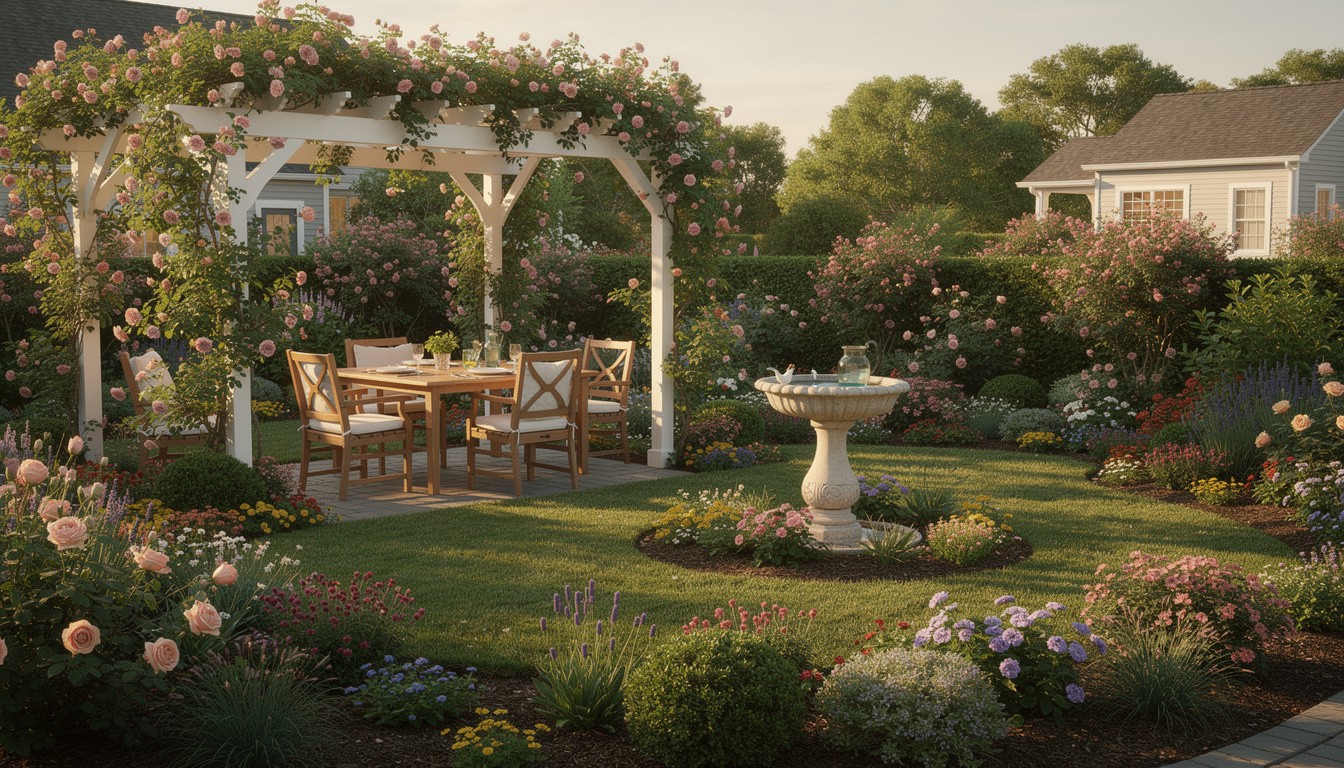
The Tidewater Pergola Garden
$22–45/sqftA white pergola draped in climbing roses creates the outdoor dining anchor for a Virginia Beach rear garden, with a wooden dining set beneath, a birdbath as garden centerpiece, a well-maintained lawn panel, and mixed rose and cottage perennial borders ringing the space. The wood fence provides privacy while the pergola overhead creates enclosure and scale — together they turn an open backyard into a destination garden room. Virginia Beach’s extended outdoor season (Zone 8a runs late February through December) means this garden room earns its investment far longer than comparable designs in colder cities.
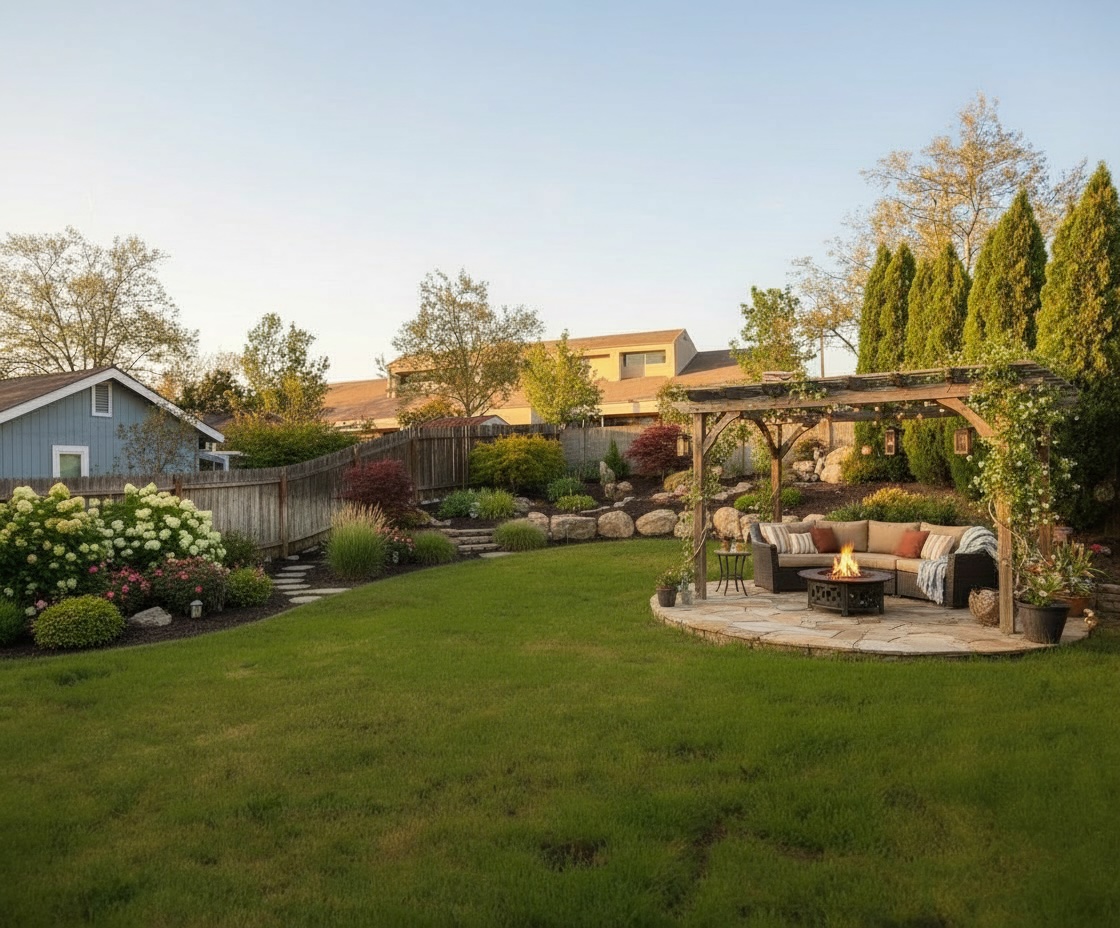
See how a cottage/english garden looks on YOUR property
Upload a photo of your Virginia Beach yard and visualize your dream garden in seconds.
Try ProScapeAI Free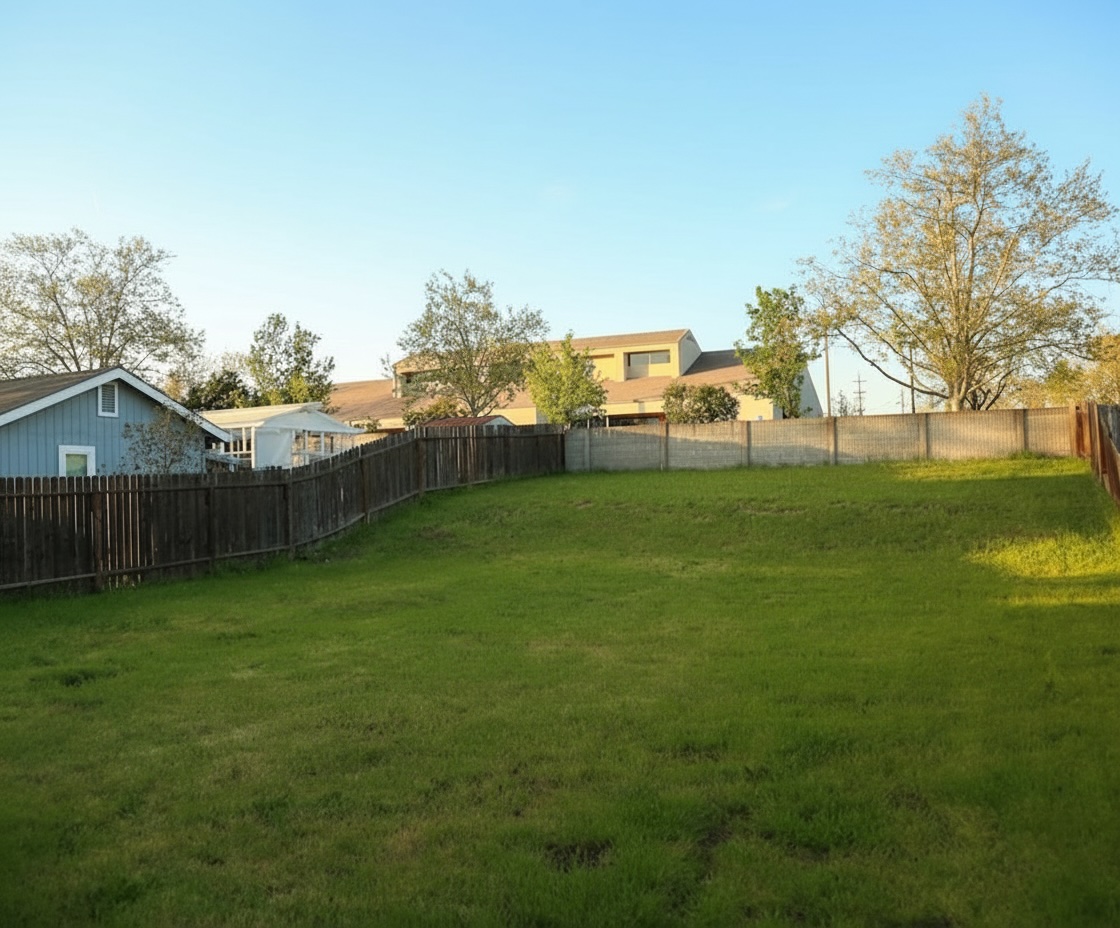
AI-generated image
Featured Flowers & Perennials for Cottage/English Gardens
Browse all 150 plants for Virginia Beach
Water Lettuce
Pistia stratiotes
low-growing ground cover, white blooms in summer. Evergreen year-round.
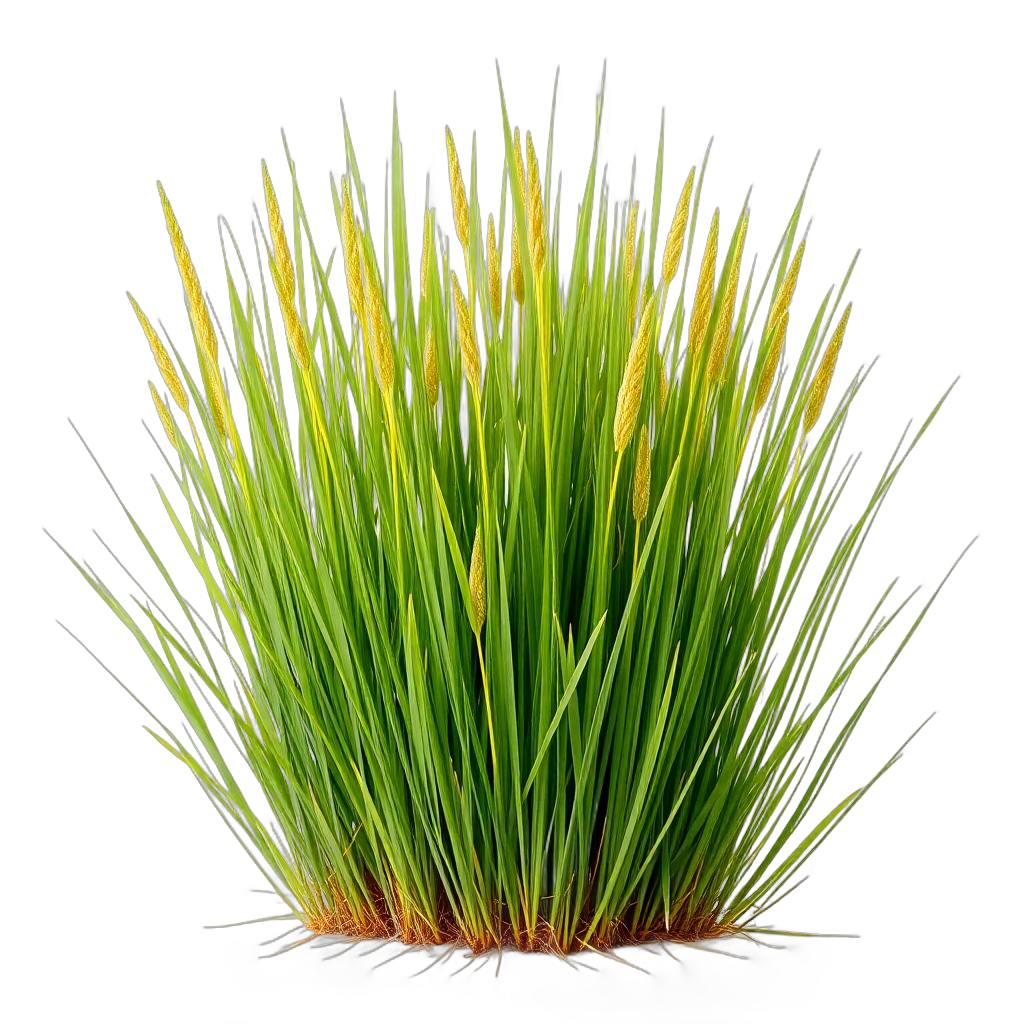
Bowles' Golden Sedge
Carex elata 'Aurea'
low-growing ground cover, blooms in none.

Tussock Sedge
Carex stricta
low-growing ground cover, blooms in spring. Brown fall color.

Umbrella Sedge
Cyperus alternifolius
grows to 4 feet, blooms in summer. Evergreen year-round.
Zone and sun checks come from our database — confirm with your local nursery before you buy.
Bloom Calendar for Virginia Beach
spring
Tussock Sedge, Austrian Speedwell, Banana Yuccasummer
Water Lettuce, Umbrella Sedge, Alpine Sea Hollyfall
Autumn Snakerootwinter
Limited bloomsDesign Tips for Virginia Beach (Zone 8a)
- Build a windbreak of rugosa roses, native bayberry, or switchgrass along the street-facing or oceanward edge of coastal properties — it protects more sensitive cottage plants in the sheltered interior and doubles as a stunning design feature
- Confederate jasmine trained on a fence or trellis is the single most impactful fragrance investment for a Virginia Beach cottage garden — its May bloom perfumes an entire yard and is specifically tied to Tidewater Virginia’s garden identity
- Amend coastal sandy soil with compost annually and use drip irrigation for moisture-sensitive cottage plants — Virginia Beach’s sandy soils drain within hours of rainfall, and without organic matter supplementation cottage plants will struggle even in a moist year
- Swamp rose mallow (native Hibiscus moscheutos) is the secret weapon of the Virginia Beach cottage garden — its dinner-plate-sized pink or white blooms in July–August are genuinely spectacular when English cottage plants are fading in the heat, and it’s native to the Chesapeake Bay wetland margins
- Anchor all garden structures with deep concrete footings — Virginia Beach’s hurricane and tropical storm season requires arbors, pergolas, and fences to be engineered for wind rather than just planted in the ground
- Use oyster shell as a path material for an authentically Chesapeake Bay regional touch — it’s beautiful, locally authentic, permeable (good for sandy soils), and a genuine artifact of the bay’s harvest tradition that connects the garden to its place
Where to Source Plants in Virginia Beach
Skip the big-box stores. These independent Virginia Beach nurseries specialize in the plants that make cottage/english gardens thrive in Zone 8a.
Brock’s Nursery
Virginia Beach (Independence Blvd area)
Full-service independent nursery with strong coastal-adapted plant selection; perennials, roses, and shrubs well-suited to Hampton Roads Zone 8a gardens
Kempsville Nursery
Kempsville, Virginia Beach
Local independent nursery with deep roots in the Virginia Beach gardening community; perennials, annuals, and landscape shrubs
Hoffler Creek Wildlife Preserve Plant Sale
Portsmouth (Hampton Roads)
Native plant sales from a 200-acre preserve; locally genotyped Tidewater Virginia natives including cottage-compatible wildflowers and shrubs
Lewis Ginter Botanical Garden Plant Shop
Richmond (day trip)
Outstanding curated plant selection including cottage perennials, natives, and specialty plants for Virginia Zone 7b–8a gardens; expert horticultural staff
Tidewater Natives
Hampton, VA (Hampton Roads)
Native plants of the Virginia coastal plain and Chesapeake Bay watershed; specialist source for salt-tolerant and coastal-adapted native cottage garden plants
Cottage/English Landscaping Costs in Virginia Beach
| Project Scope | Estimated Cost |
|---|---|
| Cottage front garden with rose arch + picket fence + borders | $4,500 – $12,000 |
| Full cottage front yard redesign (250–450 sqft) | $7,000 – $18,000 |
| Backyard cottage garden with pergola + planting | $16,000 – $45,000 |
| White wood pergola installation (storm-rated footings) | $4,000 – $10,000 |
| Paver or flagstone patio (Virginia Beach labor rates) | $16 – $28/sqft installed |
| AI visualization with ProScapeAI | Free to start |
Estimates based on Virginia Beach, VA-area contractor rates as of 2026. Actual costs vary by site conditions, materials, and contractor.
Virginia Beach Climate & Growing Zone
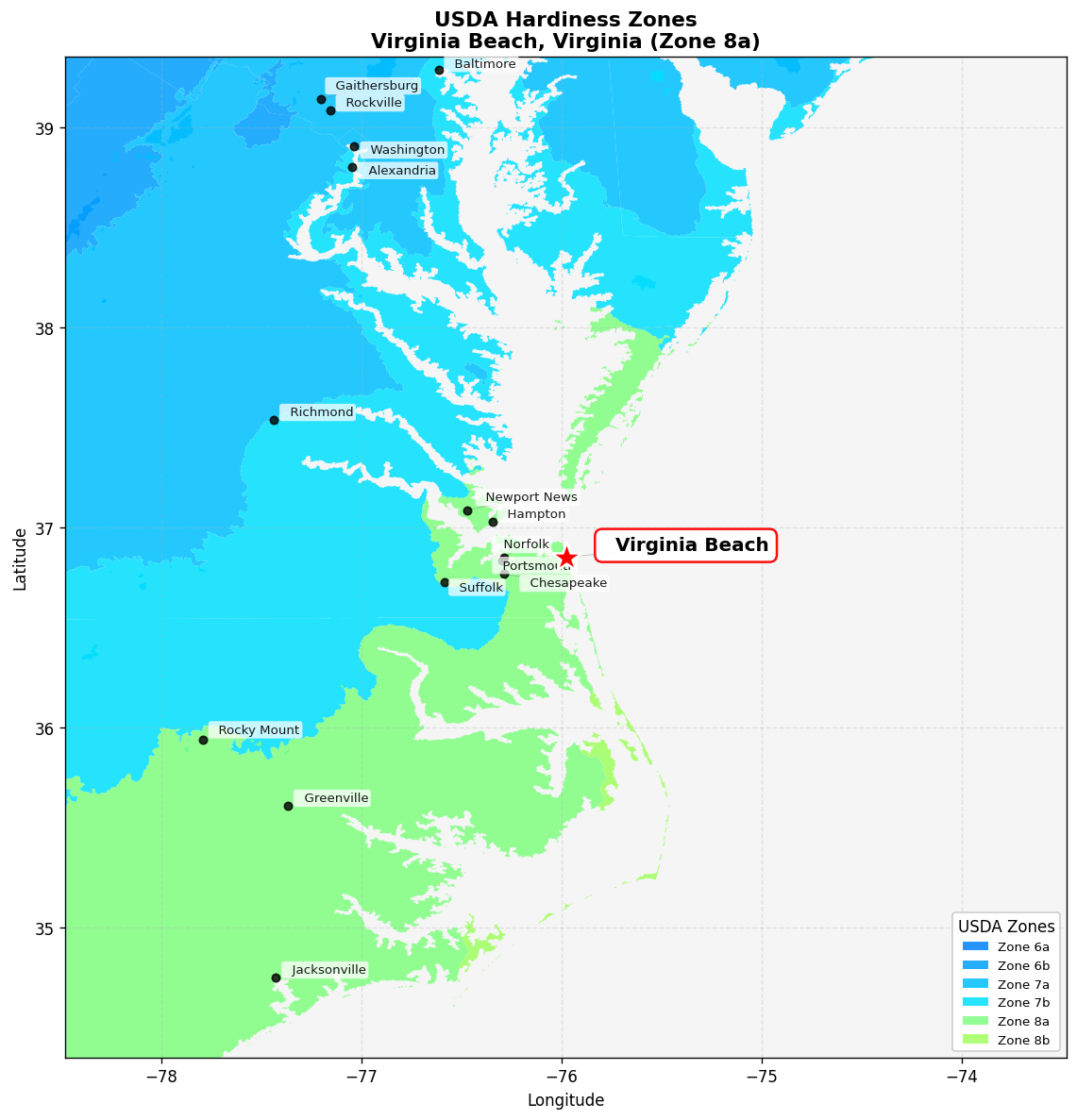
USDA Zone 8a
Hardiness zone for Virginia Beach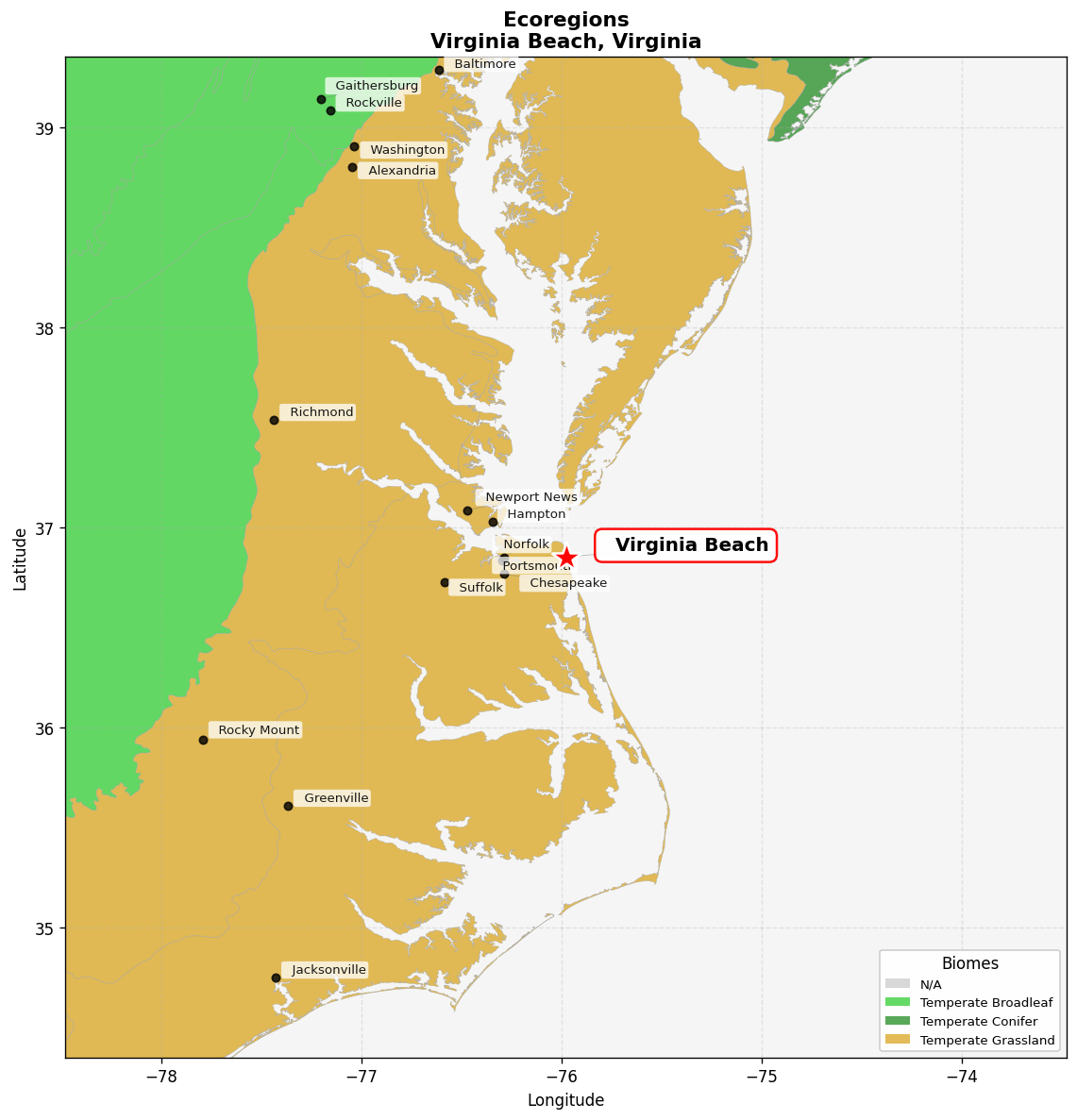
Mid-Atlantic US coastal savannas
Native ecoregionFrequently Asked Questions
What cottage plants tolerate Virginia Beach’s coastal salt spray?
Salt spray tolerance is a critical selection criterion for properties within a half-mile of the Atlantic or Chesapeake Bay shore. Excellent salt tolerance: rugosa roses (Rosa rugosa, native to coastal New England, virtually indestructible), native beach plum (Prunus maritima), native bayberry (Myrica pensylvanica), sea holly (Eryngium maritimum), seaside goldenrod (Solidago sempervirens, native), Russian sage, ornamental grasses (switchgrass, little bluestem, blue oat grass), lavender (in well-drained sandy soil), and native dune grass. Moderate salt tolerance (plant behind a windbreak): catmint, coneflower, native phlox, daylilies, and shrub roses. Avoid without windbreak protection: delphiniums, foxgloves, hostas, and most hybrid roses.
How do I amend Virginia Beach’s sandy coastal soils for cottage gardening?
Virginia Beach’s coastal sandy soils drain extremely quickly — water passes through before roots can absorb it, nutrients leach rapidly, and soil temperatures fluctuate widely. Amendment strategy for sandy soils: incorporate 3–4 inches of compost into the top 8–12 inches of planting beds annually; add a 1–2-inch layer of compost mulch each spring to replace what decomposes; consider a slow-release organic fertilizer program (sandy soils hold nutrients poorly); install drip irrigation for moisture-sensitive cottage plants like roses and delphiniums. Inland Virginia Beach neighborhoods with heavier clay soils need the opposite approach: amend with compost to improve drainage and aeration. A soil test from the Virginia Cooperative Extension is a worthwhile $20 investment before planting.
What makes a Virginia Beach cottage garden distinctly Tidewater rather than generic English?
The most authentic Virginia Beach cottage gardens draw on the Tidewater and Mid-Atlantic coastal plain’s native plant heritage rather than replicating an English garden in a fundamentally different climate and ecology. Tidewater cottage signatures: Confederate jasmine (the fragrance of May in Virginia Beach), rugosa roses (the beach rose native to East Coast dunes), swamp rose mallow (enormous pink hibiscus blooms in August that are stunning and genuinely local), seaside goldenrod (brilliant yellow September, pollinator magnet), native dogwood and serviceberry (spring bloom native to Virginia), and oyster shell paths (an authentically regional hardscape material from the Chesapeake Bay harvest tradition). These elements create a cottage garden that could only exist here, not one that could be transplanted from Surrey.
What roses work best in Virginia Beach’s Zone 8a coastal climate?
Virginia Beach’s Zone 8a and humidity create rose disease pressure similar to Baltimore and DC. Best performers: rugosa roses (salt-tolerant, disease-resistant, Zone 3–9, fragrant, coastal-native), ‘Knock Out’ series (disease-resistant, Zone 4, continuous bloom through November in Zone 8a), ‘New Dawn’ climbing rose (Zone 5, blush pink, vigorous, disease-tolerant), native swamp rose (Rosa palustris, July bloom, moisture-tolerant), and David Austin disease-resistant varieties like ‘Olivia Rose’. For oceanfront properties: only rugosa roses or native swamp rose will perform without a windbreak — all other roses need a degree of salt spray protection. In Virginia Beach’s Zone 8a, roses with Zone 6 or lower ratings will reliably overwinter without crown protection.
When is the best planting season for Virginia Beach cottage gardens?
Virginia Beach’s Zone 8a and mild winters give an extended planting window that most Northern gardeners would envy. Fall planting (October–November) is ideal for perennials, shrubs, and trees — the cooler temperatures reduce transplant stress and roots establish during mild winters before spring growth pushes demand. Spring planting (late February–April) works well for annuals, summer perennials, and tender cottage plants that need warm soil. Avoid planting moisture-sensitive cottage plants in July–August heat (too stressful without intensive irrigation). Spring bulbs should be planted in October–November for March–April bloom. Confederate jasmine and gardenias establish best when planted in April as temperatures are warming.
How do I protect a Virginia Beach cottage garden from hurricane-season storms?
Virginia Beach is in a hurricane-prone zone, with direct hurricane and tropical storm impacts possible from June through November. Garden preparation: anchor all trellises, arbors, and pergolas with deep concrete footings (minimum 24-inch depth for structures). Stake tall cottage plants (delphiniums, hollyhocks) with heavy-gauge supports. After major storm events, rinse all foliage with fresh water to remove salt spray deposits. Choose storm-resilient plants as structural anchors — rugosa roses, native bayberry, and switchgrass recover quickly from wind and salt damage. Avoid large-canopy ornamental trees in direct oceanfront positions; a storm-felled tree damages the garden permanently and poses safety risks.