4 Modern Landscape Ideas for Norman, OK | Prairie Grass and Steel for Zone 7a
Native plants from the Central-Southern US mixed grasslands (Zone 7a) — Humid subtropical climate
Why Modern/Minimalist Gardens in Norman?
A modern landscape makes a lot of sense in Norman, because the city sits right where the mixed-grass prairie meets the Cross Timbers, and the best modern planting borrows straight from that prairie: big blocks of one grass, a few strong shapes, and open gravel between them. The house stock suits it too. The long, low brick ranches west of campus, the newer two-stories in west and north Norman subdivisions and the acreages east toward Lake Thunderbird all have wide frontages and plain facades, which a clean planting of grass, stone and steel shows off far better than a busy flower bed.
The weather sets the rules. Cleveland County averages 37.7 inches of rain a year, with May (about 5.1 inches) and June the wettest months, then July and August highs averaging 92°F, about 69 days a year above 90°F and roughly 10 above 100°F. January lows average 27.7°F and Zone 7a winters can dip toward 0°F. Hail larger than an inch falls on five or more days a year in an average Cleveland County year, and the wind averages 9 mph, mostly from the south. So the modern palette here has to be tough: Schizachyrium scoparium 'Standing Ovation', Bouteloua gracilis 'Blonde Ambition', Panicum virgatum 'Northwind', Hesperaloe parviflora and Yucca rostrata take the heat and shed hail, and they look sharp twelve months a year. Agave americana and most of the Phoenix palette will not survive a wet Norman winter in clay; Yucca rostrata and Hesperaloe give the same spiky outline and are hardy here.
Most of west Norman sits on red clay loam over Permian red beds, sticky in May and cracking by August, while east Norman's Cross Timbers soils are sandier and drain fast. Many red-clay yards test near neutral to slightly alkaline (pH 7 or a little above, which yuccas, grama and bluestem like), so get a soil test through OSU Extension before adding amendments. Yuccas and agaves want sharp drainage: plant them on berms of crushed granite or decomposed granite 8–12 inches high, not in pits dug into clay. Frost depth here is shallow by Plains standards, but freeze and thaw still heave thin pavers, so set every slab and paver on a compacted gravel base.
Water rules suit the style. Norman observes an odd/even outdoor watering schedule all year, with odd-numbered addresses watering on odd calendar days and even-numbered addresses on even days, so a modern yard that swaps half the Bermudagrass lawn for gravel and prairie grasses on drip is easier to keep green and legal through a dry August. Keep a smaller rectangle of turf, such as Zoysia japonica 'Zeon' or a tidy Bermudagrass panel, as a clean lawn shape, and fill the beds around it with the native grasses and Muhlenbergia capillaris.
4 Modern/Minimalist Design Ideas for Norman

AI-generated image
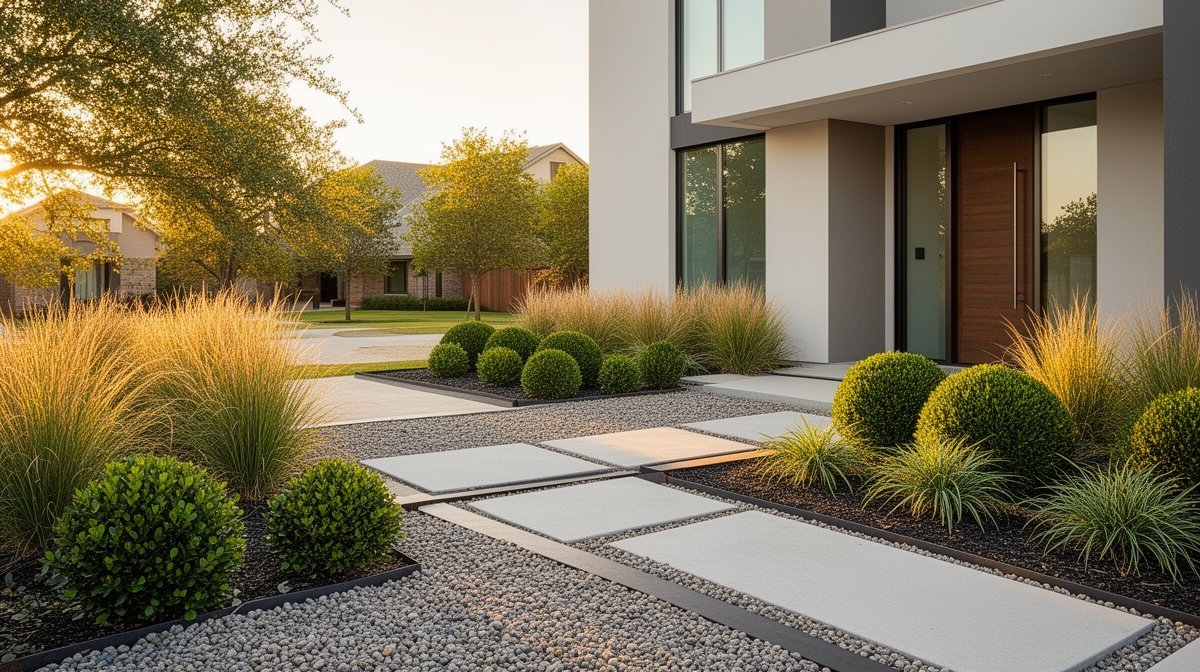
The Ranch House Grass Grid
$16–30/sqftA long 1960s brick ranch gets a front yard built on a grid: large square concrete pavers set in gravel lead from the driveway to the door, and the beds either side are planted in solid rectangles of one grass each. A single Chinese pistache stands off the corner of the house for summer shade on the west windows. The front faces south, so the grasses take full sun all day and glow gold in the late afternoon.

AI-generated image
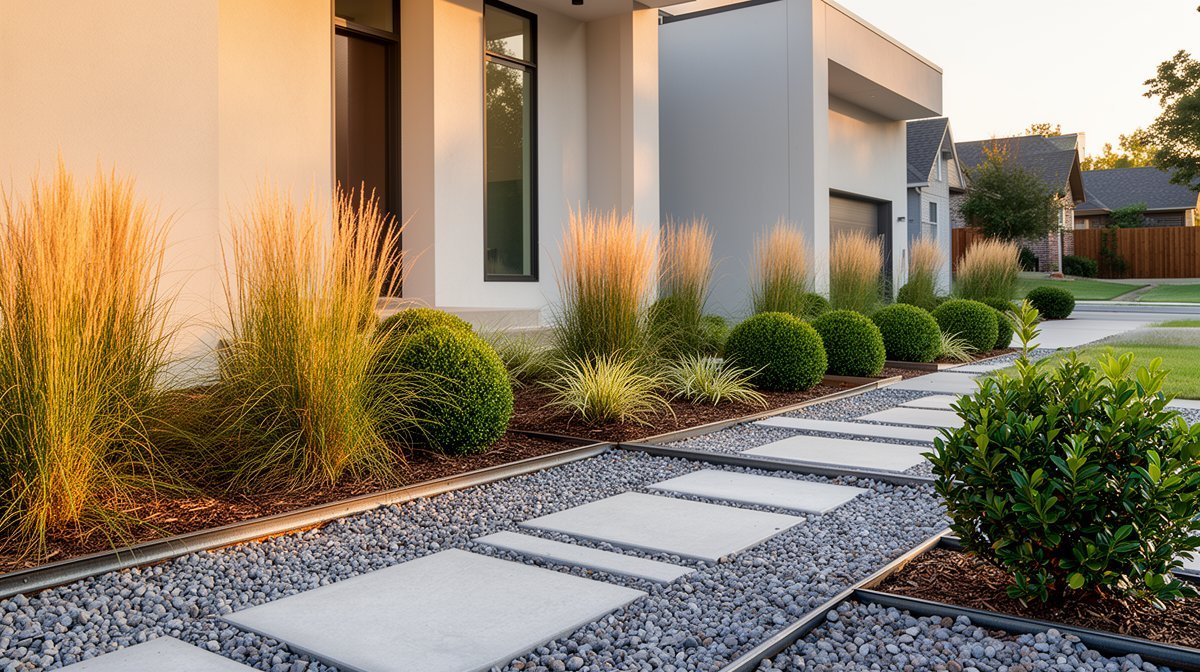
The Spiky Berm Entry
$18–34/sqftA two-story stucco and stone house in a newer west Norman subdivision has its front lawn replaced by low berms of crushed granite, each topped with a Yucca rostrata or a cluster of red yucca, with flat Oklahoma sandstone boulders set at the base. A board-formed concrete walk runs straight to the door, lined with low silver salvia. The berms keep the yucca roots out of wet clay, and the plants look the same after a spring hailstorm as before it.

AI-generated image
The Concrete Patio and Steel Planter Garden
$22–42/sqftBehind a 1970s ranch, a large patio of poured concrete in broad saw-cut squares steps down to a gravel terrace with two long Corten steel planters full of switchgrass. A steel pergola with a slatted top shades the dining table on the west side of the house, where the afternoon sun is worst. A clean rectangle of Zeon zoysia fills the rest of the yard as a play lawn.

AI-generated image
The Cross Timbers Acreage Edge
$4–14/sqftOn a one- or two-acre lot east of Norman, a low modern house sits behind a wide gravel court, with a crisp lawn panel by the house and then a steel edge where mown turf gives way to a meadow of native grasses running out to the post oaks. Big sandstone slabs make a path through the meadow to a fire pit. It is the cheapest modern landscape per square foot, because most of the land is planted with plugs and left to grow.
See how a modern/minimalist garden looks on YOUR property
Upload a photo of your Norman yard and visualize your dream garden in seconds.
Try ProScapeAI Free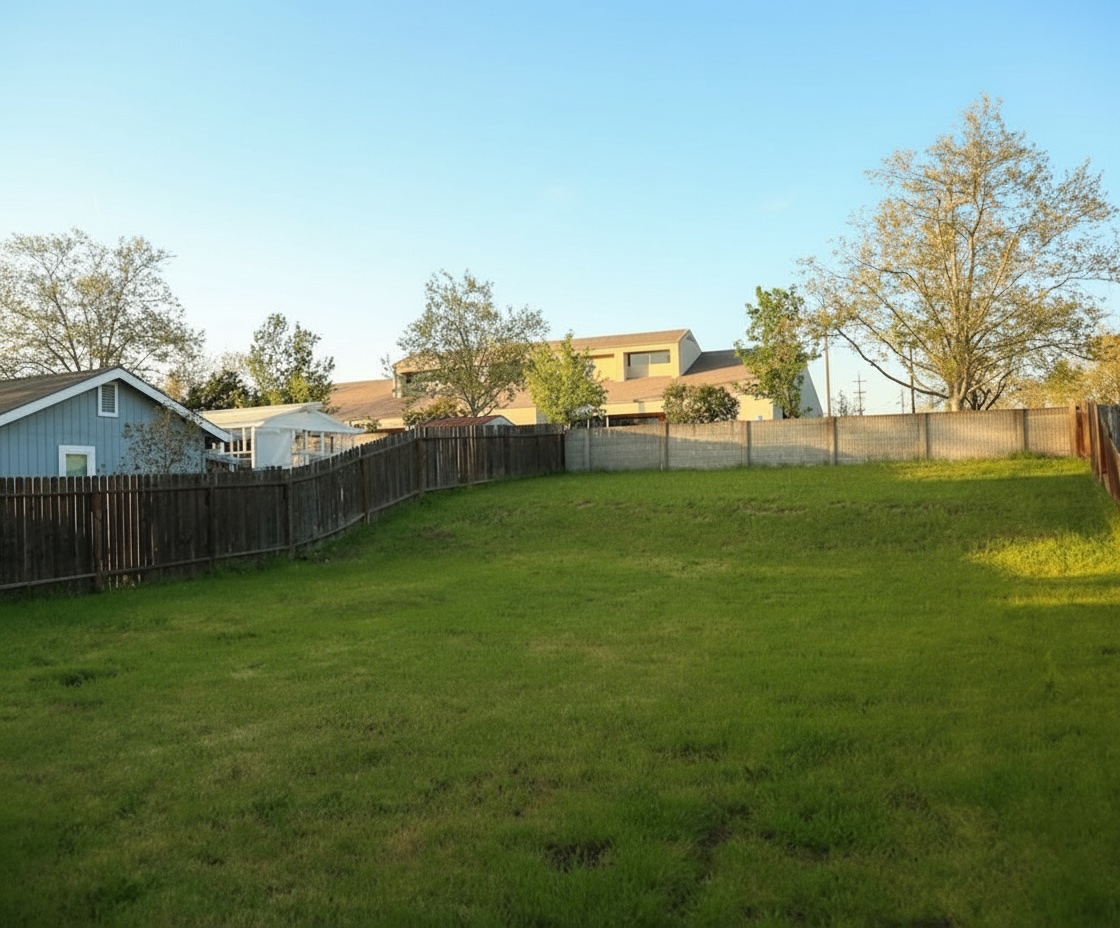
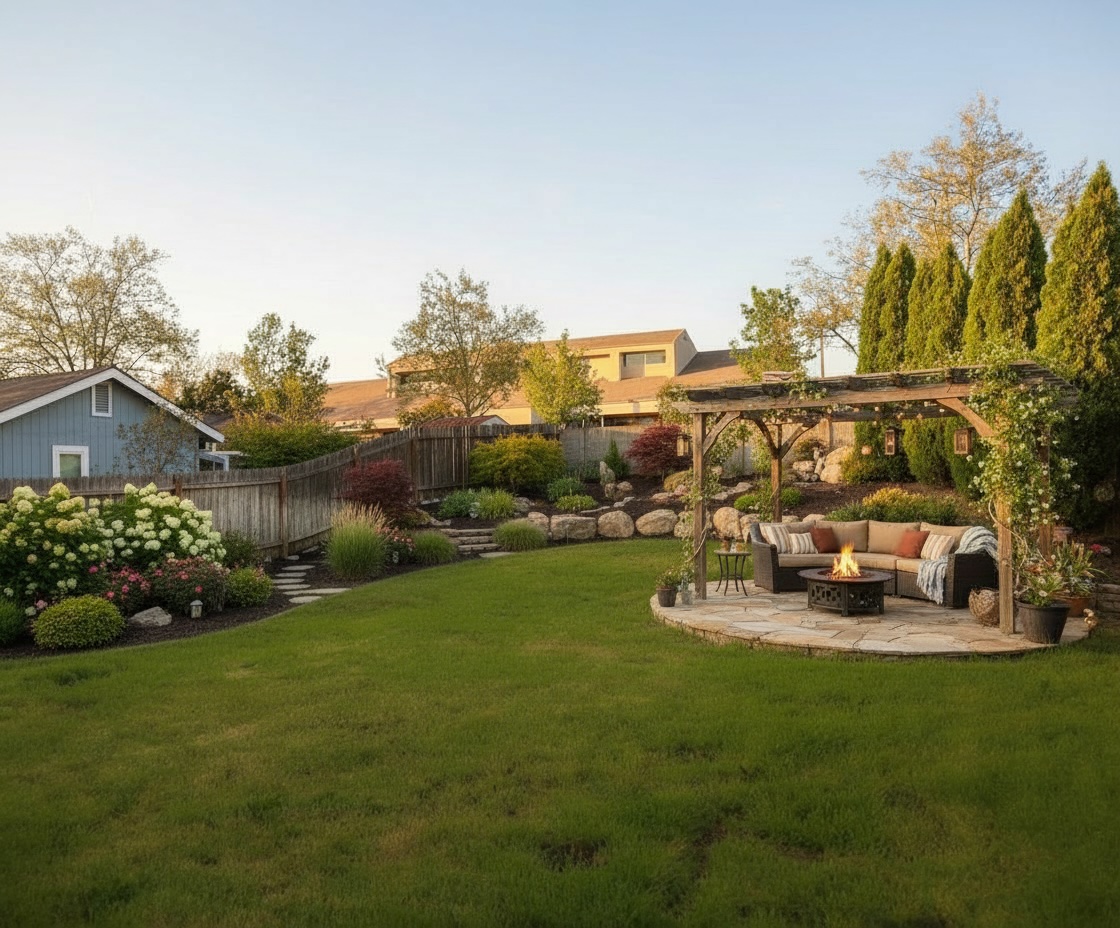
AI-generated image
Featured Trees & Shrubs for Modern/Minimalist Gardens
Browse all 153 plants for Norman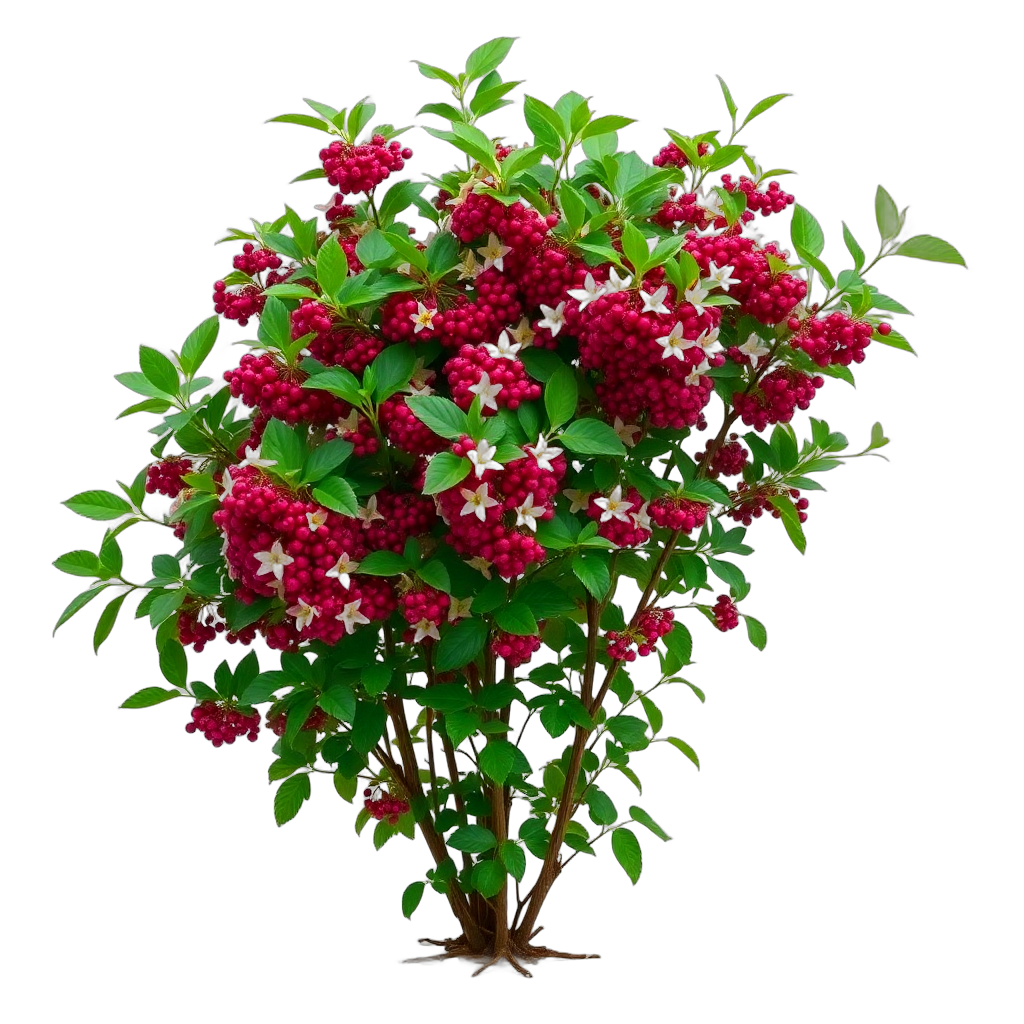
Clove Currant
Ribes odoratum
grows to 6 feet, yellow blooms in spring. Attracts hummingbirds.

Cabbage Palm
Sabal palmetto
reaches 40 feet tall, white,yellow blooms in spring. Pollinator-friendly.

Windmill Palm
Trachycarpus fortunei
reaches 20 feet tall, yellow blooms in spring. Pollinator-friendly.
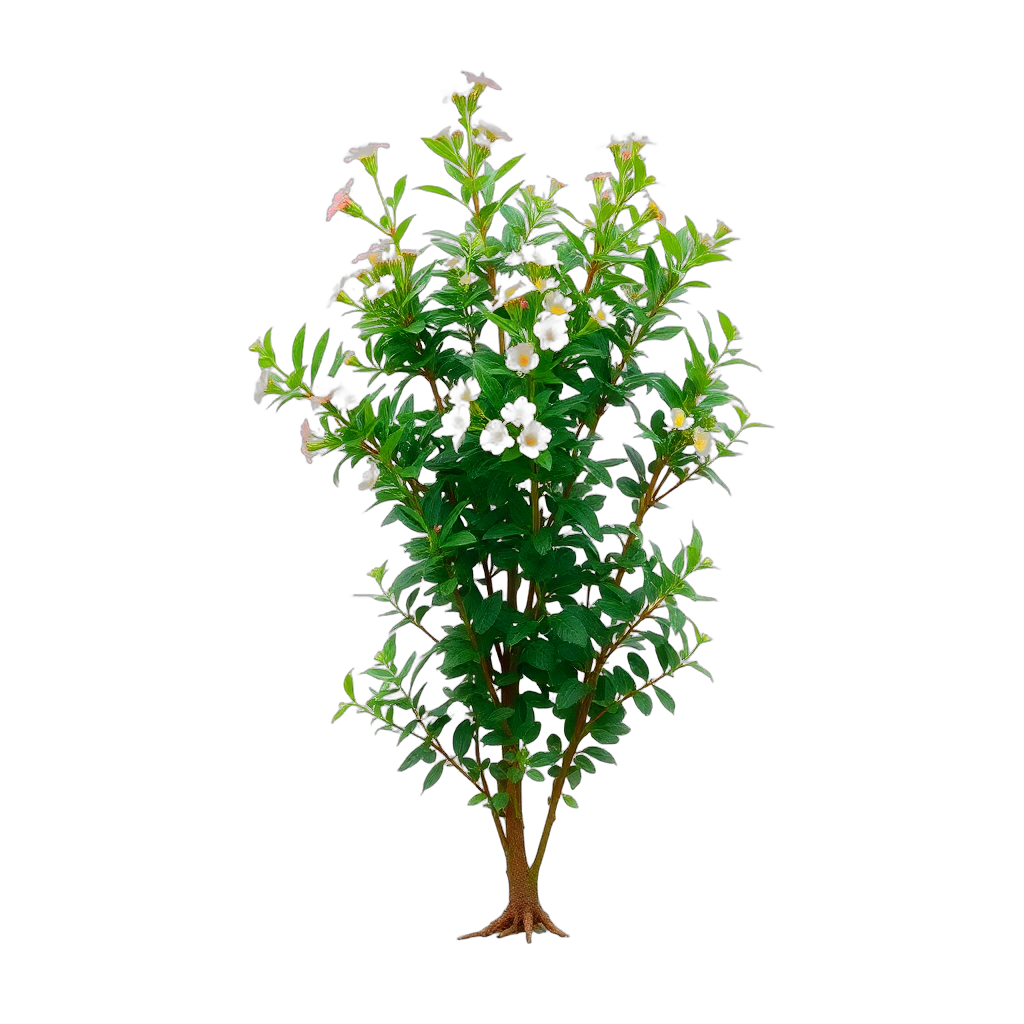
Abbotswood Potentilla
Potentilla fruticosa 'Abbotswood'
low-growing ground cover, white blooms in summer. Attracts butterflies.
Featured Grasses & Groundcovers for Modern/Minimalist Gardens

Sideoats Grama
Bouteloua curtipendula
low-growing ground cover, purple blooms in summer. Yellow fall color.
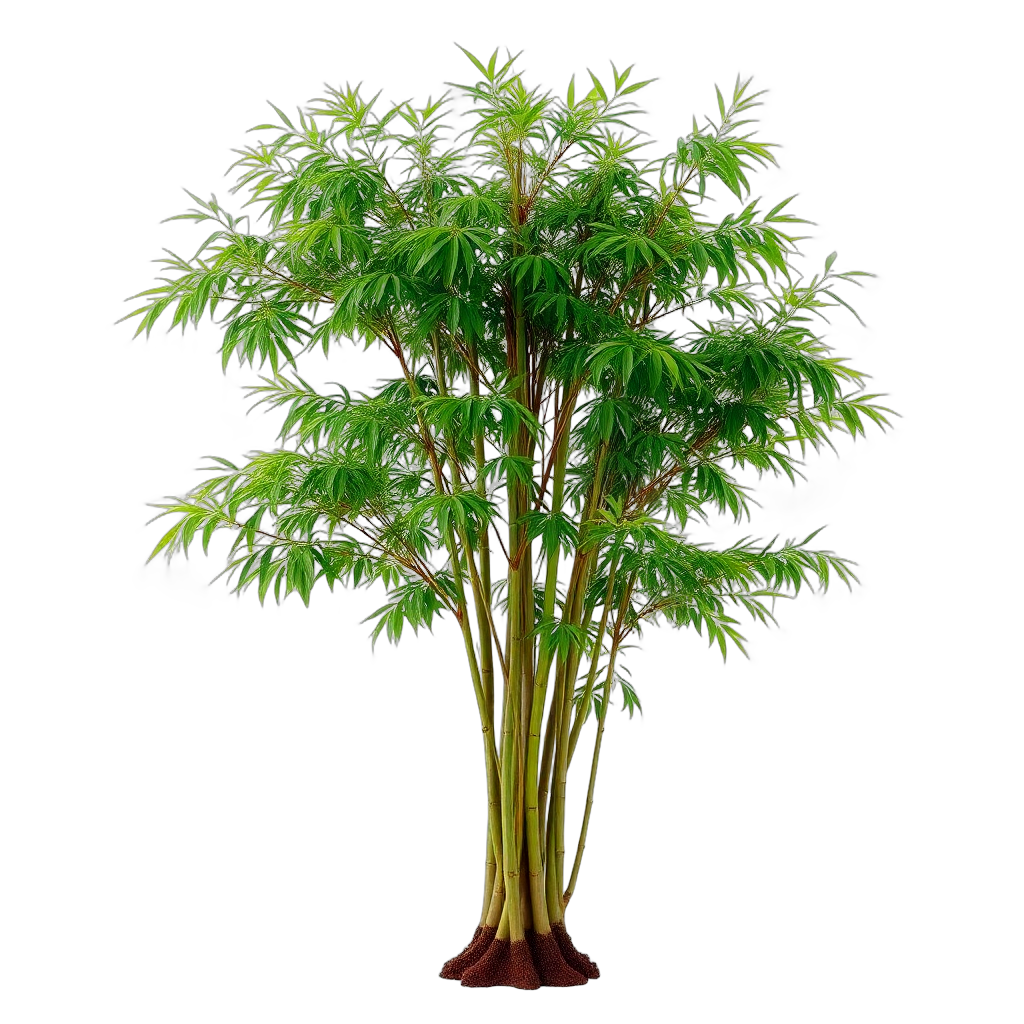
Arrow Bamboo
Pseudosasa japonica
medium-sized at 15 feet, blooms in none. Evergreen year-round.
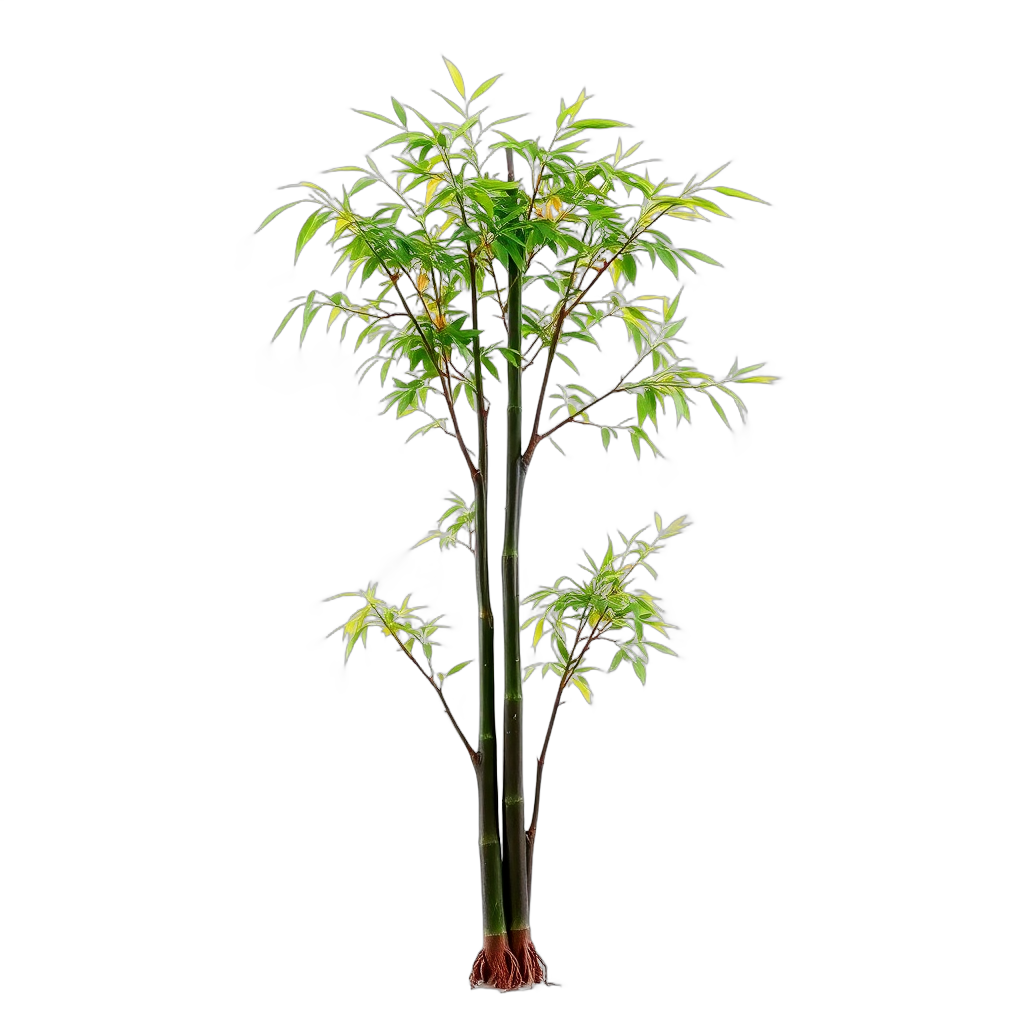
Black Bamboo
Phyllostachys nigra
reaches 25 feet tall, blooms in none. Evergreen year-round.
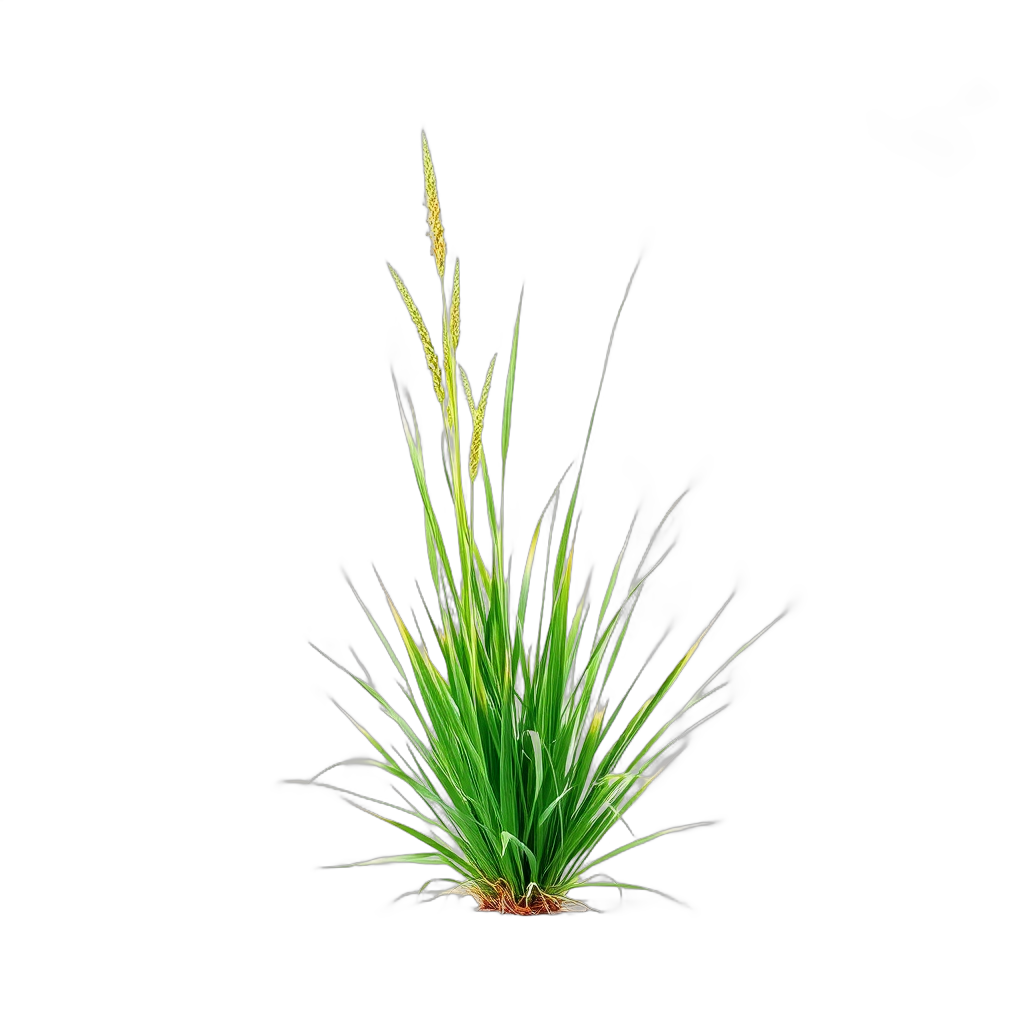
Bull Grass
Muhlenbergia emersleyi
grows to 4 feet, purple blooms in fall. Yellow fall color.
Featured Flowers & Perennials for Modern/Minimalist Gardens
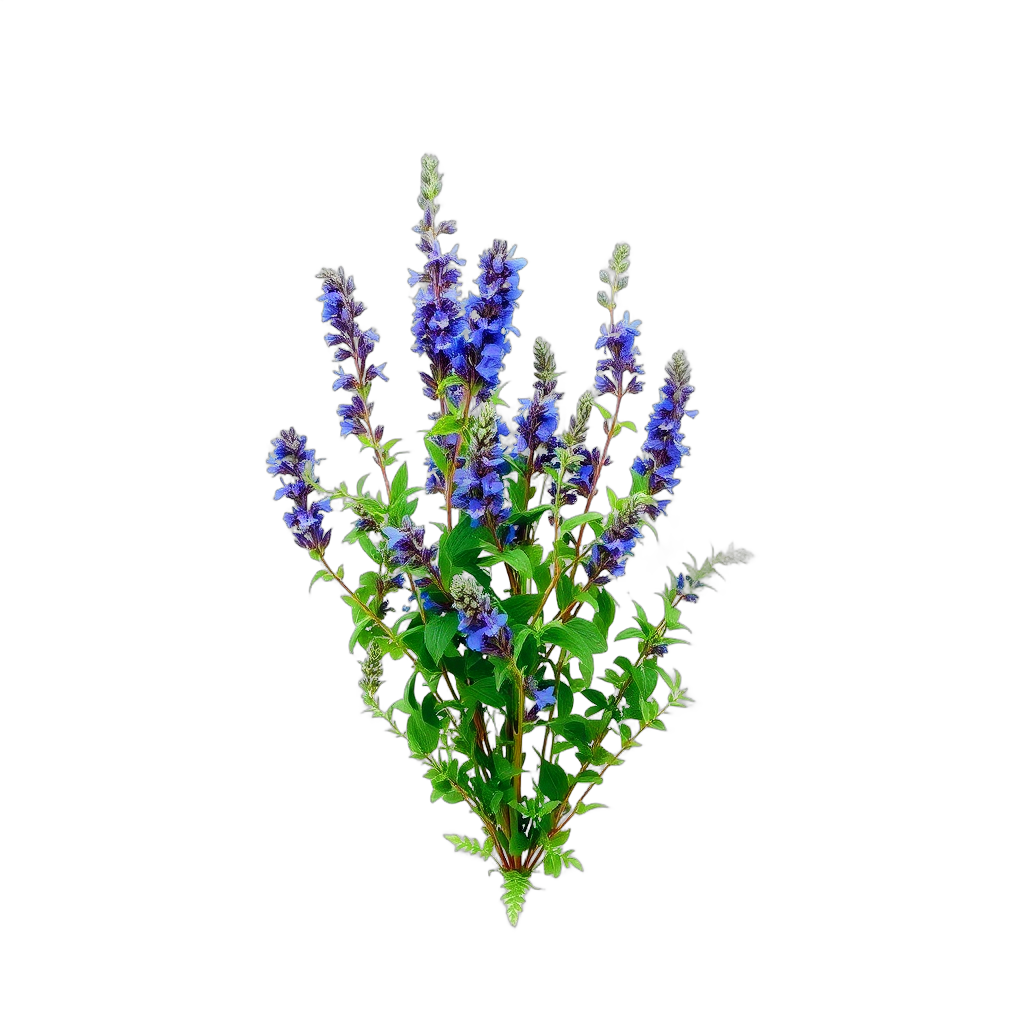
Azure Sage
Salvia azurea
grows to 4 feet, blue blooms in fall. Attracts hummingbirds.

Water Fern
Azolla filiculoides
low-growing ground cover, blooms in none. Red fall color.
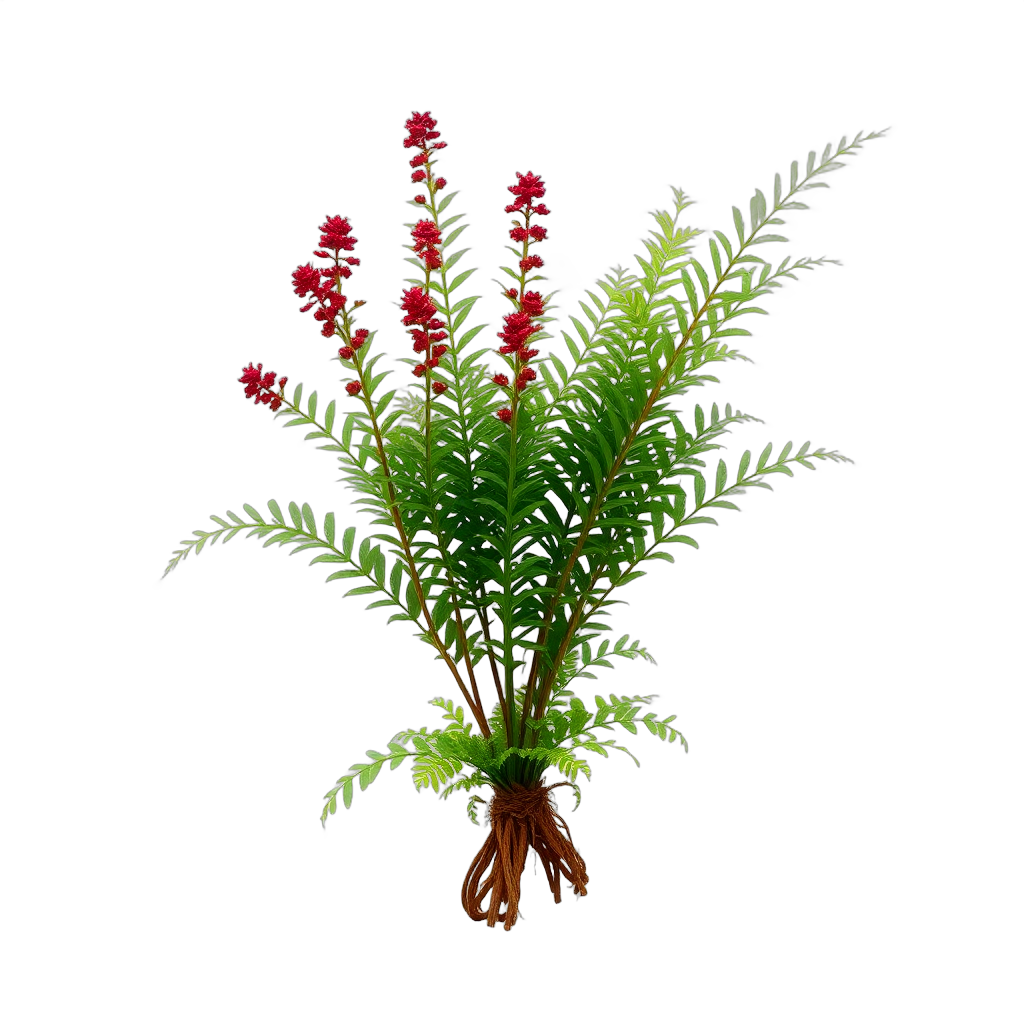
Holly Fern
Cyrtomium falcatum
low-growing ground cover, blooms in none. Evergreen year-round.
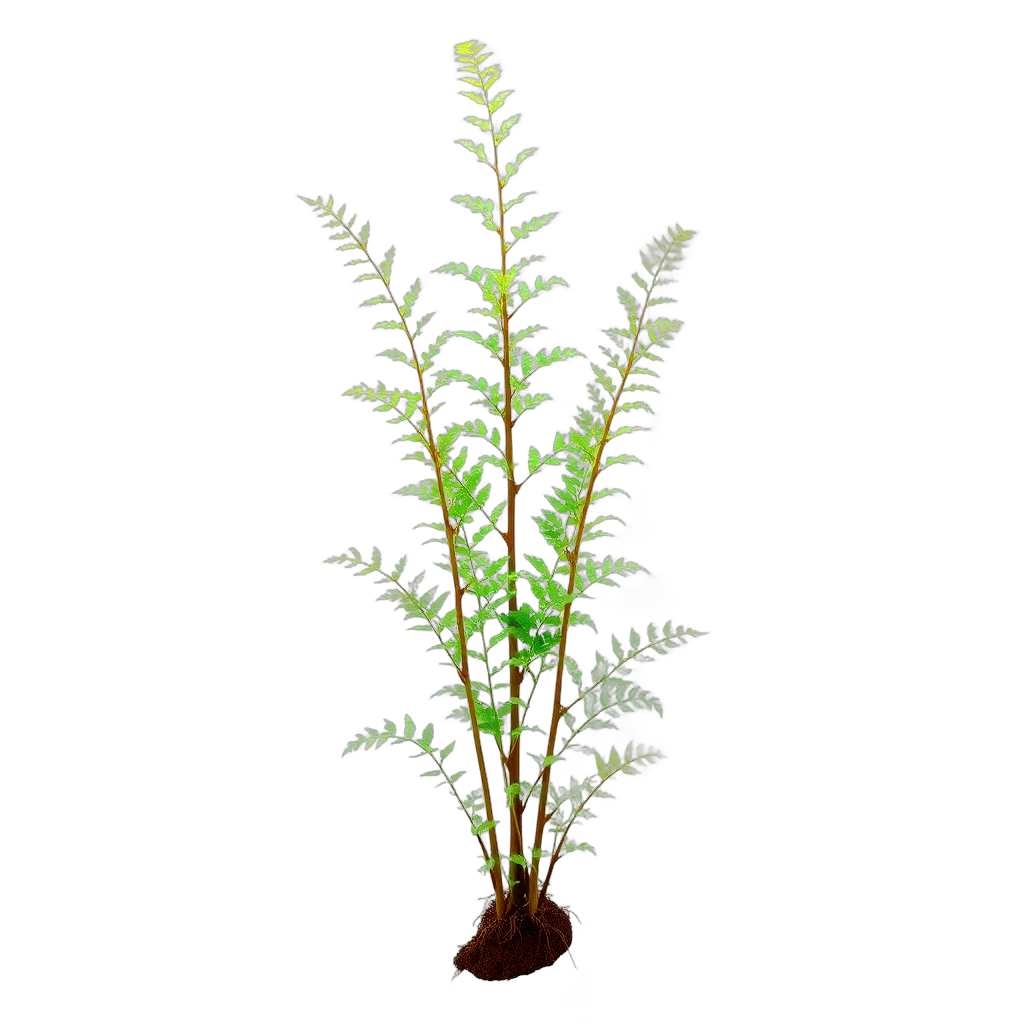
Lady Fern
Athyrium filix-femina
low-growing ground cover, blooms in none.
Zone and sun checks come from our database — confirm with your local nursery before you buy.
Bloom Calendar for Norman
spring
Clove Currant, Bishop's Cap, Bistortsummer
Sideoats Grama, Angel's Fishing Rod, Anise Sagefall
Azure Sage, Anise Sage, California Fuchsiawinter
Limited bloomsDesign Tips for Norman (Zone 7a)
- Plant Yucca rostrata, Hesperaloe and Agave parryi on gravel berms 8–12 inches high: Norman's red clay holds winter water, and wet roots kill them long before the cold does
- Use one grass per block, in big rectangles: Schizachyrium 'Standing Ovation' or Bouteloua 'Blonde Ambition' in a 10-foot band reads modern, while a mix of ten species reads like a meadow
- Set drip timers to your odd/even watering days and water grasses deeply in their first summer; after that, most of this palette lives on Norman's 37.7 inches of rain a year
- Shade the west side first: a steel pergola or a Pistacia chinensis on the west keeps a patio usable on the 69 days a year above 90°F
- Choose hail-proof materials: concrete, Corten and stone come through a spring storm unmarked, while glass, thin composites and shade sails do not
- Set pavers and slabs on 4 inches of compacted gravel, not on bare clay: the red clay swells when wet and shrinks when dry, and pavers laid straight on it tilt within a few seasons
- Cut warm-season grasses back in late February, before the new growth starts after the average last freeze around April 3, and leave the seed heads standing all winter for structure
Where to Source Plants in Norman
Skip the big-box stores. These independent Norman nurseries specialize in the plants that make modern/minimalist gardens thrive in Zone 7a.
The GreenHouse Inc.
Southwest Norman (24th Ave SW)
Women-owned local nursery for over 40 years, with landscape shrubs and trees, succulents, perennials, frost-proof pottery and indoor planters, plus delivery and landscaping help
Prairie Wind Nursery
Noble (east of Norman, Cross Timbers)
Home-grown plants suited to Oklahoma's climate: prairie grasses, native plants and wildflowers, succulents, ground covers, trees and shrubs
TLC Garden Centers
Oklahoma City (Memorial Road)
Oklahoma City nursery since 1980 with a large selection of shrubs, trees, perennials and grasses, many home-grown, plus professional tree planting
Modern/Minimalist Landscaping Costs in Norman
| Project Scope | Estimated Cost |
|---|---|
| Modern front yard: pavers in gravel, grass beds, steel edging (600–900 sqft) | $10,000 – $25,000 |
| Poured concrete patio with saw-cut joints (300–500 sqft) | $4,000 – $11,000 |
| Lawn-to-gravel and prairie grass conversion | $6 – $14/sqft |
| Corten steel planters, set and filled (pair) | $1,500 – $4,000 |
| Powder-coated steel pergola on concrete footings | $6,000 – $18,000 |
| Native meadow on acreage, seeded or plugged (per acre) | $3,000 – $12,000 |
| AI visualization (ProScapeAI) | Free to start |
Estimates based on Norman, OK-area contractor rates as of 2026. Actual costs vary by site conditions, materials, and contractor.
Norman Climate & Growing Zone
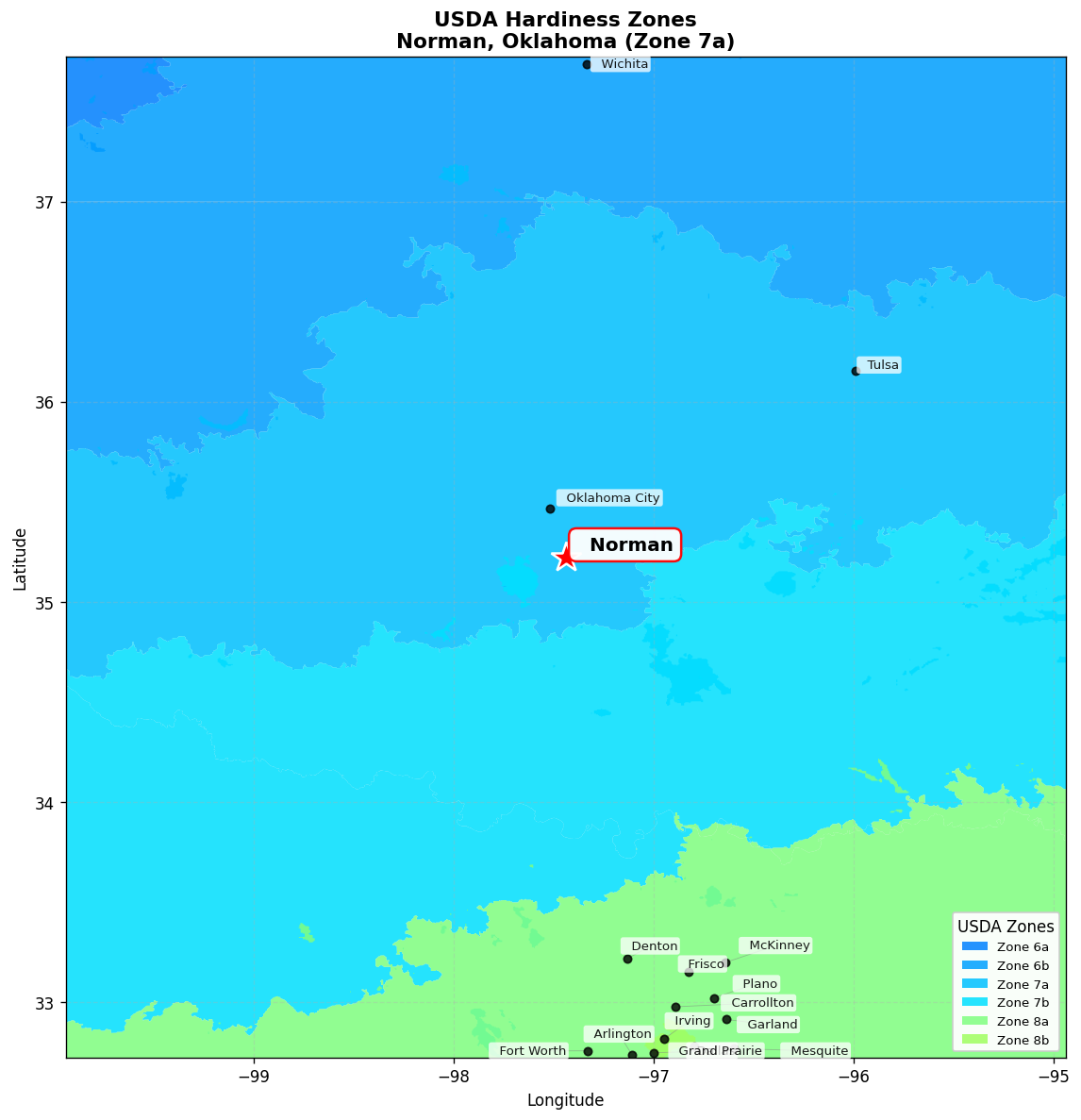
USDA Zone 7a
Hardiness zone for Norman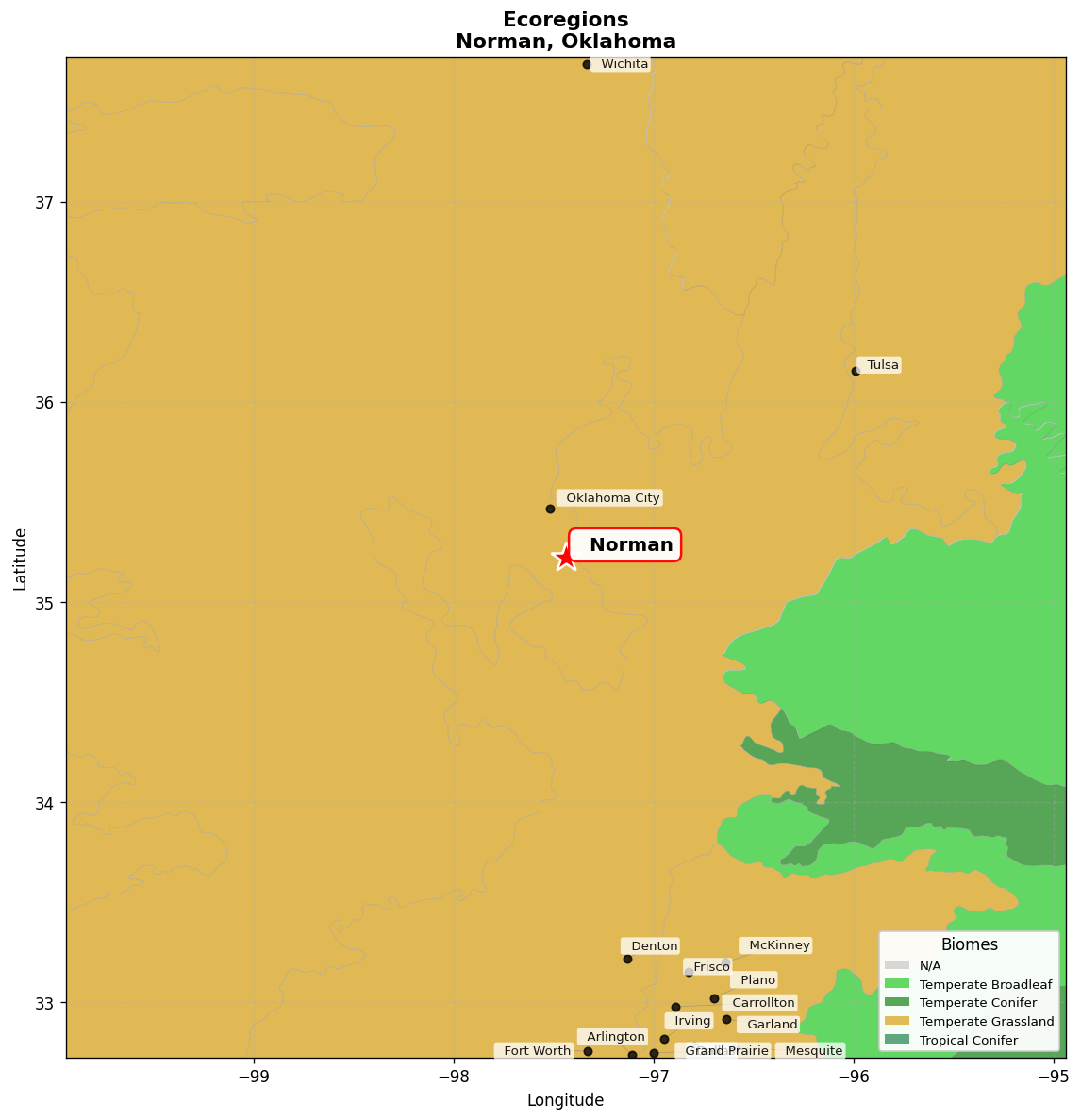
Central-Southern US mixed grasslands
Native ecoregionFrequently Asked Questions
How much does a modern landscape cost in Norman, OK?
A modern front yard with concrete pavers in gravel, steel edging and grass beds on a 600–900 sqft frontage usually runs $10,000–25,000 installed. Poured concrete patios with saw-cut joints run about $12–22 per square foot, Corten steel planters $600–2,000 each, and a steel pergola $6,000–18,000. Meadow conversions on acreage are far cheaper: seeding or plugging little bluestem and Sorghastrum 'Indian Steel' costs a few dollars per square foot.
Is a modern landscape low maintenance in Norman's climate?
It is one of the lowest-maintenance styles here once it is established. Cut Schizachyrium 'Standing Ovation', Panicum 'Northwind' and Bouteloua 'Blonde Ambition' to 4–6 inches in late February, top up gravel every few years, and pull weeds in spring. Yucca rostrata and Hesperaloe need almost nothing. Expect to water the grasses through their first summer, when about 69 days top 90°F, and then only in long dry spells.
When should I plant a modern landscape in Norman?
Warm-season grasses such as little bluestem, blue grama and switchgrass root best when planted from late April, after the average last freeze around April 3, through early June. Yuccas and Hesperaloe go in during late spring so they settle before winter. Fall, from late September to late October, works for shrubs and trees like Pistacia chinensis and Ilex 'Will Fleming'. Lay hardscape any time the ground is not soaked.
Are there watering rules or permits I should know about in Norman?
The City of Norman keeps an odd/even outdoor watering schedule all year: odd-numbered addresses water on odd calendar days and even-numbered addresses on even days, and the City can tighten rules during drought. A drip system on a smart timer makes this easy. For pergolas, retaining walls, large patios and driveway changes, check setbacks and permits with the City before you build, and in HOA subdivisions get the lawn-reduction plan approved before the sod comes out.
Which spiky plants survive a Norman winter?
Yucca rostrata, Hesperaloe parviflora 'Brakelights', Yucca filamentosa 'Color Guard', Opuntia ellisiana and Agave parryi are the reliable choices, as long as they sit in gravel or on a berm. Agave americana, Dasylirion wheeleri and most palms usually die in the cold, wet clay of a Norman winter when lows can drop toward 0°F. Wet clay kills more yuccas and agaves here than cold does, so drainage is the first thing to plan.
Which grasses look modern and handle Norman heat and drought?
Schizachyrium scoparium 'Standing Ovation' (little bluestem, upright and blue turning copper), Bouteloua gracilis 'Blonde Ambition' (blue grama with flag-like seed heads), Sporobolus heterolepis (prairie dropseed) and Panicum virgatum 'Northwind' (tall, stiff switchgrass) are all prairie grasses at home in central Oklahoma. Muhlenbergia capillaris gives a pink cloud in October. Avoid Mexican feather grass (Nassella tenuissima), which seeds itself everywhere.
How do I design a modern yard for Norman hail and wind?
Cleveland County averages five or more days a year of hail over an inch, so favor plants that recover fast or show no damage: grasses, yuccas and Hesperaloe come through fine. Choose concrete, steel and stone over glass or fragile composite, anchor pergolas into concrete footings, and use slatted pergola tops rather than shade sails that catch the south wind. Plant shade trees such as Pistacia chinensis well away from the house so storm limbs fall on lawn, not roof.