4 English Cottage Garden Ideas for Norman, OK | Heat-Proof Borders for Zone 7a
Native plants from the Central-Southern US mixed grasslands (Zone 7a) — Humid subtropical climate
Why Cottage/English Gardens in Norman?
Norman has more cottage-garden bones than most Plains cities. The brick and frame houses of the Miller Historic District and Chautauqua, the bungalows of Old Silk Stocking and the 1950s and 1960s ranches around Campus Corner all sit on modest lots with a porch facing the street, and that is the setting a cottage border wants: a gate, a path, a rose on a post and flowers spilling toward the sidewalk. On a 50-foot frontage a deep, layered border looks deliberate; across a bare acre on the east side it just looks thin, so the style suits the older core of town best.
The climate decides most of the plant list. Cleveland County averages 212 frost-free days, from a last freeze around April 3 to a first freeze around November 3. Winters are mild for Zone 7a (January lows average 27.7°F, with a rare plunge toward 0°F), but July and August highs average 92°F, with about 69 days a year above 90°F and roughly 10 above 100°F. Norman takes about 37.7 inches of rain a year, with May and June the wettest months, and late summer brings dry spells of two or three weeks between storms. That means the classic English list needs substitutes: Delphinium elatum and Lupinus 'Russell' hybrids collapse by July, so grow Salvia nemorosa 'May Night' for the blue spires and sow larkspur (Consolida ajacis) in October for the June cottage look. Hybrid teas sulk; the Earth-Kind roses carry the border instead, led by Rosa 'Belinda's Dream', Rosa 'Knock Out' and Rosa 'New Dawn' on the arbour.
Soil splits the city. West of I-35 most yards sit on reddish clay loam over Permian red beds, slow to drain in spring and hard as brick by August; east toward Lake Thunderbird the Cross Timbers soils are sandier and leaner under post oak and blackjack oak. Many red-clay yards test near neutral or slightly alkaline, so do a soil test through OSU Extension before you lime anything, because lavender wants pH 6.5–7.5 while hydrangeas and azaleas want it lower. Either way, raise beds 6–8 inches and work in compost and expanded shale; Lavandula × intermedia 'Phenomenal' and Nepeta 'Walker's Low' die of wet crowns in a May downpour far more often than of cold.
Two more local facts shape the plan. Norman observes an odd/even outdoor watering schedule all year (odd-numbered addresses water on odd calendar days, even on even), so put the border on drip and choose plants that shrug off a skipped day in July: Echinacea purpurea 'Magnus', Rudbeckia fulgida 'Goldsturm', Gaillardia 'Arizona Sun' and the native winecup, Callirhoe involucrata. And the south wind (Norman records a south wind about 18% of the time) dries foliage fast but flattens tall stems, so stake hollyhocks and put the tallest plants on the north side of the bed, sheltered by the house or a fence.
4 Cottage/English Design Ideas for Norman

AI-generated image
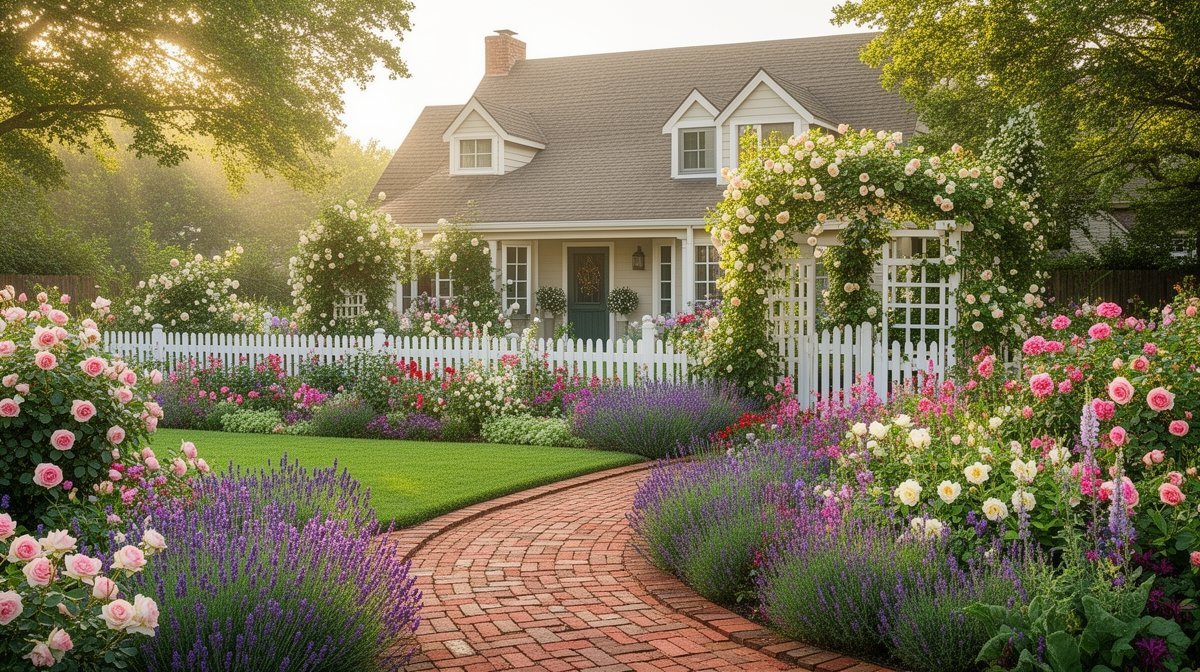
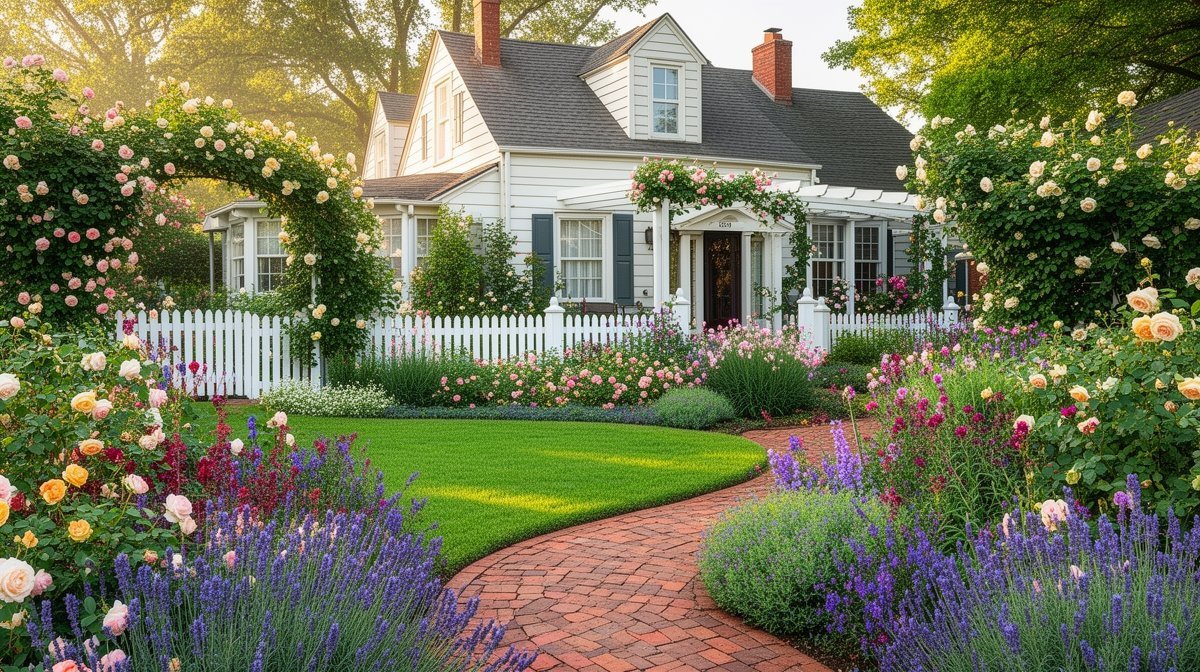
The Picket Gate Rose Walk
$20–38/sqftA white picket fence runs the front of a 1920s brick bungalow with a deep porch, and a cedar arbour over the gate carries a pale pink climbing rose. A curved path of reclaimed red brick runs to the steps between borders of lavender, catmint and pink shrub roses, with a pair of clipped yaupon balls at the gate posts. The house faces north, so the beds along the fence get full afternoon sun and the porch stays shaded for July evenings.

AI-generated image
The Prairie Cottage Border
$12–24/sqftA long border in front of a 1960s brick ranch mixes English cottage habits with Oklahoma plants that never need babying: coneflowers, black-eyed Susans and Indian blanket weave between drifts of pink gaura and silver yarrow, with a redbud at the corner of the house. A gravel strip with stepping stones runs through the middle so the border can be weeded without walking on wet clay. The bed faces south and takes the full afternoon sun, which these plants want.

AI-generated image
The Shaded Porch Garden
$18–34/sqftUnder the canopy of a big pecan or post oak, a frame foursquare near campus gets a cooler cottage scheme: white hydrangeas, ferns and hostas along the foundation, a flagstone path to a side gate, and pots of annuals on the porch steps. A strip of sun along the driveway carries the roses and phlox. In a 100°F week that shade is worth keeping, so the planting is built around it.

AI-generated image
The Brick Patio Cutting Garden
$25–45/sqftBehind a brick ranch, a small square patio of red brick in a herringbone pattern sits inside four raised beds edged in timber, each packed with flowers for cutting: zinnias, roses, salvias and larkspur in spring. A cedar obelisk in each bed holds a clematis, and a crape myrtle in the corner throws light shade on the bistro table by 4 p.m. Raised beds solve the clay problem and keep roots dry through the May storms.
See how a cottage/english garden looks on YOUR property
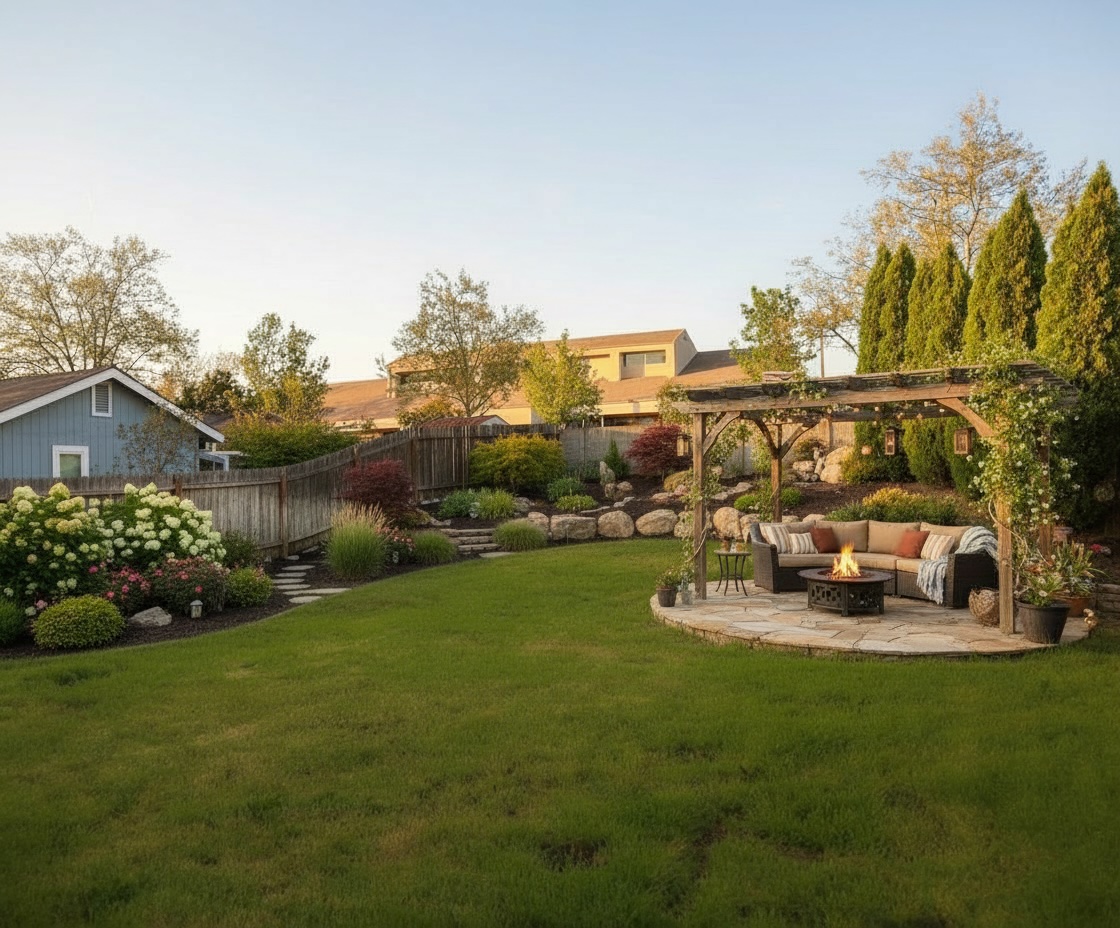
Upload a photo of your Norman yard and visualize your dream garden in seconds.
Try ProScapeAI Free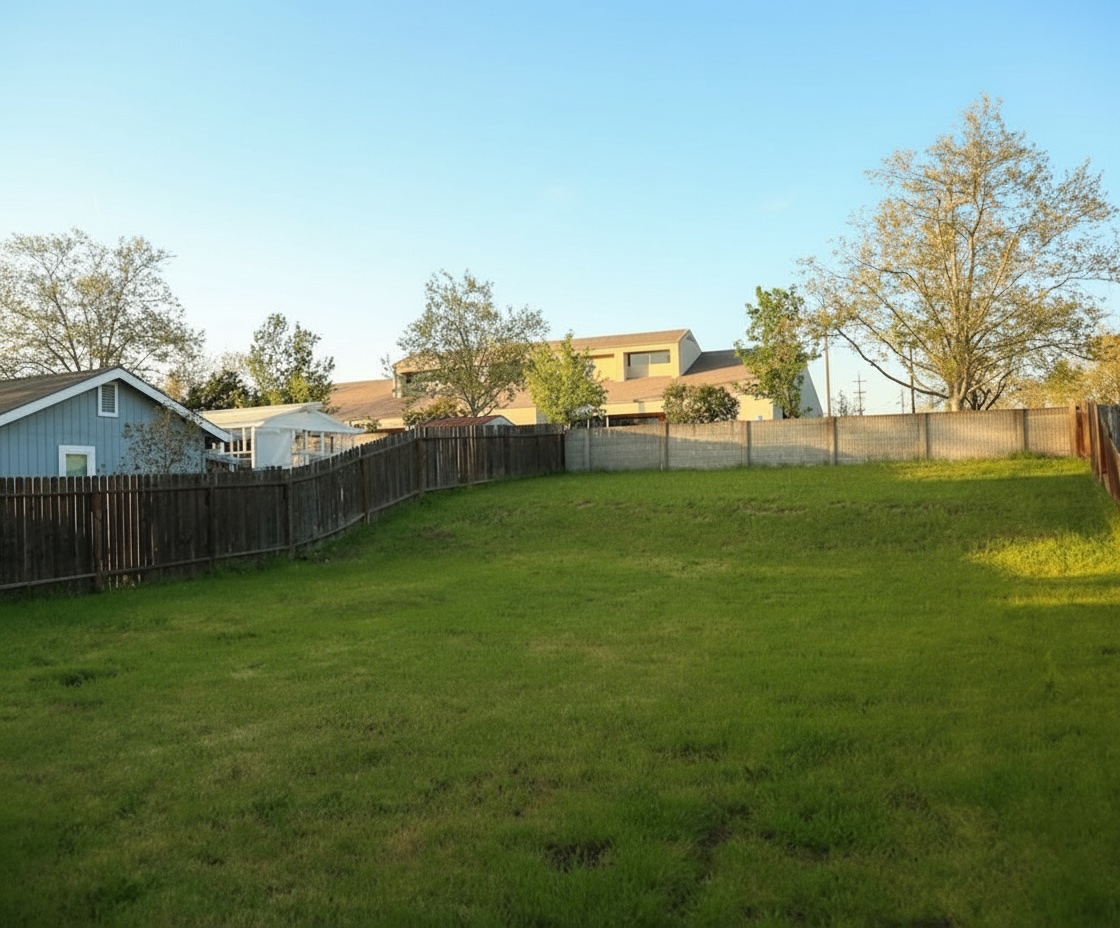
AI-generated image
Featured Trees & Shrubs for Cottage/English Gardens
Browse all 153 plants for Norman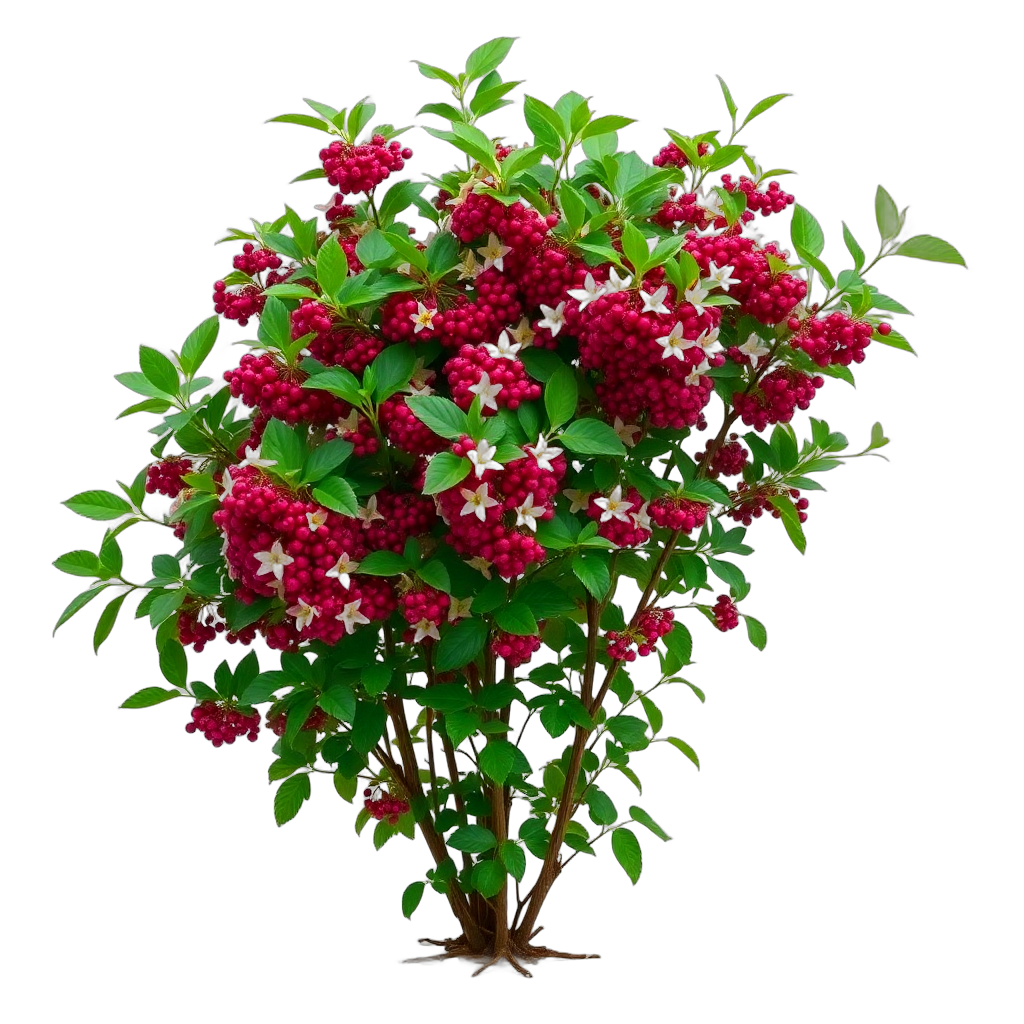
Clove Currant
Ribes odoratum
grows to 6 feet, yellow blooms in spring. Attracts hummingbirds.

Cabbage Palm
Sabal palmetto
reaches 40 feet tall, white,yellow blooms in spring. Pollinator-friendly.

Windmill Palm
Trachycarpus fortunei
reaches 20 feet tall, yellow blooms in spring. Pollinator-friendly.
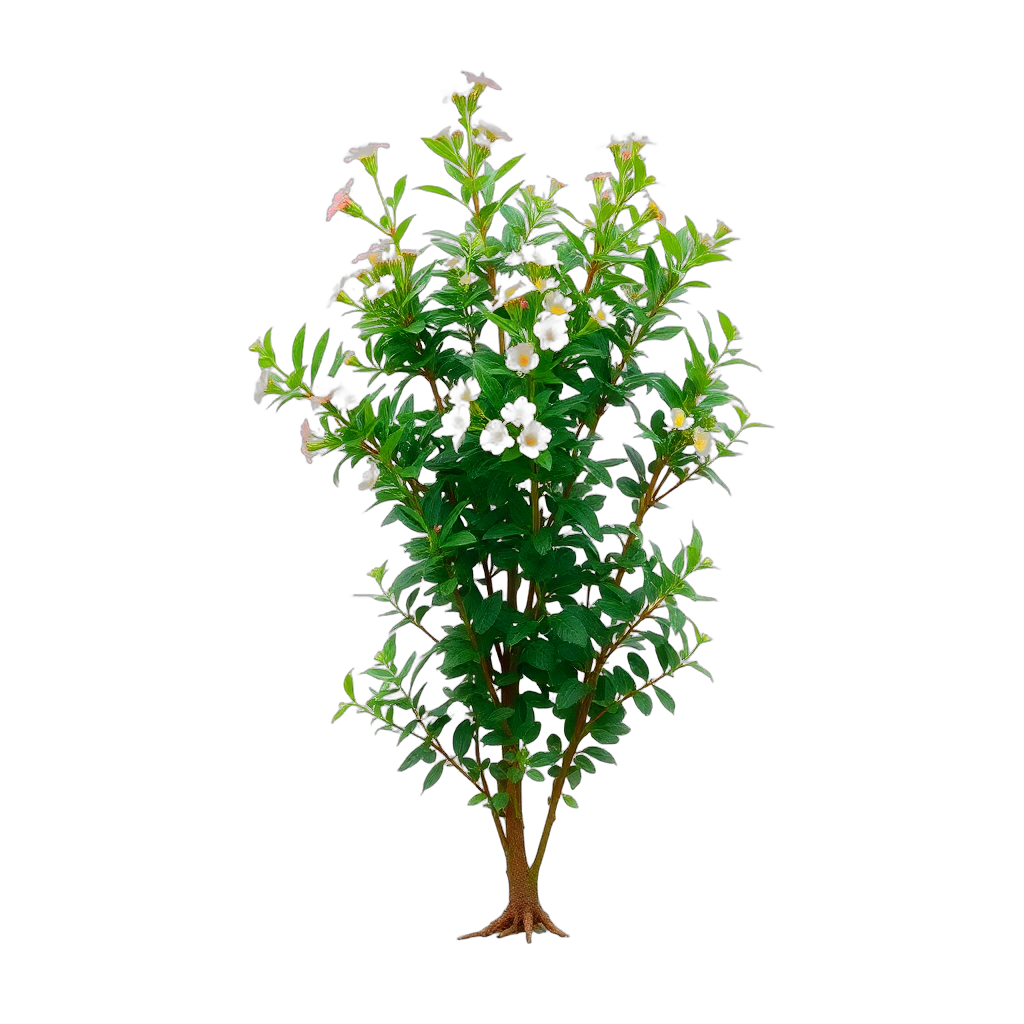
Abbotswood Potentilla
Potentilla fruticosa 'Abbotswood'
low-growing ground cover, white blooms in summer. Attracts butterflies.
Featured Grasses & Groundcovers for Cottage/English Gardens

Sideoats Grama
Bouteloua curtipendula
low-growing ground cover, purple blooms in summer. Yellow fall color.

Arrow Bamboo
Pseudosasa japonica
medium-sized at 15 feet, blooms in none. Evergreen year-round.
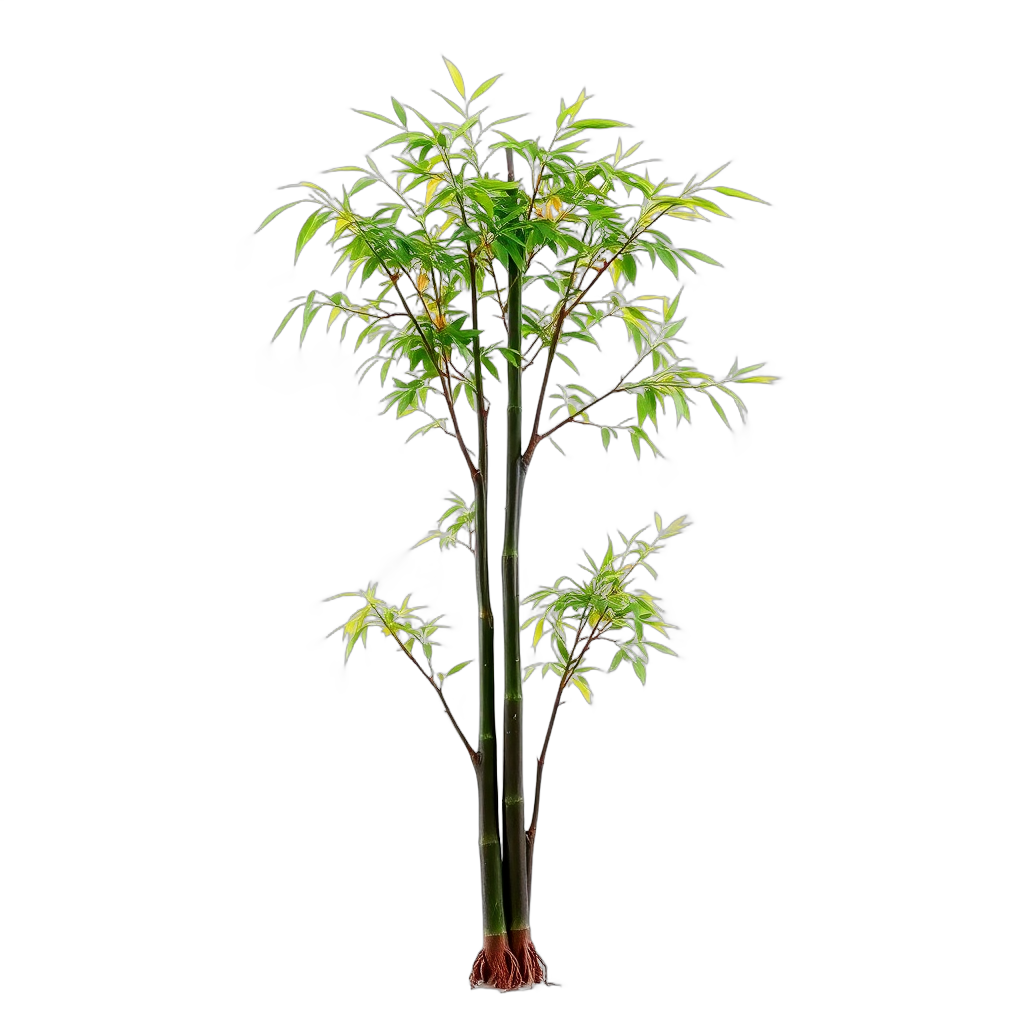
Black Bamboo
Phyllostachys nigra
reaches 25 feet tall, blooms in none. Evergreen year-round.
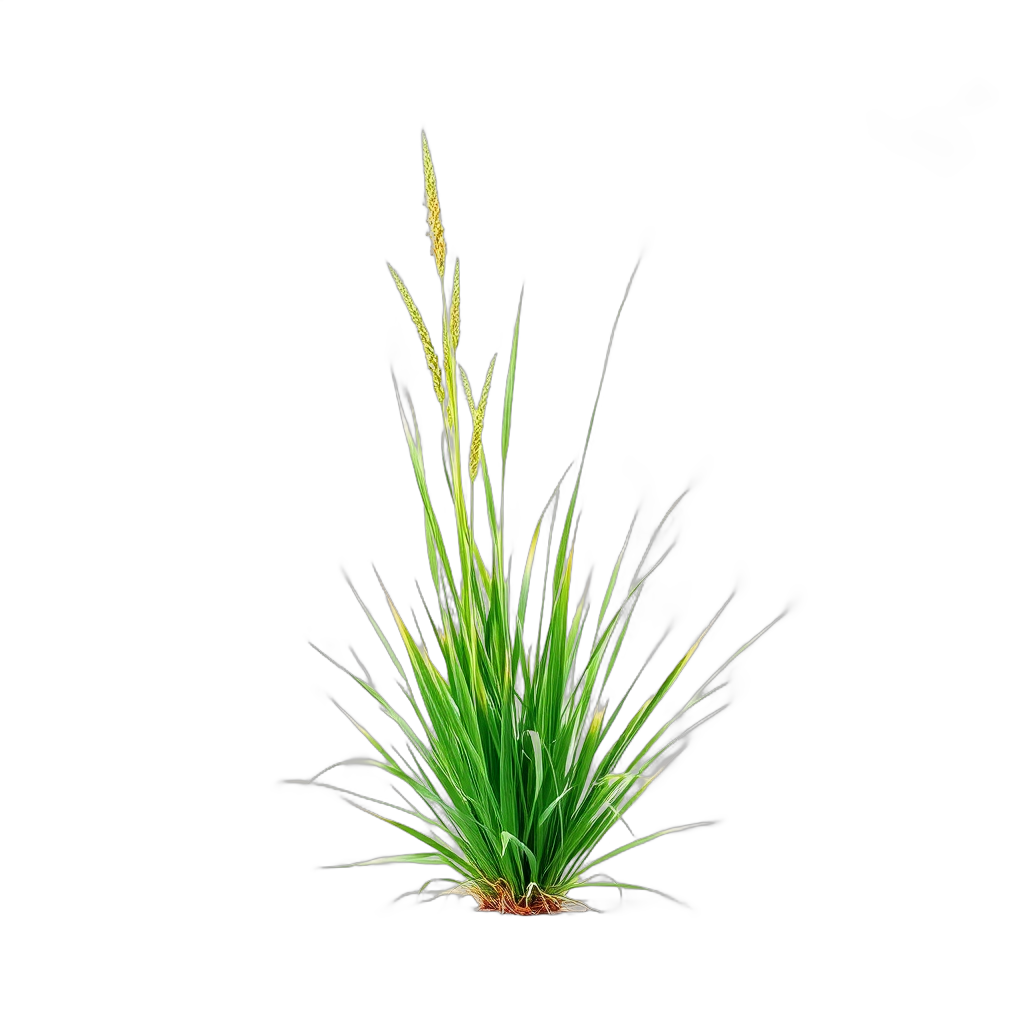
Bull Grass
Muhlenbergia emersleyi
grows to 4 feet, purple blooms in fall. Yellow fall color.
Featured Flowers & Perennials for Cottage/English Gardens
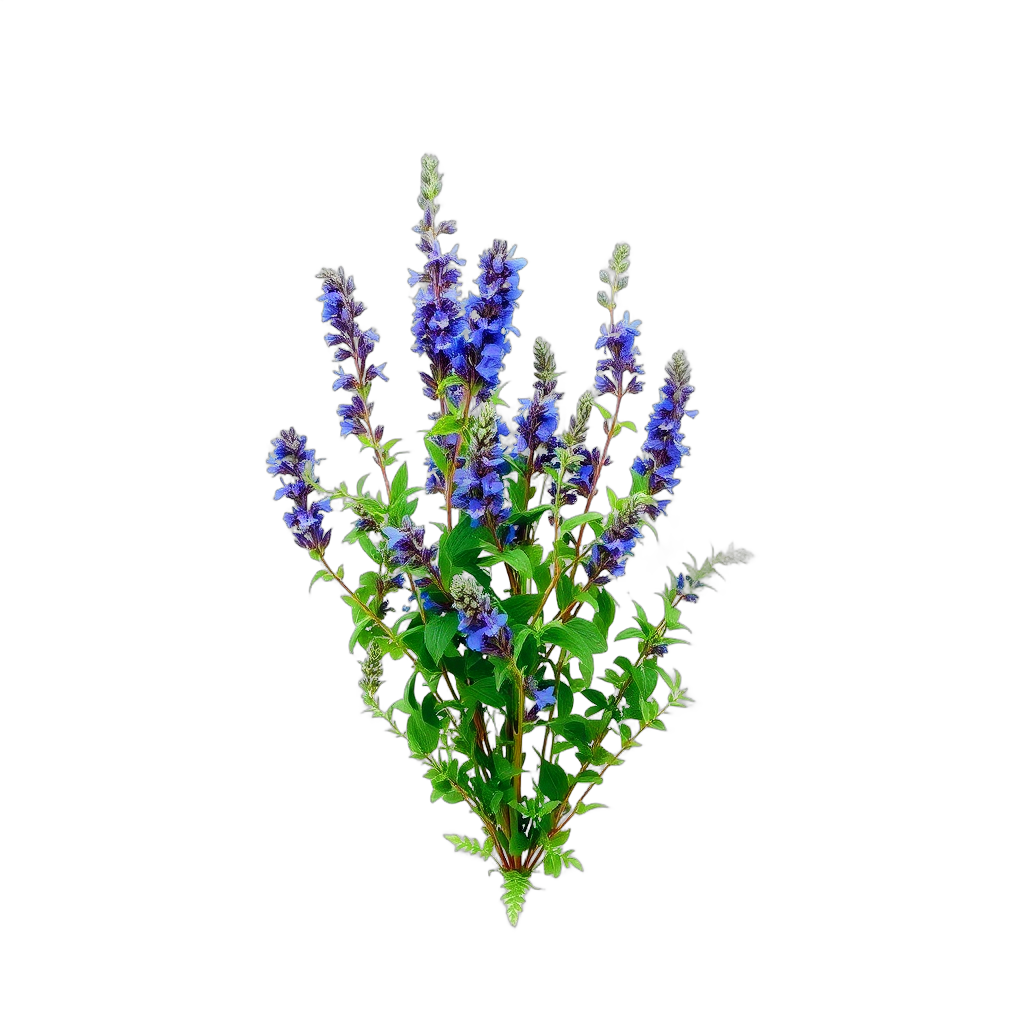
Azure Sage
Salvia azurea
grows to 4 feet, blue blooms in fall. Attracts hummingbirds.

Water Fern
Azolla filiculoides
low-growing ground cover, blooms in none. Red fall color.
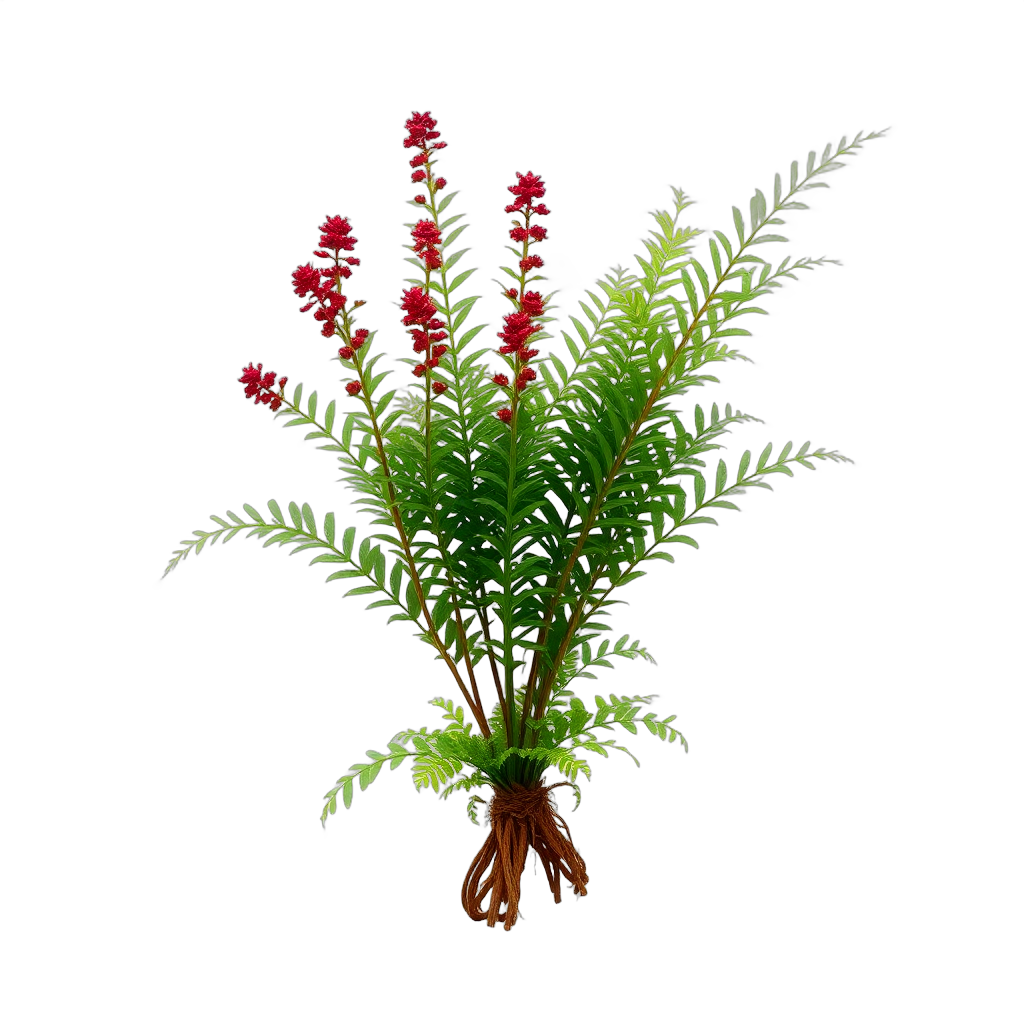
Holly Fern
Cyrtomium falcatum
low-growing ground cover, blooms in none. Evergreen year-round.
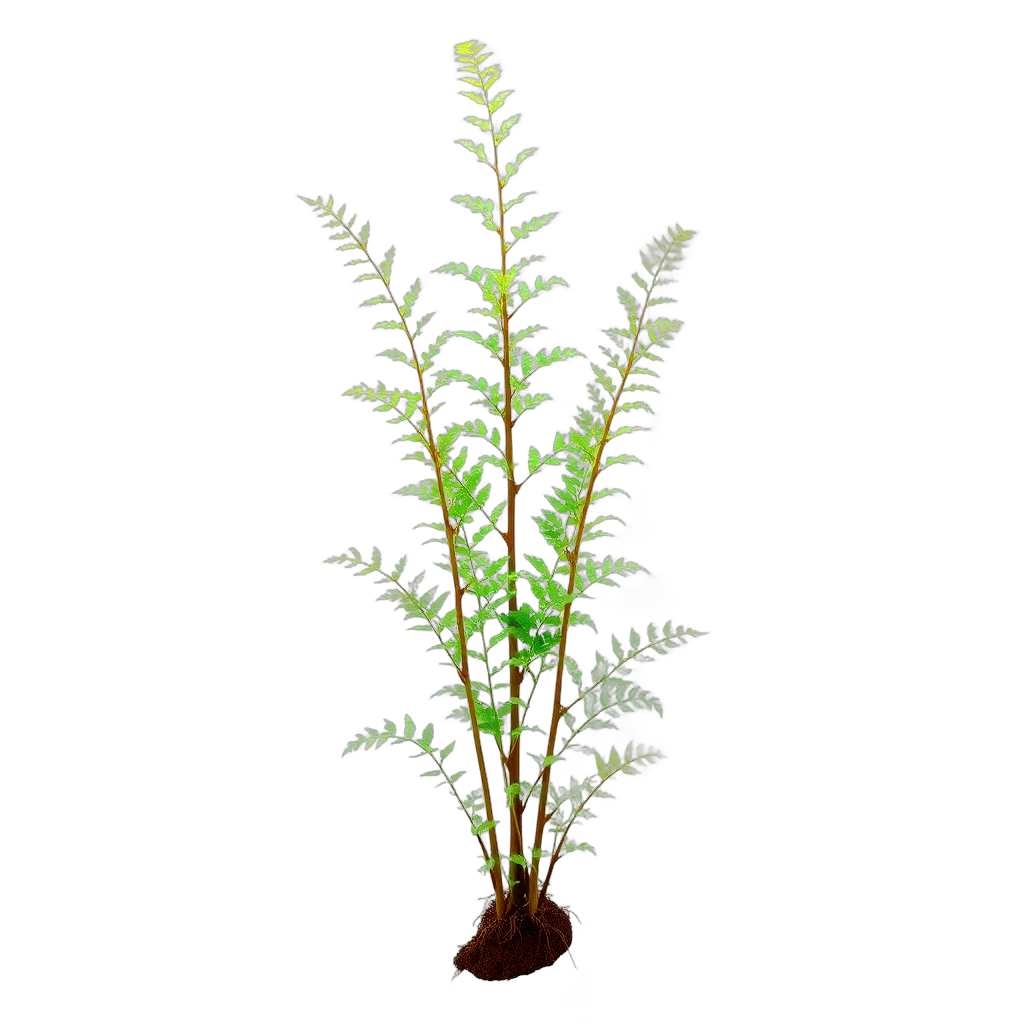
Lady Fern
Athyrium filix-femina
low-growing ground cover, blooms in none.
Zone and sun checks come from our database — confirm with your local nursery before you buy.
Bloom Calendar for Norman
spring
Clove Currant, Bishop's Cap, Bistortsummer
Sideoats Grama, Angel's Fishing Rod, Anise Sagefall
Azure Sage, Anise Sage, California Fuchsiawinter
Limited bloomsDesign Tips for Norman (Zone 7a)
- Raise every border 6–8 inches above Norman's red clay and mix in compost and expanded shale: Lavandula 'Phenomenal' and roses die of wet crowns after a 5-inch May far more often than from cold
- Set drip timers to your odd/even watering days and water before 9 a.m.; a deep soak every other day beats a daily sprinkle when July highs average 92°F
- Swap delphiniums for Salvia nemorosa 'May Night' and fall-sown larkspur, and swap English boxwood for Ilex vomitoria 'Bordeaux': same cottage look, plants that last through an Oklahoma August
- Plant the tallest layer on the north side of each bed so the house or fence blocks the prevailing south wind, and stake hollyhocks and zinnias by mid-May before the storm season
- Do the big planting in fall, between late September and early November: Norman's first freeze averages November 3, giving roots several weeks of warm soil before winter
- Set brick paths on 4 inches of compacted gravel even though Norman's frost depth is shallow by Plains standards: the red clay swells when wet and shrinks in August, and bricks laid on bare soil heave within a few seasons
- Mulch 3 inches deep with shredded cedar or pine bark and keep it off rose and lavender stems; it holds moisture through the dry late-summer stretch and keeps the clay from cracking
Where to Source Plants in Norman
Skip the big-box stores. These independent Norman nurseries specialize in the plants that make cottage/english gardens thrive in Zone 7a.
The GreenHouse Inc.
Southwest Norman (24th Ave SW)
Women-owned local nursery for over 40 years, with landscape shrubs and trees, annuals and perennials, houseplants and frost-proof pottery, plus delivery and landscaping help
Prairie Wind Nursery
Noble (east of Norman, Cross Timbers)
Home-grown, hardy plants suited to Oklahoma: natives and wildflowers, pollinator plants, prairie grasses, perennials, culinary herbs, trees and shrubs
TLC Garden Centers
Oklahoma City (Memorial Road)
Oklahoma City nursery since 1980 with a large selection of annuals, perennials, shrubs and trees, many home-grown, plus free bed design consultations
Cottage/English Landscaping Costs in Norman
| Project Scope | Estimated Cost |
|---|---|
| Front cottage border with brick path and gate arbour (400–600 sqft) | $8,000 – $20,000 |
| Red brick walkway on a compacted base (150–250 sqft) | $3,000 – $8,500 |
| Sandstone flagstone patio (250–400 sqft) | $5,500 – $16,000 |
| Raised cedar cutting beds with drip (four beds) | $2,500 – $6,500 |
| Cedar arbour or pergola with climbing roses | $1,500 – $9,000 |
| Full back cottage garden: patio, beds, arbour, irrigation | $25,000 – $65,000 |
| AI visualization (ProScapeAI) | Free to start |
Estimates based on Norman, OK-area contractor rates as of 2026. Actual costs vary by site conditions, materials, and contractor.
Norman Climate & Growing Zone
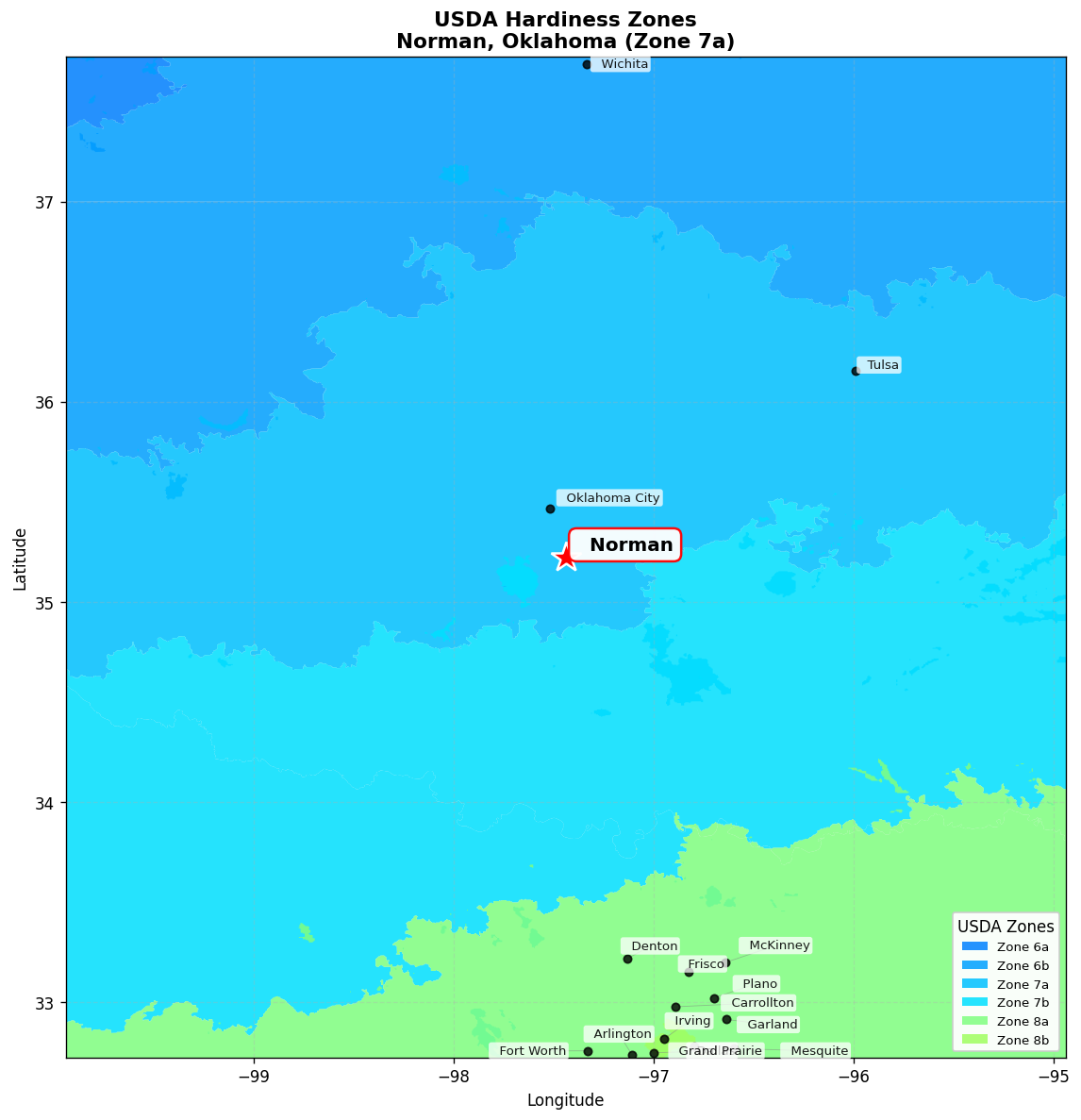
USDA Zone 7a
Hardiness zone for Norman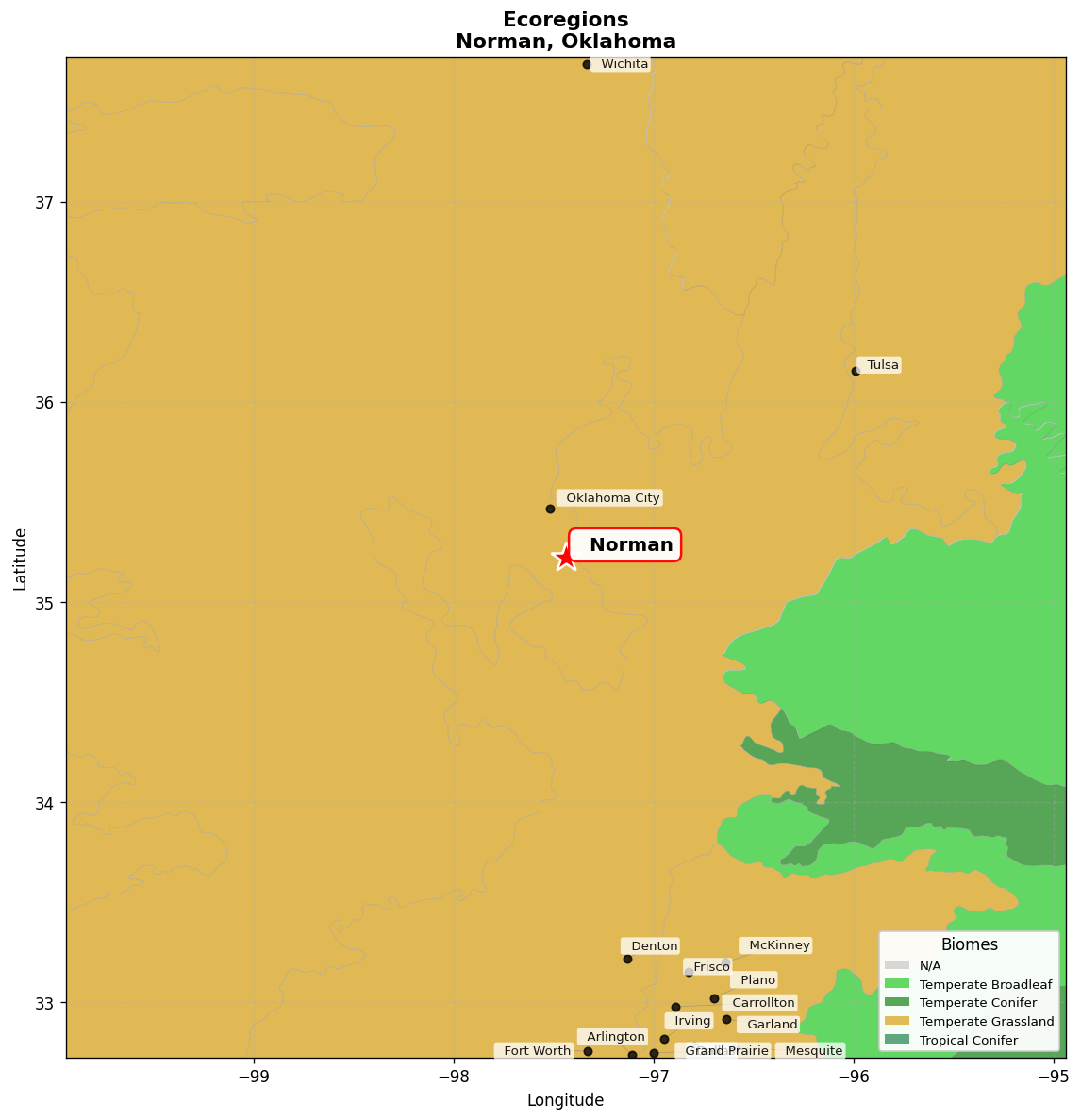
Central-Southern US mixed grasslands
Native ecoregionFrequently Asked Questions
How much does a cottage garden cost in Norman, OK?
A planted front border with a brick path and a gate arbour on a typical 400–600 sqft bungalow frontage usually runs $8,000–20,000 installed. Red brick walks land around $20–35 per square foot on a proper base, sandstone flagstone patios around $22–40 per square foot, and a cedar arbour with a climbing rose such as Rosa 'New Dawn' runs $1,500–4,500. If you build the beds yourself and buy Rosa 'Belinda's Dream' and Salvia 'May Night' in one-gallon pots, a full border comes in under $10 per square foot.
Which English cottage plants fail in Norman, and what replaces them?
Delphinium elatum, Lupinus 'Russell' hybrids and most hybrid tea roses give up in a 92°F July. Use Salvia nemorosa 'May Night' or Salvia 'Caradonna' for blue spires, sow larkspur (Consolida ajacis) in October for spring height, and build the rose layer from Earth-Kind roses such as Rosa 'Belinda's Dream' and Rosa 'Knock Out'. English boxwood edging struggles in heat and alkaline clay; Ilex vomitoria 'Bordeaux' clips to the same tidy ball. Foxglove (Digitalis purpurea 'Camelot') works best treated as a spring annual you replant each fall.
Is a cottage garden low maintenance in Norman's climate?
Not fully, but it can be close. Plan on deadheading roses and coneflowers through June, cutting catmint and Lavandula 'Phenomenal' back by a third after the first bloom, and one big cleanup in late February. The heavy work here is watering in July and August, when rain can stop for weeks, so drip irrigation and 3 inches of mulch matter more than anything else. Natives such as Echinacea 'Magnus', Gaillardia pulchella and Callirhoe involucrata take that dry spell with no help.
When should I plant a cottage garden in Norman?
Fall is best: plant perennials and shrubs from late September through early November, when the soil is still warm and the roots grow all winter before the heat. Spring is the second window, from the average last freeze around April 3 through mid-May. Sow larkspur and poppies in October, plant bare-root roses in February and March, and avoid starting anything new in July and August, when about 69 days a year top 90°F.
Are there watering rules or permits for garden work in Norman?
Yes on water: the City of Norman keeps an odd/even outdoor watering schedule all year, so odd-numbered addresses water on odd calendar days and even-numbered addresses on even days, and the City can add tighter restrictions during droughts. Set drip timers to match. For fences, retaining walls and new patios, check setbacks and permit needs with the City before you build, and if you live in a historic district such as Miller or Chautauqua, ask the City whether changes visible from the street need a review first.
What survives Norman's summer heat and its winter cold?
The safest cottage plants here handle both 100°F afternoons and the odd night near 0°F: Rosa 'Belinda's Dream', Nepeta 'Walker's Low', Salvia greggii 'Furman's Red', Achillea 'Moonshine', Rudbeckia 'Goldsturm', Phlox paniculata 'Jeana' and Lagerstroemia 'Natchez' for a small tree. Cercis canadensis 'Oklahoma', a redbud selected in the state, gives the border a spring show and a glossy leaf that holds up in wind.
How do I protect a cottage garden from Norman hail and wind?
Cleveland County averages five or more days a year of hail larger than an inch, mostly in spring, so expect to lose a flush of rose blooms now and then and choose plants that regrow fast after damage, like Nepeta, salvias and Knock Out roses. Stake hollyhocks and tall zinnias early, plant the tallest layer on the north side of beds where the house blocks the south wind, and skip glass cloches and fragile ornaments in favor of steel and cedar.