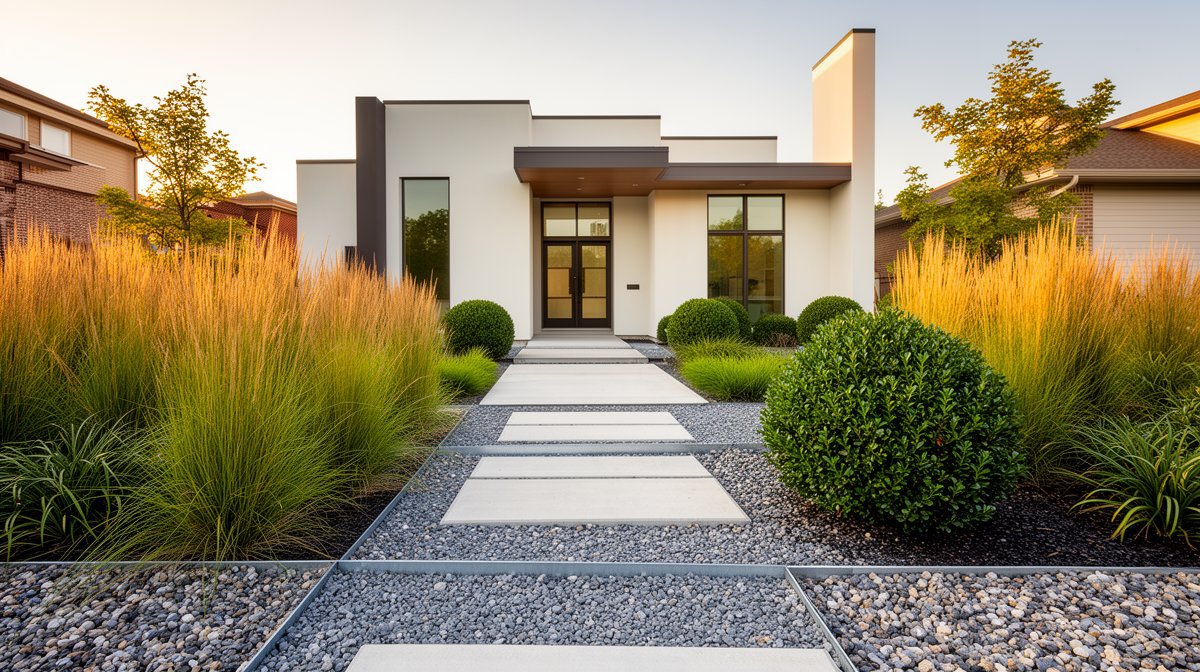
4 Modern Garden Ideas for Tulsa, OK | Architectural Landscape Design in Zone 7a
Native plants from the Central Tallgrass prairie (Zone 7a) — Humid subtropical climate
Why Modern/Minimalist Gardens in Tulsa?
Tulsa occupies a privileged position in the American landscape imagination: it is simultaneously an oil capital, an Art Deco city, and the eastern gateway to the Central Tallgrass Prairie. That combination — industrial history, architectural ambition, and prairie ecology — gives modern landscape design in Tulsa a distinctive vocabulary that no other American city quite replicates. The best modern Tulsa gardens look like they belong at the intersection of the prairie and the city, not like transplants from Portland or Scottsdale.
The climate facts are favorable for modern design. Zone 7a winters with lows to 5–15°F require cold-hardy plant selection but don't eliminate the architectural plant palette — yuccas, switchgrass, Hesperaloe, and prairie dropseed all handle Oklahoma winters without damage. Tulsa's 40 inches of annual rainfall — the highest of any city in this guide — is both an asset and a design consideration: well-drained hardscape and permeable surfaces are essential because the clay soils that dominate Tulsa's residential neighborhoods cannot absorb the episodic heavy rainfall of spring thunderstorm season quickly enough without intentional drainage design.
Tulsa's architecture rewards modern landscape investment at every scale. The Art Deco commercial district downtown is the most concentrated collection of Art Deco architecture in the United States, and the residential neighborhoods that developed alongside it — Maple Ridge, Yorktown, and the Utica Square corridor — have homes with geometric, stylized architectural character that modern landscape design complements naturally. The newer development in South Tulsa (Jenks, Bixby, Broken Arrow) has contemporary homes on generous lots where significant hardscape investment is fully justified. Tulsa has the cultural confidence and design sensibility to produce genuinely excellent modern landscapes — it just needs the design ambition to match.
4 Modern/Minimalist Design Ideas for Tulsa
AI-generated image
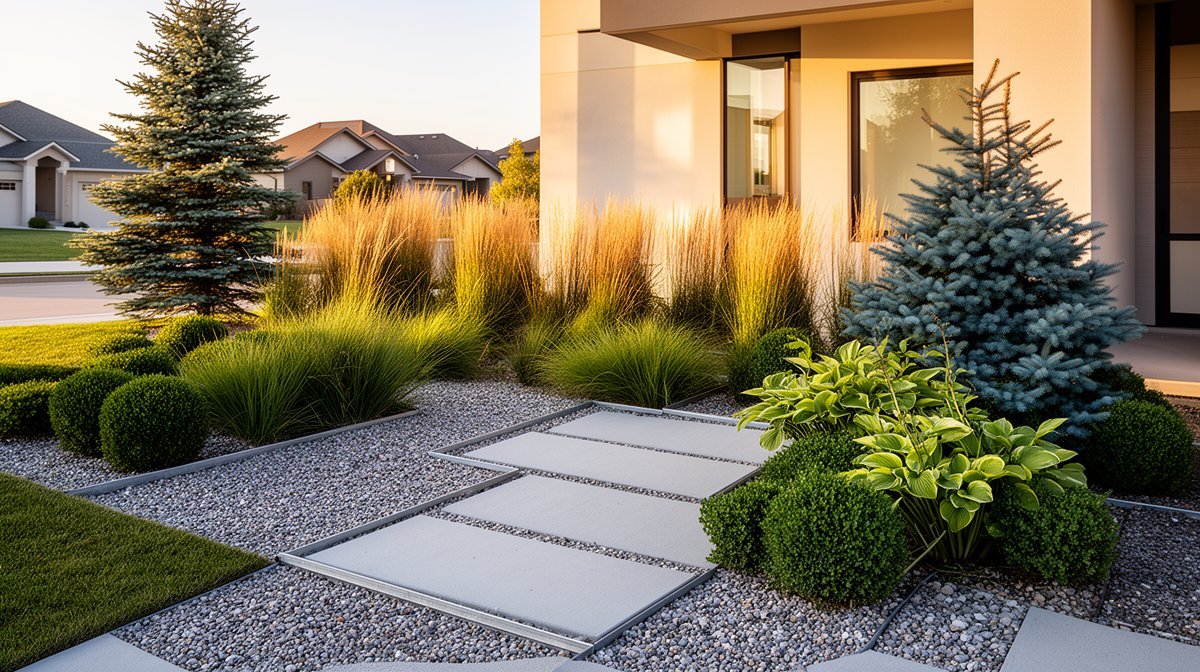
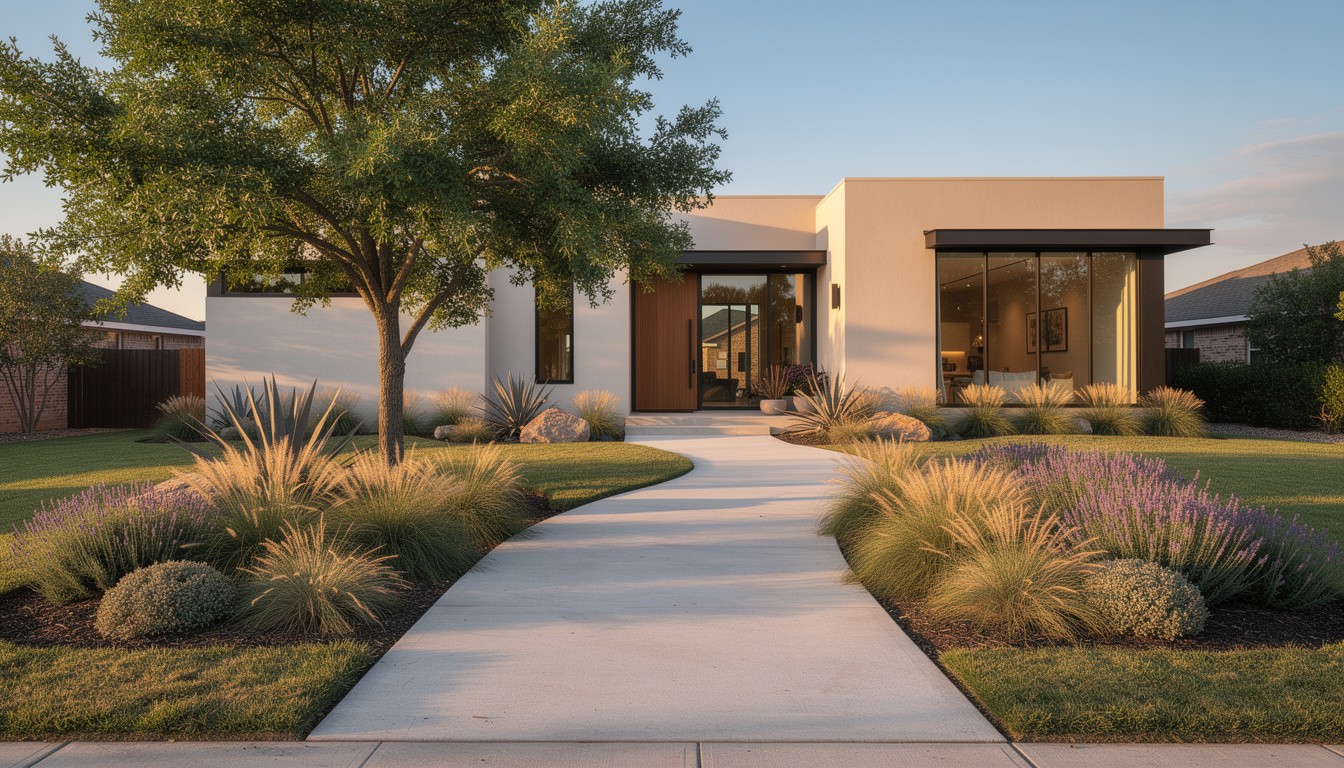
The Prairie Grass and Concrete Entry
$10–20/sqftA clean concrete walkway bisects the front yard of a contemporary Tulsa home, flanked by sweeping masses of ornamental grasses — Gulf muhly, Little Bluestem, and Russian sage — in steel-edged beds. A mature shade tree anchors one side of the composition while the low-water planting fills both beds with textural movement. The design takes Tulsa's native tallgrass prairie heritage seriously — Little Bluestem and Gulf muhly are the same grasses that carpeted the Osage Hills before European settlement, and in a contemporary residential landscape they provide a connection to place that imported tropical plants can't match. After establishment the design requires one cut-back per year and minimal irrigation.
AI-generated image
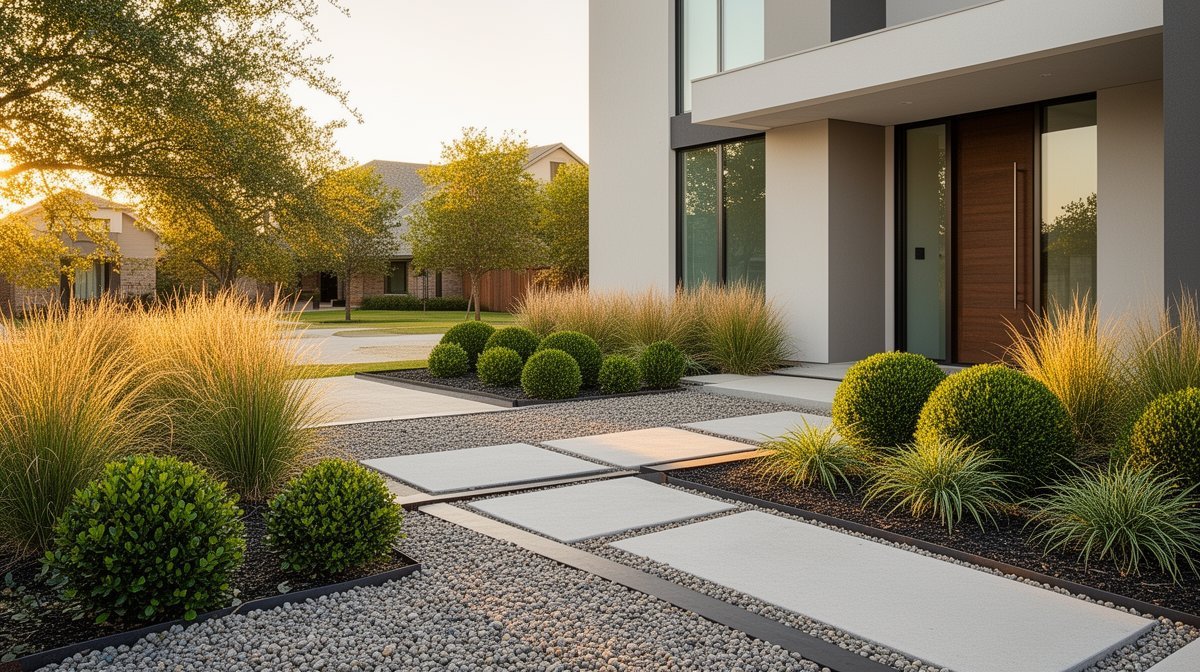
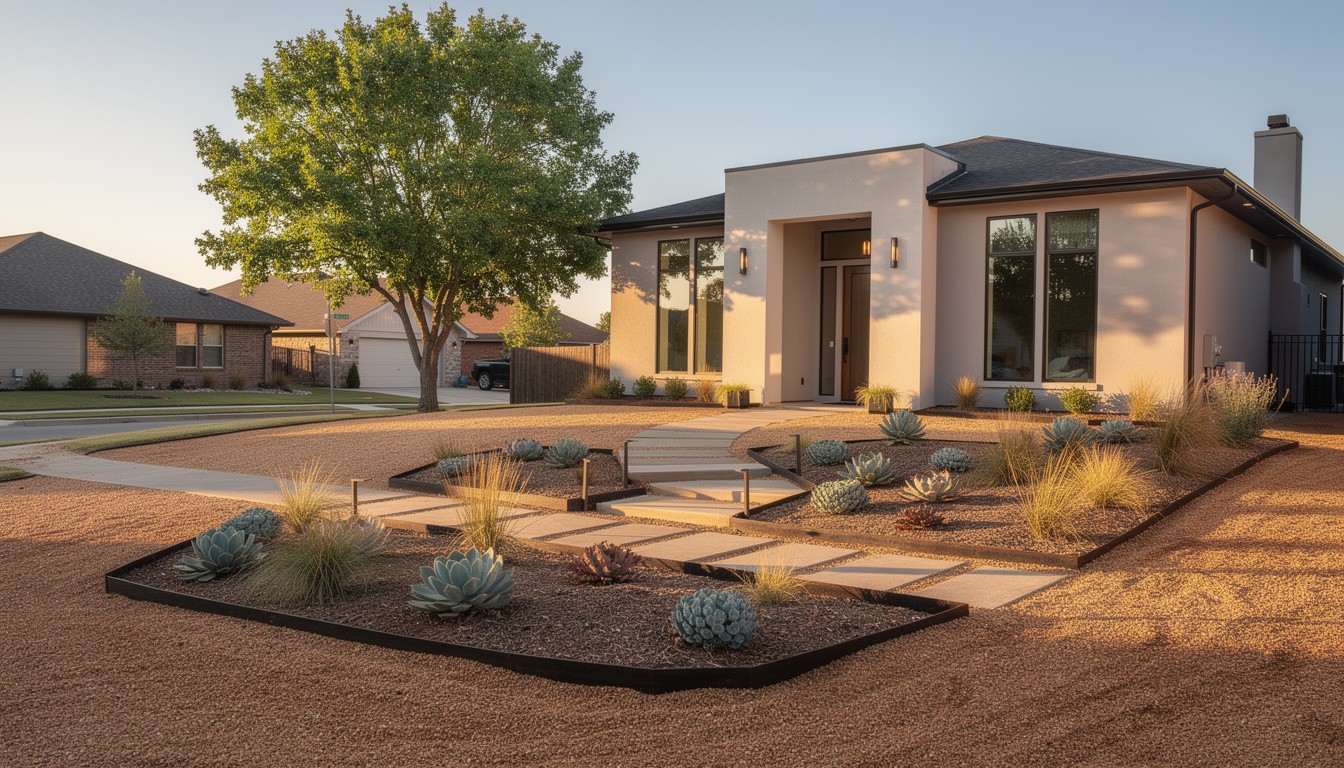
The Agave and Gravel Minimalist Front
$10–20/sqftTurf is replaced with decomposed granite beds punctuated by bold agave rosettes, low-growing ornamental grasses, and succulents at geometric intervals. A concrete path bisects the composition to the front door of a white flat-roofed modern Tulsa home. A large tree provides one corner anchor. Tulsa receives only 41 inches of annual rainfall but in an irregular pattern — this design handles drought years without supplemental irrigation and handles wet years by draining fast through the gravel bed. The agave-and-gravel composition is increasingly common in Tulsa's contemporary renovation market as homeowners seek alternatives to high-maintenance turf.
AI-generated image
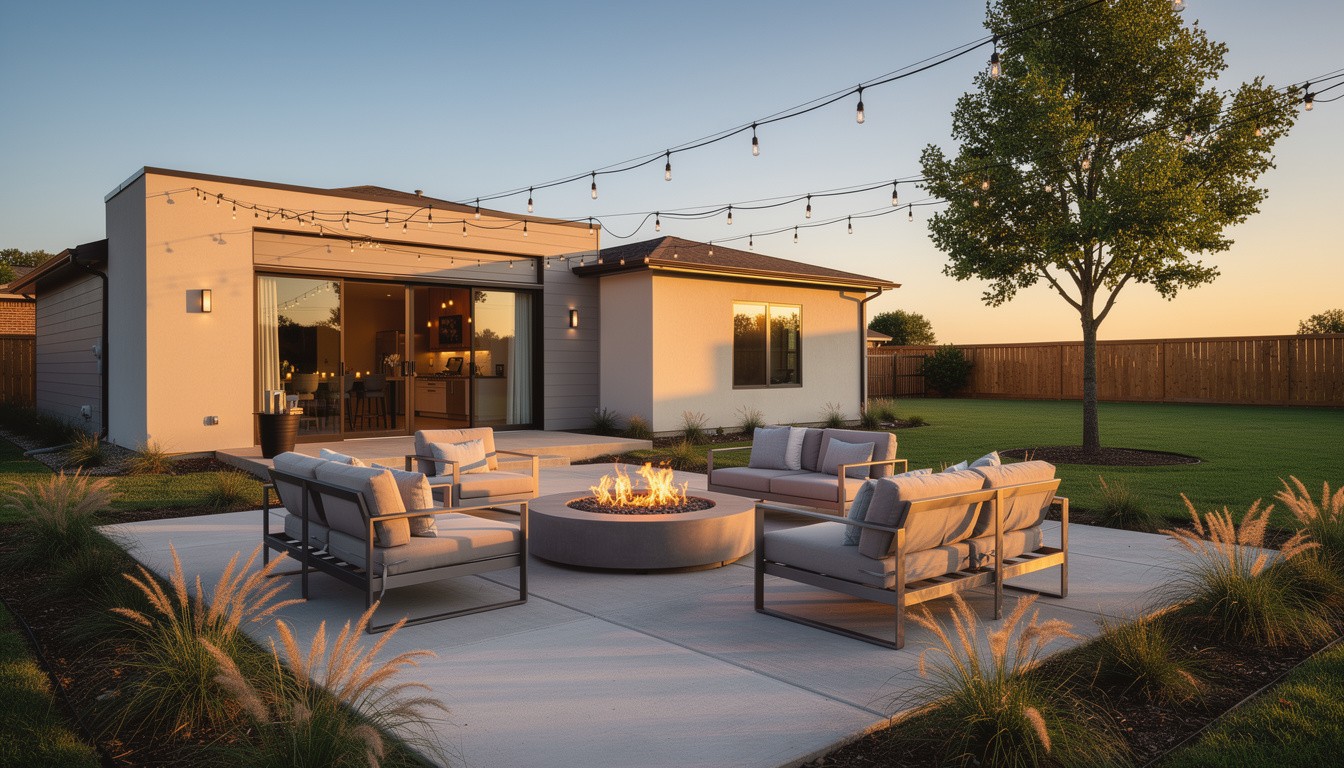
The Concrete Patio Fire Pit Evening Garden
$14–28/sqftA concrete patio extends from the rear of a contemporary Tulsa home, centered on a round concrete fire pit surrounded by modern outdoor lounge seating. String lights span overhead and ornamental grasses in planting beds line the perimeter fence. An existing shade tree provides natural canopy over one corner. Tulsa has genuinely pleasant outdoor seasons from April through June and again from September through November — this design creates the outdoor room that makes the most of those months, with a fire pit that extends comfortable outdoor evenings well into late October when Tulsa's fall is at its best.
AI-generated image
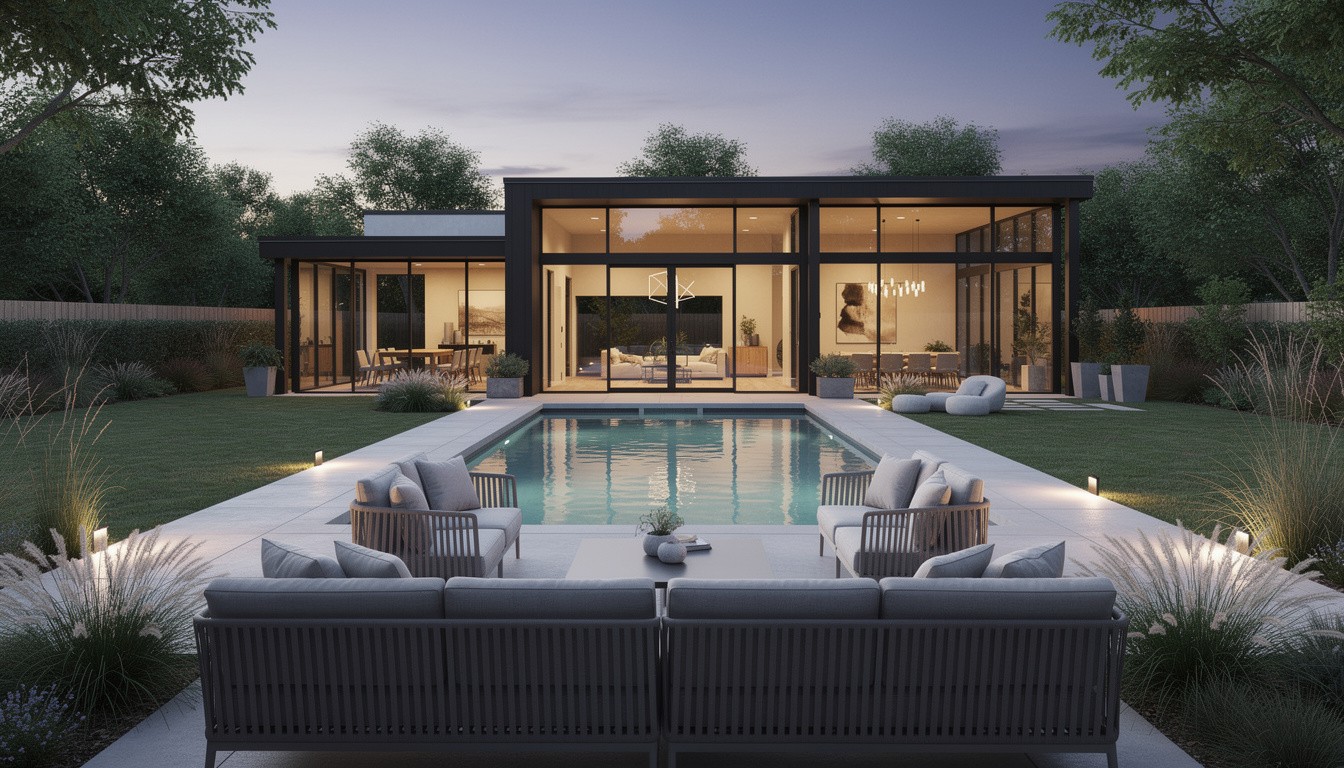
The Pool and Outdoor Living Room
$42–90/sqft (pool included)A rectangular pool glows at dusk in the rear yard of a contemporary Tulsa home, surrounded by a concrete pool deck with lounge seating and a fire table on one end. Large glass walls open the modern home directly onto the pool deck. Ornamental grasses and low-water plants in raised perimeter planting beds frame the pool, while string lights and LED pool lighting create the evening atmosphere. Tulsa summers hit 100°F regularly — this design makes those months livable outdoors by placing the pool as the functional center of summer life, with the fire table and lounge extending the seasonal use into fall.
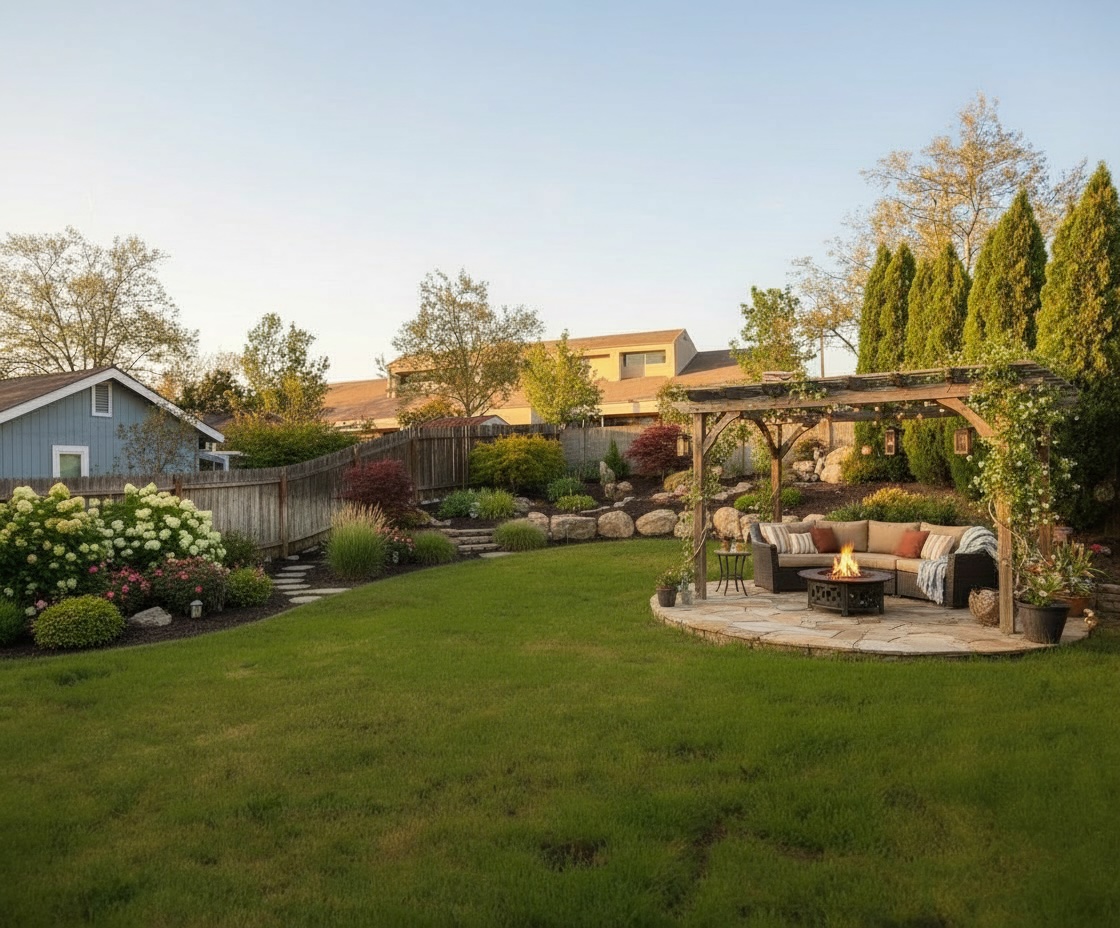
See how a modern/minimalist garden looks on YOUR property
Upload a photo of your Tulsa yard and visualize your dream garden in seconds.
Try ProScapeAI Free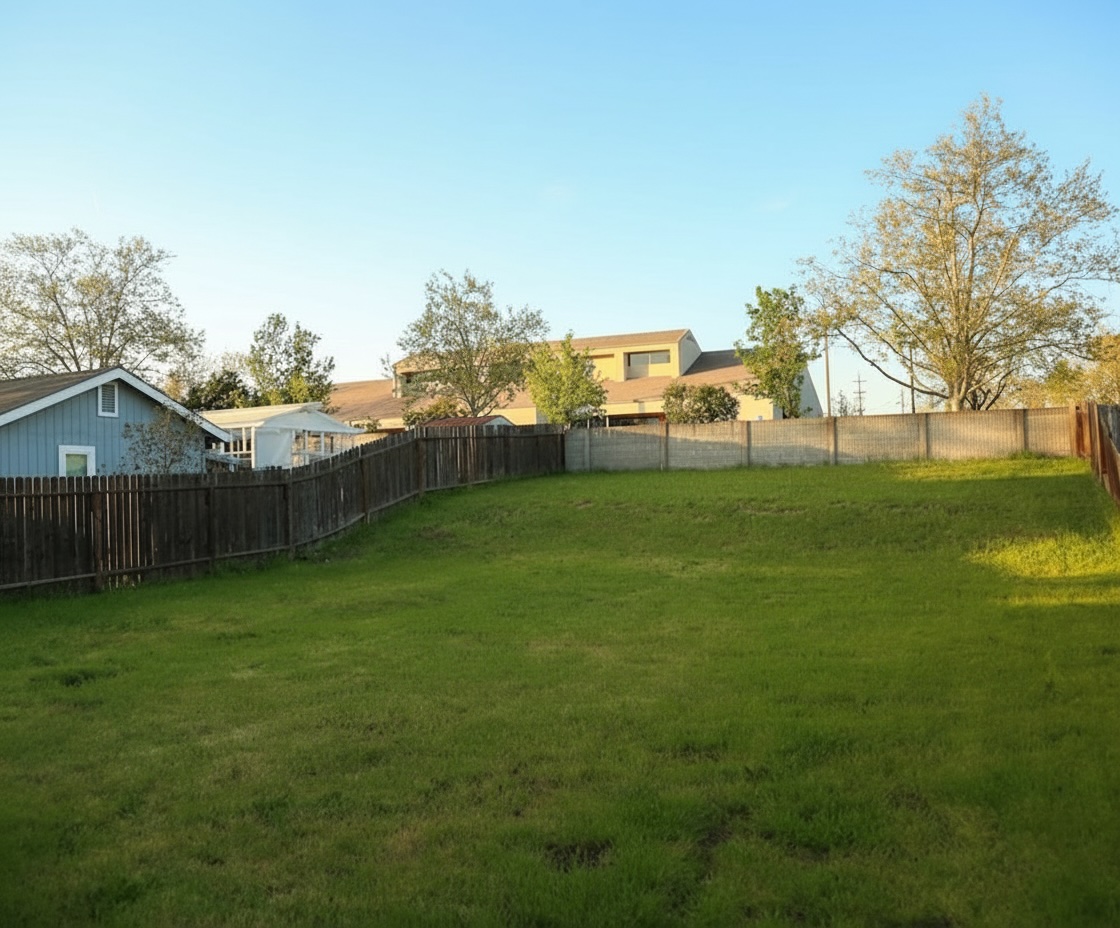
AI-generated image
Featured Trees & Shrubs for Modern/Minimalist Gardens
Browse all 194 plants for Tulsa
Clove Currant
Ribes odoratum
grows to 6 feet, yellow blooms in spring. Attracts hummingbirds.
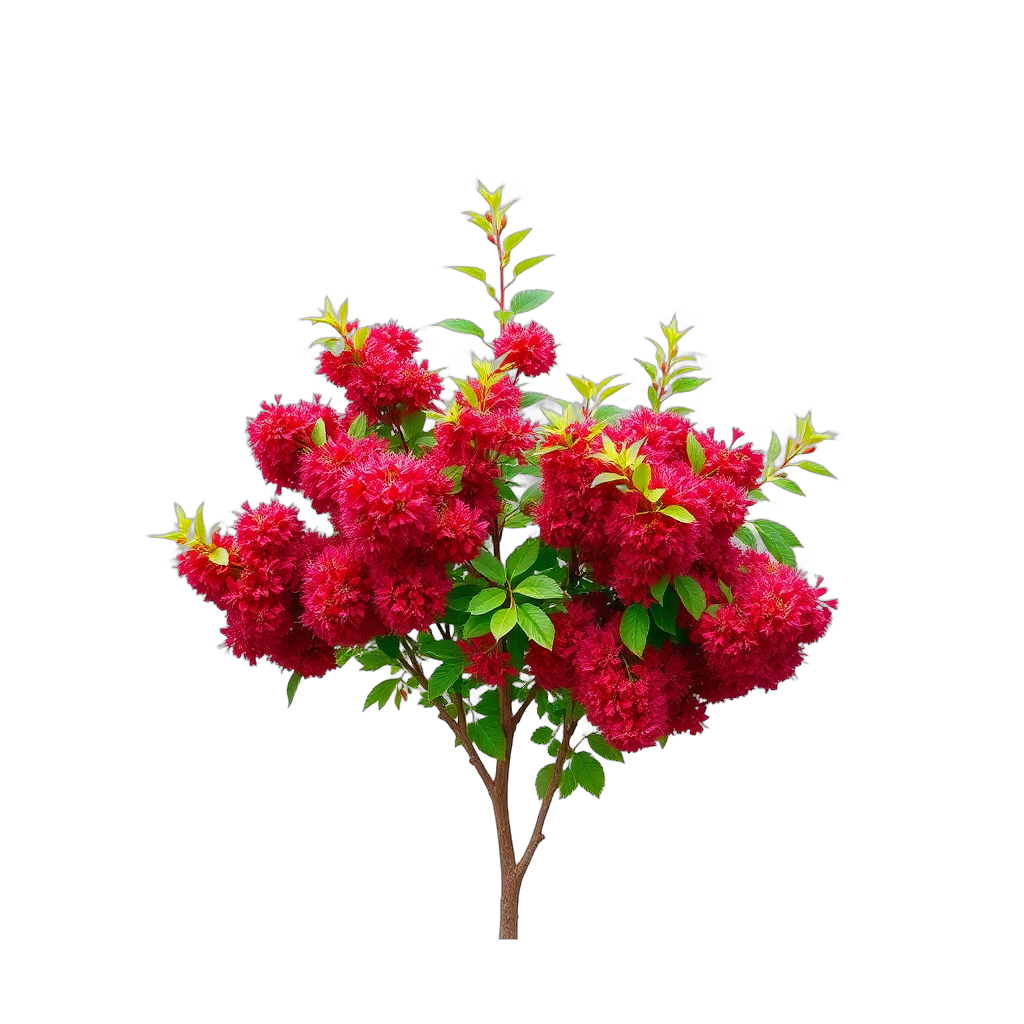
Fragrant Sumac
Rhus aromatica
grows to 4 feet, yellow blooms in spring. Attracts butterflies.
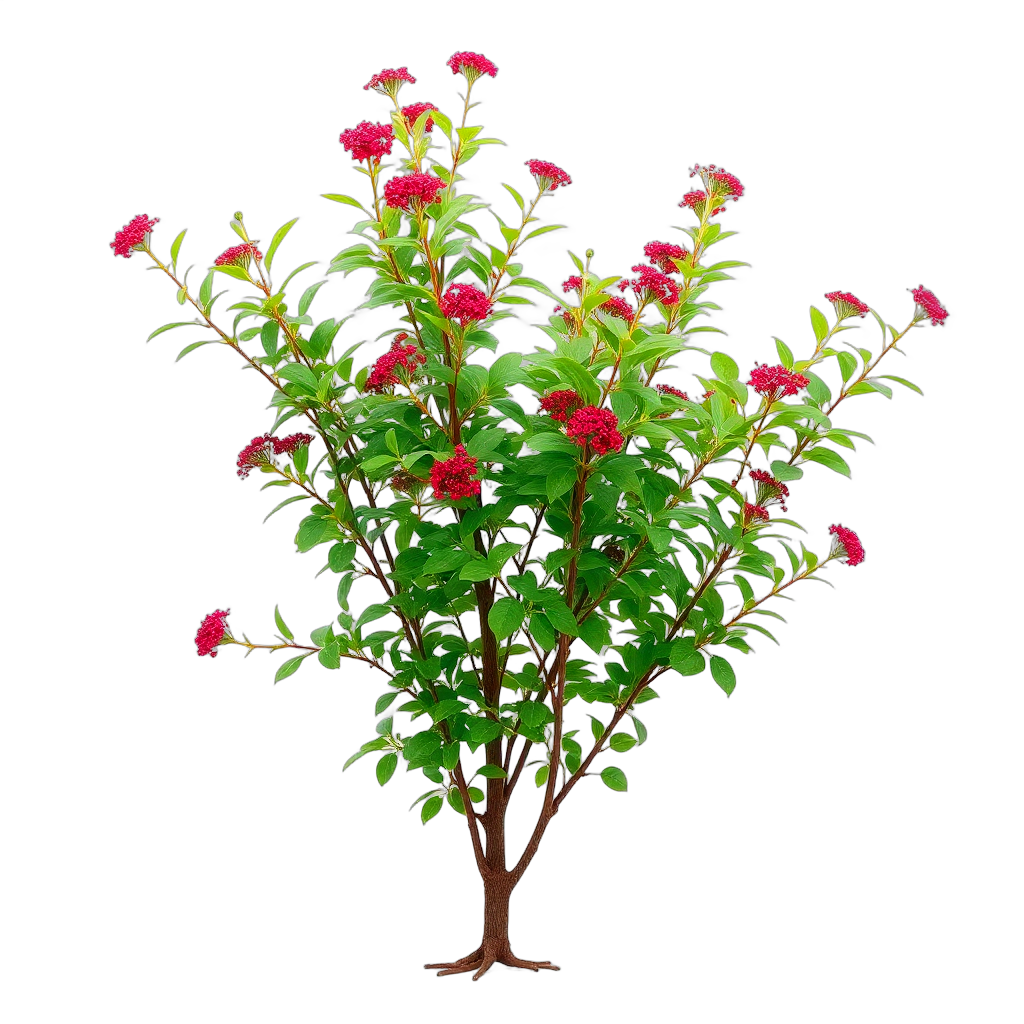
Smooth Sumac
Rhus glabra
medium-sized at 12 feet, white,green blooms in summer. Attracts butterflies.

Cabbage Palm
Sabal palmetto
reaches 40 feet tall, white,yellow blooms in spring. Pollinator-friendly.
Featured Grasses & Groundcovers for Modern/Minimalist Gardens
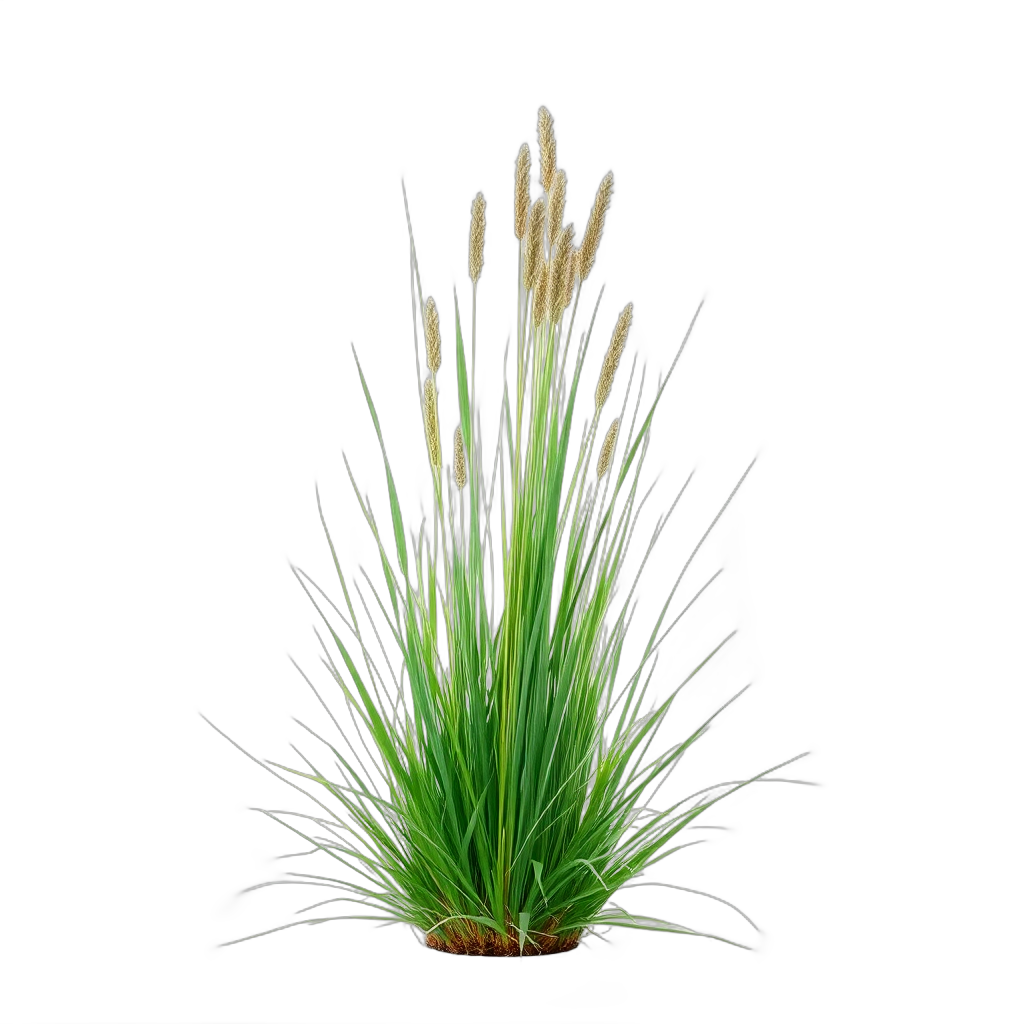
Big Bluestem
Andropogon gerardii
medium-sized at 7 feet, purple blooms in fall. Bronze,burgundy fall color.
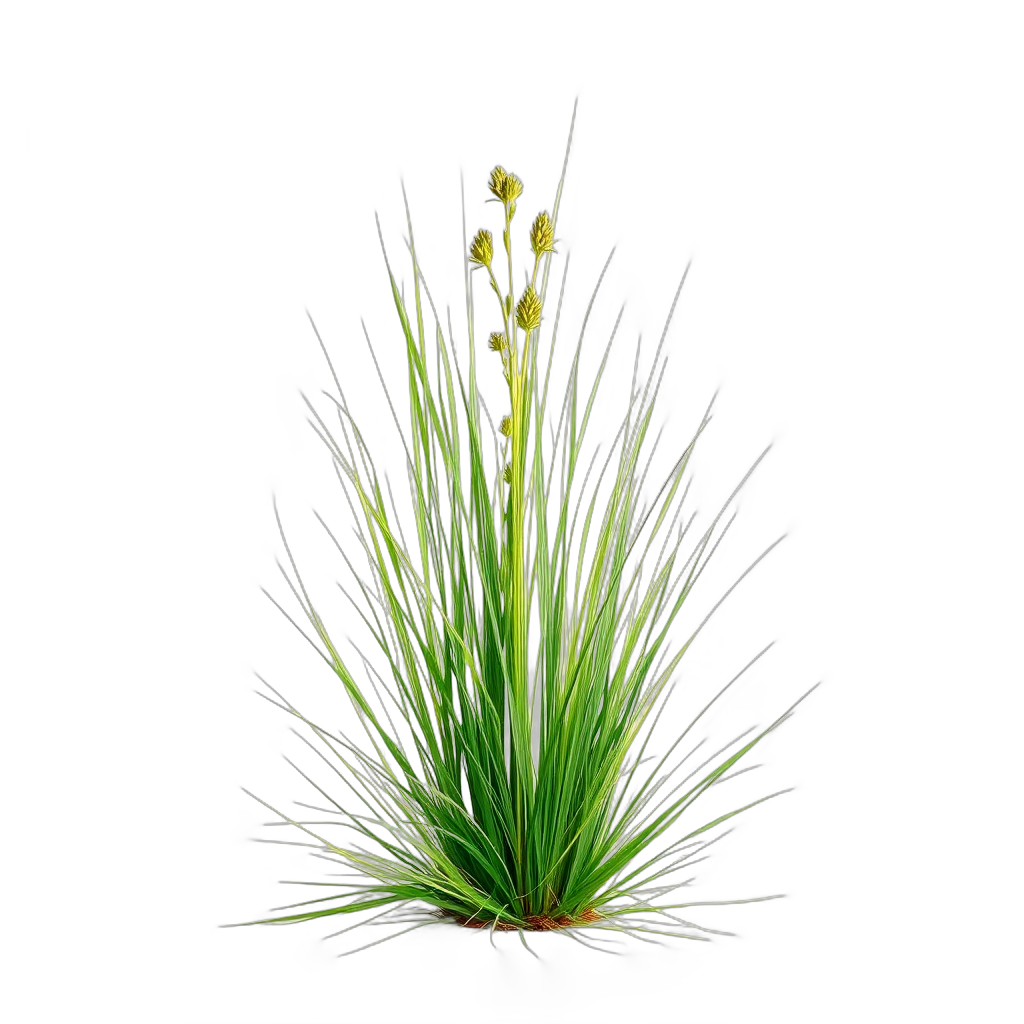
Canada Wild Rye
Elymus canadensis
grows to 4 feet, blooms in summer. Yellow fall color.
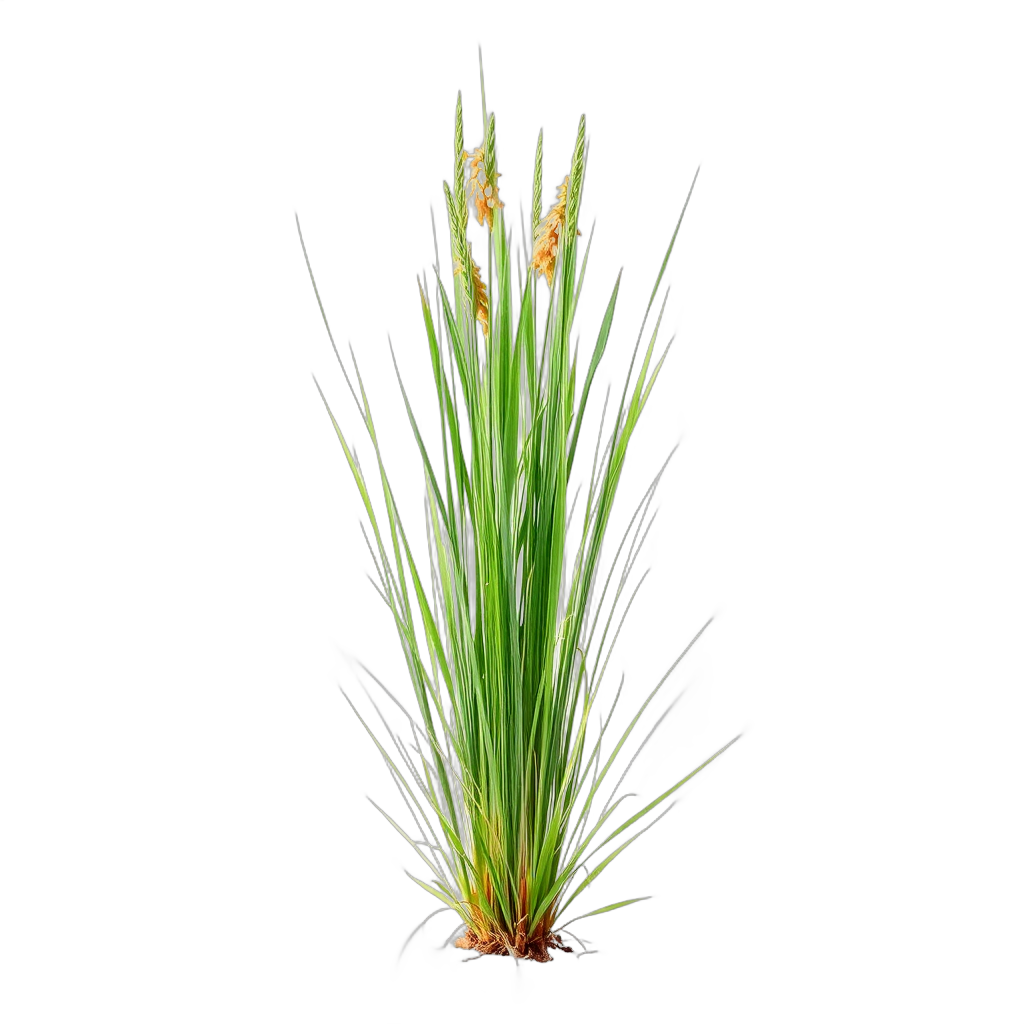
Eastern Gamagrass
Tripsacum dactyloides
grows to 6 feet, blooms in summer. Yellow fall color.
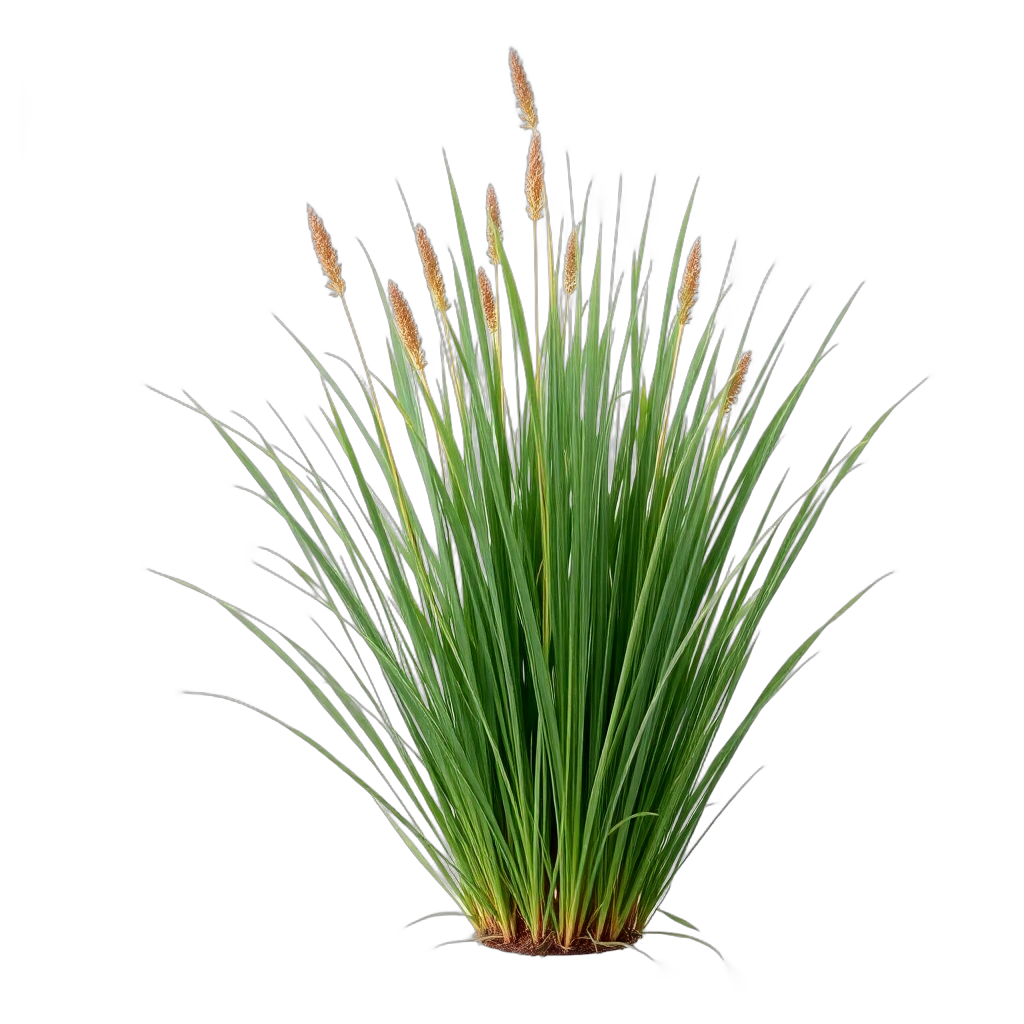
Heavy Metal Switchgrass
Panicum 'Heavy Metal'
grows to 4 feet, pink blooms in summer. Yellow fall color.
Featured Flowers & Perennials for Modern/Minimalist Gardens
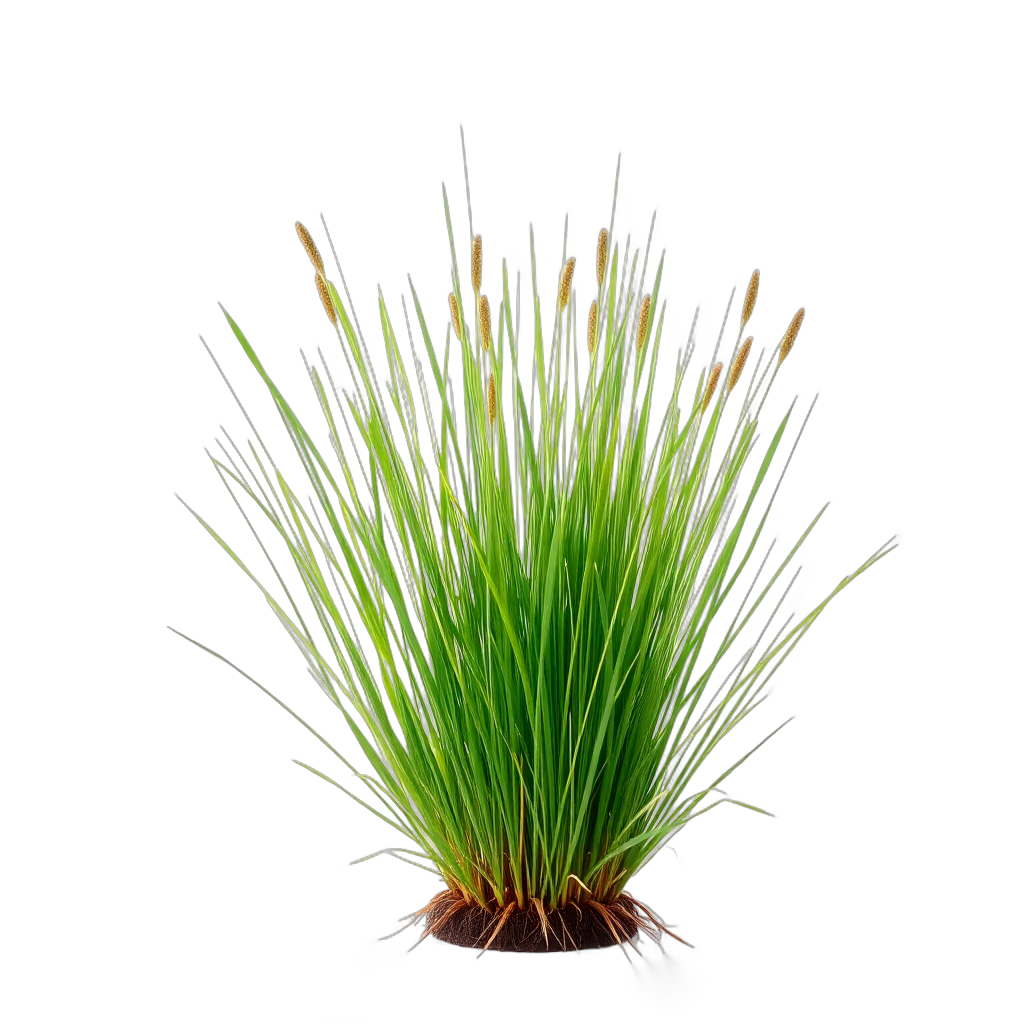
Path Rush
Juncus tenuis
low-growing ground cover, blooms in summer. Evergreen year-round.
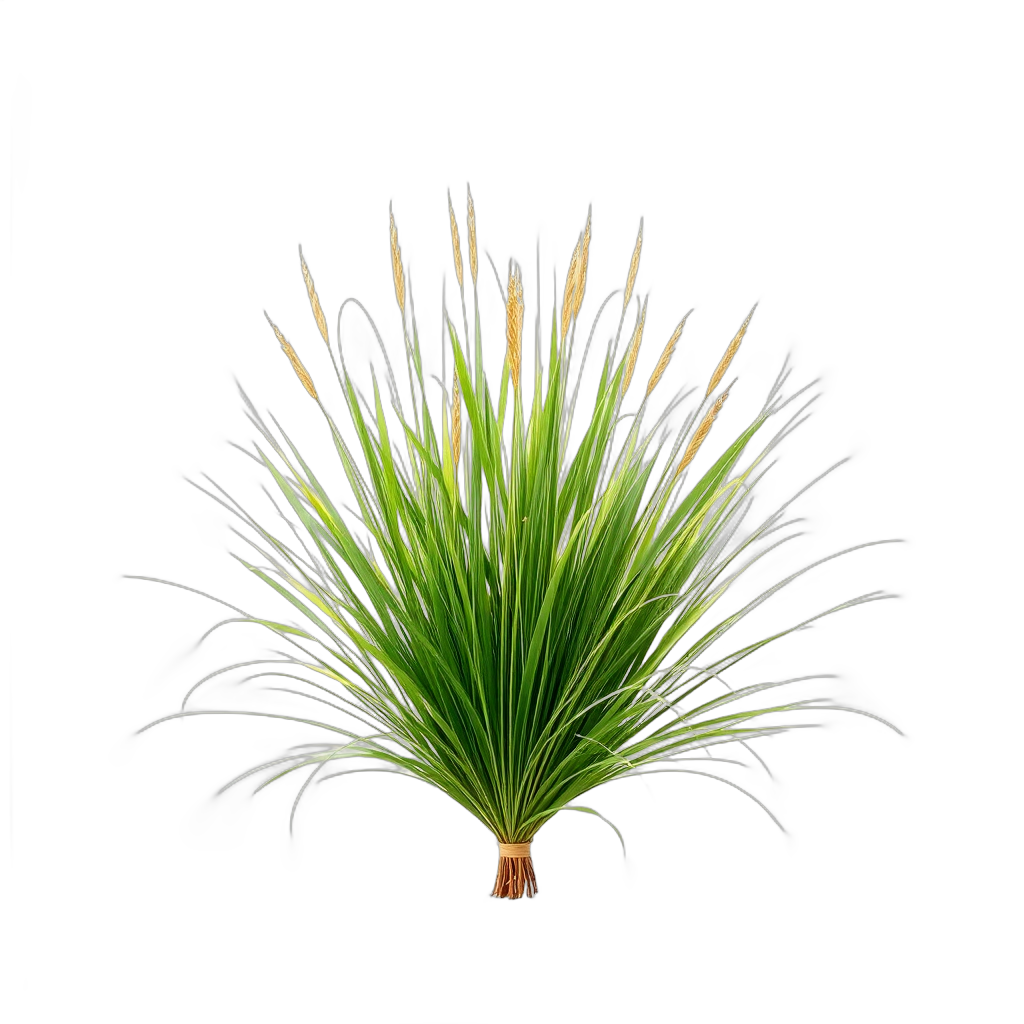
Prairie Cordgrass
Spartina pectinata
grows to 6 feet, blooms in summer. Yellow fall color.
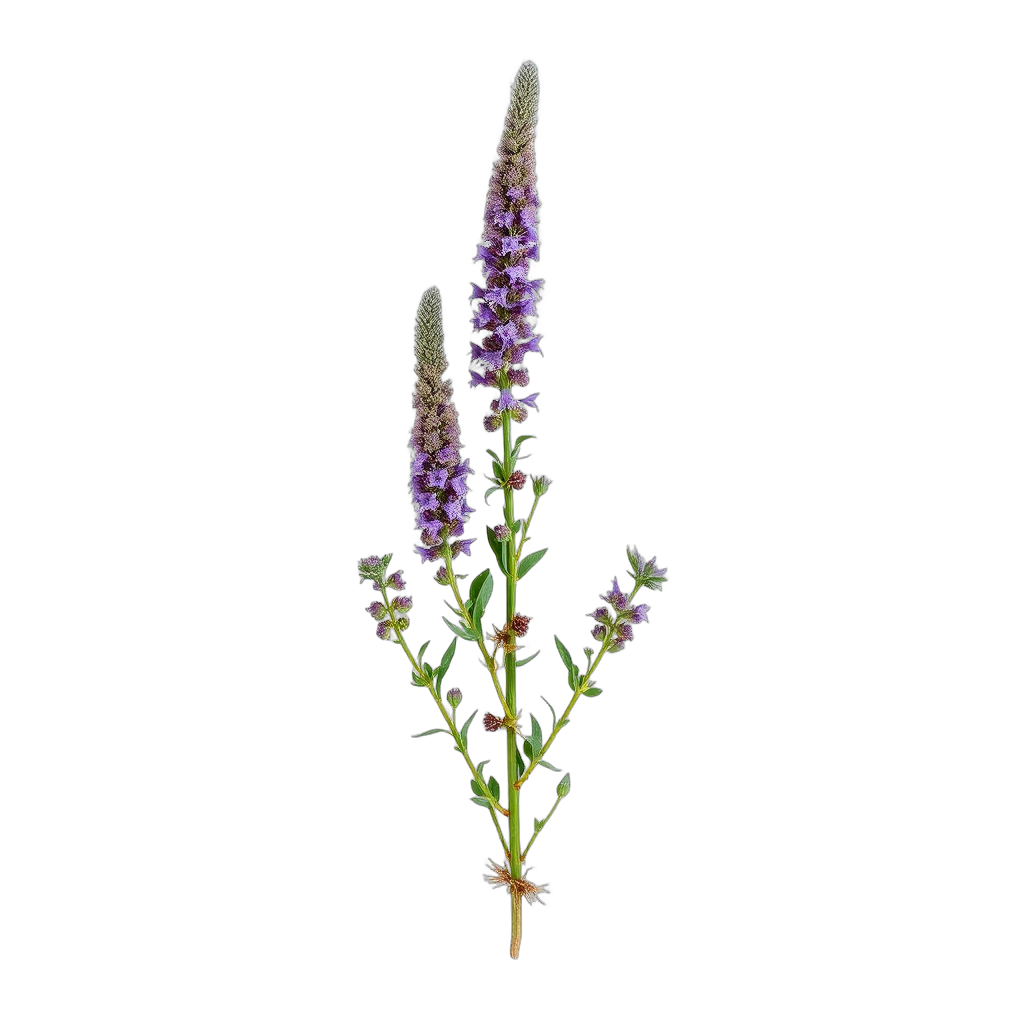
Anise Hyssop
Agastache foeniculum
grows to 3 feet, purple blooms in summer. Attracts hummingbirds.
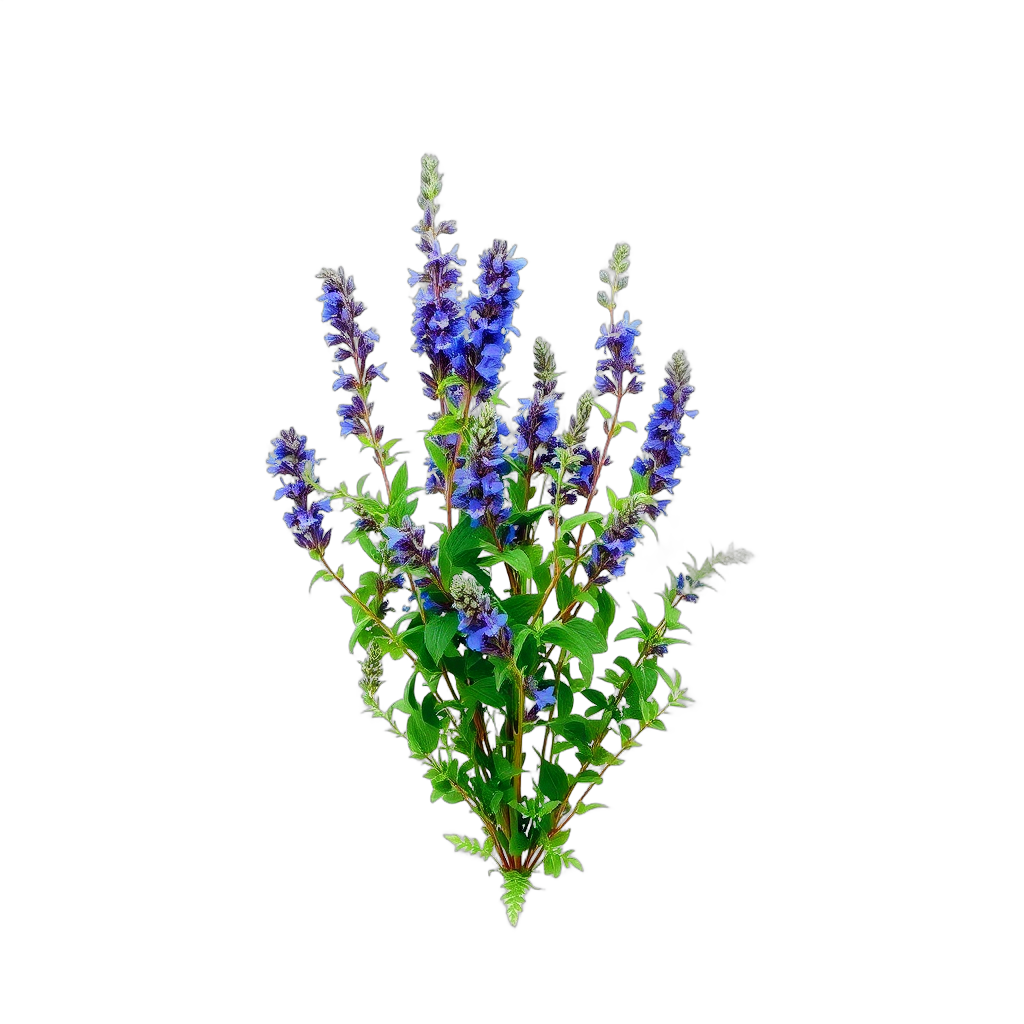
Azure Sage
Salvia azurea
grows to 4 feet, blue blooms in fall. Attracts hummingbirds.
Zone and sun checks come from our database — confirm with your local nursery before you buy.
Bloom Calendar for Tulsa
spring
Blue False Indigo, Foxglove Beardtongue, Golden Alexandersummer
Path Rush, Prairie Cordgrass, Anise Hyssopfall
Azure Sage, Maximilian Sunflower, New England Asterwinter
Limited bloomsDesign Tips for Tulsa (Zone 7a)
- Local sandstone is Tulsa's signature hardscape material — the warm buff and rust tones of northeastern Oklahoma stone connect any landscape design to the specific geology and character of this place
- Native tallgrass prairie grasses (Big Bluestem, Little Bluestem, Indiangrass) have the most spectacular fall color performance of any ornamental grass in the region — use them in large masses for maximum impact
- Tulsa's 40-inch rainfall is a drainage challenge as much as an asset — design positive drainage and permeable surfaces before committing to any hardscape layout
- Yucca rostrata is cold-hardy to Zone 7 and provides year-round architectural drama; planted as a focal point in a gravel or decomposed granite bed it rivals any specimen shrub for visual impact
- The Philbrook Museum of Art's gardens in midtown Tulsa are an exceptional reference for landscape design that honors both formal and informal traditions in Oklahoma's climate — visit before finalizing any major design
- Corten steel develops its warm rust patina within a single Tulsa season; use it for planters, edging, and accent panels to bring industrial heritage character without any maintenance
Where to Source Plants in Tulsa
Skip the big-box stores. These independent Tulsa nurseries specialize in the plants that make modern/minimalist gardens thrive in Zone 7a.
TLC Garden Centers
South Tulsa / Tulsa metro
Full-service, native plants, ornamental grasses, perennials, trees
Southwood Landscape & Garden Center
South Tulsa
Native Oklahoma plants, landscape design, drought-tolerant varieties
Greenwood Nursery
North Tulsa
Trees, shrubs, perennials, ornamental grasses — family owned
Loussac Nursery
Broken Arrow (south Tulsa metro)
Trees, shrubs, landscape design, drought-tolerant plants for eastern Oklahoma
Modern/Minimalist Landscaping Costs in Tulsa
| Project Scope | Estimated Cost |
|---|---|
| Lawn removal + DG / gravel modern front yard | $3,800 – $9,000 |
| Full modern front yard redesign with hardscape + plants | $7,000 – $17,000 |
| Concrete patio + fire pit lounge (backyard) | $8,500 – $22,000 |
| Pool + contemporary landscape (full backyard) | $42,000 – $100,000 |
| Privacy fence installation | $2,500 – $7,000 |
| Drip irrigation system | $900 – $2,400 |
| AI visualization with ProScapeAI | Free to start |
Estimates based on Tulsa, OK-area contractor rates as of 2026. Actual costs vary by site conditions, materials, and contractor.
Tulsa Climate & Growing Zone
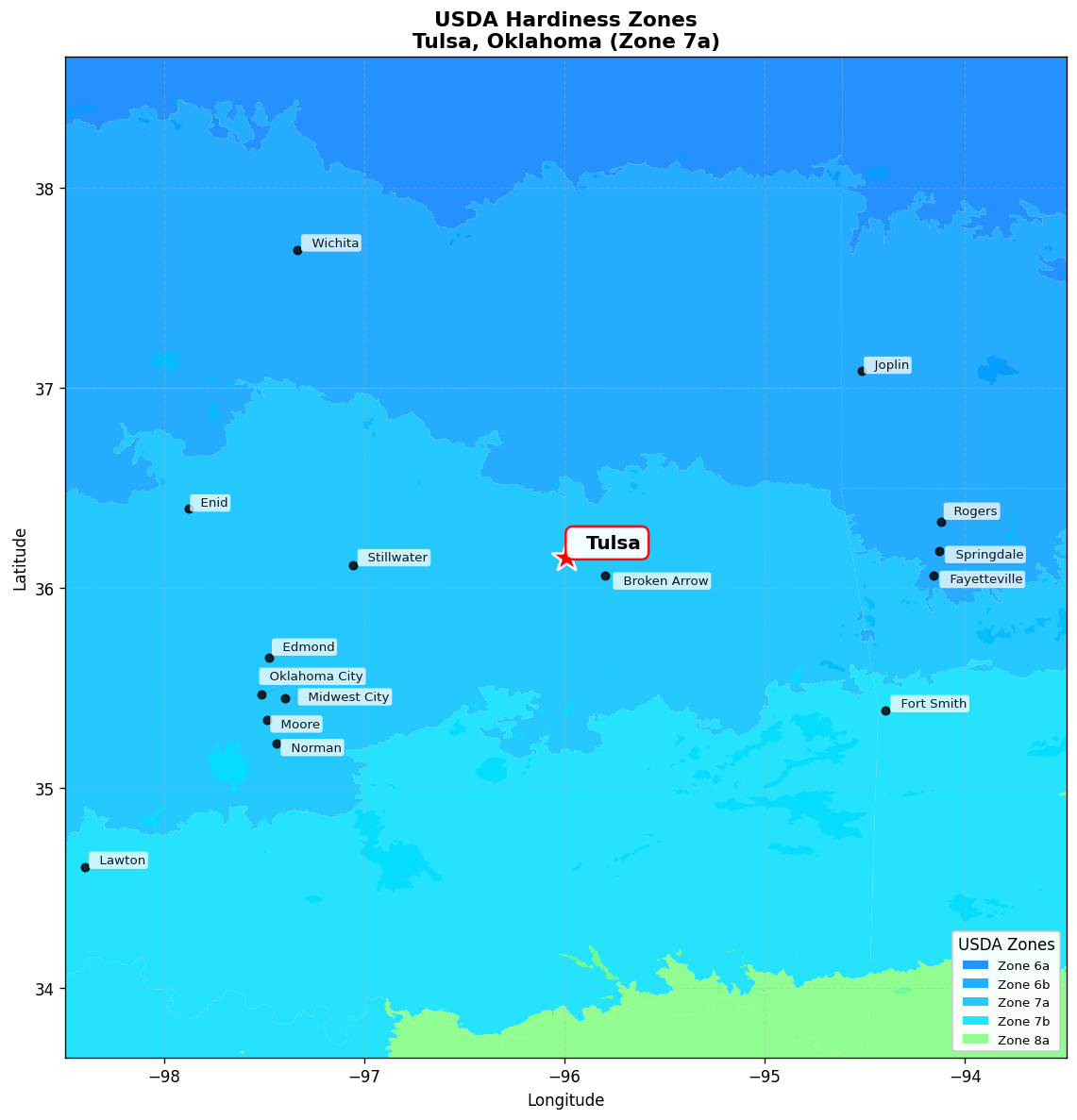
USDA Zone 7a
Hardiness zone for Tulsa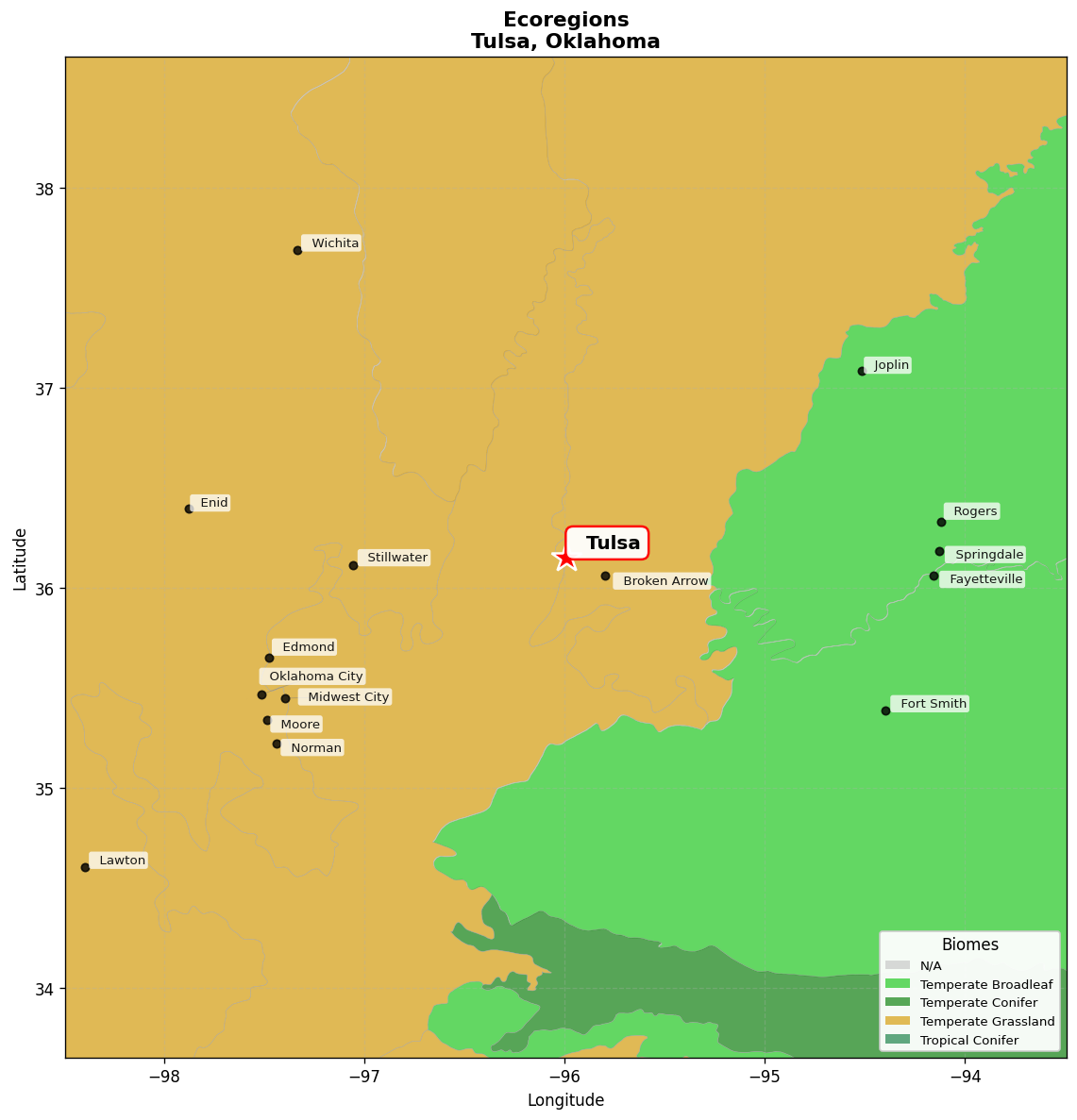
Central Tallgrass prairie
Native ecoregionFrequently Asked Questions
What modern plants work in Tulsa's Zone 7a climate?
Zone 7a with 40-inch rainfall requires plants that handle both cold (-15°F in extreme years) and humid summer heat. Best modern performers: Yucca rostrata and Y. filamentosa (cold-hardy to Zone 5-6, architectural year-round), Agave parryi and A. havardiana (cold-hardy to Zone 6-7 with good drainage), switchgrass / Panicum virgatum (native to tallgrass prairie, spectacular fall color), Big Bluestem and Little Bluestem (native, bronze-copper fall color), Karl Foerster feather reed grass (semi-evergreen, upright winter structure), Hesperaloe parviflora (hardy to Zone 5, red summer bloom spikes), and Oklahoma redbud (spectacular spring). All are appropriate for Tulsa's conditions.
How does Tulsa's high rainfall affect modern hardscape design?
Tulsa's 40-inch annual rainfall — falling largely in episodic spring thunderstorms — demands more careful drainage design than drier cities. Key requirements: positive drainage away from house foundations at a minimum 2% slope, permeable paving systems or gravel panels that allow infiltration in large paved areas, drainage channels that route overflow to the street or a designated collection area, and a compacted base of at least 6 inches of crushed stone under all rigid hardscape. Tulsa's clay soils have limited infiltration capacity — don't assume rain will simply disappear into the ground. A civil engineer or experienced local hardscape contractor can specify proper drainage before any major project begins.
What hardscape materials work best in Tulsa?
Local sandstone (warm buff to rust color, quarried in northeastern Oklahoma) is Tulsa's most authentic hardscape material and connects the design to the region's geology. Corten steel develops its patina quickly in Tulsa's humid conditions and references the city's industrial heritage. Poured concrete is versatile and durable with proper control joints. Brick is historically appropriate for midtown neighborhoods and weathers well in Zone 7a. Decomposed Oklahoma sandstone (local DG equivalent) is excellent for permeable path surfaces. Avoid highly polished marble or imported tropical stone that reads as foreign to Tulsa's material culture.
Can I replace my Tulsa lawn with a native grass meadow?
Yes, and it's ecologically the most appropriate thing you can do in the Central Tallgrass Prairie ecoregion. Tulsa is within the historic range of Big Bluestem, Little Bluestem, Indiangrass, and Prairie dropseed — the same grasses that covered this entire landscape before settlement. Replacing Bermuda or fescue turf with a native grass meadow restores local ecological function while dramatically reducing irrigation, fertilizer, and mowing. Tulsa's 40-inch rainfall means native prairie grasses establish faster and more reliably here than in drier cities. Steel edging and a geometric path composition make the design intentional and modern rather than unmaintained.
What modern landscape designs work in Tulsa's Art Deco neighborhoods?
Tulsa's Art Deco character calls for bold geometric composition, honest materials, and a design confidence that matches the architectural ambition of the 1920s–1930s buildings it accompanies. Modern landscapes that complement Art Deco homes use strong, symmetrical geometry for hardscape (not the flowing asymmetry of naturalistic design), warm material tones that echo the cream and buff of local limestone and brick, and vertical plant accents that reference the Art Deco's own love of stylized plant forms. Local sandstone, Corten steel, and bold grass masses are the right material vocabulary. Avoid overly casual or softly naturalistic design in the immediate vicinity of Art Deco architecture.
How much does a modern landscape in Tulsa cost?
Tulsa has lower landscape contractor labor rates than major Texas metros, making comparable projects more affordable. Typical ranges: modern front yard with native grass meadow + path ($6,000–13,000 for 500 sqft), contemporary patio + outdoor room ($11,000–26,000), full backyard transformation without pool ($18,000–45,000), pool + landscape ($45,000–95,000+). Get three bids from Tulsa contractors who understand local clay conditions, sandstone availability, and Zone 7a cold hardiness requirements. Ask specifically about drainage design approach — it's the most common under-estimated cost in Tulsa hardscape projects.