4 Xeriscape Design Ideas for Palmdale, CA | Zone 8b Desert Yards
Native plants from the Mojave desert (Zone 8b) — Cold semi-arid climate
Why Desert/Xeriscape Gardens in Palmdale?
Palmdale is a high-desert city that spent forty years landscaping as if it were coastal Los Angeles, and the bill finally came due. The stucco-and-tile tract homes of Rancho Vista, Anaverde and City Ranch, the 1980s ranch blocks around Marie Kerr Park, and the older streets of east Palmdale off Avenue Q were nearly all built with a fescue front lawn and a spray head every eight feet — an irrigation habit that costs a typical Palmdale household more water in July than everything inside the house combined. Xeriscape is not a compromise here; it is the design language the place was already speaking. Every one of those homes sits against a Mojave backdrop of Joshua trees, granite outcrops and silver-grey scrub, and a gravel front garden planted with Agave parryi var. truncata, Yucca rostrata 'Sapphire Skies' and Hesperaloe parviflora 'Brakelights' reads as if the house finally belongs to its valley.
The numbers behind the design are unforgiving in both directions. Palmdale averages about 7.4 inches of rain a year, sees July highs near 98°F, and sits at roughly 2,660 feet where January nights average 34°F and hard freezes drop into the teens — USDA Zone 8b, low temperatures of 15–20°F. That combination is why a plant list copied from Palm Springs fails here. Tender Sonoran staples such as Parkinsonia 'Desert Museum', Echinocactus grusonii and Agave attenuata get burned or killed outright on a clear January night in the Antelope Valley, while genuinely cold-hardy desert plants — Agave ovatifolia 'Frosty Blue', Dasylirion wheeleri, Nolina microcarpa, Opuntia santa-rita, Bouteloua gracilis 'Blonde Ambition' and the native Muhlenbergia rigens — shrug off both the 98°F afternoons and the freeze. Add the spring wind that funnels down the valley at 30–40 mph and you also want low, wide, anchored forms rather than top-heavy specimens in shallow pots.
Palmdale soil is the other half of the design brief: fast-draining decomposed granite and sand, alkaline at roughly pH 7.5–8.5, and frequently underlain by a cemented caliche hardpan a foot or two down. That is close to ideal for agaves and cacti, which rot in the clay soils that plague wetter cities, but it punishes anything expecting fertility or moisture retention. Dig a planting hole, hit caliche, and you have built a bathtub — the fix is to break through the layer with an auger or set the plant high on a bermed mound so water drains sideways. Skip the peat and heavy amendments desert plants do not want; three inches of ¾-inch decorative gravel over the whole bed does more for root temperature and evaporation than any soil additive.
Local rules reward the switch and constrain one thing in particular. Palmdale Water District's Water Wise Landscape Conversion program pays toward micro-irrigation retrofits at $0.25 per linear foot and $40 per bag of moisture-retaining soil additive, the Canyons to the Desert RCD runs a lawn-reduction rebate that hands back free desert plants sized to the turf you removed, and California's Model Water Efficient Landscape Ordinance sets the efficiency baseline for larger permitted landscape projects. The constraint: the western Joshua tree, Yucca brevifolia, is protected under the Western Joshua Tree Conservation Act, and removing or even heavily trimming one requires a permit — the City of Palmdale can process some of these applications, and trees within 100 feet of an existing single-family home may qualify without mitigation fees. The smarter design move is almost always to keep the Joshua tree, ring it with gravel and low grasses, and let it be the centrepiece nobody else on the street can buy.
4 Desert/Xeriscape Design Ideas for Palmdale

The Agave Front Yard
$6–12/sqftA single-story tract home with a brown tile roof, dark shutters and a stone-veneer wainscot, with the lawn gone entirely and replaced by a field of warm tan gravel that runs from the porch to the sidewalk. The composition is built on repetition and scale: three oversized yellow-margined agaves anchor the left corner, a rosette of smaller blue-grey agaves steps down toward the walk, and a beaked yucca in the centre throws a tall cream flower spike above the roofline. Golden bunchgrasses soften the gaps, buff granite boulders half-buried near the driveway stop the gravel field from reading flat, and a band of gold-toned crushed rock edges the concrete drive so the two hard surfaces do not fight. At Palmdale's golden hour the low sun rakes across the agave ribs and the whole yard lights up — which is exactly the point of designing with form instead of flowers.

The Santa Fe Courtyard Garden
$8–16/sqftA pueblo-style home with parapet walls, a stucco courtyard wall and a corner chimney, fronted by a garden that is organised entirely by curves rather than straight lines. Rusted steel edging sweeps through the yard, separating three distinct ground surfaces — pale pea gravel, rounded river cobble along the outer edge, and shredded bark islands — so the front yard reads as a composition of shapes even before you notice the plants. A multi-trunk desert willow leans over the centre, casting the filtered shade this style needs, and a broad prickly pear cluster sits in the largest mulch island as the sculptural full stop. Blue agaves punctuate the gravel at intervals, bear grass and alkali sacaton fill between them, and glazed terracotta pots by the entry carry the only saturated colour in the scheme.

The Fire Pit Paver Patio
$18–32/sqftA covered back patio opens through wide sliding glass onto a tumbled-paver terrace laid in a soft circular pattern, with a round stacked-stone gas fire pit burning at its centre and a low sectional plus two armchairs pulled around it in southwestern-patterned cushions. Bistro string lights run overhead on a catenary sweep from the roofline to the far wall, which is the detail that turns the yard usable after dark. Beyond the pavers the ground drops straight into gravel: broad agaves flank the patio edge, tall feathery grass plumes catch the last pink light against the stucco perimeter wall, and the San Gabriel foothills sit on the horizon. Palmdale's dry air means a 98°F afternoon becomes a 65°F evening, so a fire feature buys back genuinely usable hours from roughly March to November.

The Boulder Waterfall Pool
$45–95/sqft (pool area inclusive)A freeform pool sits on a hillside lot with the entire Antelope Valley opening out beyond a black metal view fence, and the design lets that view do the heavy lifting. A stacked granite boulder outcrop forms a low waterfall at the far end, pale travertine-toned decking wraps the water, and submerged plus path lighting keeps the whole composition glowing after the sun drops behind the mountains. The planting is deliberately restrained and silver-heavy so it never competes with the view: big blue agaves and a beaked yucca on the far bank, mounded silver-grey aromatic shrubs across the near bed, spiky rosettes in the foreground, and terracotta pots of succulents grouped beside a wicker sectional. Beds run in reddish bark mulch and tan gravel side by side, which keeps the planting areas visually separate from the deck without any hard edging.
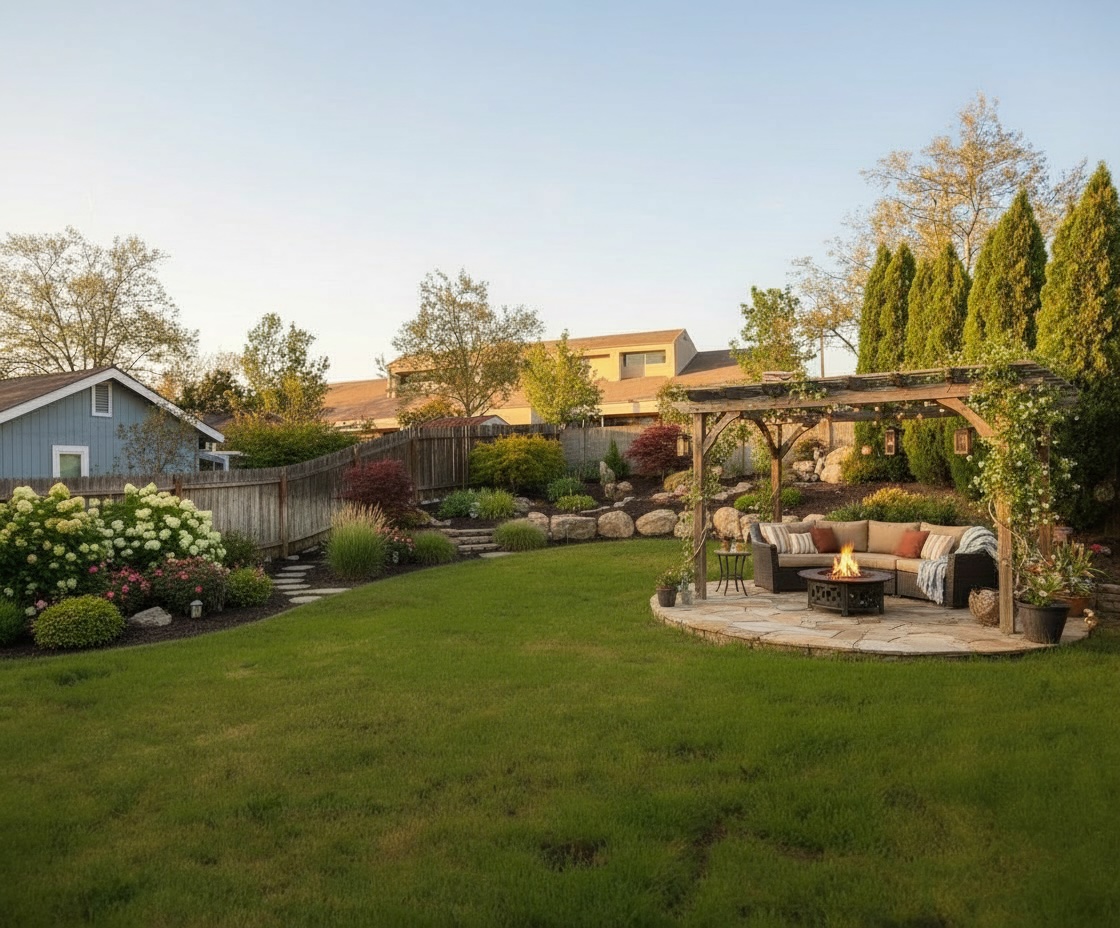
See how a desert/xeriscape garden looks on YOUR property
Upload a photo of your Palmdale yard and visualize your dream garden in seconds.
Try ProScapeAI Free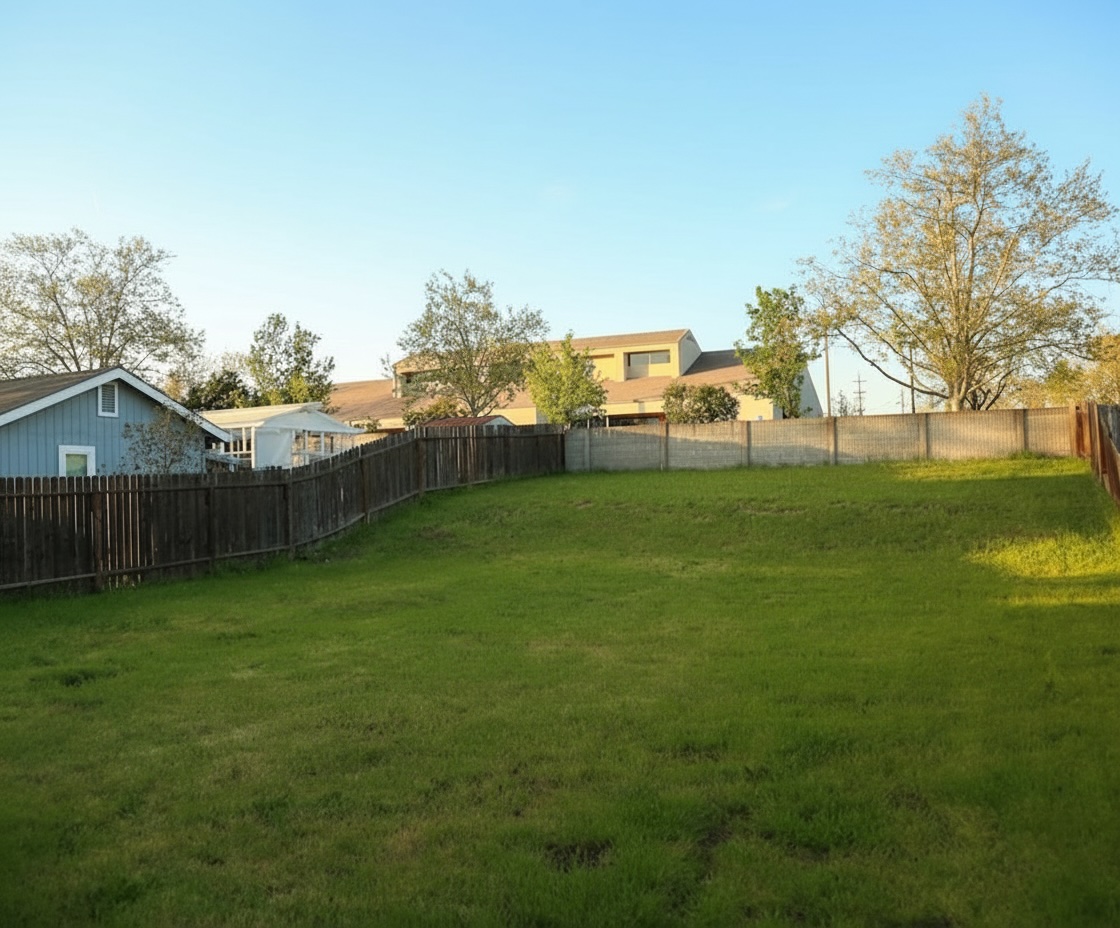
Featured Trees & Shrubs for Desert/Xeriscape Gardens
Browse all 169 plants for Palmdale
Anderson Wolfberry
Lycium andersonii
grows to 5 feet, purple blooms in spring. Attracts hummingbirds.
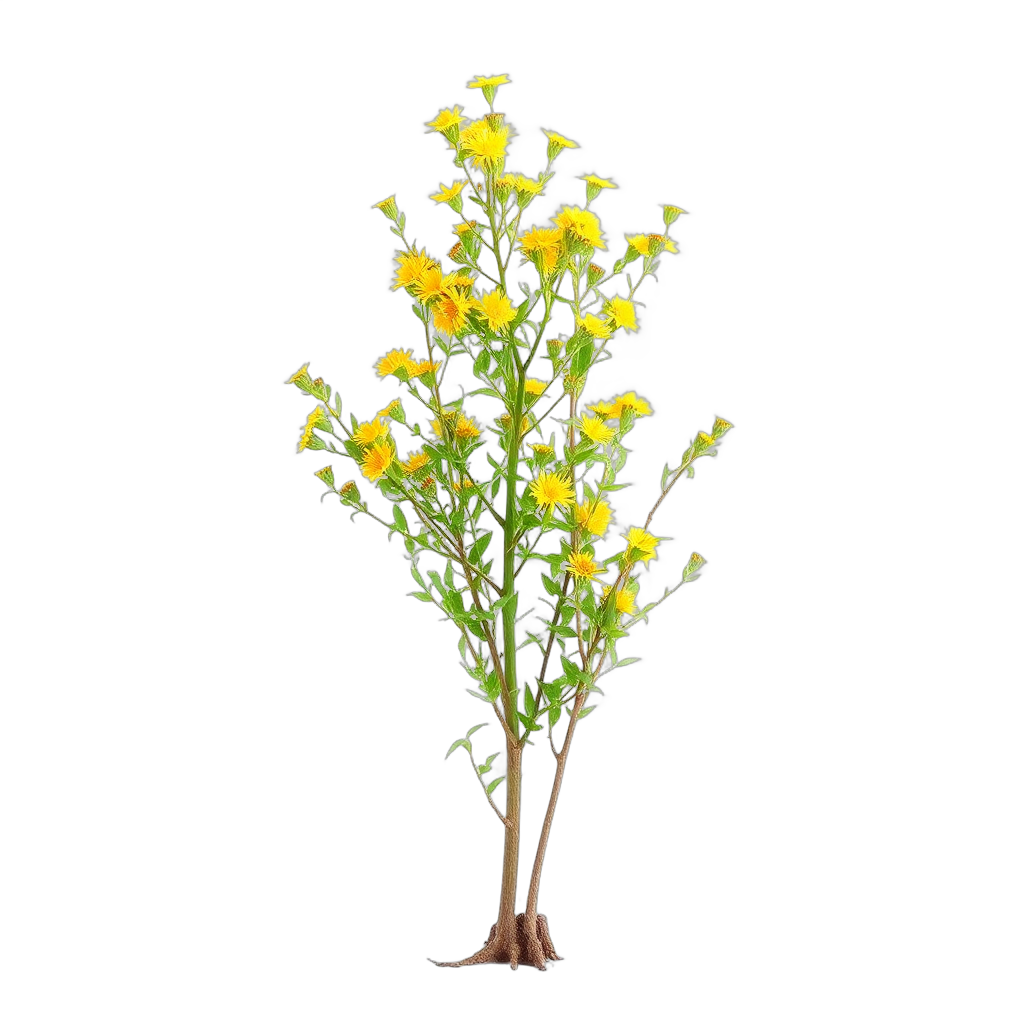
Brittlebush
Enca farinosa
grows to 3 feet, yellow blooms in spring. Attracts butterflies.
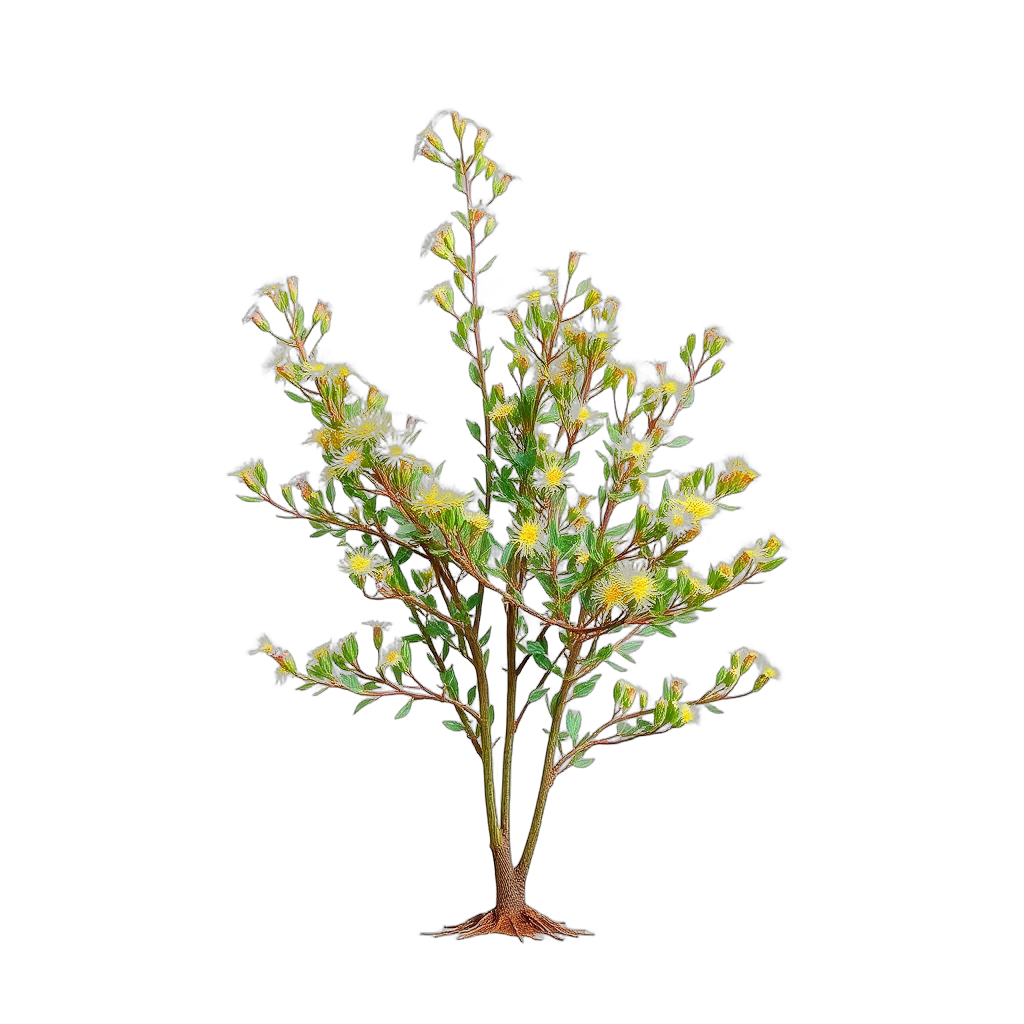
Catclaw Acacia
Acacia greggii
medium-sized at 15 feet, yellow blooms in spring. Pollinator-friendly.
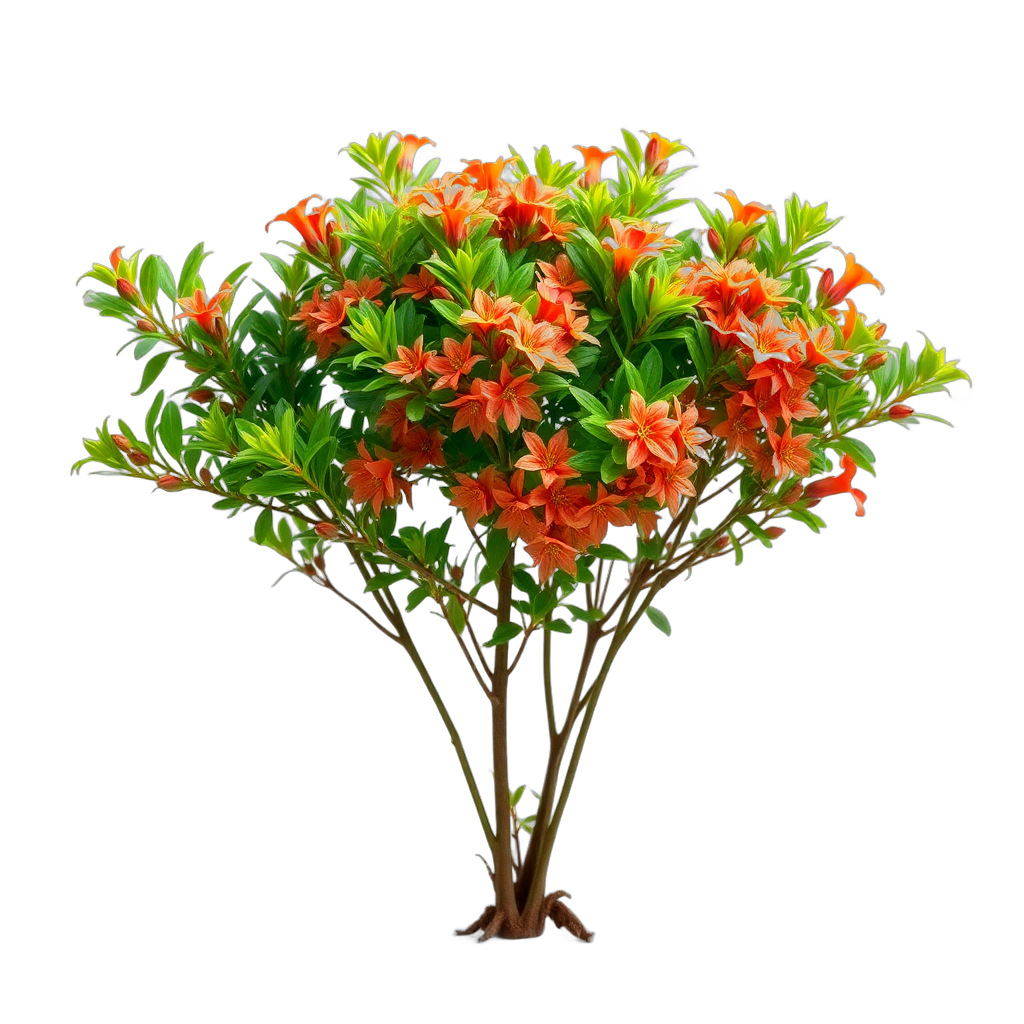
Chuparosa
Justicia californica
grows to 5 feet, red blooms in spring. Attracts hummingbirds.
Featured Grasses & Groundcovers for Desert/Xeriscape Gardens
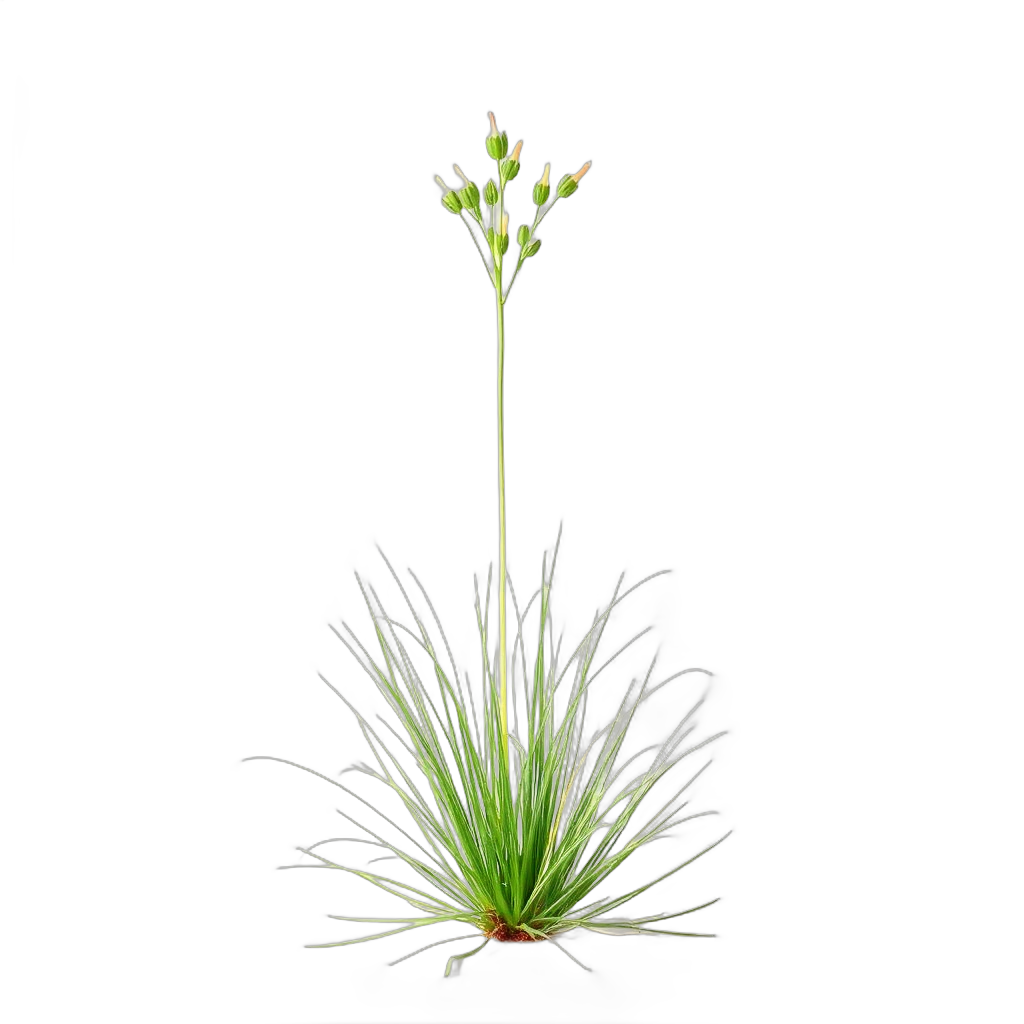
Alkali Sacaton
Sporobolus airoides
grows to 3 feet, blooms in summer. Yellow fall color.
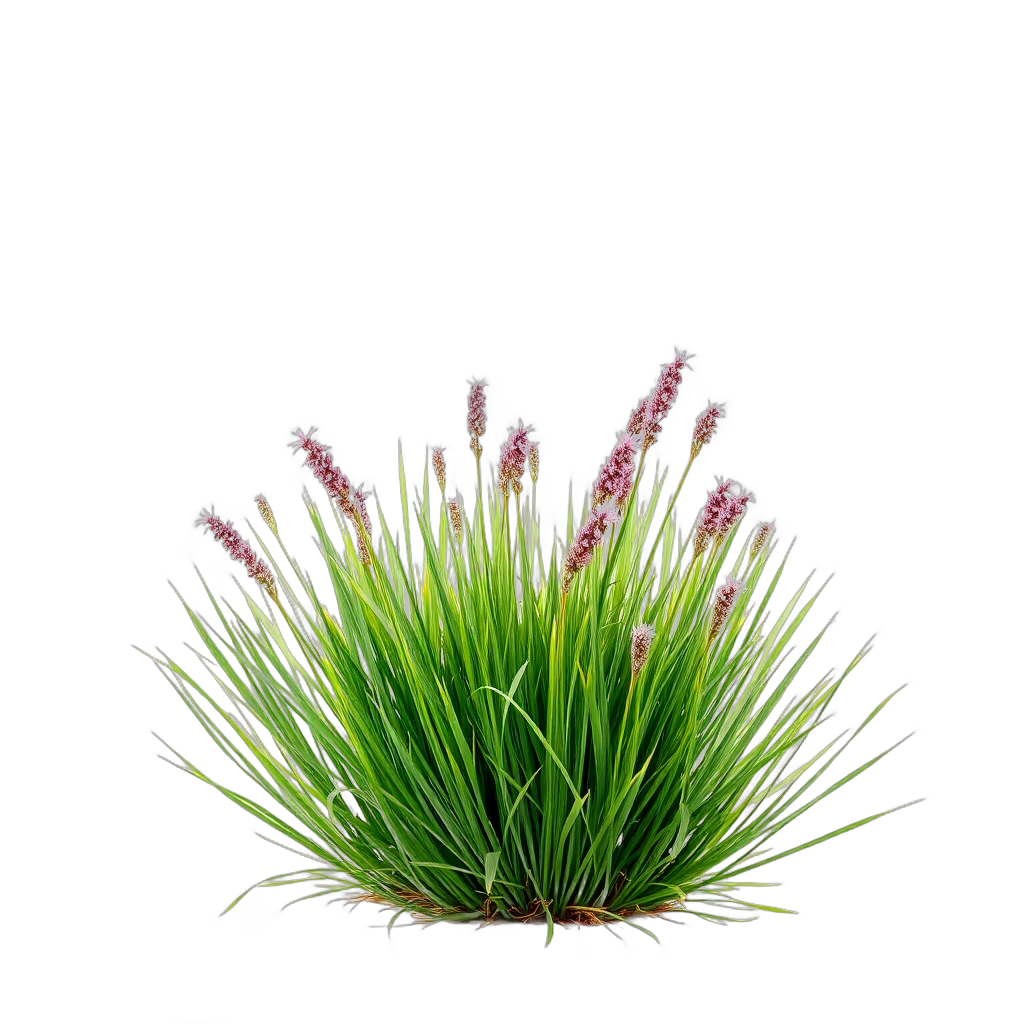
Purple Three-Awn
Aristida purpurea
low-growing ground cover, purple blooms in fall. Yellow fall color.
Featured Flowers & Perennials for Desert/Xeriscape Gardens
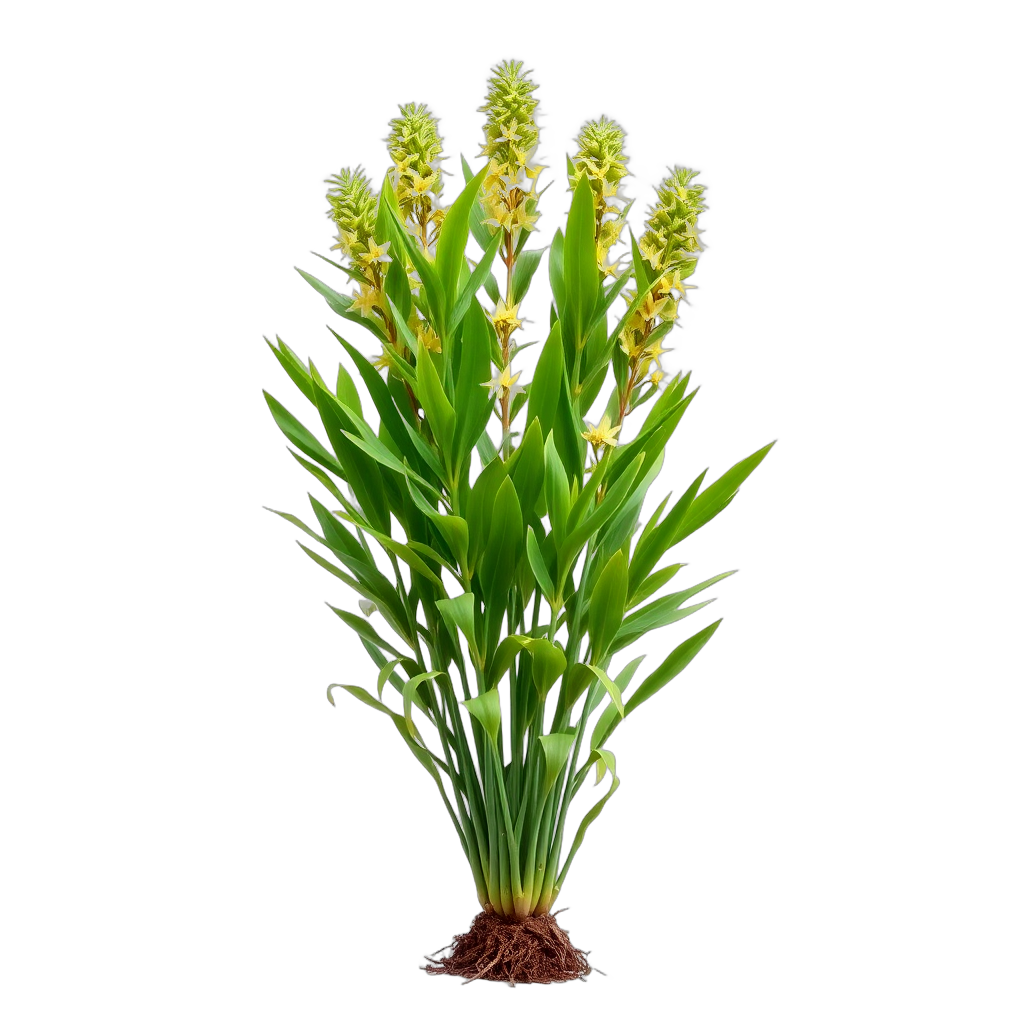
Banana Yucca
Yucca baccata
low-growing ground cover, white blooms in spring. Attracts hummingbirds.
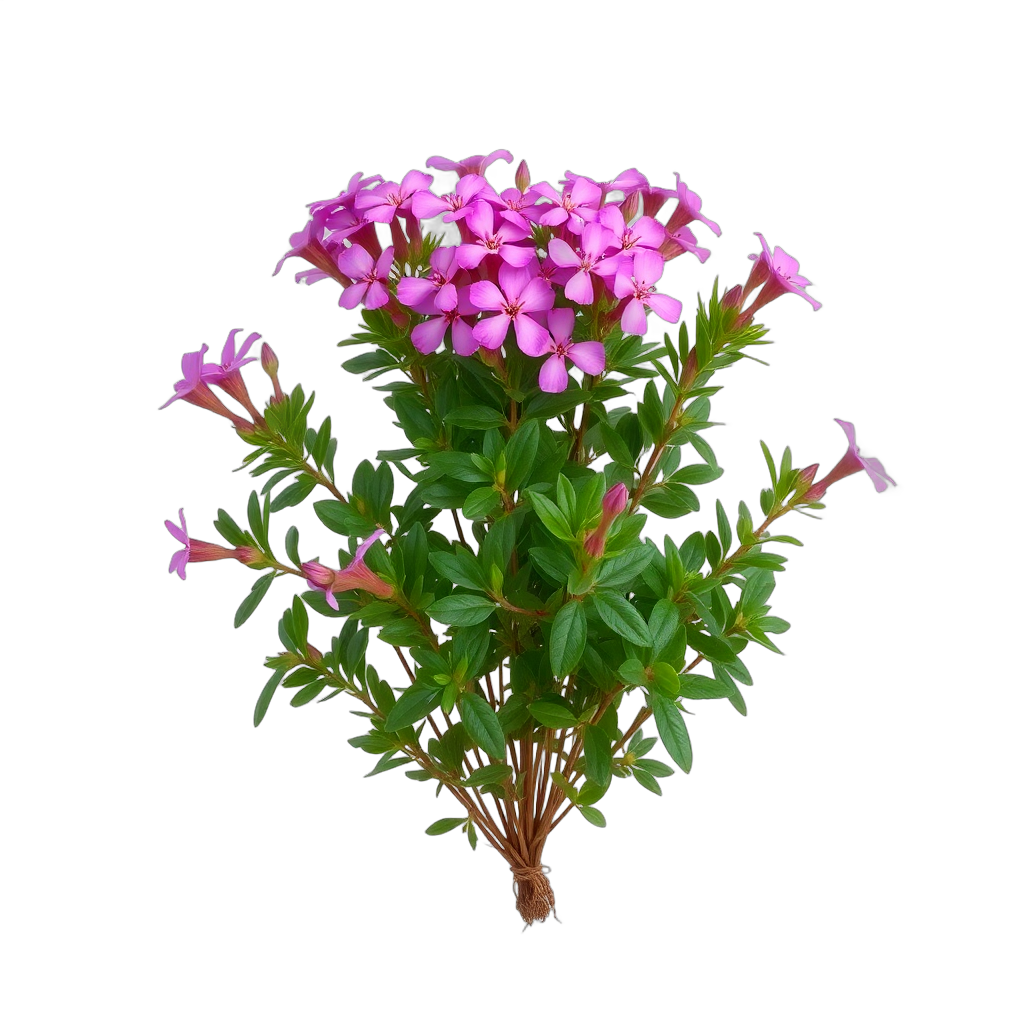
Desert Phlox
Phlox austromontana
low-growing ground cover, pink blooms in spring. Attracts hummingbirds.
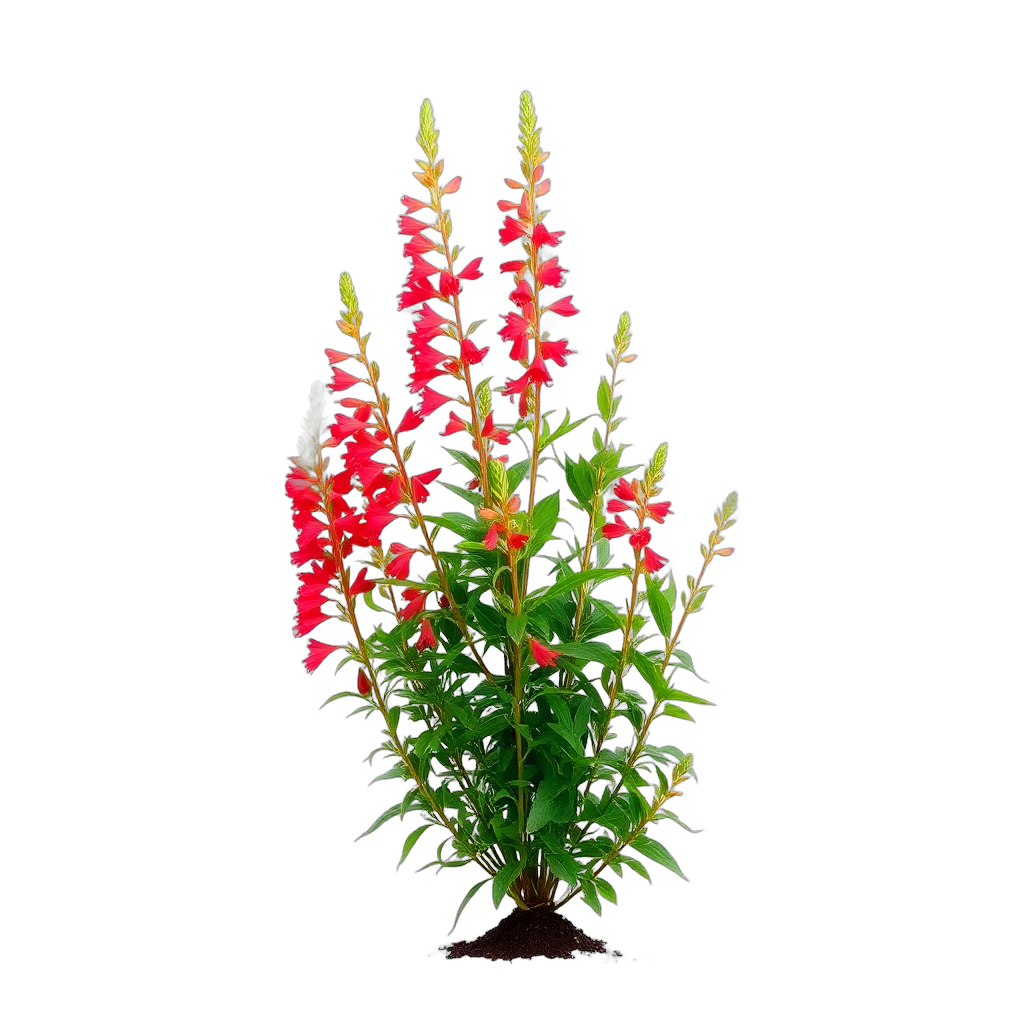
Firecracker Penstemon
Penstemon eatonii
low-growing ground cover, red blooms in spring. Attracts hummingbirds.

Palmer's Penstemon
Penstemon palmeri
grows to 4 feet, pink blooms in spring. Attracts hummingbirds.
Zone and sun checks come from our database — confirm with your local nursery before you buy.
Bloom Calendar for Palmdale
spring
Banana Yucca, Desert Phlox, Firecracker Penstemonsummer
Alkali Sacaton, Quailbushfall
Purple Three-Awnwinter
Limited bloomsDesign Tips for Palmdale (Zone 8b)
- Spread gravel a full three inches deep — anything thinner lets Palmdale's summer sun cook the soil surface and lets tumbleweed seed germinate straight through; ¾-inch buff or tan crushed rock beats round pea gravel anywhere people walk
- Plant high, never low: with caliche hardpan common at 12–24 inches, set Agave parryi var. truncata, Dasylirion wheeleri and Opuntia santa-rita on 8–12 inch bermed mounds so winter rain drains away from the crown instead of pooling at it
- Design for the spring wind, not just the heat — 30–40 mph Antelope Valley gusts flatten tall, top-heavy plants, so keep the bones low and wide (Agave ovatifolia 'Frosty Blue', Nolina microcarpa, Muhlenbergia rigens) and stake any Yucca rostrata or Chilopsis linearis 'Bubba' for its first two years
- Keep one shade tree on the west elevation even in a full xeriscape; Pistacia chinensis 'Keith Davey' and Vitex agnus-castus 'Shoal Creek' both take Zone 8b freezes and pH 8 soil, and either one cuts afternoon wall temperatures more than any amount of gravel colour choice
- Convert spray heads to inline drip rather than abandoning the system — desert plants still need deep weekly water for their first two summers, and Palmdale Water District's conversion rebate pays part of the retrofit
- Bury boulders to a third of their height so they look geological rather than delivered; a handful of large buff granite pieces reads far better in a Palmdale front yard than a scattering of small ones
- Keep a few square yards of frost cloth in the garage — four or five nights a winter in the 15–20°F range decide whether a borderline Opuntia or Leucophyllum frutescens 'Green Cloud' comes through the season looking sharp
Where to Source Plants in Palmdale
Skip the big-box stores. These independent Palmdale nurseries specialize in the plants that make desert/xeriscape gardens thrive in Zone 8b.
Evergreen Nursery
West Palmdale (22nd Street West)
Locally owned Antelope Valley grower since 2014; drought-tolerant shrubs, shade and ornamental trees, plus on-site consulting and delivery
Canyons to the Desert RCD Nursery & Arboretum
West Lancaster (Avenue I)
Conservation-district nursery growing Mojave natives and desert-adapted stock — red yucca, bear grass, Spanish dagger, chaste tree, Chinese pistache; open Thursday–Saturday, and it supplies free plants to homeowners in its lawn-reduction rebate program
Quartz Hill Garden Center
Quartz Hill (50th Street West)
High-desert independent since 1992, repeatedly voted the Antelope Valley's best nursery; plants, trees and shrubs alongside a deep irrigation-parts and fertilizer counter
Ramos Nursery
Palmdale (Avenue O-4)
Family-run grower yard, CDFA-licensed, carrying flowers, shrubs and trees in every size at close to wholesale pricing — the place to buy quantity for a whole-yard conversion
Desert/Xeriscape Landscaping Costs in Palmdale
| Project Scope | Estimated Cost |
|---|---|
| Front yard conversion (turf removal + gravel + desert planting, ~800 sqft) | $4,800 – $11,000 |
| Drip irrigation retrofit (front and back yard) | $1,800 – $4,500 |
| Paver patio with stacked-stone gas fire pit (350–500 sqft) | $12,000 – $28,000 |
| Granite boulder placement and dry streambed | $1,500 – $6,000 |
| Specimen agave or beaked yucca (15–24 inch box) | $180 – $900 each |
| Freeform pool with rock waterfall and desert surround | $70,000 – $150,000 |
| AI visualization with ProScapeAI | Free to start |
Estimates based on Palmdale, CA-area contractor rates as of 2026. Actual costs vary by site conditions, materials, and contractor.
Palmdale Climate & Growing Zone
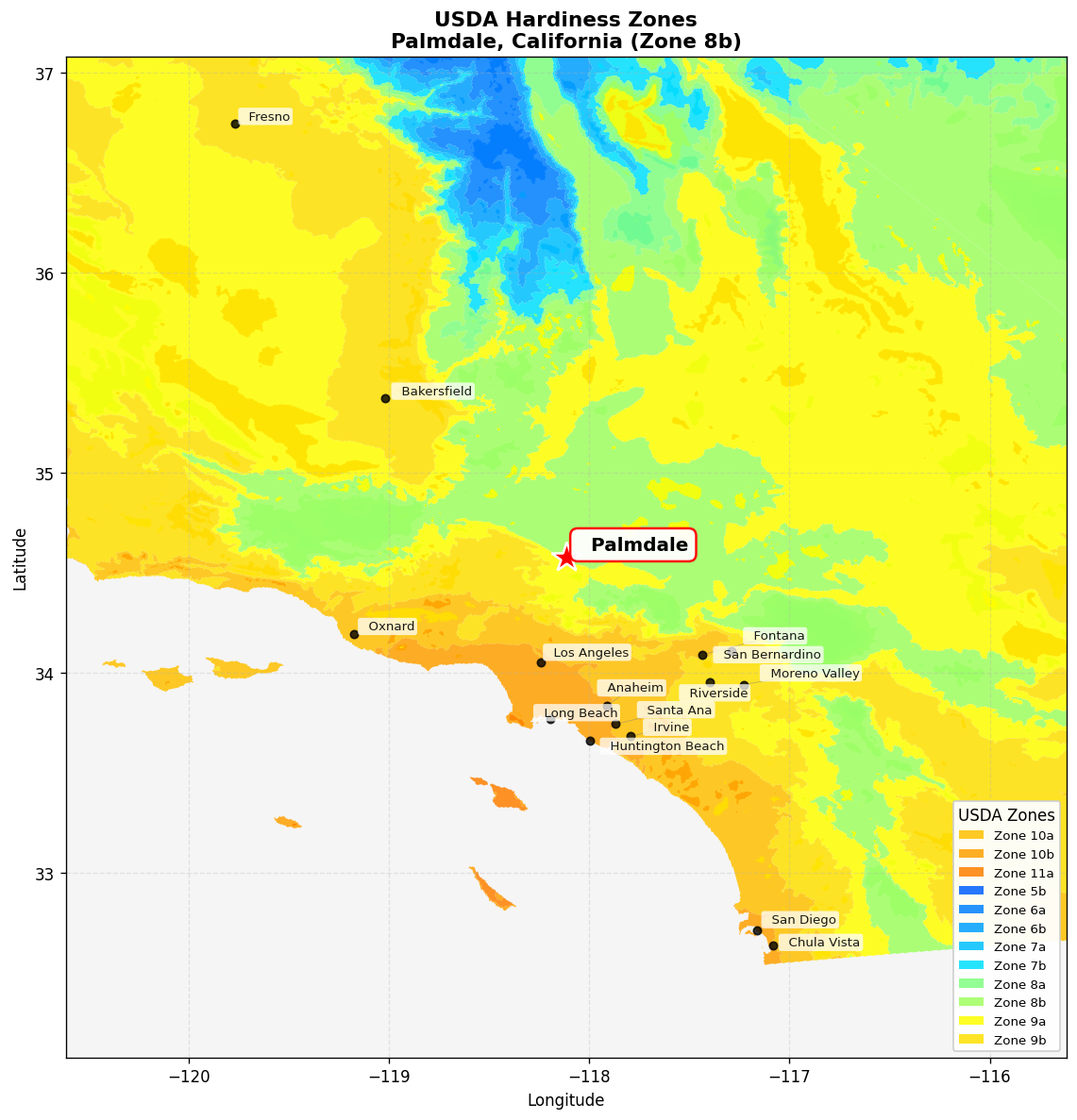
USDA Zone 8b
Hardiness zone for Palmdale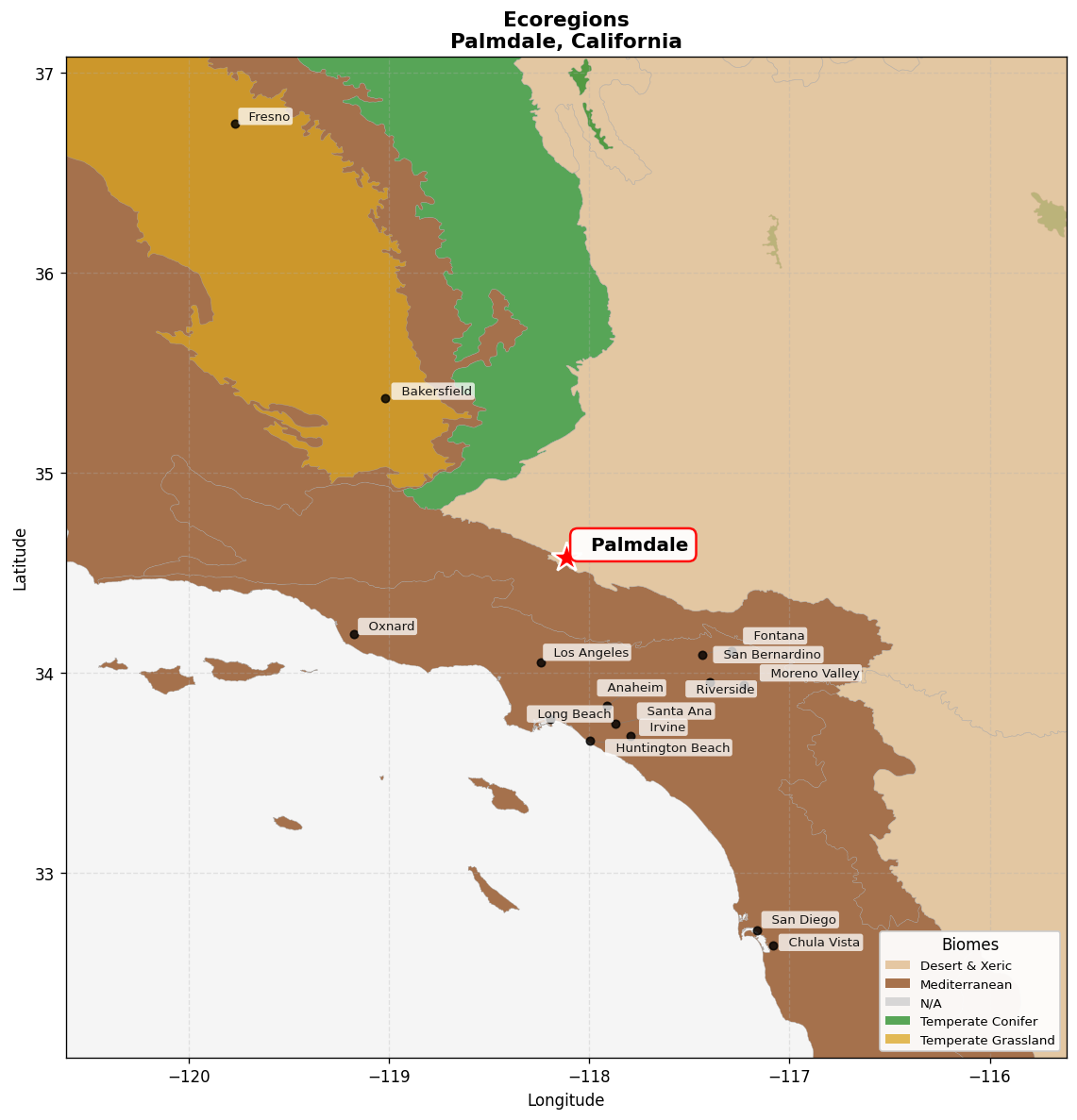
Mojave desert
Native ecoregionFrequently Asked Questions
How much does xeriscaping cost in Palmdale?
Converting a typical 800 sqft Palmdale front lawn to gravel, drip and desert planting runs about $4,800–$11,000 installed, or roughly $6–12 per square foot. Doing the demolition and gravel yourself and buying plants from a local grower yard can bring it under $3 per square foot. A paver terrace with a gas fire pit is $12,000–$28,000 depending on size, and a full backyard with a freeform pool and boulder waterfall commonly lands between $70,000 and $150,000. Specimen plants are the swing factor: a 5-gallon Hesperaloe parviflora 'Brakelights' is around $35, while a 24-inch box Yucca rostrata or a mature Agave ovatifolia can be $400–$900 each. Set against a Palmdale summer water bill, most front-yard conversions pay for themselves in six to ten years.
Which desert plants actually survive a Palmdale winter?
Palmdale is USDA Zone 8b, meaning average winter lows of 15–20°F — far colder than Palm Springs or Phoenix, and the reason so many imported desert plants die here in their first January. Reliable performers include Agave parryi var. truncata and Agave ovatifolia 'Frosty Blue' (both hardy well below 10°F), Yucca rostrata 'Sapphire Skies', Yucca baccata, Dasylirion wheeleri, Nolina microcarpa, Hesperaloe parviflora 'Brakelights', Opuntia santa-rita and the natives Ericameria nauseosa, Fallugia paradoxa and Atriplex canescens. Avoid or site very carefully against a warm south wall: Agave attenuata, Echinocactus grusonii, Bougainvillea and Parkinsonia 'Desert Museum'. If you plant something borderline, a $15 frost cloth on the four or five hardest nights each winter is usually the whole difference.
Can I remove a Joshua tree from my Palmdale yard?
Not without a permit. The western Joshua tree, Yucca brevifolia, is protected under California's Western Joshua Tree Conservation Act, and removing, relocating or heavily trimming one is prohibited unless the California Department of Fish and Wildlife or the City of Palmdale has authorised it. Trees within 100 feet of an existing single-family home, or those that must be trimmed to meet defensible-space requirements, may qualify for a permit without mitigation fees, and fallen or actively leaning trees threatening a structure can fall under a hazard permit. Start with the City of Palmdale before any equipment shows up. From a design standpoint, keeping the tree is the better call anyway — an established Joshua tree ringed in gravel with Muhlenbergia rigens and Bouteloua gracilis 'Blonde Ambition' at its feet is a specimen no nursery can sell you.
What rebates can I get for tearing out my lawn in Palmdale?
Palmdale Water District runs a Water Wise Landscape Conversion program that pays $0.25 per linear foot toward micro-irrigation conversions of at least 1,000 linear feet, plus $40 per bag of moisture-retaining soil additive. Separately, the Canyons to the Desert Resource Conservation District in Lancaster operates a lawn-reduction rebate that supplies free desert-adapted plants from its own nursery, sized to the area of turf you remove. Both programs are funding-dependent and both require pre-approval before you touch the lawn, so apply first and demolish second. Larger permitted landscape projects also fall under California's Model Water Efficient Landscape Ordinance, which caps the irrigated water budget and effectively rules out broad spray-irrigated turf in new designs.
How do I plant into Palmdale's sandy soil and caliche layer?
Palmdale soil is decomposed granite and sand, alkaline at roughly pH 7.5–8.5, and often has a cemented caliche hardpan 12–24 inches down. Test by filling a hole with water: if it still holds water after several hours, you have hit caliche and the hole will drown the plant. Break through with a soil auger or post-hole digger so water can escape, or build up instead and set the plant on a 12-inch bermed mound. Do not backfill with rich compost or peat — agaves, yuccas and Dasylirion wheeleri want the native grit, and a soft pocket in hard ground just collects water. Save amendment for fruit trees and roses, use a chelated iron product rather than sulfur if leaves yellow between the veins, and top everything with three inches of gravel.
When is the best time to install a desert landscape in Palmdale?
Mid-October through early December is the ideal window — soil is still warm enough for root growth, the plant is not fighting 98°F afternoons, and winter rain does part of your establishment watering. March into early April is the second-best window, though spring winds of 30–40 mph in the Antelope Valley can shred new foliage and blow over freshly planted specimens, so stake anything tall. Avoid June through August planting entirely if you can: even Agave parryi var. truncata will scorch when it is set out in full sun at 100°F with an unestablished root system. Hardscape is different — pavers, gravel and concrete can be installed year-round in Palmdale, with only the occasional hard freeze delaying a pour.
Doesn't a gravel yard make the house hotter?
It can, if you do it badly. A bare expanse of dark gravel against a west-facing Palmdale wall will radiate heat back at the house all evening. The fixes are all design decisions: choose light tan or buff gravel rather than black or dark grey, keep at least one canopy tree — Chilopsis linearis 'Bubba', Pistacia chinensis 'Keith Davey' or Vitex agnus-castus 'Shoal Creek' all handle Zone 8b and alkaline soil — shading the west elevation, and break up the gravel field with planted islands rather than leaving it uninterrupted. Done that way, a xeriscape front yard runs cooler than the lawn it replaced, because the lawn was only cool while a spray system was evaporating water into a 7-inch-rainfall climate.