4 Modern Landscape Ideas for Palmdale, CA | Zone 8b Desert Modern
Native plants from the Mojave desert (Zone 8b) — Cold semi-arid climate
Why Modern/Minimalist Gardens in Palmdale?
Palmdale is a better modern-design city than it gets credit for, and the reason is the building stock. The aerospace boom that built Plant 42 also built block after block of low-slung, flat-and-shed-roof ranch houses on the older grid east of Sierra Highway and around Avenue Q, while Rancho Vista, City Ranch and the newer Anaverde hillside tracts stacked long horizontal stucco masses with deep eaves and wide garage elevations — exactly the confident geometry that modern landscaping exists to amplify. The second gift is the light. At roughly 2,660 feet with fewer than forty rainy days a year, Antelope Valley sun throws hard, black-edged shadows across a stucco wall from March to October, so a single Agave ovatifolia 'Frosty Blue' or a run of Corten steel edging does more visual work here than an entire border would in a coastal city. Modern design in Palmdale is not an imported look; the site supplies the contrast for free.
The climate sets the material spec before it sets the plant list. Palmdale averages about 7.4 inches of rain a year, sees July highs near 98°F, and drops to an average January low around 34°F with hard freezes into the teens — USDA Zone 8b, lows of 15–20°F — while the day-to-night swing routinely runs 35–40°F. That swing is the thing most modern landscapes here get wrong: a broad slab of poured concrete expands and contracts every single day, so large-format paving needs sawcut or tooled control joints on a tight grid and honest expansion joints where it meets the house. Pale, high-UV-stable finishes hold up; deep charcoal integral colours fade unevenly within a few summers and radiate heat back at the glass. On the planting side, the palette that keeps its geometry through a Palmdale winter is narrow and worth memorising: Agave ovatifolia 'Frosty Blue', Agave parryi var. truncata, Yucca rostrata 'Sapphire Skies', Dasylirion wheeleri, Muhlenbergia rigens, Leucophyllum frutescens 'Green Cloud' and fruitless Olea europaea 'Swan Hill' all hold a clipped or sculptural silhouette year-round and shrug off both the heat and the freeze. Softer Los Angeles standbys — Agave attenuata, Bougainvillea, Ficus — collapse on the first clear 18°F night.
Palmdale's ground is quietly one of the best hardscape subgrades in California. The soil is alluvial decomposed granite and sand, alkaline at roughly pH 7.5–8.5, with a cemented caliche hardpan commonly sitting 12–24 inches down. Because it is granular rather than clay, it compacts cleanly and does not heave a slab through a wet winter the way expansive soils do in Sacramento or Dallas — which is why crisp, large-format paving stays crisp here. The caliche is the catch: any tree pit for a Pistacia chinensis 'Keith Davey' or Chitalpa tashkentensis 'Pink Dawn' has to be augered through the layer or the hole becomes a bathtub, and planting beds are better built up on 8–12 inch berms than dug down. Then there is the wind. Spring gusts funnel down the Antelope Valley at 30–40 mph, which in a modern garden means overhead string lights need a tensioned catenary cable and real posts rather than a hook on the fascia, freestanding screens need footings, gravel wants to be ¾-inch angular crushed rock rather than round pea gravel that walks downwind, and tall narrow specimens like Yucca rostrata get staked for their first two years.
Water policy makes the modern style the cheap one to run. Palmdale Water District's Water Wise Landscape Conversion program contributes toward micro-irrigation retrofits at $0.25 per linear foot plus $40 per bag of moisture-retaining soil additive, the Canyons to the Desert Resource Conservation District in Lancaster hands back free desert-adapted plants sized to the turf you remove, and California's Model Water Efficient Landscape Ordinance sets the irrigated-area budget on larger permitted projects. A modern design wins on all three counts because it uses fewer plants, groups them into a handful of drip-fed islands, and lets hardscape and gravel do the rest — a Palmdale front yard converted this way commonly drops from a summer spray schedule of hundreds of gallons a day to a twice-weekly drip cycle. Two local constraints are worth knowing before you draw anything: the western Joshua tree, Yucca brevifolia, is protected under the Western Joshua Tree Conservation Act and cannot be removed or heavily trimmed without authorisation, and any turf you keep should be a functional, walked-on strip rather than decorative edging. Both push the design in the same direction — keep the Joshua tree, keep the lawn small and deliberate, and spend the budget on the geometry.
4 Modern/Minimalist Design Ideas for Palmdale

The Curved Walk Entry Garden
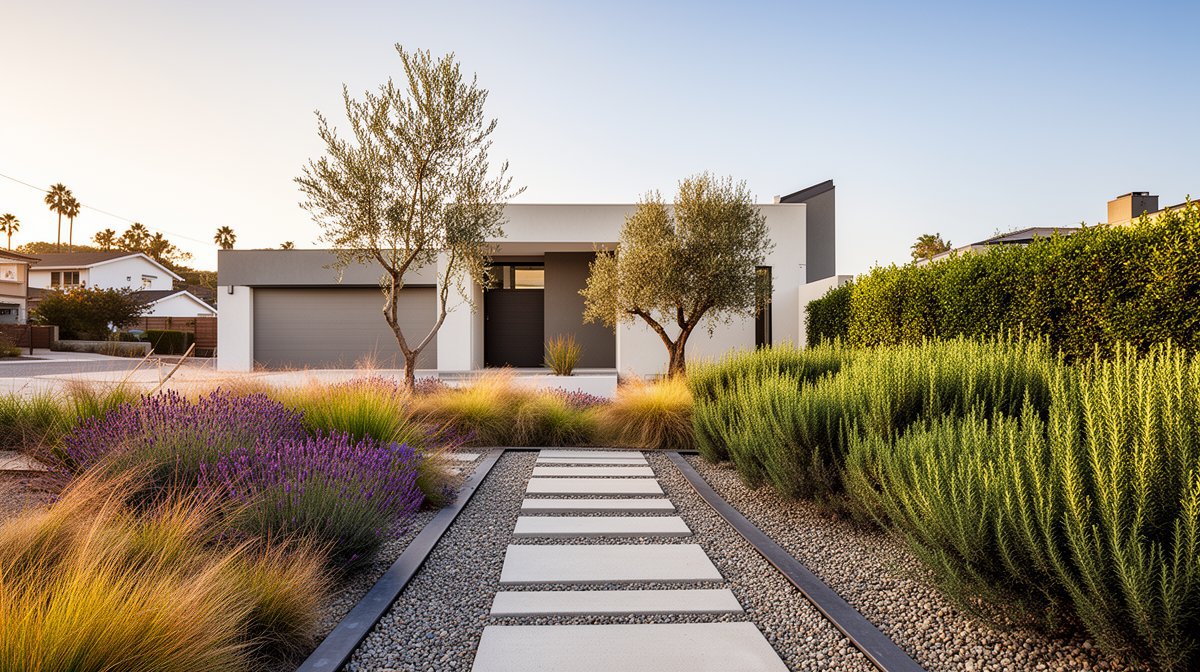
$9–18/sqftA flat-roofed cream stucco contemporary with black-framed windows and a dark slab front door, approached by a pale board-finished concrete walk that sweeps in a single confident curve from the sidewalk to the entry. Everything either side is gravel and massed planting: burgundy sword-leaved phormium punching up against the stucco, blue rosettes of whale's tongue agave low at the walk edge, golden fountains of deer grass catching the last hour of sun, and long drifts of purple lavender running the full width of the frontage. A young multi-trunk shade tree sits off-centre to the left, breaking the horizontal roofline and starting to throw real shade across the west-facing glass — the one thing every Palmdale front elevation needs by mid-July.

The Corten Grid Front Yard
$8–16/sqftA 1960s flat-roof Palmdale ranch with an attached garage, its lawn replaced entirely by a composition of gravel planes divided by rusted Corten steel bands set flush and running on hard diagonals across the yard. The steel does the drawing; the plants punctuate it — large blue whale's tongue agaves anchoring the corners, smaller artichoke agave rosettes scattered in threes, tight dark green mounds of dwarf coyote brush holding the low line, and buff granite boulders set a third buried so they read as outcrop rather than delivery. A ribbon of rounded river cobble runs through the middle as a dry streambed, and slim black bollard lights march along the driveway edge.

The Slab and Fire Table Terrace
$20–36/sqftOversized pale concrete slabs, laid with narrow open joints, float off the back of the house under a canopy of string lights strung on a tensioned cable — the only way that detail survives an Antelope Valley spring. A low sectional and a single armchair face a square block-clad gas fire table at the centre, the sliding glass doors behind them pulling the indoor room out onto the terrace at dusk. Instead of stopping at a hard edge, the slab dissolves into gravel with clumps of deer grass planted straight through it, and a narrow strip of usable lawn plus a run of uplit small trees soften the stucco perimeter wall.

The Mid-Century Pool Courtyard
$45–95/sqft (pool area inclusive)A single-storey glass-walled mid-century house at dusk, its full-width sliders lit from inside, facing a rectangular pool set in pale concrete decking with one warm strip of hardwood deck between the two. A built-in bench sectional wraps a low linear fire feature at the pool's head, LED strip lighting washes under the seat plinth, and mature multi-trunk olives flank both ends of the composition and get uplit from below. The planting is deliberately quiet — a small rectangle of real lawn on the left, low silver-grey mounds along the right-hand wall, and grasses drifting across the foreground so the pool edge is never the last thing you see.
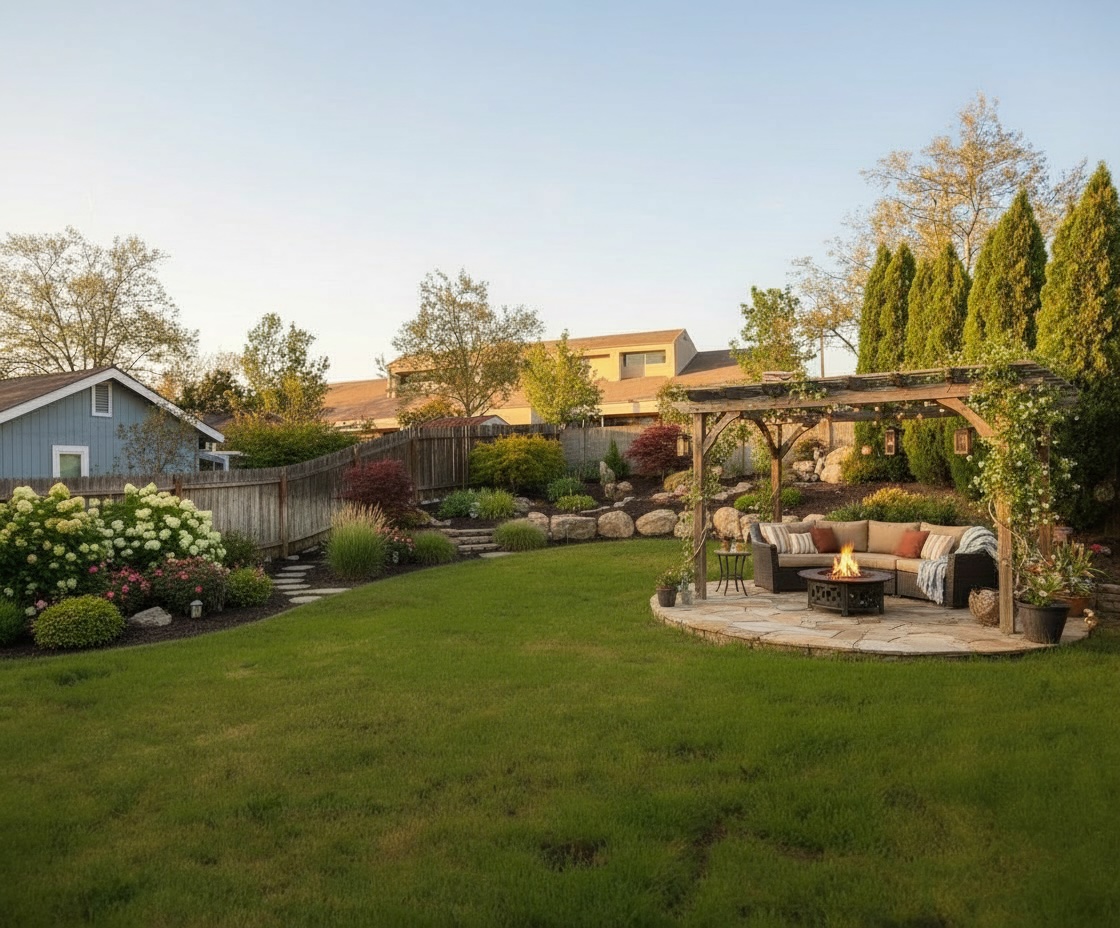
See how a modern/minimalist garden looks on YOUR property
Upload a photo of your Palmdale yard and visualize your dream garden in seconds.
Try ProScapeAI Free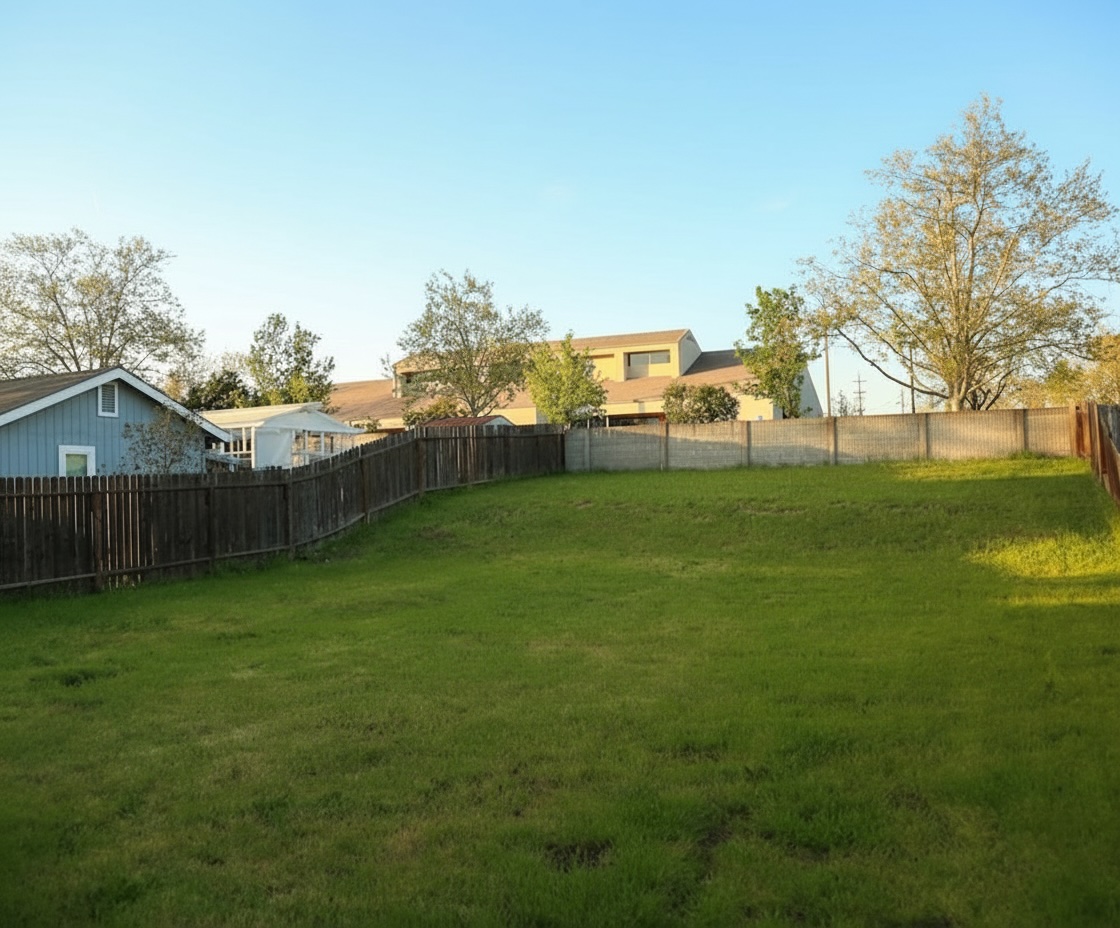
Featured Trees & Shrubs for Modern/Minimalist Gardens
Browse all 169 plants for Palmdale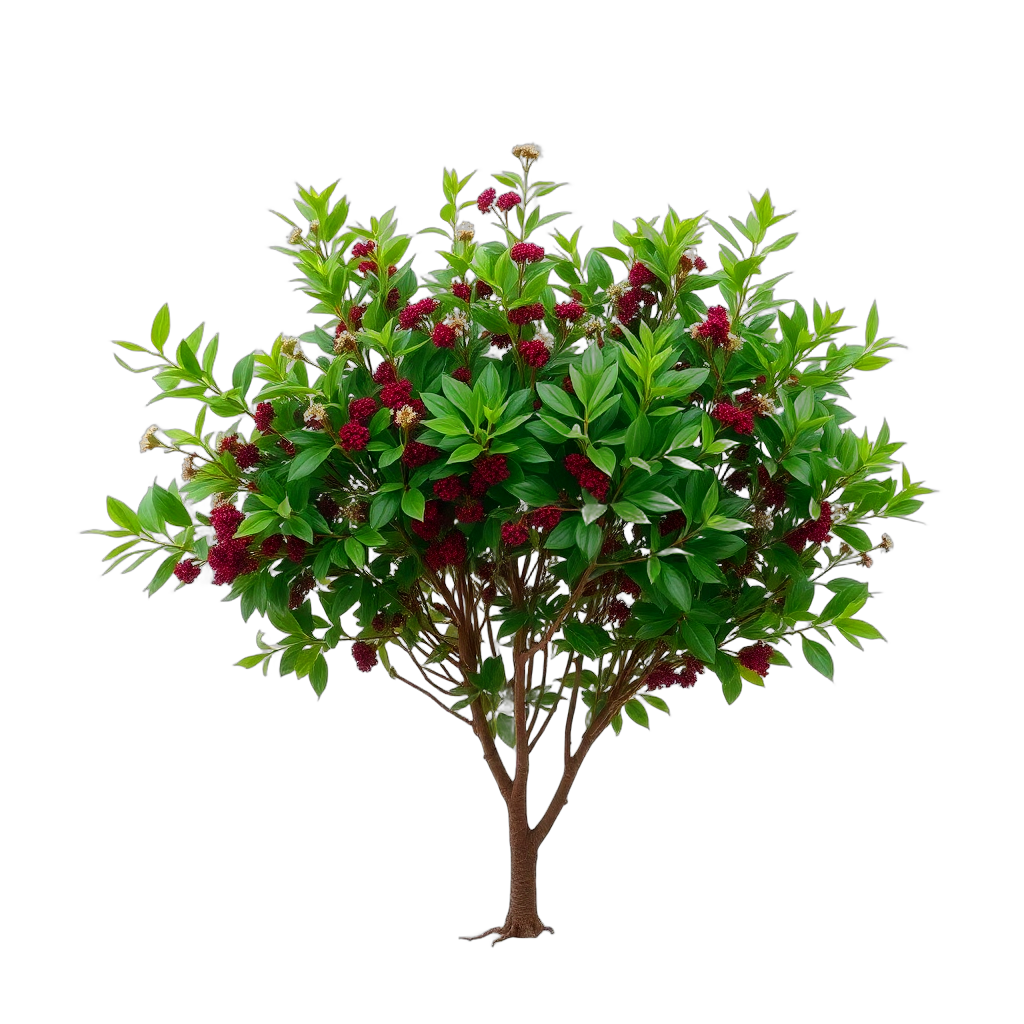
Anderson Wolfberry
Lycium andersonii
grows to 5 feet, purple blooms in spring. Attracts hummingbirds.
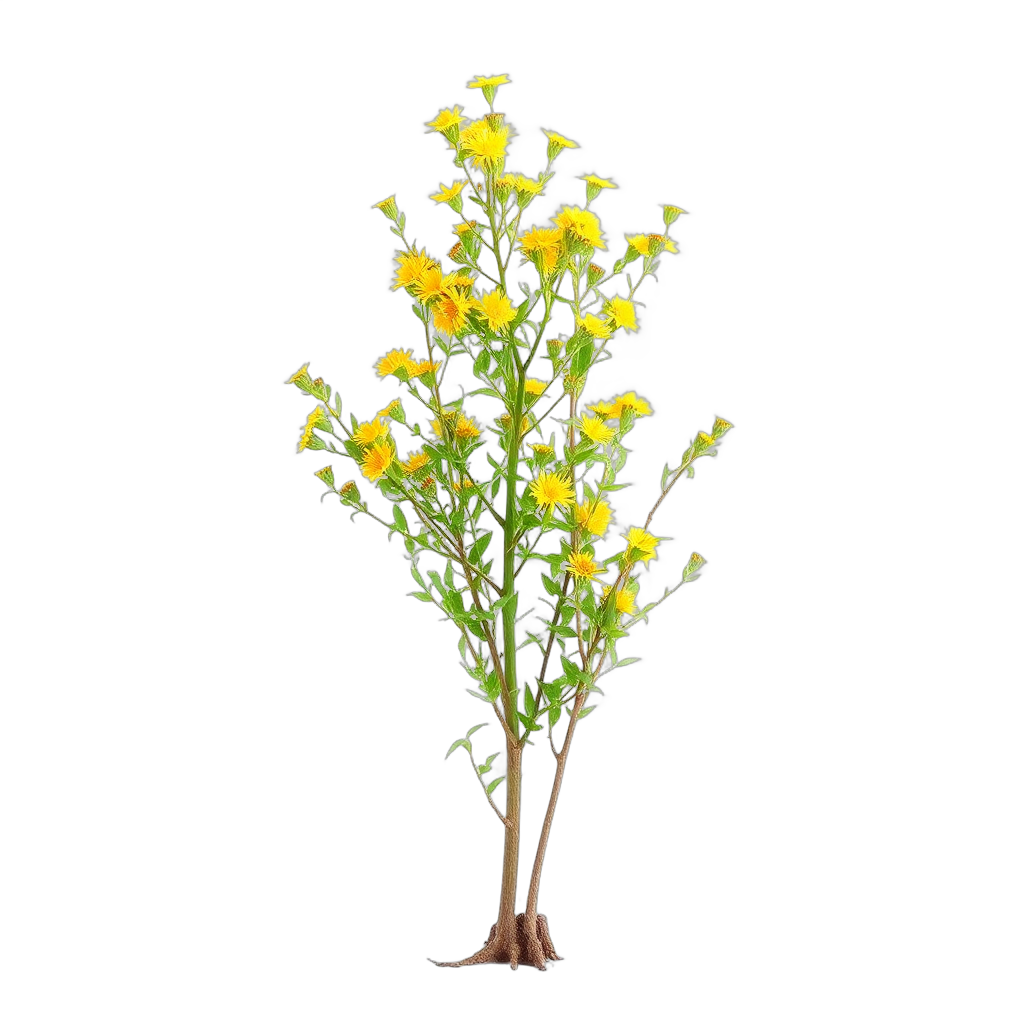
Brittlebush
Enca farinosa
grows to 3 feet, yellow blooms in spring. Attracts butterflies.
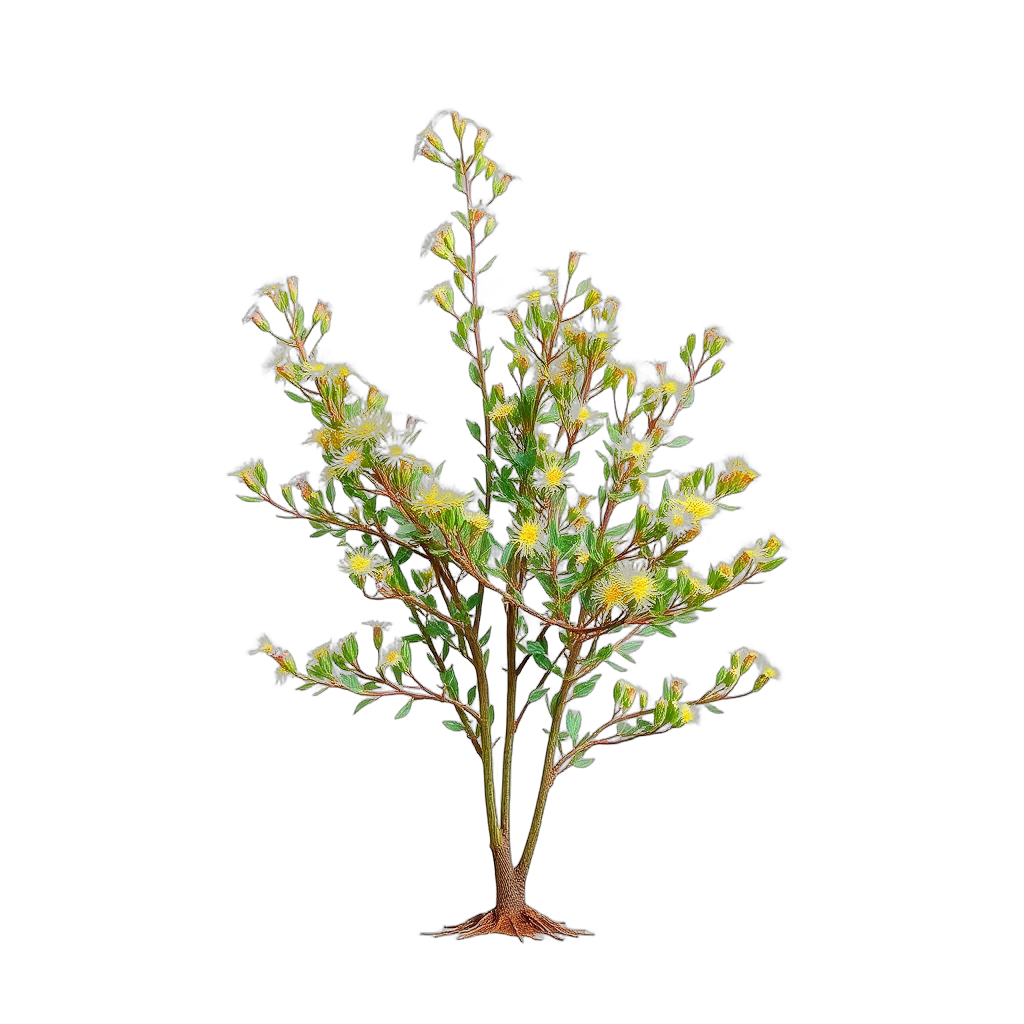
Catclaw Acacia
Acacia greggii
medium-sized at 15 feet, yellow blooms in spring. Pollinator-friendly.
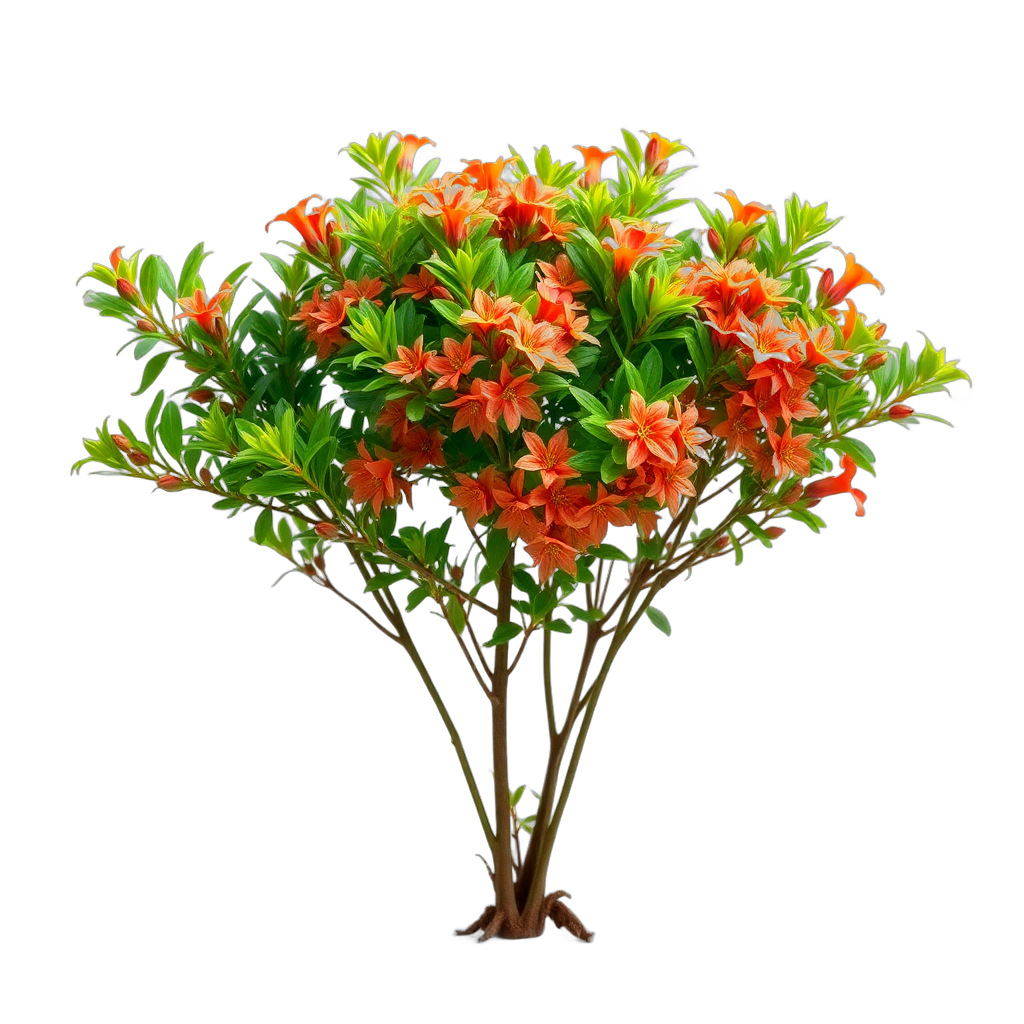
Chuparosa
Justicia californica
grows to 5 feet, red blooms in spring. Attracts hummingbirds.
Featured Grasses & Groundcovers for Modern/Minimalist Gardens
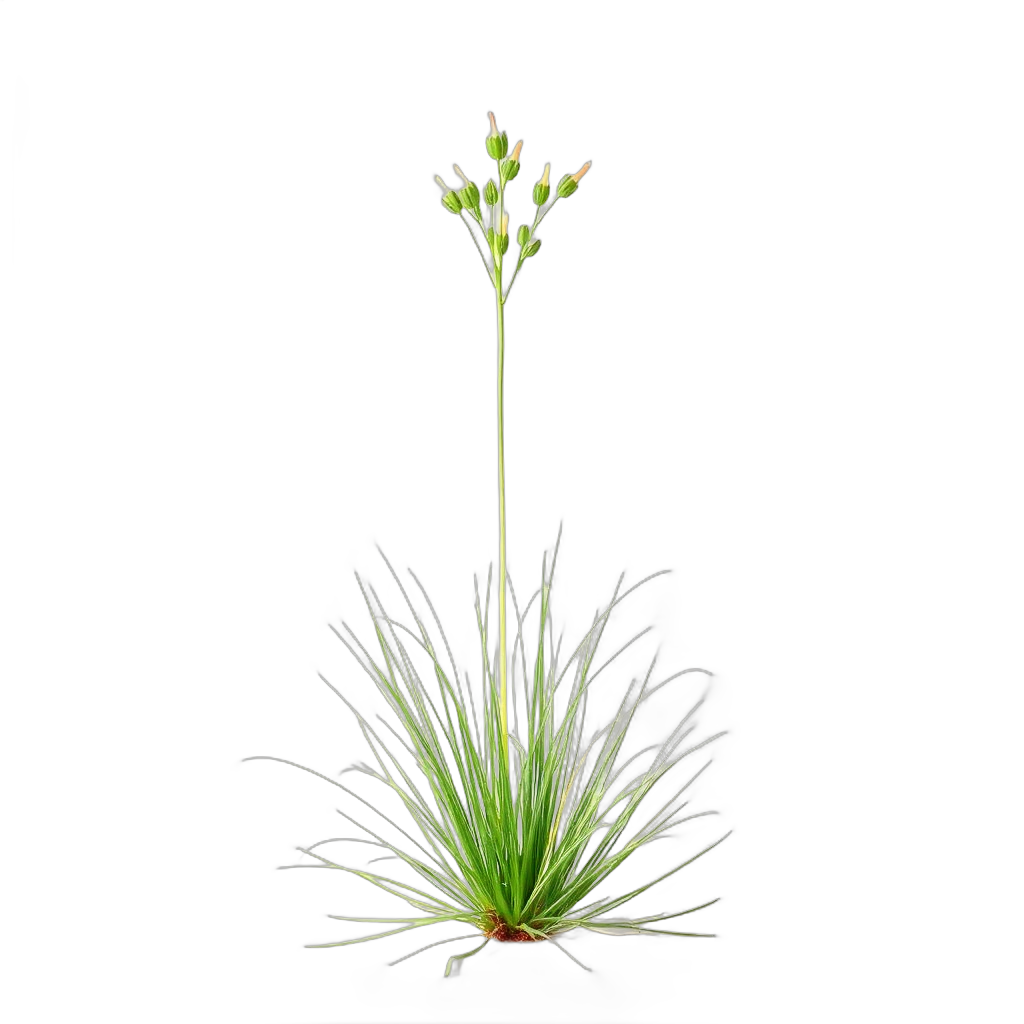
Alkali Sacaton
Sporobolus airoides
grows to 3 feet, blooms in summer. Yellow fall color.
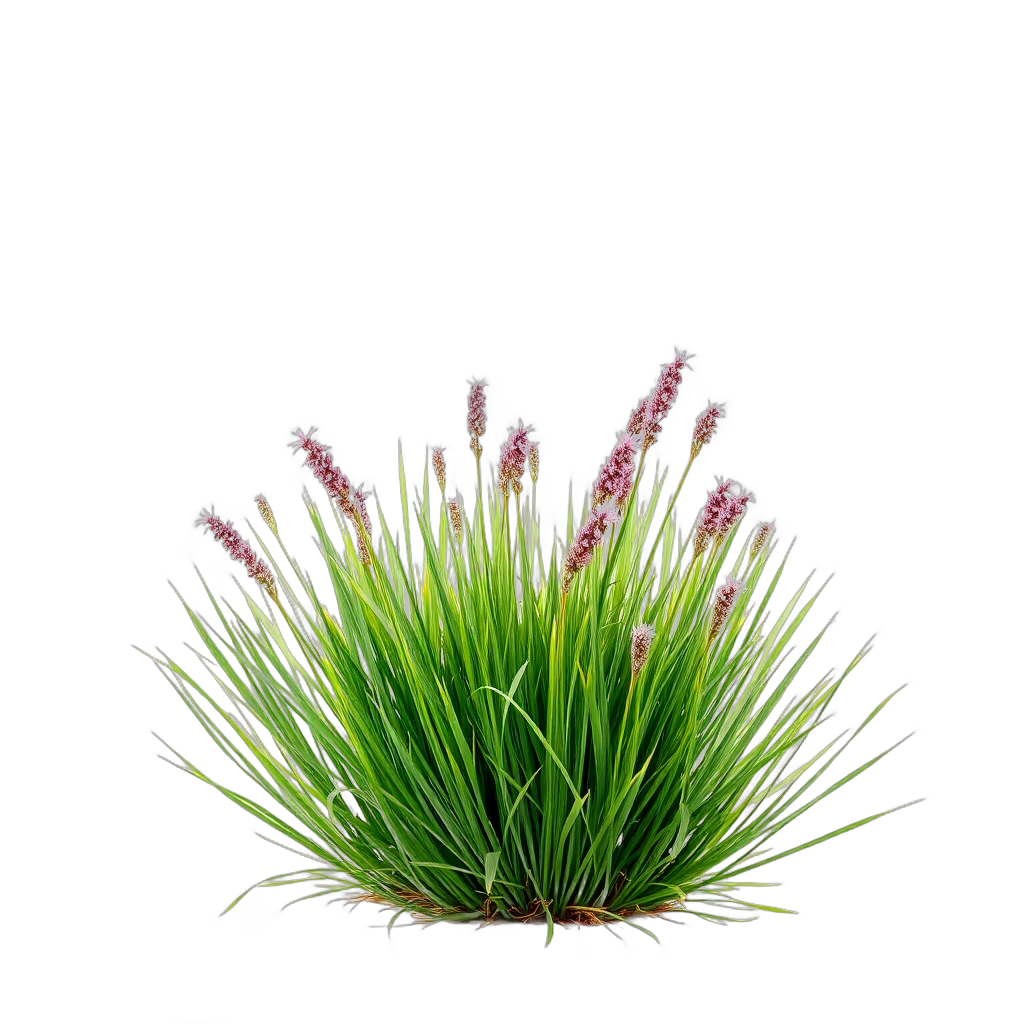
Purple Three-Awn
Aristida purpurea
low-growing ground cover, purple blooms in fall. Yellow fall color.
Featured Flowers & Perennials for Modern/Minimalist Gardens
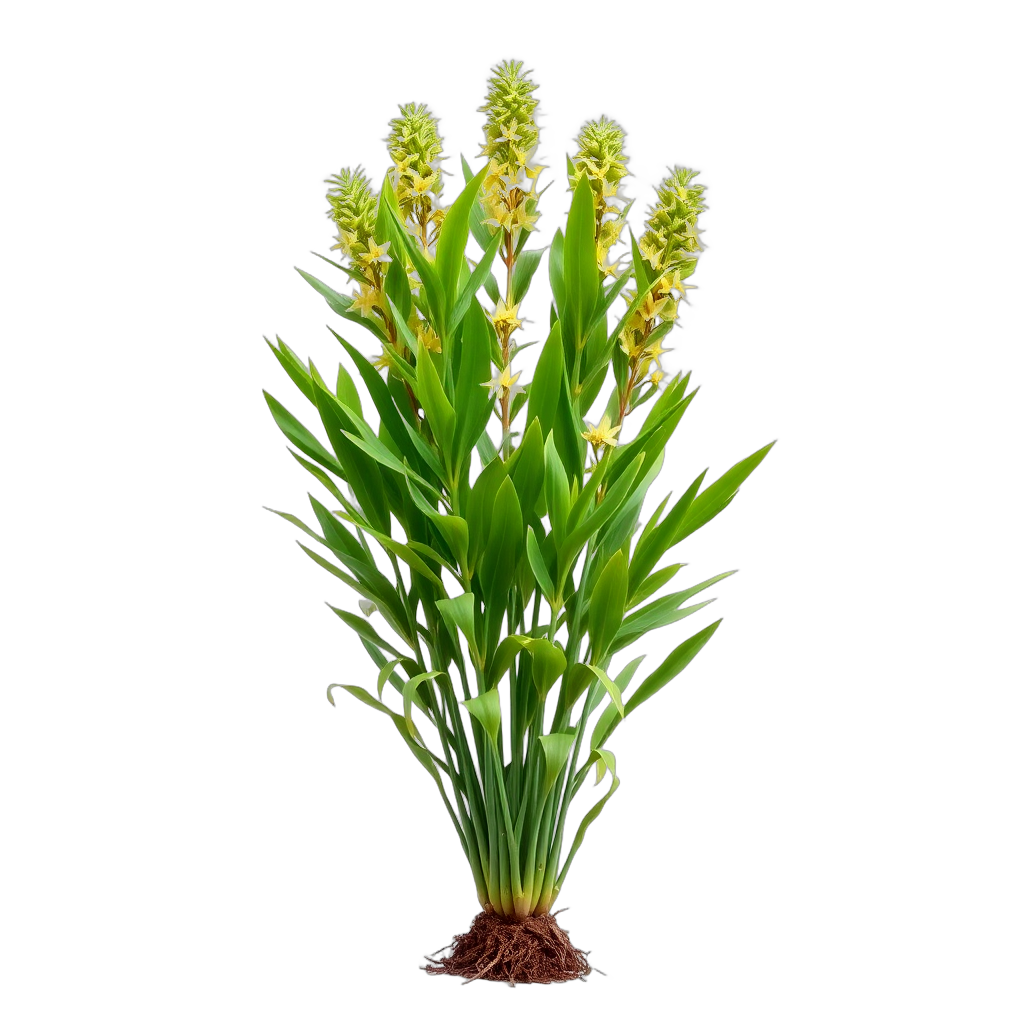
Banana Yucca
Yucca baccata
low-growing ground cover, white blooms in spring. Attracts hummingbirds.
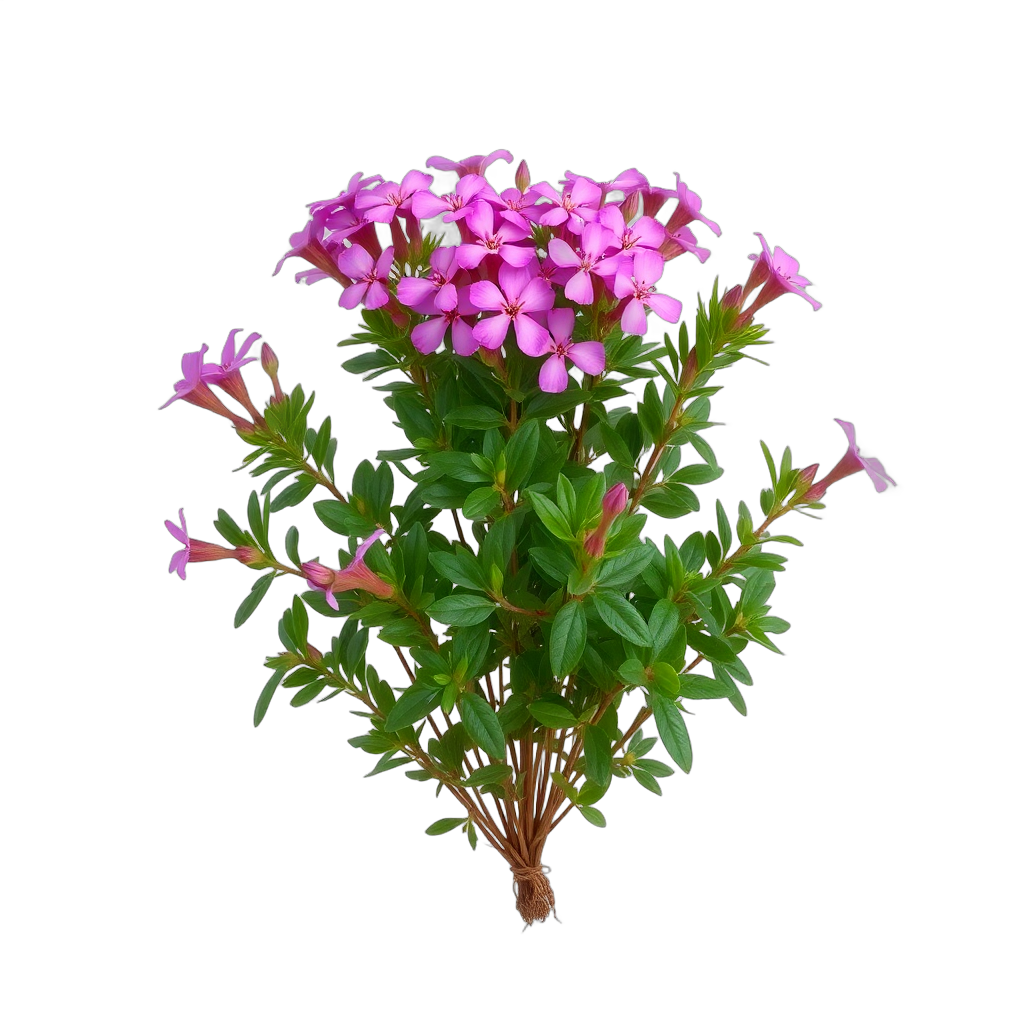
Desert Phlox
Phlox austromontana
low-growing ground cover, pink blooms in spring. Attracts hummingbirds.
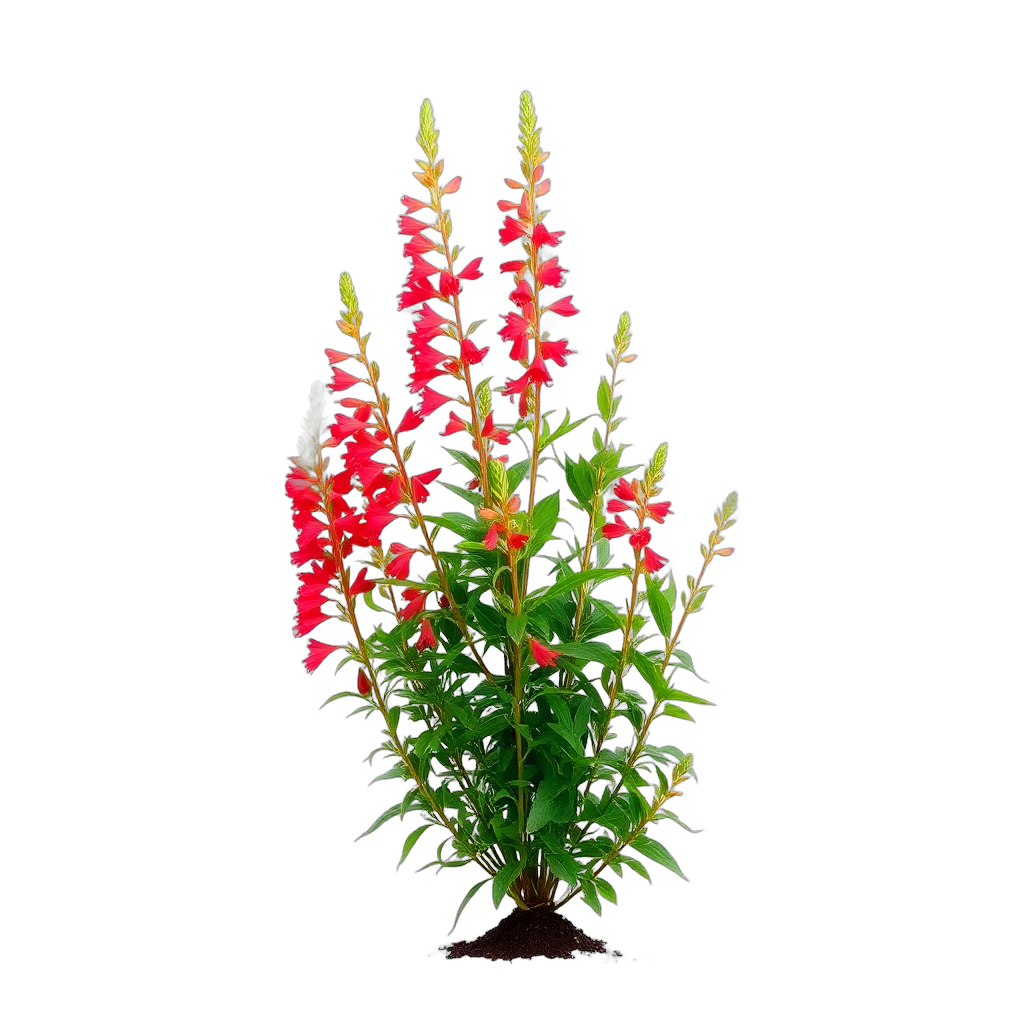
Firecracker Penstemon
Penstemon eatonii
low-growing ground cover, red blooms in spring. Attracts hummingbirds.

Palmer's Penstemon
Penstemon palmeri
grows to 4 feet, pink blooms in spring. Attracts hummingbirds.
Zone and sun checks come from our database — confirm with your local nursery before you buy.
Bloom Calendar for Palmdale
spring
Banana Yucca, Desert Phlox, Firecracker Penstemonsummer
Alkali Sacaton, Quailbushfall
Purple Three-Awnwinter
Limited bloomsDesign Tips for Palmdale (Zone 8b)
- Design the joints before the surface — with a 35–40°F daily swing, sawcut concrete on a grid of roughly 10 feet within 24 hours of the pour and isolate every edge that meets the house, a footing or a pool shell; joint layout is the single most visible detail in a Palmdale modern garden
- Stay pale on horizontal surfaces: buff gravel, light broom-finished concrete and warm grey pavers reflect the high-altitude UV, hold their colour for a decade and stop the terrace radiating heat back at the glass long after a 98°F afternoon ends
- Repeat three plants, not thirty — mass Agave ovatifolia 'Frosty Blue', Muhlenbergia rigens and Leucophyllum frutescens 'Green Cloud' in drifts of five or more; the desert light is doing the contrast work and a mixed collection just reads as clutter against clean stucco
- Hold Corten steel edging back from pale concrete or bed it in gravel; the patina bleeds orange in Palmdale's few real downpours, and a stained slab is the most common regret in an otherwise sharp modern install
- Anchor everything overhead — tension string lights on a stainless catenary cable between footed steel posts and gap pergola slats so 30–40 mph spring gusts pass through, because Antelope Valley wind, not heat, is what pulls modern details apart
- Break the caliche before you plant a tree: auger through the hardpan at 12–24 inches for Pistacia chinensis 'Keith Davey', Chitalpa tashkentensis 'Pink Dawn' or Olea europaea 'Swan Hill', or the pit fills and drowns the roots the first wet winter
- Keep one canopy tree on the west elevation no matter how minimal the design gets — shade on the glass is worth more than any material choice on a July afternoon, and it gives the flat modern roofline something to cast a shadow against
Where to Source Plants in Palmdale
Skip the big-box stores. These independent Palmdale nurseries specialize in the plants that make modern/minimalist gardens thrive in Zone 8b.
Evergreen Nursery
West Palmdale (22nd Street West)
Locally operated Antelope Valley garden centre growing its own annuals and perennials in Palmdale; strong on drought-tolerant shrubs and shade trees, with on-site design consulting and delivery
Canyons to the Desert RCD Nursery & Arboretum
West Lancaster (Avenue I)
Conservation-district nursery growing Mojave natives and desert-adapted stock — red yucca, bear grass, Spanish dagger, chaste tree and Chinese pistache; open Thursday to Saturday, 8:00 a.m. to 4:30 p.m., and it supplies free plants through its lawn-reduction rebate program
Quartz Hill Garden Center
Quartz Hill (50th Street West)
High-desert independent since 1992 and repeatedly voted the Antelope Valley's best nursery; specimen trees and shrubs alongside a deep irrigation-parts counter for drip retrofits
Ramos Nursery
Palmdale (Avenue O-4)
Family-run CDFA-licensed grower yard carrying flowers, shrubs and trees in every size at close to wholesale pricing — the place to buy the quantity a massed modern planting needs
Modern/Minimalist Landscaping Costs in Palmdale
| Project Scope | Estimated Cost |
|---|---|
| Modern front yard conversion (turf removal, gravel planes, edging, architectural planting, ~800 sqft) | $7,000 – $15,000 |
| Poured concrete entry walk with sawcut joints (60–120 sqft) | $1,400 – $4,200 |
| Corten steel edging, fabricated and installed | $35 – $70 per linear foot |
| Large-format concrete terrace with gas fire table (350–500 sqft) | $14,000 – $32,000 |
| Catenary string lighting on steel posts plus in-grade uplighting | $2,500 – $7,000 |
| Rectangular pool, concrete decking and linear fire feature | $80,000 – $180,000 |
| AI visualization with ProScapeAI | Free to start |
Estimates based on Palmdale, CA-area contractor rates as of 2026. Actual costs vary by site conditions, materials, and contractor.
Palmdale Climate & Growing Zone
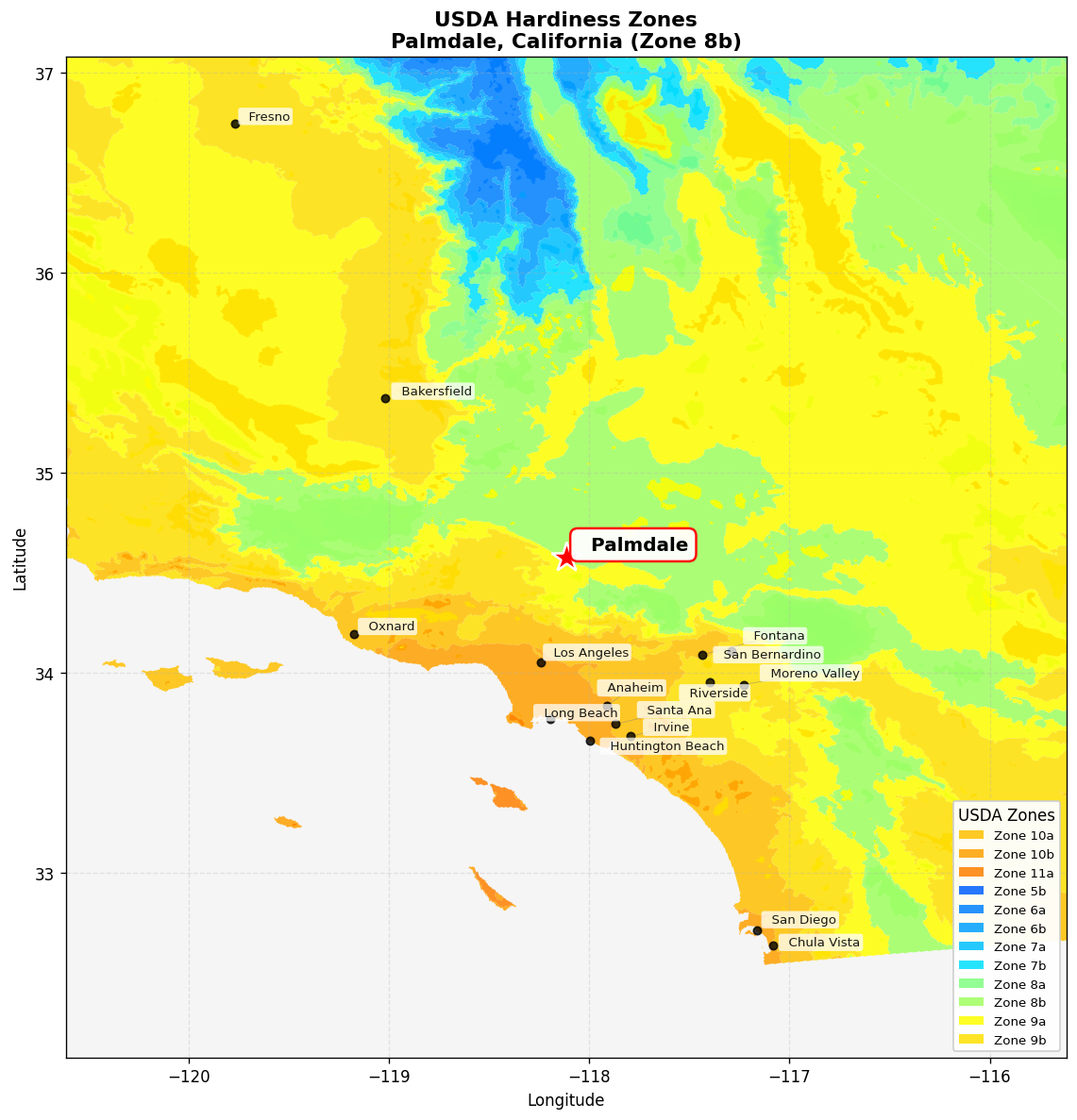
USDA Zone 8b
Hardiness zone for Palmdale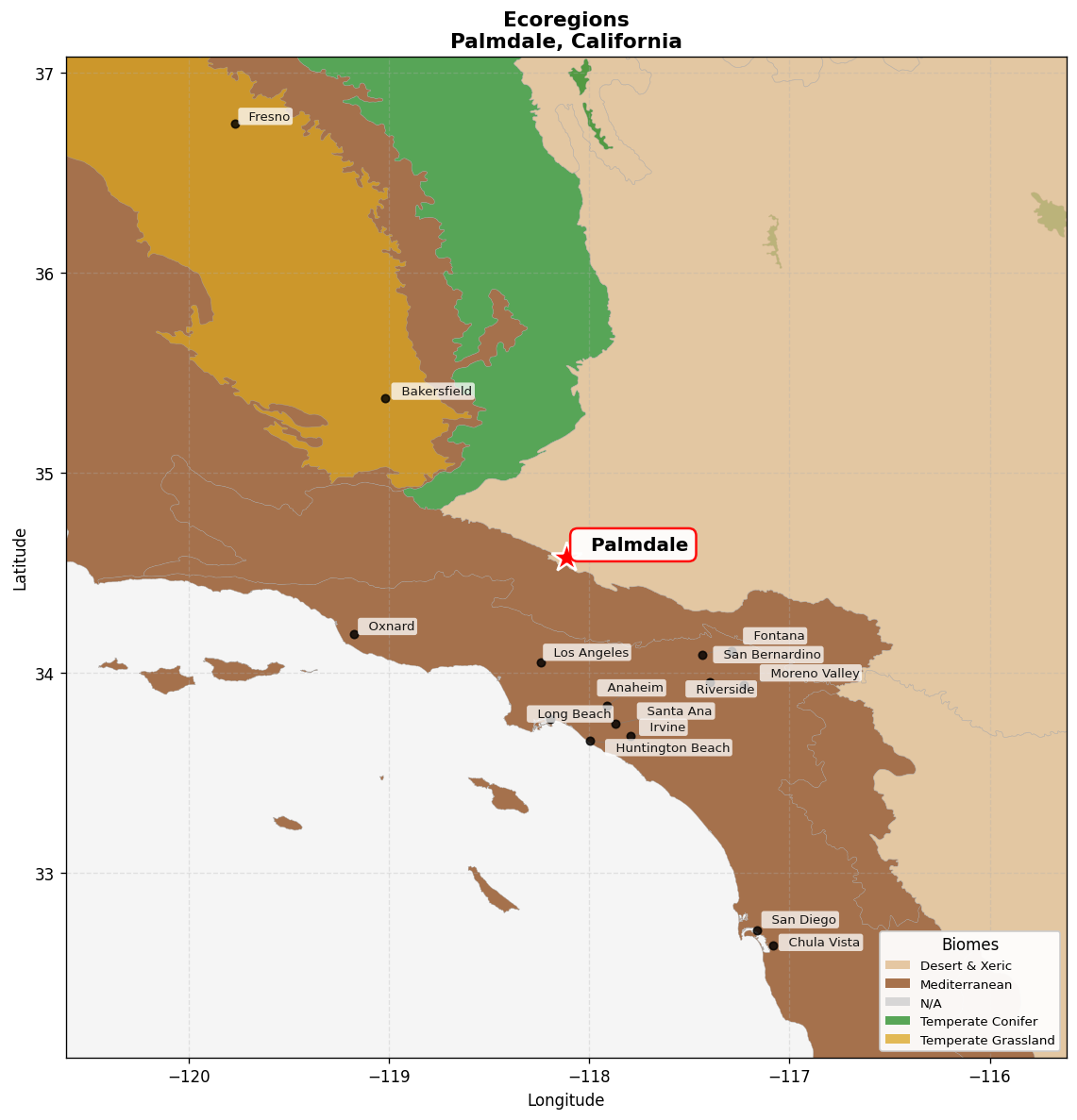
Mojave desert
Native ecoregionFrequently Asked Questions
How much does modern landscaping cost in Palmdale?
A modern front-yard conversion — turf removal, graded gravel fields, steel or Corten edging, a concrete entry walk and twenty to thirty architectural plants — runs roughly $9–18 per square foot installed, so about $7,000–$15,000 for a typical 800 sqft Palmdale frontage. A large-format concrete terrace with a gas fire table lands between $14,000 and $32,000 for 350–500 sqft. A full mid-century pool courtyard with decking, built-in seating and a linear fire feature commonly runs $80,000–$180,000. The swing factor is specimen size: a 5-gallon Hesperaloe parviflora 'Brakelights' is about $35, while a 24-inch box Agave ovatifolia or a mature multi-trunk Olea europaea 'Swan Hill' can be $400–$1,500 each. Buying quantity from an Antelope Valley grower yard rather than a retail garden centre typically saves 30–40 percent on the plant line.
Does poured concrete hold up in the Antelope Valley's temperature swings?
It does, provided the joints are designed rather than hoped for. Palmdale's 35–40°F daily swing between a 98°F July afternoon and a 60°F night moves a slab every day of the year, so keep sawcut or tooled control joints on a grid of roughly 10 feet or 24–30 times the slab thickness, cut them within a day of the pour, and put a real expansion joint anywhere paving abuts the house, a pool shell or a footing. The good news is the subgrade: Palmdale's decomposed granite and sand compacts cleanly and does not swell, so a properly compacted 4-inch base under 4-inch reinforced concrete is genuinely stable here. Avoid dark integral colours — high-altitude UV fades them unevenly within a few summers and a charcoal slab will radiate heat at your glass until well after dark.
Is Corten steel edging a good idea in Palmdale?
Corten is close to ideal in a 7.4-inch-rainfall climate. The weathering patina needs alternating wet and dry cycles to stabilise, which the Antelope Valley supplies slowly, so expect eighteen months to two years to reach its final brown rather than the six months a coastal garden takes. Two cautions. First, runoff from fresh Corten will stain pale concrete orange, so hold the steel back a few inches from any light-coloured paving, or bed it in gravel and let the gravel take the stain. Second, wind: use 1/4-inch plate rather than thin sheet for anything above 6 inches tall, and stake it at closer intervals than the manufacturer suggests, because 30–40 mph spring gusts will flex a long unsupported run of light-gauge steel.
Which plants give modern structure and still survive a Palmdale winter?
Palmdale is USDA Zone 8b — winter lows of 15–20°F — which is far colder than Palm Springs and rules out most of the sculptural plants sold as 'desert modern' in Los Angeles. The reliable structural bones are Agave ovatifolia 'Frosty Blue' and Agave parryi var. truncata for the blue rosettes, Yucca rostrata 'Sapphire Skies' and Dasylirion wheeleri for vertical spheres, Hesperaloe parviflora 'Brakelights' for repeat colour, Leucophyllum frutescens 'Green Cloud' and Baccharis pilularis 'Pigeon Point' for clipped low mass, and Muhlenbergia rigens, Bouteloua gracilis 'Blonde Ambition' and Festuca mairei for the soft-architectural layer. Fruitless Olea europaea 'Swan Hill' works as the signature tree but wants a sheltered spot away from the coldest low-lying corner of the lot. Skip Agave attenuata, Ficus and Bougainvillea entirely; one clear 18°F night ends them.
Can I keep a lawn in a modern Palmdale backyard?
Yes, and the best modern backyards here do — but as a small, deliberate, walked-on rectangle rather than wall-to-wall turf. The design logic and the water logic agree: a 200–400 sqft strip of hybrid bermuda uses roughly half the summer water of tall fescue in a 7.4-inch-rain climate, goes dormant and tan in winter instead of dying, and reads as a green plane against concrete in a way a full lawn never does. California's Model Water Efficient Landscape Ordinance caps irrigated turf area on larger permitted projects, and state policy is steadily squeezing purely decorative, non-functional turf, so keeping lawn where children and dogs actually use it is the version that survives both the rules and the water bill. Irrigate it on its own valve with rotary nozzles — never on the same circuit as the drip-fed beds.
How do I stop Antelope Valley wind from wrecking the details?
Wind is the detail-killer in Palmdale modern gardens, and it is entirely solvable at the design stage. String lights need a stainless catenary cable tensioned between steel posts set in concrete footings, not bulbs hung on their own cord from the fascia — 30–40 mph spring gusts will otherwise pull the fascia screws within a season. Use ¾-inch angular crushed rock instead of round pea gravel, which migrates downwind and out of the beds. Set freestanding privacy screens and pergola posts on real footings and keep slats horizontal with gaps so the wind passes through rather than loading the panel. Stake Yucca rostrata and any young Chitalpa tashkentensis 'Pink Dawn' or Pistacia chinensis 'Keith Davey' for two full years, and choose low, wide plant forms on the exposed west side of the lot.