4 Modern Landscape Design Ideas for Paterson, NJ (Zone 7a)
Native plants from the Northeast US Coastal forests (Zone 7a) — Humid continental (hot summer) climate
Why Modern/Minimalist Gardens in Paterson?
Modern landscape design has an unusually easy argument to make in Paterson, because the city invented the vocabulary. The Great Falls mill district is a hundred acres of exactly what modern design is after: brick planes, exposed steel, raceway channels of moving water, and geometry answering to a 77-foot waterfall. Bring that logic home and it fits the housing stock better than people expect. The postwar Capes and ranches of the Totowa section and Lakeview have the long low rooflines that clean-line planting flatters; the renovated two- and three-family frame houses of Sandy Hill, People's Park and the Northside have flat facades that read beautifully against a single strong material; and the contemporary infill going up along the Bergen County edge and in Hillcrest arrives already wanting a landscape made of rectangles. Where a cottage garden asks for romance, modern design asks for restraint — one paving material, one repeated plant texture, one focal element — and restraint is what makes a 25-by-100-foot Paterson lot feel bigger instead of busier.
Zone 7a is a genuinely good hand for this style, as long as you play it honestly. Winter lows around 0–5°F rule out the true desert-modern palette but leave you the whole architectural grass repertoire, and grasses are the workhorse of modern planting: Calamagrostis × acutiflora 'Karl Foerster' for vertical lines, Panicum virgatum 'Northwind' for a rigid four-foot screen that never flops, Sporobolus heterolepis for a soft fine-textured skirt, and Schizachyrium scoparium 'Standing Ovation' for autumn colour that holds through February. Evergreen structure comes from Ilex glabra 'Shamrock', Taxus × media 'Hicksii', Buxus 'Green Gem' and Thuja occidentalis 'Emerald Green' rather than the Italian cypress a California scheme would reach for. The real constraint is that Paterson gets roughly 48 inches of precipitation a year, evenly spread across all twelve months, with 25 to 30 inches of snow on top. Blue agaves and columnar cacti are the classic gravel-court image, but in Passaic County they die of wet crowns in a February thaw, not of cold. The look survives here only through cold-hardy stand-ins — Agave parryi var. neomexicana, Yucca rostrata, Yucca filamentosa 'Color Guard', the native Opuntia humifusa, Hesperaloe parviflora, Sempervivum and Delosperma cooperi — every one of them planted in a raised bed of sharply drained gritty mix under a gravel mulch, never at grade.
Ground conditions vary sharply across the city and they set the hardscape budget. West Paterson climbs onto Garret Mountain, the First Watchung basalt ridge, where the soil is thin, rocky traprock loam over hard rock — excellent drainage, brutal on excavation, and the reason terraced walls and stepped concrete platforms are the strongest modern move available on those sloped lots. East toward the Passaic it is glacial till and red shale weathered from the Passaic Formation: heavy, slow-draining silt-clay loam, often mixed with a century of mill-city fill and rubble in the upper eighteen inches. Northern New Jersey builds to a 36-inch frost depth, and freeze-thaw here is the single most destructive force acting on a landscape. Any patio, walk or pool deck needs eight to twelve inches of compacted dense-graded aggregate under it; concrete poured on bare Paterson clay will crack and settle inside three winters, and a paver terrace laid on sand over clay will telegraph every heave by spring three.
Finally, water leaving the site. Paterson drinks from the Passaic Valley Water Commission's Little Falls intake and drains through a combined sewer, so a modern scheme that replaces lawn with impervious concrete makes the city's stormwater problem worse unless the design accounts for it. Riverside, Bunker Hill and the low blocks along the river flood — Irene in 2011 and Ida in 2021 both put water into Paterson basements — which is why the smart modern details here are the ones that also happen to look best: open gravel joints between large-format slabs, permeable paver bands, a strip of washed stone where the terrace meets the lawn, and one planted low point running Panicum virgatum 'Shenandoah', Amsonia hubrichtii, Carex pensylvanica and Betula nigra 'Heritage' as a rain garden that reads as a deliberate composition rather than a drainage fix. New Jersey's fertilizer law also bans lawn feeding between November 15 and March 1, and the state has moved to restrict nursery sales of Japanese barberry, burning bush and Callery pear, so the sculptural, low-input, mostly grass-and-native modern garden is increasingly the default here rather than the ambitious option.
4 Modern/Minimalist Design Ideas for Paterson

The Grass-and-Lavender Entry Walk
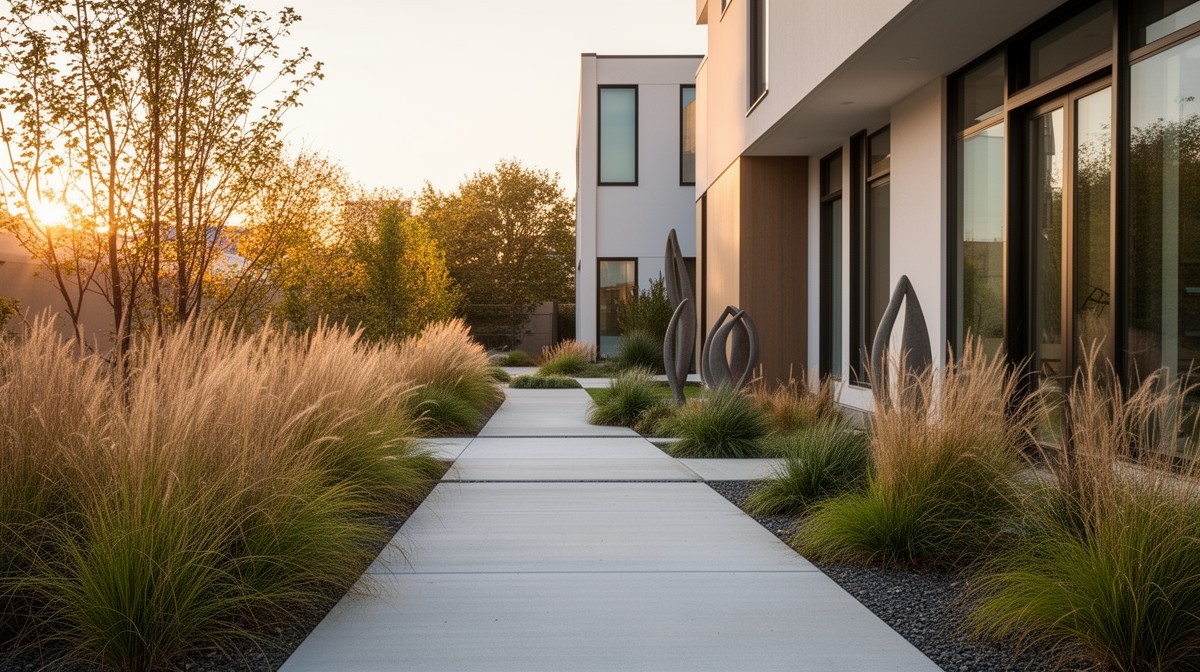
$14–26/sqftA two-story contemporary in vertical cedar siding and white stucco, with bronze-framed floor-to-ceiling glass and the house number set clean on the wall, is approached by a wide poured concrete walk scored into big rectangular panels running dead straight to the door. The planting does all the softening and none of the arguing: two mirrored wedge beds flank the walk, each built from a back rank of tall fountain grass throwing cream plumes at eye level and a front rank of purple lavender mounds that spill onto the concrete edge. Broad-leaved tropical foliage in dark green fills the shaded strip against the facade for contrast, low grasses hold the foundation line, and a mature deciduous tree on the left shades the west-facing glass through a Paterson July. The lawn is kept as plain green counterweight to the texture in the beds.

The Raked Gravel Rosette Court
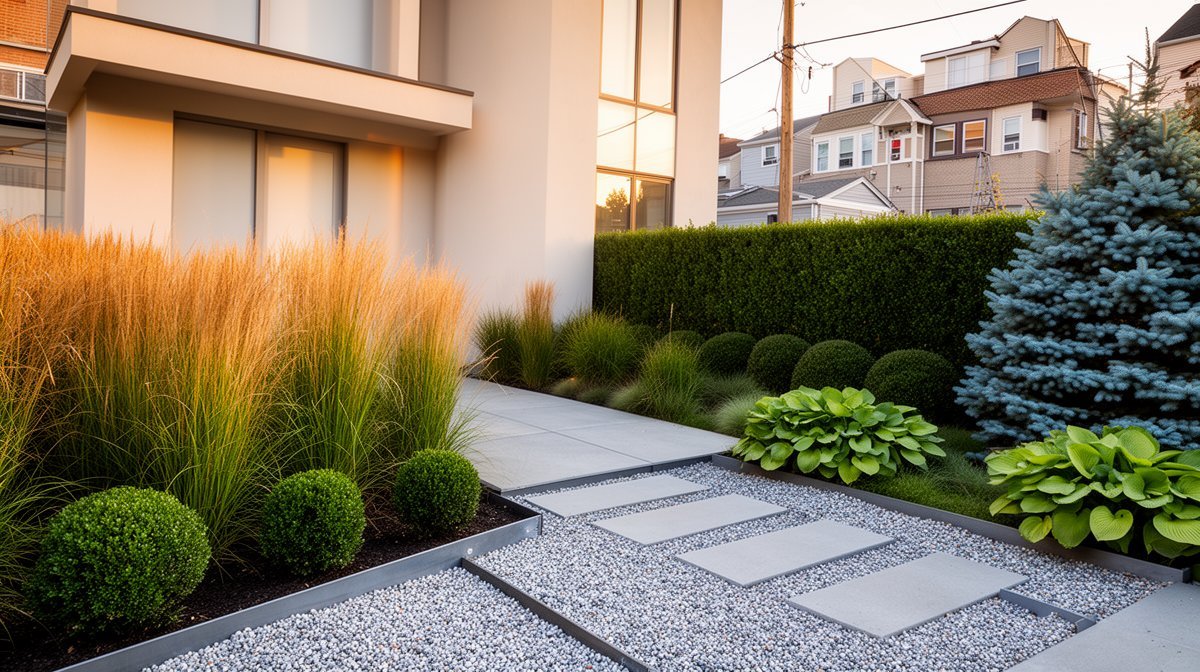
$12–24/sqftA white stucco mid-century ranch with a dark roof and a black garage door faces a front yard where the lawn has been removed entirely and replaced by a field of pale raked gravel, the rake lines curving in long arcs that catch low sun. Two black steel-edged raised beds float in the gravel, filled with dark crushed lava mulch and planted with big blue rosettes, small chalky rosettes and slim columnar forms, plus one small multi-stem tree that gives the composition height. A line of rectangular concrete steppers cuts between the beds to the front door. In Paterson this design lives or dies on plant substitution and drainage: the blue agave look comes from cold-hardy Agave parryi var. neomexicana and Yucca rostrata, the columnar forms from the native Opuntia humifusa, and every bed must be raised at least ten inches on a gritty free-draining mix.

The Fire Bowl and String-Light Room
$20–38/sqftA single-story grey modern with dark trim and wide sliders opens onto a terrace of very large concrete pavers laid as clean rectangles, with a round cast-concrete gas fire bowl at the exact centre and a glowing light strip under its rim. Two lounge chairs, a sofa and two armchairs make a closed conversation circle around it, and warm Edison-bulb string lights sweep overhead from two slim black poles to the roofline — the cheapest ceiling you can build. Instead of a hard border, the terrace edges dissolve into loose mounded clumps of fine-textured grass on all sides, and one young multi-stem tree on the right is uplit so the canopy becomes the evening backdrop. It is a three-element design — floor, fire, grass — which is exactly why it works on a modest Paterson back lot.

The Lap Pool Grass Border
$45–90/sqft (pool area inclusive)A double-height glass-walled modern home looks out over a long rectangular pool set in broad pale concrete decking, with a low linear gas fire table anchoring the seating side and lounge chairs squared up to the water. The landscape works entirely at the edges: deep uplit grass borders run the full length of the far side of the pool, a clipped dark evergreen hedge closes the property line behind them, and mature trees form the horizon. Narrow bands of washed stone break the concrete deck into panels, doing double duty as expansion joints and as drainage. The restraint of the palette — pale concrete, dark water, wheat-and-green grasses, warm low lighting — is what makes it read as a resort rather than a backyard, and the grass border screens two full fence lines for a fraction of what a formal hedge alone would cost.
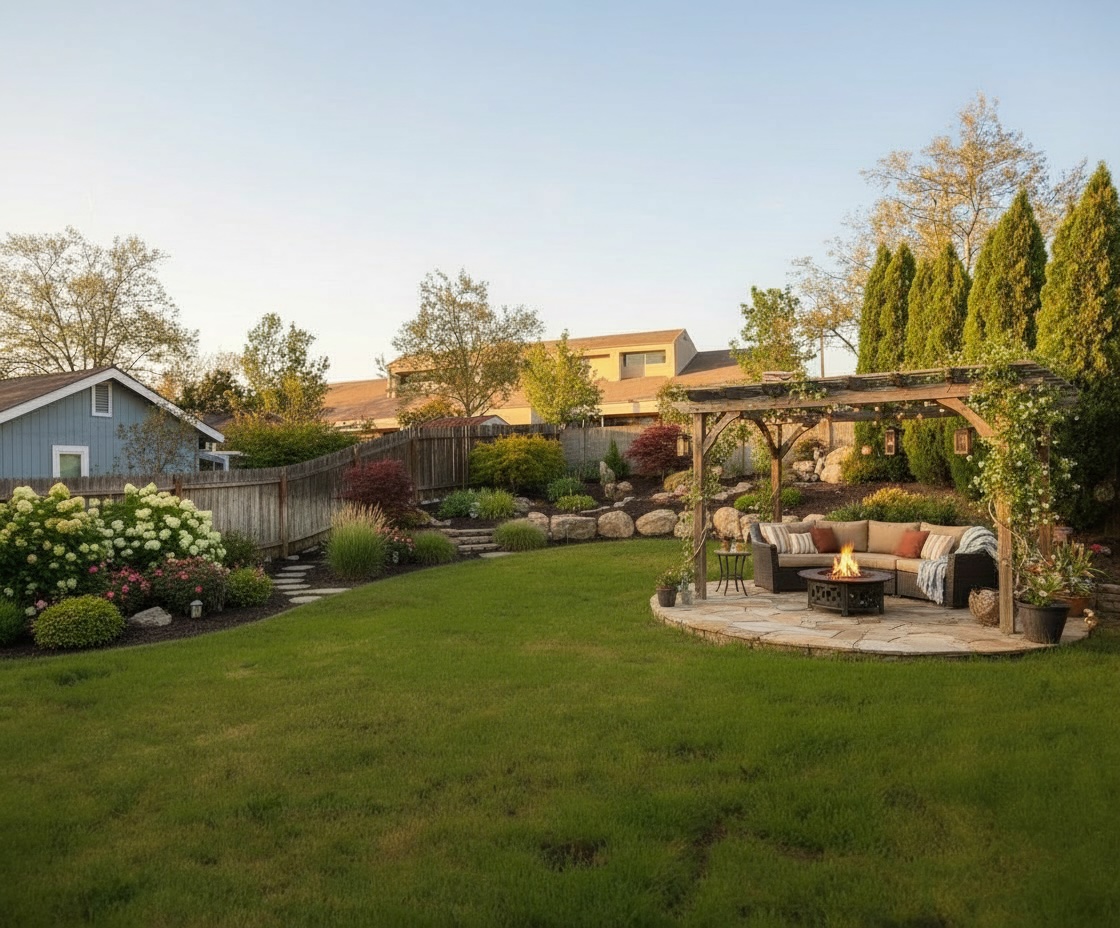
See how a modern/minimalist garden looks on YOUR property
Upload a photo of your Paterson yard and visualize your dream garden in seconds.
Try ProScapeAI Free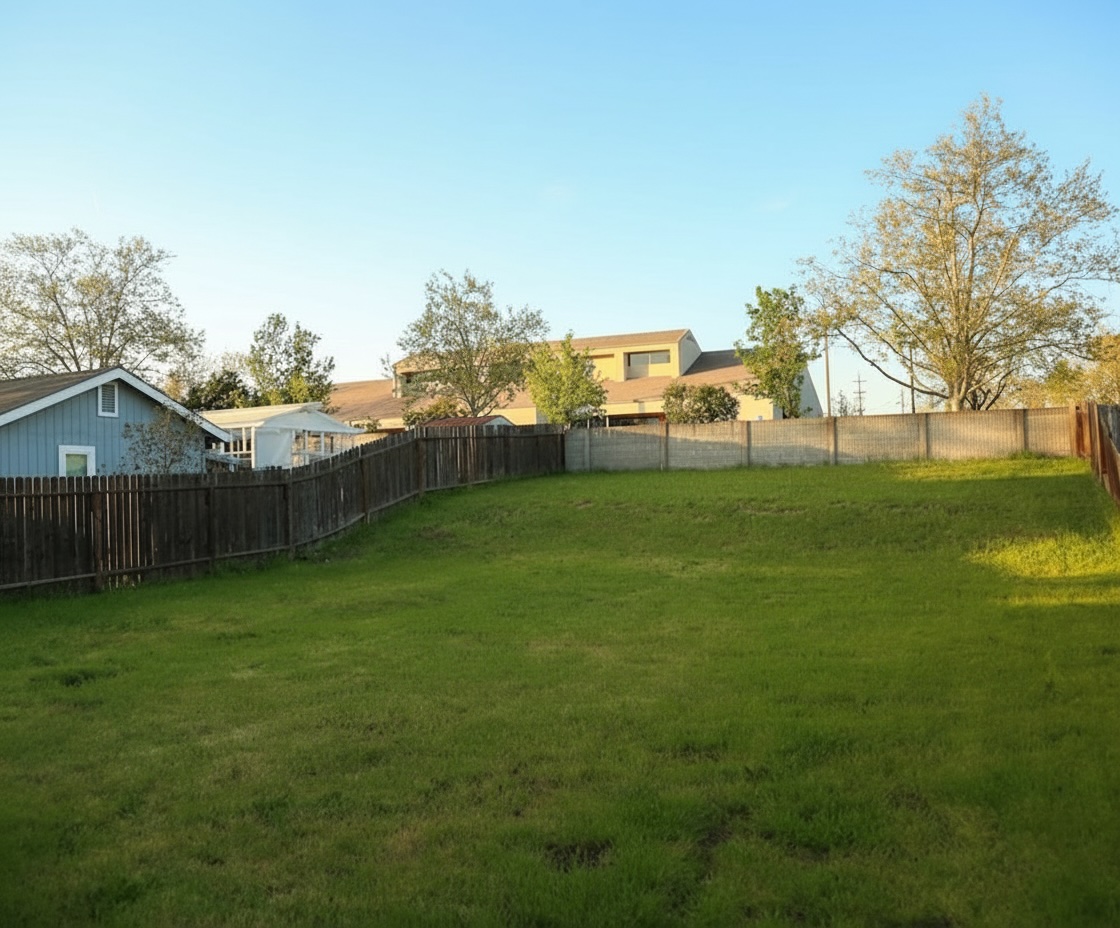
Featured Trees & Shrubs for Modern/Minimalist Gardens
Browse all 181 plants for Paterson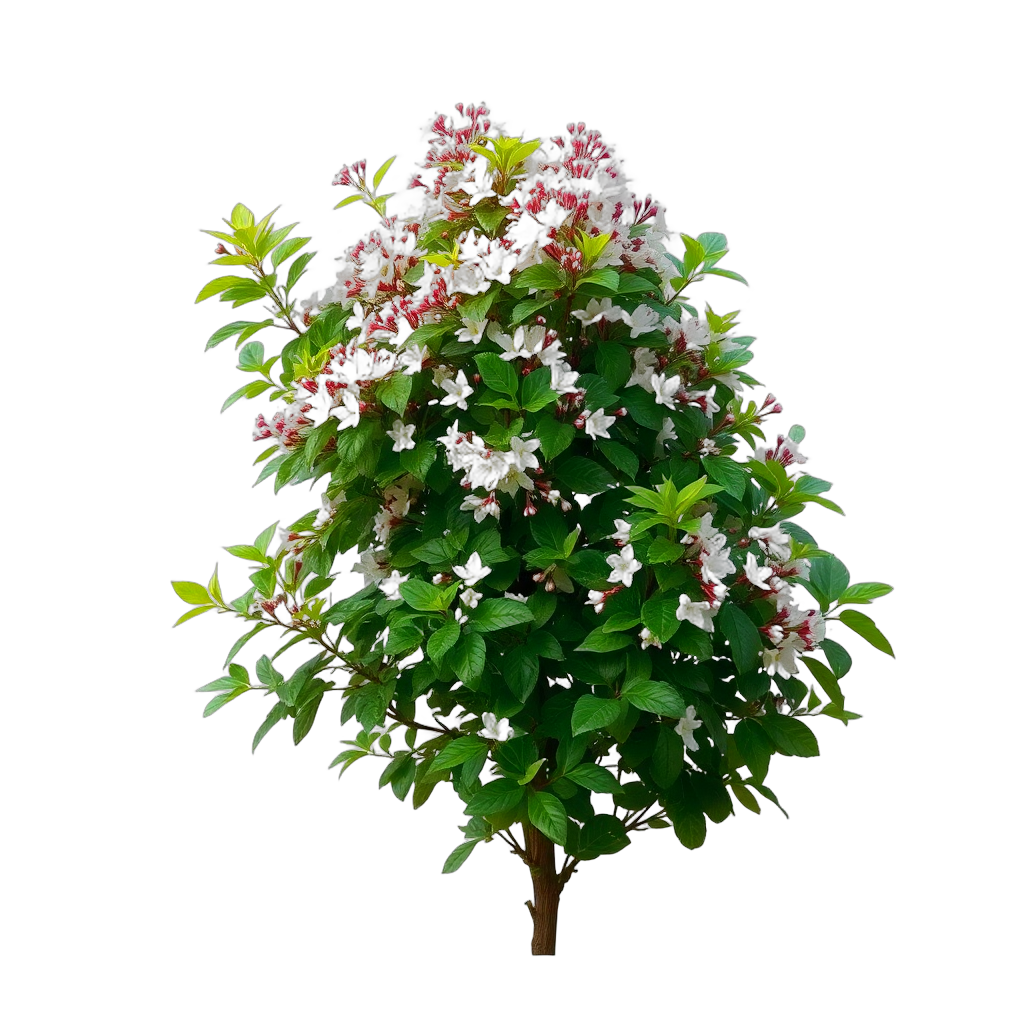
Arrowwood Viburnum
Viburnum dentatum
medium-sized at 10 feet, white blooms in spring. Pollinator-friendly.
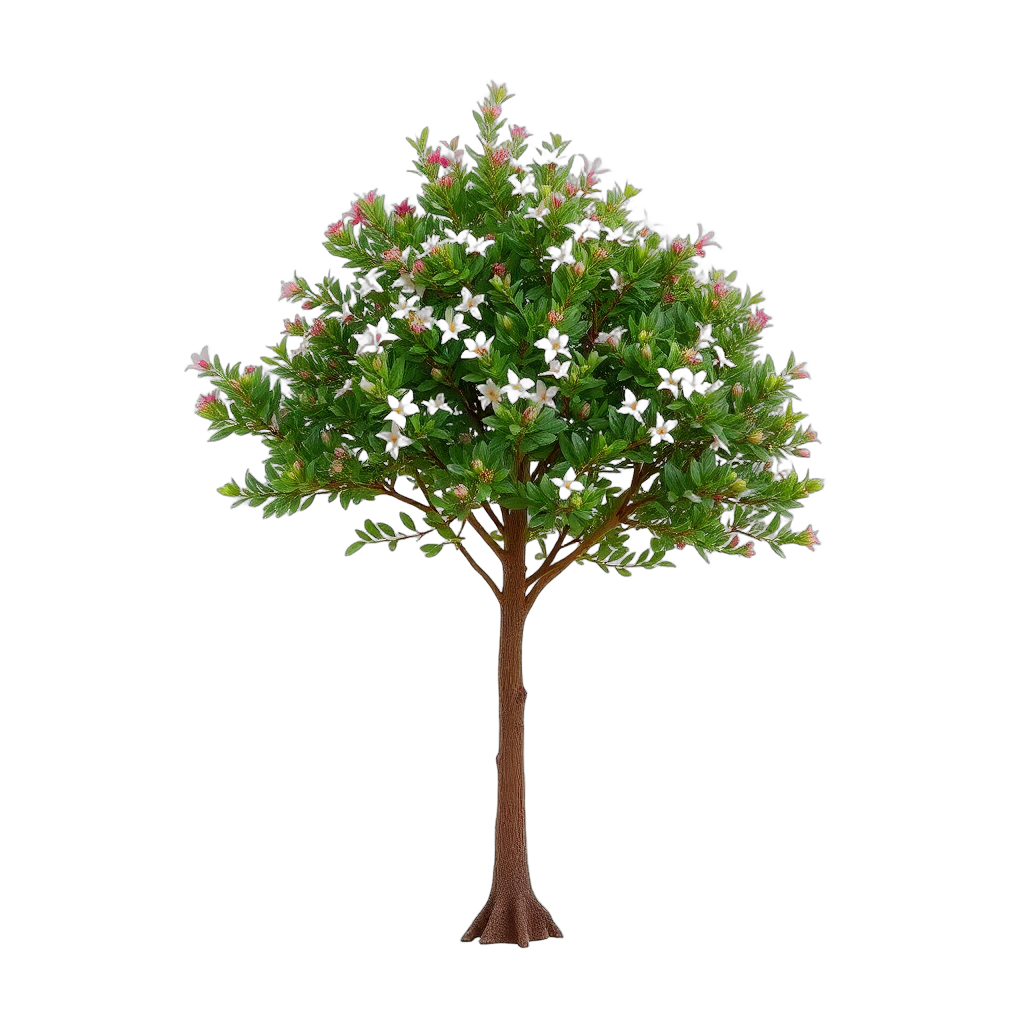
Coastal Leucothoe
Leucothoe axillaris
grows to 3 feet, white blooms in spring. Evergreen year-round.
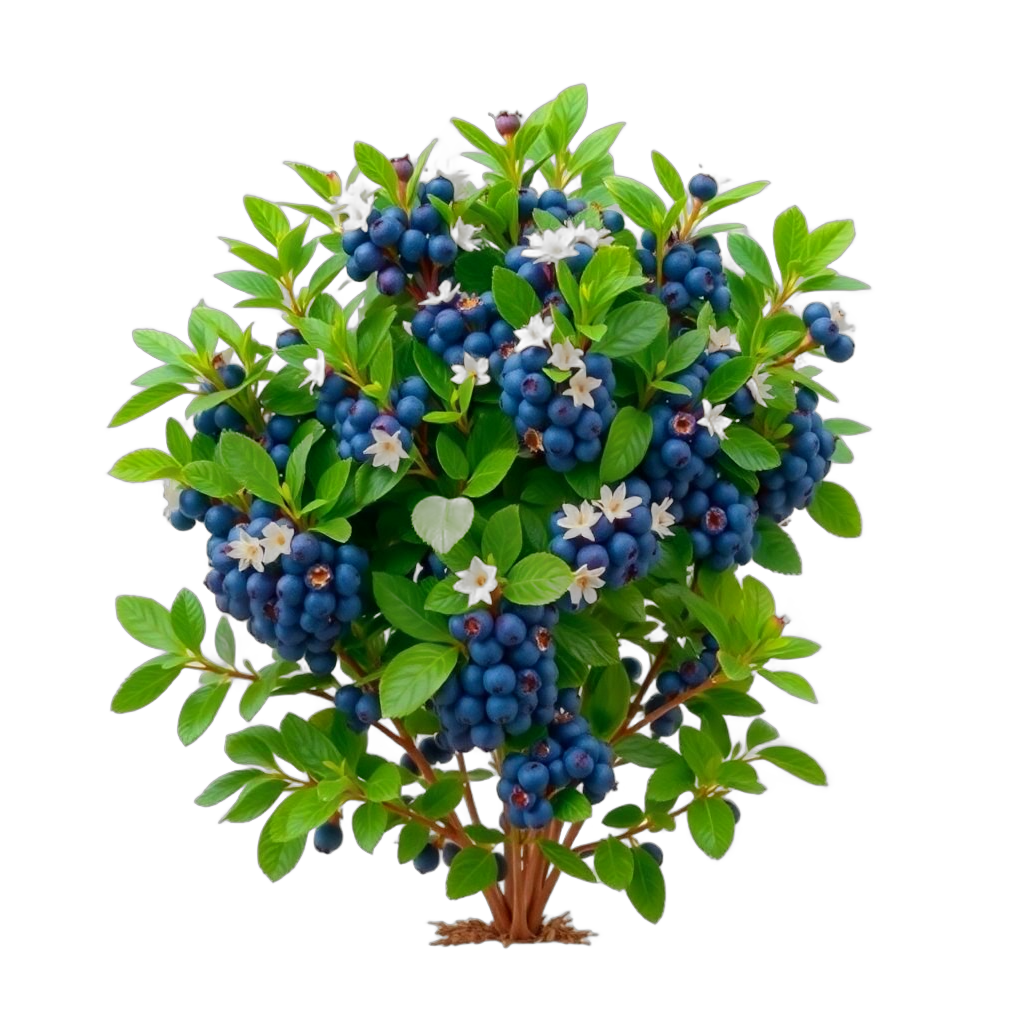
Highbush Blueberry
Vaccinium corymbosum
medium-sized at 7 feet, white blooms in spring. Attracts butterflies.

Inkberry
Ilex glabra
medium-sized at 8 feet, white blooms in spring. Pollinator-friendly.
Featured Grasses & Groundcovers for Modern/Minimalist Gardens
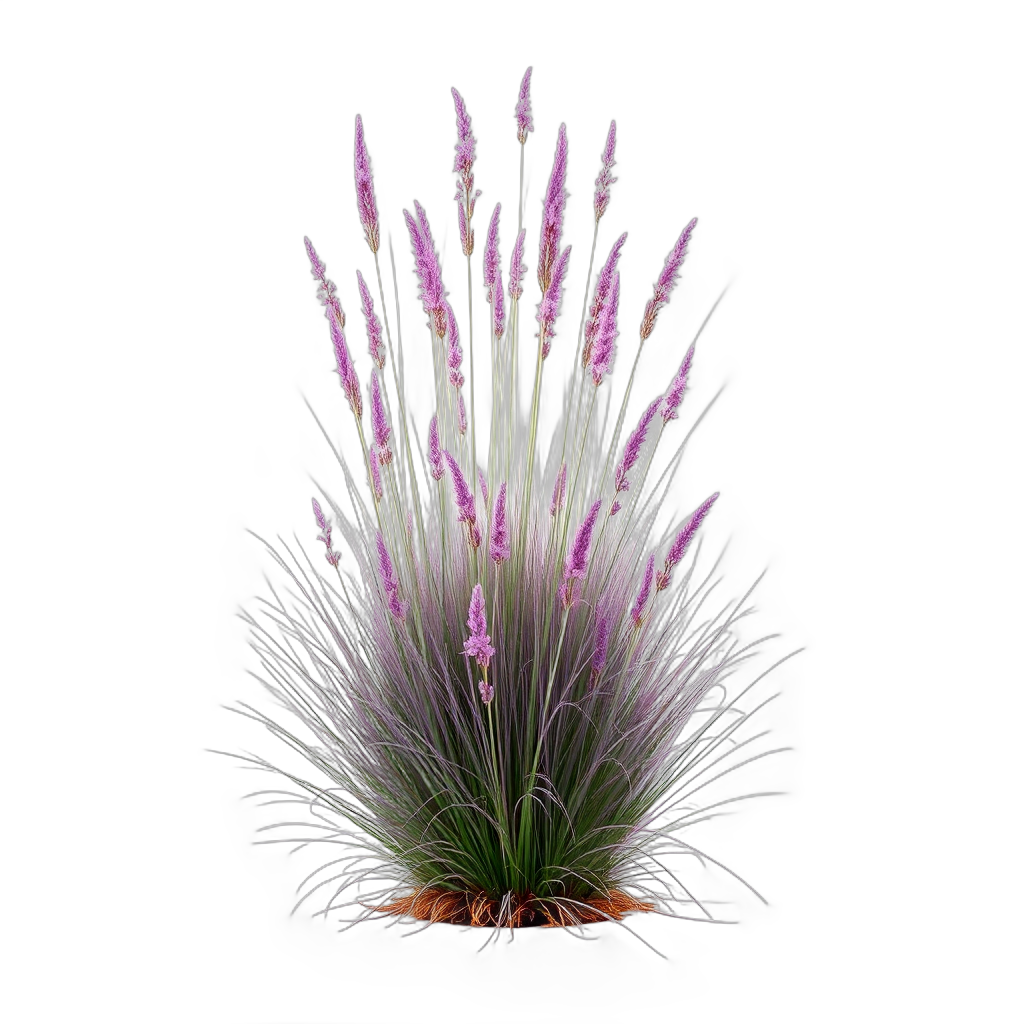
Purple Love Grass
Eragrostis spectabilis
low-growing ground cover, purple blooms in fall. Orange fall color.
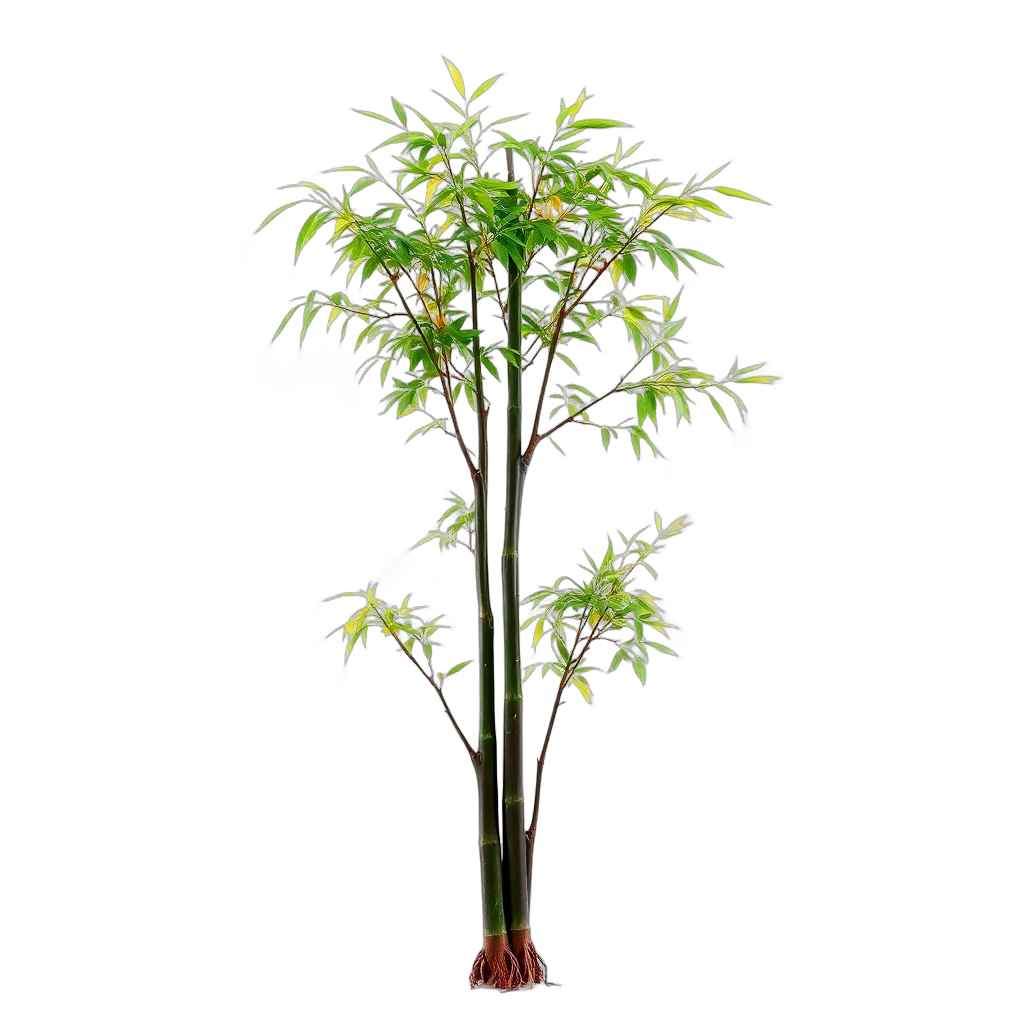
Black Bamboo
Phyllostachys nigra
reaches 25 feet tall, blooms in none. Evergreen year-round.
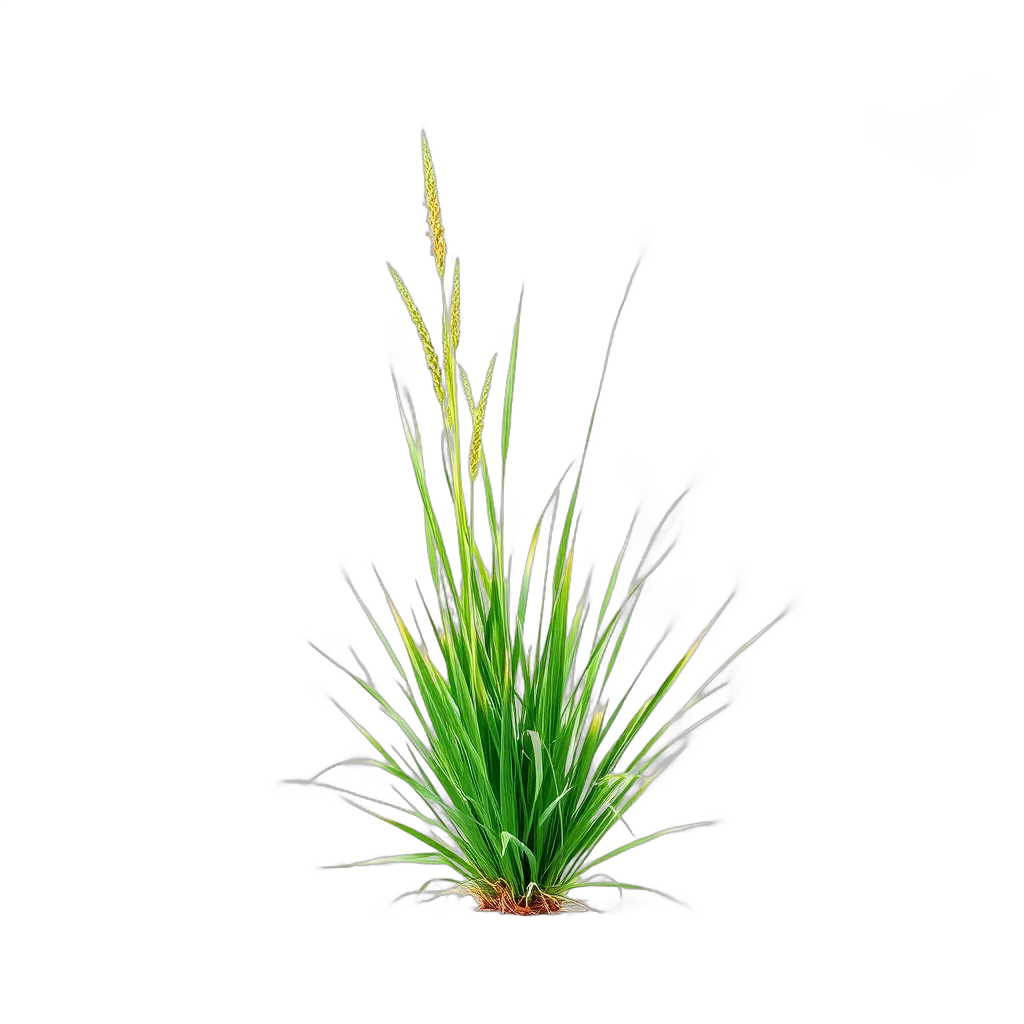
Bull Grass
Muhlenbergia emersleyi
grows to 4 feet, purple blooms in fall. Yellow fall color.
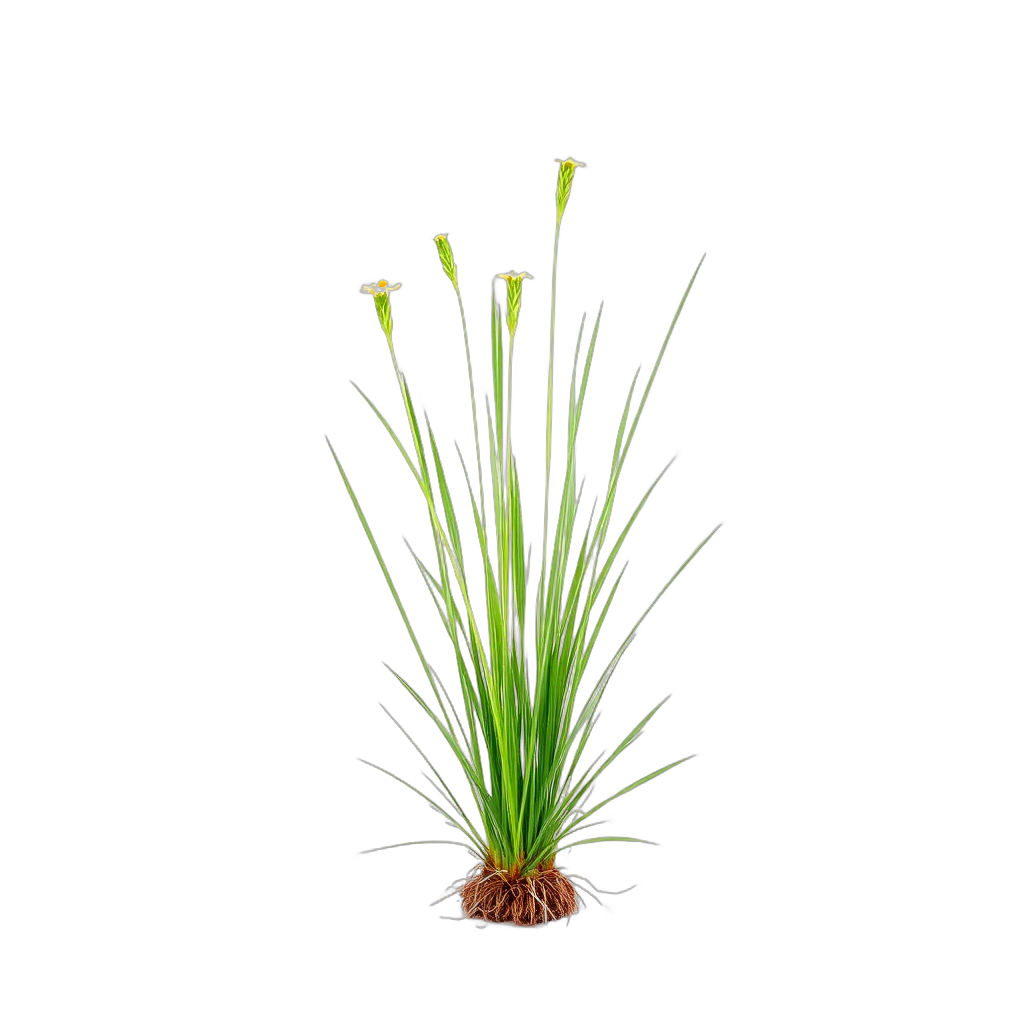
California Melic
Melica californica
low-growing ground cover, blooms in spring.
Featured Flowers & Perennials for Modern/Minimalist Gardens
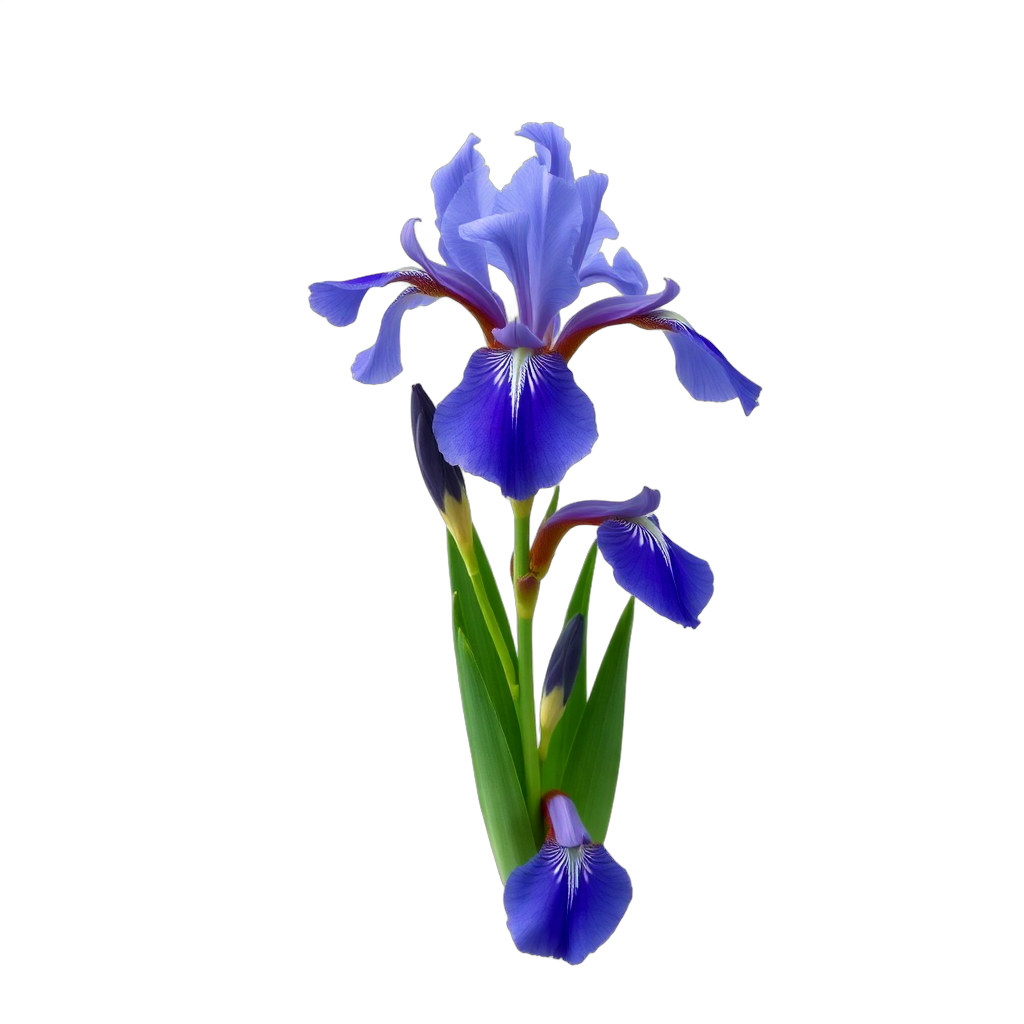
Blue Flag Iris
Iris versicolor
low-growing ground cover, purple blooms in spring. Attracts butterflies.

New York Ironweed
Vernonia noveboracensis
grows to 6 feet, purple blooms in fall. Attracts butterflies.
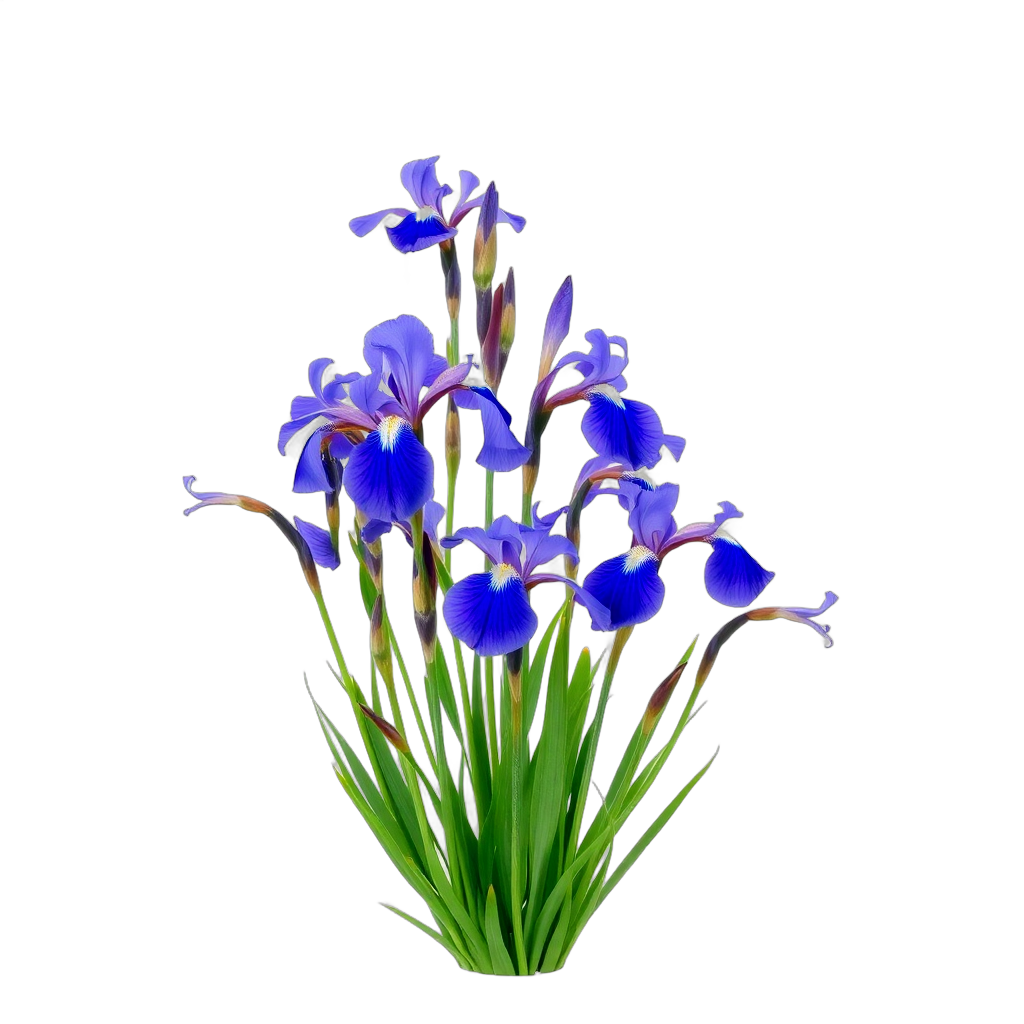
Southern Blue Flag
Iris virginica
low-growing ground cover, blue blooms in spring. Attracts butterflies.

Eastern Prickly Pear
Opuntia humifusa
low-growing ground cover, yellow blooms in summer. Attracts butterflies.
Zone and sun checks come from our database — confirm with your local nursery before you buy.
Bloom Calendar for Paterson
spring
Blue Flag Iris, Southern Blue Flag, Arrowwood Viburnumsummer
Ruby Spice Summersweet, Summersweet, Eastern Prickly Pearfall
New York Ironweed, Purple Love Grasswinter
Limited bloomsDesign Tips for Paterson (Zone 7a)
- Budget the base before the surface: 8 to 12 inches of compacted dense-graded aggregate is what makes a Paterson terrace survive 36-inch frost depth and red shale clay, and it is the line item people cut right before their concrete cracks
- Build every succulent and yucca bed at least ten inches above grade on a gritty half-sand mix with gravel mulch at the crown — Paterson's 48 inches of evenly spread rain is what kills the desert-modern look here, never the 0–5°F winter lows
- Choose grasses that stand up under snow: Panicum virgatum 'Northwind', Calamagrostis × acutiflora 'Karl Foerster' and Schizachyrium scoparium 'Standing Ovation' keep the composition legible from December to March, which is a third of the year you otherwise lose
- Cut grasses back in late February rather than autumn — the winter silhouette is half the reason you planted them, and the standing stems protect the crowns through Paterson's freeze-thaw cycles
- Leave open gravel joints and washed-stone bands in wide paving instead of mortaring everything; on a combined-sewer city lot it is free stormwater management and it visually breaks a large concrete plane into panels
- Work the Garret Mountain slope instead of flattening it — a single board-formed concrete or weathering-steel retaining wall on a west Paterson hillside lot is the strongest modern statement available, and the traprock subsoil already drains behind it
- Keep one mature canopy tree in the plan: a modern Paterson yard with no shade is unusable through a humid mid-80s July, and limbing an existing Acer rubrum up high turns the trunk into sculpture over a clean groundplane
- Light the planting, not the lawn — low-voltage uplights behind Panicum and Sporobolus drifts and one uplit multi-stem Amelanchier give the evening depth that makes these designs work eight months a year
Where to Source Plants in Paterson
Skip the big-box stores. These independent Paterson nurseries specialize in the plants that make modern/minimalist gardens thrive in Zone 7a.
Goffle Brook Farms & Garden Center
Ridgewood / Goffle Road (about 4 miles north of downtown Paterson)
Family-run farm and garden center with a deep grass, perennial and herb bench plus bulk soil amendments — the closest real independent to Paterson for switchgrass and feather reed grass
Rohsler's Allendale Nursery & Florist
Allendale (northern Bergen County, about 12 miles from Paterson)
Fifth-generation family nursery growing since 1913; field-grown boxwood, yew, dogwood and specimen shrubs plus naturalistic and native plantings suited to architectural schemes
Metropolitan Plant & Flower Exchange
Paramus (Route 17 North, about 8 miles east of Paterson)
Large independent plant exchange with four North Jersey locations; the best local source for succulents, sculptural container stock and tropicals used as summer accents
Condurso's Garden Center
Montville (Morris County, about 13 miles west of Paterson)
Independent garden center established in 1929; trees and shrubs plus bulk mulch, screened soil, gravel and decorative stone by the yard for gravel-field and raised-bed builds
Modern/Minimalist Landscaping Costs in Paterson
| Project Scope | Estimated Cost |
|---|---|
| Front-yard modern conversion (turf removal, gravel field, steel edging, architectural planting) | $7,000 – $18,000 |
| Poured concrete entry walk with scored control joints (80–140 sqft) | $4,500 – $11,000 |
| Large-format concrete paver terrace (300–450 sqft) on frost-rated base | $16,000 – $38,000 |
| Gas fire bowl or linear fire table, plumbed and set | $4,500 – $14,000 |
| Weathering-steel raised planters, fabricated and filled | $700 – $1,800 each |
| Dry well and stormwater detail for new impervious area | $2,500 – $8,000 |
| Pool deck plus full modern backyard | $95,000 – $220,000 |
| AI visualization with ProScapeAI | Free to start |
Estimates based on Paterson, NJ-area contractor rates as of 2026. Actual costs vary by site conditions, materials, and contractor.
Paterson Climate & Growing Zone
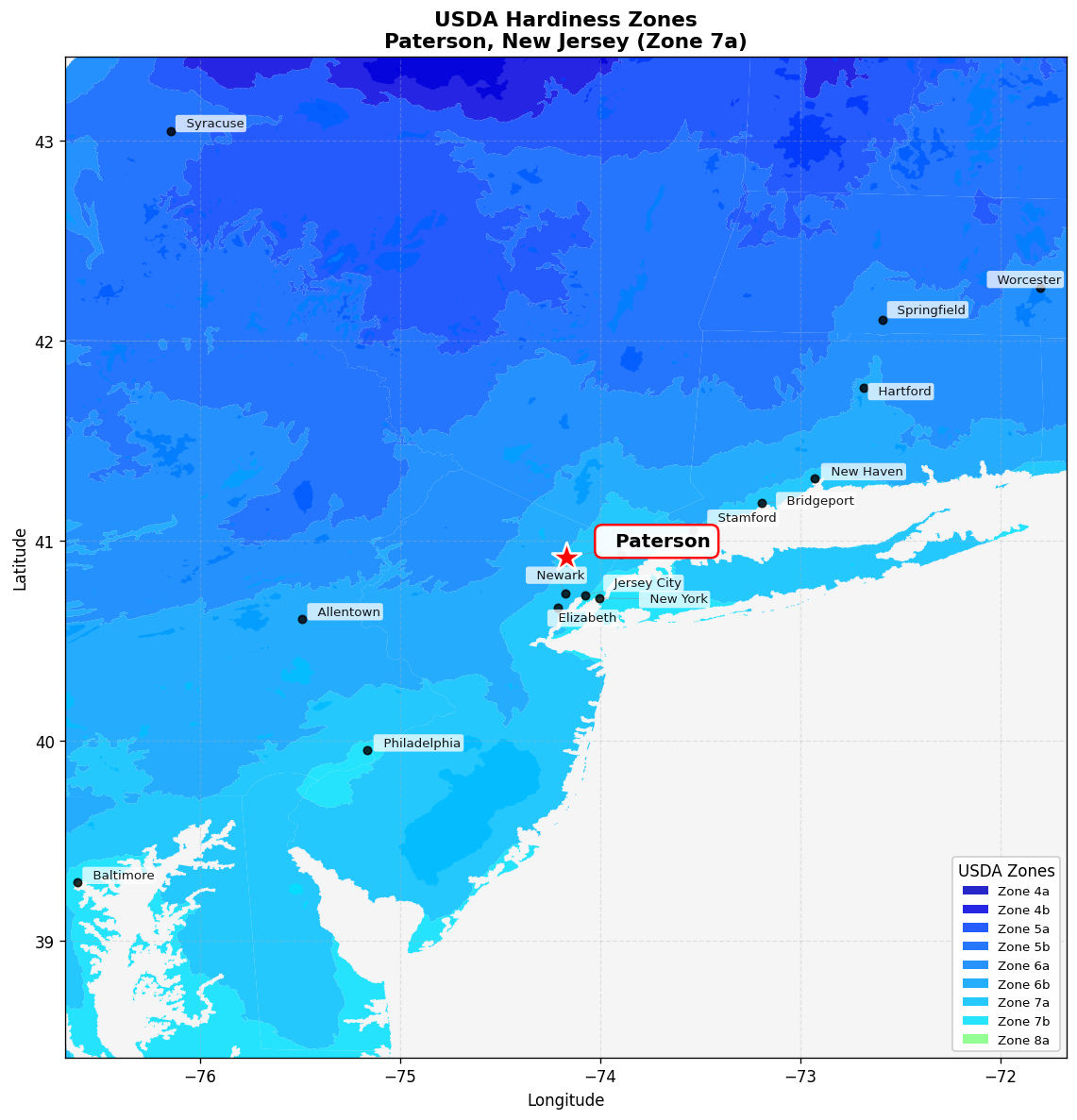
USDA Zone 7a
Hardiness zone for Paterson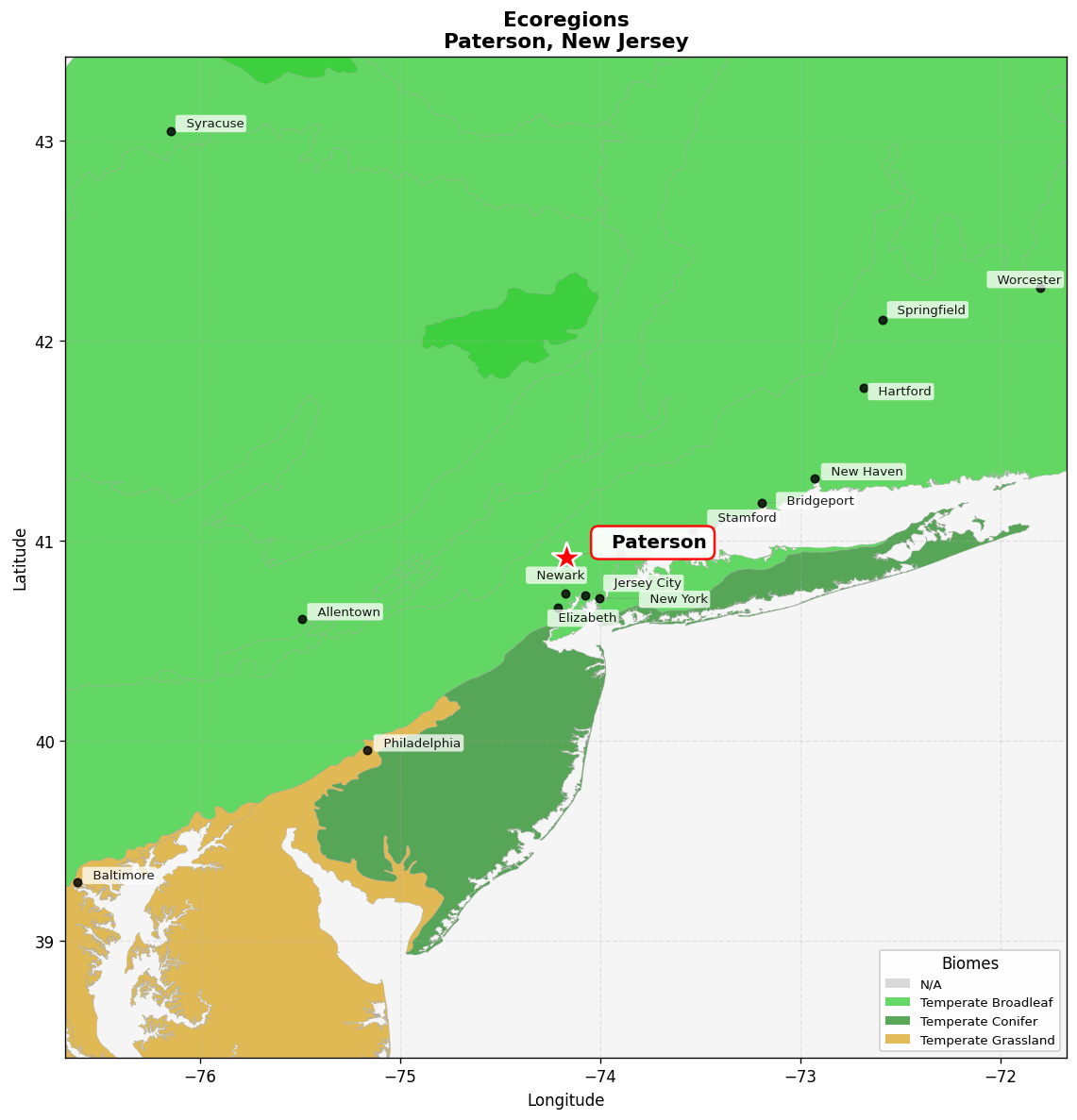
Northeast US Coastal forests
Native ecoregionFrequently Asked Questions
How much does modern landscaping cost in Paterson, NJ?
North Jersey labour runs 15–25% above the national average, so a Paterson project costs more than the same design in most of the country. A complete front-yard modern conversion on a typical 25-by-100 lot — turf removal, gravel field or concrete walk, steel edging and architectural planting — runs $7,000 to $18,000 installed. A large-format concrete paver terrace of 300 to 450 square feet with a gas fire bowl lands between $18,000 and $45,000, most of the variance being the 10 inches of compacted base the 36-inch frost depth demands. A full pool deck and modern backyard on a larger Hillcrest or Garret Mountain lot commonly runs $95,000 to $220,000. Doing the planting yourself and hiring out only hardscape typically saves 25–35%.
Can I actually grow agaves and cacti in Paterson's climate?
Not the blue Agave americana or the columnar cacti of a Phoenix courtyard — but the look is reproducible. Paterson's 48 inches of annual rain, evenly spread, kills desert plants through wet crowns during winter freeze-thaw, not through 0–5°F cold. The plants that genuinely survive Zone 7a here are Agave parryi var. neomexicana, Yucca rostrata, Yucca filamentosa 'Color Guard', the New Jersey native Opuntia humifusa, Hesperaloe parviflora, Sempervivum 'Royal Ruby' and Delosperma cooperi. Every one needs the same three things: a bed raised at least ten inches above grade, a gritty mix cut roughly half with coarse sand or crushed stone, and a gravel mulch touching the crown instead of shredded bark, which holds water against the plant and rots it by March.
Which grasses stay upright through a North Jersey winter?
This matters more than it sounds, because a modern garden that collapses into wet straw in December has failed for four months of the year. The reliable standers in Paterson are Panicum virgatum 'Northwind', which holds a rigid four to five feet through snow, Calamagrostis × acutiflora 'Karl Foerster', which is vertical from June until you cut it, Schizachyrium scoparium 'Standing Ovation', bred specifically to resist the flopping that plagues little bluestem, and Sporobolus heterolepis, which keeps a tidy dome. Panicum virgatum 'Shenandoah' and Molinia caerulea 'Skyracer' are excellent but soften after heavy snow. Avoid planting Miscanthus sinensis in new schemes — it self-sows aggressively in the Passaic corridor. Cut everything back in late February or early March, not in autumn, so you keep the winter structure and the seed heads.
What base does hardscape need with Paterson's frost and clay?
Do not shortcut this line item. Northern New Jersey builds to a 36-inch frost depth, and Paterson's red shale clay and mill-city fill hold water, so freeze-thaw movement is the strongest force acting on your patio. Excavate 10 to 14 inches and compact eight to twelve inches of dense-graded aggregate in lifts under any concrete or paver surface, with a geotextile separation fabric over clay subgrade. Concrete poured directly on Paterson clay will crack and settle inside three winters. Set pergola posts, fire-feature footings and any fence post on footings that reach below 36 inches. Pitch all paving at least a quarter inch per foot away from the house, and give the terrace a positive outlet — a dry well or a planted low point — rather than letting it sheet toward a foundation.
When is the best time to install a modern landscape in Paterson?
Hardscape can be built from March through mid-December; concrete pours need consistent daytime temperatures above 40°F, which in Paterson generally means late March to early December. Planting is a different calendar. Mid-September through early November is the best window of the year, because soil is still warm, autumn rain waters for you, and Panicum, Calamagrostis and Ilex glabra 'Shamrock' root all winter to be established by May. Mid-April through May is the second window and the only sensible one for anything succulent or borderline-hardy like Agave parryi var. neomexicana, which wants a full growing season to settle before its first Paterson winter. Skip July and August installs where you can.
How do I handle stormwater if I replace lawn with concrete?
Seriously, because Paterson runs a combined sewer and the low blocks in Riverside, Bunker Hill and the Northside took water during Irene in 2011 and Ida in 2021. The good news is that the details that solve it are the ones that make the design look better anyway. Leave open gravel joints between large-format slabs instead of mortaring them. Use permeable paver bands or washed-stone strips as expansion joints across a wide deck. Disconnect at least one downspout into a planted low point running Panicum virgatum 'Shenandoah', Amsonia hubrichtii, Carex pensylvanica and a Betula nigra 'Heritage', which reads as a deliberate composition rather than a drainage fix. On a bigger scheme a buried dry well sized to the new impervious area costs $2,500 to $8,000 and protects your own basement first.
Are there rules I should check before starting a Paterson project?
Planting, gravel conversions and bed building need nothing from anyone. Fences, retaining walls, decks, pools, gas lines to a fire feature and anything with a footing do fall under City of Paterson zoning and construction review, and thresholds vary by scope — confirm yours with the city before you order materials rather than after. Houses in the Great Falls Historic District or the Eastside Park Historic District may also face historic preservation review for street-visible exterior changes, so raise that at design stage. Statewide, New Jersey's fertilizer law bans lawn feeding from November 15 to March 1 and restricts phosphorus without a soil test, and the state has moved to restrict nursery sales of Japanese barberry, burning bush and Callery pear.