4 Modern Garden Ideas for Newark, NJ | Contemporary Landscaping in Zone 7a
Native plants from the Northeast US Coastal forests (Zone 7a) — Humid continental (hot summer) climate
Why Modern/Minimalist Gardens in Newark?
Newark’s contemporary landscape design scene is driven by the city’s extraordinary urban renewal—the Ironbound, Downtown, and the Fairmount neighborhoods have seen substantial residential reinvestment as New York City’s high housing costs have pushed design-sophisticated homeowners into Newark’s Victorian stock, which offers architectural quality at a fraction of Manhattan or Brooklyn prices. These homeowners bring high design expectations and are willing to invest significantly in outdoor spaces that match their renovated interiors.
Newark’s urban context creates a distinct contemporary design environment. Small lot sizes—2,000–5,000 square feet typical—require design intensity: every square foot of outdoor space must be programmed and purposeful. The density means privacy is the primary design concern: fences, screens, and vertical planting that create sheltered outdoor rooms matter more than in suburban markets where distance provides its own privacy. Contemporary design’s emphasis on structural clarity and intentional spatial organization is particularly well-suited to the urban context—clean lines and purposeful simplicity work better in tight urban lots than the expansive gestures that characterize suburban landscape design.
The urban heat island effect gives Newark Zone 7a to 8a growing conditions that expand the contemporary plant palette significantly beyond inland New Jersey. More importantly, Newark’s urban density means that rooftop terraces and elevated outdoor spaces are genuine design opportunities with city views. A Newark rooftop terrace with contemporary landscape design and Manhattan skyline views represents one of the New York metro area’s most valuable outdoor living scenarios—achievable at Newark’s substantially lower real estate costs.
4 Modern/Minimalist Design Ideas for Newark
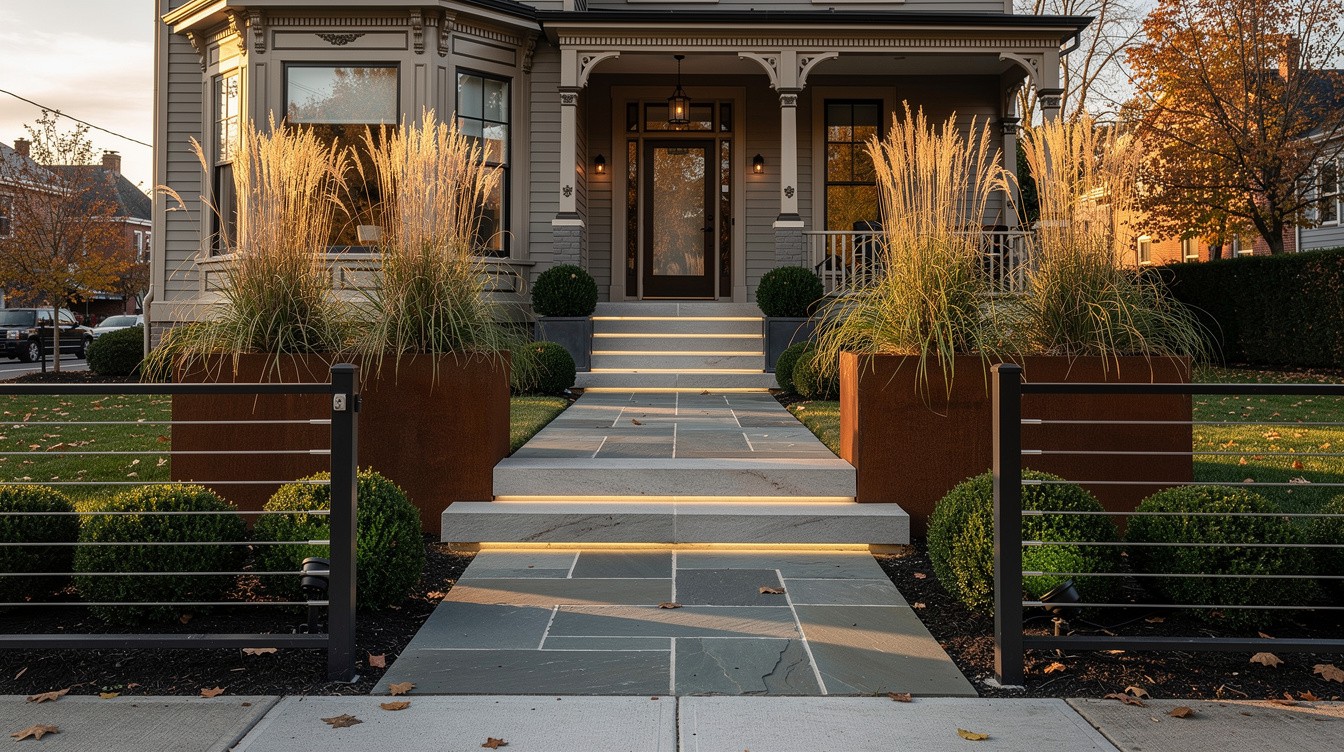
Bluestone Entry with Ornamental Grasses and Steel Fence
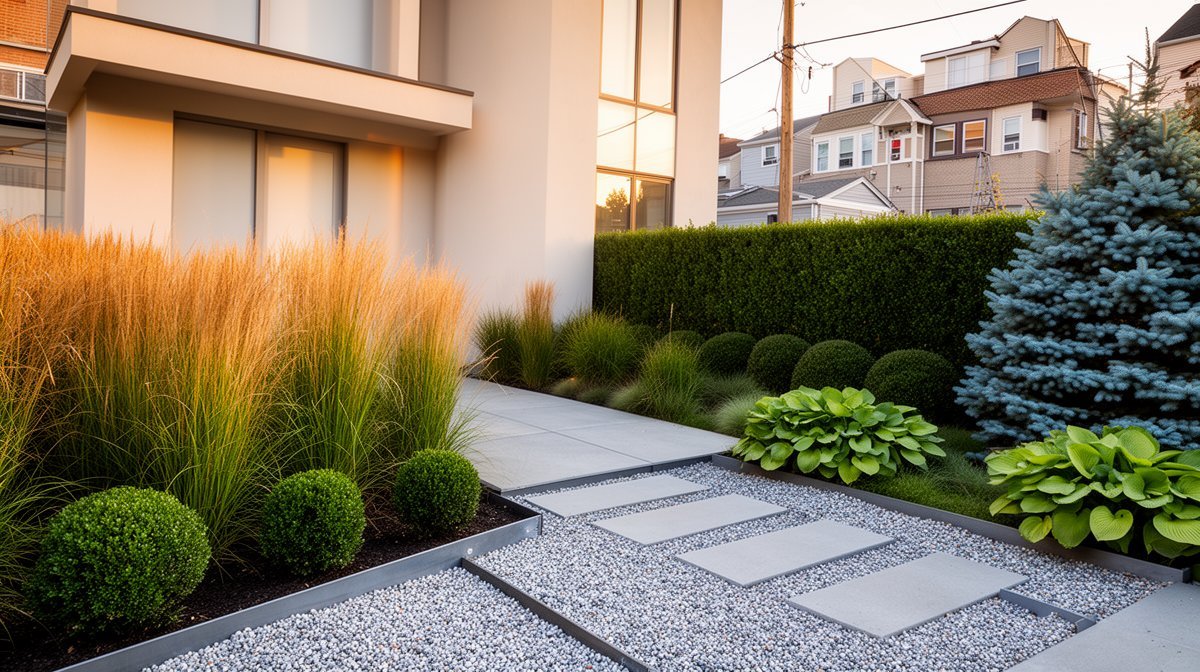
$16—34/sqftPennsylvania bluestone slabs in a contemporary running bond create a bold front entry for a Newark Victorian or new-construction home, flanked by masses of Karl Foerster feather reed grass in corten steel planters and a contemporary steel and cable fence replacing traditional iron—the modern material update that transforms a Victorian front yard into a contemporary statement. The grasses’ vertical seed heads backlighting against Newark’s urban sky create a genuinely striking entry image from October through February. Compact boxwood hemispheres provide evergreen winter structure. LED path lighting extends the entry’s contemporary quality through Newark’s dark winter evenings.
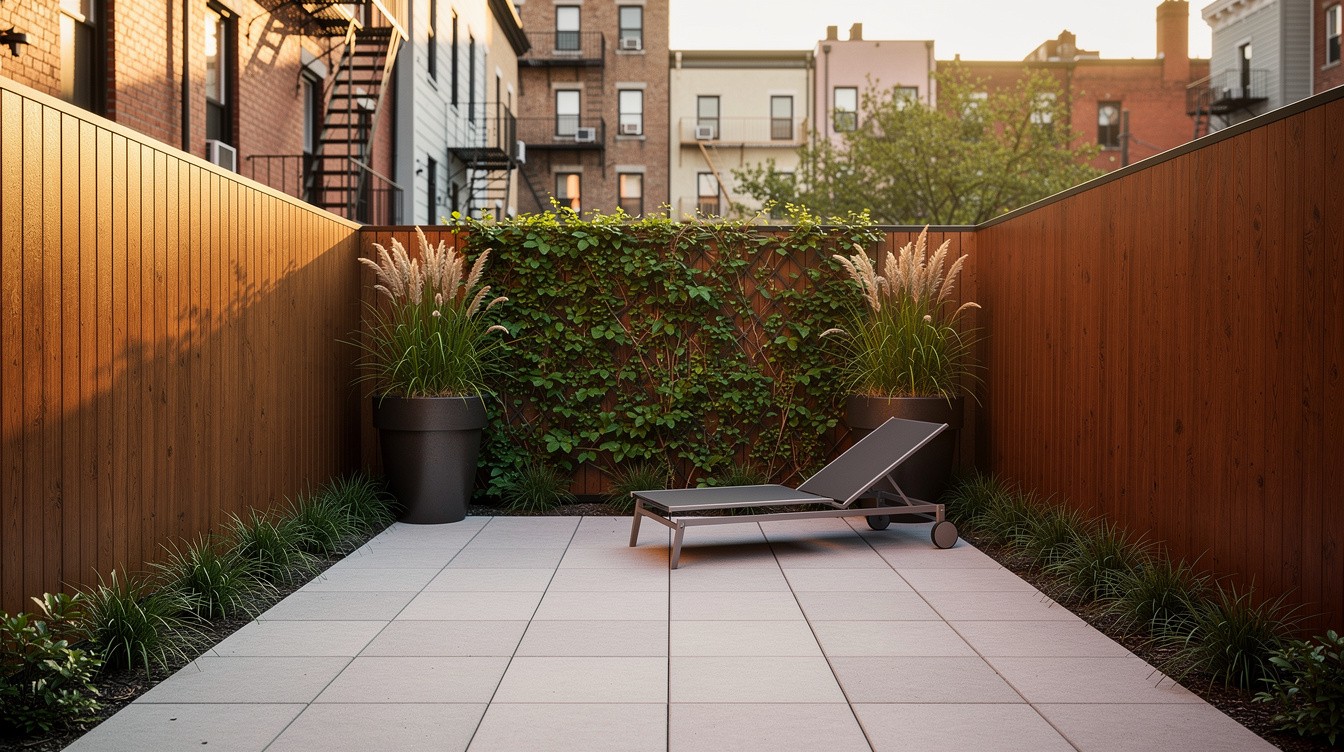
Urban Courtyard Garden with Privacy Screen
$18—40/sqftNewark’s urban density makes privacy the primary design driver—a small rear yard of 600–1,500 square feet is transformed by a contemporary courtyard design that creates a sheltered outdoor room through combination of stained wood privacy fencing, a living wall or climbing plant screen, and a simple concrete paver floor. The courtyard’s enclosure—walls on three sides, open sky above—creates an urban outdoor room that’s genuinely private despite neighbors’ proximity. Minimalist planting: two or three specimen grasses in steel planters, a climbing plant on the rear screen, and edge beds with a single species in bold repetition. The design succeeds through its restraint and spatial quality rather than plant abundance.
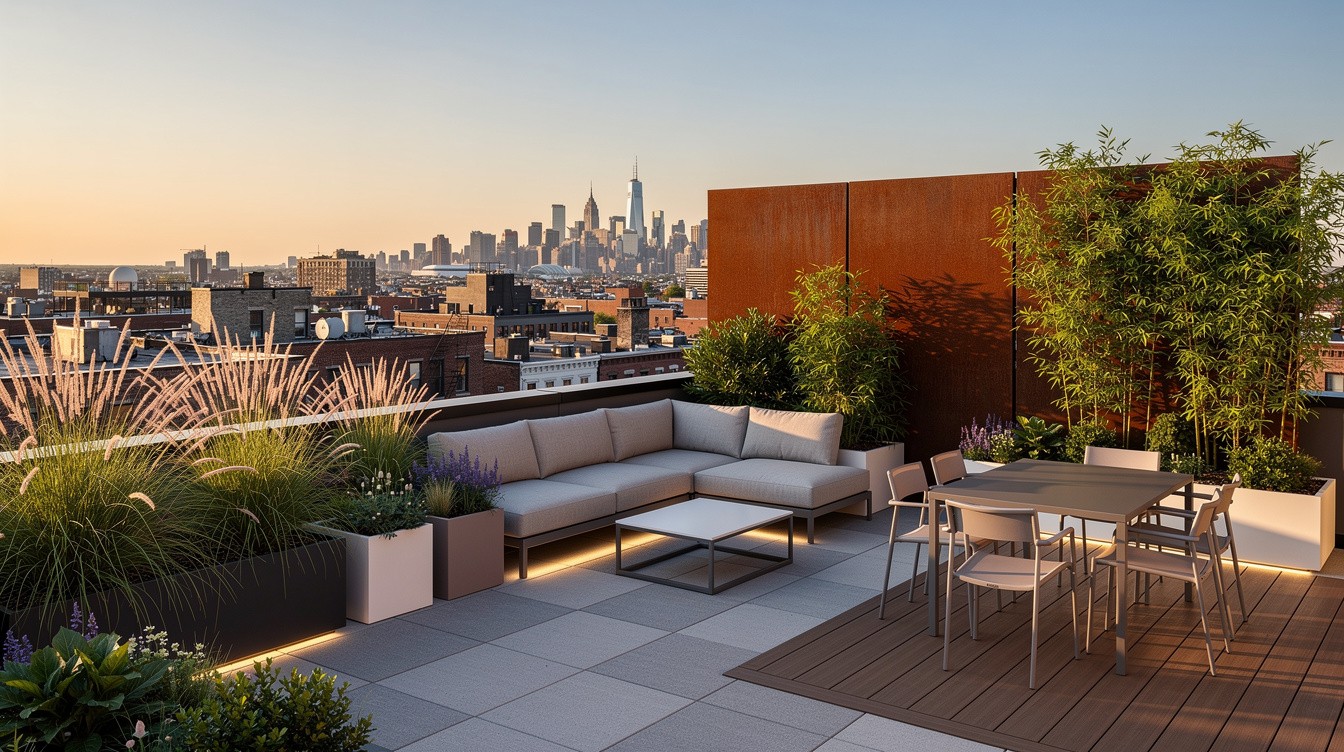
Rooftop Contemporary Garden with City Views
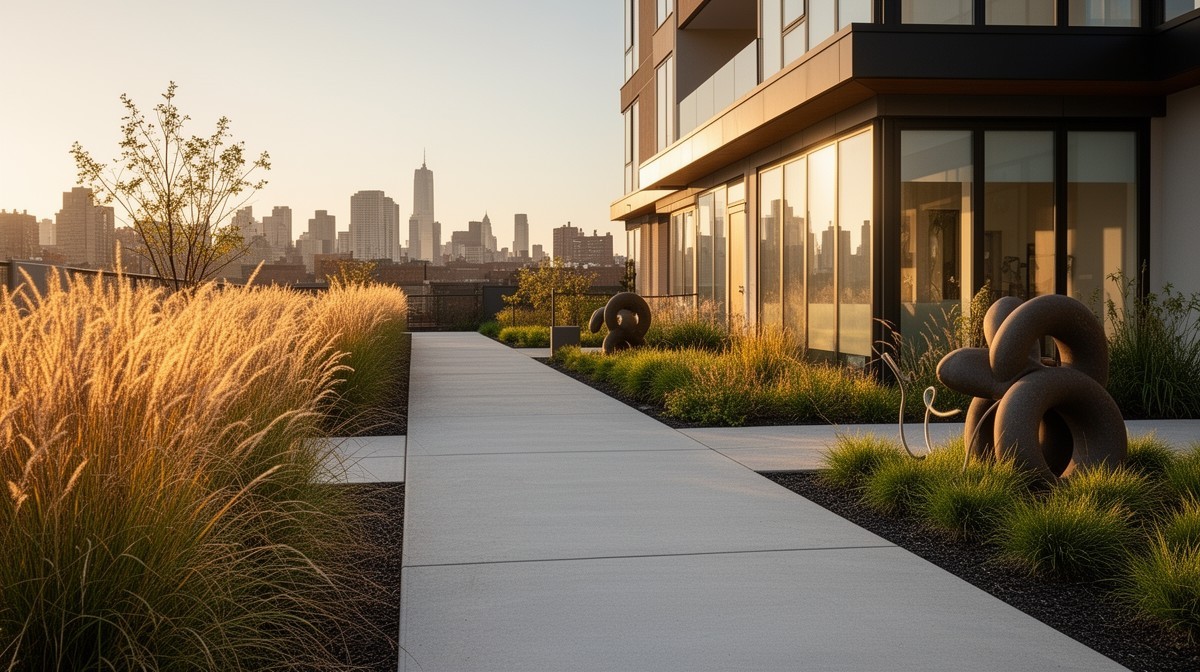
$22‘50/sqftNewark rooftops—increasingly accessible as the city’s building stock is renovated—offer extraordinary contemporary landscape opportunities: Manhattan skyline views, city panoramas, and a genuine above-the-city experience. Contemporary rooftop design uses lightweight structural containers (aluminum or fiberglass planters, not heavy terracotta), wind-resistant plant selection, structural pavers or synthetic decking, and contemporary furniture designed for exposed urban conditions. Ornamental grasses—switchgrass and Karl Foerster—handle rooftop wind exposure better than most plants. Privacy screens of corten steel panels or bamboo planters create intimate zones within the roof terrace’s open exposure.
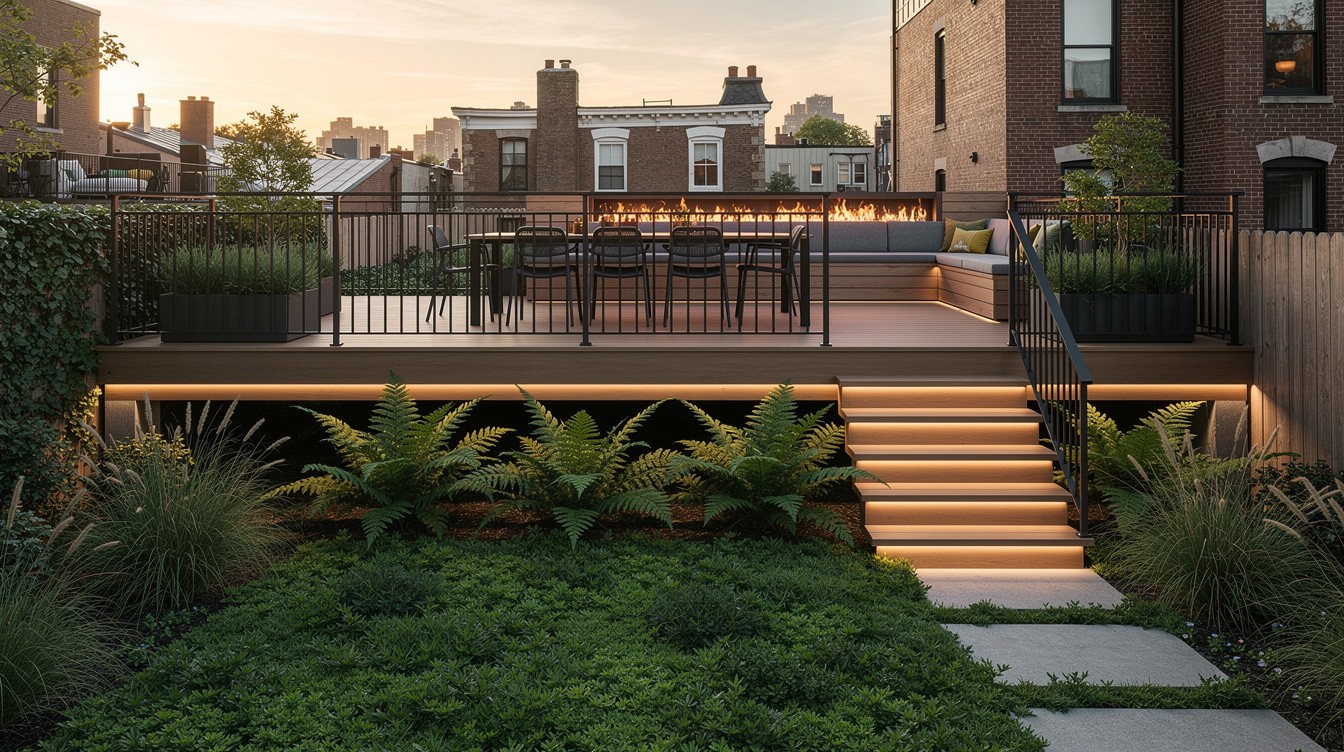
Elevated Deck with Contemporary Native Garden
$20‘45/sqftNewark’s Victorian and brownstone homes often have rear yards accessible via elevated rear porches or decks—this design integrates the elevated deck with a contemporary native garden at grade level below, creating a two-level outdoor space that maximizes a small urban lot’s three-dimensional potential. The deck level—dining table, built-in seating, and a gas fire feature—provides the primary outdoor living space with elevated city views. Below the deck, a low-maintenance native garden of ferns, switchgrass, and native ground covers creates a green ground plane visible from above and contributing to the urban ecological network. LED step lighting and deck lighting create evening atmosphere.
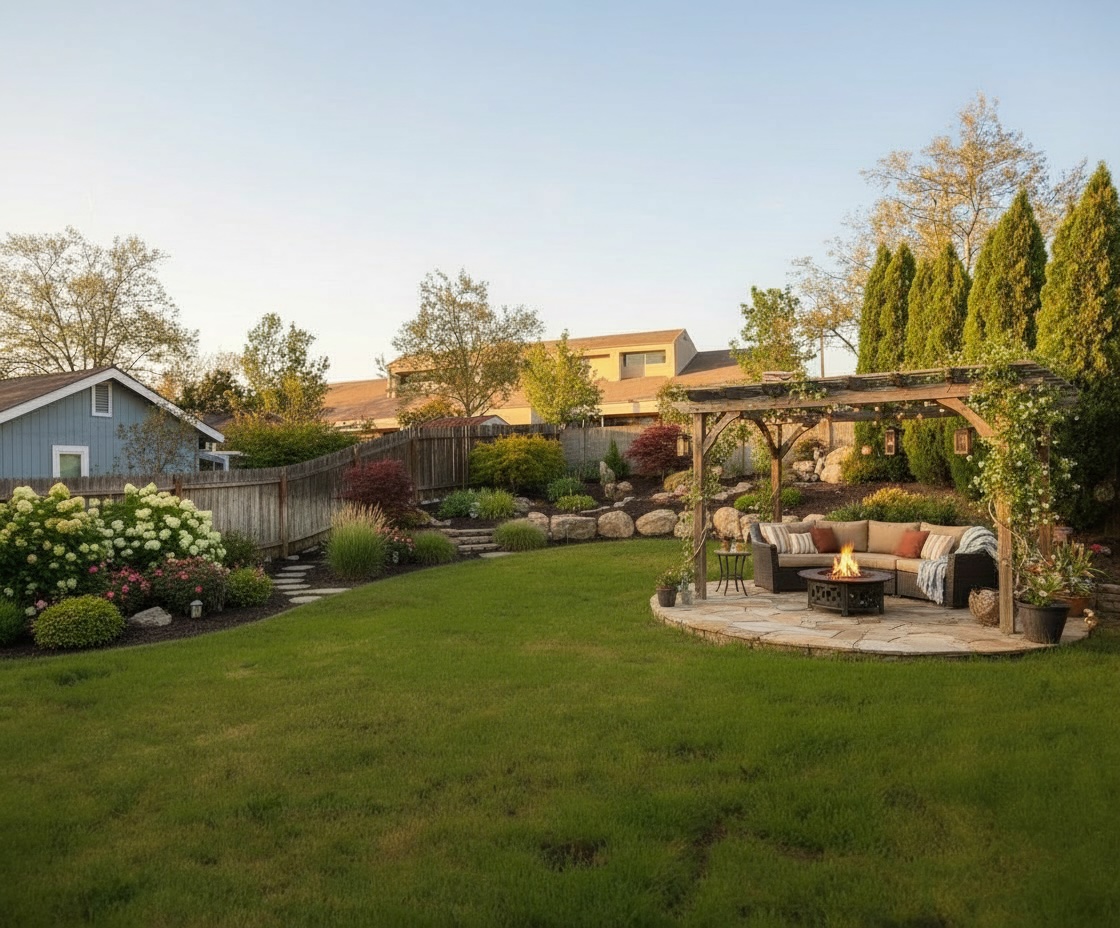
See how a modern/minimalist garden looks on YOUR property
Upload a photo of your Newark yard and visualize your dream garden in seconds.
Try ProScapeAI Free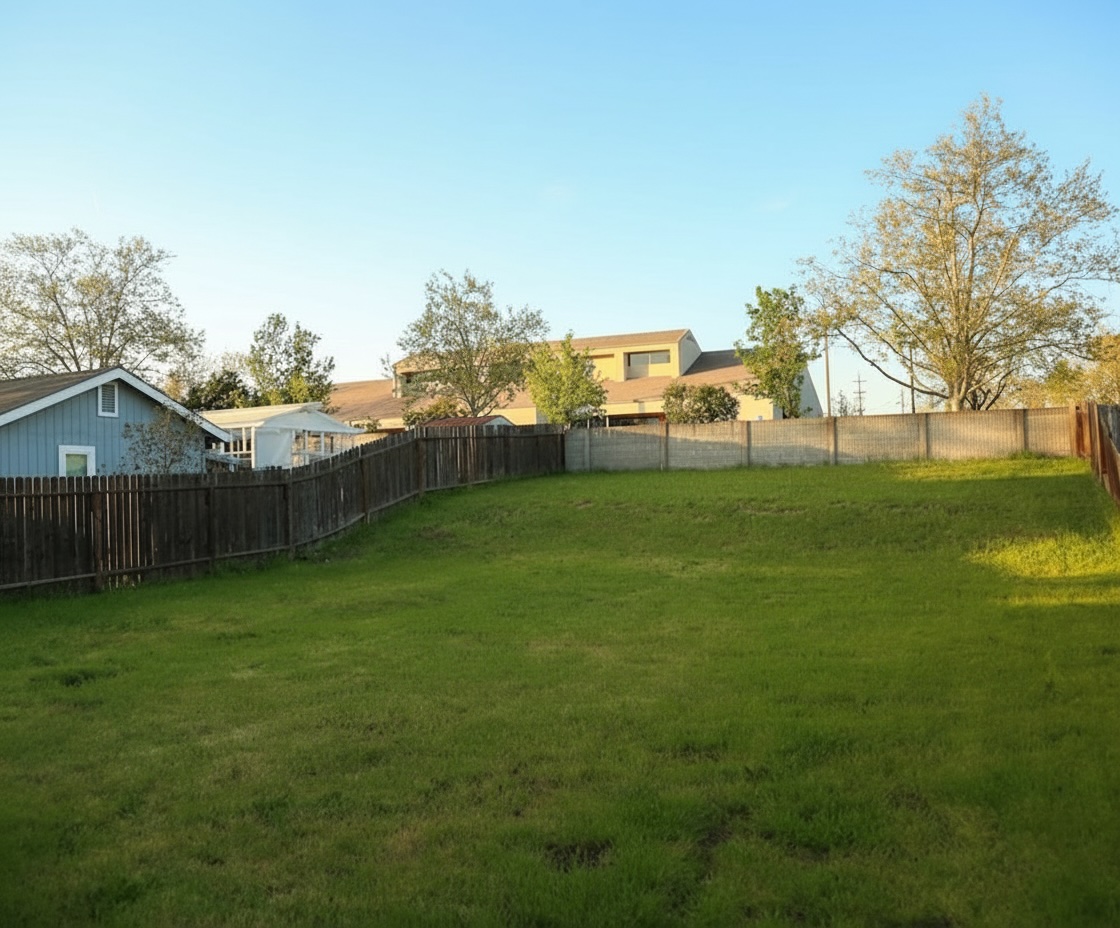
Featured Trees & Shrubs for Modern/Minimalist Gardens
Browse all 181 plants for Newark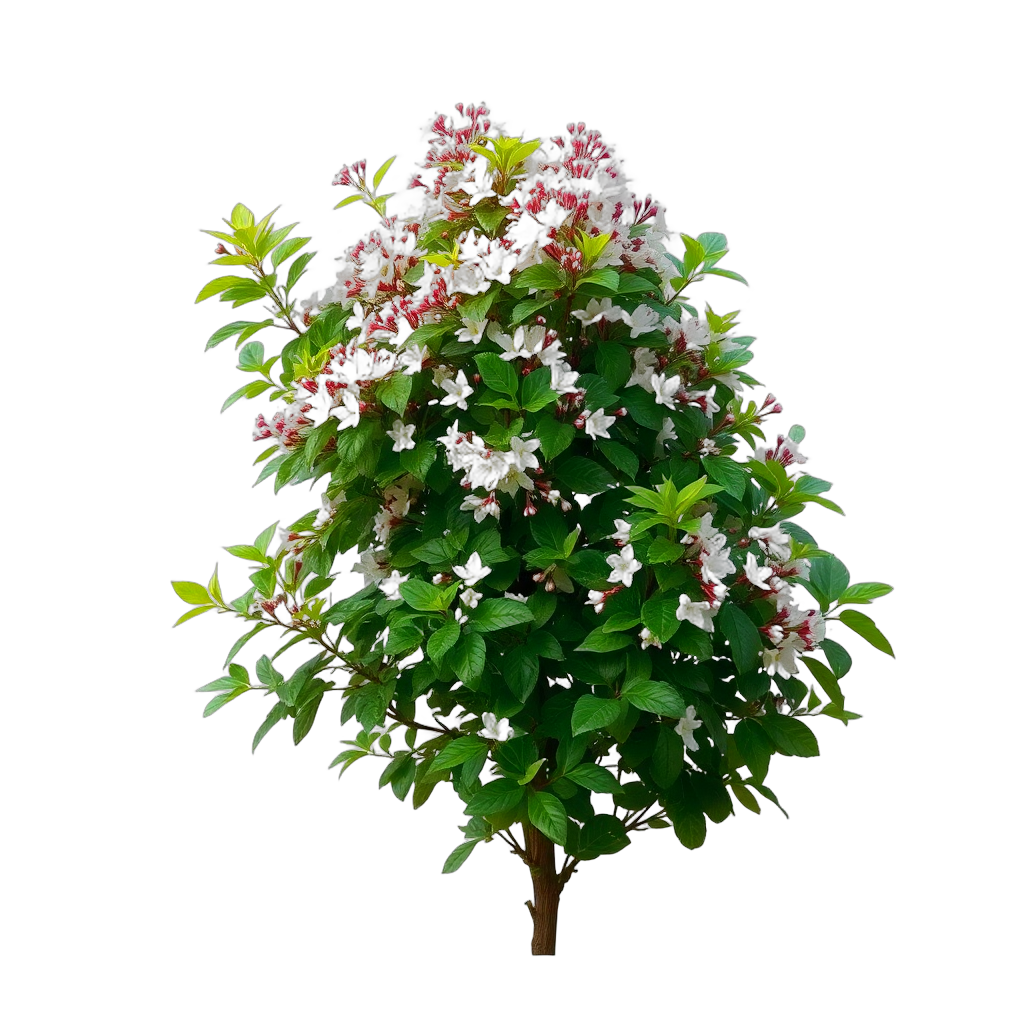
Arrowwood Viburnum
Viburnum dentatum
medium-sized at 10 feet, white blooms in spring. Pollinator-friendly.
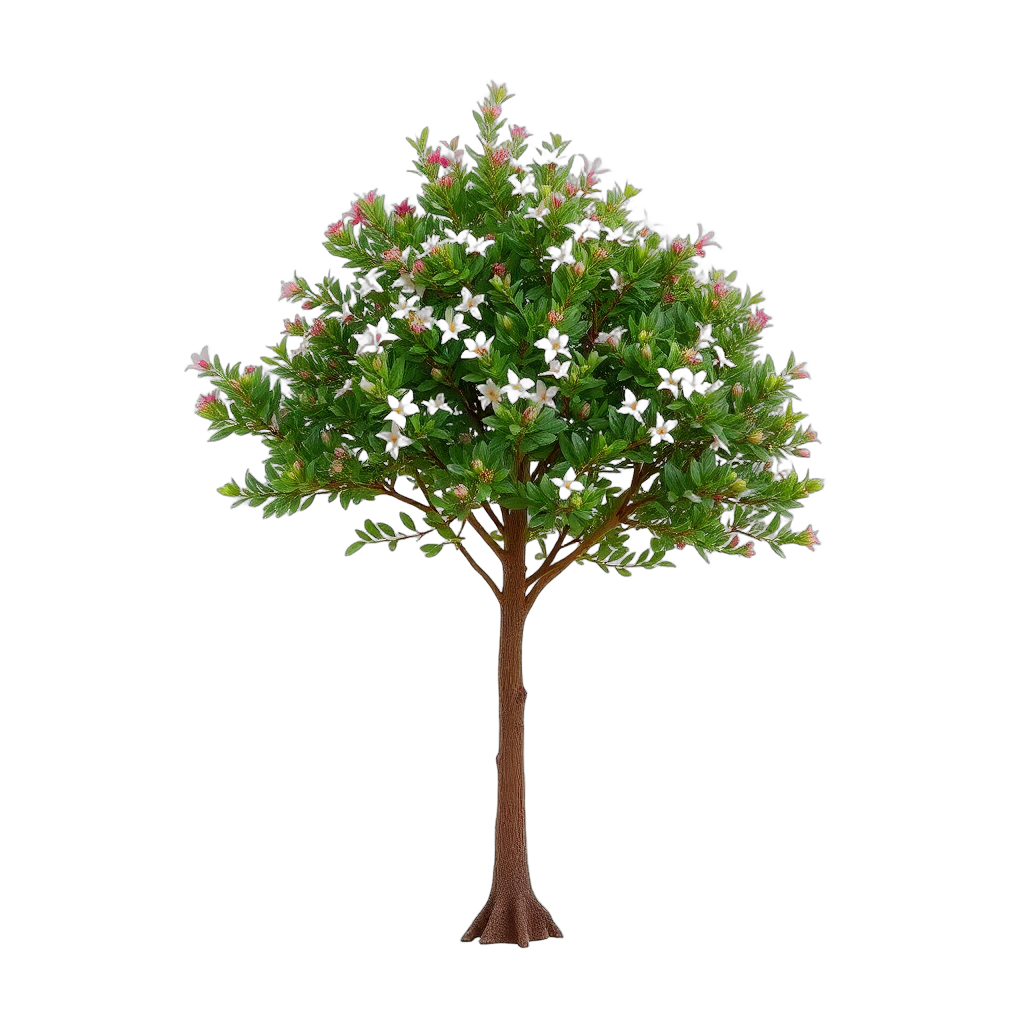
Coastal Leucothoe
Leucothoe axillaris
grows to 3 feet, white blooms in spring. Evergreen year-round.
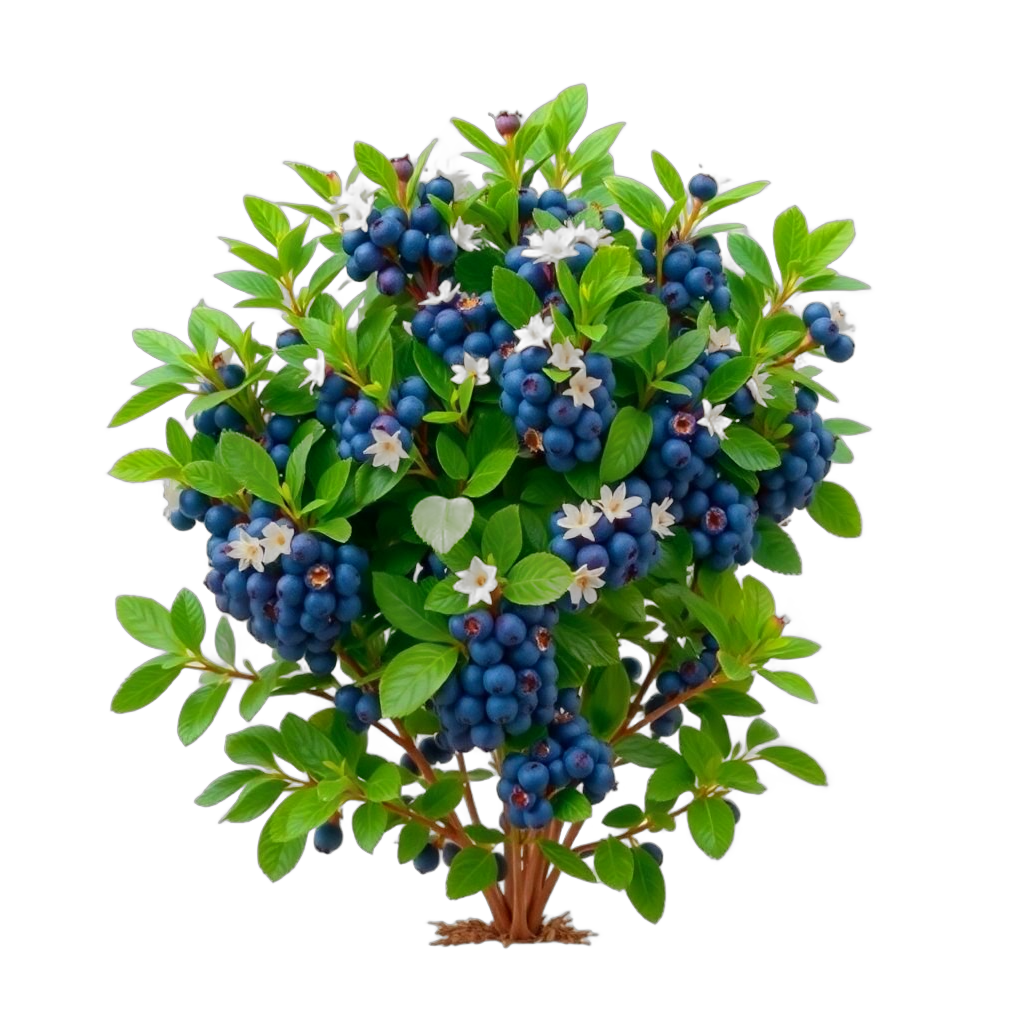
Highbush Blueberry
Vaccinium corymbosum
medium-sized at 7 feet, white blooms in spring. Attracts butterflies.

Inkberry
Ilex glabra
medium-sized at 8 feet, white blooms in spring. Pollinator-friendly.
Featured Grasses & Groundcovers for Modern/Minimalist Gardens
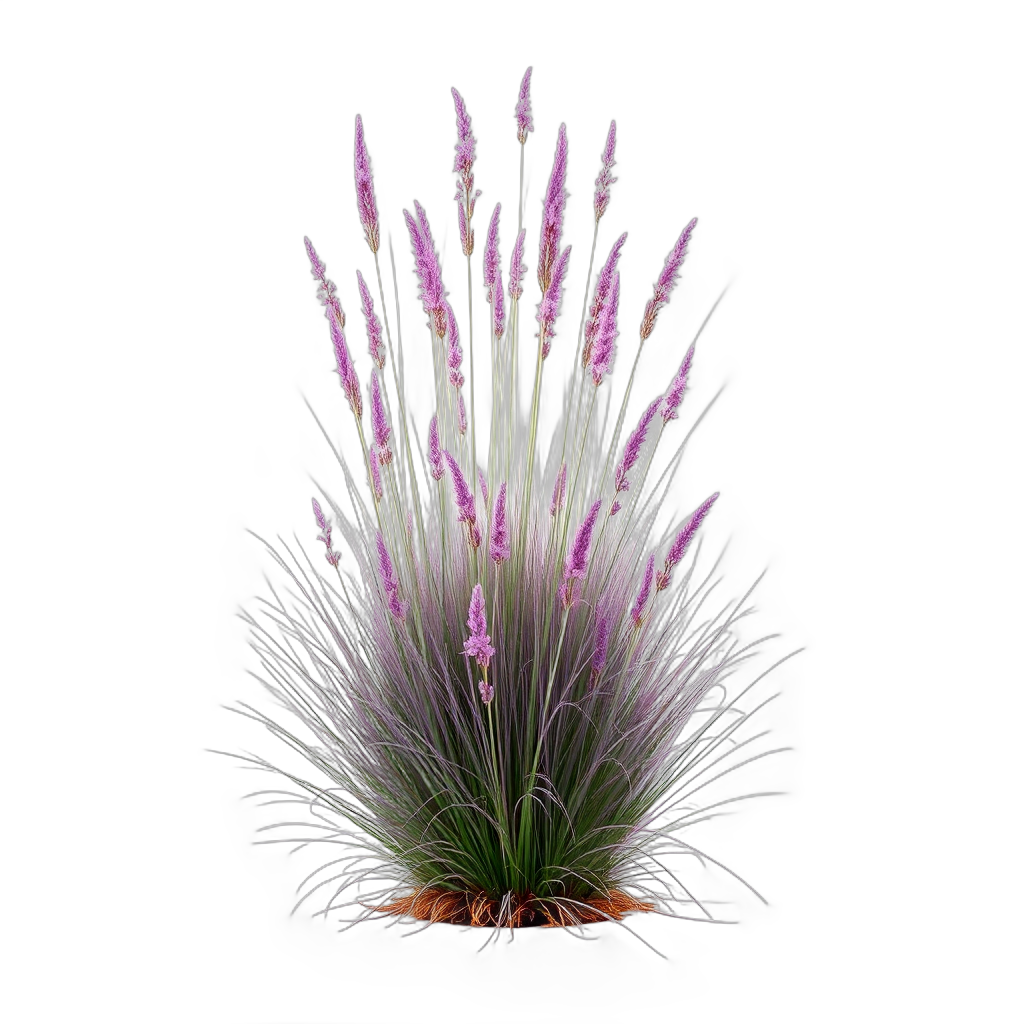
Purple Love Grass
Eragrostis spectabilis
low-growing ground cover, purple blooms in fall. Orange fall color.
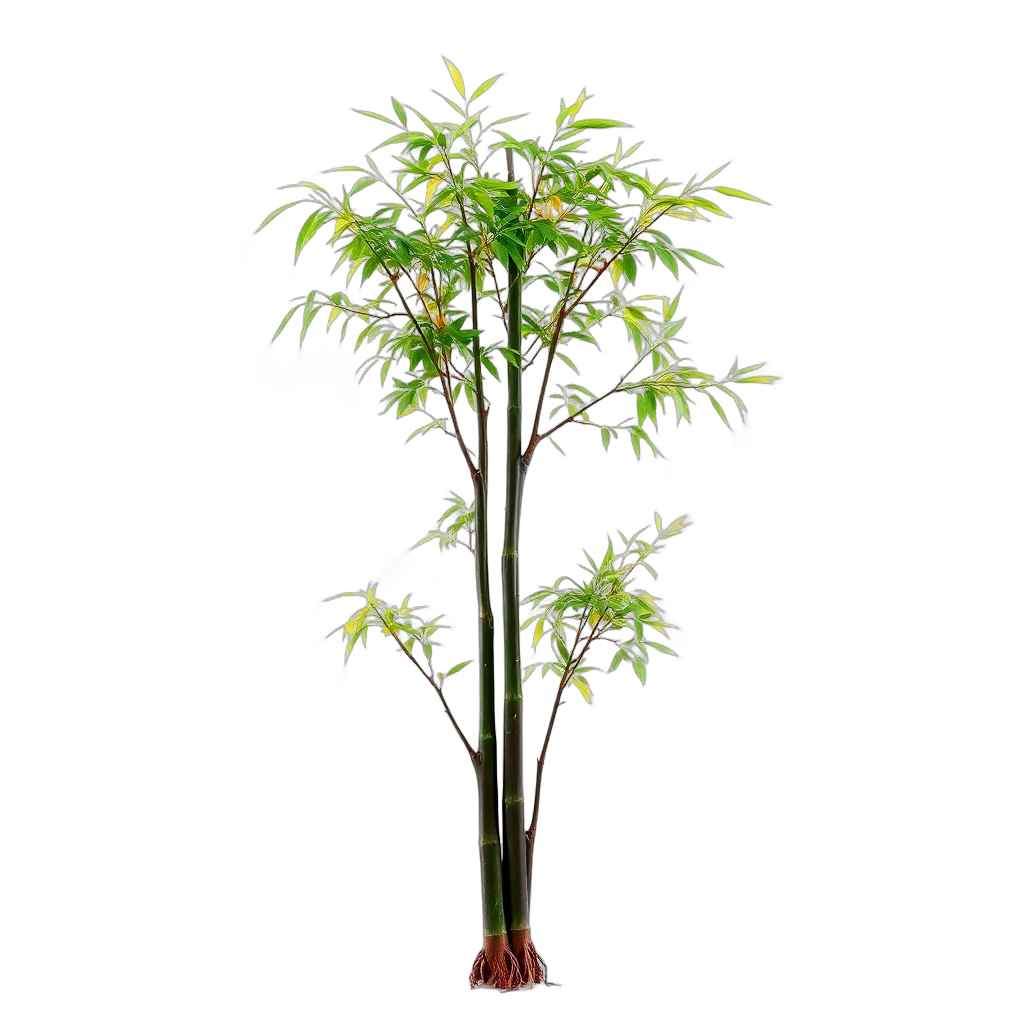
Black Bamboo
Phyllostachys nigra
reaches 25 feet tall, blooms in none. Evergreen year-round.
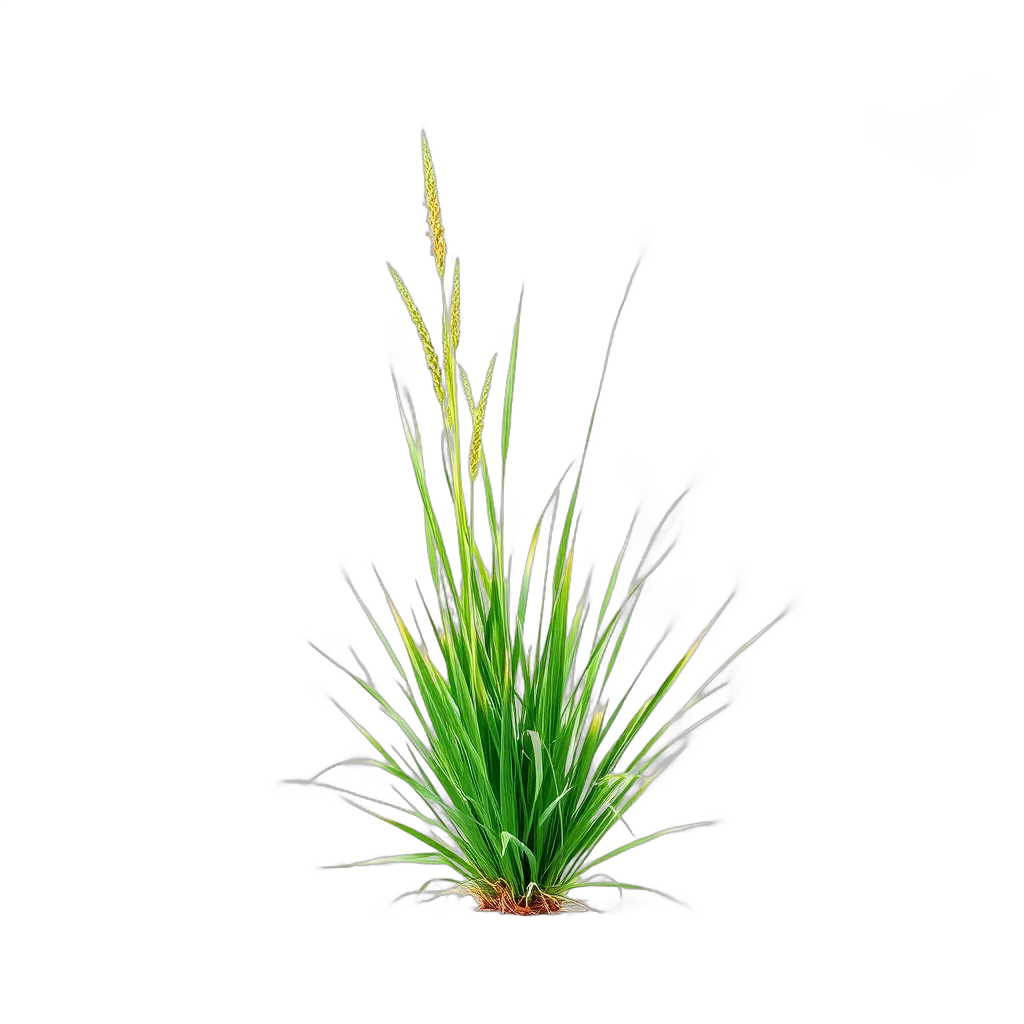
Bull Grass
Muhlenbergia emersleyi
grows to 4 feet, purple blooms in fall. Yellow fall color.
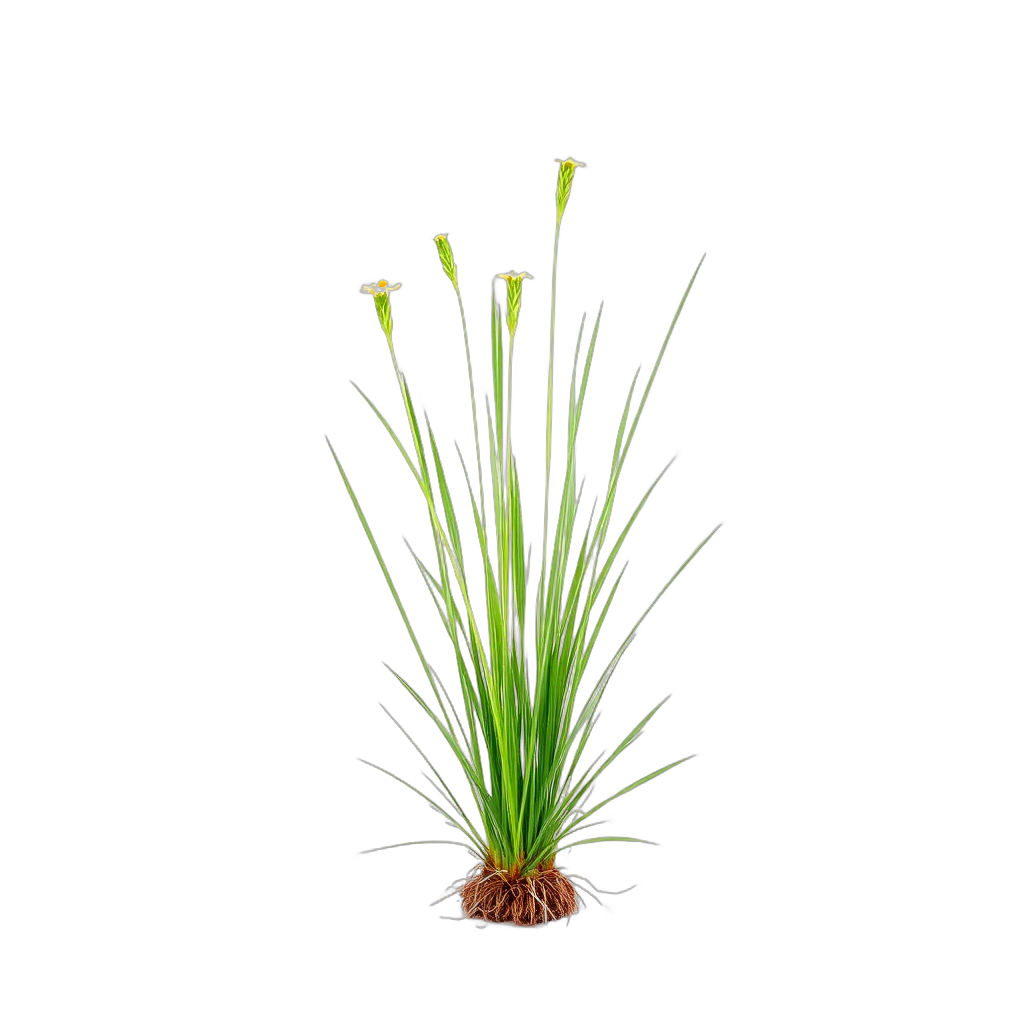
California Melic
Melica californica
low-growing ground cover, blooms in spring.
Featured Flowers & Perennials for Modern/Minimalist Gardens
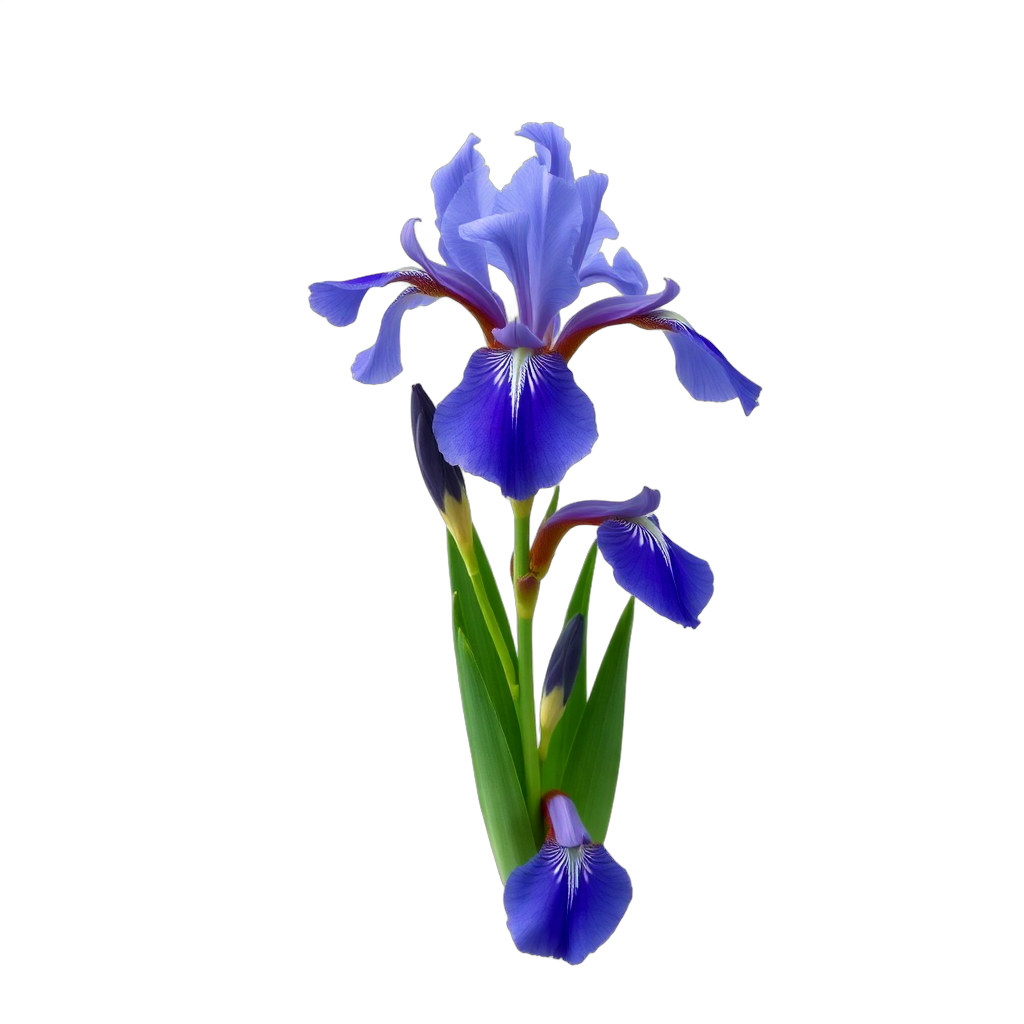
Blue Flag Iris
Iris versicolor
low-growing ground cover, purple blooms in spring. Attracts butterflies.

New York Ironweed
Vernonia noveboracensis
grows to 6 feet, purple blooms in fall. Attracts butterflies.
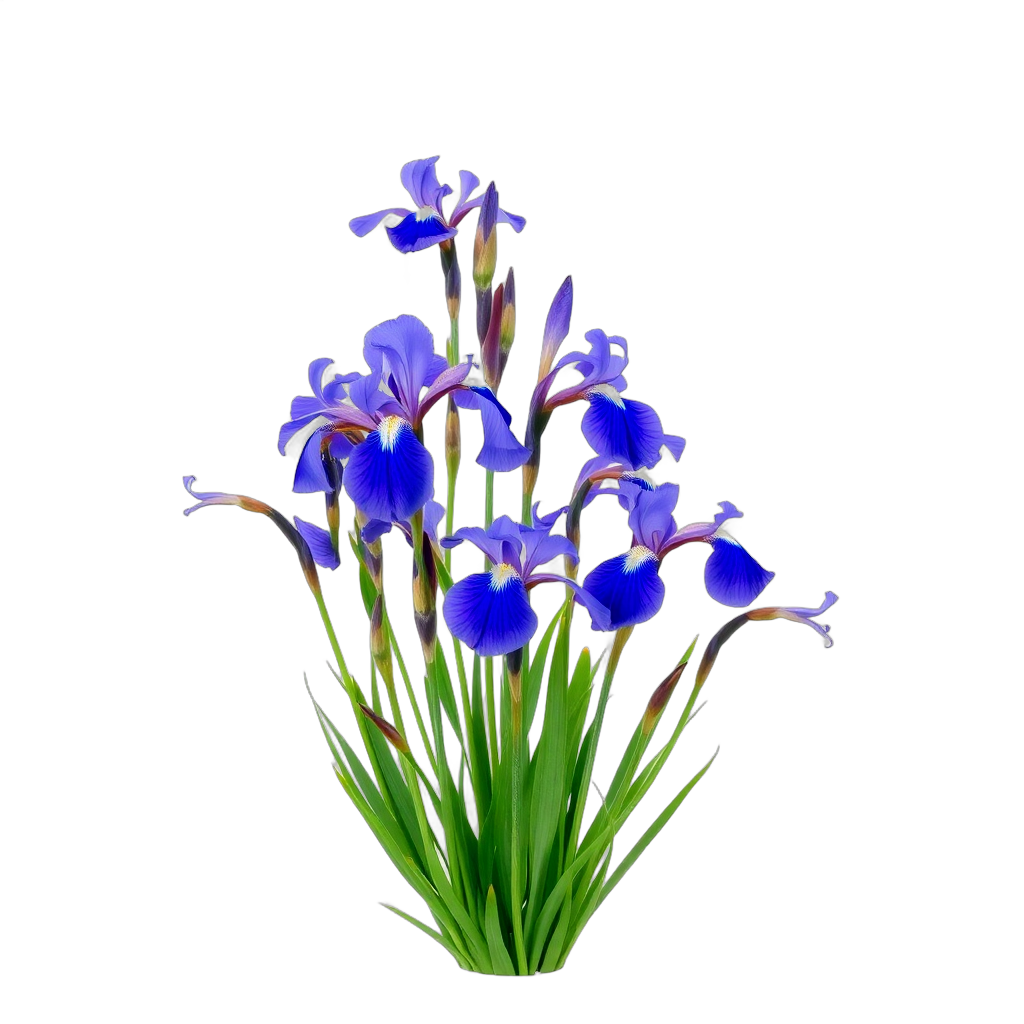
Southern Blue Flag
Iris virginica
low-growing ground cover, blue blooms in spring. Attracts butterflies.

Eastern Prickly Pear
Opuntia humifusa
low-growing ground cover, yellow blooms in summer. Attracts butterflies.
Zone and sun checks come from our database — confirm with your local nursery before you buy.
Bloom Calendar for Newark
spring
Blue Flag Iris, Southern Blue Flag, Arrowwood Viburnumsummer
Ruby Spice Summersweet, Summersweet, Eastern Prickly Pearfall
New York Ironweed, Purple Love Grasswinter
Limited bloomsDesign Tips for Newark (Zone 7a)
- Treat privacy as the primary design driver in Newark’s dense urban context—every contemporary outdoor space design should begin with a privacy analysis that maps overlooked sightlines from neighboring windows and identifies where screening is needed before any other design decisions are made
- Use corten steel as the defining contemporary material in Newark’s urban landscape—planters, fence panels, and edging in weathering steel develop a warm rust patina that complements Newark’s historic brick and brownstone architecture while providing unmistakably contemporary material vocabulary
- Design rooftop terraces with structural assessment first and aesthetics second—Newark’s Victorian building stock varies significantly in structural capacity, and knowing the load limit before specifying materials saves expensive redesign; lightweight composite decking, fiberglass planters, and lightweight planting media achieve excellent design quality within most structural constraints
- Install drip irrigation in all container and rooftop plantings—Newark’s urban heat island and sun-exposed containers create extreme summer drying conditions that require daily watering without automated irrigation; a drip system with battery-powered controller is a significant quality-of-life improvement that prevents plant loss during vacation or busy weeks
- Specify composite decking over wood for all elevated deck surfaces—Newark’s humidity, precipitation, and urban pollution accelerate wood deterioration rapidly, and composite decking’s 25-year maintenance-free character is especially valuable in an urban market where maintenance contractors are expensive and difficult to schedule
- Connect any outdoor fire feature to natural gas rather than propane—Newark’s dense urban context makes propane tank storage inconvenient and potentially problematic with building codes; natural gas connection eliminates tank refilling logistics and provides the instant ignition and controllable flame that makes urban outdoor fire features genuinely spontaneous rather than occasion-only
Where to Source Plants in Newark
Skip the big-box stores. These independent Newark nurseries specialize in the plants that make modern/minimalist gardens thrive in Zone 7a.
Hicks Nurseries
Westbury, NY (Long Island)
New York metro’s premier independent nursery with exceptional contemporary ornamental grasses, native plants, and specialty container plants
Rosedale Nurseries
Hawthorne, NY (Westchester)
Westchester’s premier specialty nursery with outstanding ornamental grasses, native plants, and contemporary landscape material
Rutgers Garden Center
New Brunswick, NJ
University garden center with New Jersey native plants, contemporary perennials, and research-based Zone 7a plant recommendations
Home Depot Garden Center
Kearny / Newark area
Comprehensive contemporary plants, pavers, containers, and installation materials at metro New York availability
Lowe’s Garden Center
Maplewood / Newark metro
Broad urban contemporary plant selection, composite decking, pavers, and outdoor living products for northern NJ urban landscapes
Modern/Minimalist Landscaping Costs in Newark
| Project Scope | Estimated Cost |
|---|---|
| Contemporary front entry with bluestone, corten planters, and steel fence | $14,000 – $32,000 |
| Urban courtyard with privacy screen and concrete paver floor | $16,000 – $42,000 |
| Rooftop contemporary terrace with lightweight planters and composite decking | $22,000 – $62,000 |
| Elevated deck with native garden below | $18,000 – $50,000 |
| Privacy fence and trellis installation (per 50 linear feet) | $6,000 – $16,000 |
| Annual contemporary landscape maintenance (NYC metro rates) | $1,500 – $4,500/year |
| AI visualization with ProScapeAI | Free to start |
Estimates based on Newark, NJ-area contractor rates as of 2026. Actual costs vary by site conditions, materials, and contractor.
Newark Climate & Growing Zone
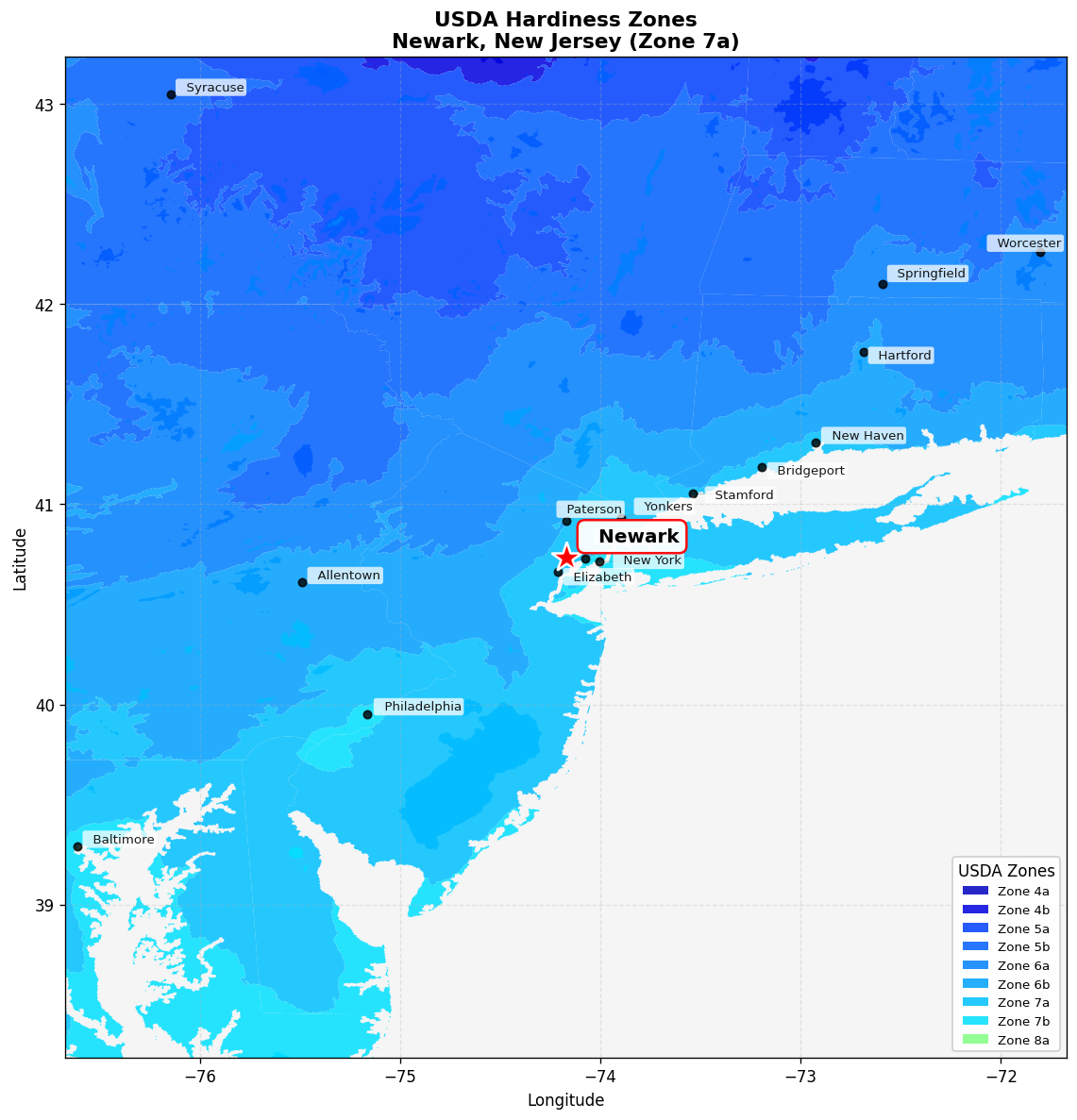
USDA Zone 7a
Hardiness zone for Newark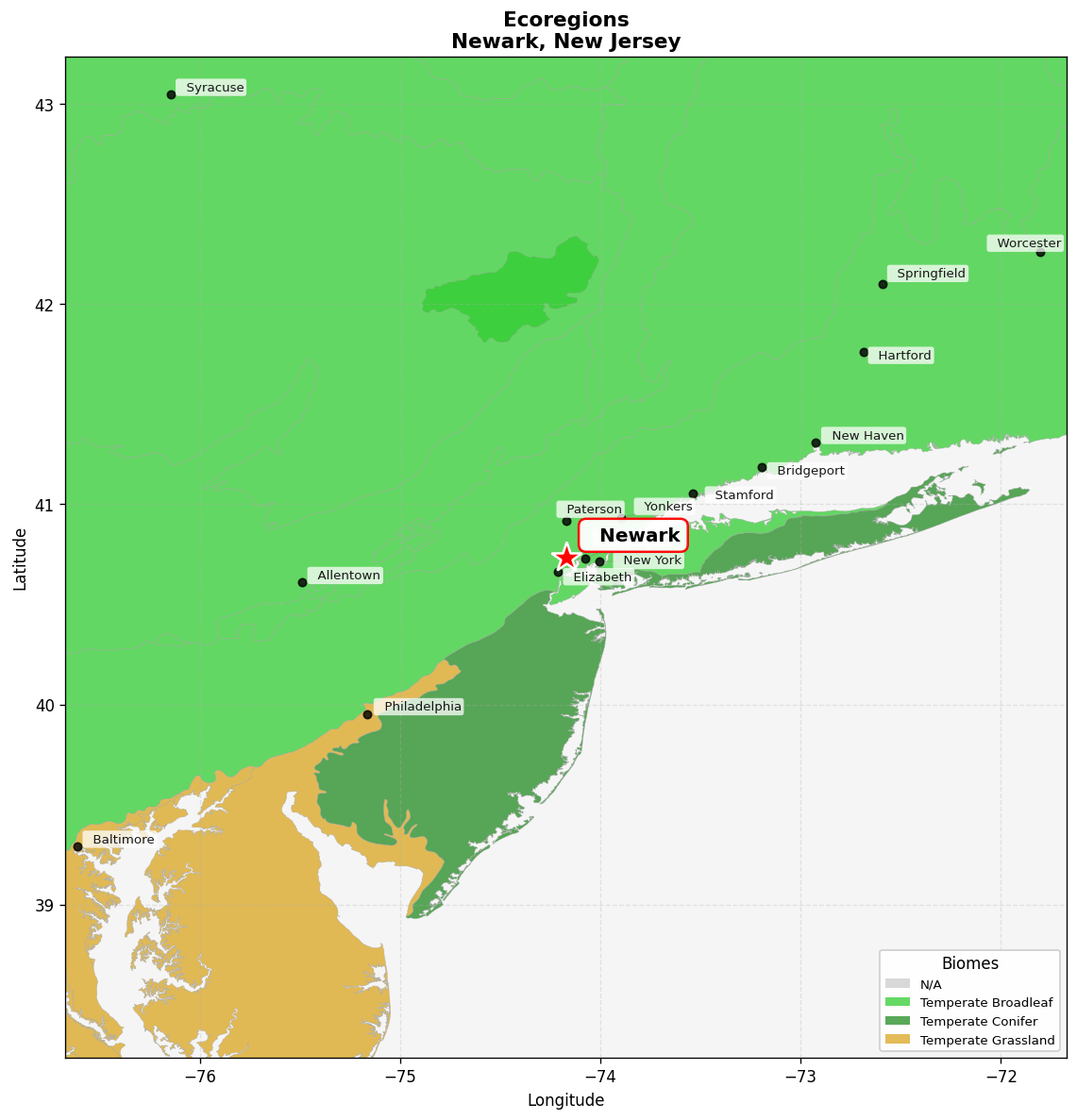
Northeast US Coastal forests
Native ecoregionFrequently Asked Questions
What contemporary plants perform well in Newark’s urban Zone 7a climate?
Newark’s Zone 7a with urban heat island effect supports a wide contemporary plant palette. Top performers: Karl Foerster feather reed grass (Zone 5, the most structurally clean contemporary grass, reliable in Newark’s urban conditions), switchgrass 'Northwind' and 'Shenandoah' (Zone 5, bold upright forms, handle urban heat and reflected heat well), compact boxwood (Zone 5–6, specify blight-resistant varieties), climbing hydrangea (Zone 4, self-climbing on masonry, excellent for shaded urban walls), serviceberry (Zone 4, multi-stem form, excellent four-season urban tree), Japanese forest grass (Hakonechloa macra, Zone 5–6, shade-tolerant, elegant cascading form for partial-shade urban sites), and ornamental sedges (multiple species, Zone 5–6, shade and drought tolerant once established in containers).
How do I design for wind on a Newark rooftop or elevated terrace?
Newark’s rooftops and elevated terraces experience significantly stronger and more continuous wind than ground level—typically 2–3x the surface wind speed. Wind-tolerant design strategies: anchor all furniture and planters—lightweight pieces blow in urban gusts; choose wind-resistant grasses (switchgrass 'Northwind' was bred for wind-exposed sites; Karl Foerster is highly wind-tolerant); create partial windbreaks with corten steel panels or bamboo screens—a 30–50% permeable screen reduces wind velocity on the leeward side more effectively than a solid wall which creates turbulence; use lightweight fiberglass or aluminum planters—heavy terracotta is structurally problematic on most roofs; and ensure the roof structure is rated for green roof or terrace loads before any planting or paving installation.
What are typical contemporary landscape costs for Newark’s NYC metro market?
Newark and northern New Jersey labor rates reflect New York metropolitan area pricing—among the highest in the US. A contemporary front entry with bluestone path, corten planters, and ornamental grasses typically costs $14,000–32,000. An urban courtyard privacy screen and paver design runs $16,000‘40,000. A rooftop contemporary terrace with planters and composite decking ranges $20,000‘60,000. An elevated deck with native garden costs $18,000‘48,000. Annual maintenance for a contemporary Newark landscape runs $1,500–4,500/year—NYC metro labor rates are 40–60% above national average for routine maintenance. Factor higher costs into planning than equivalent projects in Midwest or Southeast markets.
Can I build a rooftop garden in Newark without major structural modifications?
It depends on the roof structure. Victorian and brownstone rooftops vary significantly in load capacity—flat rooftops on older Newark homes may have original structural capacity of only 20–40 pounds per square foot (PSF), while modern construction may handle 80–100+ PSF. Before any rooftop planting or paving: commission a structural engineer’s assessment (cost: $500–1,500) to determine current load capacity; use lightweight materials—composite decking boards weigh 3–5 PSF vs. bluestone at 12–18 PSF; specify lightweight planting media (pumice or foam-mix substrate weighs 30–40% less than standard topsoil); and place heaviest elements (large planters, furniture) near bearing walls and columns. Semi-intensive green roof systems typically require 40–60 PSF capacity, achievable on most structurally sound buildings with engineering assessment.
How do I create privacy in a dense Newark neighborhood?
Privacy creation is the primary outdoor design challenge in Newark’s dense urban residential fabric. Effective strategies: tall privacy fences (6–8 feet, the maximum permitted under most Newark ordinances) with stained cedar, composite, or corten steel panels; living walls or trellises with climbing plants on fence structures—add 12–18 inches of visual bulk and soften the hard fence edge; bamboo planter screens (clumping bamboo, not running, in large containers) create instant 8–12-foot privacy without permits in most cases; and pergola structures with solid or lattice roofs that provide overhead privacy from adjacent second-floor windows. Combine structural fence with living plant material—the two-layer privacy screen is more effective than either alone and creates the layered cottage or contemporary garden depth that makes small spaces feel larger.
How does Newark’s urban heat island affect plant selection and maintenance?
Newark’s urban heat island effect—typically 4–8°F warmer than surrounding suburbs—significantly affects both plant selection opportunities and management needs. Opportunities: Zone 7b–8a plants succeed in Newark’s warmest microclimates (south-facing walled courtyards, rooftops), expanding the palette to include gardenias, camellias, and other marginal Zone 7 plants; the longer urban frost-free season (15–20 extra days versus surrounding suburbs) extends annuals and tender perennials. Management: urban heat significantly increases container plant watering needs in summer—planters on rooftops and south-facing terraces may need daily watering in July and August; dark paved surfaces absorb heat that stresses nearby plant roots, requiring extra mulch or surface insulation; and summer heat accelerates disease and pest pressure on stress-vulnerable plants.