4 English Cottage Garden Ideas for Provo, UT | Zone 7a Borders Under Y Mountain
Native plants from the Great Basin shrub steppe (Zone 7a) — Humid continental (hot summer) climate
Why Cottage/English Gardens in Provo?
Provo has more cottage-garden bones than most people notice. The brick Victorians and 1910s to 1930s bungalows of the Joaquin and Maeser neighborhoods, the shady older streets around Franklin and Timp, and the post-war brick ramblers of Grandview and Edgemont all sit on modest lots with short front setbacks, which is exactly the scale an English border wants. A cottage garden at 400 square feet looks deliberate, and the red and buff brick that runs through so much of Provo's housing is the warm backdrop that roses, catmint and peonies were bred to stand against. The cold winters help rather than hurt: Paeonia lactiflora 'Sarah Bernhardt', Syringa vulgaris, bearded iris and tulips all need the winter chill that Provo delivers reliably.
Zone 7a means winter lows of 0 to 5°F, and BYU's 1991 to 2020 normals show only about 17 inches of precipitation a year, with July highs averaging 95°F and January nights near 23°F. Most of that moisture falls as winter snow, almost none of it in July and August when a border is working hardest, and the air is dry enough that blackspot and mildew are minor problems compared with England or the East Coast. So the cottage palette here leans on plants that like dry air and full sun: Lavandula × intermedia 'Phenomenal', Nepeta × faassenii 'Walker's Low', Salvia nemorosa 'Caradonna', Achillea 'Moonshine' and Dianthus 'Firewitch'. Tender grafted hybrid teas and Delphinium elatum struggle in a 95°F afternoon; use own-root shrub roses such as Rosa 'Therese Bugnet' and Rosa 'John Cabot', and get your blue spires from Penstemon strictus or Agastache 'Blue Fortune' instead of delphiniums.
Soil depends on which side of the city you live on. Provo is built on the old Lake Bonneville shorelines, and the Provo shoreline itself is named for this valley. The east bench neighborhoods (Rock Canyon, Oak Hills, Indian Hills, Edgemont) sit on gravelly, cobbly delta and shoreline deposits that drain fast and dry out faster, while west Provo toward Utah Lake (Lakeview, Fort Utah, the Provo Bay side) sits on fine lakebed silt and clay with a higher water table. Both run alkaline, roughly pH 7.5 to 8.2, which is why Hydrangea macrophylla, azaleas and Acer rubrum go yellow here. Amend bench beds with compost to hold water; raise beds on the west side so lavender and roses never sit in a wet March.
Provo draws much of its water from its own springs and wells, and as of 2024 the city was not part of the state's Landscape Conversion Incentive Program; it runs its own city-funded park strip conversion instead, which asks for at least 40 percent plant cover at maturity. That suits this style: flip the park strip to Nepeta, Penstemon and Achillea, and spend the irrigation on one generous drip-watered border near the porch where you actually sit.
4 Cottage/English Design Ideas for Provo

AI-generated image
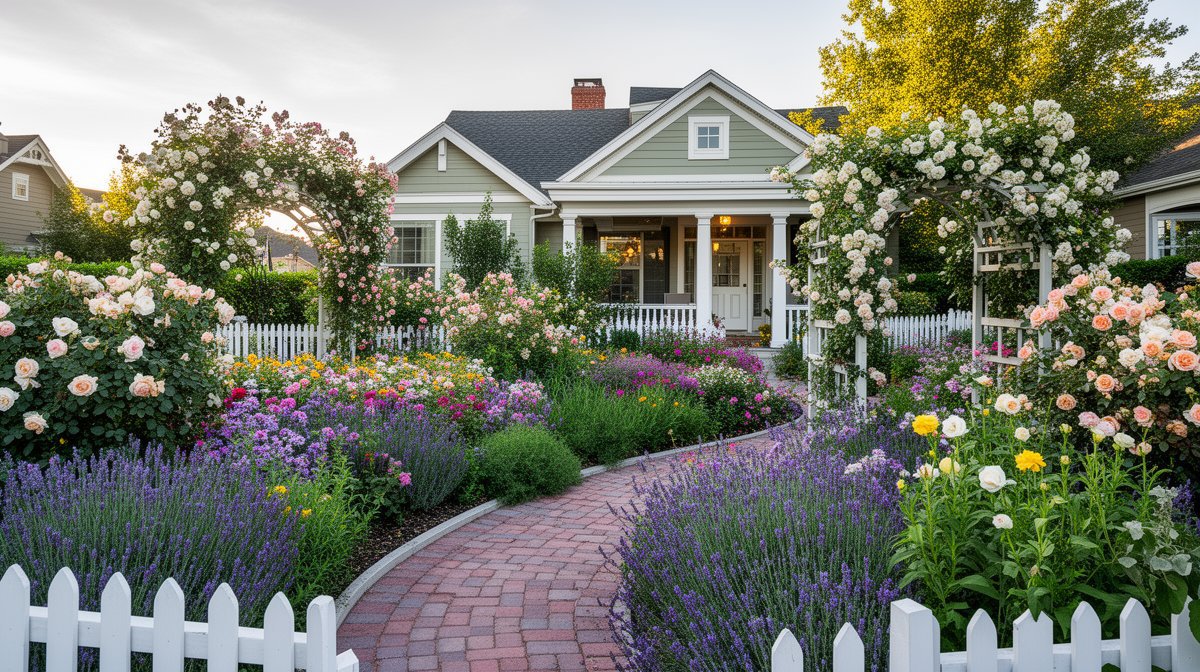
The Joaquin Bungalow Picket Border
$20–40/sqftA low white picket fence runs the frontage of a 1920s brick bungalow, with a broad cedar arbour over the gate and a straight brick walk to a deep porch. A ribbon of lavender and catmint spills over the walk edge in full south and west sun, own-root shrub roses fill the middle layer, and peonies anchor the corners by the porch steps where the eaves give a little afternoon relief.

AI-generated image
The Rambler Porch Garden
$18–35/sqftA 1950s brick rambler in Grandview gets a curved flagstone path cut through what used to be front lawn, ending at a widened stoop with two big pots. Three-layer beds wrap the house: lilac and serviceberry at the back corners, roses and salvia in the middle, and a low front edge of cranesbill and lamb's ear. A north-facing strip beside the garage holds the shade-tolerant cottage plants that would cook on the sunny side.

AI-generated image
The Bench Rose Arch and Tea Circle
$28–55/sqftOn a sloping east bench back yard below Y Mountain, a dry-stacked stone wall cuts one level terrace, and a round gravel tea circle with two iron chairs sits on it under a rose arch. The terraced beds above and below are packed with lavender, hollyhocks and peonies, and the view runs west over the valley to Utah Lake. Deer-resistant plants carry the outer edges, with the roses kept close to the house.

AI-generated image
The West Provo Raised Cottage Beds
$30–60/sqftA newer two-story home near Lakeview gets a back garden of four raised brick-edged beds around a small brick patio, so the roses and lavender sit 10 inches above the heavy lakebed clay. A painted pergola on the west side throws late-afternoon shade over the seating, and a clipped low hedge frames the whole thing so it reads as a garden room on an open suburban lot.
See how a cottage/english garden looks on YOUR property
Upload a photo of your Provo yard and visualize your dream garden in seconds.
Try ProScapeAI Free

AI-generated image
Featured Trees & Shrubs for Cottage/English Gardens
Browse all 176 plants for Provo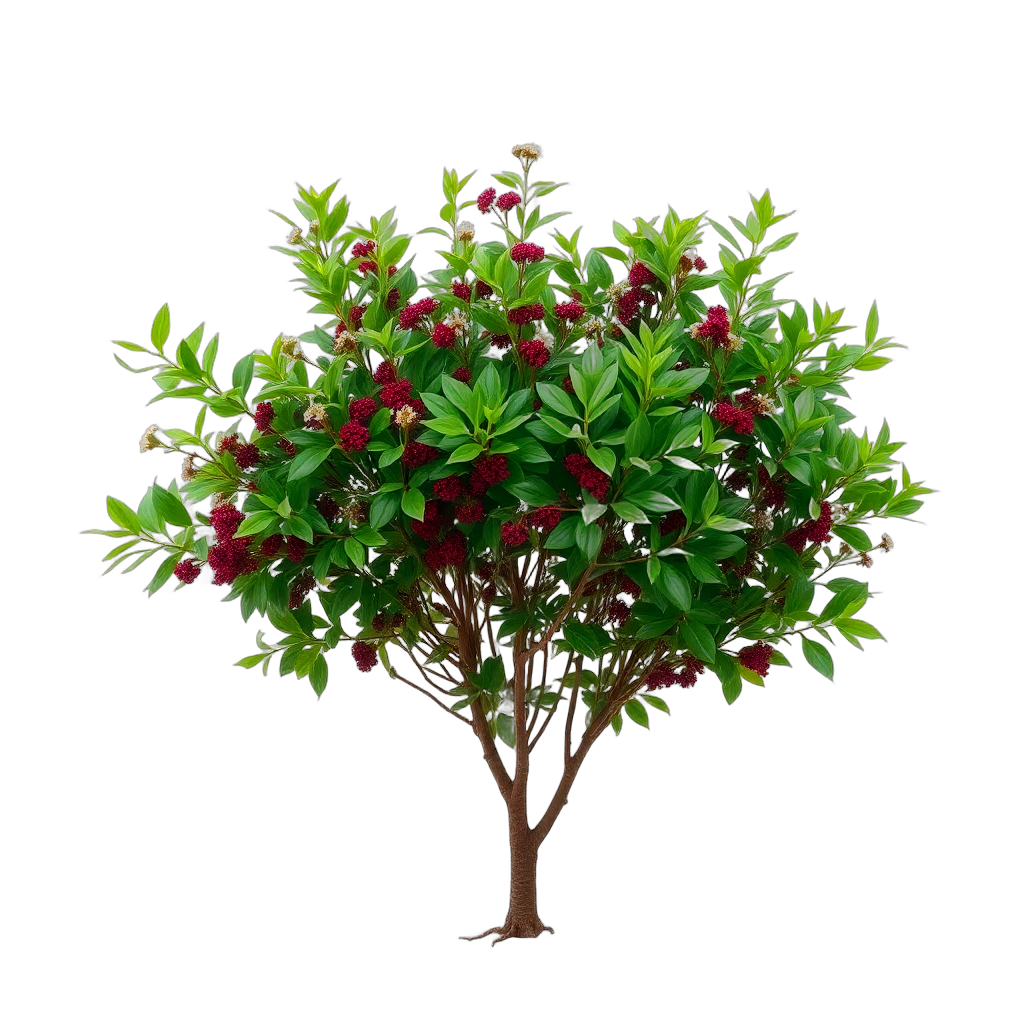
Anderson Wolfberry
Lycium andersonii
grows to 5 feet, purple blooms in spring. Attracts hummingbirds.
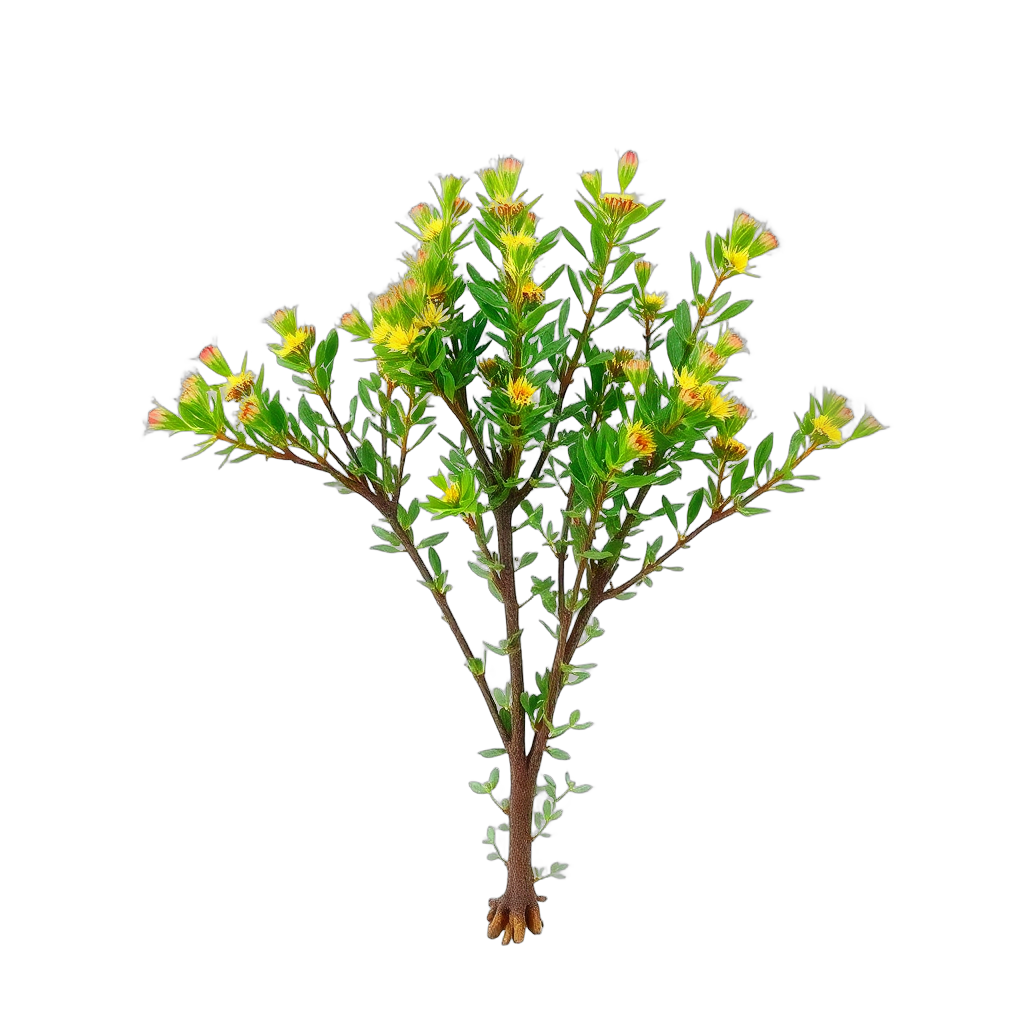
Antelope Bitterbrush
Purshia tridentata
grows to 6 feet, yellow blooms in spring. Fragrant.
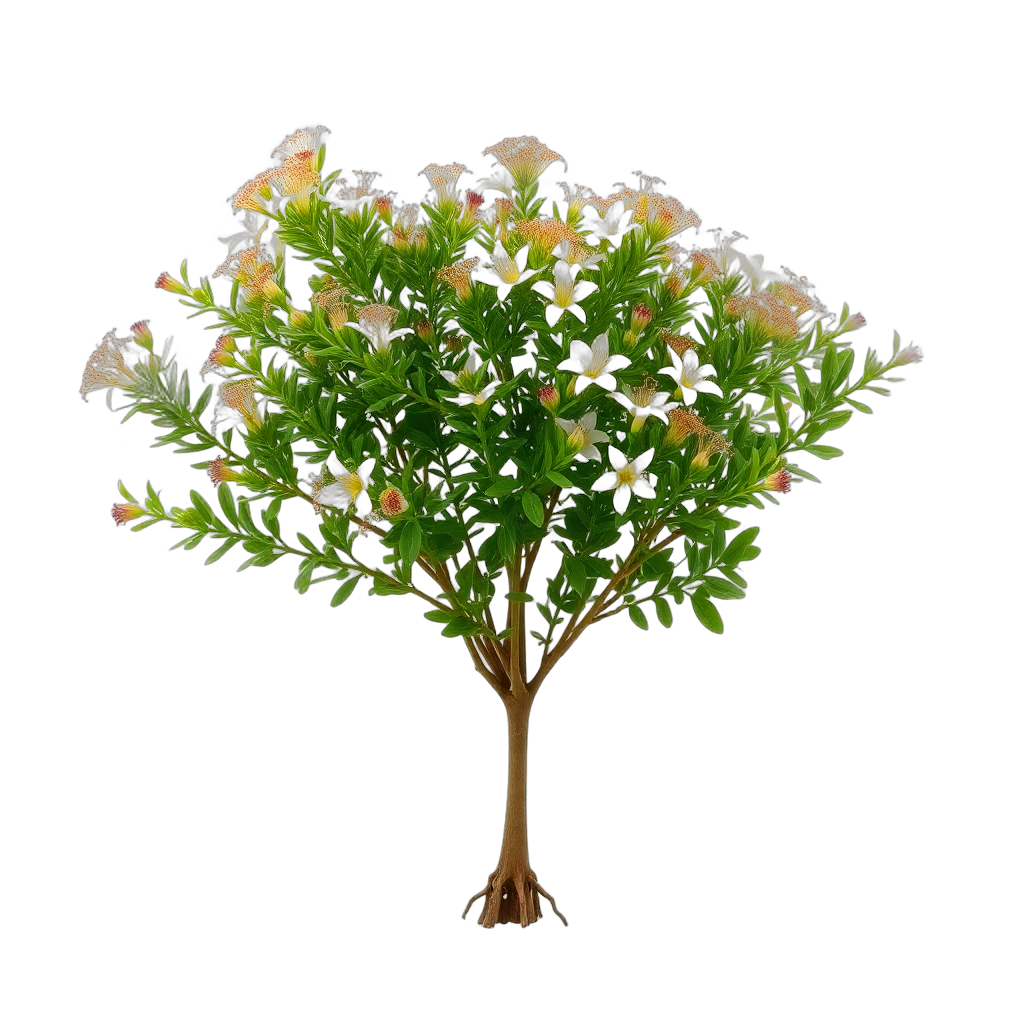
Apache Plume
Fallugia paradoxa
grows to 6 feet, white blooms in summer. Attracts butterflies.
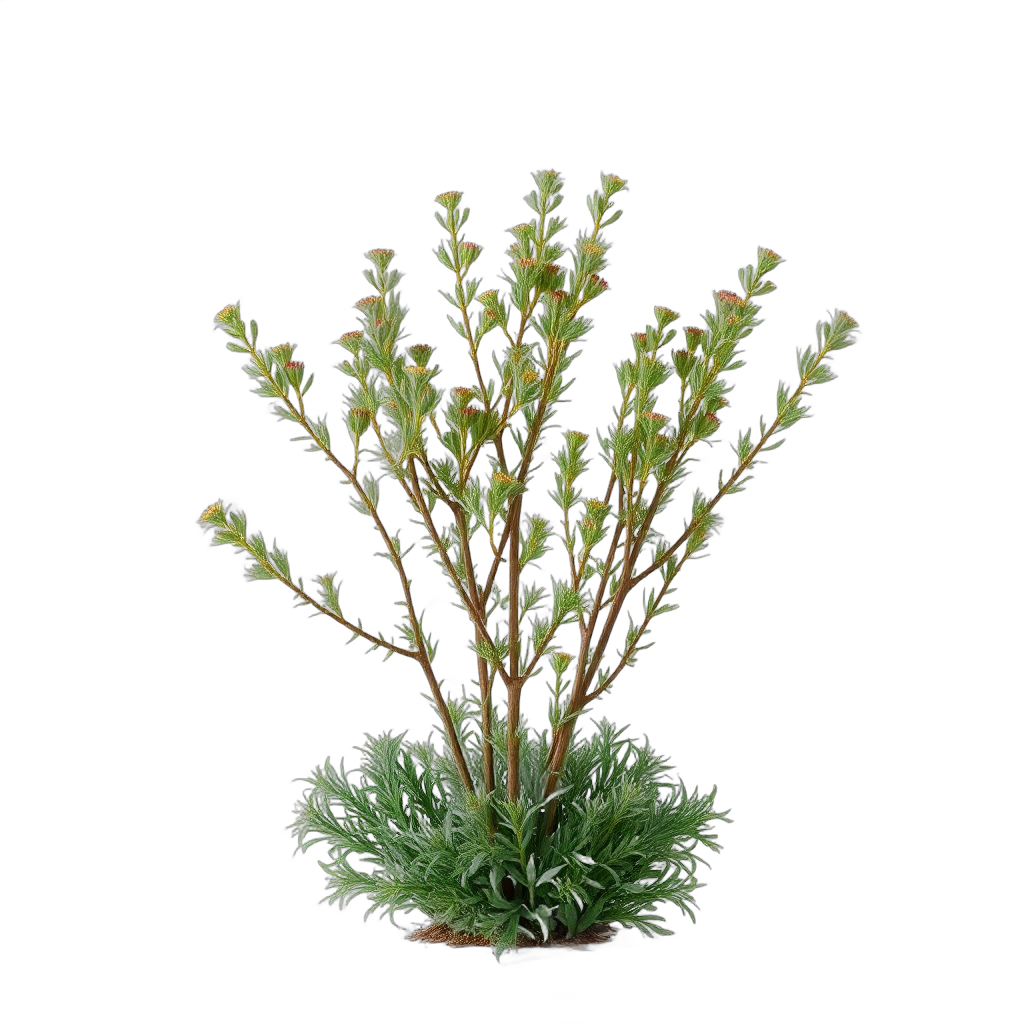
Big Sagebrush
Artemisia tridentata
grows to 6 feet, yellow blooms in fall. Evergreen year-round.
Featured Grasses & Groundcovers for Cottage/English Gardens
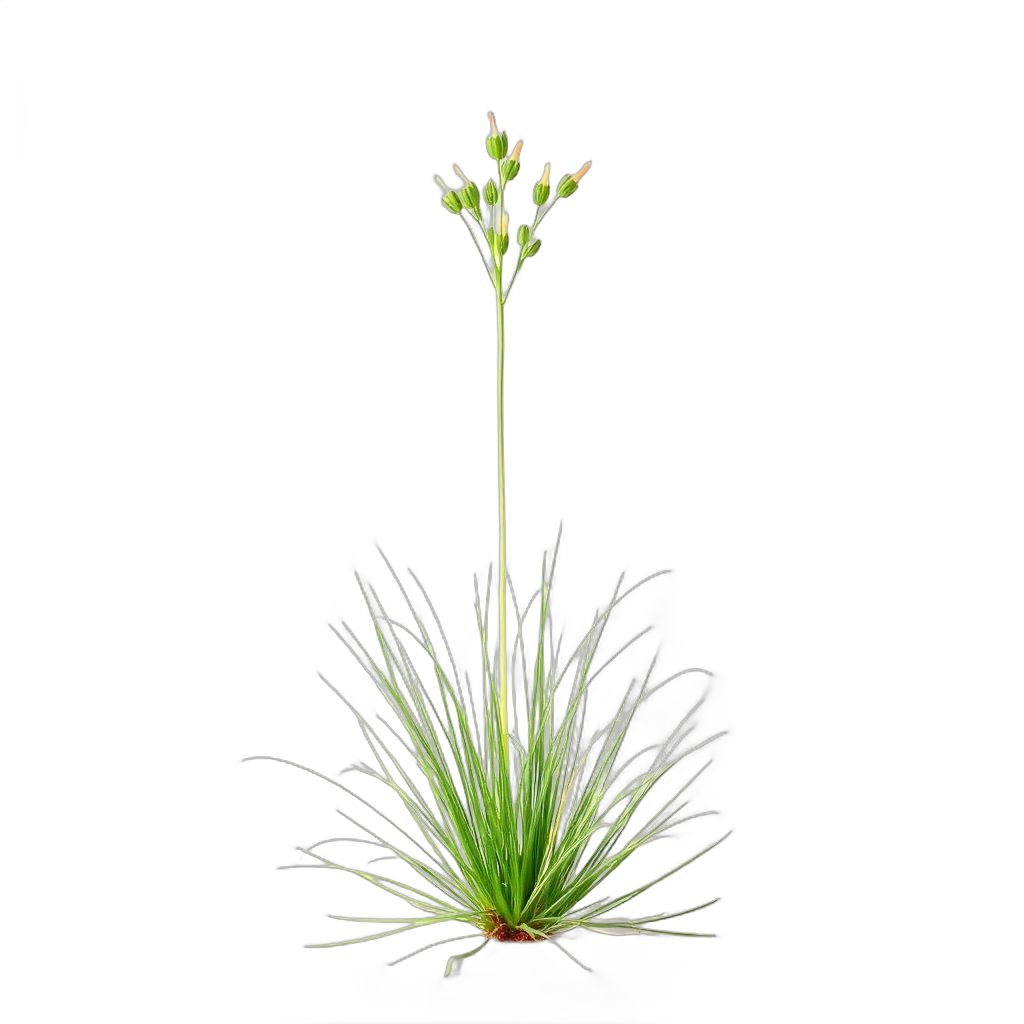
Alkali Sacaton
Sporobolus airoides
grows to 3 feet, blooms in summer. Yellow fall color.
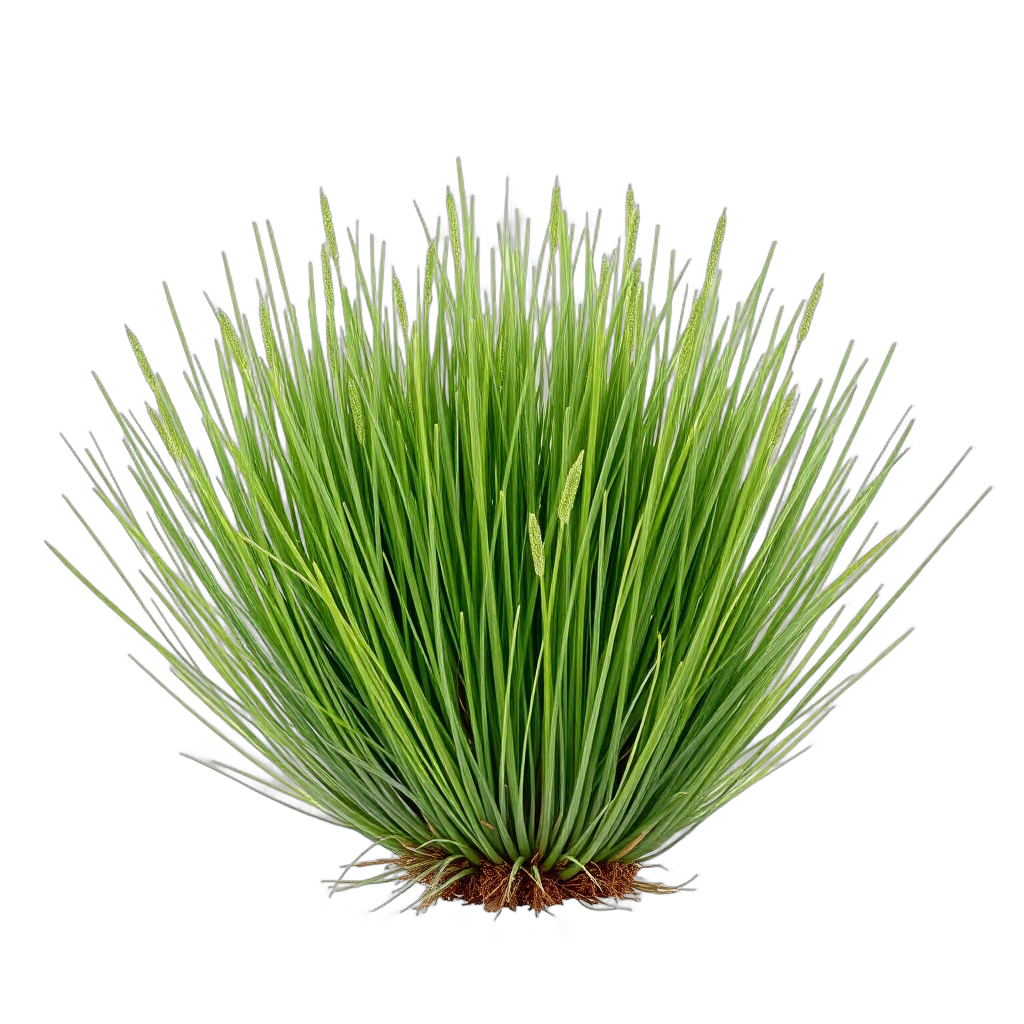
Great Basin Wild Rye
Leymus cinereus
grows to 3 feet, blooms in summer. Yellow fall color.
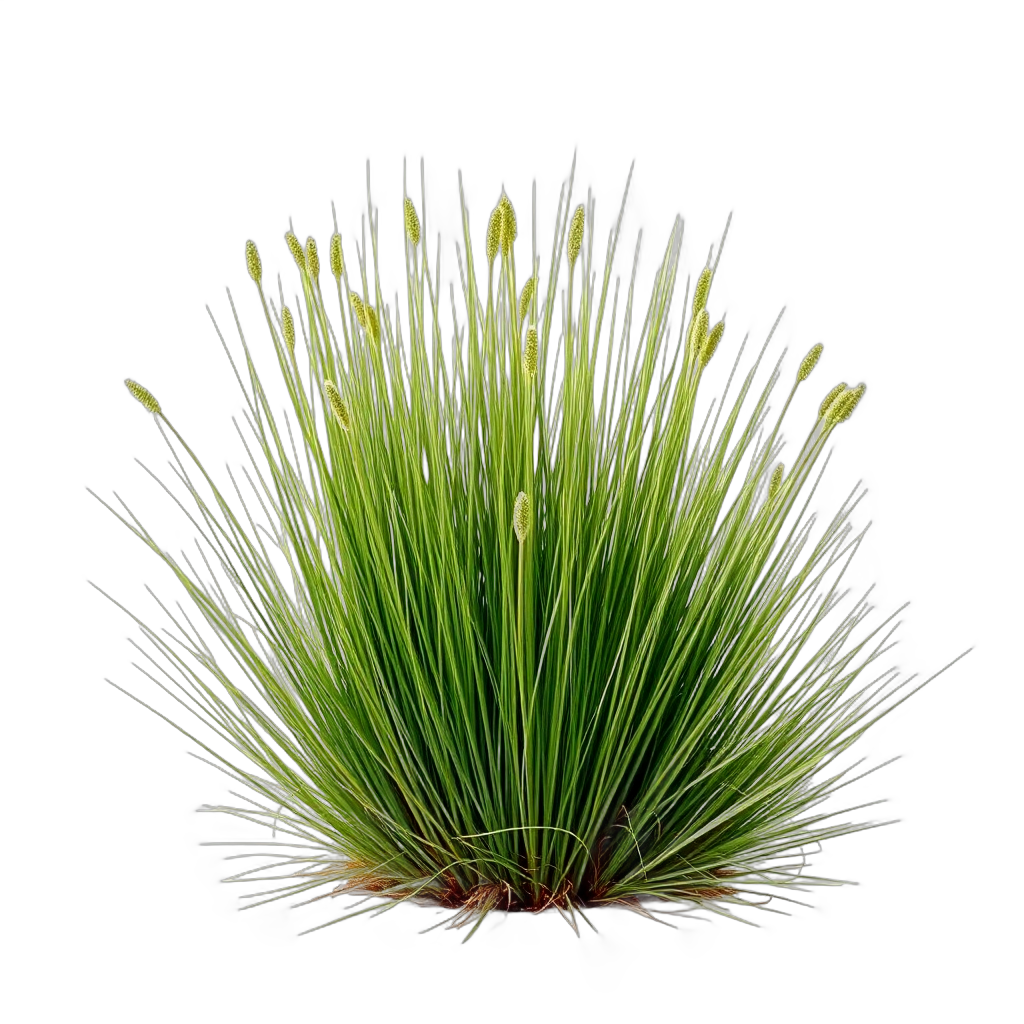
Idaho Fescue
Festuca idahoensis
low-growing ground cover, blooms in summer.
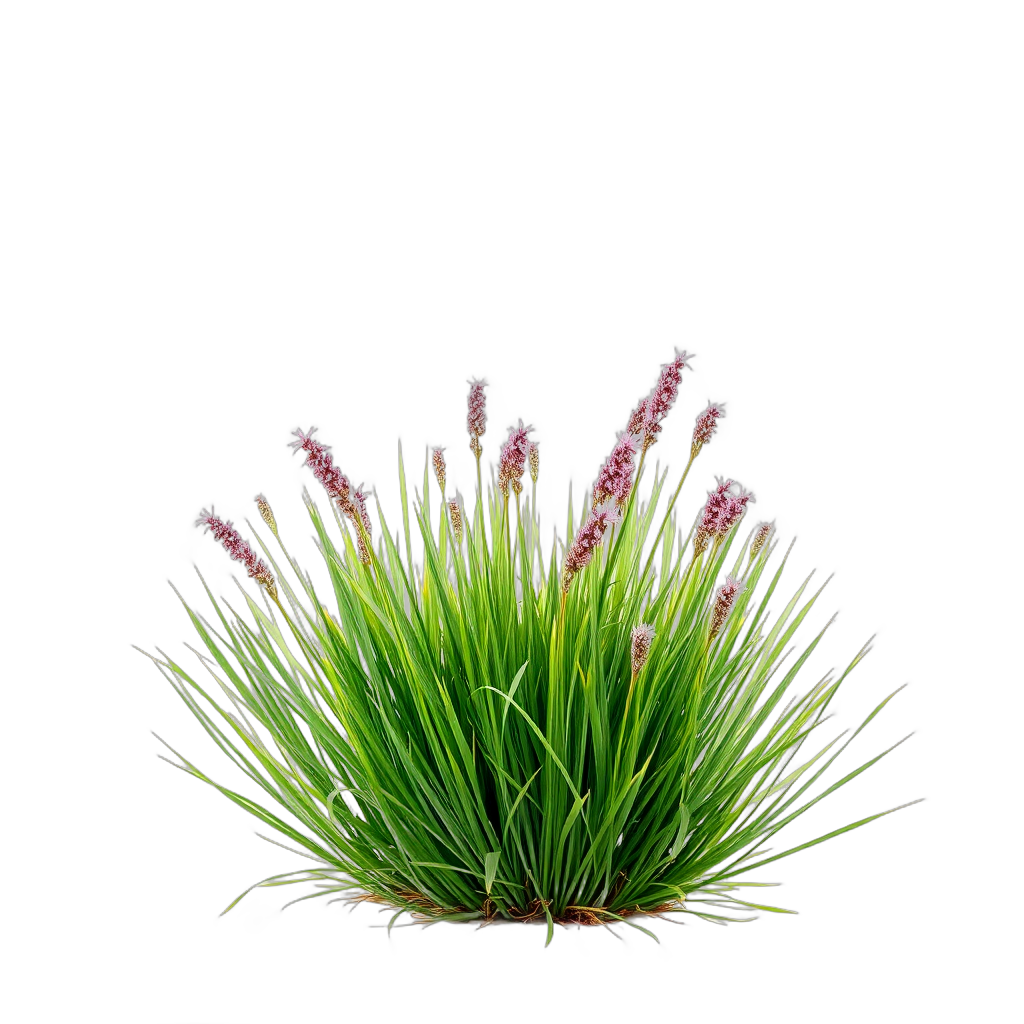
Purple Three-Awn
Aristida purpurea
low-growing ground cover, purple blooms in fall. Yellow fall color.
Featured Flowers & Perennials for Cottage/English Gardens
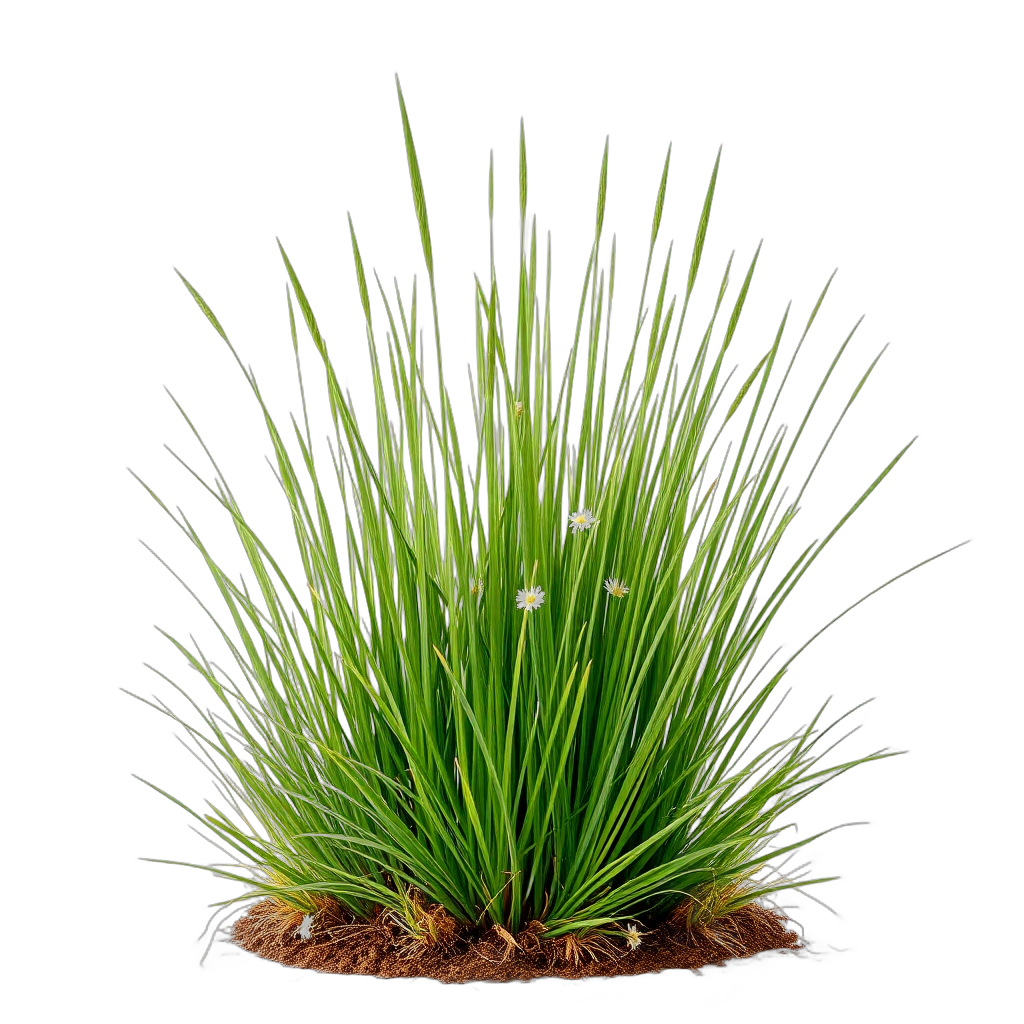
Baltic Rush
Juncus balticus
low-growing ground cover, blooms in summer. Evergreen year-round.
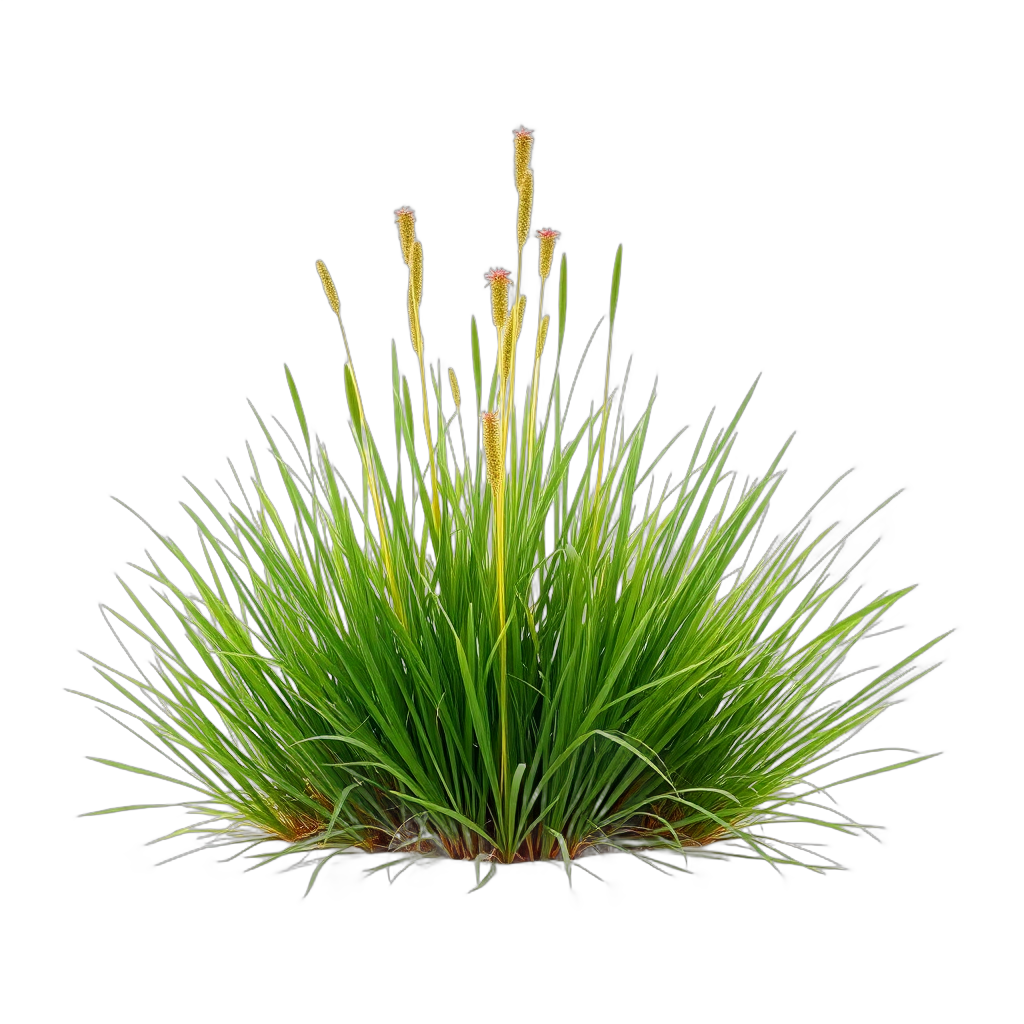
Clustered Field Sedge
Carex praegracilis
low-growing ground cover, blooms in spring.
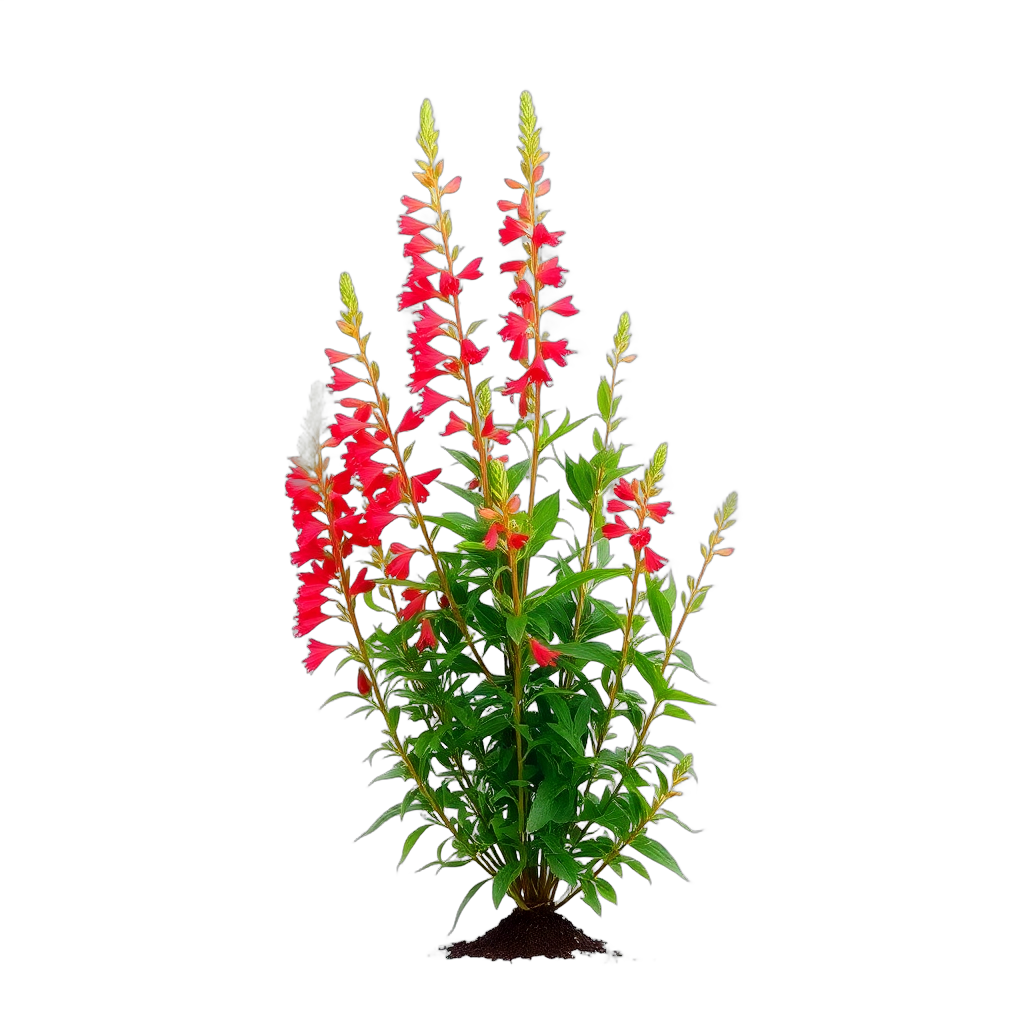
Firecracker Penstemon
Penstemon eatonii
low-growing ground cover, red blooms in spring. Attracts hummingbirds.

Palmer's Penstemon
Penstemon palmeri
grows to 4 feet, pink blooms in spring. Attracts hummingbirds.
Zone and sun checks come from our database — confirm with your local nursery before you buy.
Bloom Calendar for Provo
spring
Clustered Field Sedge, Firecracker Penstemon, Palmer's Penstemonsummer
Baltic Rush, Alkali Sacaton, Great Basin Wild Ryefall
Purple Three-Awn, Big Sagebrush, Rubber Rabbitbrushwinter
Limited bloomsDesign Tips for Provo (Zone 7a)
- Plant lime-lovers, not acid-lovers: Provo soil runs about pH 7.5–8.2, so peonies, lilacs, Dianthus 'Firewitch', bearded iris and Lavandula 'Phenomenal' thrive where Hydrangea macrophylla and azaleas turn yellow
- Match the bed to your side of town: on the gravelly east bench, dig in 3–4 inches of compost to hold water; on the west side lakebed clay near Utah Lake, raise beds 8–10 inches so roses and lavender never sit wet in March
- Hydrozone the border: put the thirstier English plants (peonies, roses, Leucanthemum 'Becky') on one drip zone near the house and let Penstemon strictus, Agastache 'Blue Fortune' and Achillea 'Moonshine' carry the dry outer edges and the park strip
- Put the shade-lovers on the north and east sides of the house: foxglove and hollyhock fade fast in a 95°F west-facing Provo bed but hold up well with afternoon shade
- Set every arbour, pergola and fence post below frost depth (confirm the local requirement with Provo building inspections), or freeze-thaw cycles will tip them out of plumb within a few winters
- Use the dry air: blackspot is rare here, so choose roses for fragrance and cold hardiness, and buy own-root plants so a 0°F night kills canes instead of the whole bush
- Water once a month in dry winters: a deep soak on a day above 40°F from November to March protects new roses, peonies and evergreens through Provo's frequent snowless spells
Where to Source Plants in Provo
Skip the big-box stores. These independent Provo nurseries specialize in the plants that make cottage/english gardens thrive in Zone 7a.
McCoard's Gardens
West Provo (Lakeview Parkway)
Family-run Provo garden center with perennials, shrubs and trees, plus bulk mulch, rock and soil for building raised beds
Sun River Gardens
Orem (North State Street)
Locally owned garden center with an outdoor nursery, greenhouse and a dedicated rose and rose-tree collection, open year round
Linden Nursery and Country Store
Lindon
Platt family nursery since 1992 with fruit, nut and shade trees, garden soil blends, fertilizers and bulk products
Cottage/English Landscaping Costs in Provo
| Project Scope | Estimated Cost |
|---|---|
| Front cottage border with picket fence and gate arbour (400–600 sqft) | $9,000 – $24,000 |
| Park strip conversion to waterwise cottage planting on drip (150–300 sqft) | $2,000 – $6,000 before any city reimbursement |
| Brick or flagstone walkway (150–250 sqft) | $3,500 – $10,000 |
| Cedar rose pergola or arbour, built on frost-depth footings | $4,000 – $10,000 |
| Dry-stacked stone terrace wall under four feet (30–50 linear ft) | $4,500 – $12,000 |
| Full back cottage garden: patio, pergola, raised beds, deep borders | $35,000 – $85,000 |
| AI visualization (ProScapeAI) | Free to start |
Estimates based on Provo, UT-area contractor rates as of 2026. Actual costs vary by site conditions, materials, and contractor.
Provo Climate & Growing Zone
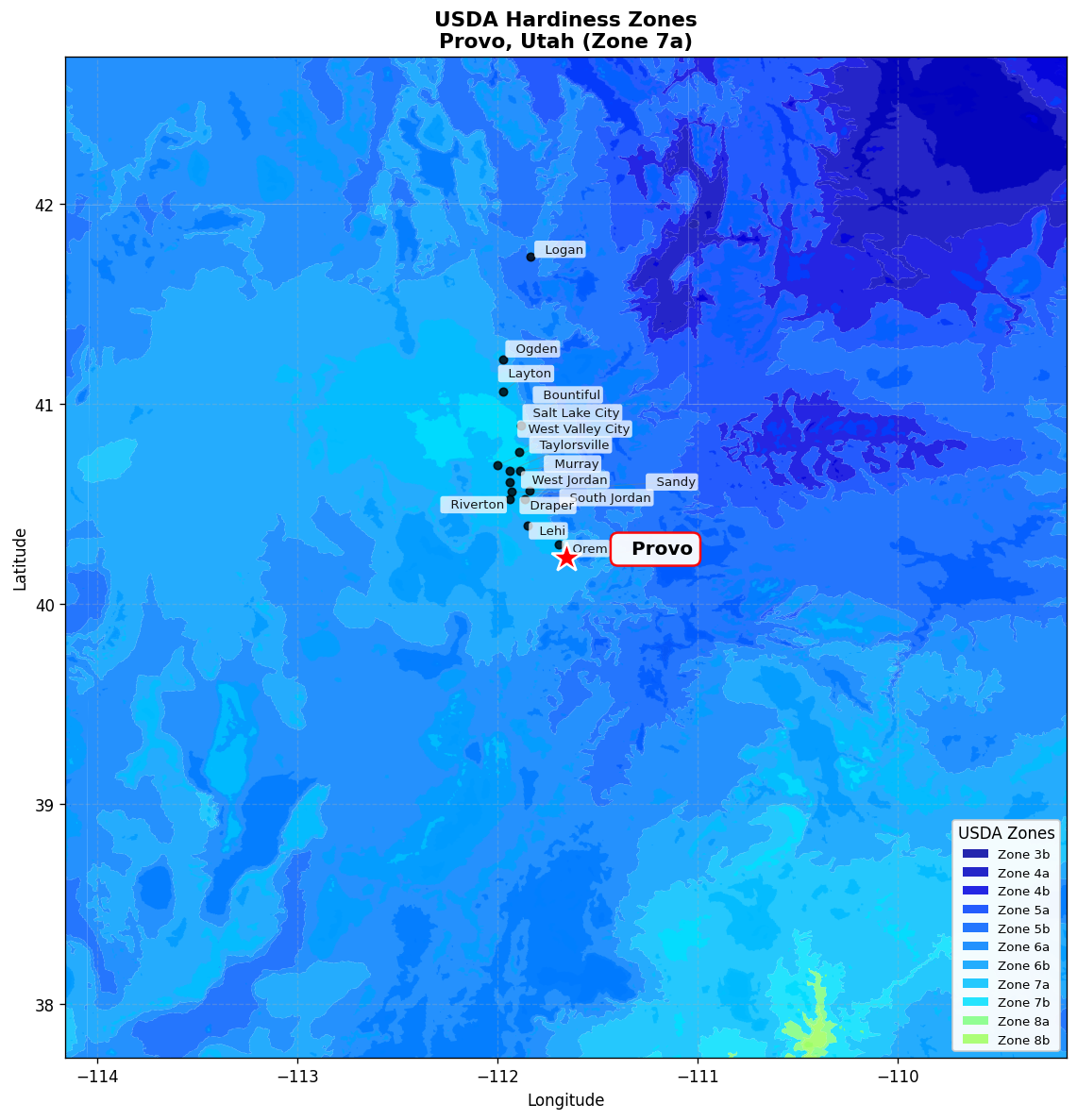
USDA Zone 7a
Hardiness zone for Provo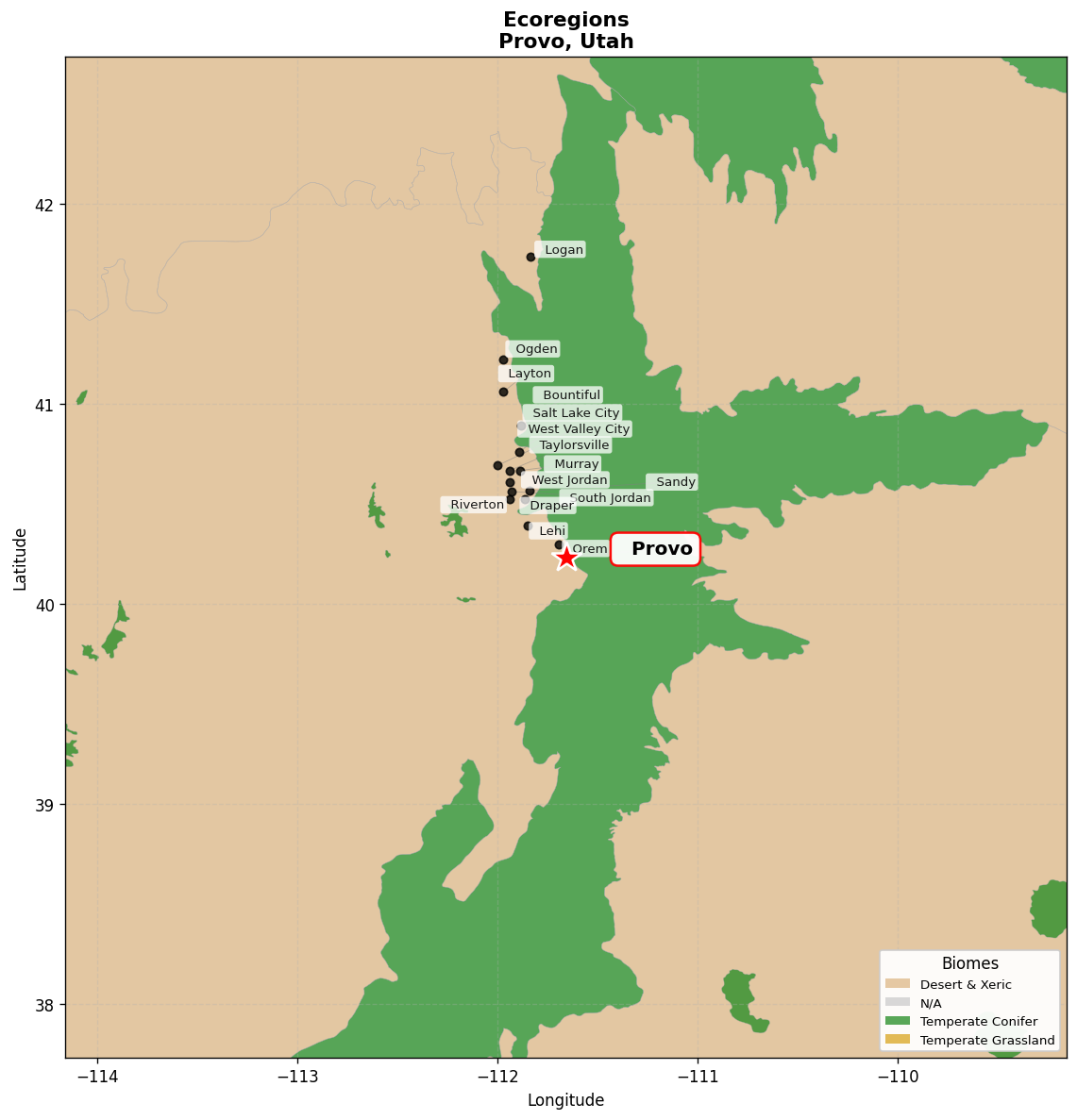
Great Basin shrub steppe
Native ecoregionFrequently Asked Questions
How much does an English cottage garden cost in Provo, UT?
Utah County landscape crews typically bill somewhere around $55–80 per hour per crew member, below Salt Lake City and well below Park City. A planted front cottage border with a picket fence and gate arbour on a 400–600 sqft frontage usually runs $9,000–24,000 installed. Brick walks land at about $25–40 per sqft and flagstone at $20–35 per sqft. A cedar pergola for climbing roses is $4,000–10,000. A full back garden with patio, pergola and deep borders commonly runs $35,000–85,000. Doing the planting yourself with one-gallon Nepeta 'Walker's Low' and Lavandula 'Phenomenal' keeps a border under $10 per sqft. These are estimates; get two or three local bids.
Which roses survive Provo winters and summers?
Own-root, cane-hardy roses. Zone 7a lows of 0–5°F, often with no snow cover, dry out and kill tender grafted hybrid teas above the graft. Rosa 'Therese Bugnet' and Rosa rugosa 'Hansa' are close to indestructible here, the Explorer roses Rosa 'John Cabot' and Rosa 'William Baffin' climb an arbour without dying back, and Rosa 'The Generous Gardener' and Rosa 'Darlow's Enigma' give the soft English look. The dry air helps: blackspot is rare in Provo, so you rarely need a spray program. Give roses at least six hours of sun and water at the base by drip.
What do I do about alkaline soil and yellow leaves?
Choose plants that like it rather than fighting it. Provo soils run roughly pH 7.5–8.2 with free lime, and sulfur barely moves that number in a planting bed. Yellow leaves with green veins mean iron chlorosis, common on Acer rubrum, pin oak, Hydrangea macrophylla and azaleas. Plant lime-tolerant cottage material instead: Paeonia 'Sarah Bernhardt', Syringa vulgaris 'Sensation', Dianthus 'Firewitch', bearded iris, Lavandula 'Phenomenal' and Amelanchier alnifolia. For an existing yellow tree, use chelated iron in the EDDHA form. Utah State University Extension in Utah County can point you to a soil test before you plant.
When is the best time to plant a cottage garden in Provo?
Mid-September through October is the best window for roses, peonies, lilacs and shrubs: warm soil, cooler air, and roots keep growing until late fall. Peonies especially should go in during fall. Late April through May, after the last spring frost, is the second window and the one for tender annuals. Skip planting in July and early August, when highs average 95°F. In dry, snowless stretches from November to March, give new plantings a deep soak about once a month on a day above 40°F; winter drought kills more Provo roses than cold does.
Does Provo pay me to replace lawn with a cottage park strip?
Provo runs its own city-funded park strip conversion reimbursement, because as of 2024 the city was not part of the state's Landscape Conversion Incentive Program. The city's program asks that waterwise landscapes reach at least 40 percent plant cover at maturity, so gravel alone will not qualify. A cottage-style strip of Nepeta 'Walker's Low', Penstemon strictus, Achillea 'Moonshine' and Salvia 'Caradonna' on drip fits that well. Rates and terms change, so check with Provo's water efficiency programs and get approval before you remove anything.
Do I need a permit for a fence, arbour or retaining wall in Provo?
Planting, beds, mulch and drip irrigation need no permit. Fences have height limits in front yards, and corner lots have sight-line rules, so check Provo's zoning before you build a front picket fence or a tall hedge. Retaining walls over four feet generally need a building permit and engineering, which matters on the east bench. Set arbour and pergola posts below frost depth so they do not heave. Confirm current requirements with Provo City development services before construction.
How do I keep mule deer out of an east bench cottage garden?
Mule deer browse heavily in Rock Canyon, Oak Hills, Indian Hills and the other neighborhoods against the foothills, especially in winter. Roses, tulips and hostas go first. Build the outer border from plants deer usually skip: Lavandula 'Phenomenal', Nepeta 'Walker's Low', Salvia 'Caradonna', Achillea 'Moonshine', Agastache 'Blue Fortune', Penstemon strictus and bearded iris. Keep the roses and peonies close to the house or inside a fenced yard, and cage new roses for their first two winters.