4 Cottage Garden Ideas for Salt Lake City, UT | English Borders That Work in Zone 7b
Native plants from the Great Basin shrub steppe (Zone 7b) — Temperate climate
Why Cottage/English Gardens in Salt Lake City?
Salt Lake City is a far better cottage-garden town than its high-desert reputation suggests. The Avenues' 1890s Victorians, the 1920s brick bungalows of Sugar House and Yalecrest, and the period-revival houses stacked up the hill in Federal Heights are exactly the architecture an English border was invented to frame - deep porches, painted trim, short setbacks and street after street of mature canopy. There is real horticultural history here, too: Rosa x harisonii, the Harison's Yellow rose that Mormon pioneers carried west along the trail, is still alive at homesteads across the Wasatch Front because it simply refuses to die in Utah soil. And Salt Lake's genuinely cold winters are a gift rather than a problem - Paeonia lactiflora, Syringa vulgaris, bearded iris and tulips all need the chill hours that Southern cottage gardeners spend money trying to fake.
The catch is climate and chemistry. Zone 7b means winter lows of 5-10°F, and the valley collects only about 16 inches of precipitation a year - most of it as October-to-May snow, almost none of it during the 95°F, single-digit-humidity Julys when a border is working hardest. Worse for an imported English plant list, Salt Lake sits on old Lake Bonneville lakebed: heavy, free-lime alkaline clay running pH 7.5 to 8.2, which locks up iron and yellows the foliage of anything acid-loving. Skip Hydrangea macrophylla, azaleas, blueberries, Betula nigra and Acer rubrum - they will go chlorotic no matter how much elemental sulfur you dig in, because calcareous soil simply buffers back. Build instead on the lime-lovers that make Utah gardens look effortless: Paeonia 'Sarah Bernhardt', Lavandula x intermedia 'Phenomenal', Dianthus 'Firewitch', Nepeta 'Walker's Low', Amelanchier alnifolia and Acer grandidentatum 'Rocky Mountain Glow'.
The third factor is water politics. The Great Salt Lake fell to a record-low 4,188.5 feet in November 2022, and roughly 60 percent of a Salt Lake household's water goes out the door onto landscape - which is why Utah now pays homeowners to remove turf through the state's Flip Your Strip park-strip rebate and the broader Localscapes Rewards program. That does not kill the cottage look; it relocates it. Flip the park strip to Utah State University Extension's water-wise recommendations - Agastache rupestris, Penstemon strictus, Achillea 'Moonshine', Ericameria nauseosa - and spend the water budget on one generous, drip-irrigated border where you actually sit. Hydrozone ruthlessly, mulch three inches deep, and water once a month between November and March on days above 40°F; dry Utah winters kill more roses than cold ever does.
4 Cottage/English Design Ideas for Salt Lake City
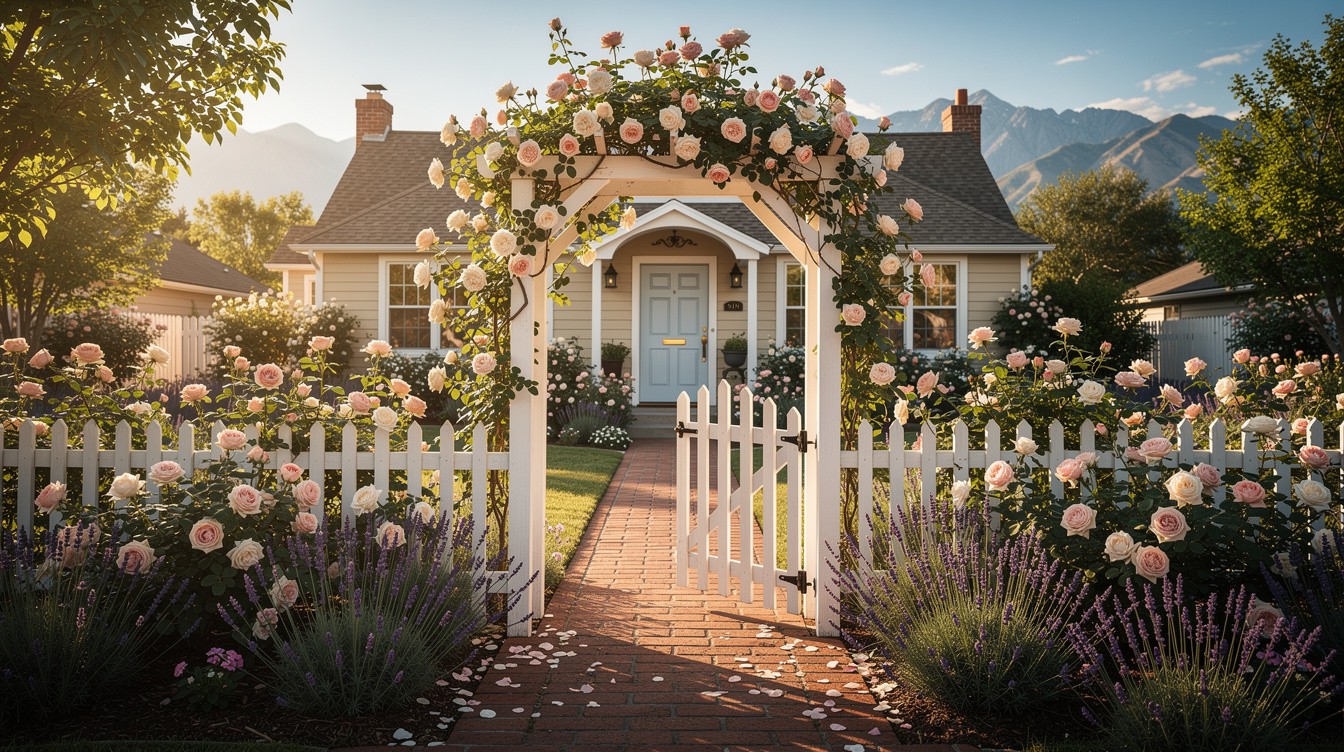
The Avenues Rose Arbor and Picket Front
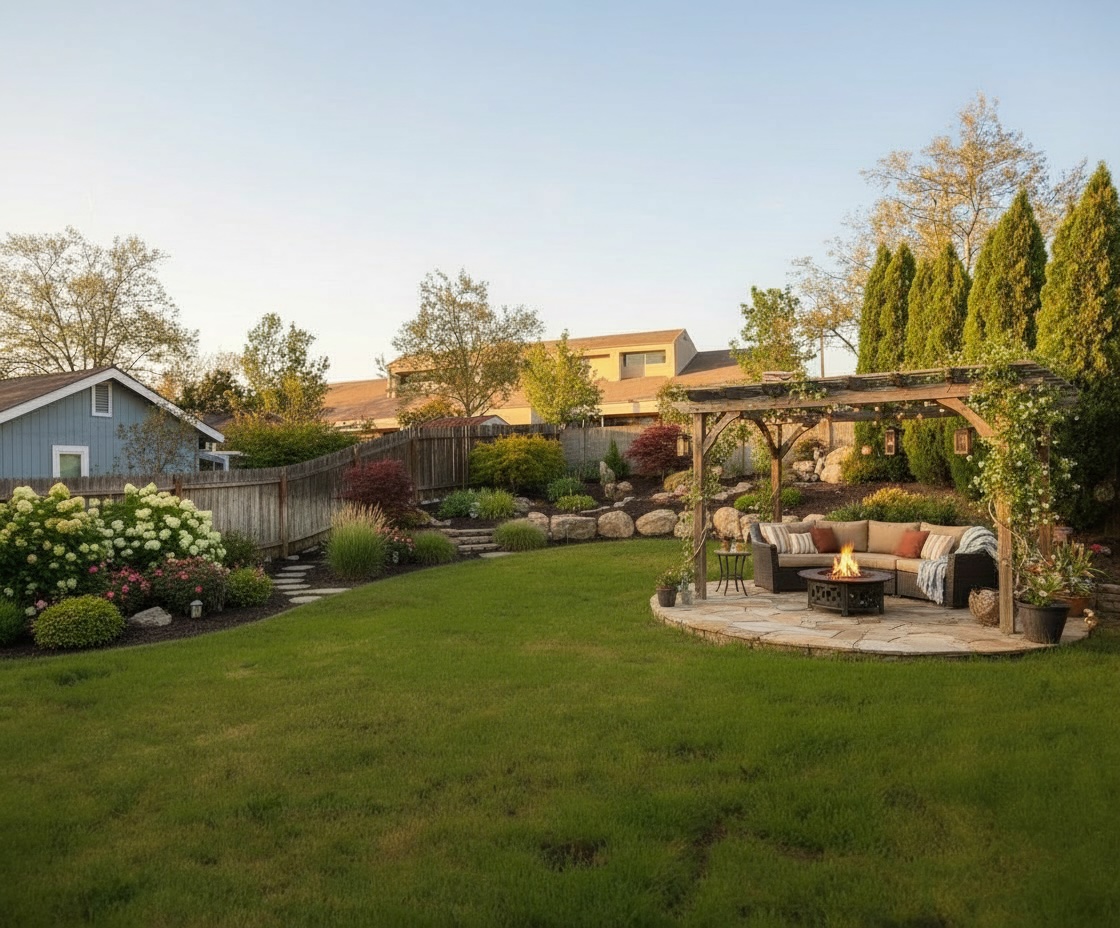
$18-32/sqftA white picket fence and a rose-smothered timber arbor gate turn a short Avenues setback into a full garden experience before you reach the porch. A reclaimed clay brick walk runs straight to a slate-blue front door, flanked by a continuous lavender hedge that takes the July sun off the brick, with shrub roses billowing over the pickets on both sides. Only a narrow ribbon of fescue survives between the beds - which is the point, because at this lot size the roses and lavender read as the lawn. Petals on the brick and the Wasatch rising behind the roofline are what sell the picture, and both are free.
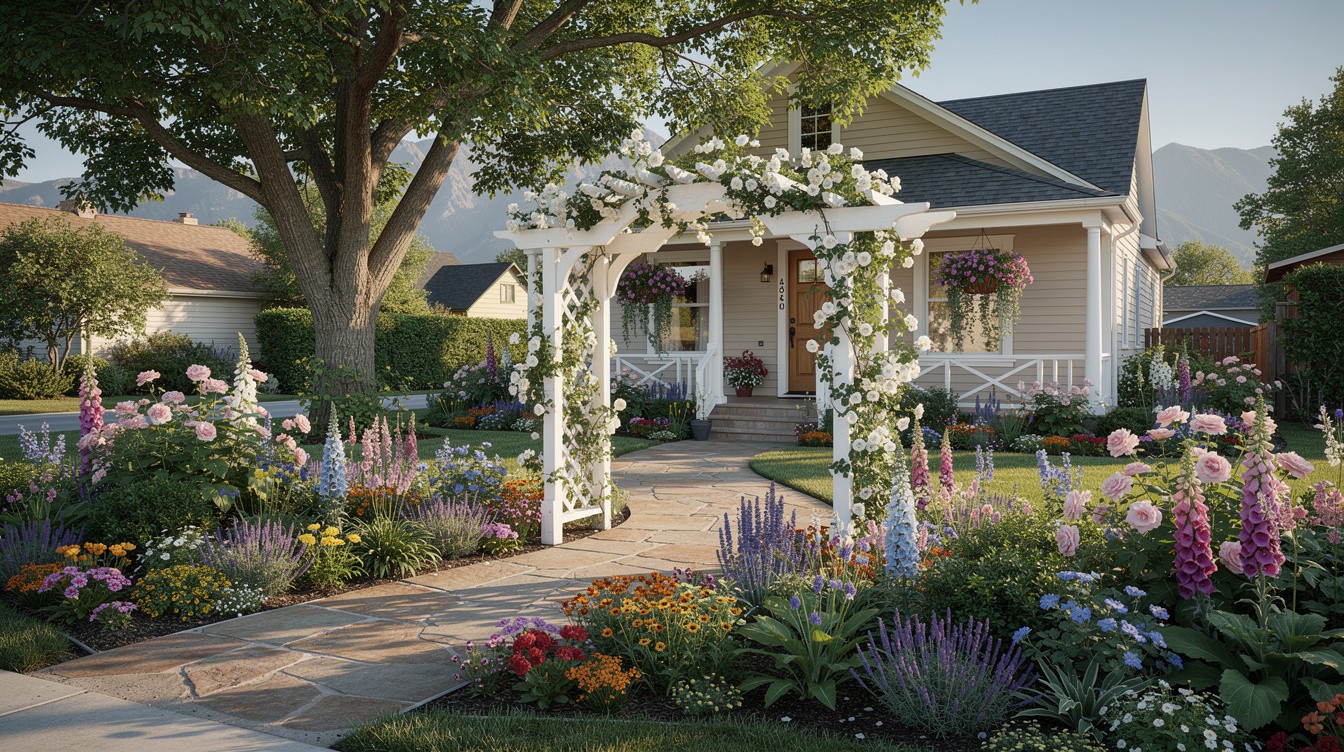
The Sugar House Bungalow Border
$16-28/sqftA classic 1920s bungalow gets a white lattice entry pergola dripping with white climbing roses, hanging baskets of trailing petunias at the porch, and a flagstone walk that meanders rather than marches. Both sides of the walk are packed shoulder-to-shoulder in true English layering - foxglove and delphinium spires at the back, salvia and lavender in the middle, rudbeckia and yarrow spilling to the edge. The enormous existing shade tree is the whole reason this works: it drops the bed temperature ten degrees on a July afternoon and lets Digitalis survive a Salt Lake summer that would fry it in full sun.
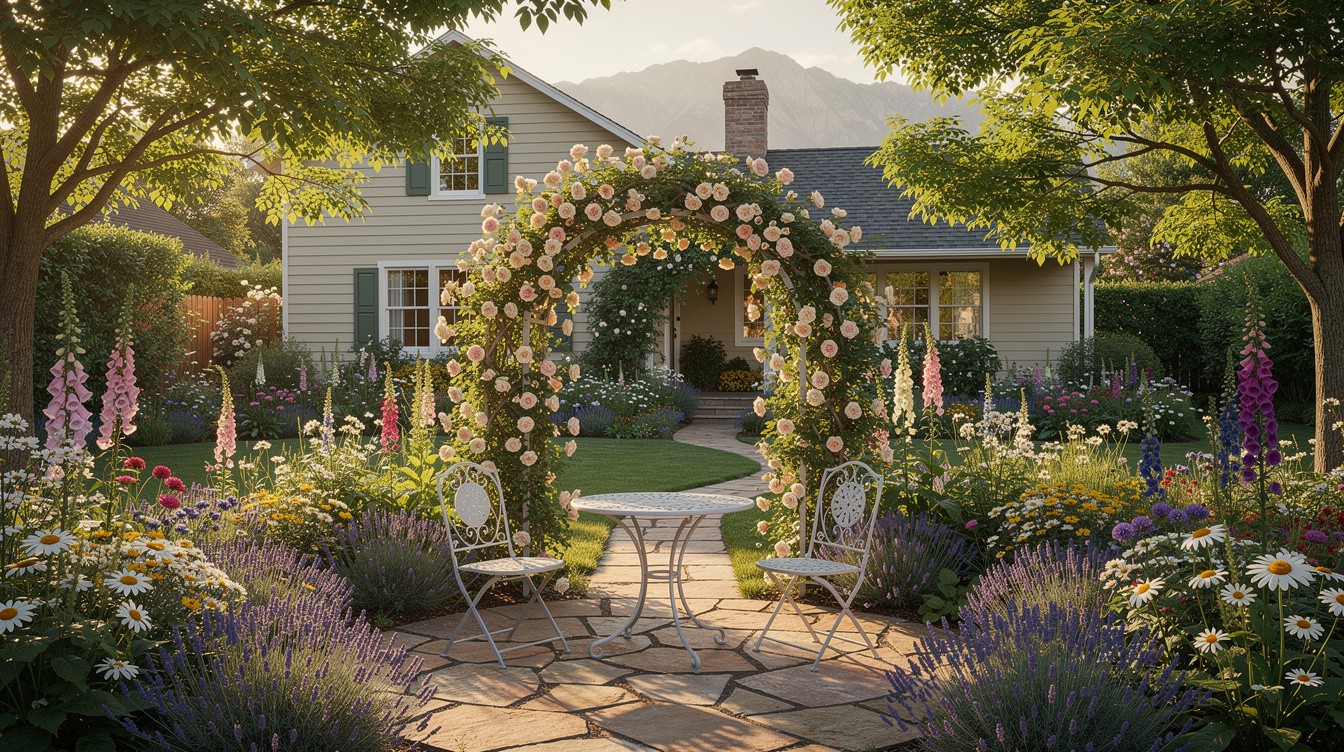
The Twin Arch Rose Walk
$20-35/sqftTwo steel rose arches frame a small irregular flagstone terrace with a bistro table and a pair of scrolled metal chairs - a deliberate destination cut into the middle of the lawn instead of pushed against the fence. Deep double borders run down both sides in the full cottage vocabulary: foxglove and hollyhock spires, shasta daisies, lavender, peonies and mixed old roses, all of it hazing over the stone edge. A curved path of the same quartzite links the terrace back to the house. The remaining lawn is kept small and shaped, so it functions as green negative space rather than as a water bill.
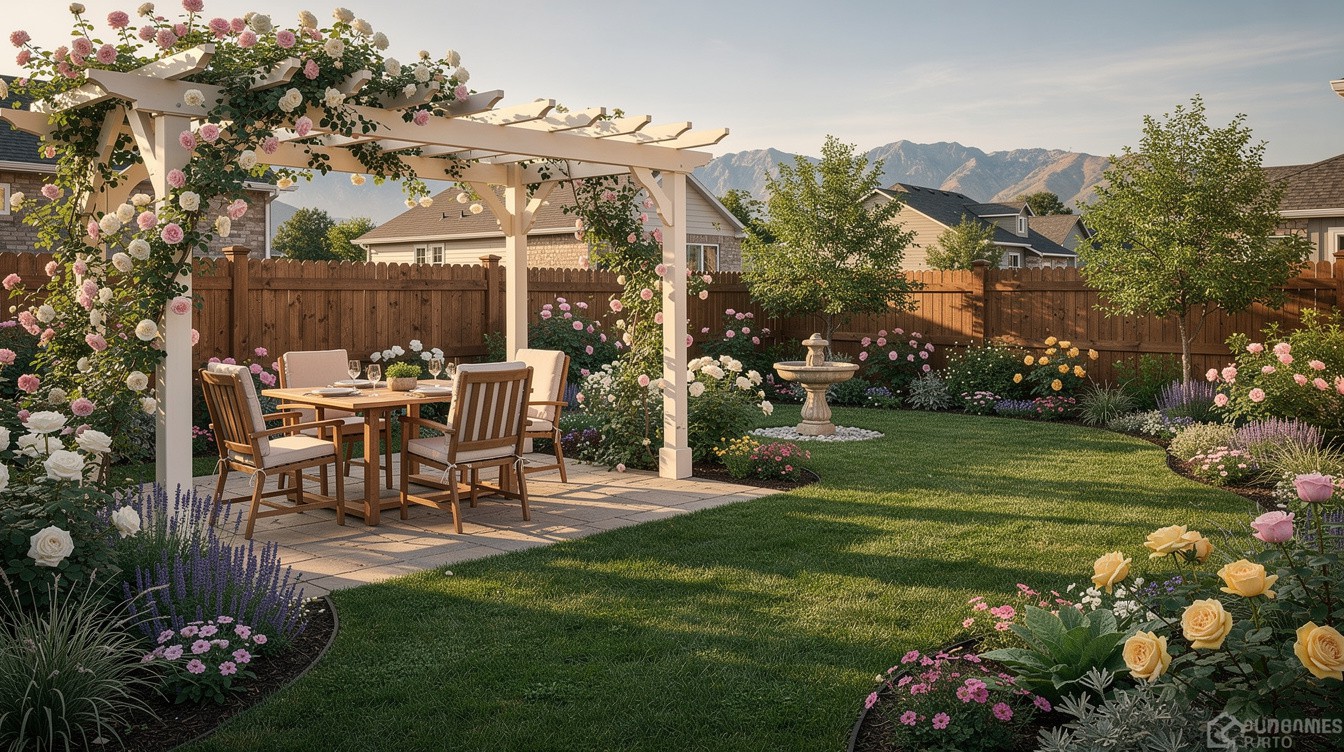
The Pergola and Fountain Rose Court
$22-40/sqftA newer suburban backyard is anchored by a painted pergola over a paver dining terrace, with climbing roses trained across the beams for shade that a solid roof would have made stuffy. A tiered cast-stone fountain sits out in the lawn as a second focal point, ringed in cobble, with a small ornamental tree beside it for scale. Curved beds soften every foot of the cedar privacy fence with yellow and pink roses, hardy geranium, dianthus and lavender - the cheapest way to make a builder-grade fence disappear. The Wasatch skyline over the fence line does the rest of the work.
See how a cottage/english garden looks on YOUR property
Upload a photo of your Salt Lake City yard and visualize your dream garden in seconds.
Try ProScapeAI Free
Featured Trees & Shrubs for Cottage/English Gardens
Browse all 40 plants for Salt Lake City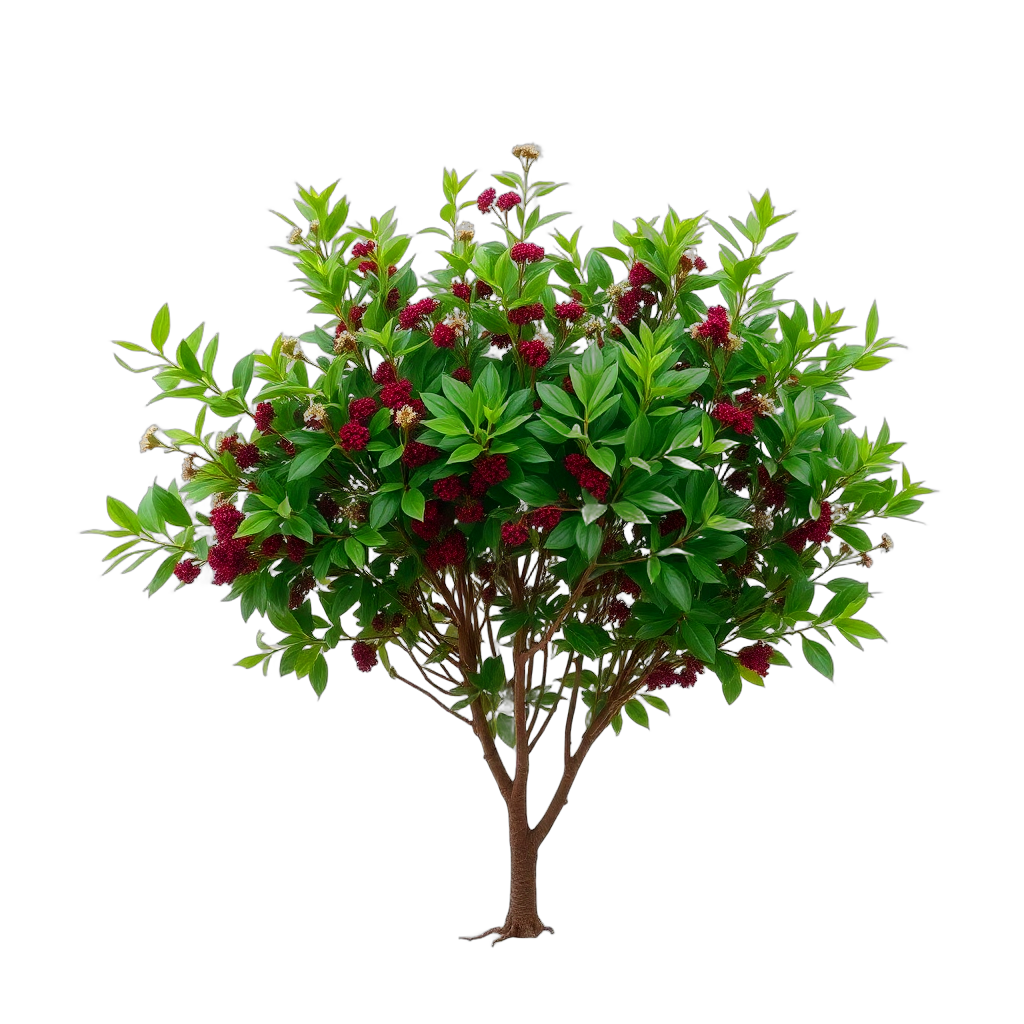
Anderson Wolfberry
Lycium andersonii
grows to 5 feet, purple blooms in spring. Attracts hummingbirds.
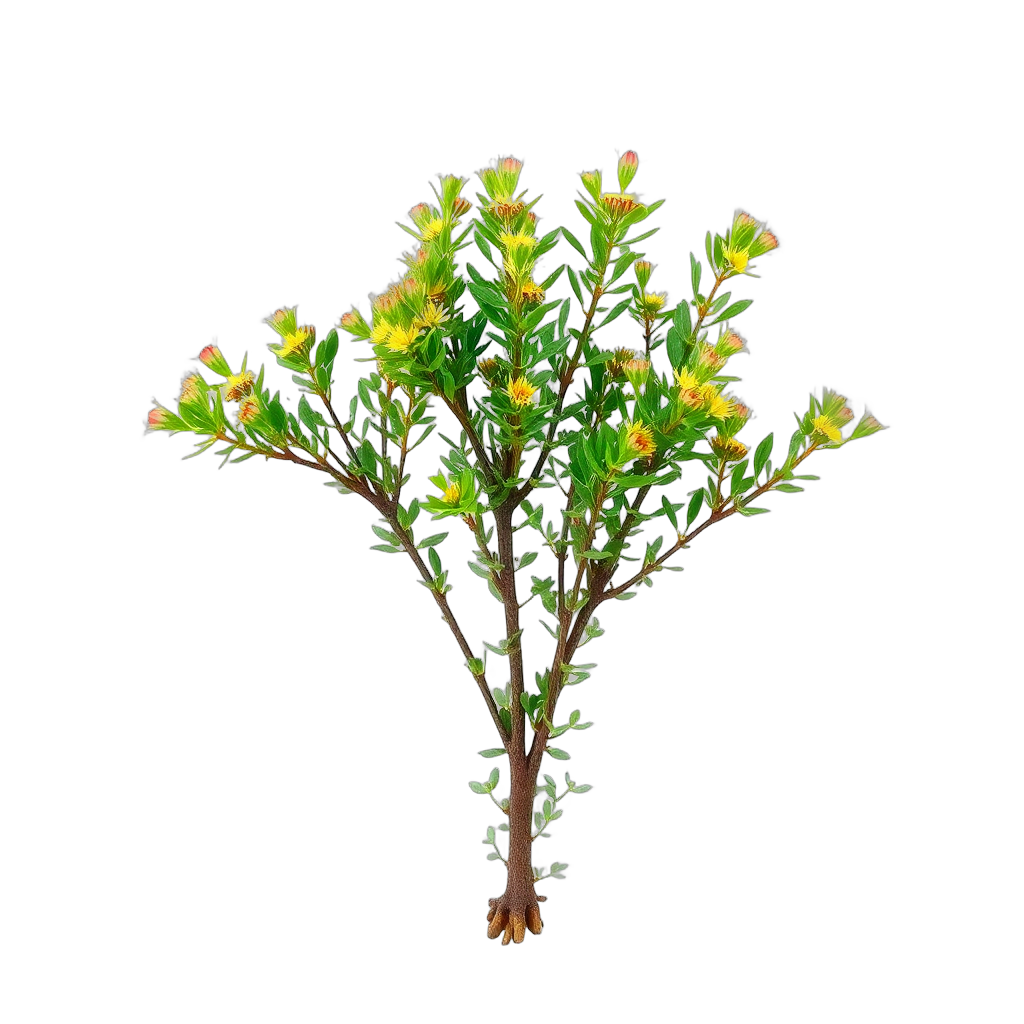
Antelope Bitterbrush
Purshia tridentata
grows to 6 feet, yellow blooms in spring. Fragrant.
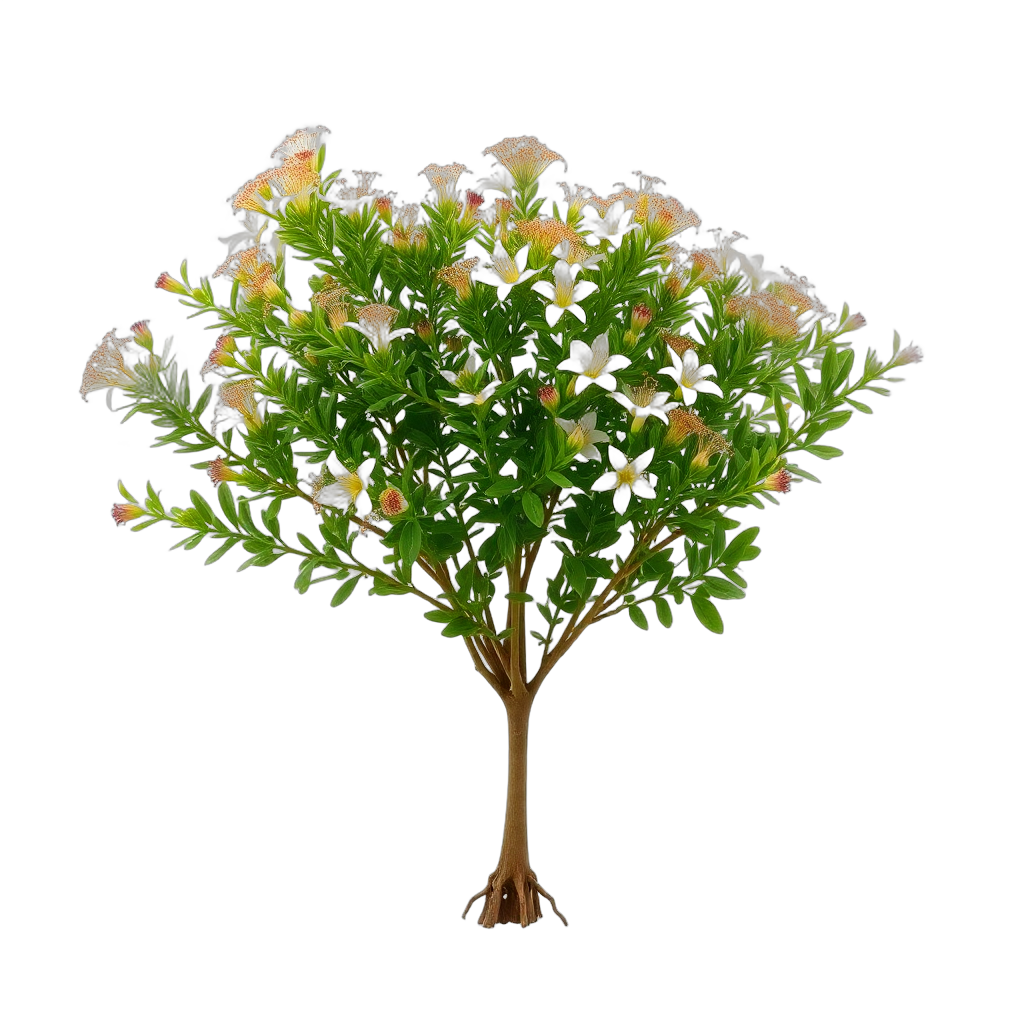
Apache Plume
Fallugia paradoxa
grows to 6 feet, white blooms in summer. Attracts butterflies.
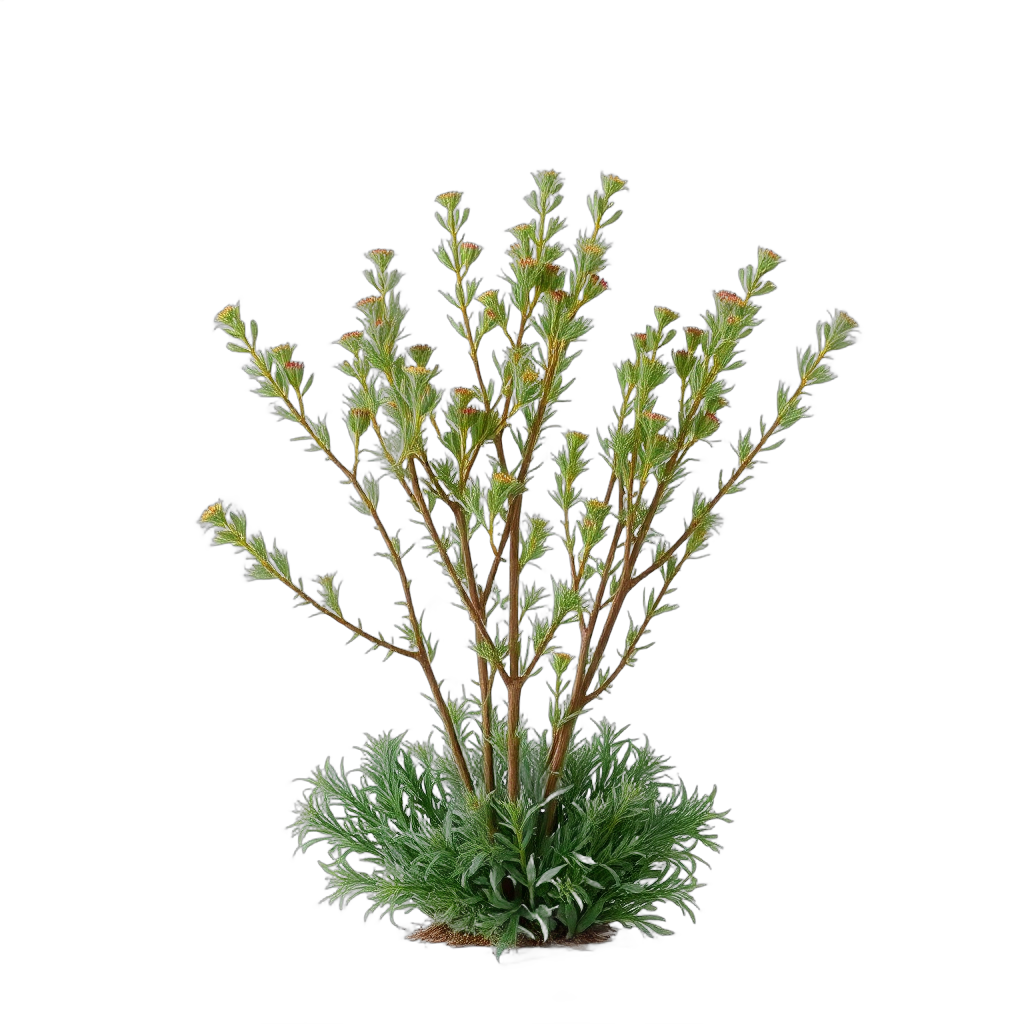
Big Sagebrush
Artemisia tridentata
grows to 6 feet, yellow blooms in fall. Evergreen year-round.
Featured Grasses & Groundcovers for Cottage/English Gardens
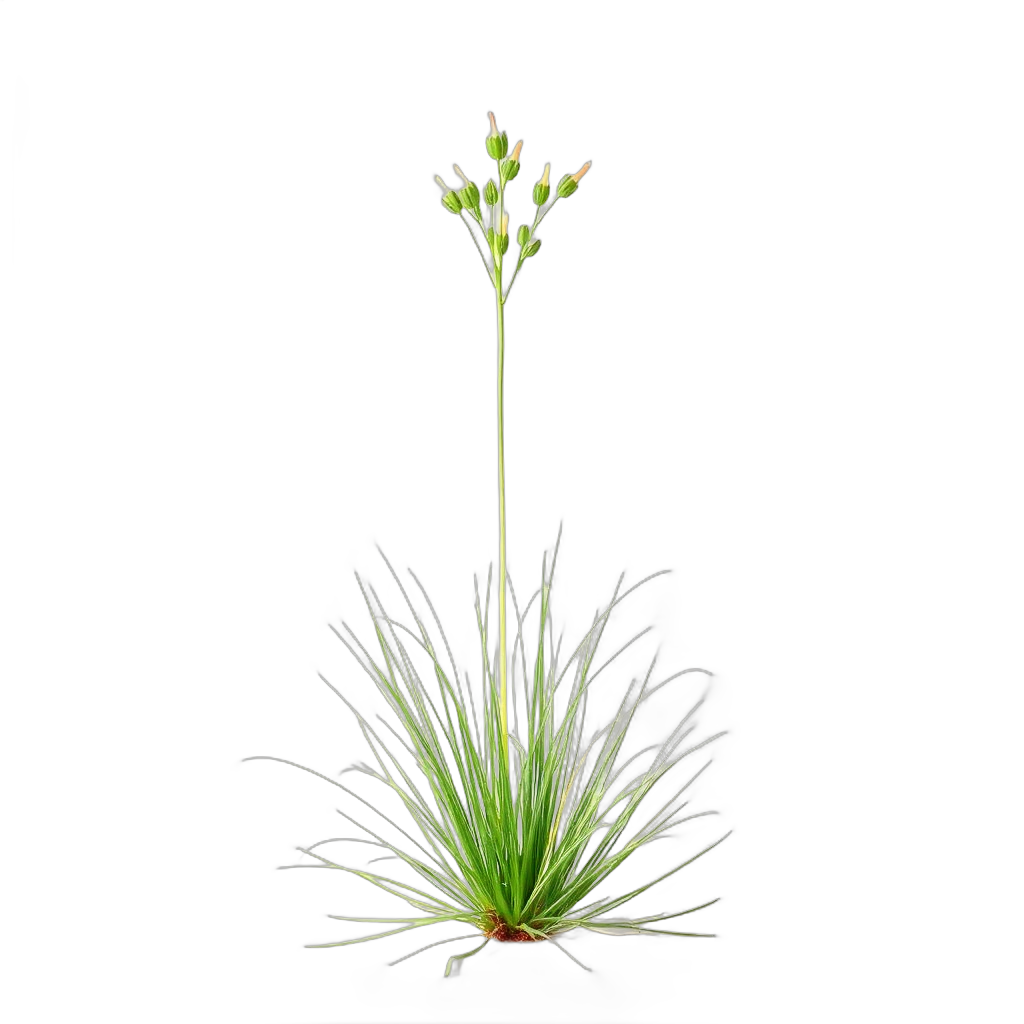
Alkali Sacaton
Sporobolus airoides
grows to 3 feet, blooms in summer. Yellow fall color.
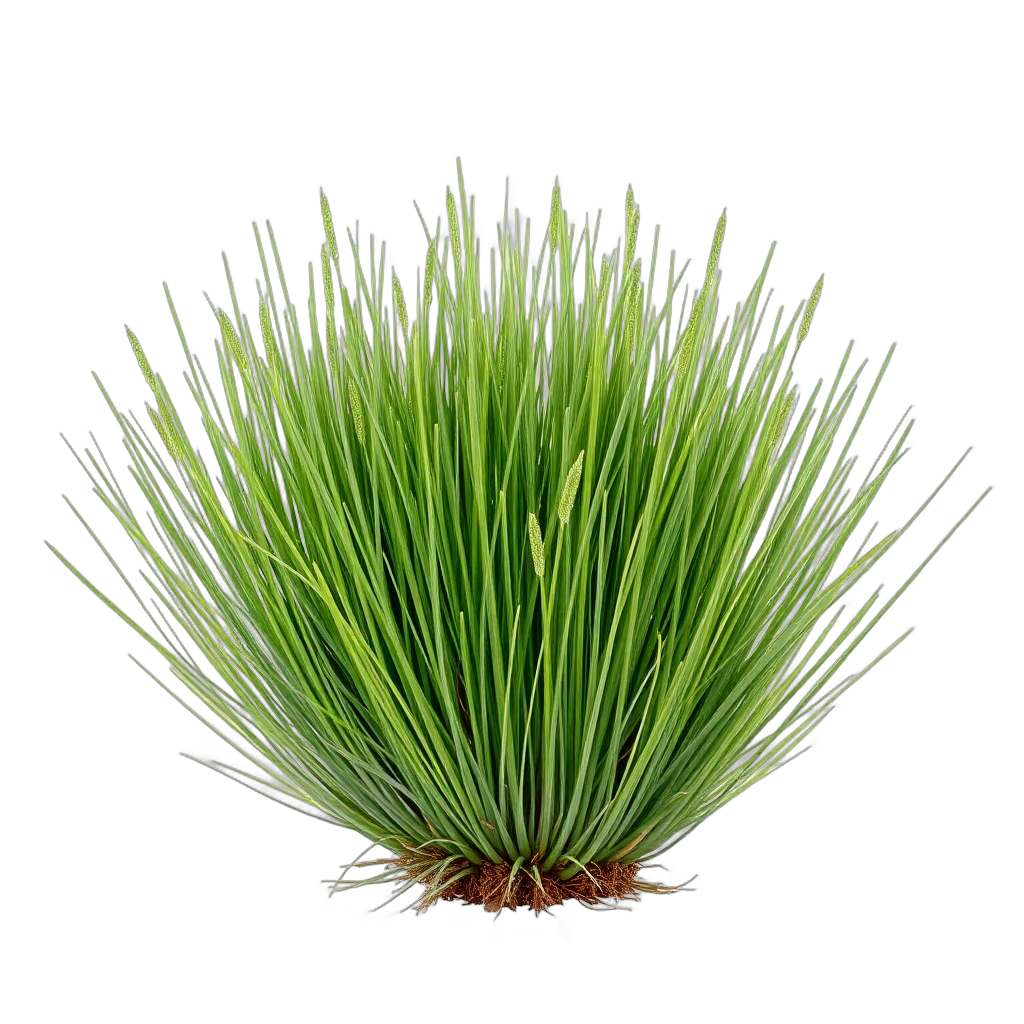
Great Basin Wild Rye
Leymus cinereus
grows to 3 feet, blooms in summer. Yellow fall color.
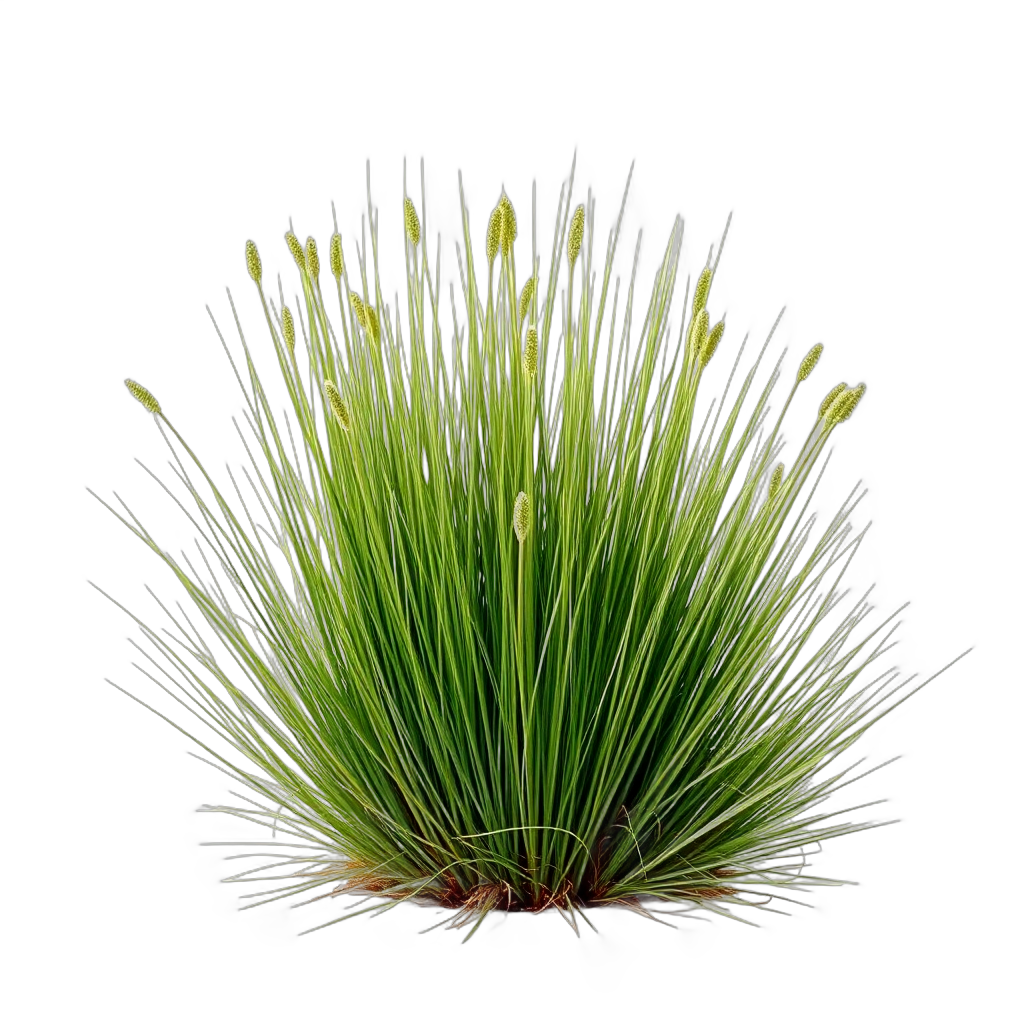
Idaho Fescue
Festuca idahoensis
low-growing ground cover, blooms in summer.
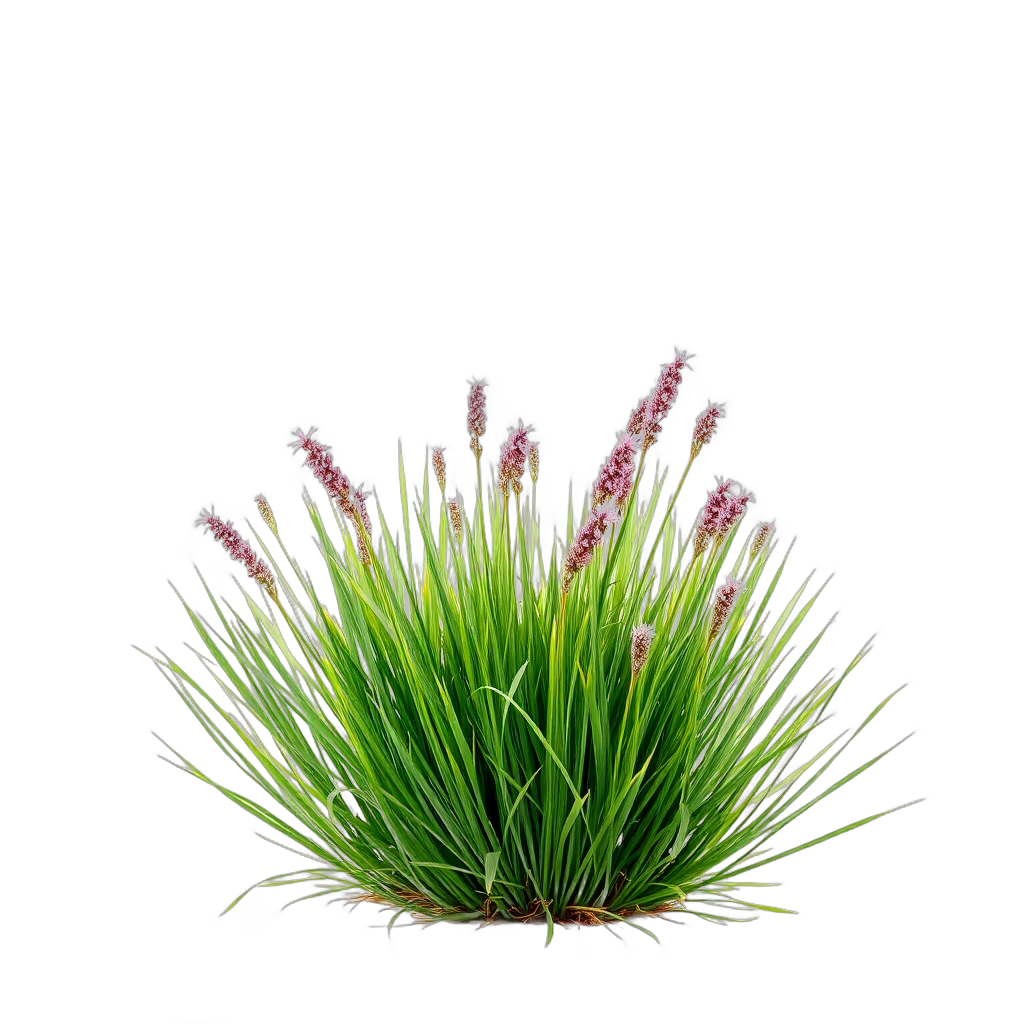
Purple Three-Awn
Aristida purpurea
low-growing ground cover, purple blooms in fall. Yellow fall color.
Featured Flowers & Perennials for Cottage/English Gardens
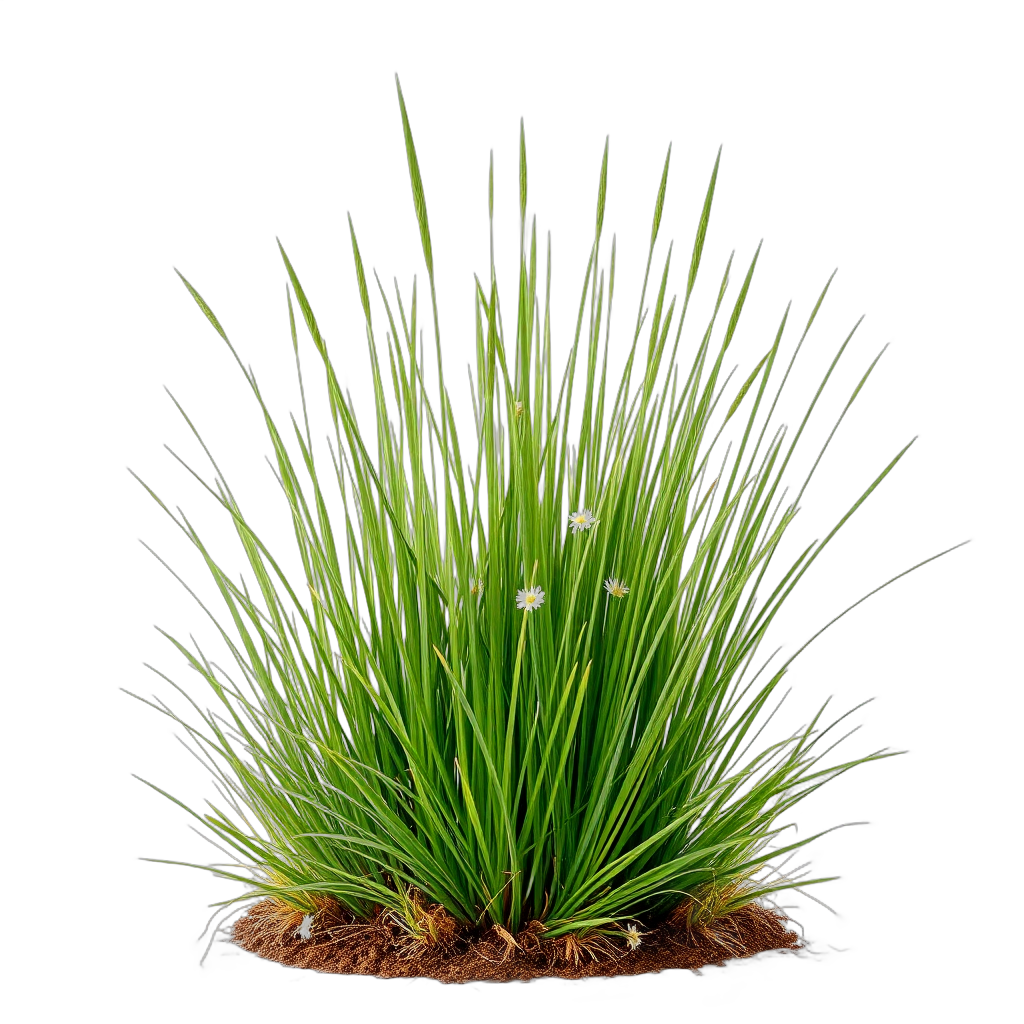
Baltic Rush
Juncus balticus
low-growing ground cover, blooms in summer. Evergreen year-round.
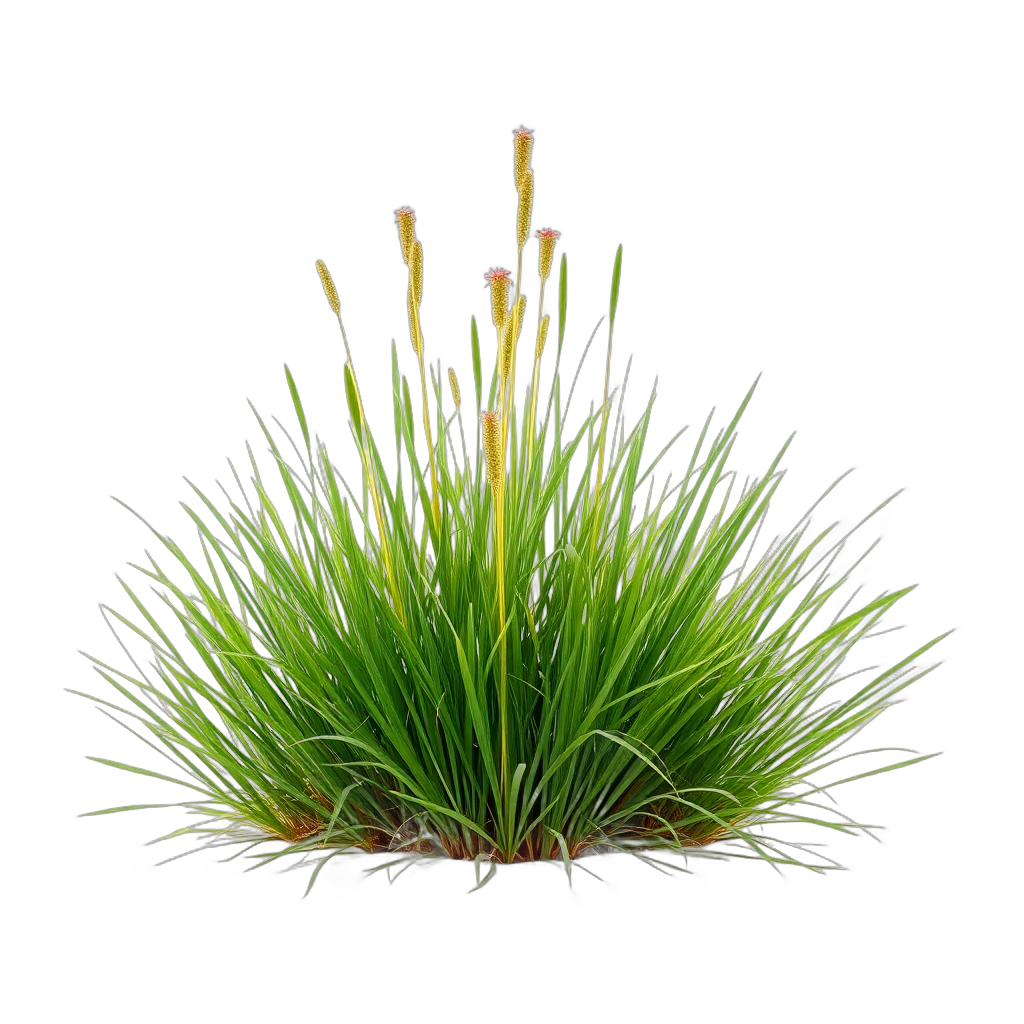
Clustered Field Sedge
Carex praegracilis
low-growing ground cover, blooms in spring.
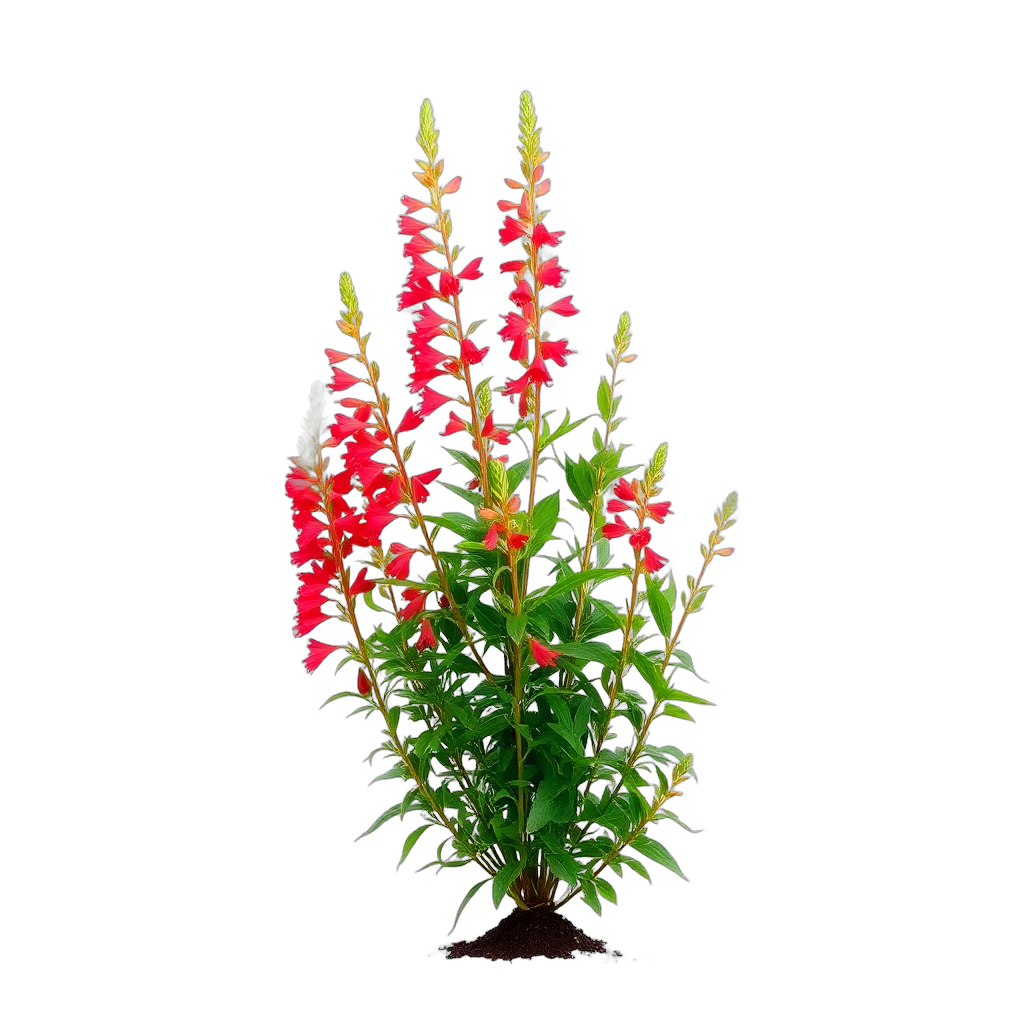
Firecracker Penstemon
Penstemon eatonii
low-growing ground cover, red blooms in spring. Attracts hummingbirds.

Palmer's Penstemon
Penstemon palmeri
grows to 4 feet, pink blooms in spring. Attracts hummingbirds.
Bloom Calendar for Salt Lake City
spring
Clustered Field Sedge, Firecracker Penstemon, Palmer's Penstemonsummer
Baltic Rush, Alkali Sacaton, Great Basin Wild Ryefall
Purple Three-Awn, Big Sagebrush, Rubber Rabbitbrushwinter
Limited bloomsDesign Tips for Salt Lake City (Zone 7b)
- Build the cottage look from lime-lovers, not acid-lovers - Paeonia 'Sarah Bernhardt', Syringa vulgaris 'Sensation', bearded iris, Dianthus 'Firewitch', Lavandula 'Phenomenal' and Allium 'Purple Sensation' all perform better in Salt Lake's pH 7.5-8.2 lakebed clay than they do in most English gardens
- Put the spires where the shade is - Digitalis purpurea and Delphinium elatum cook in full Salt Lake sun by mid-July, so site them on the east or north side of the house or under an existing canopy, and swap in Agastache rupestris and Penstemon strictus for vertical accent in the hot beds
- Set every post below 30 inches - Salt Lake County frost depth means arbor, pergola, fence and arch footings that stop short will heave out of plumb within three winters, and a leaning rose arch is the most common failure in Wasatch Front cottage gardens
- Use the dry air as a rose advantage - blackspot barely exists here, so choose fragrance and repeat bloom over disease ratings, and buy own-root rather than grafted stock so a hard 5°F snap kills canes instead of the whole plant
- Plan for deer above about 5,000 feet - Federal Heights and the upper Avenues get real mule deer browse, so anchor those gardens with lavender, Nepeta, Salvia, Achillea, Agastache and bearded iris, all of which deer reliably walk past, and cage new roses for the first two winters
- Water once a month all winter - Utah State University Extension's standing advice is a deep soak on 40°F-plus days from November through March in snowless years; it is the single cheapest thing you can do for new roses, peonies and any evergreen structure in the border
Where to Source Plants in Salt Lake City
Skip the big-box stores. These independent Salt Lake City nurseries specialize in the plants that make cottage/english gardens thrive in Zone 7b.
Glover Nursery
West Jordan
Utah's oldest family nursery (140+ years) offering retail and wholesale on a 10-acre facility.
Millcreek Gardens
Millcreek
Family-owned nursery since 1955 specializing in climate-appropriate trees, shrubs, and perennials.
Western Garden Centers
Downtown Salt Lake City
Independent garden center since 1954 specializing in roses, perennials, and gardening solutions.
Cactus & Tropicals
East Salt Lake City
Independent nursery since 1975 specializing in tropical plants and interior plantscaping.
Cottage/English Landscaping Costs in Salt Lake City
| Project Scope | Estimated Cost |
|---|---|
| Park strip flip to water-wise planting (300-500 sqft, before rebate) | $2,500 - $7,000 |
| Full cottage front yard: borders, walkway, arbor and picket fence | $14,000 - $32,000 |
| Utah quartzite flagstone terrace (250-400 sqft) | $8,000 - $16,000 |
| Cedar pergola or steel rose arches on below-frost footings | $4,500 - $16,000 |
| Sprinkler-to-drip conversion plus smart controller for mixed borders | $2,000 - $5,500 |
| AI visualization with ProScapeAI | Free to start |
Estimates based on Salt Lake City, UT-area contractor rates as of 2026. Actual costs vary by site conditions, materials, and contractor.
Salt Lake City Climate & Growing Zone
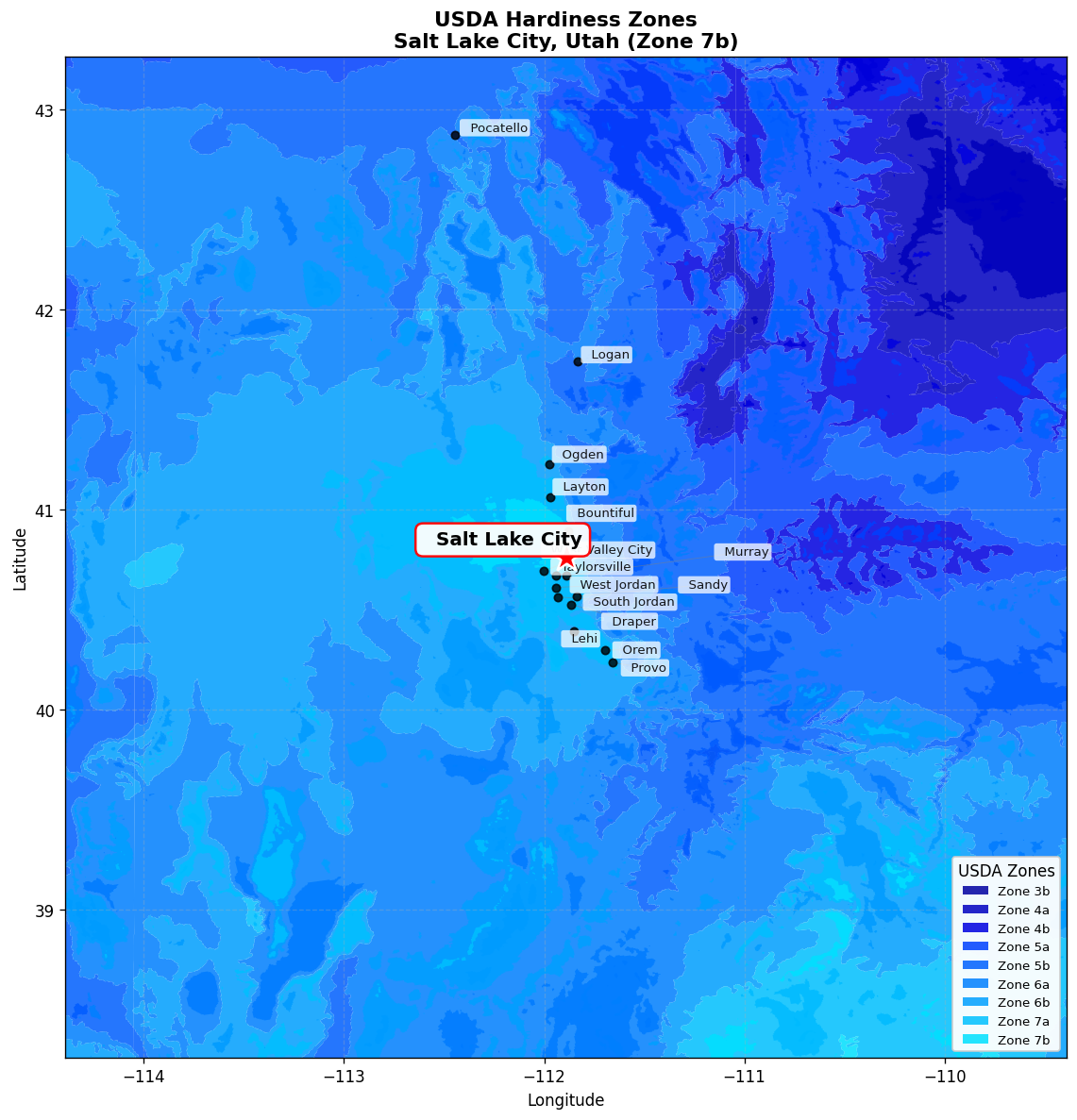
USDA Zone 7b
Hardiness zone for Salt Lake City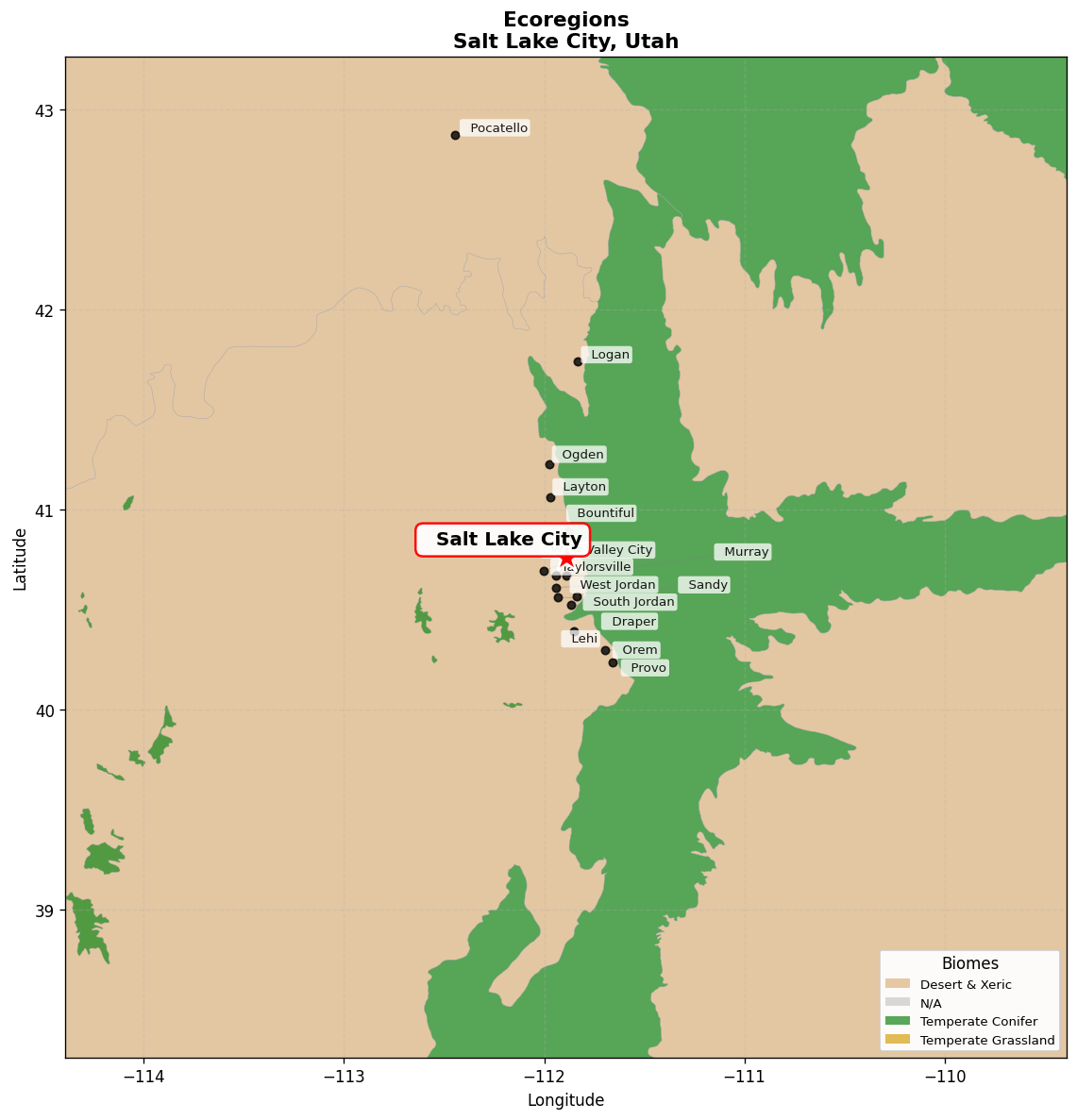
Great Basin shrub steppe
Native ecoregionFrequently Asked Questions
Can you really grow an English cottage garden in Salt Lake City's dry climate?
Yes, but you hydrozone instead of watering everything equally. Salt Lake gets roughly 16 inches of precipitation a year and summer humidity in the single digits, so you concentrate the thirsty English material - Delphinium elatum, Digitalis purpurea, Astilbe, Phlox paniculata 'David' - into one shaded, drip-irrigated bed near the house and let tougher cottage plants carry the rest: Lavandula x intermedia 'Phenomenal', Nepeta 'Walker's Low', Achillea 'Moonshine', Salvia nemorosa 'Caradonna', Dianthus 'Firewitch' and bearded iris all read as pure cottage and use a third of the water. The dry air is actually a huge advantage - blackspot pressure in Salt Lake is close to nonexistent compared with the East and South, so roses stay clean without a spray program.
Which roses actually thrive in Salt Lake City?
Cane-hardy, own-root roses. Zone 7b lows of 5-10°F combined with dry, snowless cold desiccate tender grafted hybrid teas above the graft. Rosa 'Therese Bugnet' and Rosa rugosa 'Hansa' are effectively bulletproof; Rosa 'William Baffin', 'John Cabot' and 'Henry Kelsey' from the Explorer series climb without dieback; Rosa 'New Dawn' and 'The Generous Gardener' handle an arbor; Rosa 'Darlow's Enigma' and 'Climbing Iceberg' give the white-arbor look. For a piece of Utah history, Rosa x harisonii (Harison's Yellow) and Rosa foetida bicolor (Austrian Copper) are the pioneer roses still growing untended at valley homesteads. Western Garden Centers on 600 East has carried the local rose selection since 1954 and is the place to check cane hardiness before you buy.
How do I handle alkaline clay soil and iron chlorosis?
Choose around it rather than fight it. Salt Lake Valley soil is Lake Bonneville lakebed clay at pH 7.5-8.2 with free calcium carbonate, which buffers so strongly that elemental sulfur barely moves the number in a planting bed. Stop planting the classic chlorosis victims - Acer rubrum, Acer saccharinum, Quercus palustris, Betula nigra, Populus tremuloides on valley clay, Hydrangea macrophylla, azalea, blueberry. Plant the calcareous-soil specialists instead: Amelanchier alnifolia, Acer grandidentatum 'Rocky Mountain Glow', Celtis occidentalis, Gymnocladus dioicus, Syringa vulgaris, Malus 'Prairifire', Viburnum lantana 'Mohican'. Where an existing tree is already yellow, use chelated iron in the EDDHA form - iron sulfate and EDTA chelates are largely wasted at Utah pH. Amend beds with 3-4 inches of compost and locally produced Utelite expanded shale rather than sand, which turns clay into concrete.
Will a cottage garden disqualify me from Utah's water rebates?
Not if you put it in the right place. Utah's Flip Your Strip rebate, administered through Utah Water Savers, pays per square foot to convert park-strip turf to water-wise plantings, and Localscapes Rewards extends similar money to whole-yard conversions. Both require pre-approval before any work starts - projects begun first are disqualified - and both set a minimum living-plant coverage, so gravel alone will not pass. The practical play is to flip the park strip to a Utah State University Extension water-wise palette (Agastache rupestris, Penstemon strictus, Ericameria nauseosa, Bouteloua gracilis 'Blonde Ambition'), bank the rebate, and spend it on the high-water cottage border in the back. Rebate rates and participating districts change year to year, so confirm the current per-square-foot figure with your provider before you plan the budget.
When should I plant a cottage garden in Salt Lake City?
Two windows. Mid-April through May, once the roughly April 25 average last frost has passed, is the spring window and the busiest one at every nursery in the valley. Mid-September through late October is the better one for roses, peonies, shrubs and trees: the soil is still warm, roots keep growing until it hits about 40°F in late November, and plants wake up in April already established. Skip July and August planting entirely. The habit that separates gardens that survive from gardens that do not is winter watering - during dry, snowless stretches from November through March, drag a hose out once a month on a day above 40°F and soak new roses, peonies, evergreens and anything planted in the last two seasons. Utah's dry winters kill far more plants than the temperatures do.
Do I need a permit or design approval for cottage garden work?
Planting, bed construction, mulch and irrigation need no permit anywhere in Salt Lake City. Three things do get regulated. First, historic districts: The Avenues, Capitol Hill and Central City are local H-districts, and a new street-facing fence, wall, arbor over a certain height or major hardscape change generally needs a Certificate of Appropriateness from the Historic Landmark Commission - a picket fence usually sails through, a six-foot wall does not. Second, any retaining wall over four feet from footing to top needs a building permit and often an engineer's stamp, which matters on Federal Heights and upper Avenues bench slopes. Third, an irrigation system tied to city water needs an approved backflow preventer with annual testing under Salt Lake City Public Utilities cross-connection rules. Park strips also fall under city landscaping standards requiring living plant coverage and clear sight lines at corners.