English Cottage Garden Ideas for West Valley City, UT (Zone 7a)
Native plants from the Great Basin shrub steppe (Zone 7a) — Humid continental (hot summer) climate
Why Cottage/English Gardens in West Valley City?
West Valley City is a better canvas for an English cottage garden than most of its residents realise. The 1950s-70s brick ramblers of Granger and Hunter, the older cottages and bungalows around Chesterfield and Redwood, and the split-entries filling the blocks between 3500 South and 4100 South almost all share the two things a cottage garden needs most: a generous front setback and a wide park strip. Those deep, flat front yards are dull as plain turf but come alive as a layered border, and the low horizontal roofline of a Utah rambler is exactly the kind of quiet backdrop that lets a rose arbour, a picket fence and a froth of Lavandula angustifolia 'Munstead' read as the main event. Newer subdivisions near Stonebridge and Lake Park have tighter lots, which pushes the same look into courtyard scale — one arch, one bench, three deep beds — while the Wasatch and Oquirrh ranges sit behind everything as a borrowed backdrop no English village can match.
The climate is where an imported English planting list has to be edited, hard. West Valley City sits at roughly 4,300 feet in USDA Zone 7a, with winter lows that touch 0-5°F, only about 15 to 16 inches of precipitation a year, and about 54 inches of snow — and then July arrives with average highs near 93°F, strings of 100°F afternoons, and relative humidity that regularly drops under 20 percent. The frost-free window runs roughly from the last week of April to mid-October, about 160 days. Real English border staples such as Digitalis purpurea 'Camelot' and Delphinium elatum 'Magic Fountains' will grow here, but only on the east side of a fence or under a tree canopy with drip irrigation behind them. The plants that carry a Wasatch Front cottage garden through August are the Mediterranean half of the palette: Nepeta x faassenii 'Walker's Low', Salvia nemorosa 'Caradonna', Achillea 'Moonshine', Perovskia atriplicifolia 'Little Spire' and lavender, all of which flower harder in dry heat than they ever would in Kent.
Then there is the soil, which is the single biggest reason imported cottage plant lists fail in the Salt Lake Valley. West Valley City sits on old Lake Bonneville lakebed — fine silt and clay, heavy with free lime, pH commonly 7.8 to 8.4, organic matter often under two percent, with caliche hardpan and salty patches showing up on the valley's west side. That chemistry locks up iron. It is why Acer x freemanii 'Autumn Blaze', pin oak and bigleaf hydrangea turn pale yellow between green veins in Utah front yards, and why the cottage plants that thrive here are the lime-lovers: Syringa vulgaris 'Ludwig Spaeth', Paeonia lactiflora 'Sarah Bernhardt', bearded iris such as Iris germanica 'Immortality', and rugosa roses like Rosa rugosa 'Hansa' that shrug off alkalinity. Build beds up with three to four inches of compost tilled into the top eight, mulch with shredded bark rather than rock, and keep a bottle of EDDHA-chelated iron for the one or two plants that sulk anyway.
Water is the last design constraint, and in Utah it is also a design opportunity. Most West Valley City homes are served by Granger-Hunter Improvement District, with wholesale supply from Jordan Valley Water Conservancy District, and turf-removal rebates through Utah Water Savers have run in the range of $1.25 to $3.00 per square foot for park-strip conversions — a cottage border along the strip is often the single cheapest square footage in the whole project once the rebate lands. Utah's 2022 water-wise landscaping law also stops a homeowners association from forbidding a waterwise conversion, so the old lawn-only covenants in some Stonebridge-era subdivisions no longer bind. With the Great Salt Lake sitting ten miles northwest and shrinking, the local instinct has swung firmly toward gardens that look lush and drink like a shrub-steppe planting. Group the thirsty romantics (roses, delphinium, hydrangea) into one small drip zone near the house, let lavender, catmint, yarrow and Penstemon strictus hold the outer beds on almost nothing, and the garden reads as a full English border while using a fraction of a lawn's water.
4 Cottage/English Design Ideas for West Valley City

The Picket Fence Rose Arbour
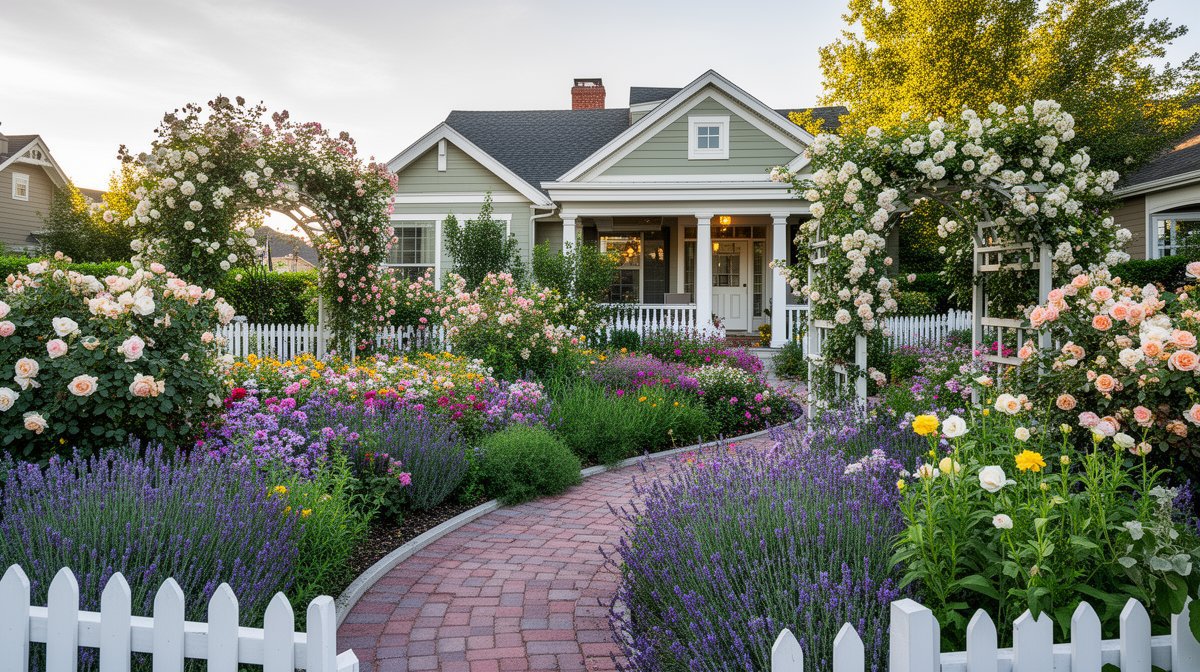
$16-30/sqft of planted front yardA low white picket fence runs the full width of the front yard with a matching arched arbour gate at its centre, smothered in blush and cream climbing roses and hung with a single black lantern. A brick paver path in a running-bond pattern cuts straight from the gate to the porch steps of a cream cottage with a grey shingle roof, white porch rail and a wreath on the door. Massed lavender lines both sides of the fence in a continuous purple-grey band, shrub roses fill the beds behind it, and terracotta pots of red geraniums flank the steps. The Oquirrh foothills sit hazy behind the roofline at golden hour, which is exactly the light this design was composed for.

The Curved Border Bungalow Front
$14-26/sqft of planted front yardA cream bungalow with a dormer, black shutters and a deep covered porch anchors a front garden where the lawn has been reduced to two sculpted green panels and everything else is border. A white rose arch spans an irregular flagstone path to the door, hanging baskets swing from the porch beams, and the beds sweep in long curves packed shoulder to shoulder: lavender spikes, pink and yellow roses, blue and pink hydrangea heads, orange marigolds and white daisies all crowding the flagstone edge. A mature shade tree on the left throws real afternoon shade across the lawn and the west-facing facade, which in a West Valley July is a functional design decision, not a decorative one.

The Flagstone Tea Terrace
$22-40/sqft of terraceA small irregular flagstone terrace tucked against the pale green clapboard back wall of the house, just big enough for a round metal bistro table, two folding cafe chairs and a jar of cut flowers. A rose arch in pink and white marks where the flagstone path leaves the terrace and disappears into the garden, and the terrace is pressed on every side by border: foxglove and delphinium spires at the back, shasta daisies and red sweet william at knee height, lavender spilling over the stone edge, and climbing roses reaching the window sash. A clipped hedge closes the far boundary and a tree canopy backlights the whole thing in early morning sun. It is a two-chair garden — the least expensive cottage design there is, and the one most likely to actually get used every morning.

The Rose Pergola and Fountain Lawn
$28-55/sqft of deck and pergolaA white timber pergola attached to the back of the house carries a heavy curtain of pink and cream climbing roses over a long dining table and six upholstered chairs on a raised deck. Out in the lawn, a two-tier white stone birdbath fountain stands at the centre of a circular island bed planted with white, red and yellow flowers ringed in lavender, with black lantern path lights marking the route to it across the grass. Roses and white hydrangea run the length of the grey privacy fence, and the trees beyond the fence do the rest of the screening. The circular bed is the clever part — one round island turns a rectangular Utah backyard into a garden with a destination.
See how a cottage/english garden looks on YOUR property
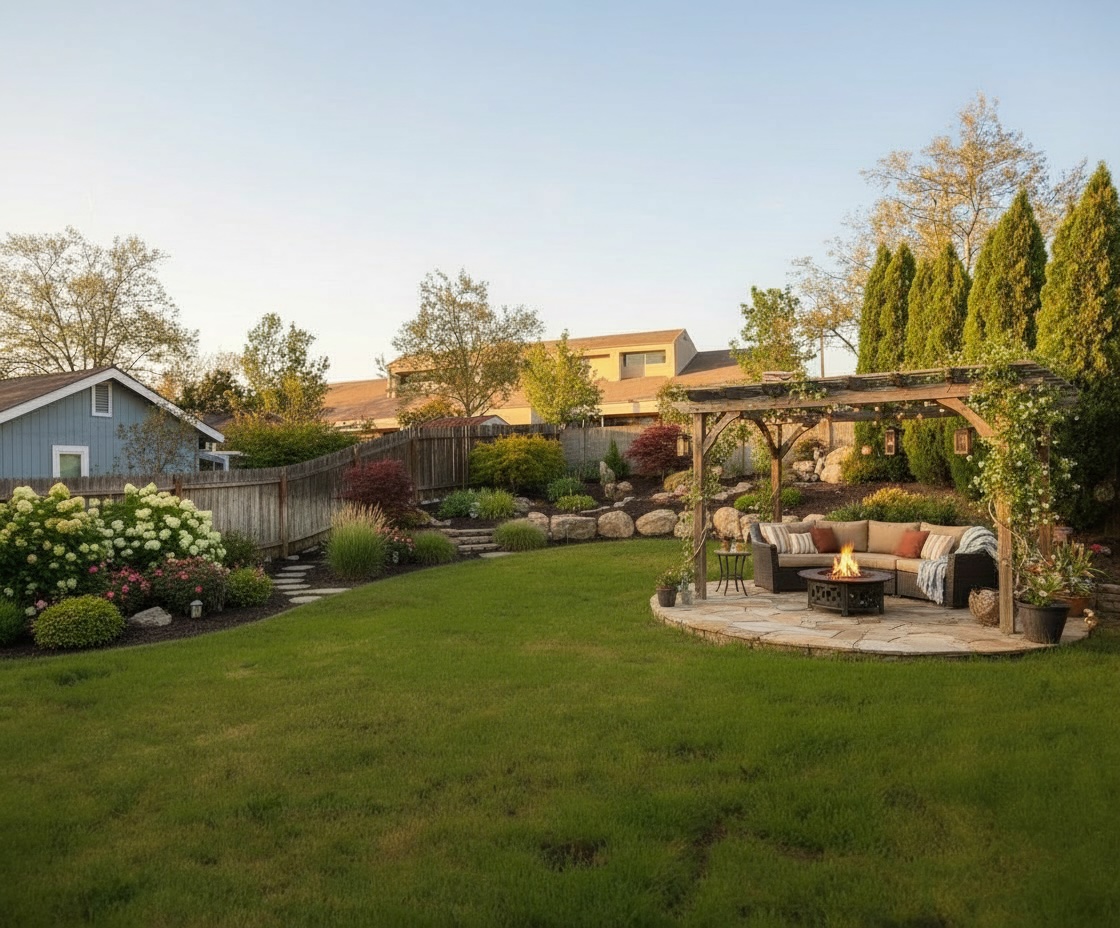
Upload a photo of your West Valley City yard and visualize your dream garden in seconds.
Try ProScapeAI Free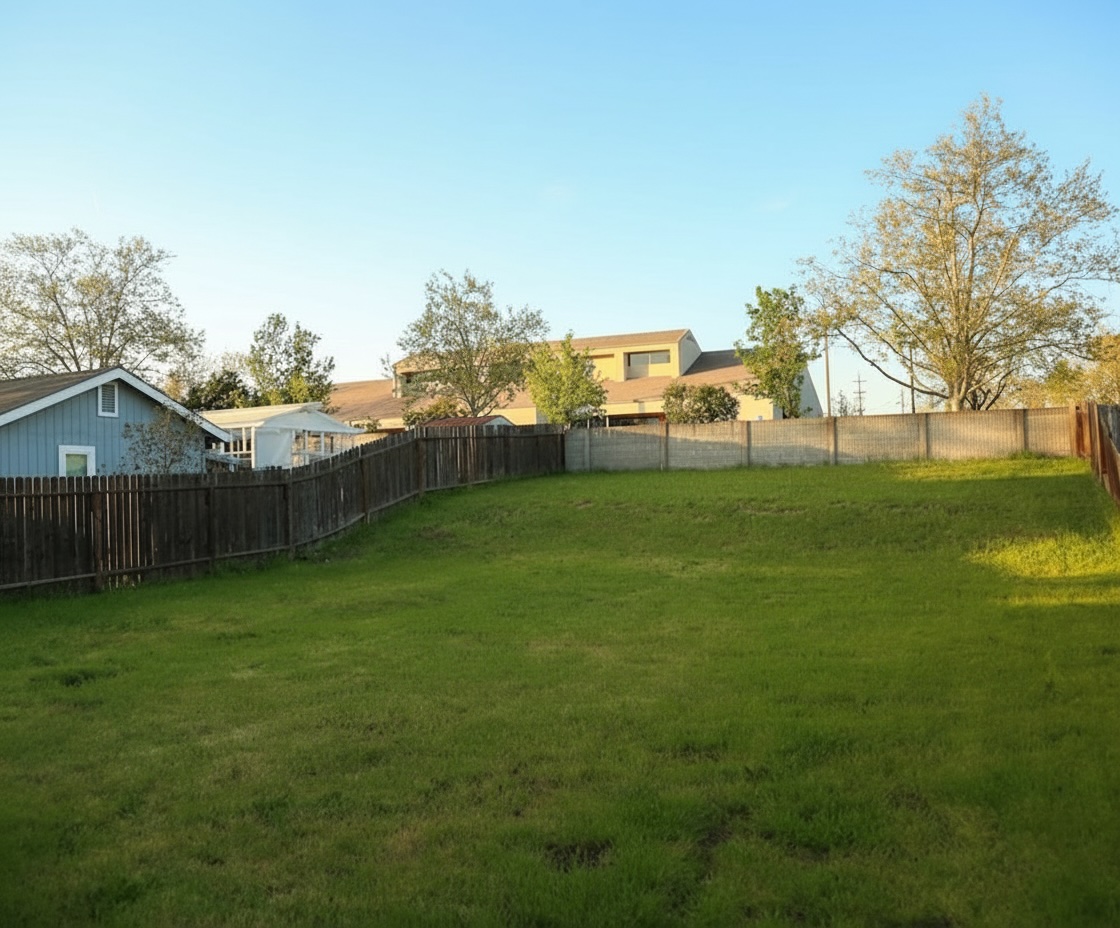
Featured Trees & Shrubs for Cottage/English Gardens
Browse all 176 plants for West Valley City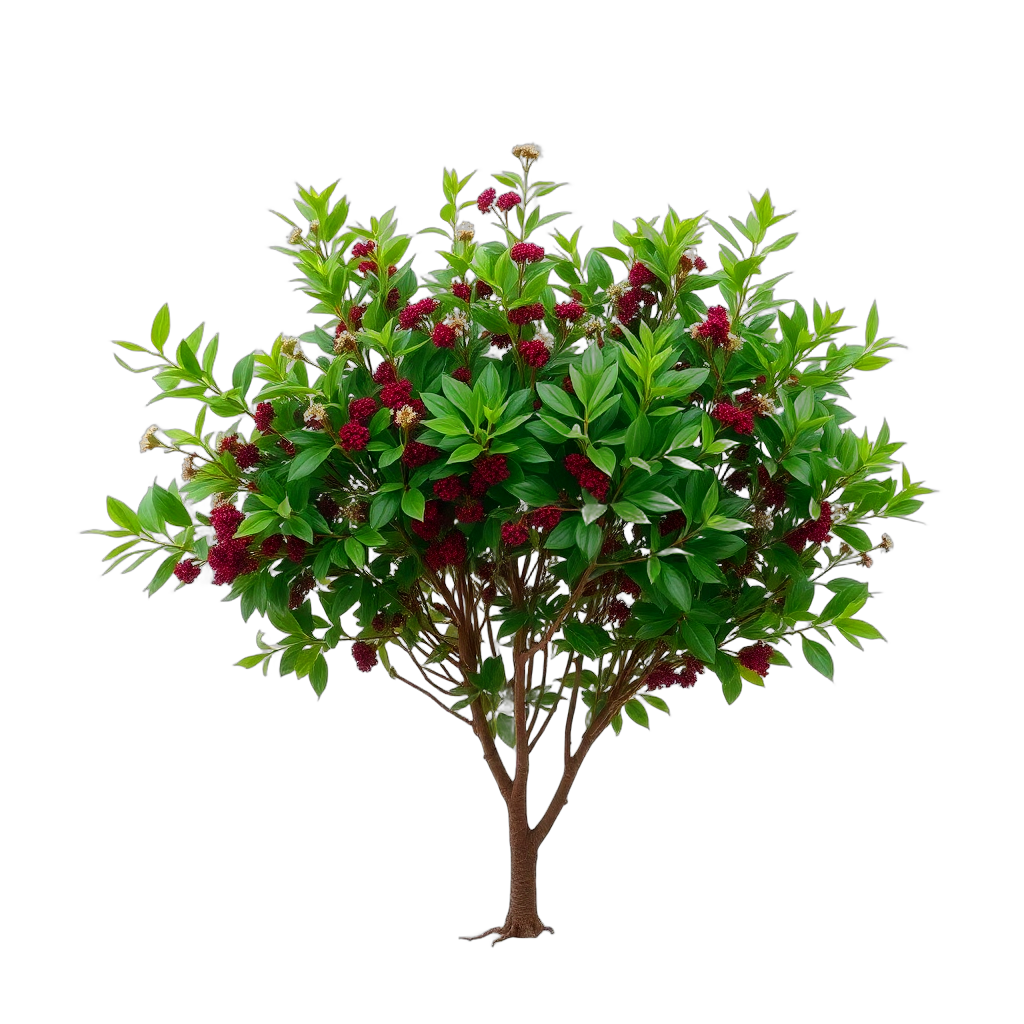
Anderson Wolfberry
Lycium andersonii
grows to 5 feet, purple blooms in spring. Attracts hummingbirds.
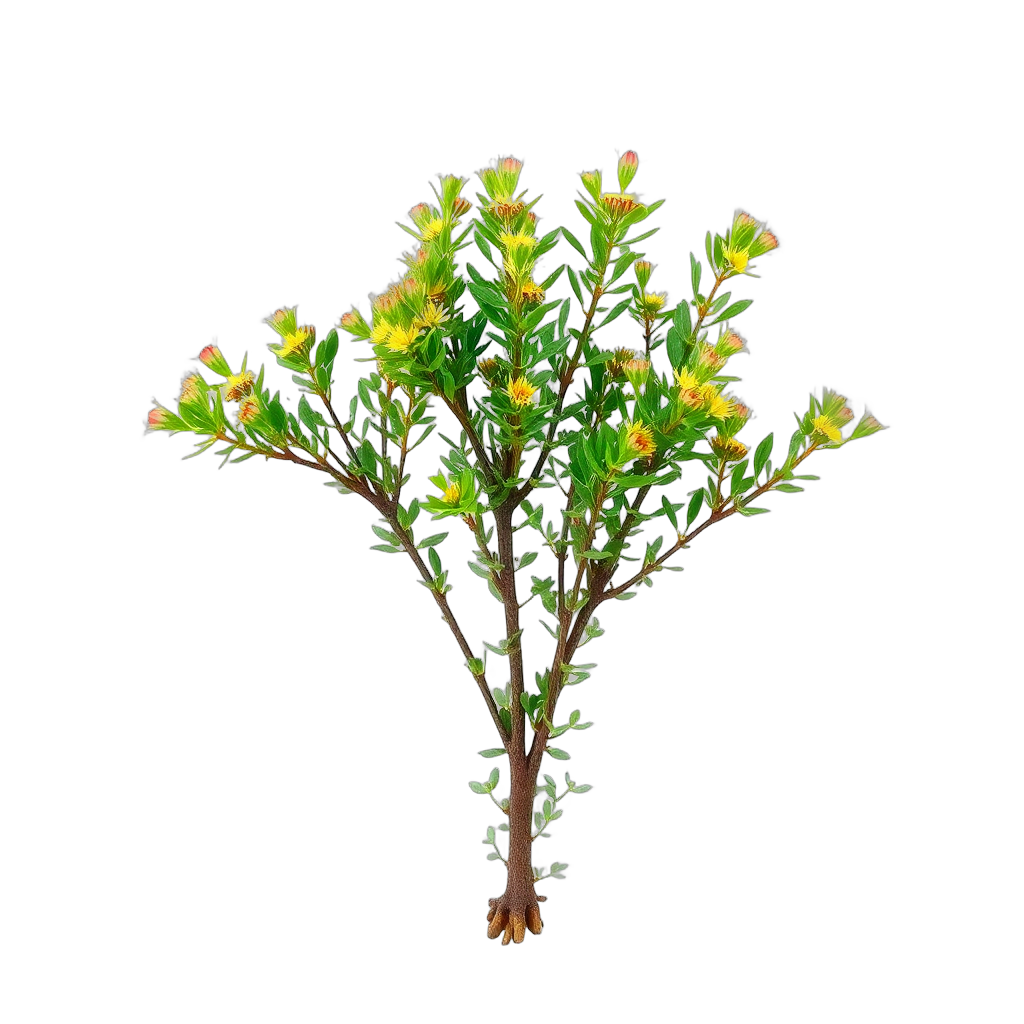
Antelope Bitterbrush
Purshia tridentata
grows to 6 feet, yellow blooms in spring. Fragrant.

Apache Plume
Fallugia paradoxa
grows to 6 feet, white blooms in summer. Attracts butterflies.
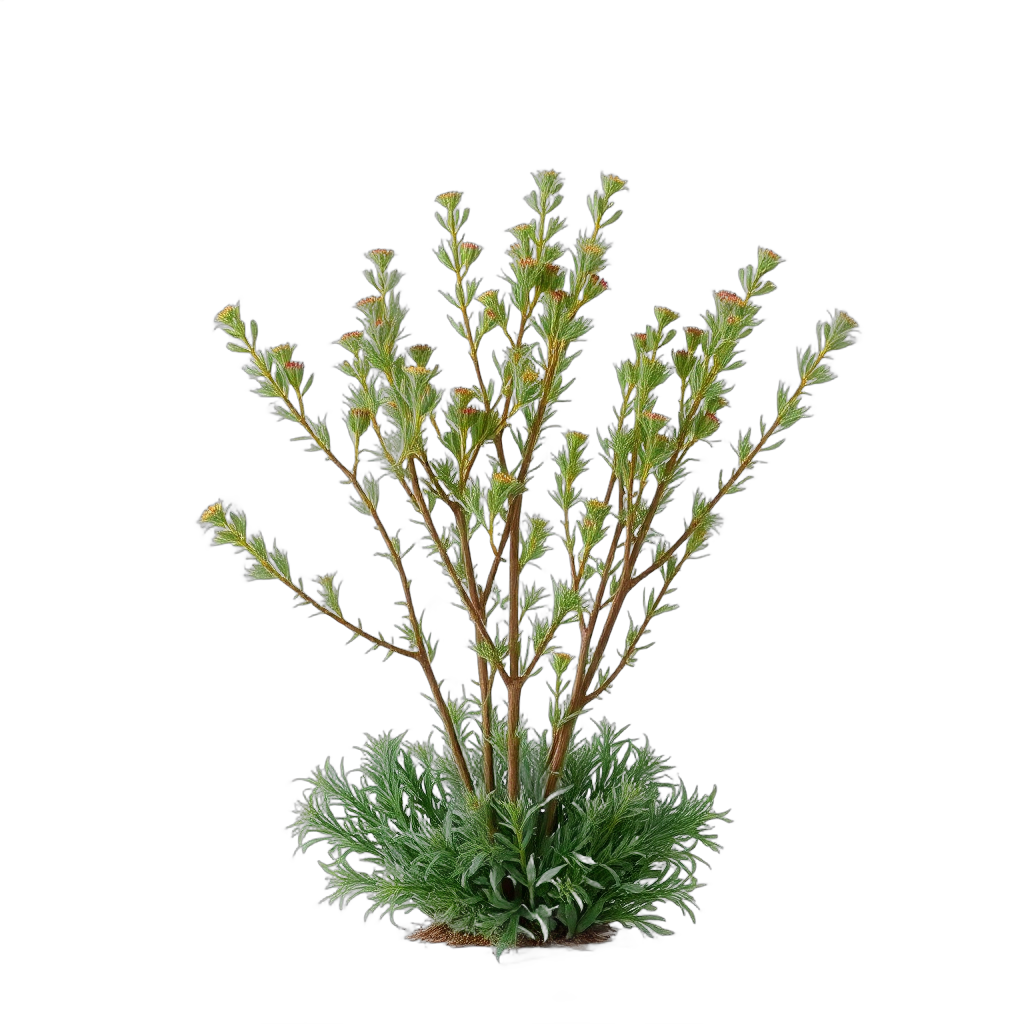
Big Sagebrush
Artemisia tridentata
grows to 6 feet, yellow blooms in fall. Evergreen year-round.
Featured Grasses & Groundcovers for Cottage/English Gardens
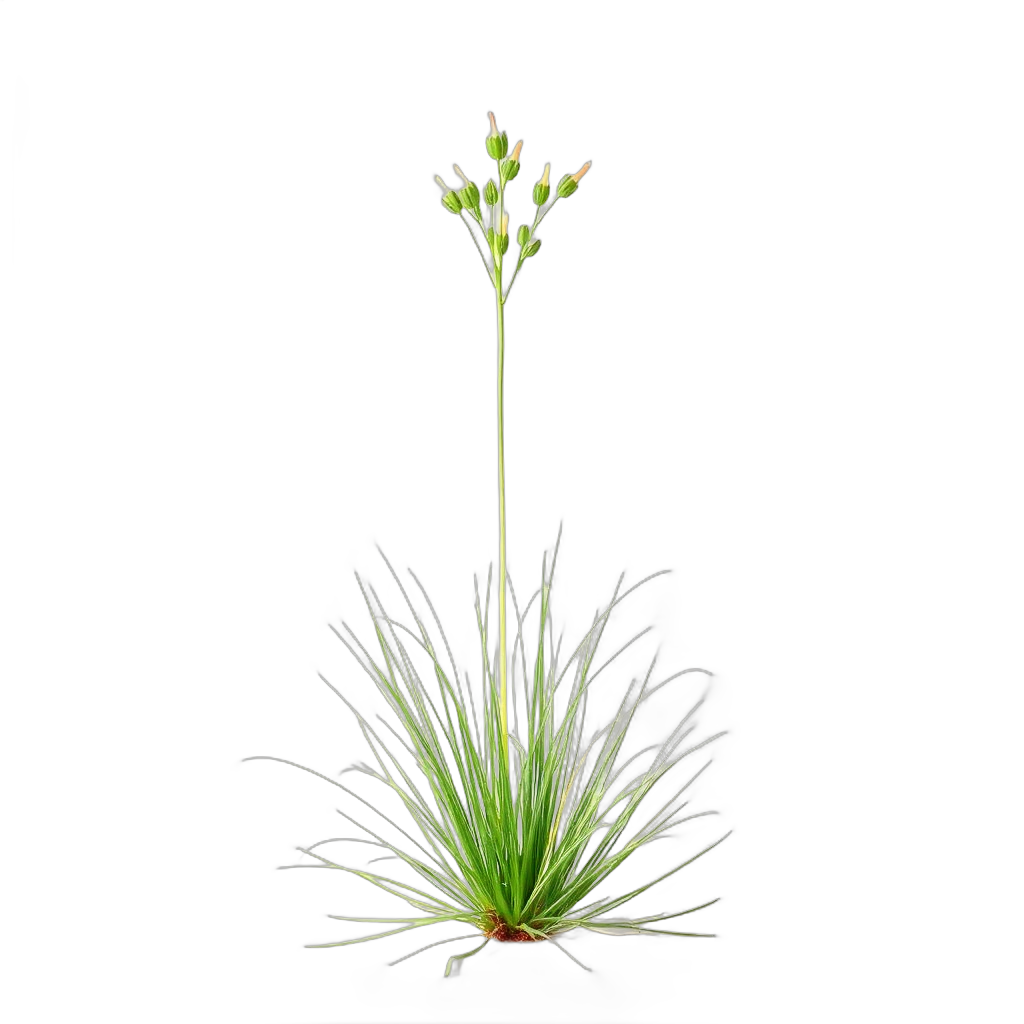
Alkali Sacaton
Sporobolus airoides
grows to 3 feet, blooms in summer. Yellow fall color.
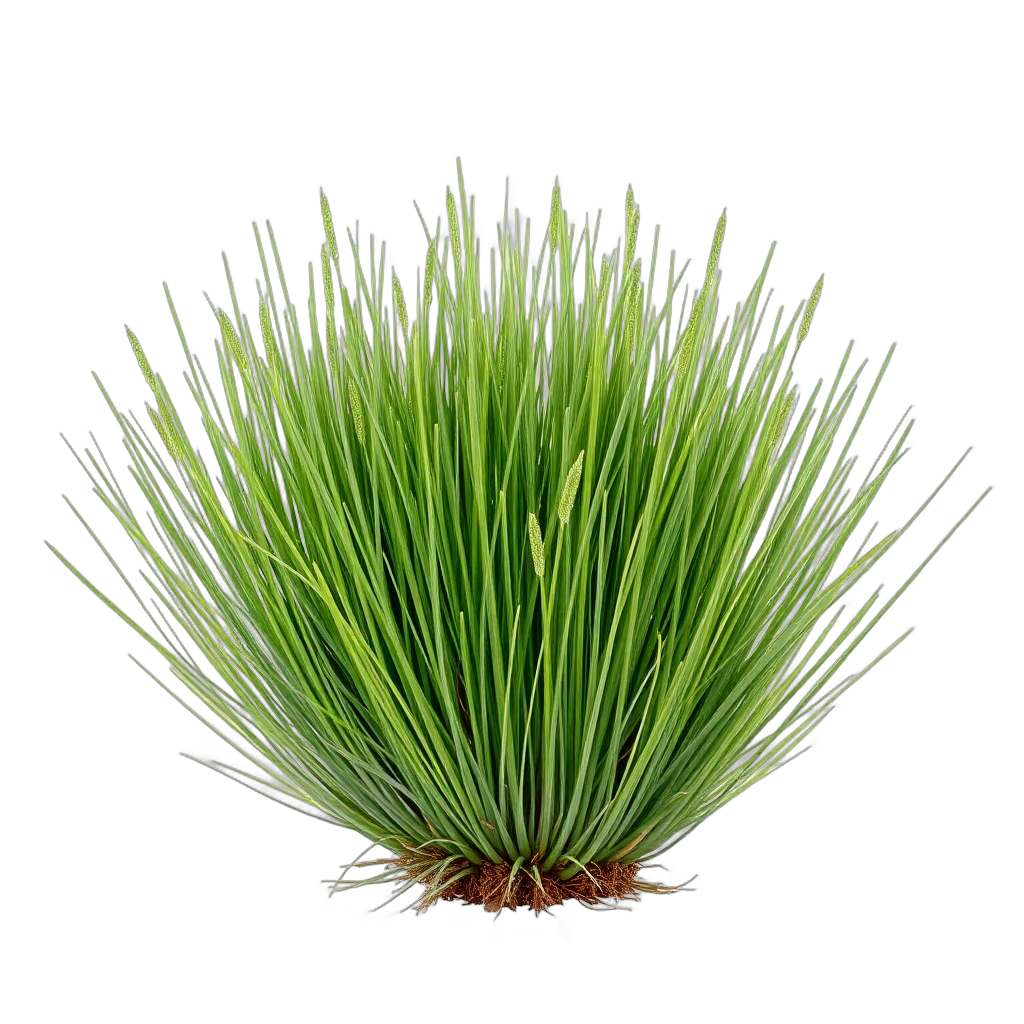
Great Basin Wild Rye
Leymus cinereus
grows to 3 feet, blooms in summer. Yellow fall color.
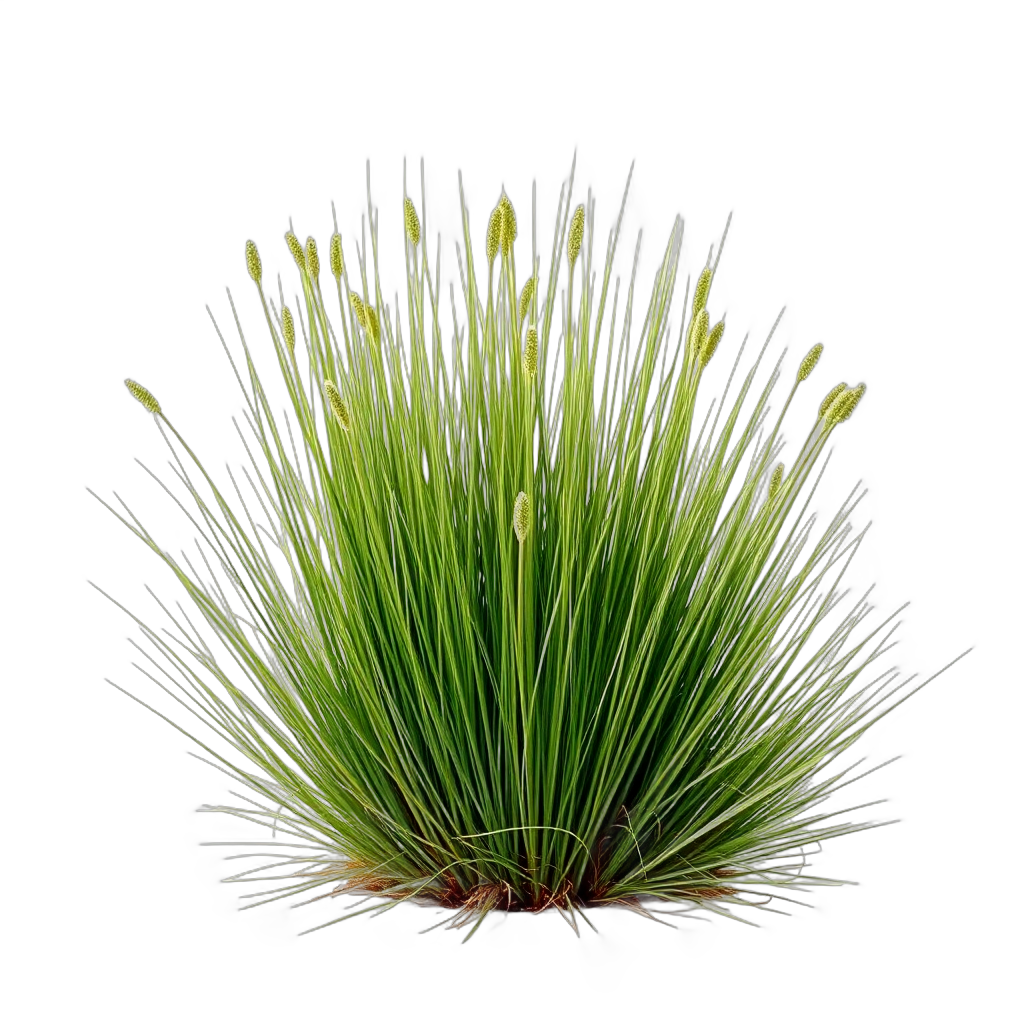
Idaho Fescue
Festuca idahoensis
low-growing ground cover, blooms in summer.
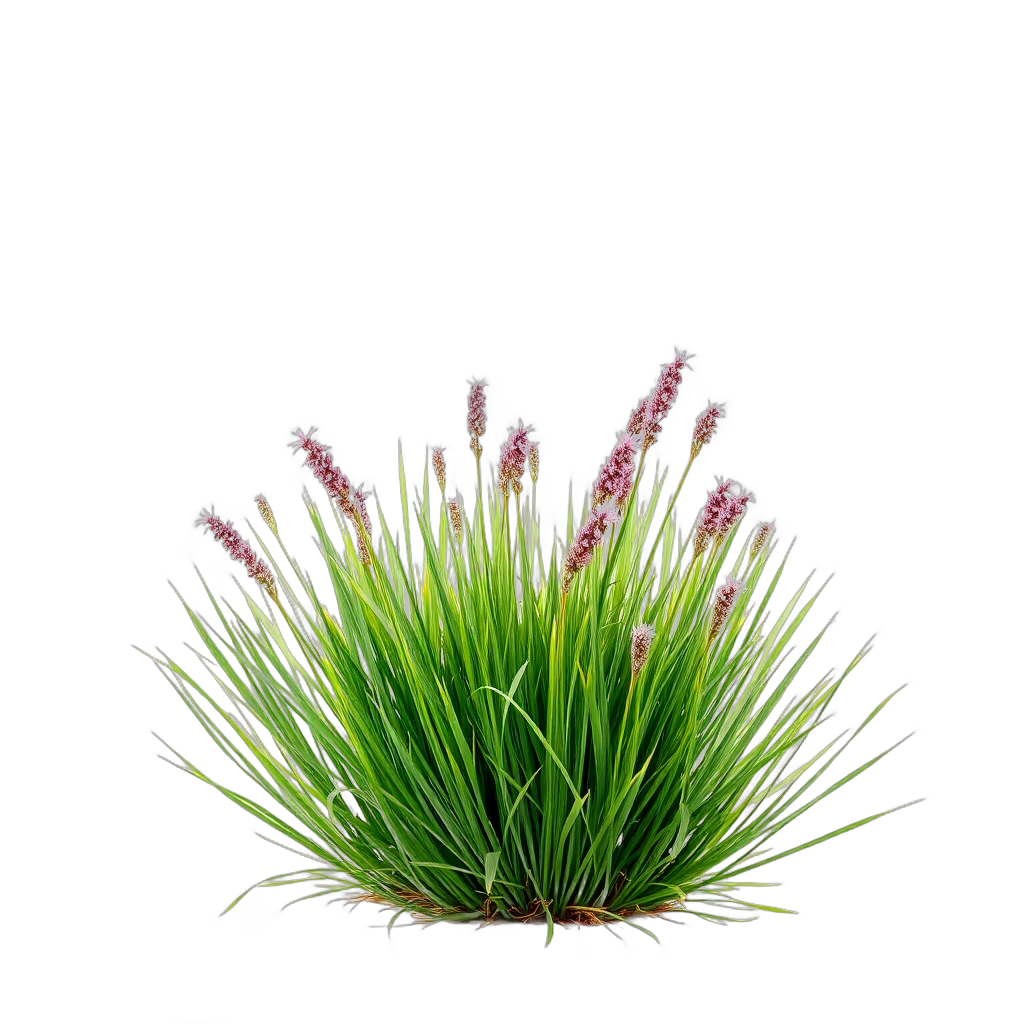
Purple Three-Awn
Aristida purpurea
low-growing ground cover, purple blooms in fall. Yellow fall color.
Featured Flowers & Perennials for Cottage/English Gardens
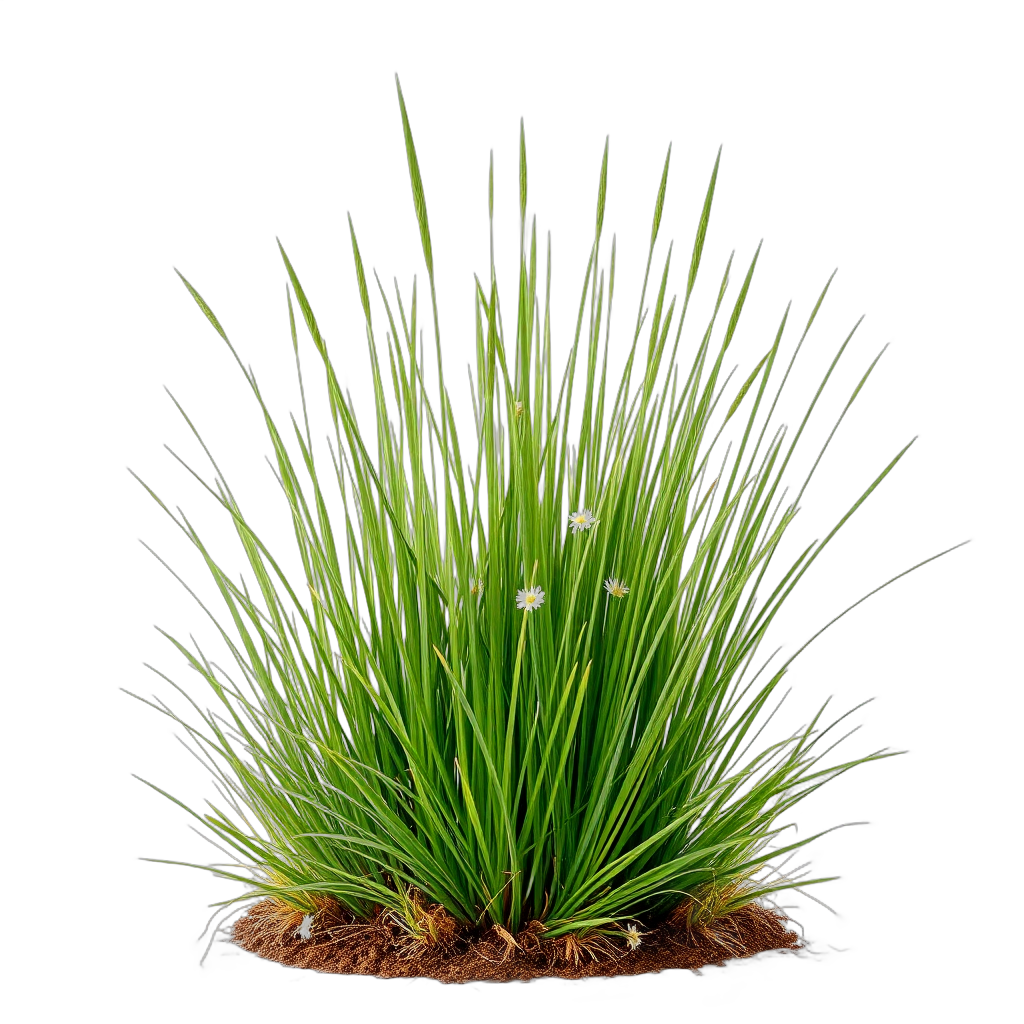
Baltic Rush
Juncus balticus
low-growing ground cover, blooms in summer. Evergreen year-round.
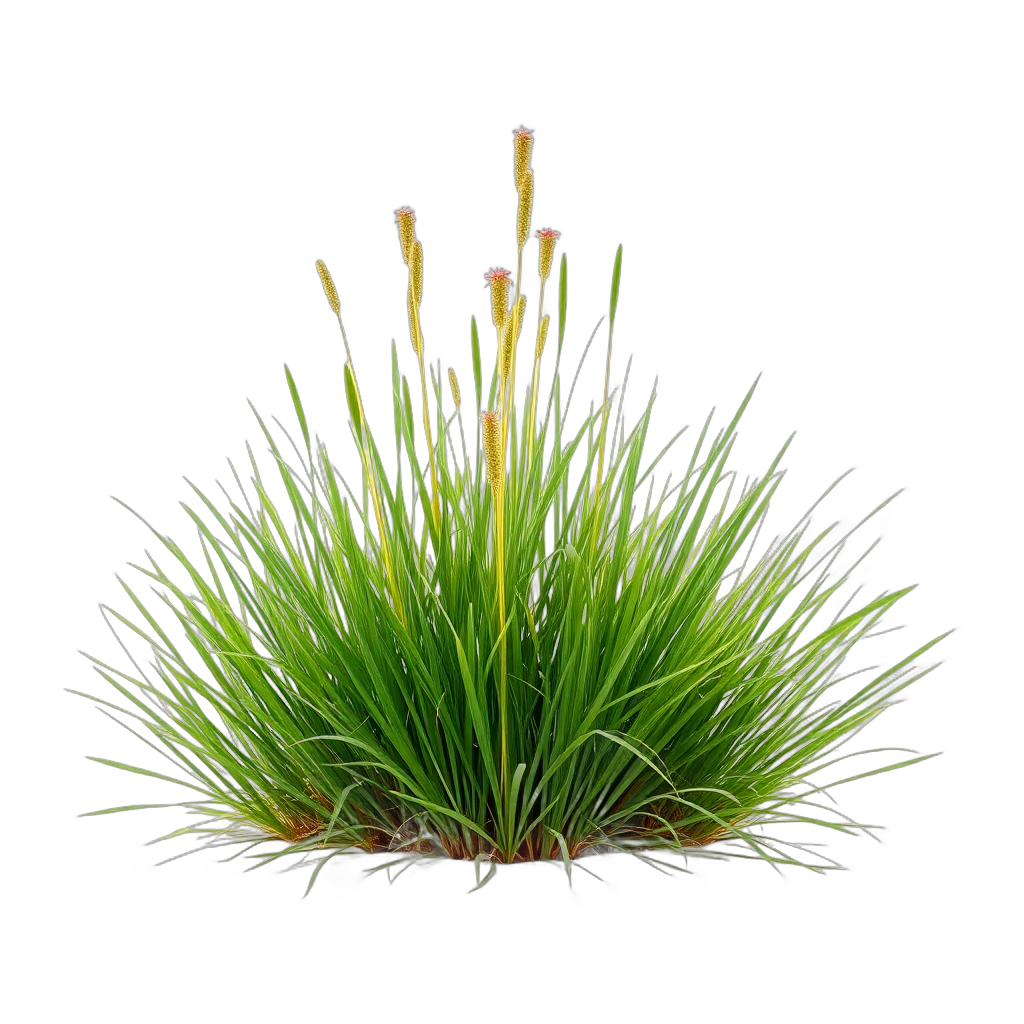
Clustered Field Sedge
Carex praegracilis
low-growing ground cover, blooms in spring.
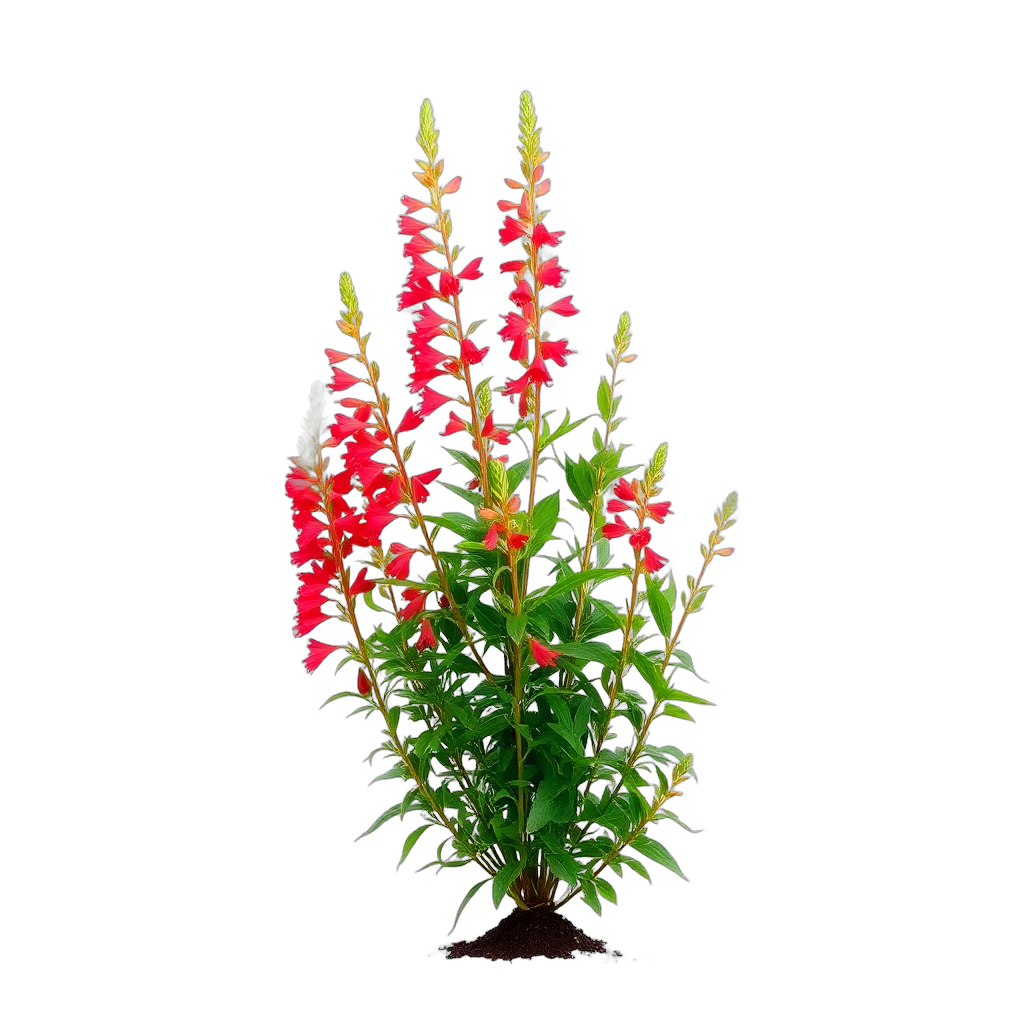
Firecracker Penstemon
Penstemon eatonii
low-growing ground cover, red blooms in spring. Attracts hummingbirds.

Palmer's Penstemon
Penstemon palmeri
grows to 4 feet, pink blooms in spring. Attracts hummingbirds.
Zone and sun checks come from our database — confirm with your local nursery before you buy.
Bloom Calendar for West Valley City
spring
Clustered Field Sedge, Firecracker Penstemon, Palmer's Penstemonsummer
Baltic Rush, Alkali Sacaton, Great Basin Wild Ryefall
Purple Three-Awn, Big Sagebrush, Rubber Rabbitbrushwinter
Limited bloomsDesign Tips for West Valley City (Zone 7a)
- Lean on the Mediterranean half of the cottage palette — Lavandula x intermedia 'Phenomenal', Nepeta x faassenii 'Walker's Low', Salvia nemorosa 'Caradonna' and Achillea 'Moonshine' flower harder in West Valley's dry 93°F Julys than they ever do in a damp English border, and they are unbothered by pH 8 soil
- Amend for structure, not acidity — three to four inches of compost worked into the top eight inches of Bonneville clay buys you drainage and root room, while trying to acidify a free-lime lakebed soil is a losing battle; pick lime-tolerant plants instead and keep chelated iron for emergencies
- Put the romantics where the shade is — foxglove, delphinium and Hydrangea arborescens 'Annabelle' belong on the east or north side of a wall, fence or existing tree, on their own drip zone; everything else can hold the sunny outer beds on a third of the water
- Design the park strip first — it is the hottest, driest, most abused strip of ground on the lot, and it is also the square footage Utah Water Savers rebates pay you to convert; a band of lavender, Penstemon strictus and Bouteloua gracilis 'Blonde Ambition' there sets the tone for the whole front garden
- Give every arbour, arch and pergola a real footing — West Valley soil heaves through freeze-thaw cycles from November to March, so set posts 30 inches deep in concrete rather than in surface anchors, or the rose arch will be leaning by its third spring
- Mulch with shredded bark, never rock, in a cottage bed — four inches of bark holds soil moisture through single-digit-humidity afternoons and breaks down into the organic matter this soil is short of, while rock mulch bakes roots and reflects heat back onto the very plants that hate it
- Frame the mountains — a low picket fence, a clipped hedge kept under 36 inches, or a gap deliberately left in the border turns the Wasatch or Oquirrh skyline into the back wall of the garden, which is the one thing a Utah cottage garden has that an English one does not
Where to Source Plants in West Valley City
Skip the big-box stores. These independent West Valley City nurseries specialize in the plants that make cottage/english gardens thrive in Zone 7a.
Lambert Growers
Redwood Road, West Valley City
Family-run greenhouse growing everything on site since the 1960s — vegetable starts, herbs, bedding flowers and hardy perennials selected for Salt Lake Valley conditions
Glover Nursery
West Jordan (about 15 minutes south of West Valley City)
Utah's first family nursery — large-caliper shade trees, conifers, shrubs and roses grown and acclimated for alkaline valley soil
Millcreek Gardens
Sugar House / Millcreek, Salt Lake City
Independent garden center since 1955 with one of the valley's deepest perennial, rose and hydrangea benches plus staff who know Wasatch Front microclimates
Cactus & Tropicals
Sugar House, Salt Lake City (also Midvale and Draper)
Locally owned specialist in cold-hardy agave, yucca, hesperaloe, sempervivum and sculptural container plants for gravel and courtyard designs
Cottage/English Landscaping Costs in West Valley City
| Project Scope | Estimated Cost |
|---|---|
| Park-strip cottage border conversion (250-400 sqft, before rebate) | $2,500 - $6,500 |
| Full front-yard cottage garden with picket fence, arbour and brick walk | $16,000 - $35,000 |
| Flagstone terrace with bistro seating and surrounding borders | $8,000 - $20,000 |
| Timber rose pergola over a deck (12 x 16 ft) | $6,500 - $18,000 |
| Cast stone fountain with island bed and low-voltage path lighting | $3,000 - $9,000 |
| Drip conversion for beds plus smart controller (3-5 zones) | $1,800 - $4,500 |
| AI visualization with ProScapeAI | Free to start |
Estimates based on West Valley City, UT-area contractor rates as of 2026. Actual costs vary by site conditions, materials, and contractor.
West Valley City Climate & Growing Zone
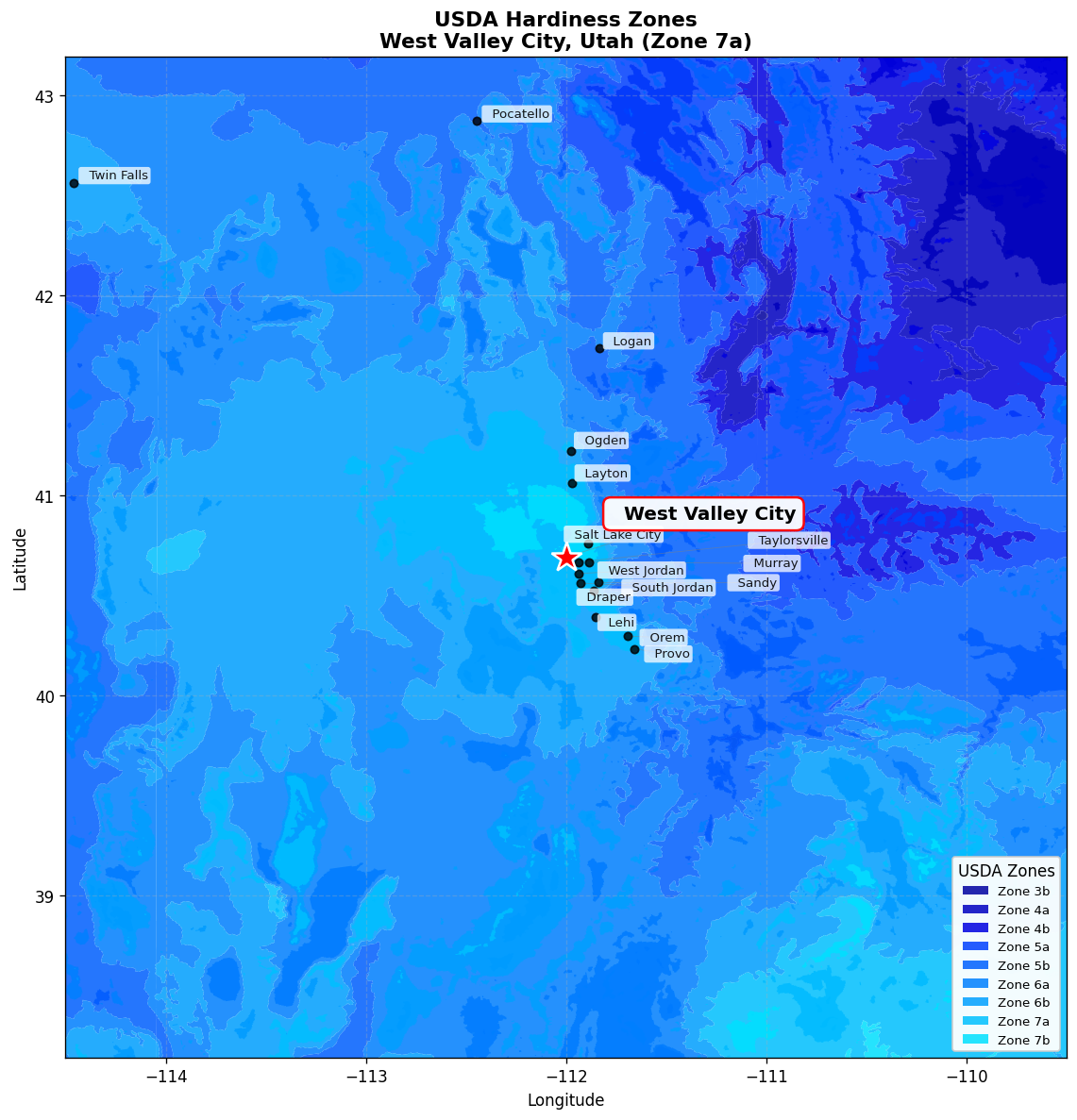
USDA Zone 7a
Hardiness zone for West Valley City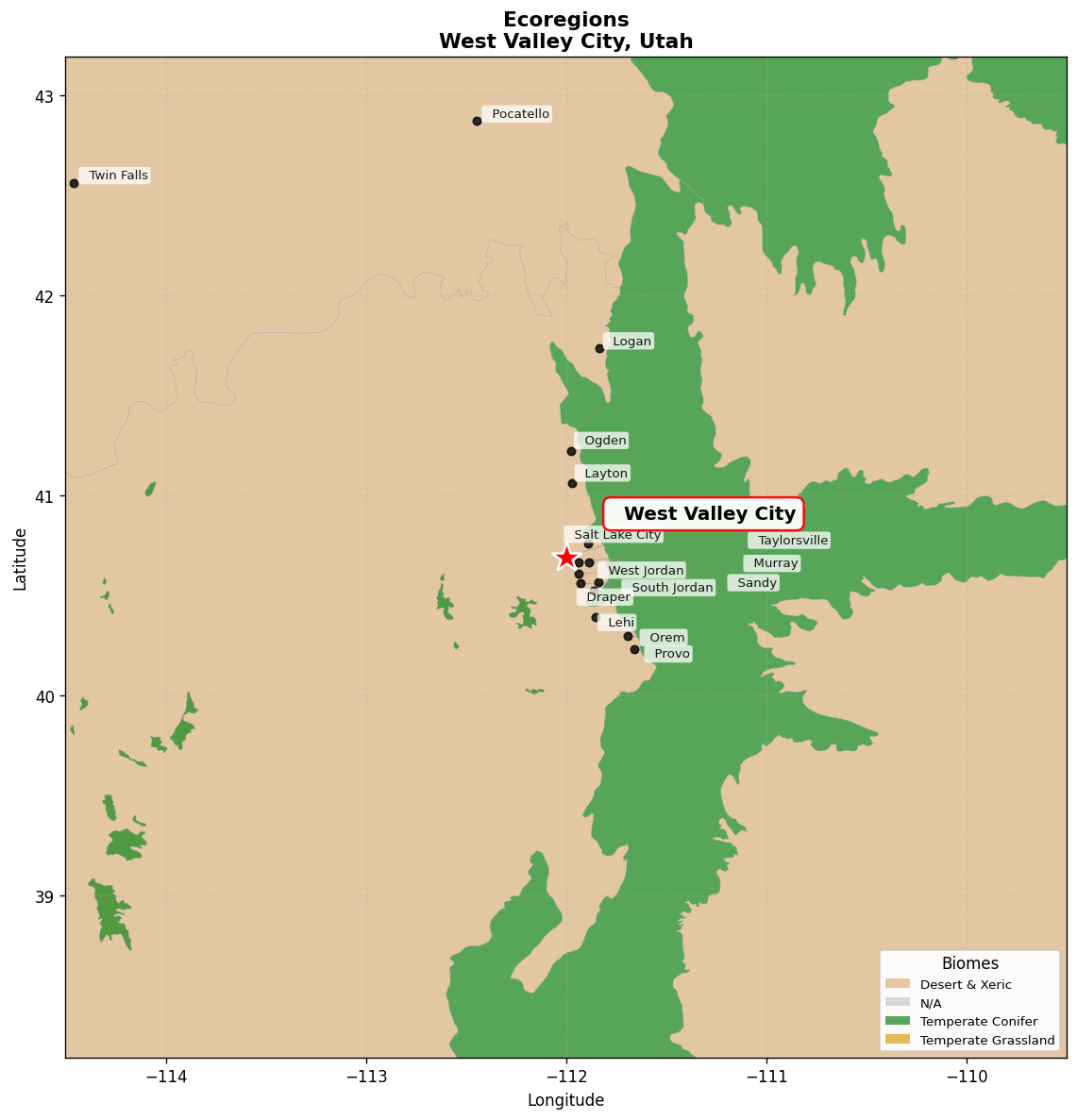
Great Basin shrub steppe
Native ecoregionFrequently Asked Questions
How much does a cottage garden cost in West Valley City?
Salt Lake Valley installation prices sit near the national average and well under Park City or Draper rates. Converting a typical 300 square foot park strip to a lavender-and-catmint cottage border runs $2,500 to $6,500 installed, and Utah Water Savers rebates in the $1.25 to $3.00 per square foot range have historically returned a meaningful share of that. A full front-yard cottage garden with a picket fence, an arbour and a brick walk lands between $16,000 and $35,000 for an average West Valley lot. A back garden with a flagstone terrace, mixed borders and drip irrigation typically comes in between $12,000 and $30,000. A DIY border of Nepeta x faassenii 'Walker's Low', Achillea 'Moonshine' and Salvia nemorosa 'Caradonna' in one-gallon pots can be done for under $6 per square foot.
Which roses actually survive West Valley City winters and alkaline soil?
Zone 7a lows of 0 to 5°F are not the problem — the pH 7.8 to 8.4 lakebed soil is. Rugosas are bulletproof: Rosa rugosa 'Hansa' and 'Blanc Double de Coubert' never show chlorosis here. Among climbers, Rosa 'New Dawn', 'Eden' and the thornless Rosa 'Zephirine Drouhin' all perform well on a south or east wall, and 'William Baffin' from the Canadian Explorer series will take an exposed west-facing arbour without winter protection. Modern shrub roses such as Rosa 'Bonica' and the Knock Out group flower from June to hard frost on a fraction of the water a hybrid tea needs. Feed with an acidifying rose food in April, keep four inches of shredded bark over the root zone, and skip any rose sold as needing 'rich, moist, acidic loam'.
Can I grow foxglove, delphinium and hydrangea here, or is that a fantasy?
You can, with placement and plumbing. Digitalis purpurea 'Camelot' and Delphinium elatum 'Magic Fountains' both need afternoon shade — an east-facing wall, or the north side of a fence — plus drip irrigation running two or three times a week in July, when local evapotranspiration approaches a quarter inch a day. Bigleaf hydrangea, Hydrangea macrophylla, is the one to avoid: it goes yellow in Bonneville clay and its buds get burned by our late April frosts. Substitute Hydrangea arborescens 'Annabelle' or Hydrangea paniculata 'Limelight', both of which tolerate alkalinity and bloom on new wood, so a hard spring freeze costs you nothing. Group all three of these thirsty plants into a single irrigation zone near the house rather than scattering them.
What is the best planting window in West Valley City?
Mid-September through late October is the best window of the year. Soil is still near 60°F, roots keep growing until the ground freezes in late November, and plants start the following May already established. Early April to mid-May is the second window, but the average last frost falls in the last week of April, so tender annuals wait until Mother's Day. Avoid planting between late June and late August: with highs near 93°F, single-digit humidity and a hot canyon breeze, even irrigated new stock struggles. Bare-root roses and fruit trees go in during the March thaw. Hardscape — flagstone, brick, deck framing — can be built almost year-round, though concrete pours pause during the December to February inversion cold.
How do I water a cottage garden without a giant water bill?
Hydrozone, then convert. Put roses, Delphinium elatum and Hydrangea arborescens 'Annabelle' on one drip zone near the house, and put Lavandula x intermedia 'Phenomenal', Nepeta x faassenii 'Walker's Low', Achillea 'Moonshine', Perovskia atriplicifolia 'Little Spire' and Penstemon strictus on a second zone that runs perhaps a third as often. Replace overhead spray in beds with inline drip tubing at 12-inch spacing under four inches of mulch, which cuts bed water use by roughly half. Follow the state weekly watering guide rather than a fixed schedule — in a normal Salt Lake Valley year that means no irrigation at all before late April, and none after mid-October. A smart controller with a rain sensor typically pays for itself in two seasons on a 15-inch-precipitation site.
Do I need a permit, and can my HOA stop me?
Planting, bed edging, mulch, drip irrigation and a park-strip conversion need no permit anywhere in West Valley City. Permits come into play for retaining walls over four feet, pools, roofed structures and most attached pergolas or decks above a certain height, and West Valley City runs its own building inspections — confirm thresholds with the city before you build. On the HOA question, Utah's 2022 water-wise landscaping law bars an association from prohibiting waterwise landscaping outright, so a covenant demanding wall-to-wall Kentucky bluegrass is no longer enforceable. Associations can still set reasonable design standards, so bring a rendering to the architectural committee rather than a plant list. This is landscape design guidance, not a permitting or engineering opinion.