4 English Cottage Garden Ideas for Roswell, GA | Zone 8a
Native plants from the Appalachian Piedmont forests (Zone 8a) — Humid subtropical climate
For a cottage garden in Roswell, GA, a zone 8a city with a humid subtropical climate, start with Rosa 'Mutabilis', Rosa 'Carefree Beauty' and Nepeta × faassenii 'Walker's Low', the plants this guide's first design is built on.
Why Cottage/English Gardens in Roswell?
Roswell gives a cottage garden more settings than most Atlanta suburbs. The Historic District around the Town Square, small frame cottages, and the brick and cedar colonials of Horseshoe Bend and other subdivisions all sit under mature oaks, tulip poplars and dogwoods, with front yards deep enough for a border three plants thick. A white picket fence and a rose arbor look right on a small cottage porch, and the same planting softens a big brick colonial that otherwise reads as all roofline.
NOAA's 1991–2020 normals for the Peachtree-DeKalb airport station, about ten miles south of Roswell, show a January average low of 32.7°F, a July average high of 89.4°F and roughly 51 inches of rain a year. The median last 32°F freeze falls on March 25 and the median first on November 9. Zone 8a winters bottom out around 10–15°F in a hard year, which almost any English perennial survives. Summer is the filter: July nights average 69.9°F, and that warm, damp air rots Lavandula angustifolia 'Hidcote' and 'Munstead' in their second or third season and turns Delphinium elatum into a spring annual. The plants that keep a Roswell border looking right in August are the humidity-bred ones: Lavandula × intermedia 'Phenomenal', Salvia nemorosa 'Caradonna', Nepeta × faassenii 'Walker's Low', Phlox paniculata 'David', and disease-tolerant roses such as Rosa 'Carefree Beauty', Rosa 'Mutabilis' and Rosa 'New Dawn'.
Underneath it all is Piedmont red clay, usually acidic, sticky in March and brick-hard by August. A planting pit dug into that clay fills with water and drowns the crowns, so build borders up 8–12 inches with pine bark fines, compost and coarse grit instead. Lime the rose and lavender beds according to a pH test, and keep Hydrangea quercifolia 'Snow Queen' and Itea virginica 'Henry's Garnet' in a separate acidic bed where they need no amending.
Three local rules are worth checking before you build. Roswell's Unified Development Code requires a permit before removing trees over 3 inches in diameter, so draw the border around the canopy rather than clearing for sun. Inside the historic districts, exterior changes can need a Certificate of Appropriateness from the Historic Preservation Commission, which matters if the plan turns on a new picket fence or gate. And Georgia limits landscape watering to between 4 p.m. and 10 a.m., though drip lines are exempt and so is a new planting for its first 30 days.
4 Cottage/English Design Ideas for Roswell
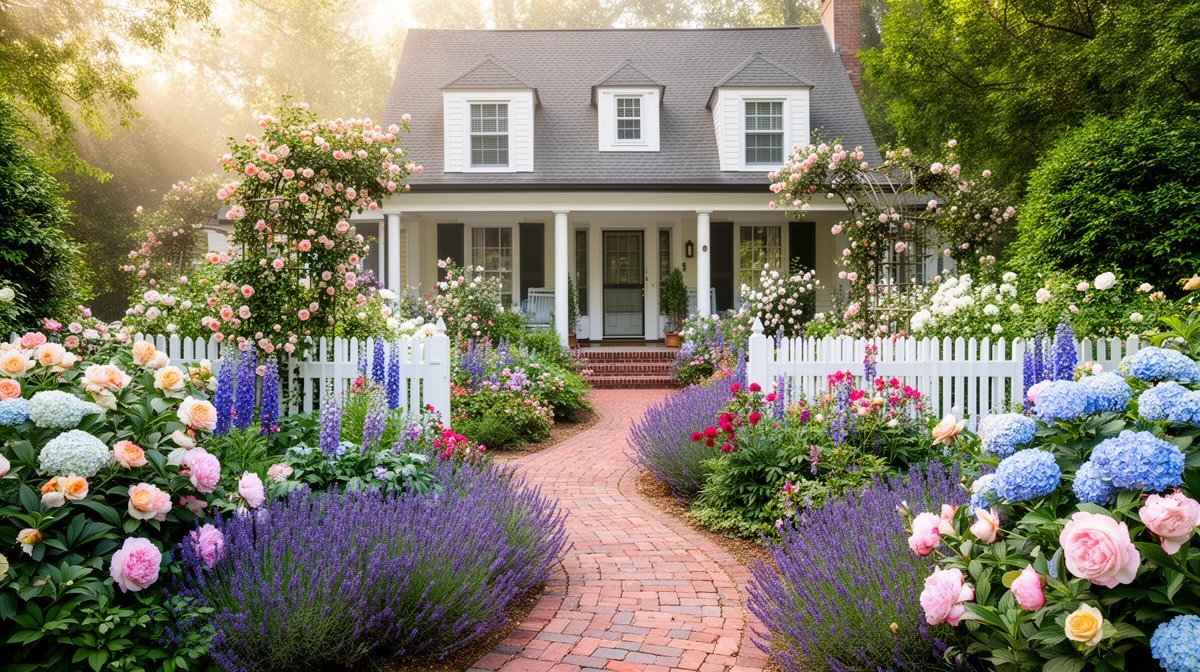
AI-generated image
The Cottage Porch Border
$20–40/sqftA low white picket fence runs along the sidewalk of a small clapboard cottage with a shallow front porch, and a narrow brick walk leads from the gate to the steps. Inside the fence, a border only five feet deep holds three layers: roses and catmint along the porch, phlox and salvia in the middle, and a ribbon of Walker's Low spilling over the brick edge. The front faces east, so the roses get the morning sun that dries the foliage and keeps blackspot down.
Try this on your yard: The Cottage Porch BorderAI-generated image
The Brick Colonial Rose Arbor
$25–48/sqftA cedar arbor carrying pale pink climbing roses marks the front walk of a two-story brick colonial, and a curved flagstone path sweeps through it to the door. Lavender runs in a continuous ribbon along the sunny side of the walk, with clipped boxwood balls at the arbor posts and a drift of purple coneflower and lady's mantle in front of the foundation shrubs. The brick is warm red, so the planting stays in blush, cream and lavender.
Try this on your yard: The Brick Colonial Rose ArborAI-generated image
The Shade-Edge Woodland Cottage
$18–36/sqftTall tulip poplars and white oaks throw dappled shade across a cedar-shake traditional house, so this border lives on the edges and in the sunny strip beside the drive. Foxglove spires and hellebores come up through a carpet of hosta and ferns, with oakleaf hydrangea anchoring the corners and a stepping-stone path of fieldstone winding to a bench. Bloom is quieter than in a sunny border, so leaf shape and color do the work from June on.
Try this on your yard: The Shade-Edge Woodland CottageAI-generated image
The Gravel Tea Garden
$24–50/sqftA round gravel terrace, 14 feet across, sits in the middle of the back lawn with a wrought-iron bistro table and two chairs, framed by a white rose arch and curved borders on both sides. Lavender and Russian sage roll in from the sunny edge, while clematis climbs a trellis against the back fence. Gravel drains quickly after a heavy summer storm, so the seating area stays usable when the clay lawn beside it is still wet.
Try this on your yard: The Gravel Tea GardenSee how a cottage/english garden looks on YOUR property
Upload a photo of your Roswell yard and visualize your dream garden in seconds.
Try ProScapeAI Free

AI-generated image
Featured Trees & Shrubs for Cottage/English Gardens
Browse all 205 plants for Roswell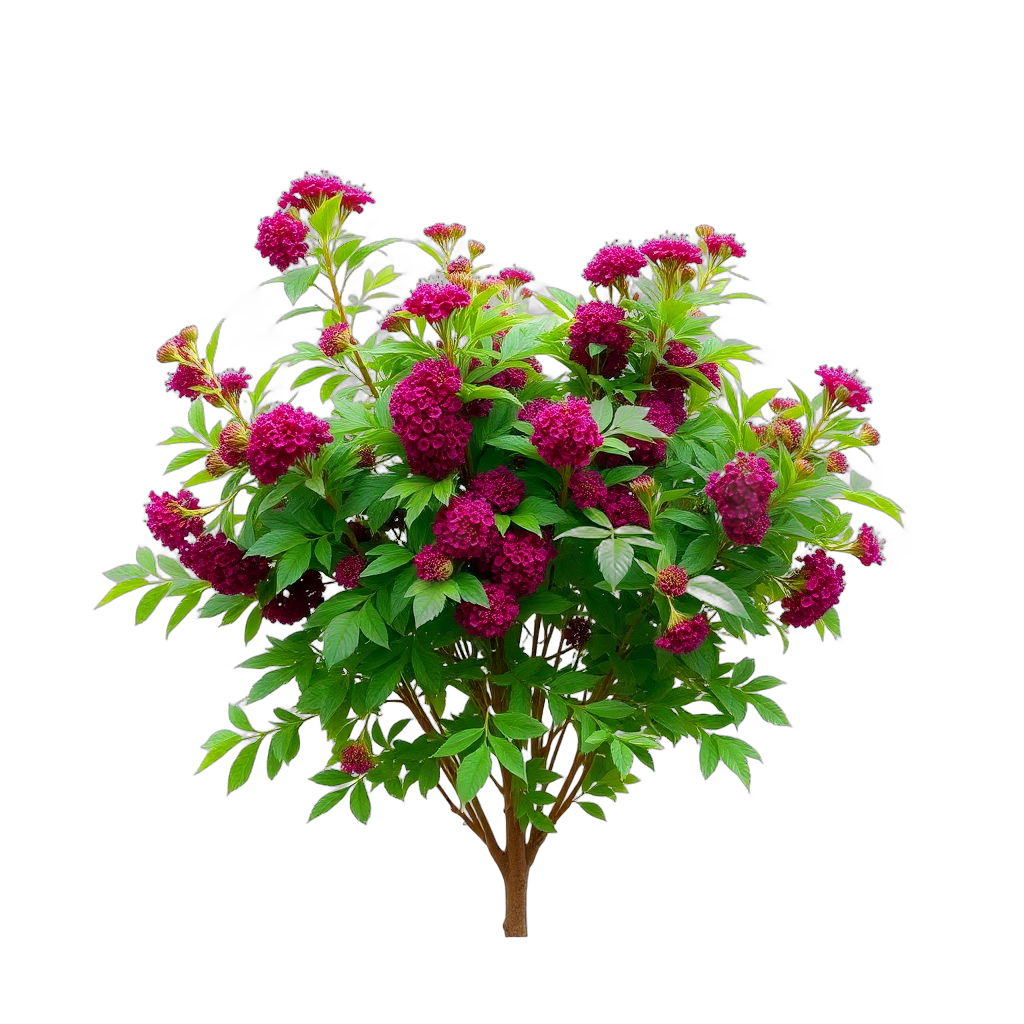
American Elderberry
Sambucus canadensis
medium-sized at 10 feet, white blooms in spring. Attracts butterflies.
American Snowbell
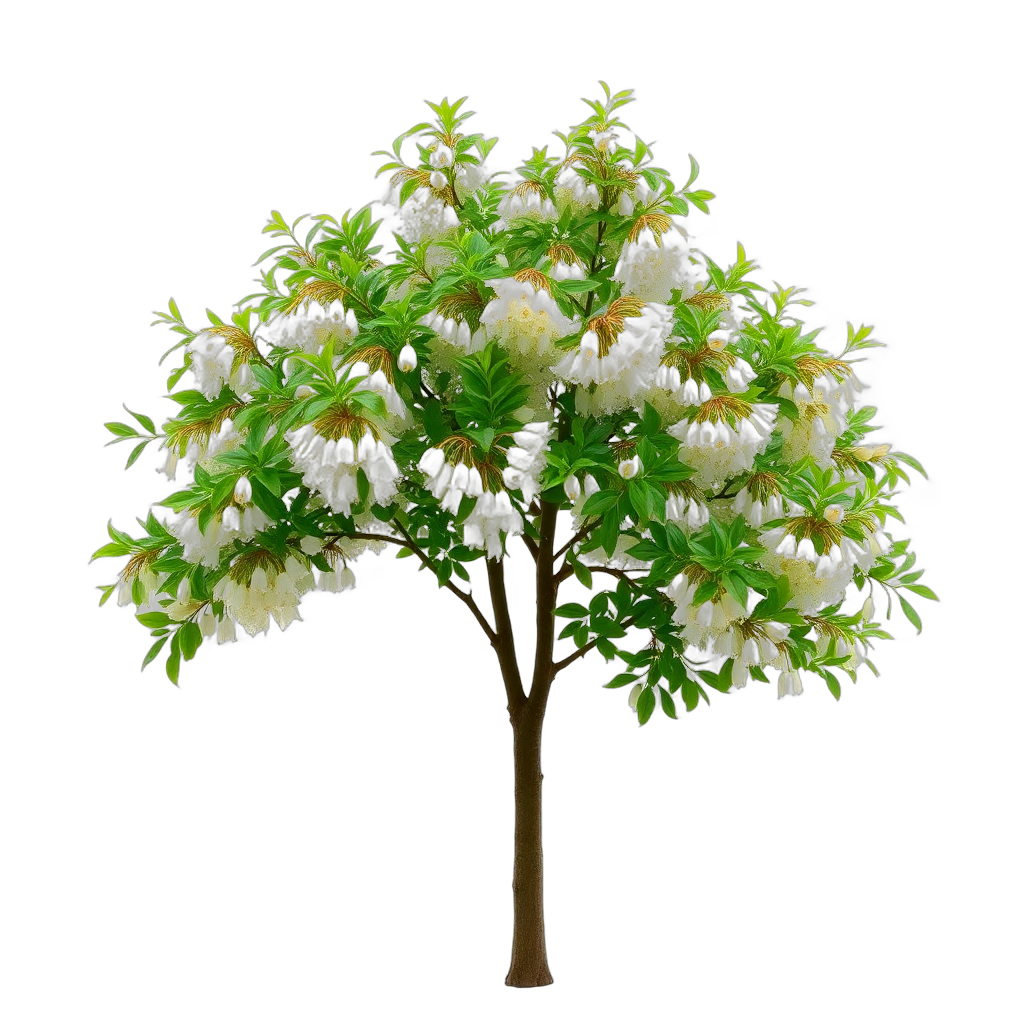
Styrax americanus
medium-sized at 10 feet, white blooms in spring. Pollinator-friendly.
Carousel Mountain Laurel
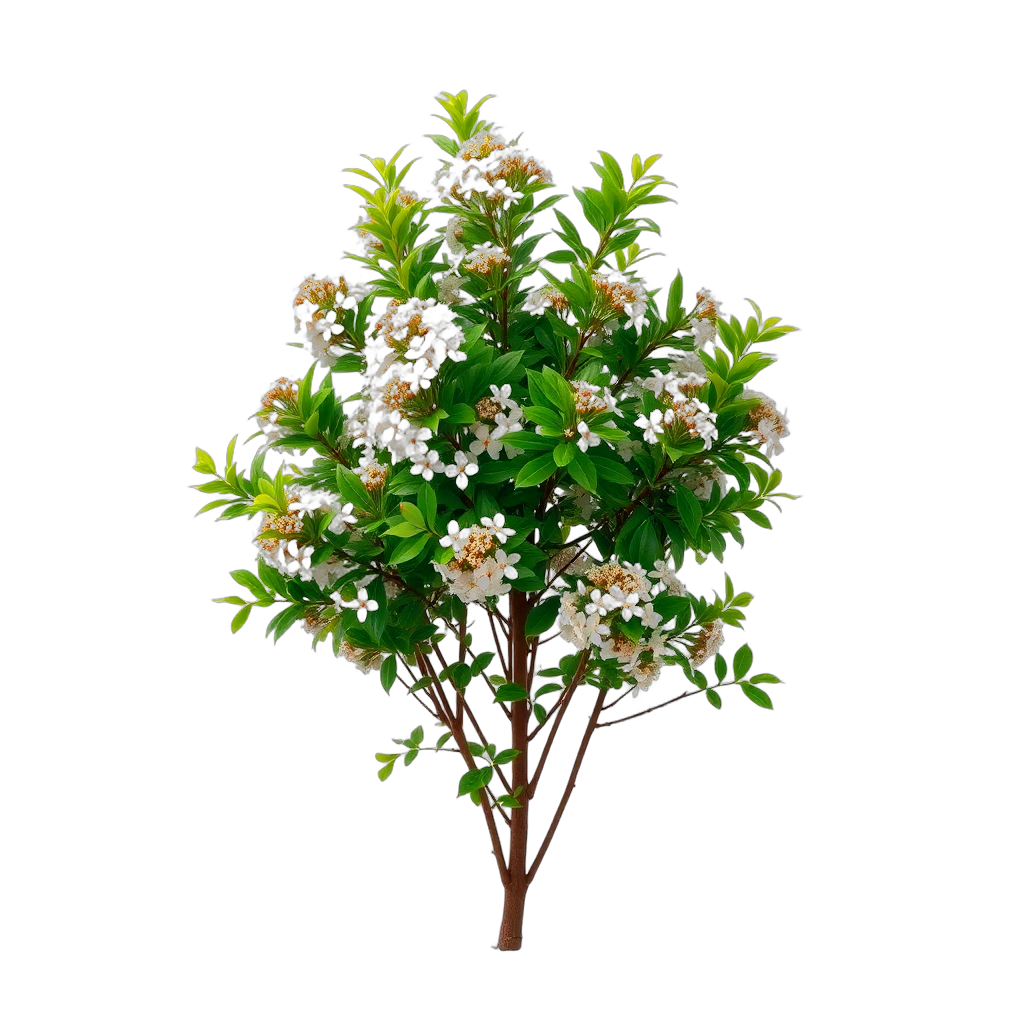
Kalmia latifolia 'Carousel'
grows to 5 feet, multi blooms in spring. Evergreen year-round.
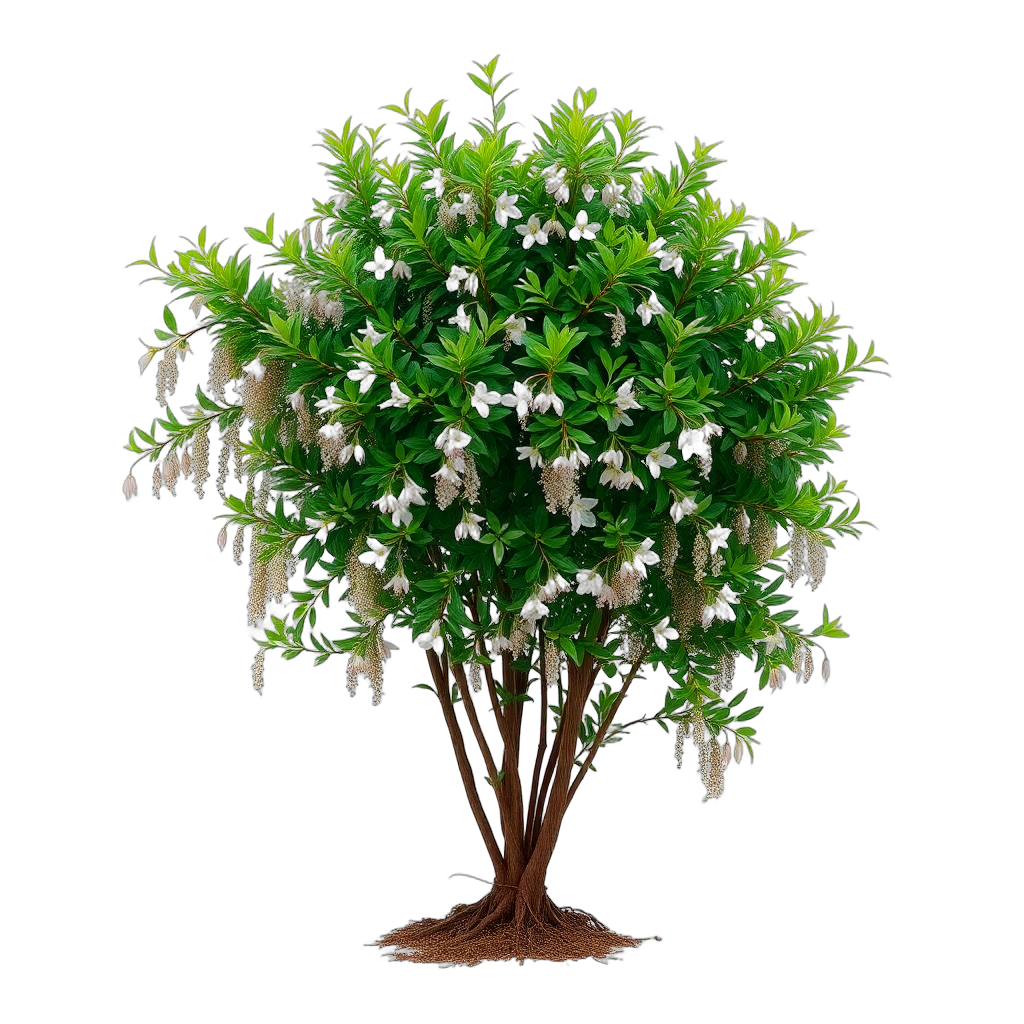
Drooping Leucothoe
Leucothoe fontanesiana
grows to 5 feet, white blooms in spring. Evergreen year-round.
Featured Grasses & Groundcovers for Cottage/English Gardens
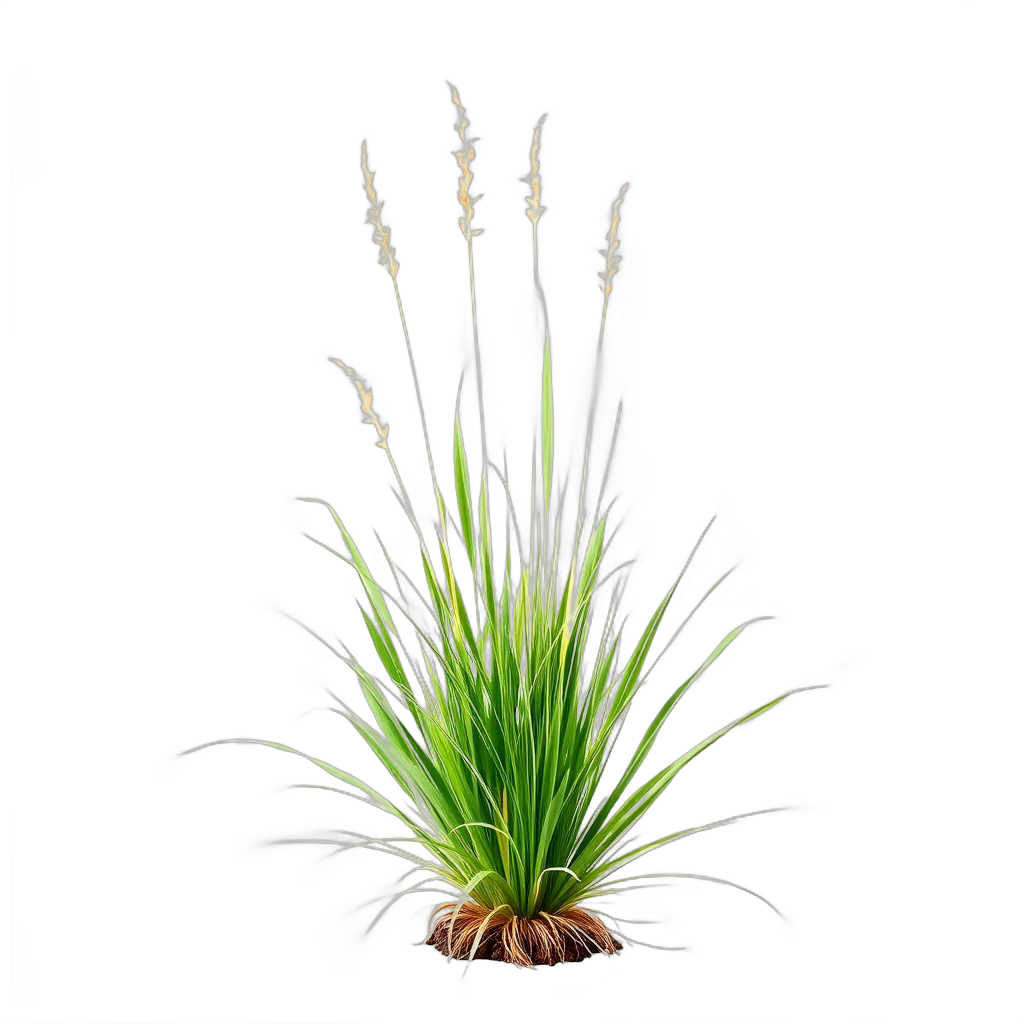
Northern Sea Oats
Chasmanthium latifolium
grows to 4 feet, blooms in fall. Bronze fall color.
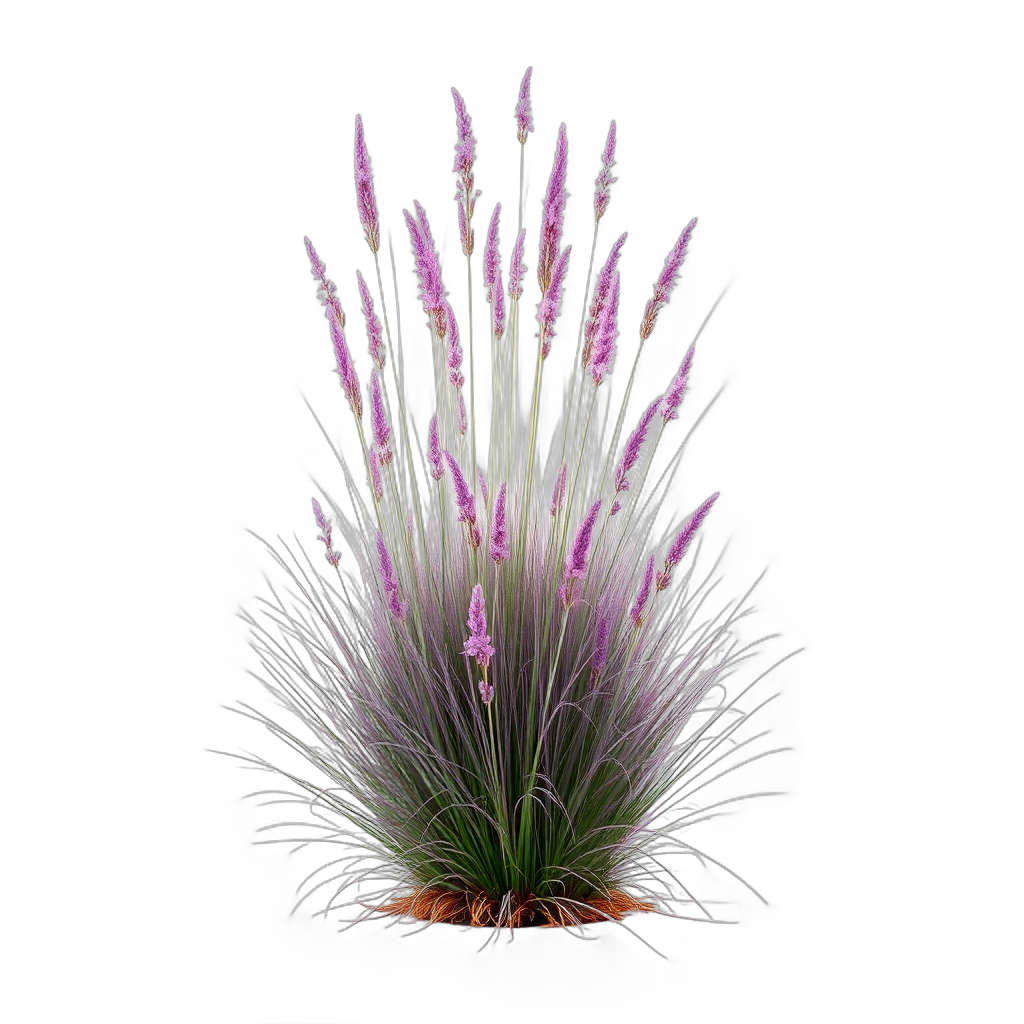
Purple Love Grass
Eragrostis spectabilis
low-growing ground cover, purple blooms in fall. Orange fall color.
Featured Flowers & Perennials for Cottage/English Gardens
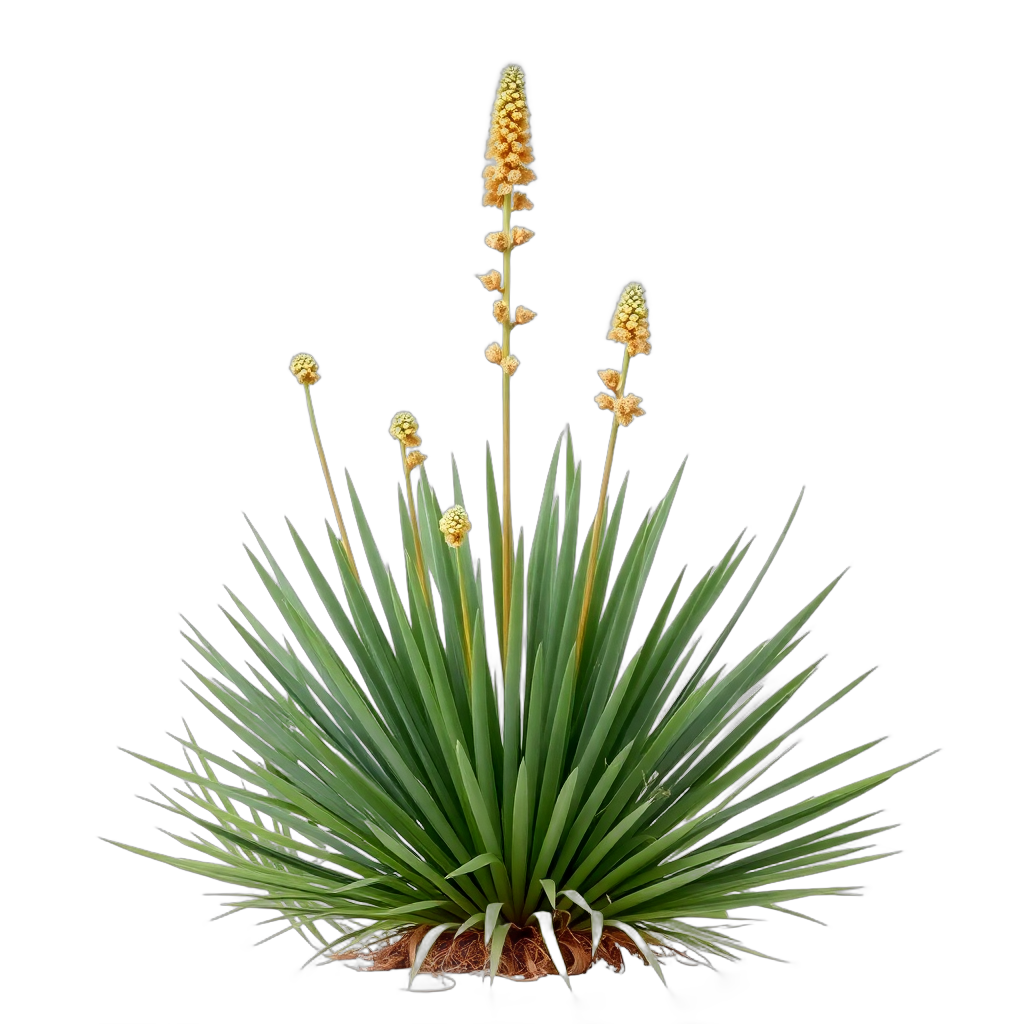
Adam's Needle
Yucca filamentosa
low-growing ground cover, white blooms in summer. Attracts hummingbirds.
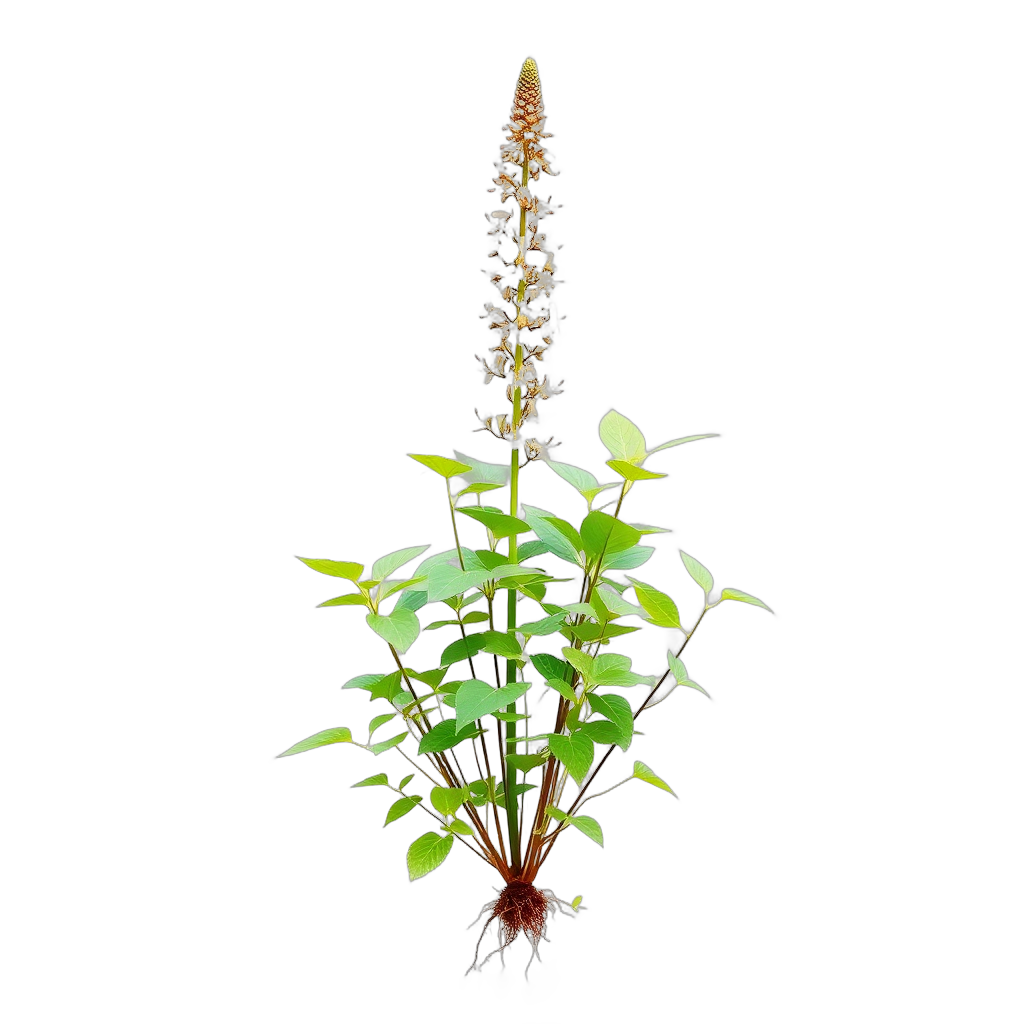
Black Cohosh
Cimicifuga racemosa
grows to 5 feet, white blooms in summer. Attracts butterflies.

Coral Bean
Erythrina herbacea
grows to 5 feet, red blooms in spring. Attracts hummingbirds.
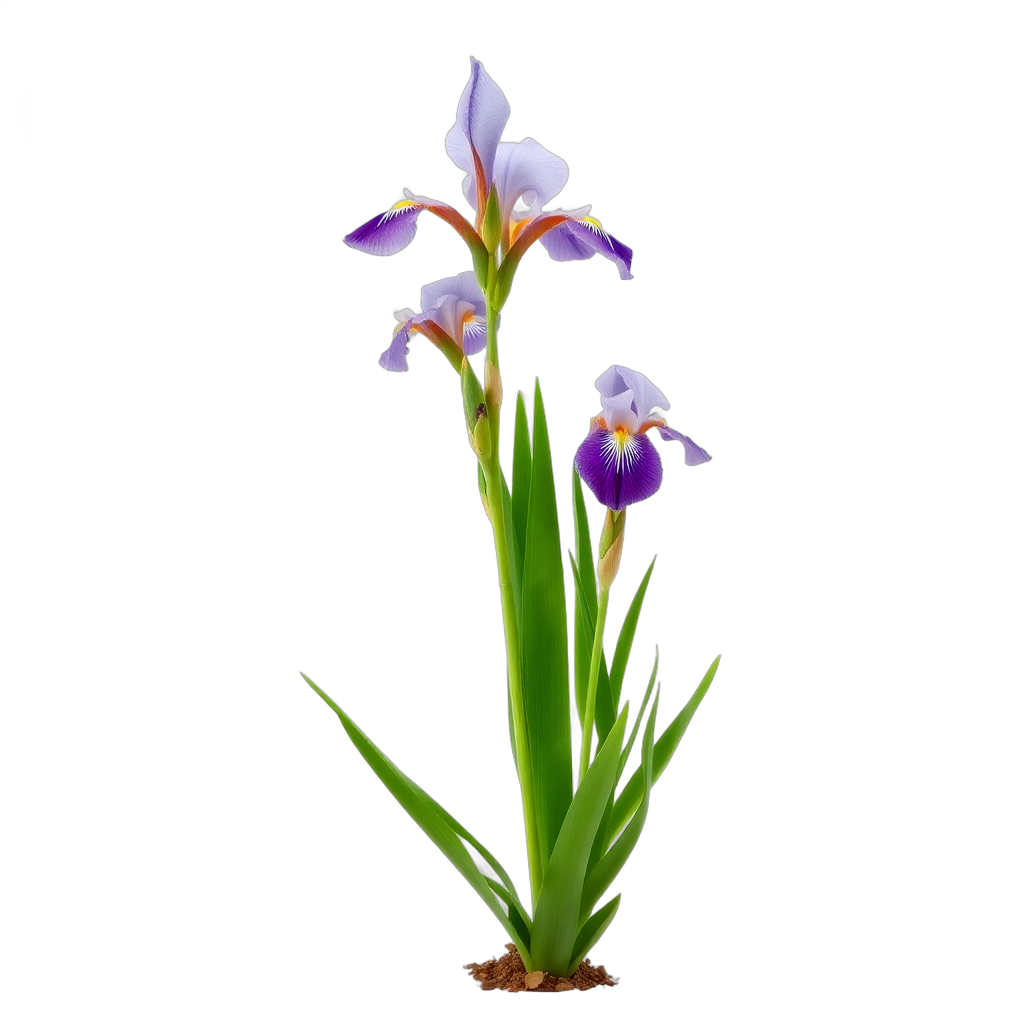
Crested Iris
Iris cristata
low-growing ground cover, blue blooms in spring. Attracts butterflies.
Zone and sun checks come from our database — confirm with your local nursery before you buy.
Bloom Calendar for Roswell
spring
Coral Bean, Crested Iris, Southern Blue Flagsummer
Adam's Needle, Black Cohosh, False Aloefall
Northern Sea Oats, Purple Love Grasswinter
Limited bloomsDesign Tips for Roswell (Zone 8a)
- Build every bed up 8–12 inches with pine bark fines, compost and coarse grit: Roswell's Piedmont red clay holds water around crowns, and wet roots kill more lavender and roses here than a 10–15°F winter ever does
- Test the soil before you amend: native acidic soil suits Hydrangea quercifolia 'Snow Queen' and Itea virginica 'Henry's Garnet', but roses and Lavandula × intermedia 'Phenomenal' want it limed toward 6.5
- Put roses where they get morning sun and run drip at the base: July nights average about 70°F, so leaves that stay wet overnight pick up blackspot fast
- Choose Lavandula × intermedia 'Grosso' or 'Phenomenal' over 'Hidcote' and 'Munstead', and give each plant 30 inches of space for airflow
- Use gravel or stone-dust paths and terraces: they drain after a heavy summer storm and let rain reach the roots of nearby trees, which helps with the city's tree rules
- Plan the July to November second act: Phlox paniculata 'David', Echinacea purpurea 'Magnus', Agastache 'Blue Fortune' and Hydrangea paniculata 'Limelight' keep a border going after the June rose peak
- Draw the border around existing oaks and poplars and check the city tree permit threshold of 3 inches in diameter before you cut anything
Where to Source Plants in Roswell
Skip the big-box stores. These independent Roswell nurseries specialize in the plants that make cottage/english gardens thrive in Zone 8a.
Pike Nurseries (Roswell)
Roswell (West Crossville Road)
Regional garden center with at-home landscape design, horticulturist consultations, installation by Pike-certified crews and planting service for plants bought in store
Scottsdale Farms Garden Center
Milton (Birmingham Highway), a short drive north of Roswell
Garden center selling shade and ornamental trees, evergreens, annuals and perennials, with landscape design and landscaping services
Pike Nurseries (Milton)
Milton (Bethany Bend)
Regional garden center with landscape design appointments, installation services and a lifetime guarantee on outdoor trees and shrubs
Cottage/English Landscaping Cost Ranges
| Project Scope | Estimated Cost |
|---|---|
| Clay brick or flagstone walk on a compacted base (150–250 sqft) | $3,000–$9,400 |
| Picket fence, 4 ft tall (60 linear ft) | $1,500–$2,400 |
| Brick paver walk (100 sqft) | $2,000–$2,600 |
| AI visualization (ProScapeAI) | Free to start |
National average installed ranges for 2026 from our landscaping price list (Homewyse and other published sources). Prices in Roswell, GA vary with site, materials and contractor, so get two or three local quotes.
Roswell Climate & Growing Zone
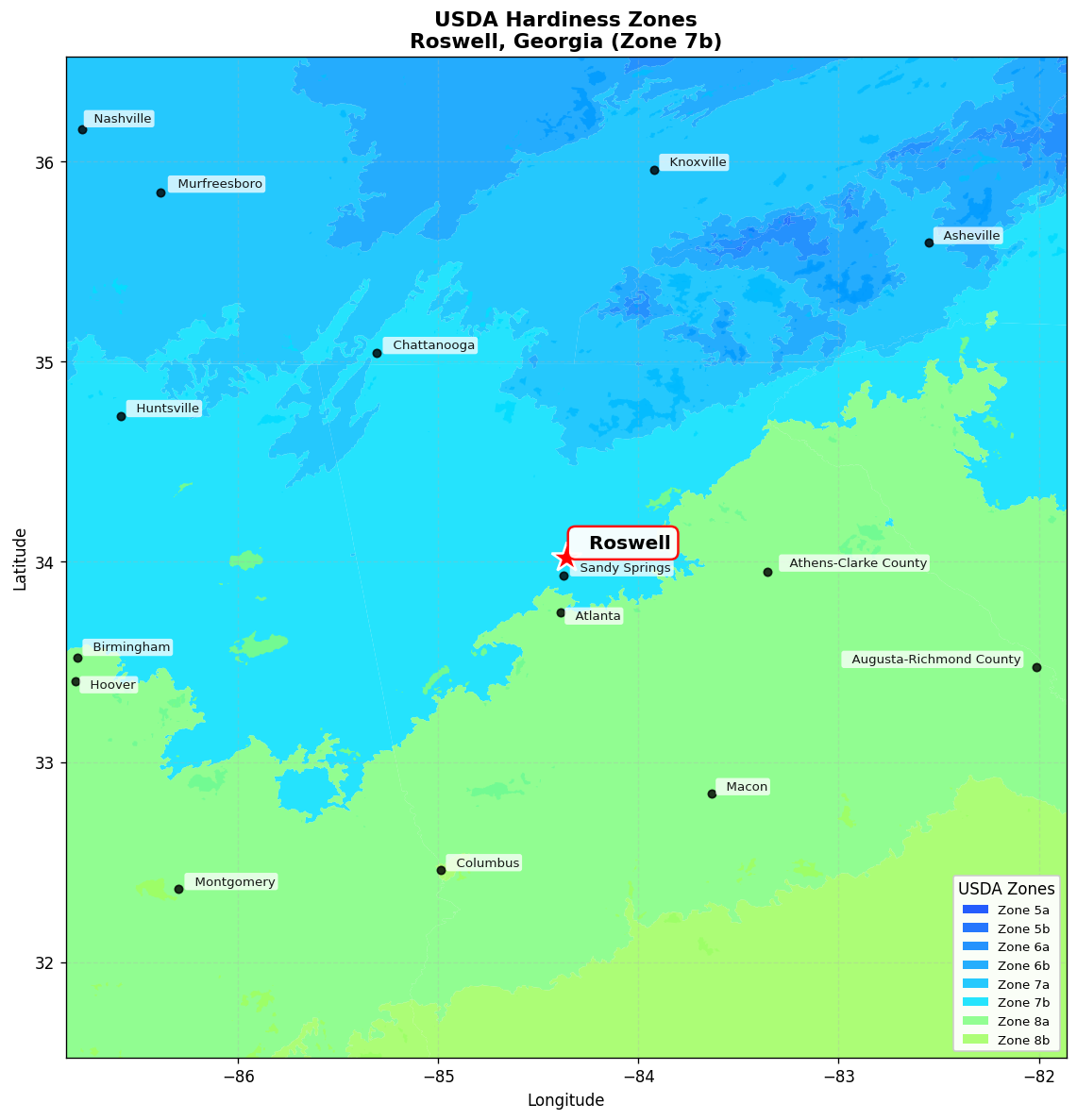
USDA Zone 8a
Hardiness zone for Roswell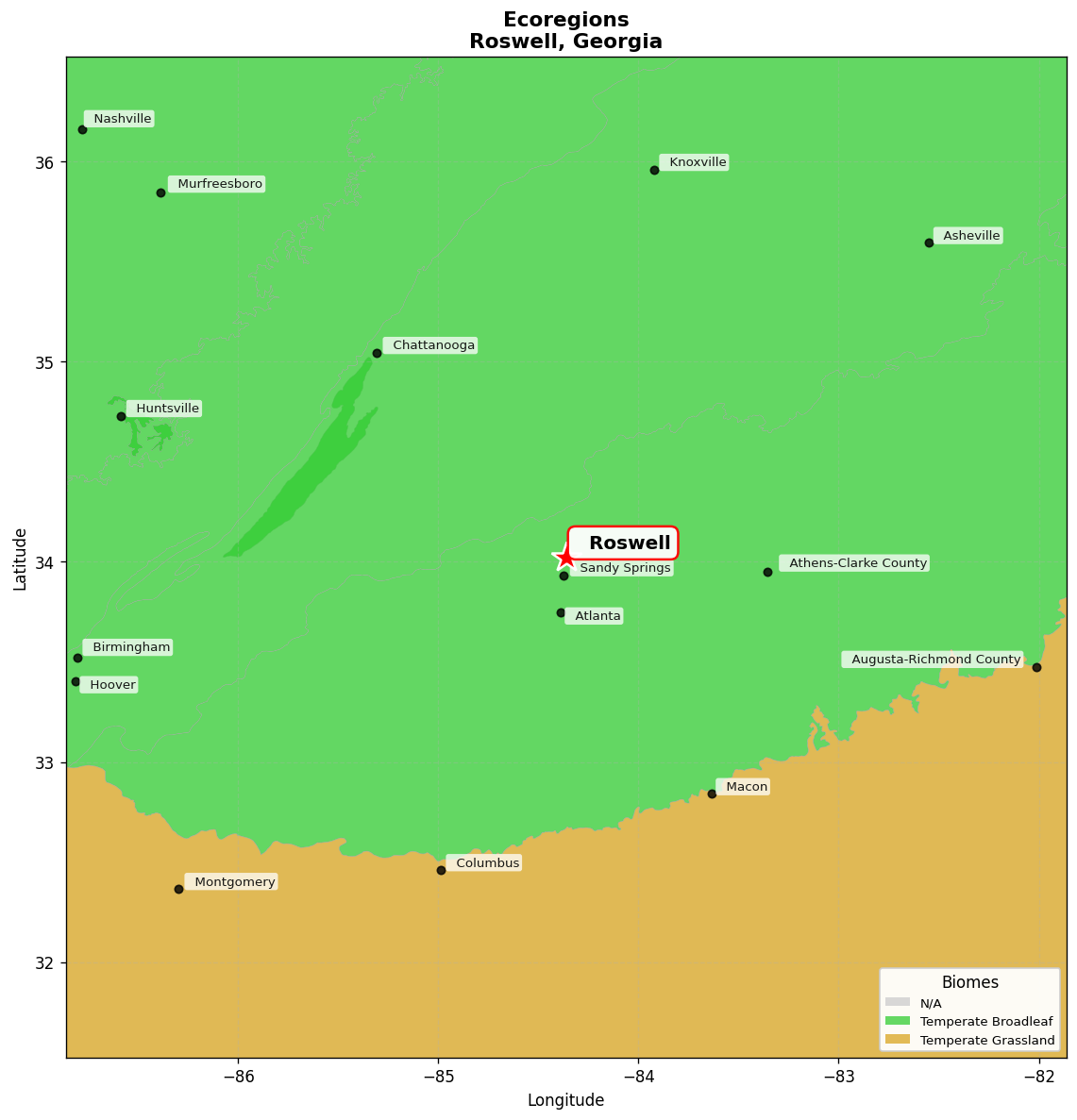
Appalachian Piedmont forests
Native ecoregionFrequently Asked Questions
How much does a cottage garden cost in Roswell, GA?
Prices vary with site, size and finishes, so get two or three local quotes.
Which roses survive Roswell's humidity and blackspot?
Choose disease tolerance first. Rosa 'New Dawn' is a dependable climber, Rosa 'Mutabilis' blooms from spring to frost on a Georgia shrub, and Rosa 'Carefree Beauty' and Rosa 'Olivia Rose Austin' hold their leaves better than hybrid teas, which are often half defoliated by August. With about 51 inches of rain a year (NOAA), give every rose six hours of sun with morning exposure, space plants three feet apart for airflow, and water at the base with a drip line.
Can lavender grow in Roswell's red clay?
Yes, if you pick the right kind and fix the drainage. Lavandula × intermedia 'Phenomenal' and 'Grosso' tolerate humid summers; Lavandula angustifolia 'Hidcote' and 'Munstead' usually do not, because July nights average close to 70°F. Build the bed 8–12 inches high with coarse grit mixed into the clay, lime to the pH a soil test recommends, mulch with pea gravel rather than bark, and shear by a third right after bloom.
When is the best time to plant a cottage garden in Roswell?
Early October through mid-November is the best window. Soil is still warm, fall rain returns, and roots grow through a mild winter. NOAA's median last freeze is around March 25 and the median first freeze is around November 9, so mid-April through May is the second window. Bare-root roses go in from January to early March. Avoid planting in July and August, when highs average about 89°F.
Do I need a permit or approval for a fence, arbor or tree work in Roswell?
Fence rules vary, so ask Roswell Community Development before you build. Removing trees over 3 inches in diameter requires a tree removal permit under the city's Unified Development Code, and inside the historic districts exterior changes can need a Certificate of Appropriateness from the Historic Preservation Commission. Confirm the specifics for your parcel with Roswell Community Development before you build.
What are the watering rules in Roswell, and how do they affect a cottage garden?
Georgia's statewide rule allows landscape watering only between 4 p.m. and 10 a.m. Drip irrigation and soaker hoses are exempt, as are hand-watering with a shut-off nozzle and any new planting for 30 days after installation. A drip line under the roses and lavender is the simplest way to stay within the rule and keep leaves dry. Check Georgia EPD for current drought levels, which can tighten the rules.
How do I keep deer from eating a cottage garden in Roswell?
Wooded lots near the Chattahoochee and the creek corridors tend to see the most browsing. Build the backbone from plants deer usually leave alone: Lavandula × intermedia 'Phenomenal', Nepeta × faassenii 'Walker's Low', Salvia nemorosa 'Caradonna', Digitalis purpurea, Achillea 'Moonshine' and Perovskia 'Little Spire'. Hosta and unprotected roses are the first casualties, so rotate two different repellents through the growing season or fence the front garden.