4 Modern Landscape Ideas for Salinas, CA | Zone 9b Garden Design
Native plants from the California interior chaparral and woodlands (Zone 9b) — Mediterranean (warm summer) climate
Why Modern/Minimalist Gardens in Salinas?
Modern landscape design works in Salinas for a reason most people miss: this is a Csb Mediterranean climate with July average highs near 73F, cooled every morning by marine fog pushing eight miles up the valley from Monterey Bay. That single fact changes the whole palette. The blue agaves, silver shrubs and blonde grasses that define modern gardens in Palm Springs survive here without the scorch, and the fine-textured grasses that collapse in a Central Valley August hold their form into November. A modern Salinas garden gets desert-garden structure and coastal-garden softness at the same time, which is a combination very few American cities can offer.
The building stock is unusually good for it. The 1950s and 60s flat-roof and low-slope ranch tracts through Northridge, Maple Park, Alisal and Laurel Heights are mid-century modern almost by accident — long horizontal rooflines, attached garages, big front glass — and they respond immediately to steel-edged gravel courts and architectural planting. The newer builds in Monte Bella, Creekbridge and Williams Ranch carry the stone veneer, cedar soffits and floor-to-ceiling glazing that clean-line landscaping is designed to amplify. And because the Gabilan Range sits to the east and the Sierra de Salinas to the west, back gardens on the valley edges have a borrowed view that a low, restrained landscape frames rather than competes with.
Zone 9b here means an average annual extreme minimum of 25-30F, with most Salinas winters actually bottoming near 31-34F, which is the line that makes the hard-architectural plants viable in the ground rather than in pots. Agave ovatifolia, Agave parryi var. truncata and Agave americana all overwinter outdoors, Yucca rostrata 'Sapphire Skies' and Dasylirion wheeleri hold their sculptural form year-round, and Aeonium arboreum 'Zwartkop' keeps its black rosettes through a normal winter. For the soft layer, use Central Coast plants rather than Southwest imports: Muhlenbergia rigens and Leymus condensatus 'Canyon Prince' are local natives that give the same drifted grass texture, and Nassella pulchra, the California state grass, is the correct substitute for Mexican feather grass, which is listed as invasive in California and should be kept out of new design specifications entirely.
The practical constraints are wind, soil and water. A northwest afternoon wind of 10-20 mph runs the valley from March through August, so tall grasses need mass planting rather than single specimens, string lights need catenary cables rather than hooks, and fire features do better as low bowls and linear tables than as open pits. The soil is the deep alluvial Chualar and Salinas loam that made this the Salad Bowl of the World — fertile and friable, slightly alkaline at roughly pH 7.0-8.0 — which is generous for grasses but too rich and moisture-retentive for agaves at grade, so raise those beds three to six inches, cut in crushed rock, and mulch with gravel rather than bark. And with about 13 inches of rain a year and close to 90 percent of it between November and March, the water case is decisive: supply comes from California Water Service's Salinas District over a groundwater basin managed under SGMA with documented seawater intrusion in the 180/400-Foot Aquifer subbasin, and California's Model Water Efficient Landscape Ordinance applies to new landscape design over 500 square feet where a permit is involved. Gravel, concrete and hydrozoned drip is not just a look here — it is the cheapest landscape to keep alive from May to October.
4 Modern/Minimalist Design Ideas for Salinas

The Grass and Agave Entry Sweep
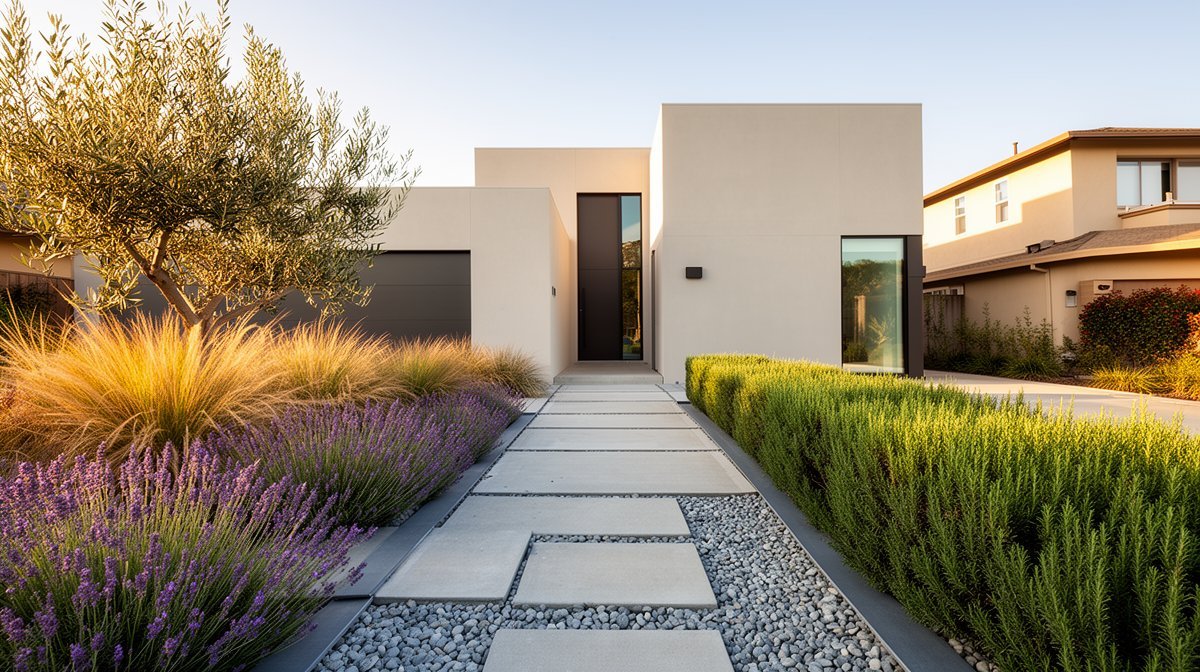
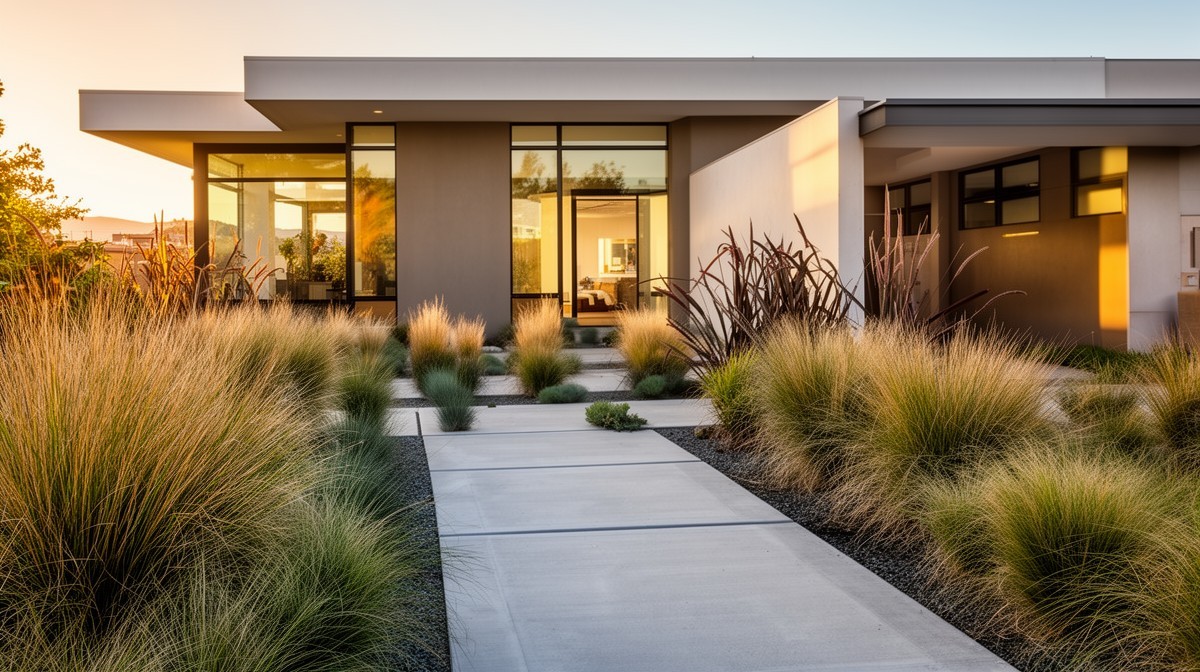
$22-42/sqftA contemporary house with a low-slope roof, stacked stone veneer piers, warm cedar entry cladding and a two-storey glass wall, approached by a wide broom-finished concrete walk that curves in from the street with clean sawcut control joints. The planting does all the work at ankle height: loose drifts of blonde and pink-tipped grasses catch the low sun along both edges of the concrete, blue agave rosettes sit as fixed sculptural points among them, and purple-flowering lavender masses tie the two textures together. Rosettes of dark and green succulents fill the gaps near the entry, and grey gravel and dark bark separate the planting zones. Squat black path lights are set just off the concrete edge for evening arrival.

The Steel-Edged Gravel Court
$16-32/sqftThe lawn is gone entirely from this flat-roof mid-century ranch, replaced by a field of warm gold decomposed granite held in crisp geometry by weathering steel edging that steps up into two raised planting platforms. The upper platform is mulched in black lava rock and holds a rhythm of large blue agave specimens used as pure sculpture against the pale stucco, with smaller rosettes and low silver shrubs filling between them. Feather-textured grasses break the hard lines at the corners, and a single mature oak behind the roofline gives the composition scale. It is a nearly waterless front garden, and the black-and-gold contrast makes the agaves read as installed objects rather than plants.

The Concrete Fire Terrace
$26-48/sqftA large poured concrete terrace with wide control-joint grid runs off the back of a single-storey stucco home with black-framed sliding glass. At its centre a round concrete gas fire bowl sits low to the ground, ringed by four black steel-framed lounge chairs with pale cushions. Catenary string lights sweep overhead from the roofline to a pole at the garden edge, and the terrace does not end in a fence line but dissolves into deep drifts of upright grasses and lavender on all sides. A single spreading tree stands at the left, a low block wall closes the boundary, and the Gabilan foothills carry the view at sunset. Simple, buildable, and built for a climate where 60F evenings are the norm.

The Lap Pool Courtyard
$55-110/sqft (pool area inclusive)A flat-roof modern house glows at dusk behind a full wall of sliding glass, opening onto a rectangular pool set in pale grey concrete decking with a slim dark coping line. A linear fire table separates two facing lounge groups on the deck, a narrow strip of lawn runs behind them to a dark wood fence, and low grasses in graduated heights are massed along the pool edges and the fence line. In-ground uplights are set into the deck and the planting beds so the whole composition reads as light-and-water after sunset, with young multi-stem trees at each corner to give it height. The restraint is the point: one paving material, one water form, two planting textures.
See how a modern/minimalist garden looks on YOUR property
Upload a photo of your Salinas yard and visualize your dream garden in seconds.
Try ProScapeAI Free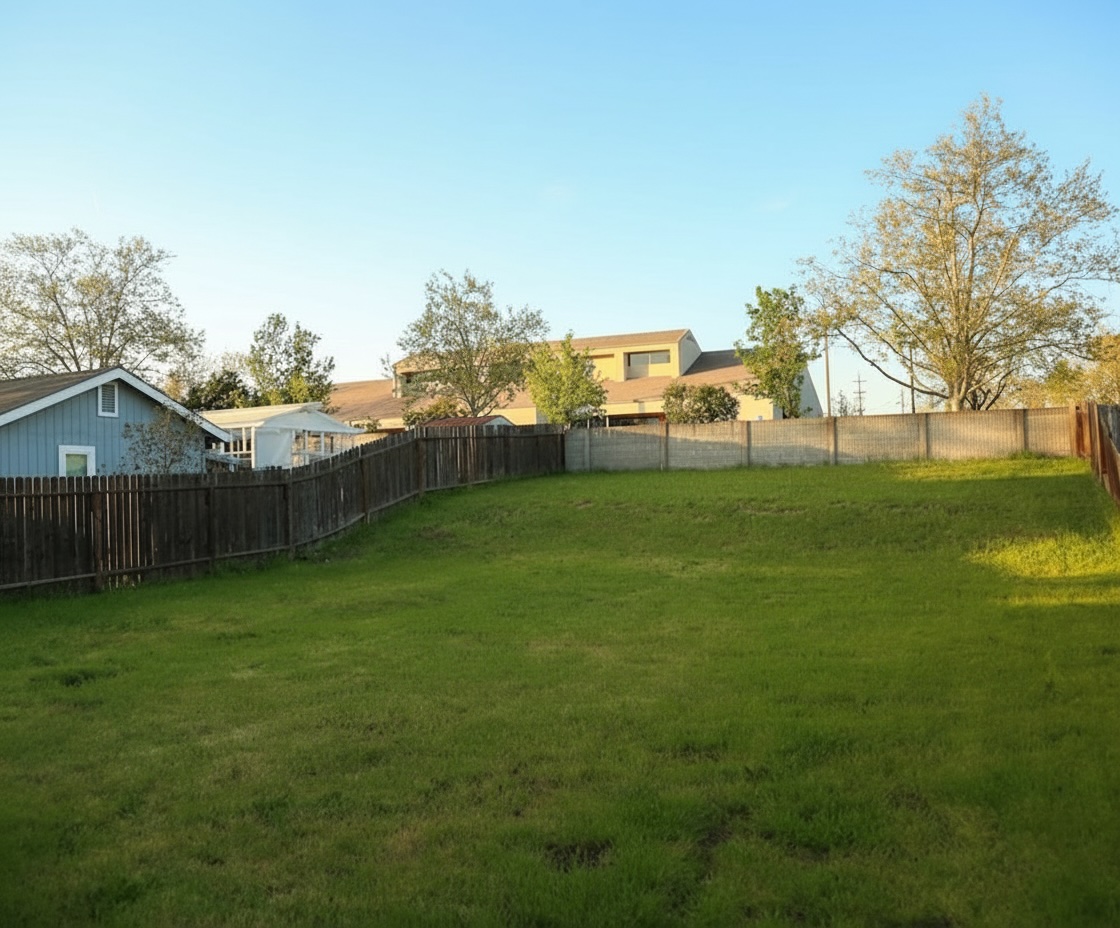
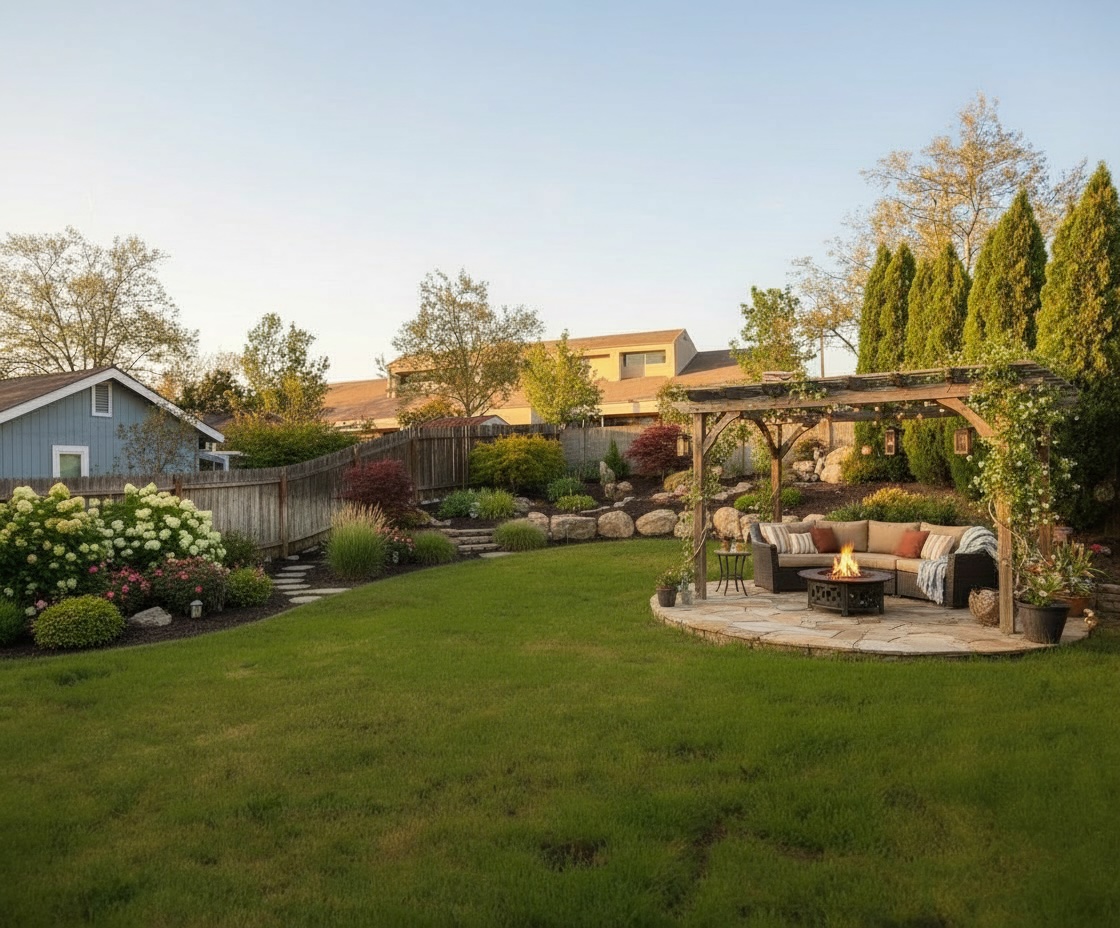
Featured Trees & Shrubs for Modern/Minimalist Gardens
Browse all 197 plants for Salinas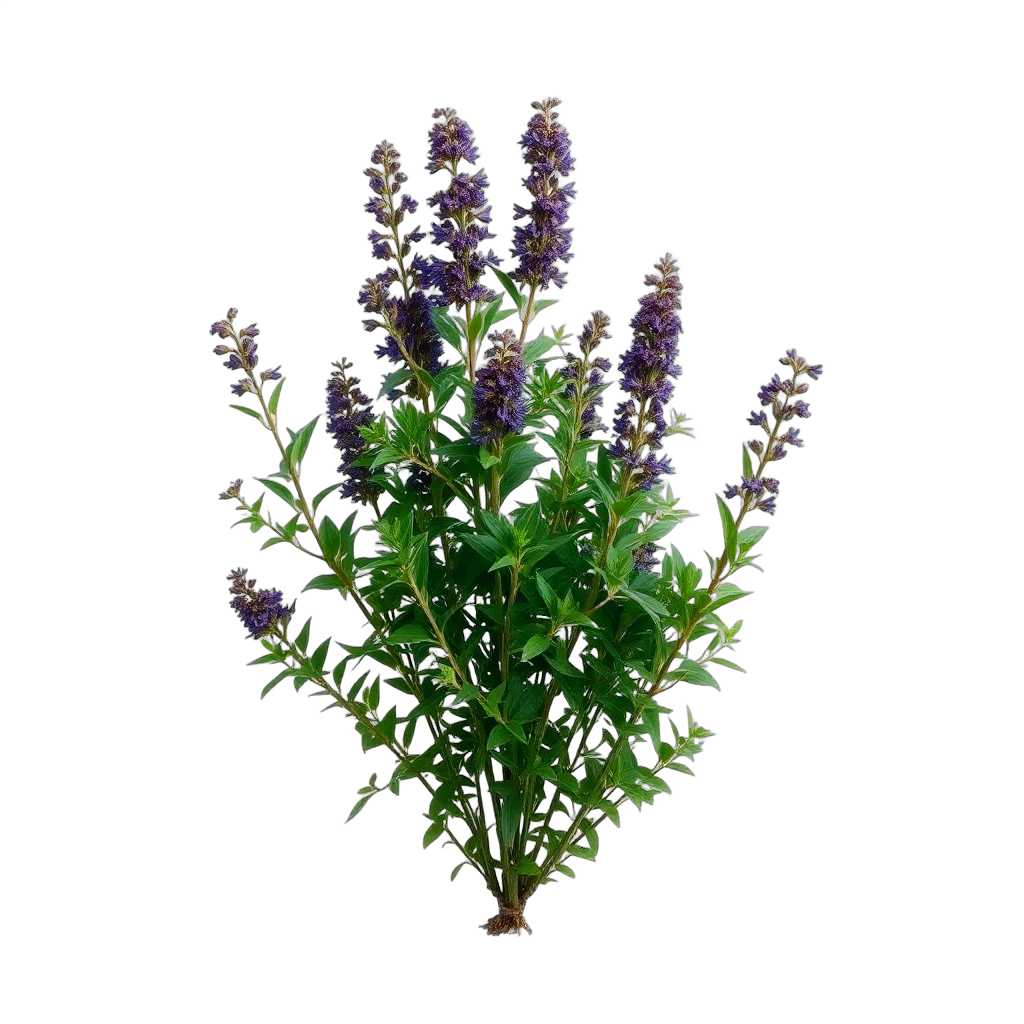
Black Sage
Salvia mellifera
grows to 4 feet, white blooms in spring. Attracts butterflies.
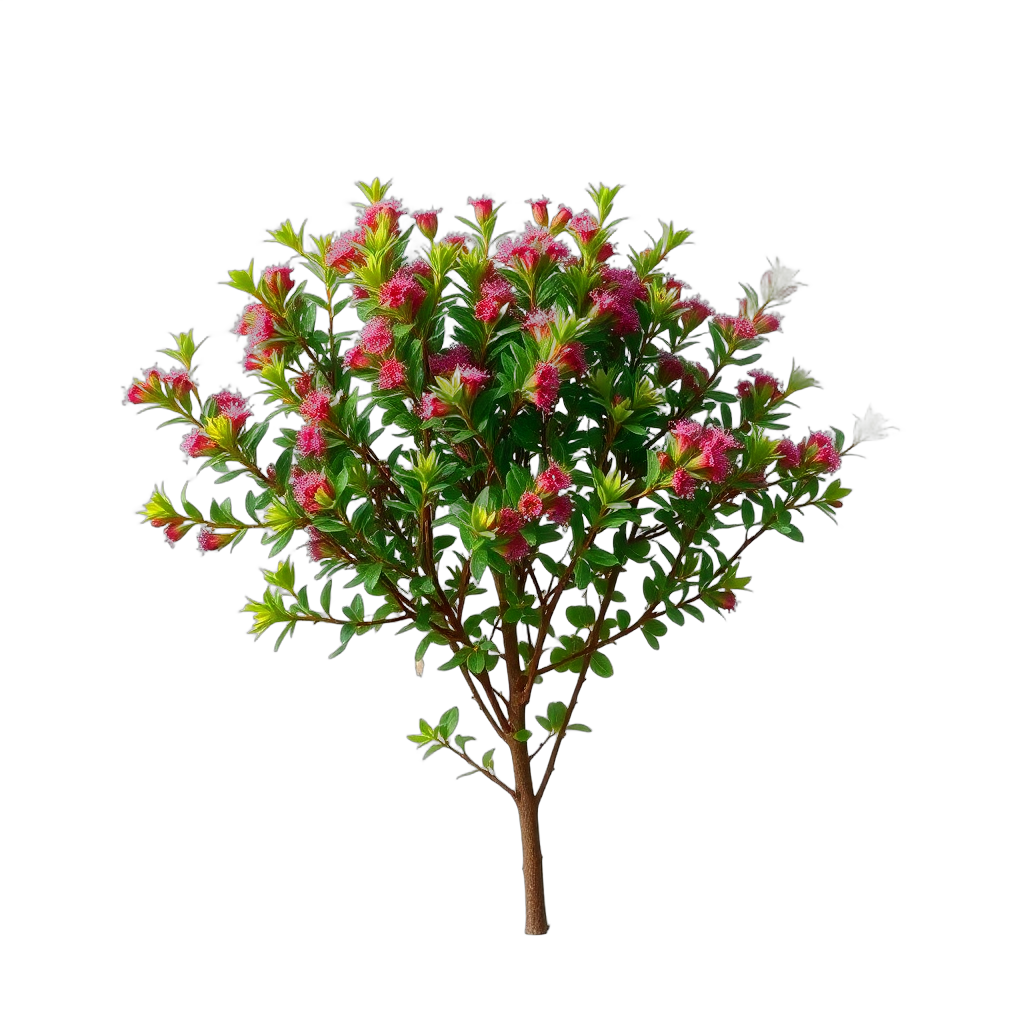
Buckbrush
Ceanothus cuneatus
medium-sized at 7 feet, white blooms in spring. Attracts butterflies.
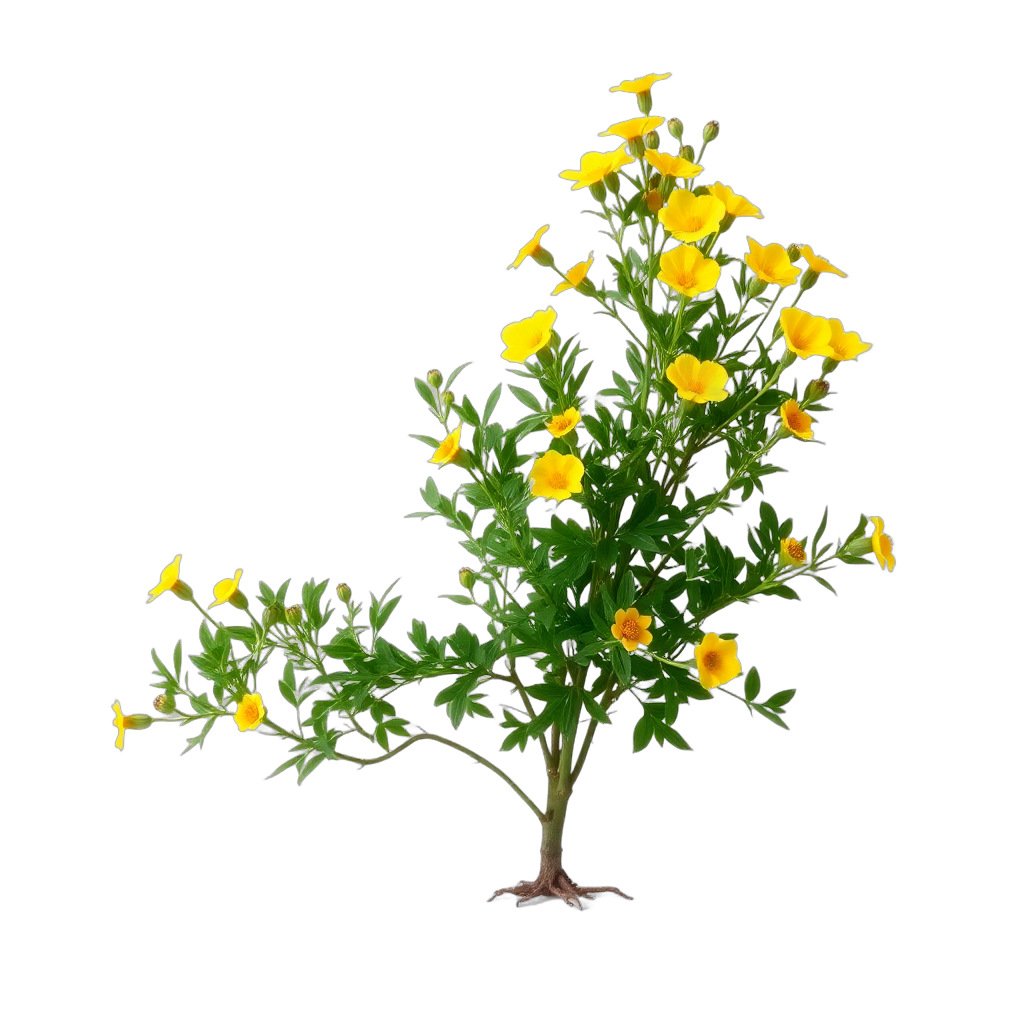
Bush Poppy
Dendromecon rigida
grows to 6 feet, yellow blooms in spring. Pollinator-friendly.
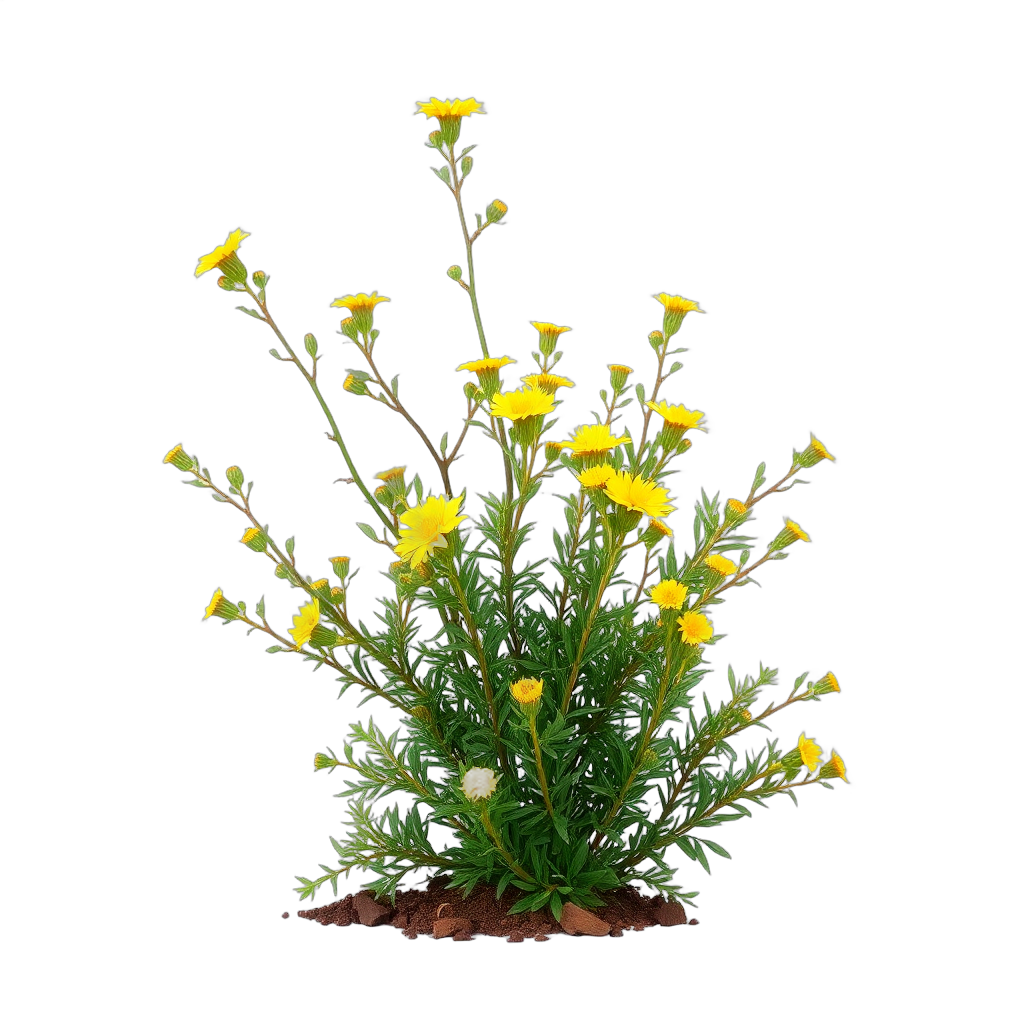
California Brittlebush
Encelia californica
grows to 4 feet, yellow blooms in spring. Attracts butterflies.
Featured Grasses & Groundcovers for Modern/Minimalist Gardens
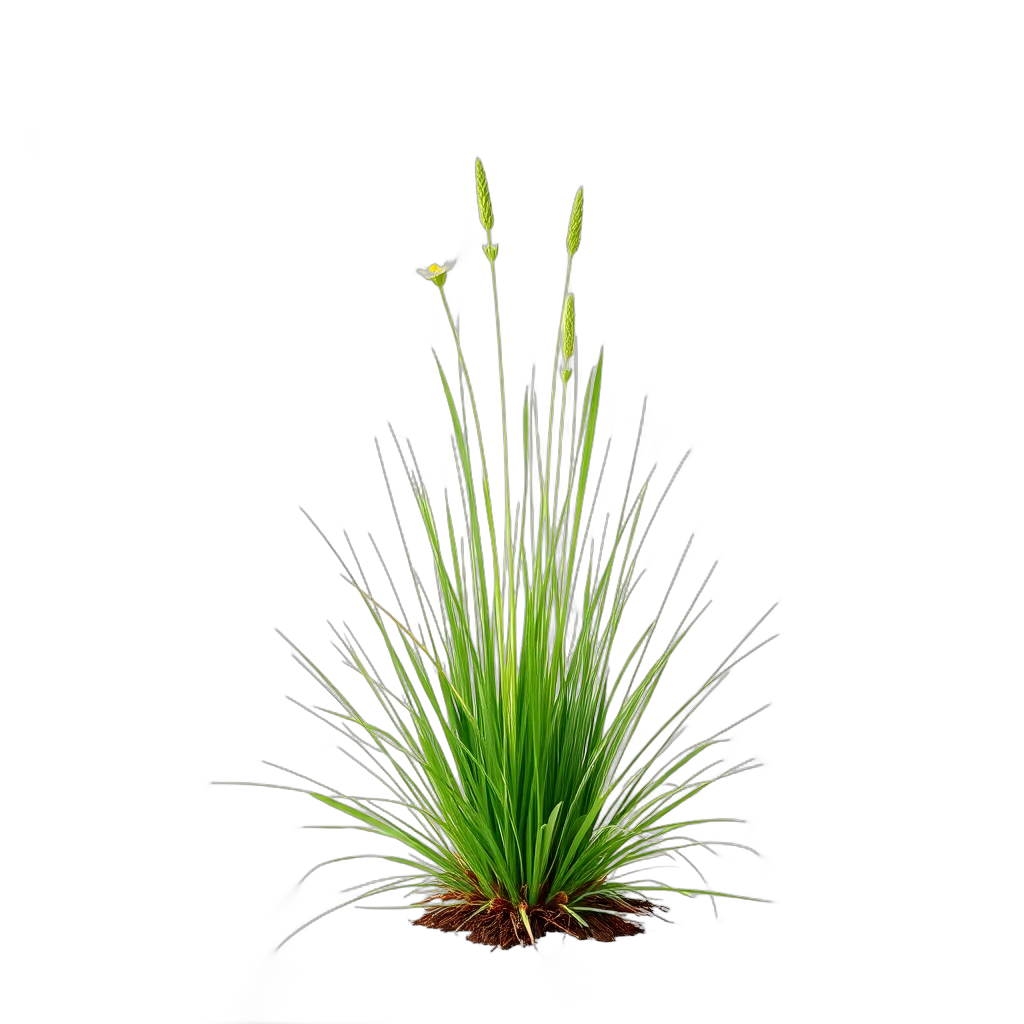
California Brome
Bromus carinatus
low-growing ground cover, blooms in spring. Yellow fall color.
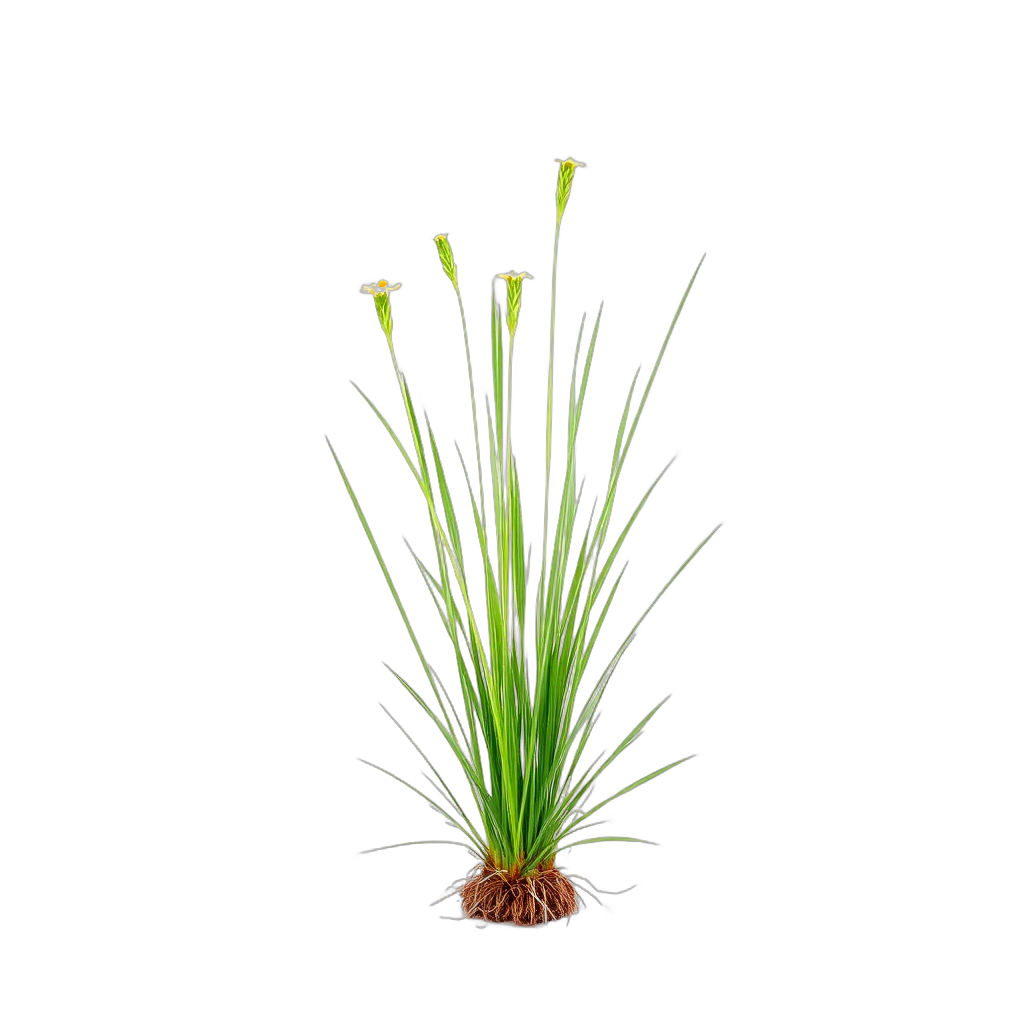
California Melic
Melica californica
low-growing ground cover, blooms in spring.
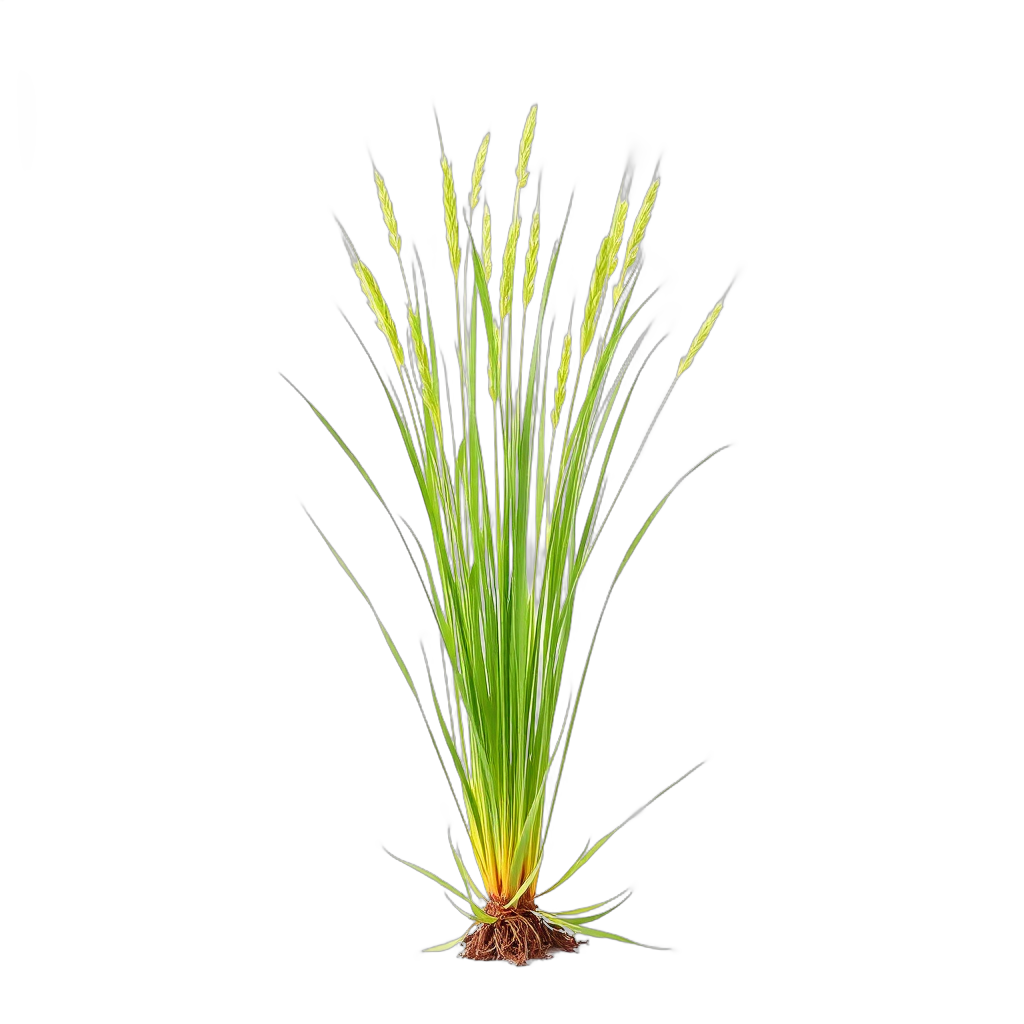
California Oatgrass
Danthonia californica
low-growing ground cover, blooms in spring. Yellow fall color.
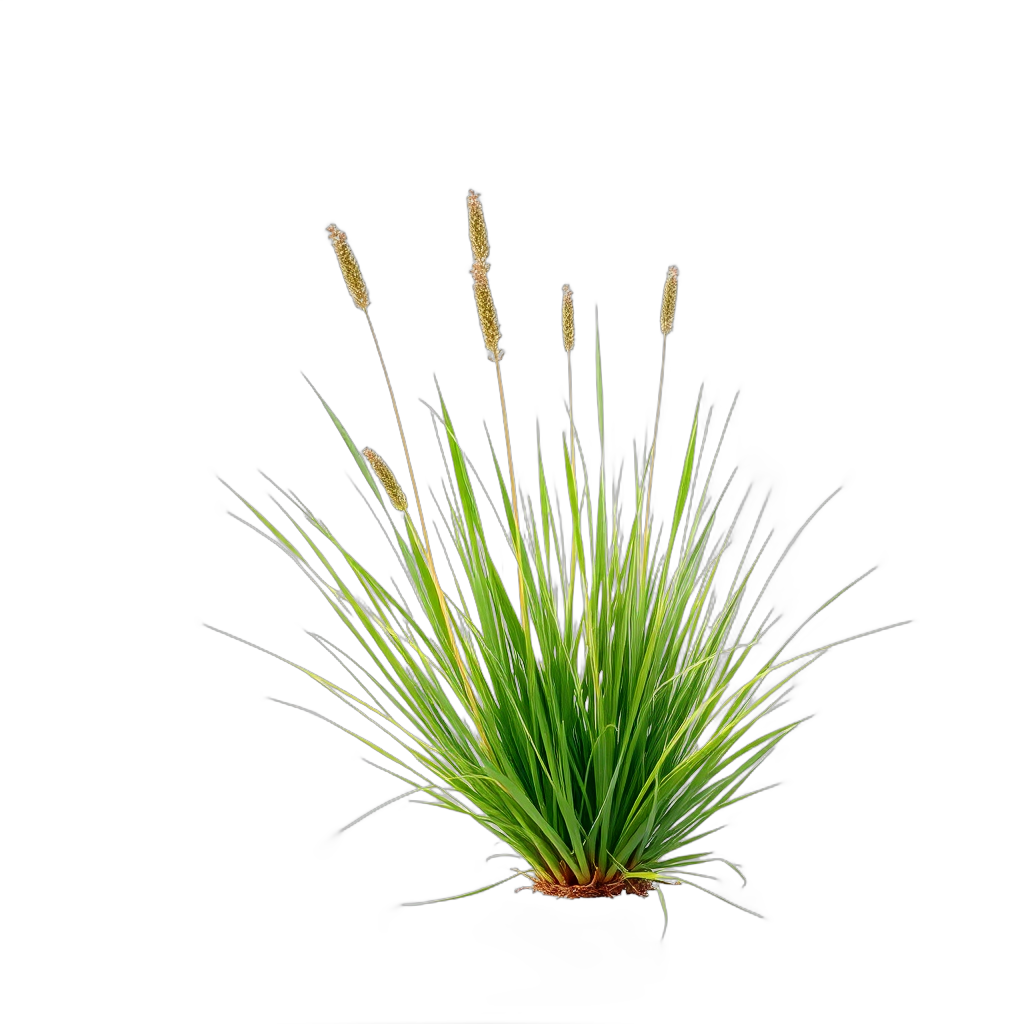
Deer Grass
Muhlenbergia rigens
grows to 3 feet, yellow blooms in fall. Evergreen year-round.
Featured Flowers & Perennials for Modern/Minimalist Gardens
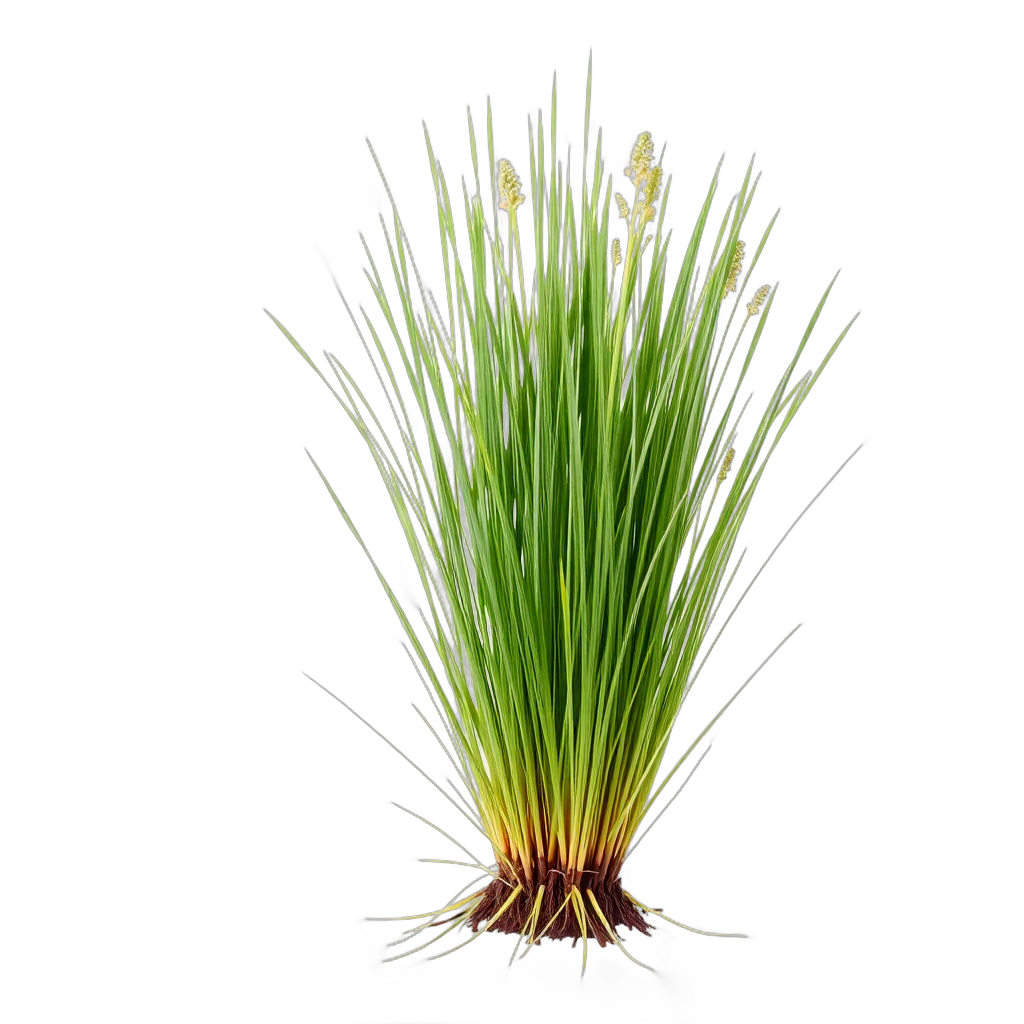
California Gray Rush
Juncus patens
low-growing ground cover, blooms in summer. Evergreen year-round.
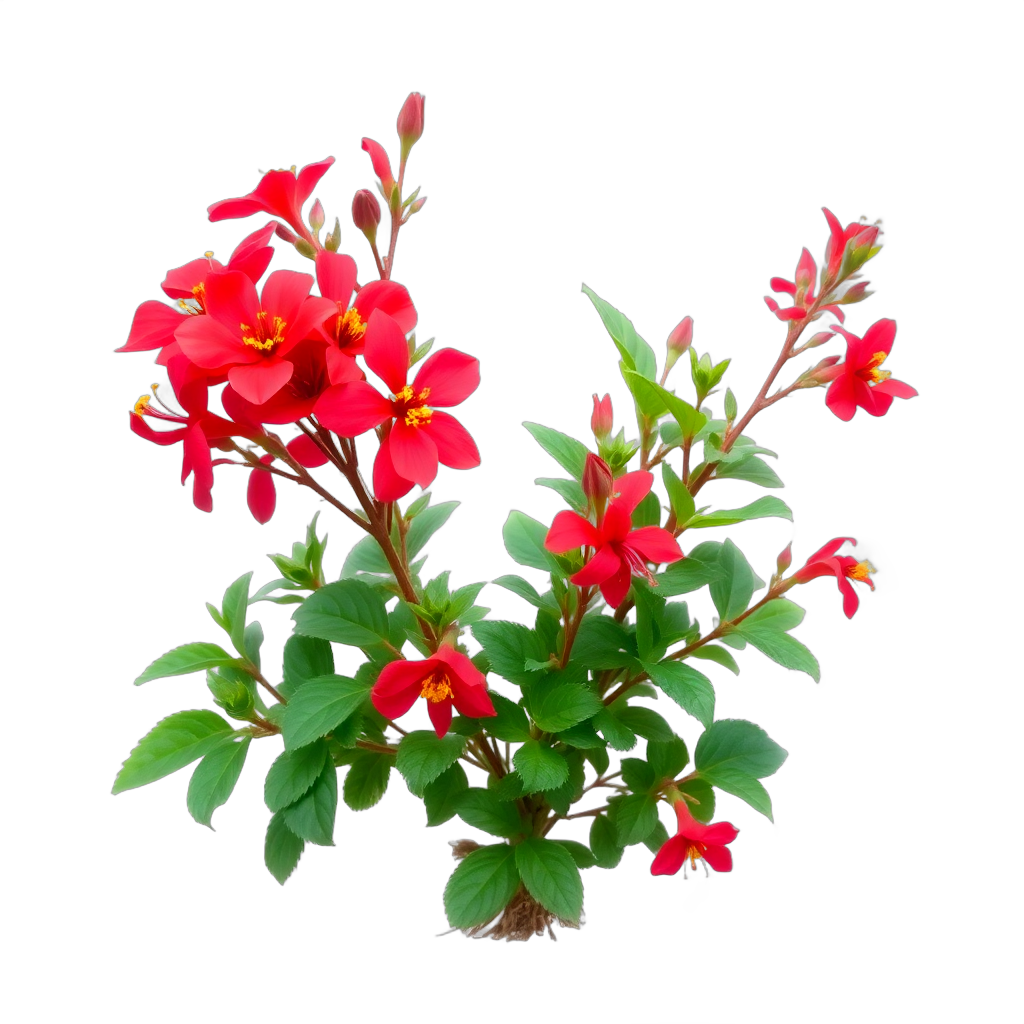
California Fuchsia
Zauschneria californica
low-growing ground cover, red blooms in fall. Attracts hummingbirds.
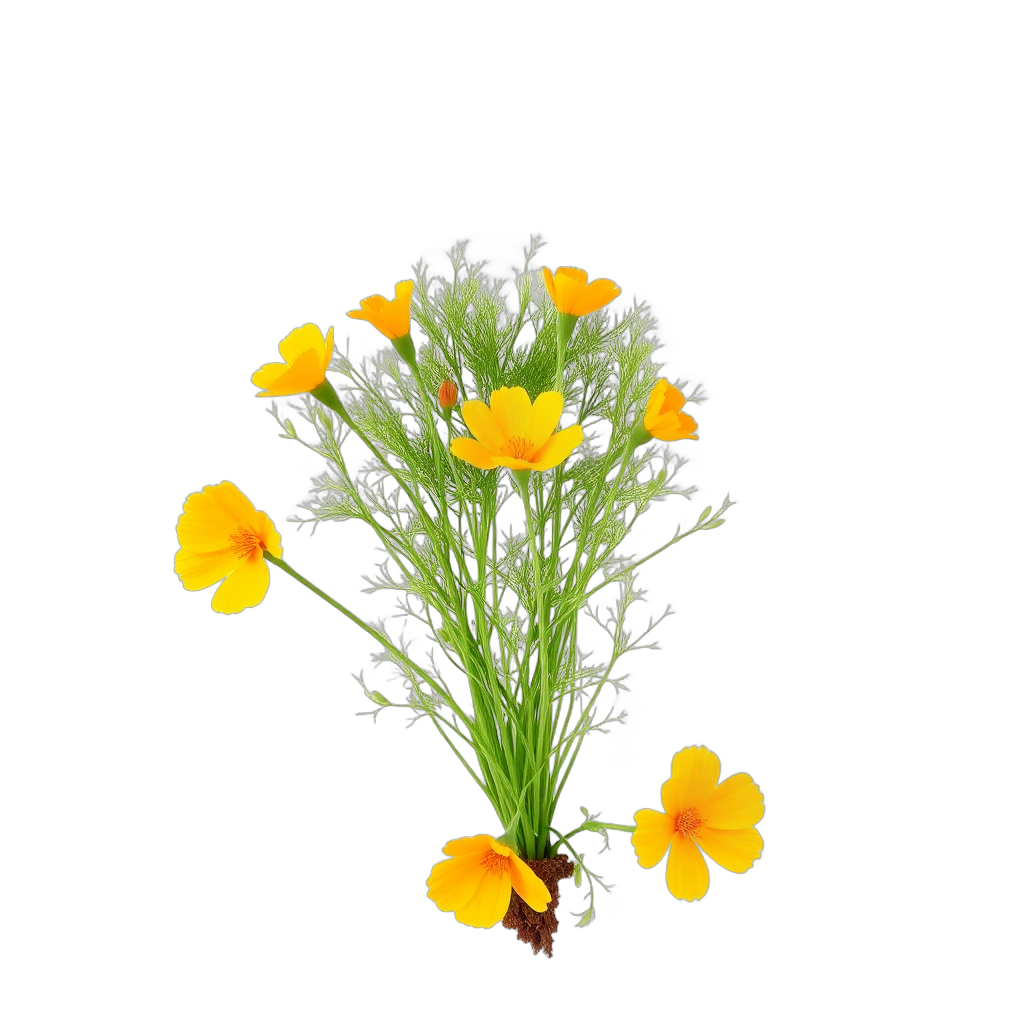
California Poppy
Eschscholzia californica
low-growing ground cover, orange blooms in spring.
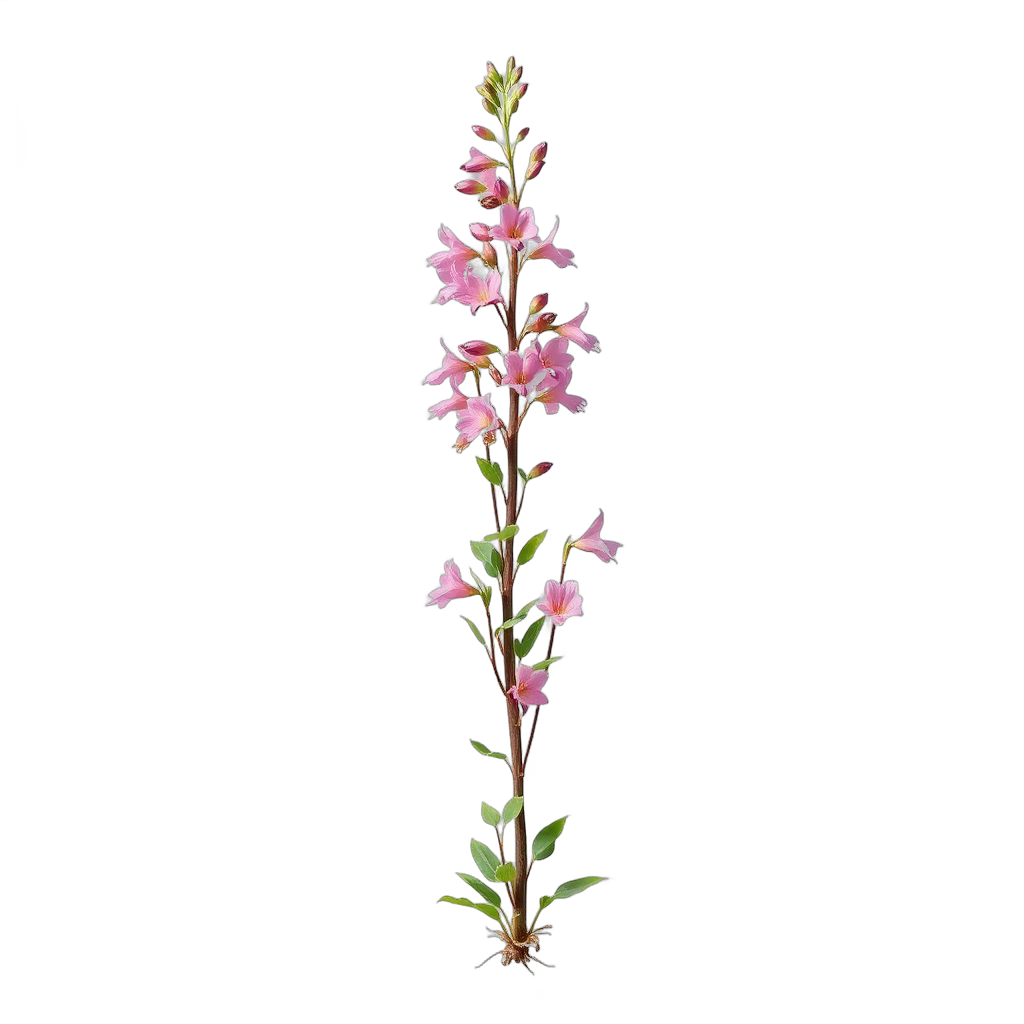
Foothill Penstemon
Penstemon heterophyllus
low-growing ground cover, blue blooms in spring. Attracts hummingbirds.
Zone and sun checks come from our database — confirm with your local nursery before you buy.
Bloom Calendar for Salinas
spring
California Poppy, Foothill Penstemon, Foothill Sedgesummer
California Gray Rush, Black Sage, California Buckwheatfall
California Fuchsia, Deer Grasswinter
Limited bloomsDesign Tips for Salinas (Zone 9b)
- Raise every agave bed three to six inches above grade and cut 30-40 percent pumice or crushed rock into the mix — Salinas loam is too fertile and too moisture-retentive for Agave ovatifolia at grade, and winter crown rot, not cold, is what kills them here
- Substitute Central Coast natives for Southwest imports: Muhlenbergia rigens, Leymus condensatus 'Canyon Prince' and Nassella pulchra give the same drifted texture, need less water, and keep Nassella tenuissima — invasive in California — off the plant list entirely
- Mass the soft layer and isolate the hard layer; the 10-20 mph northwest afternoon wind makes a single specimen grass look beaten while a drift of thirty looks alive, and an Agave 'Blue Glow' standing alone in gravel reads as sculpture
- Mulch with gravel, not bark, in any bed holding succulents — bark holds crown moisture through the November-to-March rains, and the visual contrast between gold decomposed granite and black lava rock is what makes a modern Salinas front garden look built rather than planted
- Use catenary cable for string lighting and a low bowl or linear table for fire; the valley wind that arrives every summer afternoon is the reason so many modern terraces here sit unused, and both details are cheap to specify at design stage and expensive to retrofit
- Frame the Gabilan and Sierra de Salinas ridgelines instead of screening them — on valley-edge lots the strongest modern move is a landscape that stays below eye level from the seating, with Muhlenbergia and Festuca mairei drifts rather than shrub mass at the boundary
- Light the planting, not the paving: in-grade uplights behind Muhlenbergia capillaris 'Regal Mist' and Leymus 'Canyon Prince' give a Salinas garden eight months of usable evenings, and the long mild dusks here pay that investment back faster than in most climates
Where to Source Plants in Salinas
Skip the big-box stores. These independent Salinas nurseries specialize in the plants that make modern/minimalist gardens thrive in Zone 9b.
Bokay Nursery
South Salinas / Hitchcock Road
Third-generation Salinas nursery founded in 1952; garden centre plus hardscape materials, artificial turf, landscape lighting and in-house design and installation
Drought Resistant Nursery
Monterey / Park Avenue
Founded in 1985 with ten acres of growing fields in Carmel Valley; the local specialist in low-water shrubs, grasses, natives and architectural trees for Monterey Peninsula microclimates
Sierra Azul Nursery and Gardens
Watsonville (35 minutes north)
Two-acre demonstration garden and nursery built around Mediterranean-climate species — manzanita, ceanothus, salvia, grevillea, proteas and a deep range of grasses
Valley Hills Nursery
Carmel Valley (20 minutes south of Salinas)
Family-owned two-acre retail nursery serving Monterey County for over 60 years; boxed specimen trees, deer-resistant and low-water selections, and collector species
Griggs Nursery
Carmel Valley Road at Highway 1
Family-owned Central Coast nursery with locally grown trees and shrubs plus large-format pottery and garden art suited to modern container planting
Modern/Minimalist Landscaping Costs in Salinas
| Project Scope | Estimated Cost |
|---|---|
| Front yard modern conversion (turf removal, gravel field, steel edging, architectural planting) | $9,000 - $20,000 |
| Poured concrete back terrace with control-joint grid (300-450 sqft) | $14,000 - $30,000 |
| Fire bowl or linear fire table with gas line and seating layout | $6,500 - $18,000 |
| Full pool, deck and modern landscape backyard | $95,000 - $200,000 |
| Weathering steel bed edging, installed (per linear foot) | $28 - $55 |
| Specimen 24-inch box agave or Yucca rostrata, planted | $350 - $800 |
| AI visualization with ProScapeAI | Free to start |
Estimates based on Salinas, CA-area contractor rates as of 2026. Actual costs vary by site conditions, materials, and contractor.
Salinas Climate & Growing Zone
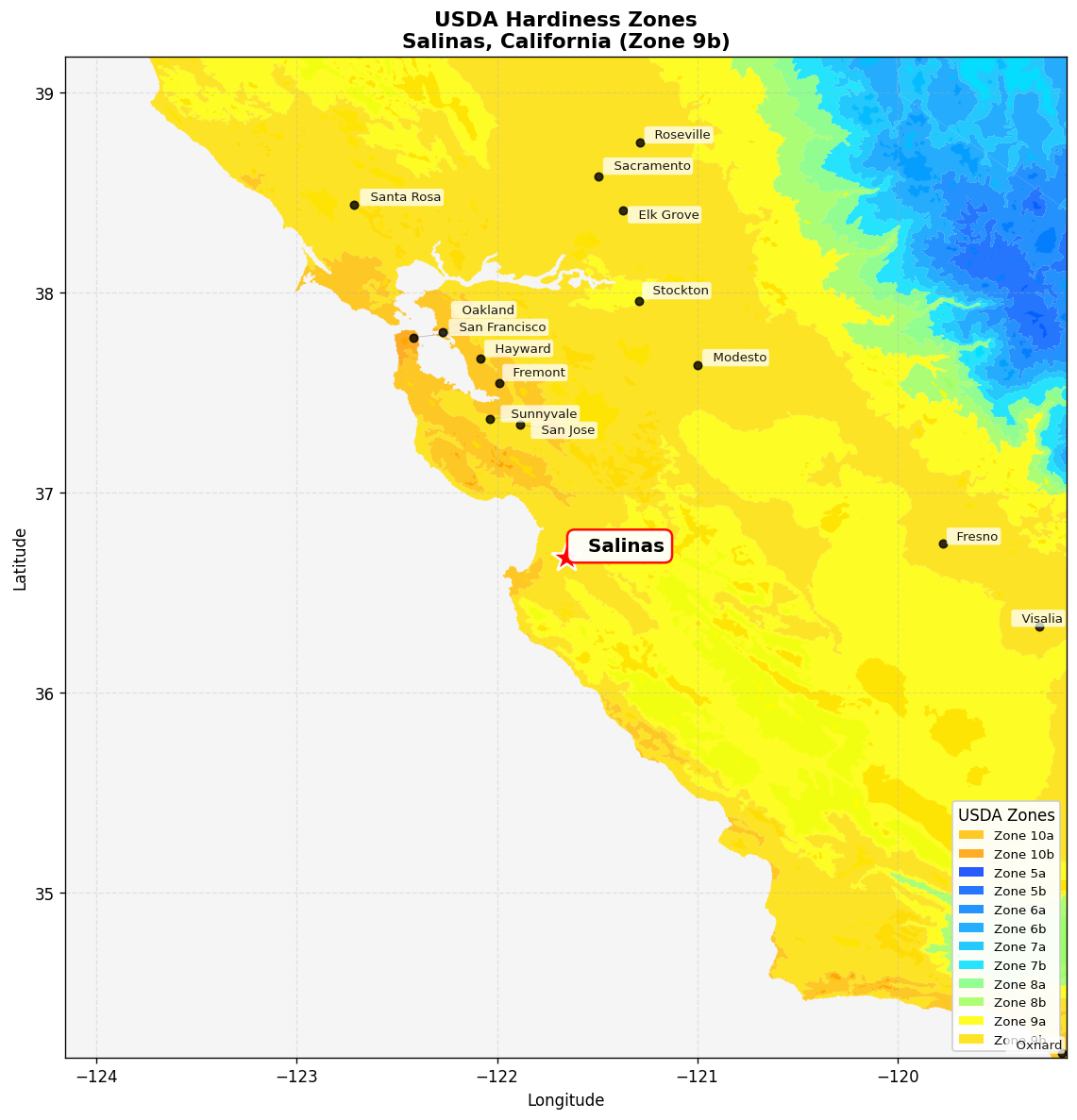
USDA Zone 9b
Hardiness zone for Salinas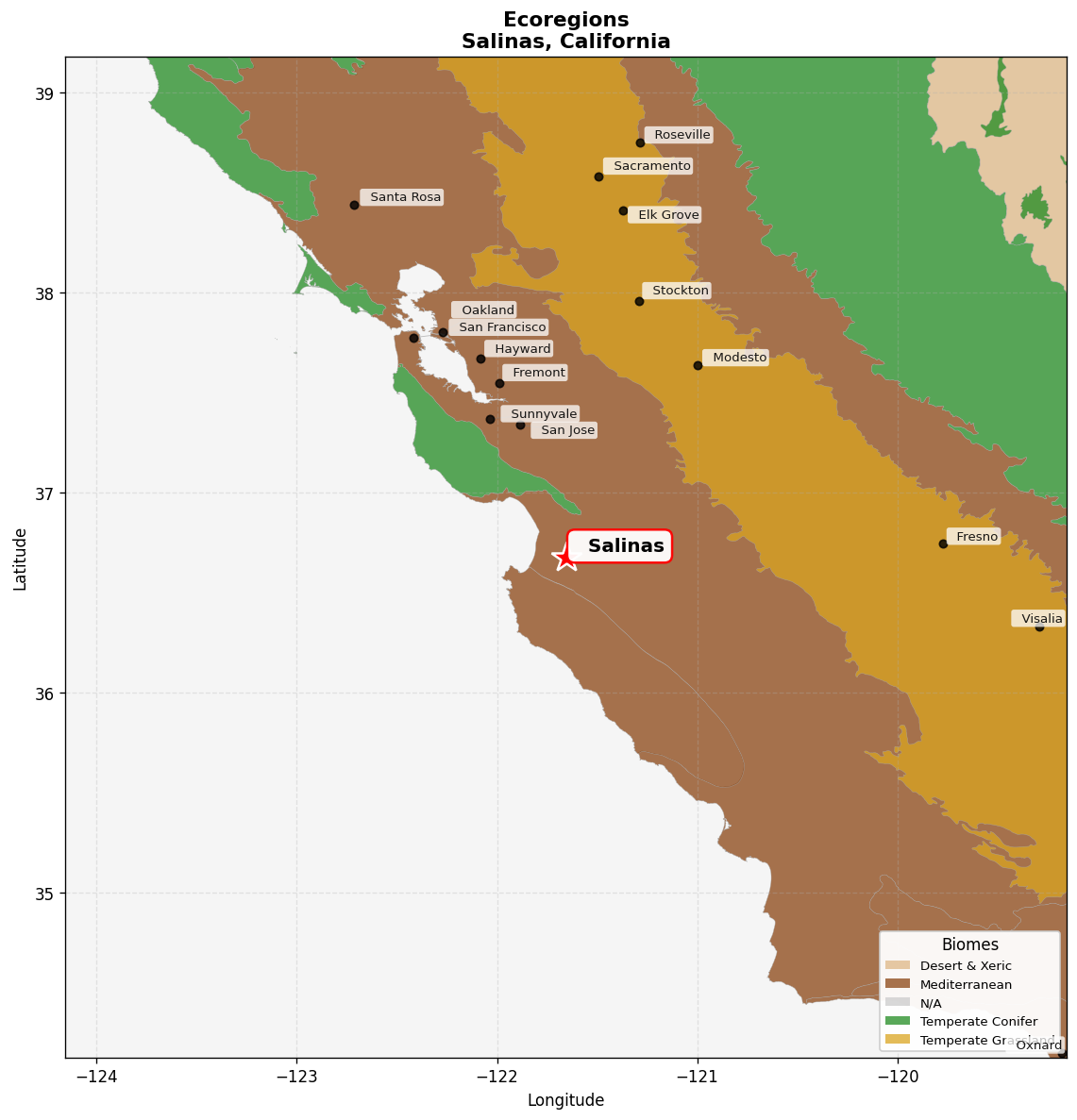
California interior chaparral and woodlands
Native ecoregionFrequently Asked Questions
How much does modern landscaping cost in Salinas?
Monterey County labour rates sit well above the national average, so budget on the higher side. A full front-yard modern conversion of about 500 square feet — turf removal, decomposed granite or gravel field, steel edging, raised beds and architectural planting — typically runs $9,000-$20,000 installed. A poured concrete back terrace of 300-450 square feet with a gas fire bowl and lighting lands between $22,000 and $48,000. A complete pool-and-deck backyard in Salinas commonly falls between $95,000 and $200,000. Weathering steel edging alone runs $28-$55 per linear foot installed, and a 24-inch box Agave ovatifolia specimen is $350-$800 planted.
Which agaves and succulents survive Salinas winters in the ground?
Most of the architectural ones do. Zone 9b here means an average annual extreme low of 25-30F and most Salinas winters actually bottom near 31-34F, so Agave ovatifolia, Agave parryi var. truncata, Agave americana, Yucca rostrata 'Sapphire Skies' and Dasylirion wheeleri all overwinter outdoors without protection. Agave attenuata and Aeonium arboreum 'Zwartkop' are fine in a normal year and may mark in an unusually cold one. The killer here is not cold but winter wet in fertile ground: the deep Salinas loam holds moisture, and an agave planted at grade in it will rot at the crown after two wet Januaries. Raise the bed three to six inches, cut 30-40 percent crushed rock or pumice into the mix, and mulch with gravel rather than bark.
Which grasses should I use, and which should I avoid?
Use the Central Coast natives first. Muhlenbergia rigens gives the big upright fountain form, Leymus condensatus 'Canyon Prince' gives the blue-grey drift, Nassella pulchra is the fine-textured California state grass, and Muhlenbergia capillaris 'Regal Mist' delivers the pink autumn haze that makes modern planting photograph well in October. Festuca mairei, Sesleria autumnalis and Calamagrostis x acutiflora 'Karl Foerster' are all reliable here. The one to leave off the plan is Mexican feather grass, Nassella tenuissima — it is listed as invasive in California and seeds aggressively into the surrounding hills. All of these want a single hard cut-back in late winter and nothing else.
How much water does a modern Salinas landscape use, and what rules apply?
Very little once established, which is the whole argument for the style here. Salinas averages about 13 inches of rain a year with roughly 90 percent falling November through March, so the design question is the five rainless months. A gravel-and-agave front garden on low-flow drip typically runs 10-15 minutes every two to three weeks in midsummer; a grass-dominant scheme needs about 20 minutes weekly. That is a fraction of the roughly 40-50 inches a year a cool-season lawn demands in this valley. Supply comes from California Water Service's Salinas District over a groundwater basin managed under SGMA, with documented seawater intrusion in the 180/400-Foot Aquifer subbasin. California's Model Water Efficient Landscape Ordinance applies to new landscape design over 500 square feet where a permit is involved, and it is worth checking Cal Water's current turf-replacement and irrigation rebates before ordering materials.
How do I deal with the Salinas Valley wind in an open modern backyard?
Design for it rather than around it. The valley funnels a northwest afternoon wind of 10-20 mph off Monterey Bay from March through August, and it is the reason so many exposed back terraces here go unused after 3pm. Practical answers: mass grasses instead of using single specimens, because a drift moves beautifully while a lone Muhlenbergia rigens just looks battered; hang string lights on a tensioned catenary cable rather than loose spans; choose a low fire bowl or a linear fire table over an open pit, which the wind will simply blow out; and put a screening element on the northwest boundary — a split-face block wall, a slatted cedar screen, or an Olea europaea 'Little Ollie' hedge — before spending on furniture. A 5-foot windbreak on that one side transforms how many hours the terrace actually gets used.
When is the best time to build and plant a modern landscape in Salinas?
Plant October through December. Grasses, agaves and Arbutus 'Marina' all root through the mild, wet Salinas winter and go into their first summer established, which cuts first-year irrigation sharply. February and March work as a second window. Avoid planting June through September — not because of heat, since summer highs sit near 73F, but because the ground is dry and the afternoon wind desiccates unrooted plants quickly. Hardscape is different: there is essentially no frost risk here, so concrete can be poured and steel edging set almost year-round, with the November-to-March rains being the only real scheduling constraint. Many Salinas homeowners build hardscape late summer and plant into the first rains.