Mediterranean Landscaping Ideas for Salinas, CA | Zone 9b Design
Native plants from the California interior chaparral and woodlands (Zone 9b) — Mediterranean (warm summer) climate
Why Mediterranean Gardens in Salinas?
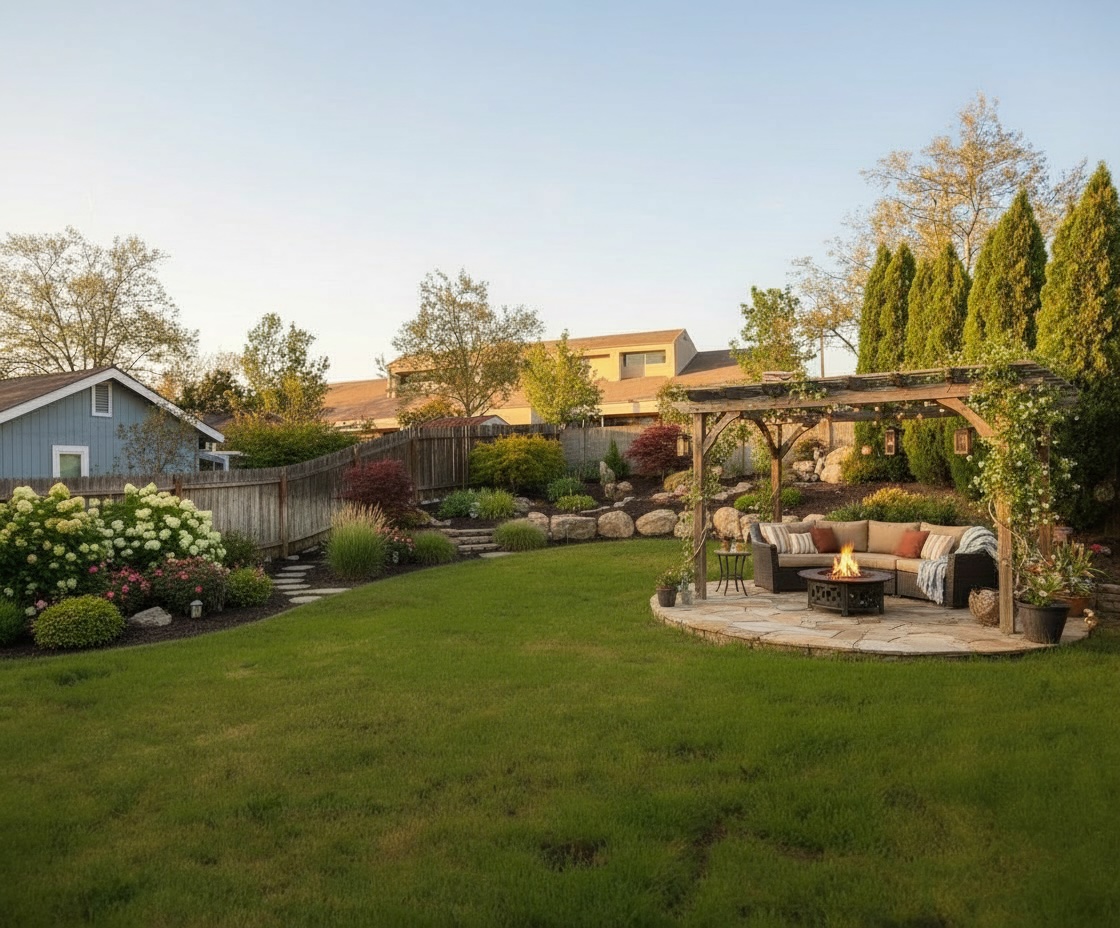
Salinas does not have to imitate the Mediterranean; it already is one. The Koppen classification here is Csb — the same warm-summer Mediterranean type as coastal Tuscany, the Alentejo and the hills behind Nice — with wet, mild winters, a five-month rainless summer, and the marine influence of Monterey Bay eight miles up the valley keeping July highs near 73F instead of the punishing 100F of an inland Csa. That means olive, citrus, lavender, rosemary and cypress are not exotic imports being coaxed along here. They are simply the plants that belong, and a Mediterranean design in Salinas is the rare case where the lowest-water option is also the most authentic one.
The architecture backs it up. Spanish Colonial Revival and Mission Revival stock from the 1920s and 30s runs through Old Town Salinas and the streets around Central Park, the 1990s and 2000s tract builds in Creekbridge, Harden Ranch, Monte Bella and Williams Ranch almost all carry stucco walls and concrete barrel-tile roofs, and out along River Road and Corral de Tierra the ranch and vineyard properties have been quietly building courtyards and olive allees for thirty years. Zone 9b — an average annual extreme low of 25-30F, with most Salinas winters actually bottoming near 31-34F — is the exact hardiness line that lets a Salinas garden do things Sacramento and Santa Rosa cannot risk. Citrus x sinensis 'Washington' navel, Citrus limon 'Improved Meyer' and Citrus reticulata 'Owari' Satsuma fruit reliably in the ground, Bougainvillea 'Barbara Karst' comes back from any light frost, and Agave attenuata holds its unarmed rosettes through winter where an inland garden loses it in a bad January.
The honest local caveats are wind, fog and soil chemistry. The valley funnels a northwest afternoon wind of 10-20 mph off the bay from March through August, which shreds large bougainvillea unless it is fixed hard to a wall or pergola, and which makes narrow Cupressus sempervirens 'Glauca' columns lean if they are not staked for their first two years. Summer fog keeps humidity higher than a true inland Mediterranean garden, so give Lavandula x intermedia 'Grosso' and Santolina chamaecyparissus sharp drainage and generous spacing or expect crown rot. The compensation is the ground itself: the deep alluvial Chualar and Salinas loams that made this the Salad Bowl of the World are the best soil most Mediterranean plants will ever be offered, running slightly alkaline at roughly pH 7.0-8.0, which olive, rosemary, cistus and Teucrium fruticans actively prefer. Toward the western benches under the Sierra de Salinas the profile turns heavier and clay-bound, and there the answer is berms and raised beds rather than digging pits that hold winter water.
Water is the reason this style earns its keep. Salinas averages about 13 inches of rain a year with close to 90 percent of it falling between November and March, and city supply comes from California Water Service's Salinas District drawing on a groundwater basin managed under SGMA, with well-documented seawater intrusion in the 180/400-Foot Aquifer subbasin. A Mediterranean scheme designed properly — established olives and Arbutus 'Marina' weaned onto deep monthly summer soaks, lavender and Westringia fruticosa 'Morning Light' on a low-flow drip valve, and citrus given its own separate, wetter zone because it is the one genuine water user in the palette — can run at a fraction of what the same square footage of fescue lawn costs to keep alive. Remember that California's Model Water Efficient Landscape Ordinance applies to new landscape design over 500 square feet where a permit is involved, so the irrigation zoning belongs on the plan from the first sketch.
4 Mediterranean Design Ideas for Salinas

The Olive and Cypress Entry
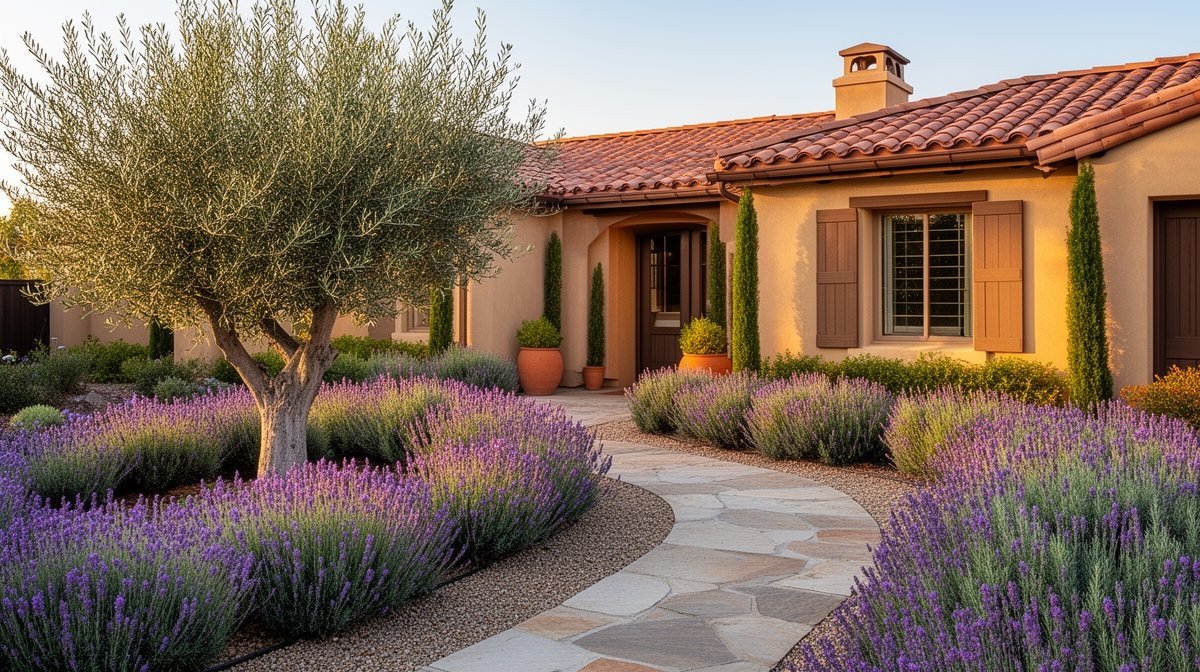
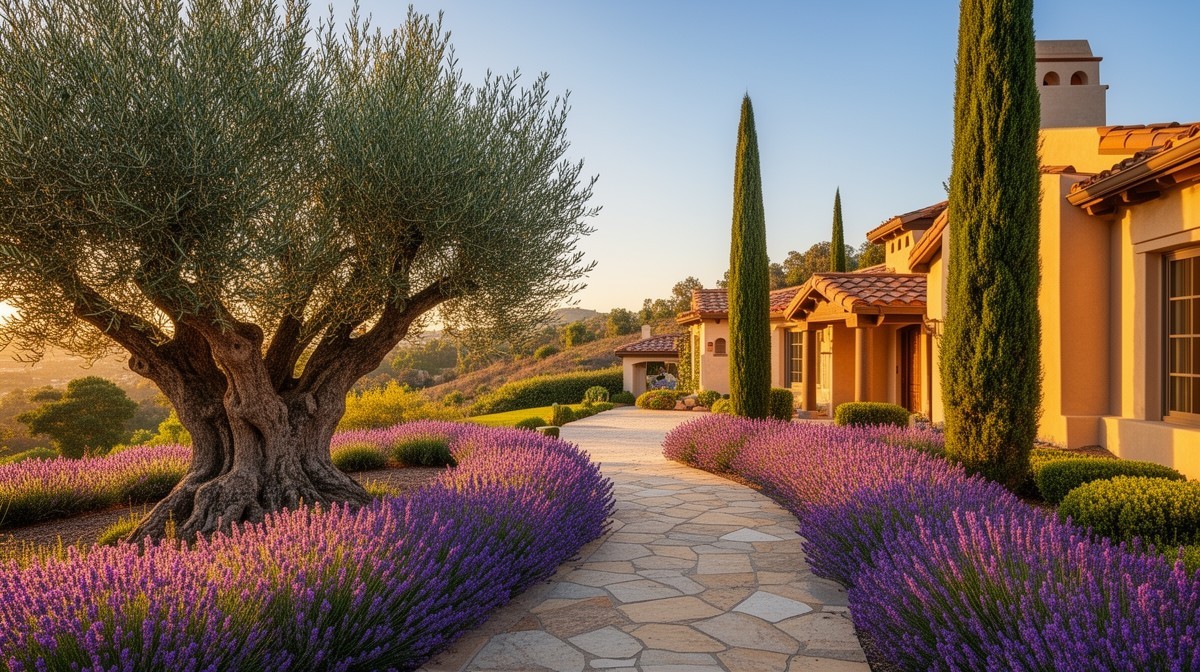
$20-38/sqftA single-storey white stucco house under a terracotta barrel-tile roof, with a gnarled multi-trunk olive standing in the front lawn and uplit from below so the silver undersides of the leaves glow at dusk. Three narrow Italian cypress columns rise against the facade to break up the horizontal roofline, and a disciplined row of clipped evergreen globes runs along the foundation under the windows. An irregular flagstone walk curves from the drive to a dark timber door, and the curve is emphasised on both sides by wide crescent beds of lavender in full purple bloom set in dark mulch, with clean panels of lawn beyond. A single terracotta pot of purple flowers marks the step.

The Walled Citrus Courtyard
$35-70/sqftTwin wrought-iron scroll gates open in a white stucco garden wall capped with a course of red brick, revealing a gravel forecourt with oversized flagstone steppers set into it as a path. Orange and lemon trees stand in the beds on either side, heavy with fruit at eye level, and huge terracotta pots of olive and rosemary anchor the outside corners of the wall. Magenta bougainvillea pours over the top of the wall in a solid band, and a small standard olive with a silver canopy sits centred behind the gate against the white plaster. Behind it all, the red tile roof and a deep-set entry with iron lanterns complete a genuinely private front courtyard on a suburban lot.

The Fountain Courtyard
$45-85/sqftA square courtyard floored entirely in large terracotta tiles laid on a diagonal, with a two-tier cast stone fountain running at the centre and catching the last of the sunset light. Behind it, three arched openings of a loggia frame a dining set pulled up to the house. Olive trees with silvered canopies occupy the left of the frame and an orange tree in heavy fruit fills the right, both underplanted with continuous drifts of lavender in dark mulched beds that follow the diagonal of the paving. A single blue agave sits low among the lavender as a punctuation mark. The fountain is the design decision that matters here: moving water masks the valley wind and makes an exposed Salinas courtyard feel enclosed.

The Bougainvillea Pergola Room
$30-58/sqftA rough-sawn timber pergola is fixed against a warm ochre stucco wall under a barrel-tile roof, and a single mature bougainvillea has been trained up one post and along the beams until it forms a magenta roof of its own. Beneath it sits a full outdoor living set — a deep sofa, two armchairs and a low timber table — on a floor of large terracotta pavers with a pale banding course running through them. A lemon tree in a huge terracotta pot flanks each end of the pergola, mirroring the other, and clipped low hedging runs along the house wall. Soft mounds of lavender edge the paving on both sides where it meets the lawn, and an iron lantern on the wall lights the room after dark.
See how a mediterranean garden looks on YOUR property
Upload a photo of your Salinas yard and visualize your dream garden in seconds.
Try ProScapeAI Free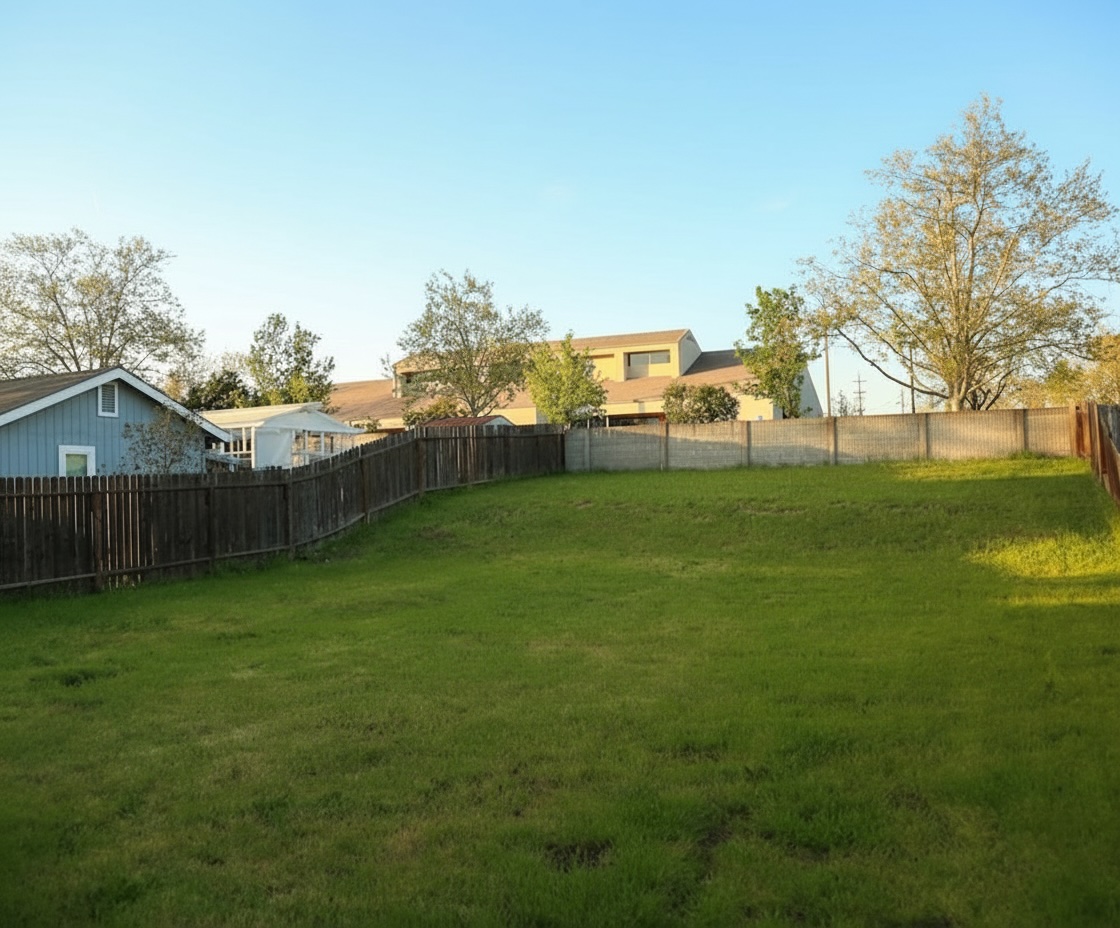
Featured Trees & Shrubs for Mediterranean Gardens
Browse all 197 plants for Salinas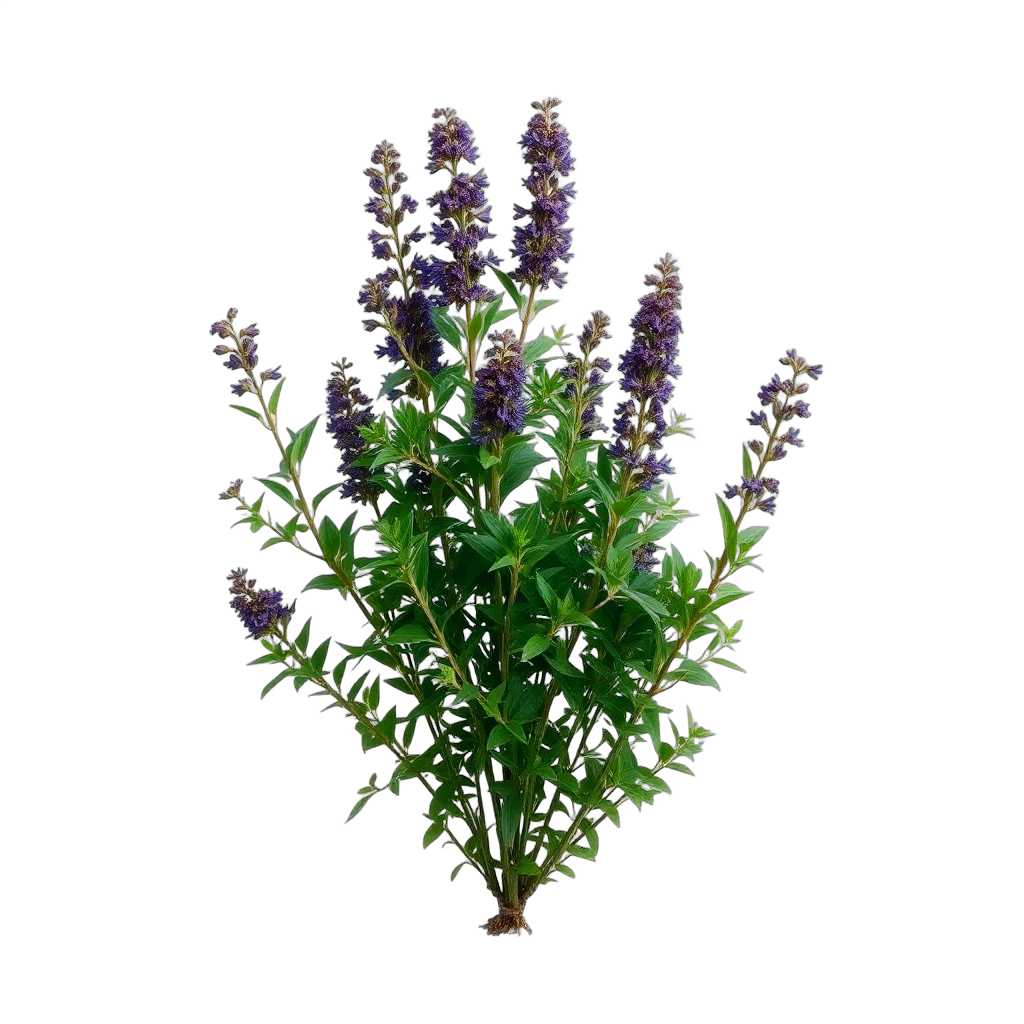
Black Sage
Salvia mellifera
grows to 4 feet, white blooms in spring. Attracts butterflies.

Buckbrush
Ceanothus cuneatus
medium-sized at 7 feet, white blooms in spring. Attracts butterflies.
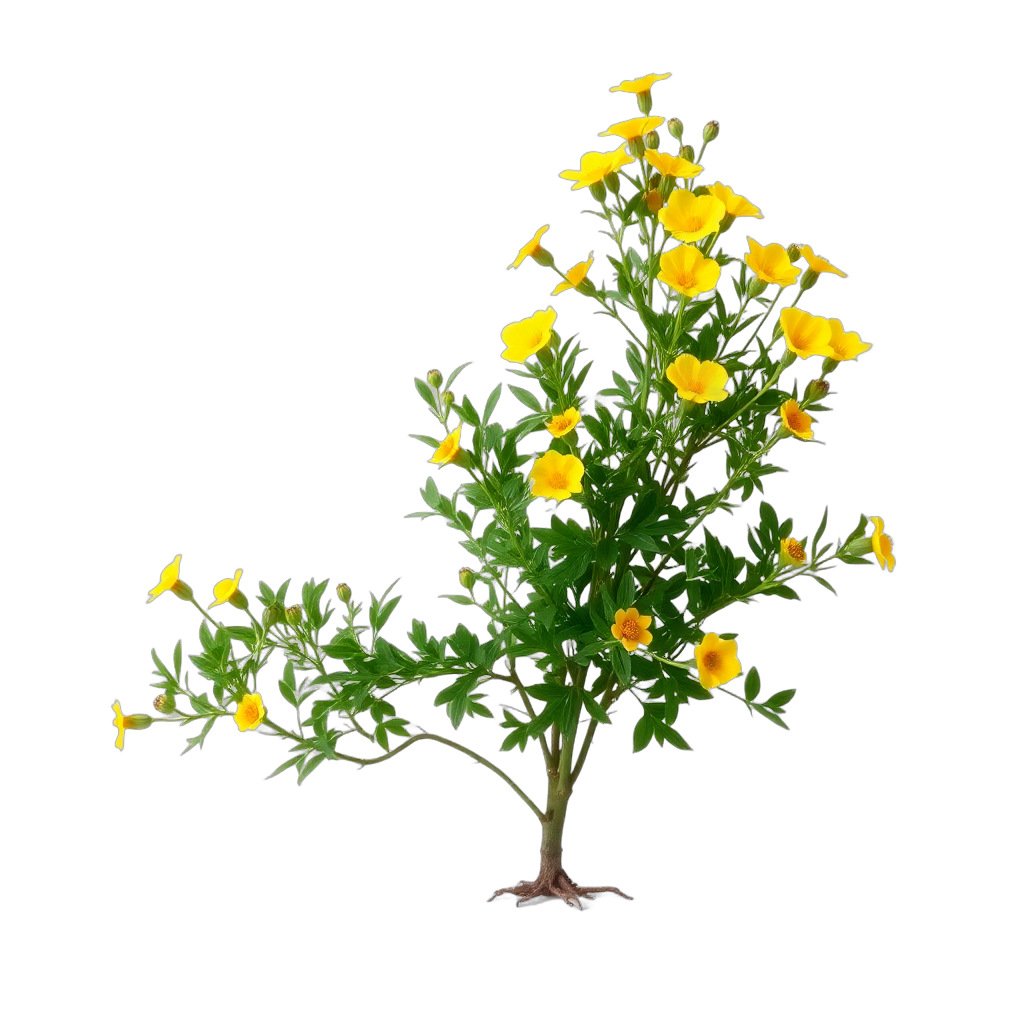
Bush Poppy
Dendromecon rigida
grows to 6 feet, yellow blooms in spring. Pollinator-friendly.
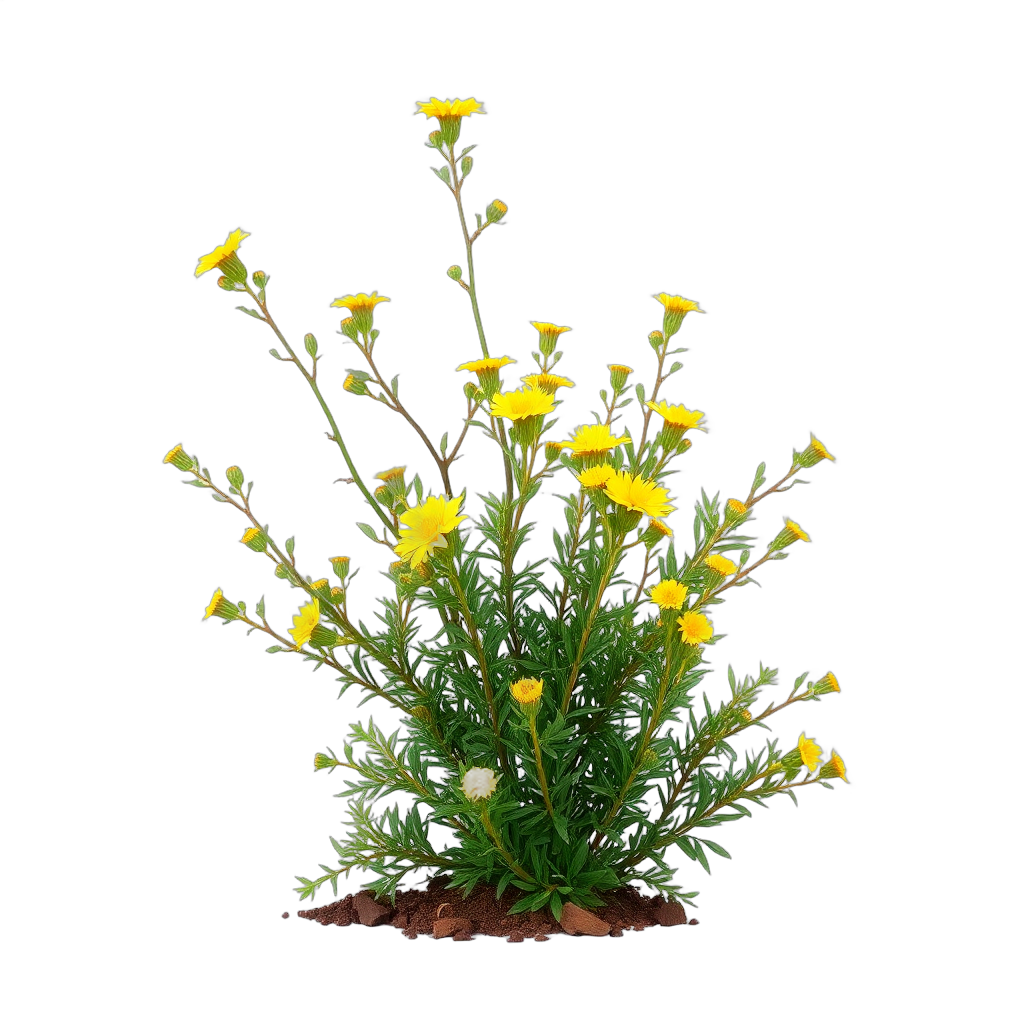
California Brittlebush
Encelia californica
grows to 4 feet, yellow blooms in spring. Attracts butterflies.
Featured Grasses & Groundcovers for Mediterranean Gardens
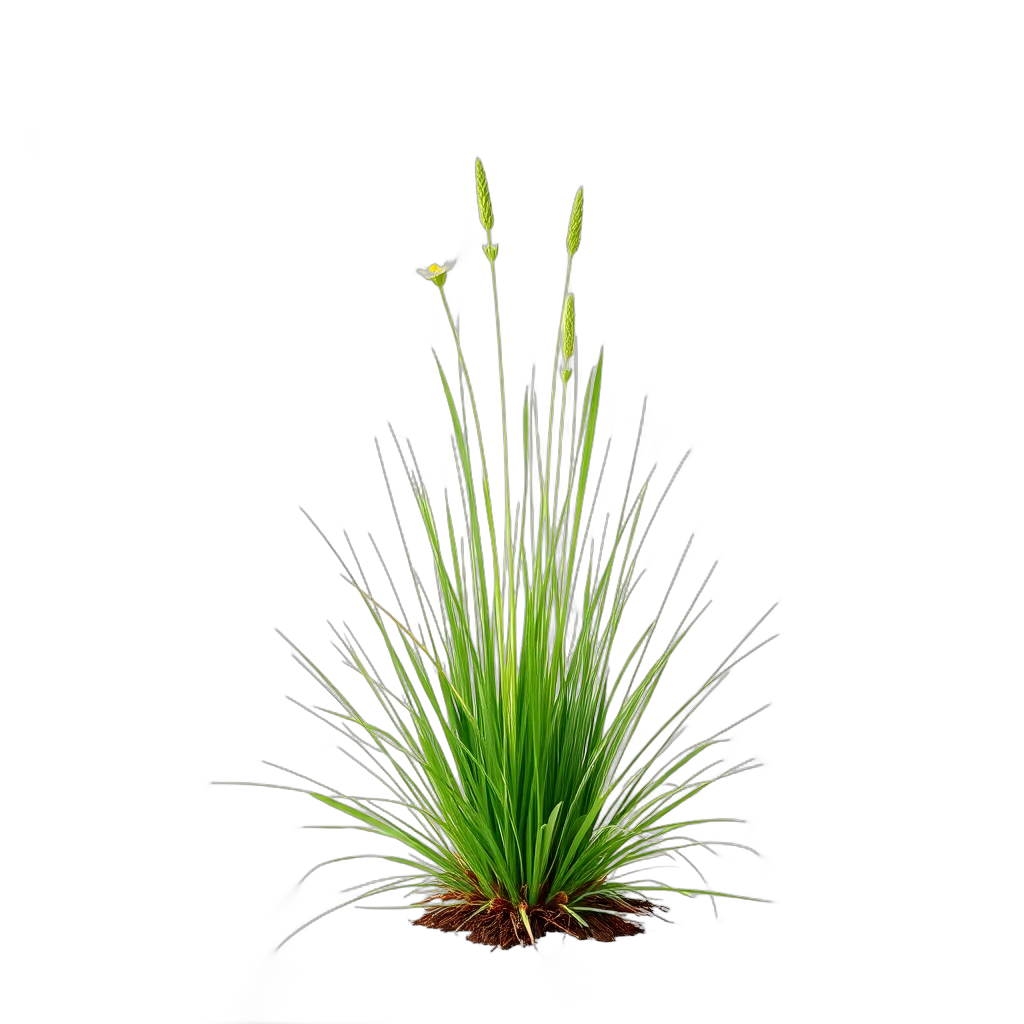
California Brome
Bromus carinatus
low-growing ground cover, blooms in spring. Yellow fall color.
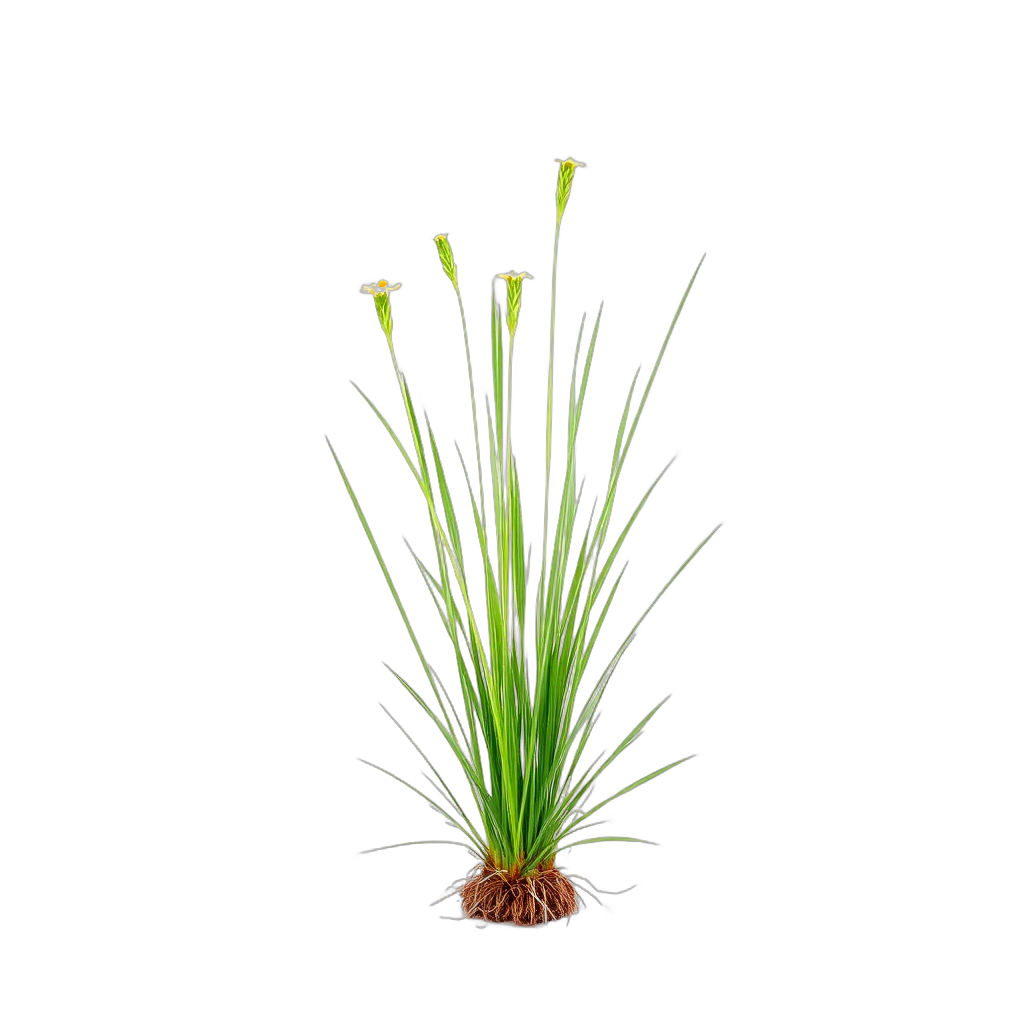
California Melic
Melica californica
low-growing ground cover, blooms in spring.
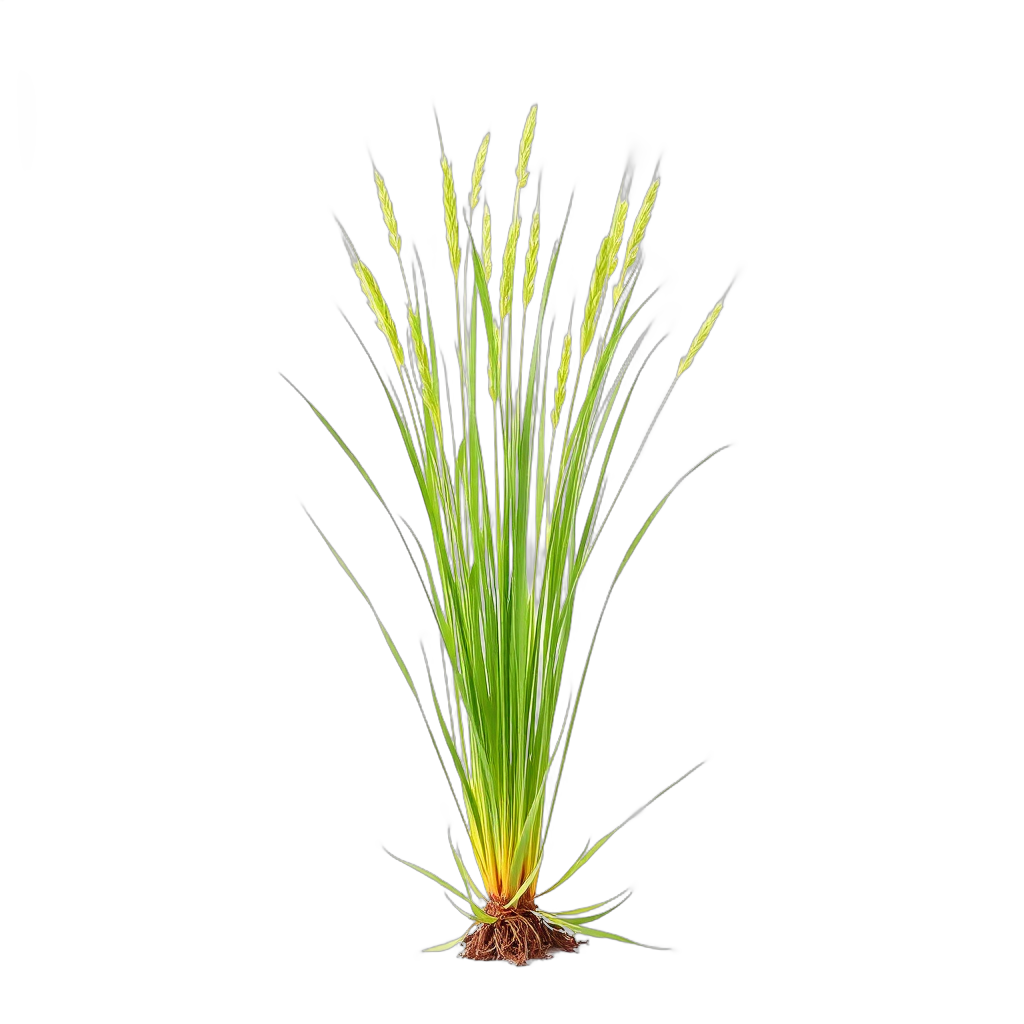
California Oatgrass
Danthonia californica
low-growing ground cover, blooms in spring. Yellow fall color.
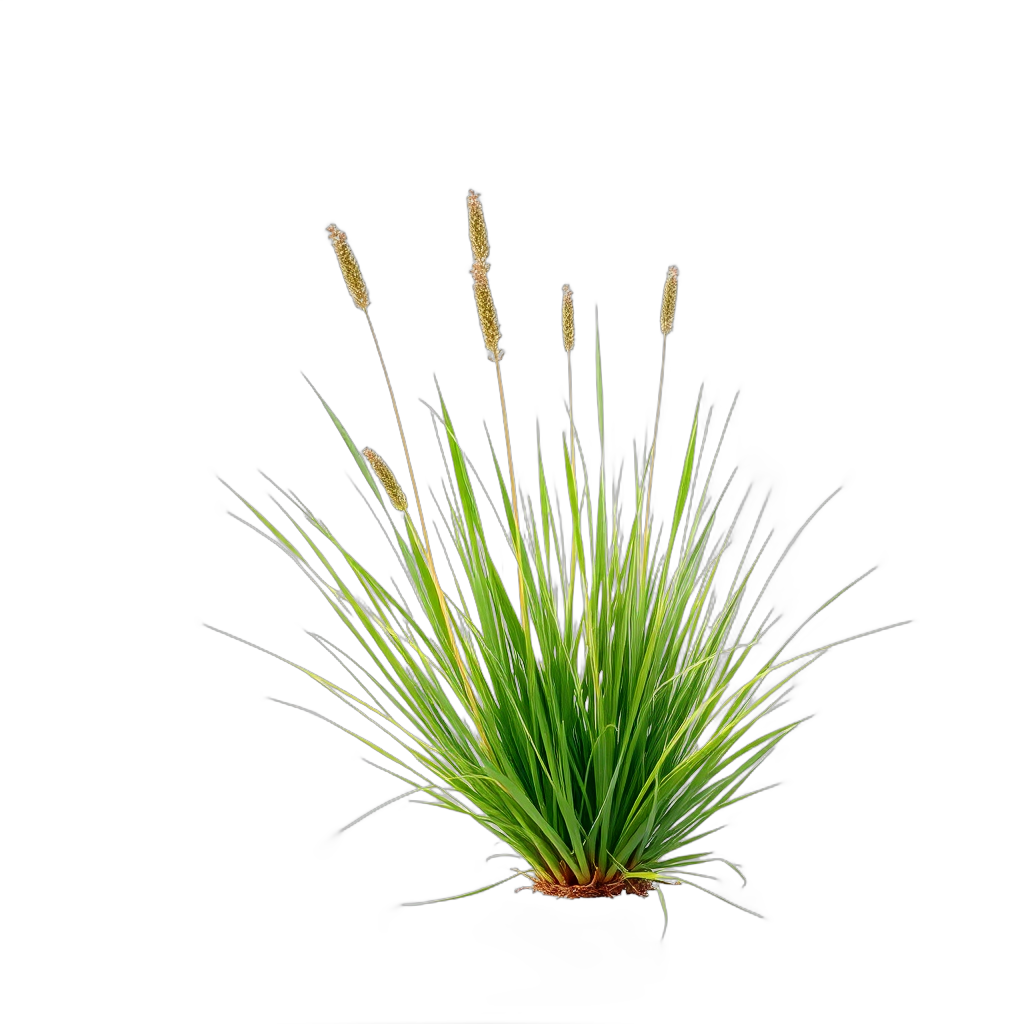
Deer Grass
Muhlenbergia rigens
grows to 3 feet, yellow blooms in fall. Evergreen year-round.
Featured Flowers & Perennials for Mediterranean Gardens
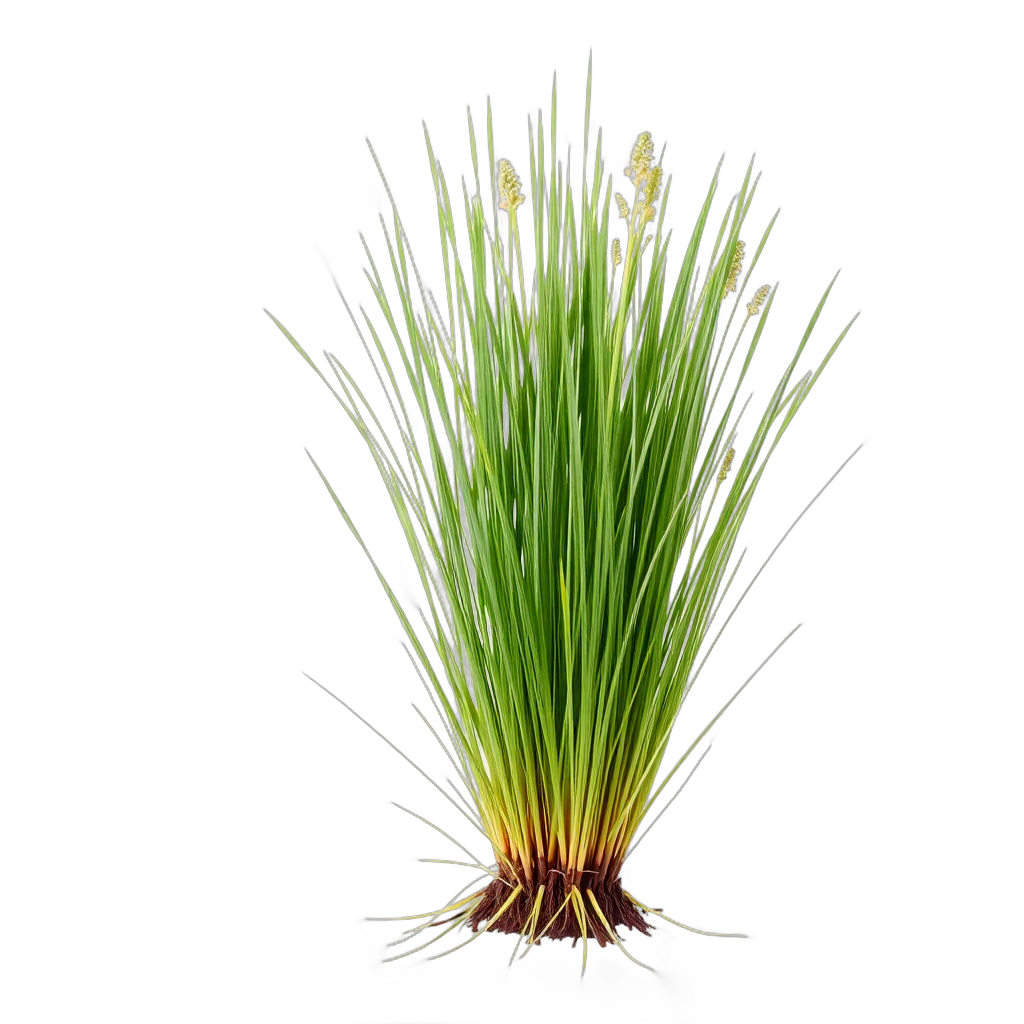
California Gray Rush
Juncus patens
low-growing ground cover, blooms in summer. Evergreen year-round.
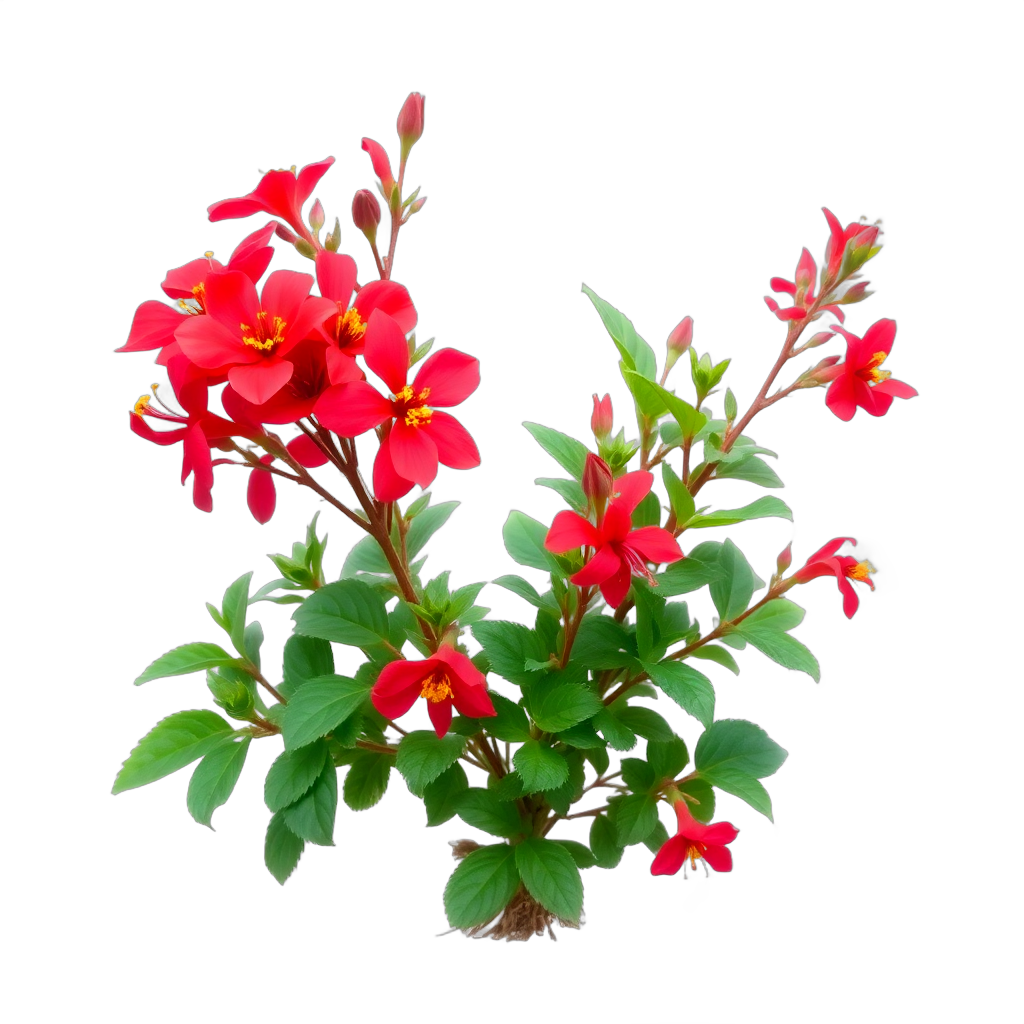
California Fuchsia
Zauschneria californica
low-growing ground cover, red blooms in fall. Attracts hummingbirds.
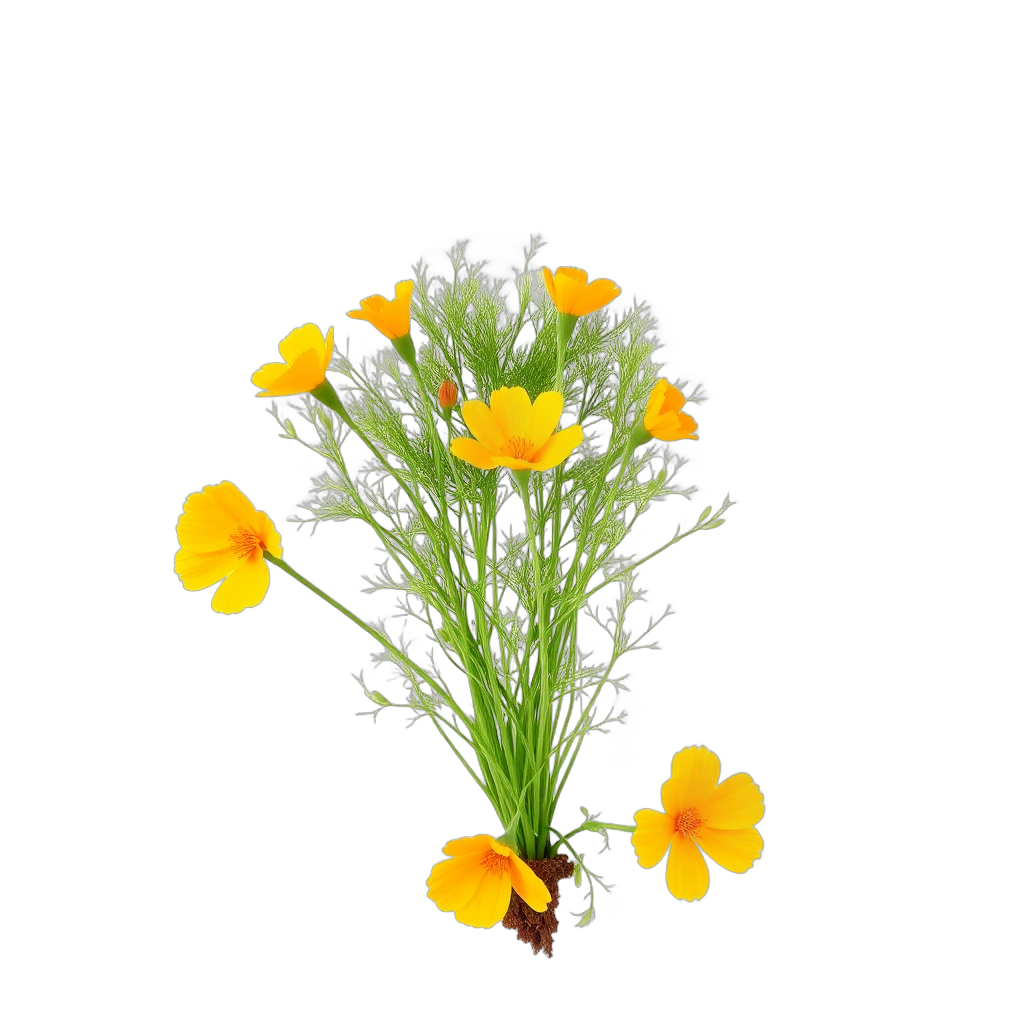
California Poppy
Eschscholzia californica
low-growing ground cover, orange blooms in spring.
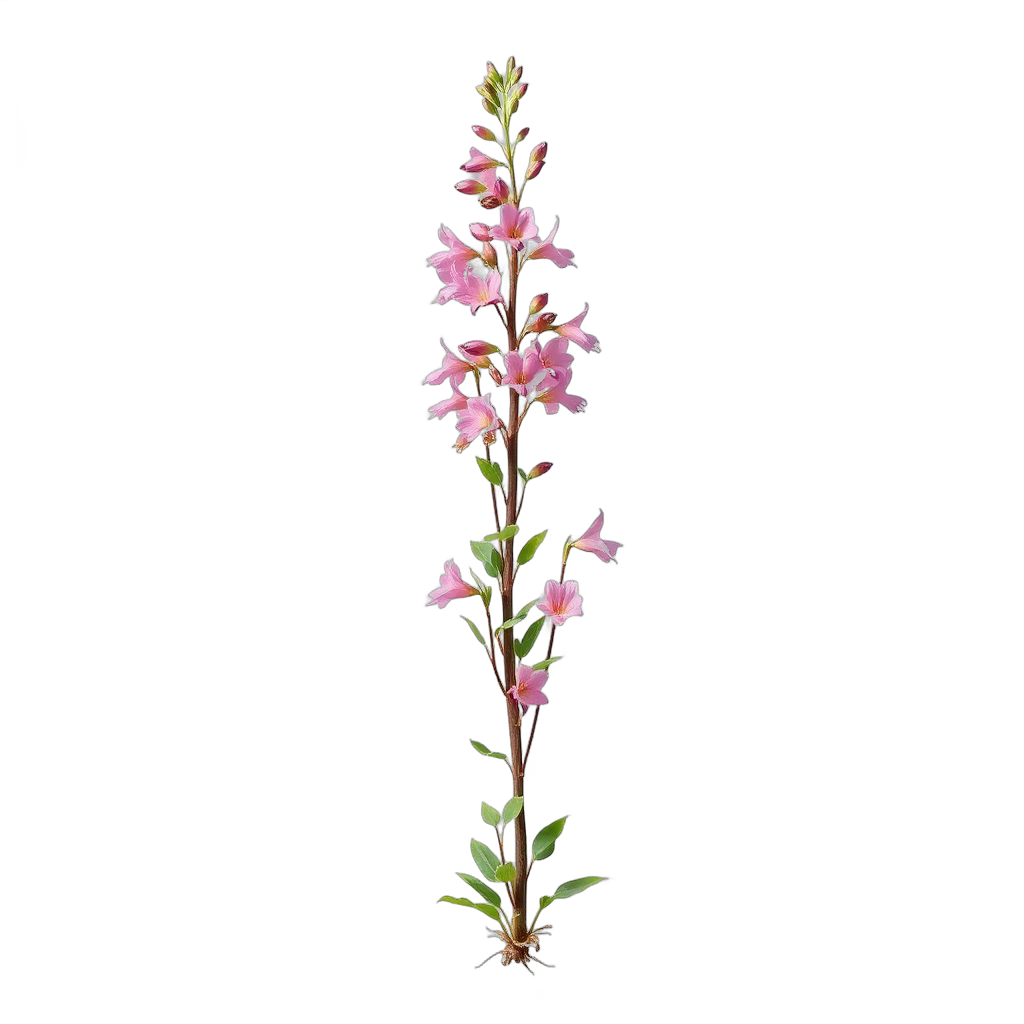
Foothill Penstemon
Penstemon heterophyllus
low-growing ground cover, blue blooms in spring. Attracts hummingbirds.
Zone and sun checks come from our database — confirm with your local nursery before you buy.
Bloom Calendar for Salinas
spring
California Poppy, Foothill Penstemon, Foothill Sedgesummer
California Gray Rush, Black Sage, California Buckwheatfall
California Fuchsia, Deer Grasswinter
Limited bloomsDesign Tips for Salinas (Zone 9b)
- Specify fruitless olive cultivars — 'Swan Hill', 'Wilsonii' or dwarf 'Little Ollie' — anywhere the canopy overhangs terracotta, flagstone or a driveway; olive fruit drop stains porous Salinas paving permanently and the mess lands every autumn
- Berm the greys: Lavandula x intermedia 'Grosso', Santolina and Cistus want their crowns three to six inches above grade in a climate that delivers 13 inches of rain in a concentrated November-to-March window, and gravel mulch at the crown rather than compost
- Give citrus its own irrigation valve — Citrus limon 'Improved Meyer' and 'Washington' navel are the only genuinely thirsty plants in a Mediterranean palette, and putting them on the lavender schedule kills one or the other
- Build the northwest windbreak first; the valley funnels 10-20 mph afternoon wind off Monterey Bay from March to August, and a Laurus nobilis 'Saratoga' or Pittosporum tenuifolium 'Silver Sheen' hedge on that boundary is what makes bougainvillea, cypress and courtyard dining viable
- Use moving water rather than more walls to enclose a space — a recirculating cast stone fountain masks wind noise, and in a 73F summer climate it evaporates far less than the same feature would in an inland Csa valley town
- Lean into the slightly alkaline pH 7.0-8.0 of Salinas loam instead of fighting it: olive, rosemary, Teucrium fruticans 'Azureum', Phlomis fruticosa and Punica granatum 'Wonderful' all prefer it, which is exactly why this style outperforms acid-loving schemes here
- Repeat three plants and no more across the whole front garden — one olive form, one lavender cultivar, one clipped evergreen globe — because Mediterranean design reads as calm through repetition, and a Salinas front yard is usually seen at 25 mph from the street
Where to Source Plants in Salinas
Skip the big-box stores. These independent Salinas nurseries specialize in the plants that make mediterranean gardens thrive in Zone 9b.
Bokay Nursery
South Salinas / Hitchcock Road
Third-generation Salinas nursery founded in 1952 with a full garden centre, hardscape materials and in-house landscape design and installation across Monterey County
Drought Resistant Nursery
Monterey / Park Avenue
Founded in 1985 with ten acres of growing fields in Carmel Valley; stock chosen specifically for Monterey Peninsula microclimates, strong on low-water shrubs, vines and trees
Sierra Azul Nursery and Gardens
Watsonville (35 minutes north)
Family-run nursery built entirely around Mediterranean-climate plants, with a two-acre demonstration garden — lavender, rockrose, rosemary, salvia, grevillea and California natives
Valley Hills Nursery
Carmel Valley (20 minutes south of Salinas)
Small family-owned two-acre retail nursery serving Monterey County for over 60 years; boxed trees, deer-resistant and low-water selections, citrus and Mediterranean shrubs
Griggs Nursery
Carmel Valley Road at Highway 1
Family-owned Central Coast nursery with locally grown trees and shrubs plus a large selection of pottery, fountains and garden art — the local source for terracotta and cast stone
Mediterranean Landscaping Costs in Salinas
| Project Scope | Estimated Cost |
|---|---|
| Front yard Mediterranean conversion (turf removal, flagstone walk, specimen olive, lavender beds) | $12,000 - $26,000 |
| Stucco courtyard wall with iron gates and decomposed granite forecourt | $28,000 - $65,000 |
| Terracotta tile courtyard with cast stone fountain (300-450 sqft) | $45,000 - $110,000 |
| Timber pergola over terracotta paver patio | $18,000 - $42,000 |
| Specimen 36-inch box multi-trunk fruitless olive, installed | $1,400 - $4,000 |
| Italian cypress columns, 15-gallon, installed and staked (each) | $220 - $420 |
| AI visualization with ProScapeAI | Free to start |
Estimates based on Salinas, CA-area contractor rates as of 2026. Actual costs vary by site conditions, materials, and contractor.
Salinas Climate & Growing Zone
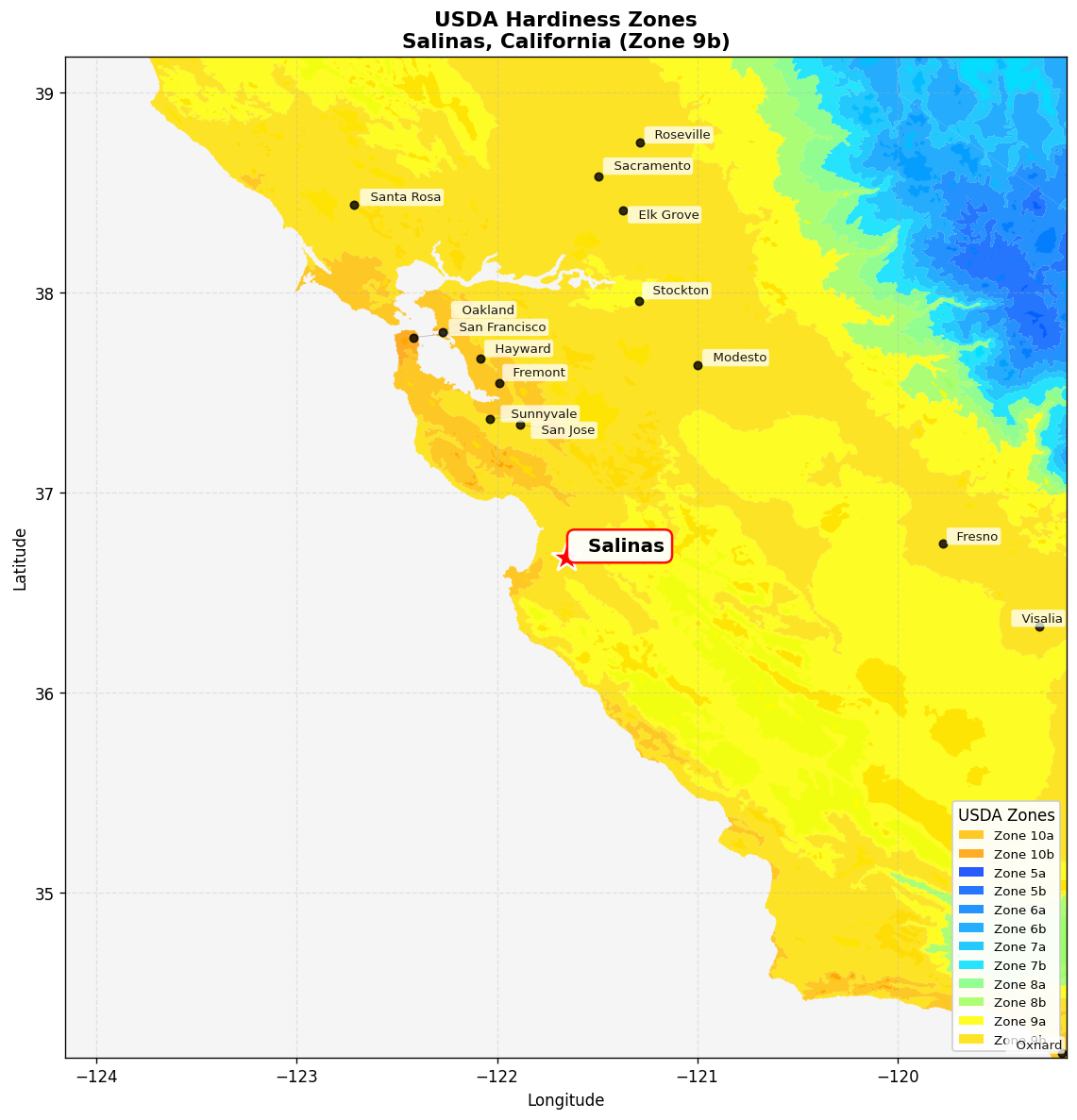
USDA Zone 9b
Hardiness zone for Salinas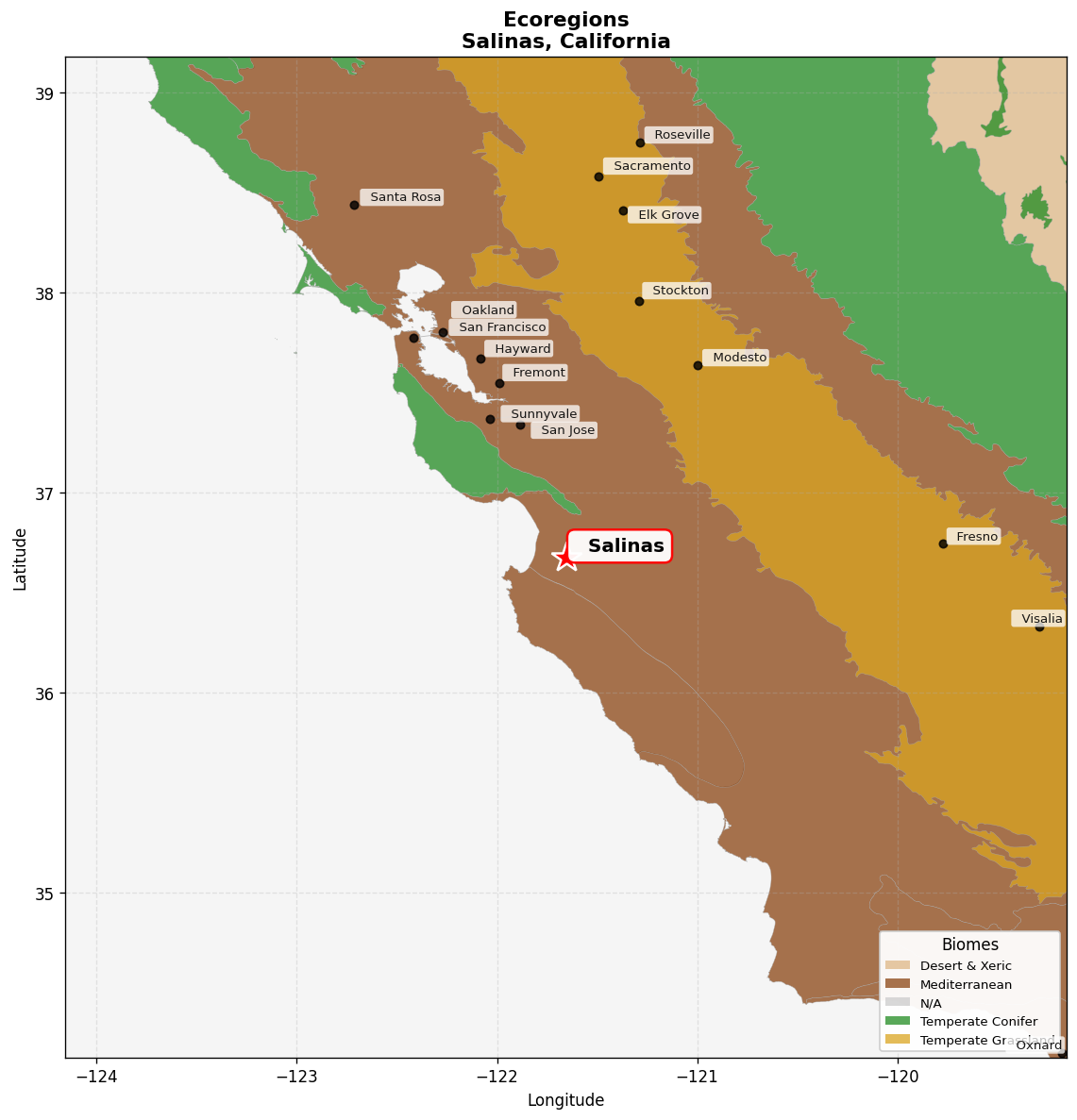
California interior chaparral and woodlands
Native ecoregionFrequently Asked Questions
How much does Mediterranean landscaping cost in Salinas?
Monterey County labour is expensive, so plan realistically. A front-yard conversion of about 500 square feet — turf removal, a flagstone walk, a specimen olive, cypress columns and lavender beds on drip — typically runs $12,000-$26,000 installed. A walled courtyard with stucco wall, iron gates and a decomposed granite forecourt lands between $28,000 and $65,000 depending on wall length and gate quality. A terracotta-tiled fountain courtyard is a $45,000-$110,000 project once the slab, tile and plumbing are counted. A timber pergola over a terracotta paver patio runs $18,000-$42,000. A 36-inch box multi-trunk Olea europaea 'Swan Hill' is $1,400-$4,000 installed with crane access.
Will olive and citrus trees really survive Salinas winters?
Yes. Zone 9b here means an average annual extreme low of 25-30F, and most Salinas winters actually bottom near 31-34F, which is comfortably inside the range for Olea europaea and for the hardier citrus. Citrus x sinensis 'Washington' navel, Citrus reticulata 'Owari' Satsuma and Citrus limon 'Improved Meyer' all fruit in the ground here; the tenderer limes are better in pots that can be pulled to a wall in a cold snap. Choose fruitless olive cultivars — 'Swan Hill', 'Wilsonii' or the dwarf 'Little Ollie' — for any tree over paving, because fruit drop on terracotta or flagstone stains permanently. Site citrus against a south or west wall for reflected warmth, and keep it off the same drip valve as the lavender: it is the one genuinely thirsty plant in the palette.
How do I stop lavender and rosemary rotting in the Salinas fog?
Drainage and spacing, not less water. Summer marine fog keeps humidity higher here than in a true inland Mediterranean climate, and the wet-season rain arrives in concentrated November-to-March bursts, so the killer is crown moisture rather than drought. Plant Lavandula x intermedia 'Grosso' and Santolina chamaecyparissus on gentle berms or in beds raised three to six inches above grade, mulch with gravel or coarse bark right at the crown rather than fine compost, and space plants at their mature width so the afternoon wind actually dries the interior. On the heavier clay of the western benches under the Sierra de Salinas, build up rather than dig down — a planting pit in clay is a bathtub. Shear lavender hard after the first flush in July and again lightly in September and it will hold a tight mound for eight to ten years.
How much water does a Mediterranean garden use here, and what are the local rules?
Salinas gets about 13 inches of rain a year with roughly 90 percent of it between November and March, so everything comes down to how the dry half of the year is zoned. Established olive, Arbutus 'Marina', Cistus and Westringia want deep monthly soaks rather than frequent shallow ones; lavender, rosemary and Teucrium fruticans run happily on a low-flow drip valve at 20 minutes once a week in midsummer; citrus needs its own separate, wetter valve. Designed that way, the scheme typically uses far less than the same area of cool-season lawn. Supply comes from California Water Service's Salinas District over a groundwater basin managed under SGMA with documented seawater intrusion in the 180/400-Foot Aquifer subbasin, and California's Model Water Efficient Landscape Ordinance applies to new landscape design over 500 square feet when a permit is involved — worth checking current Cal Water rebates before you order materials.
What is the best time of year to install a Mediterranean landscape in Salinas?
October through December is the ideal planting window. Olive, cypress, cistus and lavender all put on root through the mild, wet Salinas winter and enter their first summer already anchored, which cuts establishment irrigation dramatically. February and March work as a second window. Avoid planting from June through September: the ground is dry, and the northwest afternoon wind that runs 10-20 mph through the valley desiccates new foliage faster than an unestablished root system can keep up. Hardscape is a different story — with essentially no frost risk, terracotta paving, flagstone and stucco walls can be built almost year-round here, though the November-to-March rains will delay mortar and slab work.
Do bougainvillea and other tender Mediterranean plants handle the valley wind?
Only if they are anchored. Bougainvillea 'Barbara Karst' and 'San Diego Red' are hardy enough for Salinas Zone 9b — they may drop leaves in a cold snap and flush back in spring — but the real threat is mechanical. Free-standing bougainvillea gets torn apart by the sustained northwest wind, so train it flat against a wall or hard-tie it to pergola beams every 18 inches. The same rule applies to narrow Cupressus sempervirens 'Glauca' columns, which need staking for their first two seasons or they take a permanent lean. Where wind exposure is severe, build the windbreak first: a hedge of Pittosporum tenuifolium 'Silver Sheen', Laurus nobilis 'Saratoga' or Ligustrum japonicum 'Texanum' on the northwest boundary changes the whole microclimate of the lot.