4 Modern Landscape Design Ideas for Sunnyvale, CA | Zone 9b
Native plants from the California interior chaparral and woodlands (Zone 9b) — Mediterranean (warm summer) climate
Why Modern/Minimalist Gardens in Sunnyvale?
Few American cities are as purpose-built for modern landscape design as Sunnyvale. Joseph Eichler filled tracts like Fairbrae, Fairwood, Fairorchard and Fairhaven with post-and-beam houses, and the rest of the city built out through the 1950s and 60s as low-slung ranch homes on flat, generous former orchard lots. Those houses already do the hard part of a modern garden: horizontal rooflines, floor-to-ceiling glass, exposed beams, atriums that pull planting into the living room. Clean-line landscaping here is not a style pushed onto the architecture — it is the missing half of it. Newer infill around the Heritage District, Peery Park and the Lawrence Station corridor repeats the same vocabulary in stucco and dark-framed glass, while the older streets of Cherry Chase, Ponderosa Park, Birdland and Braly Park give you the wide, dead-flat front yards that make a disciplined groundplane composition read from the sidewalk.
Sunnyvale sits in USDA Zone 9b — winter lows of 25–30°F — with a warm-summer Mediterranean (Csb) climate, Sunset zone 16, the South Bay thermal belt. January averages a 58°F high against a 42°F low; July runs near 82°F by day and falls back to the mid-50s at night, and the city banks roughly 15 inches of rain a year, essentially all of it between November and April. From June through September, plan on none. That envelope — frost-free winters, cool nights, a five-month rainless season — is precisely what the sculptural plants modern design depends on evolved for. Agave ovatifolia, Agave 'Blue Glow', Yucca rostrata 'Sapphire Skies', Dasylirion wheeleri and Aeonium arboreum 'Zwartkop' all overwinter outdoors in the ground here, and Muhlenbergia rigens, Leymus condensatus 'Canyon Prince' and Lavandula × intermedia 'Grosso' hold crisp form through the drought months on a fraction of a lawn's water. The design trap is the opposite of a cold climate: nothing dies back to give you a seasonal reset, so every line you draw is visible twelve months a year and sloppy geometry has nowhere to hide.
Underneath it all is the Santa Clara Valley's inheritance from the Valley of Heart's Delight. Sunnyvale soil is deep alluvial adobe clay loam, alkaline at roughly pH 7.0–8.0, often with a compacted plow pan a foot or two down from eighty years of apricot and prune orchards, and topped in most tracts by builder fill that was scraped and rolled flat. It holds winter water like a saucer and sets like fired brick by August. Digging a hole in that clay, backfilling with bagged potting soil and dropping in an Agave americana is the single most common way Bay Area homeowners kill one — the pit becomes a bathtub and the crown rots in February, not July. Everything sculptural wants to sit above grade: bermed islands, raised Corten planters, or beds cut 12–18 inches deep and rebuilt with a coarse sandy loam and crushed rock, finished with gravel rather than bark right at the crown. Pocket gophers are the other Valley constant — they will take a $400 boxed olive or a bed of Echeveria 'Afterglow' overnight, so galvanised basket planting is standard practice here, not paranoia.
Water rules shape the plan before a single plant is chosen. Valley Water's landscape rebate program has paid in the region of $2 per square foot of lawn converted to a low-water design, with a residential cap in the low thousands — terms and funding change every year, so confirm the current program before you demolish anything, and photograph the existing lawn first, because pre-conversion photos are almost always required. California's Model Water Efficient Landscape Ordinance applies to larger new and rehabilitated landscapes pulled under permit, which in practice means high-efficiency inline drip, a weather-based controller and a documented hydrozone plan rather than one valve running everything. Sunnyvale also protects larger trees on private property, and most of these lots came with a Chinese elm, Chinese pistache or coast live oak that is worth designing around anyway — the canopy is what keeps a concrete-and-gravel garden usable during a September heat spike that pushes past 100°F. Check with the City of Sunnyvale before assuming any mature tree can come out.
4 Modern/Minimalist Design Ideas for Sunnyvale

The Post-and-Beam Entry Walk
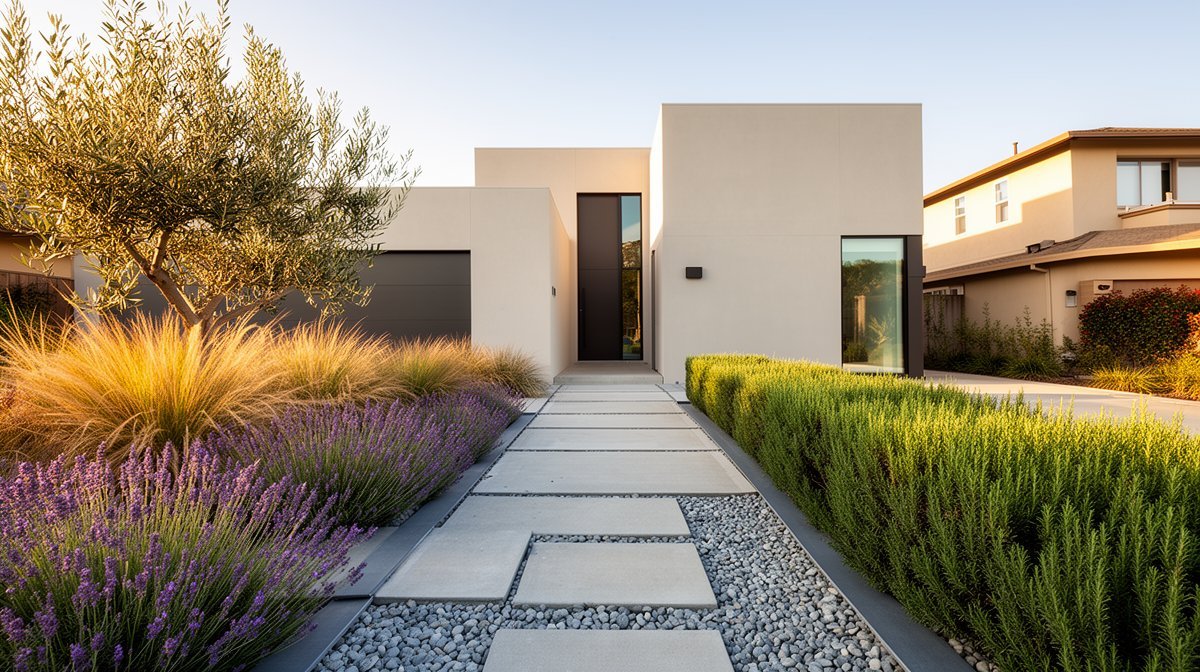
$22–40/sqftA single-story mid-century house in cream stucco with a horizontal grey siding panel, a low hipped roof and a matte black front door flanked by floor-to-ceiling glass. A wide poured-concrete walk runs dead straight from the sidewalk to the door in big rectangular pours, and the planting does all the softening. On the left, a long drift of cream-plumed grass rises almost to the window head and is fronted by tight mounds of lavender that spill onto the concrete edge. On the right the design keeps a small clipped lawn panel and a young multi-trunk tree in a mulch ring, then repeats the lavender with burgundy-leafed spikes, a yellow-striped yucca and a blue rosette or two — three plant textures, endlessly repeated, which is the whole trick to making a flat Sunnyvale frontage look composed rather than busy.

The Zero-Lawn Gravel Front
$18–32/sqftThe front lawn is gone completely. In its place is a field of warm gold gravel organised by curving steel-edged islands of dark mulch, each one a small composition: broad blue-grey agave rosettes at the front corner, a scatter of pink-blushed echeveria, a single golden barrel cactus for punctuation, mats of blue chalksticks, a burgundy flax spike, and rounded granite boulders that read as sculpture rather than decoration. The mature spreading tree by the driveway stays, sitting in its own mulch bed, and the existing concrete driveway is left untouched — which is why this conversion costs a third of what a full hardscape rebuild would. Curved bed lines against straight concrete is the deliberate tension here, and it suits a 1960s tract ranch better than an all-rectangles scheme.

The Fire Bowl Patio Room
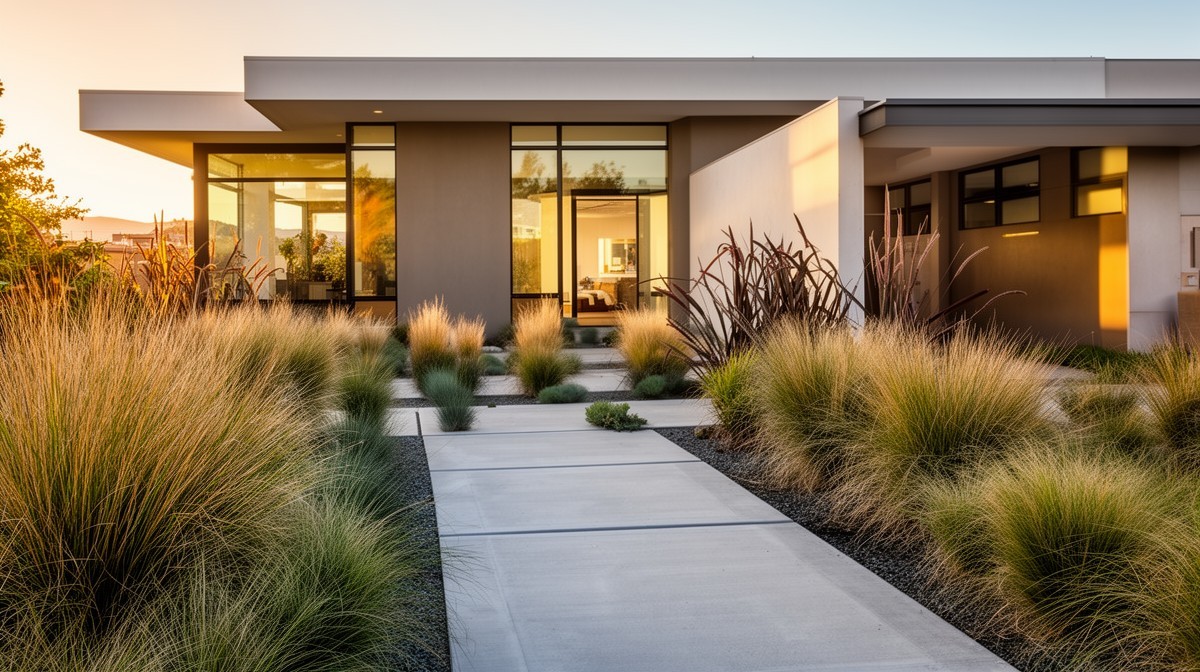
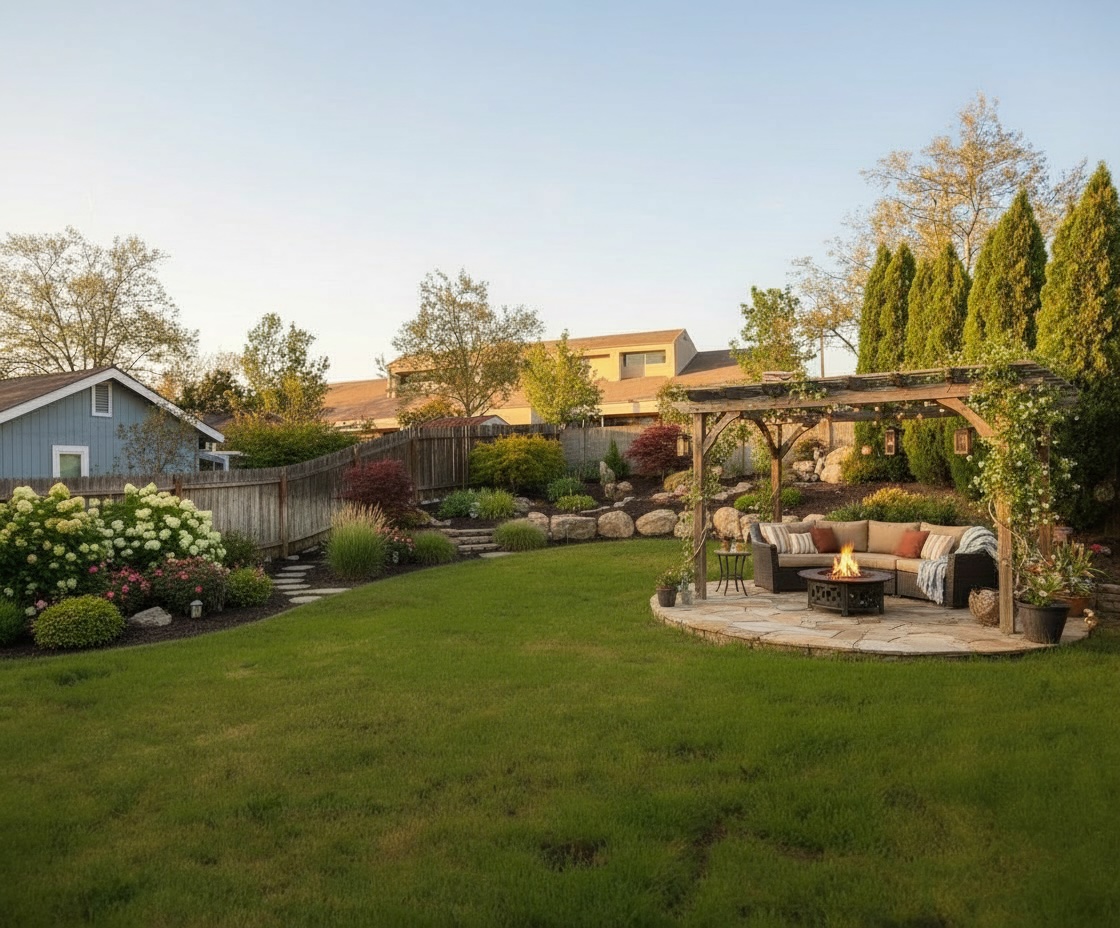
$45–75/sqftLarge-format grey concrete slabs form a generous rectangle straight off a wall of black-framed sliding doors, and a round board-formed concrete fire bowl sits at the centre with two metal-framed lounge chairs and a low sofa in cream cushions drawn around it. String lights swag from the fascia out to a mature deciduous tree that holds the far corner and shades the whole patio through the afternoon. A modest lawn panel survives beyond the paving — useful if there are children or a dog — and the hard edges of the slab dissolve into loose ribbons of plumed grass on every side. One paving material, one focal object, one planting texture: it is a scheme you can build in phases and it turns a standard rectangular Sunnyvale back yard into a room you use from March to November.

The Glass-Wall Pool Court
$110,000–$250,000 (pool and deck inclusive)Shot at blue hour, this is the full Eichler-descendant scheme: a flat roof with a deep overhang and a warm wood soffit, the entire kitchen and dining wall in glass, and a rectangular pool with a dark waterline tile band set into a field of pale large-format concrete slabs. Low black bollard lights march along the deck edges at even spacing and do most of the night-time work. A long outdoor sofa and a low rectangular concrete fire table occupy the far side, and the planting is deliberately quiet — blue-grey tufts and a lavender ribbon running the deck perimeter, with two small multi-trunk trees uplit against a horizontal dark-stained fence. Restraint is the whole design: four materials, two plant colours, and every light aimed at something worth seeing.
See how a modern/minimalist garden looks on YOUR property
Upload a photo of your Sunnyvale yard and visualize your dream garden in seconds.
Try ProScapeAI Free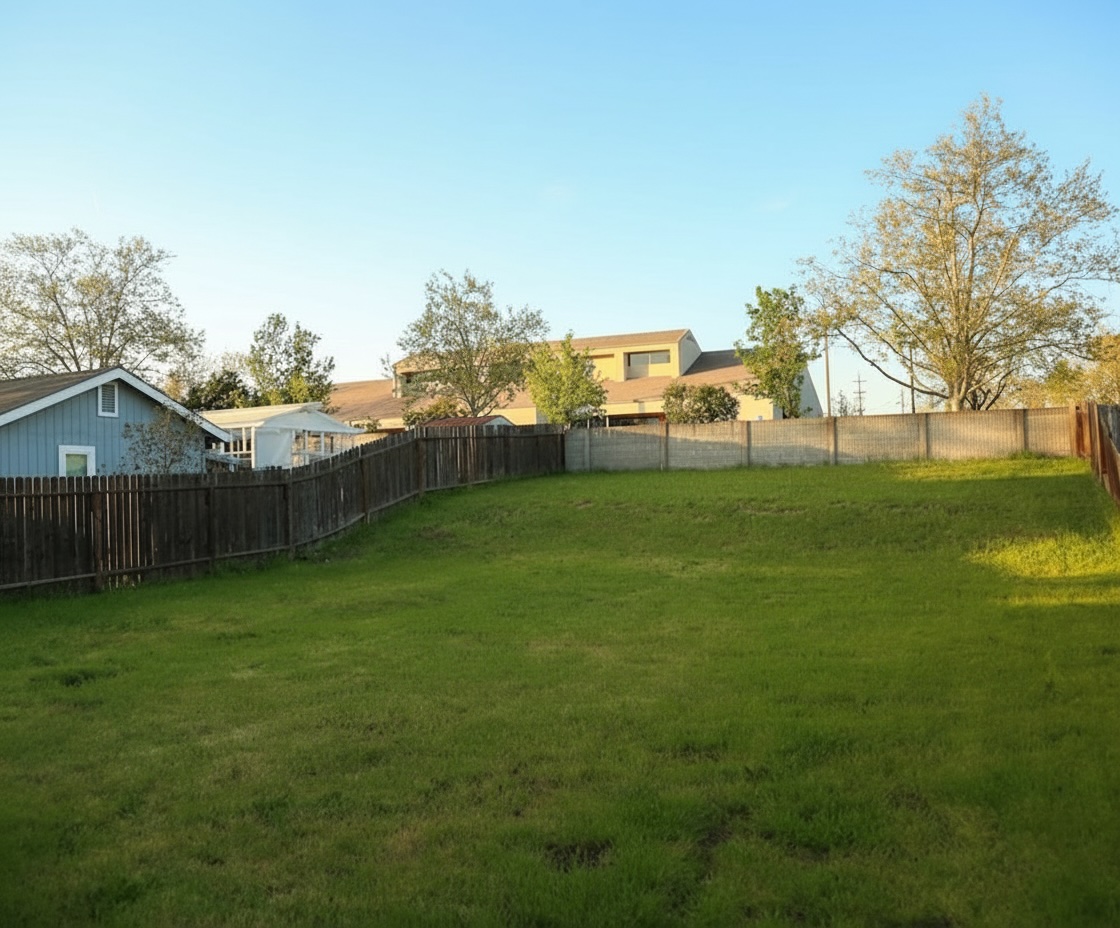
Featured Trees & Shrubs for Modern/Minimalist Gardens
Browse all 197 plants for Sunnyvale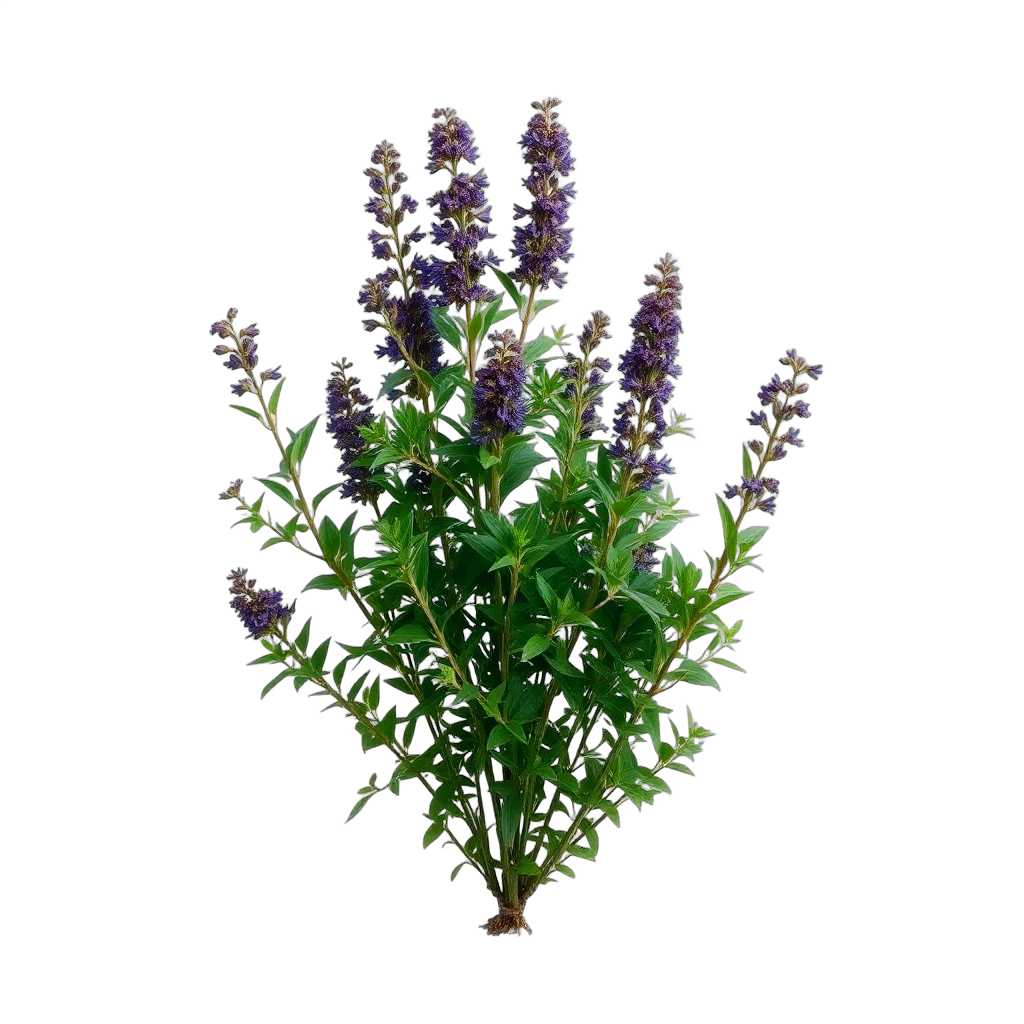
Black Sage
Salvia mellifera
grows to 4 feet, white blooms in spring. Attracts butterflies.
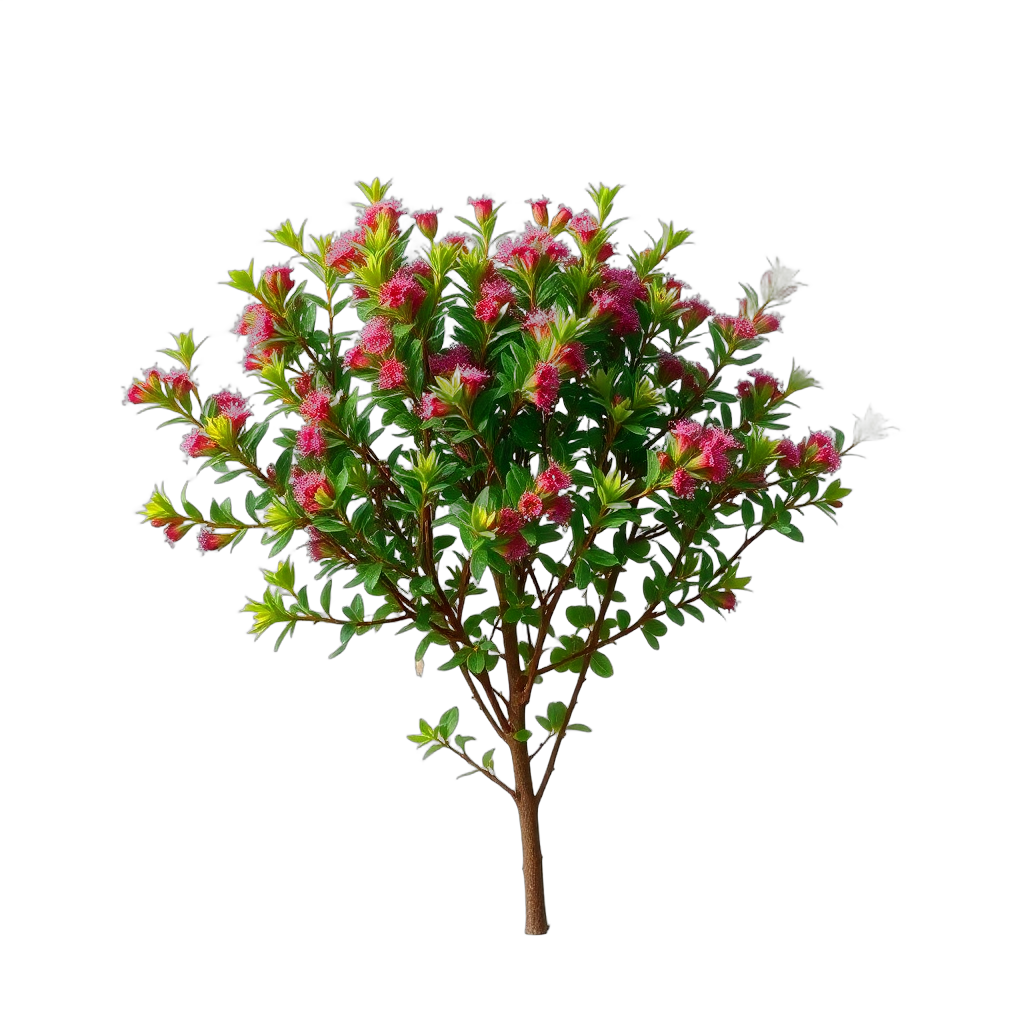
Buckbrush
Ceanothus cuneatus
medium-sized at 7 feet, white blooms in spring. Attracts butterflies.
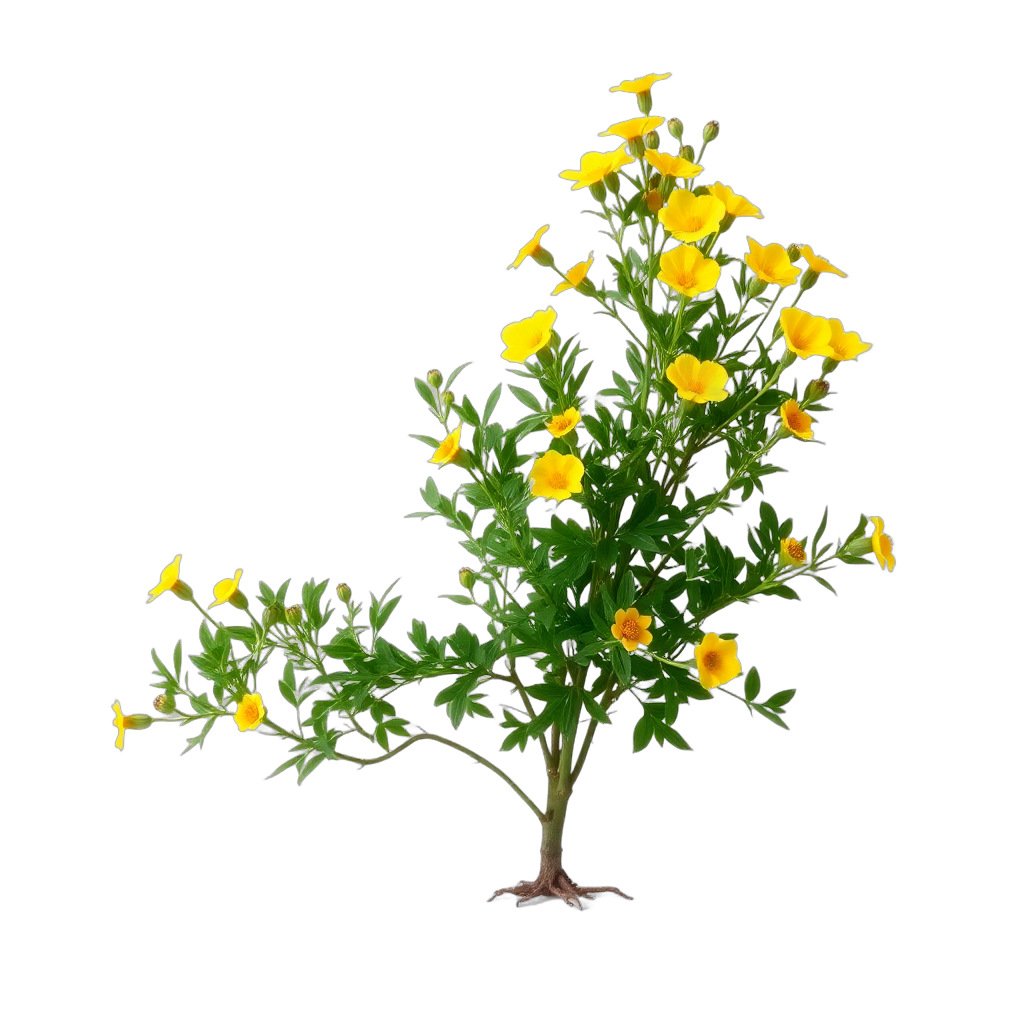
Bush Poppy
Dendromecon rigida
grows to 6 feet, yellow blooms in spring. Pollinator-friendly.
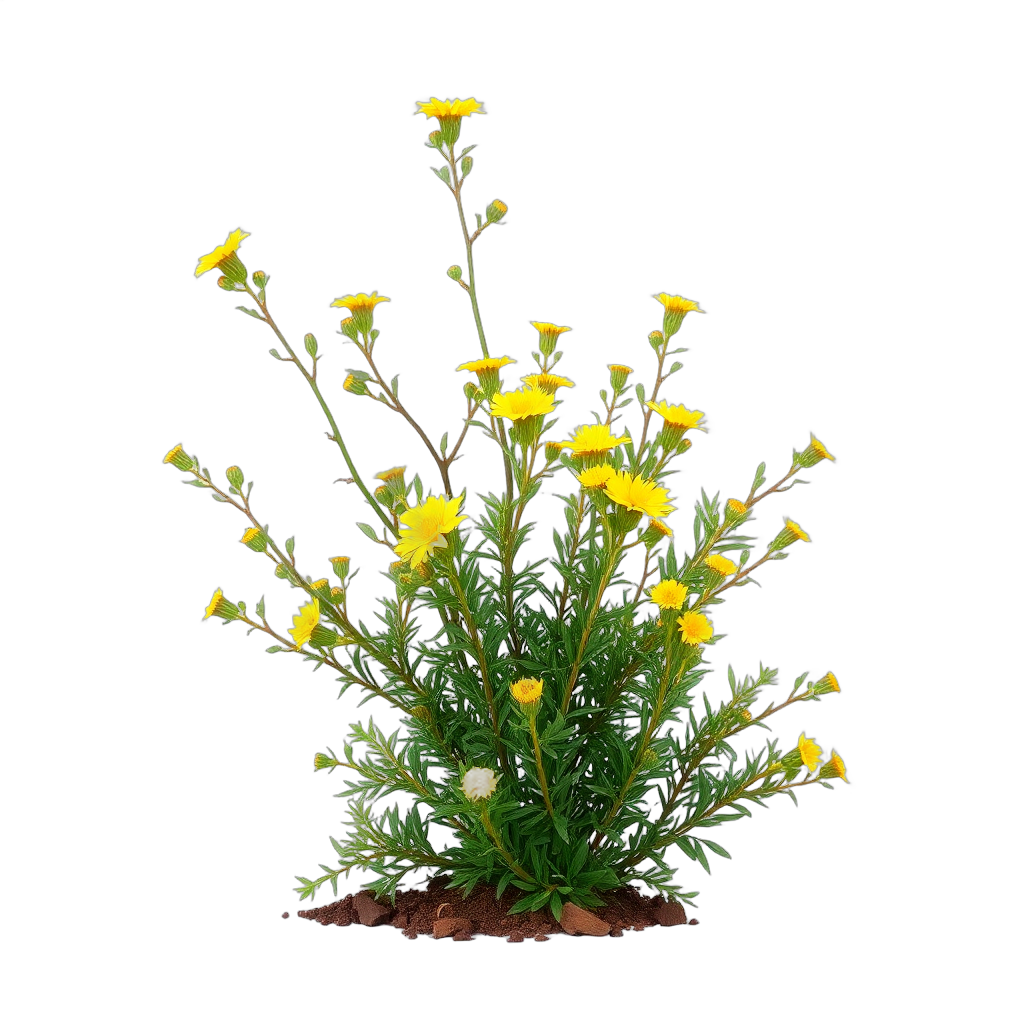
California Brittlebush
Encelia californica
grows to 4 feet, yellow blooms in spring. Attracts butterflies.
Featured Grasses & Groundcovers for Modern/Minimalist Gardens
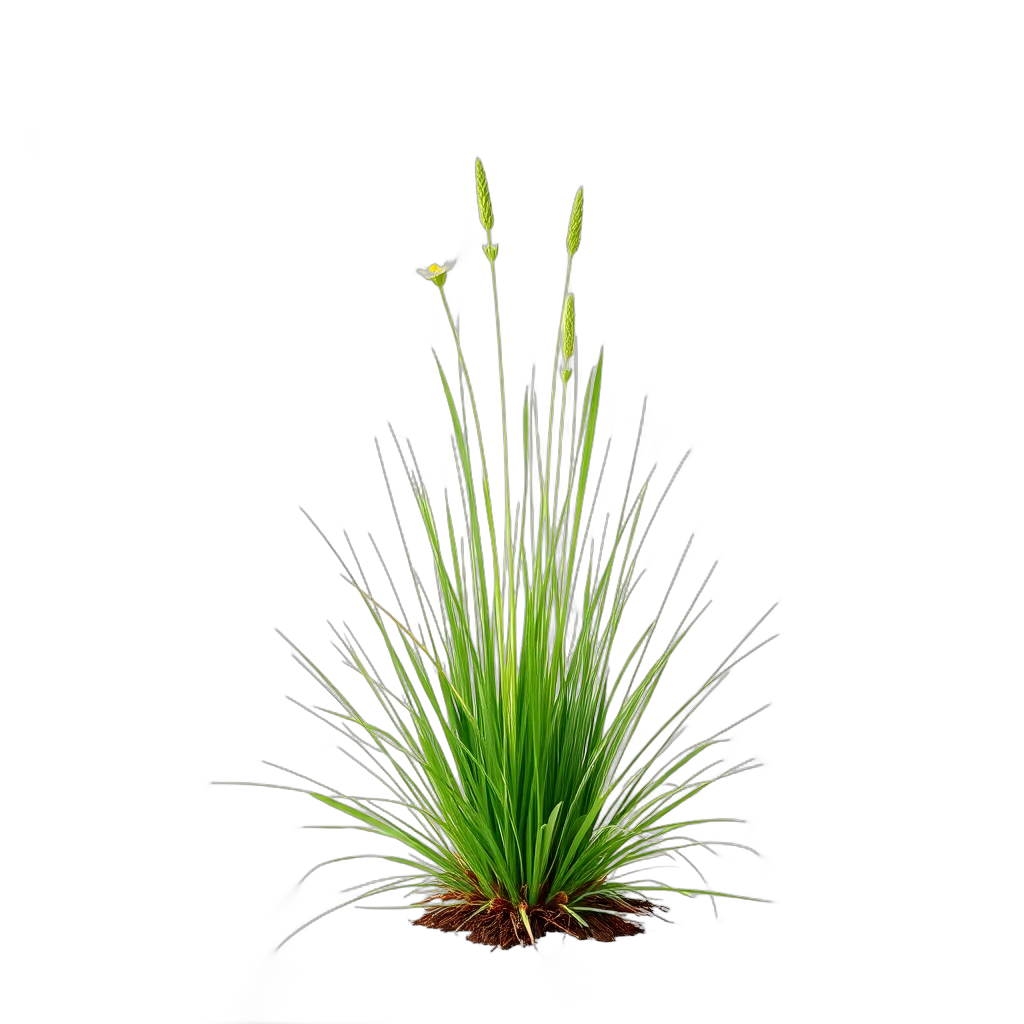
California Brome
Bromus carinatus
low-growing ground cover, blooms in spring. Yellow fall color.
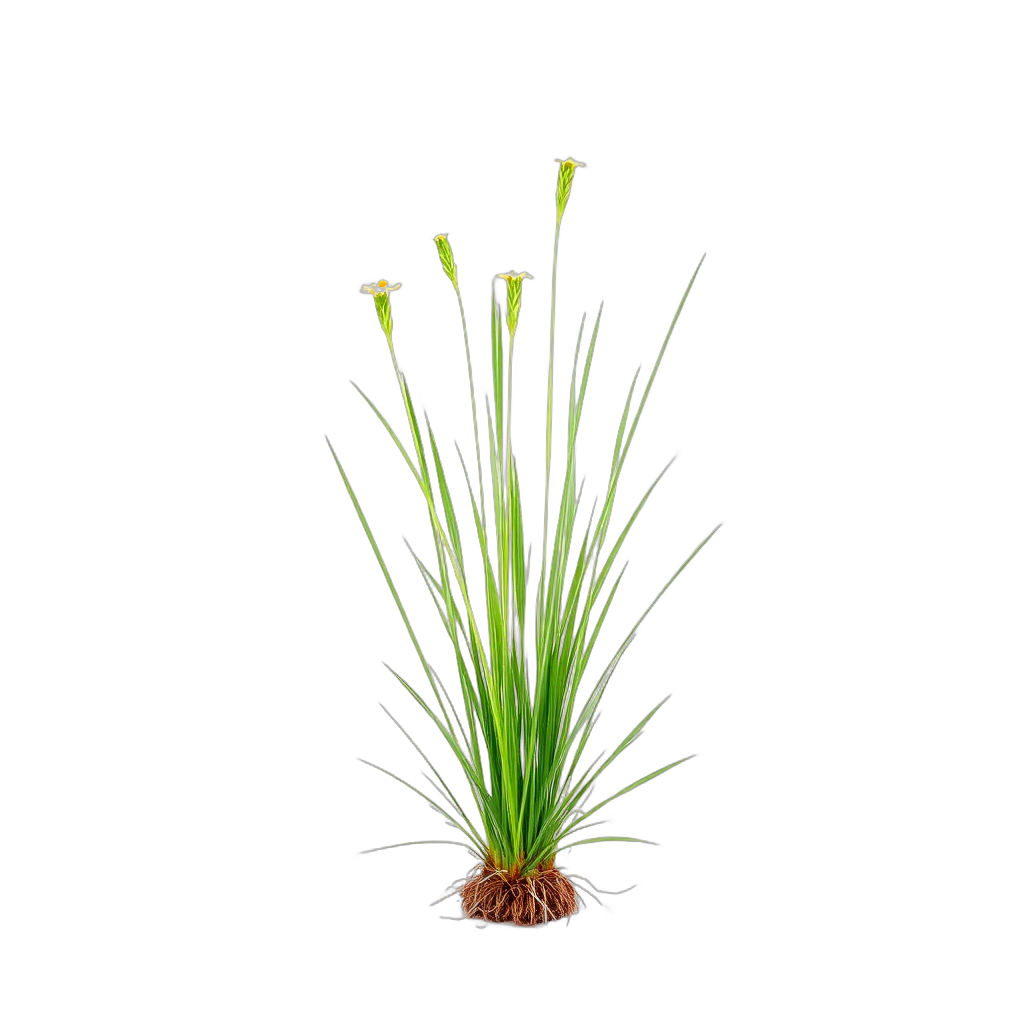
California Melic
Melica californica
low-growing ground cover, blooms in spring.
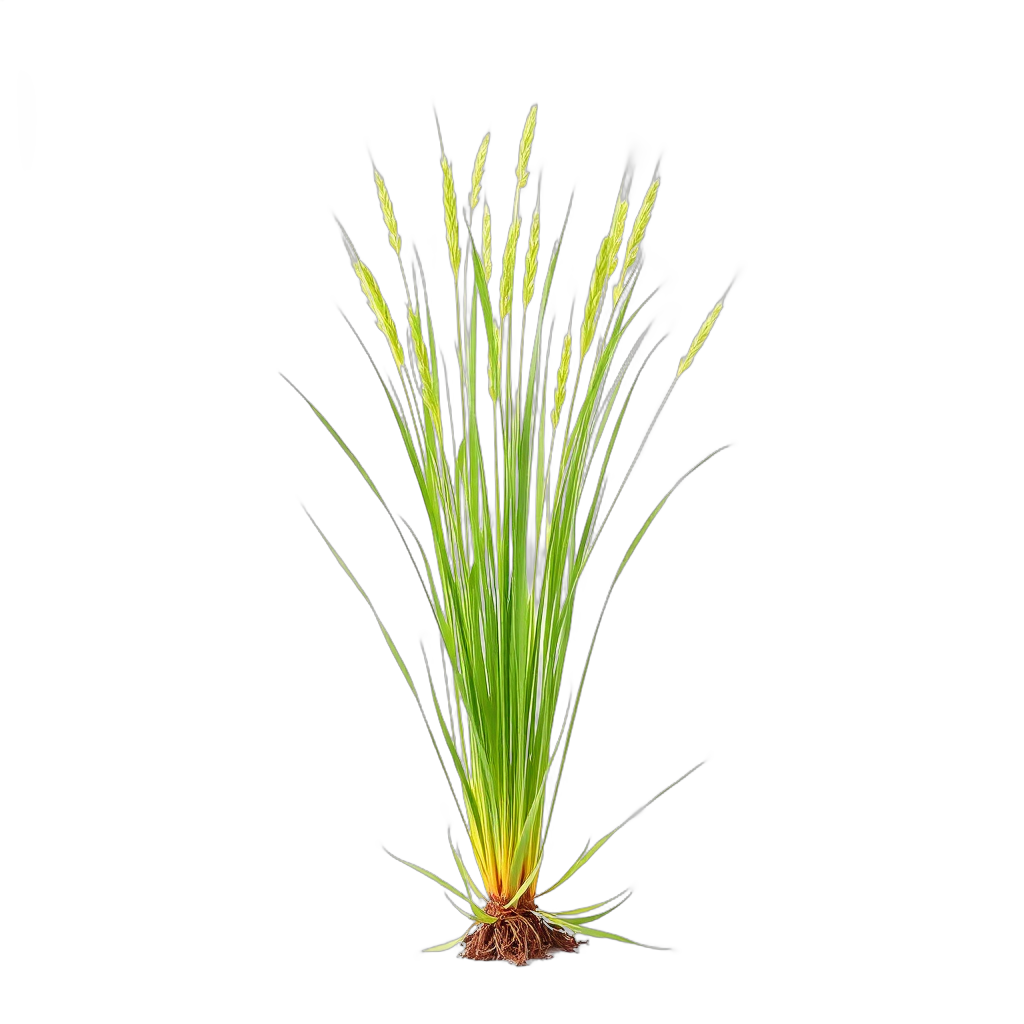
California Oatgrass
Danthonia californica
low-growing ground cover, blooms in spring. Yellow fall color.
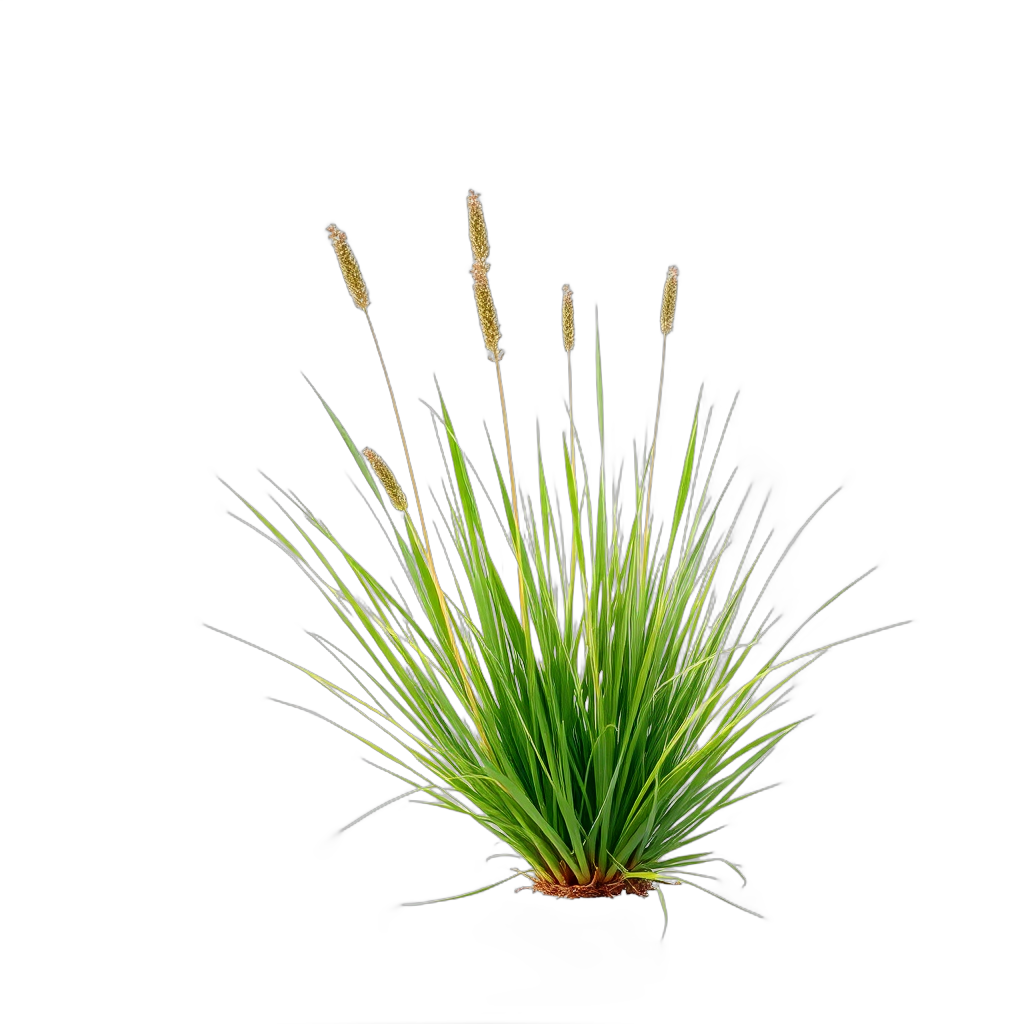
Deer Grass
Muhlenbergia rigens
grows to 3 feet, yellow blooms in fall. Evergreen year-round.
Featured Flowers & Perennials for Modern/Minimalist Gardens
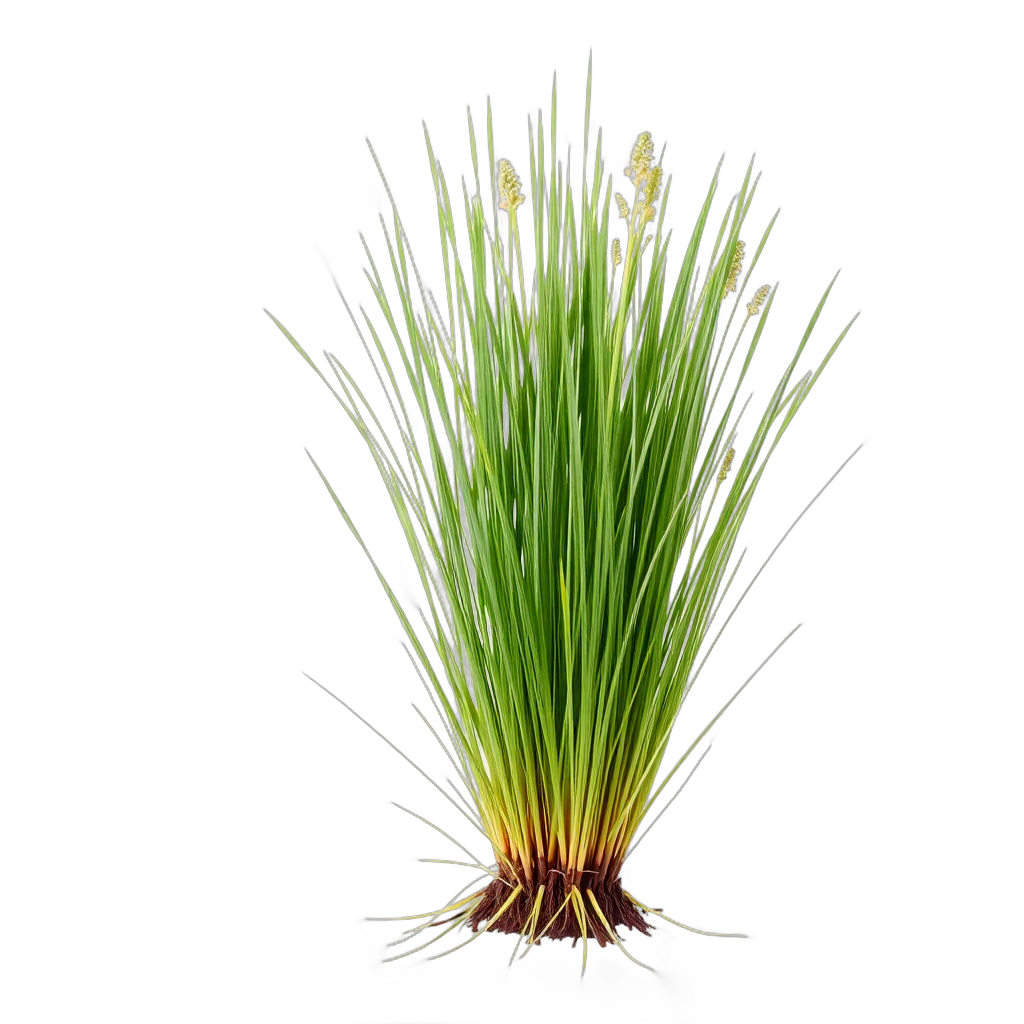
California Gray Rush
Juncus patens
low-growing ground cover, blooms in summer. Evergreen year-round.
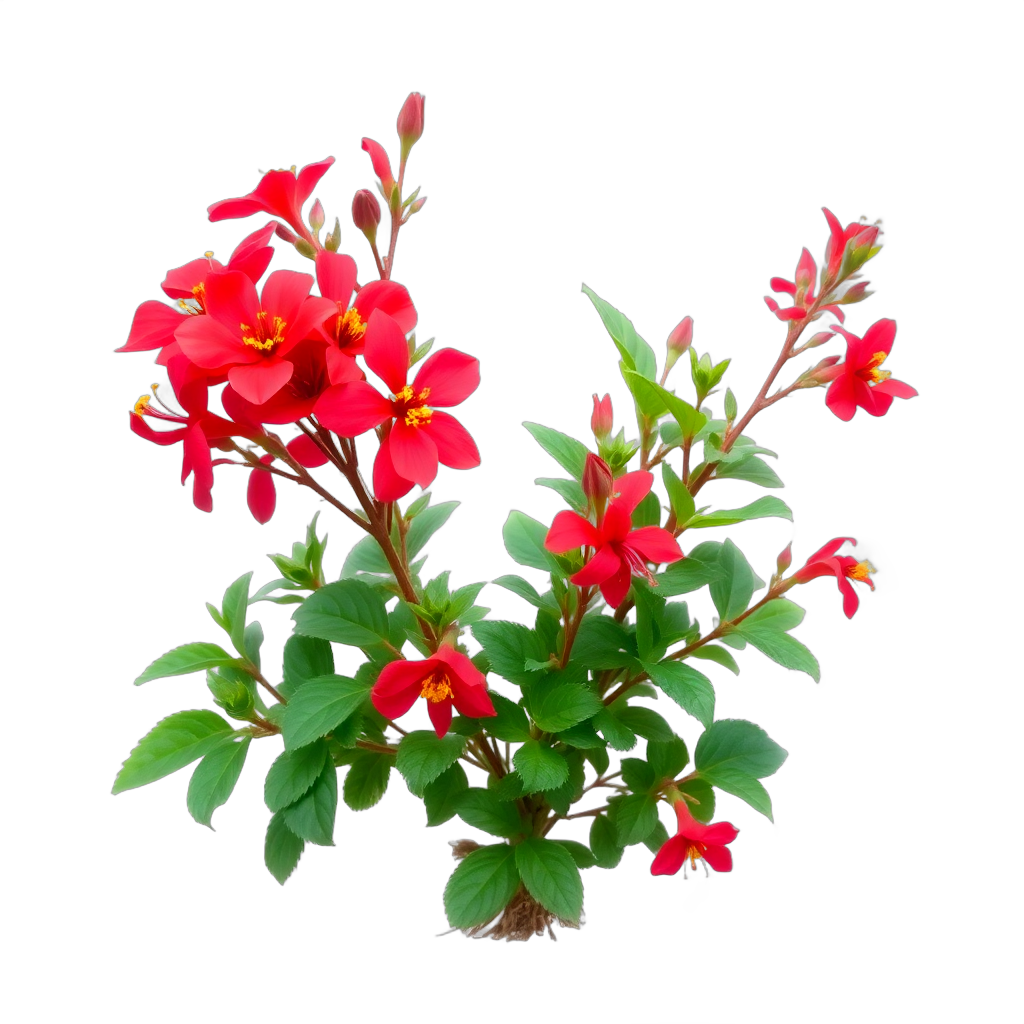
California Fuchsia
Zauschneria californica
low-growing ground cover, red blooms in fall. Attracts hummingbirds.
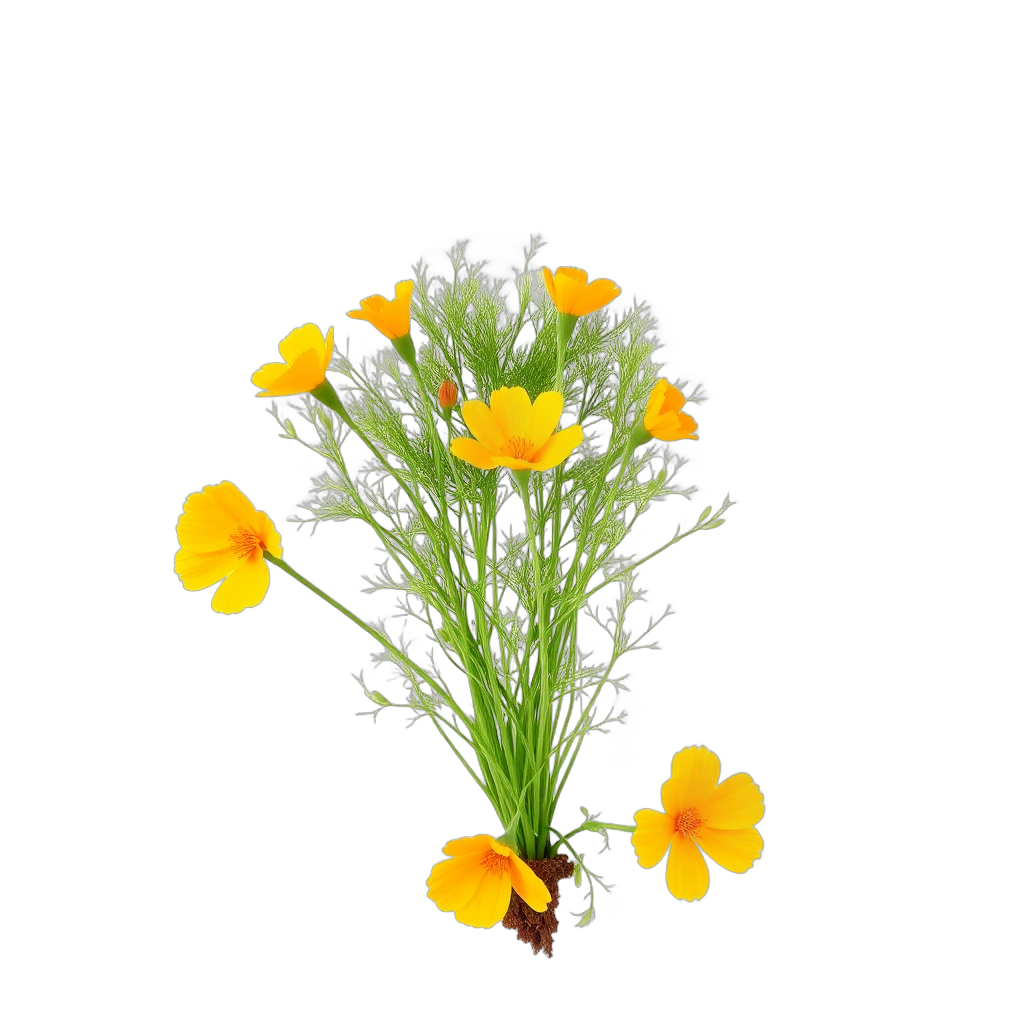
California Poppy
Eschscholzia californica
low-growing ground cover, orange blooms in spring.
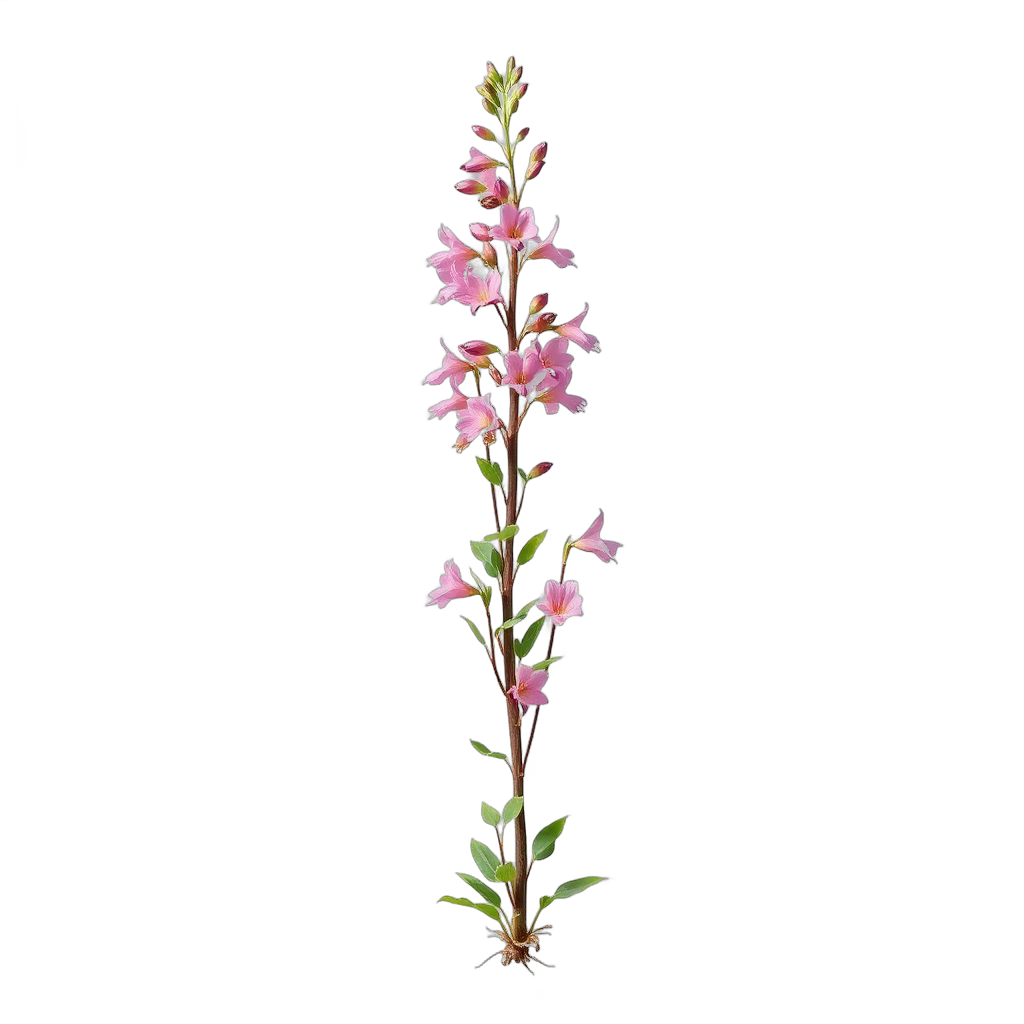
Foothill Penstemon
Penstemon heterophyllus
low-growing ground cover, blue blooms in spring. Attracts hummingbirds.
Zone and sun checks come from our database — confirm with your local nursery before you buy.
Bloom Calendar for Sunnyvale
spring
California Poppy, Foothill Penstemon, Foothill Sedgesummer
California Gray Rush, Black Sage, California Buckwheatfall
California Fuchsia, Deer Grasswinter
Limited bloomsDesign Tips for Sunnyvale (Zone 9b)
- Berm everything sculptural four to six inches above grade and mulch the crowns with 3/8 inch gravel rather than bark — in Sunnyvale's adobe clay, an Agave ovatifolia or Aeonium arboreum 'Zwartkop' is killed by a wet February, never by a cold night.
- Plant Muhlenbergia rigens or Leymus condensatus 'Canyon Prince' where a Los Angeles designer would reach for Mexican feather grass; you get the identical soft-architectural mass, it is native to this chaparral-and-woodland ecoregion, and you are not seeding a statewide invasive into the Santa Cruz foothills.
- Split irrigation into at least three hydrozones on separate valves — unwatered natives such as Arctostaphylos 'Howard McMinn' and Ceanothus 'Ray Hartman', a low-water Mediterranean zone for Lavandula × intermedia 'Grosso' and Westringia, and containers — because with zero summer rainfall a single valve forces you to overwater the whole garden to keep the thirstiest plant alive.
- Keep the existing canopy and design under it. A gravel-and-concrete groundplane radiates heat, and a September heat spike over 100°F makes an unshaded Sunnyvale back yard unusable; limb an existing Chinese elm, Pistacia chinensis 'Keith Davey' or coast live oak up high so the trunk reads as sculpture above the clean planting.
- Cage the roots. Pocket gophers are endemic across the Valley floor and will take a boxed Olea europaea 'Little Ollie' or a whole tray of Echeveria 'Afterglow' in a night — galvanised wire baskets at planting cost a few dollars and save the specimen budget.
- Compact 4–6 inches of Class II base under every square foot of paving; Sunnyvale clay swings from saturated in February to brick-hard in August, and slabs laid straight onto native soil will lip and crack inside three years no matter how good the concrete is.
- Light the plant forms, not the lawn. Uplights behind Yucca rostrata 'Sapphire Skies', Dasylirion wheeleri or a multi-trunk Arbutus 'Marina' give the long, warm South Bay evenings the depth that makes a modern design worth looking at from indoors — which, in an Eichler with a glass wall, is most of the year.
Where to Source Plants in Sunnyvale
Skip the big-box stores. These independent Sunnyvale nurseries specialize in the plants that make modern/minimalist gardens thrive in Zone 9b.
Central Wholesale Nursery
McKinley Ave, San Jose (~9 miles from Sunnyvale)
Third-generation family nursery open to the public; one of the South Bay's largest ranges of specimen agaves, olives, water-wise shrubs and boxed trees for clean-line designs
Grassroots Ecology Native Plant Nursery
East Bayshore Road, Palo Alto (~7 miles)
Non-profit nursery propagating locally native Santa Clara, San Mateo and Santa Cruz County species from seed and cuttings — the source for Muhlenbergia rigens, Leymus condensatus, Ceanothus and Arctostaphylos; public sales run in the fall planting season
Wegman's Nursery
Woodside Road, Redwood City (~14 miles)
Independent Peninsula nursery, strong on olives, citrus, bare-root and specimen trees, with staff who give in-person planting advice for Bay Area clay
Almaden Valley Nursery
Almaden Expressway, San Jose (~18 miles)
Long-running independent garden centre with a deep shrub, fruit tree and perennial bench, plus pottery and soil amendments suited to Santa Clara Valley adobe
Yerba Buena Nursery
Highway 92 at Pastorino Farms, Half Moon Bay (~28 miles)
California native plant specialist since 1960, with an unusually broad Arctostaphylos, Ceanothus, Salvia and native grass inventory and a searchable online plant list
Modern/Minimalist Landscaping Costs in Sunnyvale
| Project Scope | Estimated Cost |
|---|---|
| Front-yard lawn removal + gravel field, steel edging and architectural planting (500–700 sqft) | $12,000 – $28,000 |
| Poured concrete or large-format paver patio with sawn joints (400 sqft) | $16,000 – $34,000 |
| Board-formed concrete fire bowl or fire table, plumbed to the gas line | $4,500 – $14,000 |
| Spray-to-inline-drip conversion with weather-based controller (typical lot) | $2,500 – $6,500 |
| Low-voltage LED lighting, 12–18 fixtures with transformer and timer | $3,500 – $9,000 |
| Horizontal redwood or cedar fence, 6 ft tall (60 linear ft) | $6,000 – $15,000 |
| Specimen 24-inch box Arbutus 'Marina' or Olea europaea, planted on a drainage berm in a gopher basket | $500 – $1,200 each |
| Rectangular gunite pool with large-format deck and perimeter planting | $110,000 – $250,000 |
| AI visualization with ProScapeAI | Free to start |
Estimates based on Sunnyvale, CA-area contractor rates as of 2026. Actual costs vary by site conditions, materials, and contractor.
Sunnyvale Climate & Growing Zone
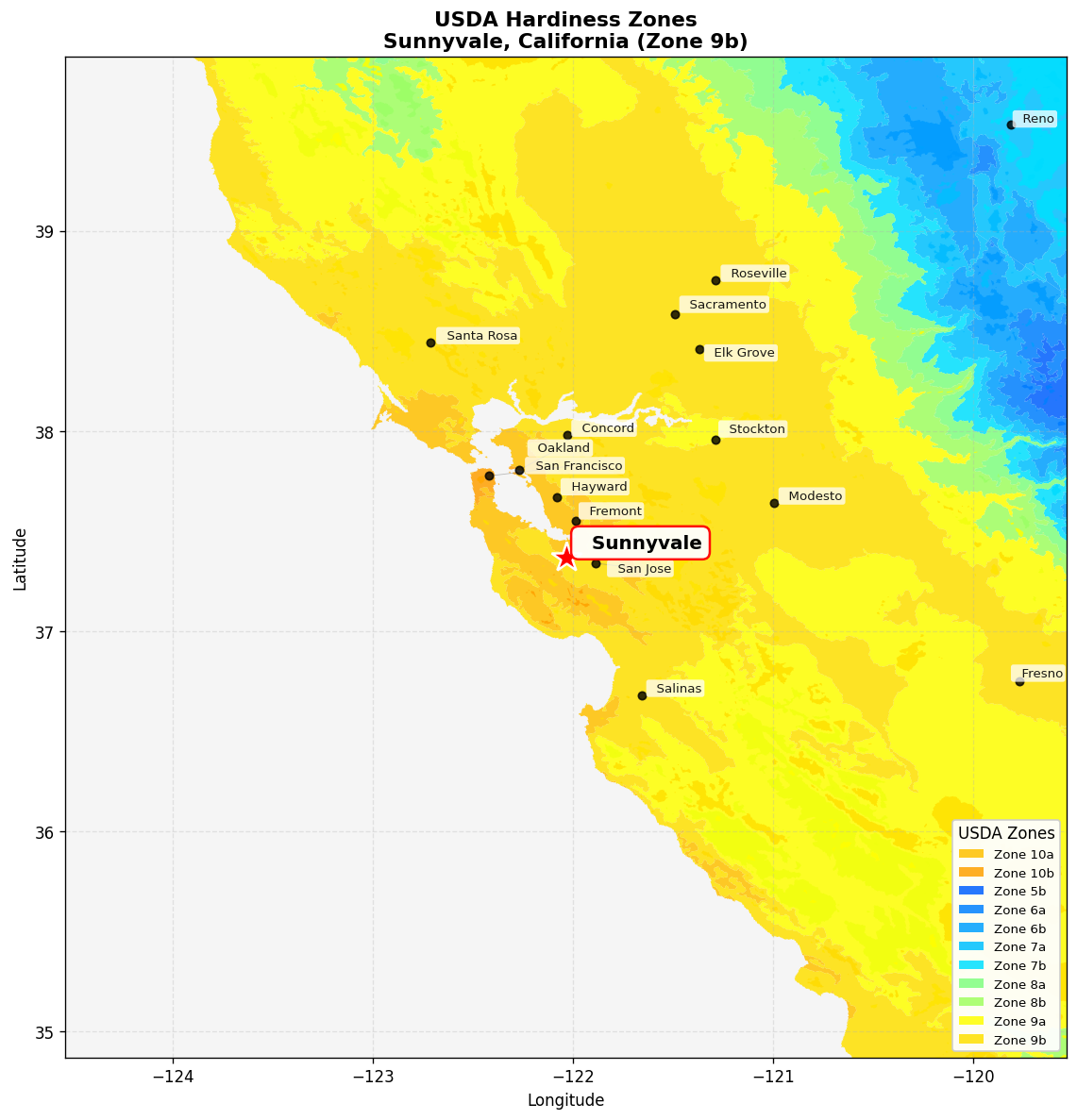
USDA Zone 9b
Hardiness zone for Sunnyvale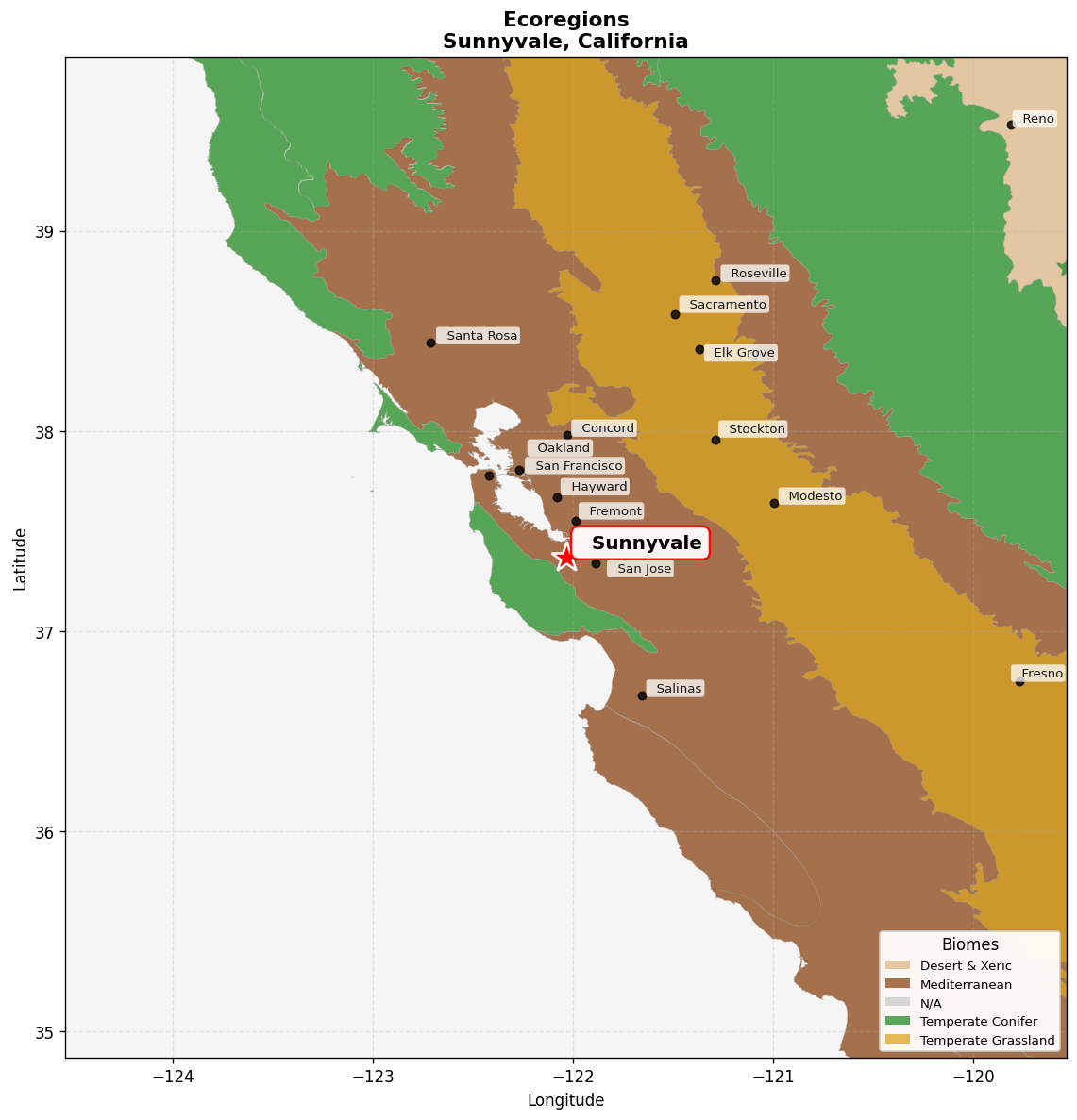
California interior chaparral and woodlands
Native ecoregionFrequently Asked Questions
How much does modern landscaping cost in Sunnyvale?
Santa Clara County labour and permit costs run roughly 30–50% above the national average, so budget accordingly. A full front-yard conversion — turf removal, gravel field, steel edging, boulders and boxed plants — on a typical 600 sqft Sunnyvale frontage lands around $12,000–$28,000 installed. A large-format paver patio of 400 sqft with a plumbed gas fire bowl runs $25,000–$50,000. Low-voltage lighting for a whole back yard is $3,500–$9,000, and converting spray heads to inline drip with a weather-based controller is $2,500–$6,500. A pool with surrounding deck and planting is a $110,000–$250,000 project here. A confident DIY gravel-and-plants front yard, buying Agave ovatifolia and Muhlenbergia rigens in 5-gallon rather than 24-inch box sizes, can come in near $8–$12 per square foot.
What actually survives a Sunnyvale summer with almost no water?
After two or three winters of establishment, plenty. Arctostaphylos 'Howard McMinn', Ceanothus 'Ray Hartman', Muhlenbergia rigens, Leymus condensatus 'Canyon Prince' and Salvia clevelandii 'Winnifred Gilman' will hold through a rainless June-to-September on one deep soak a month or none at all, because they are adapted to exactly this rainfall pattern. Agave ovatifolia, Yucca rostrata 'Sapphire Skies' and Dasylirion wheeleri need less still. What genuinely needs drip is anything in a container, anything planted within the last two years, and the softer Mediterranean fillers like Lavandula × intermedia 'Grosso' and Westringia fruticosa 'Morning Light', which look tired by August on nothing. Put those on their own valve rather than watering the whole garden to the thirstiest plant — that single hydrozone decision usually saves more water than the plant list does.
How do I deal with Sunnyvale's adobe clay and old orchard hardpan?
Assume it is there and design above it. Most Sunnyvale lots are deep alkaline clay loam over a compacted layer left by decades of orchard cultivation and by the grading that built the tract. Never dig a small hole and backfill it with light soil — in a wet January that hole is a sealed bathtub and your Agave or Aeonium rots at the crown. Instead cut whole beds 12–18 inches deep, break the pan with a fork or an auger, rebuild with a coarse sandy loam blended roughly half and half with 3/8 inch crushed rock, and berm the middle four to six inches proud of the surrounding grade. Mulch the crowns with gravel, not bark. For hardscape, excavate and compact 4–6 inches of Class II base under every paver and slab; clay that swings from saturated in February to concrete-hard in August will move anything laid straight on native ground within a few seasons.
Is there a rebate for tearing out my lawn?
Usually yes, and it is worth real money on a Sunnyvale front yard. Valley Water's landscape rebate has run in the region of $2 per square foot of lawn converted to a low-water design, with a residential cap in the low thousands of dollars, and separate smaller rebates have been offered for weather-based irrigation controllers and laundry-to-landscape graywater. The rules are strict about process: apply and get approval before you remove anything, take dated photographs of the existing lawn, and keep enough plant cover in the finished design — a bare gravel slab with three plants in it is typically rejected. Funding levels and program terms change each year, so confirm current requirements with Valley Water and the City of Sunnyvale before your contractor starts.
When is the best time to install a landscape in Sunnyvale?
October through February, without much argument. Planting into the start of the wet season lets roots run through a mild, damp winter — lows rarely below 30°F — so plants face their first rainless summer already established, which can halve first-year irrigation. February and March are the second window. Avoid planting from June to September if you can: with 15 inches of annual rain all falling in winter, a summer-planted Ceanothus or Arctostaphylos needs babysitting for months and often still fails. Hardscape is different — concrete and pavers can go in almost any month here, and contractors are typically less booked in mid-winter, though a wet week will delay a pour.
Which plants should I avoid in a Sunnyvale modern garden?
Skip Mexican feather grass (Stipa tenuissima, sold as Nassella tenuissima) even though every modern-garden photograph seems to feature it — it seeds aggressively into California grassland and is on statewide invasive watchlists. Muhlenbergia rigens and Leymus condensatus 'Canyon Prince' give you the same fine-textured mass and are natives of this ecoregion. Likewise plant the sterile Pennisetum setaceum 'Rubrum' rather than the green species, which naturalises here. Avoid moisture-loving structural plants such as Buxus sempervirens in full afternoon sun — Buxus microphylla var. japonica 'Green Beauty' takes the heat and the alkaline clay far better — and be realistic about tropicals: at 25–30°F winter minimums, tender Alocasia and most Plumeria will not overwinter in open ground.
Do I need a permit for modern landscaping work in Sunnyvale?
Planting, drip irrigation, gravel conversions and mulch beds do not. Permits and city review come into play with pools and pool barriers, retaining walls above roughly four feet, structures with a roof, electrical for landscape lighting circuits tied into the house, and larger new or rehabilitated landscapes that fall under the state's Model Water Efficient Landscape Ordinance. Sunnyvale also protects larger trees on private property, so removing that mature Chinese elm or coast live oak is a conversation with the city rather than a decision you make with an arborist alone. Check requirements with the City of Sunnyvale before you commit to a design that depends on any of the above — rules and thresholds change, and this is a planning question, not a design one.