4 Mediterranean Garden Ideas for San Marcos, CA | Zone 10a Courtyards
Native plants from the California coastal sage and chaparral (Zone 10a) — Mediterranean (hot summer) climate
For a mediterranean garden in San Marcos, CA, a zone 10a city with a mediterranean (hot summer) climate, start with Olea europaea 'Arbequina', Rosmarinus officinalis 'Tuscan Blue' and Lavandula stoechas 'Otto Quast', the plants this guide's first design is built on.
Why Mediterranean Gardens in San Marcos?
San Marcos already has the architecture for a Mediterranean garden: terra-cotta tile roofs, arched entries and stucco walls in tan, cream and ochre, especially around Lake San Marcos and Santa Fe Hills. The climate matches too, since this is a Mediterranean climate with wet winters and long dry summers, so the plants of Tuscany, Provence and coastal Spain do not need to be forced. The garden is built around a courtyard, one or two trees, and herbs and shrubs in gravel.
NOAA's 1991–2020 normals for Escondido, a few miles east, show a January average low near 45°F, a July average high near 87°F and about 14.5 inches of rain a year. That is the same pattern olives, rosemary and lavender were bred for: Olea europaea 'Arbequina' for fruit and shade, Rosmarinus officinalis 'Tuscan Blue' for an upright hedge, Lavandula stoechas 'Otto Quast' for color, Salvia 'Allen Chickering' for a larger shrub, and Cupressus sempervirens 'Tiny Tower' for a narrow vertical. Citrus × meyeri 'Improved Meyer' lemon and Ficus carica 'Black Mission' add edible fruit; keep them near a warm wall in case of a cold night.
Soil is the main variable. Hillside lots have decomposed granite that drains fast, while valley lots and graded pads may have clay or fill. Test drainage before planting olives and lavender, then mound the bed 8–12 inches where water stands. A 3-inch mulch of gravel or decomposed granite keeps crowns dry and fits the look.
Before building, confirm HOA design review for walls, fences and front-yard changes, particularly in communities such as Lake San Marcos. Check with your water district about turf-replacement rebates and apply before removing grass. Fountains, pergolas and retaining walls may need city permits depending on size.
4 Mediterranean Design Ideas for San Marcos
AI-generated image
The Olive Courtyard
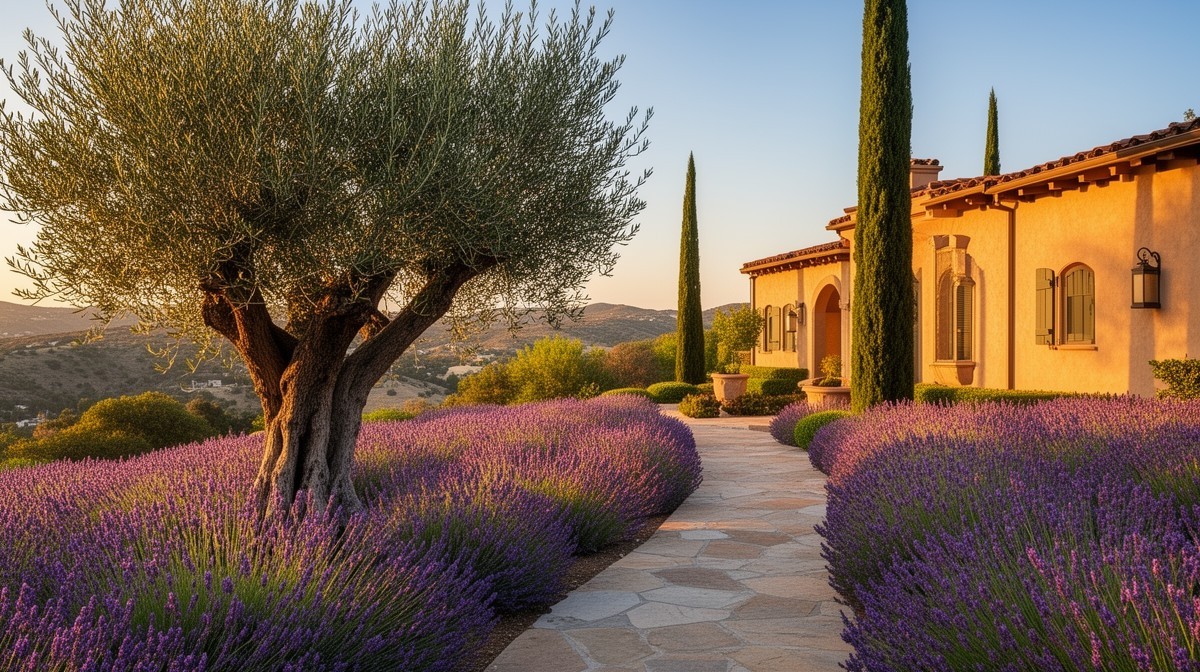
$20–40/sqftA gravel court in front of a tan stucco house is anchored by a multi-trunk Olea europaea 'Arbequina' and a terra-cotta pot of Meyer lemon beside the door. Rosemary and lavender line the walls, a low stone bench sits under the olive and a flagstone path crosses the gravel to the entry. In late afternoon the olive's shade falls across the bench, and the stucco wall holds heat for the herbs.
Try this on your yard: The Olive CourtyardAI-generated image
The Cypress and Herb Walk
$24–46/sqftTwo Cupressus sempervirens 'Tiny Tower' stand on either side of a flagstone walk, with low hedges of rosemary and santolina along the edges. At the end a wall fountain splashes into a stone basin, and terra-cotta pots of lavender mark the corners. The narrow cypresses give height without shading the front windows.
Try this on your yard: The Cypress and Herb WalkAI-generated image
The Backyard Pergola Dining Terrace
$28–56/sqftA flagstone terrace sits under a cedar pergola draped with grape, with a long dining table and terra-cotta pots of herbs around the edges. Pomegranate and fig trees stand at the back fence, and the beds are mulched with gravel. Afternoon sun hits the terrace through the vine leaves, which cool the table in summer and let winter light through after leaf drop.
Try this on your yard: The Backyard Pergola Dining TerraceAI-generated image
The Hillside Terrace Garden
$30–60/sqftA sloped lot is cut into stone-walled terraces connected by flagstone steps. Rosemary cascades over the top wall, Vitex agnus-castus 'Shoal Creek' gives a lavender cloud in summer, and Cistus and Salvia fill the lower beds. Each terrace is a separate planting, and the walls hold soil and shed winter rain.
Try this on your yard: The Hillside Terrace GardenSee how a mediterranean garden looks on YOUR property
Upload a photo of your San Marcos yard and visualize your dream garden in seconds.
Try ProScapeAI Free

AI-generated image
Featured Trees & Shrubs for Mediterranean Gardens
Browse all 212 plants for San Marcos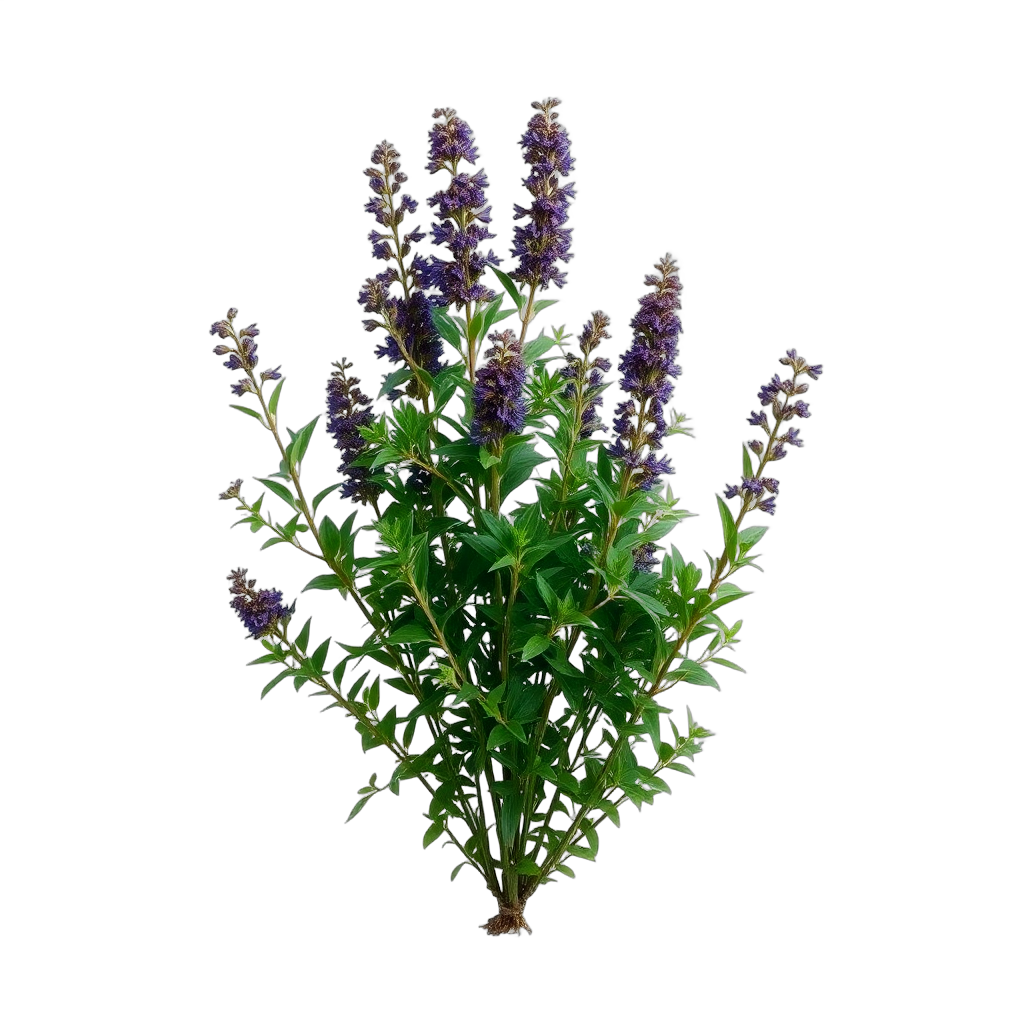
Black Sage
Salvia mellifera
grows to 4 feet, white blooms in spring. Attracts butterflies.
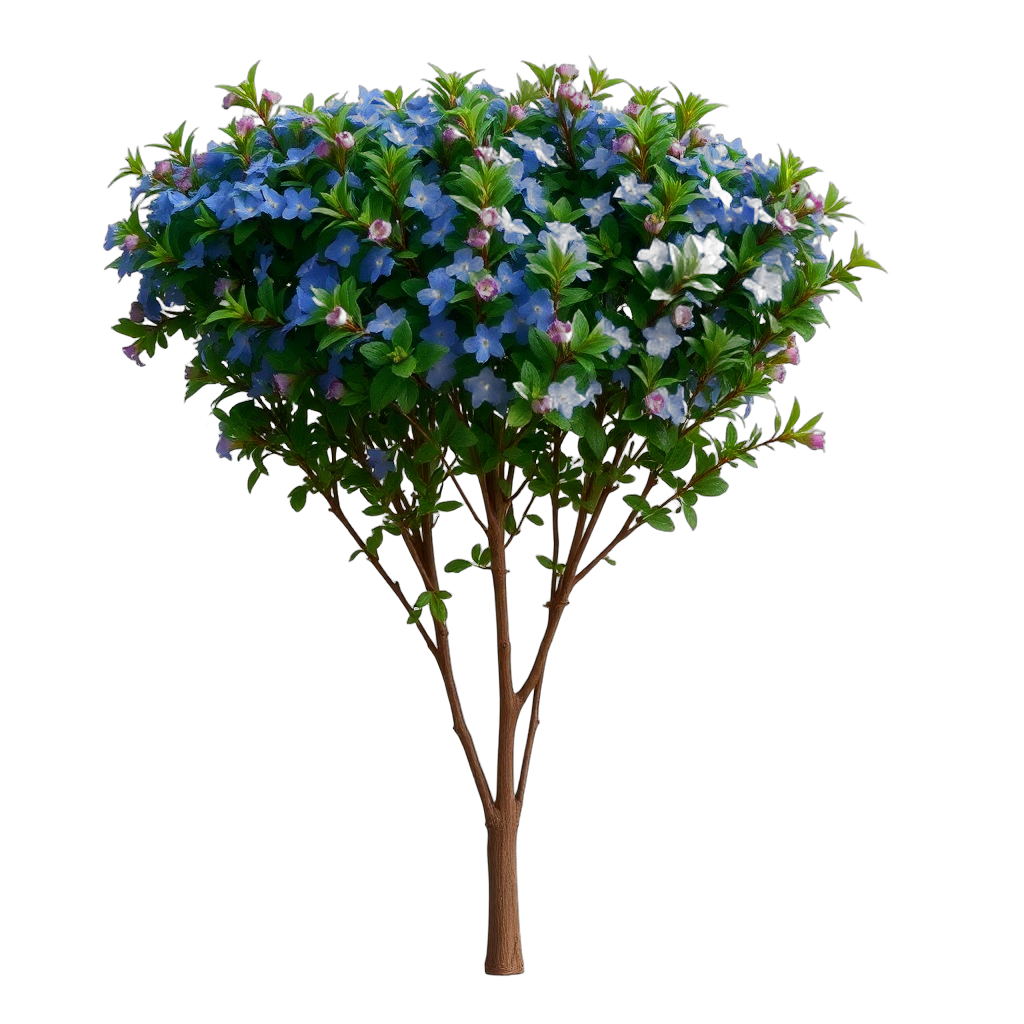
Blue Blossom
Ceanothus thyrsiflorus
medium-sized at 12 feet, blue blooms in spring. Attracts butterflies.

Blue Elderberry
Sambucus cerulea
medium-sized at 15 feet, white blooms in spring. Attracts butterflies.
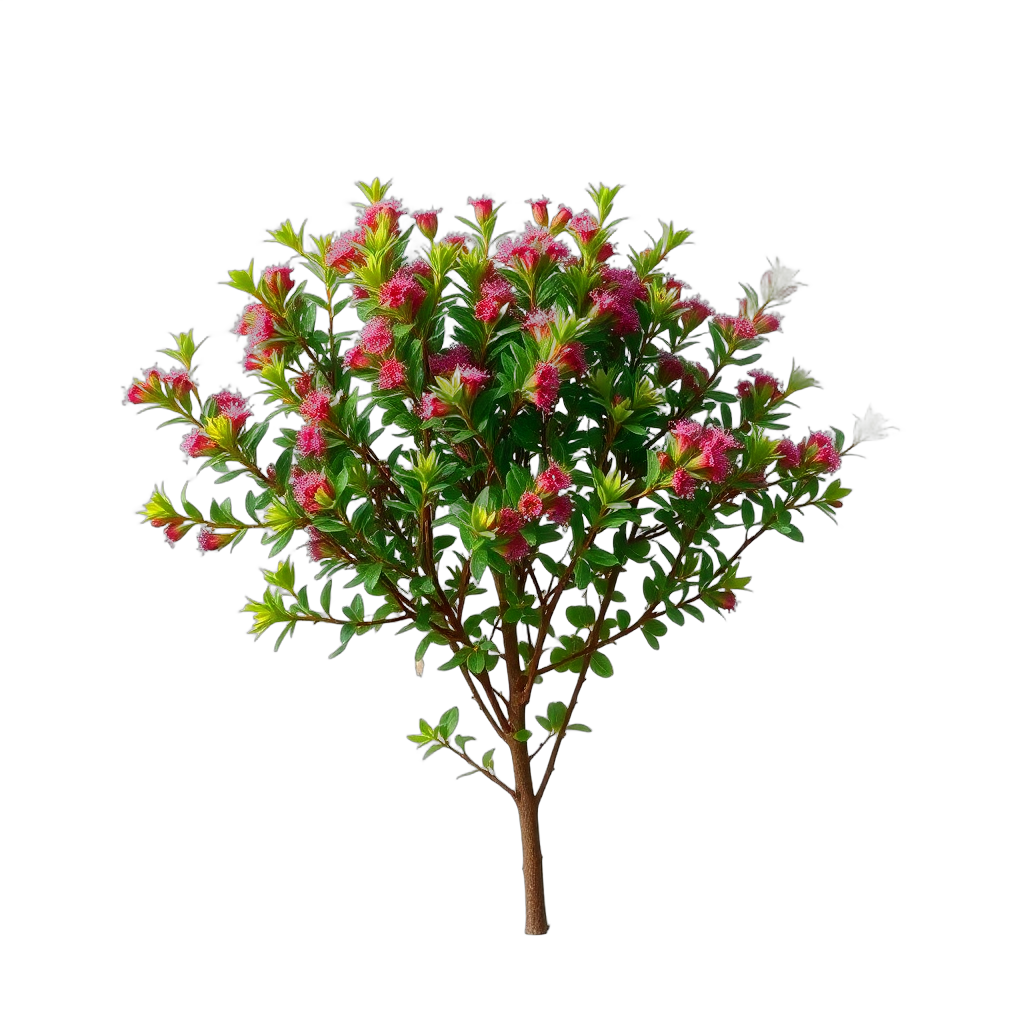
Buckbrush
Ceanothus cuneatus
medium-sized at 7 feet, white blooms in spring. Attracts butterflies.
Featured Grasses & Groundcovers for Mediterranean Gardens
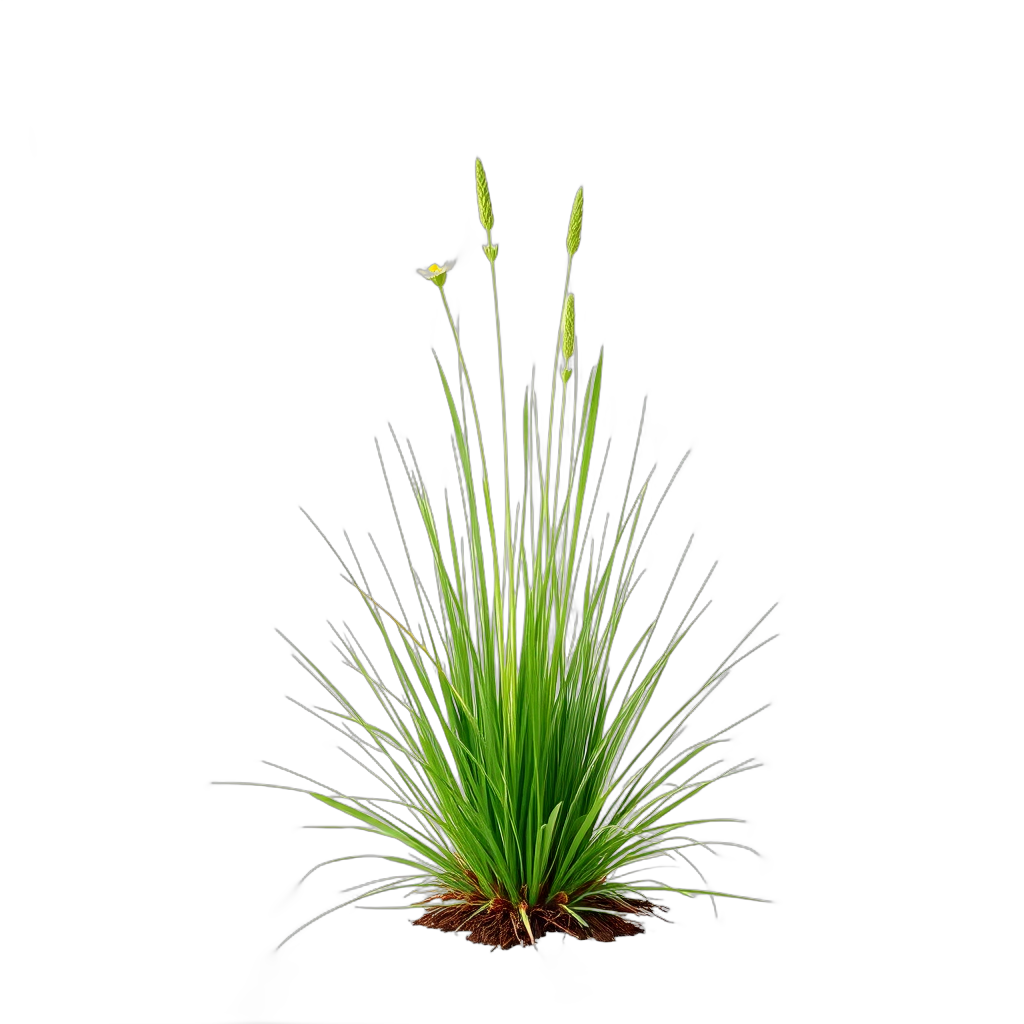
California Brome
Bromus carinatus
low-growing ground cover, blooms in spring. Yellow fall color.
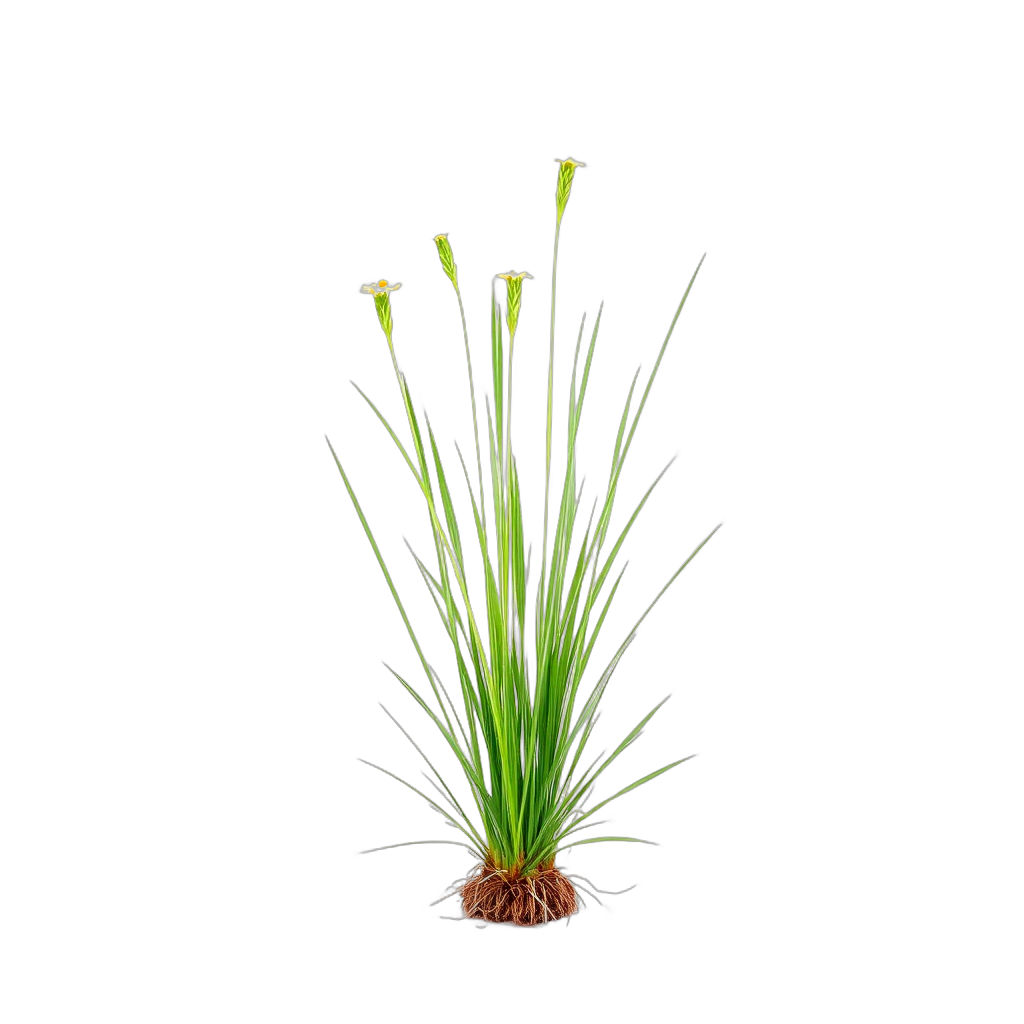
California Melic
Melica californica
low-growing ground cover, blooms in spring.
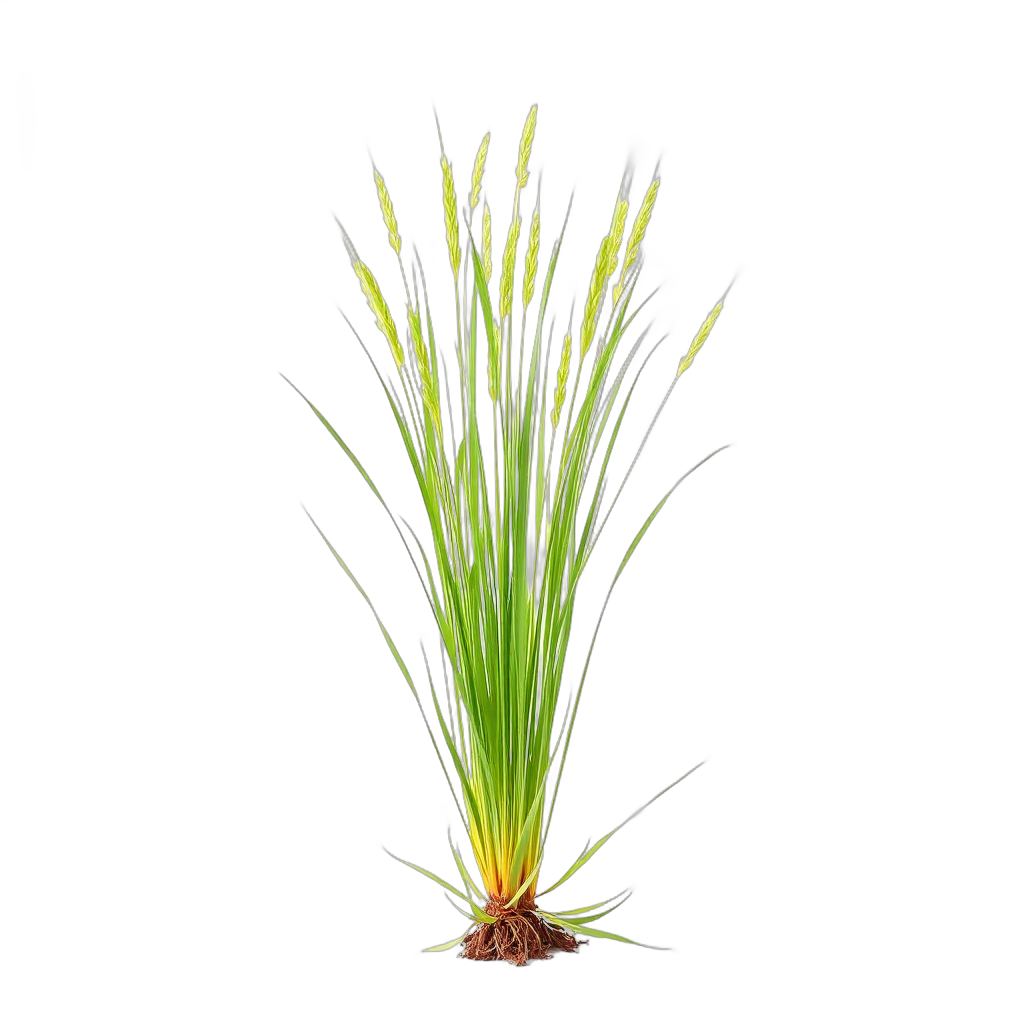
California Oatgrass
Danthonia californica
low-growing ground cover, blooms in spring. Yellow fall color.
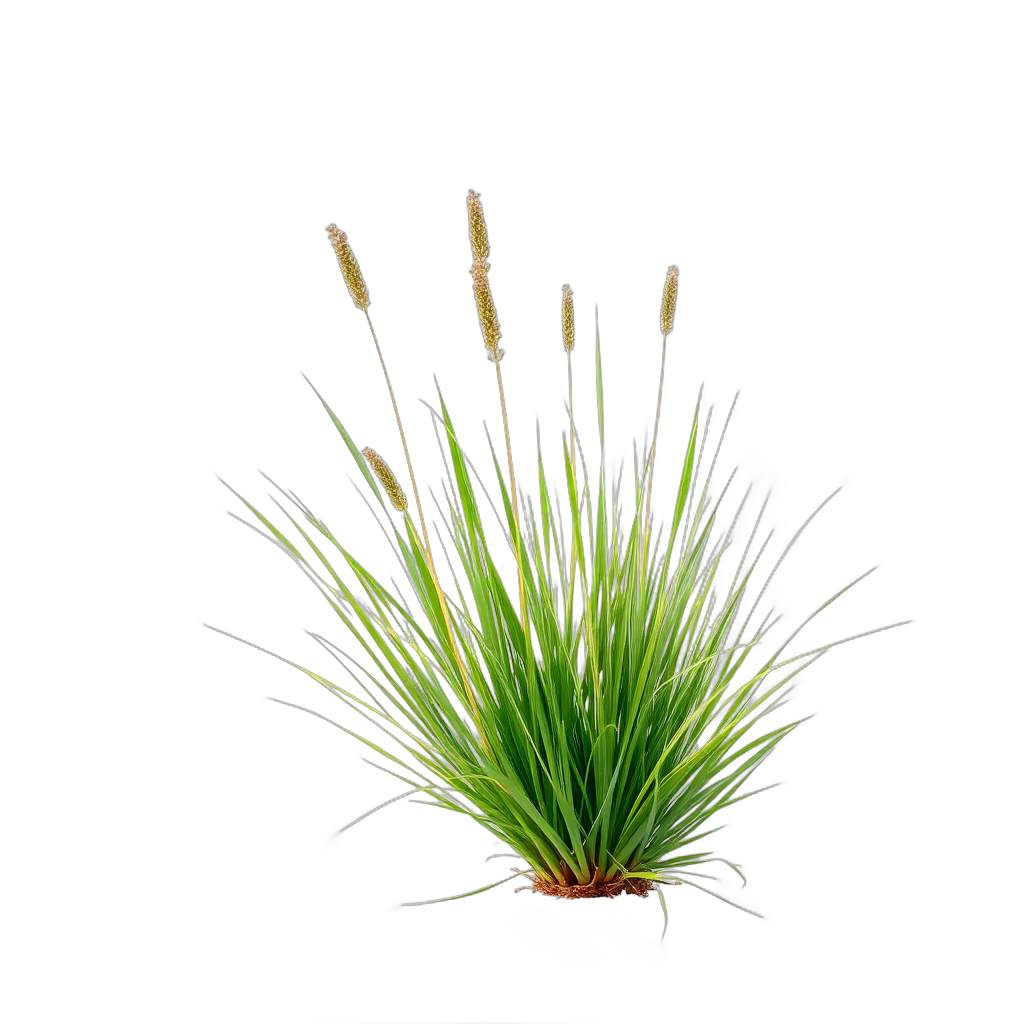
Deer Grass
Muhlenbergia rigens
grows to 3 feet, yellow blooms in fall. Evergreen year-round.
Featured Flowers & Perennials for Mediterranean Gardens
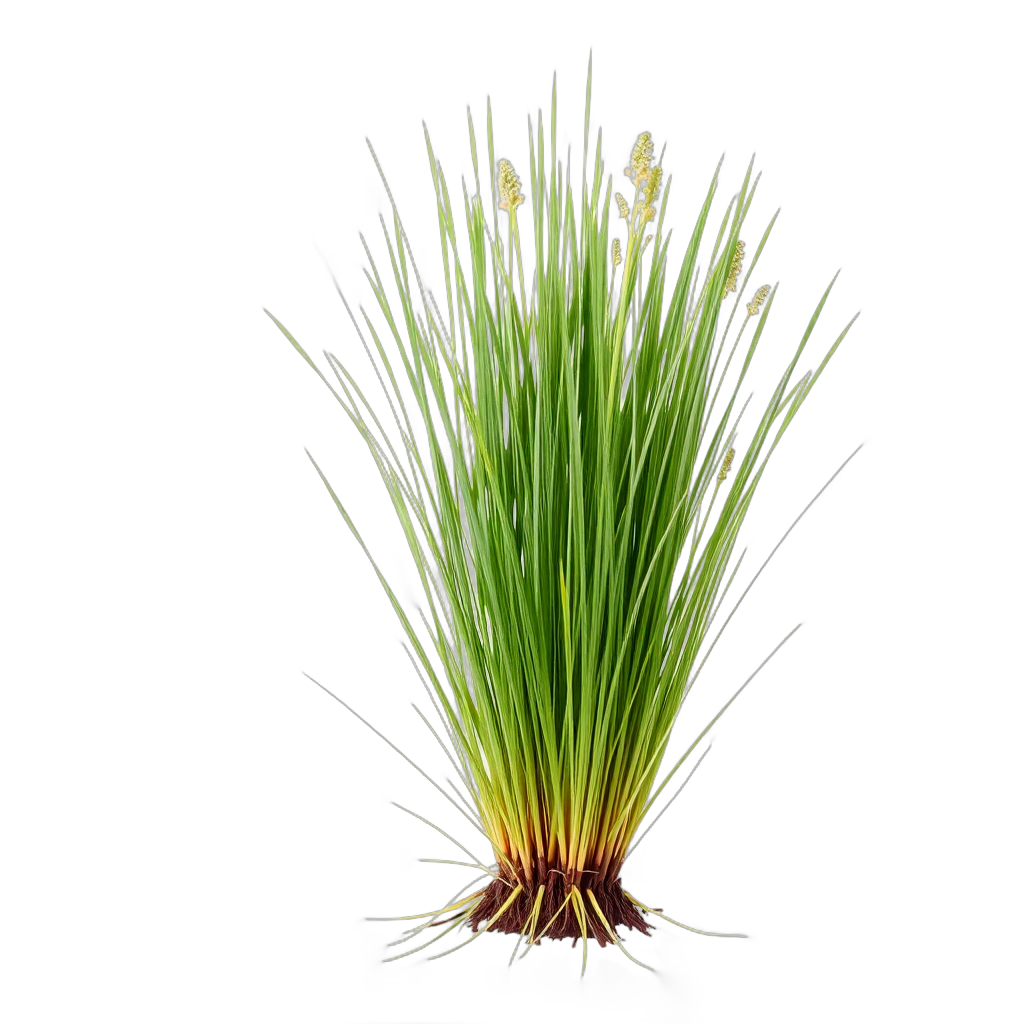
California Gray Rush
Juncus patens
low-growing ground cover, blooms in summer. Evergreen year-round.
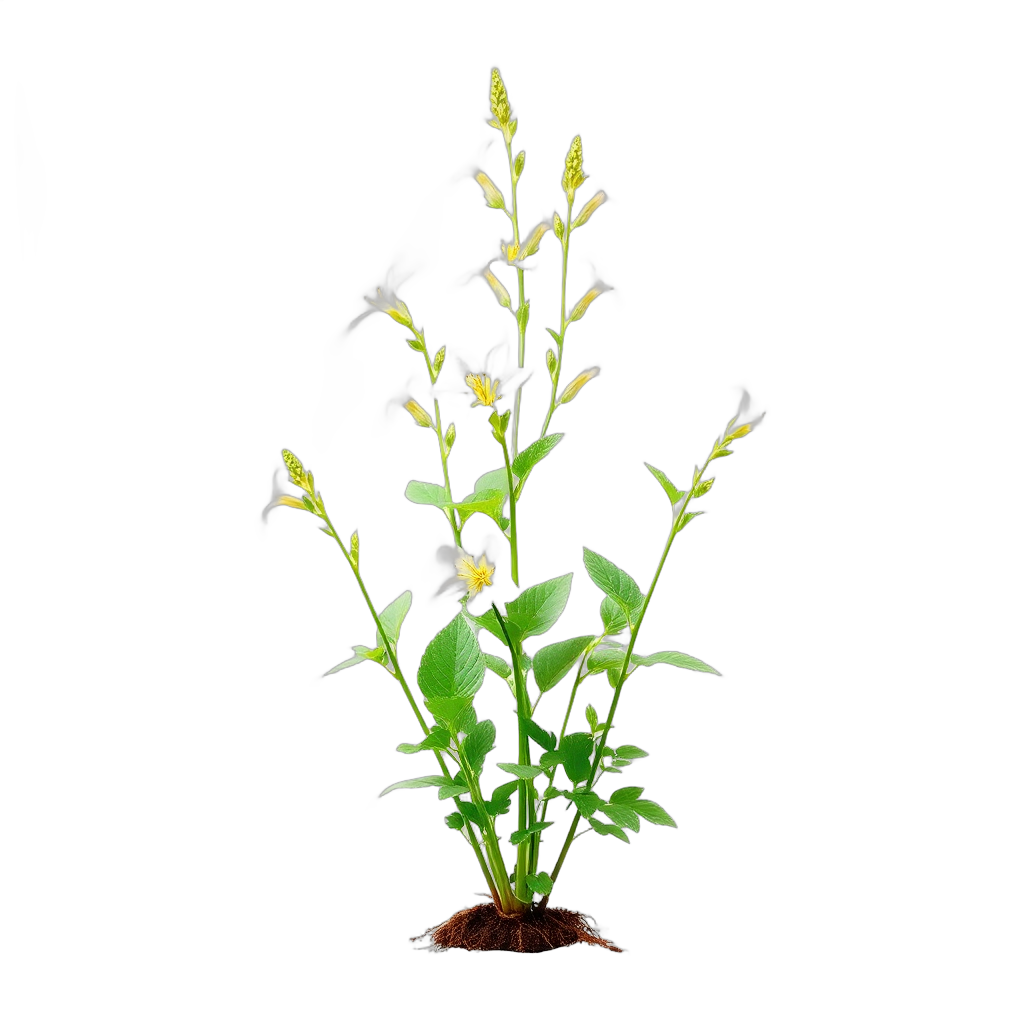
Beach Evening Primrose
Camissonia cheiranthifolia
low-growing ground cover, yellow blooms in spring. Attracts butterflies.
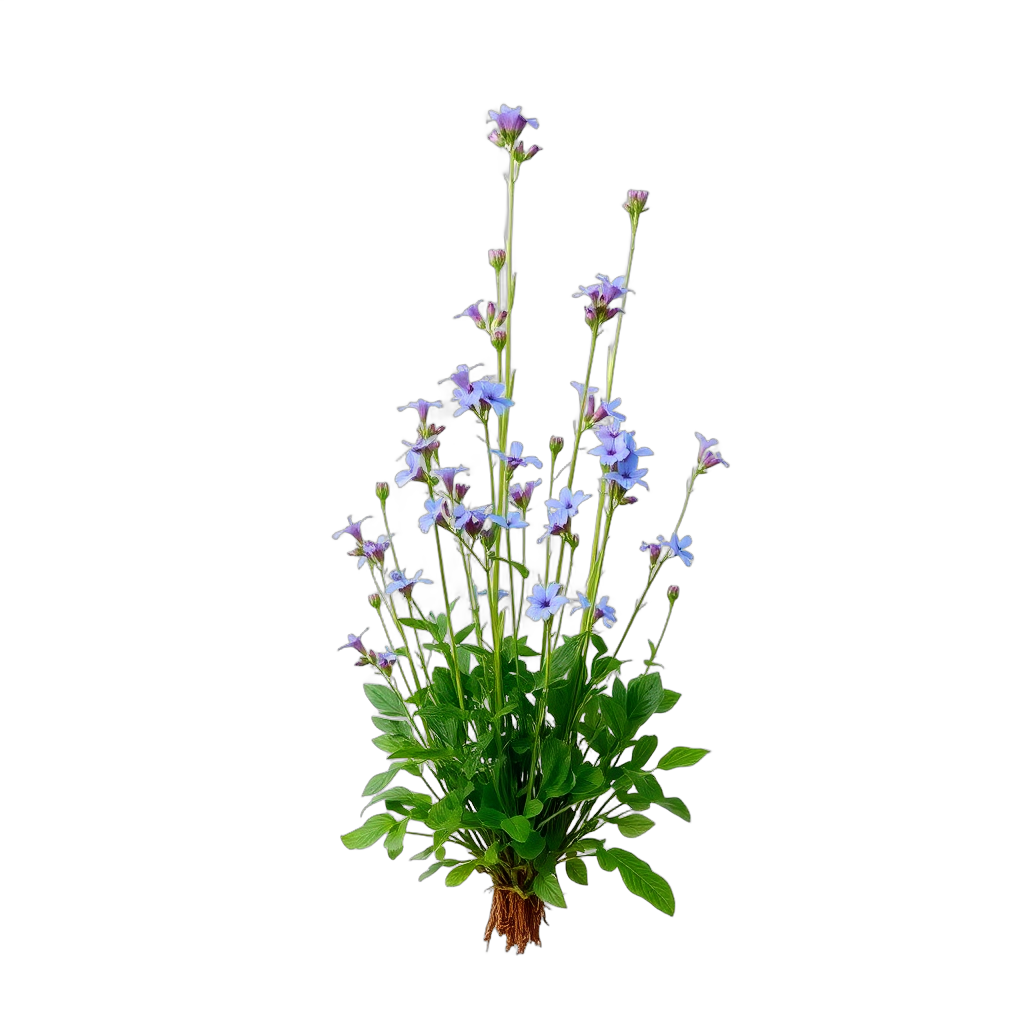
Blue Dicks
Dichelostemma capitatum
low-growing ground cover, blue blooms in spring. Pollinator-friendly.
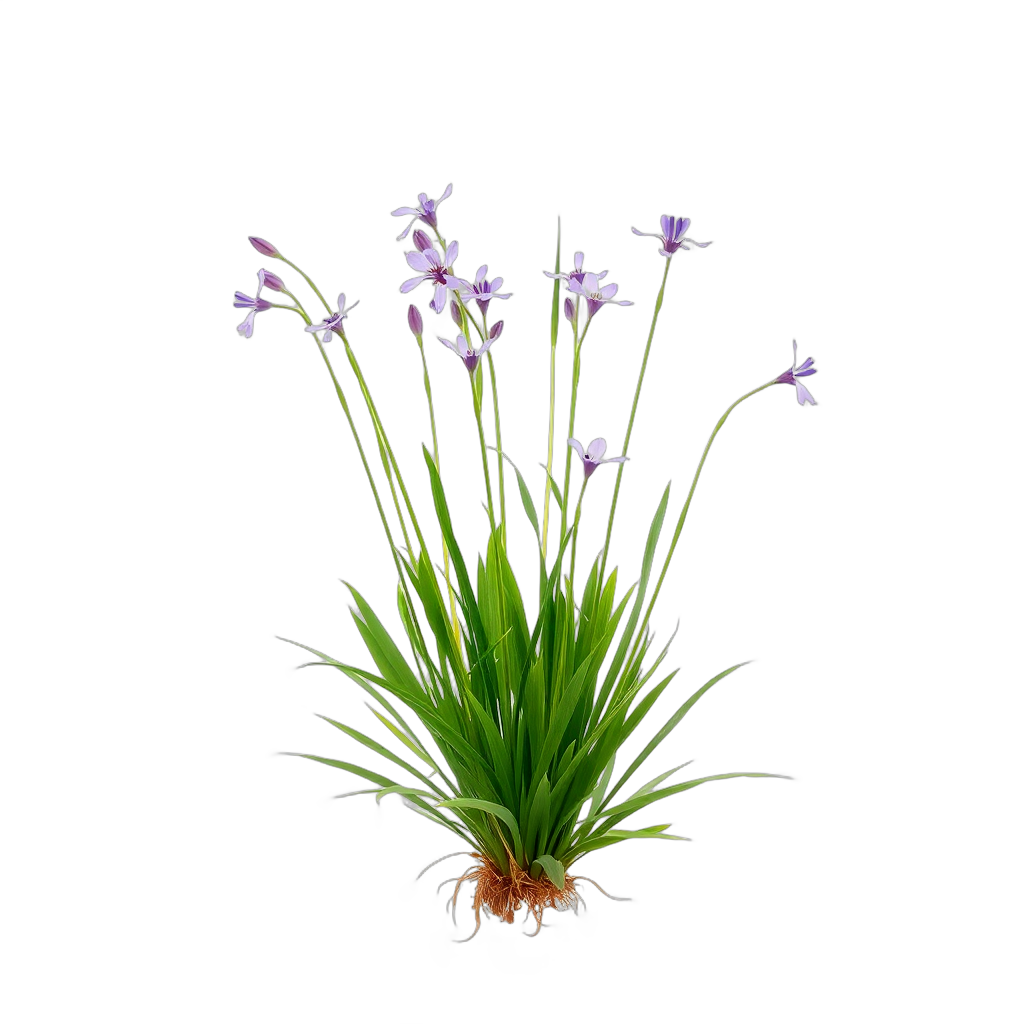
Blue-Eyed Grass
Sisyrinchium bellum
low-growing ground cover, blue blooms in spring. Attracts butterflies.
Zone and sun checks come from our database — confirm with your local nursery before you buy.
Bloom Calendar for San Marcos
spring
Beach Evening Primrose, Blue Dicks, Blue-Eyed Grasssummer
California Gray Rush, Hooker's Evening Primrose, Hummingbird Mintfall
California Fuchsiawinter
Limited bloomsDesign Tips for San Marcos (Zone 10a)
- Build the courtyard around one olive, such as Olea europaea 'Arbequina', and keep every other plant lower so the tree reads as the focus
- Mound lavender, rosemary and olive 8–12 inches in clay: winter rain around the crown kills more Mediterranean plants here than cold does
- Use Rosmarinus officinalis 'Tuscan Blue' as an upright hedge and the prostrate form on walls, since rosemary tolerates 14.5 inches of annual rain with very little help
- Plant Meyer lemon and fig near a warm south- or west-facing wall, where cold nights matter less
- Mulch with 3 inches of gravel or decomposed granite to keep crowns dry and reflect heat
- Choose terra-cotta pots for herbs near the kitchen door, and water them separately from the drip lines
- Check HOA design review and any turf-rebate rules before pulling out lawn or building walls
Where to Source Plants in San Marcos
Skip the big-box stores. These independent San Marcos nurseries specialize in the plants that make mediterranean gardens thrive in Zone 10a.
Green Thumb Nursery San Marcos
San Marcos (West San Marcos Boulevard)
Retail garden center selling trees, fruit trees, roses, shrubs, perennials, succulents and herbs, plus pottery, fountains and garden supplies
El Plantio Nursery and Landscaping
Escondido (San Pasqual Valley Road)
Garden center with fruit trees, drought-tolerant plants, berries and vegetables, plus landscaping, hardscaping and irrigation services
Walter Andersen Nursery
Poway
Independently owned nursery with cacti and succulents, native plants, bedding plants, fruit trees and vegetables, and planting supplies
Mediterranean Landscaping Cost Ranges
| Project Scope | Estimated Cost |
|---|---|
| Flagstone patio (200 sqft) | $5,000–$6,400 |
| Drip irrigation system (500 sqft of planted area) | $1,200–$2,200 |
| Natural stone wall (40 sqft of face) | $1,500–$2,000 |
| AI visualization (ProScapeAI) | Free to start |
National average installed ranges for 2026 from our landscaping price list (Homewyse and other published sources). Prices in San Marcos, CA vary with site, materials and contractor, so get two or three local quotes.
San Marcos Climate & Growing Zone
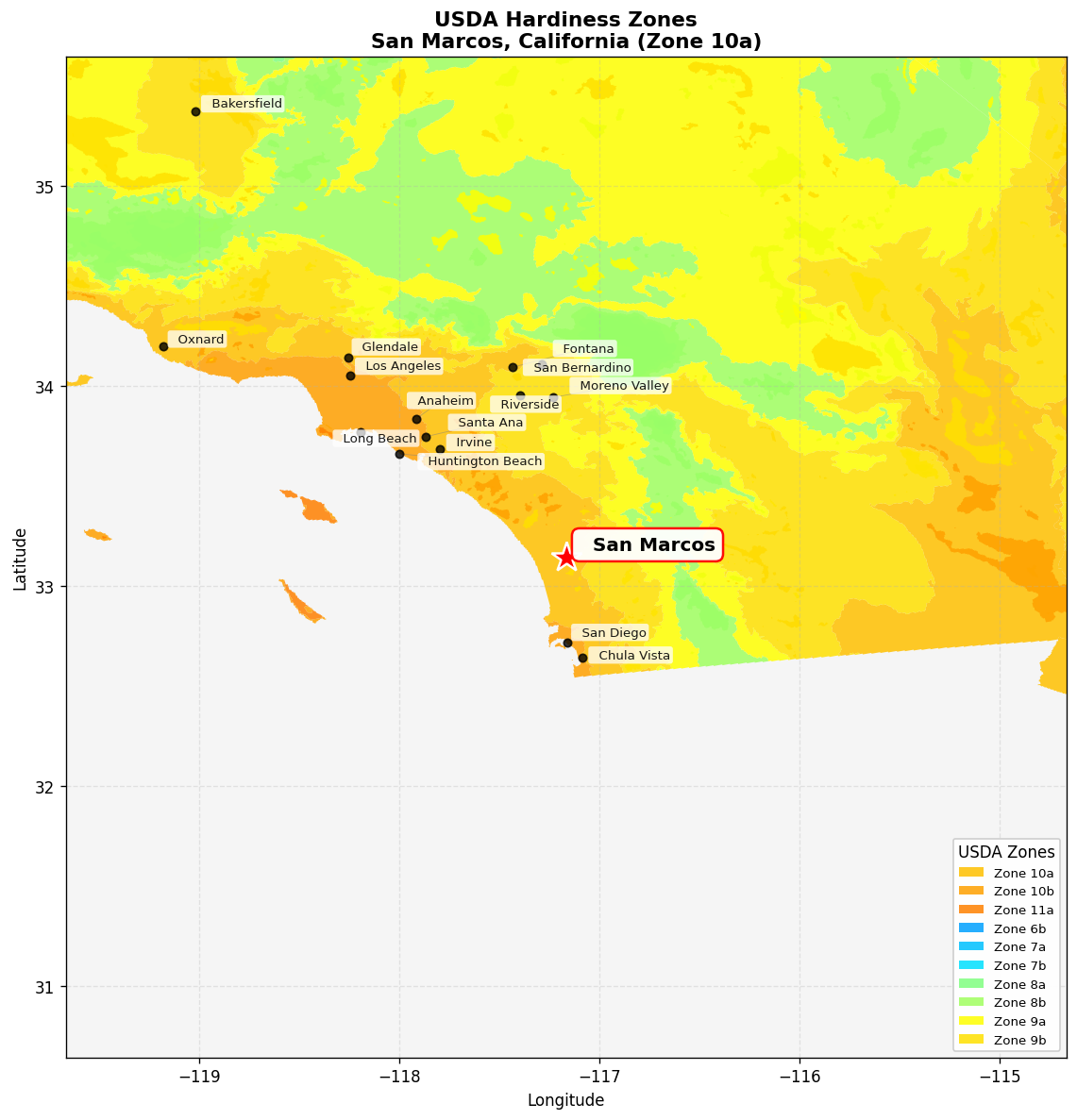
USDA Zone 10a
Hardiness zone for San Marcos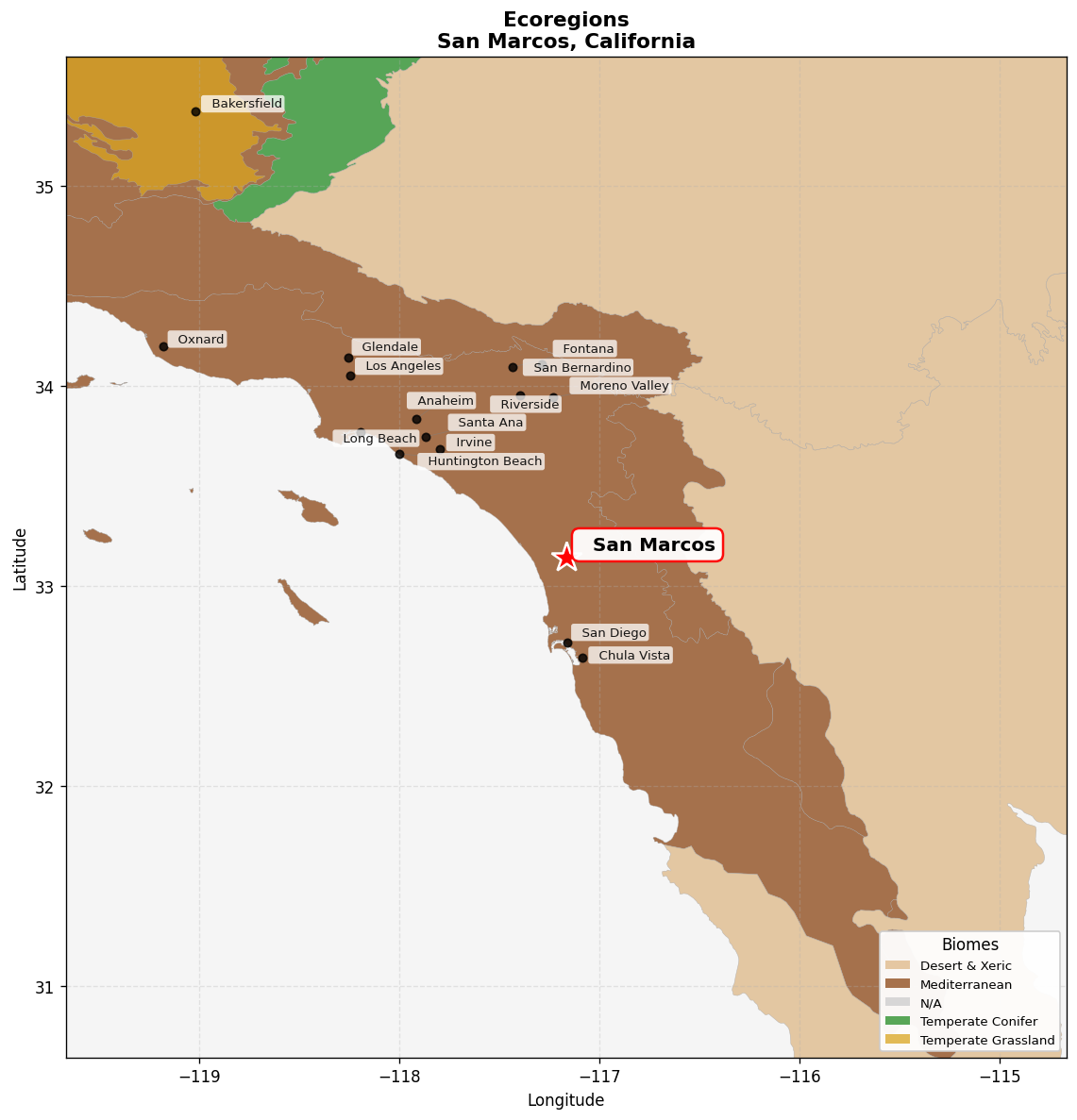
California coastal sage and chaparral
Native ecoregionFrequently Asked Questions
How much does a Mediterranean garden cost in San Marcos, CA?
Buying 5-gallon rosemary and one-gallon lavender yourself saves labor. Prices vary with site, size and finishes, so get two or three local quotes.
Is a Mediterranean garden low maintenance in San Marcos?
Yes. With about 14.5 inches of annual rain (NOAA normals for Escondido), the plants are suited to the climate, and drip does most of the watering. Plan to shear lavender and santolina after bloom, prune olive in late winter, and refresh gravel every few years.
When is the best time to plant a Mediterranean garden in San Marcos?
Fall through early spring is best. Olives, rosemary and lavender root well in cool, moist soil. July highs average near 87°F, so avoid planting in midsummer unless you can water often.
Do I need a permit or HOA approval for a courtyard or pergola in San Marcos?
HOA communities such as Lake San Marcos generally require design review for walls, fences and front-yard changes. Pergolas, fountains and retaining walls may need city permits depending on size and height. Confirm current requirements with the City of San Marcos before building. Your water district may offer turf-replacement rebates that need approval first.
What survives San Marcos heat in a Mediterranean garden?
Olea europaea 'Arbequina', Rosmarinus officinalis 'Tuscan Blue', Lavandula stoechas 'Otto Quast', Salvia 'Allen Chickering' and Cistus 'Sunset' all handle July highs near 87°F with weekly deep watering. January average lows near 45°F are mild, though cold nights can nip Meyer lemon and fig, so plant them near a warm wall.
Can I grow an olive tree in San Marcos?
Yes. Olea europaea 'Arbequina' fruits reliably in Southern California, and 'Wilsonii' is a fruitless option for people who do not want to clean up. Plant in well-drained soil on a mound if you have clay, and water deeply but infrequently once established.
How do I replace a lawn with a Mediterranean garden in San Marcos?
Remove the turf, convert the irrigation to drip and lay a gravel or decomposed granite base with flagstone paths. Check your water district's turf-replacement program first, because most require approval before you start.