4 Mediterranean Garden Ideas for Santa Clara, CA | Zone 9b Olive, Lavender and Clay
Native plants from the California interior chaparral and woodlands (Zone 9b) — Mediterranean (warm summer) climate
Why Mediterranean Gardens in Santa Clara?
Santa Clara has a true Mediterranean climate, so this is the style that asks the least of the place. The city grew up around Mission Santa Clara de Asís, founded in 1777, and the Spanish-mission look of stucco, terracotta and olive still fits its streets, from the 19th-century houses of the Old Quad to the stucco postwar ranch tracts. A gravel courtyard, a fruitless olive, clipped rosemary and a terracotta pot of citrus look at home on a plain ranch front in a way a lawn never quite does.
The climate is the reason it works. Santa Clara is Zone 9b, so the coldest nights reach about 25–30°F, January lows average near 38°F and July highs sit in the low 80s°F. About 14.5 inches of rain falls a year, nearly all from November to April, which is the same wet-winter, dry-summer rhythm as the Mediterranean coast. Olea europaea 'Swan Hill', Rosmarinus officinalis 'Tuscan Blue', Lavandula stoechas 'Otto Quast', Cistus × purpureus and Teucrium fruticans 'Azureum' all grow here on little summer water once rooted. A few classics need care. Italian stone pine (Pinus pinea) grows far too large for a city lot, so use Cupressus sempervirens 'Tiny Tower' for height. Bougainvillea is burned back on a 27°F night; give it a south wall under an eave or accept regrowth each spring. Fruiting olives drop staining fruit on patios, which is why 'Swan Hill' and 'Wilsonii' are the usual choices near paving.
The soil is the one thing to plan around. The valley floor is deep alluvial clay loam, usually alkaline at pH 7.0–8.0. Mediterranean shrubs like the alkalinity but hate wet clay in winter, and Cistus, lavender and rosemary rot when their crowns sit in February water. Plant them on mounds or berms 8–12 inches high, mulch with gravel instead of bark around the crowns, and keep their drip lines separate from anything thirstier. Citrus such as Citrus × meyeri 'Improved Meyer' may yellow from iron chlorosis in this soil; a large pot of fast-draining mix or chelated iron fixes it. The ground does not freeze, so frost depth does not affect walls, fountains or pergola footings.
The local water rules reward this style. The City of Santa Clara does not allow overhead landscape watering between 9 a.m. and 6 p.m., or within 48 hours of measurable rain, and established Mediterranean plants on drip often need water only every two to three weeks in summer. Valley Water's lawn conversion rebate currently starts at $2 per square foot, capped at $3,000 for a single-family home, with a pre-inspection required before work begins.
4 Mediterranean Design Ideas for Santa Clara

AI-generated image
The Mission Courtyard
$30–60/sqftThe front yard of a stucco house is enclosed by a low stucco wall and laid with terracotta tile around a small tiled wall fountain. A single fruitless olive stands off-center, with lavender and rosemary in raised beds against the wall and a large pot of Meyer lemon by the door. The courtyard faces west, so the olive is placed to shade the front windows from the afternoon sun.

AI-generated image
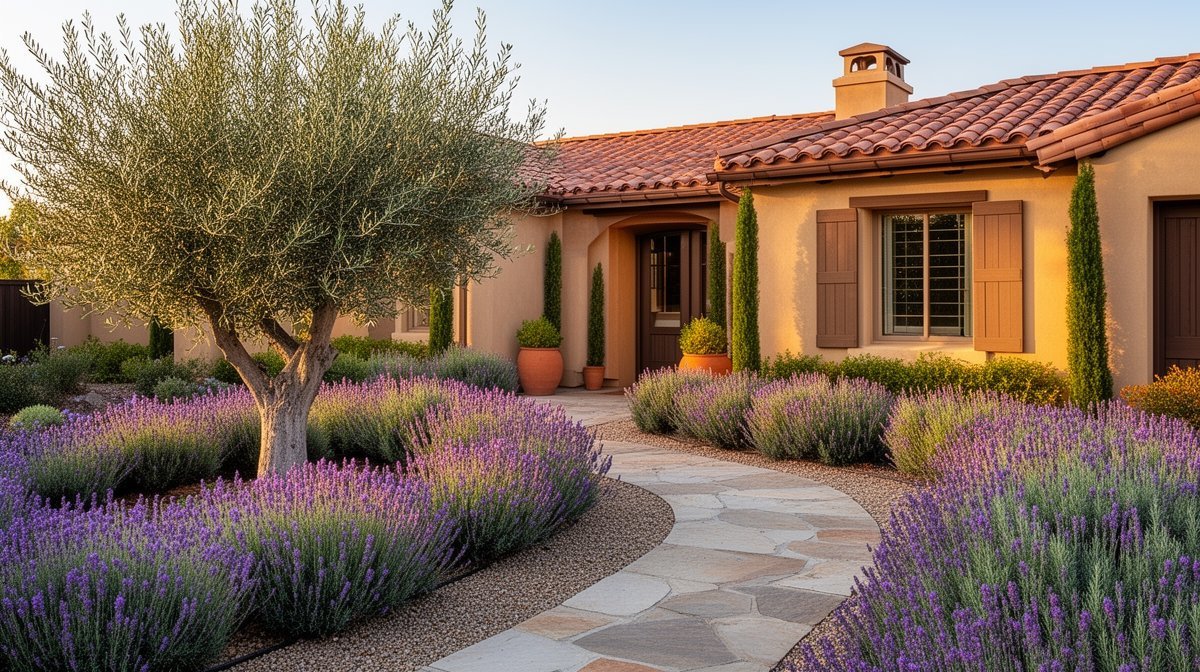
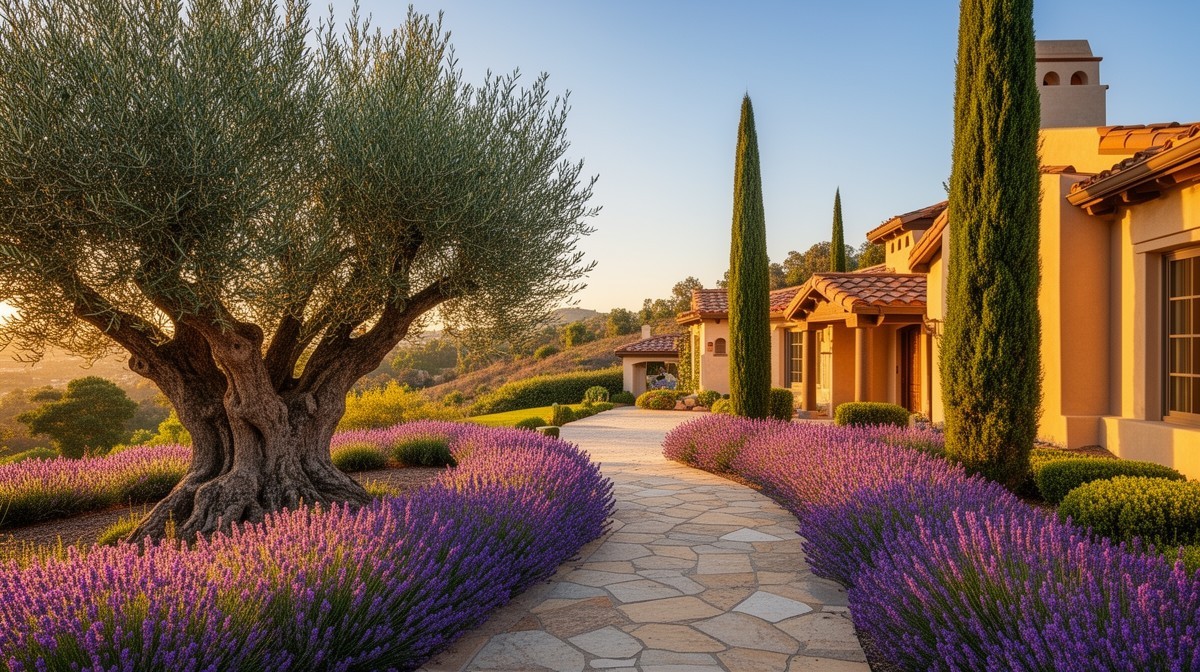
The Olive and Gravel Front Garden
$14–28/sqftThe lawn in front of a 1950s ranch is replaced with pale crushed gravel, a flagstone path to the door and two or three loose mounds planted with rockrose, germander and lavender. A multi-trunk olive anchors the corner nearest the street, and slim cypresses mark the entry. The south-facing yard gets sun all day, which these shrubs want, and the mounds lift their crowns out of the wet winter clay.

AI-generated image
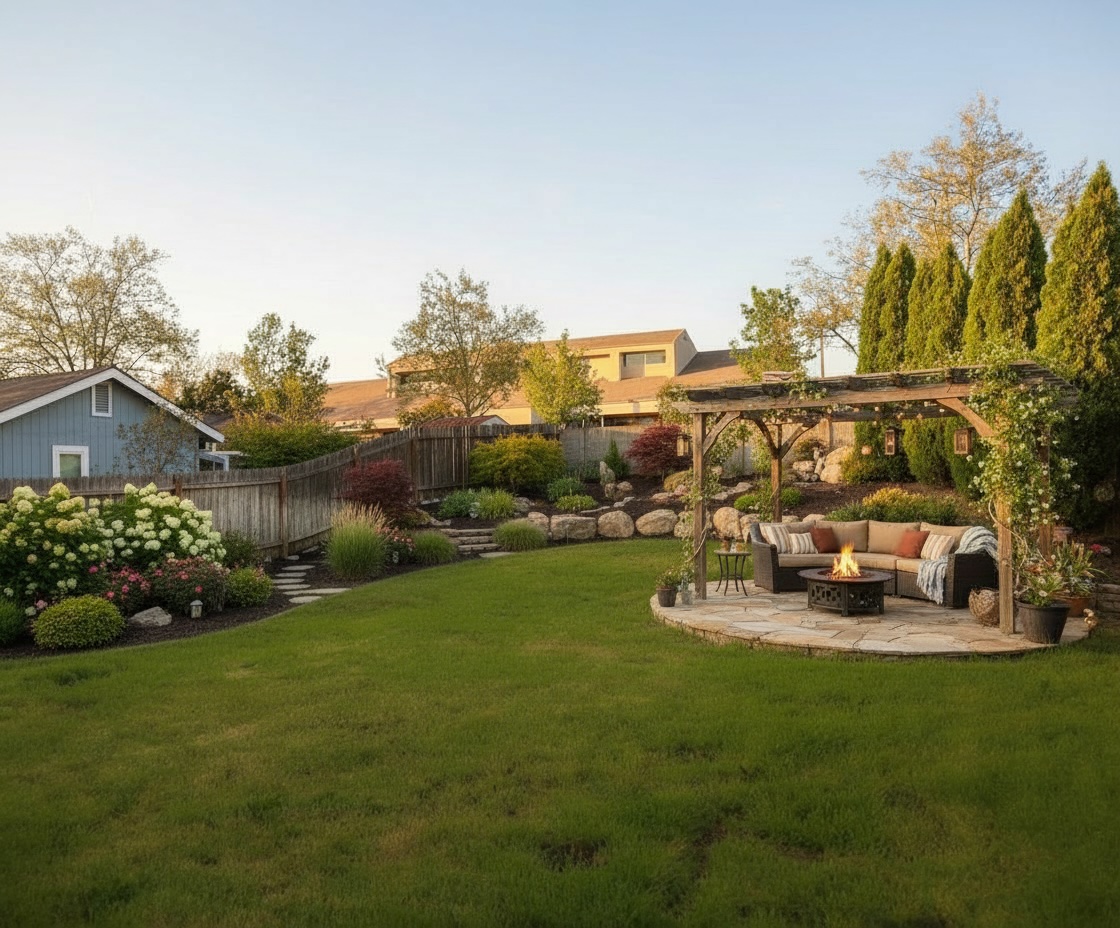
The Pergola Herb Terrace
$28–55/sqftA back patio of tumbled pavers sits under a timber pergola covered by a grapevine, with a long dining table for summer evenings. Raised stone beds around the edge hold herbs and silver shrubs, and a row of pots holds dwarf olives and citrus. The vine shades the table at midday in summer and drops its leaves in winter, letting the low sun back onto the patio.

AI-generated image
The Chaparral Mediterranean Blend
$12–25/sqftA side or back garden mixes Mediterranean shrubs with California natives from the local chaparral and oak woodland, on gentle mounds with a decomposed granite path winding through. Blue ceanothus and manzanita give winter and spring color, sage and California fuchsia carry summer into autumn, and a bench sits in the shade of a large shrub. The garden faces south or west and is watered only every two to three weeks once established.
See how a mediterranean garden looks on YOUR property
Upload a photo of your Santa Clara yard and visualize your dream garden in seconds.
Try ProScapeAI Free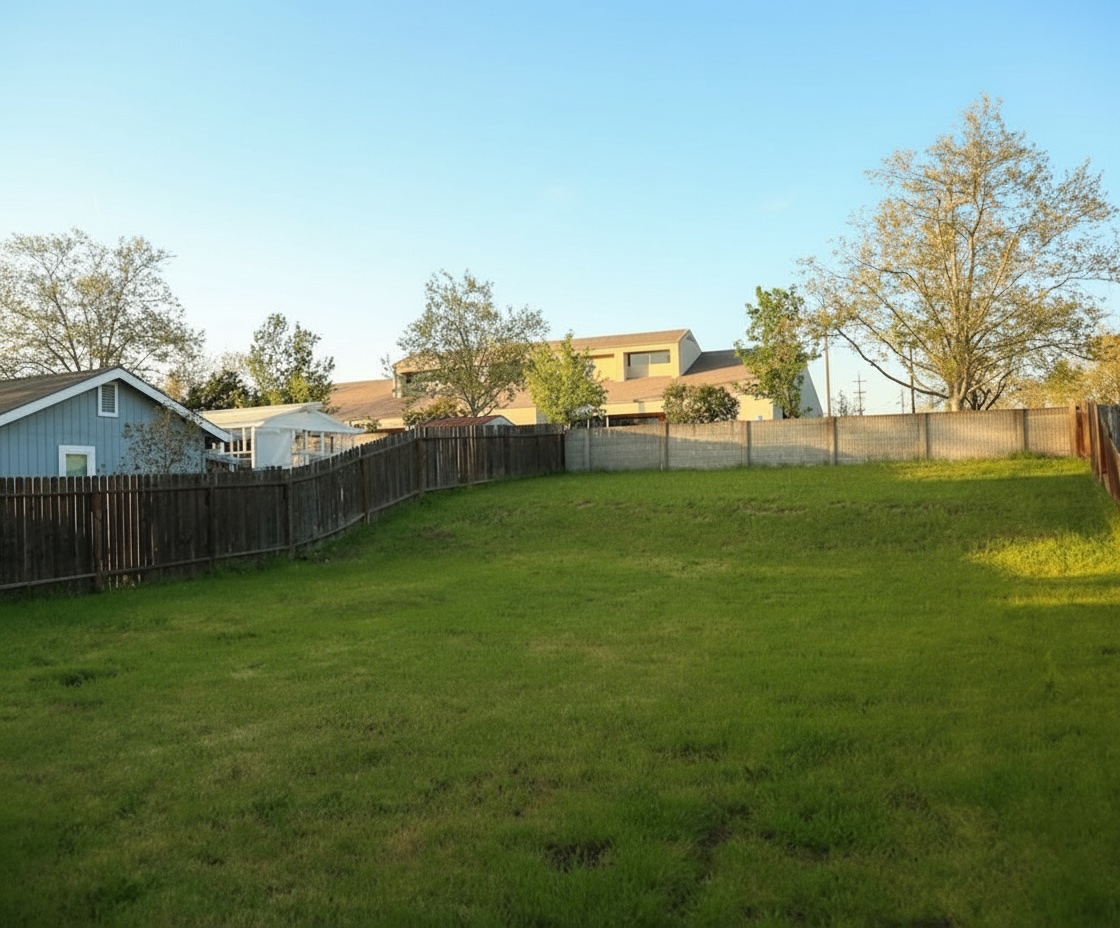
AI-generated image
Featured Trees & Shrubs for Mediterranean Gardens
Browse all 197 plants for Santa Clara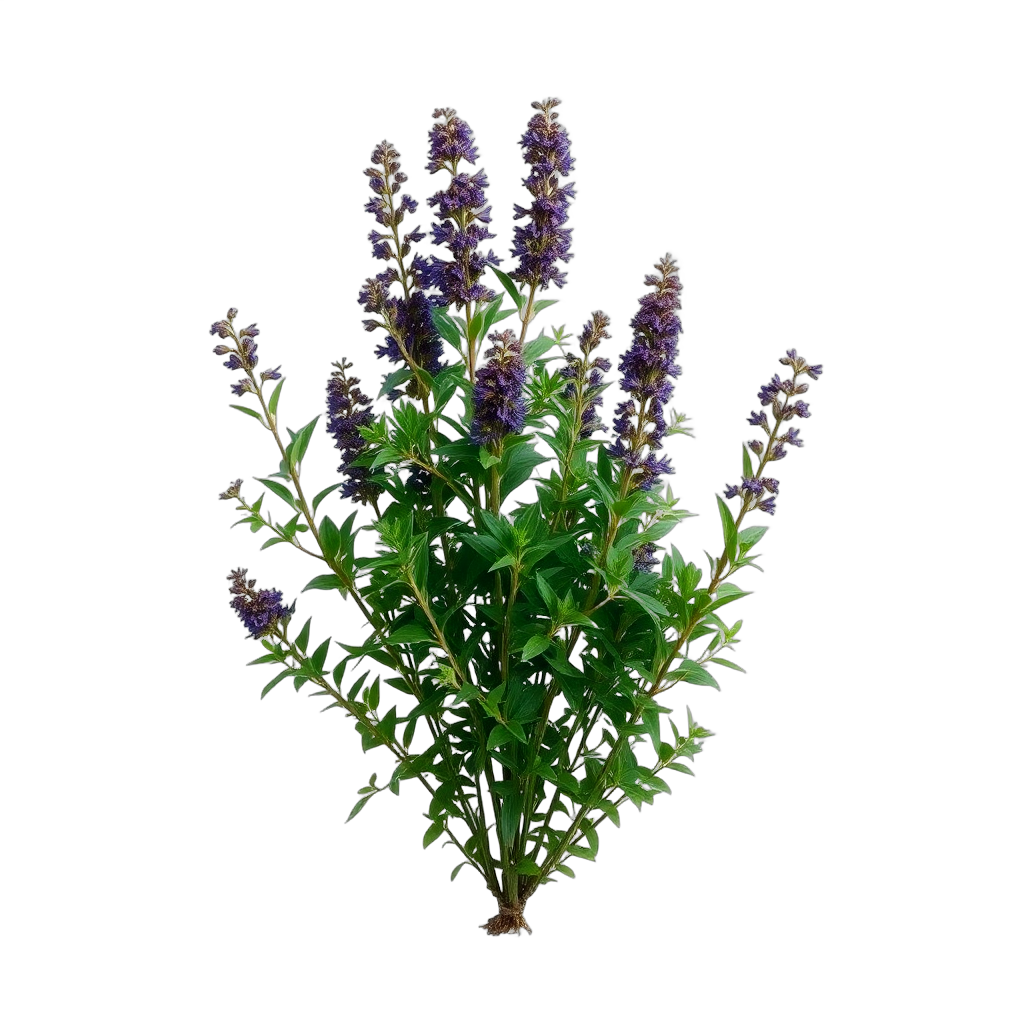
Black Sage
Salvia mellifera
grows to 4 feet, white blooms in spring. Attracts butterflies.
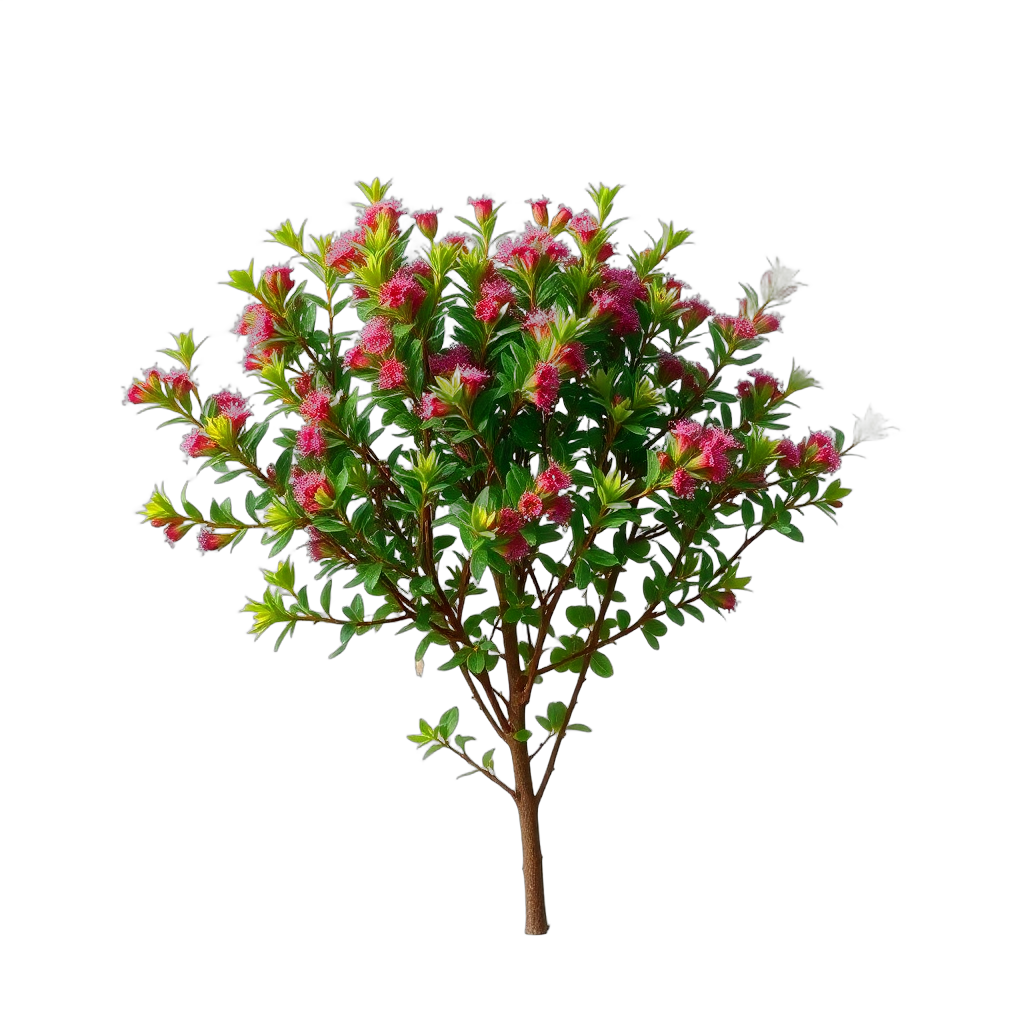
Buckbrush
Ceanothus cuneatus
medium-sized at 7 feet, white blooms in spring. Attracts butterflies.
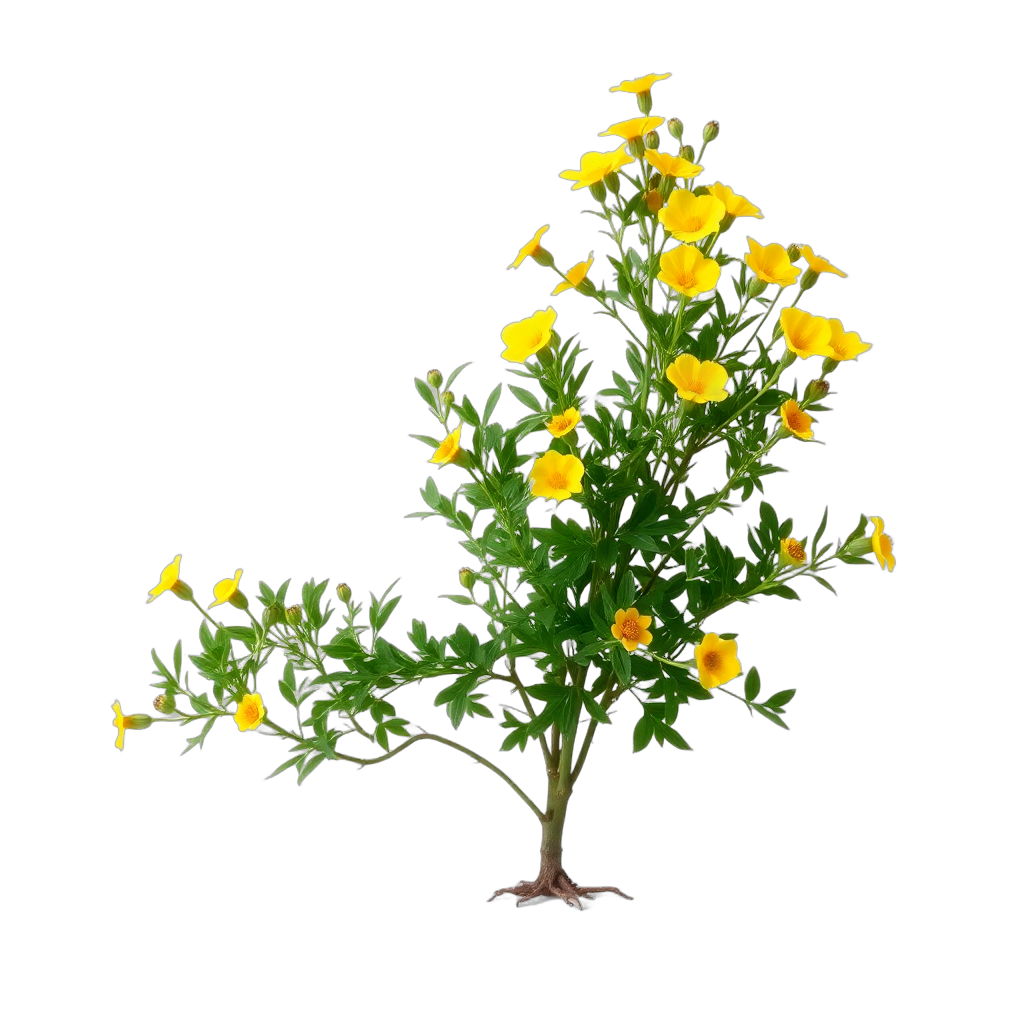
Bush Poppy
Dendromecon rigida
grows to 6 feet, yellow blooms in spring. Pollinator-friendly.
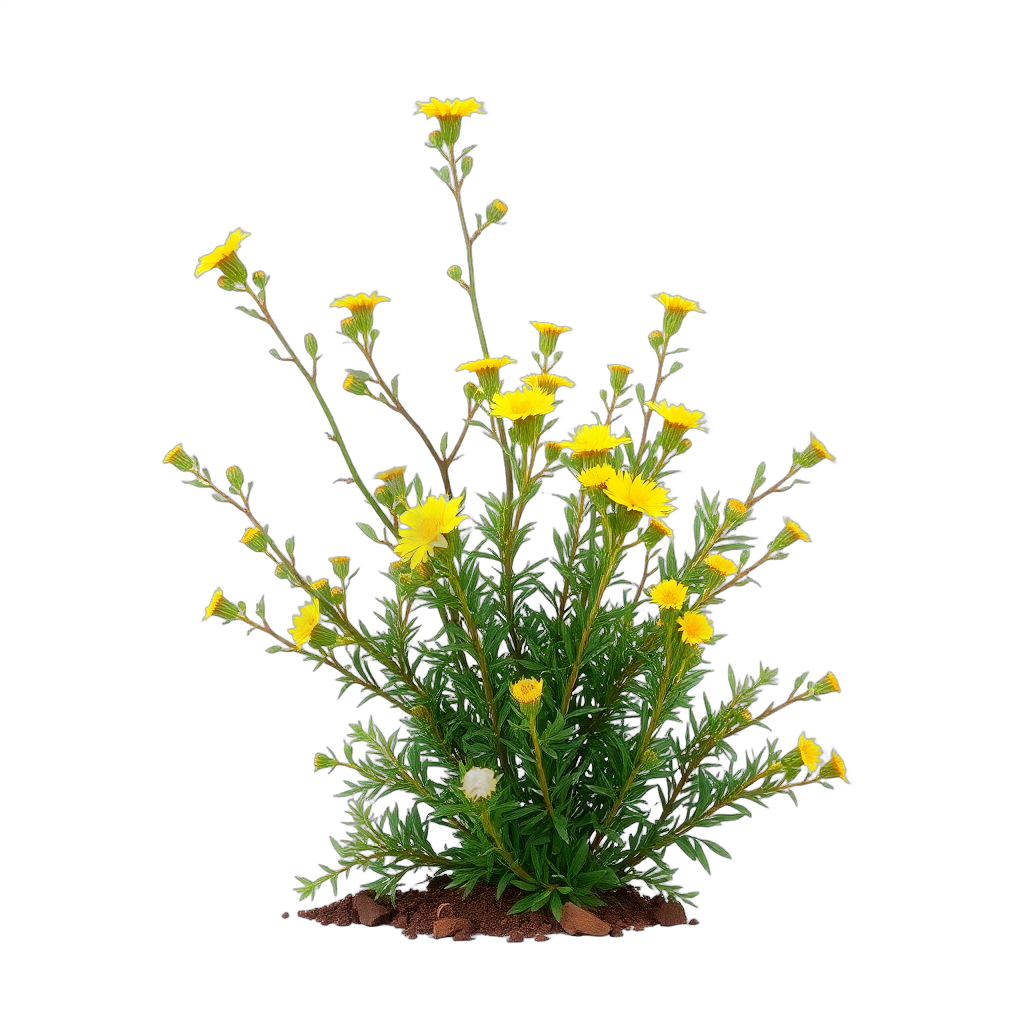
California Brittlebush
Encelia californica
grows to 4 feet, yellow blooms in spring. Attracts butterflies.
Featured Grasses & Groundcovers for Mediterranean Gardens
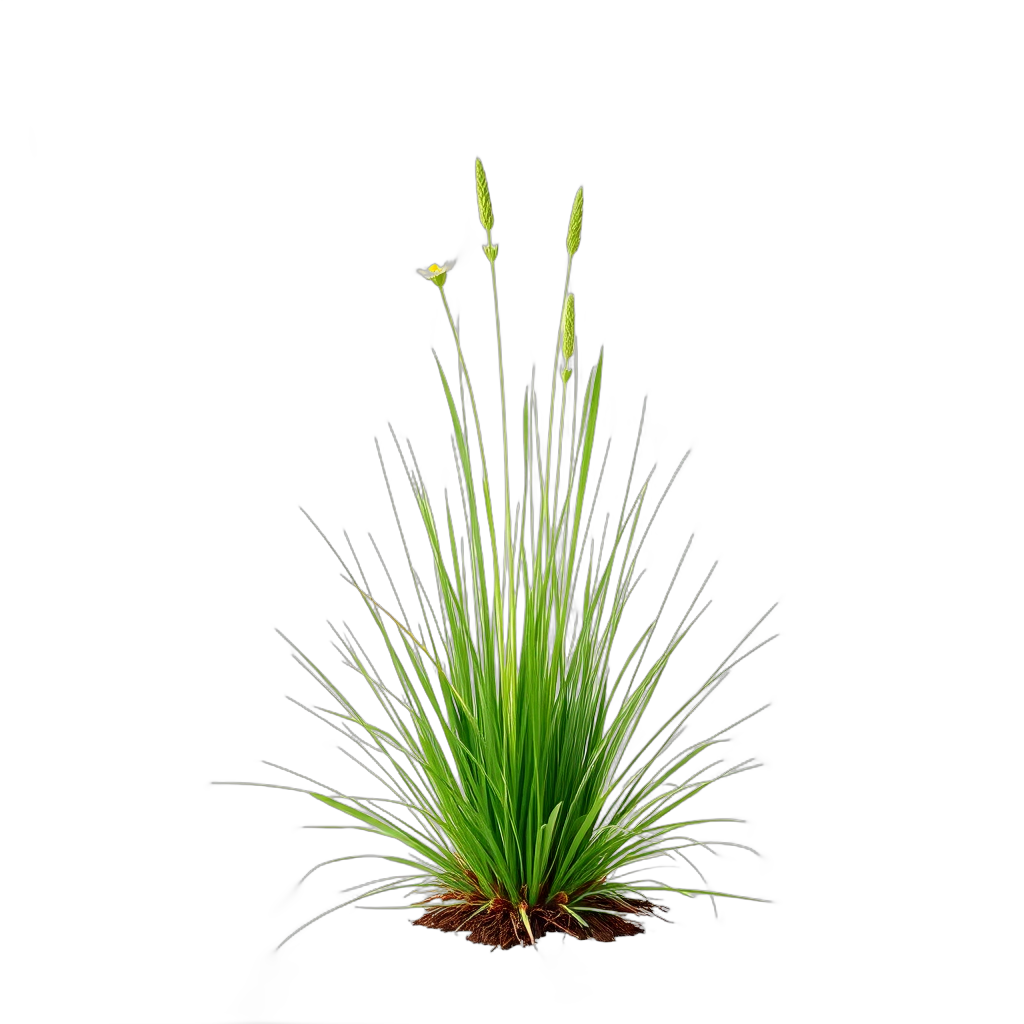
California Brome
Bromus carinatus
low-growing ground cover, blooms in spring. Yellow fall color.
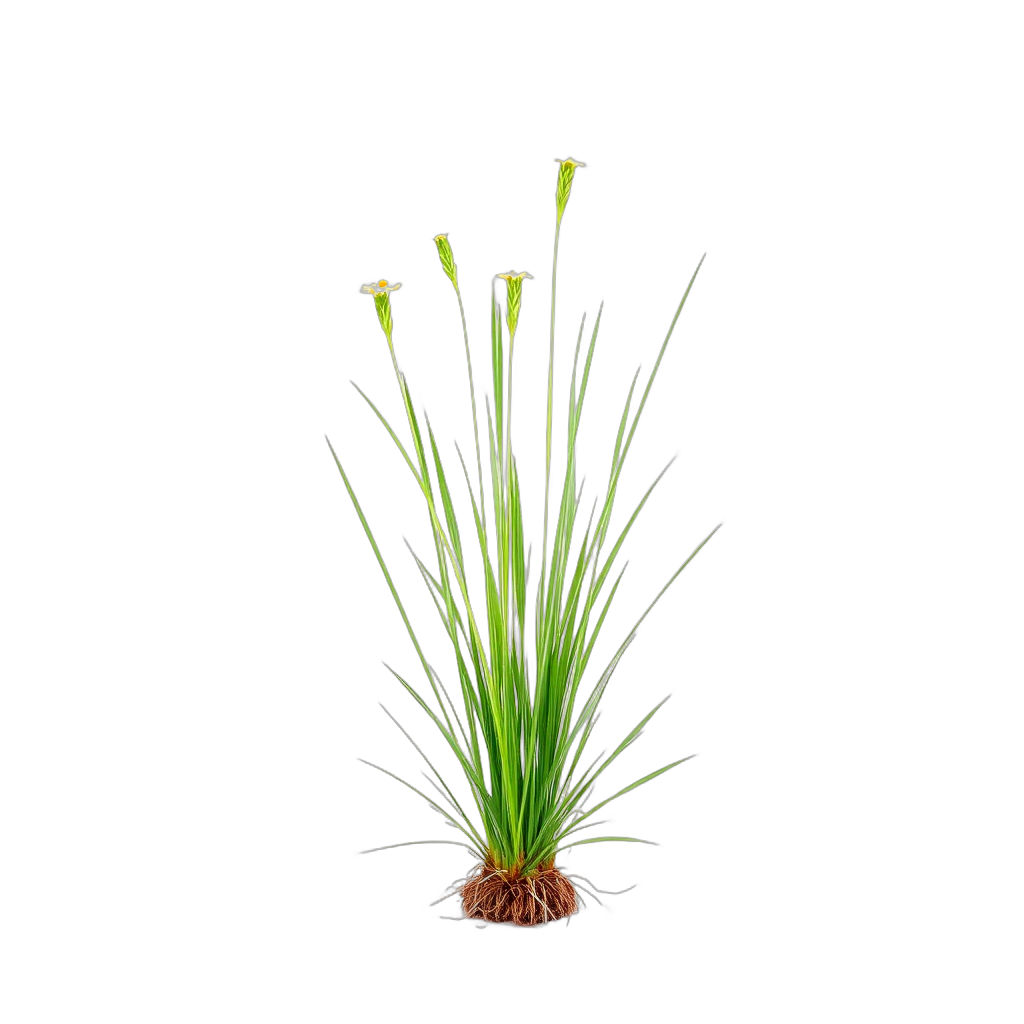
California Melic
Melica californica
low-growing ground cover, blooms in spring.
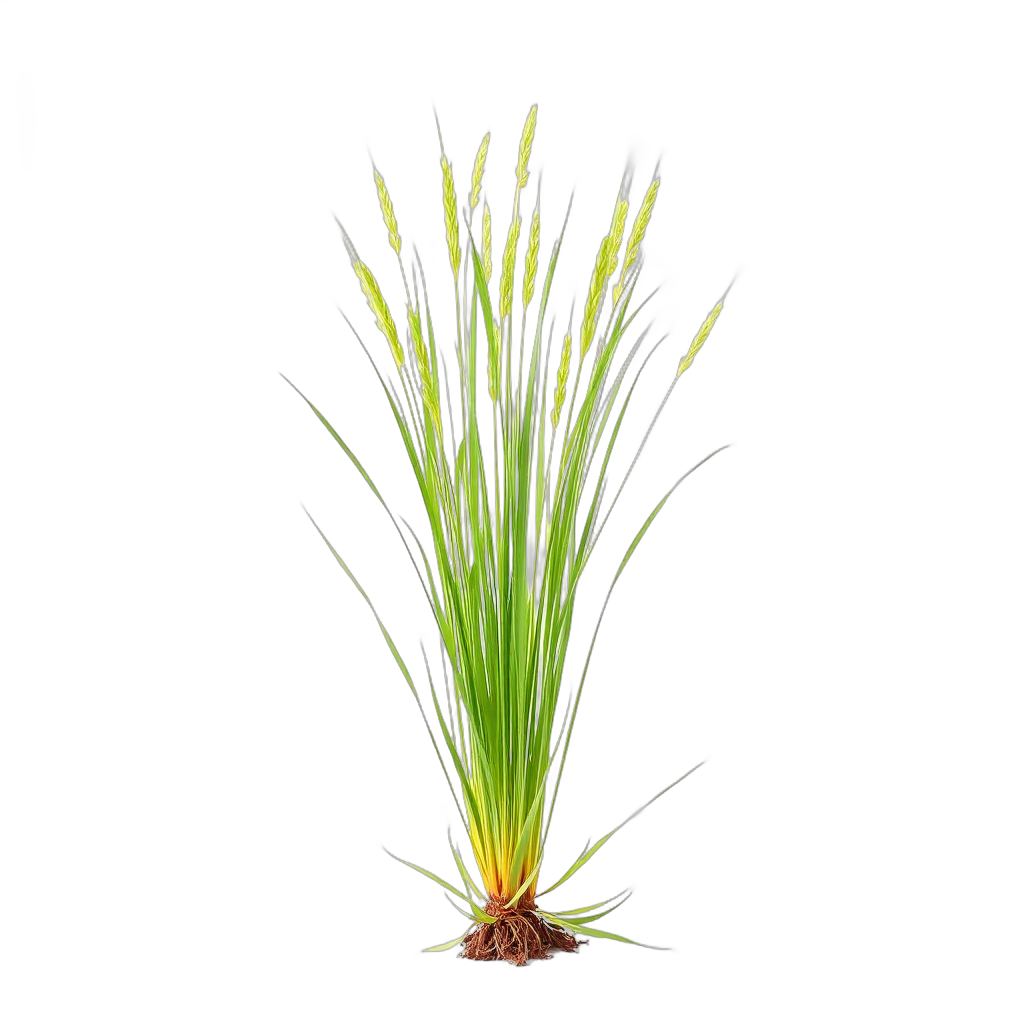
California Oatgrass
Danthonia californica
low-growing ground cover, blooms in spring. Yellow fall color.
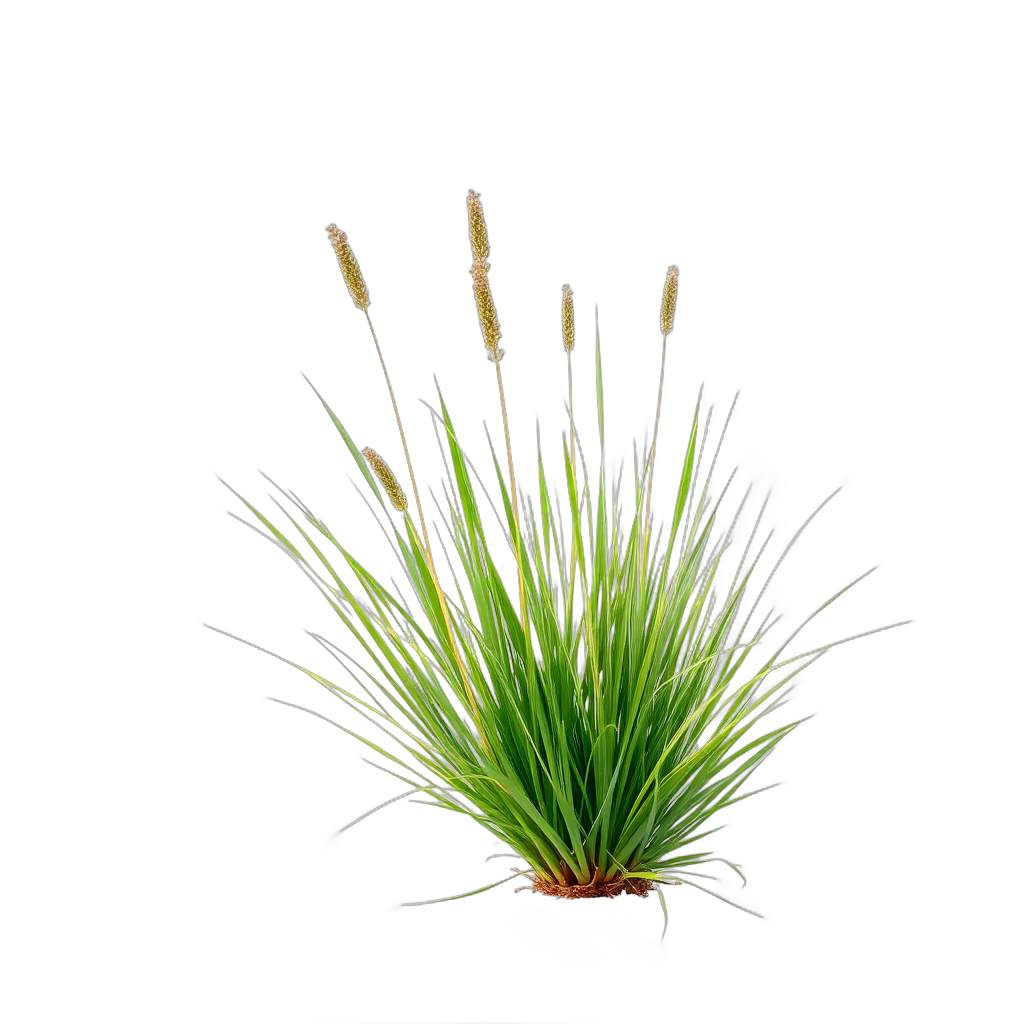
Deer Grass
Muhlenbergia rigens
grows to 3 feet, yellow blooms in fall. Evergreen year-round.
Featured Flowers & Perennials for Mediterranean Gardens
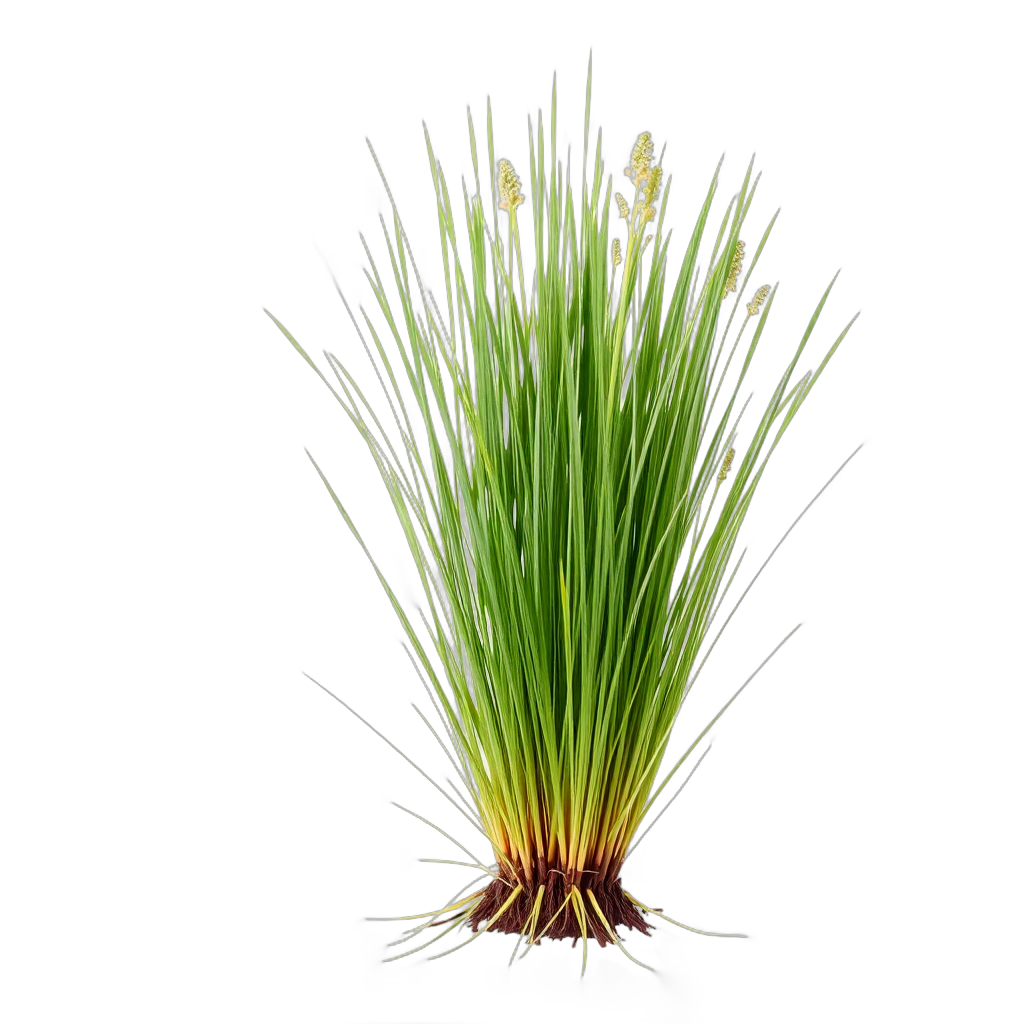
California Gray Rush
Juncus patens
low-growing ground cover, blooms in summer. Evergreen year-round.
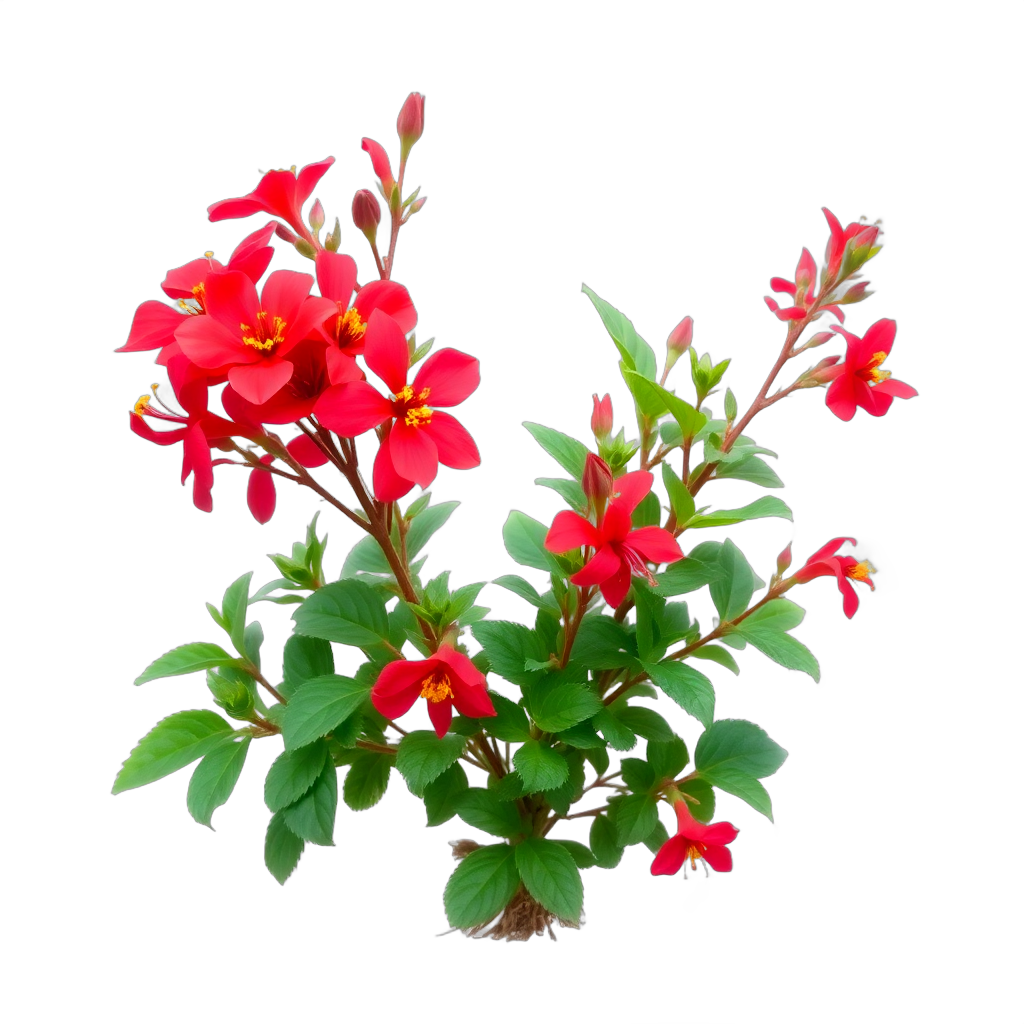
California Fuchsia
Zauschneria californica
low-growing ground cover, red blooms in fall. Attracts hummingbirds.
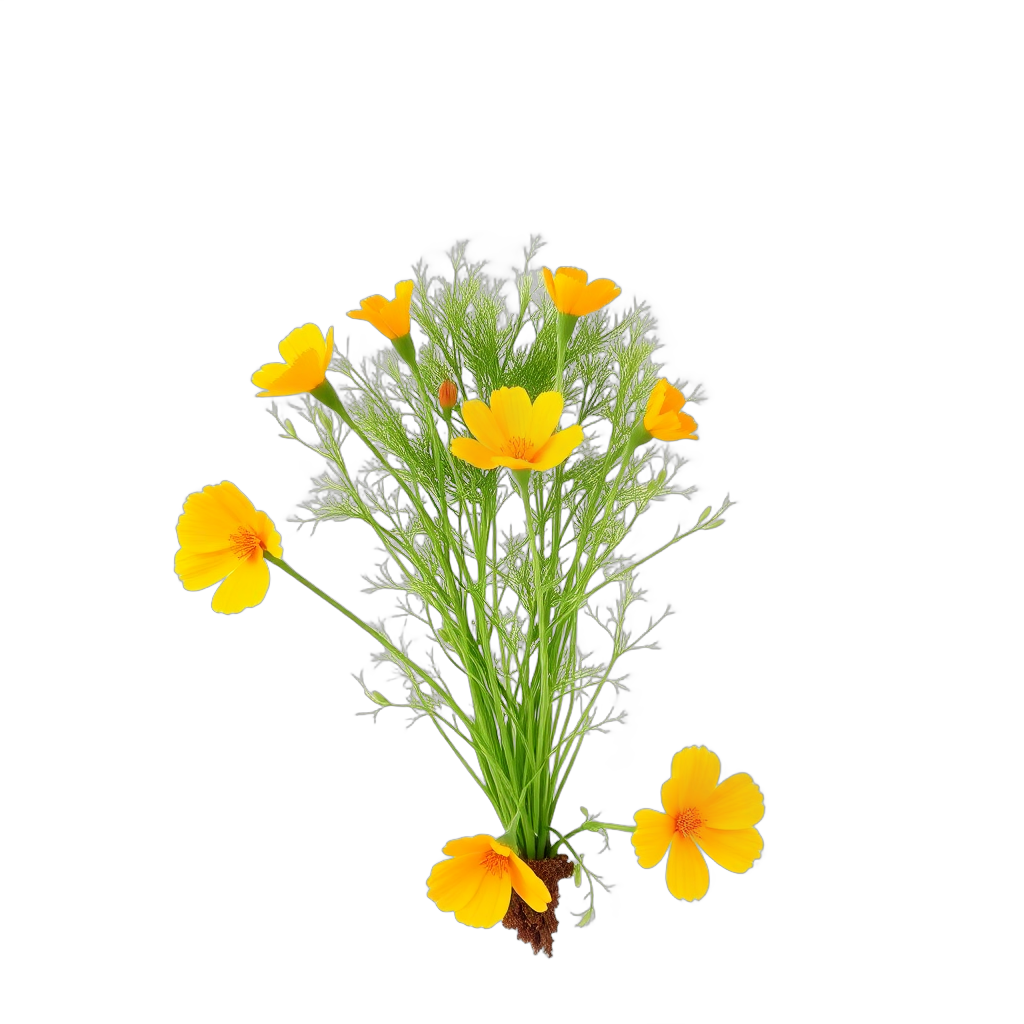
California Poppy
Eschscholzia californica
low-growing ground cover, orange blooms in spring.
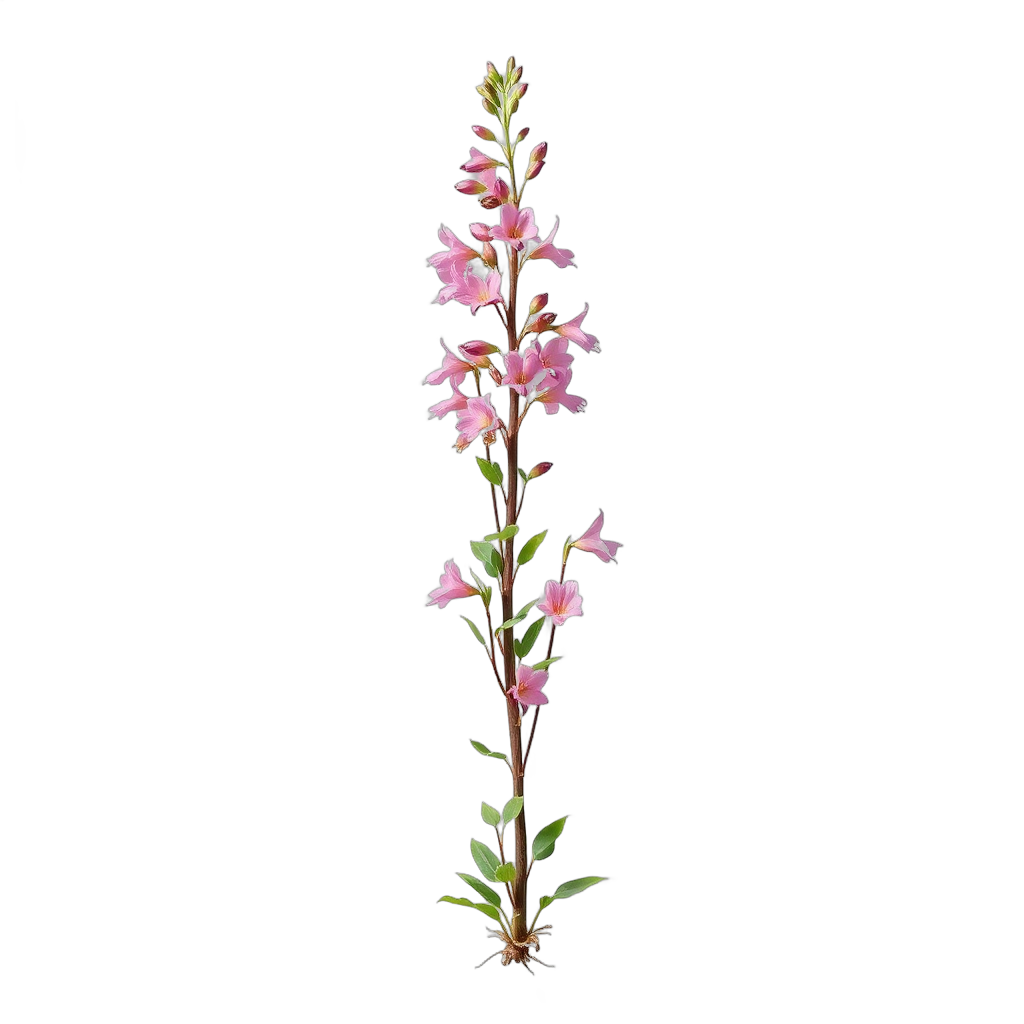
Foothill Penstemon
Penstemon heterophyllus
low-growing ground cover, blue blooms in spring. Attracts hummingbirds.
Zone and sun checks come from our database — confirm with your local nursery before you buy.
Bloom Calendar for Santa Clara
spring
California Poppy, Foothill Penstemon, Foothill Sedgesummer
California Gray Rush, Black Sage, California Buckwheatfall
California Fuchsia, Deer Grasswinter
Limited bloomsDesign Tips for Santa Clara (Zone 9b)
- Plant on mounds 8–12 inches high: Santa Clara's alkaline clay loam holds winter water, and Cistus, lavender and rosemary die from wet crowns in February far more often than from summer drought
- Mulch Mediterranean shrubs with gravel, not bark, so the stems stay dry through the 14.5 inches of winter rain
- Put Rosmarinus 'Tuscan Blue', Teucrium and Ceanothus on their own lean drip zone and citrus and herbs on another; watering them all the same kills the natives first
- Use fruitless Olea europaea 'Swan Hill' or 'Wilsonii' near patios and paths to avoid staining fruit drop each autumn
- Give Bougainvillea and Meyer lemon the warmest south wall you have; 25–30°F nights burn tender growth in open beds
- Finish any spray irrigation before 9 a.m.: the city does not allow overhead landscape watering between 9 a.m. and 6 p.m.
- Book Valley Water's pre-inspection before removing the lawn, since the rebate requires approval before work begins
Where to Source Plants in Santa Clara
Skip the big-box stores. These independent Santa Clara nurseries specialize in the plants that make mediterranean gardens thrive in Zone 9b.
Central Wholesale Nursery
Buena Vista, San Jose
Family-owned since 1974 and open to the public; trees, shrubs, water-wise plants, succulents, pottery, fountains and statuary
Almaden Valley Nursery
Almaden, San Jose
Family-owned garden centre serving the Bay Area since 1975, with fruit trees, roses, California natives, succulents and herbs
SummerWinds Nursery Campbell
Campbell
Bay Area garden centre (also in Cupertino and Palo Alto) with a broad bench of shrubs, perennials, pottery and garden supplies
CNPS Santa Clara Valley Chapter Nursery
Hidden Villa, Los Altos Hills
Volunteer-grown California native plants such as ceanothus, manzanita and sages, sold through the chapter's plant sales and online store
Mediterranean Landscaping Costs in Santa Clara
| Project Scope | Estimated Cost |
|---|---|
| Gravel and olive front garden with mounds and drip (400–600 sqft) | $8,000 – $18,000 |
| Walled terracotta courtyard with wall fountain (200–400 sqft) | $9,000 – $24,000 |
| Lawn removal, soil berms and gravel mulch (per sqft) | $5 – $11/sqft |
| Timber pergola for a dining terrace, built and stained | $5,000 – $14,000 |
| Dry-stacked stone raised beds (per linear ft) | $60 – $150 |
| Full back terrace with pergola, stone beds and lighting | $25,000 – $65,000 |
| AI visualization (ProScapeAI) | Free to start |
Estimates based on Santa Clara, CA-area contractor rates as of 2026. Actual costs vary by site conditions, materials, and contractor.
Santa Clara Climate & Growing Zone
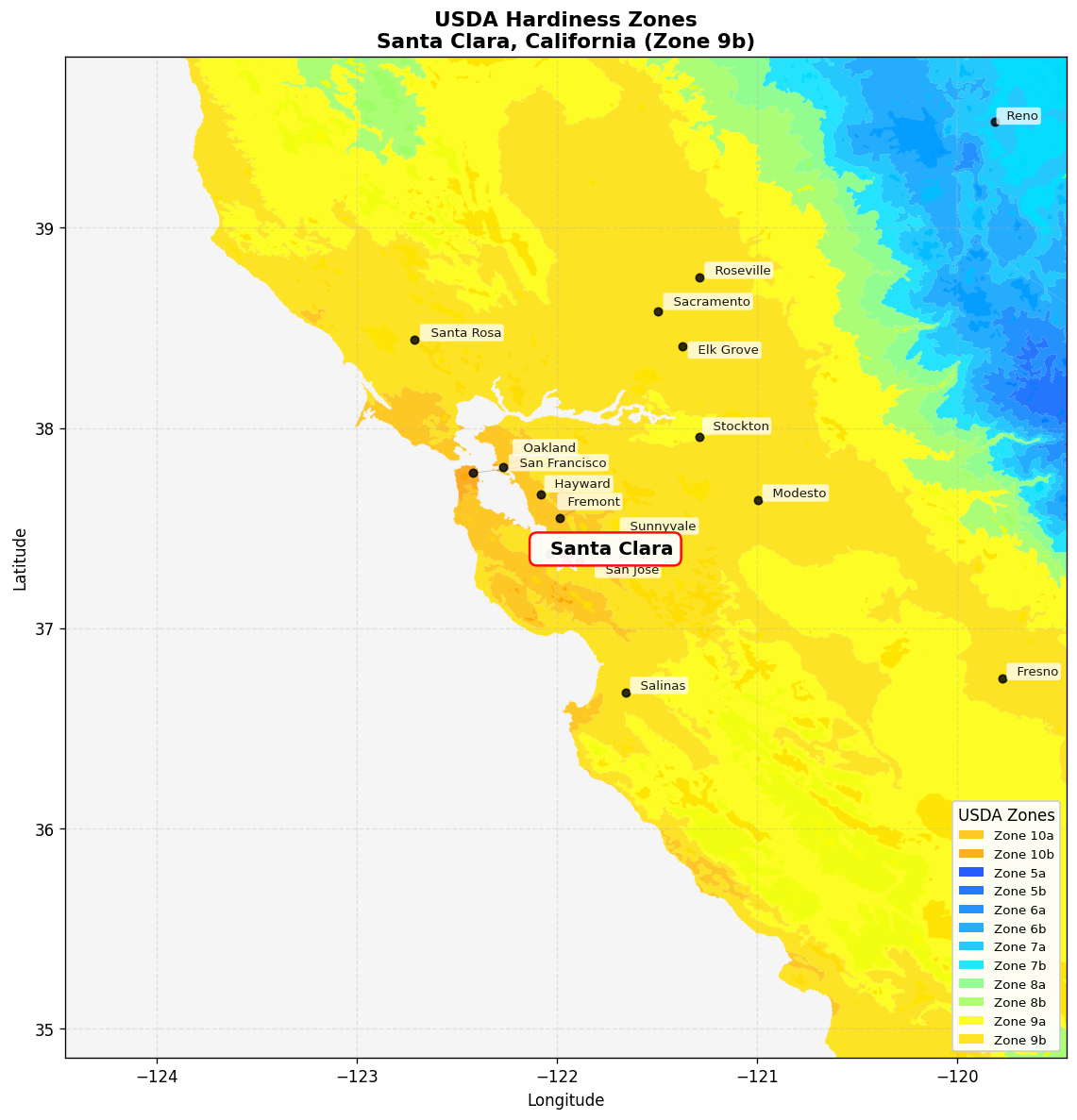
USDA Zone 9b
Hardiness zone for Santa Clara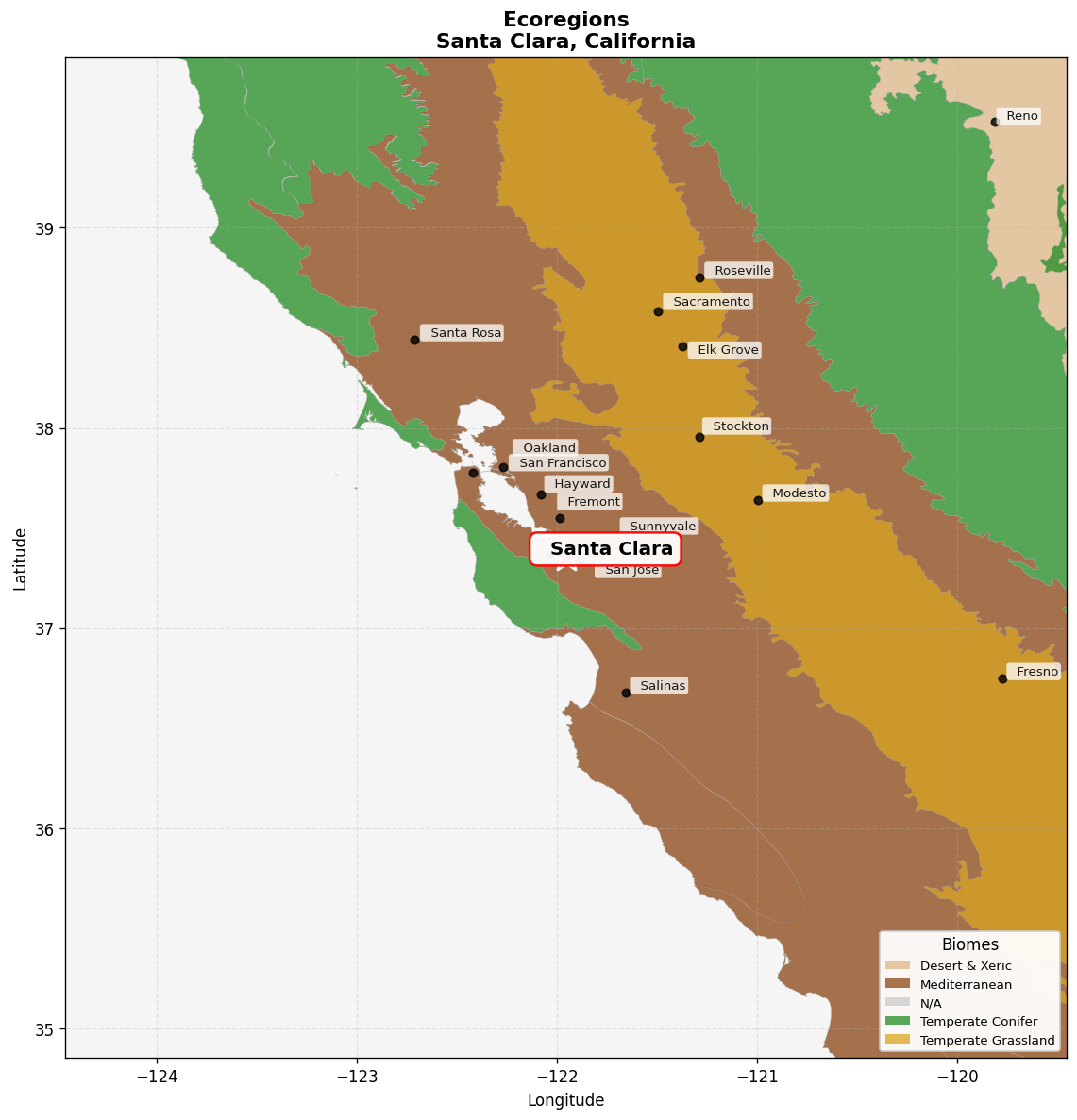
California interior chaparral and woodlands
Native ecoregionFrequently Asked Questions
How much does a Mediterranean garden cost in Santa Clara?
Expect South Bay rates. A gravel-and-olive front garden of 400–600 sqft with mounded beds, a flagstone path and drip usually runs $8,000–18,000 installed. A walled courtyard with terracotta tile and a fountain is closer to $30–60 per square foot. A back terrace with pergola, raised stone beds and lighting commonly runs $25,000–65,000. A specimen 24 in box Olea europaea 'Swan Hill' is a large single cost on its own, so ask nurseries for prices before you finalise the design. Valley Water's lawn conversion rebate (from $2 per square foot, up to $3,000 for a single-family home) can offset part of a lawn removal after a pre-inspection.
Is a Mediterranean garden low maintenance in Santa Clara?
It is the lowest-maintenance style for this climate. Once rooted, Rosmarinus 'Tuscan Blue', Cistus × purpureus, Teucrium 'Azureum' and Lavandula stoechas 'Otto Quast' need drip water only every two to three weeks in summer and a light shear after flowering. Lavender wants a trim by a third after bloom to stay compact. The main chores are keeping gravel mulch weed-free and checking that winter water is not pooling around the crowns.
When should I plant?
October to early December. Santa Clara's roughly 14.5 inches of rain falls from November to April, and Mediterranean shrubs planted in autumn root on rain through the mild winter. Spring planting in March and April also works but needs regular summer watering for the first year. Avoid planting in July and August.
How do I keep lavender and rockrose alive in clay soil?
Raise them up. Santa Clara's alluvial clay loam is alkaline at about pH 7.0–8.0, which these plants like, but it holds winter water that rots their crowns. Plant on mounds 8–12 inches high, mix a little gravel into the top of the mound, mulch with gravel instead of bark right around the stems and never put them on the same drip zone as citrus or lawn. Most deaths happen in a wet February, not in summer heat.
What are the watering rules and rebates in Santa Clara?
The City of Santa Clara does not allow landscape watering with overhead sprinklers or spray heads between 9 a.m. and 6 p.m., or during and within 48 hours of measurable rain. Valley Water's lawn conversion rebate currently starts at $2 per square foot, capped at $3,000 for single-family homes, and you must complete a pre-inspection and get approval before any work starts. New landscapes of 500 sqft or more and rehabilitated ones of 2,500 sqft or more that are part of a permitted project also fall under California's Model Water Efficient Landscape Ordinance.
Which Mediterranean plants struggle in Santa Clara?
Bougainvillea is burned back by 25–30°F nights, so plant Bougainvillea 'San Diego Red' against a warm south wall and expect some spring regrowth. Italian stone pine and fruiting olives are too big or too messy near paving; use Cupressus sempervirens 'Tiny Tower' for height and fruitless Olea europaea 'Swan Hill' or 'Wilsonii' for shade. Citrus often yellow in alkaline clay from iron chlorosis, so grow Citrus × meyeri 'Improved Meyer' in a large pot or treat it with chelated iron.
Can I mix California natives into a Mediterranean garden?
Yes, and Santa Clara sits in the California interior chaparral and woodlands ecoregion, so it is a natural fit. Ceanothus 'Concha', Arctostaphylos 'Howard McMinn', Salvia 'Allen Chickering' and Epilobium canum 'Everett's Choice' share the same dry-summer needs as rosemary and Cistus and can go on the same lean drip zone. Do not water natives often in summer; most ceanothus die from summer watering in clay, not from drought.