4 Mediterranean Landscape Ideas for Sunnyvale, CA | Zone 9b
Native plants from the California interior chaparral and woodlands (Zone 9b) — Mediterranean (warm summer) climate
Why Mediterranean Gardens in Sunnyvale?
Sunnyvale does not have to imitate the Mediterranean - it already is one. The city sits squarely in a Köppen Csb warm-summer Mediterranean climate, the same classification as Tuscany, coastal Portugal and the hills behind Barcelona, with wet mild winters and a bone-dry summer. That is why the style reads as native rather than imported here: an Olea europaea 'Swan Hill' in a Cherry Chase front yard, a hedge of Lavandula × intermedia 'Provence' along a Ponderosa Park driveway, a Citrus × meyeri 'Improved Meyer' by the back door. The architecture cooperates too. Sunnyvale's postwar ranch tracts in Birdland, Raynor Park and Lakewood Village have the long low rooflines and broad stucco walls that Mediterranean planting was invented to sit against, the newer infill and remodels around Fair Oaks and El Camino lean explicitly Spanish with barrel tile and arched entries, and the Heritage District's older homes take terracotta and gravel courtyards without a fight.
Zone 9b is the technical unlock: winter lows of roughly 25-30°F let you grow the real palette rather than the cold-climate substitutes. Olives, Cupressus sempervirens, Rosmarinus officinalis 'Tuscan Blue', Punica granatum 'Wonderful', Ficus carica 'Black Mission', Laurus nobilis 'Saratoga' and Teucrium fruticans 'Azureum' are all reliably hardy on the valley floor. Citrus is the local trophy crop - Sunnyvale gardens have been carrying navel oranges and Satsuma mandarins for generations - though in a hard December it pays to have frost cloth on hand for young trees. Bougainvillea is the one genuine gamble: it flourishes on a warm south or west-facing stucco wall in Sunnyvale but can defoliate in a cold snap, so site Bougainvillea 'Barbara Karst' against masonry that holds heat, not out in an open bed. Summers here are gentler than inland Santa Clara County - July highs in the low 80s°F, with marine air off the Bay dropping nights into the mid-50s - which means terracotta patios stay usable in August in a way Phoenix or Sacramento cannot match.
Water is the real design brief. Sunnyvale averages roughly 15 inches of rain a year and effectively all of it lands between November and April, leaving a five-month rainless stretch. A Mediterranean garden is the honest answer to that, not a compromise: gravel and tile instead of turf, plants that evolved for the same rhythm, and irrigation that tapers off rather than fights the season. But the plants that make the look - Lavandula, Rosmarinus, Cistus × purpureus, Santolina chamaecyparissus, Westringia fruticosa 'Morning Light' - all come from fast-draining hillside soils, and Sunnyvale sits on deep alkaline alluvial clay loam laid down by Stevens and Calabazas Creeks. Planted flat in that clay they rot at the crown in a wet February. Berm every silver-leaved shrub 6-12 inches above grade, or set it in a raised bed of native soil cut 50/50 with crushed rock, and the survival rate goes from coin-flip to near certain.
Finally, the rules. California's Model Water Efficient Landscape Ordinance applies to new or rehabilitated landscapes over 500 square feet requiring a permit, and Valley Water runs a per-square-foot landscape rebate for Santa Clara County homeowners converting lawn to low-water planting - worth confirming the current rate and cap before you commit to a design, since both are revised periodically. Practically, that pushes you toward exactly the layout the style wants anyway: decomposed granite or gravel courtyards, generous terracotta terraces, a small deliberate lawn panel if any, and drip tubing on separate zones for citrus (which is genuinely thirsty) and for the dry-hillside shrubs (which are not).
4 Mediterranean Design Ideas for Sunnyvale

The Olive and Cypress Entry
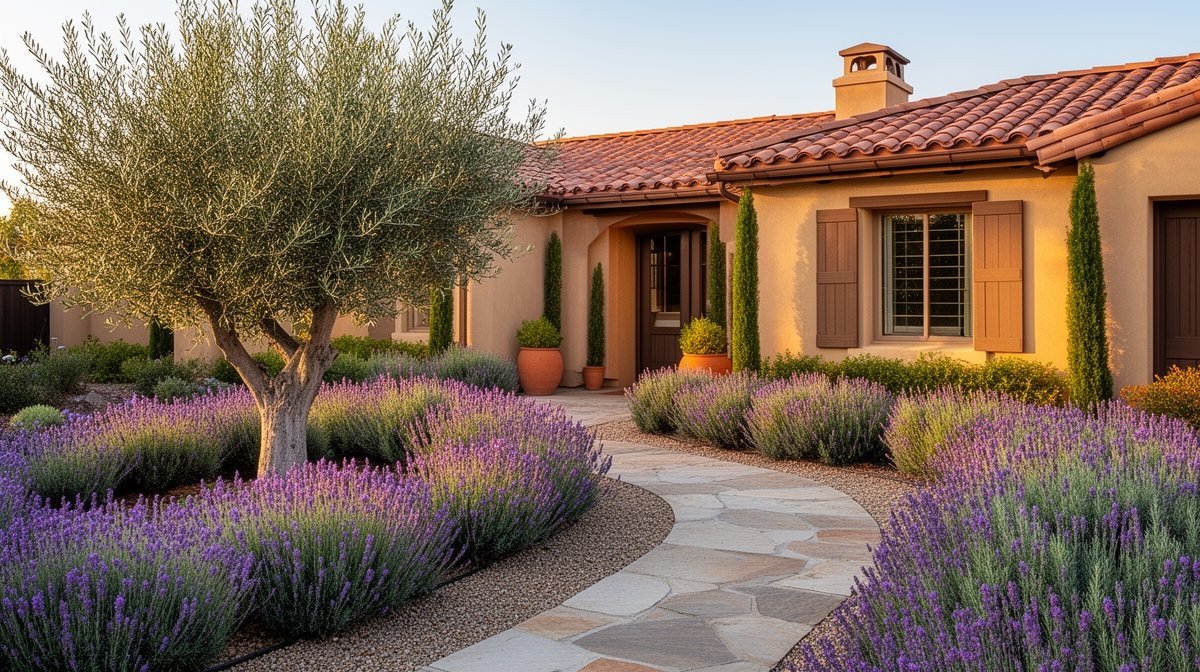
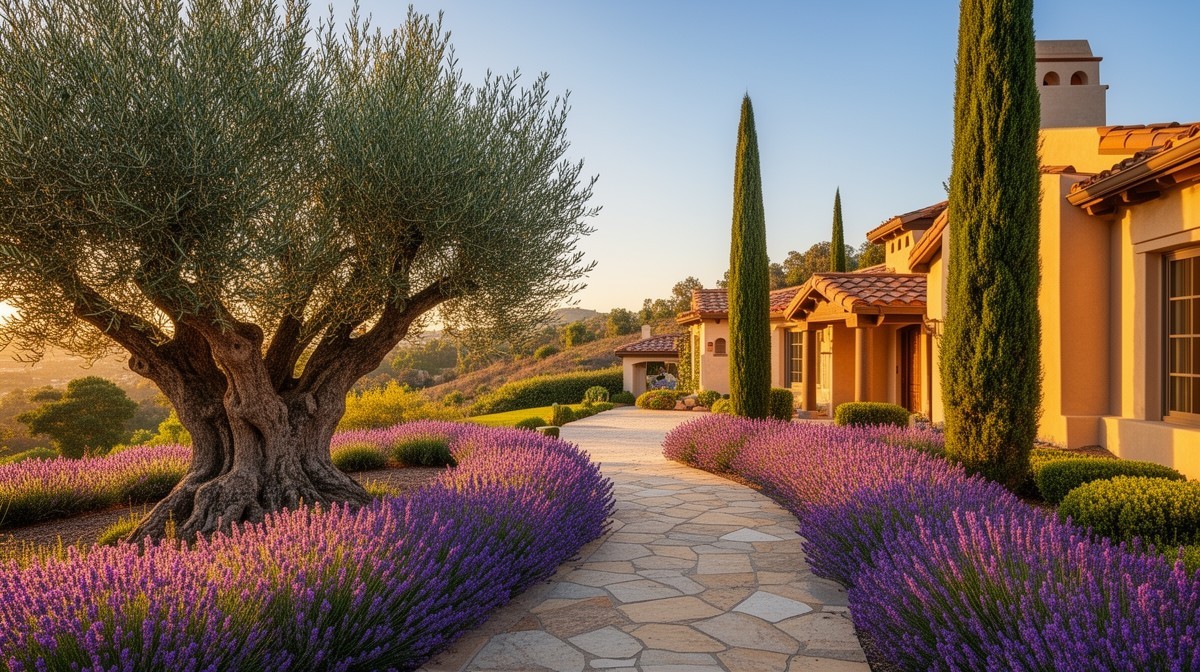
$22-40/sqftA single-story cream stucco home under a terracotta barrel-tile roof, with an arched wood front door and a dark garage face, is fronted by one sculptural multi-trunk olive and a line of narrow Italian cypress columns that break up the long roofline. A flagstone walkway runs straight from the driveway to the door, flanked on both sides by continuous silver-purple lavender hedging in dark mulched beds, with a few placed granite boulders and low-voltage path lights doing the rest. A small panel of lawn survives to the right of the entry as a green accent, not as the main surface, which is what keeps the whole front yard on a modest summer water budget.

The Bougainvillea Gravel Courtyard
$25-45/sqftA walled entry courtyard in white stucco under red clay tile, entered through a wrought-iron gate, with a sheet of magenta bougainvillea trained up a trellis and washed at night by wall lanterns. The floor is pale pea gravel with oversized flagstone stepping pads laid across it to the arched wood front door and its brick steps. Fruiting citrus - a heavy-cropping orange on the right, a lemon overhanging the gate - stand directly in the gravel, and terracotta pots of colour cluster at the wall base with low silver shrubs running the foot of the stucco.

The Fountain Dining Terrace
$45-85/sqftA two-story villa with a tile roof and an iron juliet balcony looks onto a large circular terracotta-tile terrace built around a tiered stone fountain. A long table dressed in white linen and eight iron chairs sit directly in front of the water, string lights sweep across the space from house to trees, and a gnarled olive on one side is balanced by an orange tree loaded with fruit on the other. A ring of lavender edges the whole circle, a shallow band of lawn separates terrace from house, and staked path lights carry the scheme after dark - the fountain doing double duty as focal point and as the sound that masks Sunnyvale's traffic hum.

The Bougainvillea Pergola Lounge
$38-70/sqftA wide Saltillo-tile terrace runs the full width of a single-story stucco home, and a heavy timber pergola near its centre is buried under magenta bougainvillea, shading a deep sectional sofa, two woven armchairs and a low wood coffee table set on an outdoor rug. A lemon tree on the left and an orange on the right frame the composition and put fruit within reach of the seating, lavender hedges run down both sides in mulched beds, and two narrow lawn strips are left purely to cool the eye. Sliding glass doors put the kitchen directly onto the tile, which is the whole point in a climate with a five-month rainless season.
See how a mediterranean garden looks on YOUR property
Upload a photo of your Sunnyvale yard and visualize your dream garden in seconds.
Try ProScapeAI Free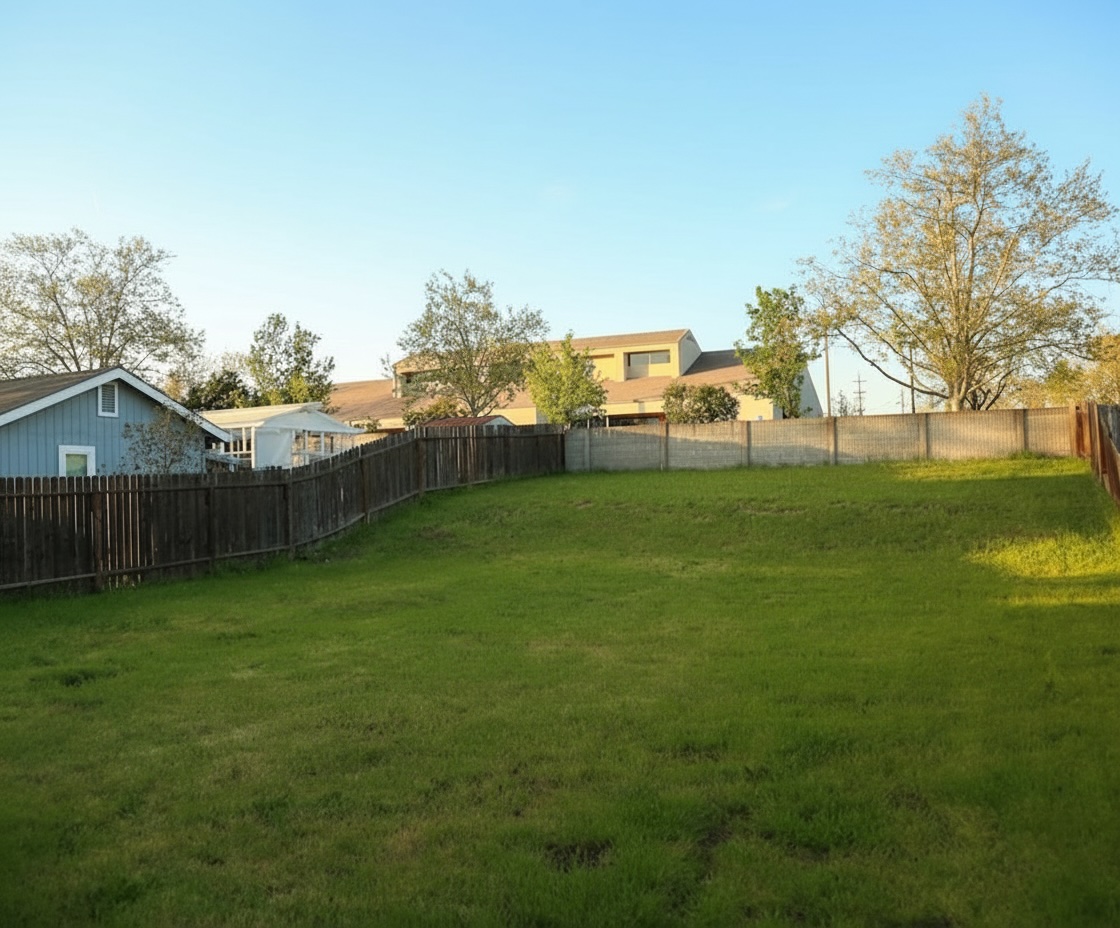
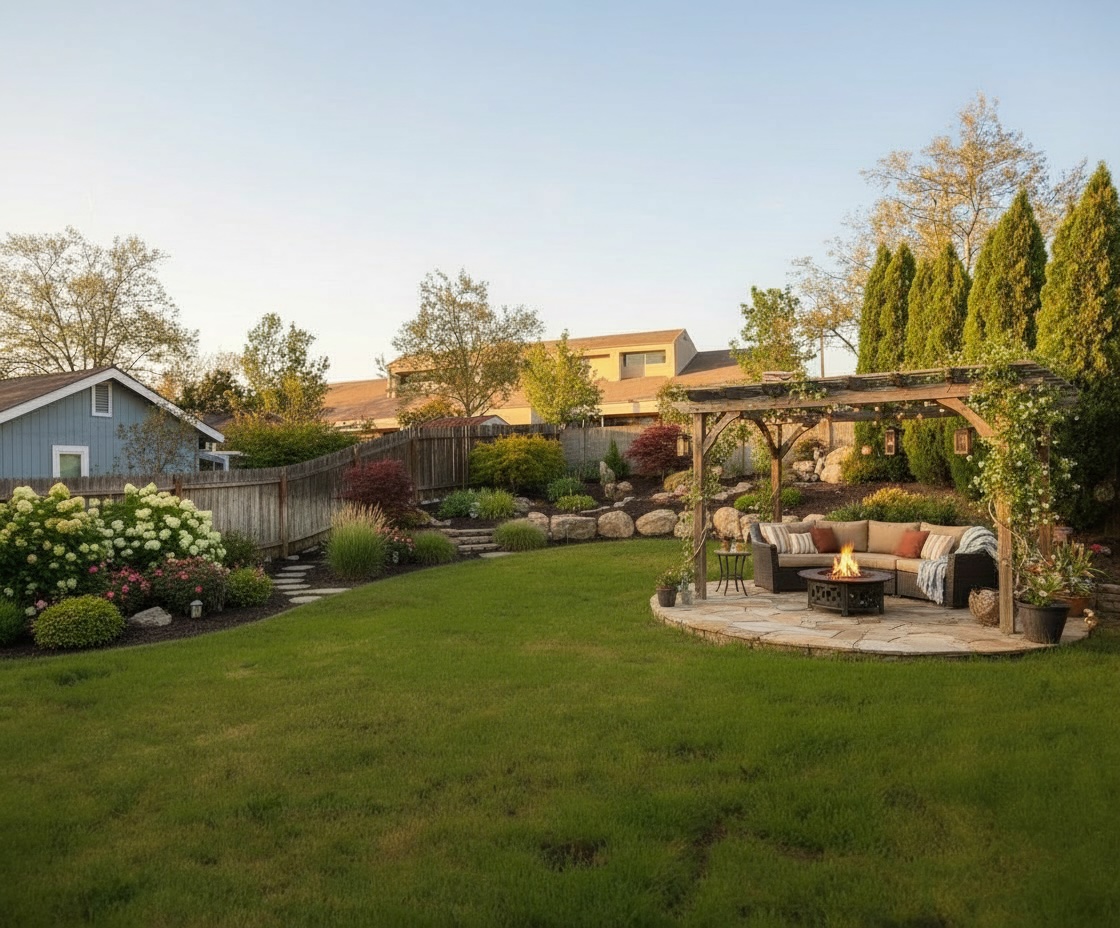
Featured Trees & Shrubs for Mediterranean Gardens
Browse all 197 plants for Sunnyvale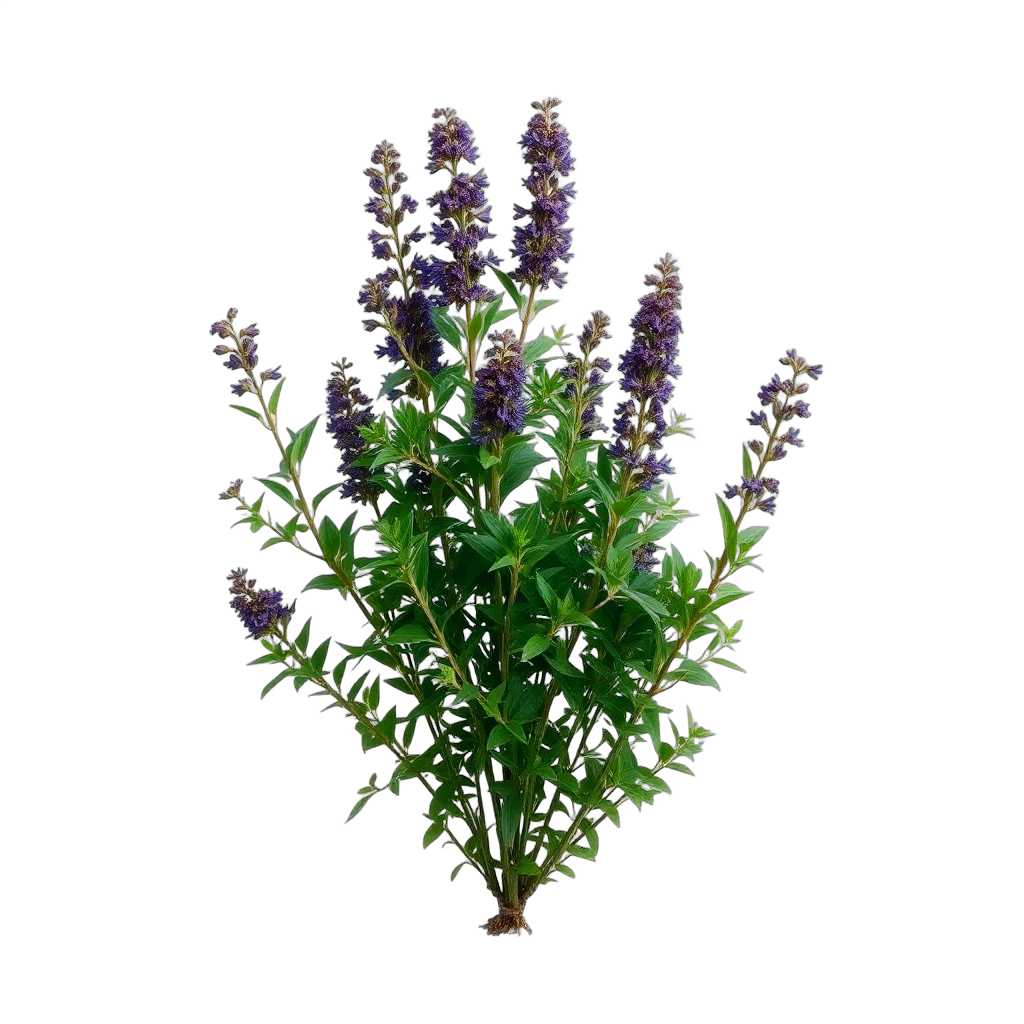
Black Sage
Salvia mellifera
grows to 4 feet, white blooms in spring. Attracts butterflies.
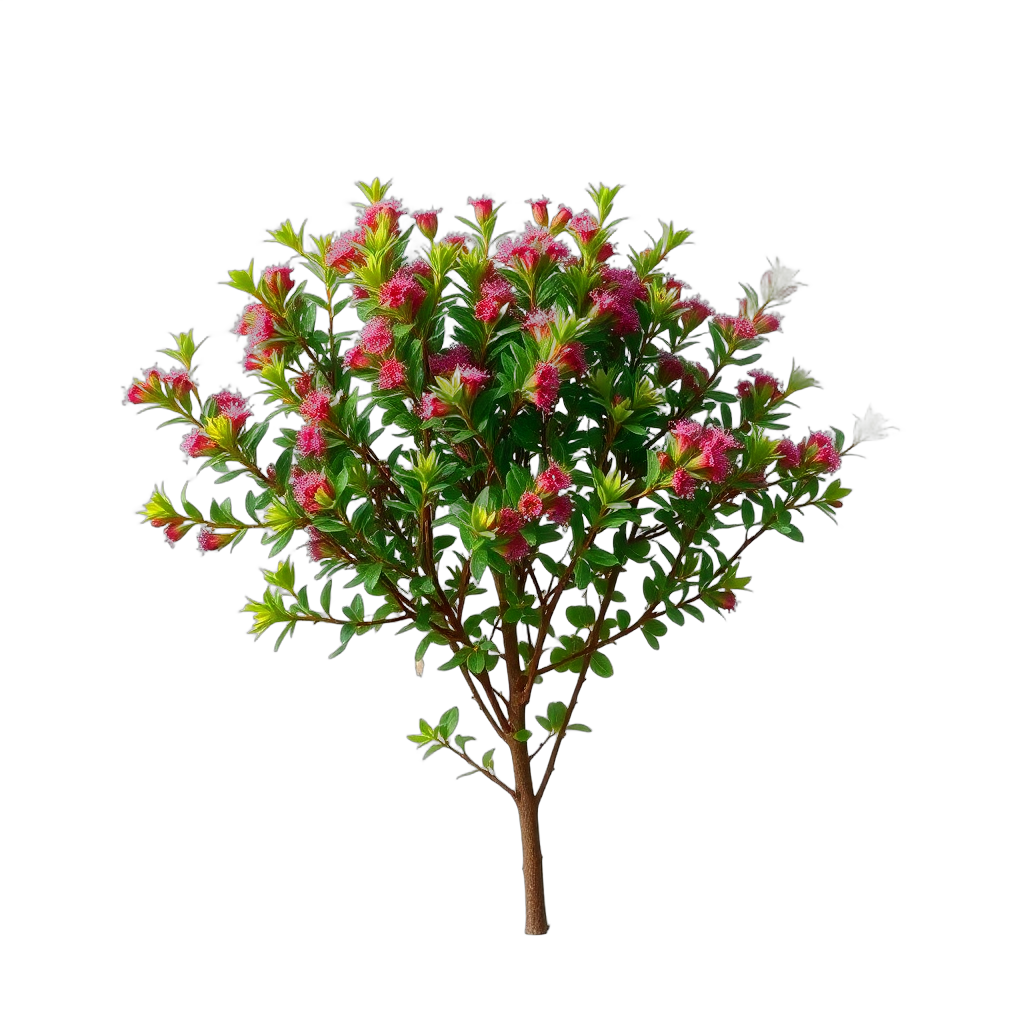
Buckbrush
Ceanothus cuneatus
medium-sized at 7 feet, white blooms in spring. Attracts butterflies.
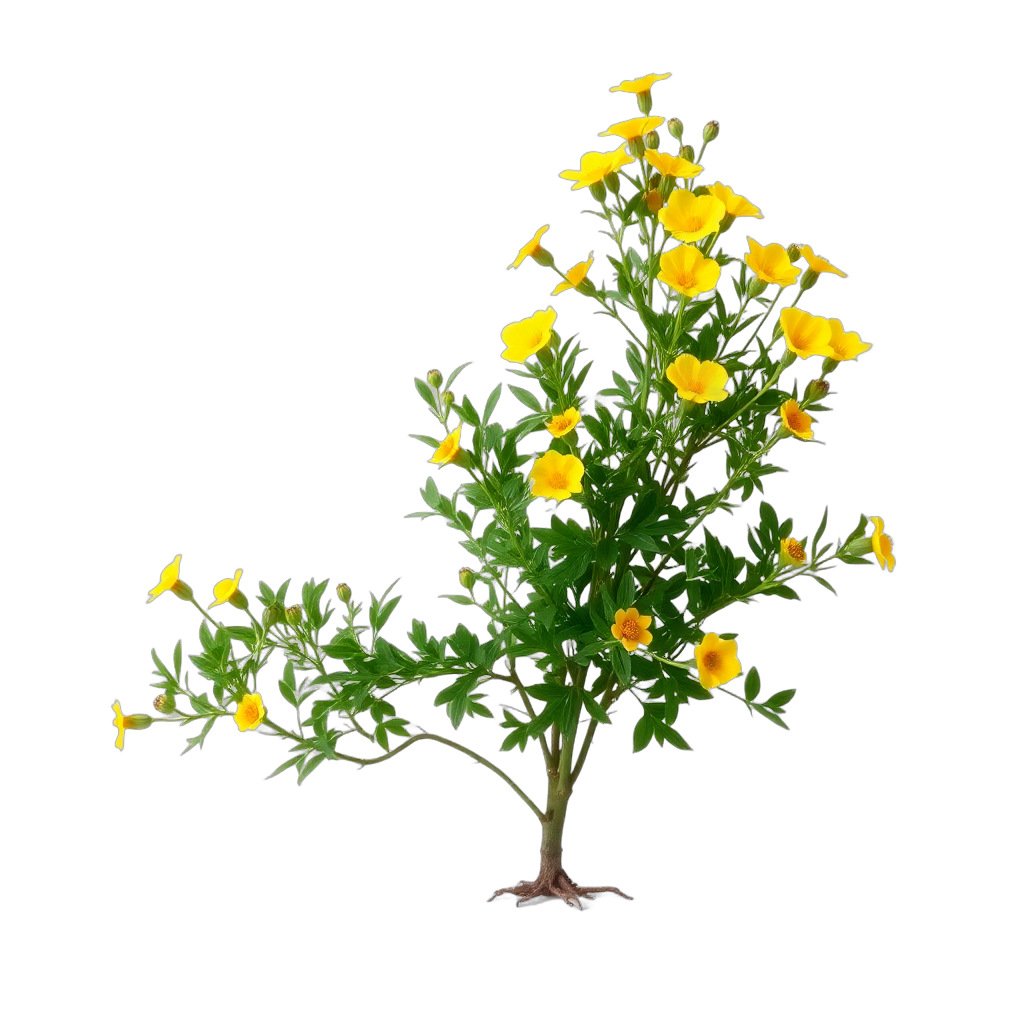
Bush Poppy
Dendromecon rigida
grows to 6 feet, yellow blooms in spring. Pollinator-friendly.
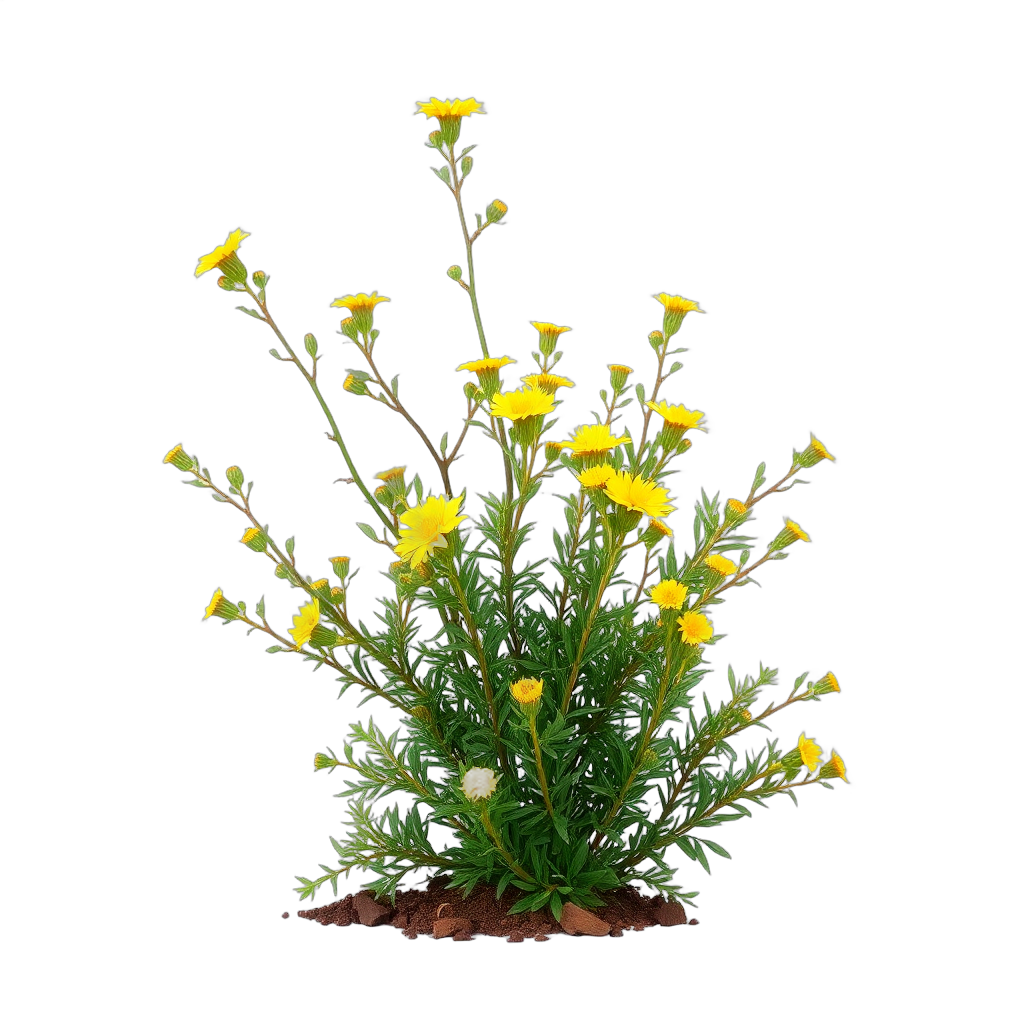
California Brittlebush
Encelia californica
grows to 4 feet, yellow blooms in spring. Attracts butterflies.
Featured Grasses & Groundcovers for Mediterranean Gardens
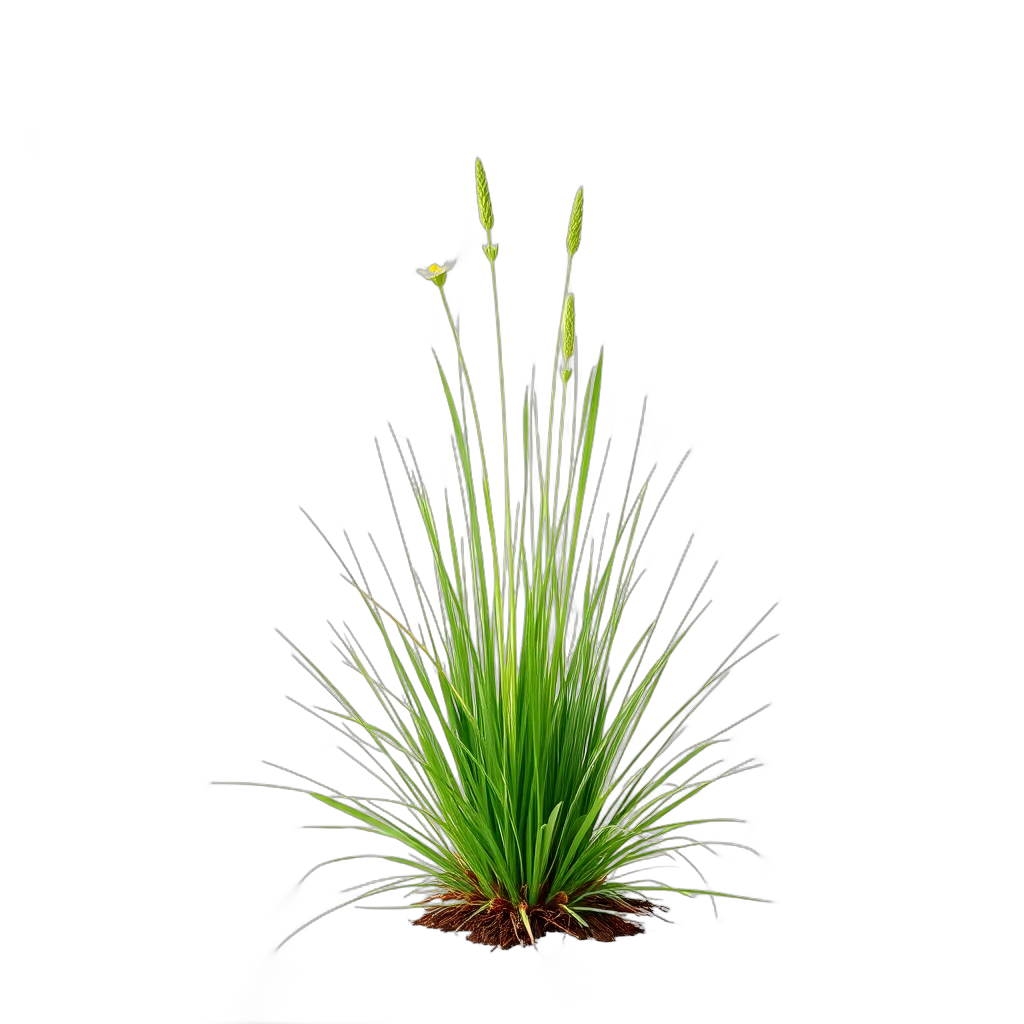
California Brome
Bromus carinatus
low-growing ground cover, blooms in spring. Yellow fall color.
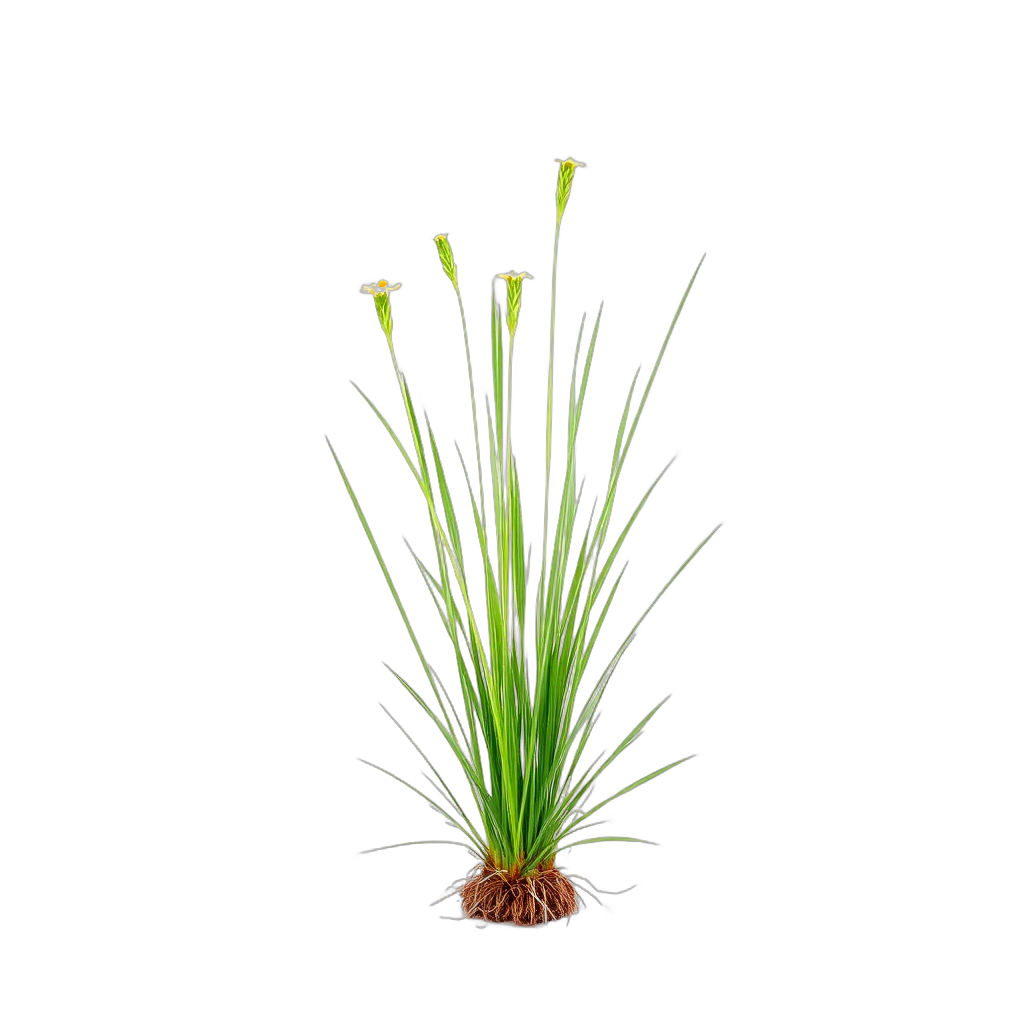
California Melic
Melica californica
low-growing ground cover, blooms in spring.
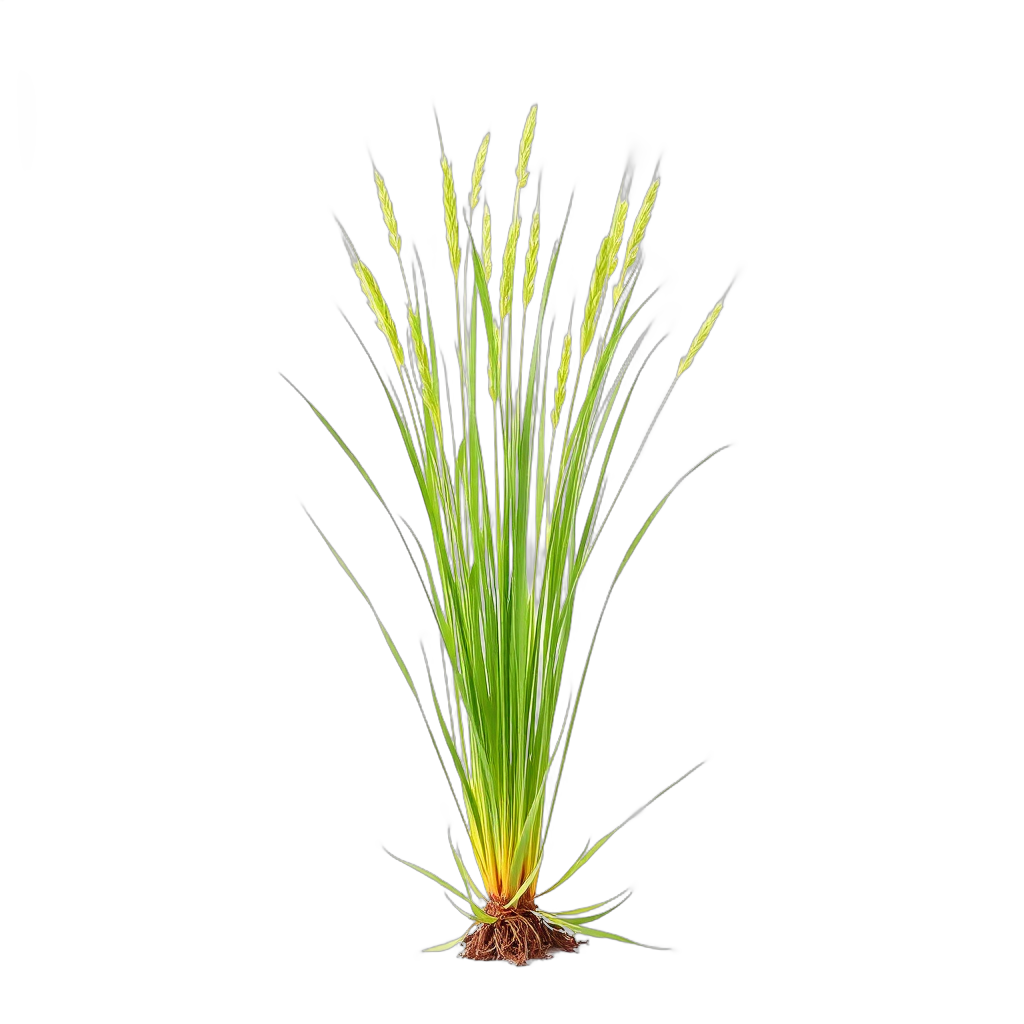
California Oatgrass
Danthonia californica
low-growing ground cover, blooms in spring. Yellow fall color.
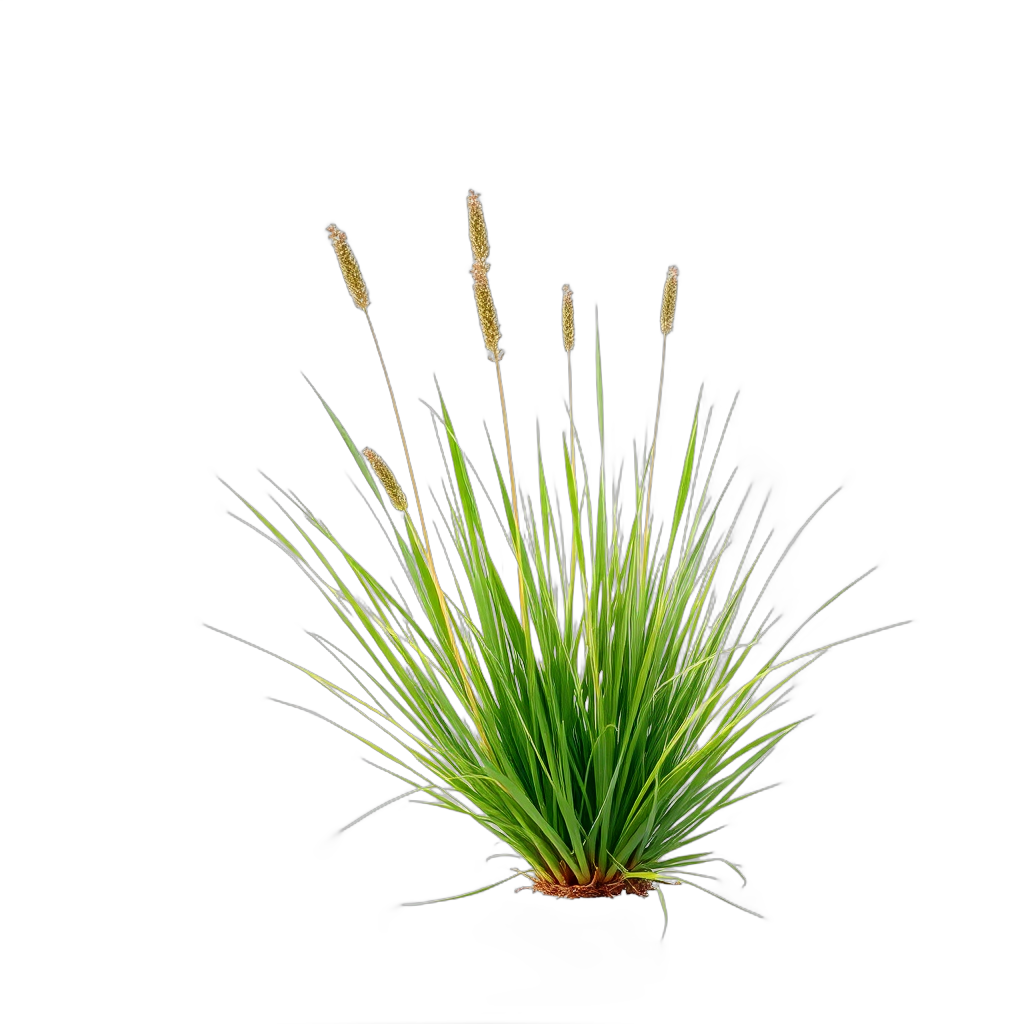
Deer Grass
Muhlenbergia rigens
grows to 3 feet, yellow blooms in fall. Evergreen year-round.
Featured Flowers & Perennials for Mediterranean Gardens
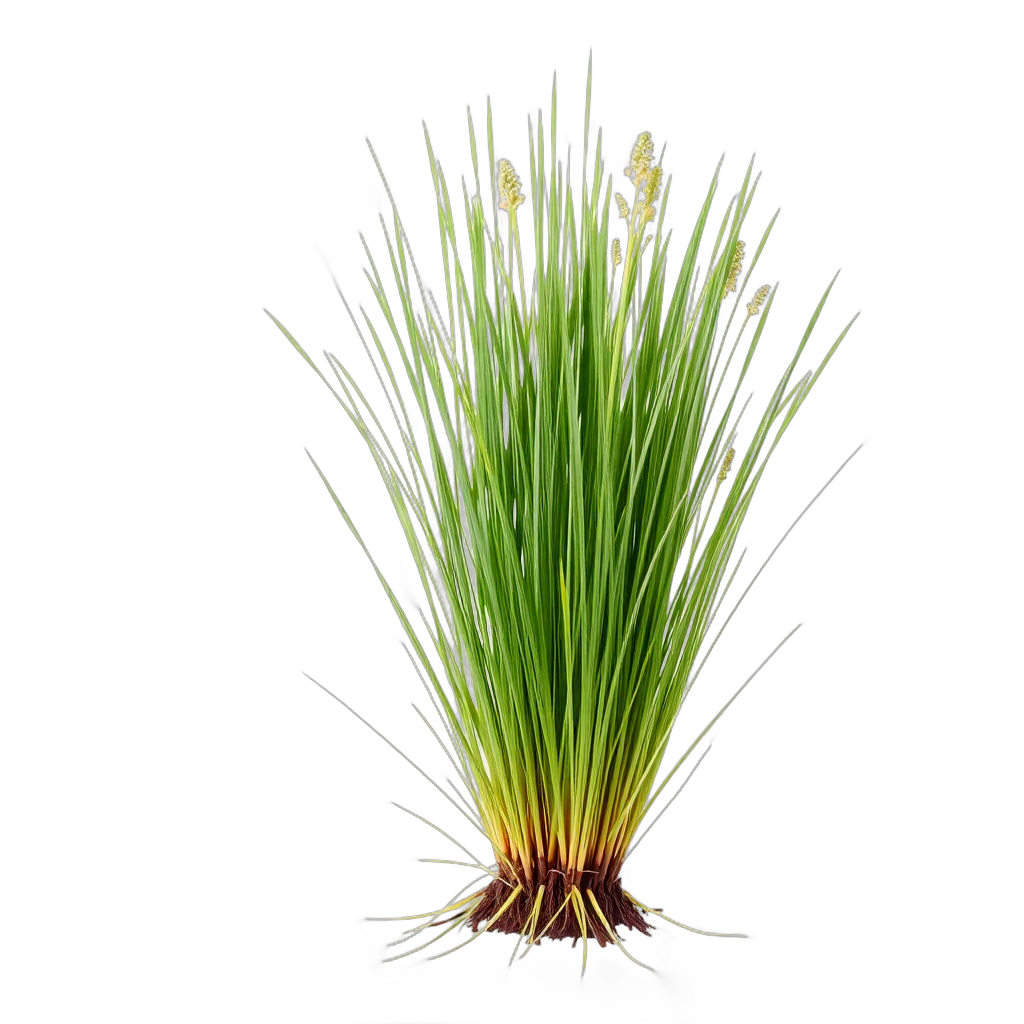
California Gray Rush
Juncus patens
low-growing ground cover, blooms in summer. Evergreen year-round.
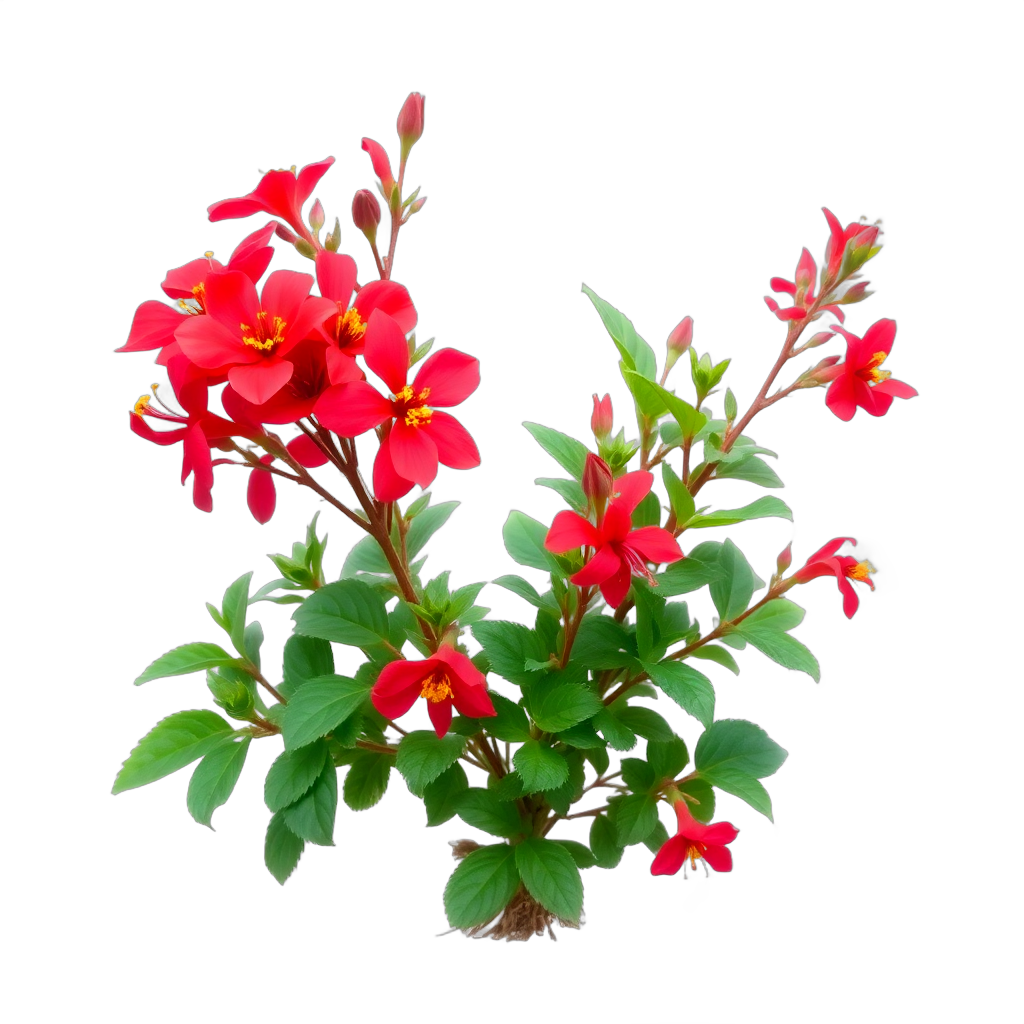
California Fuchsia
Zauschneria californica
low-growing ground cover, red blooms in fall. Attracts hummingbirds.
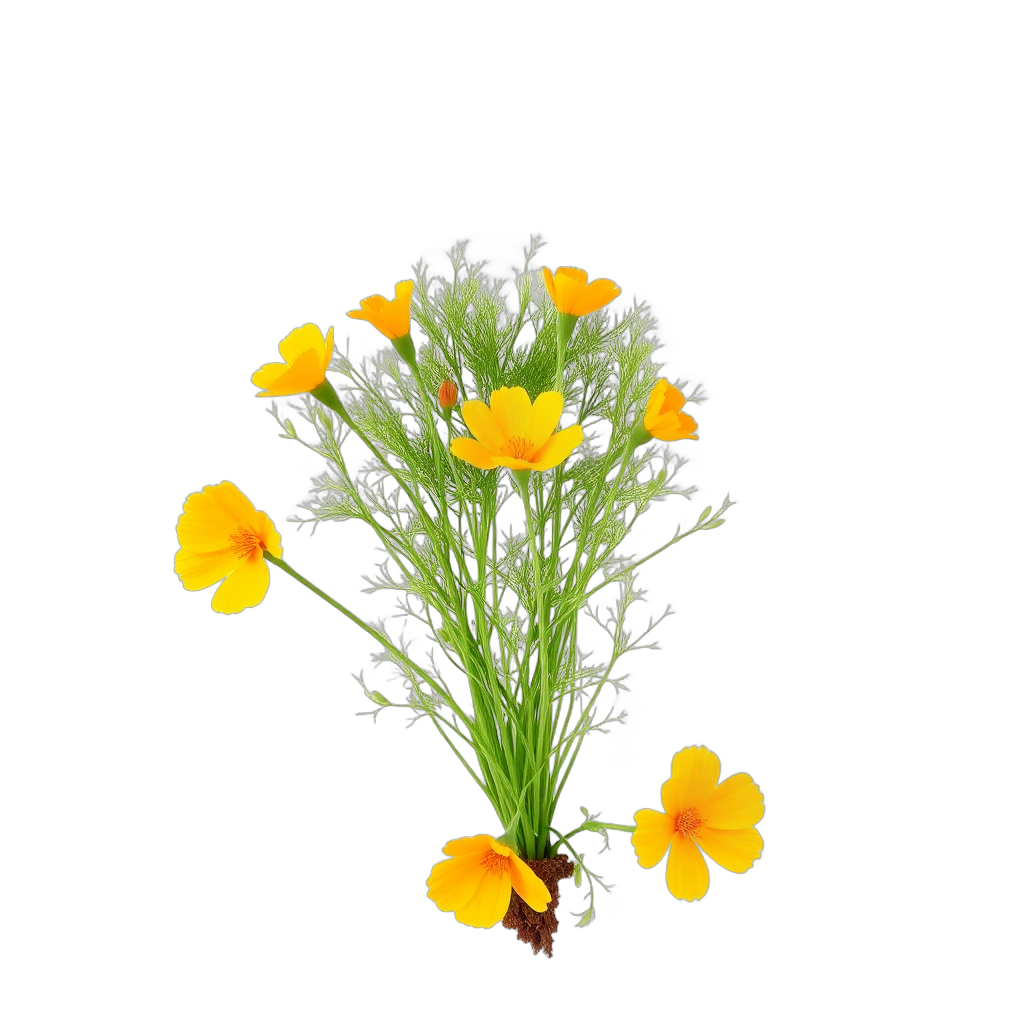
California Poppy
Eschscholzia californica
low-growing ground cover, orange blooms in spring.
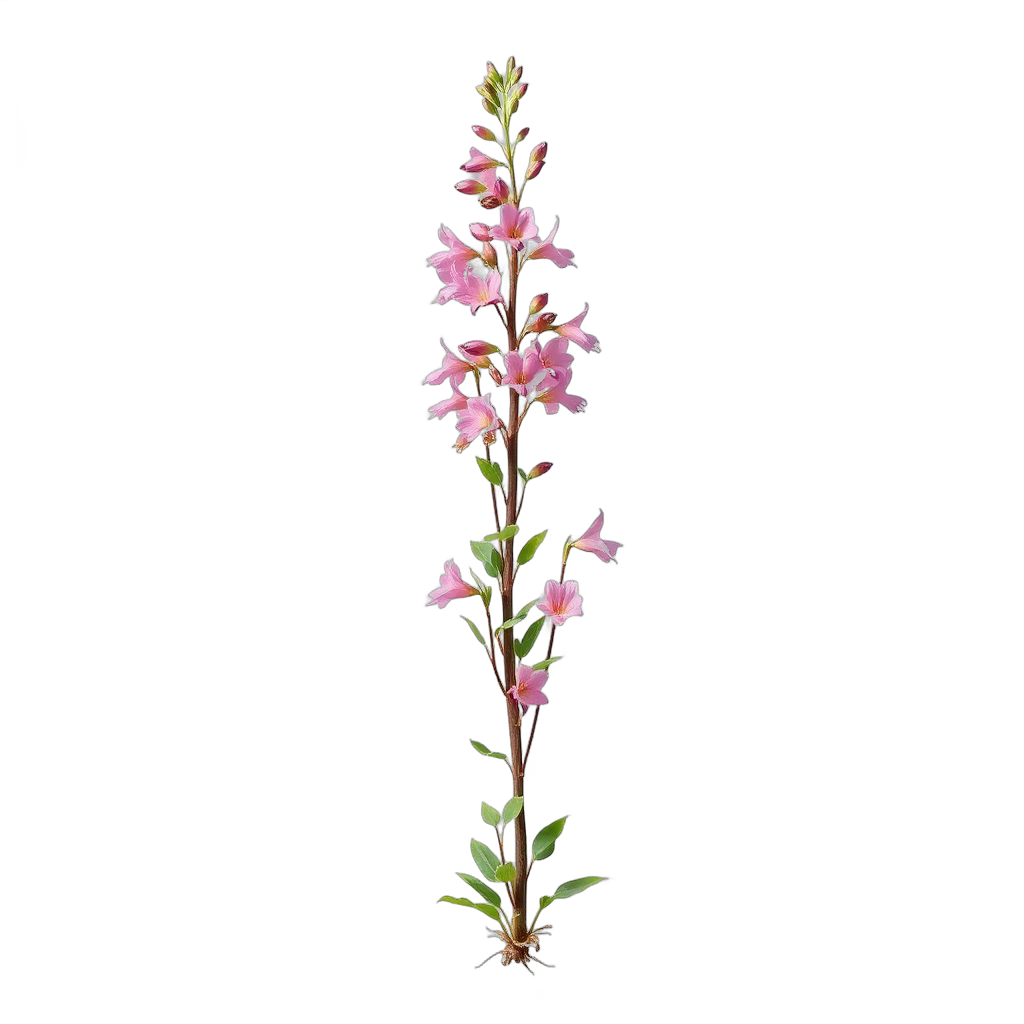
Foothill Penstemon
Penstemon heterophyllus
low-growing ground cover, blue blooms in spring. Attracts hummingbirds.
Zone and sun checks come from our database — confirm with your local nursery before you buy.
Bloom Calendar for Sunnyvale
spring
California Poppy, Foothill Penstemon, Foothill Sedgesummer
California Gray Rush, Black Sage, California Buckwheatfall
California Fuchsia, Deer Grasswinter
Limited bloomsDesign Tips for Sunnyvale (Zone 9b)
- Berm every silver-leaved shrub 6-12 inches above grade - Lavandula, Rosmarinus, Santolina and Cistus die of winter crown rot in Sunnyvale's alkaline clay far more often than they die of anything else, and a raised bed cut 50/50 with crushed rock solves it permanently
- Put citrus on its own irrigation zone: Citrus x meyeri 'Improved Meyer' and Citrus sinensis 'Washington' navel want regular deep water through the five-month dry season, while the shrub palette around them wants a soak every 10-14 days at most
- Site Bougainvillea against a south or west-facing stucco wall that stores daytime heat - in a Zone 9b winter with lows of 25-30 degrees F, the wall is the difference between light leaf drop and dieback to the ground
- Use gravel or decomposed granite as the default ground plane rather than lawn: it uses no water in Sunnyvale's rainless summer, keeps the courtyard look authentic, and is what qualifies a project for Valley Water's lawn conversion rebate
- Plant in October and November so winter rain does the establishment watering for you; an olive or lavender hedge set out in autumn needs roughly half the irrigation in its first summer that a spring-planted one does
- Choose fruitless Olea europaea 'Swan Hill' anywhere near terracotta or seating - fruiting olives stain tile and pavers every autumn and the cleanup outlasts the charm
- Grade terracotta and Saltillo terraces to drain away from the house at about 2%, and seal the grout: Sunnyvale's rain arrives concentrated in a handful of winter storms, and a flat tile terrace against a slab foundation is the one place this climate punishes you
Where to Source Plants in Sunnyvale
Skip the big-box stores. These independent Sunnyvale nurseries specialize in the plants that make mediterranean gardens thrive in Zone 9b.
Central Wholesale Nursery
McKinley Ave, San Jose
Third-generation family nursery (est. 1974) open to the public; one of the South Bay's largest ranges of water-wise Mediterranean shrubs, olives, citrus and Italian terracotta
Wegman's Nursery
Woodside Road, Redwood City
Independent Peninsula nursery with a strong citrus, fig, pomegranate and bare-root fruit tree selection, plus in-person garden consultations
Grassroots Ecology Native Plant Nursery
East Bayshore Road, Palo Alto
Non-profit nursery growing locally native Santa Clara, San Mateo and Santa Cruz County species from seed and cuttings - the place for Ceanothus, Arctostaphylos and Muhlenbergia rigens; public sales run in the fall planting season
Almaden Valley Nursery
Almaden Expressway, San Jose (~18 miles)
Long-running independent garden centre with a deep shrub, fruit tree and perennial bench, plus pottery and soil amendments suited to Santa Clara Valley adobe
Mediterranean Landscaping Costs in Sunnyvale
| Project Scope | Estimated Cost |
|---|---|
| Front-yard conversion to gravel, flagstone and Mediterranean planting (500-700 sqft) | $14,000 - $32,000 |
| Terracotta or Saltillo tile terrace over new reinforced slab (400 sqft) | $15,000 - $28,000 |
| Timber pergola on concrete footings (12x16 ft) | $9,000 - $25,000 |
| Tiered cast-stone fountain, plumbed with recirculating basin | $3,500 - $12,000 |
| Stucco courtyard wall with wrought-iron gate (25-40 linear ft) | $8,000 - $22,000 |
| Specimen 24-inch box olive, planted on a drainage mound | $450 - $900 each |
| AI visualization with ProScapeAI | Free to start |
Estimates based on Sunnyvale, CA-area contractor rates as of 2026. Actual costs vary by site conditions, materials, and contractor.
Sunnyvale Climate & Growing Zone
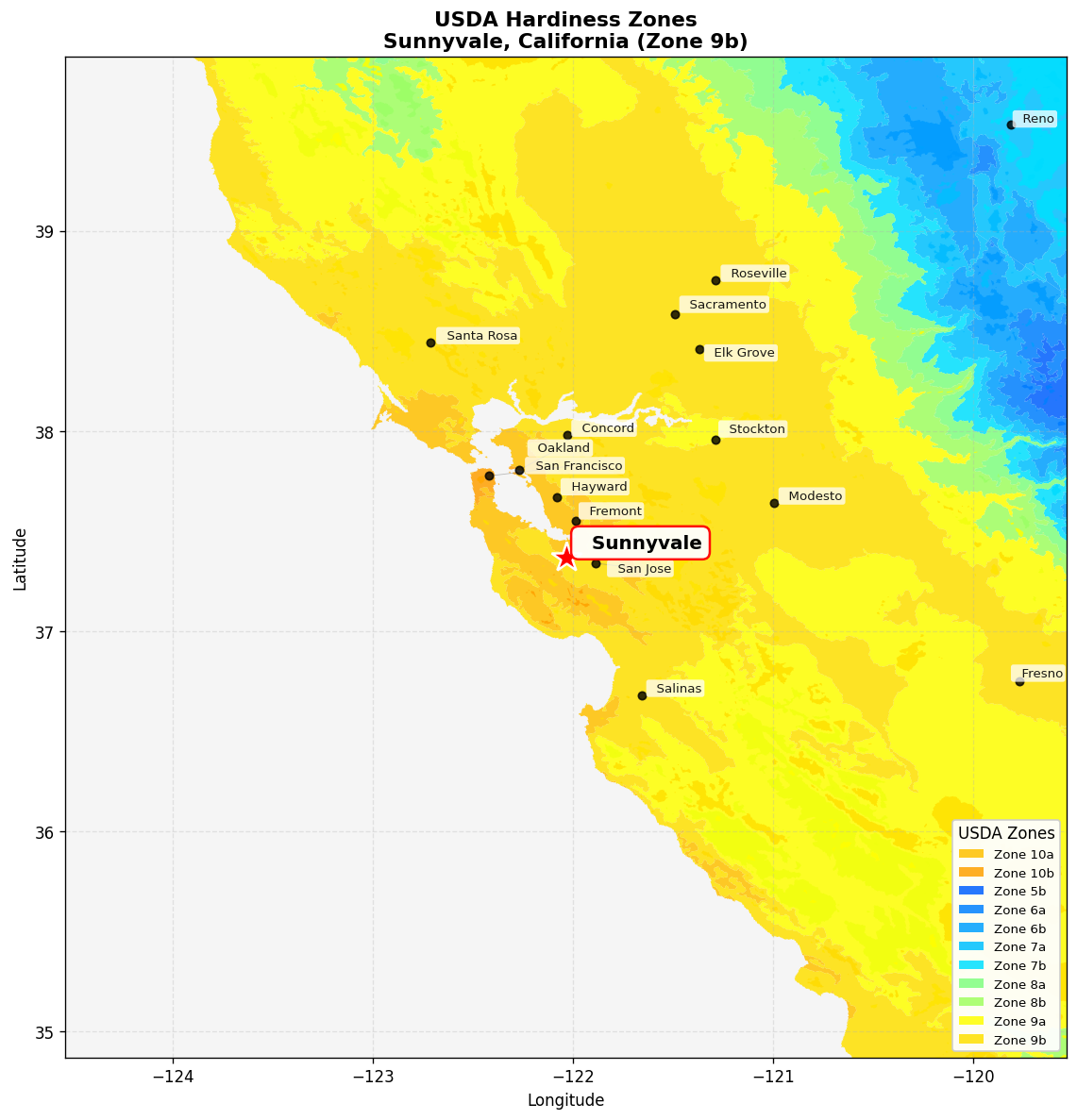
USDA Zone 9b
Hardiness zone for Sunnyvale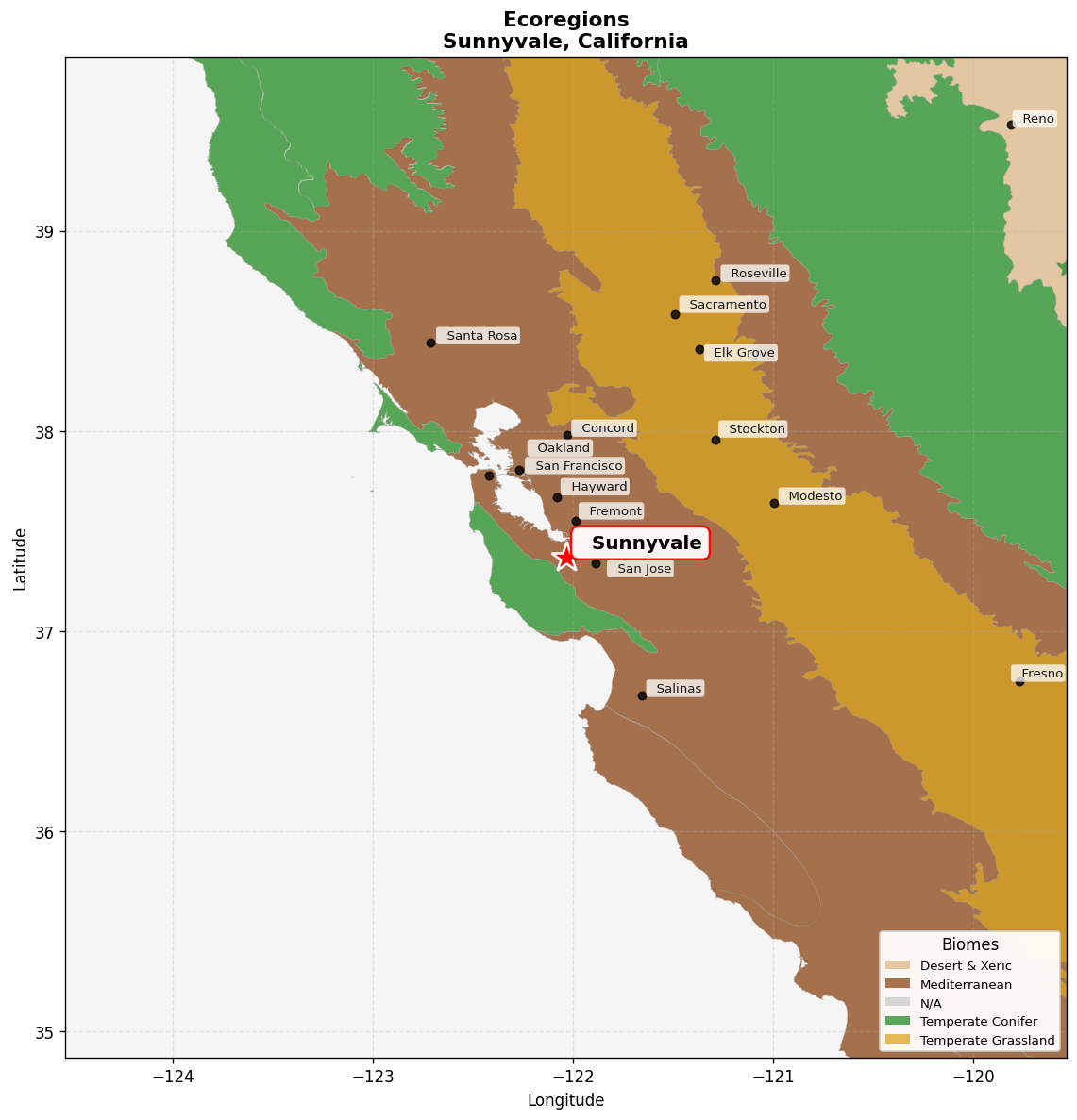
California interior chaparral and woodlands
Native ecoregionFrequently Asked Questions
How much does a Mediterranean landscape cost in Sunnyvale?
Bay Area installation runs 30-50% above national averages, so plan accordingly. A front-yard conversion to gravel, flagstone and Mediterranean planting on 500-700 sqft typically lands between $14,000 and $32,000. A terracotta or Saltillo tile terrace over a new reinforced slab runs $38-$70 per square foot all in, which puts a 400 sqft back terrace at roughly $15,000-$28,000. A timber pergola on proper footings is $9,000-$25,000, and a tiered cast-stone fountain with plumbing and a recirculating basin is $3,500-$12,000. A 24-inch box Olea europaea 'Swan Hill' is $450-$900 at local nurseries; a 15-gallon Citrus sinensis 'Washington' navel is $120-$220.
Will bougainvillea survive a Sunnyvale winter?
Usually, with siting care. Sunnyvale is Zone 9b with typical winter lows of 25-30 degrees F, which is right at the edge for Bougainvillea. Against a south or west-facing stucco or masonry wall that radiates stored heat overnight - exactly where the courtyard and pergola designs put it - Bougainvillea 'Barbara Karst' and Bougainvillea 'San Diego Red' come through most winters with only leaf drop and regrow hard from spring. Out in an open bed on the cold north side of a lot, expect dieback to the ground in a bad year. Keep it dry in winter, feed lightly, and prune after the frost risk passes in March. If you want the same magenta with zero risk, Distictis buccinatoria or a red-flowering Callistemon are the safe understudies.
Can I grow olives and citrus in Santa Clara Valley clay?
Yes, and both are long-standing valley crops - Sunnyvale still farms the Heritage Orchard of apricots on Remington Drive from the Valley of Heart's Delight era. The constraint is drainage, not cold. Olea europaea and Citrus both hate sitting in waterlogged alkaline clay through a wet February, so plant them on a mound 8-12 inches proud of grade, keep the graft union and root crown well above the surrounding soil, and mulch out to the dripline without piling mulch on the trunk. Choose fruitless Olea europaea 'Swan Hill' near patios unless you want to sweep fruit off terracotta every autumn. Citrus is genuinely thirsty compared with the rest of a Mediterranean palette - put it on its own irrigation zone, and watch for yellow interveinal chlorosis from the alkaline pH, which chelated iron corrects.
How do I keep lavender and rosemary alive in Sunnyvale's clay?
Berm them. Lavandula x intermedia 'Provence', Rosmarinus officinalis 'Tuscan Blue', Santolina chamaecyparissus, Cistus x purpureus and Teucrium fruticans 'Azureum' all evolved on fast-draining rocky hillsides, and the number one cause of death in Santa Clara Valley gardens is crown rot from clay holding winter water around the base. Raise beds 6-12 inches, cut the native soil roughly 50/50 with crushed rock or lava fines, plant slightly high, and mulch with gravel rather than bark right at the crown. Then water them far less than the label suggests: an established lavender hedge here wants a deep soak every 10-14 days in summer and nothing at all from November to April. Shear lavender by a third after the main June flush to stop it going woody.
How much water does this style actually use, and what rules apply?
A Mediterranean design typically cuts landscape water 40-60% against the cool-season lawn it replaces, because gravel and tile use none and the shrub palette is on a deep-and-infrequent schedule. Sunnyvale gets roughly 15 inches of rain, essentially all November to April, so irrigation runs from about June through mid-October. California's Model Water Efficient Landscape Ordinance applies to new or rehabilitated landscapes over 500 square feet that require a permit, and Valley Water offers a per-square-foot landscape rebate for Santa Clara County homeowners converting lawn to low-water planting - confirm the current rate and cap before you finalise the plan, since both are periodically revised. Design at least three zones: citrus and fruit trees, shrubs such as Lavandula and Westringia, and any remaining lawn.
When should I install a Mediterranean garden in Sunnyvale?
October through December is the best planting window by a wide margin. Olive, citrus, lavender and rosemary all set roots through the mild wet winter and hit their first dry summer already established, which can cut first-year irrigation nearly in half. February and March is the second window and the season for bare-root figs and pomegranates. Avoid planting between June and September; a one-gallon Cistus set into baked clay in August rarely makes it. Hardscape is far less seasonal - gravel courtyards, flagstone and tile terraces can be built most of the year, though tile setting and grouting is usually paused during the heaviest January rain.
Do I need a permit for a courtyard wall, pergola or fountain?
Planting, gravel courtyards, drip irrigation and at-grade flagstone generally do not require one. Vertical work is different: freestanding stucco courtyard walls, retaining walls above a set height, roofed or substantial structures, and new electrical circuits for lighting or a fountain pump typically do, and Sunnyvale sets its own thresholds and review process - call the city's planning counter before you build. Larger renovations that require a permit also bring in the state water efficiency documentation. Plan the permit question in at the design stage rather than discovering it after the slab is poured.