4 English Cottage Garden Ideas for Santa Clara, CA | Zone 9b Roses on Valley Clay
Native plants from the California interior chaparral and woodlands (Zone 9b) — Mediterranean (warm summer) climate
Why Cottage/English Gardens in Santa Clara?
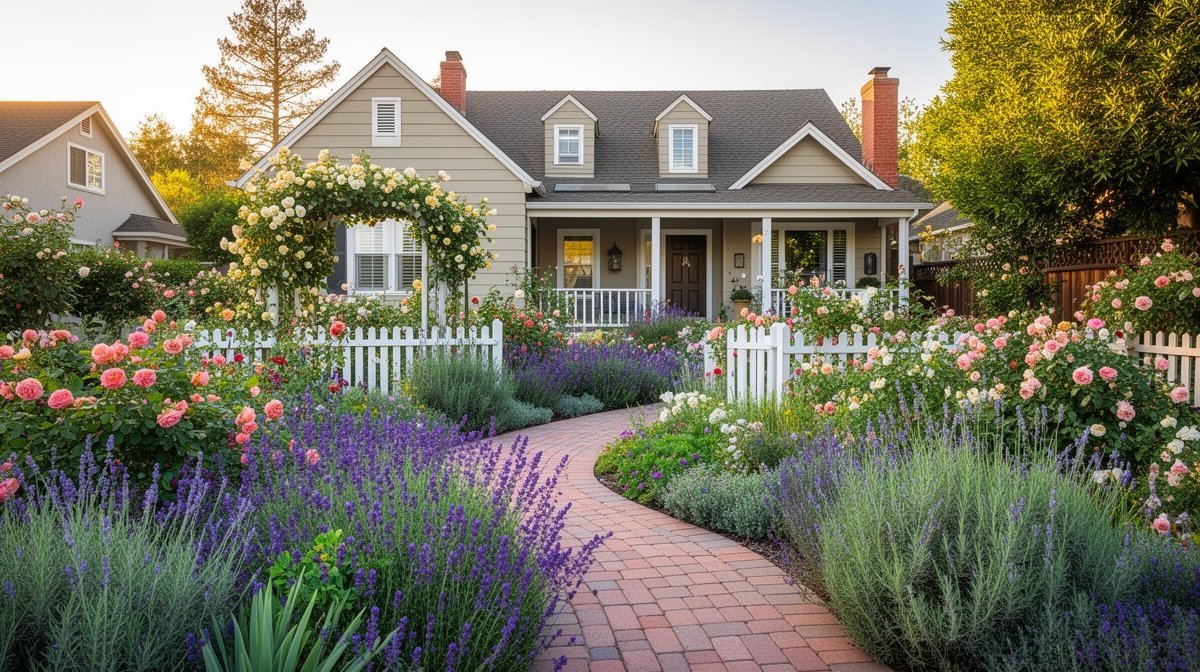
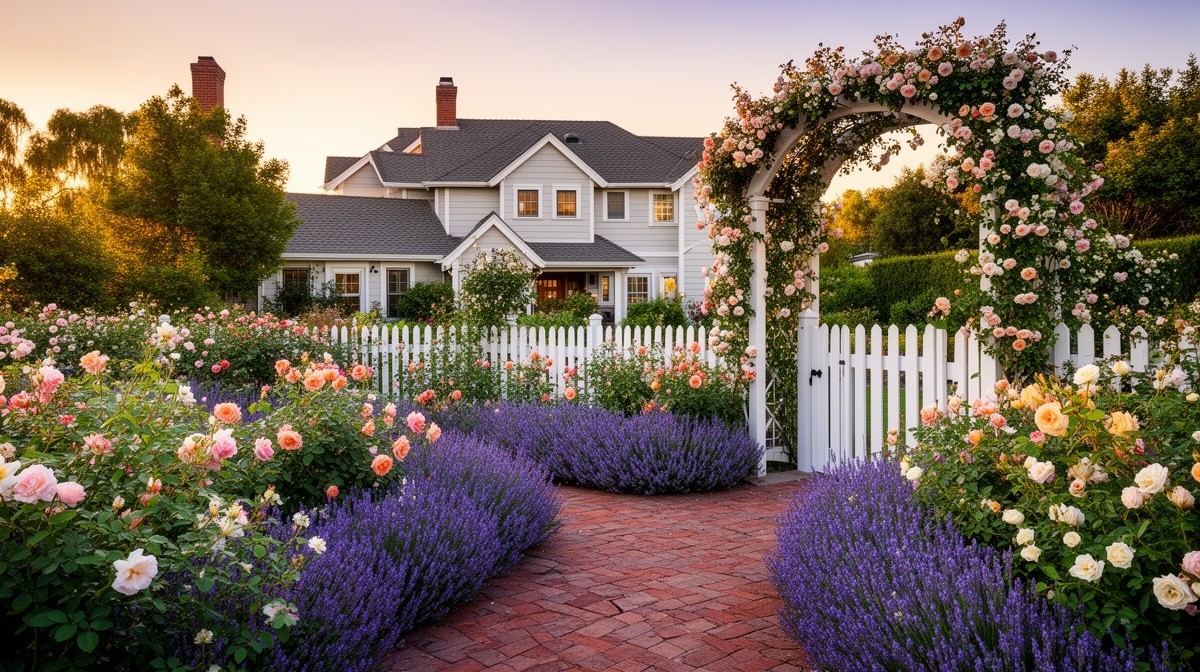
Santa Clara has the house stock a cottage garden is made for. The Old Quad around the original Mission Santa Clara de Asís still holds 19th-century cottages and Victorians on narrow lots, and most of the rest of the city is single-story postwar ranch houses with a plain stucco front and a 20–30 ft lawn. A deep, loose border of Rosa 'Iceberg', Lavandula angustifolia 'Hidcote' and Nepeta × faassenii 'Walker's Low', a brick path and a white picket fence give those simple facades the front elevation they never had. Even the small-lot houses in Rivermark suit the style, because a cottage border reads as intentional at 300 square feet.
Zone 9b means the coldest nights of the year fall to about 25–30°F, January lows average near 38°F and July highs sit in the low 80s°F. Roses barely go dormant and evergreen structure never browns. Rain is the limit: about 14.5 inches a year, nearly all of it between November and April, followed by a long dry summer. Dry summers suit lavender far better than the humid East does, and 'Hidcote' and 'Munstead' live for years here. What does not last is the cool-climate English plant list. Delphinium elatum and Lupinus 'Gallery' flower in spring and collapse once June turns warm, so treat them as annuals; Alchemilla mollis sulks in a dry August, so use Erigeron karvinskianus to soften path edges instead. Digitalis purpurea 'Camelot Rose' planted in autumn gives the spring spires, and Salvia nemorosa 'Caradonna' carries the vertical line through summer.
The soil is the part people underestimate. The valley floor is deep alluvial clay loam, usually alkaline at pH 7.0–8.0, sticky in February and hard as brick in August. Roses tolerate it; hydrangeas and gardenias often go yellow between the veins from iron chlorosis. Build borders up 8–12 inches with compost rather than digging holes that fill with winter water. The ground does not freeze, so frost depth is not a concern for fence posts or arbour footings; clay that swells and shrinks is.
Water rules shape the planting plan. The City of Santa Clara does not allow landscape watering with overhead sprinklers or spray heads between 9 a.m. and 6 p.m., or within 48 hours of measurable rain. Drip under a mulched border fits that rule naturally. Valley Water's lawn conversion rebate currently starts at $2 per square foot, capped at $3,000 for a single-family home, and the site must pass a pre-inspection before any work starts, so book that before the sod cutter arrives.
4 Cottage/English Design Ideas for Santa Clara

AI-generated image
The Old Quad Picket Border
$20–40/sqftA white picket fence runs along the sidewalk of a narrow-lot Victorian cottage, with a straight clay-brick path to a painted porch and a small timber arch over the gate. Rosa 'Iceberg' and lavender fill the sunny strip inside the fence, foxglove rises behind them in spring, and Erigeron spills over the brick. The west-facing frontage gets full afternoon sun, which keeps rose leaves dry and powdery mildew down.

AI-generated image
The Ranch House Rose Walk
$14–30/sqftThe front lawn of a 1950s single-story ranch is replaced with a curving flagstone walk from the driveway to the front door, wrapped in a deep border on both sides. Shrub roses anchor the corners, catmint and yarrow fill the middle, and penstemon and salvia add summer color. The south-facing yard gets sun all day, so the leaner plants go near the hot driveway and the roses sit by the house.

AI-generated image
The Rivermark Courtyard Cottage
$25–45/sqftA small rear yard behind a newer two-story house becomes a brick courtyard with raised beds on three sides and a steel obelisk in each corner. A climbing rose covers the back fence, clematis climbs the obelisks, and hardy geranium fills the front of the beds. The house shades the patio in the afternoon, so the roses go on the sunny back fence and the shade lovers on the house side.

AI-generated image
The Orchard Kitchen Cottage
$12–26/sqftA nod to the valley's orchard past: a fan-trained apricot on a sunny south fence, herb and rose beds laid out in four squares around a gravel crossing, and a bench under the tree. Roses and lavender edge the squares, sage and thyme fill them, and the gravel paths drain the winter clay. The open back yard of an older ranch lot gives the apricot the full sun it needs to ripen in June.
See how a cottage/english garden looks on YOUR property
Upload a photo of your Santa Clara yard and visualize your dream garden in seconds.
Try ProScapeAI Free

AI-generated image
Featured Trees & Shrubs for Cottage/English Gardens
Browse all 197 plants for Santa Clara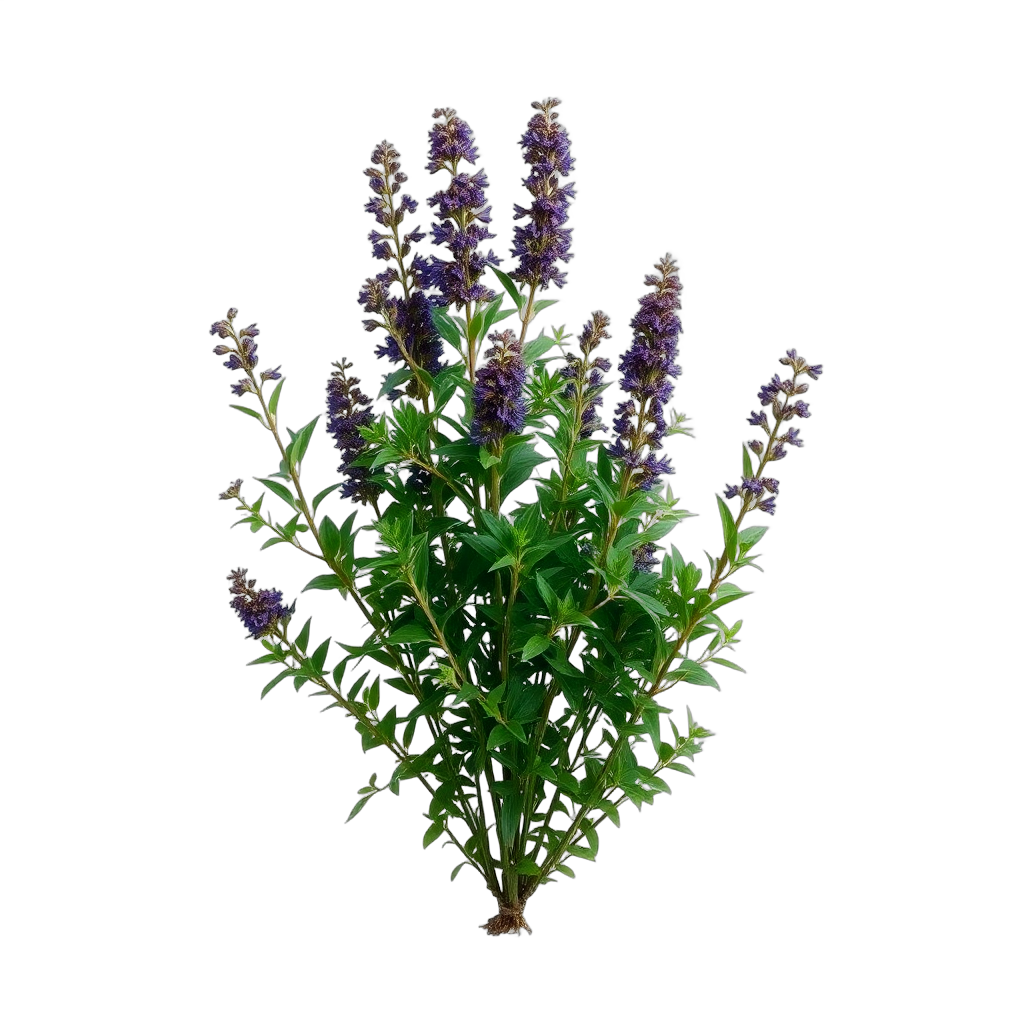
Black Sage
Salvia mellifera
grows to 4 feet, white blooms in spring. Attracts butterflies.
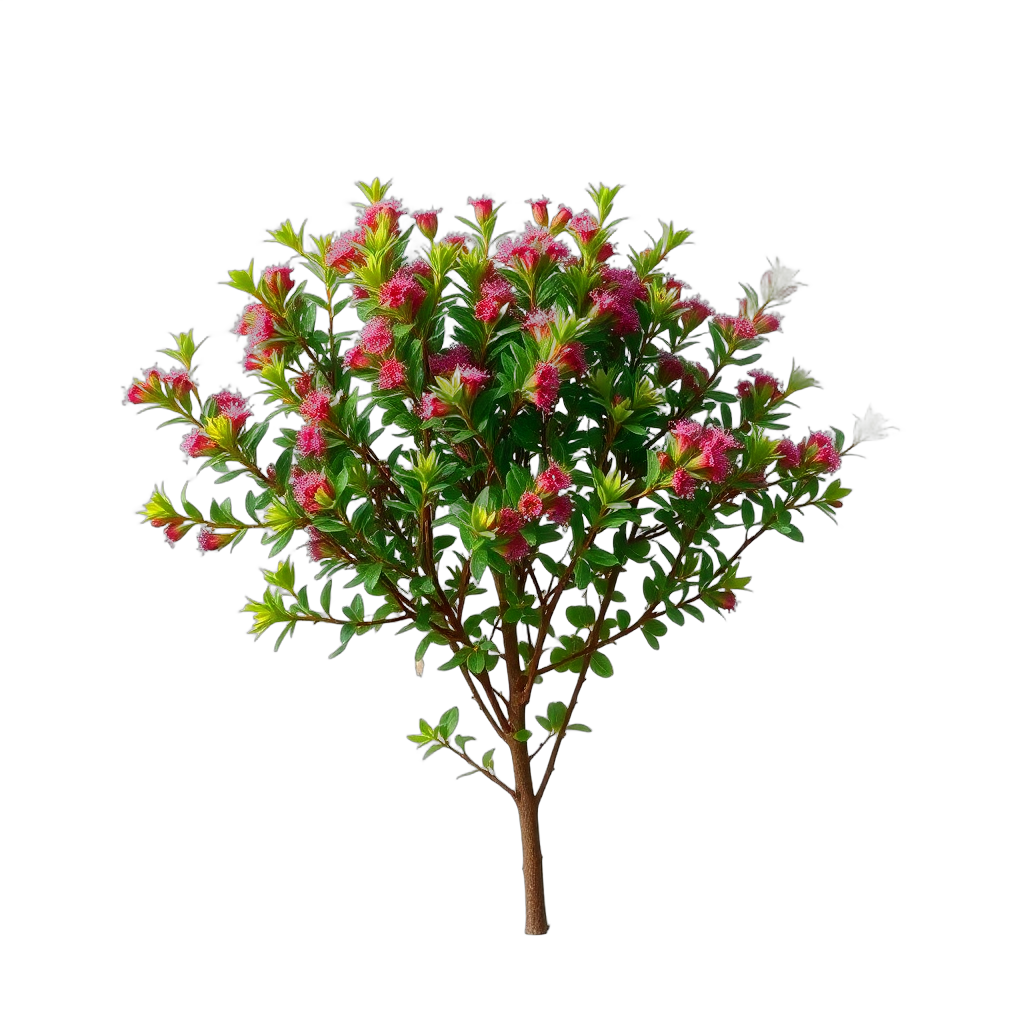
Buckbrush
Ceanothus cuneatus
medium-sized at 7 feet, white blooms in spring. Attracts butterflies.
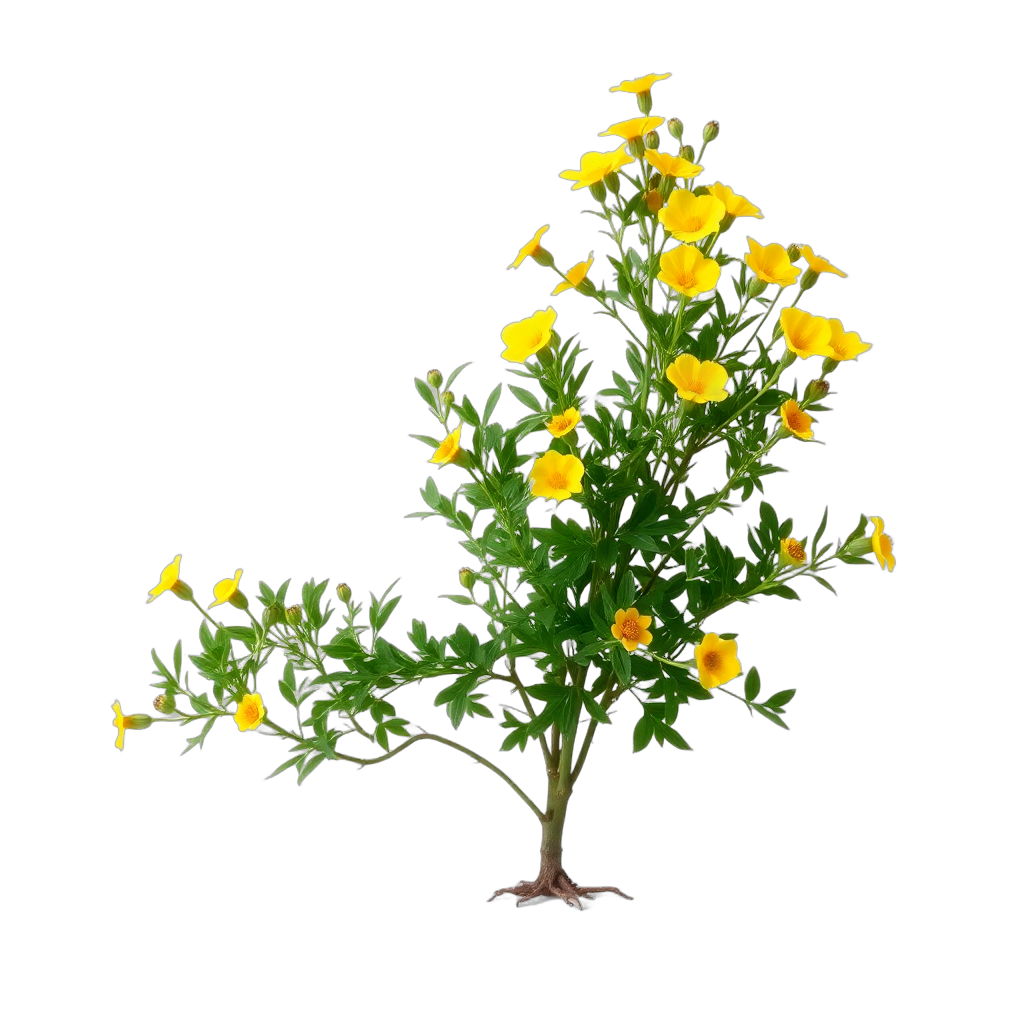
Bush Poppy
Dendromecon rigida
grows to 6 feet, yellow blooms in spring. Pollinator-friendly.
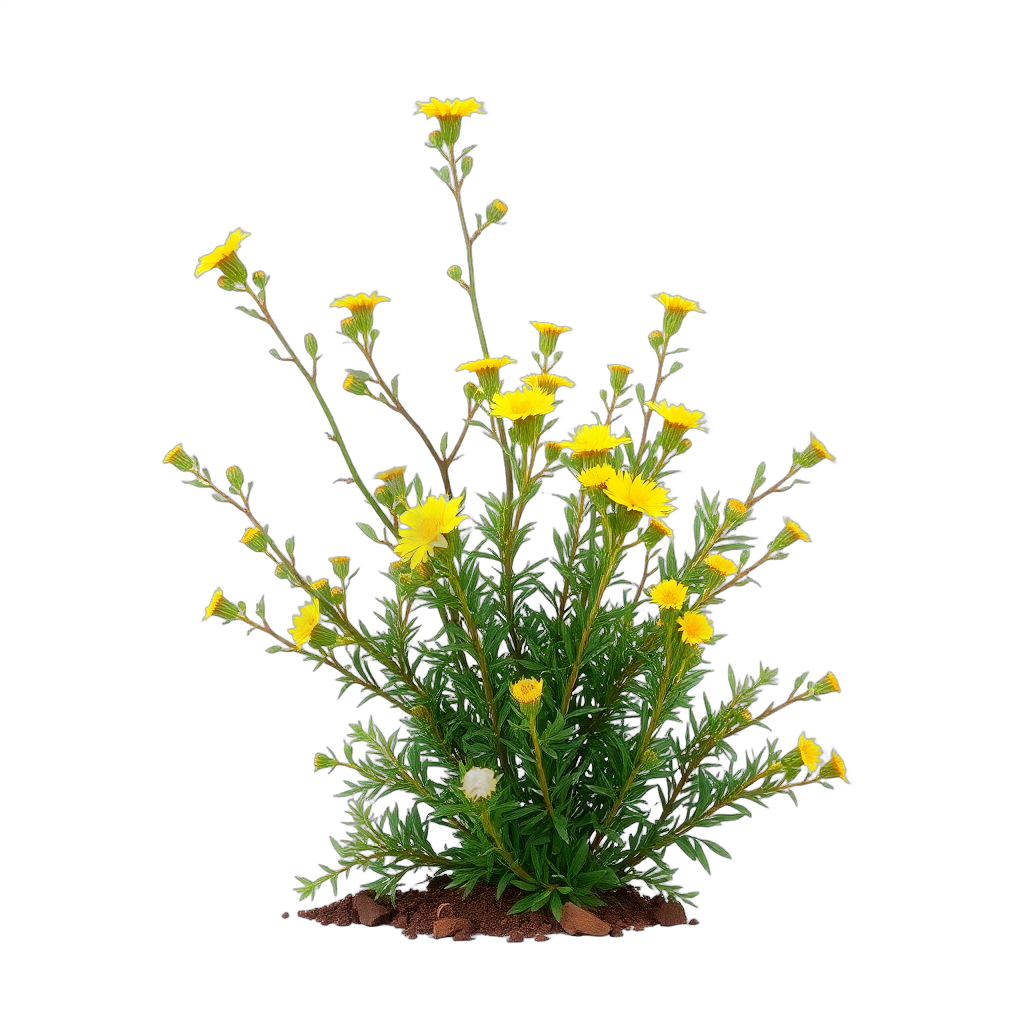
California Brittlebush
Encelia californica
grows to 4 feet, yellow blooms in spring. Attracts butterflies.
Featured Grasses & Groundcovers for Cottage/English Gardens
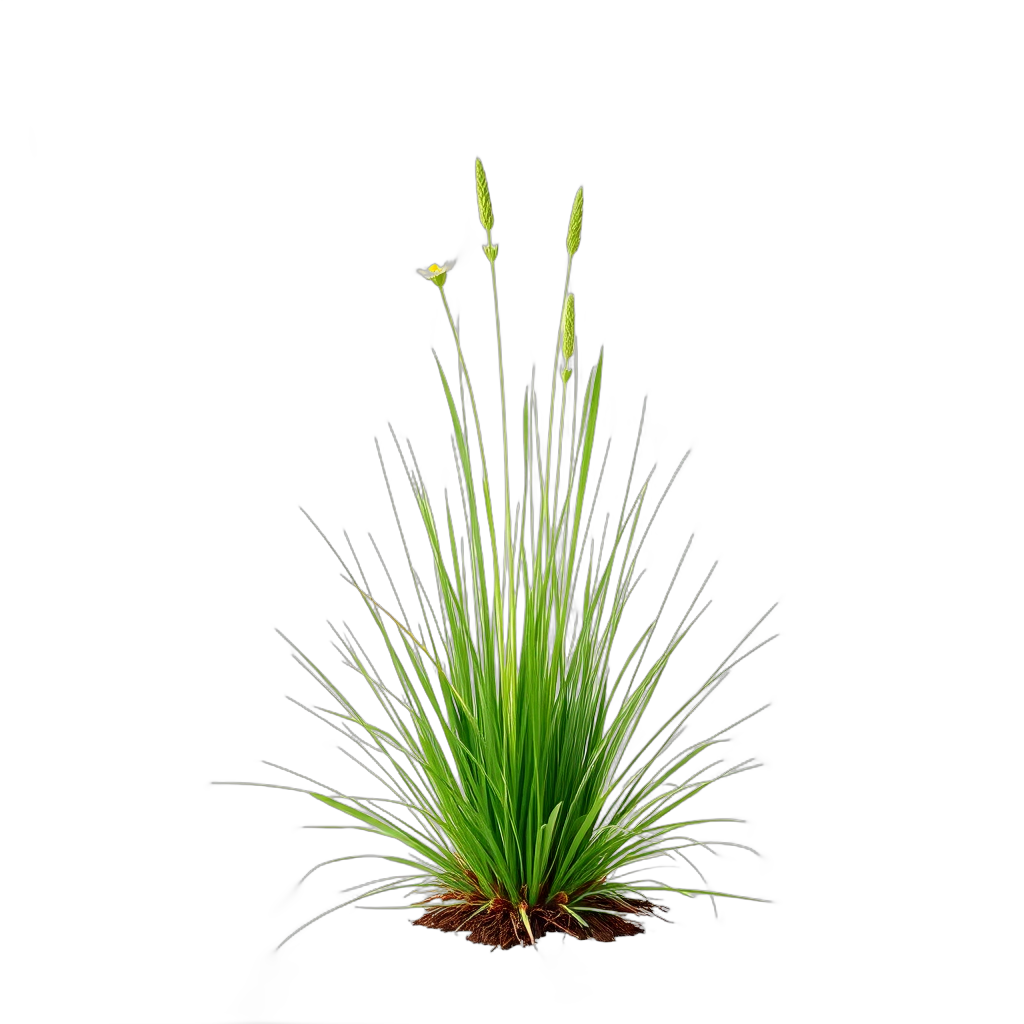
California Brome
Bromus carinatus
low-growing ground cover, blooms in spring. Yellow fall color.
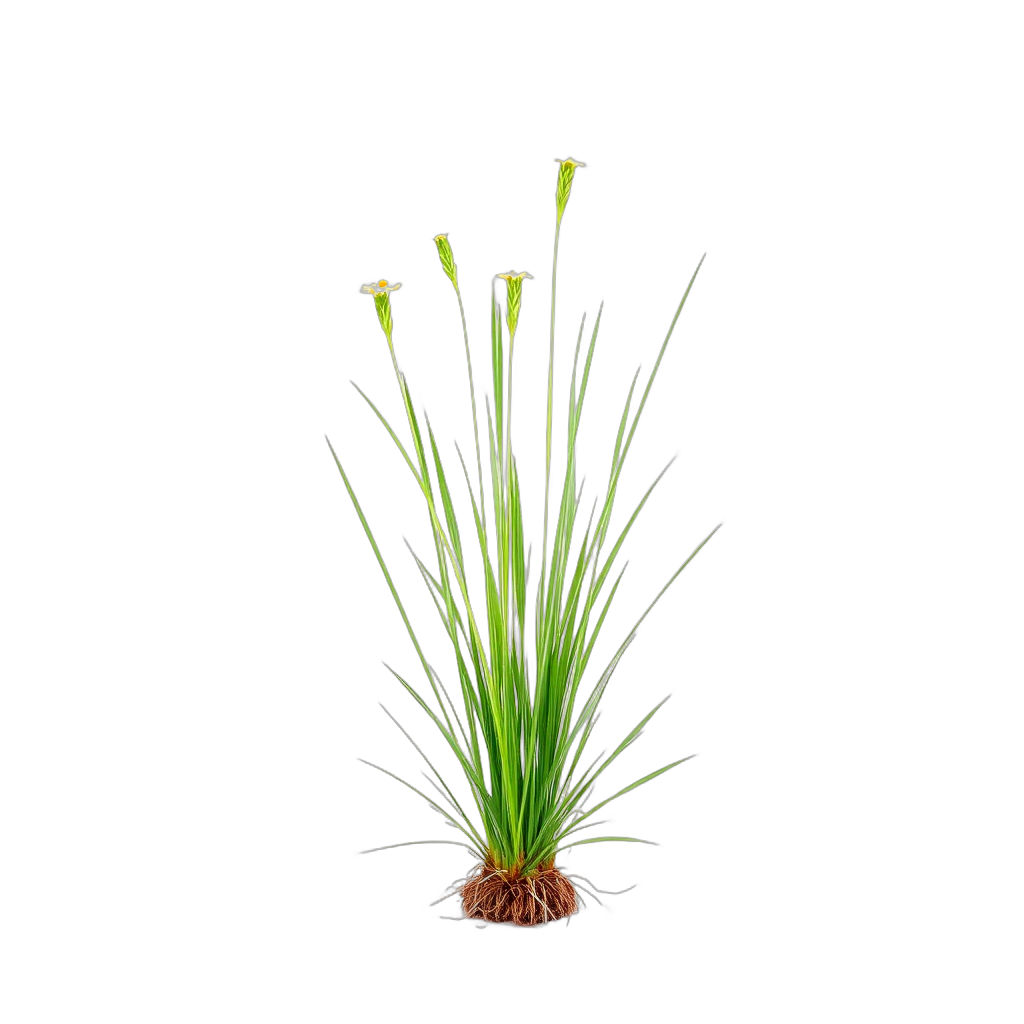
California Melic
Melica californica
low-growing ground cover, blooms in spring.
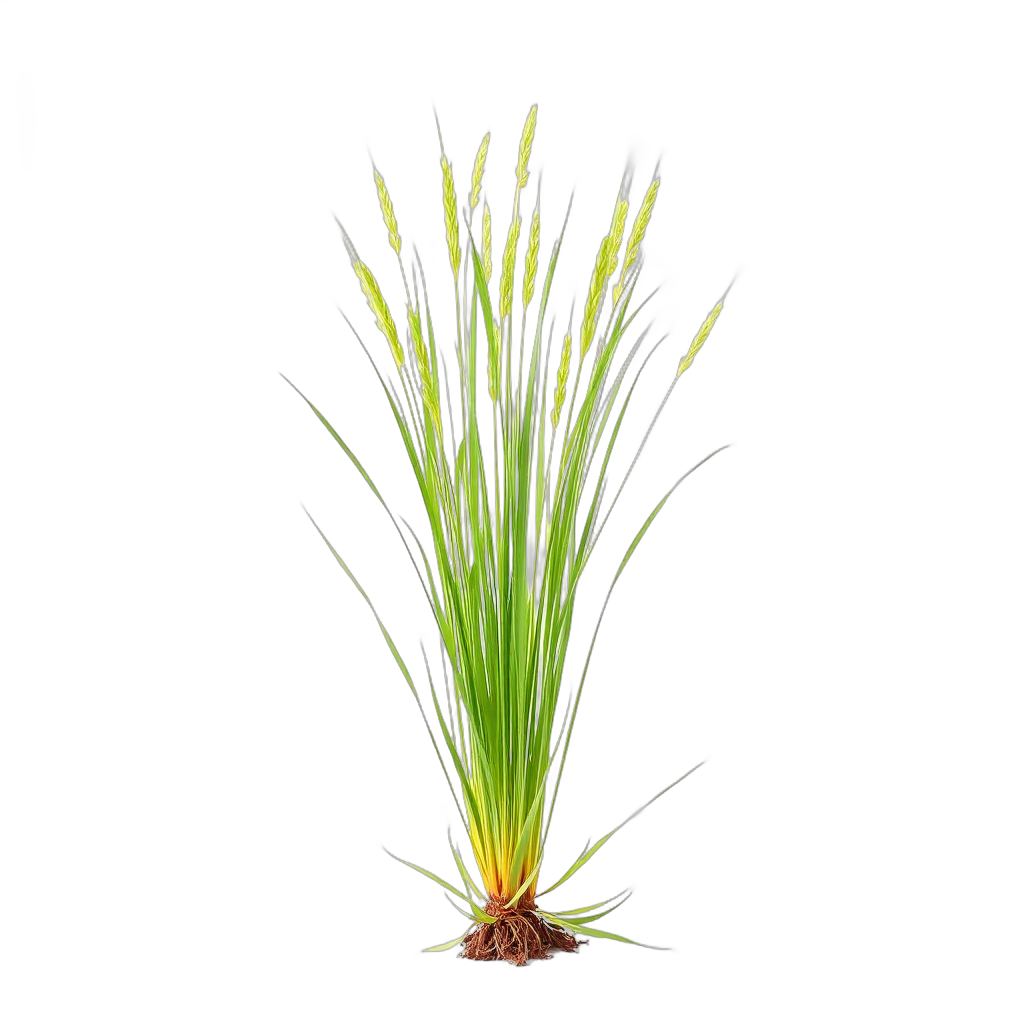
California Oatgrass
Danthonia californica
low-growing ground cover, blooms in spring. Yellow fall color.
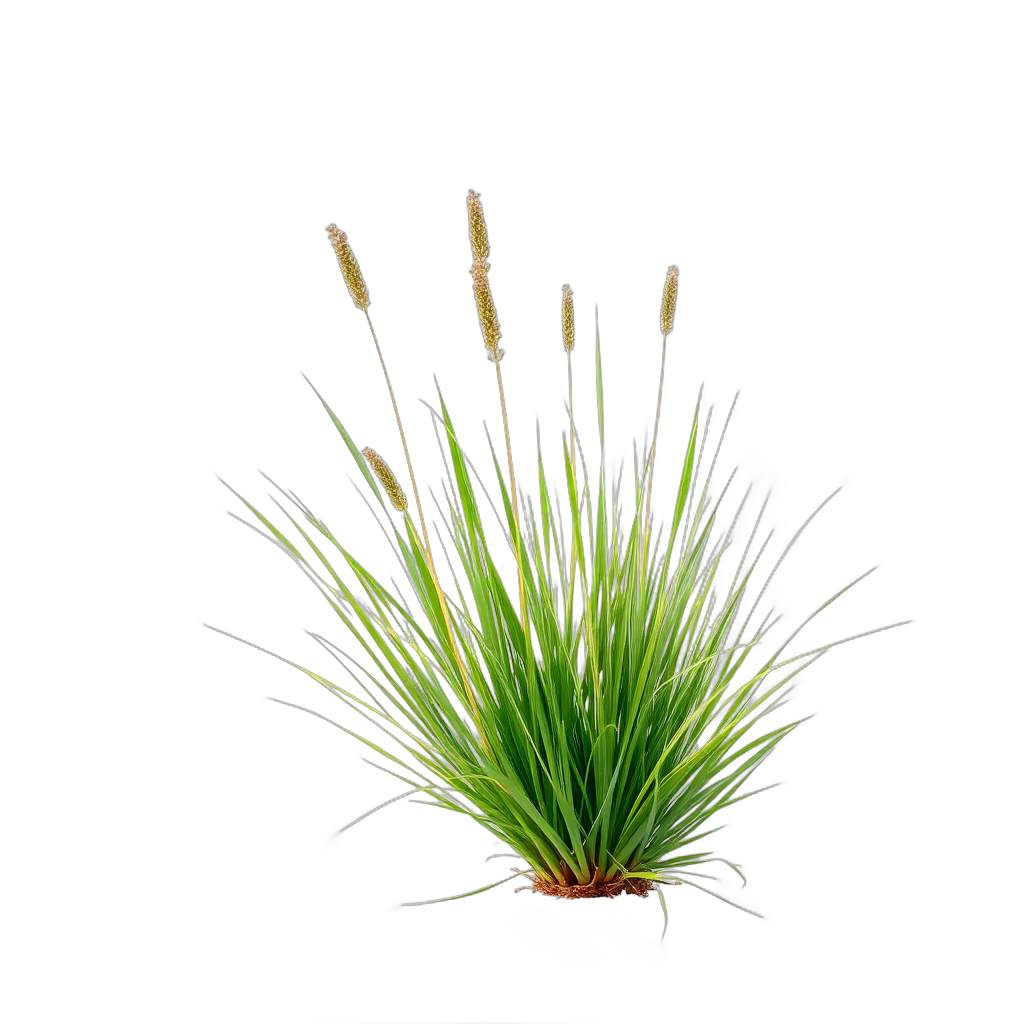
Deer Grass
Muhlenbergia rigens
grows to 3 feet, yellow blooms in fall. Evergreen year-round.
Featured Flowers & Perennials for Cottage/English Gardens
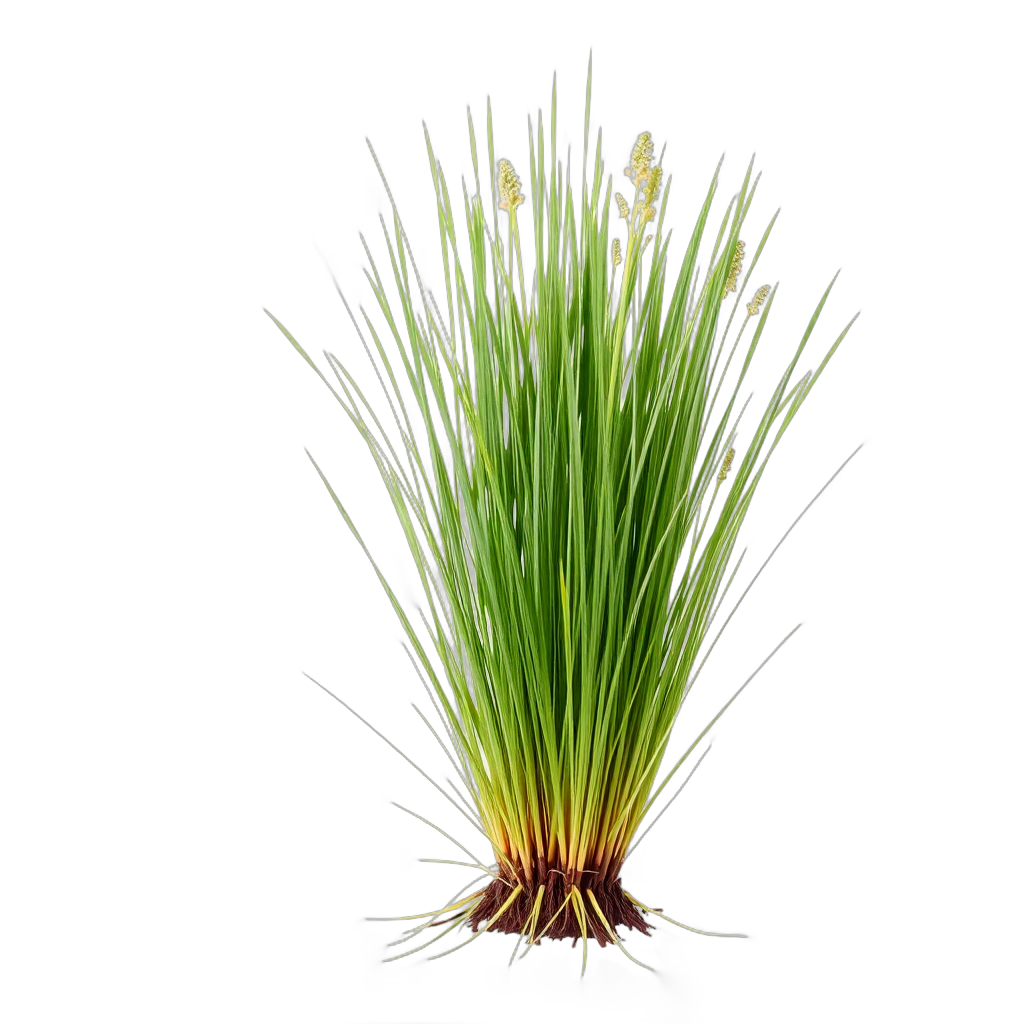
California Gray Rush
Juncus patens
low-growing ground cover, blooms in summer. Evergreen year-round.
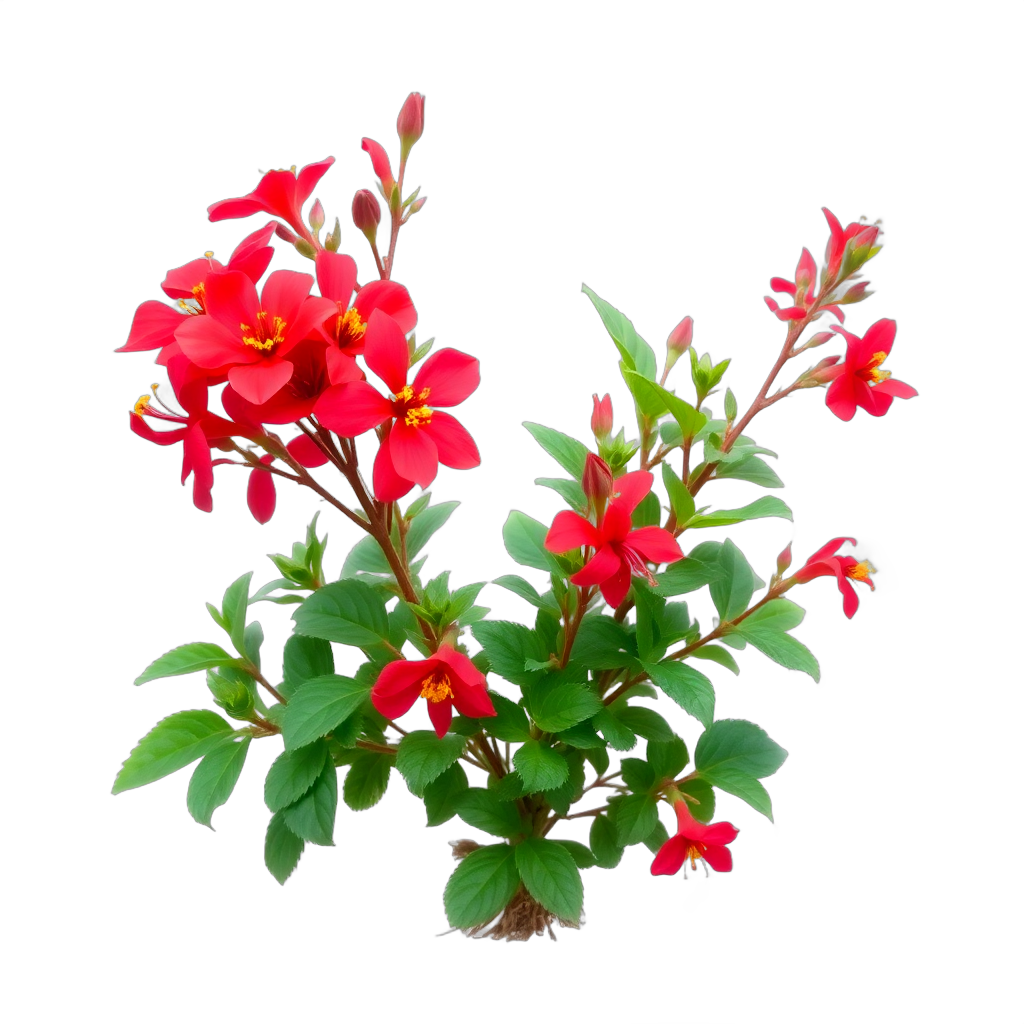
California Fuchsia
Zauschneria californica
low-growing ground cover, red blooms in fall. Attracts hummingbirds.
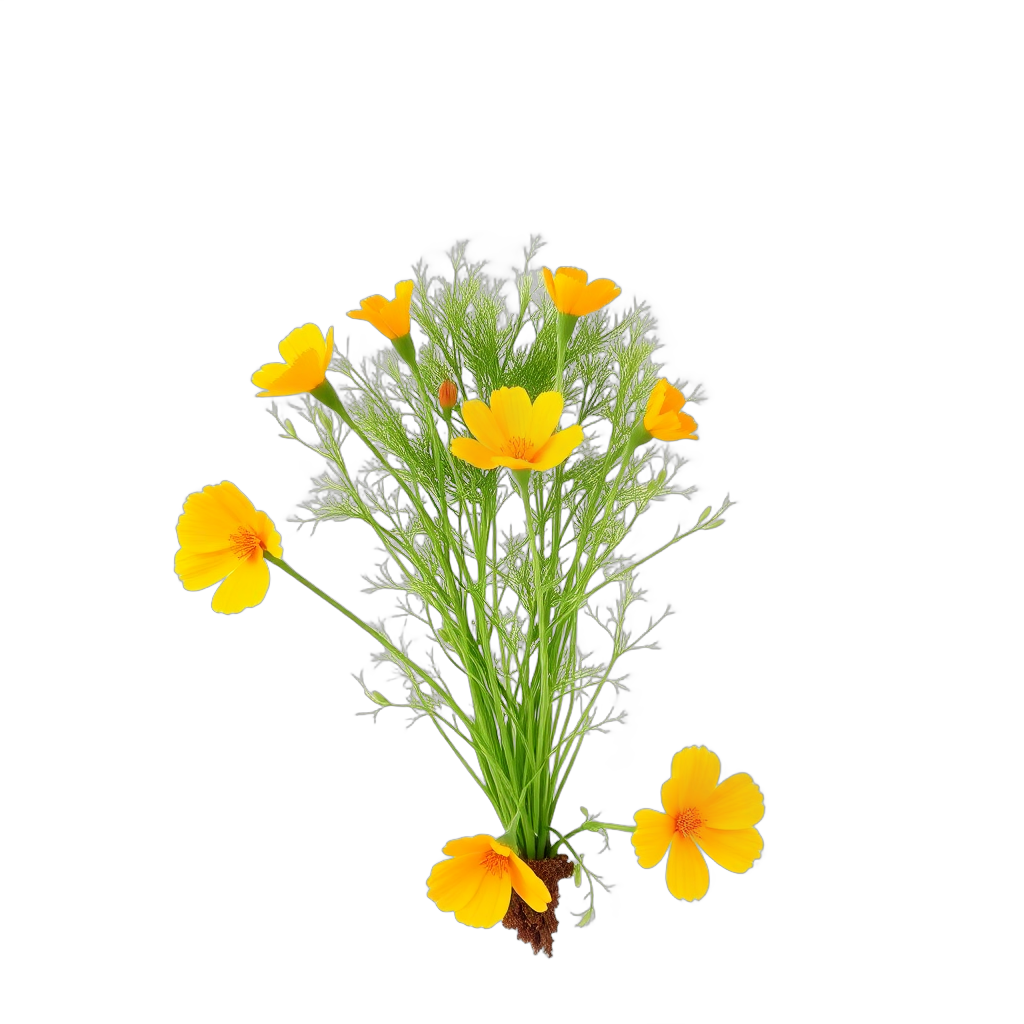
California Poppy
Eschscholzia californica
low-growing ground cover, orange blooms in spring.
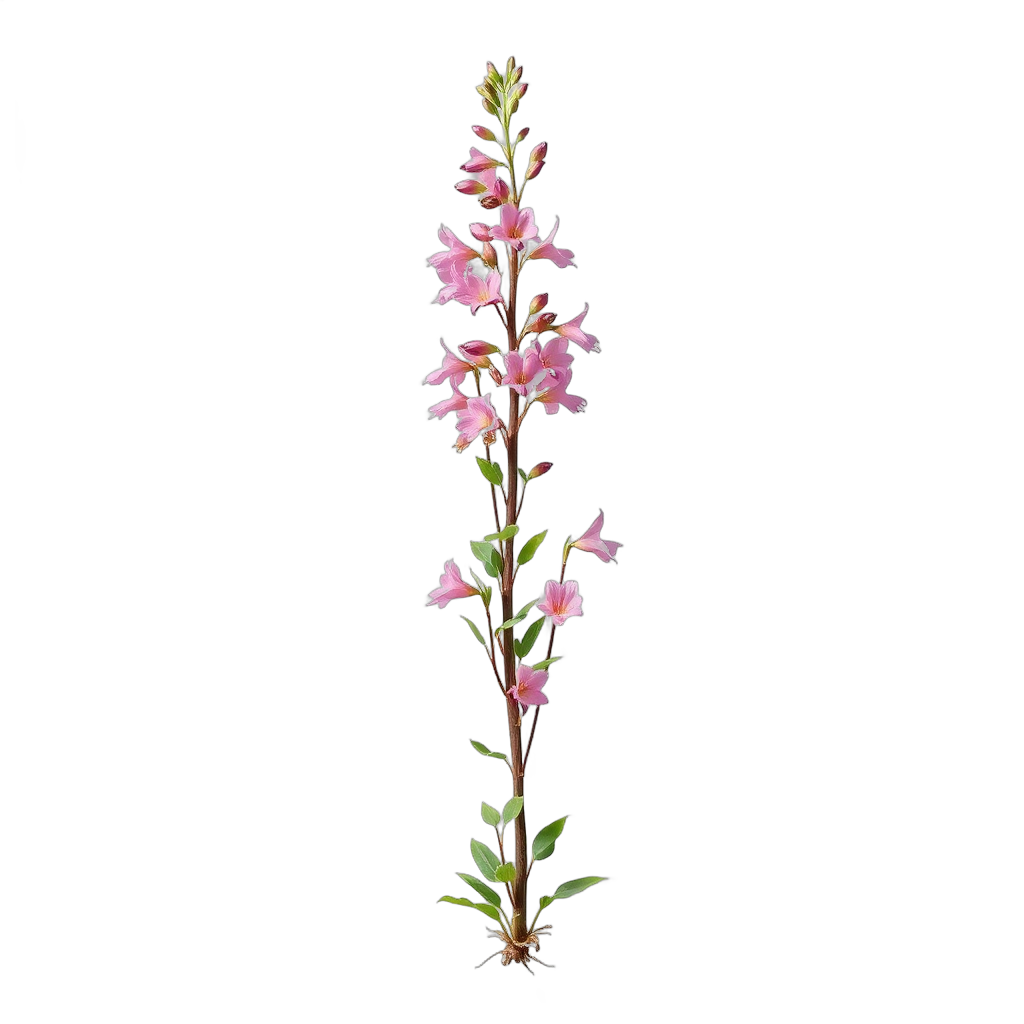
Foothill Penstemon
Penstemon heterophyllus
low-growing ground cover, blue blooms in spring. Attracts hummingbirds.
Zone and sun checks come from our database — confirm with your local nursery before you buy.
Bloom Calendar for Santa Clara
spring
California Poppy, Foothill Penstemon, Foothill Sedgesummer
California Gray Rush, Black Sage, California Buckwheatfall
California Fuchsia, Deer Grasswinter
Limited bloomsDesign Tips for Santa Clara (Zone 9b)
- Plant in October and November: Santa Clara's roughly 14.5 inches of rain arrives from November to April, and a border set out in autumn roots on rainfall instead of on your water bill
- Build beds up 8–12 inches with compost over the native alkaline clay loam rather than digging down; it is the single change that keeps roses and lavender from drowning in February
- Run two drip zones: Rosa 'Iceberg' and Digitalis on one, Lavandula angustifolia 'Hidcote', Achillea 'Moonshine' and Erigeron on a much leaner second, because one shared schedule kills one group or the other
- Set controllers to finish before 9 a.m. if any spray heads remain: the city does not allow overhead landscape watering between 9 a.m. and 6 p.m.
- Book Valley Water's pre-inspection before removing any lawn; the rebate (from $2 per square foot, up to $3,000 for a single-family home) is lost if work starts first
- Treat Delphinium and Lupinus as April-to-June annuals and let Salvia nemorosa 'Caradonna' and Penstemon 'Garnet' carry the border through the dry months
- Give roses morning sun and 3 ft of airflow: powdery mildew, not blackspot, is the rose problem in a dry-summer valley
Where to Source Plants in Santa Clara
Skip the big-box stores. These independent Santa Clara nurseries specialize in the plants that make cottage/english gardens thrive in Zone 9b.
Central Wholesale Nursery
Buena Vista, San Jose
Family-owned since 1974 and open to the public; Japanese maples, trees and shrubs, perennials, water-wise plants, succulents and pottery
Almaden Valley Nursery
Almaden, San Jose
Family-owned garden centre serving the Bay Area since 1975, with roses, fruit trees, California natives, succulents and pond plants
SummerWinds Nursery Campbell
Campbell
Bay Area garden centre (also in Cupertino and Palo Alto) with a broad bench of shrubs, perennials and garden supplies
CNPS Santa Clara Valley Chapter Nursery
Hidden Villa, Los Altos Hills
Volunteer-grown California native plants sold through the chapter's plant sales and online store; useful for native edging and pollinator plants
Cottage/English Landscaping Costs in Santa Clara
| Project Scope | Estimated Cost |
|---|---|
| Front cottage border with path and drip (400–600 sqft) | $10,000 – $25,000 |
| Cedar picket fence with gate arch (40–60 linear ft) | $3,500 – $9,000 |
| Clay brick walkway on a compacted base (150–250 sqft) | $4,500 – $10,000 |
| Lawn removal and raised compost-amended beds (per sqft) | $4 – $9/sqft |
| Brick courtyard with raised beds (300–500 sqft) | $12,000 – $24,000 |
| Full rear cottage garden with paths, beds and irrigation | $30,000 – $75,000 |
| AI visualization (ProScapeAI) | Free to start |
Estimates based on Santa Clara, CA-area contractor rates as of 2026. Actual costs vary by site conditions, materials, and contractor.
Santa Clara Climate & Growing Zone
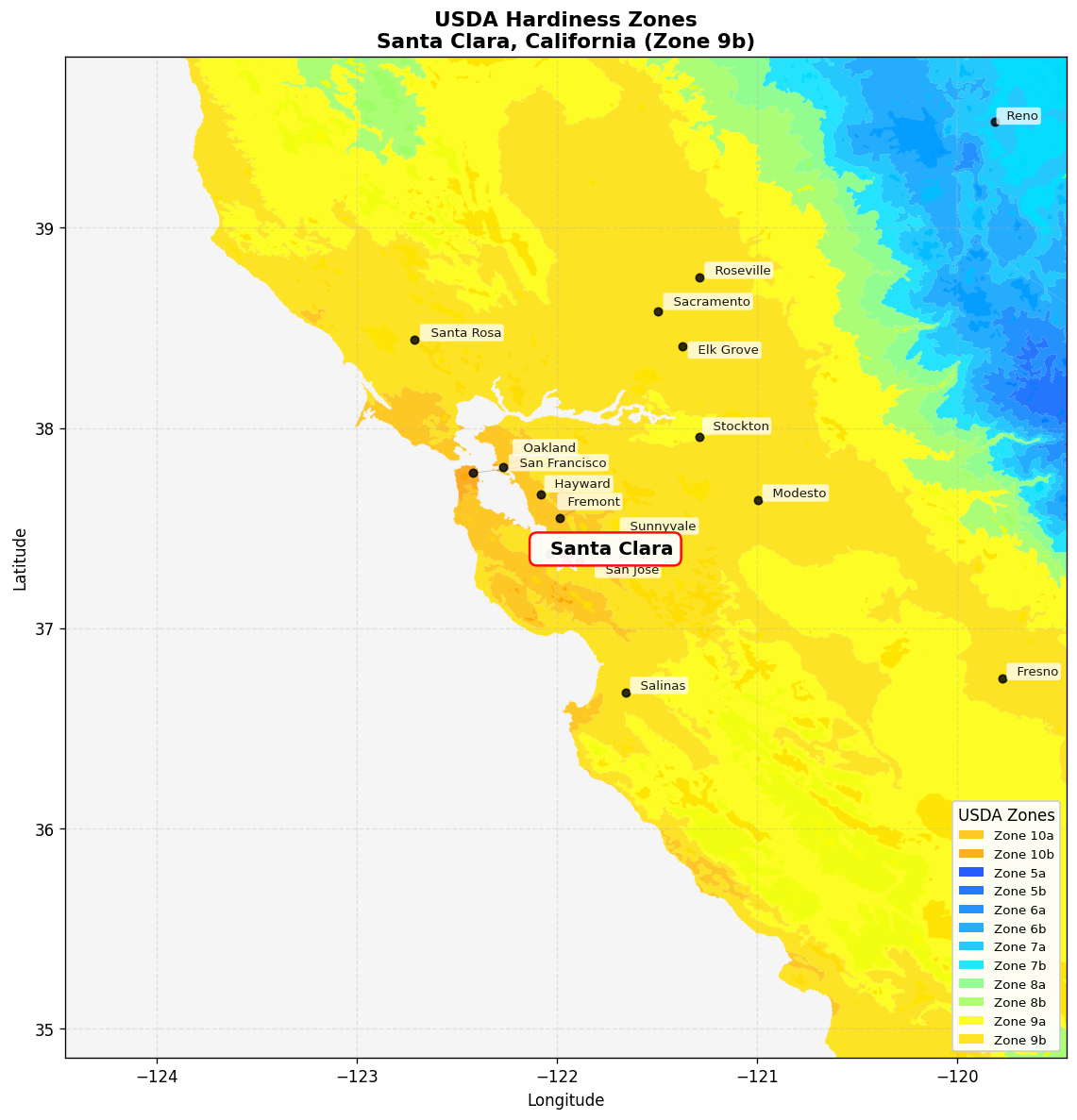
USDA Zone 9b
Hardiness zone for Santa Clara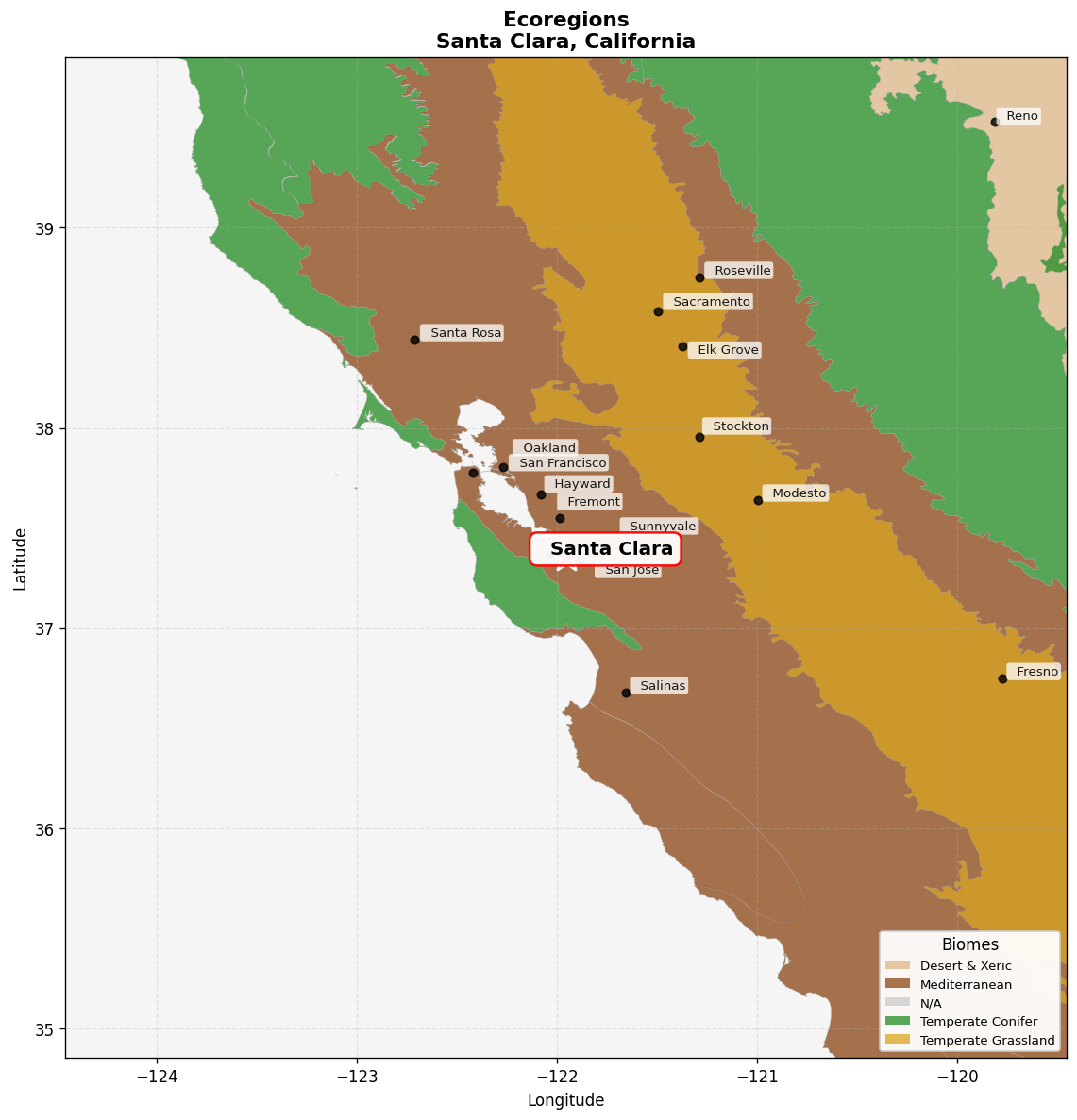
California interior chaparral and woodlands
Native ecoregionFrequently Asked Questions
How much does a cottage garden cost in Santa Clara?
Budget at South Bay rates, which run well above national averages. A front-yard conversion of 400–600 sqft with deep borders, a brick or flagstone path and drip usually lands between $10,000 and $25,000 installed. A cedar picket fence with a gate arch adds $3,500–9,000. A full rear cottage garden with a brick courtyard or gravel paths, raised beds and irrigation commonly runs $30,000–75,000. Doing the planting yourself after a crew handles hardscape and drip saves a good share, and Valley Water's lawn conversion rebate (from $2 per square foot, up to $3,000 for a single-family home) can offset part of the cost if the site passes pre-inspection before work starts.
Which roses do best in Santa Clara?
Rosa 'Iceberg', Rosa 'Sally Holmes', Rosa 'Julia Child' and the climbing Rosa 'Cecile Brunner' are reliable on Santa Clara clay. Dry summers mean blackspot is rarely a problem; powdery mildew is the local disease, driven by cool mornings and crowded planting. Give roses six or more hours of sun, leave 3 ft between shrubs for airflow and water at the root with drip. Because winter nights only reach about 25–30°F, roses never fully rest: prune in mid-January and strip the old leaves to force a short dormancy.
Can foxgloves and delphiniums grow in Zone 9b?
Yes, as a cool-season show rather than permanent plants. Set out Digitalis purpurea 'Camelot Rose' and Delphinium elatum in October or November so they root on winter rain; they flower from April into June and fade once highs reach the 80s°F. Pull them in early summer and let Salvia nemorosa 'Caradonna' or Penstemon × gloxinioides 'Garnet' hold the vertical line until autumn. Leave a few foxglove spikes to ripen and they will self-sow into mulched beds.
What should I do about the clay soil?
Santa Clara sits on deep alluvial clay loam, usually alkaline at pH 7.0–8.0. Do not dig deep holes and backfill with potting mix; in clay that makes a sump that drowns roots over winter. Build beds up 8–12 inches with compost behind brick or steel edging, mulch 3 inches deep every autumn and never dig while the soil is wet. Yellowing between the veins on hydrangea, gardenia or citrus is iron chlorosis from the high pH; chelated iron treats it, but choosing roses, lavender and salvia avoids it.
What are Santa Clara's watering rules?
The City of Santa Clara does not allow landscape watering with overhead sprinklers or spray heads between 9 a.m. and 6 p.m., or during and within 48 hours of measurable rain. Drip irrigation under mulch suits a cottage border and works around both rules. Put Rosa and Digitalis on one zone and Lavandula 'Hidcote' and Achillea 'Moonshine' on a leaner second zone, since lavender kept as wet as roses will rot in clay.
When is the best time to plant a cottage garden here?
October through early December is the best window: the soil is still warm, the rains are arriving, and plants root through a mild winter before their first spring flowering. Bare-root roses go in from January to February. Late February to April is the second window. Avoid July and August installs, when there is no rain and new plants depend entirely on you for water for months.
Do I need a permit or approval for a new front garden?
Planting alone usually does not need a permit. California's Model Water Efficient Landscape Ordinance applies to new landscapes of 500 sqft or more and rehabilitated landscapes of 2,500 sqft or more when they are part of a permitted project, and then sets a water budget and irrigation standards. Fences, retaining walls, arbours and electrical work for lighting can have height and permit rules, so check with the City of Santa Clara's planning and building staff before you build. If you want the Valley Water rebate, the pre-inspection has to happen before any lawn comes out.