4 Desert Garden Ideas for Sparks, NV | Zone 7a Great Basin Sage
Native plants from the Great Basin shrub steppe (Zone 7a) — Cold desert climate
For a desert garden in Sparks, NV, a zone 7a city with a cold desert climate, start with Artemisia tridentata, Ericameria nauseosa and Penstemon palmeri, the plants this guide's first design is built on.
Why Desert/Xeriscape Gardens in Sparks?
Sparks is high desert, not hot desert, and that decides which plants work. National Weather Service normals for Reno-Tahoe airport show 7.35 inches of precipitation a year, January lows near 26°F and July highs near 94°F. The airport station's record low since 1937 is -16°F. Saguaro, palo verde and Mexican bird of paradise, the classics of a Phoenix or Las Vegas yard, will not survive that, so this page uses plants native to the Great Basin or hardy to zone 5.
The backbone is big sagebrush (Artemisia tridentata), rubber rabbitbrush (Ericameria nauseosa) and Utah agave (Agave utahensis), a small agave that stands cold the larger ones cannot. For color, Palmer's penstemon (Penstemon palmeri) blooms pink in May and sulphur buckwheat (Eriogonum umbellatum) holds yellow heads into summer. Indian ricegrass and scarlet globemallow are also Great Basin natives and are worth a place in a dry bed.
Natives need less water than anyone expects, and the main mistake is overwatering them. Give new plants a deep soak every week or two through the first summer, then cut back to monthly or less. Sagebrush and rabbitbrush rot in wet, heavy soil, so build a gravel mound 6–10 inches high in any spot where water ponds after rain. Use decomposed granite or crushed rock as mulch, not bark, which holds moisture against crowns.
Plant in fall, from September to mid-October, when the soil is warm and winter moisture helps roots establish. A few non-natives fit the look and handle the cold: Rocky Mountain penstemon (Penstemon strictus 'Rocky Mountain Blue'), prickly pear (Opuntia polyacantha) and Hesperaloe parviflora with its coral spikes. Together these give a yard that reads as desert without needing a southern climate to survive.
4 Desert/Xeriscape Design Ideas for Sparks
AI-generated image
Sage Flat with Boulders
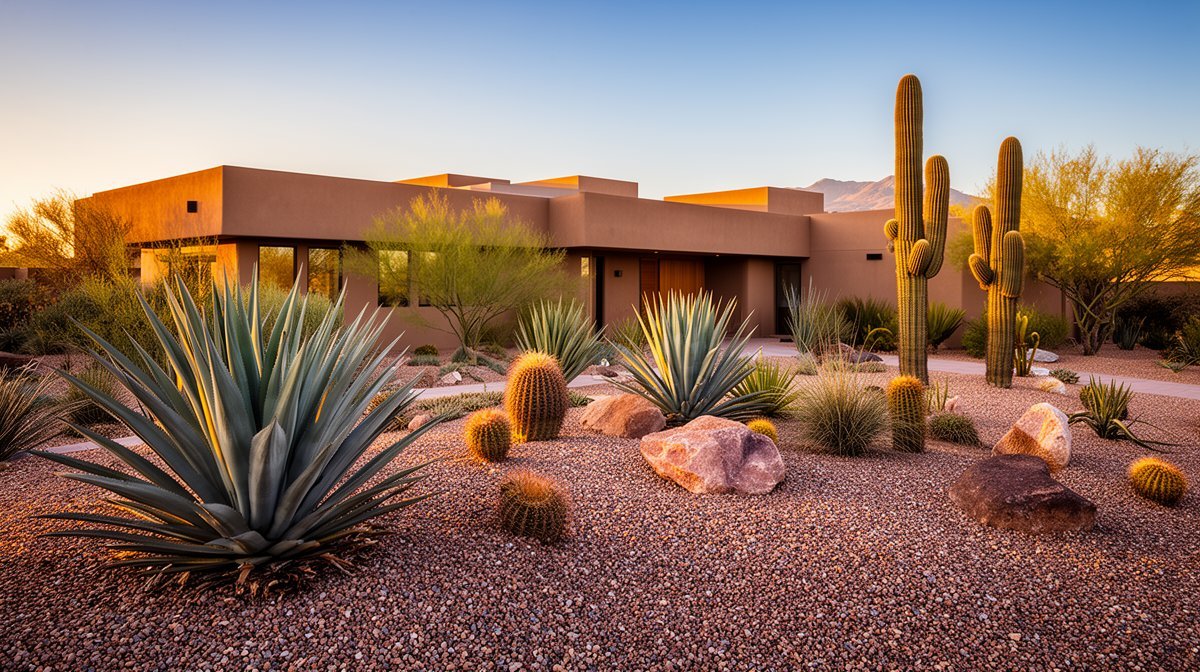
$9–20/sqftA front yard on a flat 1990s lot has its sod removed and replaced with a sweep of big sagebrush and rabbitbrush set among three large granite boulders. A curved decomposed granite path leads to the door. In the late afternoon the silver sage foliage catches the low sun from the west.
Try this on your yard: Sage Flat with BouldersAI-generated image
Utah Agave and Yucca Corner
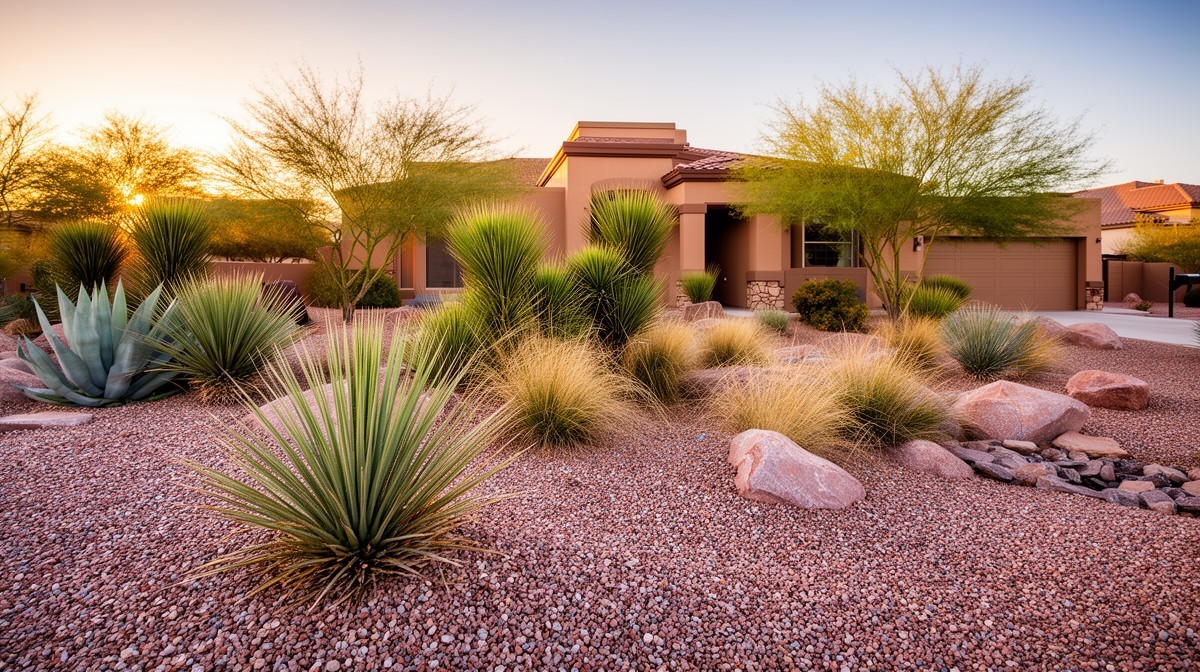
$14–26/sqftA south-facing wall near the driveway gets a raised gravel berm with Utah agave, Hesperaloe and a yucca set in clusters of three. The wall holds heat into the evening, which helps them through January. Prickly pear fills the gap in front.
Try this on your yard: Utah Agave and Yucca CornerAI-generated image
Pollinator Penstemon Slope
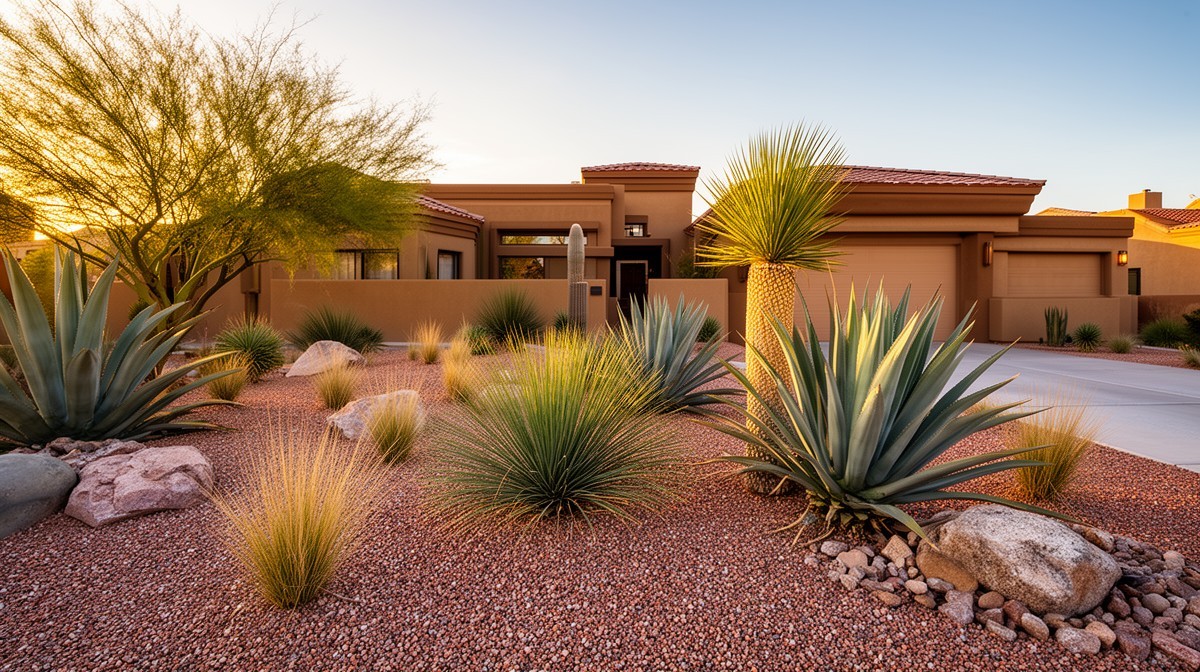
$13–25/sqftA sloped Spanish Springs lot gets terraced gravel beds planted with penstemon and globemallow, with sagebrush at the top where the soil is driest. Bees work the flowers in May and June. A flagstone path crosses the slope at an angle for access.
Try this on your yard: Pollinator Penstemon SlopeAI-generated image
Dry Wash Entry
$10–22/sqftA narrow side yard behind a gate becomes a dry wash of river cobble with rabbitbrush and fourwing saltbush along its edges. Ricegrass seed heads sway at ankle height beside the path. The wash carries roof runoff toward the planting beds.
Try this on your yard: Dry Wash EntrySee how a desert/xeriscape garden looks on YOUR property
Upload a photo of your Sparks yard and visualize your dream garden in seconds.
Try ProScapeAI Free

AI-generated image
Featured Trees & Shrubs for Desert/Xeriscape Gardens
Browse all 176 plants for Sparks
Anderson Wolfberry
Lycium andersonii
grows to 5 feet, purple blooms in spring. Attracts hummingbirds.
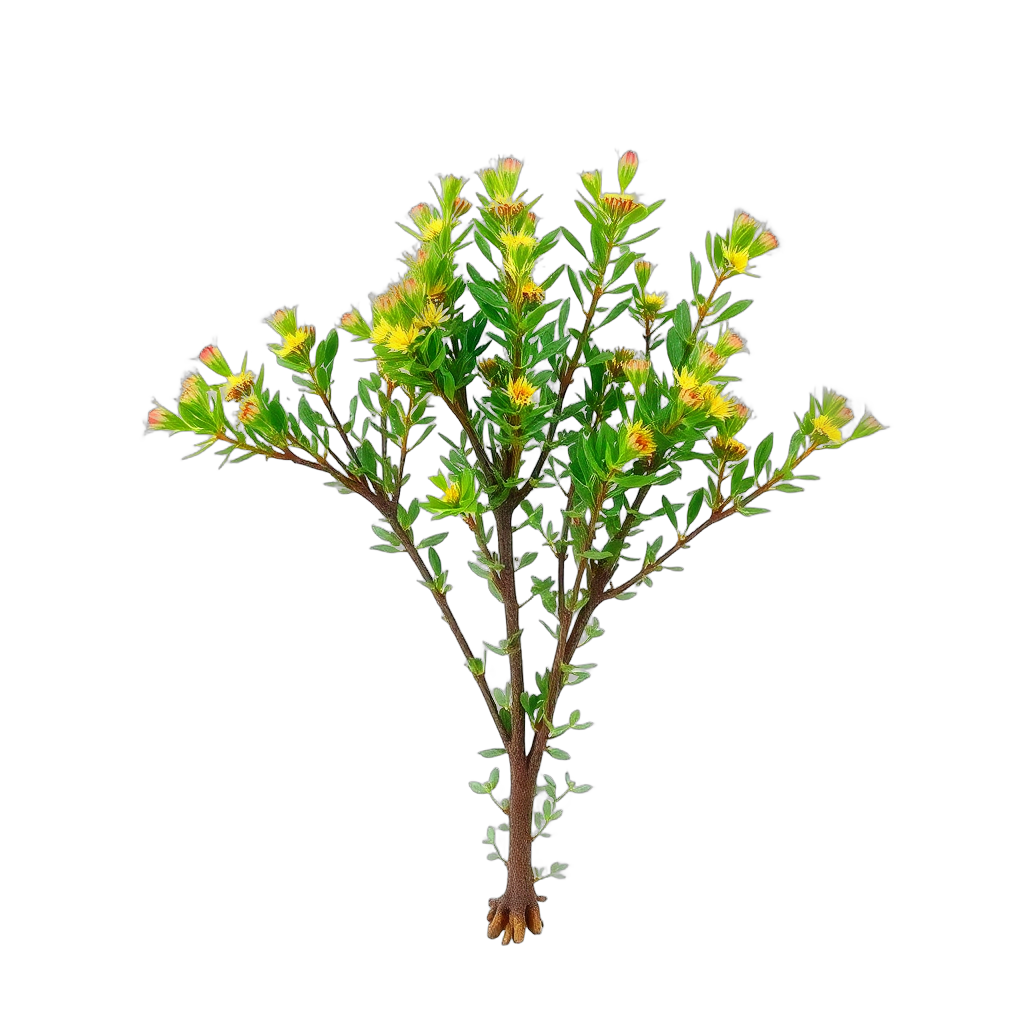
Antelope Bitterbrush
Purshia tridentata
grows to 6 feet, yellow blooms in spring. Fragrant.
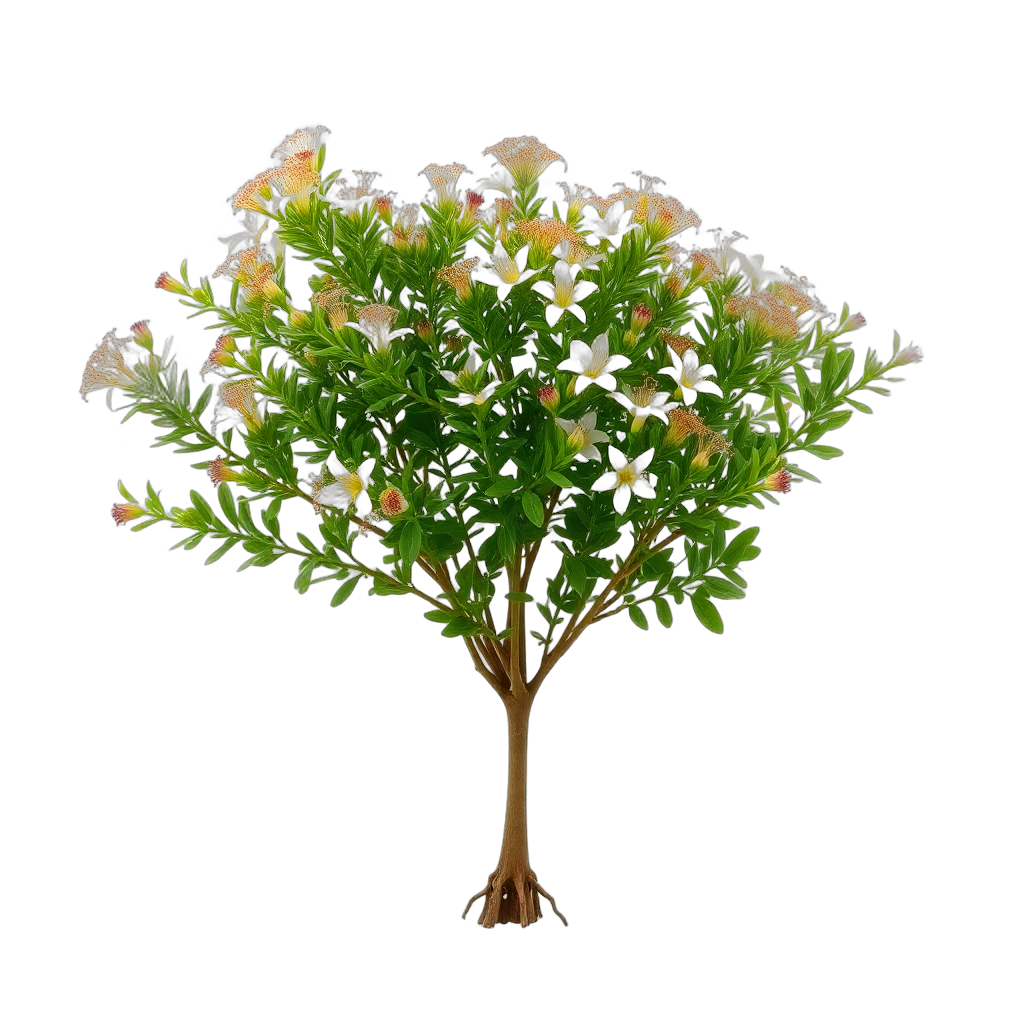
Apache Plume
Fallugia paradoxa
grows to 6 feet, white blooms in summer. Attracts butterflies.
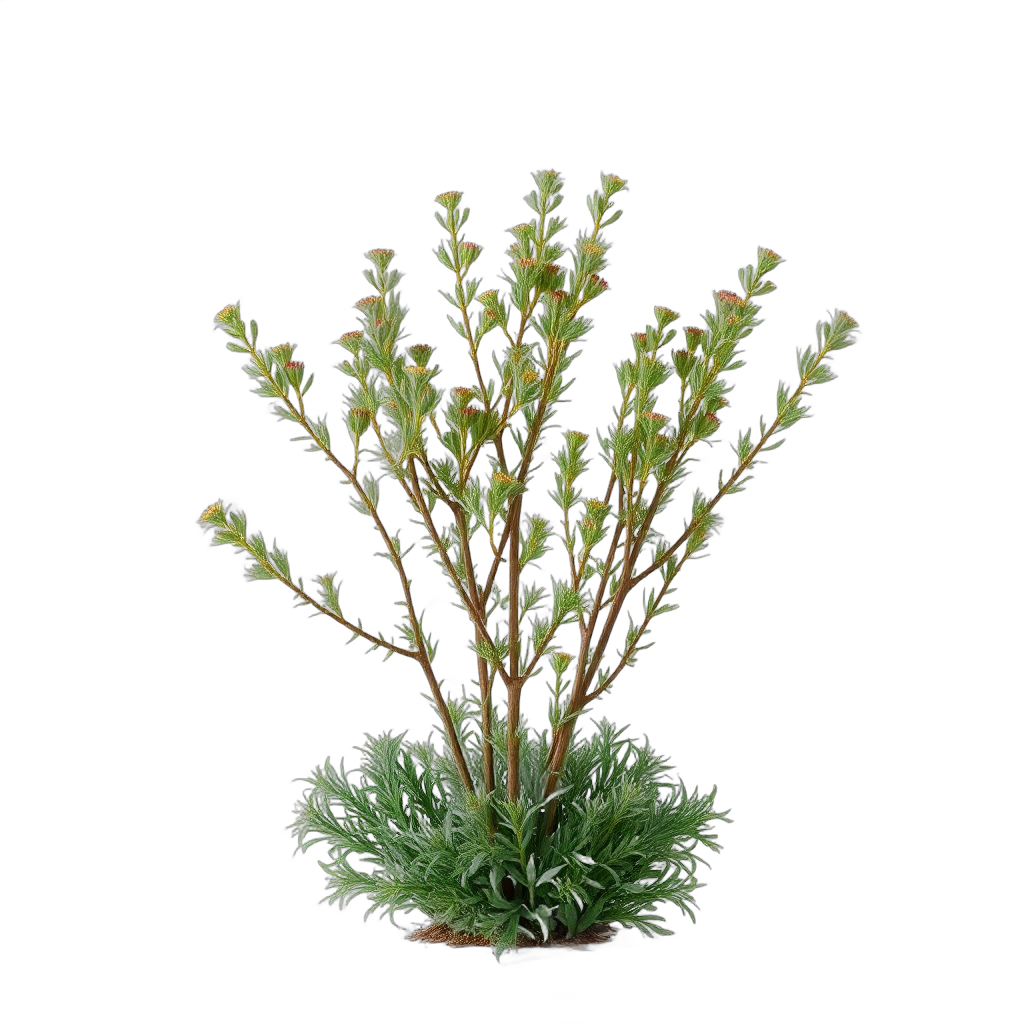
Big Sagebrush
Artemisia tridentata
grows to 6 feet, yellow blooms in fall. Evergreen year-round.
Featured Grasses & Groundcovers for Desert/Xeriscape Gardens
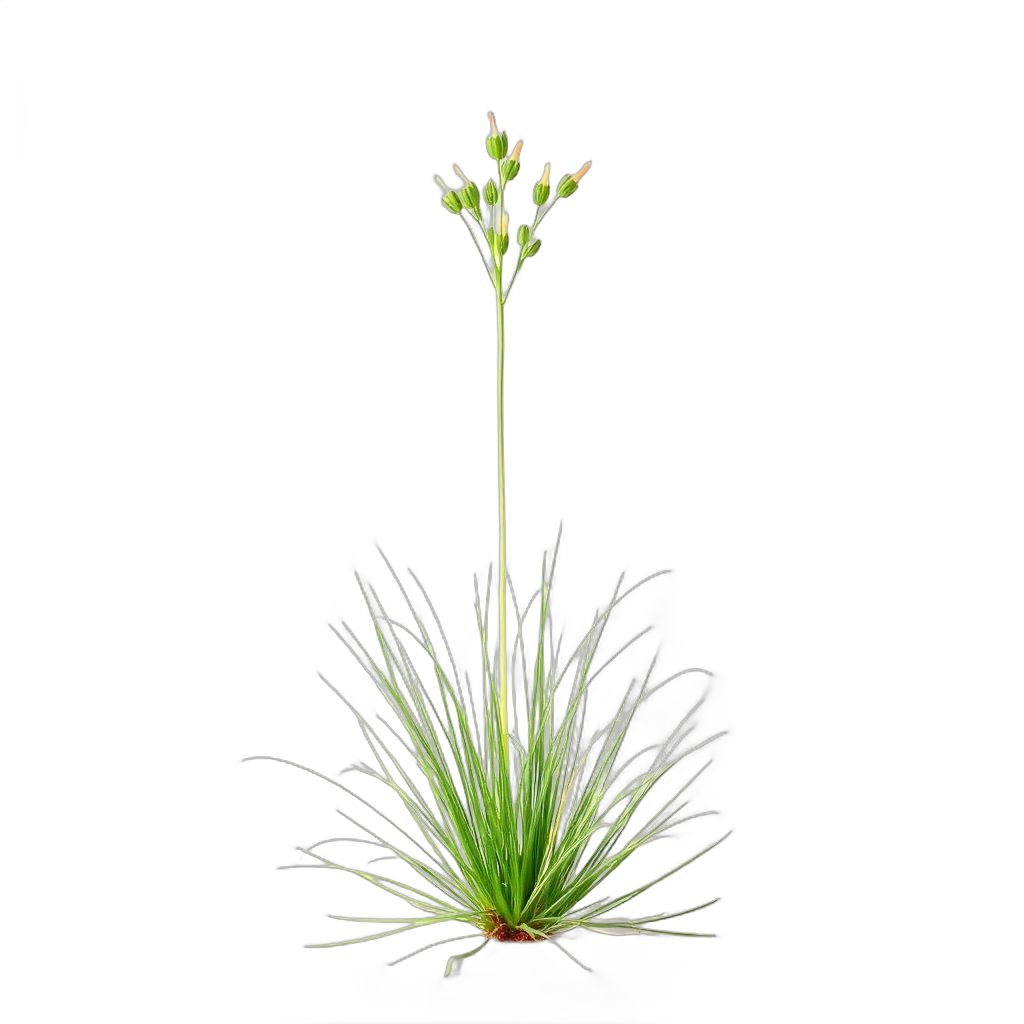
Alkali Sacaton
Sporobolus airoides
grows to 3 feet, blooms in summer. Yellow fall color.
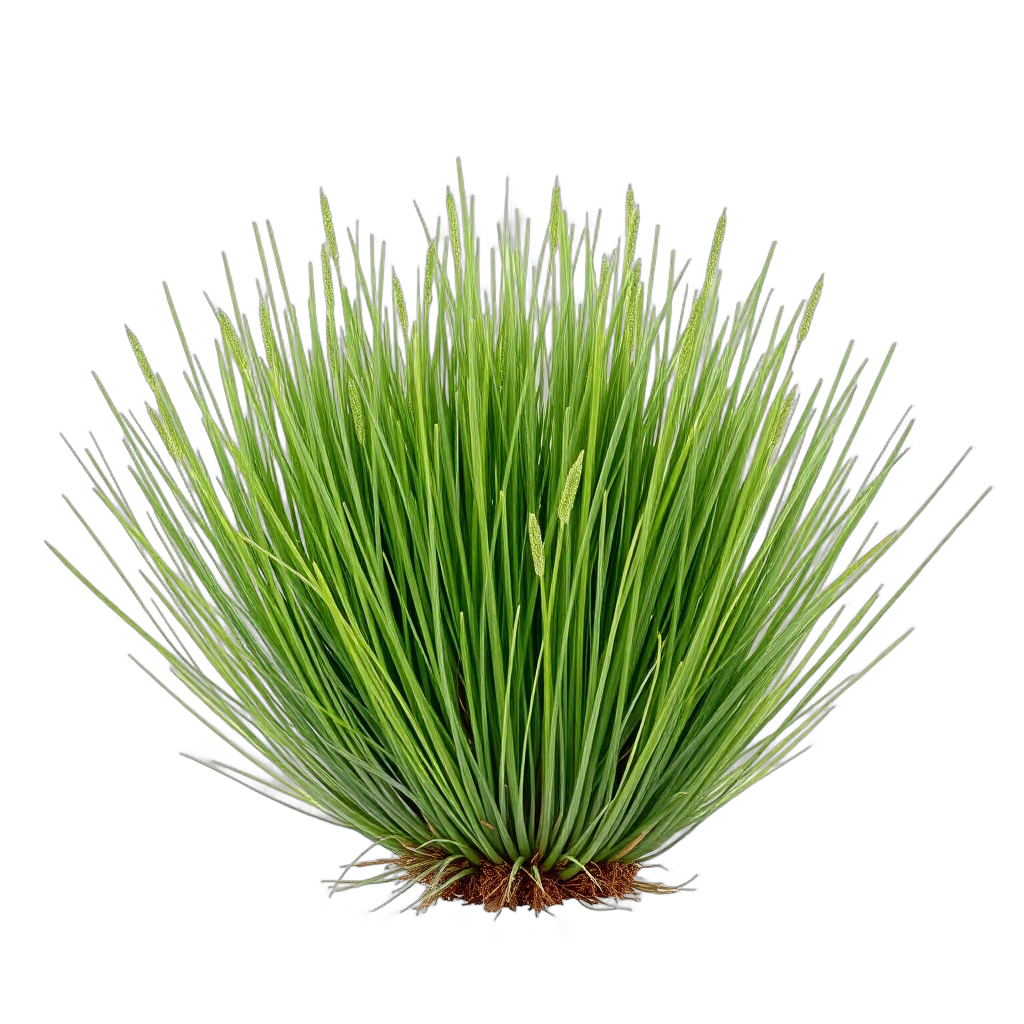
Great Basin Wild Rye
Leymus cinereus
grows to 3 feet, blooms in summer. Yellow fall color.
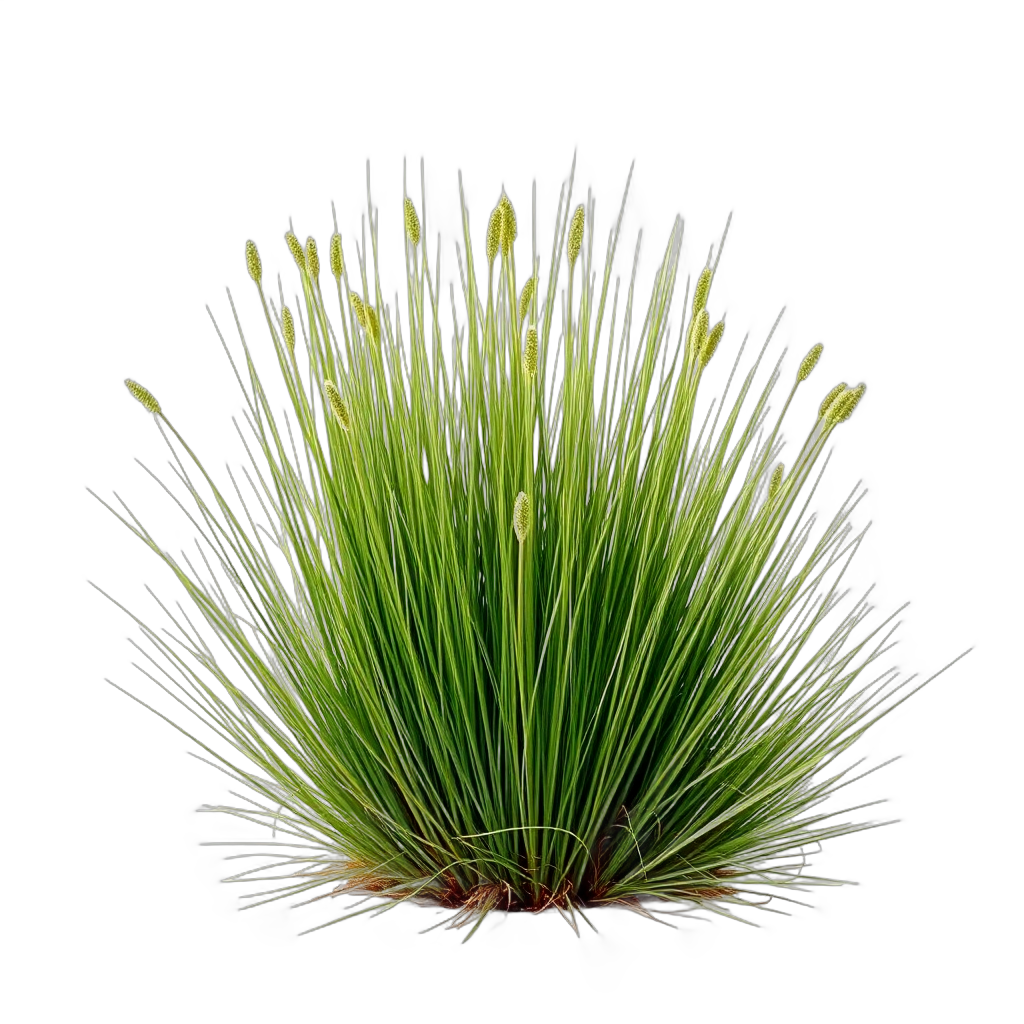
Idaho Fescue
Festuca idahoensis
low-growing ground cover, blooms in summer.
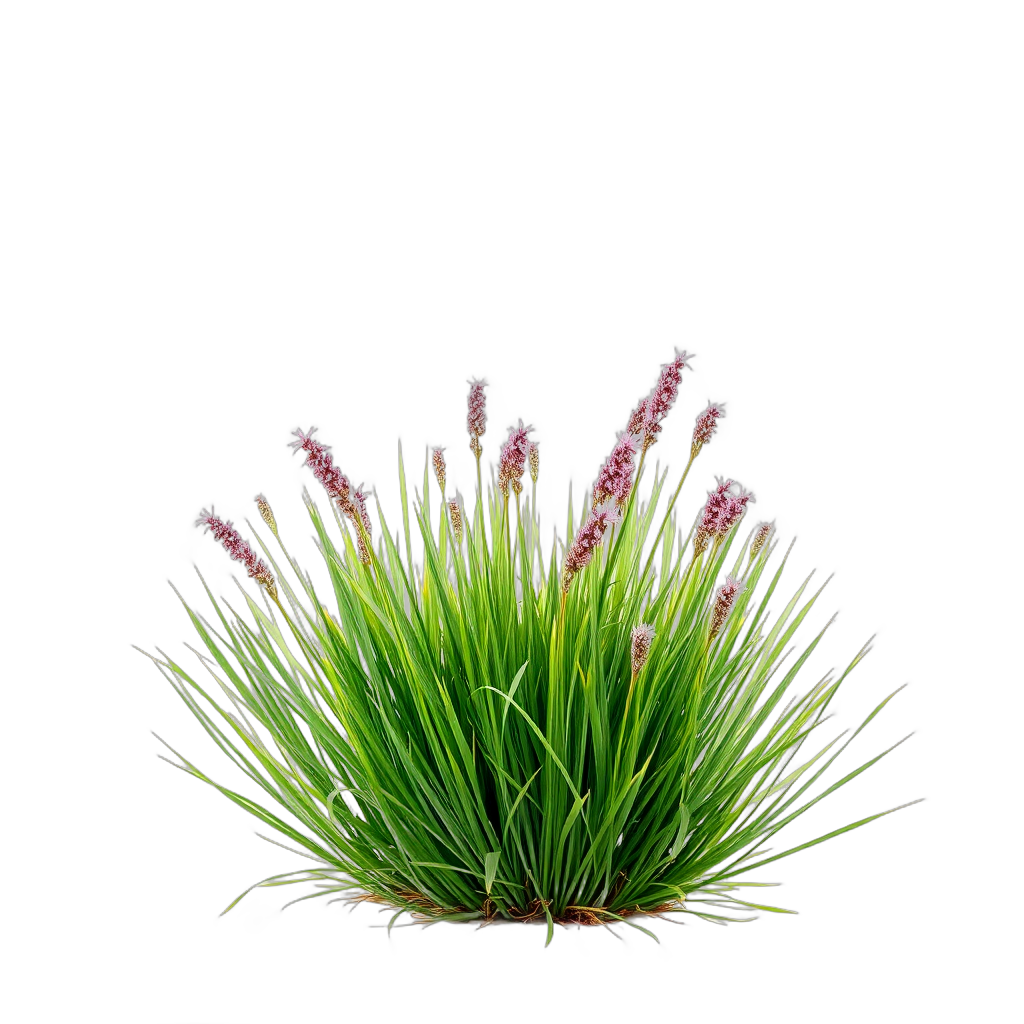
Purple Three-Awn
Aristida purpurea
low-growing ground cover, purple blooms in fall. Yellow fall color.
Featured Flowers & Perennials for Desert/Xeriscape Gardens
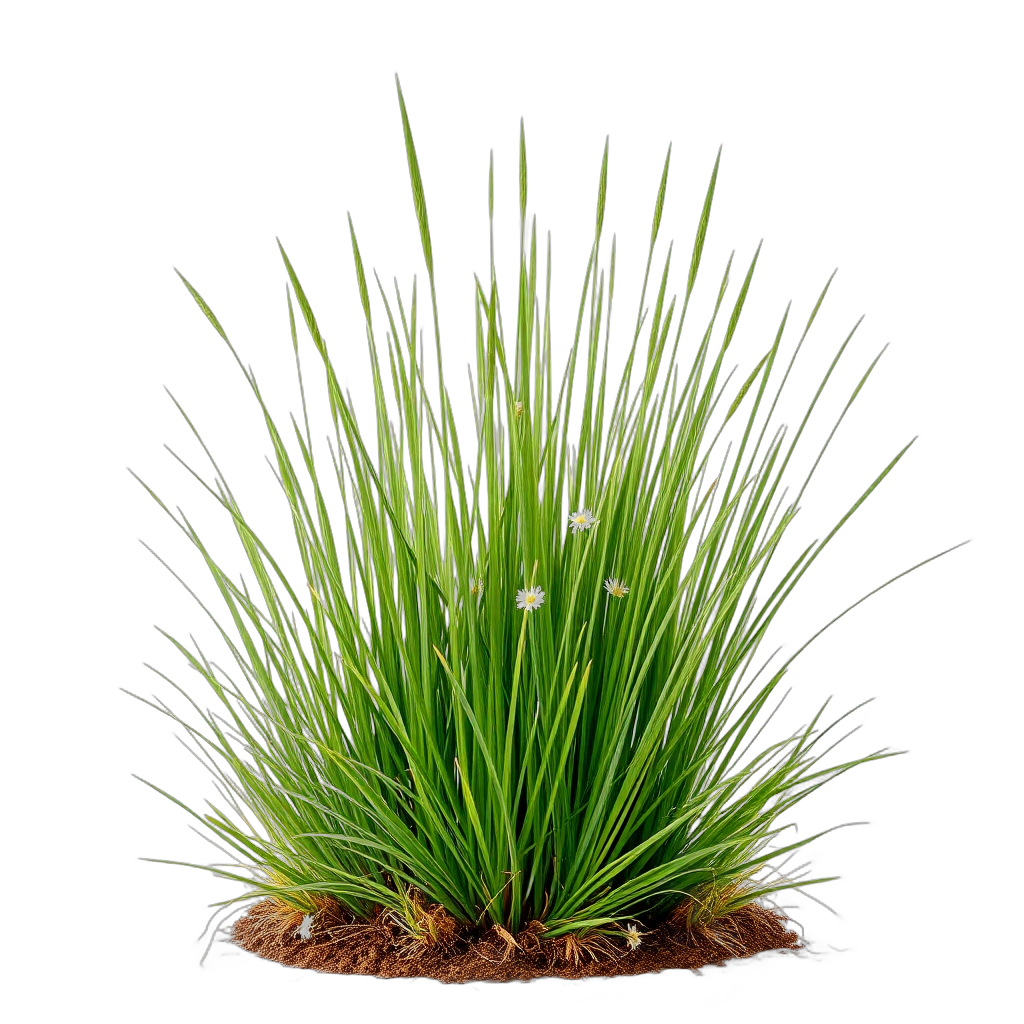
Baltic Rush
Juncus balticus
low-growing ground cover, blooms in summer. Evergreen year-round.
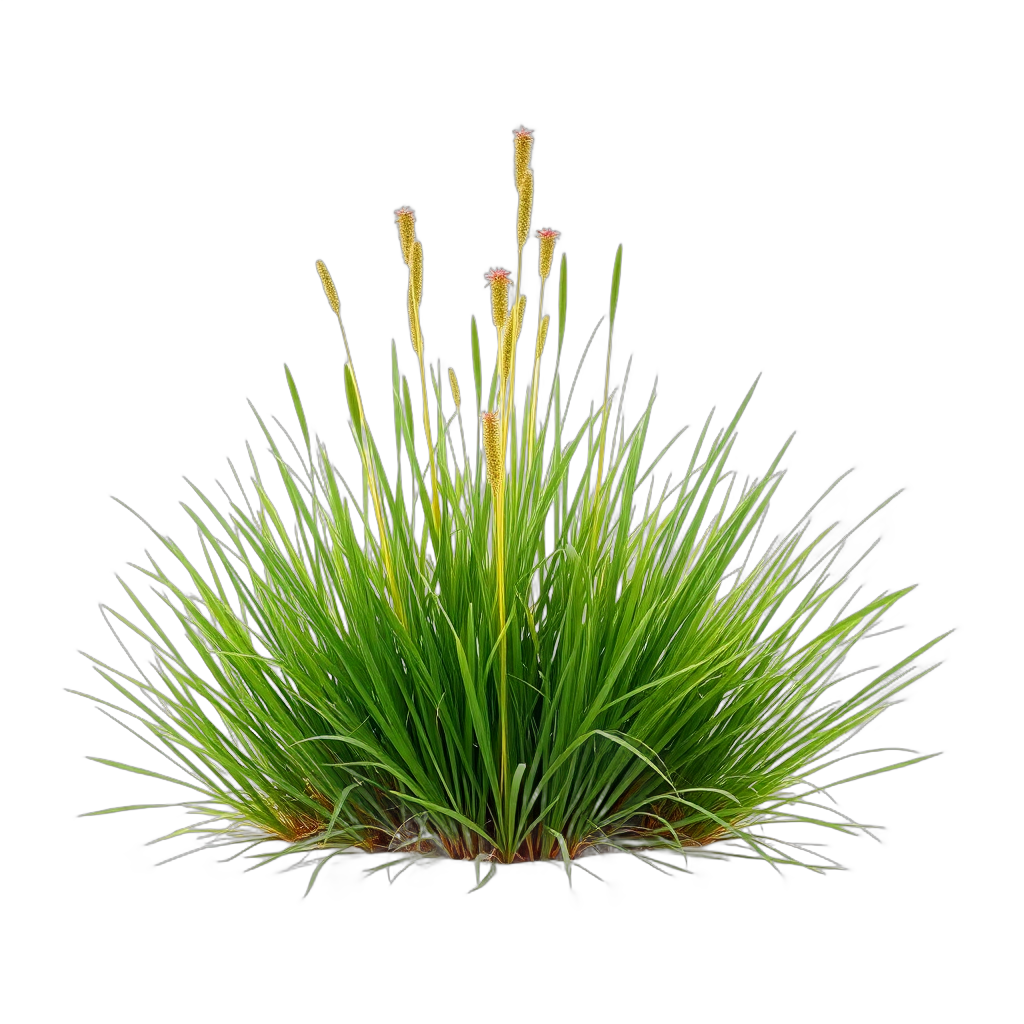
Clustered Field Sedge
Carex praegracilis
low-growing ground cover, blooms in spring.
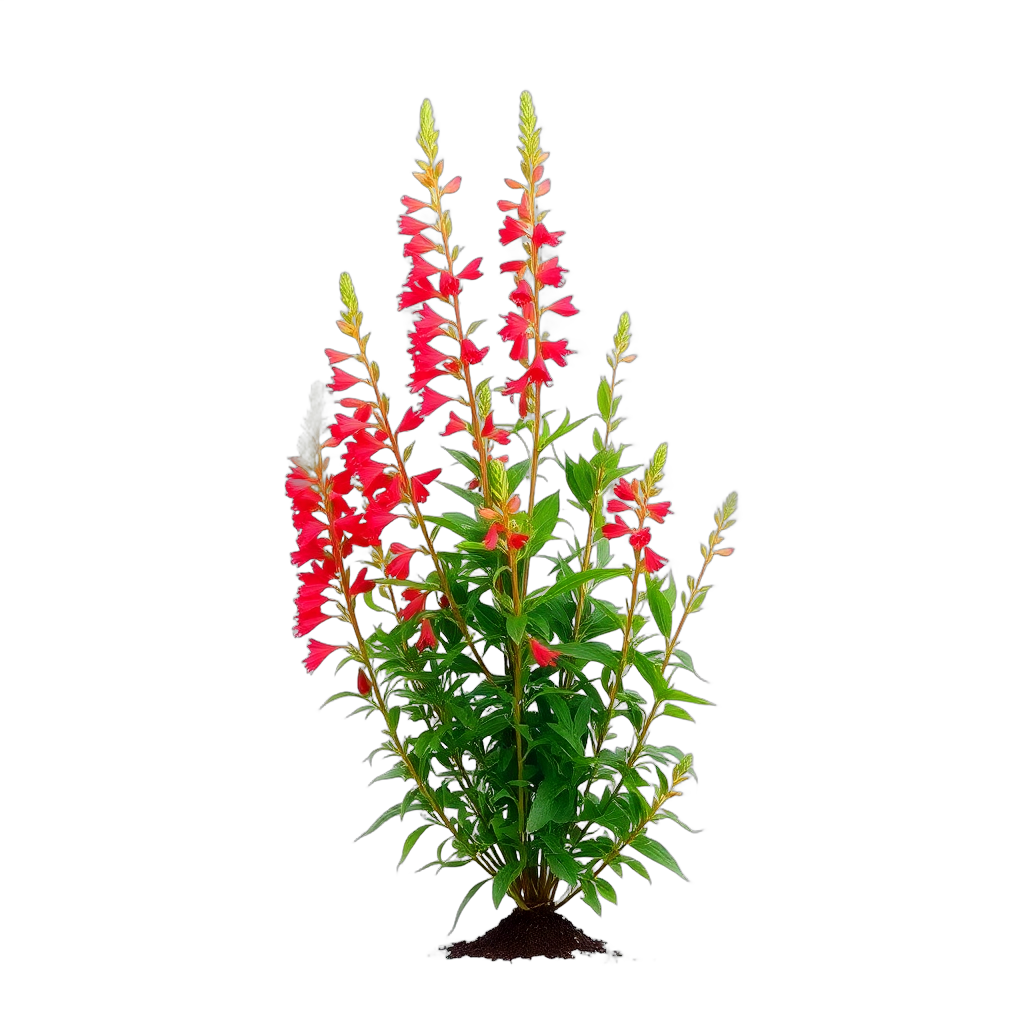
Firecracker Penstemon
Penstemon eatonii
low-growing ground cover, red blooms in spring. Attracts hummingbirds.

Palmer's Penstemon
Penstemon palmeri
grows to 4 feet, pink blooms in spring. Attracts hummingbirds.
Zone and sun checks come from our database — confirm with your local nursery before you buy.
Bloom Calendar for Sparks
spring
Clustered Field Sedge, Firecracker Penstemon, Palmer's Penstemonsummer
Baltic Rush, Alkali Sacaton, Great Basin Wild Ryefall
Purple Three-Awn, Big Sagebrush, Rubber Rabbitbrushwinter
Limited bloomsDesign Tips for Sparks (Zone 7a)
- Skip saguaro, palo verde and Mexican bird of paradise. The Reno airport station has hit -16°F, and Utah agave and Opuntia polyacantha give the same look.
- Build a gravel mound 6–10 inches high wherever water ponds, because Artemisia tridentata and Ericameria nauseosa rot in wet soil.
- Mulch with decomposed granite or crushed rock, never bark, which holds moisture against crowns.
- Plant from September to mid-October so winter precipitation helps establish roots.
- Water new plants every week or two through the first summer, then cut back to monthly or less.
- Group by water use: penstemon and globemallow together, agave and yucca on a separate emitter zone.
- Leave rabbitbrush and ricegrass seed heads standing until late winter. Birds feed on them and they hold their shape through snow.
Where to Source Plants in Sparks
Skip the big-box stores. These independent Sparks nurseries specialize in the plants that make desert/xeriscape gardens thrive in Zone 7a.
Rail City Garden Center
Sparks (Brierley Way)
Locally owned since 1996: perennials, shrubs, trees, soil amendments and hardscape materials, plus a weed, bug and disease finder on its site
Moana Nursery (Pyramid Way)
Sparks (Pyramid Way)
Northern Nevada garden center chain serving the area since 1967; the Moana Lane store in Reno runs its landscape design services center
Desert/Xeriscape Landscaping Cost Ranges
| Project Scope | Estimated Cost |
|---|---|
| Drip irrigation system (500 sqft of planted area) | $1,200–$2,200 |
| Block fire pit, stacked block, capped (1 fire pit) | $580–$770 |
| Landscape gravel court (200 sqft) | $170–$370 |
| AI visualization (ProScapeAI) | Free to start |
National average installed ranges for 2026 from our landscaping price list (Homewyse and other published sources). Prices in Sparks, NV vary with site, materials and contractor, so get two or three local quotes.
Sparks Climate & Growing Zone
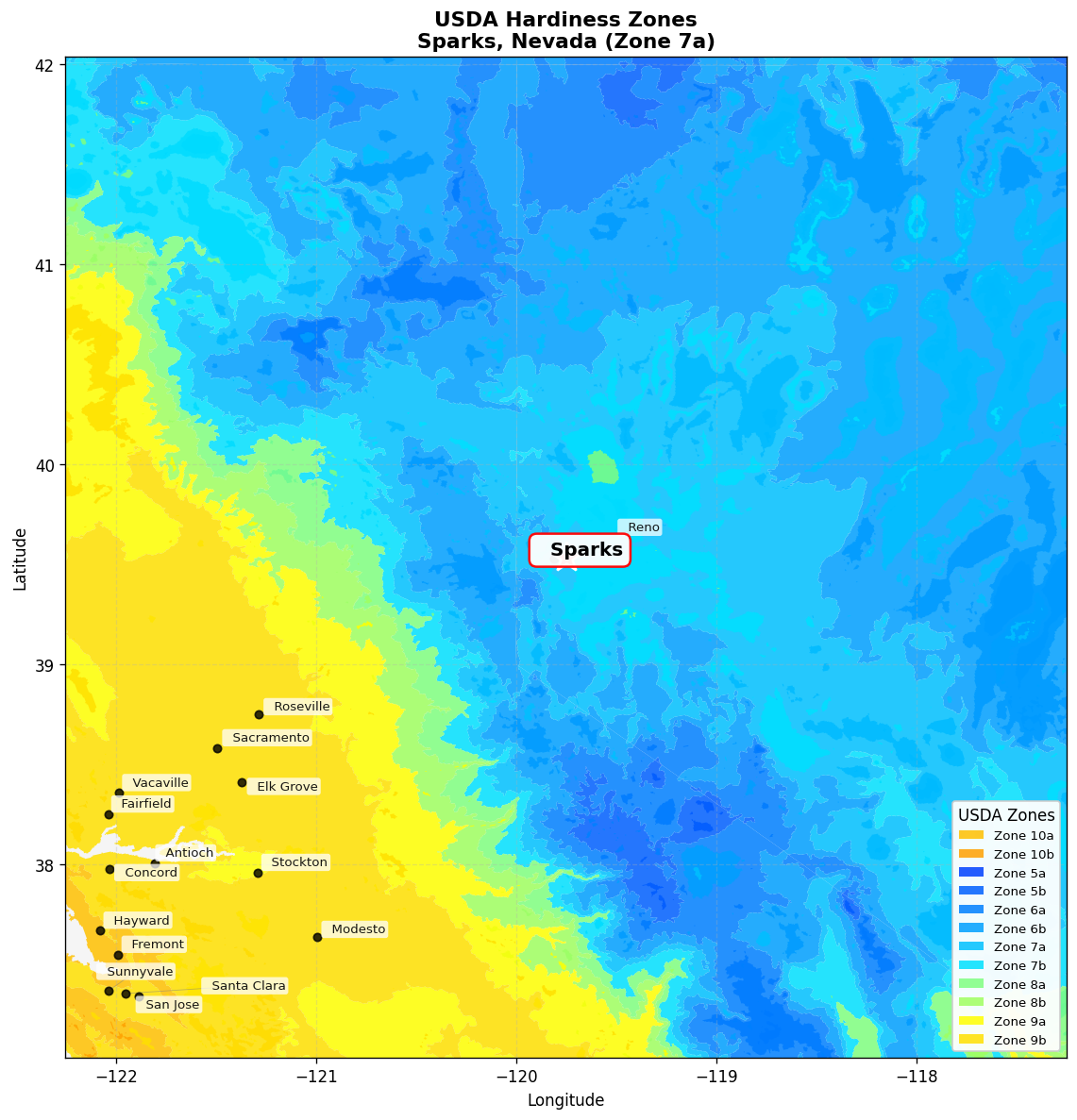
USDA Zone 7a
Hardiness zone for Sparks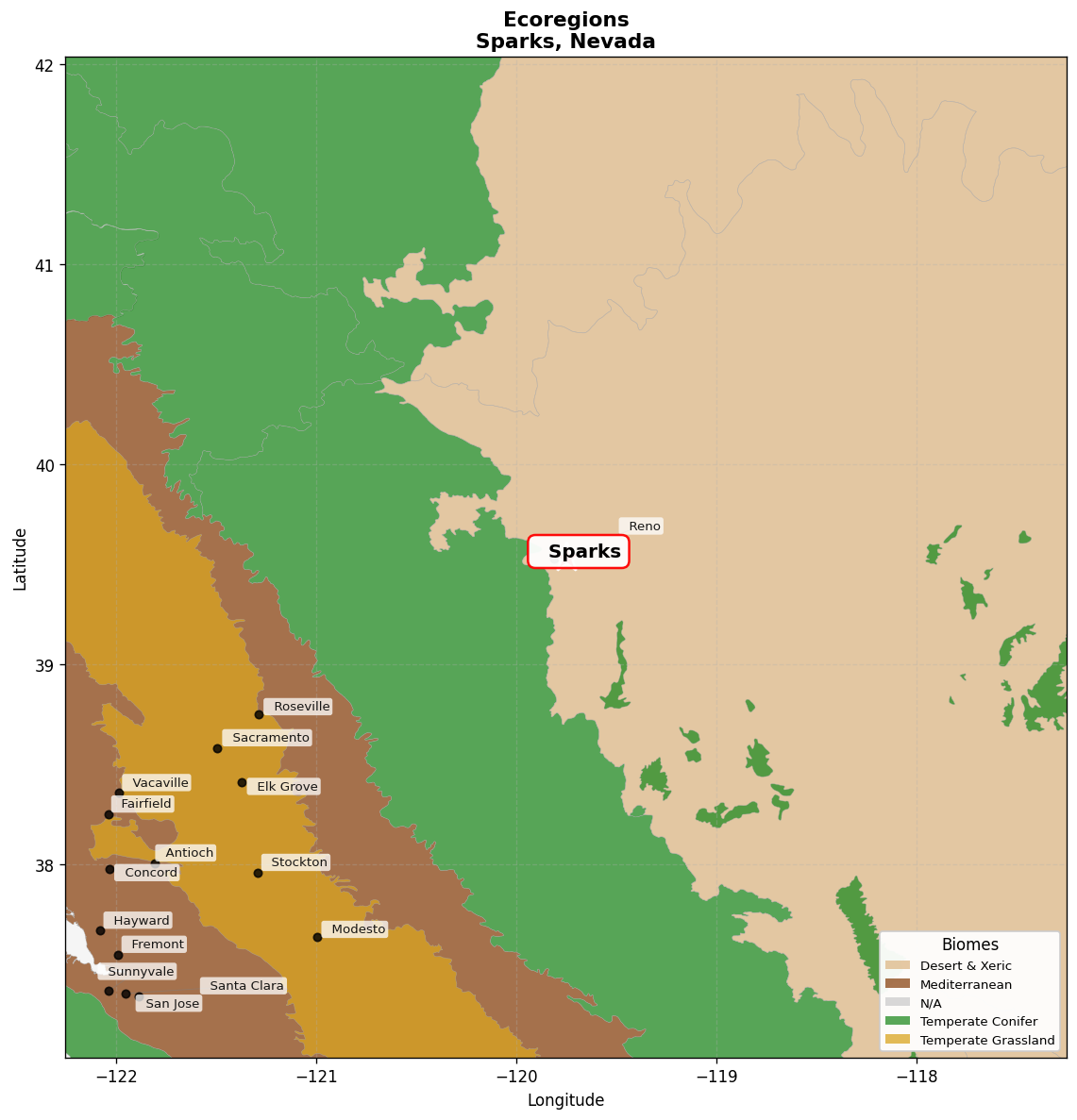
Great Basin shrub steppe
Native ecoregionFrequently Asked Questions
How much does a desert garden cost in Sparks?
A sagebrush and rabbitbrush design sits near the low end, while a boulder or flagstone layout costs more. Established natives need little irrigation. Prices vary with site, size and finishes, so get two or three local quotes.
How much maintenance does a desert garden need?
Less than lawn, but not none. Cut rabbitbrush back by a third in late winter, deadhead penstemon after bloom and pull weeds that sprout in gravel each spring. Check drip emitters in June.
When should I plant natives in Sparks?
Plant from September to mid-October so fall and winter moisture does the watering. Spring planting works if you commit to a weekly soak through the first summer.
Do I need a permit or HOA approval?
Plants and gravel usually do not need a city permit, but retaining walls and lighting often do, so ask the City of Sparks building division. An HOA usually wants plans first. Ask TMWA about turf-removal rebates, since programs and amounts change.
Will a saguaro or Mexican bird of paradise survive here?
No. Winter lows can fall below 0°F and the Reno airport record is -16°F. Use Utah agave and Opuntia polyacantha for the desert look, and Hesperaloe parviflora for a spike of coral flower.
What should I do about the sod I remove?
Cut it with a sod cutter, which usually takes a few hours for a front yard, and compost it or offer it to neighbors. Do not bury it under gravel, since it regrows through fabric.