4 English Cottage Garden Ideas for Sunnyvale, CA (Zone 9b)
Native plants from the California interior chaparral and woodlands (Zone 9b) — Mediterranean (warm summer) climate
Why Cottage/English Gardens in Sunnyvale?
Sunnyvale is one of the few Silicon Valley cities where an English cottage garden is not a costume — it is a return to form. This was the heart of the Valley of Heart's Delight, and the city still farms the ten-acre Heritage Orchard of apricots on Remington Drive as a reminder. The housing stock reads the same way: Craftsman bungalows and early cottages in the Heritage District around Murphy Avenue, block after block of 1950s ranches in Cherry Chase, Ponderosa Park, Birdland and Lakewood Village, and the flat-roofed Eichler tracts off Remington. Those low, wide, simple facades are exactly what a cottage garden is designed to flatter — a deep, informal border of Rosa 'Iceberg' and Lavandula angustifolia 'Munstead' gives a plain stucco ranch the front elevation its builder never paid for, and a white picket fence plus a rose arch turns a 25-foot setback into a room.
Zone 9b is the reason it works: winter lows sit around 25–30°F, so roses barely go dormant and evergreen structure never browns out. Sunnyvale's warm-summer Mediterranean climate (Köppen Csb) delivers July highs in the low 80s°F, but the marine air that pours through the Golden Gate every afternoon drops nights back into the mid-50s°F — cool nights are precisely what English roses and Nepeta × faassenii 'Walker's Low' want, and it is why Rosa 'Cécile Brünner' has been climbing Sunnyvale porches for a century. The catch is rainfall. The city averages roughly 15 inches a year and effectively all of it falls between November and April, leaving a five-month rainless stretch from late May into October. So the true cottage look here is a hybrid: cool-season spires of Digitalis purpurea 'Camelot Rose' and Delphinium elatum 'Guardian Blue' carry April to June, then heat-proof Salvia nemorosa 'Caradonna', Achillea millefolium 'Moonshine', Erigeron karvinskianus and Lavandula × intermedia 'Provence' carry the border through the dry months on a fraction of the water.
The soil is the part most new Sunnyvale gardeners underestimate. The valley floor here is deep alluvial clay loam laid down by Stevens and Calabazas Creeks, typically alkaline at pH 7.0–8.0, slow to drain in February and hard as a brick in August. Roses tolerate it; hydrangeas, camellias and citrus often show yellow interveinal iron chlorosis in it. The fix is mechanical, not chemical: build borders up 8–12 inches with compost and a bark-based amendment rather than digging planting holes into clay that hold water like buckets, mulch 3 inches deep every autumn, and never work the ground while it is wet. North Sunnyvale lots nearer Moffett Field and the baylands can also run saline — worth a $30 soil test before you buy 200 roses.
Water rules shape the design as much as the climate does. California's Model Water Efficient Landscape Ordinance kicks in for new or rehabilitated landscapes over 500 square feet that need a permit, and Valley Water runs a per-square-foot landscape rebate for Santa Clara County homeowners who convert lawn to low-water planting — check the current rate and cap before you finalise a design, because both change. Practically, that means drip tubing rather than spray, hydrozoning (thirsty rose and foxglove beds on one valve, lavender and salvia on another), a weather-based controller, and keeping lawn as a small deliberate green rug rather than the default groundcover. Done that way, a Sunnyvale cottage garden looks lavish and drinks less than the turf it replaced.
4 Cottage/English Design Ideas for Sunnyvale

The Picket Fence Rose Front Garden
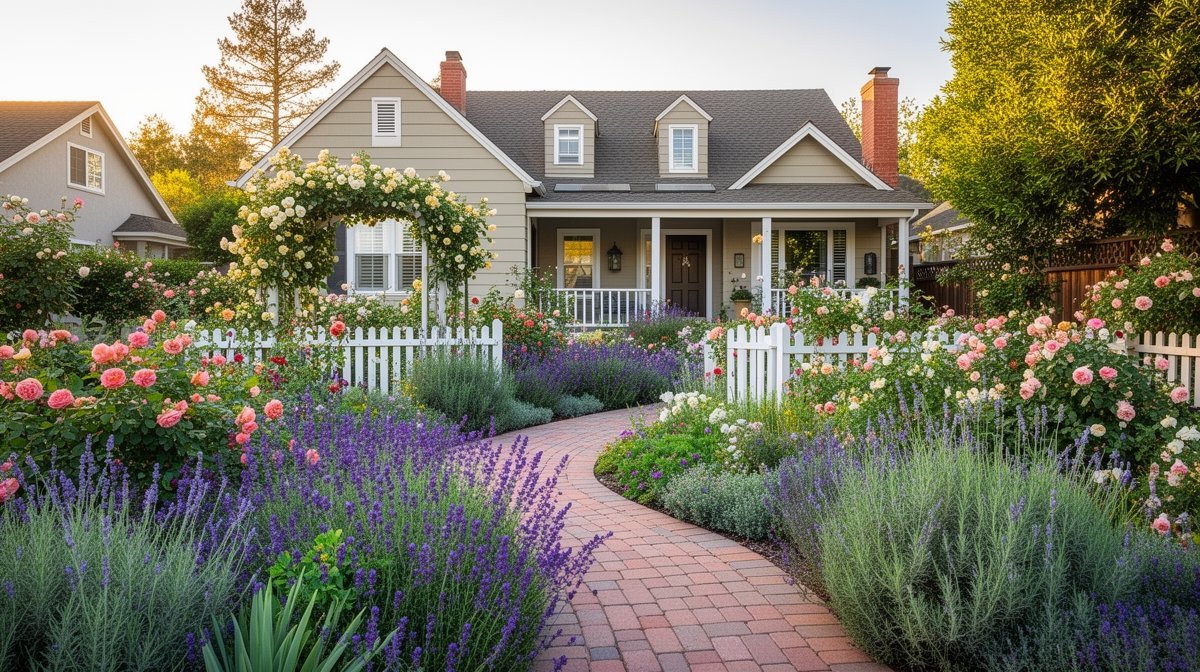
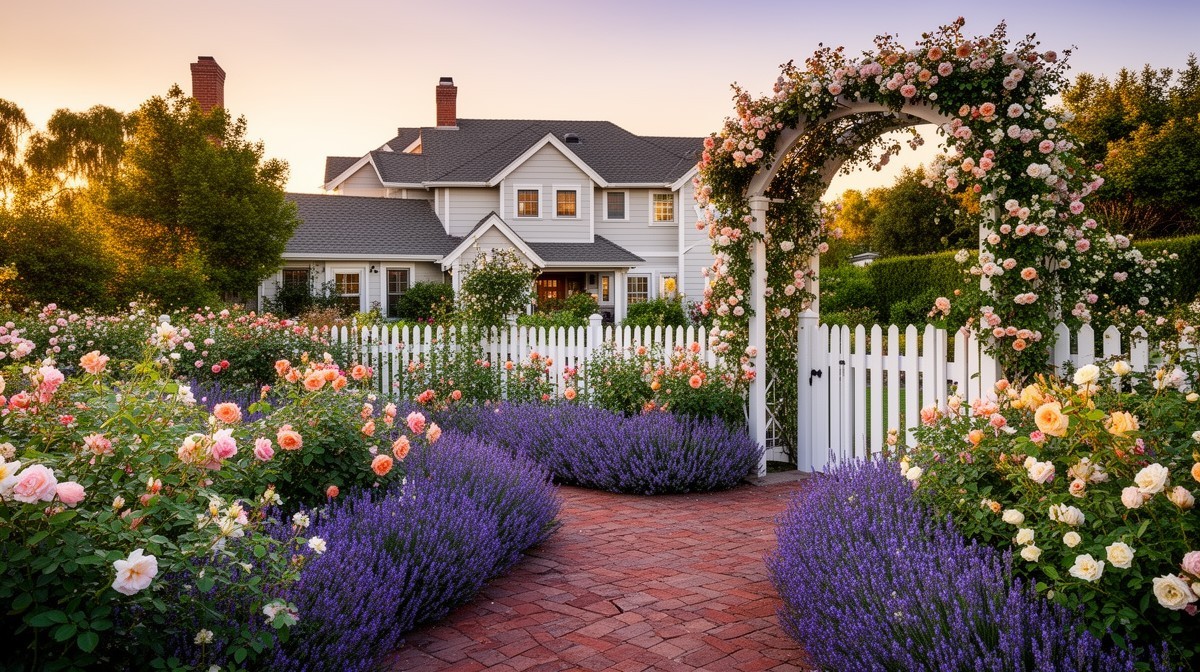
$28-48/sqftA butter-yellow shingle-roofed cottage sits behind a low white picket fence, with a rose-smothered timber arch marking the gate and a warm brick-paver path curving to a sage-green front door. Roses in cream, blush and crimson are massed shoulder-high behind the pickets and repeated up the porch posts, while a continuous ribbon of lavender runs both sides of the walk and small clipped mounds hold the edge crisp. Only a narrow panel of lawn survives, used as a green mat in front of the porch rather than as the main event, and a mature shade tree at the left corner throws the whole picture into late-afternoon shadow.

The White Rose Pergola Walk
$32-55/sqftA grey-green Craftsman bungalow with a deep porch, hanging baskets and a blush front door is fronted by a broad white timber pergola that straddles the front walk and disappears under white climbing roses. An irregular buff flagstone path curves from the sidewalk to brick porch steps, two small lawn panels are left as green rugs on either side, and the borders behind them are packed shoulder-to-shoulder with dahlias, cosmos, zinnias, marigolds, lavender and salvia in unapologetic colour. The mature street tree on the left keeps the west-facing borders out of the worst of the 5 p.m. glare.

The Rose Arbour Tea Terrace
$35-60/sqftA stucco storybook cottage with steep shingle gables and twin bay windows opens onto a garden built around a wooden arbour tunnel dripping with blush and cream climbing roses. A circular flagstone terrace tucked under the arbour holds a folding bistro table and two white iron chairs, an oval of lawn links the terrace back to the brick front steps, and waist-deep borders of foxglove and delphinium spires, lavender and shrub roses press in from every side with a clipped hedge closing the boundary. It is a garden designed to be walked through slowly rather than viewed from a window.

The Birdbath Courtyard
$30-52/sqftA fully enclosed rear garden, fenced in dark board with a lattice topper, centres on a white pergola over a teak dining table and cushioned bench, the whole structure carrying apricot climbing roses. A pale stone patio sits under the pergola, an oval of lawn sweeps out from it, and a carved stone pedestal birdbath anchors a circular island bed cut into the turf. Borders of foxglove spires, roses, lavender, catmint and small daisies run the full fence line so that from the dining table you see nothing but planting.
See how a cottage/english garden looks on YOUR property
Upload a photo of your Sunnyvale yard and visualize your dream garden in seconds.
Try ProScapeAI Free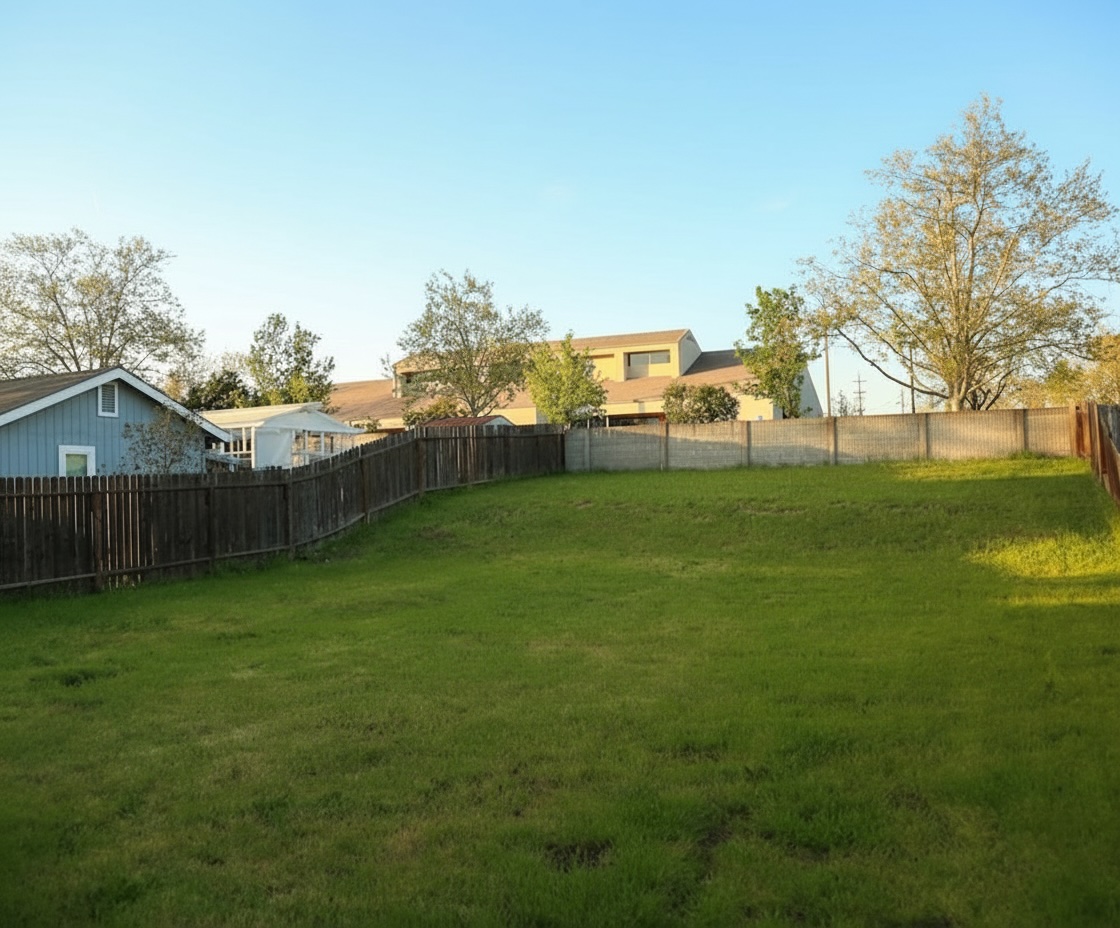
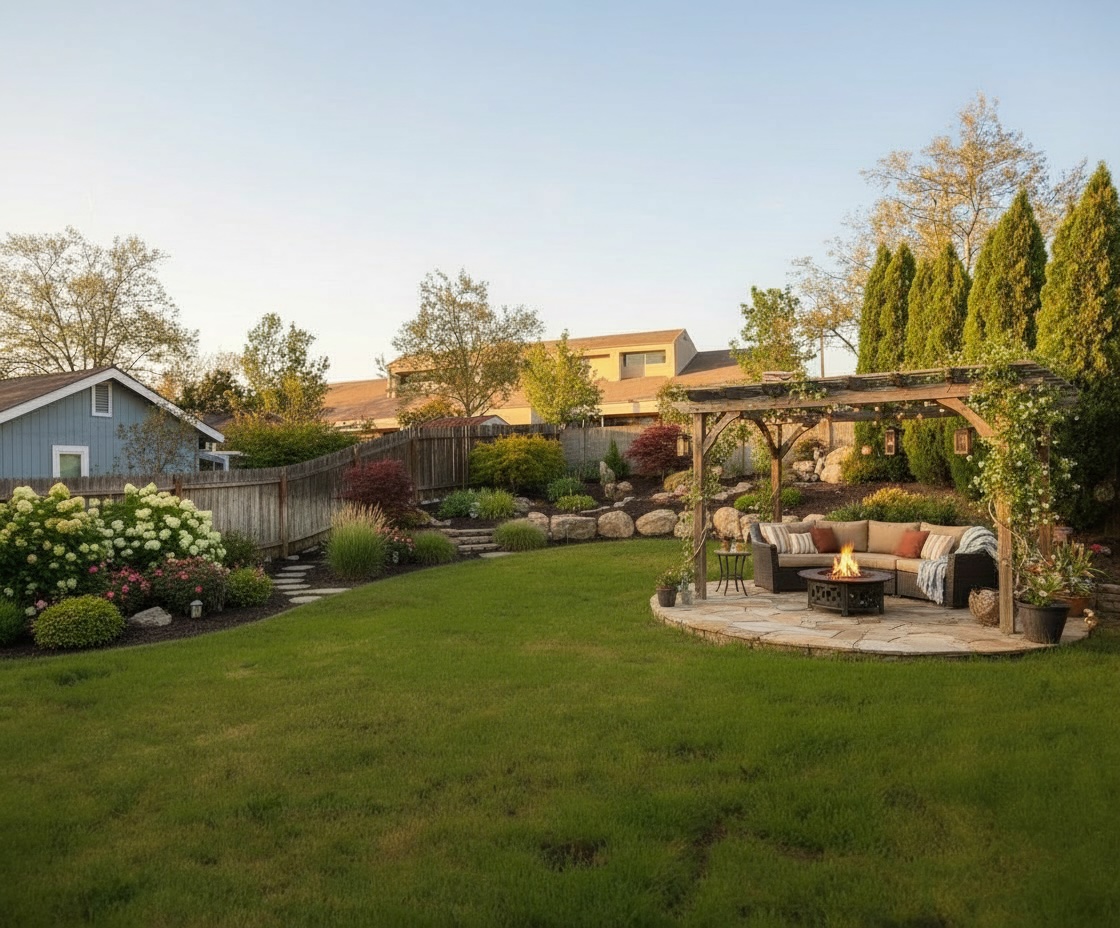
Featured Trees & Shrubs for Cottage/English Gardens
Browse all 197 plants for Sunnyvale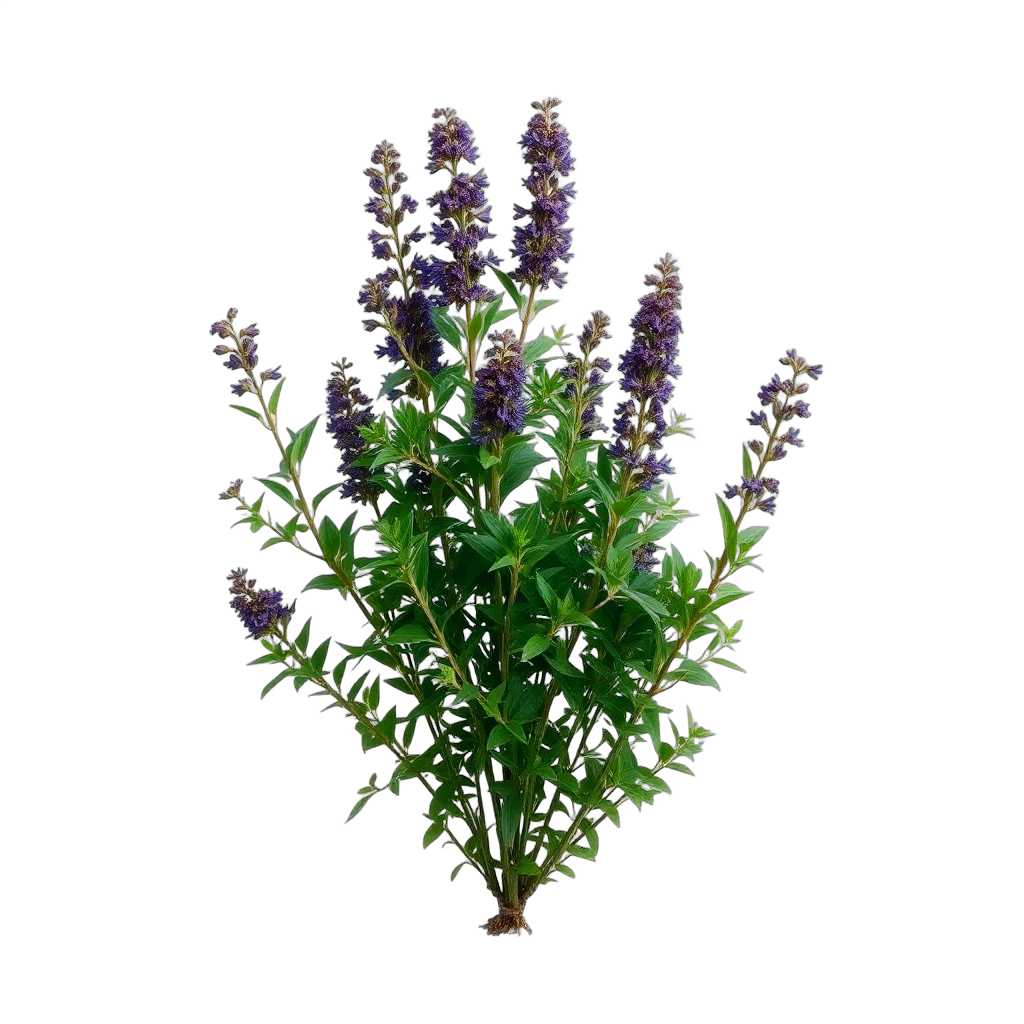
Black Sage
Salvia mellifera
grows to 4 feet, white blooms in spring. Attracts butterflies.
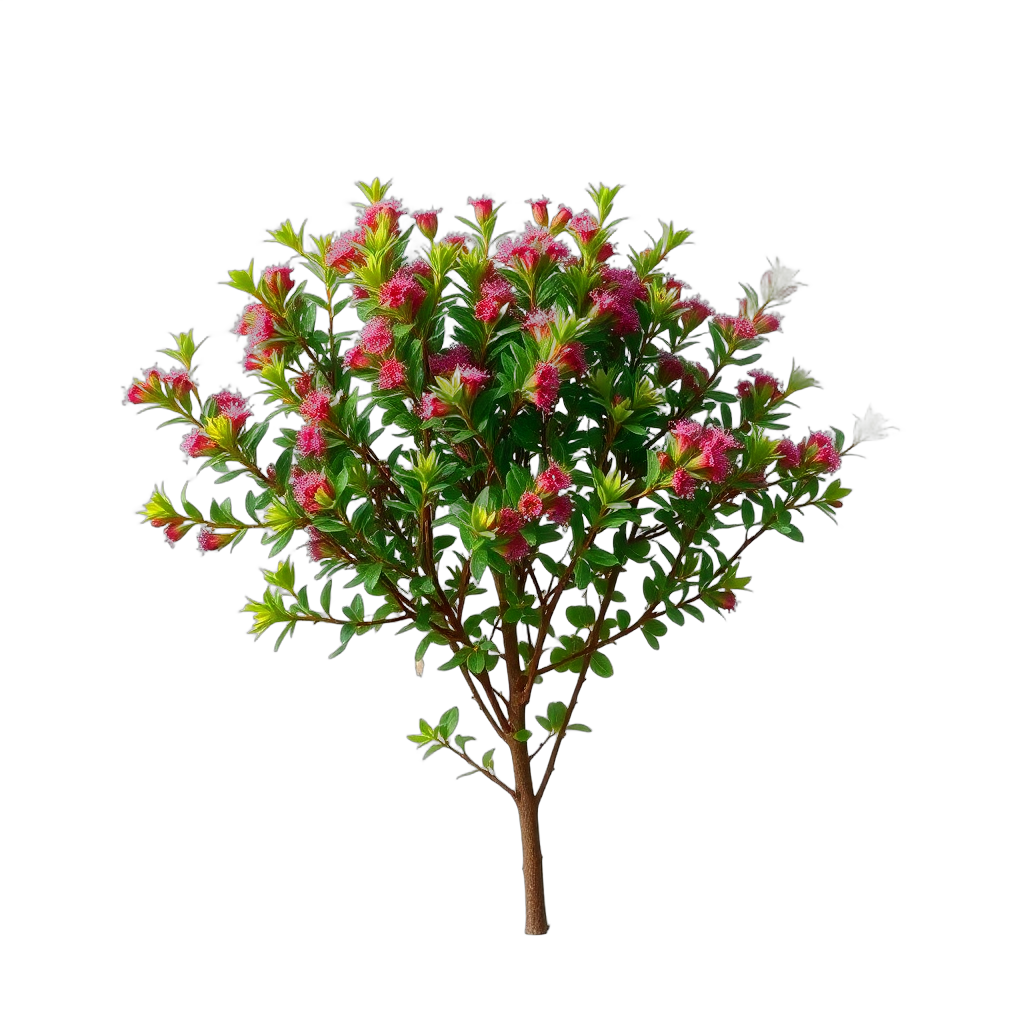
Buckbrush
Ceanothus cuneatus
medium-sized at 7 feet, white blooms in spring. Attracts butterflies.
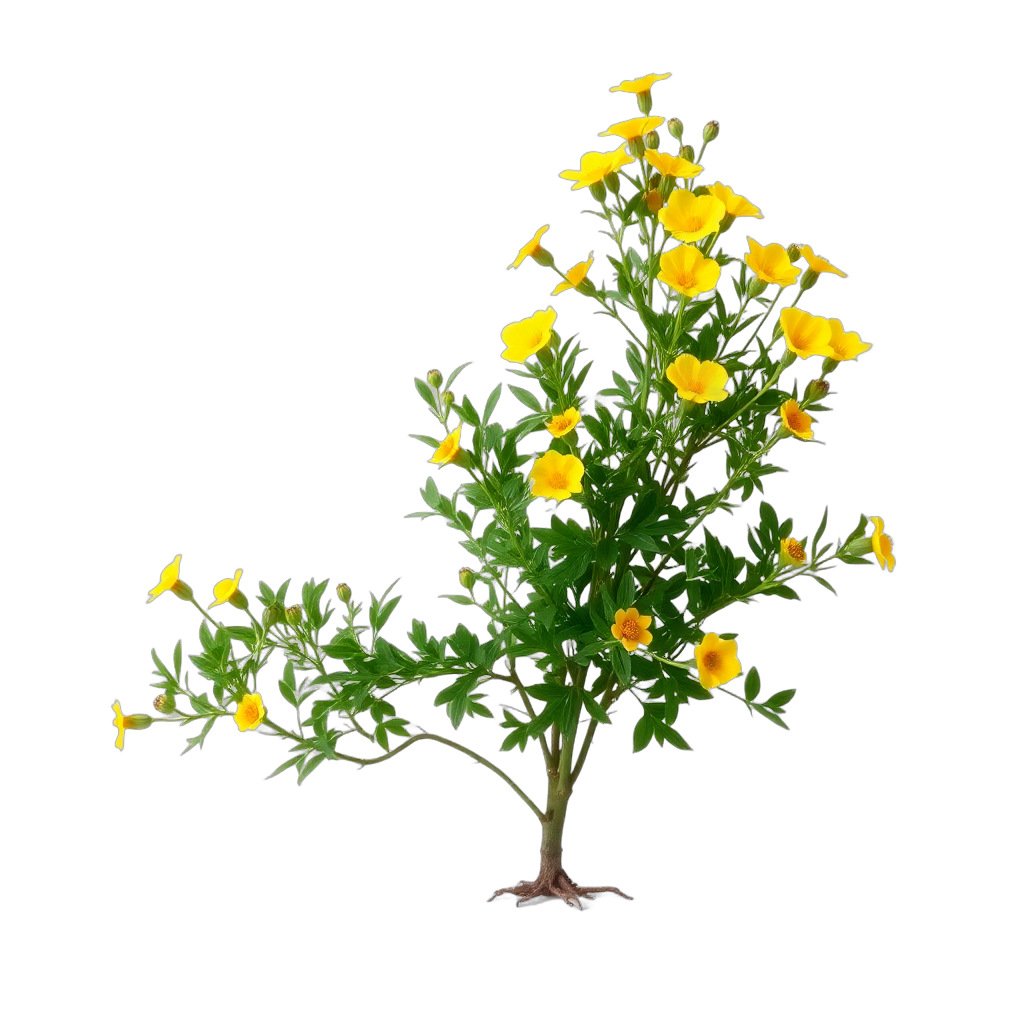
Bush Poppy
Dendromecon rigida
grows to 6 feet, yellow blooms in spring. Pollinator-friendly.
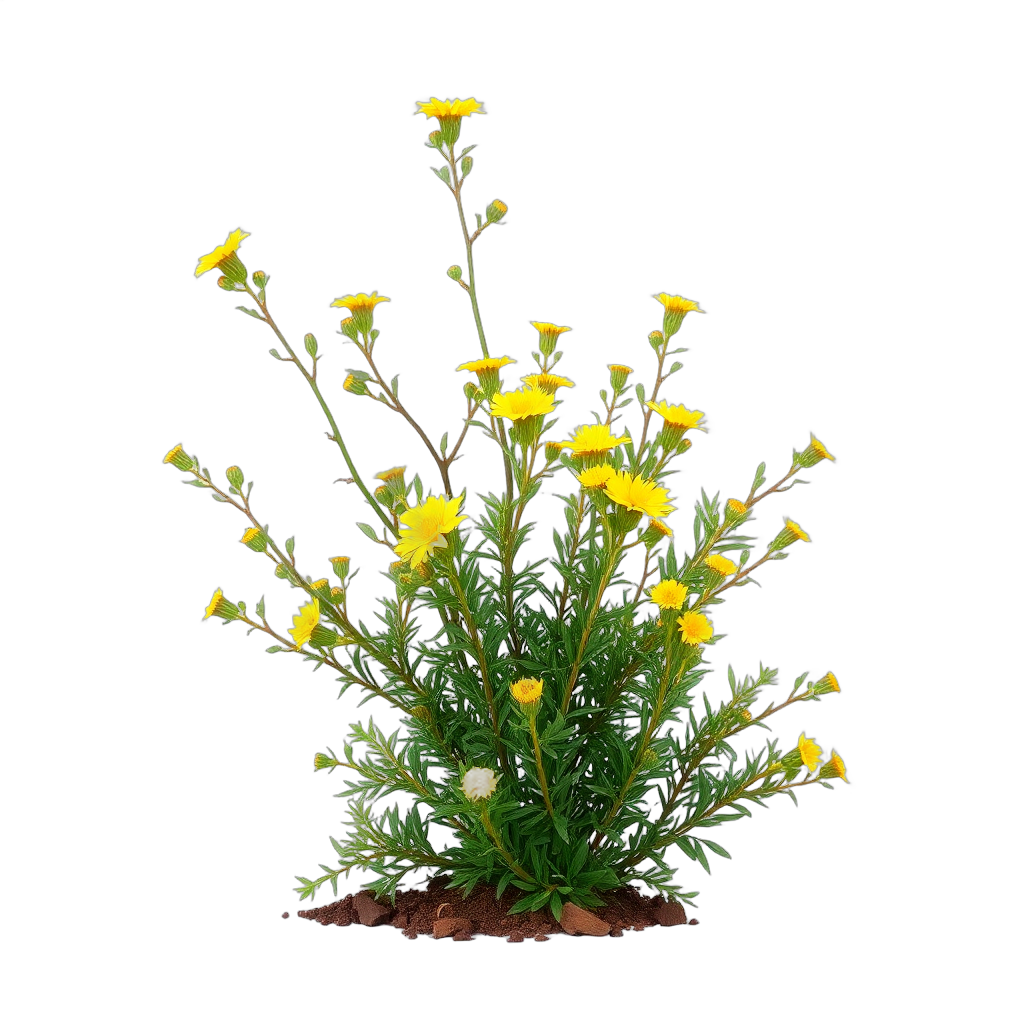
California Brittlebush
Encelia californica
grows to 4 feet, yellow blooms in spring. Attracts butterflies.
Featured Grasses & Groundcovers for Cottage/English Gardens
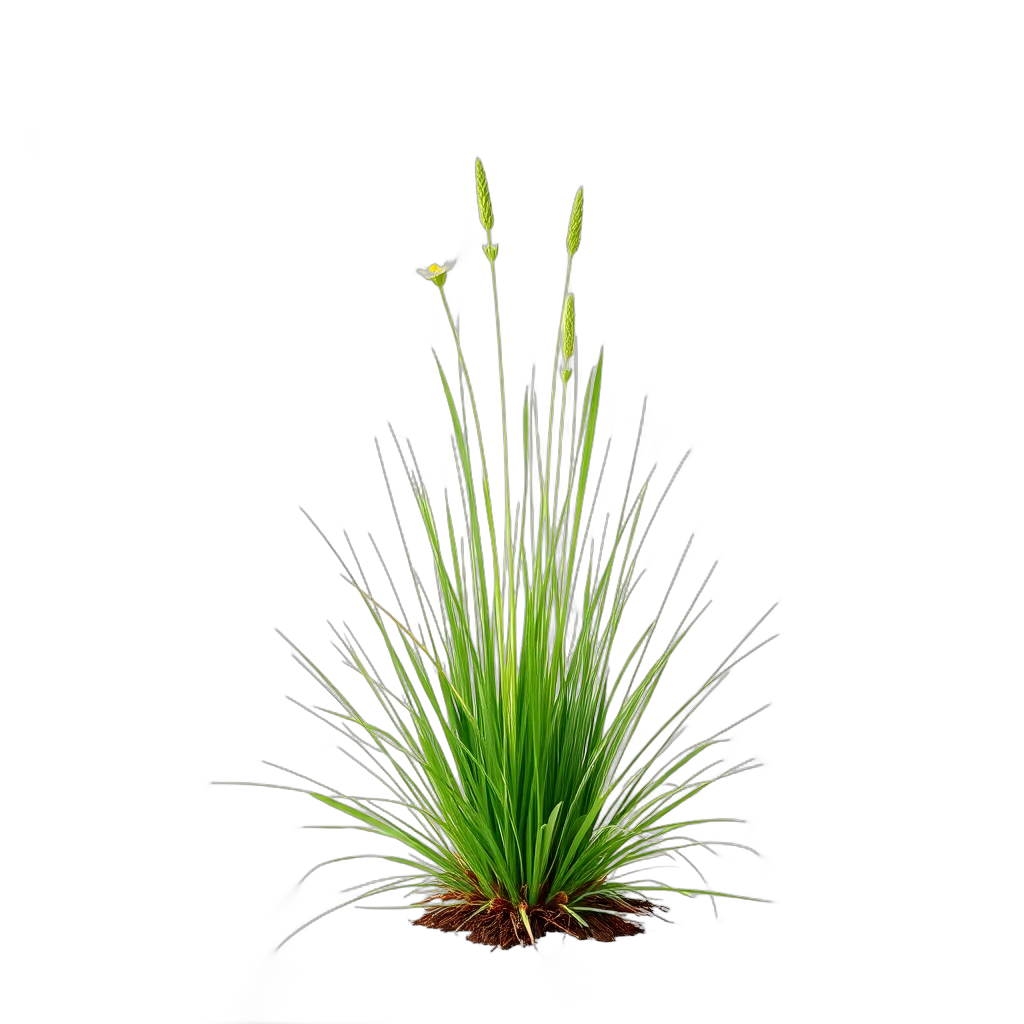
California Brome
Bromus carinatus
low-growing ground cover, blooms in spring. Yellow fall color.
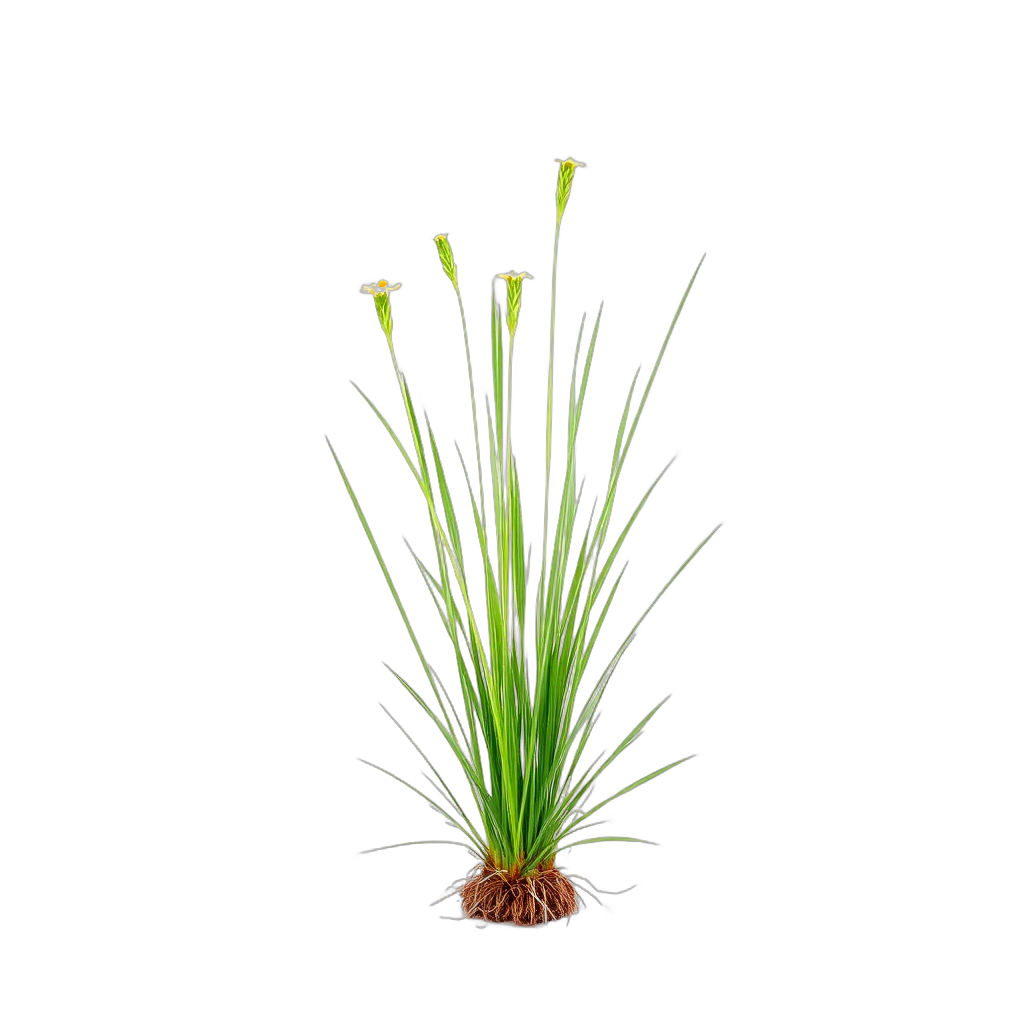
California Melic
Melica californica
low-growing ground cover, blooms in spring.
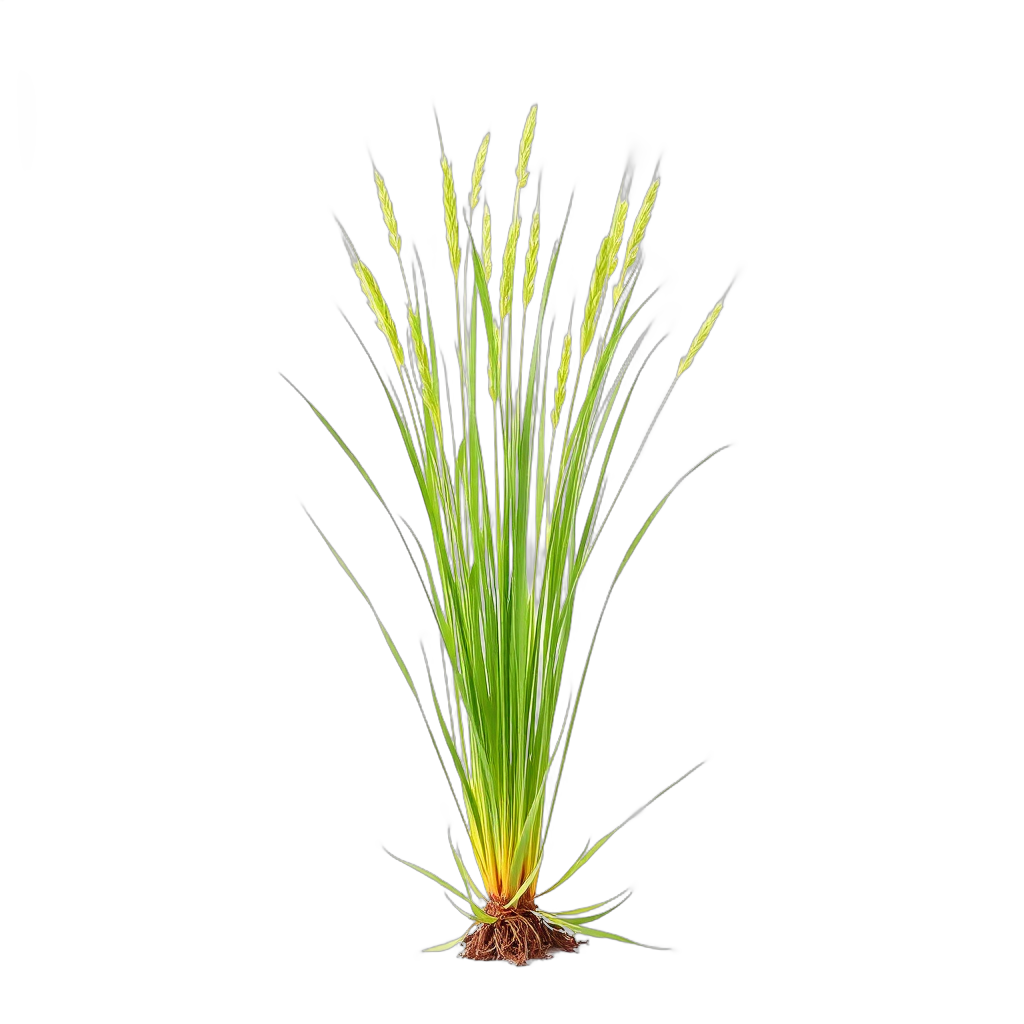
California Oatgrass
Danthonia californica
low-growing ground cover, blooms in spring. Yellow fall color.
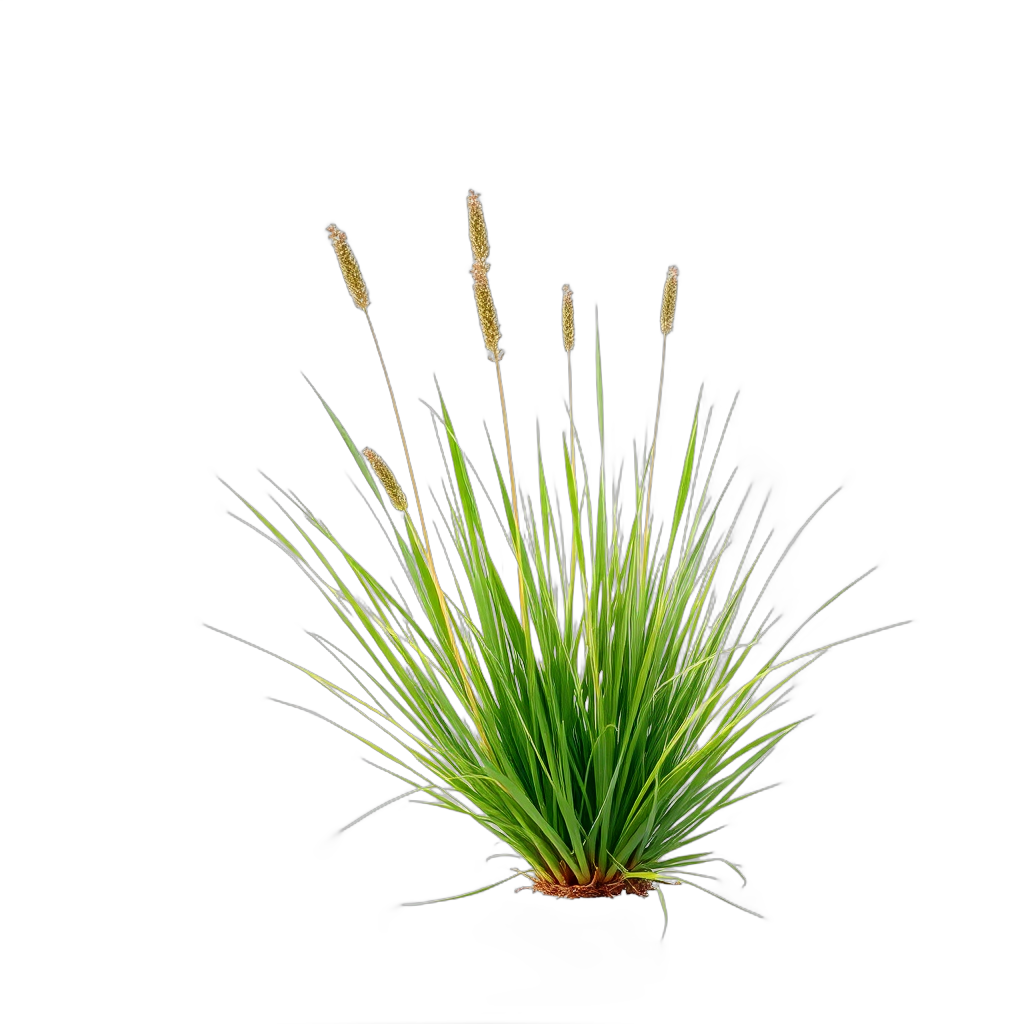
Deer Grass
Muhlenbergia rigens
grows to 3 feet, yellow blooms in fall. Evergreen year-round.
Featured Flowers & Perennials for Cottage/English Gardens
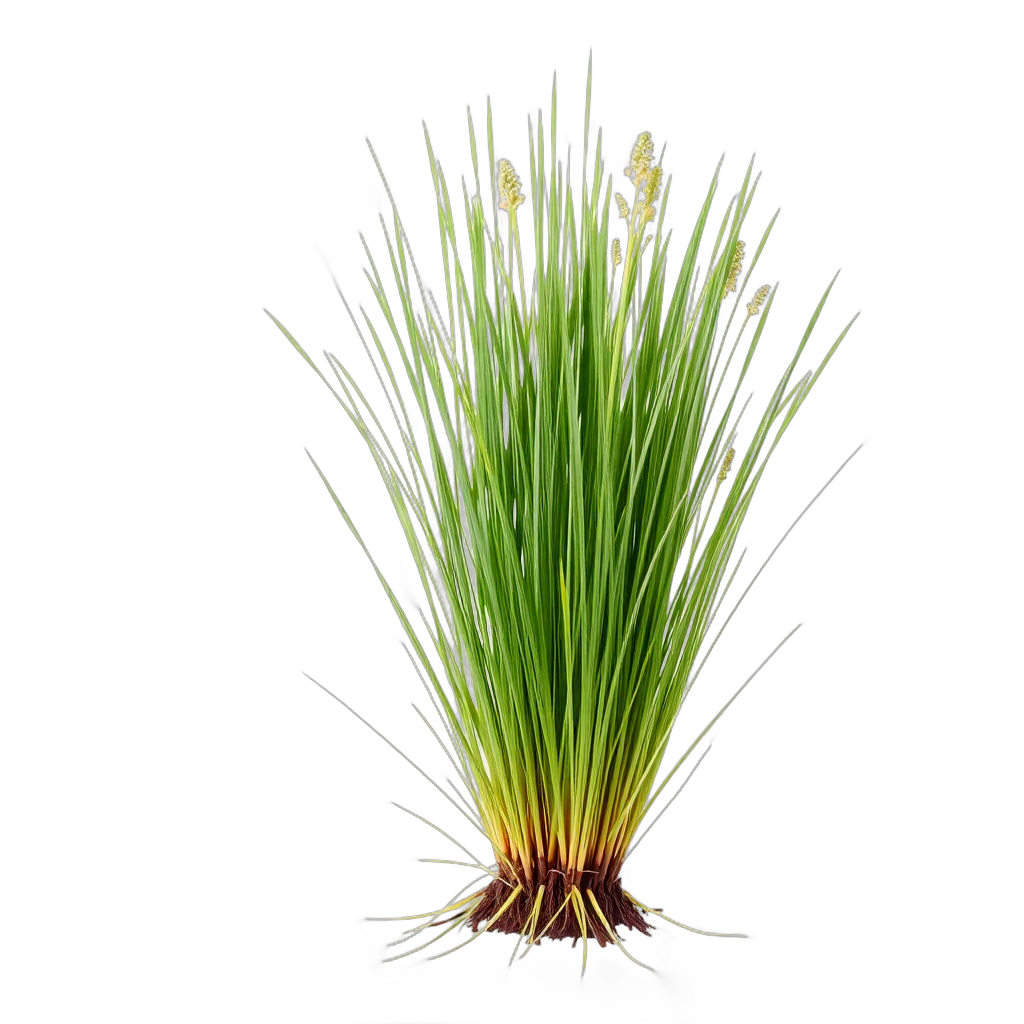
California Gray Rush
Juncus patens
low-growing ground cover, blooms in summer. Evergreen year-round.
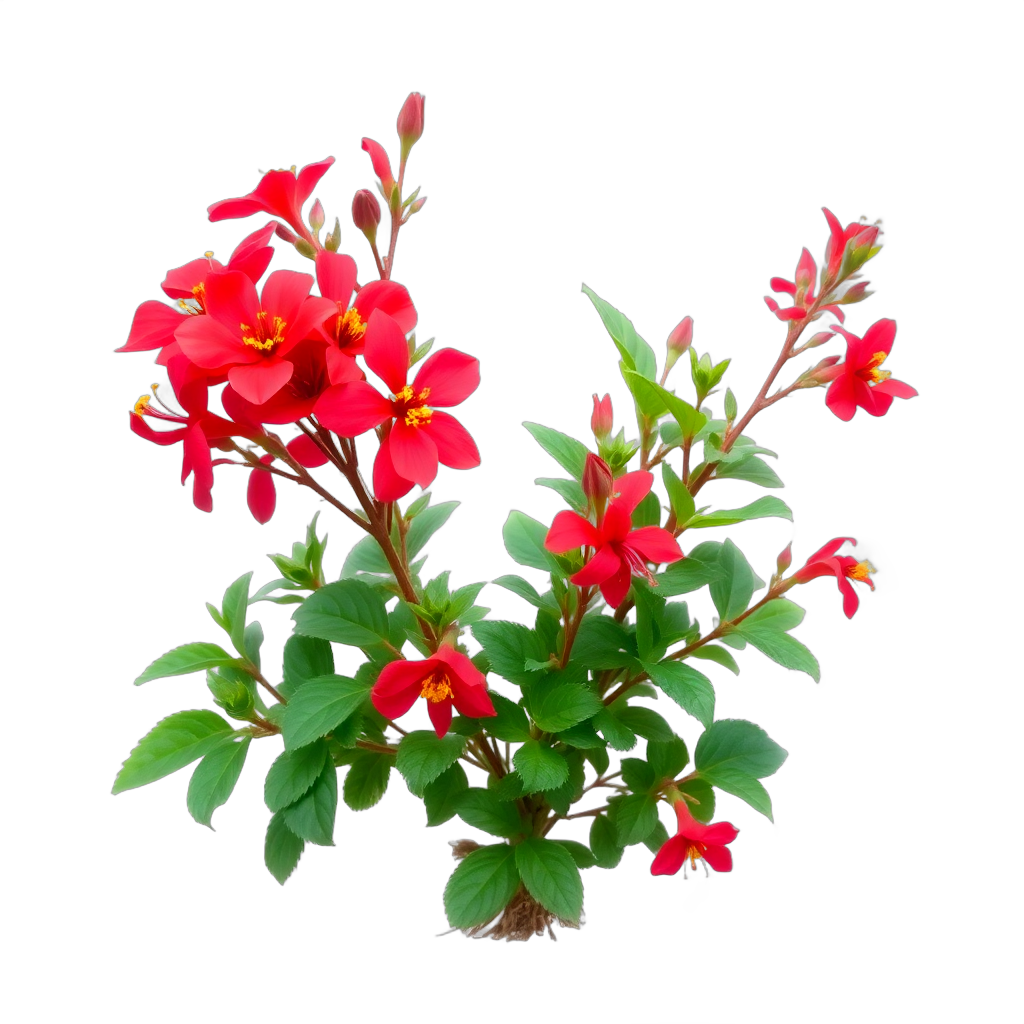
California Fuchsia
Zauschneria californica
low-growing ground cover, red blooms in fall. Attracts hummingbirds.
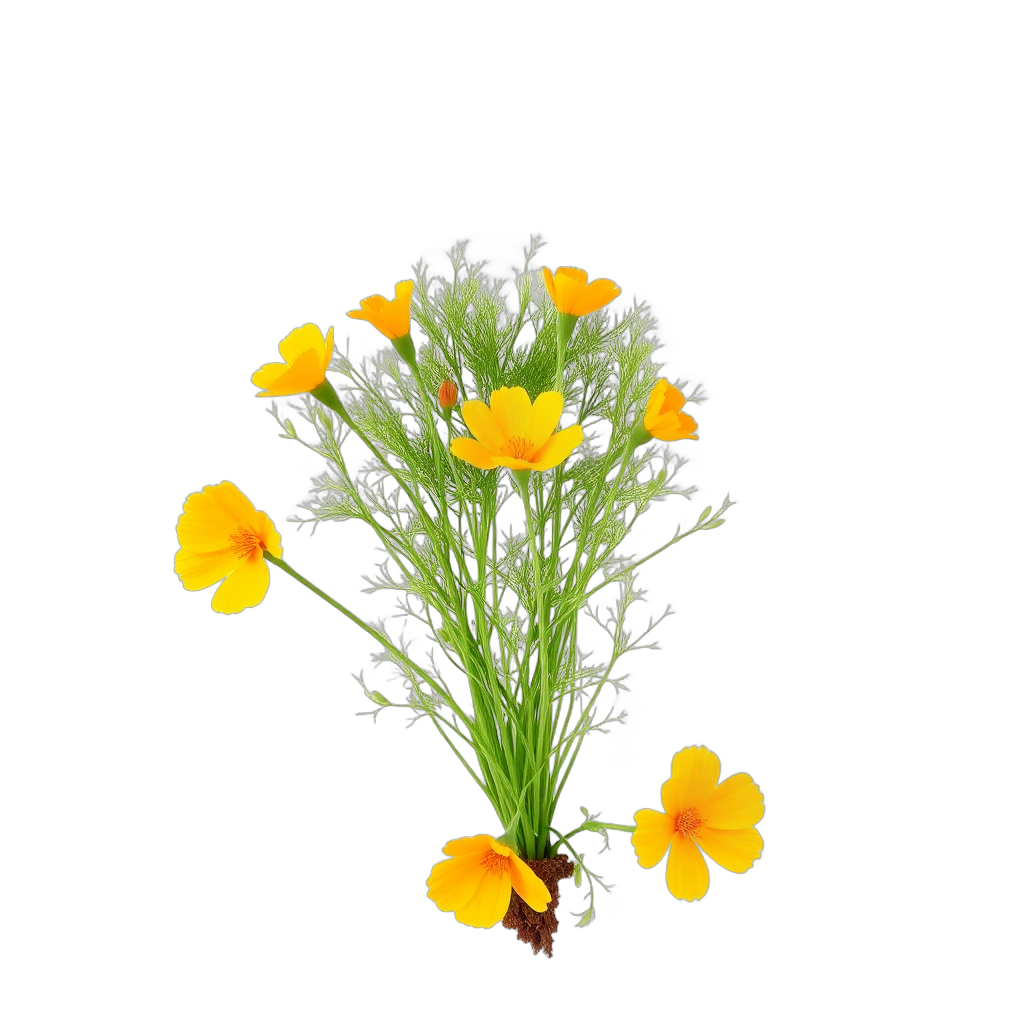
California Poppy
Eschscholzia californica
low-growing ground cover, orange blooms in spring.
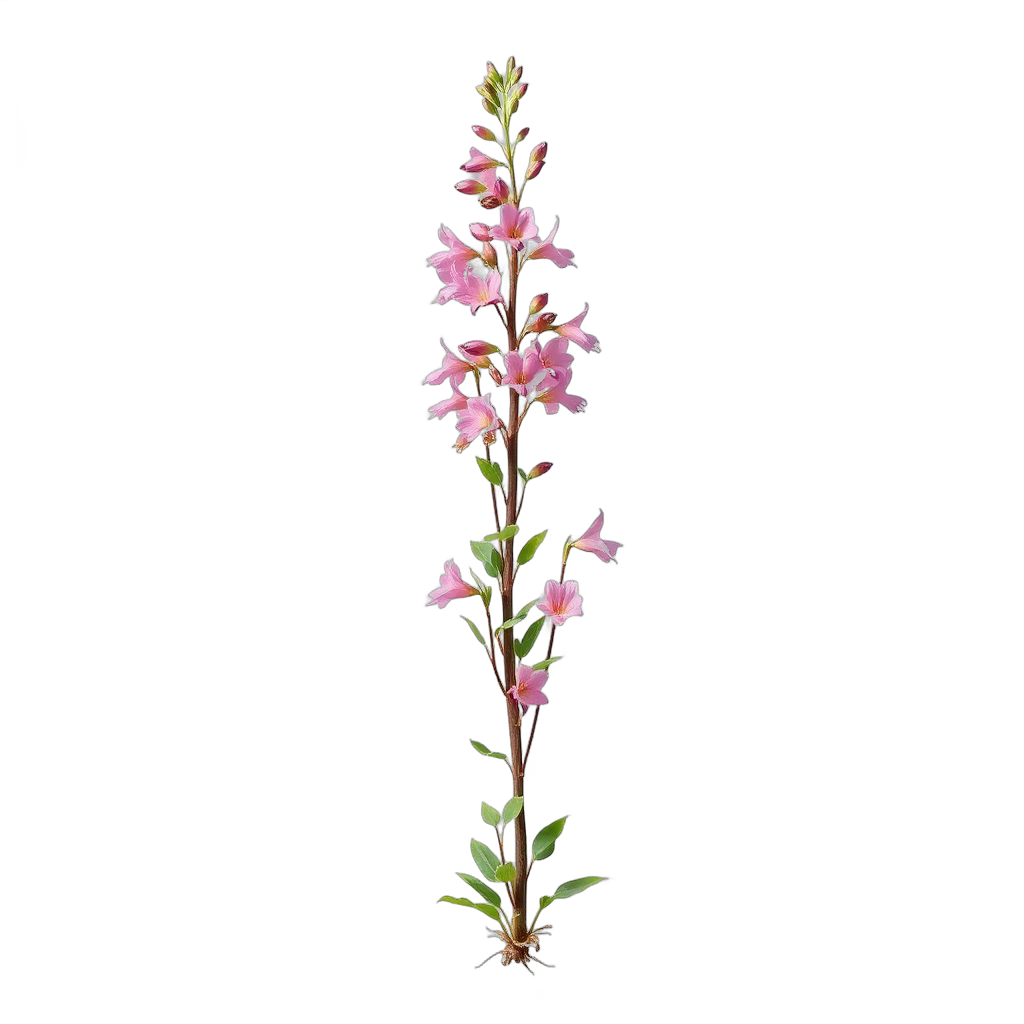
Foothill Penstemon
Penstemon heterophyllus
low-growing ground cover, blue blooms in spring. Attracts hummingbirds.
Zone and sun checks come from our database — confirm with your local nursery before you buy.
Bloom Calendar for Sunnyvale
spring
California Poppy, Foothill Penstemon, Foothill Sedgesummer
California Gray Rush, Black Sage, California Buckwheatfall
California Fuchsia, Deer Grasswinter
Limited bloomsDesign Tips for Sunnyvale (Zone 9b)
- Plant in October and November, not spring - Sunnyvale's rain arrives in November and a border set out in autumn establishes on winter rainfall instead of your water bill, then hits its first April flowering already rooted
- Build borders up, never down: 8-12 inches of compost and bark fines above the native alkaline clay loam is the single change that separates a thriving Sunnyvale rose bed from a waterlogged one, and it fixes the summer hardpan at the same time
- Run the garden on two irrigation zones - Rosa, Digitalis and Hydrangea on one, Lavandula x intermedia 'Provence', Salvia nemorosa 'Caradonna' and Erigeron karvinskianus on a much leaner second - because in a five-month dry season a single shared schedule kills one group or the other
- Use Lavandula and Nepeta x faassenii 'Walker's Low' as the summer scaffolding and treat Delphinium and Digitalis as the April-to-June guest stars; that swap is what keeps a Zone 9b cottage border looking full in September
- Keep lawn as a deliberate shape - an oval, a rectangle, a green rug at the porch - rather than as leftover space; a small crisp lawn edged in steel reads as English garden design, while a large one reads as a water bill and disqualifies you from Valley Water's lawn conversion rebate
- Give roses morning sun and airflow: Sunnyvale's summer nights and fog drive powdery mildew far more than blackspot, so drip-water at the root, avoid overhead spray, and leave 3 ft between shrub roses instead of the 2 ft the label suggests
- Mulch 3 inches deep every autumn before the rains - it is the cheapest frost blanket for a 25-30 degree F night, the best defence against August-baked clay, and it lets Digitalis and Erigeron self-sow into a soft surface
Where to Source Plants in Sunnyvale
Skip the big-box stores. These independent Sunnyvale nurseries specialize in the plants that make cottage/english gardens thrive in Zone 9b.
Central Wholesale Nursery
McKinley Ave, San Jose
Third-generation family nursery (est. 1974) open to the public; one of the South Bay's largest ranges of water-wise shrubs, Japanese maples, fruit trees and Italian pottery
Wegman's Nursery
Woodside Road, Redwood City
Independent Peninsula nursery with an unusually strong rose, fruit tree, berry and bulb selection, plus in-person garden consultations
Grassroots Ecology Native Plant Nursery
East Bayshore Road, Palo Alto
Non-profit nursery growing locally native Santa Clara, San Mateo and Santa Cruz County species from seed and cuttings; public sales run in the fall and winter planting season
Almaden Valley Nursery
Almaden Expressway, San Jose (~18 miles)
Long-running independent garden centre with a deep shrub, fruit tree and perennial bench, plus pottery and soil amendments suited to Santa Clara Valley adobe
Cottage/English Landscaping Costs in Sunnyvale
| Project Scope | Estimated Cost |
|---|---|
| Front-yard cottage border conversion (400-600 sqft, planting + edging + drip) | $12,000 - $28,000 |
| Flagstone or brick walkway and terrace, installed (150-300 sqft) | $6,000 - $18,000 |
| Painted cedar rose pergola or arbour, built on site | $4,500 - $16,000 |
| Full rear cottage garden: lawn, stone terrace, deep borders, irrigation | $35,000 - $90,000 |
| Spray-to-drip conversion plus weather-based controller | $2,500 - $6,500 |
| Soil build-up: compost, bark fines and mulch for 500 sqft of border | $900 - $2,400 |
| AI visualization with ProScapeAI | Free to start |
Estimates based on Sunnyvale, CA-area contractor rates as of 2026. Actual costs vary by site conditions, materials, and contractor.
Sunnyvale Climate & Growing Zone
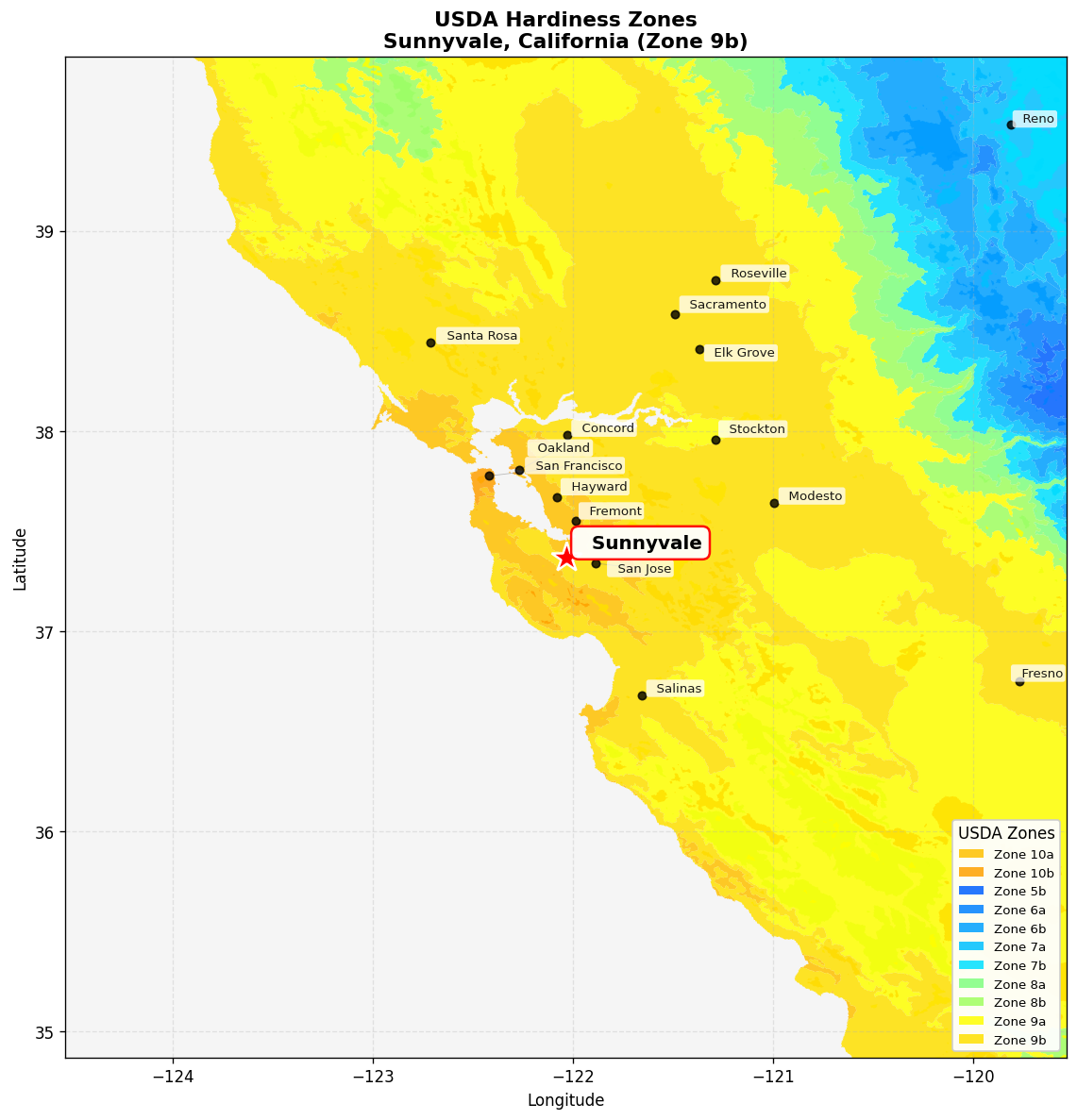
USDA Zone 9b
Hardiness zone for Sunnyvale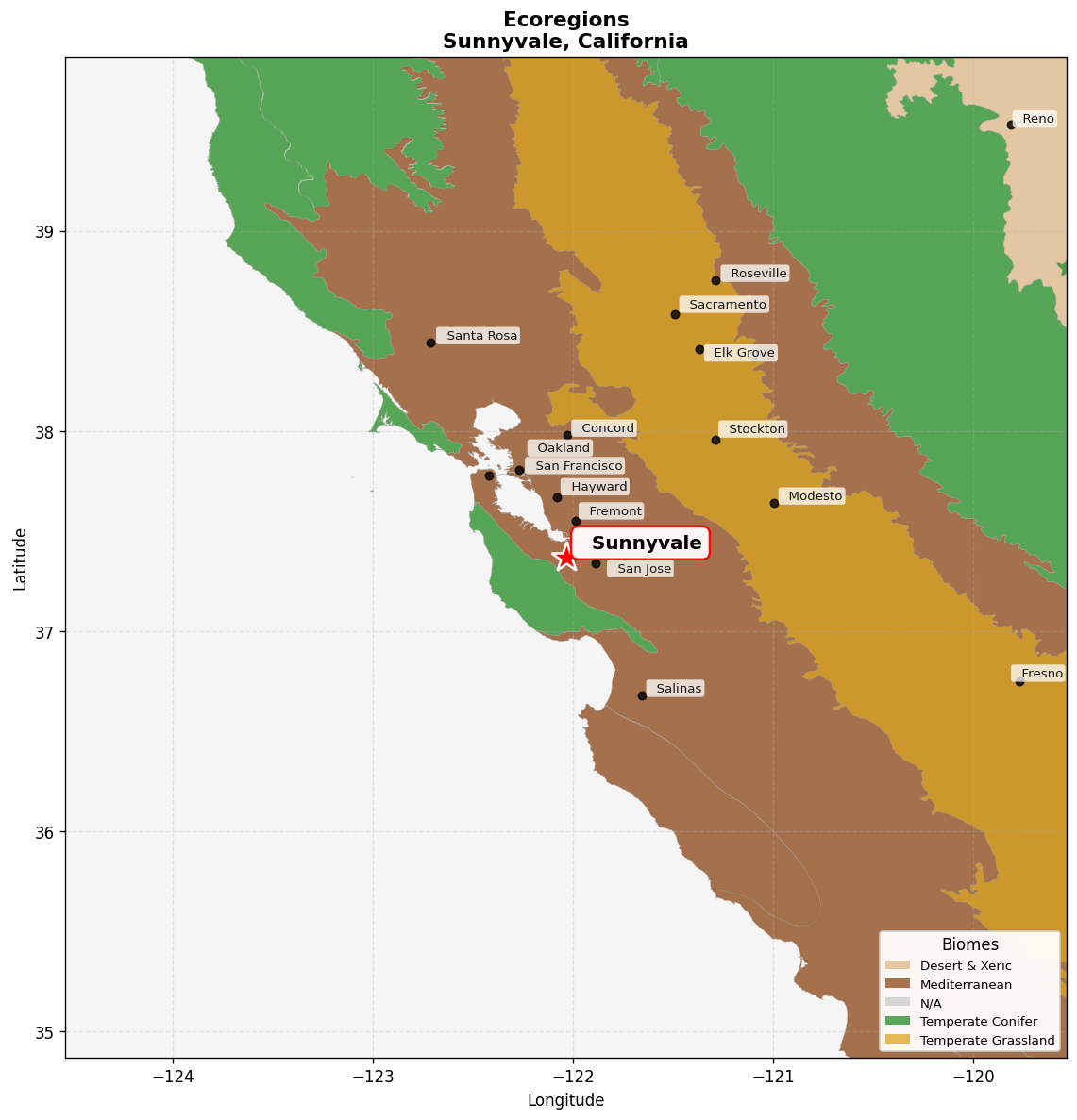
California interior chaparral and woodlands
Native ecoregionFrequently Asked Questions
How much does a cottage garden cost in Sunnyvale?
Budget Bay Area rates, which run 30-50% above national averages. A front-yard conversion of 400-600 sqft with borders, a brick or flagstone path, edging and drip lands between $12,000 and $28,000 installed. A painted cedar rose pergola or arbour built on site is $4,500-$16,000 depending on span and footings. A full rear cottage garden with lawn, a stone terrace, deep borders and irrigation on a typical 6,000-8,000 sqft Sunnyvale lot generally runs $35,000-$90,000. Doing the planting yourself after paying a crew for hardscape and irrigation typically cuts 25-35% off the total, and a 15-gallon Rosa 'Iceberg' standard runs $90-$160 at local nurseries versus $28-$45 for a 5-gallon bush.
Which roses actually thrive in Sunnyvale's climate?
The workhorses are Rosa 'Iceberg' and its climbing form, Rosa 'Cecile Brunner', Rosa 'Sally Holmes', Rosa 'New Dawn' and Rosa 'Eden'. Sunnyvale's rainless summers mean blackspot is rarely the problem it is in the East; the local disease is powdery mildew, driven by cool foggy mornings, so give roses 6+ hours of direct sun, space them for airflow and water at the root with drip rather than overhead. Because Zone 9b winters only dip to 25-30 degrees F, roses here never fully sleep: prune in mid-January, strip any remaining leaves to force dormancy, and expect the first flush by late March. David Austin varieties such as Rosa 'Gertrude Jekyll' and Rosa 'Crown Princess Margareta' perform well but want the extra water and afternoon shelter.
Can I grow foxgloves and delphiniums in Zone 9b?
Yes, but treat them as a cool-season act rather than permanent residents. Set out Digitalis purpurea 'Camelot Rose' and Delphinium elatum 'Guardian Blue' as transplants in October and November so they root through the wet winter; they will spike from April into June and then decline once daytime temperatures settle into the 80s. Most Sunnyvale gardeners pull them in July and slide in Salvia nemorosa 'Caradonna', Achillea millefolium 'Moonshine' or Verbena bonariensis to hold the same vertical line through the dry months. Digitalis will self-sow into mulched clay borders if you leave a few spikes to ripen, which is the cheapest way to keep the look going year after year.
What do I do about Sunnyvale's clay soil?
The valley floor is deep alluvial clay loam, usually alkaline at pH 7.0-8.0, and it drains slowly in winter and sets hard in summer. Do not dig deep holes and backfill them with soft potting mix; in clay that creates a sump that drowns roots. Instead build borders up 8-12 inches with a compost and bark-fines blend behind steel or brick edging, then top with 3 inches of mulch each autumn. Never cultivate the ground while it is wet, or you will destroy structure for years. If Hydrangea macrophylla or citrus go yellow between the veins, that is iron chlorosis from the alkaline pH, treatable with chelated iron and long-term acidifying mulch. In north Sunnyvale near the baylands, run a soil test first: salinity can be an issue.
How much water does a cottage garden use here, and what are the rules?
Sunnyvale averages about 15 inches of rain, essentially all of it November through April, so plan on irrigating from roughly June through mid-October. A drip-irrigated cottage border of roses and mixed planting typically uses 25-40% less water than the lawn it replaced, largely because drip loses nothing to overspray and evaporation. California's Model Water Efficient Landscape Ordinance applies to new or rehabilitated landscapes over 500 square feet that require a permit, and Valley Water runs a per-square-foot landscape rebate for Santa Clara County homeowners converting lawn to low-water planting; confirm the current rate and cap before you finalise the design. Split the system into at least two zones so Rosa and Digitalis beds are not tied to the same schedule as Lavandula x intermedia 'Provence'.
When is the best time to plant in Sunnyvale?
October through early December, without contest. Planting into warm soil just as the winter rains arrive gives roots four or five months to establish before the first dry heat, and it can halve the first summer's irrigation bill. February and March are the second window, and the season when bare-root roses and fruit trees hit local nurseries. Avoid planting from June through September: nothing dies faster here than a new one-gallon plant in unamended clay in a rainless August. Hardscape - paths, terraces, pergola footings - can be built almost any month, though contractors typically pause pours during the heaviest January storms.
Do I need a permit for a cottage garden in Sunnyvale?
Planting, mulching, bed edging, drip irrigation and at-grade paths generally do not need one. Permits typically come into play for retaining walls above a set height, roofed structures, electrical for garden lighting, and fences over the height the city allows in a front setback - and the thresholds and review process are the city's to state, not ours, so call Sunnyvale's planning counter before you build anything vertical. Larger landscape renovations that require a permit also trigger the state water efficiency documentation described above. Treat the permit question as a design input at the start rather than a surprise halfway through the build.