Modern Landscaping Ideas for Syracuse, NY | Zone 5b Design
Native plants from the Eastern Great Lakes lowland forests (Zone 5b) — Humid continental (warm summer) climate
Why Modern/Minimalist Gardens in Syracuse?
Modern landscape design has an unusually good canvas in Syracuse, because the city is full of good modern houses that were never given a modern garden. The postwar ranch and split-level stock across Bradford Hills, Nob Hill, Meadowbrook, DeWitt and Jamesville was built with exactly the horizontal lines, low rooflines and wide picture windows that clean-line landscaping is designed to amplify, and most of those houses are still wearing a foundation planting of overgrown yews from 1968. Add the contemporary infill going up around Manlius, Fayetteville and Skaneateles, the glass-and-steel renovations on the hill near Syracuse University, and the courtyard-scale spaces behind the converted lofts of Armory Square and Franklin Square, and there is a real appetite here for gravel, concrete, mass planting and restraint instead of another kidney-shaped mulch bed.
The design constraint that governs everything in Syracuse is not heat or drought — it is freeze-thaw and roughly 127 inches of snow a year, the highest total of any large U.S. city. Modern design leans on large uninterrupted planes of concrete and stone, and those planes are exactly what our winters attack. A monolithic slab needs sawcut or tooled control joints roughly every 8 to 10 feet, a properly compacted crushed-stone base, and footings for anything vertical set below the local frost line, which runs around 42 to 48 inches here. Get that right and the payoff is enormous: a garden that is under snow from December into March lives or dies on structure, and structure is what modern design is made of. Frozen ornamental grasses, a dark hedge line, a steel-edged gravel field and the geometry of the paving itself carry the view from the kitchen window for four months of the year, which is more than any flower border in Onondaga County manages.
Plant selection is where imported modern schemes fail locally. The desert palette that defines this style in Phoenix or Los Angeles will not survive Zone 5b lows of -10°F to -15°F, and true agaves are simply not hardy here. The substitutions are excellent and completely convincing: Yucca filamentosa 'Color Guard' and Yucca flaccida 'Golden Sword' give the same sculptural rosette down to Zone 4, hardy Sempervivum 'Royanum' and Jovibarba heuffelii deliver the succulent-rosette look permanently where echeveria would be a one-summer annual, and Opuntia humifusa is a genuinely native New York cactus. For mass planting, choose grasses that stand up under wet lake-effect snow rather than collapsing in November: Calamagrostis x acutiflora 'Karl Foerster' and Panicum virgatum 'Northwind' stay vertical into January, while Schizachyrium scoparium 'Standing Ovation' and Sporobolus heterolepis hold a tidy dome. For evergreen mass, Buxus 'Green Velvet' from the Ontario-bred Sheridan series handles our winters far better than English boxwood, though on a windy, west-facing exposure Taxus x media 'Densiformis' or Ilex glabra 'Shamrock' avoid winter burn altogether. Thuja occidentalis 'Techny' outperforms 'Emerald Green' as a hedge here specifically because it does not splay open under a heavy snow load.
Two local ground rules finish the picture. First, salt: Onondaga County spreads tens of thousands of tons of road salt each winter and plow spray carries 15 to 25 feet, so the band nearest the street and driveway belongs to Panicum virgatum 'Shenandoah', Perovskia 'Blue Spire', Juniperus chinensis 'Sea Green' and Hemerocallis, never to a clipped boxwood edge you will be replacing every third spring. Second, water: Syracuse drinks unfiltered water from Skaneateles Lake and imposes no summer watering bans, but state law bans phosphorus lawn fertilizer without a soil test, prohibits any lawn feeding between December 1 and April 1, and requires a 20-foot setback from waterways — while Onondaga County's Save the Rain program has put well over $100 million into green infrastructure to keep combined-sewer overflows out of Onondaga Lake. A permeable gravel field, an open-jointed paver terrace or a sunken planted basin at the downspout is not just a modern aesthetic here; it is on the same side as the county.
4 Modern/Minimalist Design Ideas for Syracuse

The Mid-Century Ranch Reset
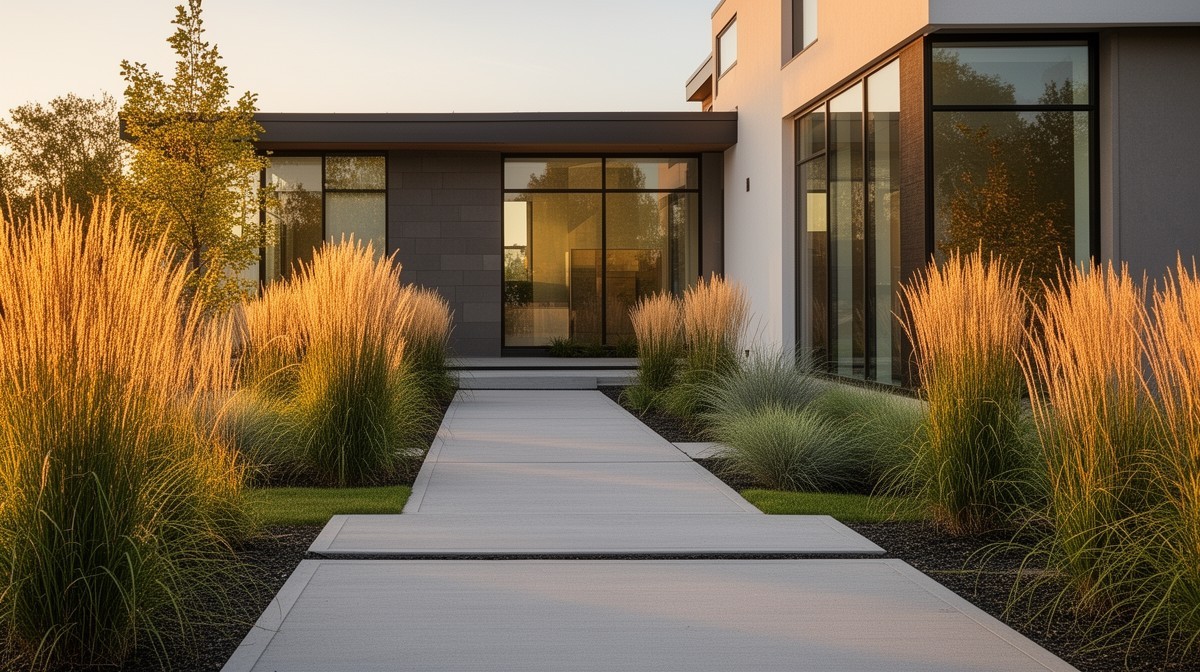
$14–26/sqftA low-slung single-story house with a shed roof, white stucco panels, warm vertical cedar cladding and floor-to-ceiling glass, approached by a straight, wide poured-concrete walk that runs from the curb to a tall dark door without a single curve. The lawn is left as two clean panels and all of the planting energy goes into long horizontal drifts along the facade: fine-textured mounding grasses repeated the full width, purple flower spikes threaded through them, white hydrangea heads lifting at the corners, bold paddle-leaved accents flanking the entry, and a pale boulder set flush in the mulch. A multi-stem maple in the lawn throws late-afternoon shadow across the glass, which is the whole point of the composition.

The Gravel Front Yard with Steel-Edged Beds
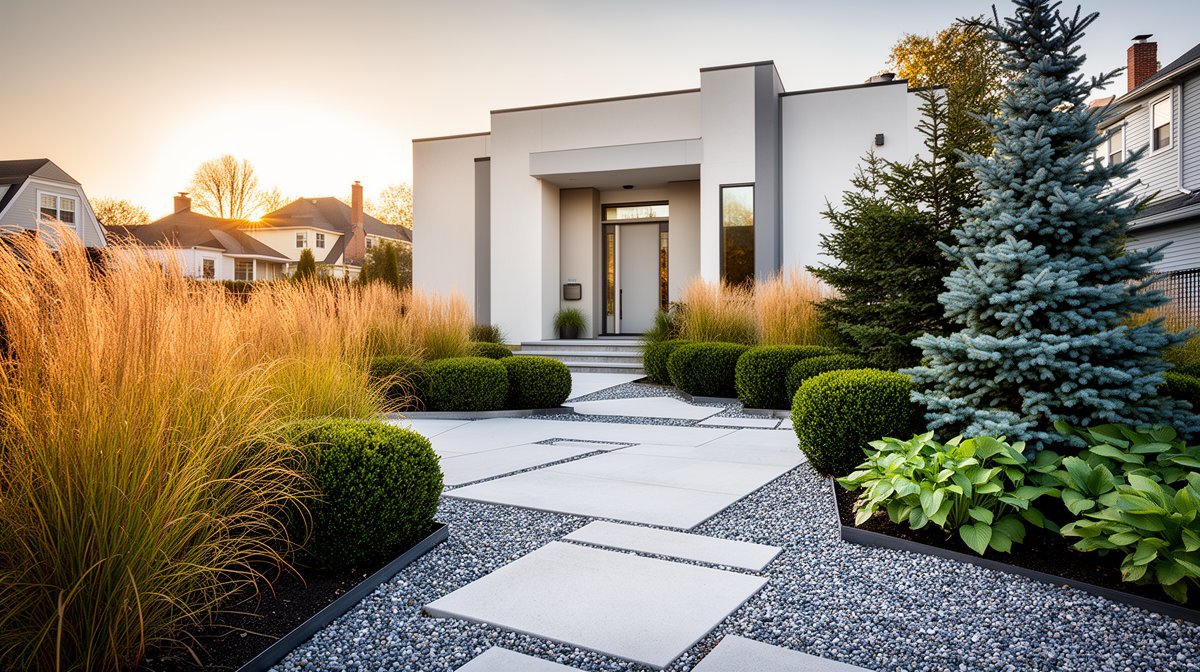
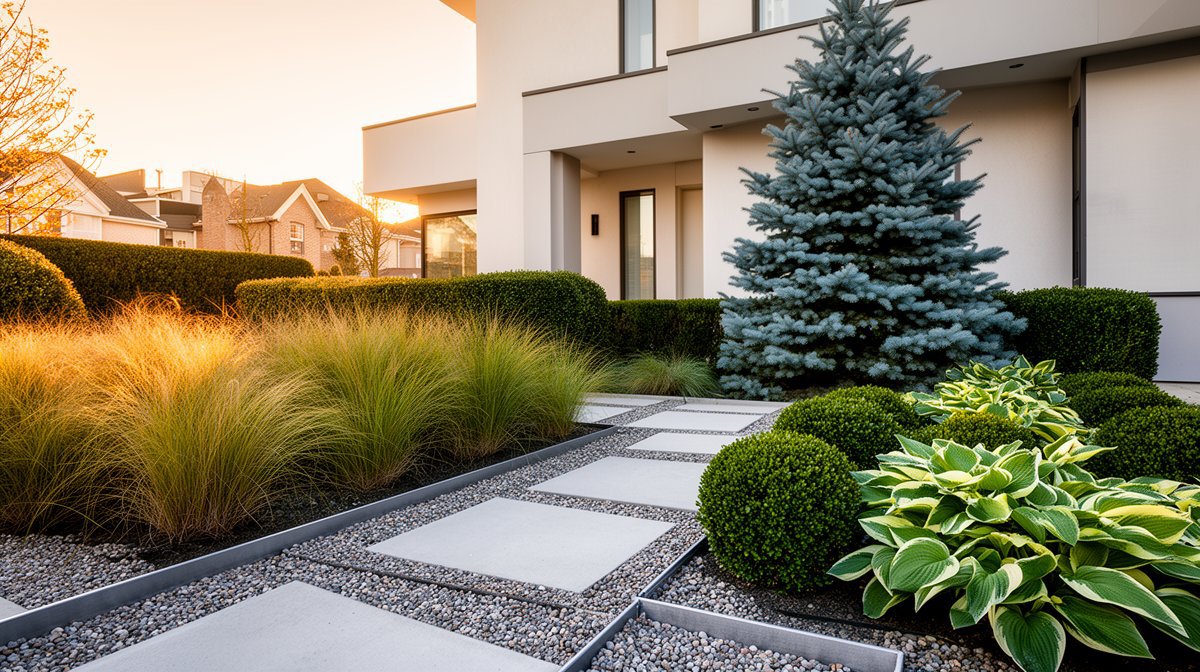
$9–18/sqftThe entire front lawn of a compact suburban ranch is gone, replaced by a field of warm pea gravel with crisp rectangular beds framed in weathering steel set into it like inlays. Each bed is a spare composition of rosette forms, blue-grey tufted grasses and a few yellow and violet flowers — sculptural, low, and readable from the street. It is the highest-impact conversion available on a small lot: no mowing, no irrigation, and, in a city that gets 127 inches of snow, an entire front yard you can pile snow on without killing anything. The one honest substitution is at the rosette level, where hardy Sempervivum and Jovibarba stand in for the tender echeveria this look uses in warmer states.

The Concrete Fire Terrace
$20–38/sqftA large square poured-concrete terrace, scored into a grid of control joints and bordered by a dark gravel-and-steel strip, sits out in the lawn rather than bolted to the back of the house. On it: a low modern sectional in cream, two matching lounge chairs and a round cast-concrete gas fire bowl at the centre, with catenary string lights strung between slim black poles overhead. The planting is deliberately quiet — mounded grasses and white flowers softening the terrace edge and running along a dark horizontal privacy fence — because at dusk in Syracuse the light, the fire and the geometry are doing all the work. Detached from the house, it also stays usable while the roof sheds snow.

The Glass-Wall Pool Court
$45–90/sqft (pool area inclusive)A white cubic two-story house with full-height black-framed glazing glows at dusk over a rectangular pool set in a pale, large-format paved deck. The landscape works entirely at the perimeter: broad beds of tall grasses run down both long sides, uplit from below so the plumes read as light rather than plants, slim bollards mark the deck edge, a dark clipped hedge closes the boundary, and a single purple-leaved ornamental tree breaks the green at one corner. Everything else is restraint — one paving material, one plant texture, one hedge line — which is what makes a Zone 5b pool court look intentional for the eight months a year nobody is swimming.
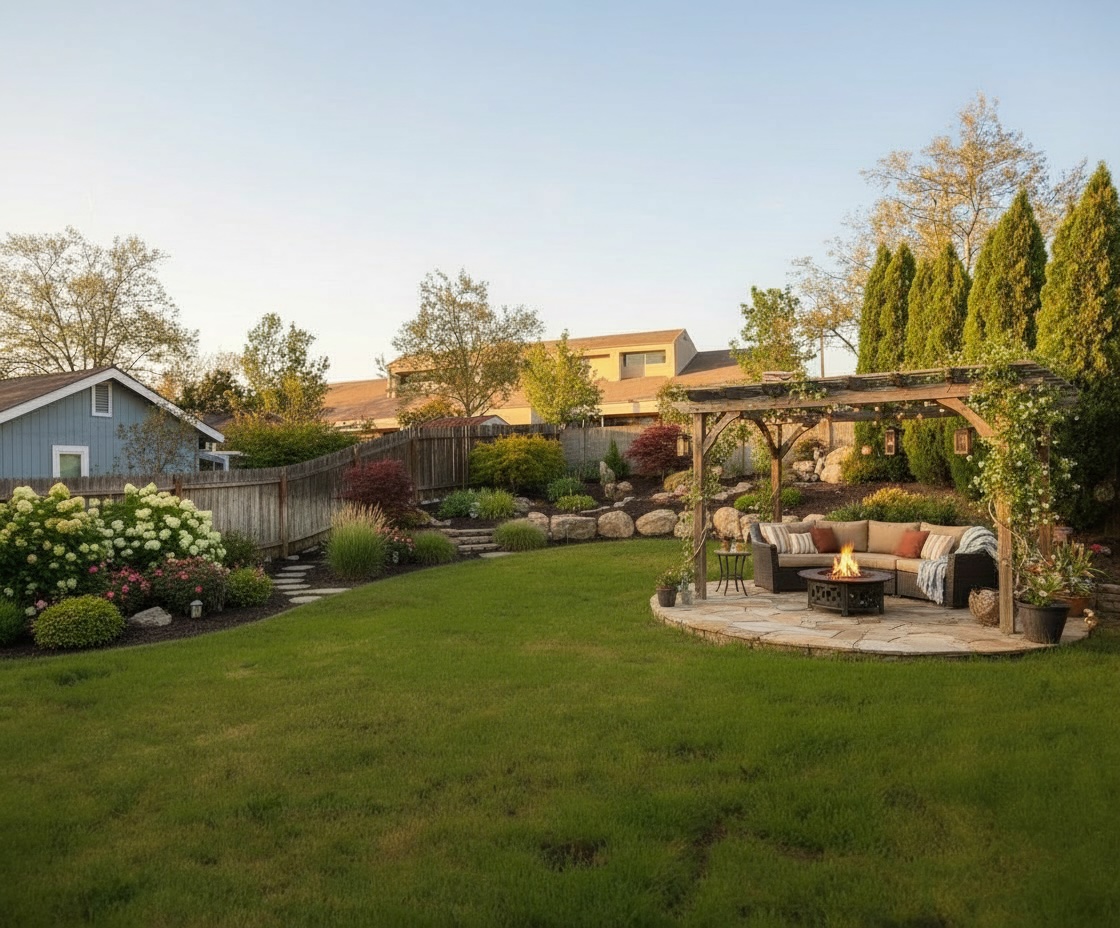
See how a modern/minimalist garden looks on YOUR property
Upload a photo of your Syracuse yard and visualize your dream garden in seconds.
Try ProScapeAI Free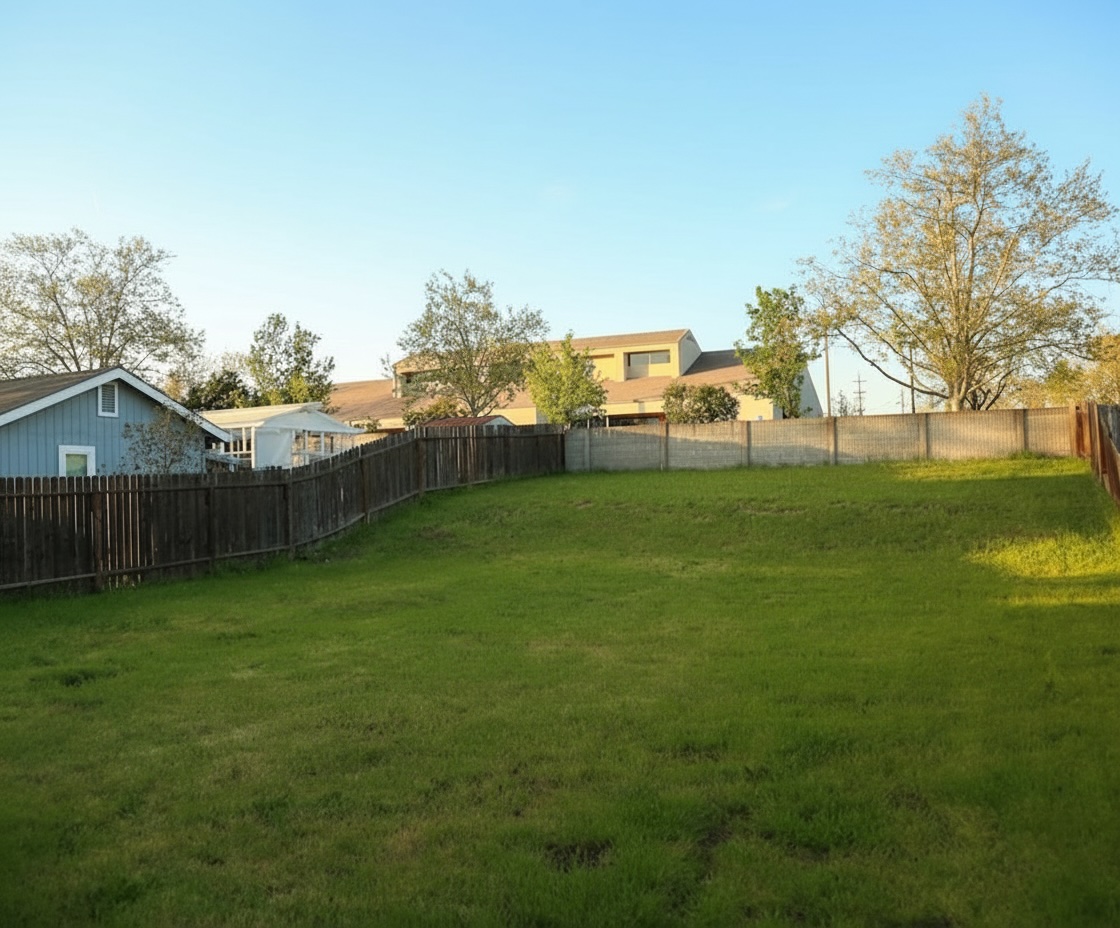
Featured Trees & Shrubs for Modern/Minimalist Gardens
Browse all 244 plants for Syracuse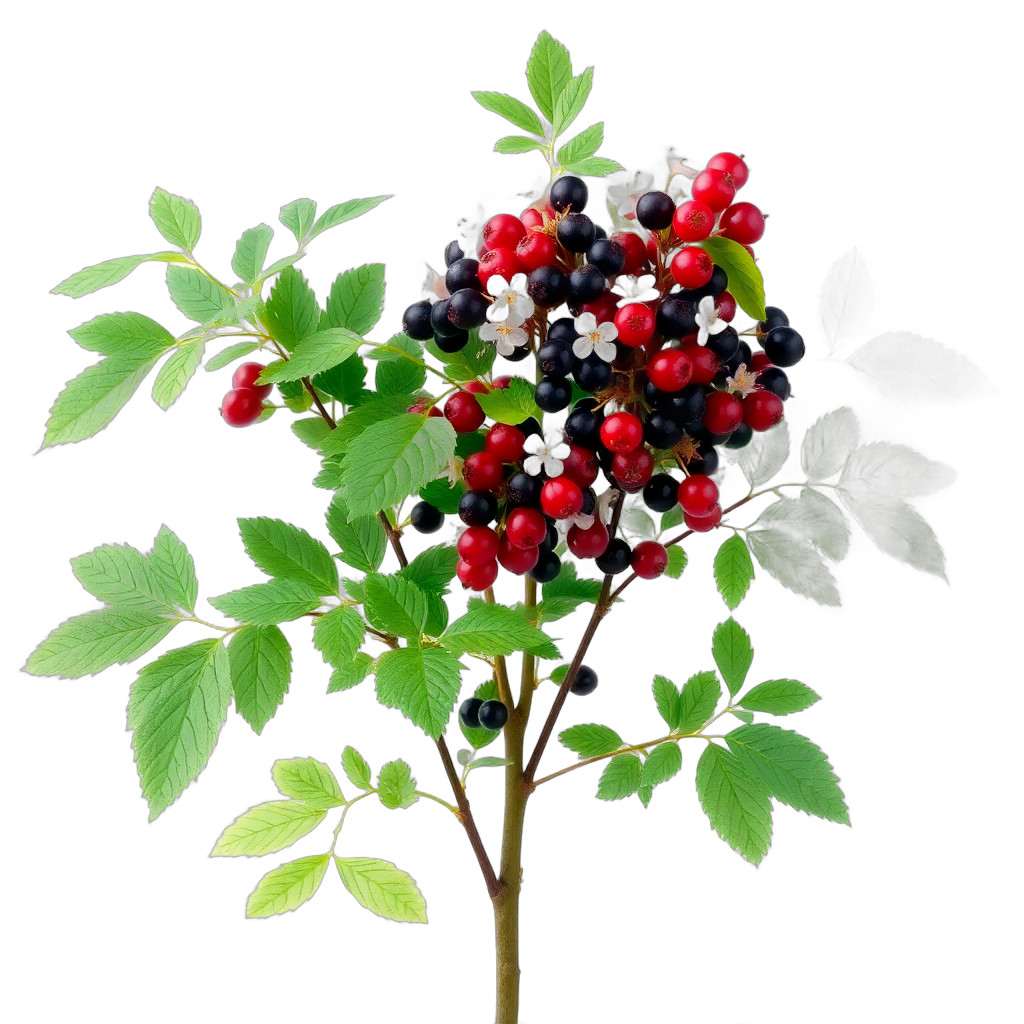
American Black Currant
Ribes americanum
grows to 5 feet, white,yellow blooms in spring. Attracts hummingbirds.
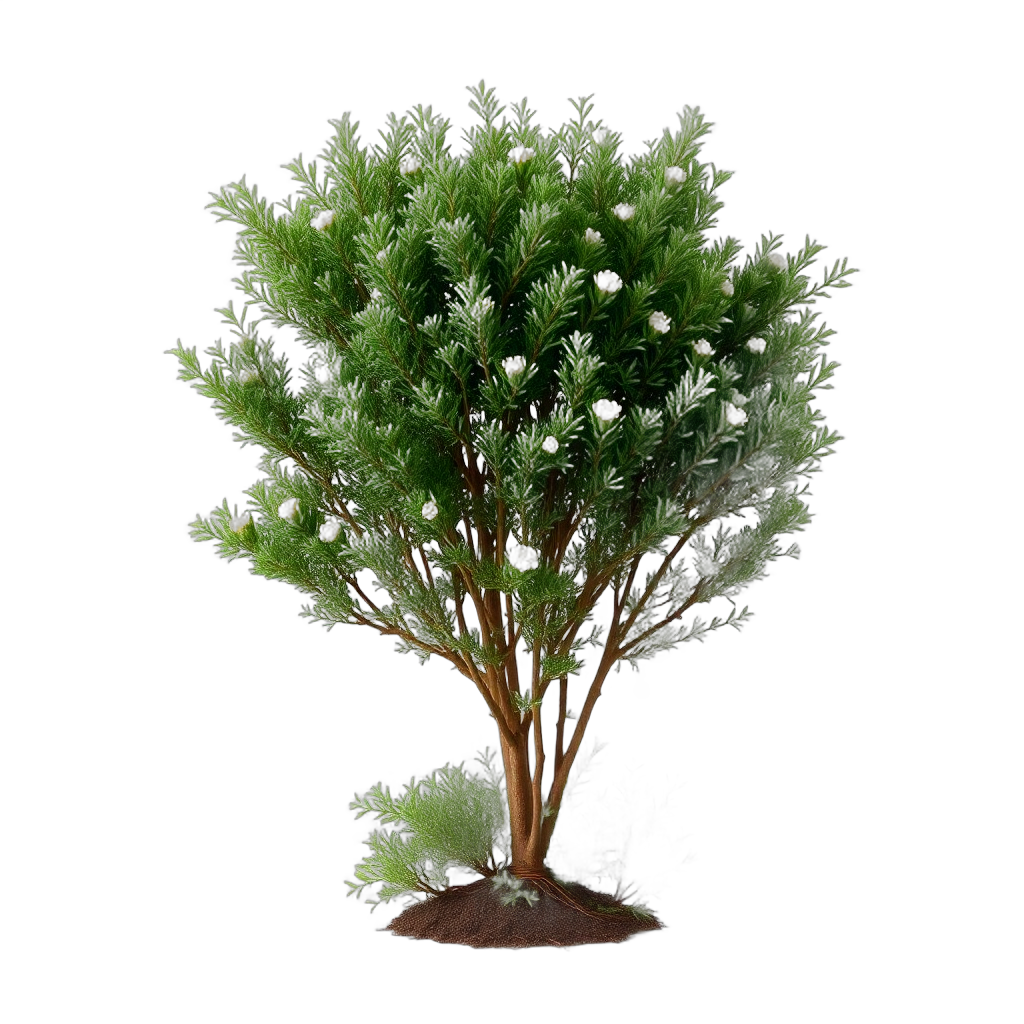
Creeping Juniper
Juniperus horizontalis
low-growing ground cover, blooms in spring. Evergreen year-round.
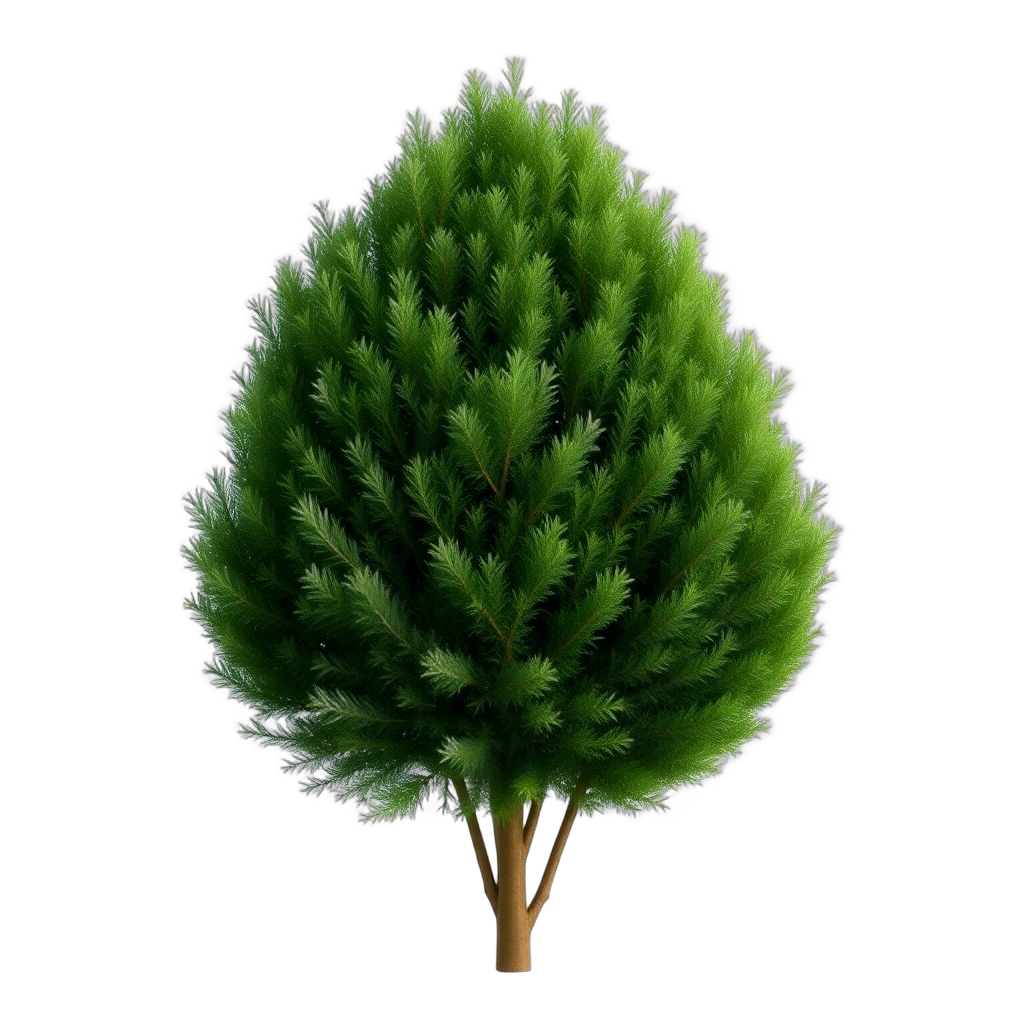
Emerald Arborvitae
Thuja occidentalis 'Emerald'
medium-sized at 14 feet, blooms in spring. Evergreen year-round.

Gray Dogwood
Cornus racemosa
medium-sized at 10 feet, white blooms in spring. Pollinator-friendly.
Featured Grasses & Groundcovers for Modern/Minimalist Gardens
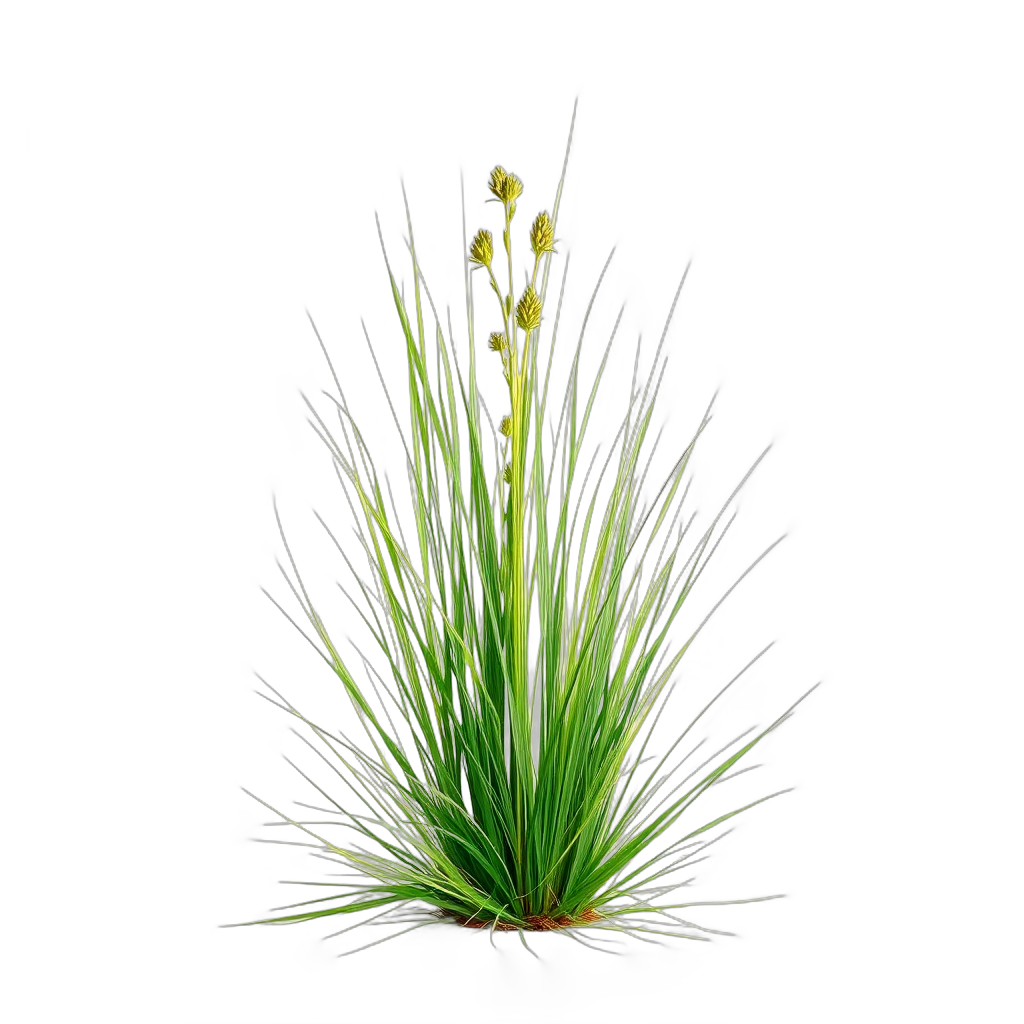
Canada Wild Rye
Elymus canadensis
grows to 4 feet, blooms in summer. Yellow fall color.

Red Fescue
Festuca rubra
low-growing ground cover, blooms in summer.
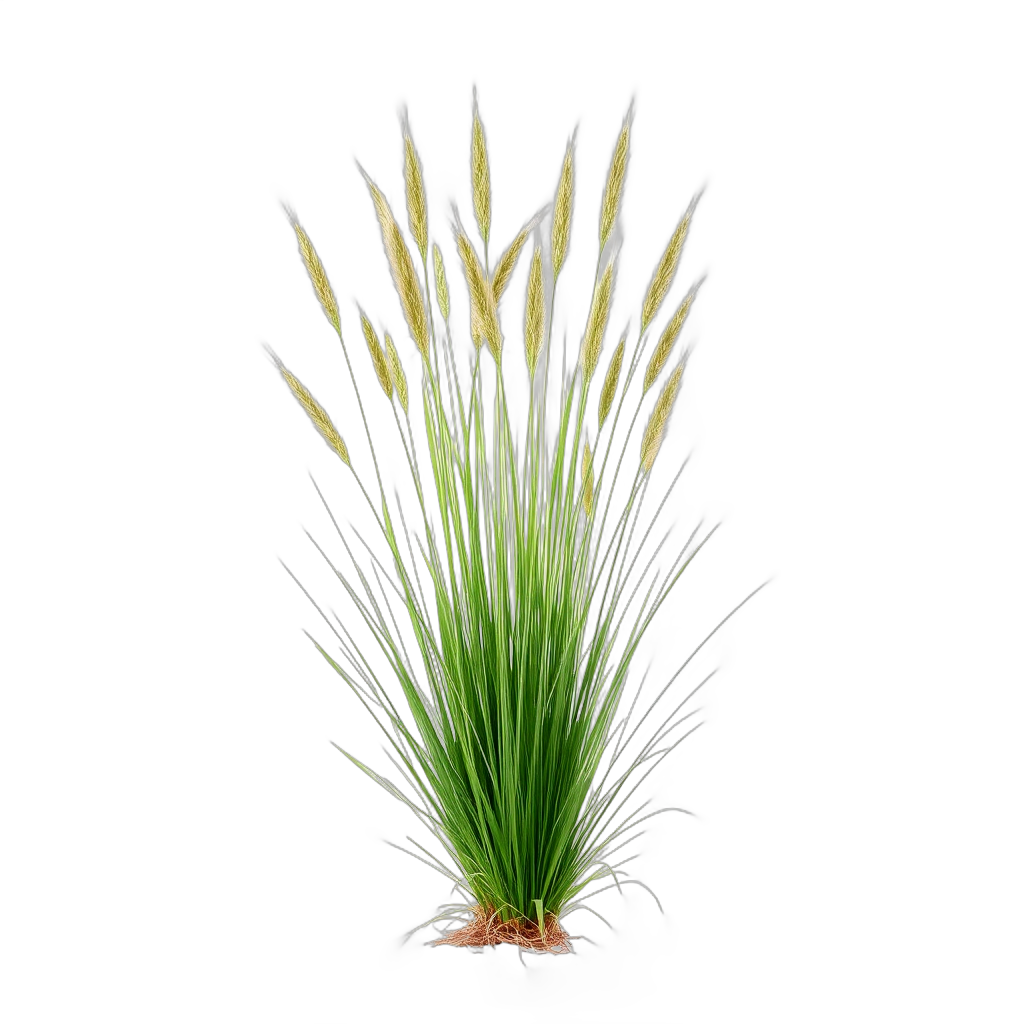
Tufted Hair Grass
Deschampsia cespitosa
grows to 3 feet, yellow blooms in summer. Yellow fall color.
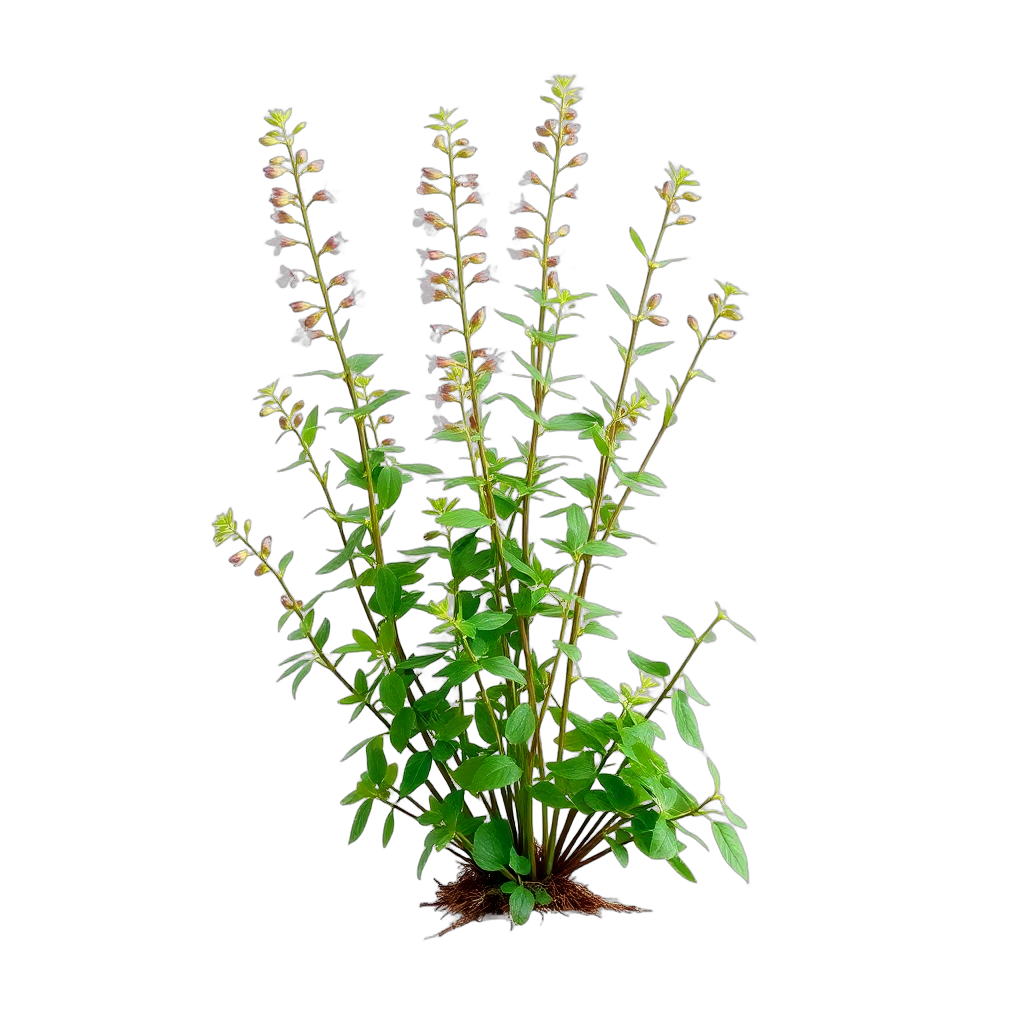
Creeping Jacob's Ladder
Polemonium reptans
low-growing ground cover, blue blooms in spring. Attracts butterflies.
Featured Flowers & Perennials for Modern/Minimalist Gardens
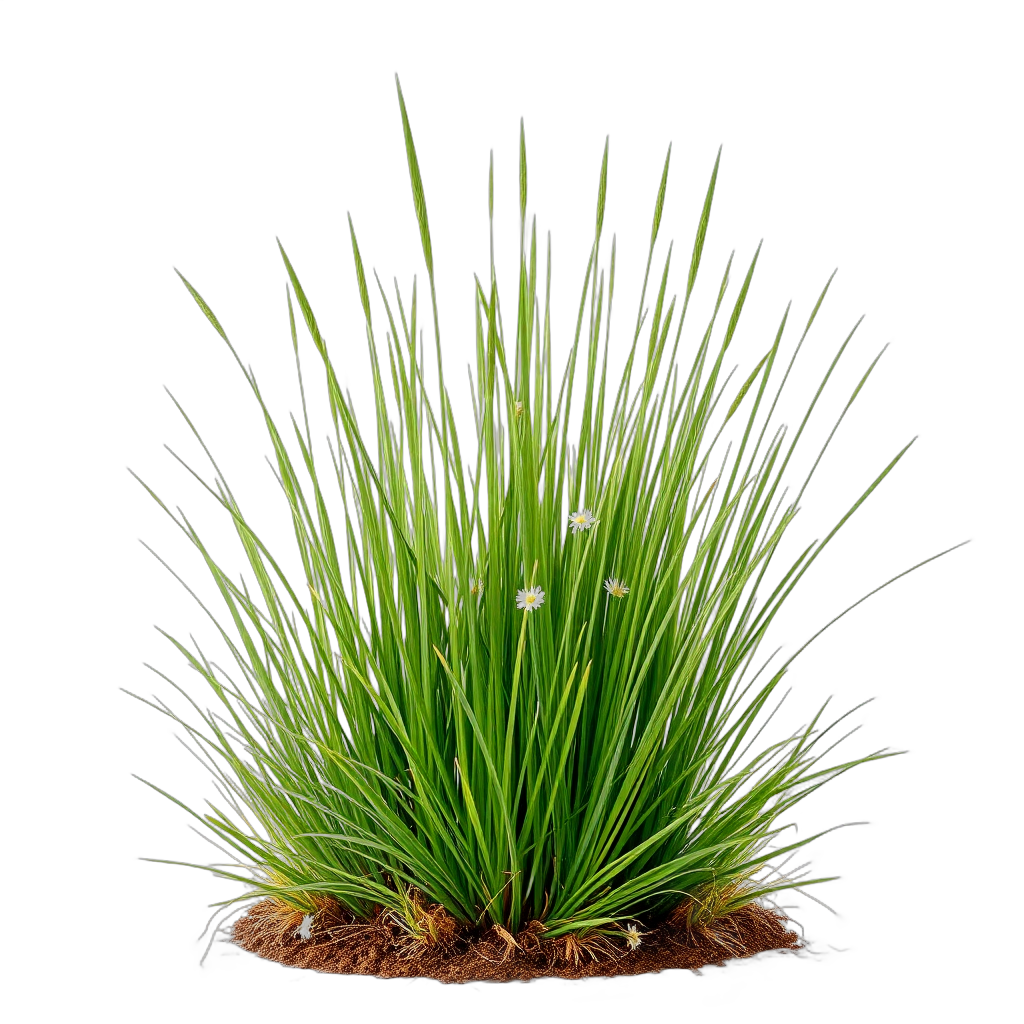
Baltic Rush
Juncus balticus
low-growing ground cover, blooms in summer. Evergreen year-round.
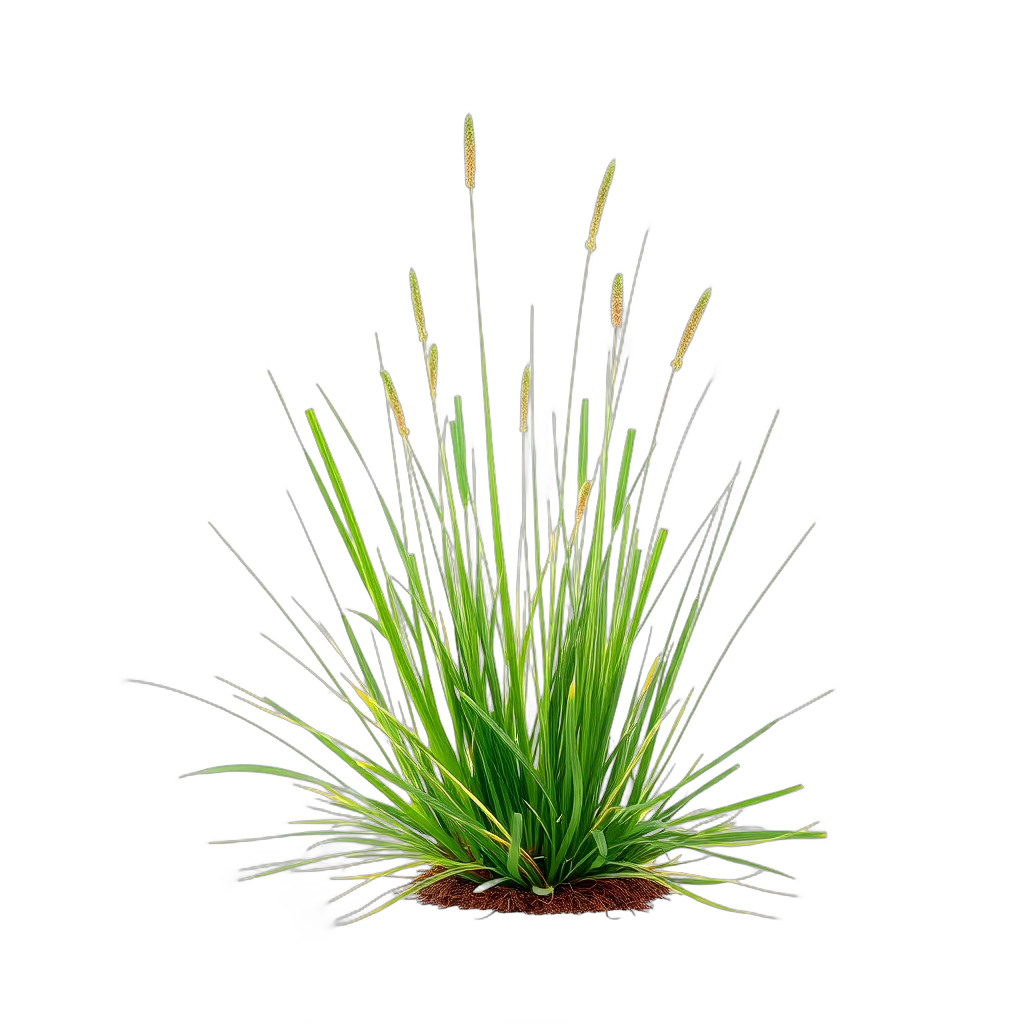
Common Rush
Juncus effusus
grows to 3 feet, blooms in summer. Evergreen year-round.
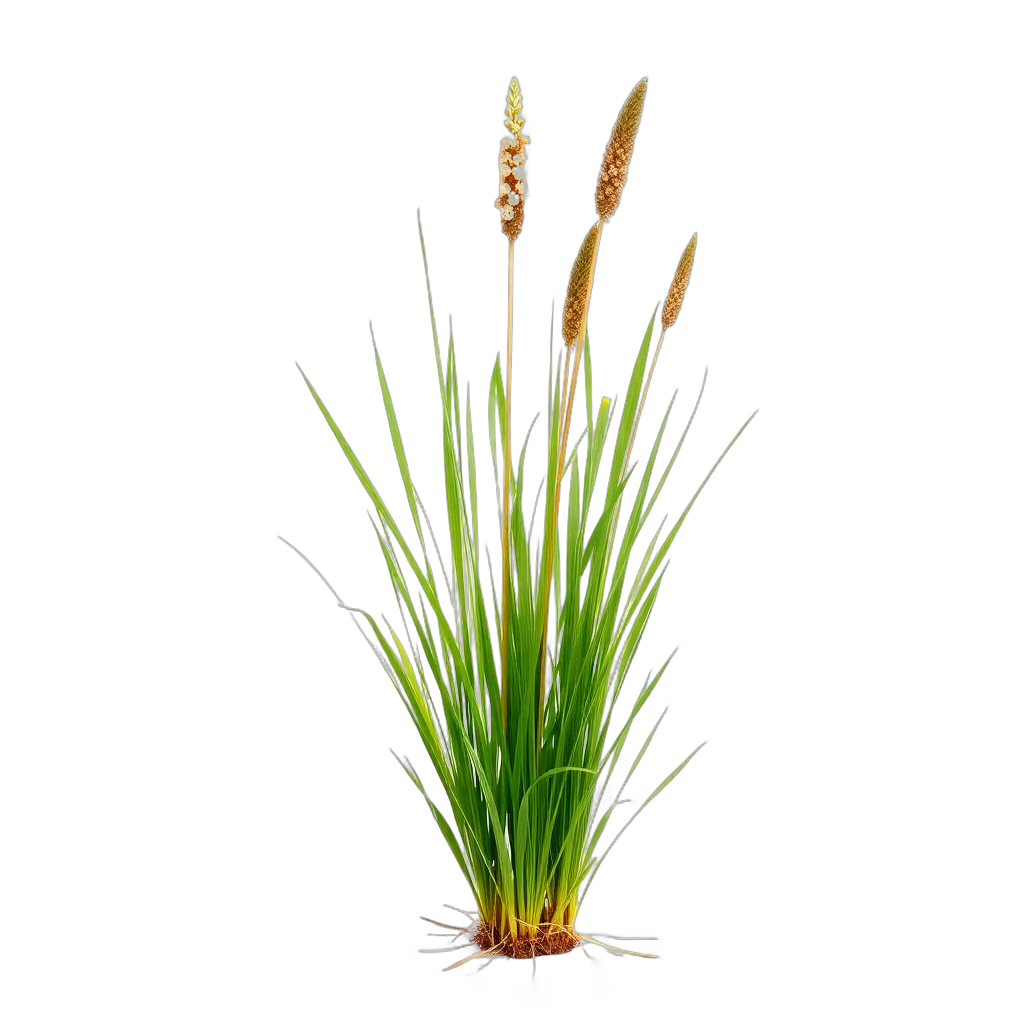
Hardstem Bulrush
Scirpus acutus
medium-sized at 7 feet, blooms in summer.
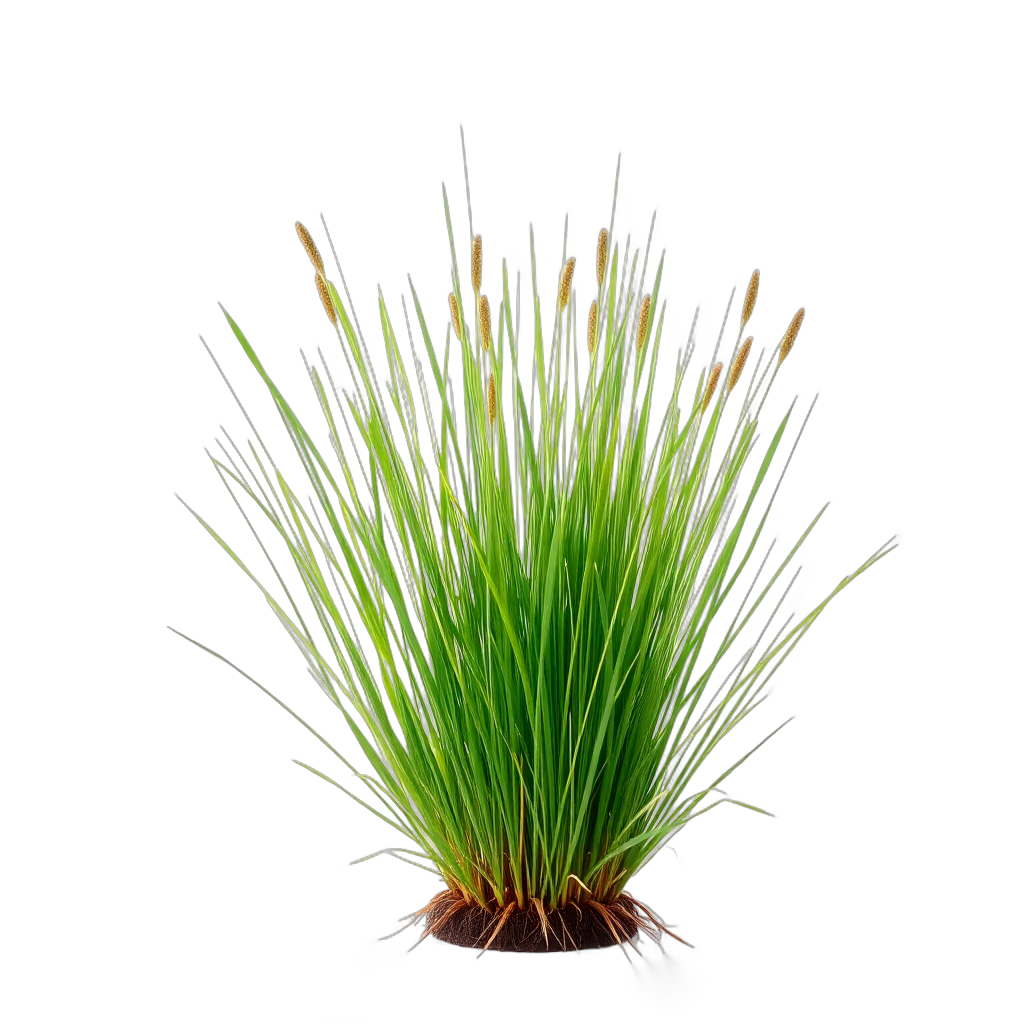
Path Rush
Juncus tenuis
low-growing ground cover, blooms in summer. Evergreen year-round.
Zone and sun checks come from our database — confirm with your local nursery before you buy.
Bloom Calendar for Syracuse
spring
Bellwort, Bloodroot, Blue-Eyed Grasssummer
Baltic Rush, Common Rush, Hardstem Bulrushfall
Pink Turtleheadwinter
Limited bloomsDesign Tips for Syracuse (Zone 5b)
- Draw the control joints as a design element before the concrete is ordered — a Syracuse slab will crack somewhere over 40 freeze-thaw cycles, so sawcut a grid every 8 to 10 feet and make the cracking part of the geometry
- Substitute Yucca filamentosa 'Color Guard' and Sempervivum 'Royanum' anywhere a warm-climate modern scheme calls for agave or echeveria; they read identically at 20 feet and they are hardy through -15°F
- Build every succulent and yucca bed raised and filled with a gravel-grit mix — in Zone 5b these plants die of a saturated March thaw, not of January cold, and drainage is the entire difference
- Choose grasses by snow behaviour, not just texture: Calamagrostis x acutiflora 'Karl Foerster' and Panicum virgatum 'Northwind' stand through lake-effect snow, and cutting them in late March instead of October buys you four months of winter structure
- Give the plow and the shovel a 3–5 foot gravel or cutback-tolerant band along every driveway and sidewalk; steel planters and boulder accents inside that band get hit, and Panicum virgatum 'Shenandoah' or Perovskia 'Blue Spire' in it will not care
- Use Thuja occidentalis 'Techny' rather than 'Emerald Green' for a modern hedge line, and Taxus x media 'Densiformis' or Ilex glabra 'Shamrock' on windy west-facing sites where boxwood browns out by March
- Light the vertical elements, not the lawn — Syracuse is dark by 4:45 pm in December, and uplighting the grasses, the hedge line and a single multi-stem Acer griseum is what makes the design earn its keep through winter
Where to Source Plants in Syracuse
Skip the big-box stores. These independent Syracuse nurseries specialize in the plants that make modern/minimalist gardens thrive in Zone 5b.
Sollecito Landscaping Nursery
Howlett Hill / Onondaga
Over 800 varieties selected for Central New York conditions, with the best local run of architectural conifers, upright grasses and specimen trees for clean-line designs
Chuck Hafner's Farmers Market & Garden Center
North Syracuse (Buckley Road)
Family-run since 1922; large perennial and shrub yard plus bulk gravel, compost and mulch — the practical source for gravel-garden and raised-bed conversions
Ballantyne Gardens
Liverpool (Hopkins Road)
Independent garden center known for hardy sempervivum and sedum, custom container arrangements and modern planter plantings, plus design consultation and workshops
Dickman Farms Greenhouses & Garden Center
Auburn (25 minutes west of Syracuse)
Third-generation grower producing its own perennials and grasses in volume — the place to buy 30 matching Calamagrostis or Sporobolus for a mass planting
Modern/Minimalist Landscaping Costs in Syracuse
| Project Scope | Estimated Cost |
|---|---|
| Front-yard gravel conversion with steel-edged beds (per sqft, installed) | $9 – $18 / sqft |
| Poured concrete terrace, 300–500 sqft, base and control joints included | $9,000 – $20,000 |
| Detached fire terrace with seating, lighting and edge planting | $18,000 – $45,000 |
| Weathering steel raised planter, fabricated and filled | $650 – $1,600 each |
| Mass grass planting, 40–60 plants with prep and mulch | $2,200 – $5,500 |
| Low-voltage LED lighting design (12–20 fixtures, installed) | $3,500 – $9,000 |
| Pool court: gunite pool, large-format deck and perimeter planting | $95,000 – $190,000 |
| AI visualization with ProScapeAI | Free to start |
Estimates based on Syracuse, NY-area contractor rates as of 2026. Actual costs vary by site conditions, materials, and contractor.
Syracuse Climate & Growing Zone
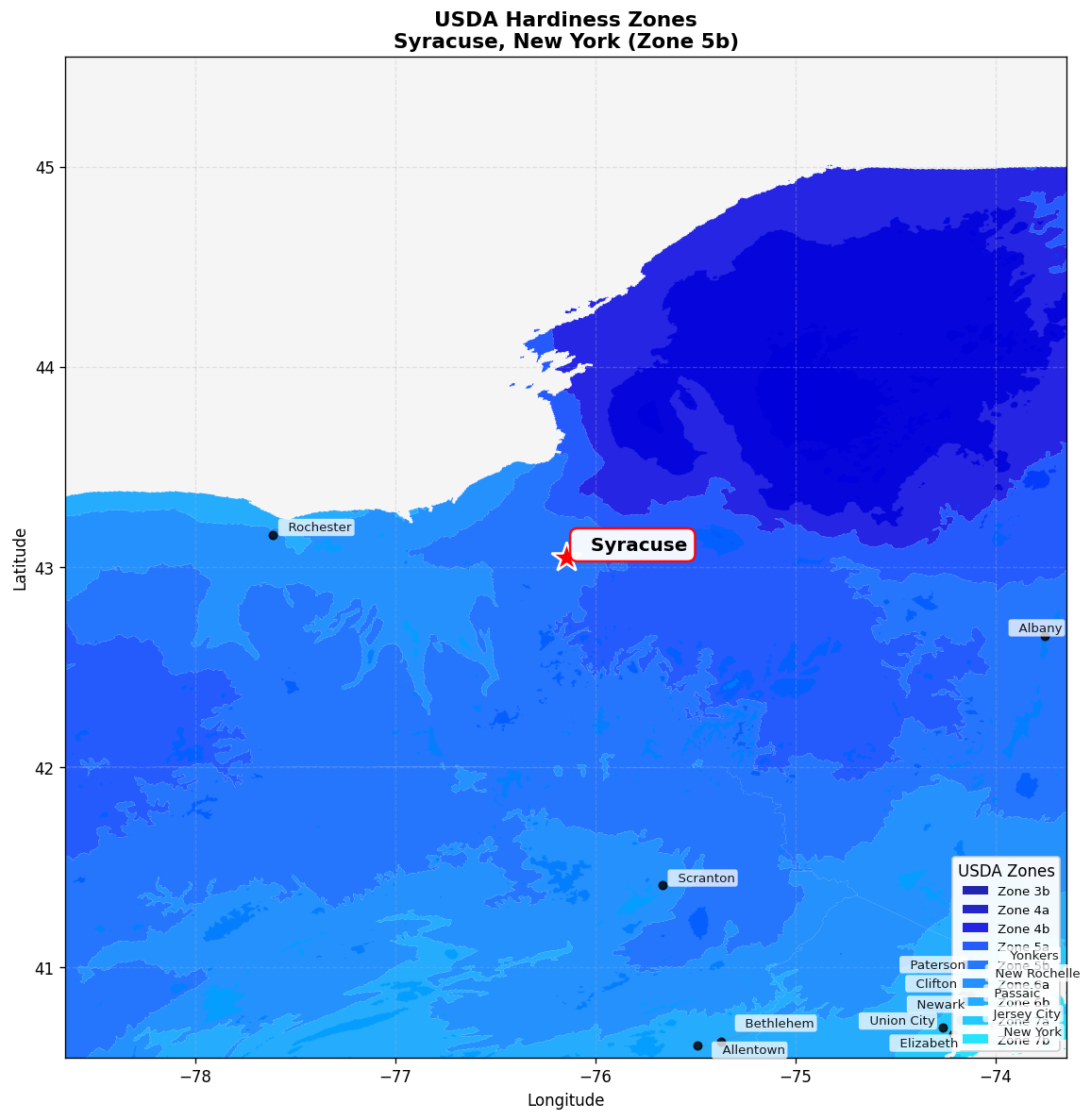
USDA Zone 5b
Hardiness zone for Syracuse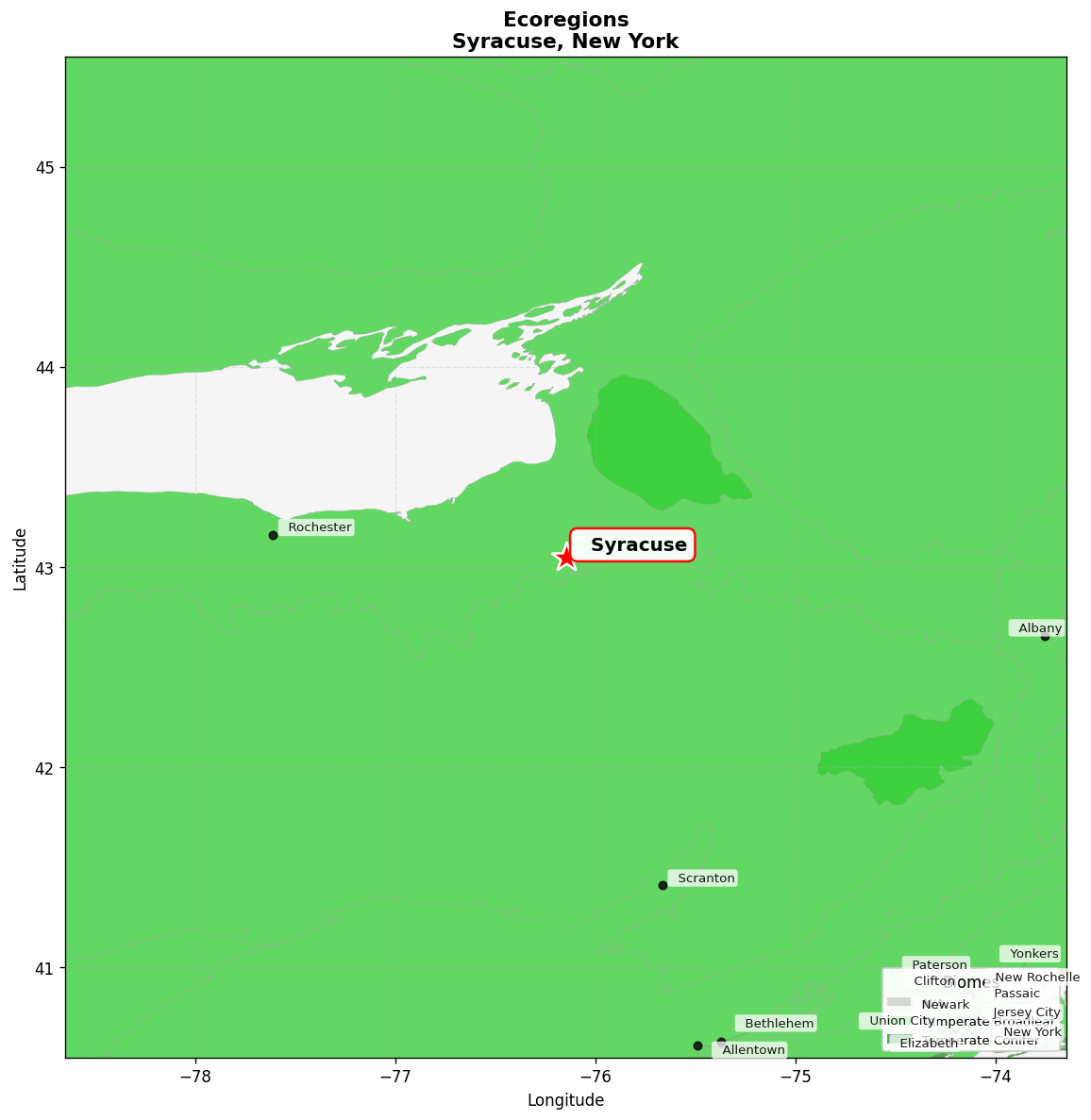
Eastern Great Lakes lowland forests
Native ecoregionFrequently Asked Questions
How much does modern landscaping cost in Syracuse?
Central New York labor sits near the national average and far below downstate, so the money goes into materials. A full front-yard gravel conversion with steel-edged beds and architectural planting runs $9–18 per square foot, or roughly $5,000–$12,000 for a typical 600 square foot front yard. A poured concrete terrace of 300–500 square feet with proper base and control joints is $9,000–$20,000. A detached fire terrace with seating, lighting and edge planting typically lands at $18,000–$45,000. An in-ground gunite pool with a modern deck and perimeter planting generally starts around $95,000 in this market and climbs from there, partly because our short season makes an automatic cover and a solid heater non-optional rather than upgrades.
Can I get the desert-modern look in Zone 5b, or is that a lost cause?
You can get about 90 percent of it with hardy substitutes, and the difference is invisible from the sidewalk. True Agave americana will not survive -10°F, but Yucca filamentosa 'Color Guard' and Yucca flaccida 'Golden Sword' give the same spiky rosette to Zone 4, and Yucca rostrata can hold on in a very sharply drained raised bed against a south wall. For the low rosettes, Sempervivum 'Royanum', Sempervivum 'Black' and Jovibarba heuffelii are permanently hardy where echeveria is a summer annual. Hylotelephium 'Matrona', Sedum rupestre 'Angelina' and the native Opuntia humifusa complete the palette. The one non-negotiable is drainage: plant all of them in a gravel-and-grit mix in a raised bed, because in Syracuse succulents are killed by a wet March thaw, not by January cold.
Will a big concrete patio crack in Syracuse winters?
It will crack if it is poured badly, and it will not if it is poured properly — freeze-thaw is the single most important detail in Central New York hardscape. Expect a 6–8 inch compacted crushed-stone base, air-entrained concrete rated for freeze-thaw exposure, welded wire or fiber reinforcement, and sawcut or tooled control joints every 8 to 10 feet in both directions so the slab cracks where you drew the line instead of where it chooses. Any footing for a pergola, fire feature or wall goes below the local frost line, roughly 42 to 48 inches. Never use deicing salt on the first winter's concrete, and use calcium magnesium acetate rather than rock salt afterwards — scaled, pitted concrete in Syracuse is almost always a salt problem, not a mix problem.
Which grasses stay upright under Syracuse snow?
This matters more here than almost anywhere, because a mass planting that collapses in the first November lake-effect event has thrown away four months of winter interest. Calamagrostis x acutiflora 'Karl Foerster' is the local benchmark — narrow, vertical and still standing in January. Panicum virgatum 'Northwind' is the sturdiest switchgrass and holds its column; 'Shenandoah' is looser but tough and salt-tolerant. Schizachyrium scoparium 'Standing Ovation' was selected specifically for not flopping, and Sporobolus heterolepis makes a tidy dome that reads well under a dusting. Avoid Pennisetum setaceum 'Rubrum', which is an annual at this latitude, and cut everything back in late March rather than fall so you keep the winter structure.
How do I handle snow storage in a modern design?
Decide where 127 inches of snow goes before you finalise the plan, because in Syracuse snow storage is a real programmatic requirement. Leave a 3–5 foot dump zone along the driveway and walk, surfaced in gravel or planted only with things that get cut to the ground anyway, such as Panicum virgatum 'Shenandoah' or Hemerocallis. Keep raised steel planters, low walls and boulder accents out of the plow path, or mark them with reflective stakes each November. Skip narrow upright conifers within reach of a roof edge or a plow throw, since wet snow splays them open permanently. And a detached terrace out in the lawn, as opposed to one tight against the house, avoids both the roof avalanche zone and the drift that forms in the lee of a solid privacy fence.
Is a modern landscape actually lower maintenance here?
Yes, substantially, but not zero. A gravel field with steel-edged beds eliminates mowing, needs no irrigation after the first season, and reduces the whole year to one late-March cutback of the grasses, a spring weed pass, and topping up gravel every four or five years. Compare that to a Syracuse lawn, which needs 26 to 30 mowings between May and October. The honest costs are that gravel needs a geotextile underlay and edge discipline or it migrates, tree leaves have to be blown off gravel each November rather than mulch-mowed, and Buxus 'Green Velvet' or a Thuja occidentalis 'Techny' hedge still wants one shearing a year. Budget roughly $400–$1,200 a year in professional maintenance for a converted front yard, against $1,500–$2,500 for full-service lawn care on the same lot.