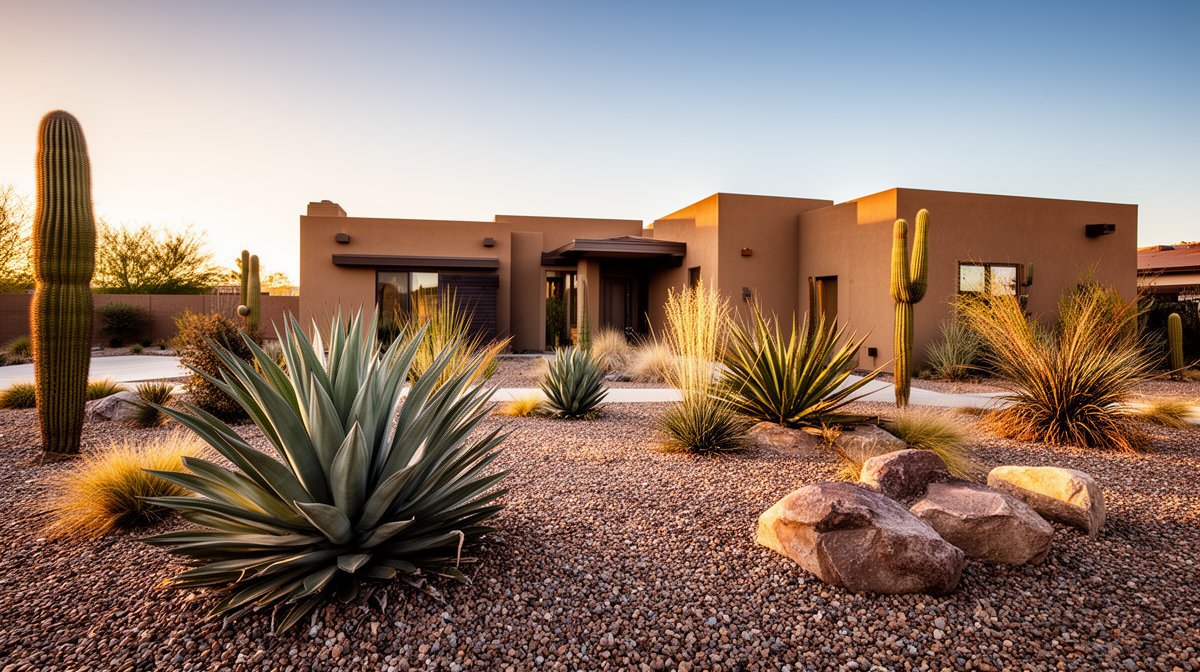
4 Desert Garden Ideas for Tracy, CA | Water-Wise Designs for Zone 9b
Native plants from the California Central Valley grasslands (Zone 9b) — Cold semi-arid climate
For a desert garden in Tracy, CA, a zone 9b city with a cold semi-arid climate, start with Agave parryi var. truncata, Hesperaloe parviflora and Yucca rostrata, the plants this guide's first design is built on.
Why Desert/Xeriscape Gardens in Tracy?
Tracy sits in a semi-arid Central Valley climate: 12.7 inches of rain a year on the 1991–2020 NOAA normals for the Tracy Carbona station, and none in July. That same station shows an average July high of 93°F and about 11 days a year at or above 100°F. A desert garden suits that pattern, and it also suits the lot sizes in Tracy Hills and Ellis, where a front lawn is hard to keep green through August. Gravel, boulders and sculptural succulents give the yard a finished look in July and cost very little to run.
The catch is winter. January lows average about 36°F, there are roughly 26 nights a year at or below 32°F, and the average last 32°F date falls around late February. A hard freeze in the 20s does happen in some years. That keeps the list honest: Agave parryi var. truncata, Hesperaloe parviflora and Yucca rostrata are dependable here, while columnar cacti, tender aeoniums and golden barrel cactus sit better in a pot you can move or cover. Plant tough, then add the delicate ones as accents in a protected corner by the house.
Winter rain is the second threat. January and February each average about 2.3–2.6 inches, and many valley lots hold clay that stays wet for days. Desert plants in Tracy usually die from wet feet, not cold. Build beds 6–12 inches above grade with gravel and a coarse mineral mix, and keep Dasylirion wheeleri and Opuntia basilaris 'Baby Rose' on the high side of the mound. Aloe 'Blue Elf' and Salvia clevelandii 'Winifred Gilman' add color and fragrance without much water once they settle in.
Afternoon Delta wind rattles tall seed stalks and strips water from small plants, so group them in clusters and use boulders as breaks. Before you start, check HOA rules and call the City of Tracy about current front yard requirements. Water rules and rebates change, so confirm them directly rather than counting on a figure you read online.
4 Desert/Xeriscape Design Ideas for Tracy
AI-generated image
The Boulder and Agave Front Yard
$8–16/sqftA stucco tract home in Tracy Hills trades its lawn for a field of buff decomposed granite, with five granite boulders half buried along a curving path. Agave parryi var. truncata anchors each group, and Hesperaloe parviflora sends up coral flower spikes behind it. A concrete walkway runs from the driveway to the door past low path lights.
Try this on your yard: The Boulder and Agave Front YardAI-generated image
The Raked Gravel Ribbon
$7–14/sqftA single-story ranch in Kagehiro gets a wide ribbon of pale raked gravel that curves toward the entry, held by rusted steel edging. Opuntia basilaris 'Baby Rose' and Aloe 'Blue Elf' sit in the sunny center, with Nolina microcarpa behind for height. Terracotta pots frame the door, and the gravel stays tidy with a hand rake once a month.
Try this on your yard: The Raked Gravel RibbonAI-generated image
The Fire Circle Backyard
$14–28/sqftA circular concrete patio floats in dark pea gravel behind a stucco privacy wall, centered on a round stacked-stone fire pit. A row of Agave 'Blue Flame' runs along the wall, with Muhlenbergia rigens (deer grass) between them. Strings of bulb lights run from the eave to a steel post. The surface stays hot on 100°F days, so the lounge chairs sit under a shade sail.
Try this on your yard: The Fire Circle BackyardAI-generated image
The Courtyard Succulent Bed
$10–20/sqftA downtown Tracy bungalow gets a front courtyard of cream-colored gravel, a low stucco wall and a raised planter along the porch. Aloe 'Blue Elf' and Agave parryi var. truncata sit in the sun, and a pot of Echeveria 'Perle von Nürnberg' is moved inside before a hard frost. A single Cercis occidentalis shades the porch and drops its pink spring bloom on the gravel.
Try this on your yard: The Courtyard Succulent BedSee how a desert/xeriscape garden looks on YOUR property
Upload a photo of your Tracy yard and visualize your dream garden in seconds.
Try ProScapeAI Free

AI-generated image
Featured Trees & Shrubs for Desert/Xeriscape Gardens
Browse all 160 plants for Tracy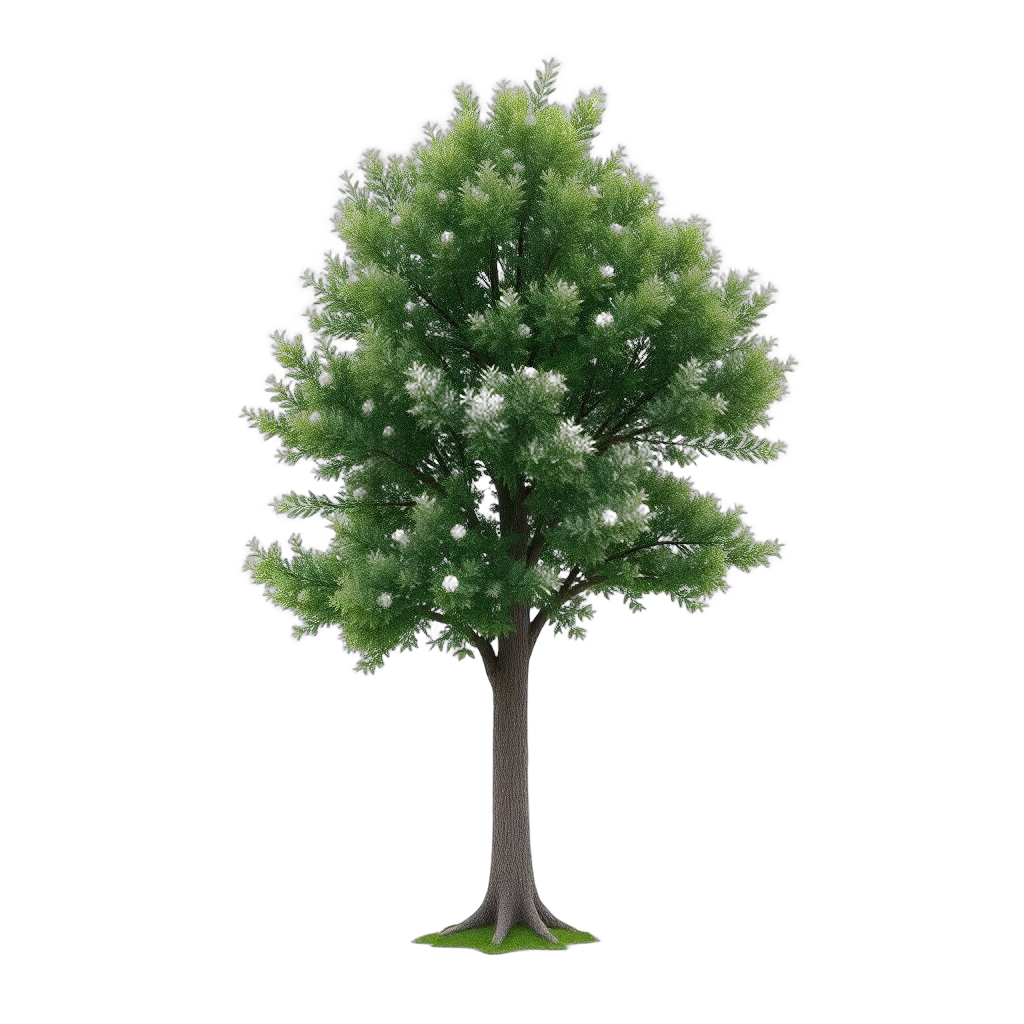
Blue Oak
Quercus douglasii
large shade tree reaching 50+ feet, blooms in spring. Yellow fall color.
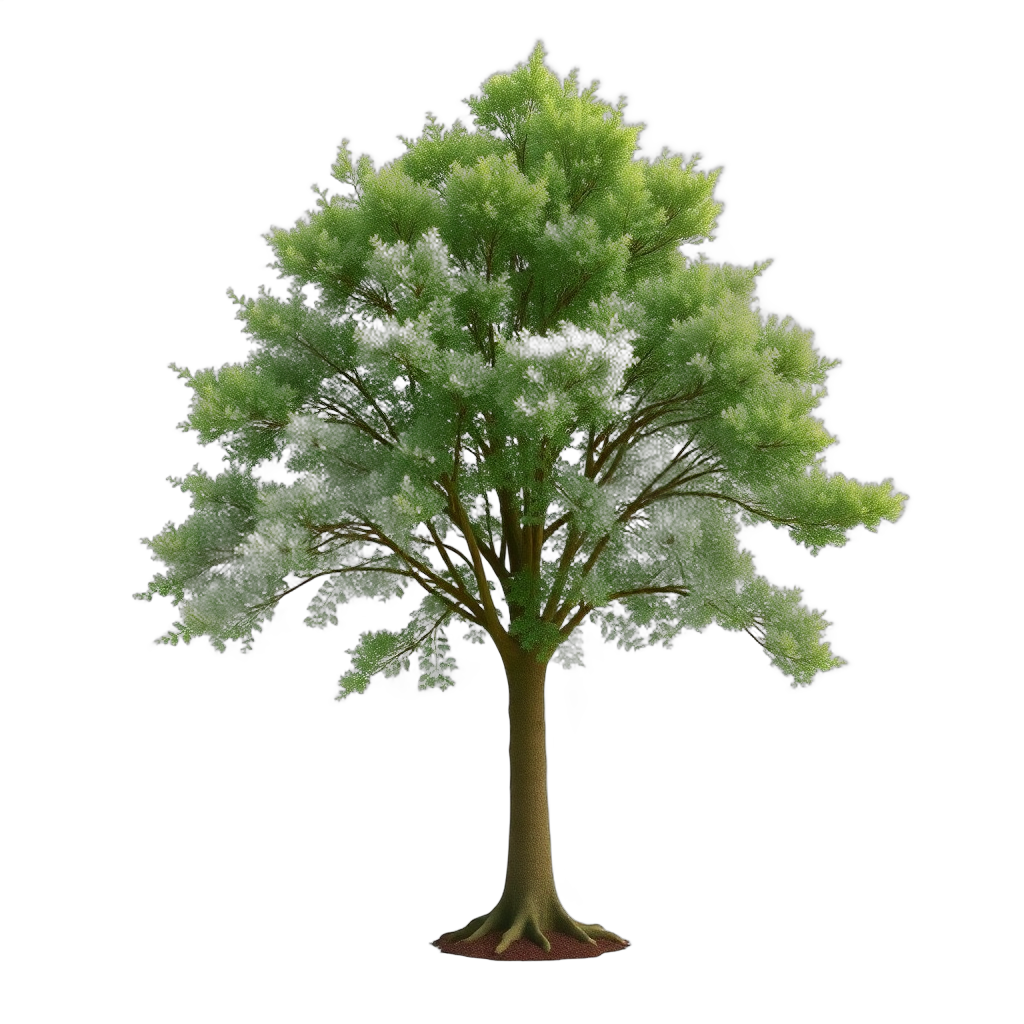
Fremont Cottonwood
Populus fremontii
large shade tree reaching 50+ feet, yellow blooms in spring. Yellow fall color.
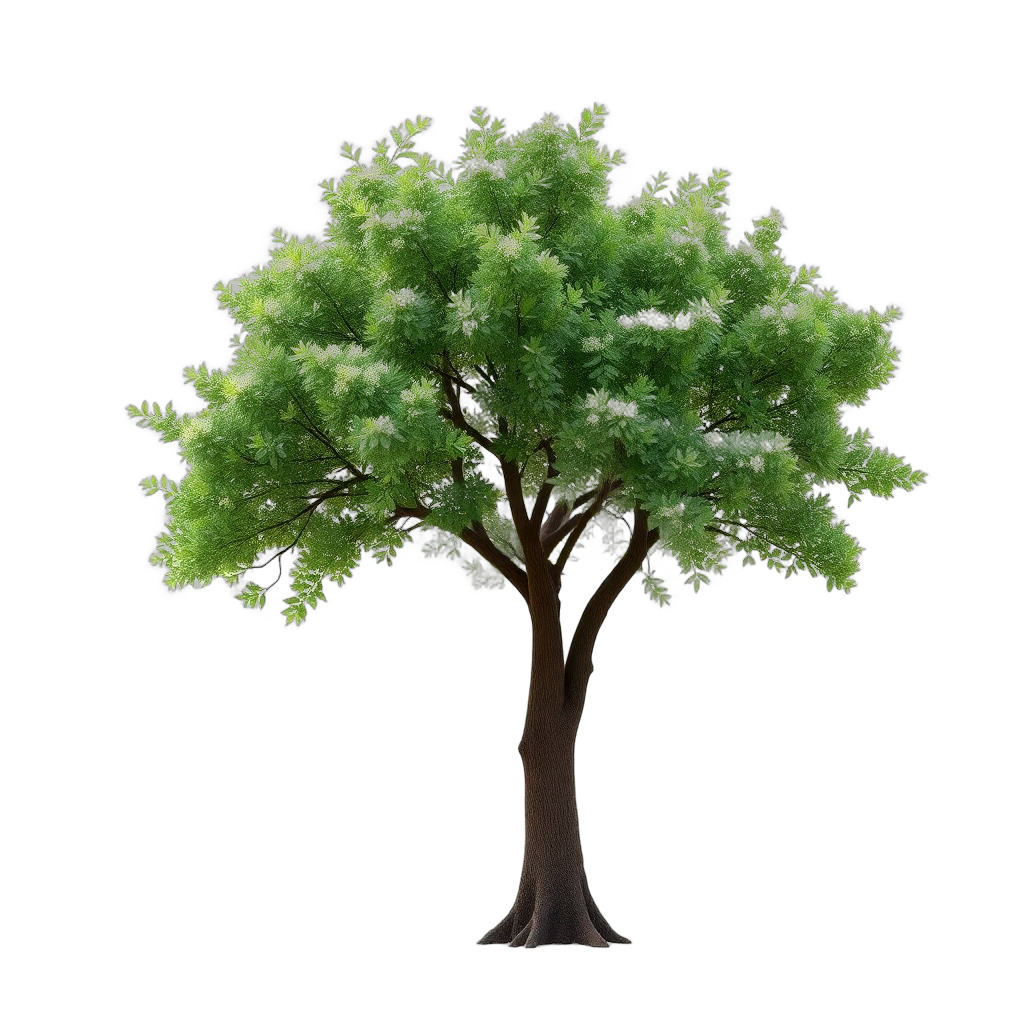
Valley Oak
Quercus lobata
large shade tree reaching 80+ feet, blooms in spring. Yellow fall color.
Featured Grasses & Groundcovers for Desert/Xeriscape Gardens
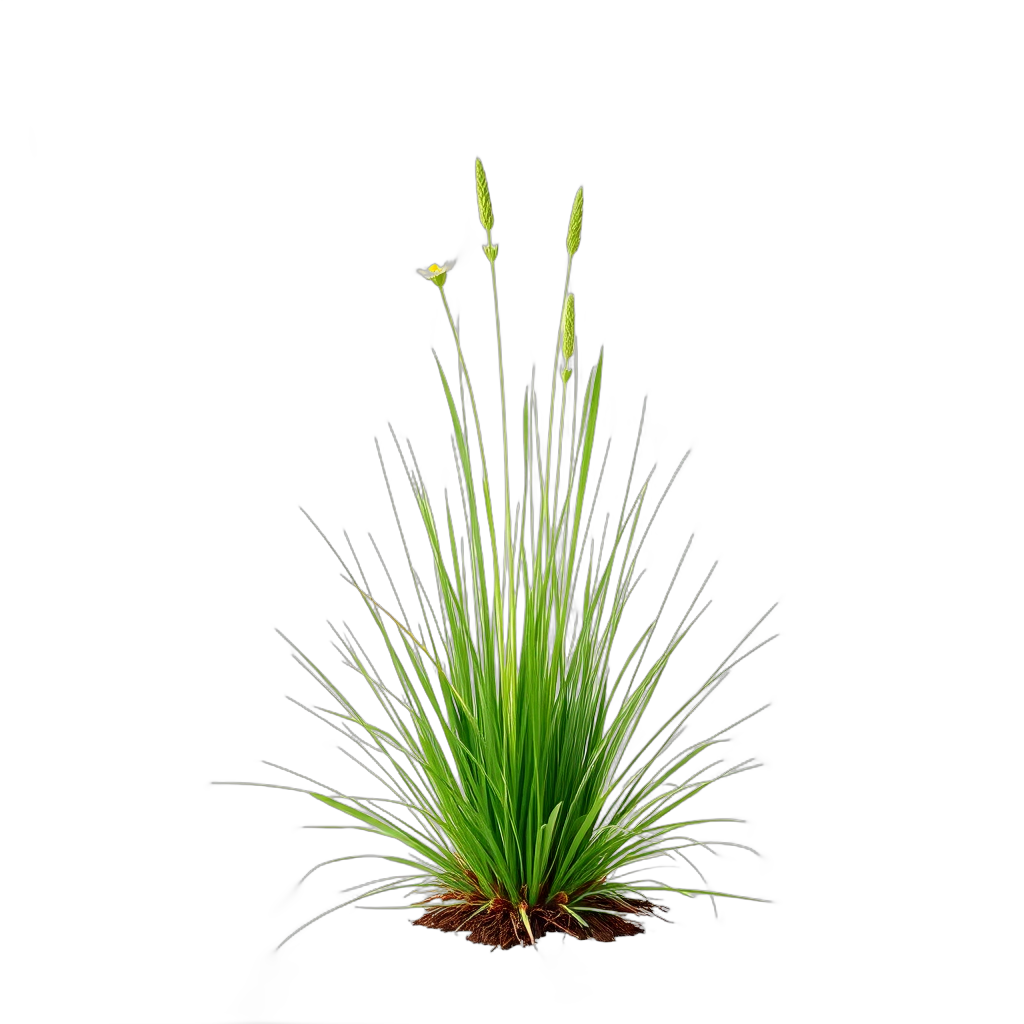
California Brome
Bromus carinatus
low-growing ground cover, blooms in spring. Yellow fall color.
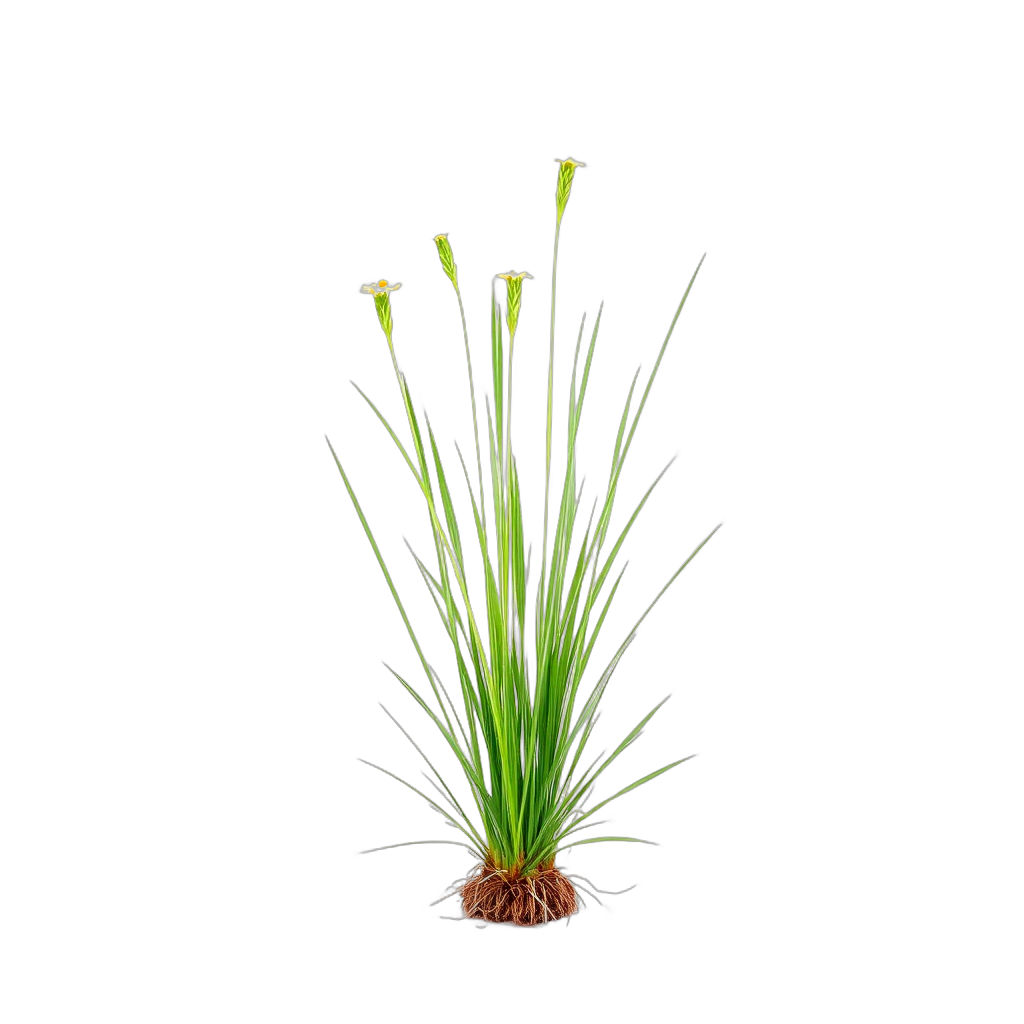
California Melic
Melica californica
low-growing ground cover, blooms in spring.
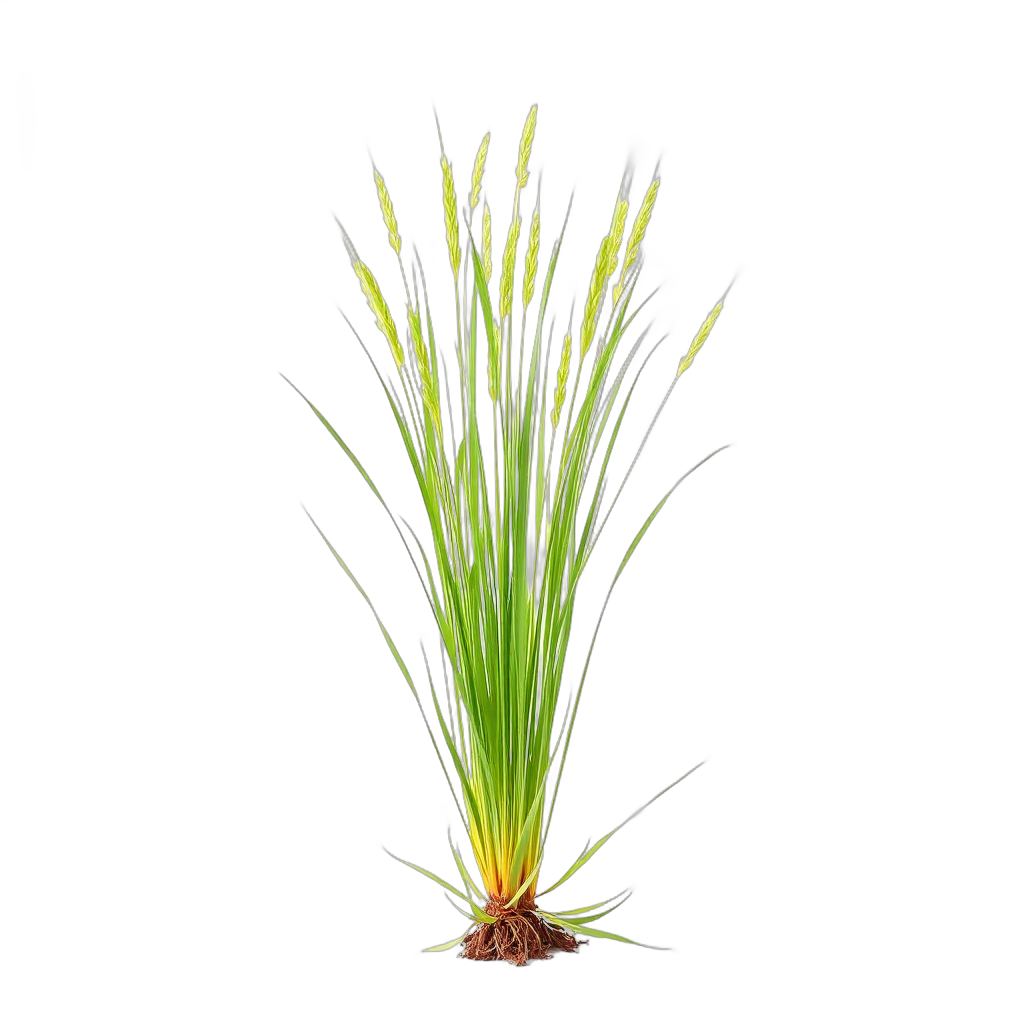
California Oatgrass
Danthonia californica
low-growing ground cover, blooms in spring. Yellow fall color.
Featured Flowers & Perennials for Desert/Xeriscape Gardens
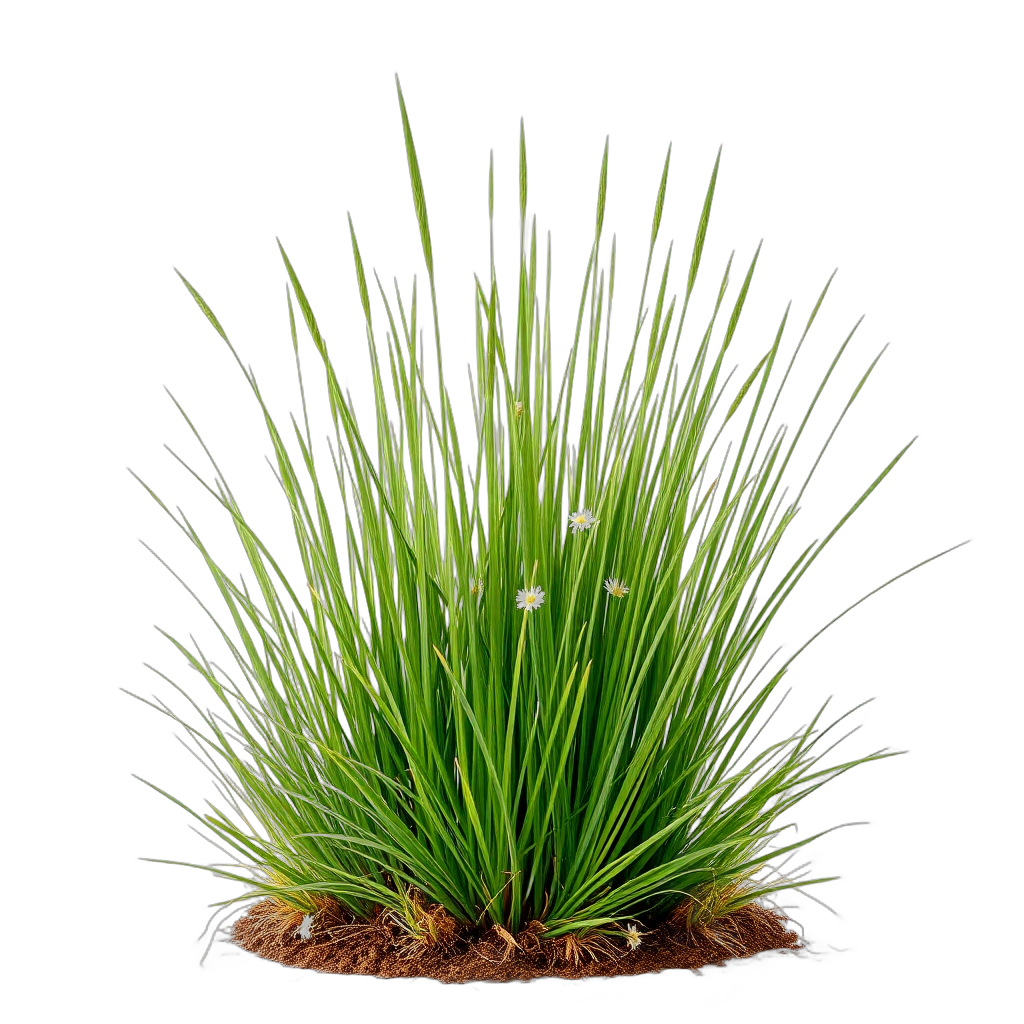
Baltic Rush
Juncus balticus
low-growing ground cover, blooms in summer. Evergreen year-round.
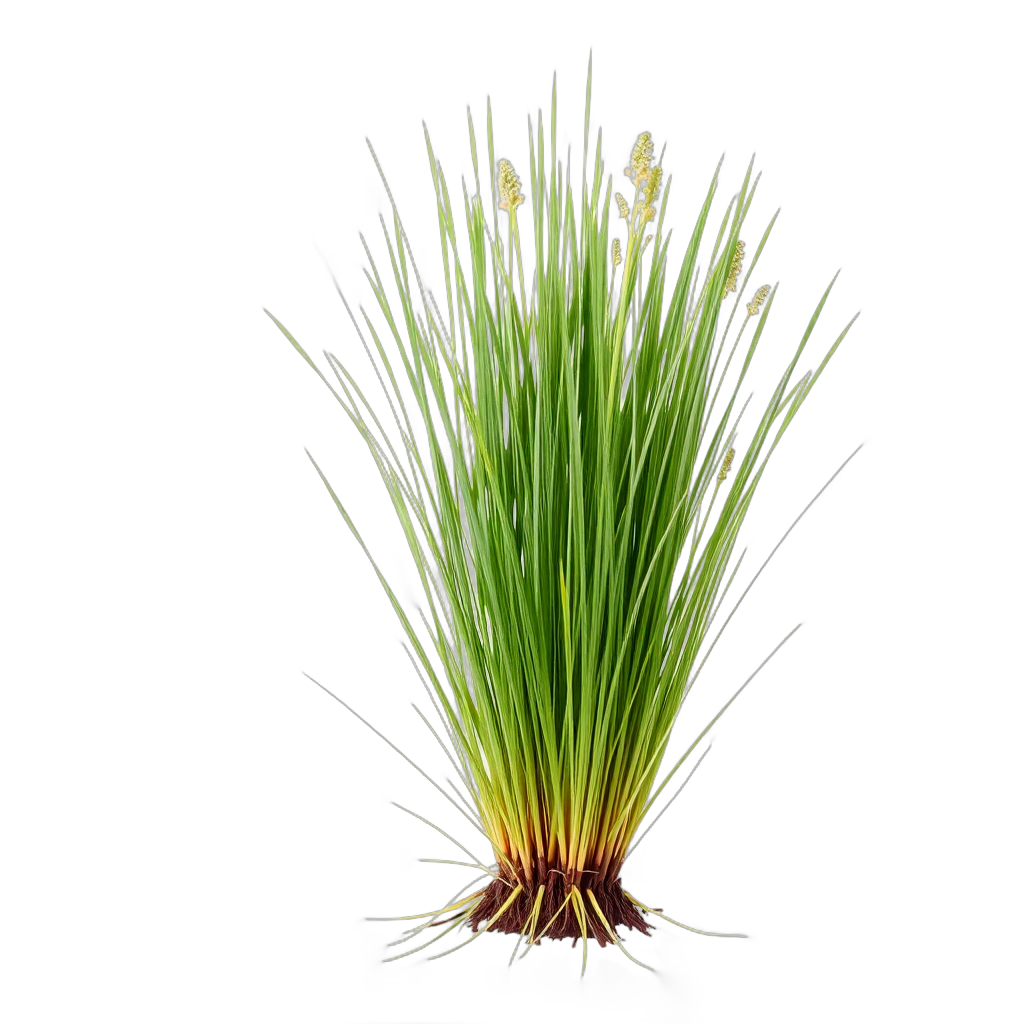
California Gray Rush
Juncus patens
low-growing ground cover, blooms in summer. Evergreen year-round.
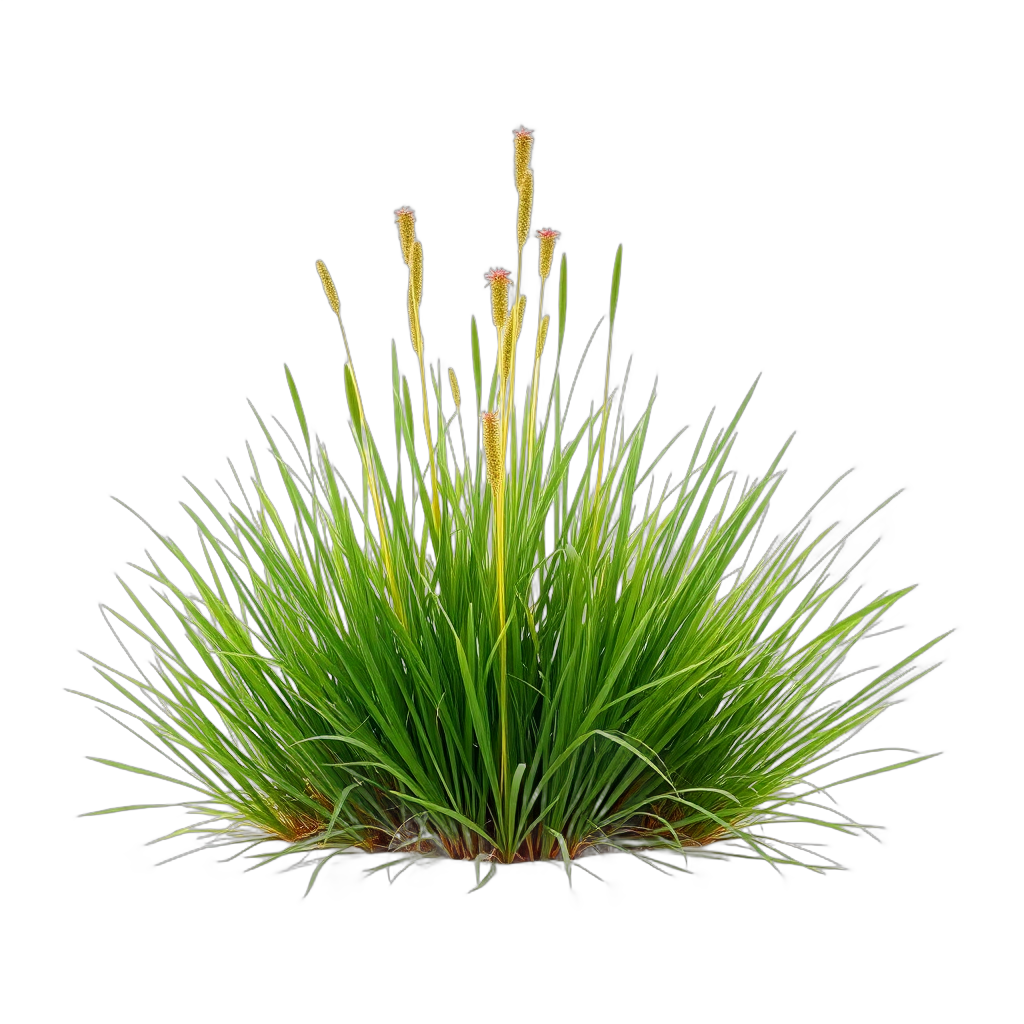
Clustered Field Sedge
Carex praegracilis
low-growing ground cover, blooms in spring.
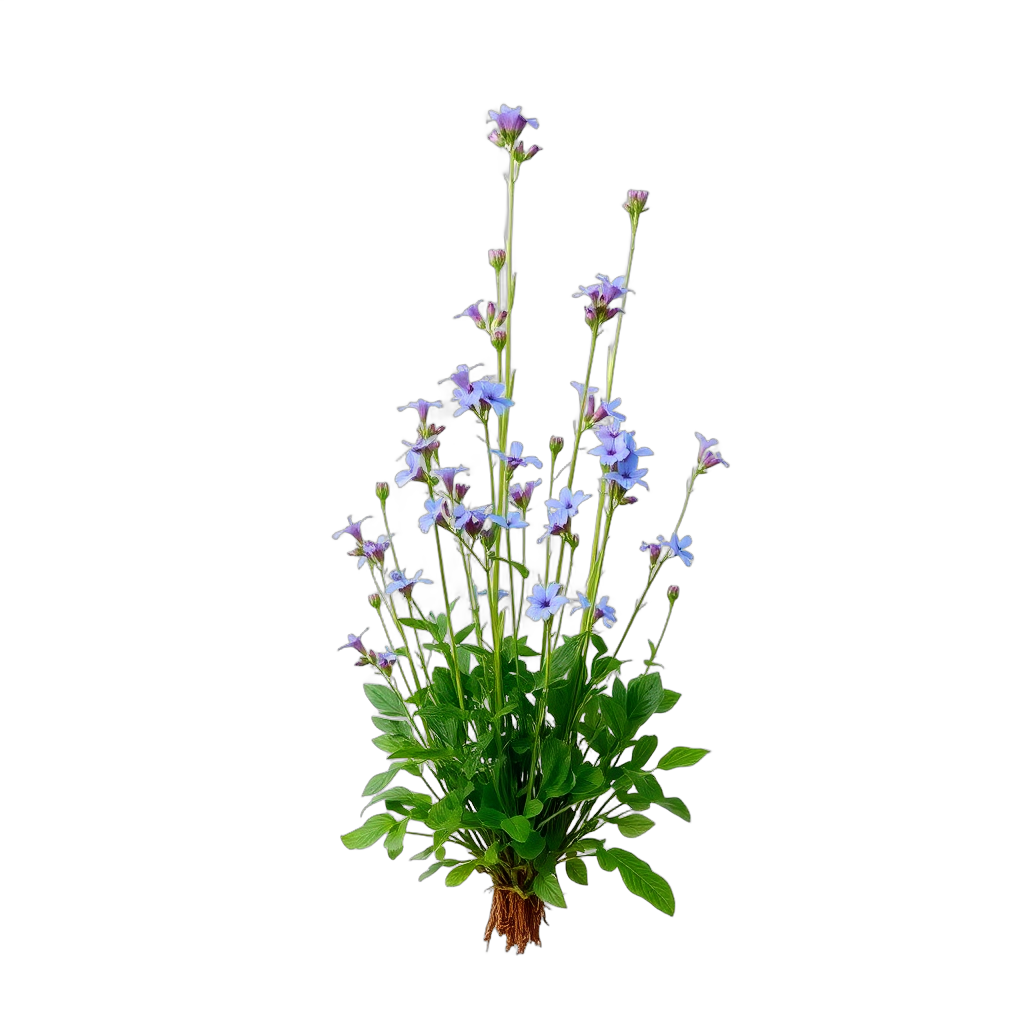
Blue Dicks
Dichelostemma capitatum
low-growing ground cover, blue blooms in spring. Pollinator-friendly.
Zone and sun checks come from our database — confirm with your local nursery before you buy.
Bloom Calendar for Tracy
spring
Clustered Field Sedge, Blue Dicks, Blue-Eyed Grasssummer
Baltic Rush, California Gray Rush, Papyrusfall
Limited bloomswinter
Limited bloomsDesign Tips for Tracy (Zone 9b)
- Build beds 6–12 inches above grade. Tracy rain falls in winter and valley clay drains slowly, so cactus and agave rot from wet feet before they freeze.
- Group plants in clusters and add boulders as wind breaks. Afternoon Delta wind dries small plants and flattens tall seed stalks.
- Use drip emitters on a timer through the first two summers, then cut back. July averages 0.00 inches of rain, so new roots need steady water until established.
- Keep tender plants like Echeveria 'Perle von Nürnberg' and aeoniums in pots. The station logs about 26 nights a year at or below 32°F, and a hard freeze in the 20s happens in some years.
- Choose gravel color by sun exposure. Buff or cream gravel stays cooler than dark rock on 100°F afternoons, especially on the west side.
- Plant Agave parryi var. truncata and Yucca rostrata in full sun near the front. They are the dependable sculptural plants in this climate.
- Put a deciduous tree like Cercis occidentalis on the southwest corner to shade the house and patio in summer, then let the winter sun through.
Where to Source Plants in Tracy
Skip the big-box stores. These independent Tracy nurseries specialize in the plants that make desert/xeriscape gardens thrive in Zone 9b.
Golden Valley Nursery
South Tracy (Reeve Road)
Family-run retail nursery with California natives, succulents, roses, fruit and privacy trees, plus landscape design and delivery
Alden Lane Nursery
Livermore
Independent garden center with trees, shrubs, perennials and orchids, about 25 miles west of Tracy
Desert/Xeriscape Landscaping Cost Ranges
| Project Scope | Estimated Cost |
|---|---|
| Drip irrigation system (500 sqft of planted area) | $1,200–$2,200 |
| Block fire pit, stacked block, capped (1 fire pit) | $580–$770 |
| Landscape gravel court (200 sqft) | $170–$370 |
| AI visualization (ProScapeAI) | Free to start |
National average installed ranges for 2026 from our landscaping price list (Homewyse and other published sources). Prices in Tracy, CA vary with site, materials and contractor, so get two or three local quotes.
Tracy Climate & Growing Zone
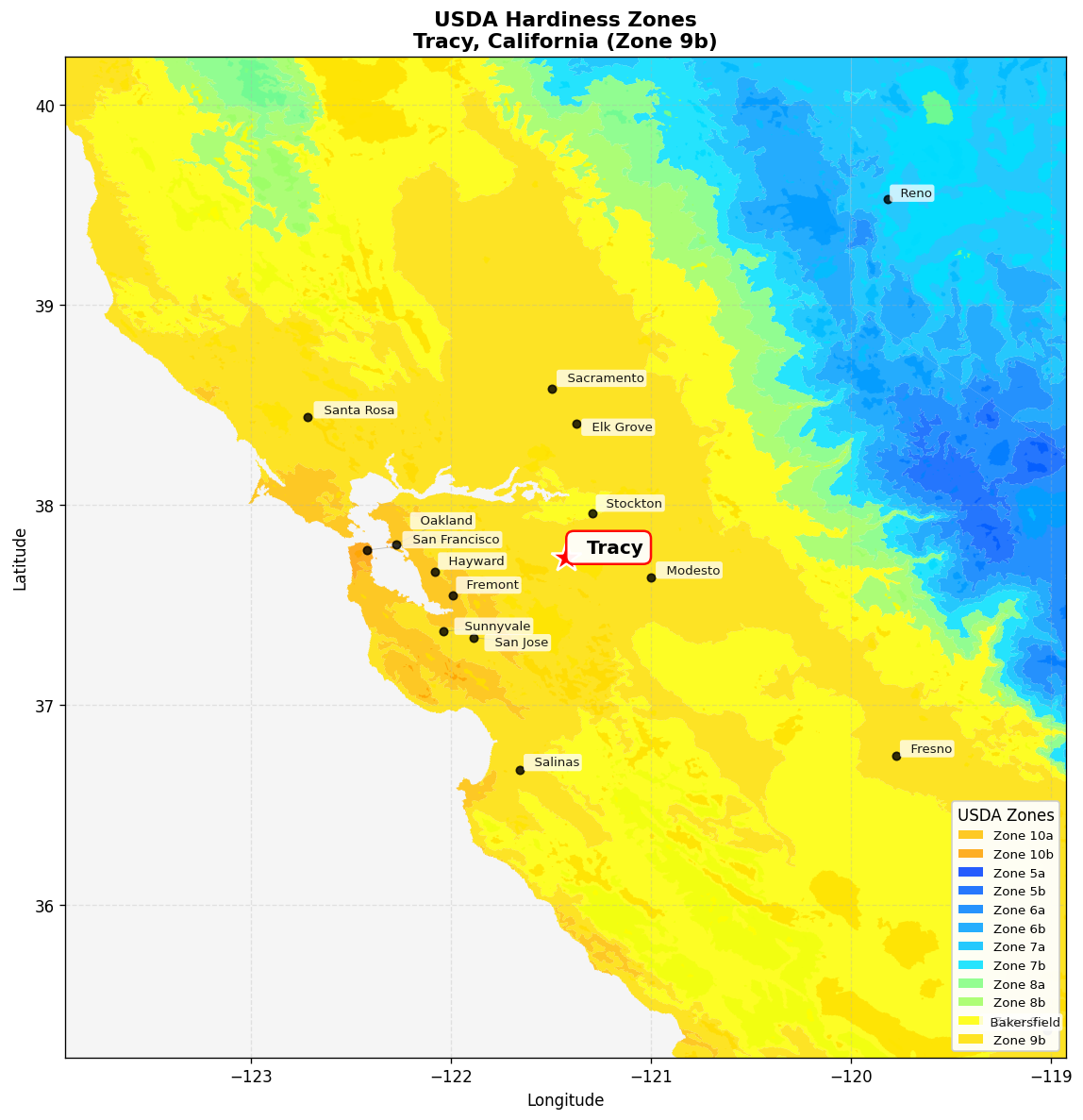
USDA Zone 9b
Hardiness zone for Tracy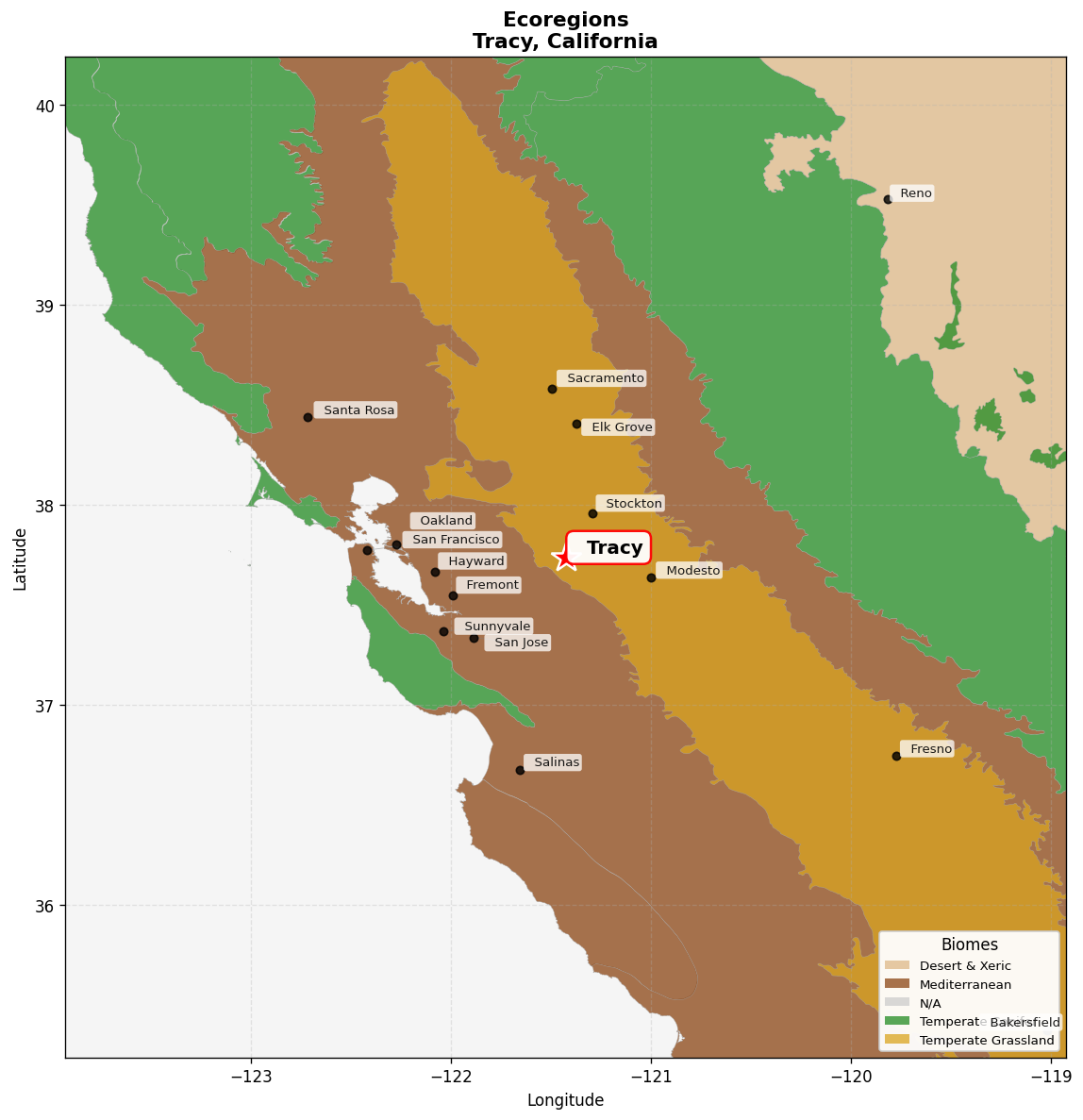
California Central Valley grasslands
Native ecoregionFrequently Asked Questions
How much does a desert garden cost in Tracy?
Gravel, boulders and a few agaves sit at the lower end, while concrete patios, fire pits and shade sails push the price up. Get at least two local quotes, because boulder size and hauling distance move the price more than plants do.
Is a desert garden low maintenance in Tracy?
Mostly. Weed the gravel in spring, clean fallen leaves from agave rosettes, and check drip emitters each month during summer. Agave parryi var. truncata and Hesperaloe parviflora need very little once established. The average July high is 93°F with about 11 days at or above 100°F, which these plants take without trouble.
When should I plant a desert garden in Tracy?
October through early December is best, with a second window in March and April. Plant agaves and cacti after the heat breaks so they settle in before summer. Do not plant in December if a freeze is forecast, since roots in cold wet soil rot.
Do I need a permit or HOA approval for desert landscaping in Tracy?
Check your HOA first, because many Tracy Hills and Ellis neighborhoods review front yard changes. Small planting and gravel work often does not need a city permit, but walls, grading, lighting and large concrete may. Call the City of Tracy for the current rules at your address.
What desert plants survive Tracy winters?
Agave parryi var. truncata, Hesperaloe parviflora, Yucca rostrata and Dasylirion wheeleri handle the roughly 26 nights a year at or below 32°F. Tender succulents like Echeveria 'Perle von Nürnberg' and aeoniums need a pot you can move indoors or cover on freeze nights.
Will a desert garden work with Tracy's clay soil?
Yes if you build up the planting areas. Tracy gets 12.7 inches of rain a year, mostly from November to March, and heavy valley clay holds that water around roots. Mound beds 6–12 inches above grade with gravel and coarse sand, and keep desert plants at the top of the mound.