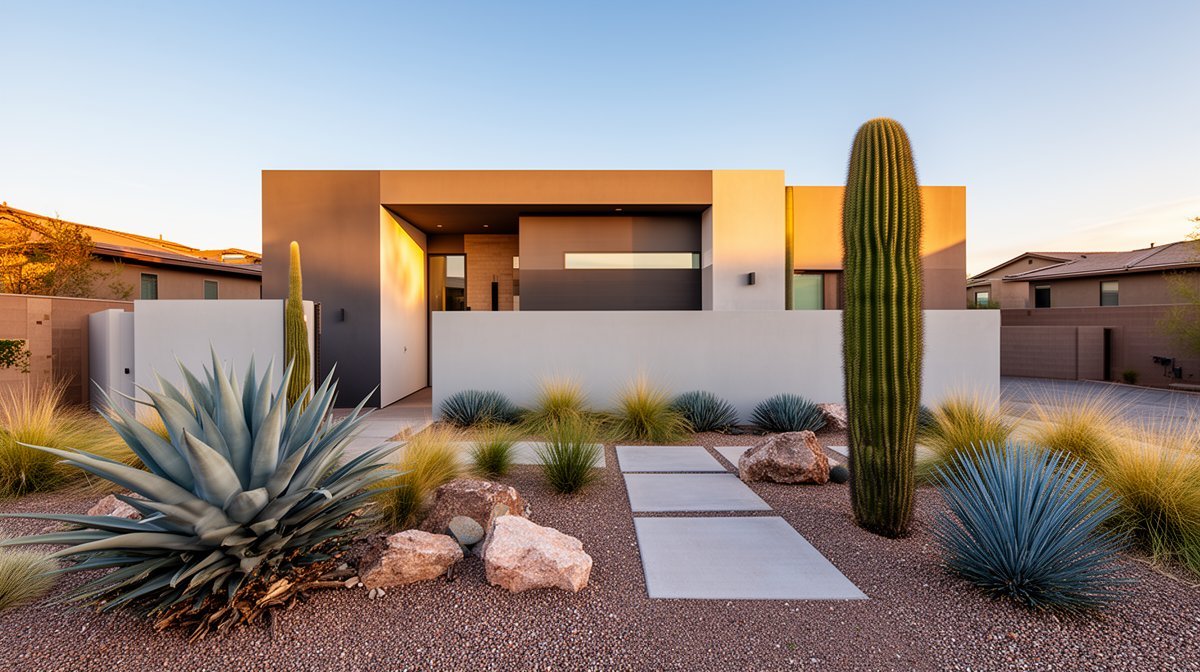
4 Modern Garden Ideas for Tucson, AZ | Sonoran Desert Designs for Zone 9b
Native plants from the Sonoran desert (Zone 9b) — Hot semi-arid climate
Why Modern/Minimalist Gardens in Tucson?
Tucson is different from Phoenix in ways that matter enormously for landscaping. At 2,400 feet elevation in the Sonoran Desert's richest biological zone, Tucson receives twice Phoenix's rainfall — about 12 inches annually, split between winter rains and the spectacular summer monsoon. Zone 9b means mild winters (rarely below 28°F), but the elevation cools summer nights to the 70s even when afternoons hit 105°F. The result is a landscape that genuinely thrives: saguaro forests ringing the city on all sides, the Santa Catalina Mountains rising 9,000 feet to the north, and a native plant palette of extraordinary richness.
Tucson's design culture is arguably the most sophisticated desert landscape scene in the country. The Tucson Botanical Gardens, the Arizona-Sonora Desert Museum, and the University of Arizona's landscape architecture program have all shaped a city that takes its native landscape seriously. Modern Tucson landscaping blends the spare geometry of contemporary design with the Sonoran's inherent drama: the architectural silhouettes of saguaro, the warm terracotta tones of decomposed granite, the ironwood's dense canopy and lavender spring bloom. Neighborhoods like Sam Hughes, the Barrio, Catalina Foothills, and Armory Park showcase a design tradition that has been perfecting this vocabulary for 40+ years.
Tucson Water runs the most sophisticated water conservation program in Arizona, offering generous rebates for turf removal, irrigation retrofits, and xeriscape installation. The city's water-smart landscape ordinance sets standards for new construction, and Tucson residents consistently achieve the lowest per-capita outdoor water use of any major Sunbelt city. Modern desert design in Tucson isn't a trend — it's the city's defining outdoor aesthetic.
4 Modern/Minimalist Design Ideas for Tucson
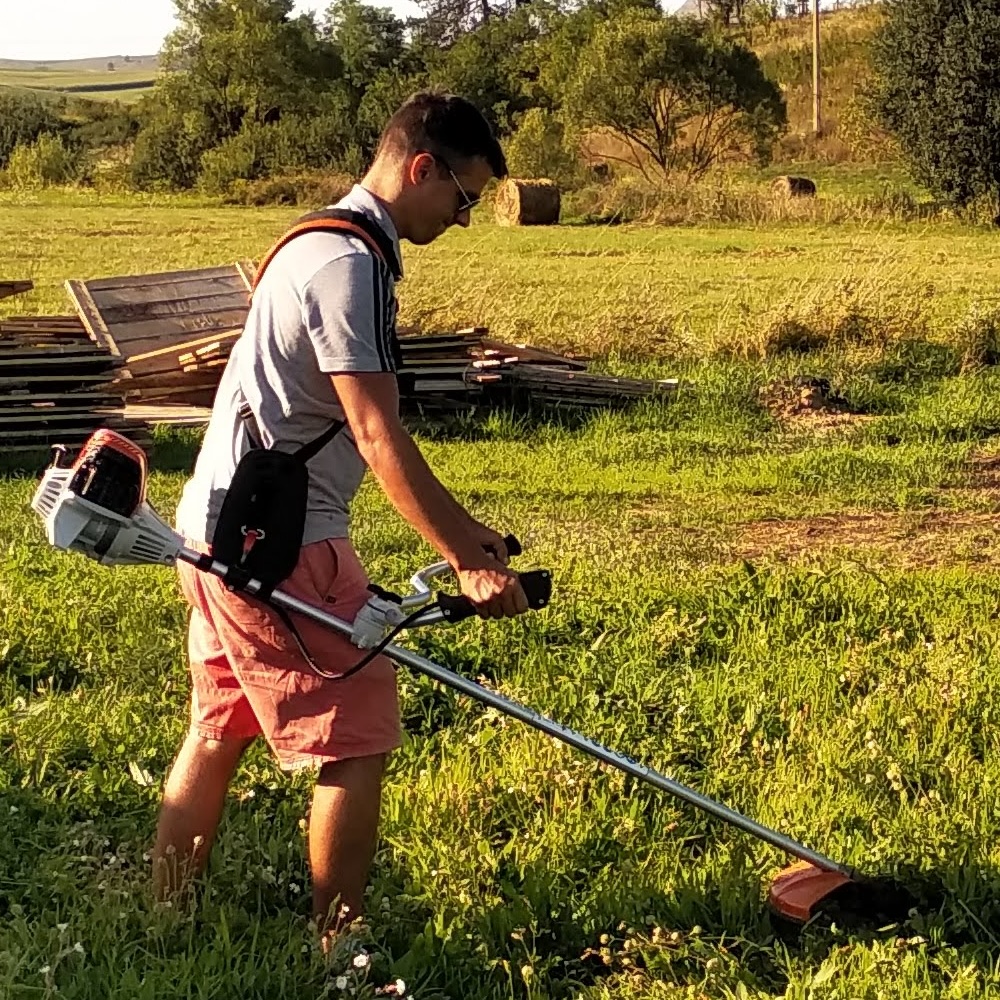
AI-generated image
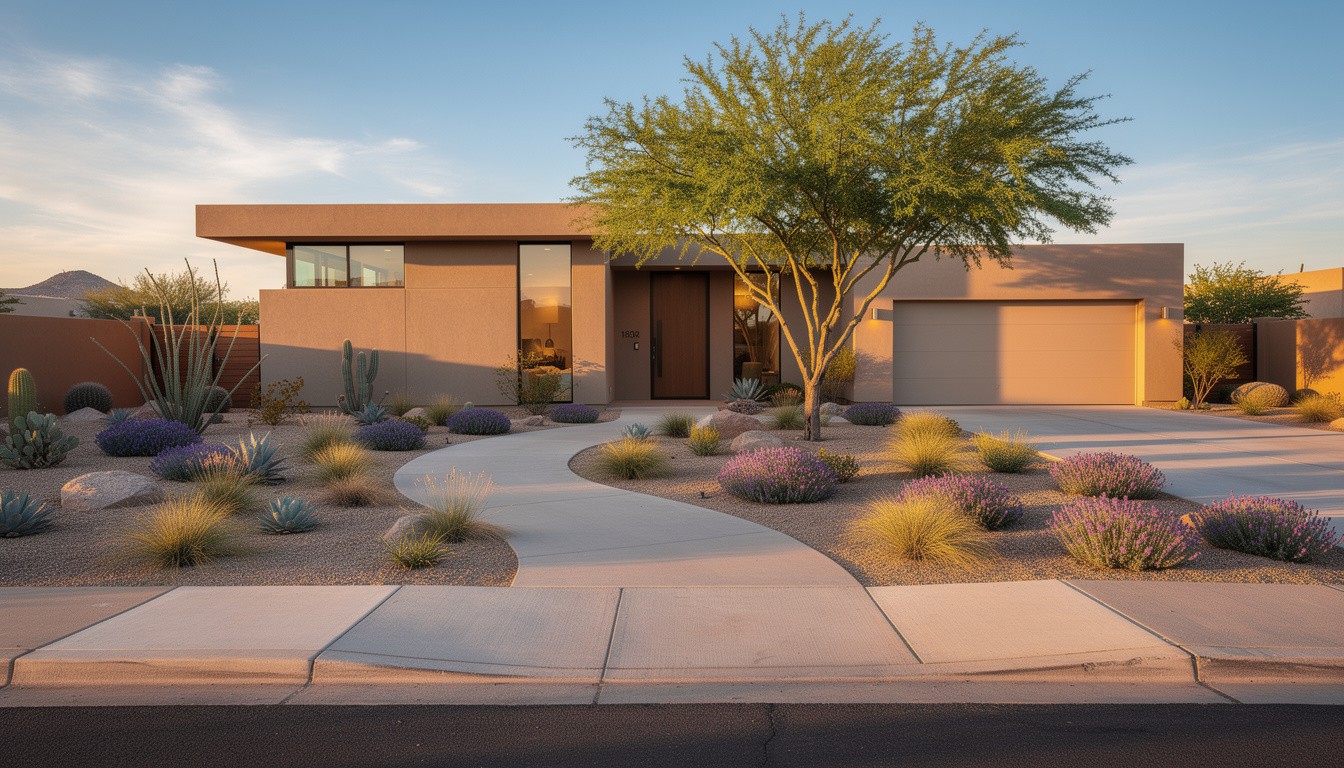
The Catalina Foothills Modern Entry
$10–20/sqftA flat-roofed contemporary home in warm tan stucco faces a sweeping curved concrete driveway with a front yard of fine desert gravel planted in naturalistic masses of ornamental grasses, low flowering shrubs in lavender and purple, and a large palo verde tree providing dappled canopy. The Catalina Mountains rise behind the home at dusk. Tucson native plant palette at its most refined.
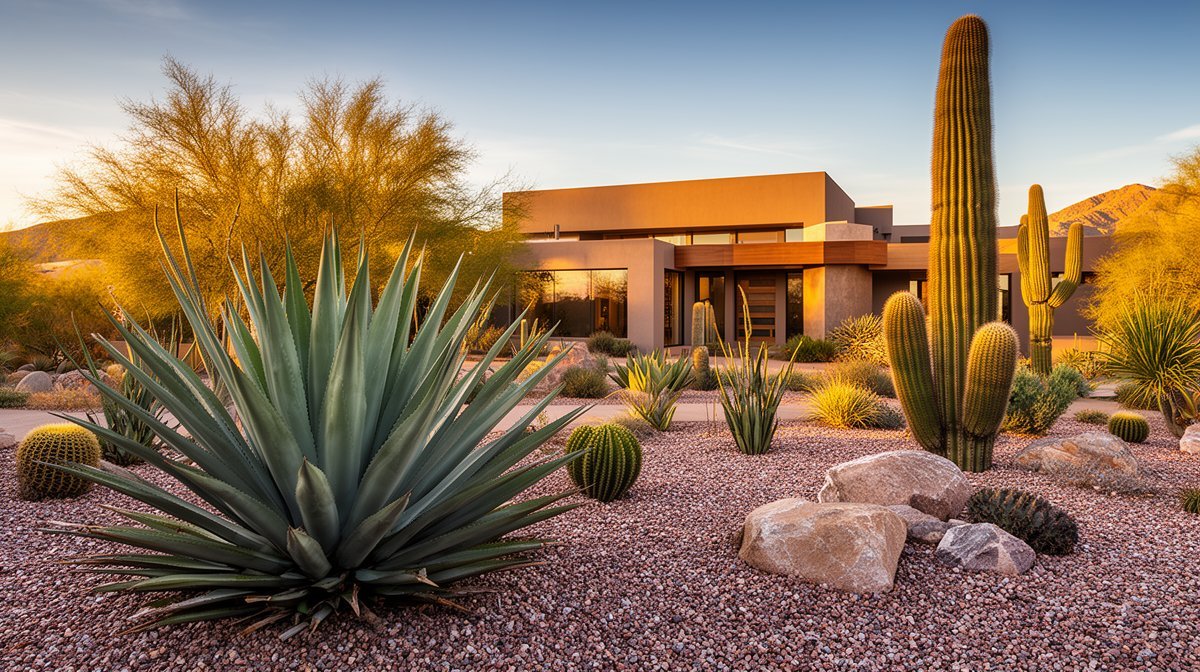
AI-generated image
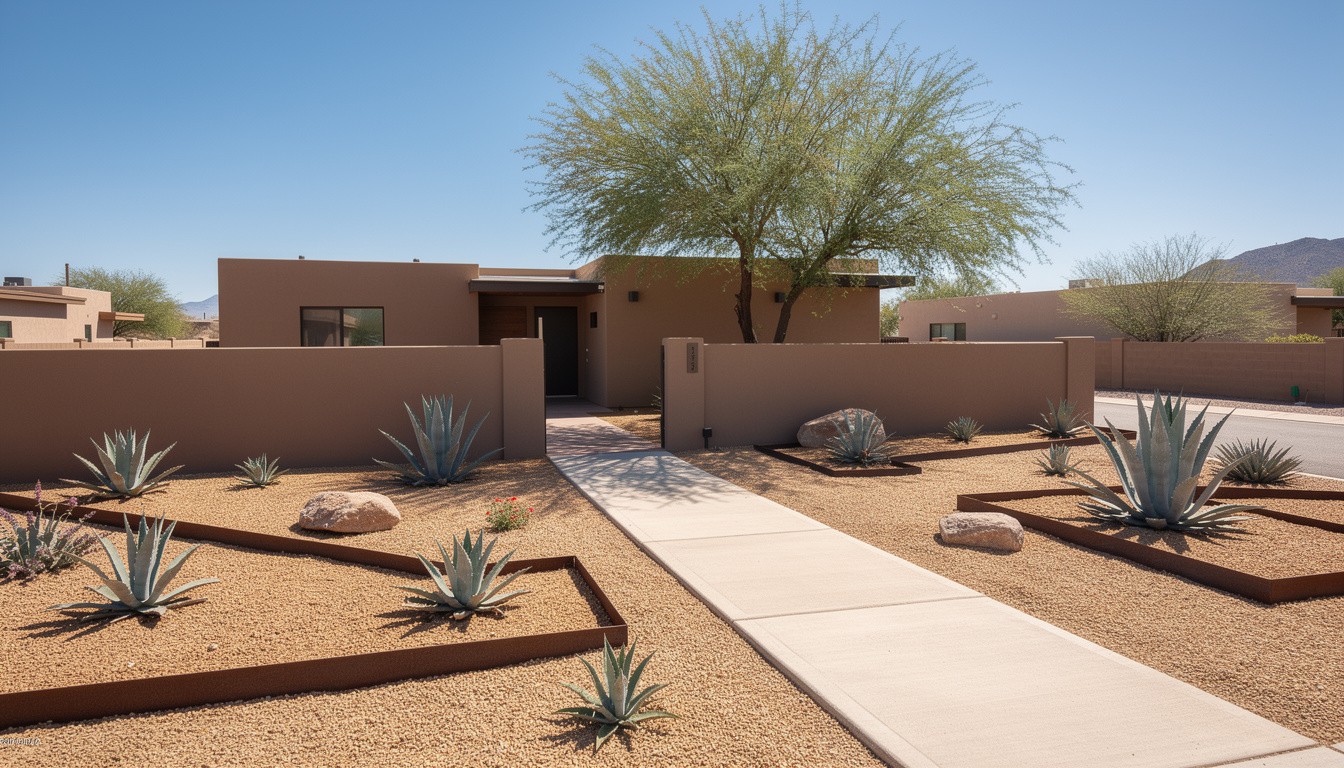
The Adobe Modern Desert Front
$8–16/sqftA thick-walled adobe home with a courtyard entry wall faces a stark front yard of warm red-tan desert soil with agave arranged in a grid pattern flanking a straight concrete walkway. A palo verde tree provides the only canopy. The composition is deliberately minimal and powerful — the desert as architecture. Tucson's Rincon Mountains are visible above the flat roofline.
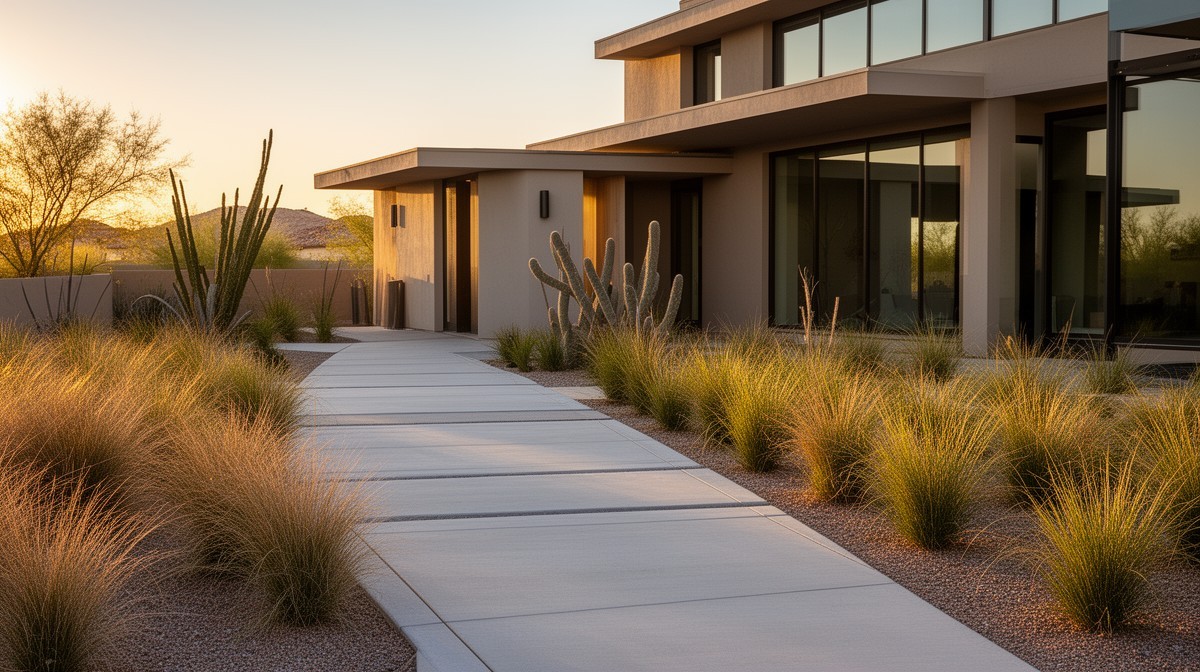
AI-generated image
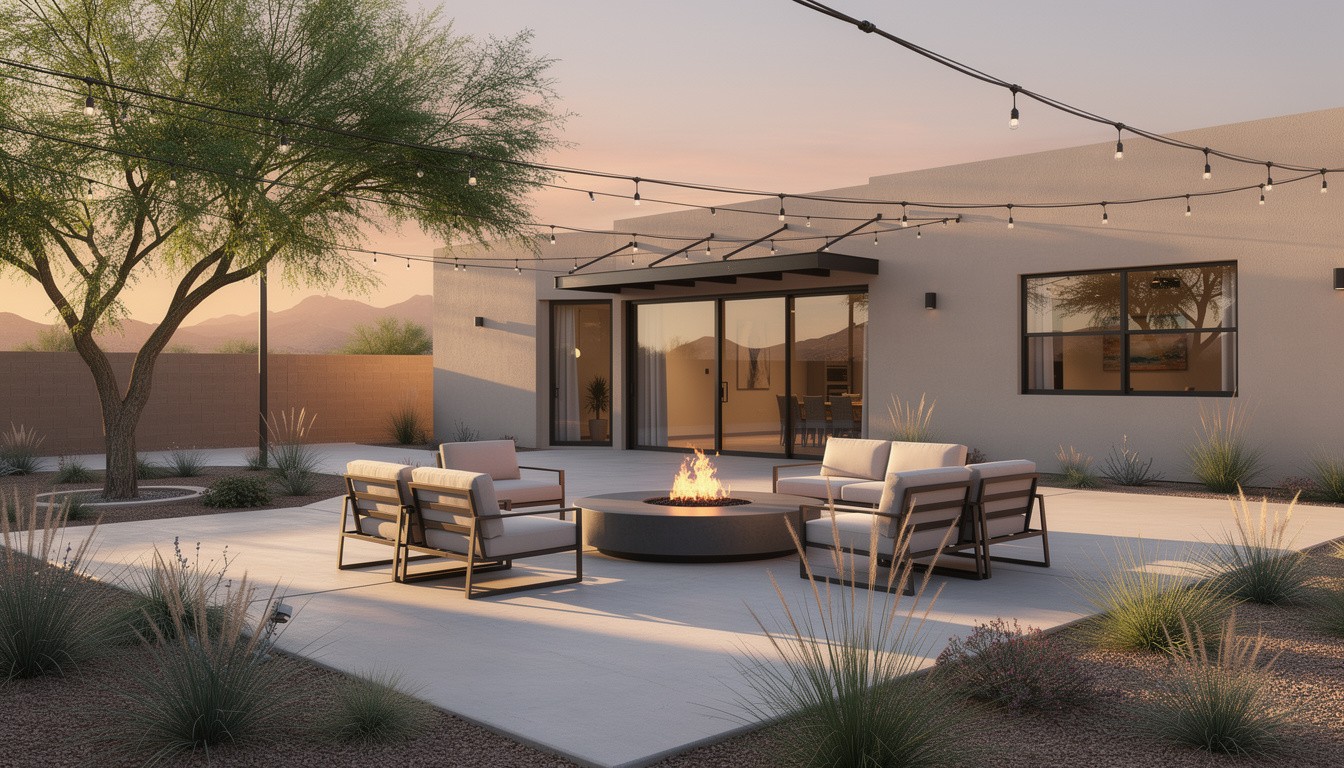
The Tucson Dusk Patio
$18–40/sqftA broad concrete patio extends from the rear of the home under bistro string lights, centered on a round concrete fire pit with modern lounge seating. A mature palo verde tree fills one corner while ornamental grasses and desert shrubs in gravel borders frame the patio. The Santa Catalina Mountains catch rose and amber light at dusk above the stucco wall. Tucson at 2,400 feet has the best outdoor evenings in Arizona.
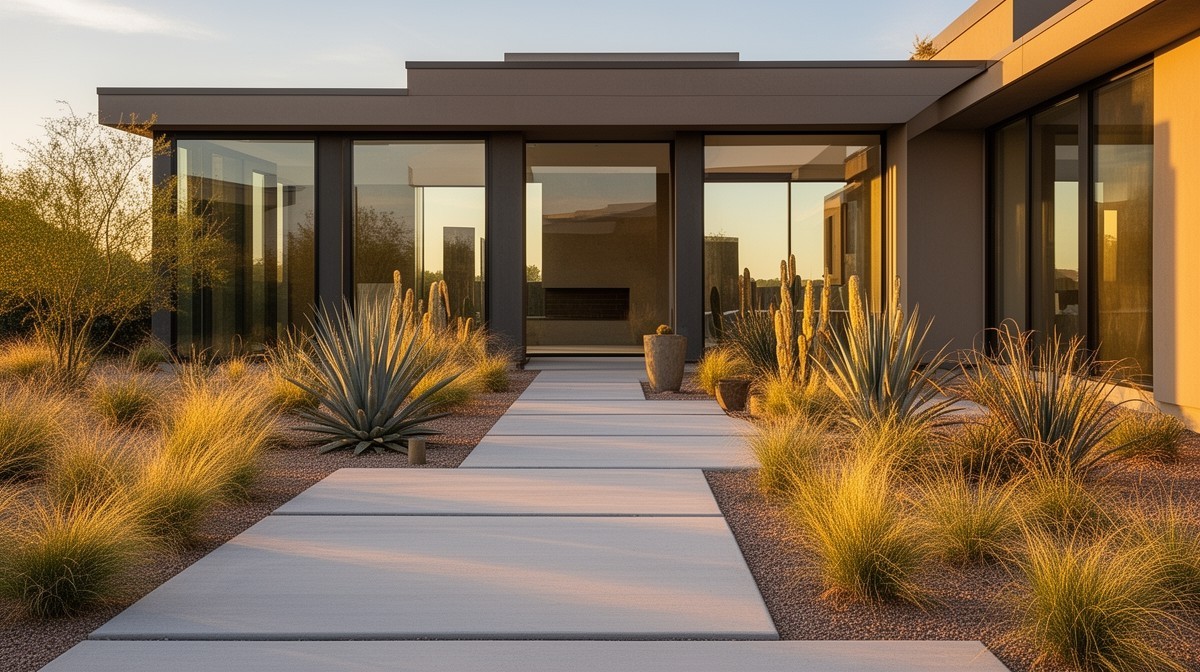
AI-generated image
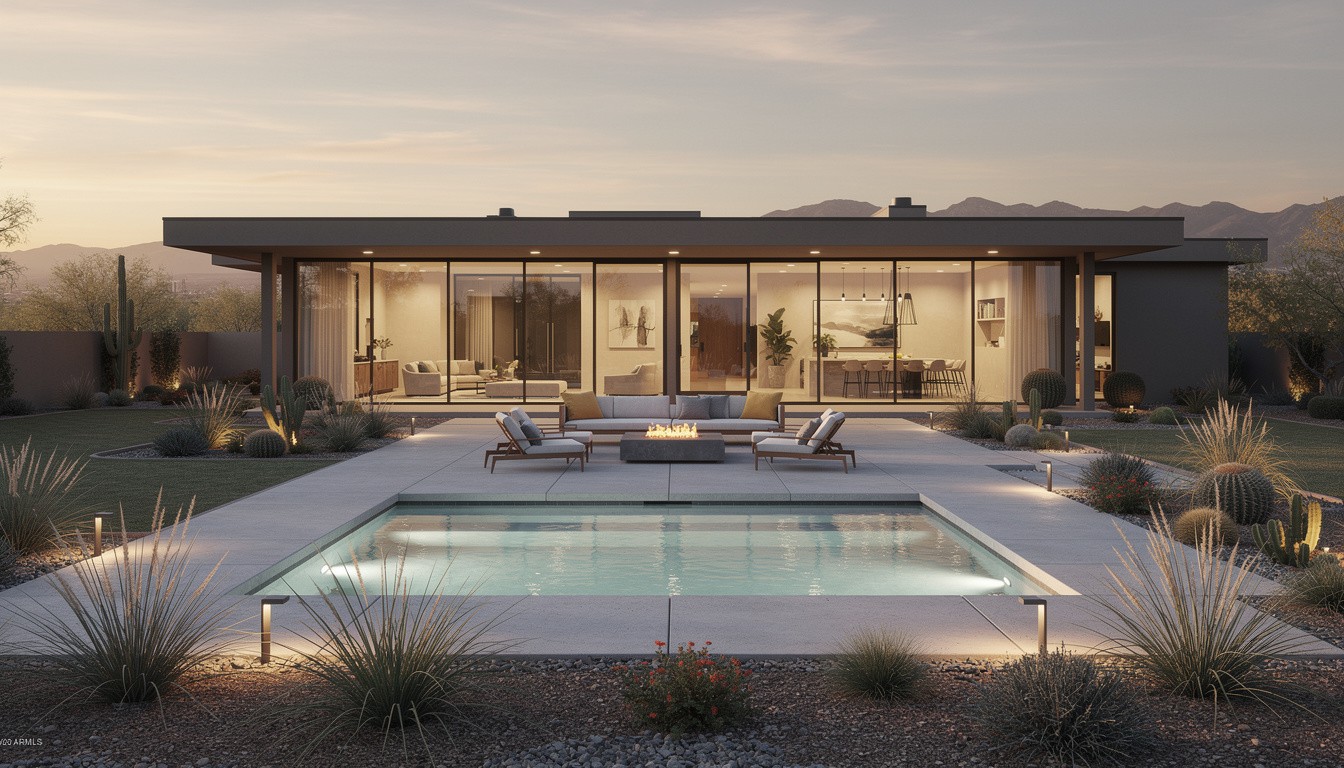
The Sonoran Pool with Mountain Views
$55–115/sqftA rectangular pool with a broad white concrete surround runs the full width of a walled Tucson backyard. A square built-in fire table and L-shaped lounge seating anchor one corner while the Rincon Mountains glow pink and gold at sunset above the back wall. Ornamental grasses, saguaro, and agave in crushed stone borders edge the pool deck with embedded landscape lighting. Indoor-outdoor integration at its finest in the Sonoran Desert.
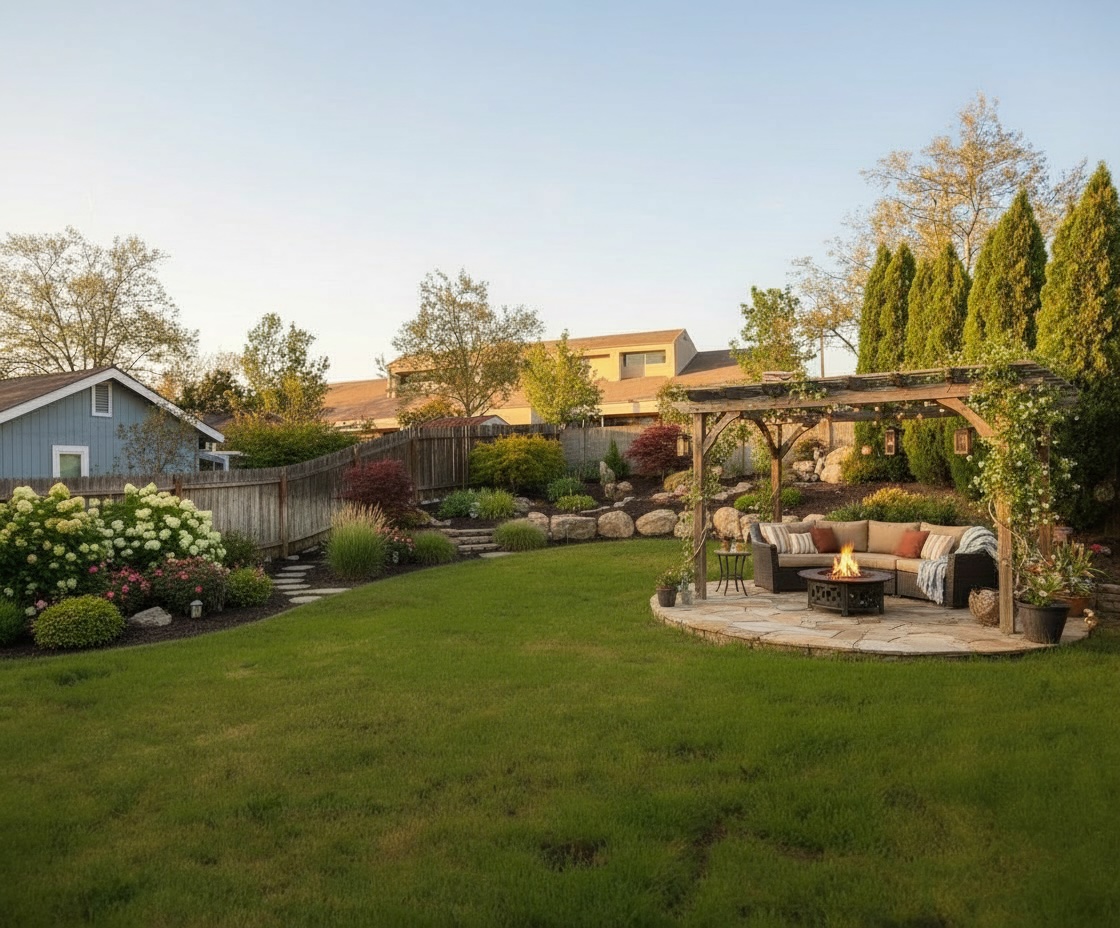
See how a modern/minimalist garden looks on YOUR property
Upload a photo of your Tucson yard and visualize your dream garden in seconds.
Try ProScapeAI Free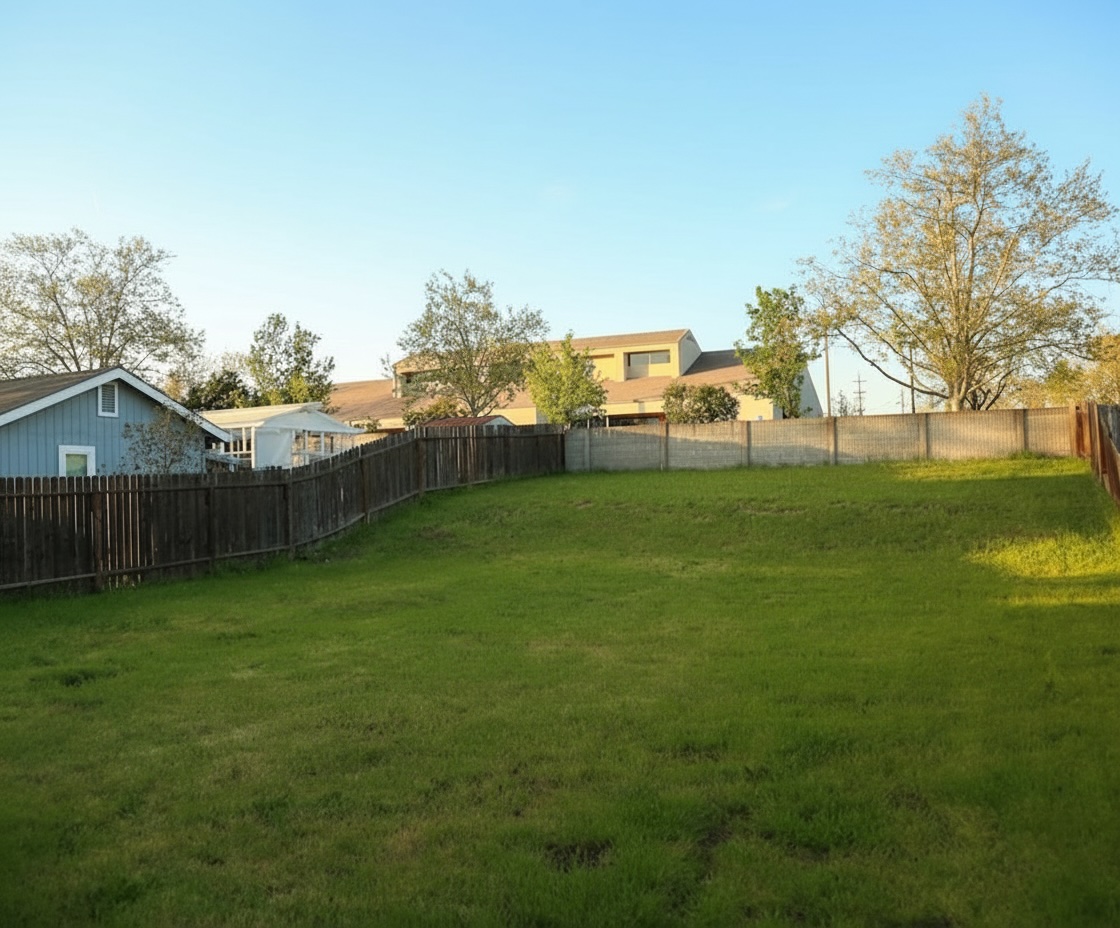
AI-generated image
Featured Trees & Shrubs for Modern/Minimalist Gardens
Browse all 186 plants for Tucson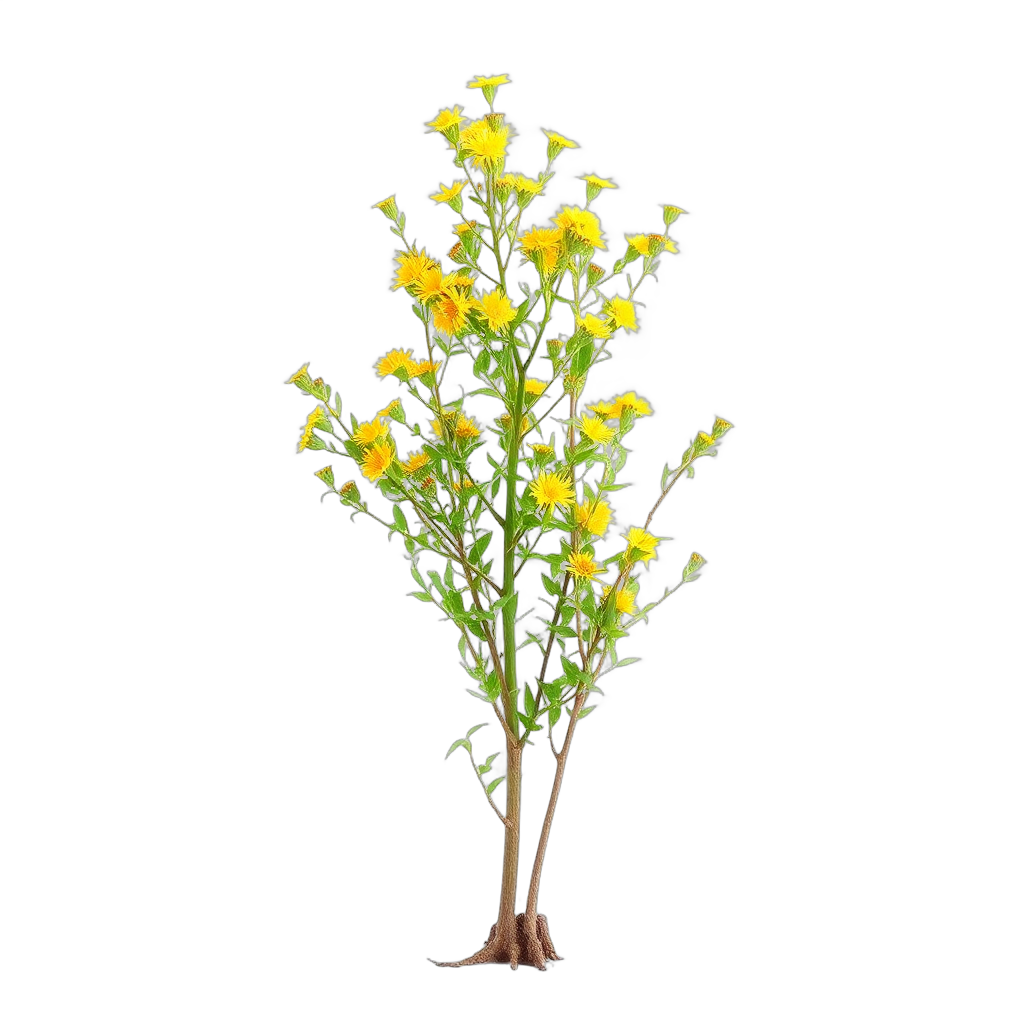
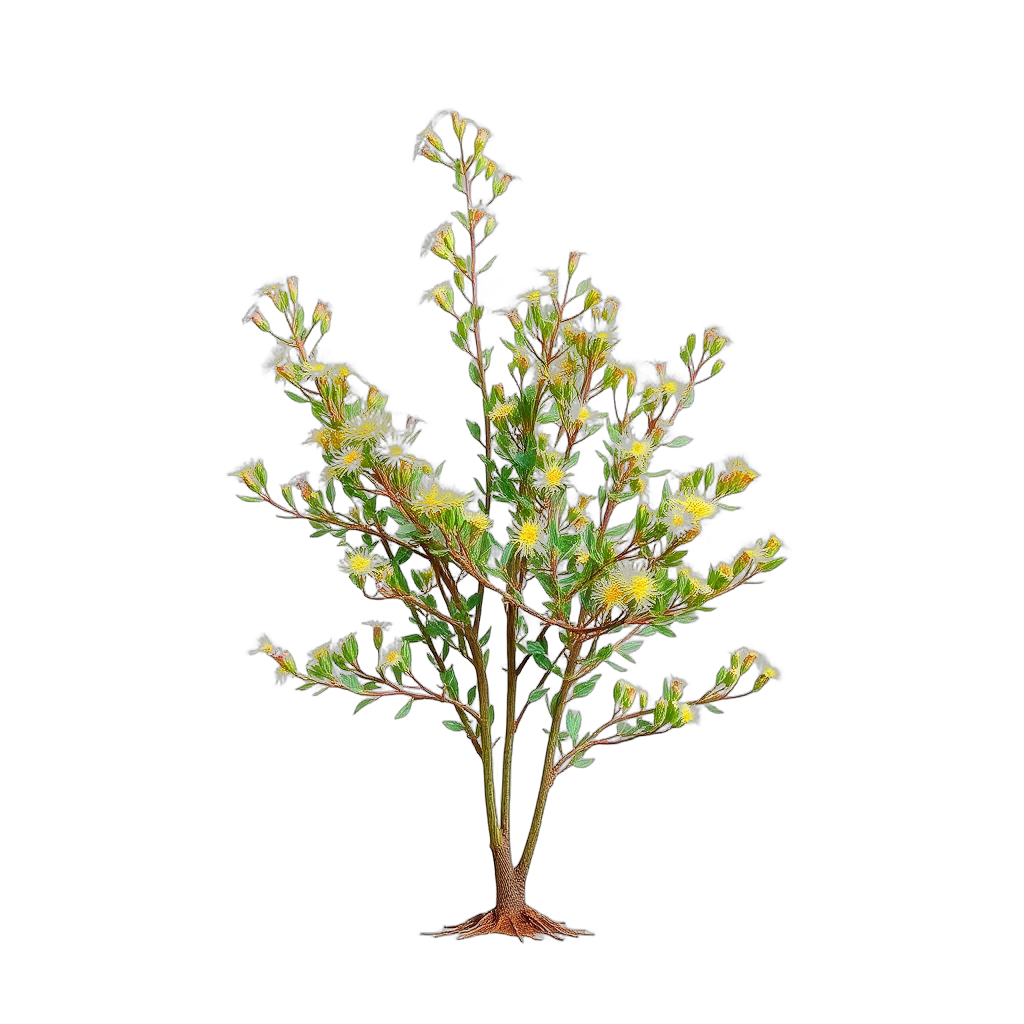
Brittlebush
Encelia farinosa
grows to 3 feet, yellow blooms in spring. Attracts butterflies.
Catclaw Acacia
Acacia greggii
medium-sized at 15 feet, yellow blooms in spring. Pollinator-friendly.
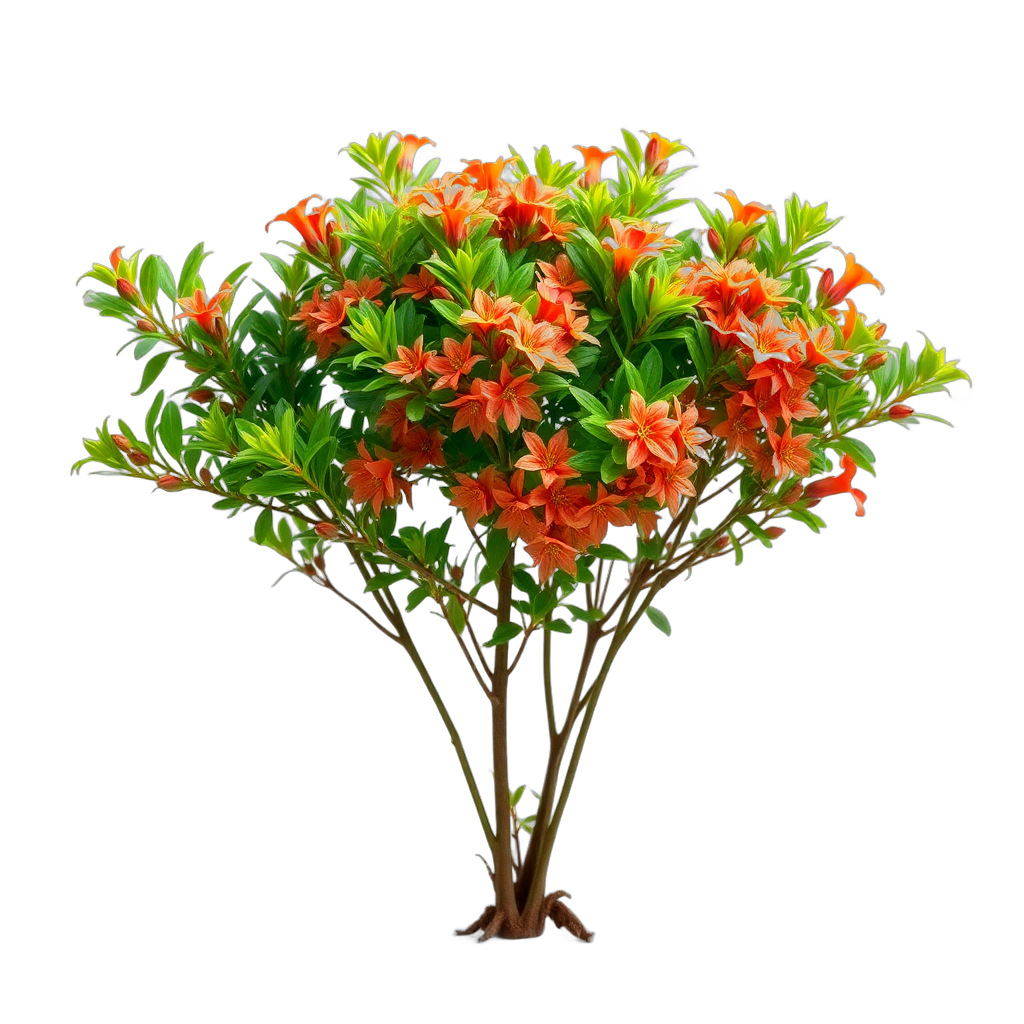
Chuparosa
Justicia californica
grows to 5 feet, red blooms in spring. Attracts hummingbirds.
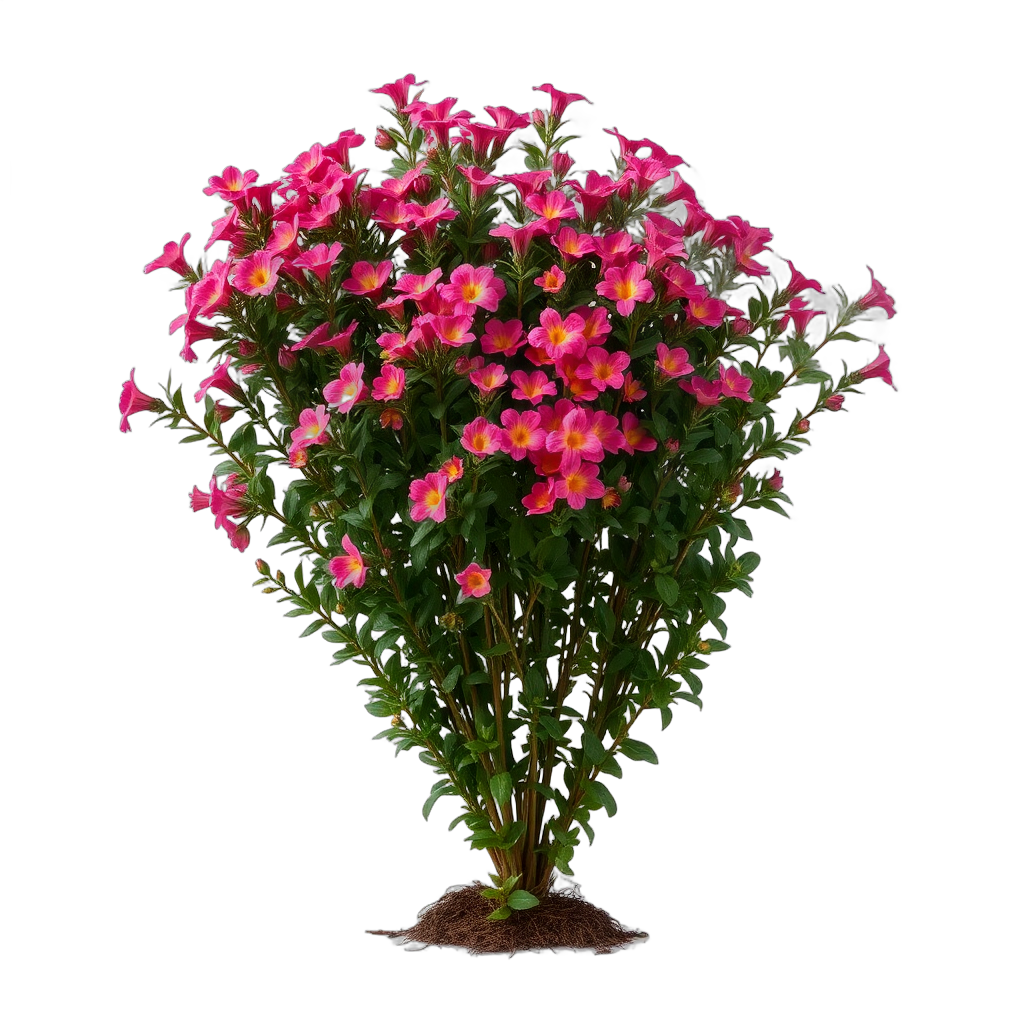
Cliffrose
Purshia mexicana
medium-sized at 8 feet, yellow blooms in spring. Attracts butterflies.
Featured Grasses & Groundcovers for Modern/Minimalist Gardens
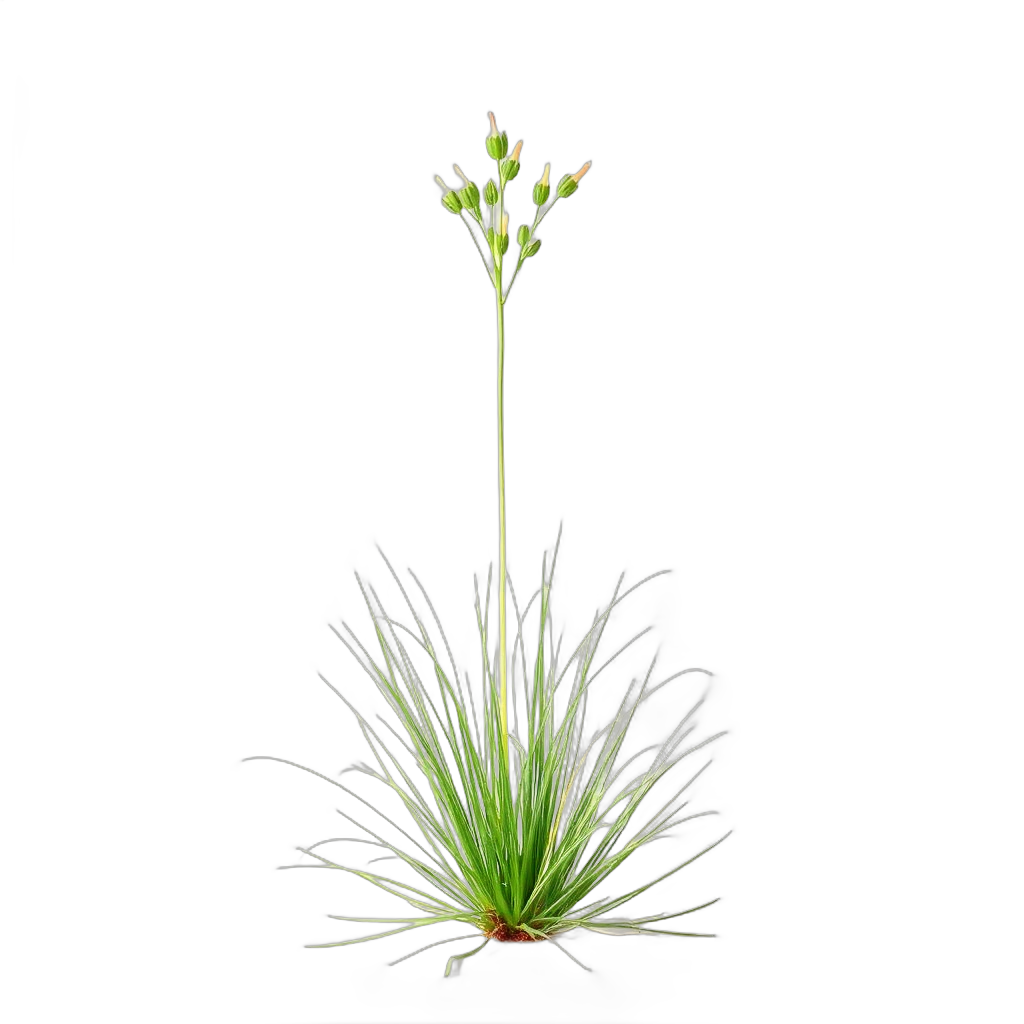
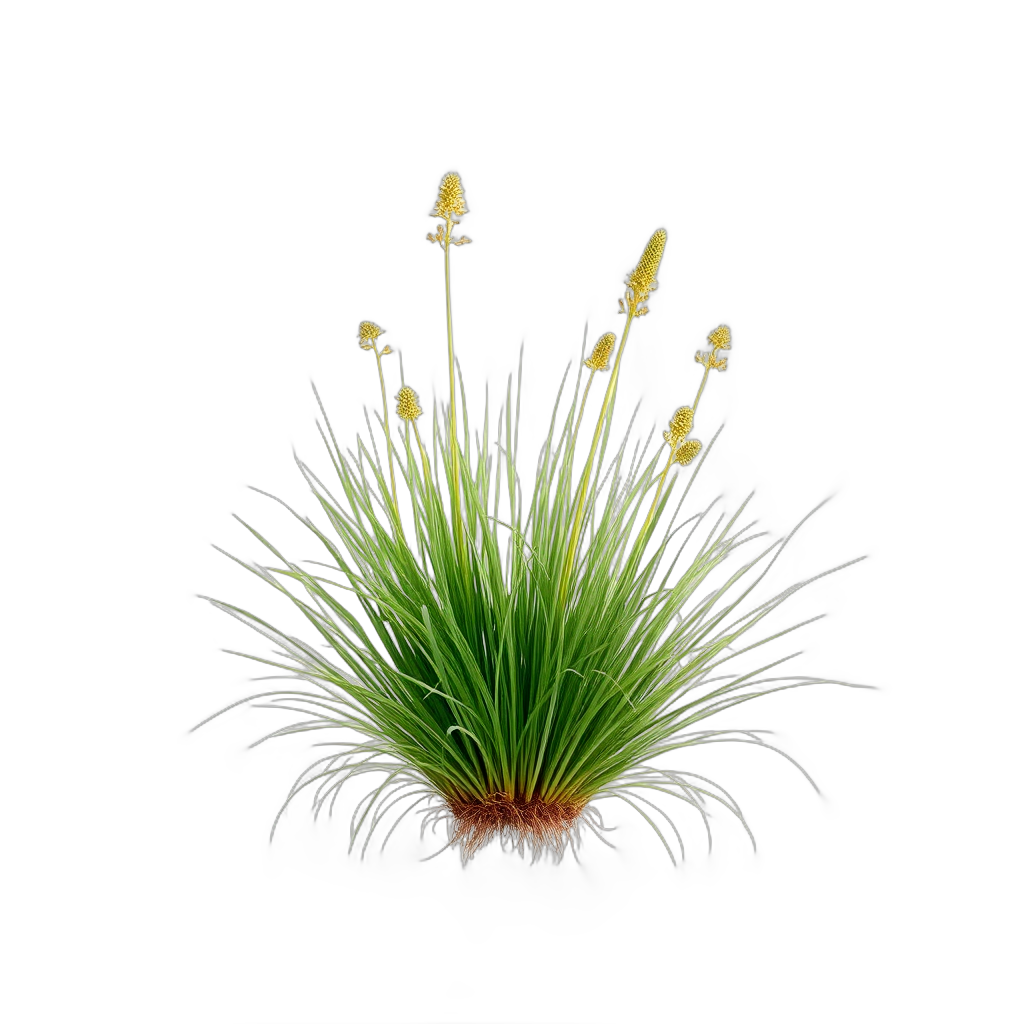
Alkali Sacaton
Sporobolus airoides
grows to 3 feet, blooms in summer. Yellow fall color.
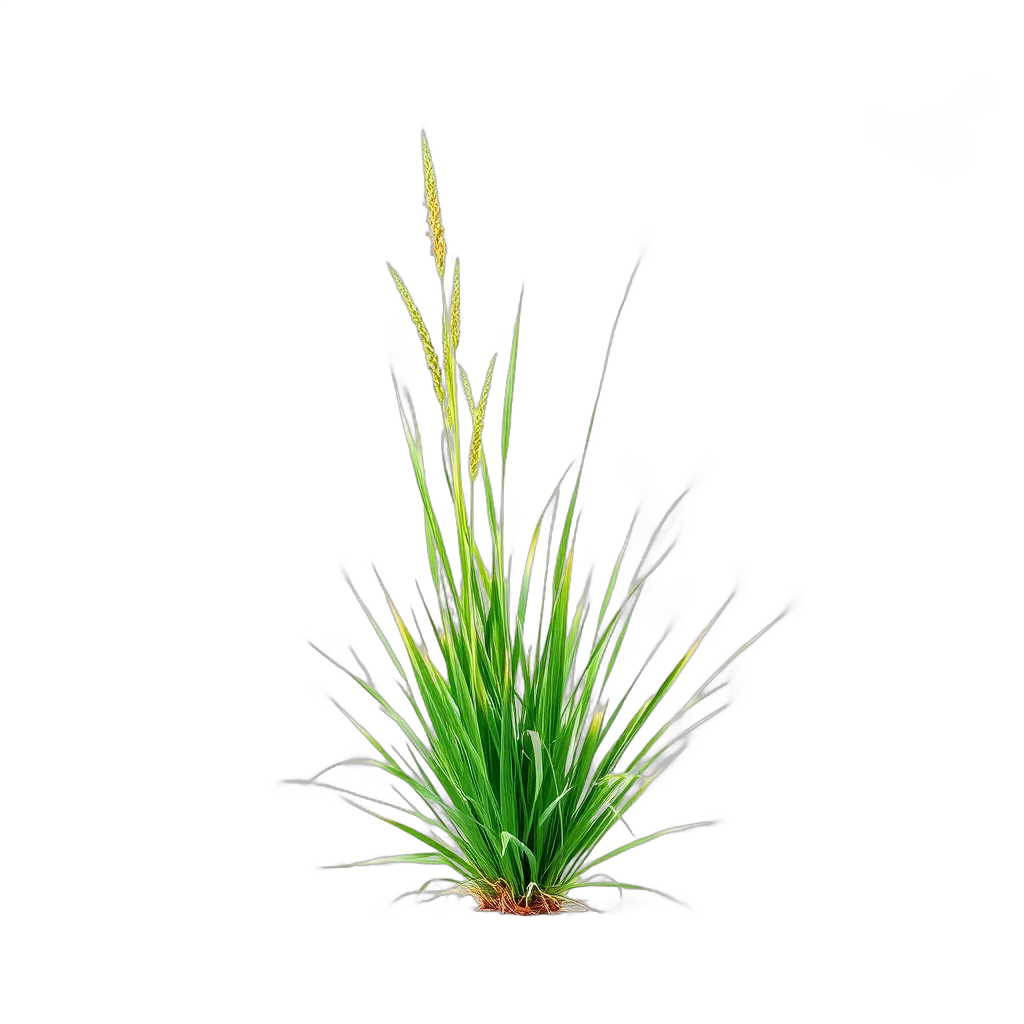
Big Sacaton
Sporobolus wrightii
grows to 5 feet, blooms in summer. Yellow fall color.
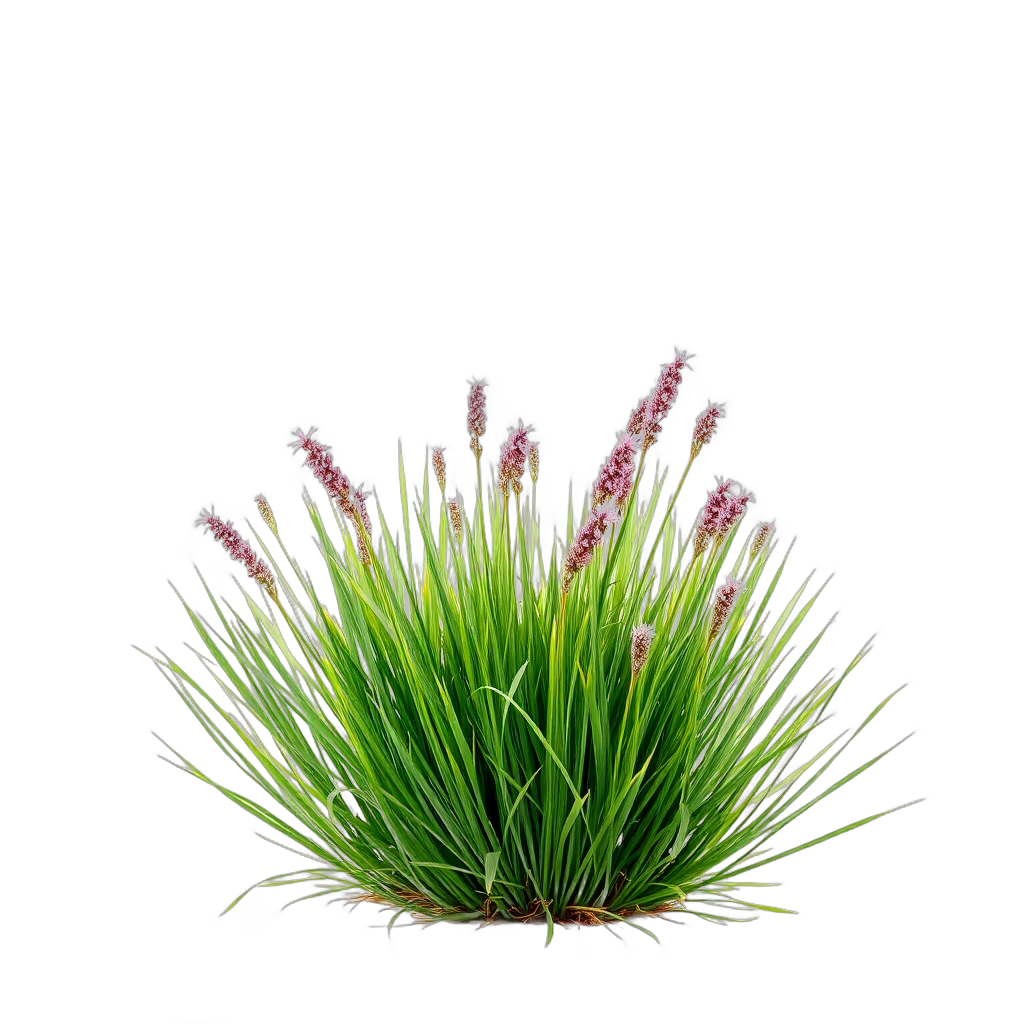
Bull Grass
Muhlenbergia emersleyi
grows to 4 feet, purple blooms in fall. Yellow fall color.
Purple Three-Awn
Aristida purpurea
low-growing ground cover, purple blooms in fall. Yellow fall color.
Featured Flowers & Perennials for Modern/Minimalist Gardens
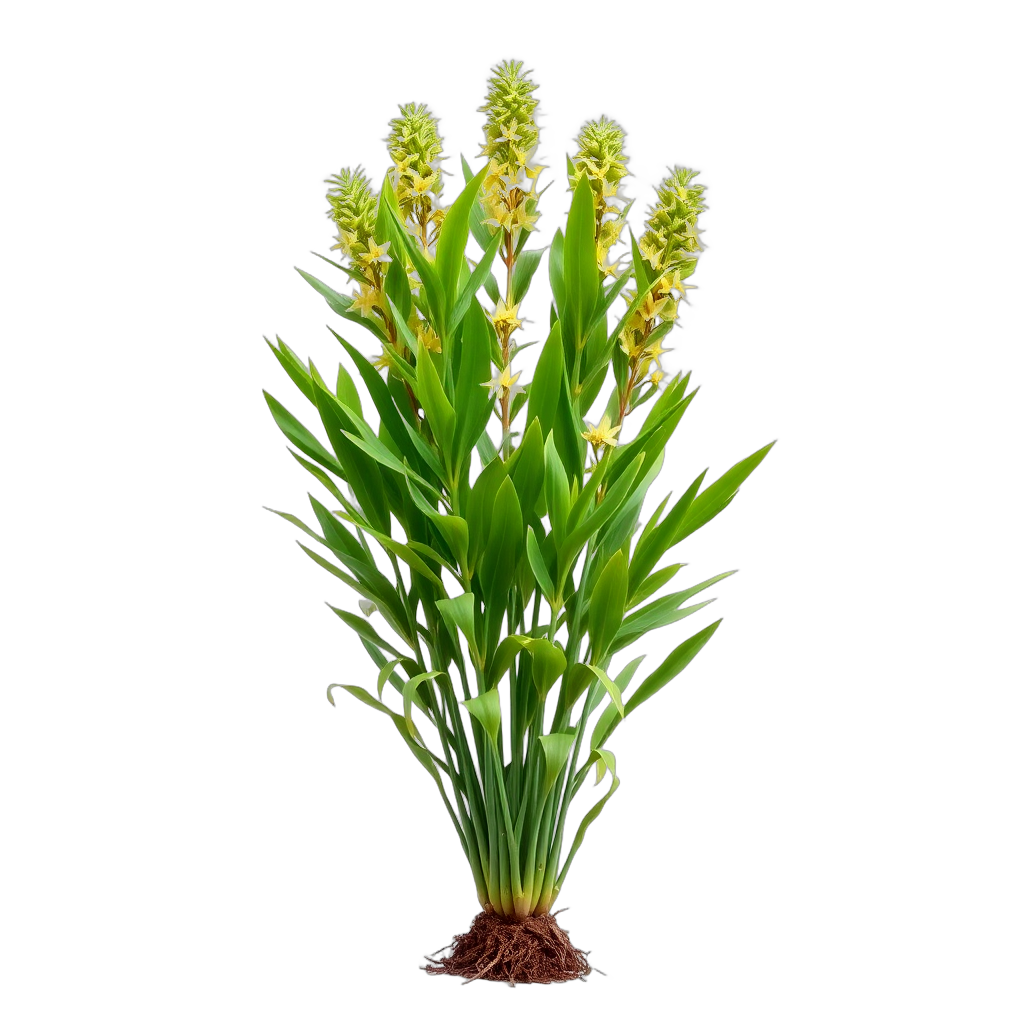
Banana Yucca
Yucca baccata
low-growing ground cover, white blooms in spring. Attracts hummingbirds.
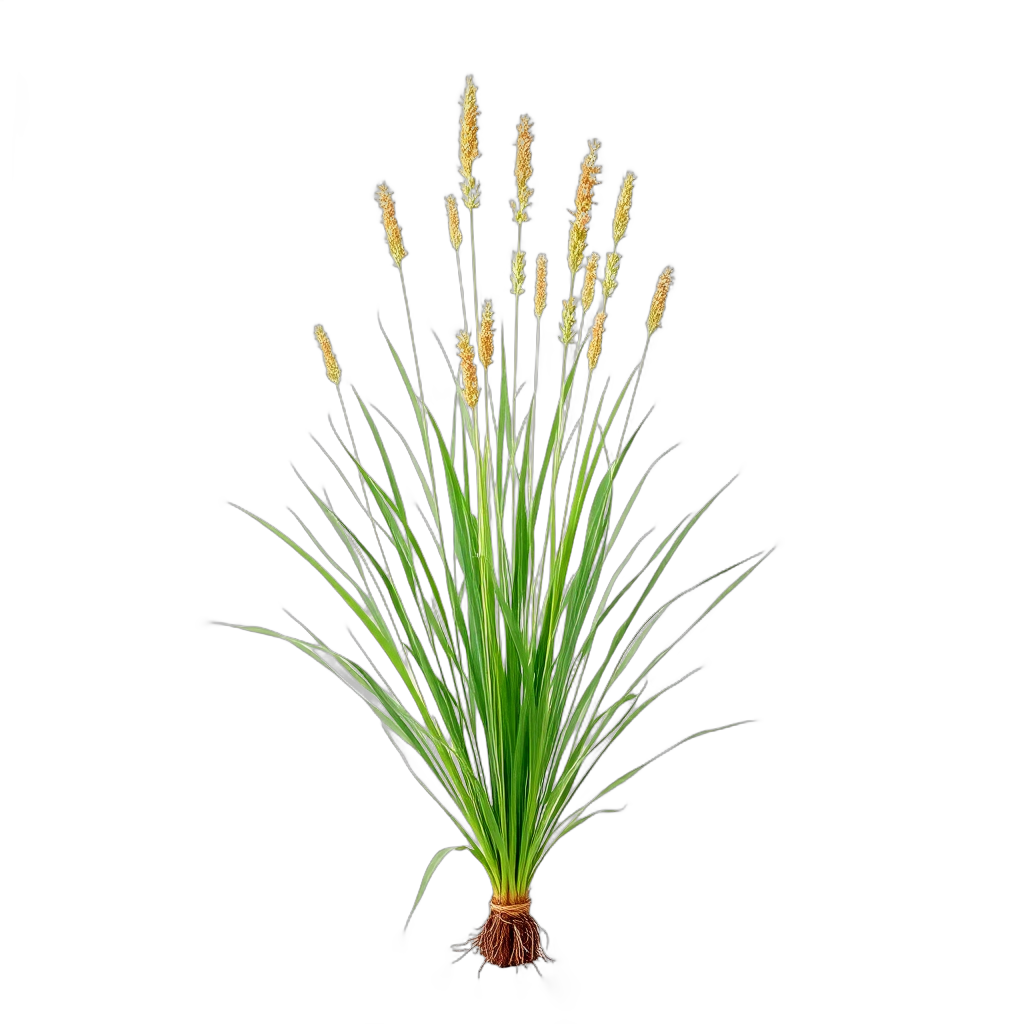
Beargrass
Nolina microcarpa
low-growing ground cover, white blooms in summer. Evergreen year-round.
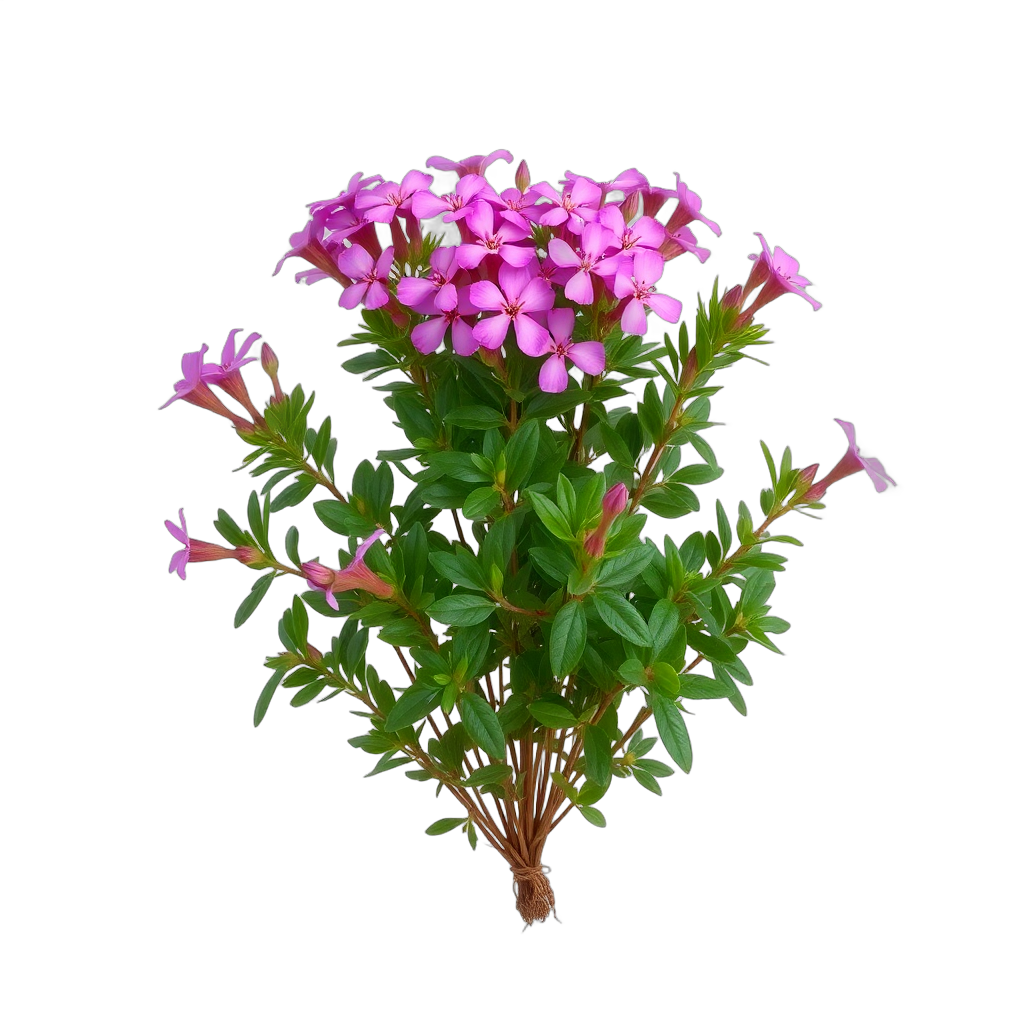
Desert Phlox
Phlox austromontana
low-growing ground cover, pink blooms in spring. Attracts hummingbirds.
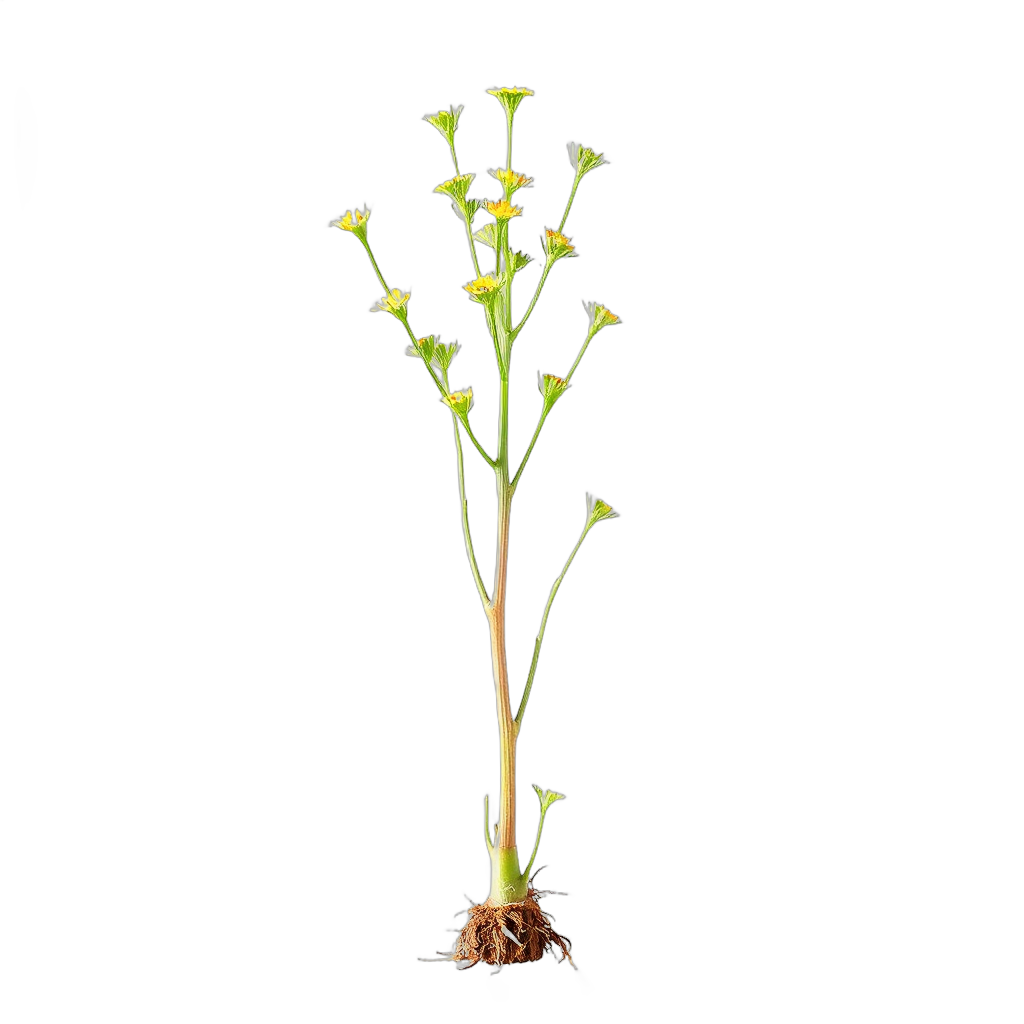
Desert Spoon
Dasylirion wheeleri
grows to 4 feet, white blooms in summer. Evergreen year-round.
Zone and sun checks come from our database — confirm with your local nursery before you buy.
Bloom Calendar for Tucson
spring
Banana Yucca, Desert Phlox, Brittlebushsummer
Beargrass, Desert Spoon, Alkali Sacatonfall
Bull Grass, Purple Three-Awnwinter
Limited bloomsDesign Tips for Tucson (Zone 9b)
- Plant ironwood trees with the understanding that they're multi-generational investments — a 30-year-old ironwood in a Tucson yard is worth more in shade, aesthetics, and ecological value than the irrigation system that could replace it
- Apply for Tucson Water's xeriscape rebate ($1/sqft, up to $1,000) before removing turf — pre-approval with before photos is required; Tucson's program is one of the most accessible in Arizona
- Design your landscape to harvest monsoon rain — Tucson's 12 inches of annual rainfall (6–8 inches in monsoon) is double Phoenix's; simple berms or shallow basins that capture runoff can eliminate supplemental irrigation entirely in some plant zones
- Orient outdoor seating areas toward the north or northeast for mountain views toward the Santa Catalinas — Tucson's most spectacular daily sight is the Catalinas changing color at sunset
- Use warm terracotta or rose-tone DG in Tucson's historically-influenced neighborhoods — the warm desert tones complement the adobe architecture that defines the city's visual character far better than cool gray gravel
- Plant saguaro in the back of the design scene, not the front — they grow slowly, need established space around them, and gain stature over decades; placing them where they'll be seen against the sky maximizes their architectural impact
Where to Source Plants in Tucson
Skip the big-box stores. These independent Tucson nurseries specialize in the plants that make modern/minimalist gardens thrive in Zone 9b.
Civano Nursery
Southeast Tucson / Civano
Arizona's premier Sonoran native plant nursery — largest selection of legally grown native cacti, shrubs, and trees
Desert Survivors Nursery
West Tucson
Native desert plants, cold-hardy cacti, Sonoran natives sourced and propagated responsibly
Sonoran Natives Nursery
Northwest Tucson
Native Sonoran plants, salvaged saguaro, ironwood, palo verde — sustainability focused
Rillito Nursery
North Tucson / River Road area
Full-service nursery with strong xeriscape selection, trees, and desert shrubs for Tucson
Arizona-Sonora Desert Museum Plant Nursery
Tucson Mountain District / West Tucson
Native Sonoran plants propagated at the museum — the most authentic source of regionally appropriate plants in Tucson
Modern/Minimalist Landscaping Costs in Tucson
| Project Scope | Estimated Cost |
|---|---|
| Front yard native xeriscape redesign (400–600 sqft) | $3,500 – $9,000 |
| Concrete patio with fire feature (300–500 sqft) | $7,500 – $20,000 |
| Turf removal + desert gravel + native plants (per sqft) | $4.50 – $17/sqft |
| Paver or flagstone patio installation | $15 – $30/sqft |
| Drip irrigation system | $1,000 – $2,800 |
| Pool installation (inground, standard) | $40,000 – $80,000 |
| AI visualization with ProScapeAI | Free to start |
Estimates based on Tucson, AZ-area contractor rates as of 2026. Actual costs vary by site conditions, materials, and contractor.
Tucson Climate & Growing Zone

USDA Zone 9b
Hardiness zone for Tucson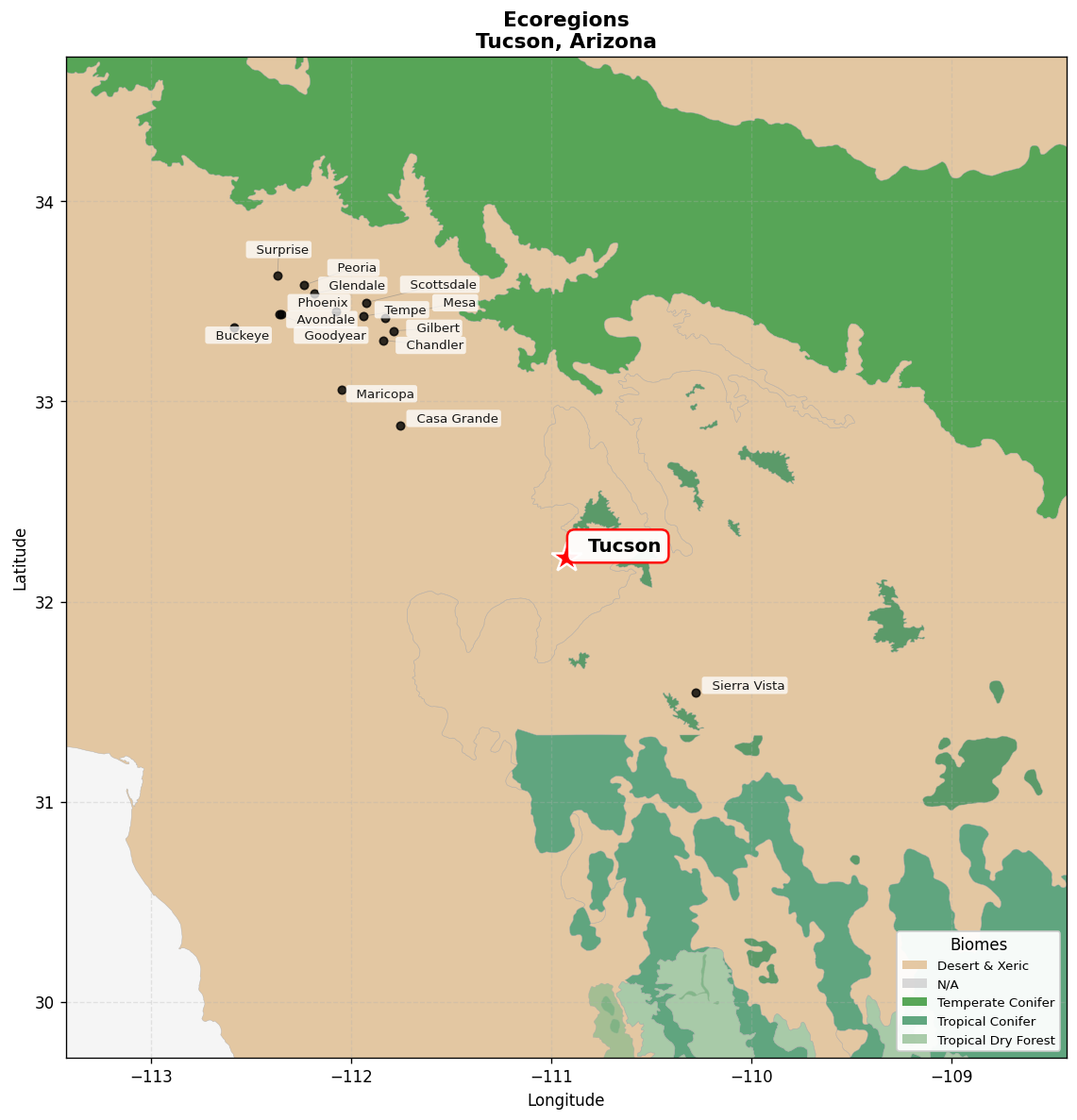
Sonoran desert
Native ecoregionFrequently Asked Questions
What are Tucson Water's xeriscape rebates and water restrictions?
Tucson Water operates Arizona's most comprehensive residential water conservation program. The Water-Wise Landscape Program offers: $1 per square foot for turf removal and replacement with xeriscape (up to $1,000 residential); free landscape evaluations by certified xeriscape designers; a free Water-Wise Plant List with over 200 species; and free soil amendment and mulch for eligible properties. Mandatory watering restrictions: outdoor irrigation limited to two days per week May–October, three days per week November–April, before 8am or after 6pm only, and prohibited 48 hours after any rainfall. Tucson Water also offers rebates for smart irrigation controllers and drip system installation.
What plants thrive in Tucson's Zone 9b BSh climate?
Tucson's Zone 9b, higher elevation (2,400 ft), and BSh (hot semi-arid) climate support a richer native plant palette than lower-elevation Phoenix. Outstanding performers: Desert Museum palo verde, ironwood, desert willow, Pima palo verde, saguaro, brittlebush, desert marigold, desert globe mallow, ocotillo, red yucca, blue agave, desert sage, desert spoon, and penstemon. Tucson's extra elevation and 12-inch rainfall (versus 8 in Phoenix) allow some plants that struggle in the lower Sonoran: velvet mesquite, agave deserti, and certain penstemon species. The Arizona-Sonora Desert Museum publishes an outstanding plant guide specific to the Tucson Basin.
How does Tucson's monsoon season create landscaping opportunities?
Tucson's monsoon (July–mid-September) is more substantial than Phoenix's — the city receives 6–8 inches of its 12-inch annual rainfall in intense but remarkably reliable afternoon and evening storms. Unlike Phoenix's flash-flood monsoon, Tucson's storms often come in waves that wet the soil deeply. This creates a genuine growing opportunity: native plants that have been semi-dormant through the dry late spring flush with new growth after the first monsoon rains. Design for monsoon abundance: a shallow rain garden in a low spot, a dry arroyo that becomes a seasonal stream, or simply planting zones that collect rather than shed monsoon water. Tucson's extra rainfall is a design asset.
How is landscaping in Tucson different from Phoenix?
Several meaningful differences: Tucson sits 1,100 feet higher than Phoenix, making summers about 5°F cooler and winters occasionally colder with real frost potential. Tucson receives 12 inches of annual rain versus Phoenix's 8 — 50% more natural water for plant establishment. Tucson has a more authentically preserved Sonoran Desert character surrounding it (Saguaro National Park on both sides of the city) that creates stronger visual and cultural connections to the native landscape. Tucson's design culture is more academically and artistically engaged with native desert plants, producing more sophisticated xeriscape work. Phoenix's scale and hotter microclimate push toward even more spare, hardscape-heavy designs; Tucson's landscapes often have richer planting palettes.
What is caliche and how does Tucson's soil differ from the rest of Arizona?
Caliche (calcium carbonate hardpan) is present in Tucson soils but less uniformly so than in the Phoenix Valley floor. Tucson's soils vary considerably by location: the foothills have rocky, shallow soils; the valley floor has deeper alluvial soils with caliche at varying depths; the older neighborhoods near the university often have heavily worked soils with mixed profiles. Test with a metal probe before planting trees — caliche at 12–18 inches requires breaking through for proper root development. Tucson's extra rainfall actually helps: water infiltration tests better here than in drier Phoenix areas, and caliche layers are less impermeable when regularly wet by monsoon. Amend heavy clay soils in valley-floor neighborhoods with gypsum and compost before establishing native plants.
Are there design requirements for historic Tucson neighborhoods?
Yes — Tucson's historic districts (Barrio Historico, West University, Sam Hughes, and others) have specific design review requirements. The Tucson Historic Preservation Office (THPO) reviews exterior changes including landscaping in designated districts. Requirements vary by district but typically address: plant palette appropriateness, hardscape materials and colors, fence and wall design, and visibility from the street. The good news: Tucson's historic district guidelines generally support xeriscape and native Sonoran planting — they're more concerned with avoiding incongruous materials or styles than restricting water-wise landscaping. Contact THPO before starting any significant landscape project in a designated historic district.