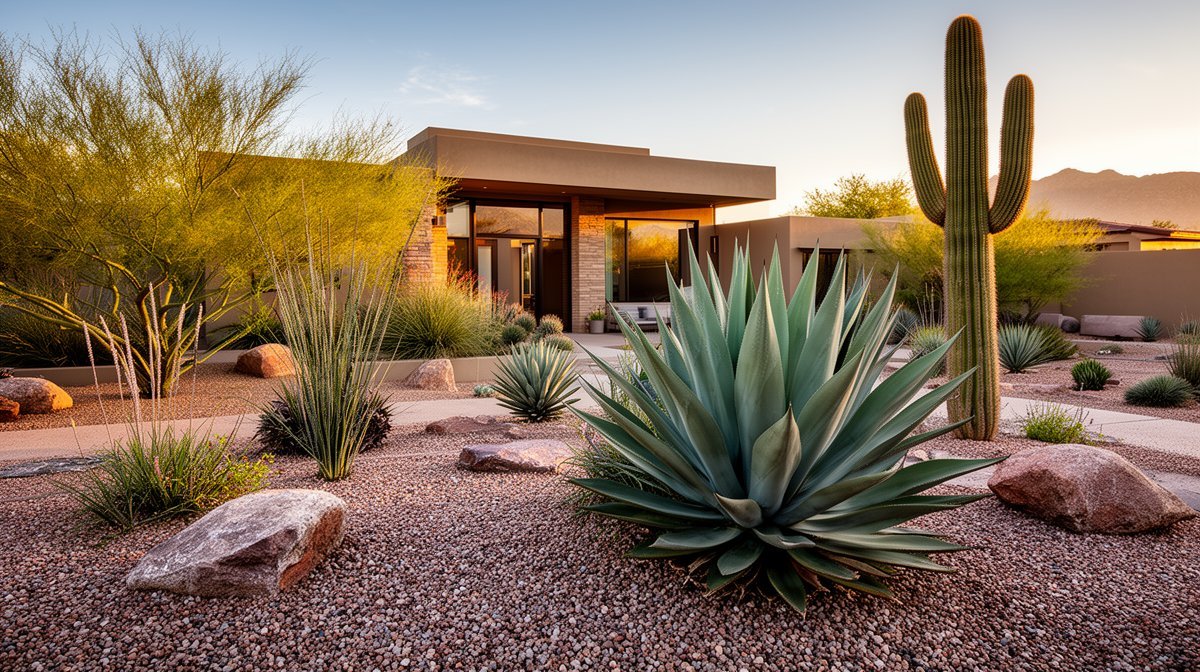
4 Desert Garden Ideas for Tucson, AZ | Sonoran Xeriscape for Zone 9b
Native plants from the Sonoran desert (Zone 9b) — Hot semi-arid climate
Why Desert/Xeriscape Gardens in Tucson?
Tucson sits at the ecological heart of the Sonoran Desert — Saguaro National Park wraps around the city on two sides, the Arizona-Sonora Desert Museum sits 15 minutes west, and the Santa Catalina Mountains rise from desert scrub to ponderosa pine forest just north of the city limits. No other major American city has this level of native landscape on its doorstep, and no other city has internalized it as deeply into its design culture. Tucson's native desert landscaping tradition runs 50+ years deep, producing a body of residential work that is still the national standard for desert garden design.
The Sonoran Desert's native plant palette in the Tucson Basin is extraordinary. Saguaro cactus — growing only in the Sonoran — achieves their greatest density in the Tucson area. Ironwood trees over 1,000 years old grow in the washes west of the city. Brittlebush turns the hillsides yellow every February. The monsoon, which in Tucson delivers a reliable and substantial 6–8 inches of rain from July through September, creates a genuine seasonal growing cycle that native plants respond to with exuberant new growth. At 2,400 feet elevation, Tucson's combination of warmth, moisture, and elevation diversity creates conditions no other desert city matches.
Tucson Water's conservation programs are the most generous in Arizona: $1/sqft for turf removal, free xeriscape design consultations, and educational programs that have helped shape one of the most water-efficient major cities in the country. A genuine Sonoran xeriscape in Tucson — one designed around native plants that evolved on the city's 12-inch rainfall — achieves zero supplemental irrigation after 2–3 establishment years and looks more beautiful and ecologically rich every season.
4 Desert/Xeriscape Design Ideas for Tucson
AI-generated image
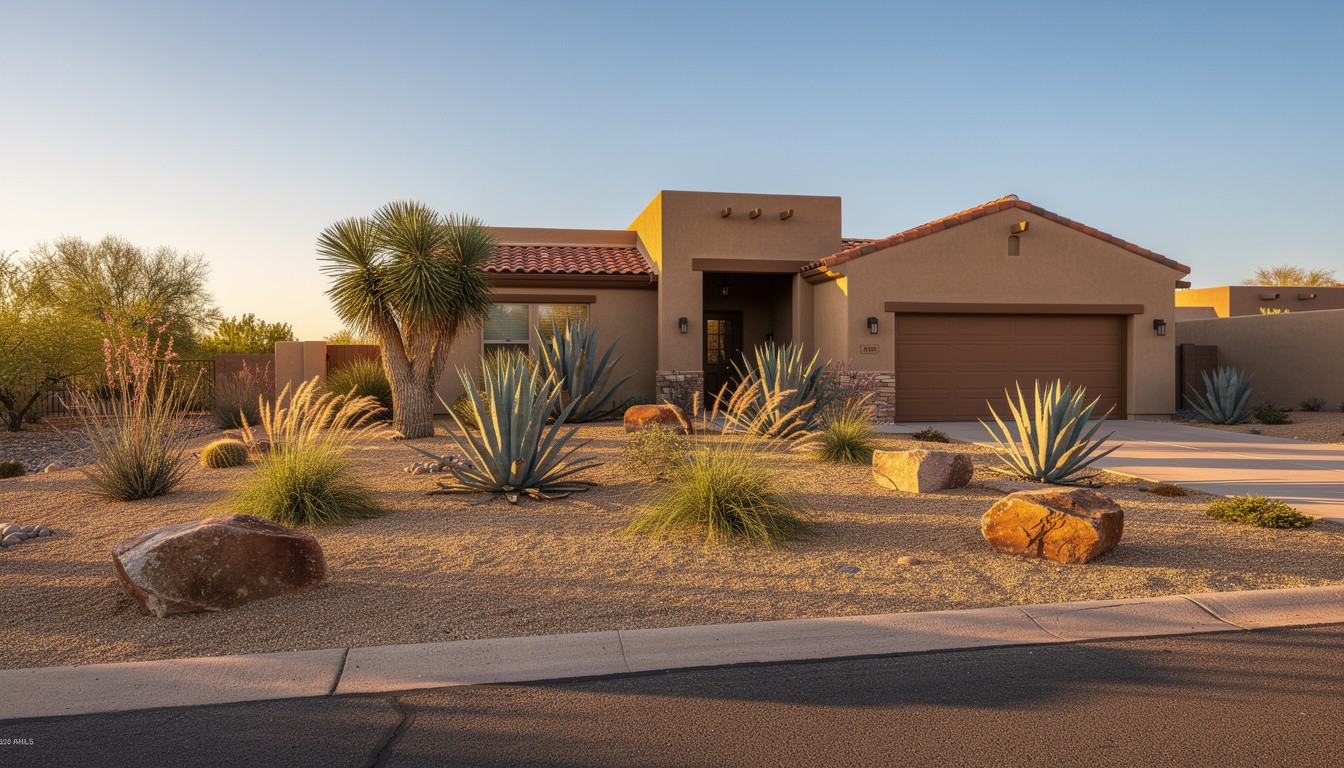
The Sonoran Agave and Yucca Front
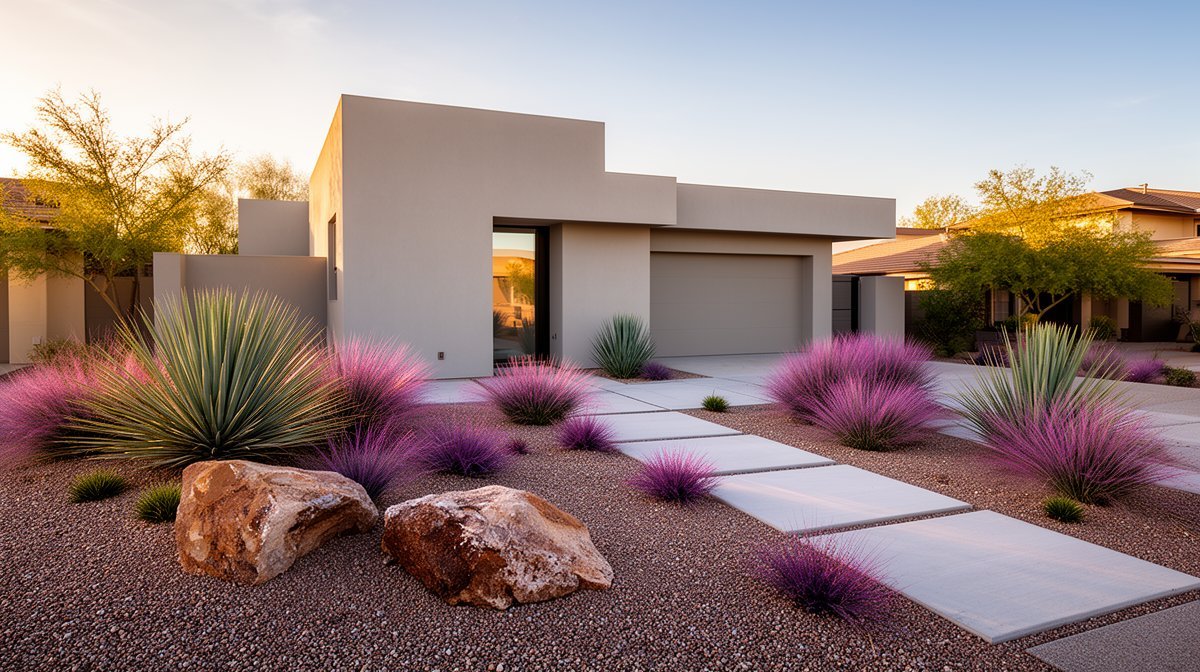
$7–14/sqftA pueblo-style stucco home faces a front yard of warm sandy desert gravel anchored by tall yucca rising to 6 feet, multiple bold agave rosettes, and scattered granite boulders creating a naturalistic, undisturbed-desert look. The Santa Catalina Mountains glow above the roofline at golden hour. This is Tucson xeriscape at its most authentic — looks like the desert opened its gates to the street.
AI-generated image
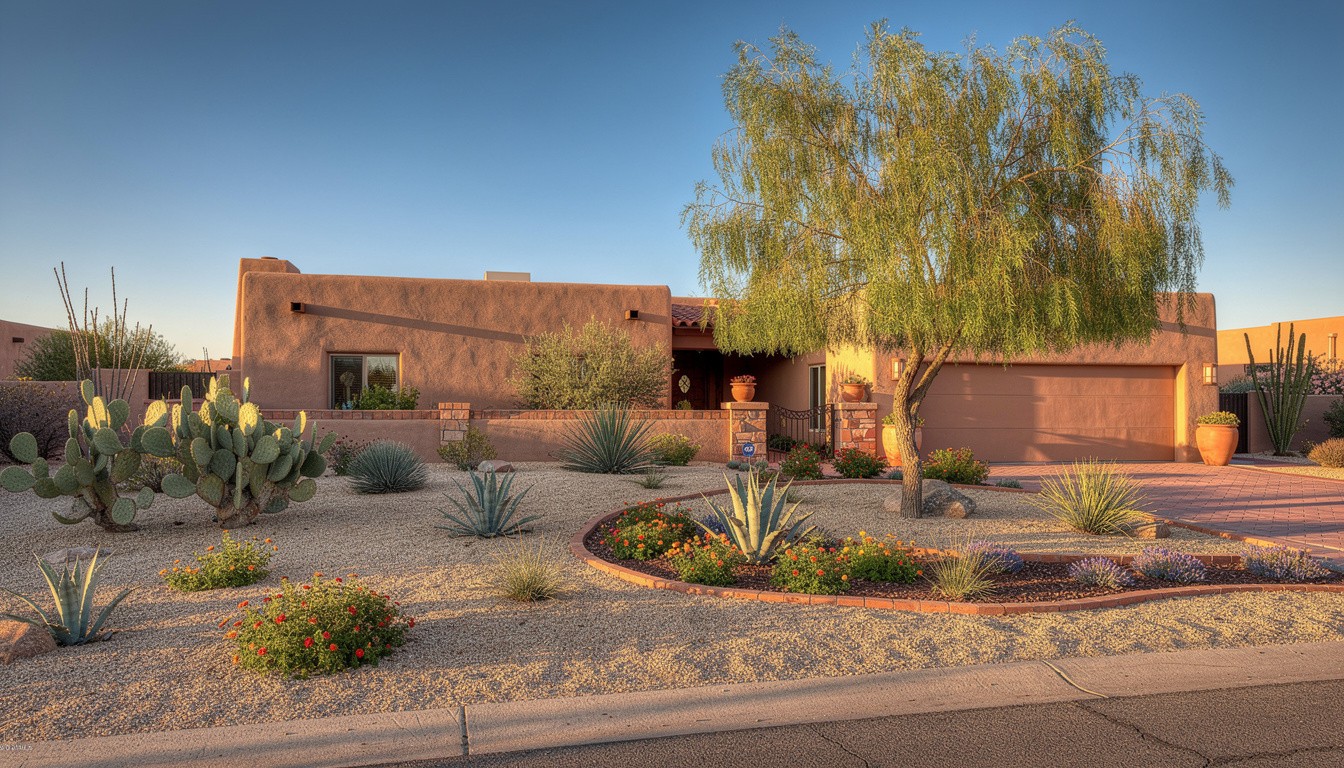
The Desert Willow Cactus Garden
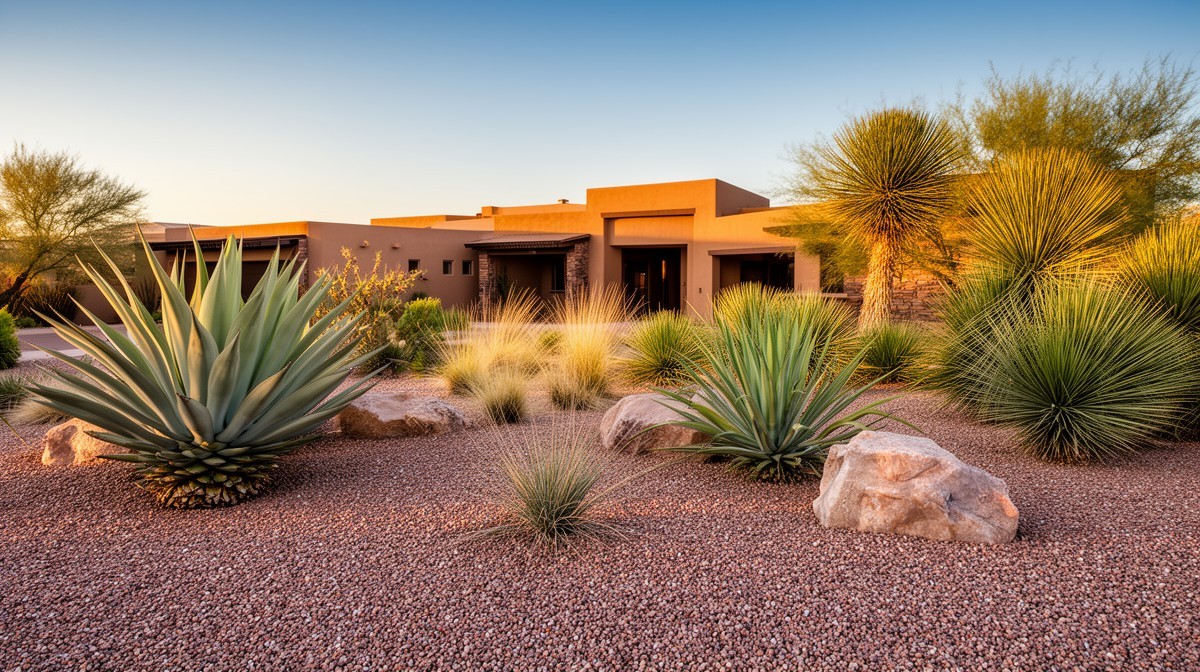
$9–18/sqftA weeping desert willow shades a front yard packed with Sonoran Desert character: prickly pear cactus in bloom, yellow barrel cactus, agave, and desert wildflowers in warm river rock gravel. Ceramic pots at the front entry add a splash of Tucson folk-art color. In spring this yard blooms simultaneously in yellow, pink, and orange — Sonoran Desert spring condensed into a front yard.
AI-generated image
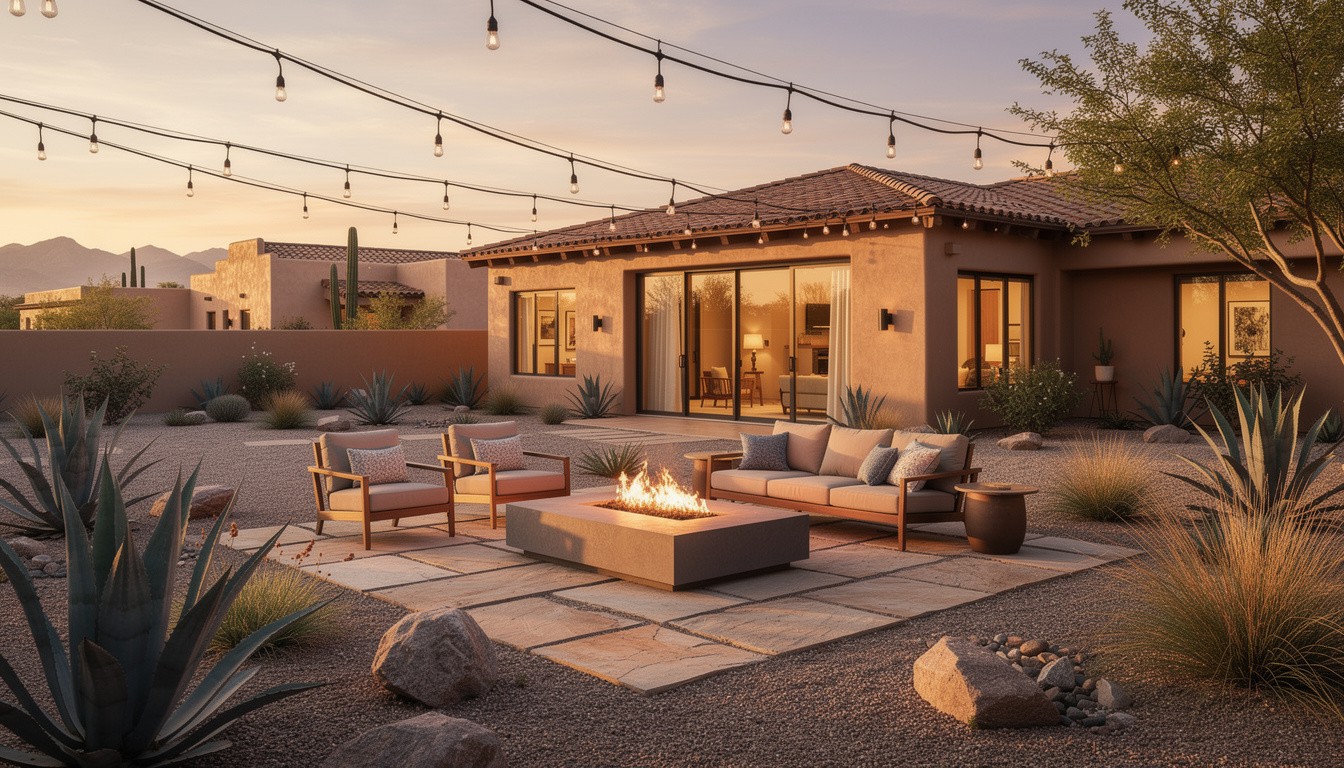
The Tucson Xeriscape Patio
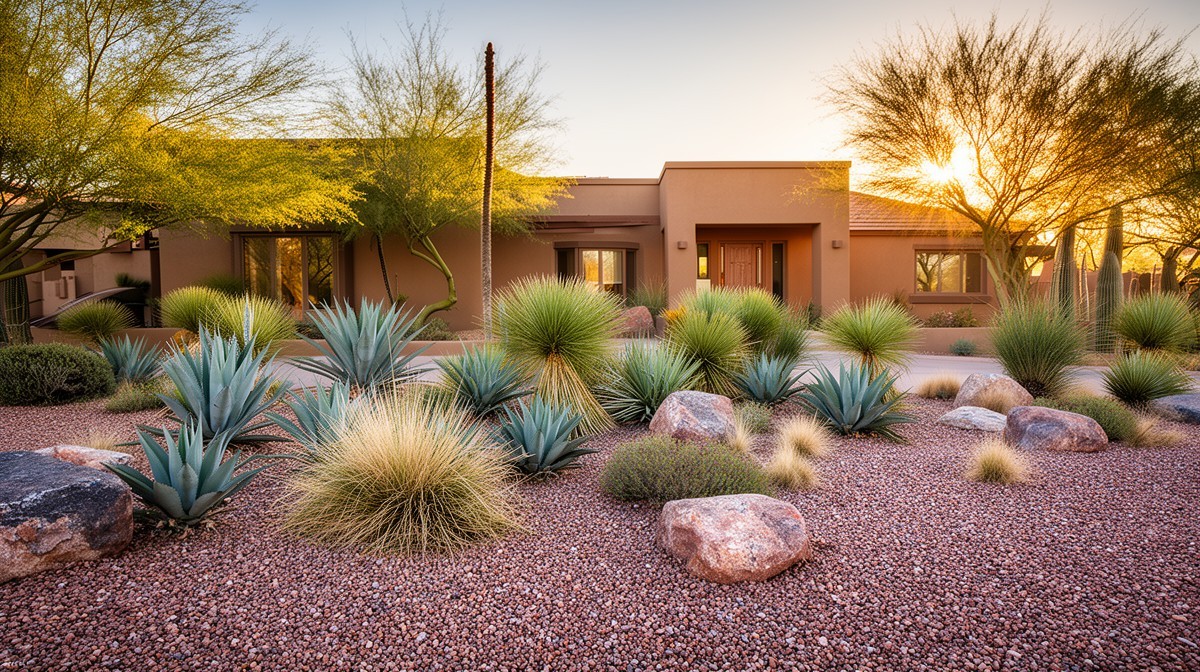
$18–40/sqftA flagstone patio centered on a round fire pit hosts colorful lounge seating under festoon lights, ringed by agave, desert shrubs, and boulders in crushed granite. Desert willow and palo verde trees frame the space with light canopy. The Santa Catalina Mountain foothills glow purple and rose at dusk above the adobe wall. Outdoor living in Tucson runs nine months a year — this patio earns every dollar.
AI-generated image
The Rincon Mountain Pool Xeriscape
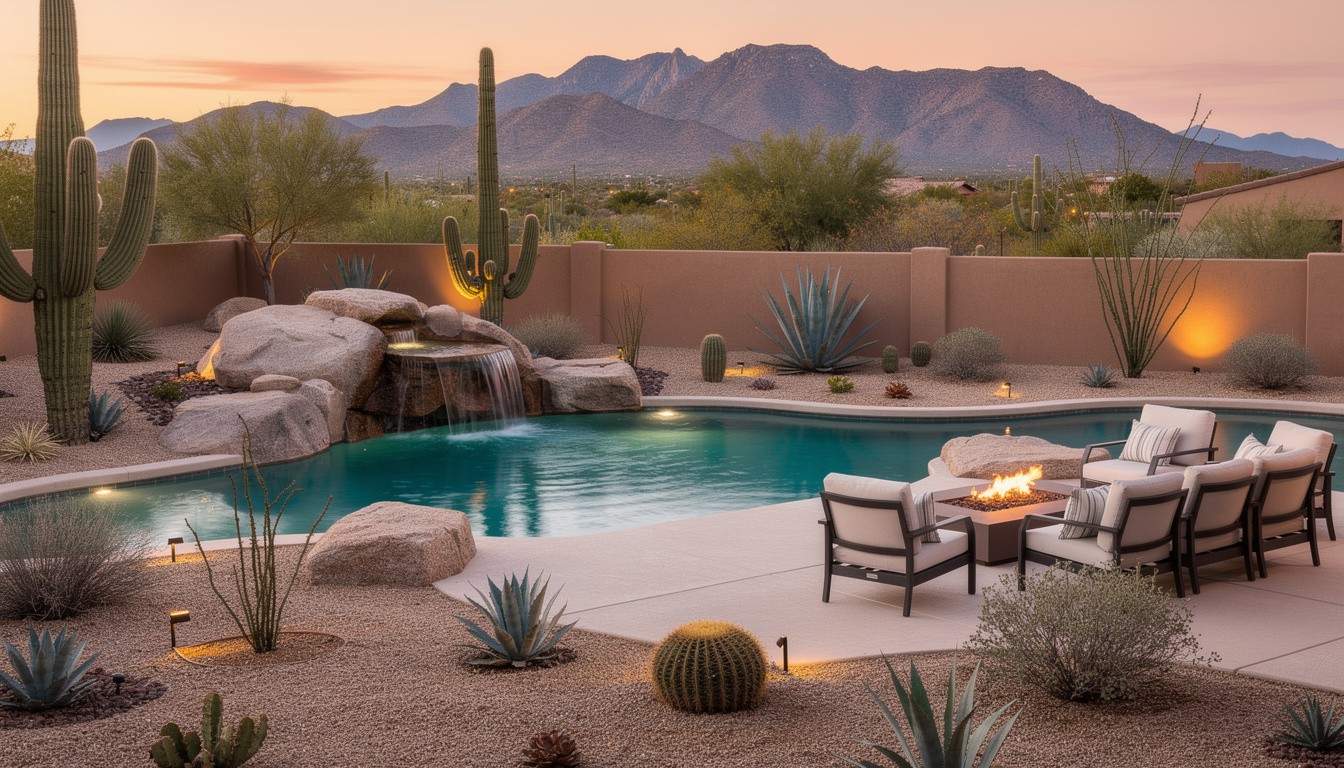
$55–120/sqftA freeform pool with a boulder waterfall feature and a built-in gas fire table anchor a covered flagstone patio, surrounded by saguaro cactus, agave, and desert flowering plants in gravel beds. The Rincon Mountains rise dramatically above the stucco back wall, lit at sunset by the last warm light. This is Tucson at its most spectacular — a swimming pool framed by saguaro and a mountain range.
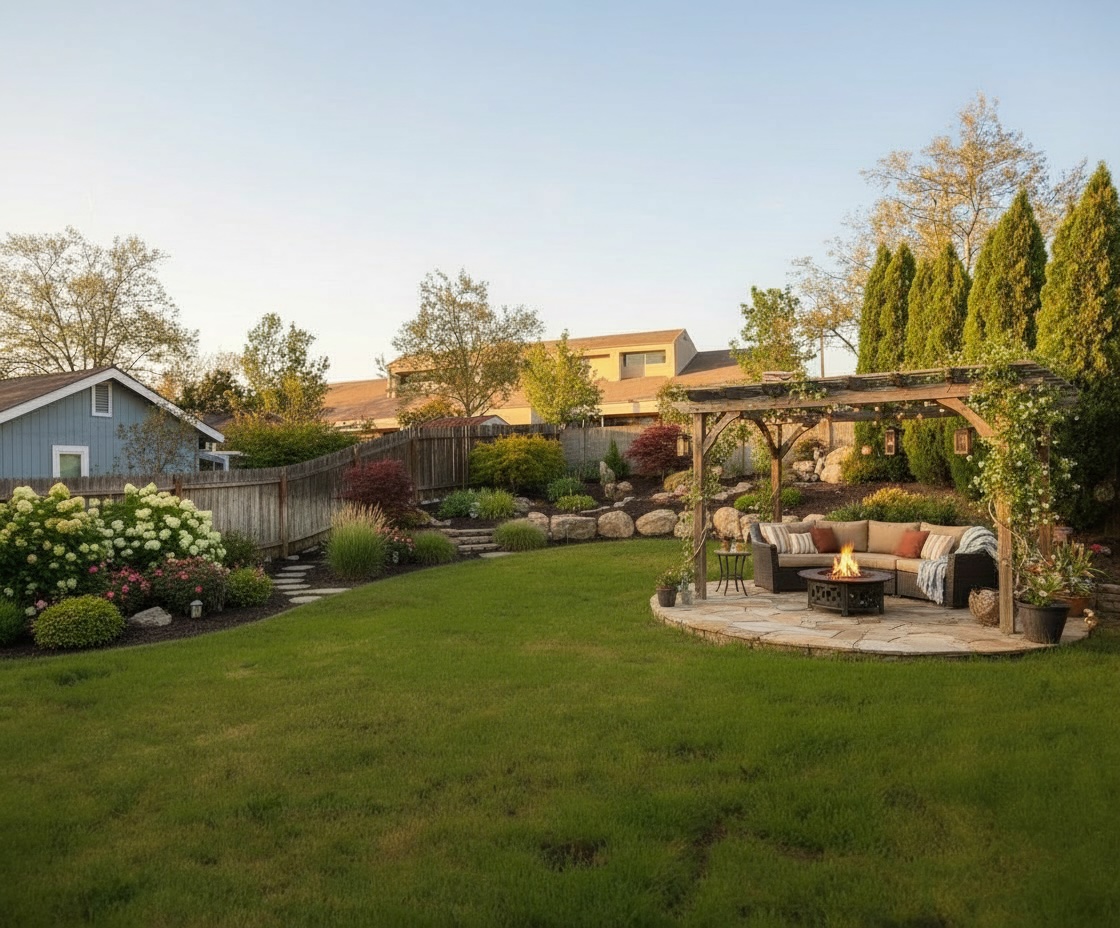
See how a desert/xeriscape garden looks on YOUR property
Upload a photo of your Tucson yard and visualize your dream garden in seconds.
Try ProScapeAI Free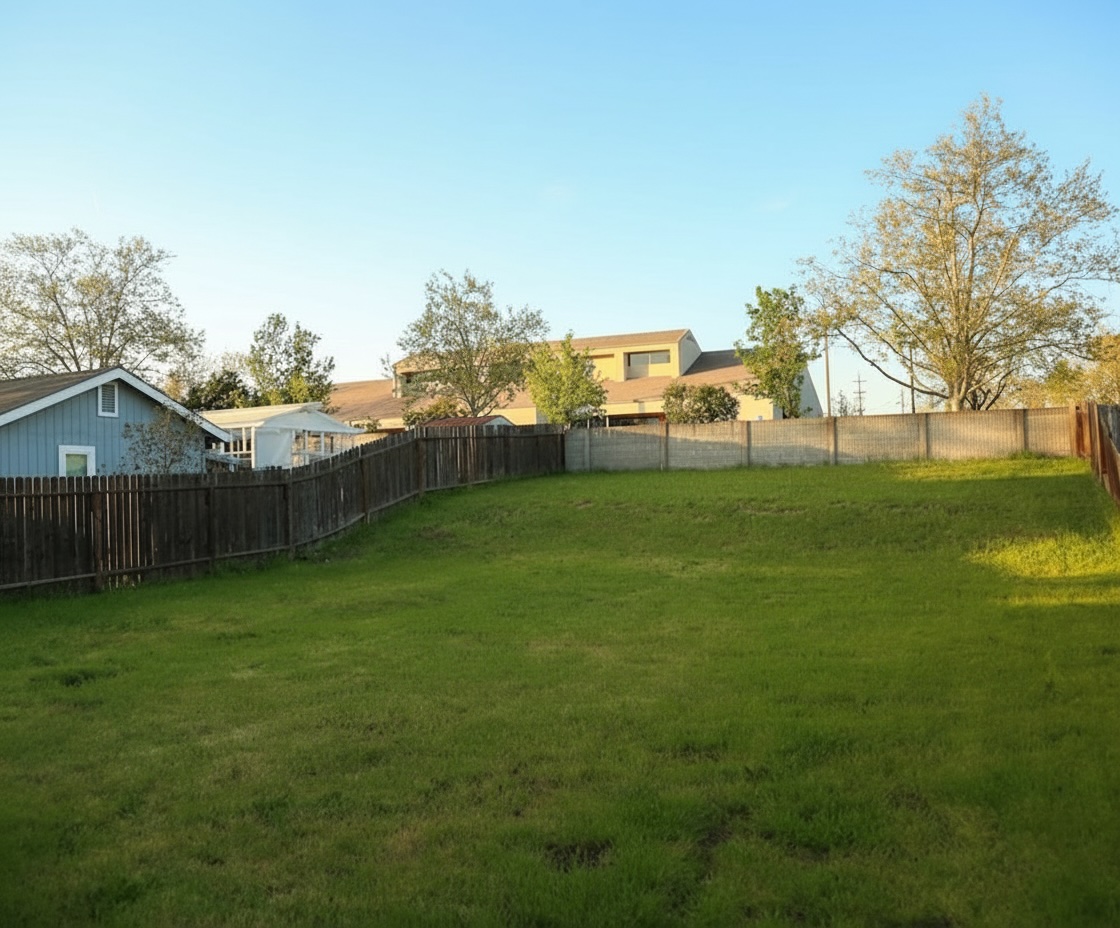
AI-generated image
Featured Trees & Shrubs for Desert/Xeriscape Gardens
Browse all 186 plants for Tucson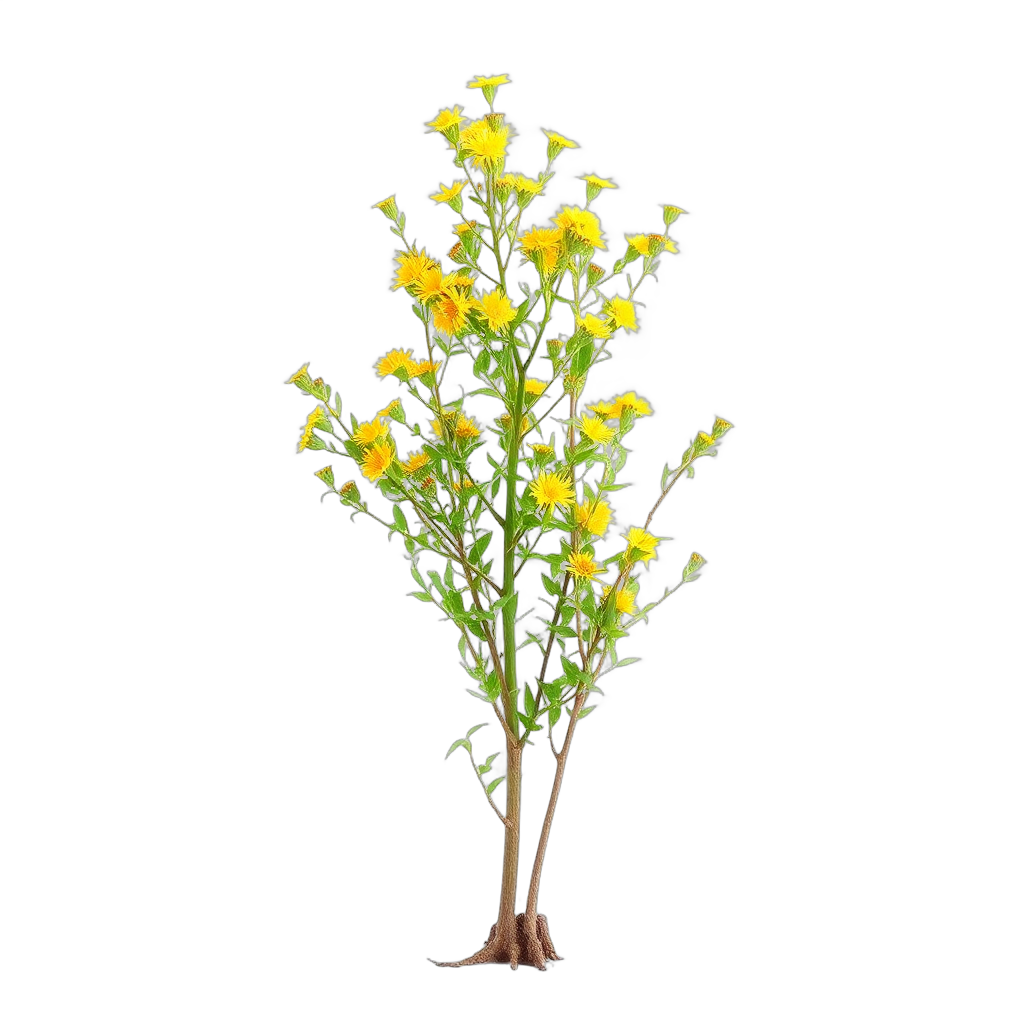
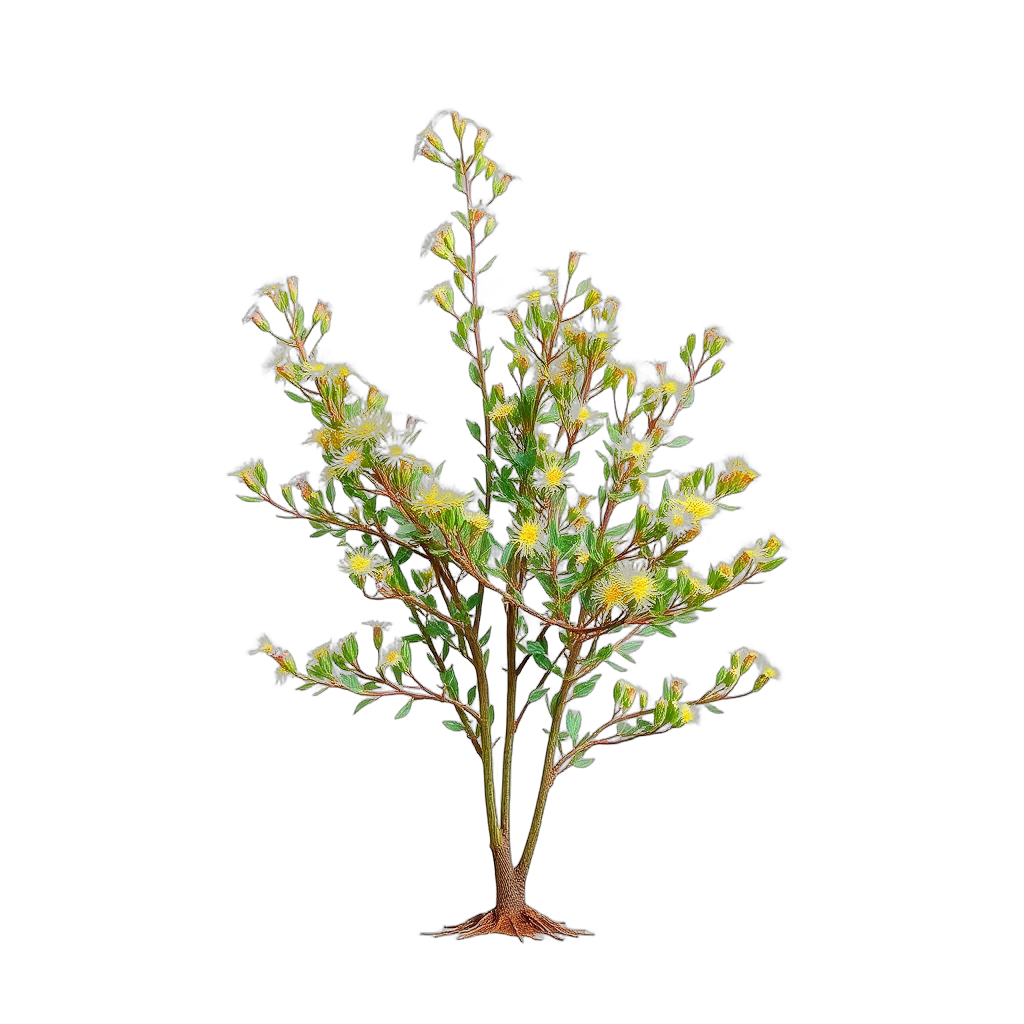
Brittlebush
Encelia farinosa
grows to 3 feet, yellow blooms in spring. Attracts butterflies.
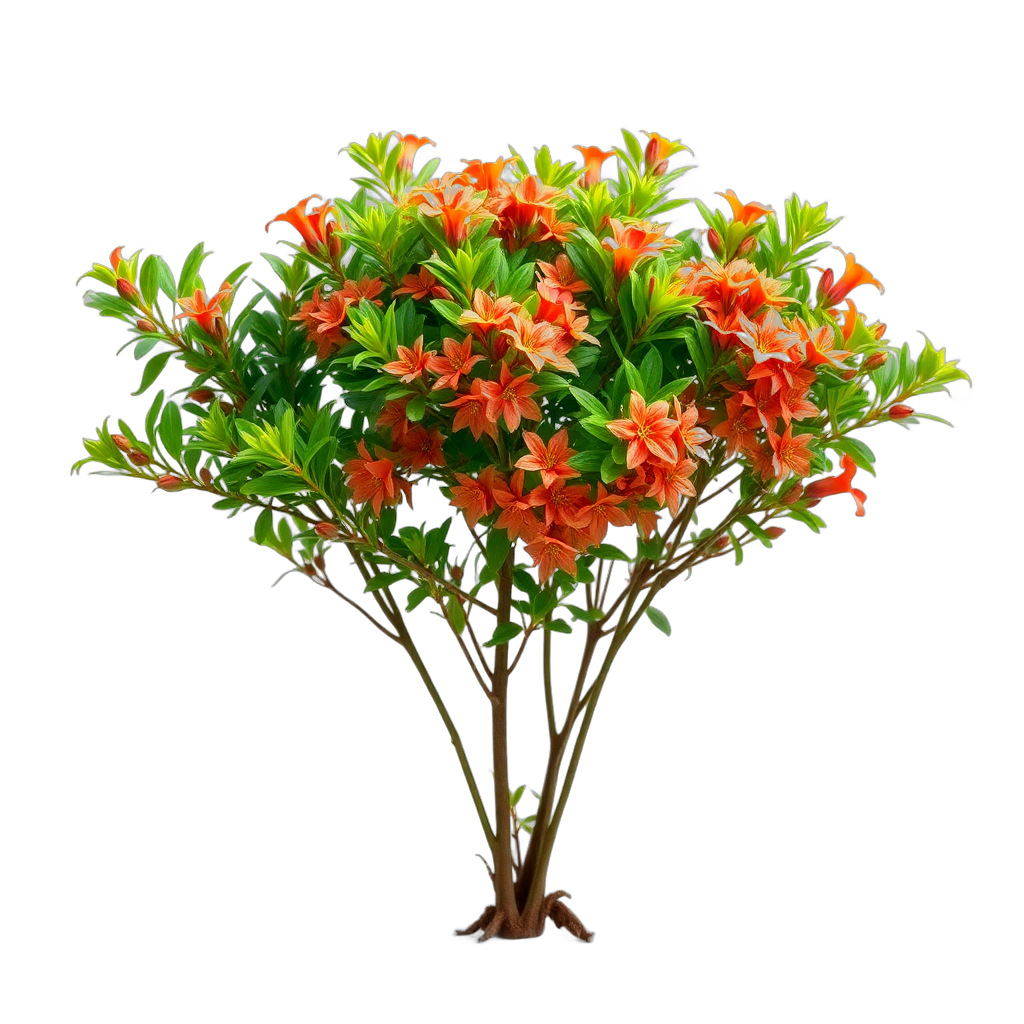
Catclaw Acacia
Acacia greggii
medium-sized at 15 feet, yellow blooms in spring. Pollinator-friendly.
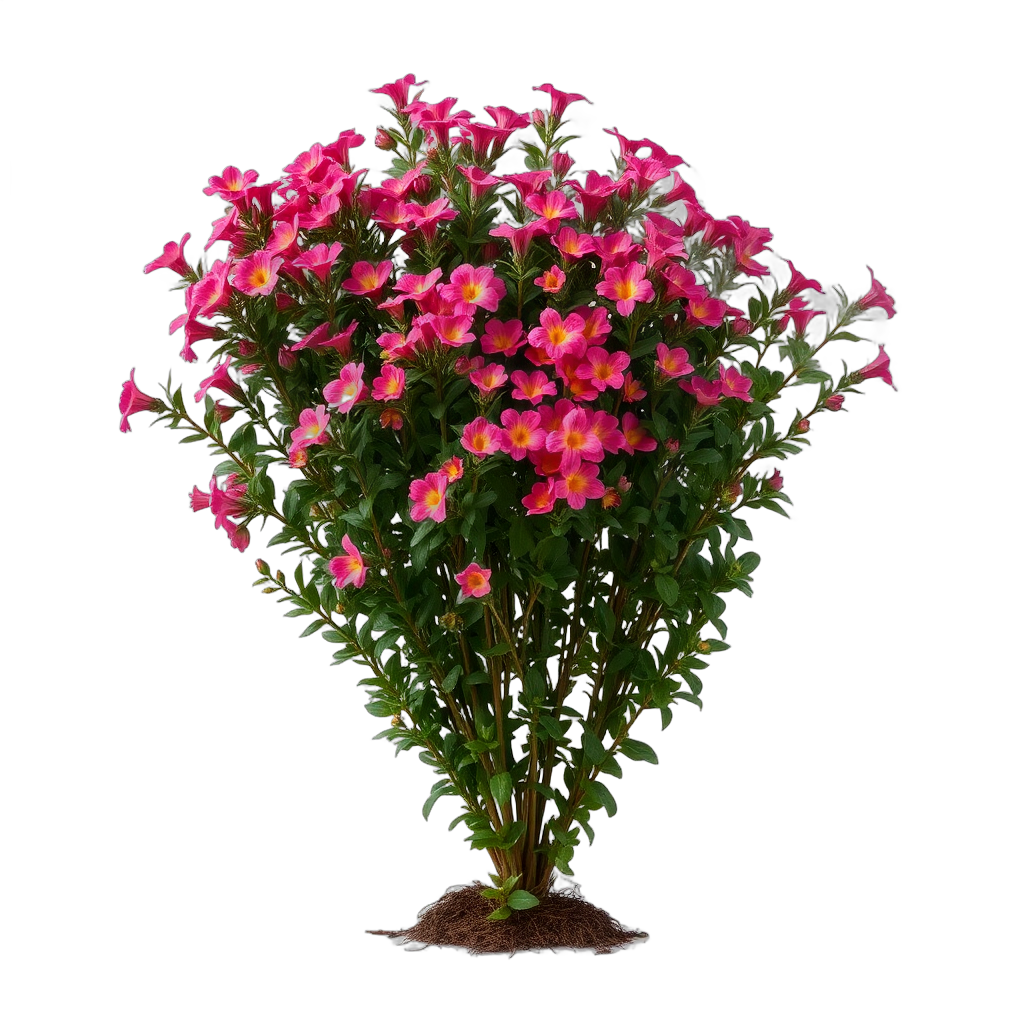
Chuparosa
Justicia californica
grows to 5 feet, red blooms in spring. Attracts hummingbirds.
Cliffrose
Purshia mexicana
medium-sized at 8 feet, yellow blooms in spring. Attracts butterflies.
Featured Grasses & Groundcovers for Desert/Xeriscape Gardens
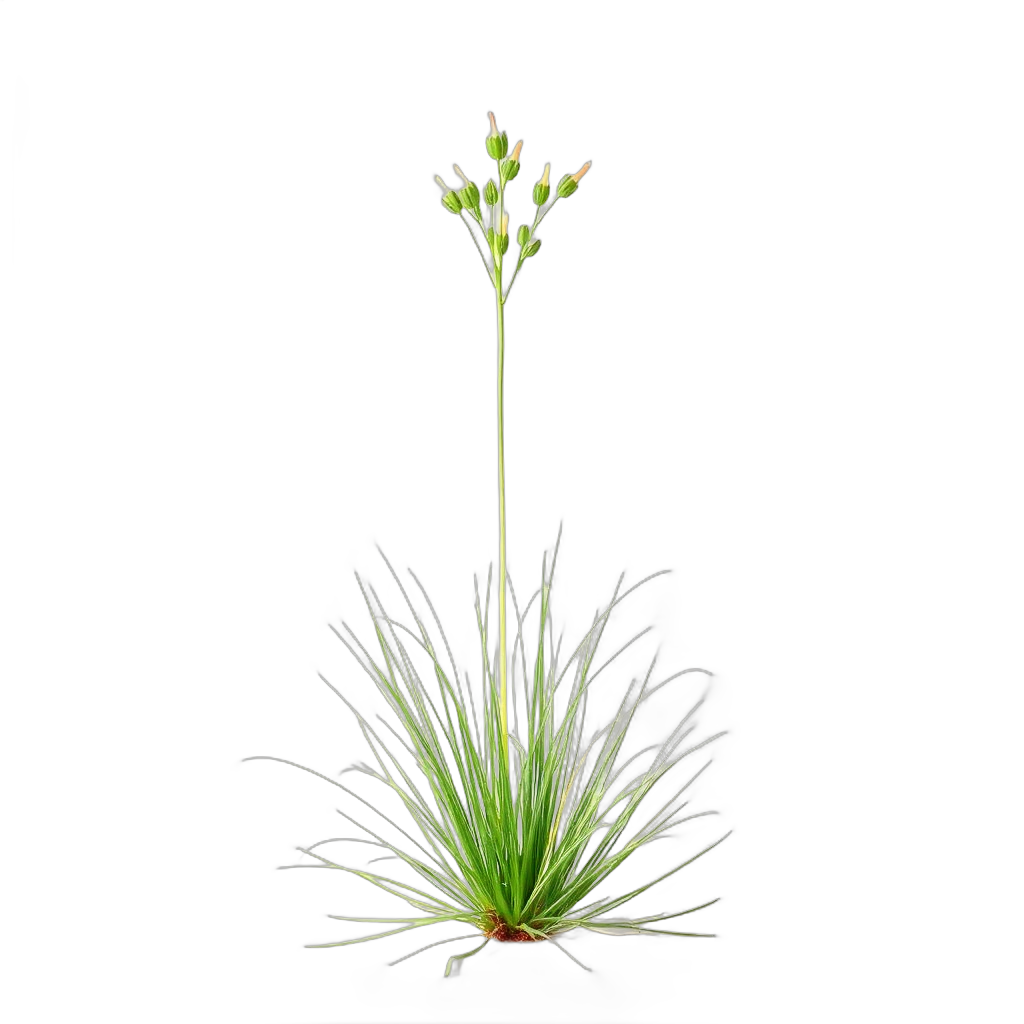
Alkali Sacaton
Sporobolus airoides
grows to 3 feet, blooms in summer. Yellow fall color.
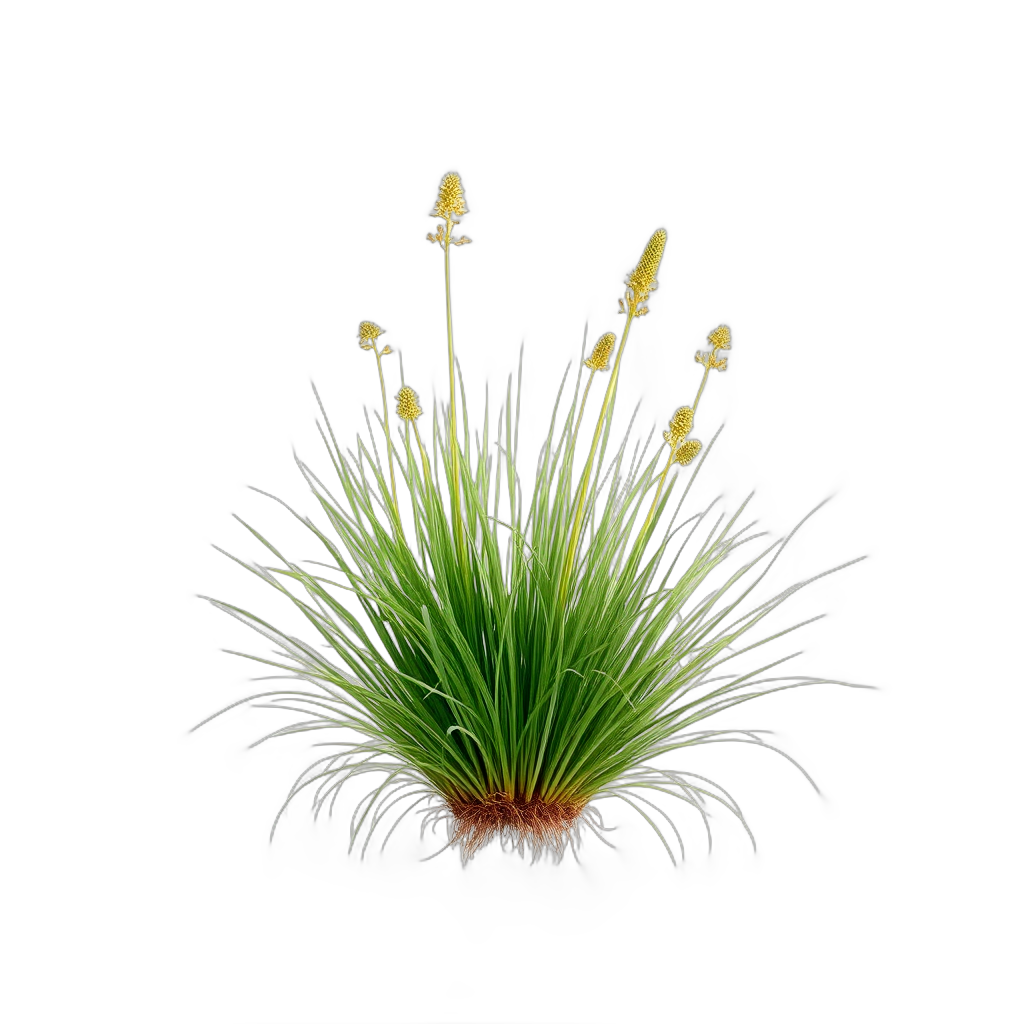
Big Sacaton
Sporobolus wrightii
grows to 5 feet, blooms in summer. Yellow fall color.
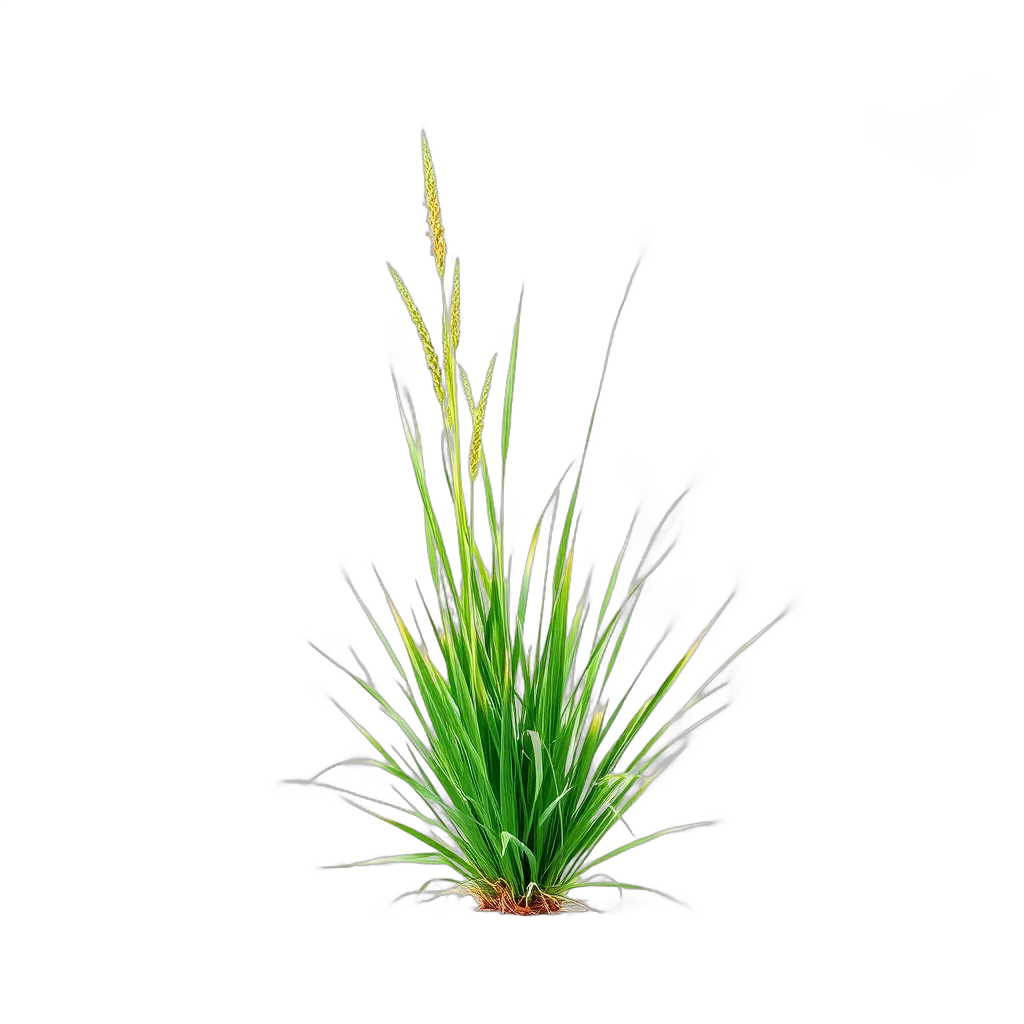
Bull Grass
Muhlenbergia emersleyi
grows to 4 feet, purple blooms in fall. Yellow fall color.
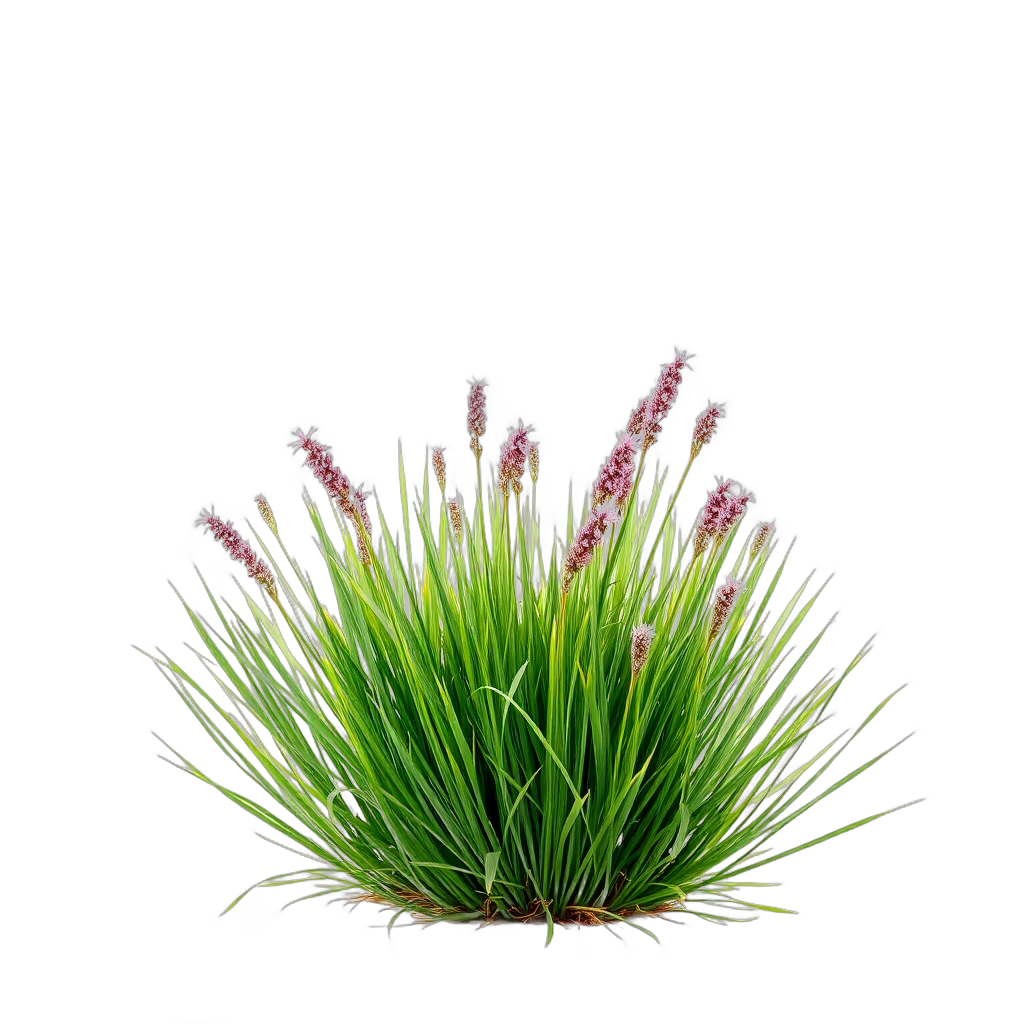
Purple Three-Awn
Aristida purpurea
low-growing ground cover, purple blooms in fall. Yellow fall color.
Featured Flowers & Perennials for Desert/Xeriscape Gardens
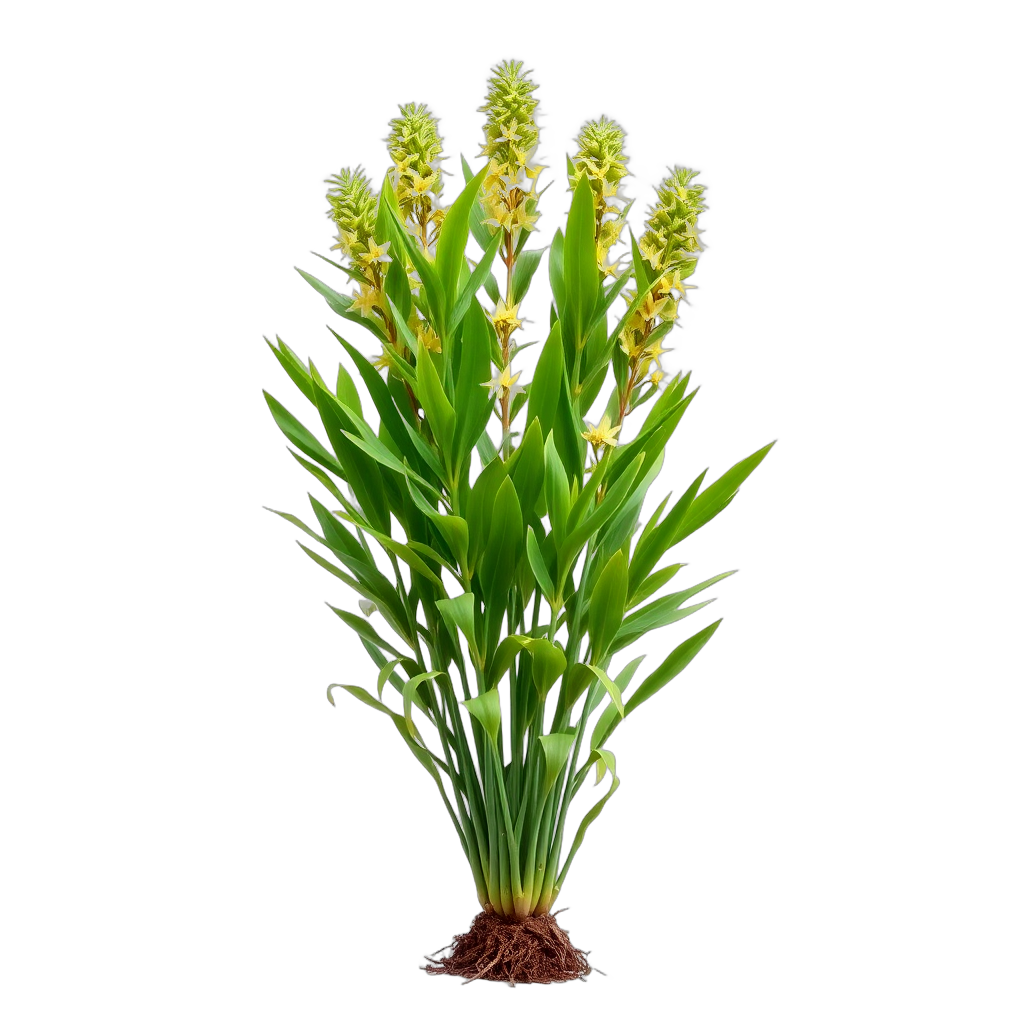
Banana Yucca
Yucca baccata
low-growing ground cover, white blooms in spring. Attracts hummingbirds.
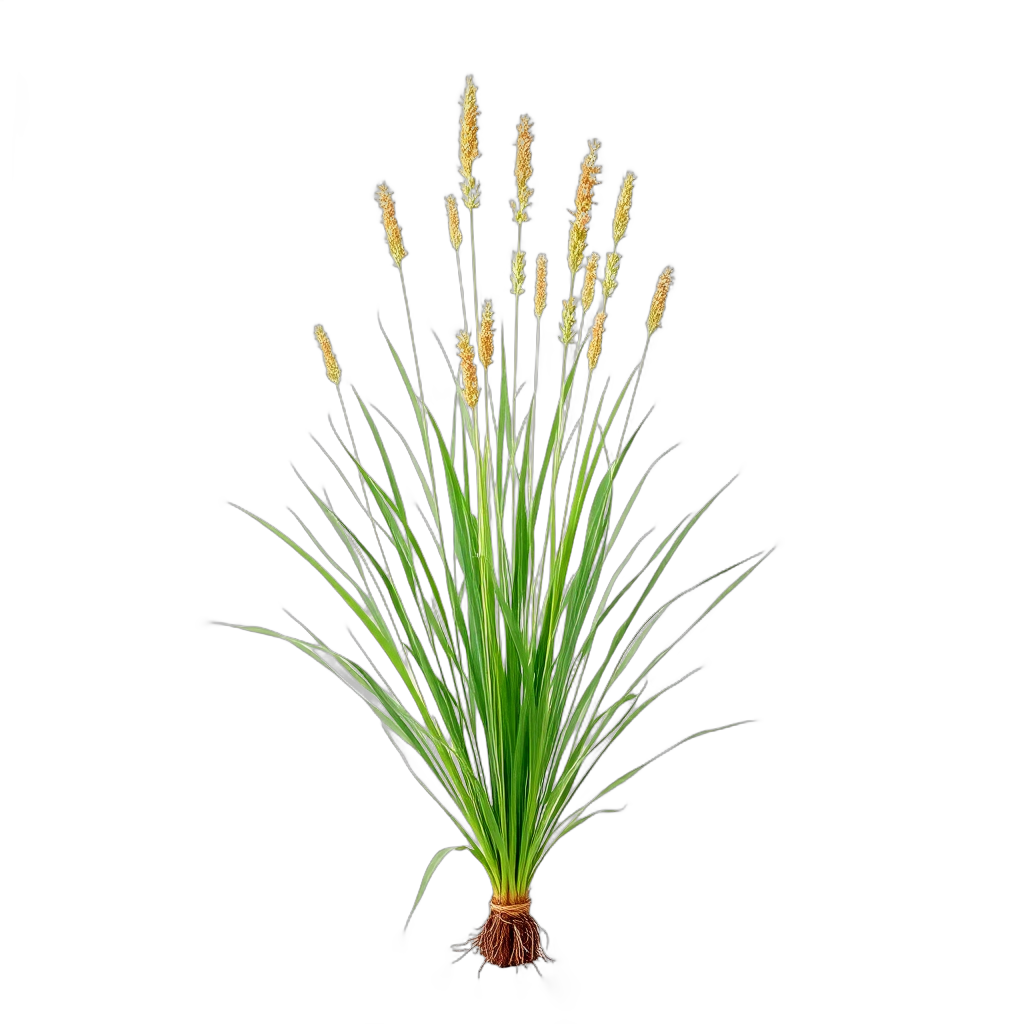
Beargrass
Nolina microcarpa
low-growing ground cover, white blooms in summer. Evergreen year-round.
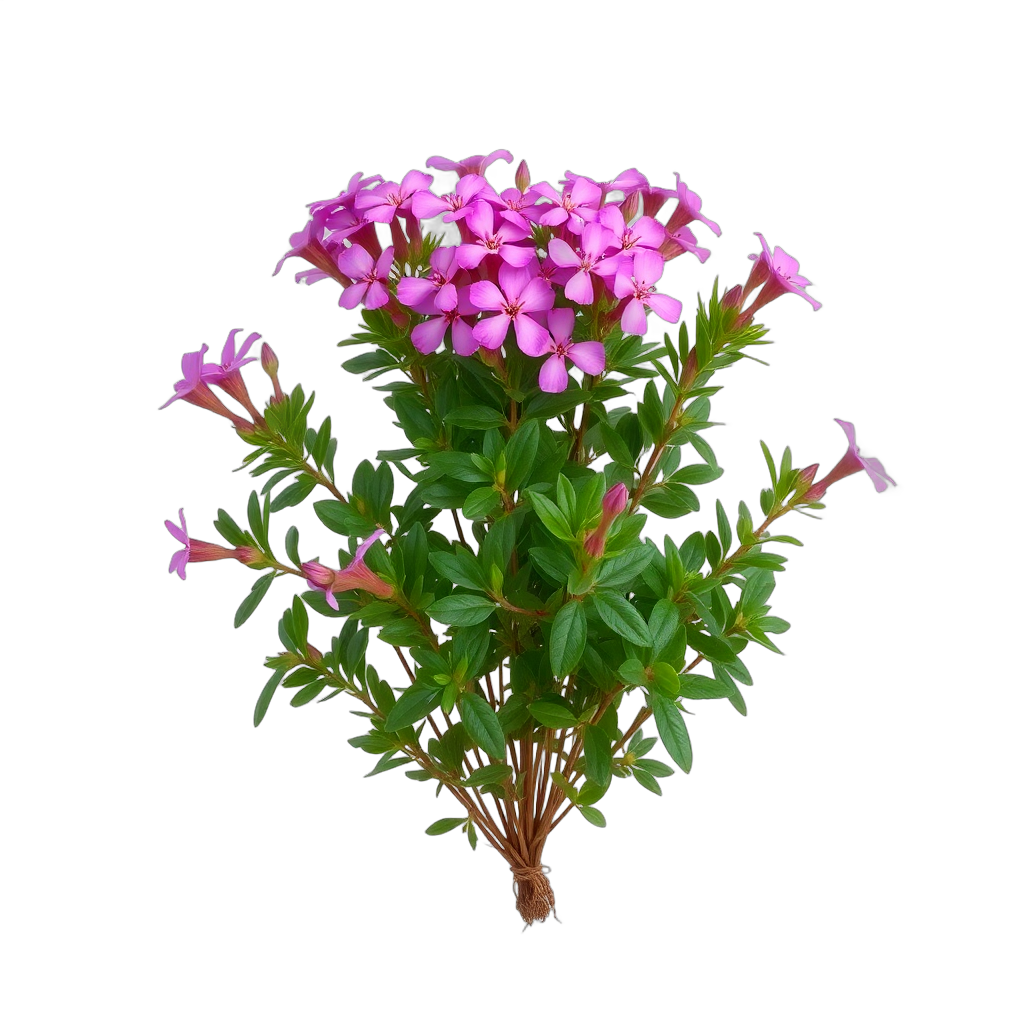
Desert Phlox
Phlox austromontana
low-growing ground cover, pink blooms in spring. Attracts hummingbirds.
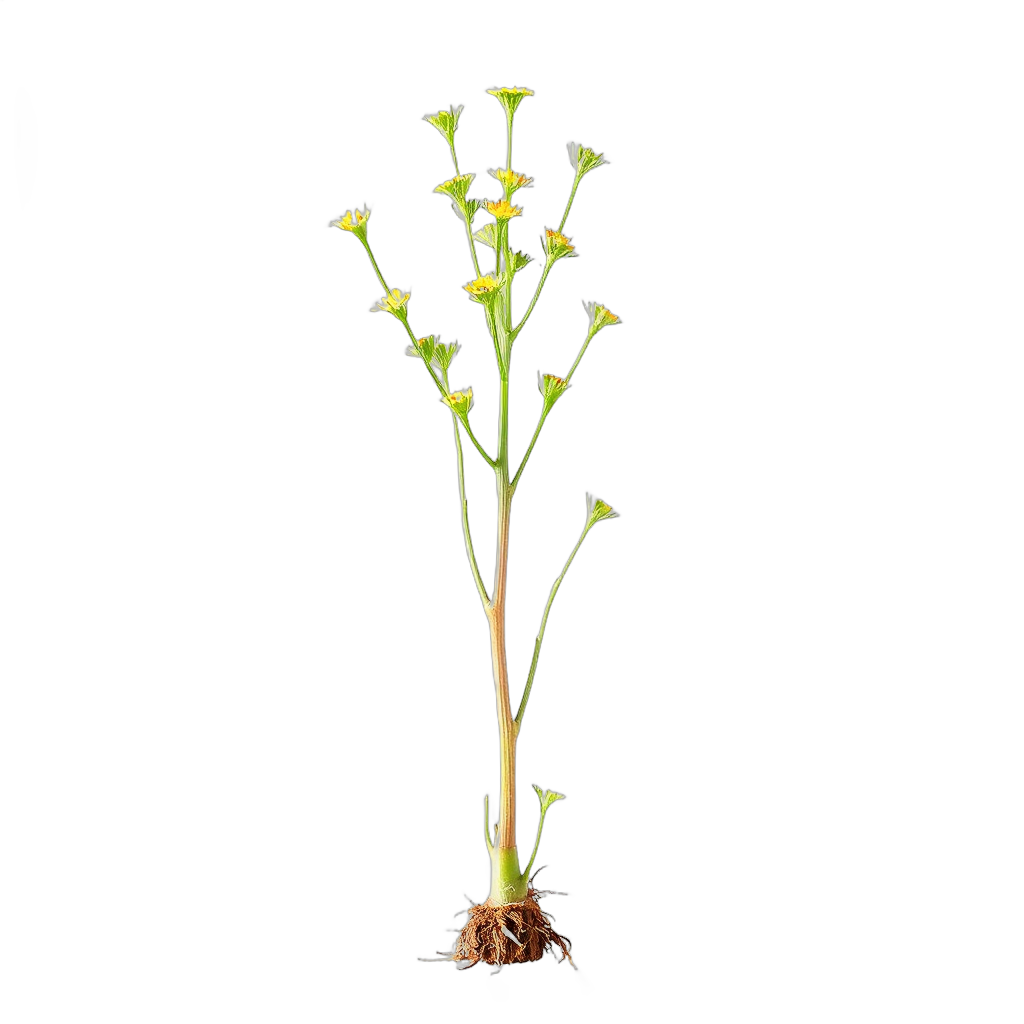
Desert Spoon
Dasylirion wheeleri
grows to 4 feet, white blooms in summer. Evergreen year-round.
Zone and sun checks come from our database — confirm with your local nursery before you buy.
Bloom Calendar for Tucson
spring
Banana Yucca, Desert Phlox, Brittlebushsummer
Beargrass, Desert Spoon, Alkali Sacatonfall
Bull Grass, Purple Three-Awnwinter
Limited bloomsDesign Tips for Tucson (Zone 9b)
- Design passive rainwater harvesting into your landscape from the beginning — Tucson's 12-inch rainfall (mostly monsoon) can supply all irrigation needs for native plants if the land is shaped to collect and hold it rather than shed it
- Apply for Tucson Water's free xeriscape consultation before finalizing any design — a certified consultant will visit your property and often reveals water savings opportunities and plant suggestions specific to your lot's conditions
- Plant saguaro in the landscape's background, not the foreground — they gain stature and presence over decades and look most powerful when silhouetted against the sky rather than crowded near the entry
- Use ironwood trees rather than palo verde if you want canopy that lasts — ironwood lives 500–1,000 years and creates shade, wildlife value, and property value that compounds over every decade
- Mass brittlebush (Encelia farinosa) in groupings of 5–7 plants on south-facing slopes — they'll cover the hillside in yellow from February through April, creating the most spectacular front yard display in the Sonoran Desert calendar
- Leave saguaro skeleton remains on the ground when they die — the hollow wooden boots that saguaro create as protective calluses around bird holes become nesting sites for elf owls and are one of the Sonoran's most precious wildlife habitats
Where to Source Plants in Tucson
Skip the big-box stores. These independent Tucson nurseries specialize in the plants that make desert/xeriscape gardens thrive in Zone 9b.
Civano Nursery
Southeast Tucson
Arizona's premier native Sonoran plant nursery — largest legally propagated native selection in the state
Desert Survivors Nursery
West Tucson / Starr Pass
Cold-hardy cacti, Sonoran natives, responsibly sourced desert plants — nonprofit operation
Arizona-Sonora Desert Museum Nursery
Tucson Mountain District
Native Sonoran plants propagated at the museum — the most authentic regional source in Tucson
Rillito Nursery
North Tucson
Full-service nursery with xeriscape selection, trees, and desert shrubs for Tucson's climate
Native Seeds / SEARCH
Downtown Tucson
Native Southwest seeds, plants, and food crops — conservation-focused nonprofit with exceptional local knowledge
Desert/Xeriscape Landscaping Costs in Tucson
| Project Scope | Estimated Cost |
|---|---|
| Front yard Sonoran xeriscape conversion (400–600 sqft) | $3,500 – $8,500 |
| Flagstone patio with fire pit | $7,500 – $20,000 |
| Turf removal + desert gravel + native plants (per sqft) | $4.50 – $17/sqft |
| Paver or flagstone patio installation | $15 – $30/sqft |
| Drip irrigation system | $1,000 – $2,800 |
| Large specimen saguaro (installed) | $1,000 – $6,000 depending on height |
| AI visualization with ProScapeAI | Free to start |
Estimates based on Tucson, AZ-area contractor rates as of 2026. Actual costs vary by site conditions, materials, and contractor.
Tucson Climate & Growing Zone

USDA Zone 9b
Hardiness zone for Tucson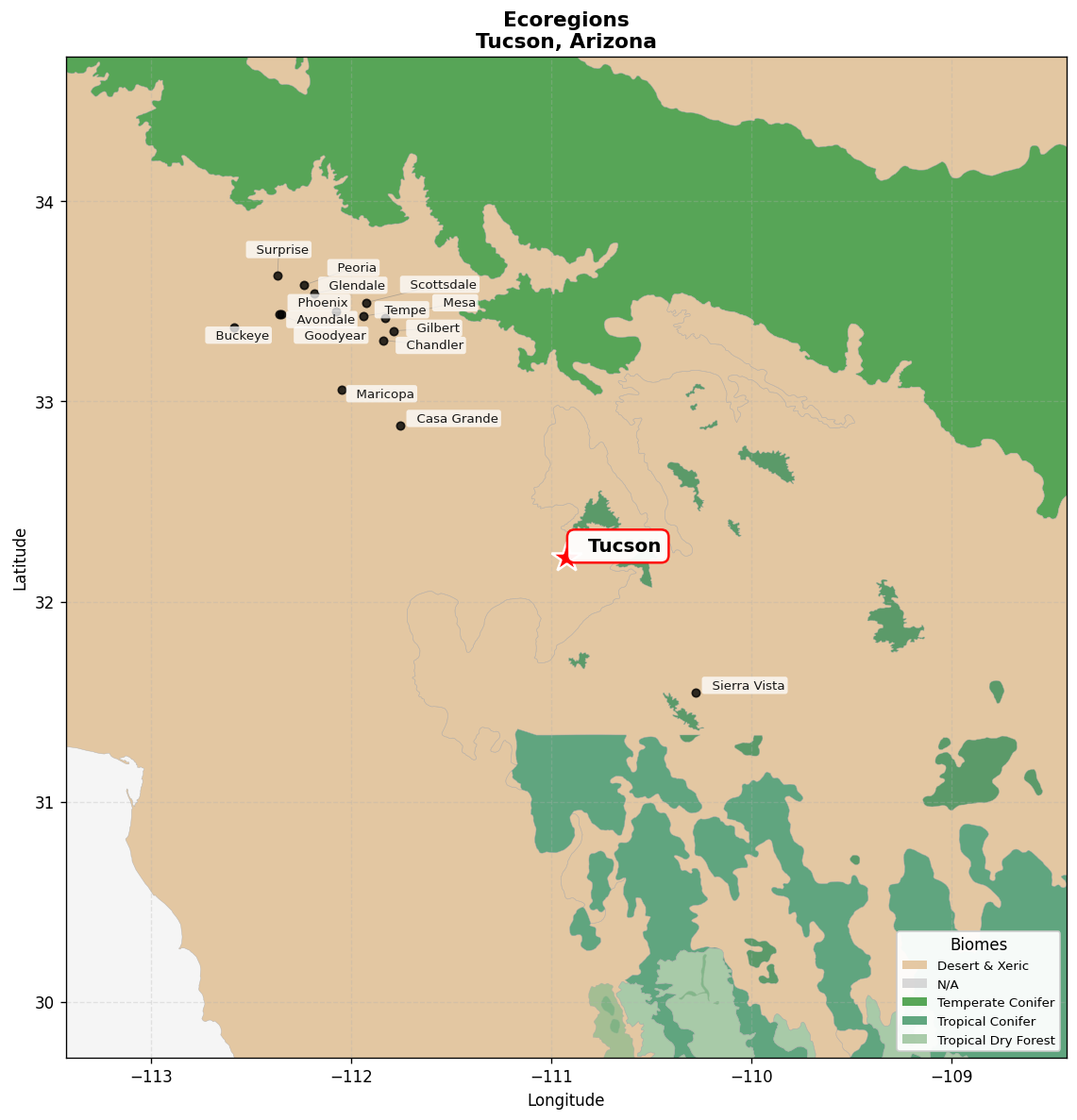
Sonoran desert
Native ecoregionFrequently Asked Questions
How is Tucson's desert landscaping different from Phoenix?
Several important differences make Tucson's native landscape richer and more sustainable. Elevation (2,400 ft vs Phoenix's 1,100 ft) provides cooler temperatures — summer highs average 100°F vs Phoenix's 108°F, and nights cool into the low 70s in summer. Rainfall (12 inches vs 8 inches) provides 50% more natural water for plant establishment, enabling zero-irrigation native gardens more reliably. Tucson's Sonoran Desert has higher botanical diversity — the Tucson Basin is one of the most species-rich areas of the desert. And Tucson's 50-year native plant design tradition means better local knowledge, more native nursery stock, and a stronger community of xeriscape professionals than Phoenix.
What native plants grow exclusively or best in the Tucson area?
Several plants reach their best performance in Tucson's specific combination of elevation, rainfall, and soil conditions. Saguaro achieve peak density in the Tucson Basin — this is prime saguaro habitat. Ironwood reaches enormous size in Tucson's washes. Foothill palo verde (Parkinsonia microphylla) is native to Tucson's rocky hillsides and performs better here than Phoenix. Pima pineapple cactus (Coryphantha scheeri var. robustispina), an endangered species, is native to the Tucson grasslands. Desert willow thrives in Tucson's wash corridors. The Arizona-Sonora Desert Museum's plant list identifies dozens of species optimal for the Tucson Basin specifically.
What is Tucson Water's free xeriscape consultation program?
Tucson Water's Water-Wise Landscape Program offers free on-site landscape evaluations by certified xeriscape consultants for residential customers. The consultant visits your property, reviews your current landscape and irrigation system, and provides a customized report with recommendations for water savings, plant suggestions, and design improvements. The program is free, requires no purchase, and is available to all Tucson Water residential customers. To apply, call Tucson Water at 520-791-3242 or apply on their website. After completing the evaluation, you may qualify for the $1/sqft turf removal rebate and other incentive programs.
How do I design a Tucson yard for saguaro protection?
Saguaro require specific placement considerations in residential landscapes. Plant at minimum 10 feet from any structure — mature saguaro can reach 40+ feet and fall in monsoon microbursts. Never plant under or near overhead utility lines. Position where they can grow to full size without crowding — arm development takes 75–100 years and arms grow horizontally before turning upward. Plant with their established sun orientation intact (mark north side before transplanting). Space multiple saguaro 15–20 feet apart to allow mature spread. Don't plant on hillsides where root stability is compromised. Once established, saguaro require nothing from you — no irrigation, no fertilizer, no maintenance beyond keeping the area clear of debris at the base.
Can I harvest rainwater for my Tucson xeriscape?
Yes — Arizona has some of the most permissive rainwater harvesting laws in the country. Tucson's Building Code (Resolution 20949) actually requires new residential construction to harvest rainwater for at least 50% of their landscaping irrigation needs. Existing homes can install rainwater harvesting systems without permits for aboveground cisterns up to 2,500 gallons. Simple earthwork rain gardens (swales, berms, basins) that passively harvest runoff require no permits. Tucson Water offers free workshops on rainwater harvesting design. Brad Lancaster's 'Rainwater Harvesting for Drylands and Beyond' — written in Tucson about Tucson — is the definitive resource on the subject.
What are the best perennials for year-round color in a Tucson native garden?
Tucson's 12-inch rainfall and milder temperatures (compared to Phoenix) support a richer native perennial palette with extended bloom seasons. Best performers for year-round color: desert marigold (yellow, nearly year-round), globe mallow (orange-salmon, spring through fall), penstemon (red, spring and fall flushes), autumn sage (red, spring through fall), brittlebush (yellow, winter through spring), yellow columbine (spring), desert zinnia (summer), and desert senna (yellow, fall). Annuals that reseed reliably: California poppy (spring), owl's clover (spring). A well-planned Tucson native perennial garden has something in bloom in every month of the year.