4 Modern Garden Ideas for Wichita, KS | Architectural Landscape Design in Zone 6b
Native plants from the Central-Southern US mixed grasslands (Zone 6b) — Humid continental (hot summer) climate
Why Modern/Minimalist Gardens in Wichita?
Wichita's position at the geographic center of the continental United States and at the heart of the Central-Southern US mixed grasslands ecoregion gives modern landscape design a specific brief: honest, horizontal, wind-adapted, and ecologically grounded in the mixed prairie landscape that surrounds the city on every side. The most compelling modern Wichita gardens don't pretend to be somewhere else — they are emphatically of the Great Plains, using the grasses, stones, and spatial character of the southern Kansas landscape as their design vocabulary.
The climate demands are real but manageable. Zone 6b winters with lows to -5°F require cold-hardy plant selection that eliminates tropical architectural plants common in warmer-climate modern design. The persistent south and southwest winds that define Wichita's outdoor experience are both a design challenge and a design opportunity: mass plantings of ornamental grasses that move in the wind create living kinetic sculpture that rigid plants cannot — Wichita's wind is a feature, not a bug, when grasses are the primary design material. Annual rainfall of 30 inches is lower than Kansas City or Tulsa, which means drought-tolerant plant selection and efficient irrigation design are genuine requirements rather than sustainable design talking points.
Wichita's development pattern — relatively flat, grid-organized, with generous lot sizes compared to coastal cities — creates landscape opportunity at every scale. The newer Andover and Derby communities to the east have contemporary homes on large lots. Northeast Wichita (Maize, Goddard school districts) has newer construction at the suburban edge. The urban core — College Hill, Old Town, and the Douglas Design District — has contemporary renovation investment that rewards modern landscape design at the scale of individual lots. Wichita is a design city that takes aviation engineering, manufacturing precision, and pragmatic problem-solving seriously; its modern landscapes should reflect that same character.
4 Modern/Minimalist Design Ideas for Wichita
AI-generated image
The Prairie Grass and Contemporary Entry
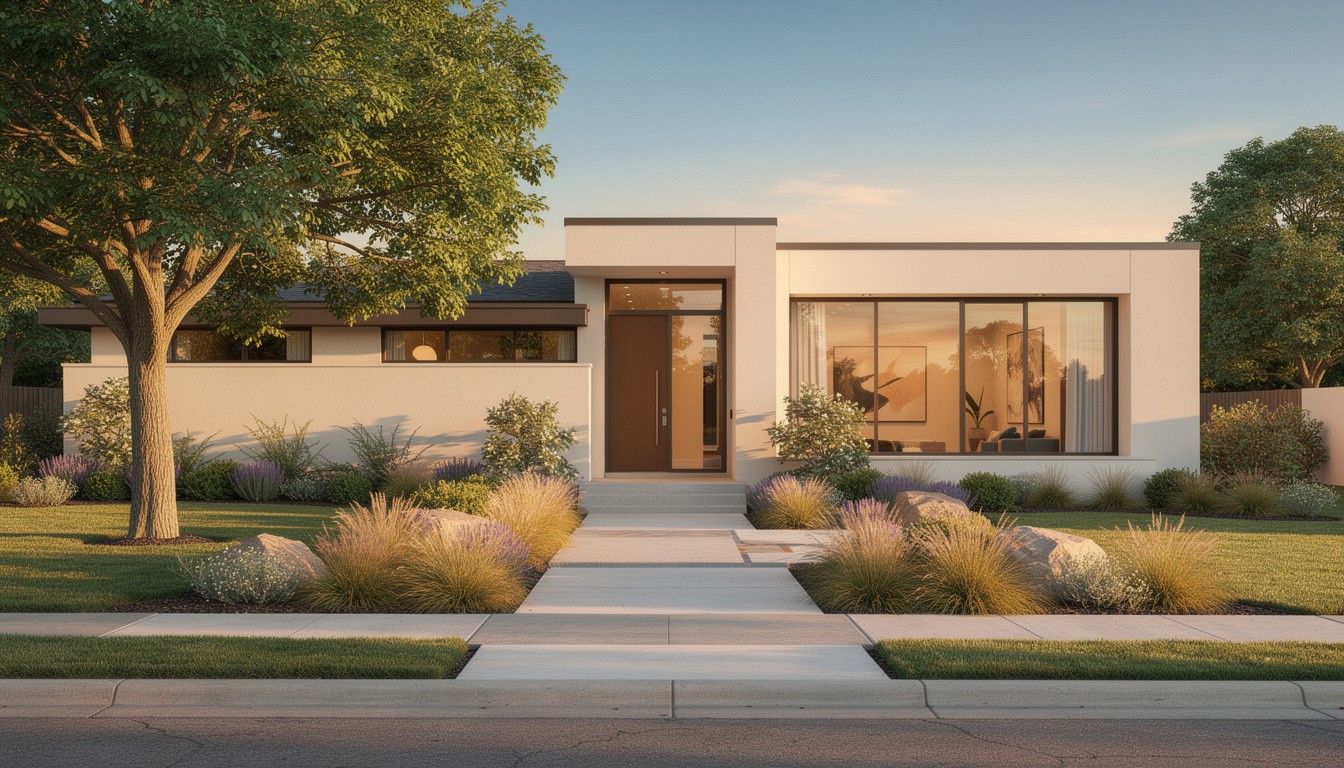
$10–20/sqftA concrete walkway leads to the front door of a Wichita contemporary home, flanked by sweeping masses of ornamental grasses and lavender-toned prairie salvias in steel-edged beds. A large mature tree anchors one side while the planting remains low, structured, and horizontally oriented to complement the home's flat-roof lines. The design draws from Kansas's tallgrass prairie heritage — Little Bluestem, Karl Foerster grass, and switchgrass are native or near-native to this landscape and provide the copper-amber winter color palette that makes Kansas contemporary gardens distinctive. After establishment, the entire front yard is maintained in a single annual cut-back.
AI-generated image
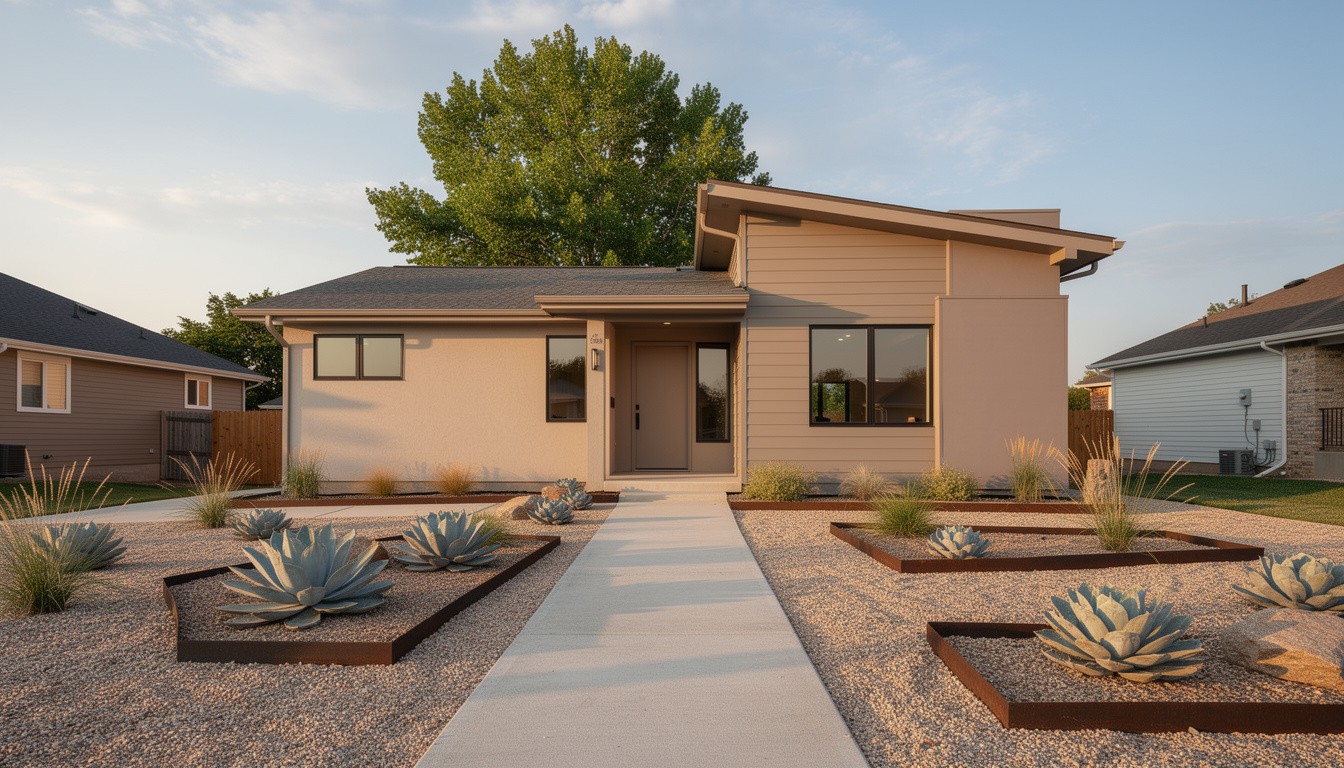
The Agave and Gravel Modern Front
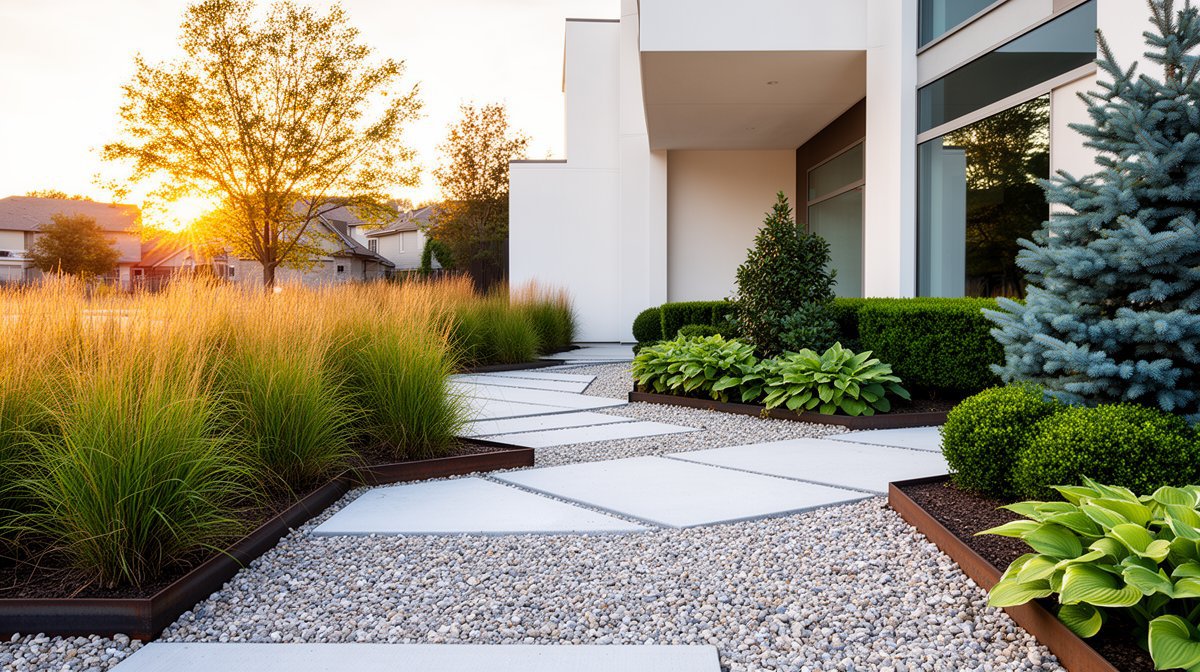
$10–20/sqftTurf is replaced with decomposed granite and gravel planting beds populated by cold-hardy succulent accents, ornamental grasses, and low yuccas at geometric intervals. A concrete path bisects the composition to the front door of a contemporary Wichita ranch home. Wichita receives only 33 inches of annual rainfall with extended dry spells in summer — this design requires no supplemental irrigation after the first establishment year and holds its visual structure through Zone 6b winters when soft perennials die back, because the yuccas and ornamental seed heads remain attractive all winter. The DG and gravel installation also handles the freeze-thaw cycles that crack concrete and brick edging over time.
AI-generated image
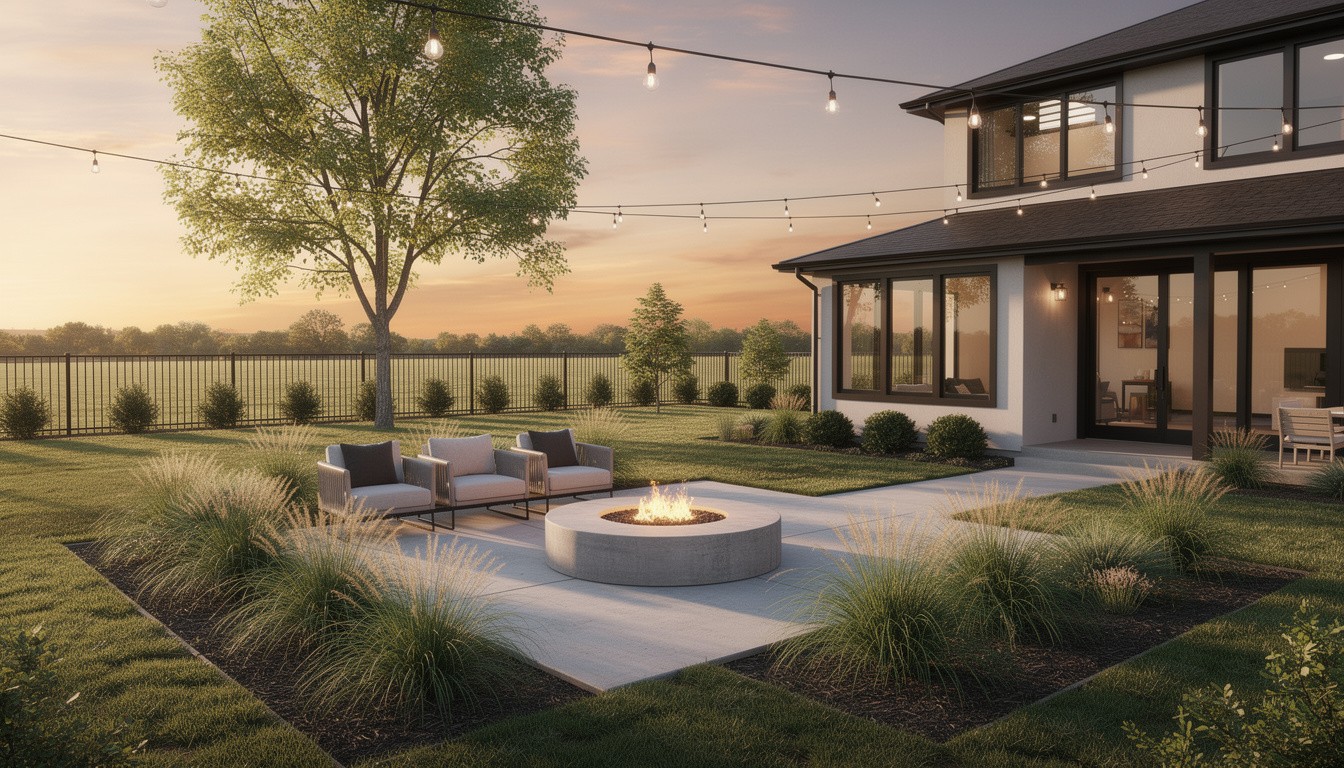
The Concrete Fire Pit Lounge and Lawn Garden
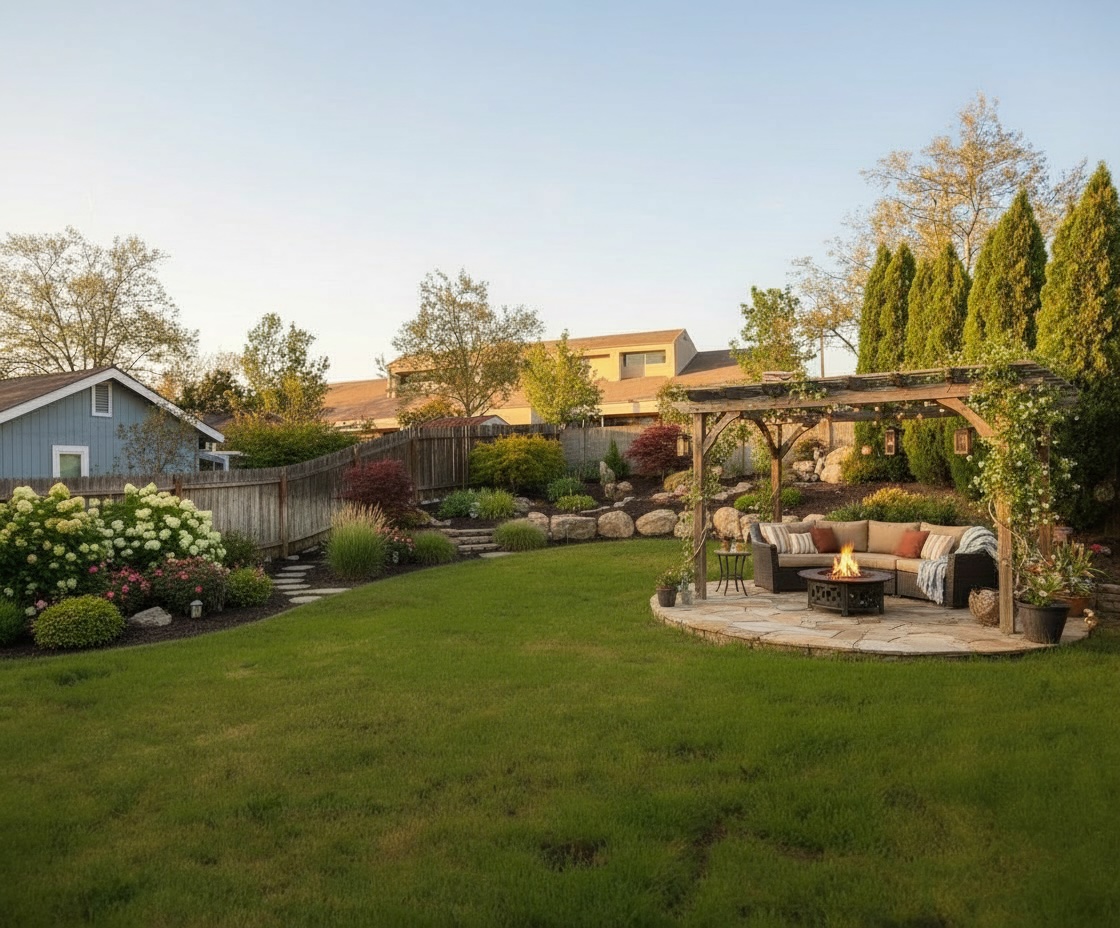
$12–25/sqftA concrete patio extends from the rear of a contemporary Wichita home, centered on a circular fire pit with modern outdoor lounge seating under string lights. An existing mature tree provides natural canopy on one side of the gathering space, and a well-kept lawn panel fills the remainder of the yard. Ornamental grasses in perimeter planting areas add texture. Wichita's fall season — September through October — is exceptional outdoor weather: clear skies, low humidity, and temperatures in the 65–75°F range make a fire pit patio the most-used outdoor space a Wichita homeowner can create. The string lights extend the usable hours from afternoon into evening.
AI-generated image
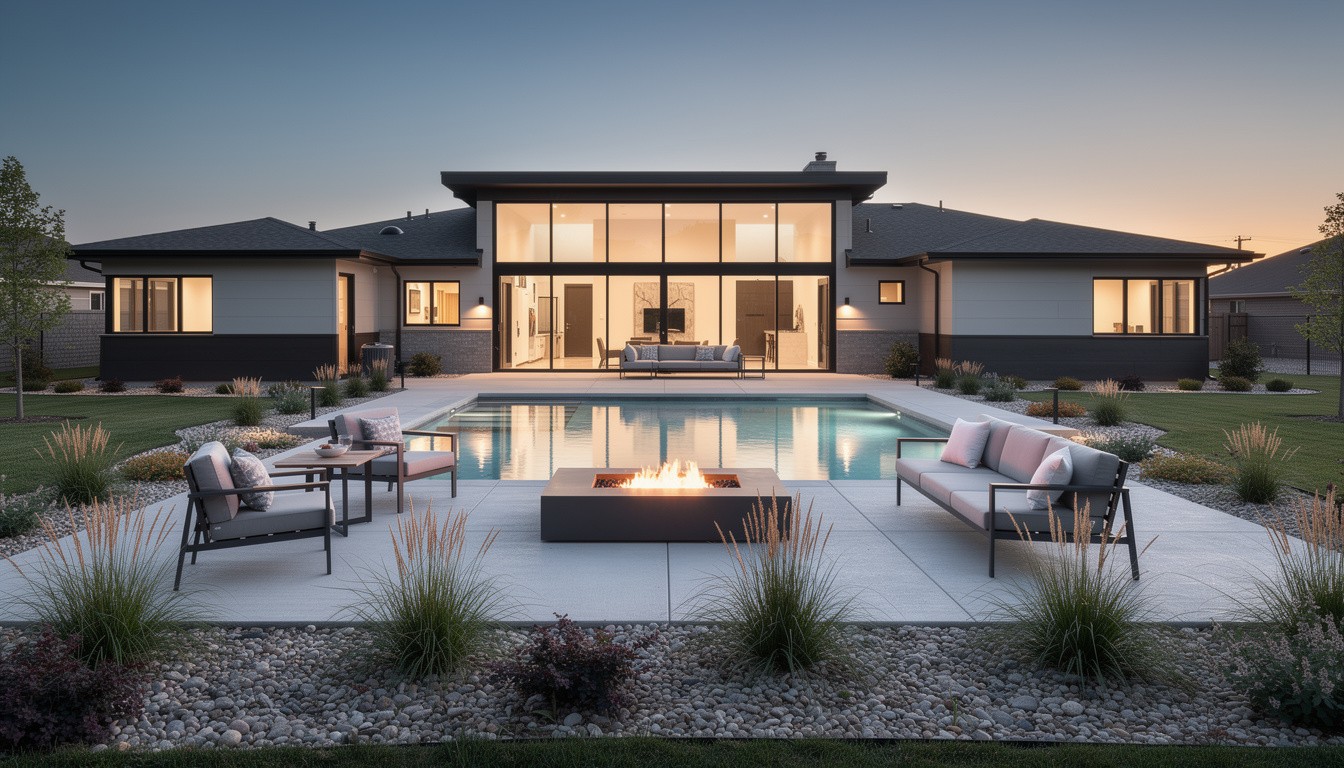
The Pool, Fire Feature, and Contemporary Garden
$40–90/sqft (pool included)A rectangular pool surrounded by a white concrete pool deck dominates the rear yard of a contemporary Wichita home, with pool loungers on the sun deck and a built-in fire feature and lounge seating at the opposite end. The two-story glass-facade home reflects in the pool, and ornamental grasses and low-water plants in raised perimeter beds provide the planting frame. Wichita summers average 95°F highs for weeks at a stretch — this design makes that period livable by centering the outdoor experience on the pool, then uses the fire feature to extend outdoor living into the mild Wichita fall and spring when the pool has closed for the season.
See how a modern/minimalist garden looks on YOUR property
Upload a photo of your Wichita yard and visualize your dream garden in seconds.
Try ProScapeAI Free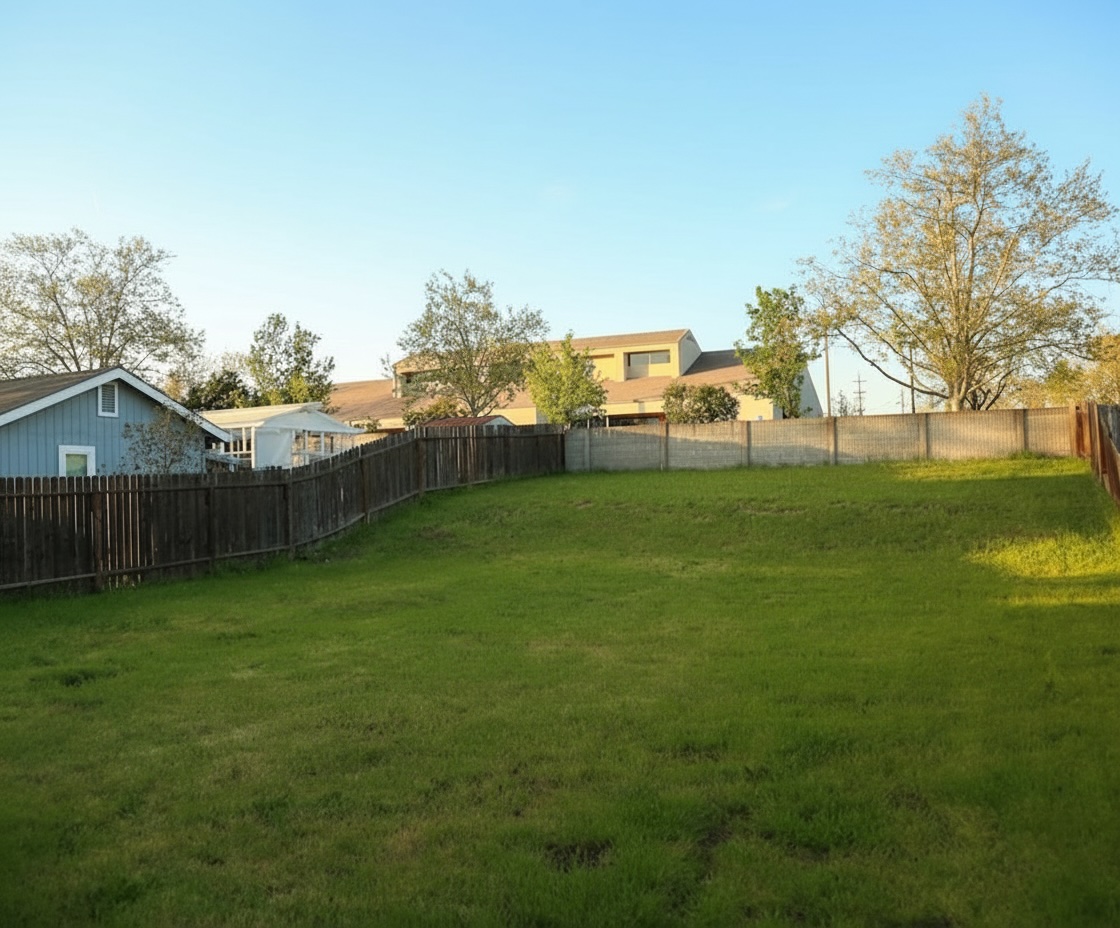
AI-generated image
Featured Trees & Shrubs for Modern/Minimalist Gardens
Browse all 153 plants for Wichita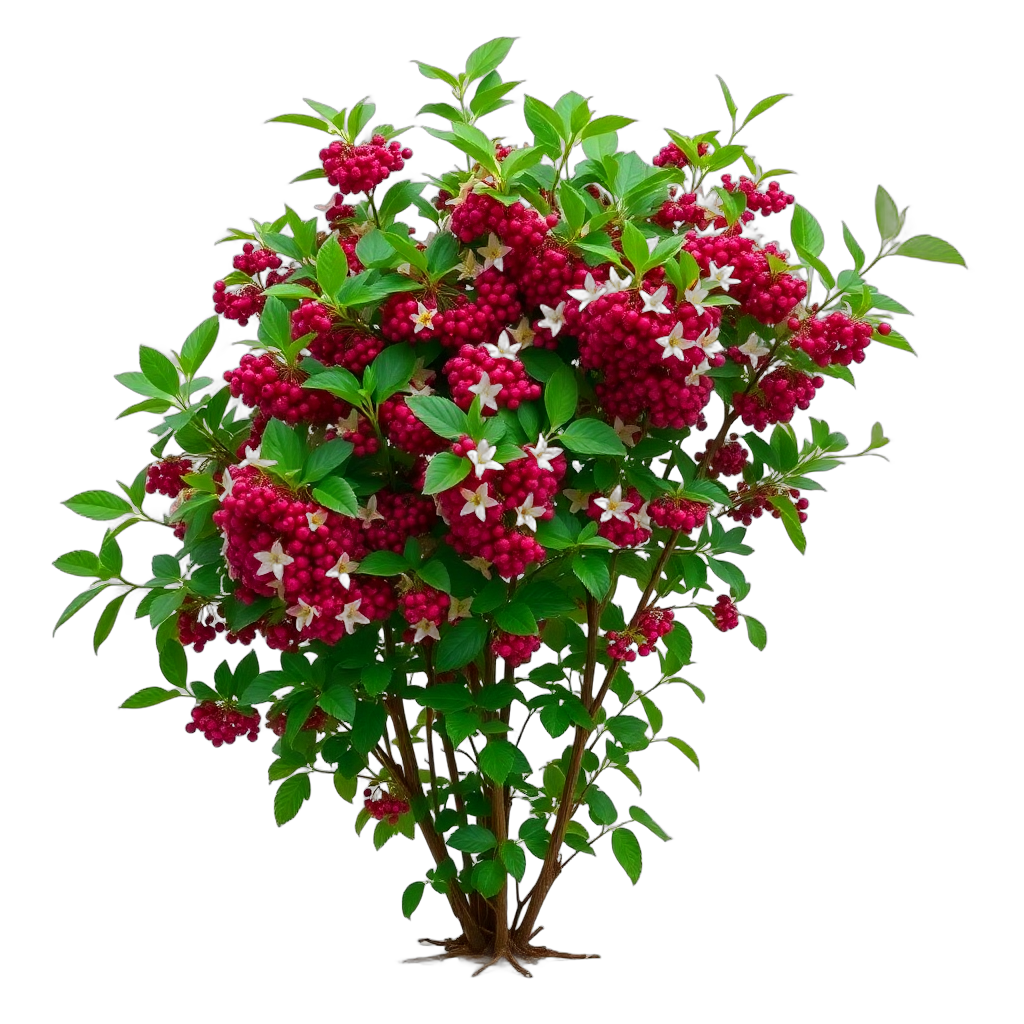
Clove Currant
Ribes odoratum
grows to 6 feet, yellow blooms in spring. Attracts hummingbirds.
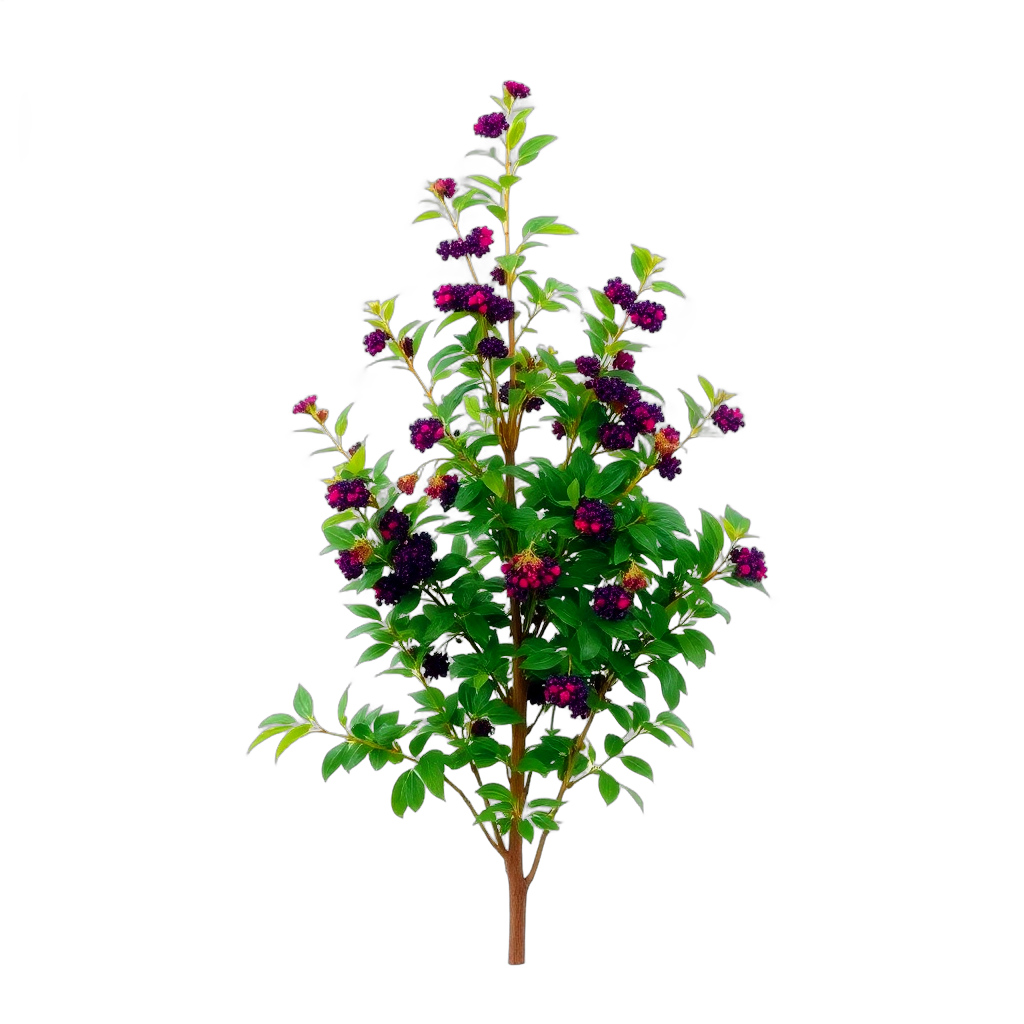
American Beautyberry
Callicarpa americana
grows to 6 feet, pink blooms in summer. Pollinator-friendly.
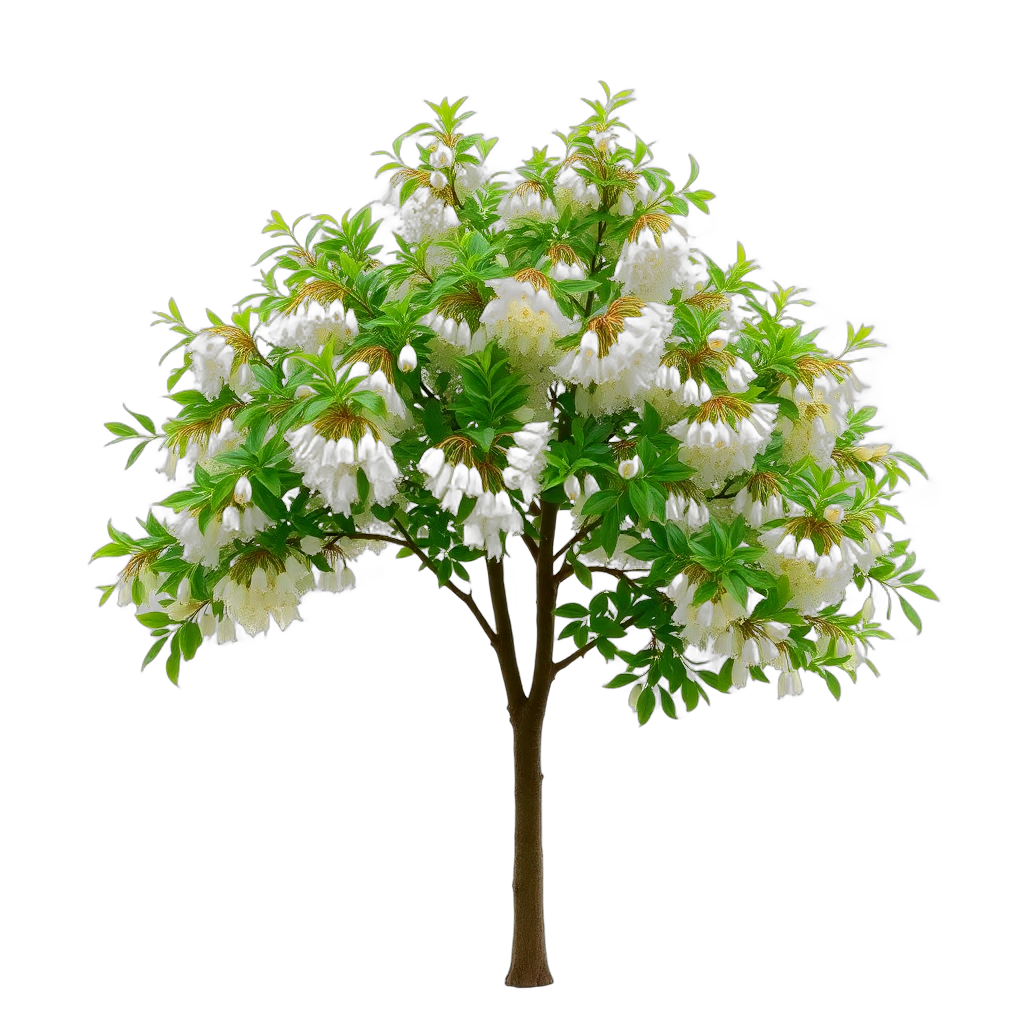
American Snowbell
Styrax americanus
medium-sized at 10 feet, white blooms in spring. Pollinator-friendly.
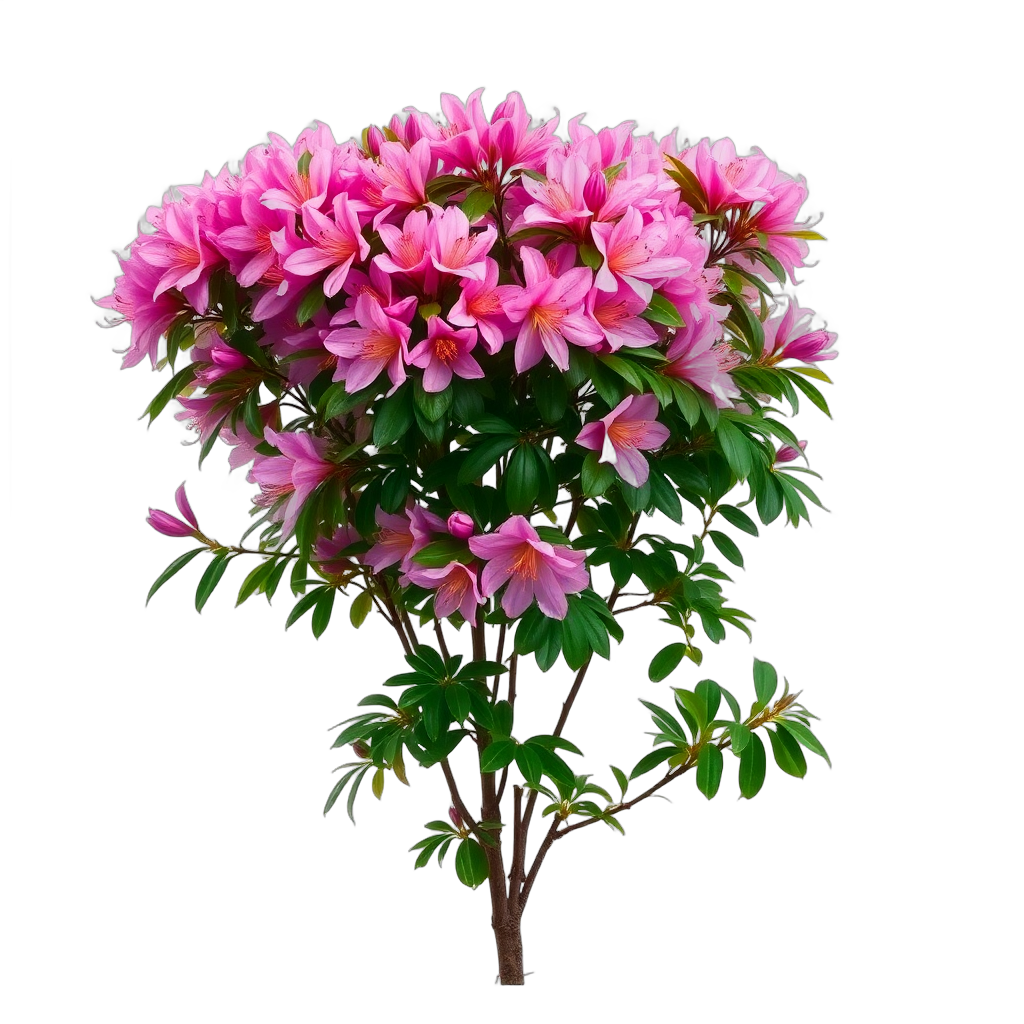
Anna Rose Whitney Rhododendron
Rhododendron 'Anna Rose Whitney'
medium-sized at 8 feet, pink blooms in spring. Attracts hummingbirds.
Featured Grasses & Groundcovers for Modern/Minimalist Gardens

Sideoats Grama
Bouteloua curtipendula
low-growing ground cover, purple blooms in summer. Yellow fall color.
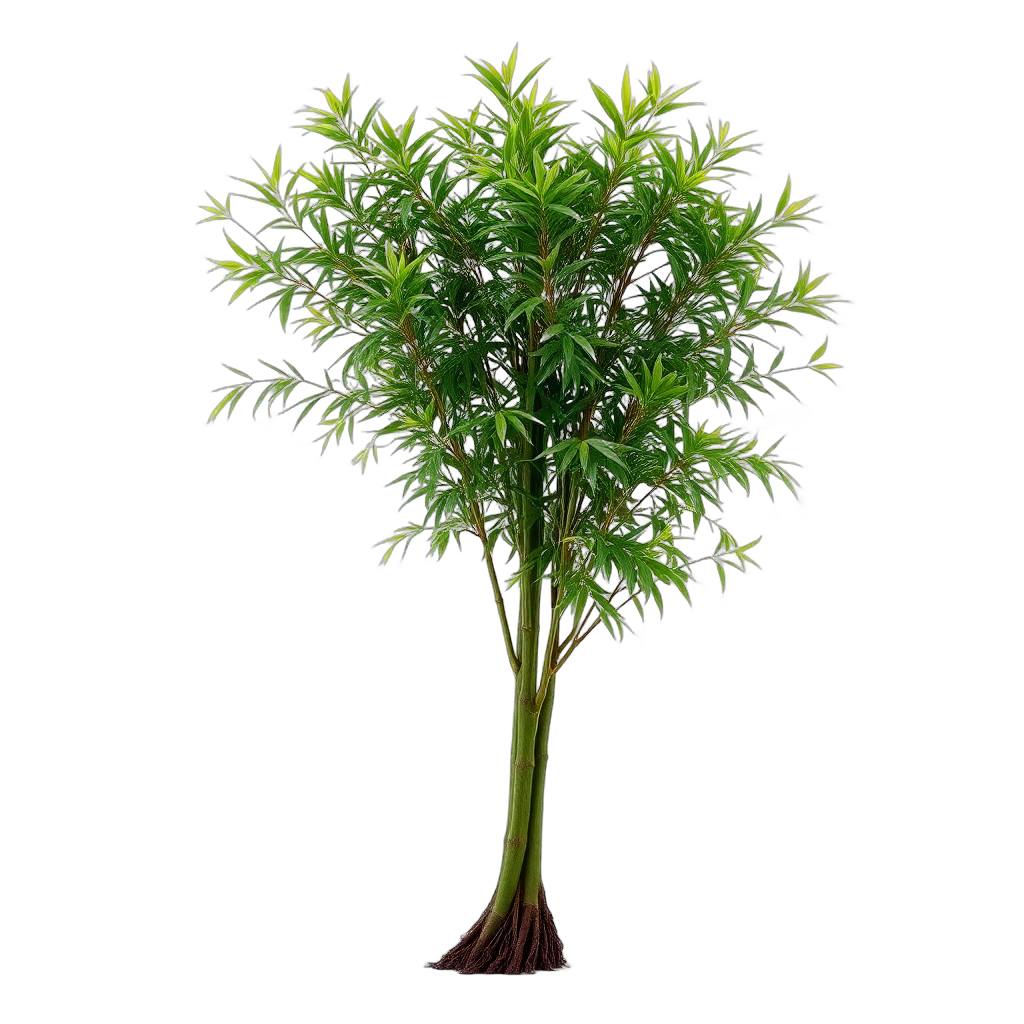
Broad-leaf Bamboo
Sasa palmata
medium-sized at 7 feet, blooms in none. Evergreen year-round.
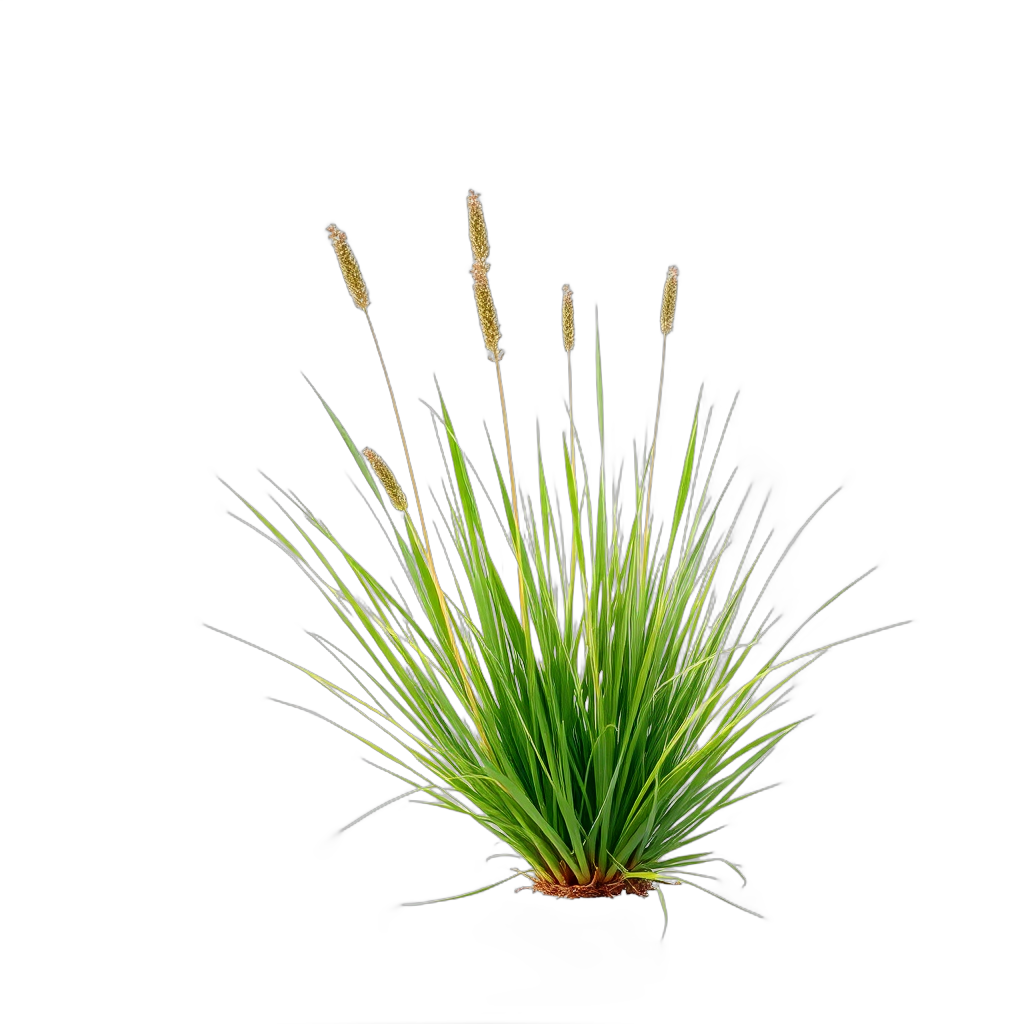
Deer Grass
Muhlenbergia rigens
grows to 3 feet, yellow blooms in fall. Evergreen year-round.
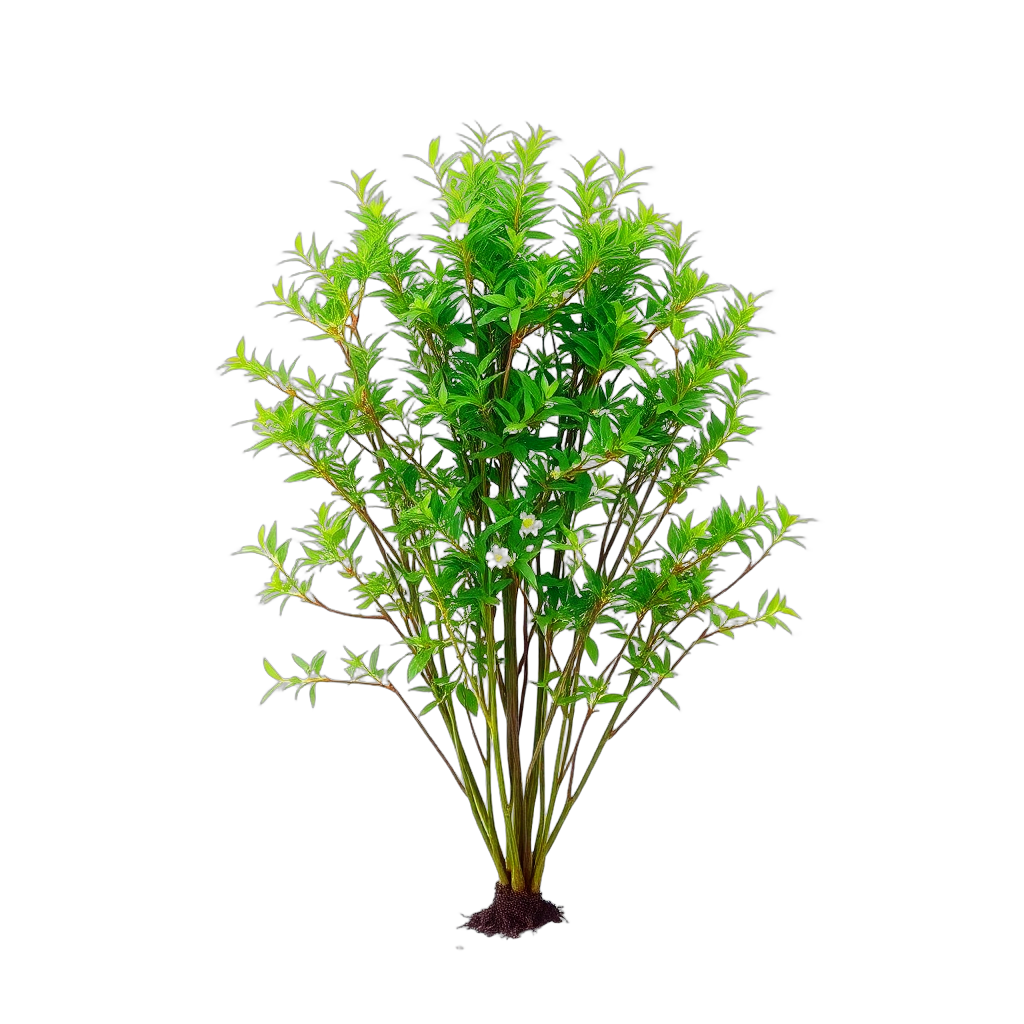
Dwarf Fernleaf Bamboo
Pleioblastus distichus
low-growing ground cover, blooms in none. Evergreen year-round.
Featured Flowers & Perennials for Modern/Minimalist Gardens
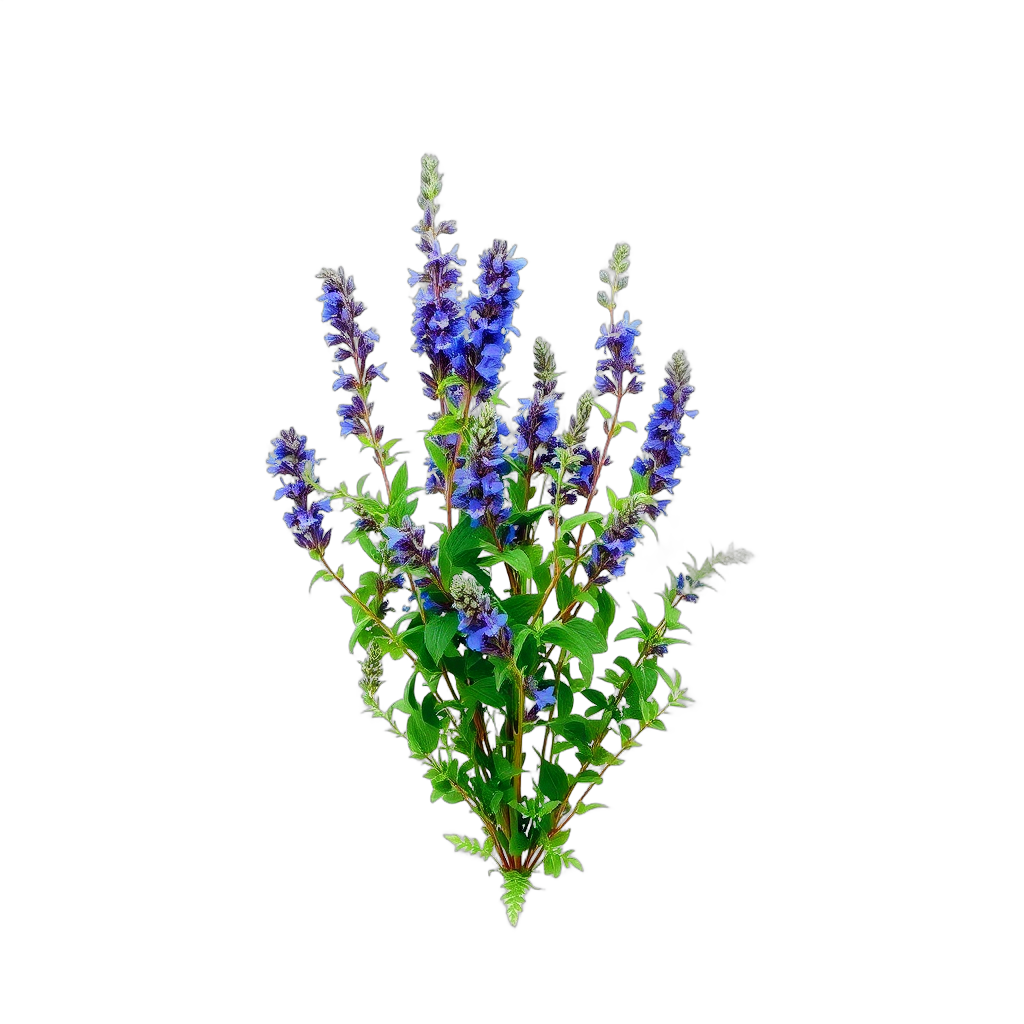
Azure Sage
Salvia azurea
grows to 4 feet, blue blooms in fall. Attracts hummingbirds.

Parrot's Feather
Myriophyllum aquaticum
grows to 3 feet, white blooms in summer. Evergreen year-round.
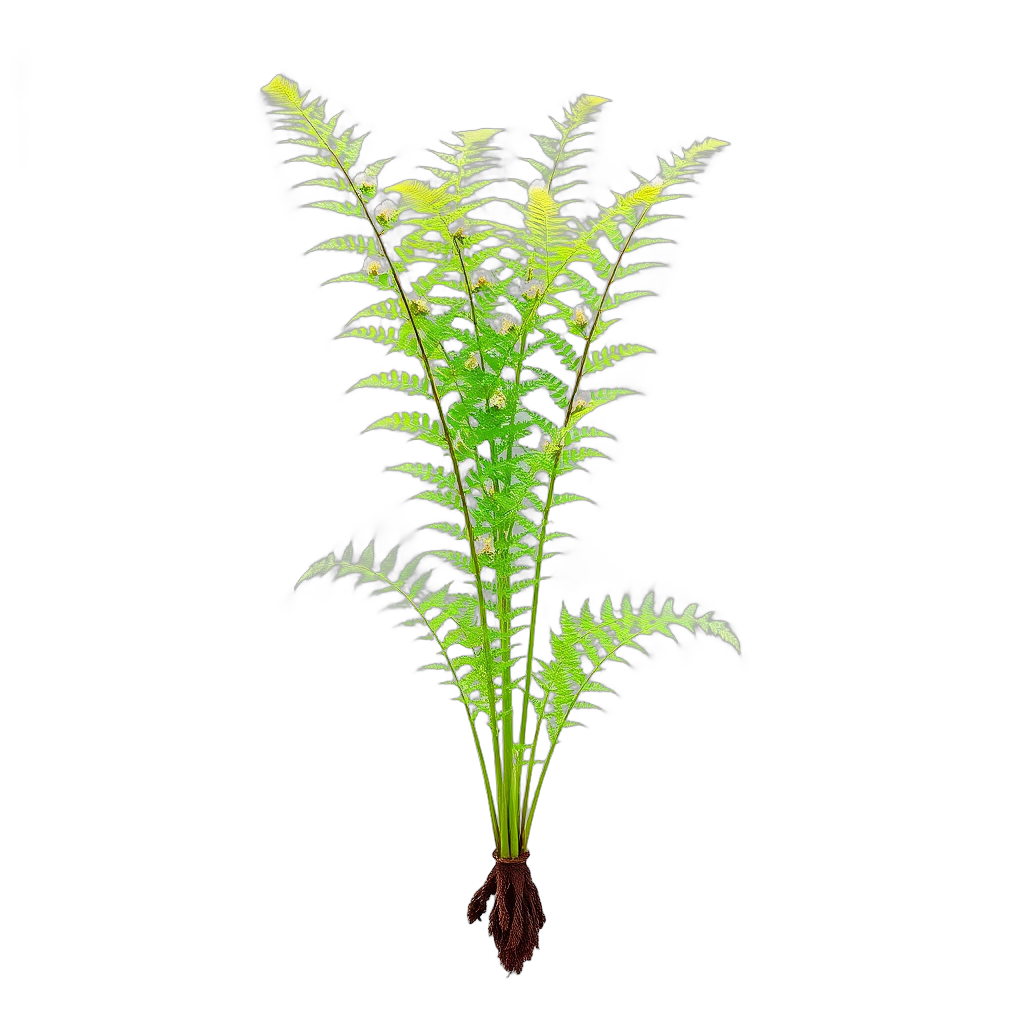
Asian Royal Fern
Osmunda japonica
grows to 4 feet, blooms in none. Yellow fall color.
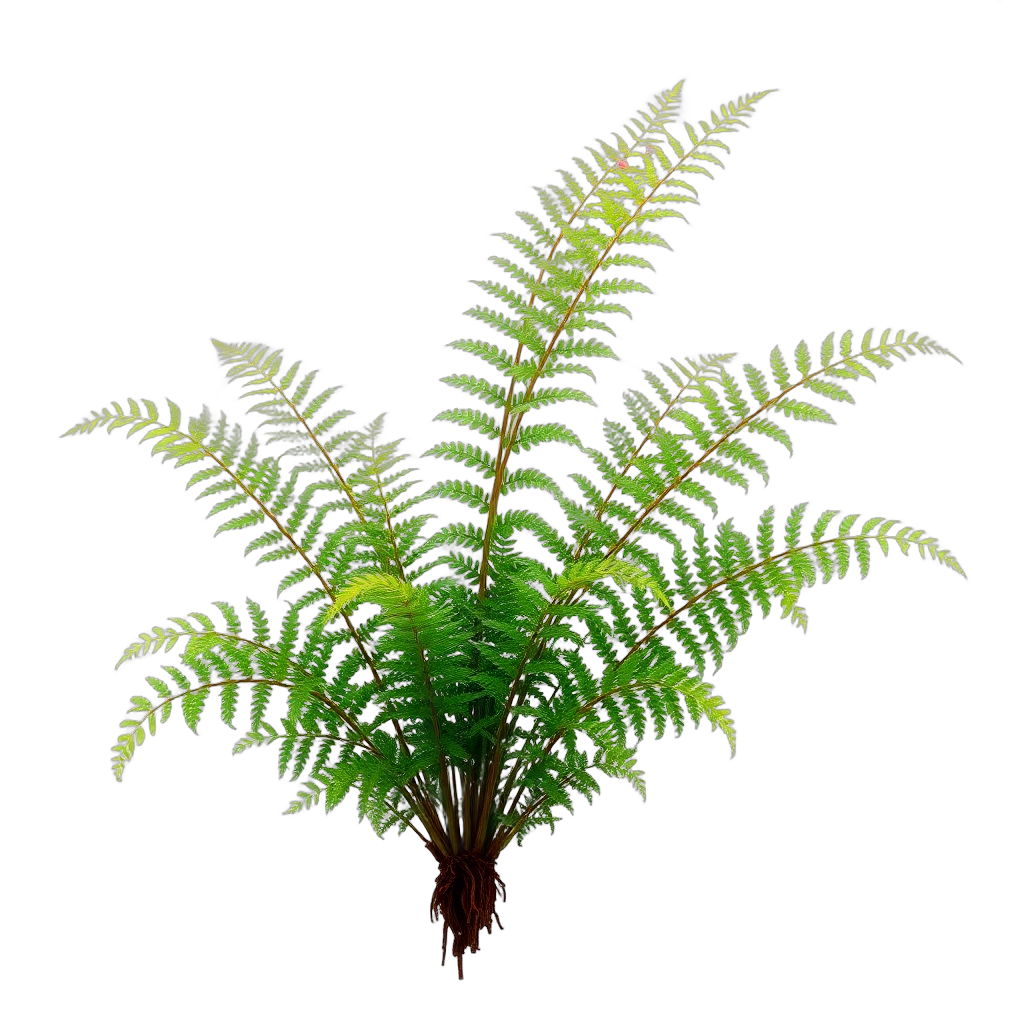
Autumn Fern
Dryopteris erythrosora
low-growing ground cover, blooms in none. Evergreen year-round.
Zone and sun checks come from our database — confirm with your local nursery before you buy.
Bloom Calendar for Wichita
spring
Clove Currant, Bunchberry, California Poppysummer
Sideoats Grama, Parrot's Feather, Beargrassfall
Azure Sage, Bog Sage, Golden Spider Lilywinter
Limited bloomsDesign Tips for Wichita (Zone 6b)
- Design wind-shelter as a first priority in Wichita: a properly sited and screened outdoor room on the north or east side of the house transforms the city's most challenging climate factor into a solved problem
- Anchor privacy screens and pergolas with concrete footings set at least 24 inches deep — Wichita's sustained southwest winds will topple any structure that is surface-set or minimally anchored
- Panicum virgatum 'Northwind' is the most wind-appropriate switchgrass for Wichita: specifically bred for stiffness, it stays upright in strong Kansas winds where softer-stemmed grasses lean and mat
- Flint Hills limestone is Wichita's authentic hardscape material — locally quarried, buff-gray in color, honest about the regional geology; use it for paths, seat walls, and mulch beds
- Wichita's 30-inch annual rainfall means irrigation efficiency matters more than in Kansas City or Tulsa: install drip irrigation before planting and design it for the established plant needs, not the first-year establishment period
- Botanica Wichita's grounds demonstrate which plants actually perform in Zone 6b wind and cold — treat any plant you see thriving there as pre-approved for your own design
Where to Source Plants in Wichita
Skip the big-box stores. These independent Wichita nurseries specialize in the plants that make modern/minimalist gardens thrive in Zone 6b.
Johnson's Garden Centers
Multiple Wichita locations
Full-service, drought-tolerant varieties, native Great Plains plants, grasses — since 1937
Botanica Wichita Plant Sales
Sim Park / West Wichita
Zone 6b-tested plants; native grasses, prairie perennials, specialty stock
K-State Research & Extension Master Gardener Plant Sales
Sedgwick County Extension
Native Kansas plants, locally propagated prairie grasses and wildflowers
Mulberry Lane Nursery
Northwest Wichita
Native Kansas plants, perennials, trees, drought-tolerant shrubs
Family Tree Nursery
Shawnee, KS (Johnson County, 2 hrs northeast)
Native plants, grasses, perennials — excellent Zone 6a/6b selection
Modern/Minimalist Landscaping Costs in Wichita
| Project Scope | Estimated Cost |
|---|---|
| Lawn removal + DG / gravel modern front yard | $3,500 – $8,500 |
| Full modern front yard redesign with hardscape + plants | $7,000 – $16,500 |
| Concrete patio + fire pit lounge (backyard) | $8,000 – $21,000 |
| Pool + contemporary landscape (full backyard) | $40,000 – $95,000 |
| Privacy fence installation | $2,500 – $6,500 |
| Drip irrigation system | $800 – $2,200 |
| AI visualization with ProScapeAI | Free to start |
Estimates based on Wichita, KS-area contractor rates as of 2026. Actual costs vary by site conditions, materials, and contractor.
Wichita Climate & Growing Zone

USDA Zone 6b
Hardiness zone for Wichita
Central-Southern US mixed grasslands
Native ecoregionFrequently Asked Questions
What modern plants survive Wichita's Zone 6b winters?
Zone 6b requires genuine cold hardiness to -5°F. Reliable modern plants: Yucca filamentosa (Zone 4 hardy, bold architectural rosette), Hesperaloe parviflora (Zone 5 hardy, red summer bloom), Karl Foerster feather reed grass (Zone 4 hardy, semi-evergreen), switchgrass / Panicum virgatum (Zone 5, many cultivars), Big Bluestem and Little Bluestem (Zone 3 hardy, native prairie grasses), Prairie dropseed (Zone 3), ornamental alliums (Zone 4 bulbs), and Shantung maple (Acer truncatum, Zone 5, better urban heat tolerance than sugar maple). Avoid Zone 7+ plants like Agave americana, Spanish lavender, or rosemary without reliable winter protection.
How do I design for Wichita's persistent winds?
Wichita's south and southwest winds are the defining outdoor living challenge. Design strategies: 1) Orient outdoor rooms on the north or east side of the house where building mass provides natural windbreak. 2) Cedar privacy screens on the southwest exposure, anchored with steel posts set in concrete footings (surface-set posts will blow over in Wichita wind). 3) Choose ornamental grasses that flex rather than break in wind — Panicum 'Northwind' is specifically bred for stiffness, while Miscanthus varieties may lean in sustained Wichita winds. 4) Avoid tall, top-heavy plants without windbreak protection. 5) Plant windbreak shrubs (American plum, chokecherry, or native sumac) on the southwest side before planting anything delicate behind them.
What hardscape materials work best in Wichita's continental climate?
Zone 6b freeze-thaw cycles are less aggressive than Zone 5 but still require proper base installation. Requirements: 6-inch compacted crushed limestone base under all paving, concrete control joints every 8 feet, polymeric sand joints in pavers. Local Flint Hills limestone is the most authentic and appropriately scaled material for Wichita — its warm buff-gray color references the regional geology and weathers honestly. Corten steel develops its patina in Wichita's dry-then-humid weather cycles and requires zero maintenance. Concrete is versatile and durable. Avoid thin-set tile or polished stone on exterior surfaces — Wichita's freeze-thaw and wind-blown grit will damage delicate surfaces rapidly.
Can I replace my Wichita lawn with a native grass meadow?
Yes — and Wichita's position in the mixed grasslands ecoregion makes it one of the most ecologically appropriate places in the country to do so. Little Bluestem, Big Bluestem, switchgrass, Indiangrass, and prairie dropseed all evolved in this exact climate and soil. Replacing conventional turf with native grasses reduces irrigation by 50–70% after establishment, eliminates fertilizer and pesticide requirements, and creates wildlife habitat for grassland birds that depend on this landscape type. Wichita's 30-inch annual rainfall (lower than Kansas City) makes irrigation-free native grass establishment take slightly longer — plan on modest supplemental irrigation for the first two growing seasons. Steel edging and a geometric path create the designed landscape intent that prevents the meadow from reading as an unmowed lawn.
What does a modern landscape in Wichita typically cost?
Wichita has relatively competitive landscape contractor labor rates compared to Kansas City or DFW. Typical ranges: native grass meadow front yard ($3,500–9,000 for 500 sqft), contemporary patio + outdoor room ($10,000–25,000), full backyard transformation without pool ($18,000–42,000), pool + landscape ($40,000–85,000+). Flint Hills limestone for hardscape is locally available and cost-competitive with imported materials. Wichita's lower project costs compared to Kansas City are partly offset by the requirement for wind-resistant structure anchoring: screen posts and pergola footings need to be more robust than in calmer-wind cities. Get three bids and ask specifically about anchoring methods.
Are there good modern landscape references in Wichita?
Botanica Wichita is the city's best public landscape reference: the botanical garden demonstrates Zone 6b plant performance across multiple garden styles, and the adjacent Sim Park provides scale reference for large-scale landscape composition. The Douglas Design District downtown has contemporary building renovations with landscape treatments that demonstrate urban-scale modern design appropriate to Wichita's character. The Wichita Art Museum grounds were redesigned with a contemporary landscape that references the Great Plains context. For the most current residential modern landscape design, the Wichita Parade of Homes events showcase new construction in Andover and Derby with landscape treatments ranging from conventional to genuinely contemporary.