4 Mediterranean Garden Ideas for Vallejo, CA | Dry-Summer Gardens for Zone 9b
Native plants from the California interior chaparral and woodlands (Zone 9b) — Mediterranean (warm summer) climate
Why Mediterranean Gardens in Vallejo?
Vallejo's climate is close to the real Mediterranean, which makes this the most natural style in town. Cool, wet winters and long, dry summers are what olives, lavender, rosemary, rockrose and figs evolved for, and the city's Köppen class (Csb, warm-summer Mediterranean) is the same type found on parts of the Portuguese and Spanish coast. The style also fits the houses: Spanish Revival and stucco homes in Vallejo Heights, the 1980s to 2000s tract homes of Northgate, Glen Cove and Hiddenbrooke, and even the older Victorians of St. Vincent's Hill look at home behind a gravel courtyard and a pair of olive trees.
Temperatures are mild. Summer highs average about 80°F because the bay air cools the city, and January nights average about 41°F. As Zone 9b, the coldest nights usually land between 25 and 30°F, cold enough to brown Meyer lemon leaves in an exposed spot but no trouble for Olea europaea, Rosmarinus officinalis 'Tuscan Blue', Cistus × purpureus or Lavandula × intermedia 'Grosso'. Rainfall is roughly 20 inches a year (the Mare Island station averaged 19.8 inches), almost all of it from October to May. Established Mediterranean shrubs need a deep drip watering every two to three weeks from June to September and nothing in a normal winter.
Clay is the main problem. Much of Vallejo sits on heavy clay that cracks in August and holds water around roots in January, and that winter wet is what kills lavender, rosemary and rockrose here. Build every bed up 8–12 inches with a gritty mix, top-dress with gravel instead of bark, and keep the drip off from December to March. Where a classic plant struggles, swap it: Lavandula angustifolia 'Hidcote' often rots, so use 'Grosso' or 'Provence'; Italian cypress gets spider mites and grows too tall for most lots, so use Cupressus sempervirens 'Tiny Tower' or Rhamnus alaternus for the same upright line.
Planting needs no permit, but if you live in St. Vincent's Hill, the Architectural Heritage District or the Mare Island Historic Core, exterior changes such as new walls or fences go through the city's Certificate of Appropriateness process. In Hiddenbrooke and other HOA neighborhoods, the association reviews front-yard changes first. If your lot backs onto dry grassland or open hills, keep the first five feet around the house to gravel, pavers and low irrigated plants, and set resinous shrubs like rosemary and rockrose further out. The City of Vallejo runs rebates with the Solano County Water Agency, including a smart irrigation controller rebate, which helps pay for the drip system this style depends on.
4 Mediterranean Design Ideas for Vallejo

AI-generated image
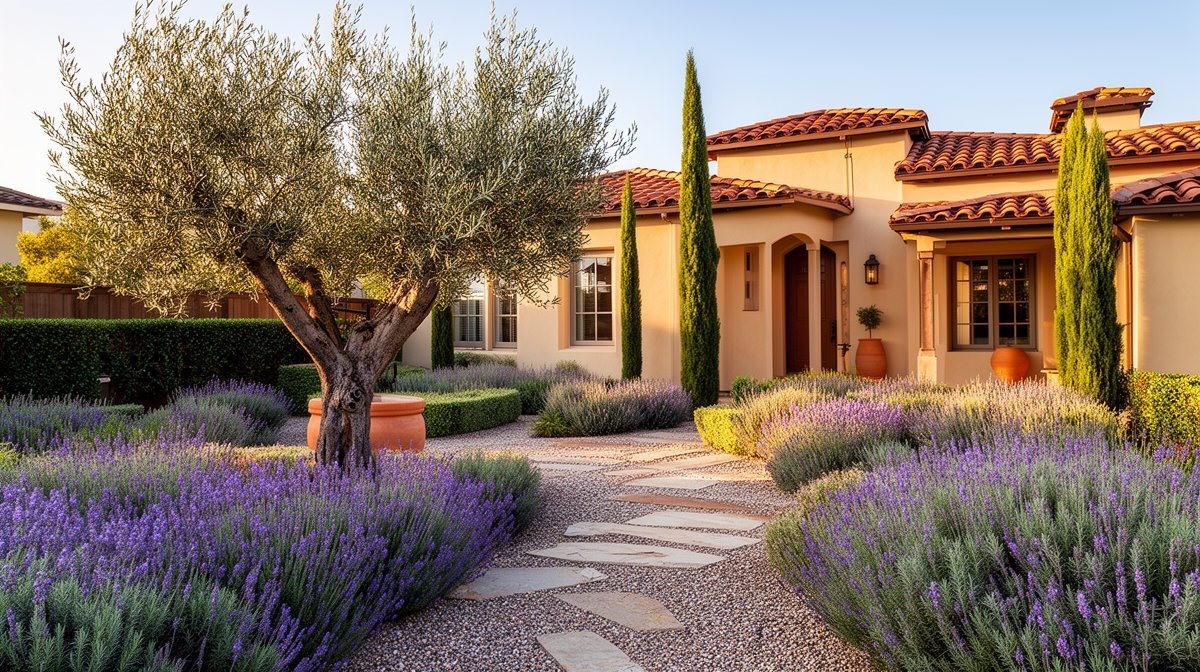
The Olive and Gravel Courtyard
$20–40/sqftA Spanish Revival home in Vallejo Heights loses its front lawn to a pea-gravel courtyard with a pair of multi-trunk olives, a low stucco wall at the sidewalk and a terracotta urn as a focal point. Mounds of lavender, rosemary and rockrose fill raised beds along the wall, with bright pink rockrose flowers in spring and silver foliage all year. The yard faces south, so it gets full sun all day and the gravel keeps the plant crowns dry through winter.

AI-generated image
The Citrus and Fig Kitchen Terrace
$28–55/sqftBehind a 1990s home in Glen Cove, a flagstone terrace against the south-facing back wall holds potted Meyer lemons, a fig and a pomegranate, with a long table under a simple timber pergola. The warm wall stores the day's heat, which protects the citrus on the coldest nights and ripens the figs. Beds of thyme, sage and oregano edge the terrace and get the same reflected warmth.

AI-generated image
The Hillside Dry Garden
$30–60/sqftA sloped back garden in Hiddenbrooke is terraced with low dry-stacked stone walls and planted with drifts of silver and blue shrubs that run down to a small gravel seating area. California natives mix with Mediterranean shrubs, since both do well through the same dry summer. The slope faces west into the afternoon sun and wind, so every plant is low, tough and well-spaced.

AI-generated image
The Victorian Herb Parterre
$25–48/sqftA narrow front yard in front of a Victorian on St. Vincent's Hill gets a small formal parterre: four square beds edged in low clipped germander, filled with lavender and santolina, and a brick path between them to the front steps. Two upright evergreens frame the door where a pair of Italian cypress would normally go. The yard faces east, so it gets morning sun and the clipped edges stay crisp.
See how a mediterranean garden looks on YOUR property
Upload a photo of your Vallejo yard and visualize your dream garden in seconds.
Try ProScapeAI Free

AI-generated image
Featured Trees & Shrubs for Mediterranean Gardens
Browse all 197 plants for Vallejo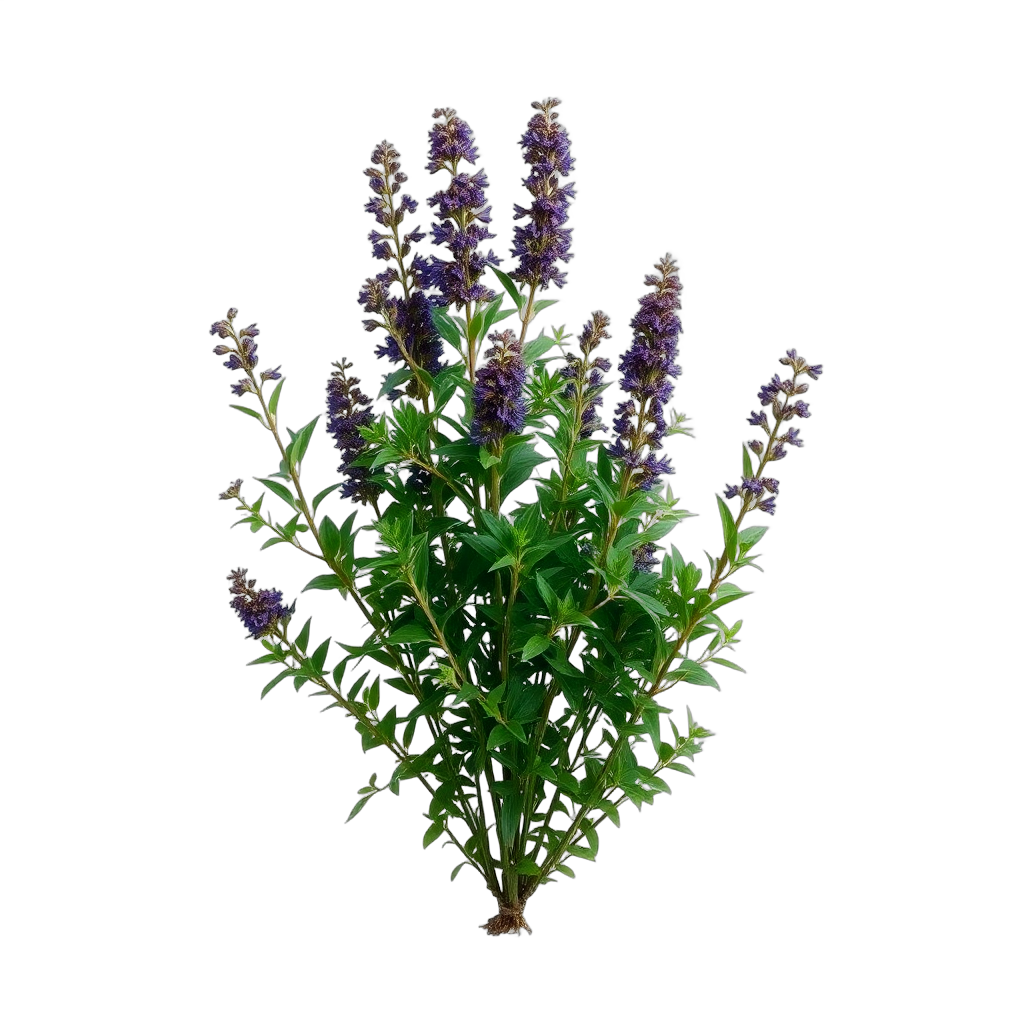
Black Sage
Salvia mellifera
grows to 4 feet, white blooms in spring. Attracts butterflies.
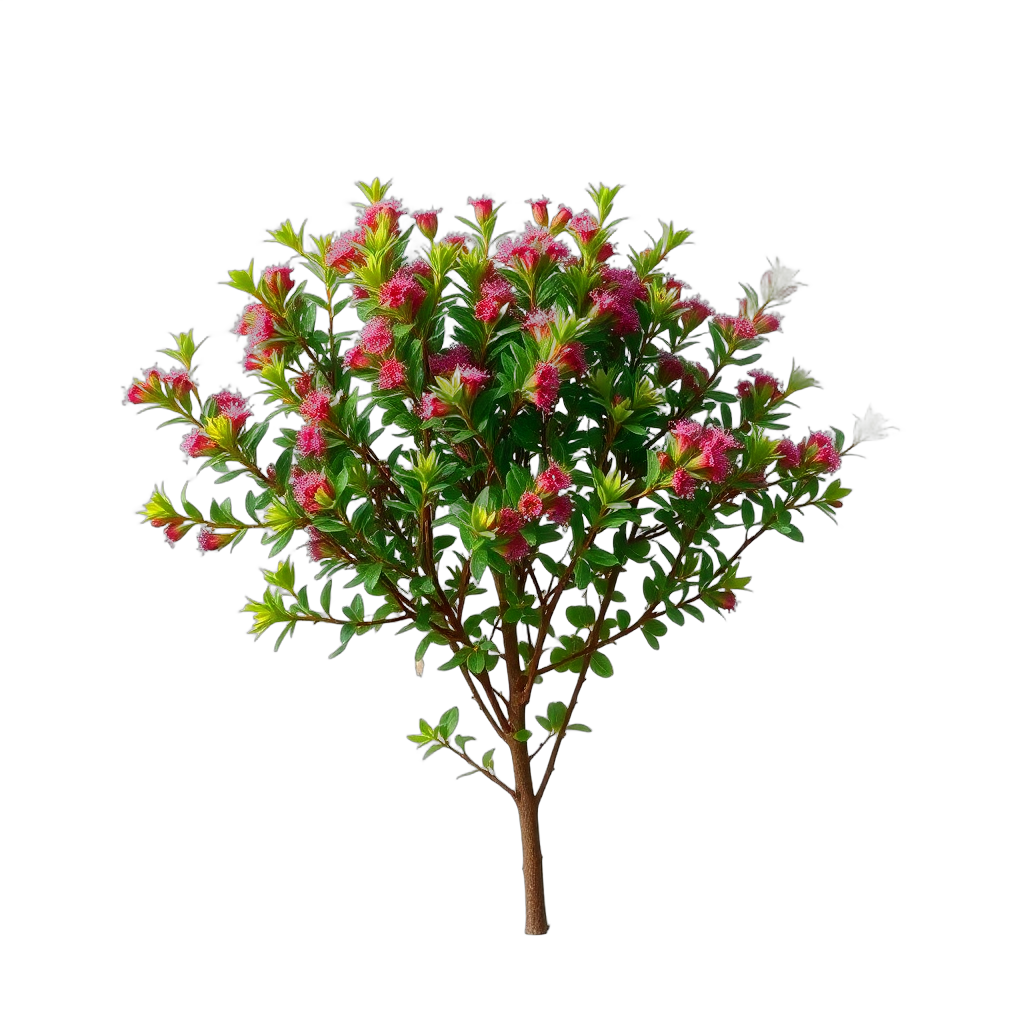
Buckbrush
Ceanothus cuneatus
medium-sized at 7 feet, white blooms in spring. Attracts butterflies.
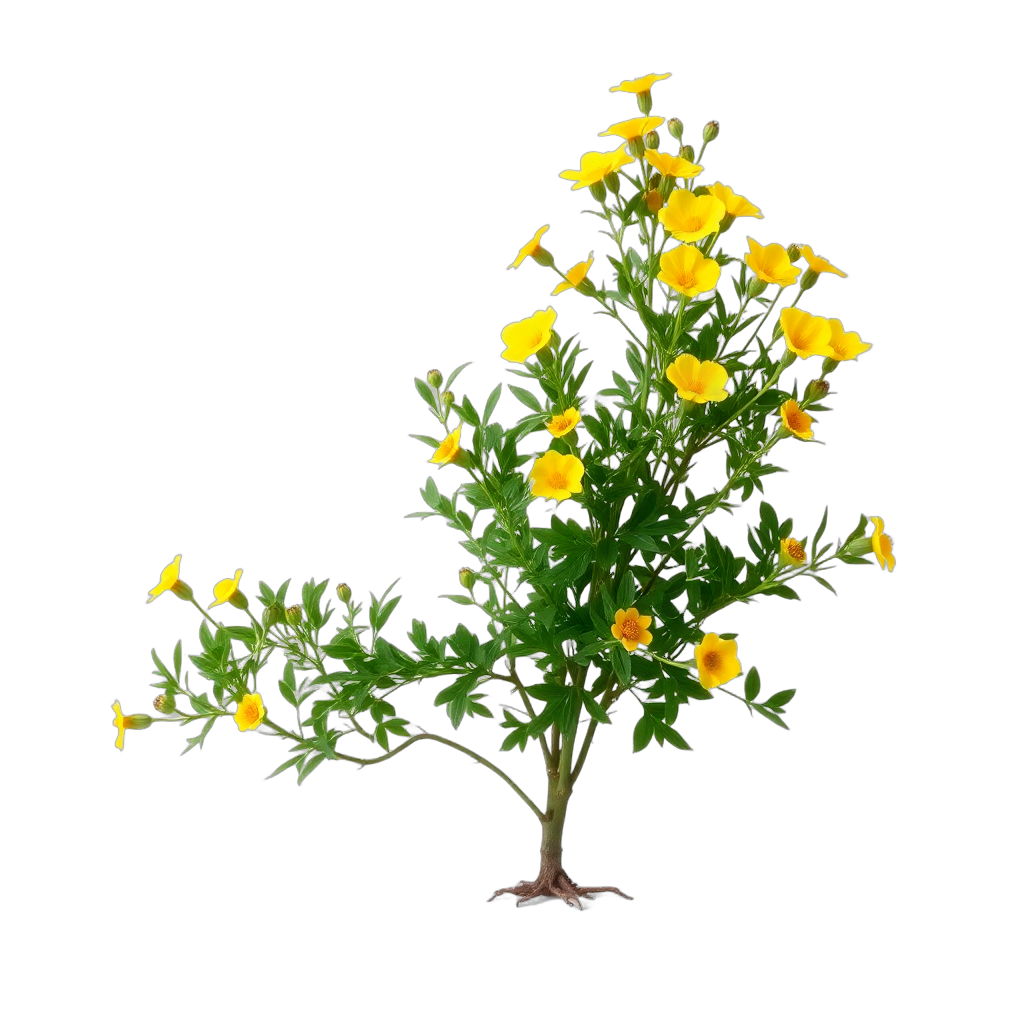
Bush Poppy
Dendromecon rigida
grows to 6 feet, yellow blooms in spring. Pollinator-friendly.
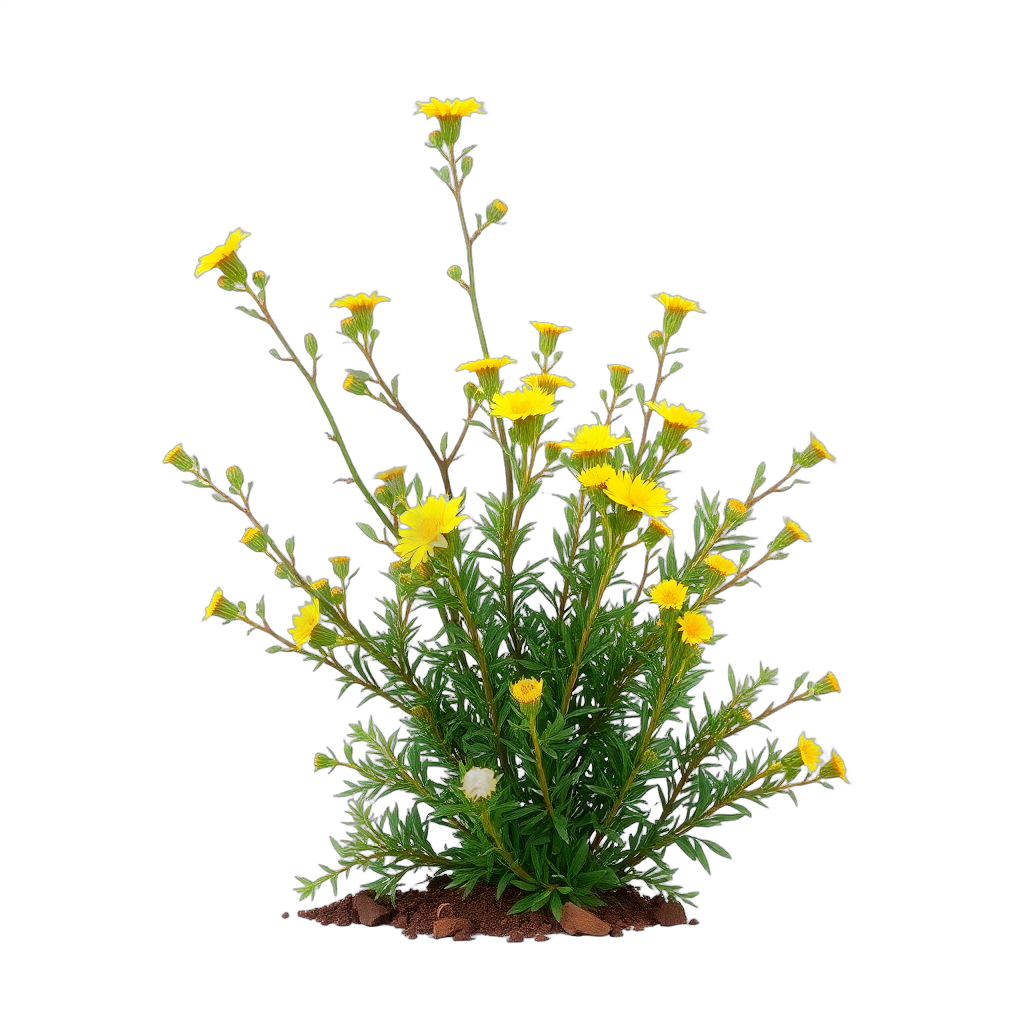
California Brittlebush
Encelia californica
grows to 4 feet, yellow blooms in spring. Attracts butterflies.
Featured Grasses & Groundcovers for Mediterranean Gardens
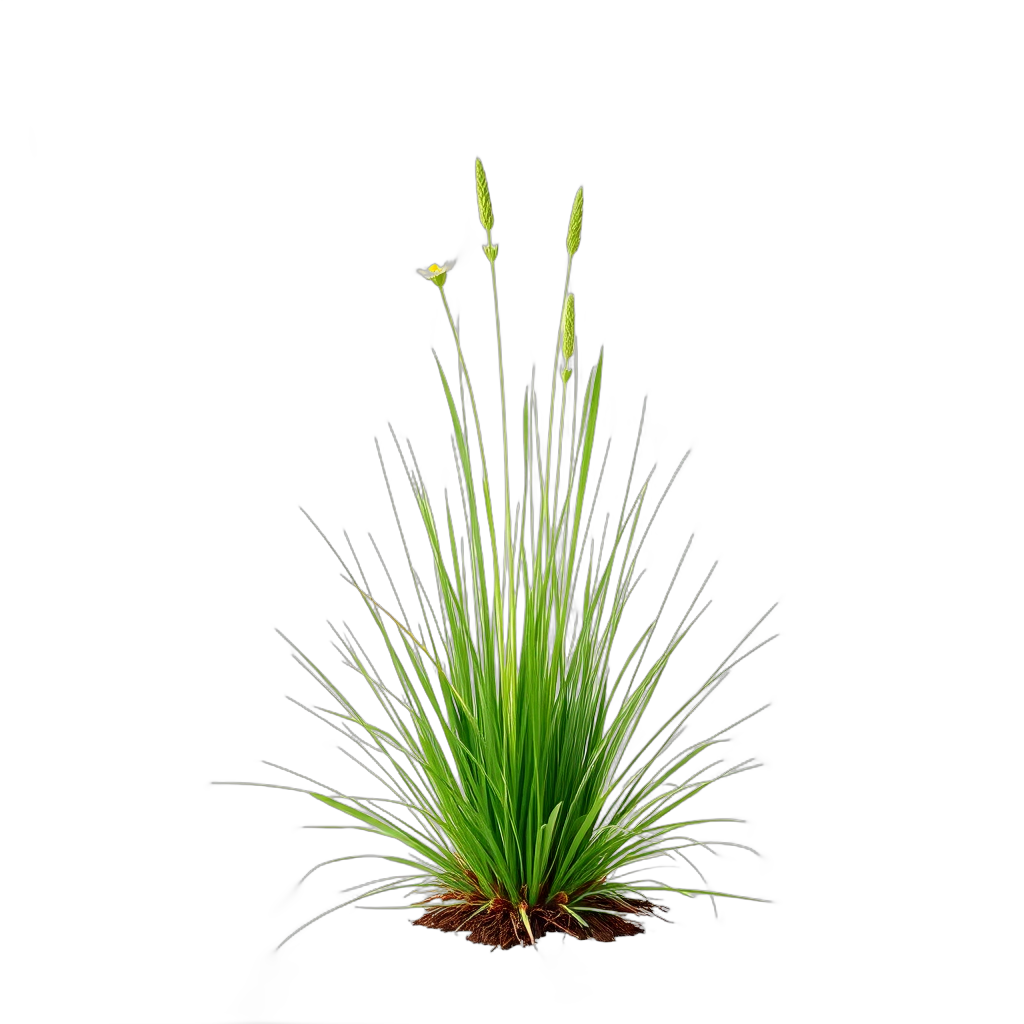
California Brome
Bromus carinatus
low-growing ground cover, blooms in spring. Yellow fall color.
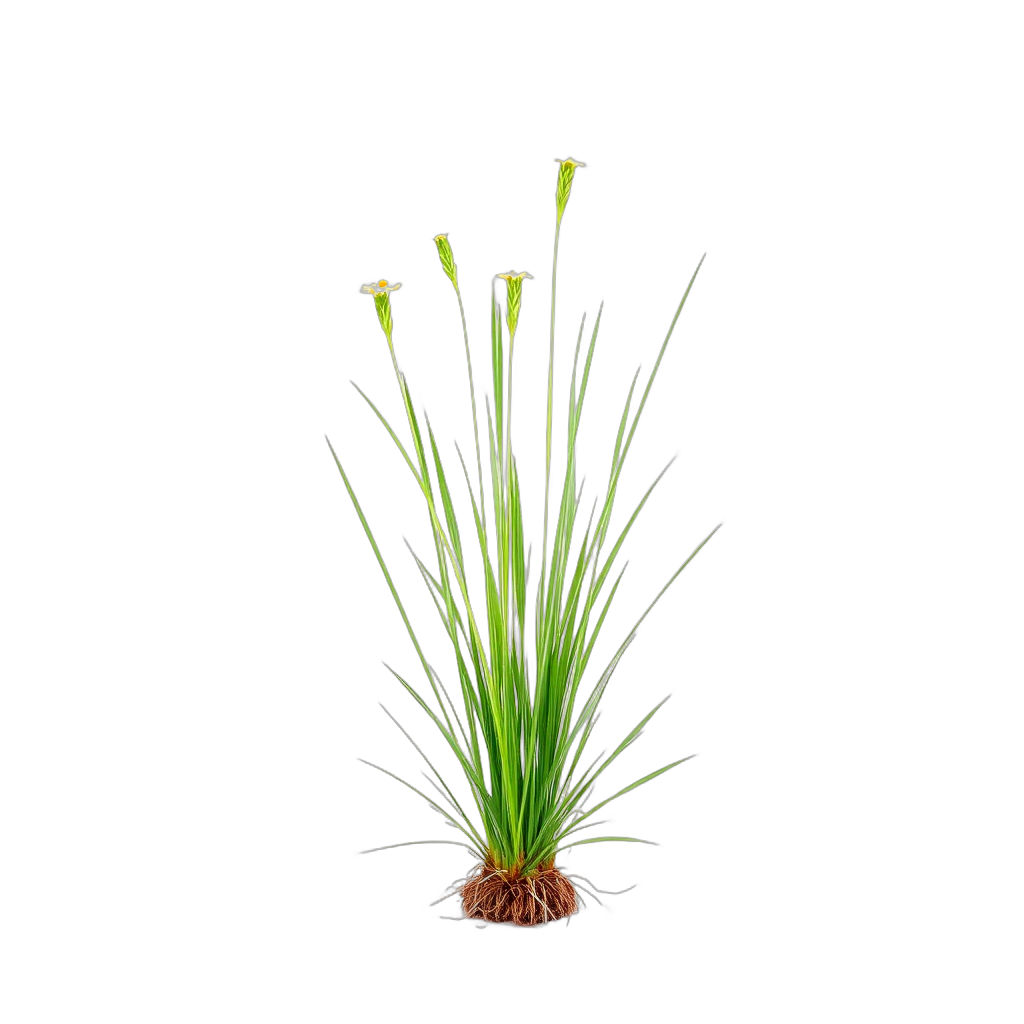
California Melic
Melica californica
low-growing ground cover, blooms in spring.
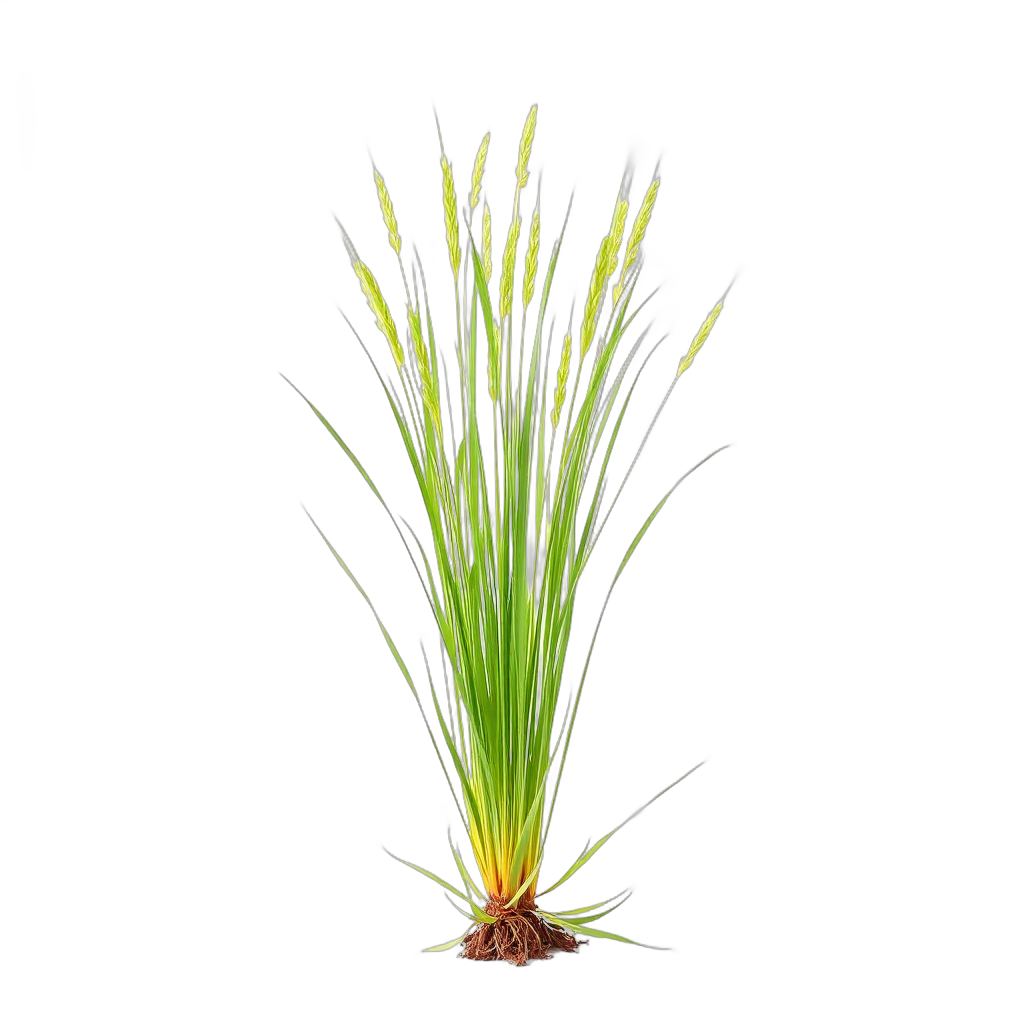
California Oatgrass
Danthonia californica
low-growing ground cover, blooms in spring. Yellow fall color.
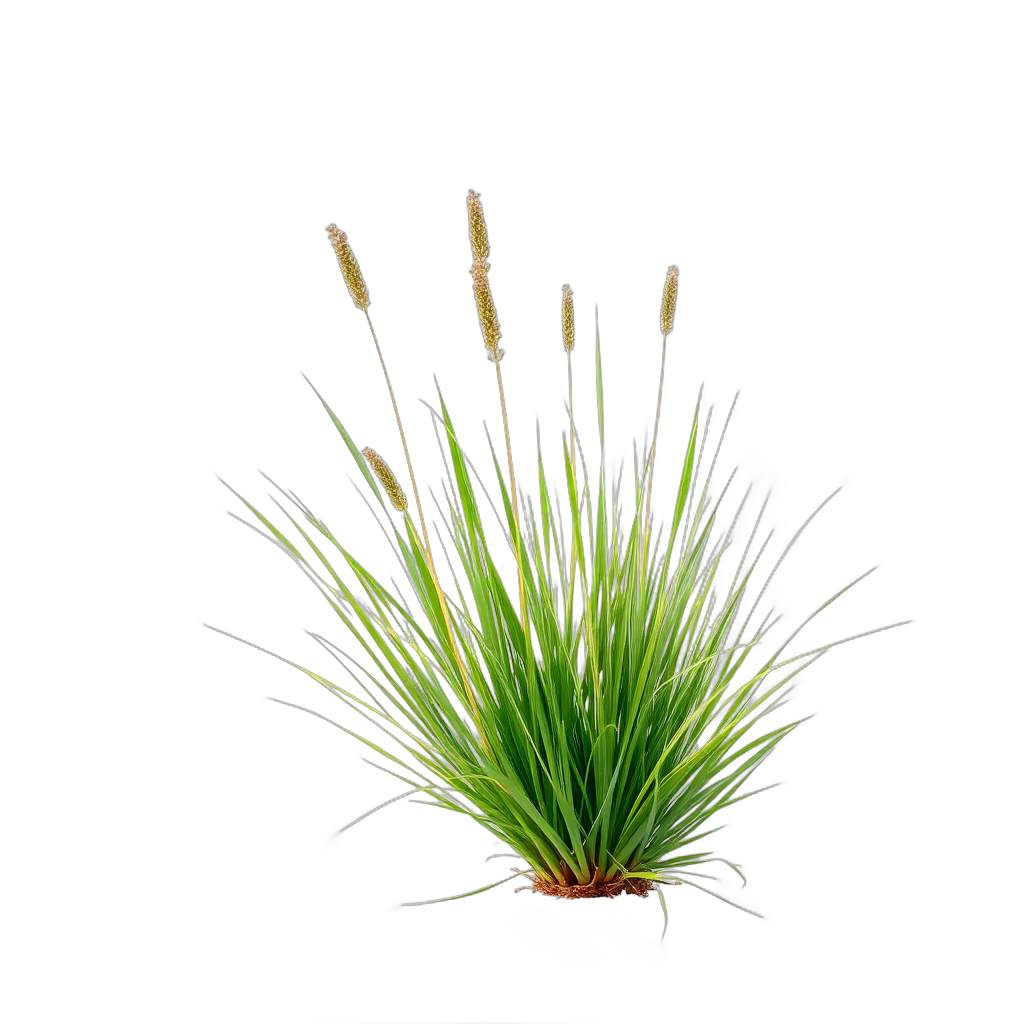
Deer Grass
Muhlenbergia rigens
grows to 3 feet, yellow blooms in fall. Evergreen year-round.
Featured Flowers & Perennials for Mediterranean Gardens
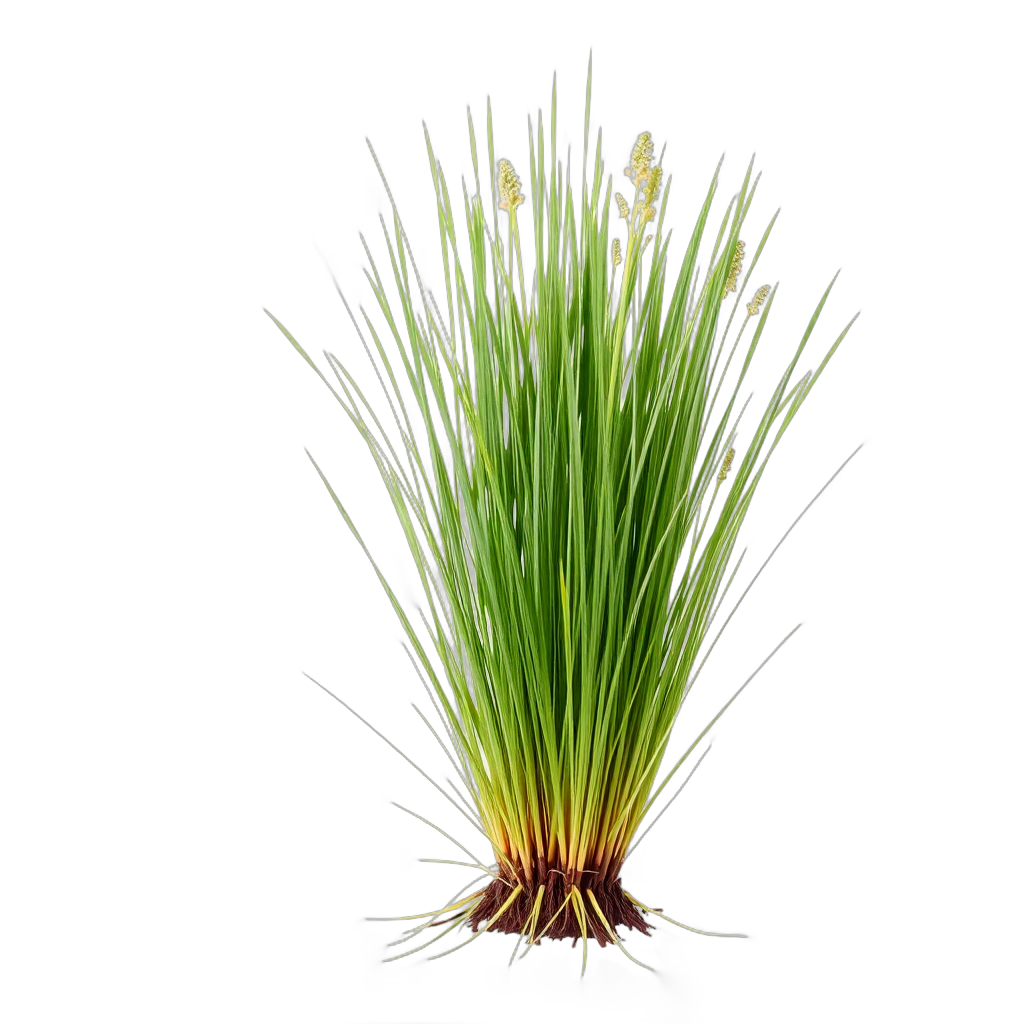
California Gray Rush
Juncus patens
low-growing ground cover, blooms in summer. Evergreen year-round.
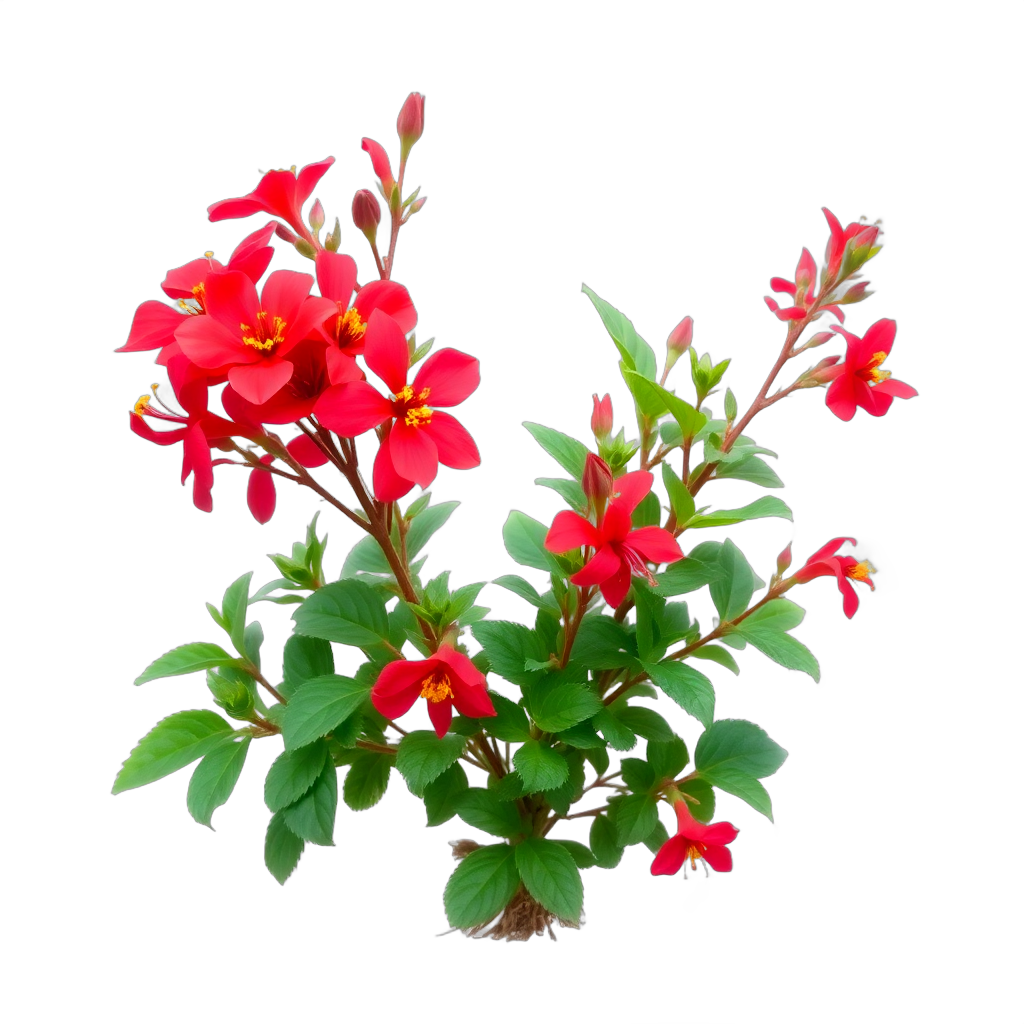
California Fuchsia
Zauschneria californica
low-growing ground cover, red blooms in fall. Attracts hummingbirds.
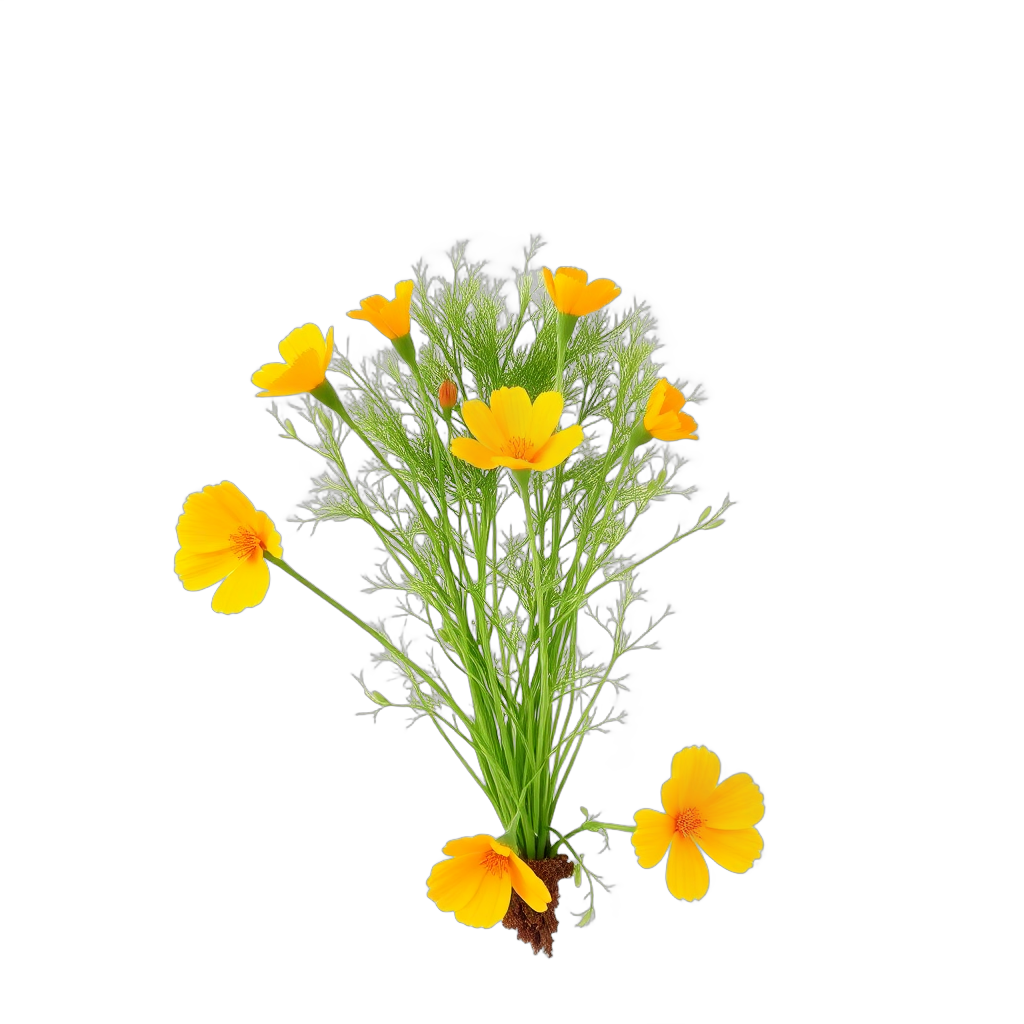
California Poppy
Eschscholzia californica
low-growing ground cover, orange blooms in spring.
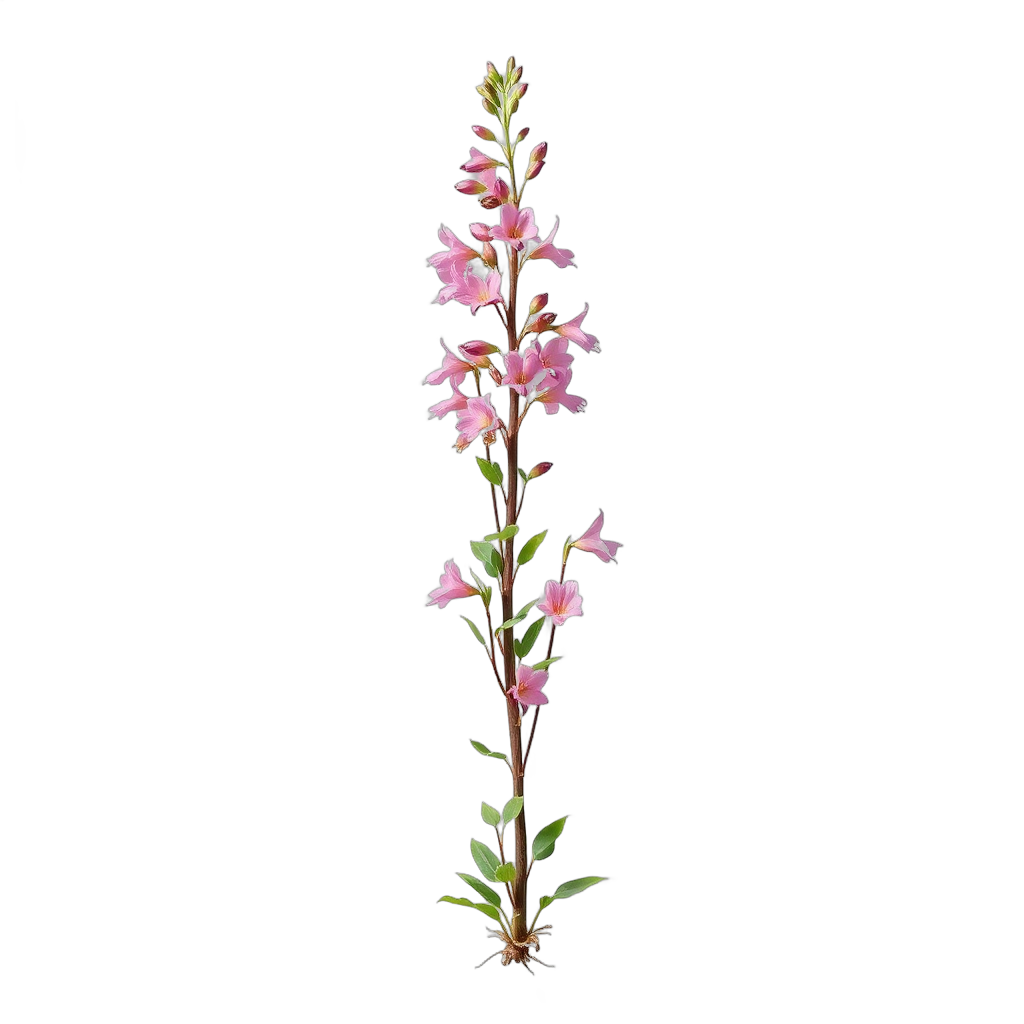
Foothill Penstemon
Penstemon heterophyllus
low-growing ground cover, blue blooms in spring. Attracts hummingbirds.
Zone and sun checks come from our database — confirm with your local nursery before you buy.
Bloom Calendar for Vallejo
spring
California Poppy, Foothill Penstemon, Foothill Sedgesummer
California Gray Rush, Black Sage, California Buckwheatfall
California Fuchsia, Deer Grasswinter
Limited bloomsDesign Tips for Vallejo (Zone 9b)
- Raise lavender, rosemary, rockrose and santolina 8–12 inches above Vallejo's clay and mulch with gravel; winter wet kills these plants here, not the 25–30°F cold.
- Turn the drip off from December to March in a normal rain year; Vallejo's roughly 20 inches of rain falls in those months, and established shrubs need nothing extra.
- Plant citrus against a south wall or in a movable pot and keep frost cloth ready for the few nights each winter that drop below 28°F.
- Use Cupressus sempervirens 'Tiny Tower' instead of full-size Italian cypress; it gives the same upright line without outgrowing a Vallejo lot.
- Mix in California natives such as Ceanothus 'Concha' and Arctostaphylos 'Emerald Carpet'; they share the dry-summer schedule and feed local pollinators.
- If the lot backs onto dry grass or open hills, keep the first five feet around the house to gravel and pavers, and set rosemary and rockrose further out.
- Give citrus, figs and pomegranates their own drip valve; they need more summer water than the lavender and olives around them.
Where to Source Plants in Vallejo
Skip the big-box stores. These independent Vallejo nurseries specialize in the plants that make mediterranean gardens thrive in Zone 9b.
Ruth Bancroft Garden & Nursery
Walnut Creek (Bancroft Road)
Nonprofit dry garden with a nursery selling waterwise plants: California natives, succulents, Mediterranean, Australian and South African shrubs and trees
Morningsun Herb Farm
Vacaville (Pleasants Valley Road)
Nursery and display gardens specialising in lavender, thyme, salvias, culinary herbs, scented pelargoniums and California natives
Mid City Nursery
American Canyon (Broadway, just north of Vallejo)
Family-owned since 1954, the closest independent nursery to Vallejo, strong on fruit trees, citrus and edibles
Van Winden's Garden Center
Napa (Pueblo Avenue)
Independent garden centre with trees, shrubs, perennials, fruit trees and vegetables, plus care guides for the Napa and Solano climate
Mediterranean Landscaping Costs in Vallejo
| Project Scope | Estimated Cost |
|---|---|
| Gravel front courtyard with raised beds and drip (500–700 sqft) | $10,000 – $26,000 |
| Pair of multi-trunk olive trees, 24-inch box, planted | $2,500 – $6,000 |
| Flagstone terrace on decomposed granite (300 sqft) | $9,000 – $13,500 |
| Dry-stacked stone terrace walls on a slope (60 face ft) | $4,000 – $8,000 |
| Drip irrigation conversion with a smart controller | $1,500 – $4,500 |
| Full back Mediterranean garden: terrace, pergola, planting | $35,000 – $80,000 |
| AI visualization (ProScapeAI) | Free to start |
Estimates based on Vallejo, CA-area contractor rates as of 2026. Actual costs vary by site conditions, materials, and contractor.
Vallejo Climate & Growing Zone
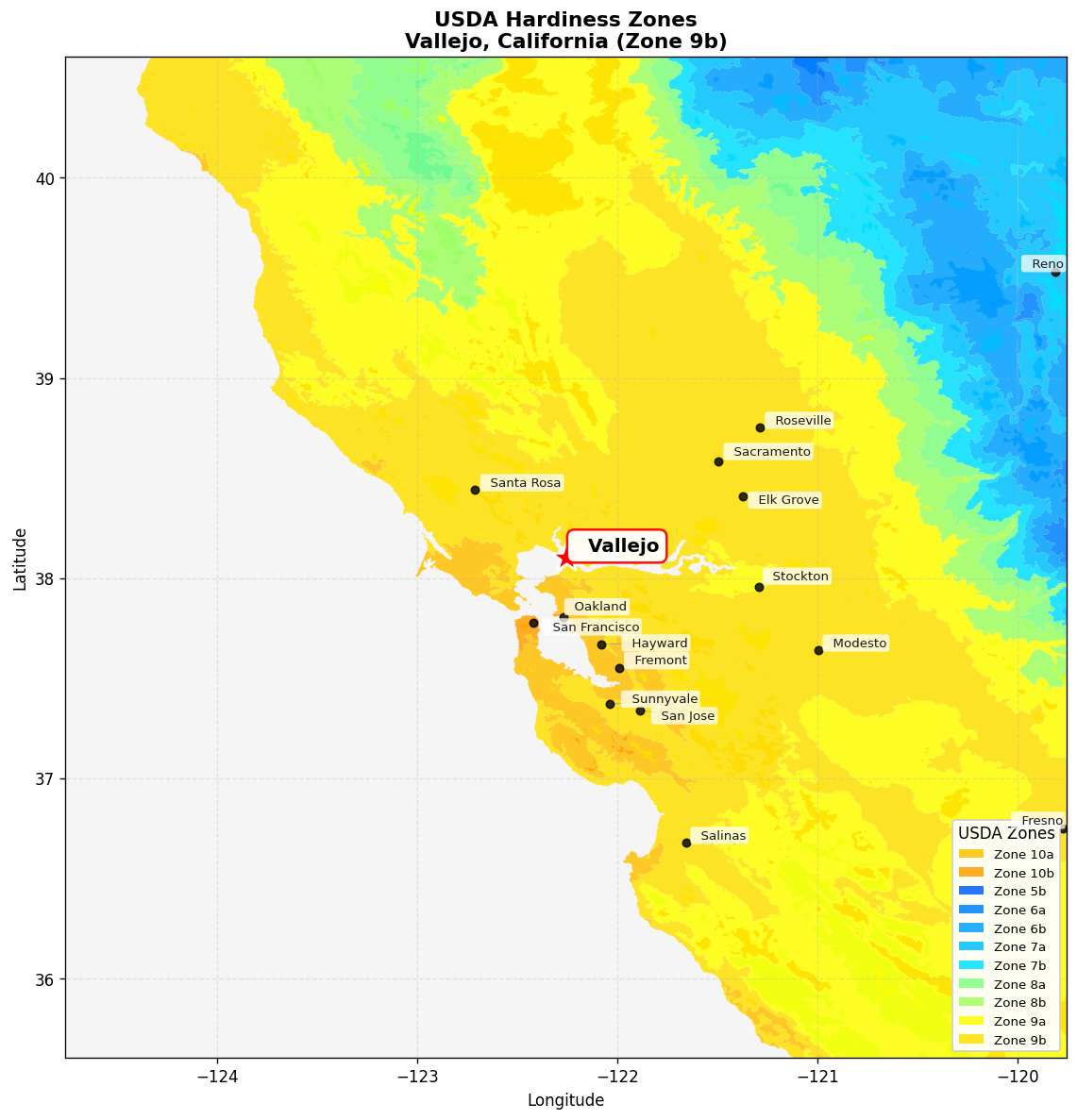
USDA Zone 9b
Hardiness zone for Vallejo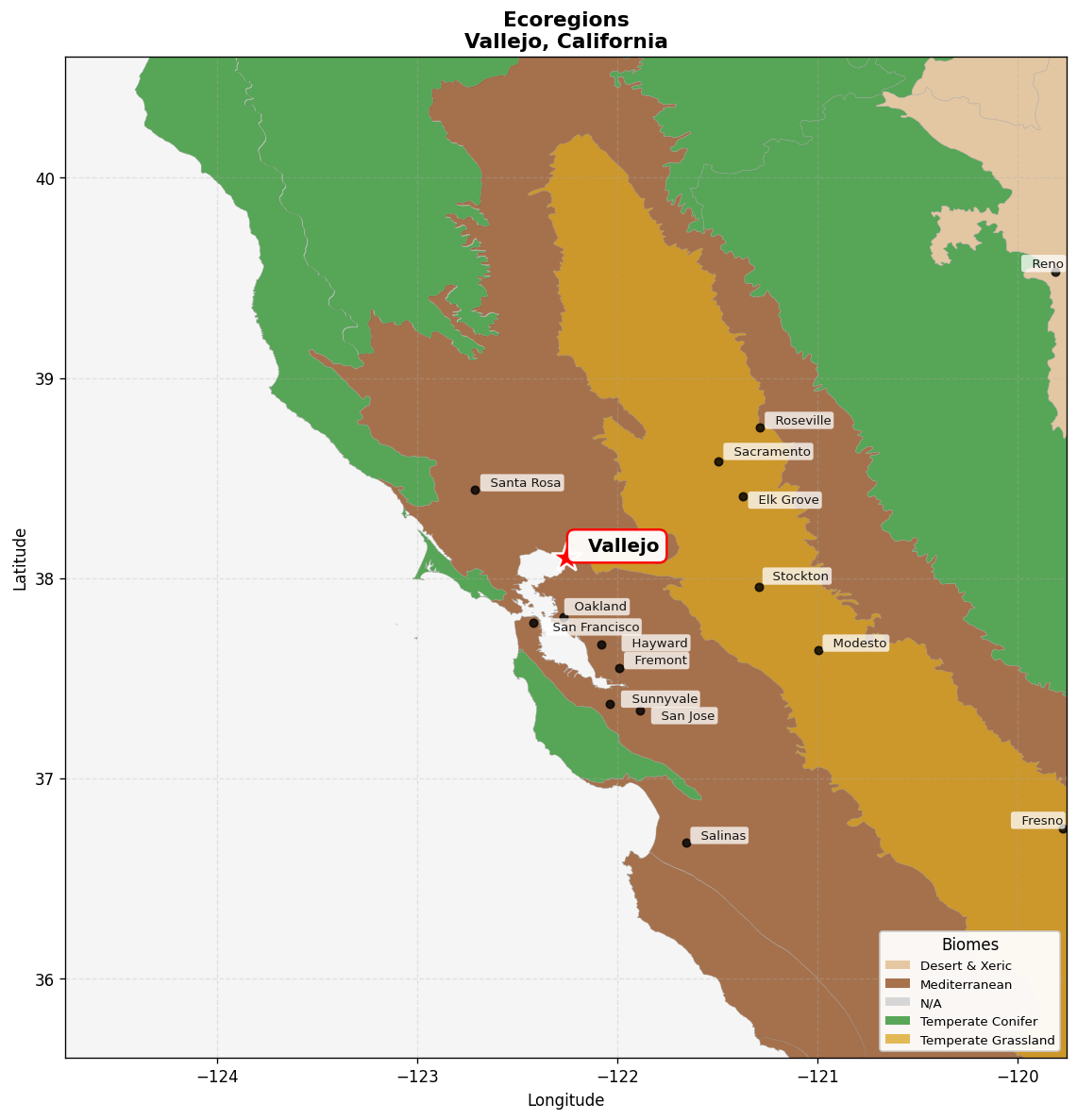
California interior chaparral and woodlands
Native ecoregionFrequently Asked Questions
How much does a Mediterranean garden cost in Vallejo, CA?
Bay Area labor sets the price, and landscape crews commonly bill somewhere around $65–100 per hour per worker. A gravel front courtyard of 500–700 sqft with raised beds, a pair of olives and drip usually lands around $10,000–26,000. Flagstone terraces run about $30–45 per square foot installed, gravel about $6–12, and a dry-stacked stone wall about $60–120 per face foot. Planting from one-gallon Lavandula 'Grosso', Rosmarinus 'Tuscan Blue' and Cistus yourself saves a large share of the cost.
How much water does a Mediterranean garden need in Vallejo?
Very little once established. In the first summer, water new plants on drip once or twice a week. From the second year, olives, 'Grosso' lavender, rosemary, Cistus and Phlomis need a deep soak every two to three weeks from June to September and nothing from December to March in a normal rain year. Citrus, figs and pomegranates need more, so put them on their own valve.
Can I grow citrus in Vallejo?
Yes, with a little care. Zone 9b nights usually bottom out between 25 and 30°F, and Citrus × meyeri 'Improved Meyer' can lose leaves below about 28°F. Plant it against a south-facing wall or in a large pot you can move, keep frost cloth ready for the coldest nights, and give it good drainage, since citrus hates wet clay. Ficus carica 'Black Mission' and Punica granatum 'Wonderful' are fully hardy here.
When should I plant a Mediterranean garden in Vallejo?
October and November are best. The soil is still warm, the winter rains start, and roots grow all winter because the ground never freezes, so frost depth is not a concern. Spring planting in March and April also works, but expect more watering through the first dry summer. Avoid July and August, when there is no rain.
Why does my lavender keep dying in Vallejo?
Almost always the cause is wet clay in winter. Lavandula angustifolia 'Hidcote' and 'Munstead' are the most likely to rot. Use Lavandula × intermedia 'Grosso' or 'Provence', build the bed 8–12 inches high with gritty soil, mulch with gravel, and keep drip emitters away from the crown. Get a soil test for pH before planting; lavender prefers about 6.5–7.5.
Do I need a permit for a Mediterranean garden in Vallejo?
Planting and gravel need no permit. Walls over the city's height limits, retaining walls and electrical work may. In St. Vincent's Hill, the Architectural Heritage District and the Mare Island Historic Core, exterior changes go through the city's Certificate of Appropriateness process under Municipal Code section 16.614.09. In Hiddenbrooke and other HOA neighborhoods, the association's approval usually comes first.