4 Mediterranean Garden Ideas for Concord, CA | Olive and Lavender Yards for Zone 9b
Native plants from the California interior chaparral and woodlands (Zone 9b) — Mediterranean (warm summer) climate
Why Mediterranean Gardens in Concord?
Concord has a true Mediterranean climate. The city's Köppen class is Csb, warm-summer Mediterranean, with about 18 inches of rain a year falling almost entirely between November and April, and August usually recording none. July afternoons average about 87°F and roughly 45 days a year reach 90°F or more. That is the rainfall pattern Olea europaea, Lavandula × intermedia 'Grosso', Salvia rosmarinus 'Tuscan Blue', Cistus × purpureus and Phlomis fruticosa evolved under, so a Mediterranean garden is the most natural planting you can choose here.
Winter decides what else you can grow. Concord averages fewer than four nights a year at or below 32°F, January lows sit around 41°F, and the record low is 24°F. That is warm enough for Citrus × meyeri 'Improved Meyer', Punica granatum 'Wonderful' and Ficus carica 'Black Mission' in the ground, and it is the line where Bougainvillea becomes a gamble. A south-facing stucco wall in a well-drained spot may carry Bougainvillea 'Barbara Karst' through most winters, but the low ground along the creeks and the valley floor collects cold air. If you want a reliable purple wall, use Hardenbergia violacea 'Happy Wanderer' or Trachelospermum jasminoides, both of which shrug off a 25°F night.
The houses help. Concord's 1950s and 1960s ranch homes and the stucco-and-tile tracts of the 1980s and 1990s, from Dana Estates to Crystyl Ranch, take a gravel forecourt, a multi-trunk olive and a run of clipped rosemary without looking like a stage set. A few minutes away in Walnut Creek, the Ruth Bancroft Garden has grown dry-climate plants on the same weather since the 1970s, and it is the best place nearby to see how big these plants actually get.
The soil is where Mediterranean plants fail here. The valley floor is heavy clay that holds winter rain, and East Bay valley clays commonly test neutral to mildly alkaline, around pH 7 to 8. The alkalinity suits lavender, rosemary and cistus; the winter wet does not. Raise beds 8–12 inches, top-dress with gravel rather than bark around the gray-leaved plants, and shut the drip off from December through March. The ground never freezes, so frost depth is effectively zero, and planting can go ahead all winter. Concord is served by the Contra Costa Water District, whose Lawn to Garden rebate pays $1 per square foot of lawn replaced, up to $2,000 for a single-family home, and a gravel-mulched Mediterranean garden meets its 50 percent plant cover and 2-inch mulch rules easily.
4 Mediterranean Design Ideas for Concord

AI-generated image
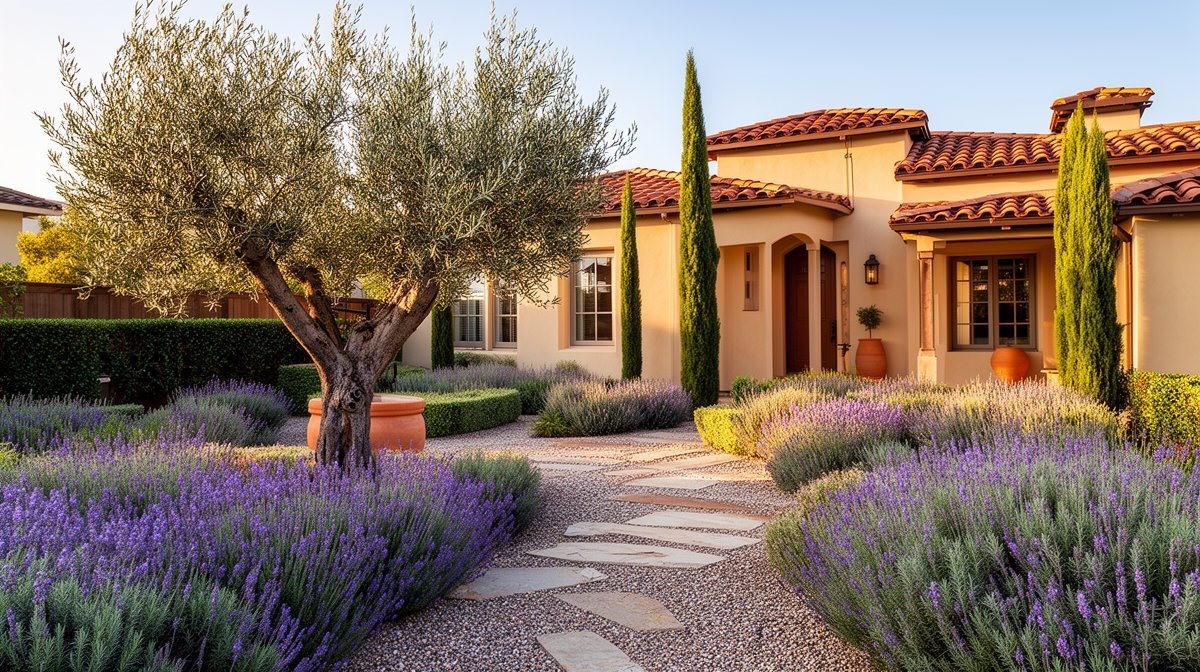
The Olive Forecourt
$24–44/sqftA tile-roofed 1980s stucco house loses its front lawn to a gravel forecourt with a single multi-trunk fruitless olive set off-center, its shade falling across the entry in the afternoon. Lavender runs in a broad drift to the curb, rosemary hedges the driveway edge, and a pair of large terracotta pots by the door hold Meyer lemons that can be dragged under the eave on the rare frost night.

AI-generated image
The Cypress Driveway Walk
$20–38/sqftOn a flat ranch-house lot, a narrow strip between the driveway and the neighbor becomes a formal walk: a line of slim columnar cypress against the fence, a clipped low hedge of germander along the path, and a decomposed granite walk ending at a wall fountain on the garage side. The strip faces west, so it takes the full afternoon sun these plants want.

AI-generated image
The Pergola Fruit Terrace
$45–80/sqftA back garden gets a terracotta-toned paver terrace under a heavy timber pergola carrying grapes, with an in-ground pomegranate, a fig and a Meyer lemon trained against the sunniest south-facing fence. The dining table sits under the vine, which shades it in July and lets winter sun through once the leaves drop.

AI-generated image
The Dry Hillside Garrigue
$18–35/sqftA sunny slope below a hillside home is planted as a dry Mediterranean hillside: rockrose, Jerusalem sage, lavender and rosemary drift across gravel between boulders, with a few native manzanitas tying it to the oak-studded hills behind. A simple flagstone path zigzags down to a bench with a view of Mount Diablo, and once established the slope is watered only every two to three weeks in summer.
See how a mediterranean garden looks on YOUR property
Upload a photo of your Concord yard and visualize your dream garden in seconds.
Try ProScapeAI Free

AI-generated image
Featured Trees & Shrubs for Mediterranean Gardens
Browse all 197 plants for Concord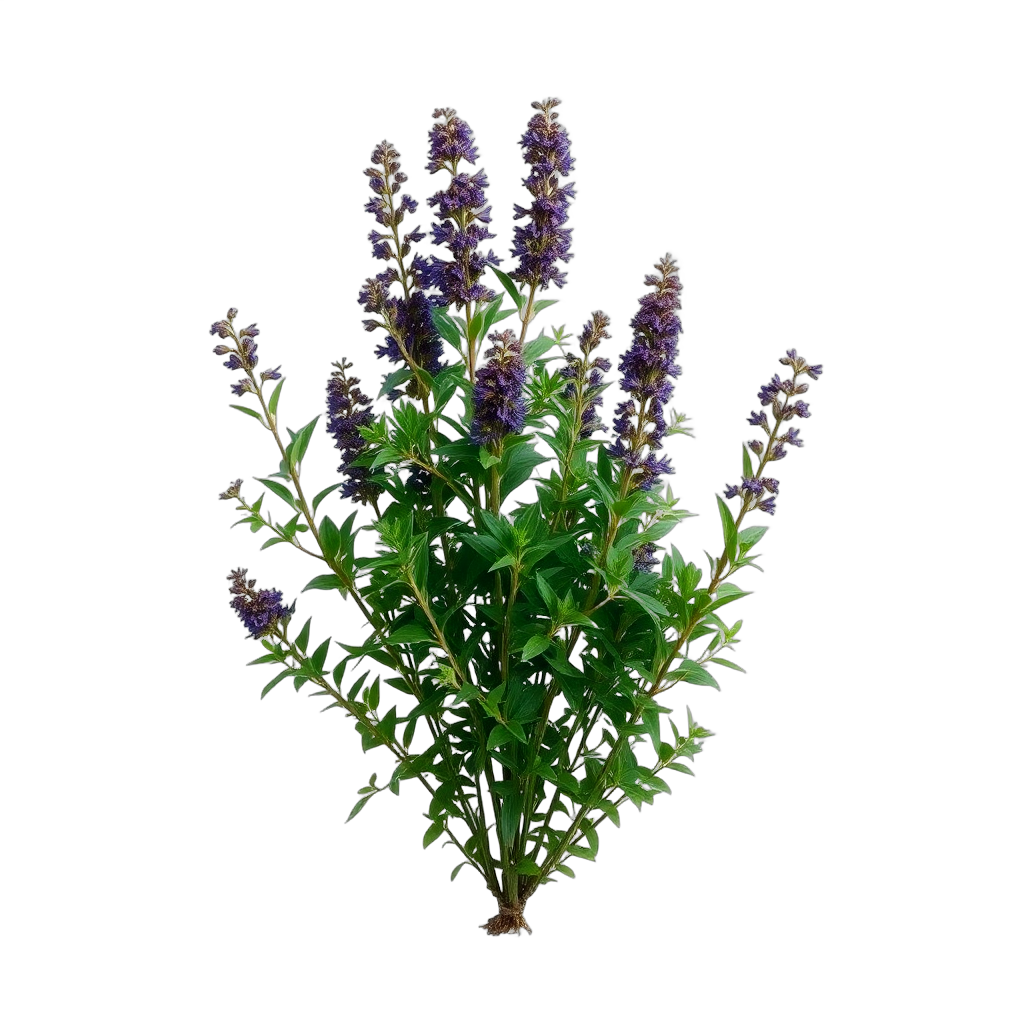
Black Sage
Salvia mellifera
grows to 4 feet, white blooms in spring. Attracts butterflies.
Buckbrush
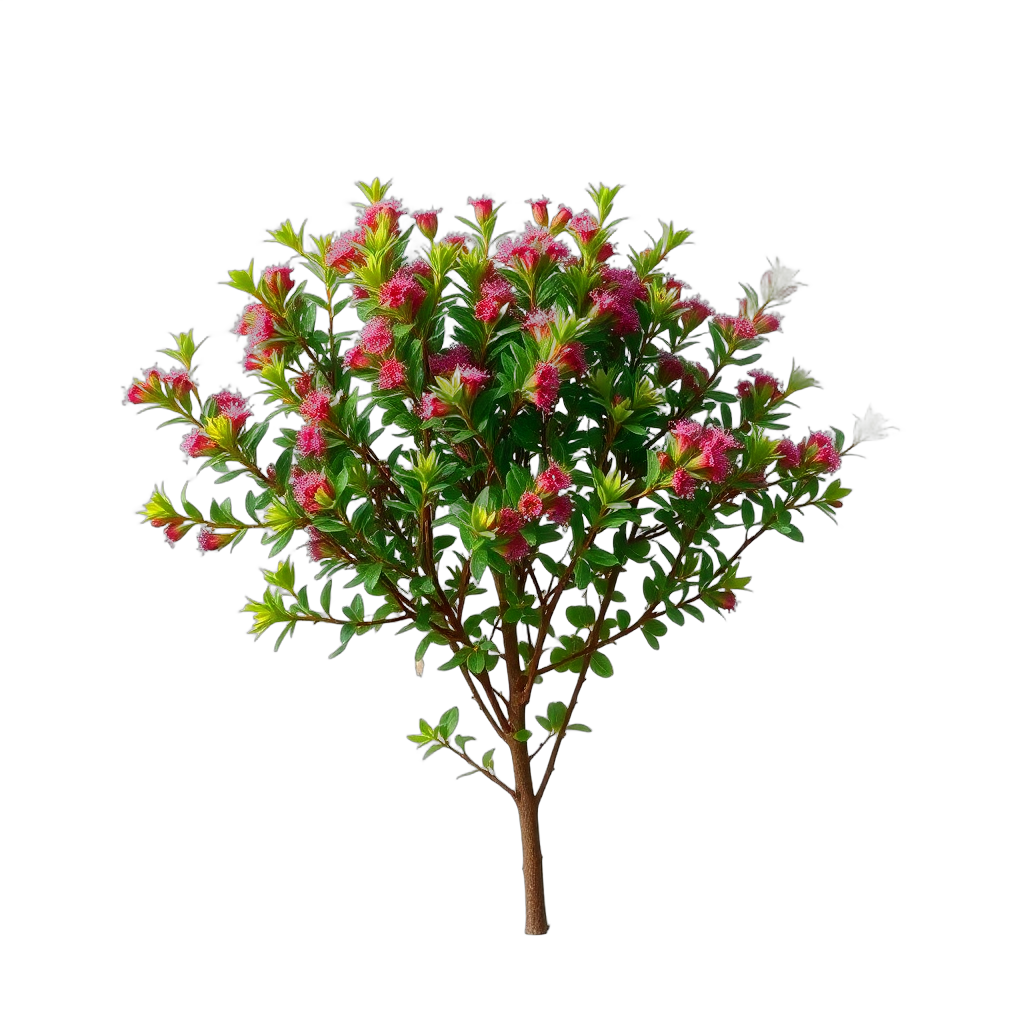
Ceanothus cuneatus
medium-sized at 7 feet, white blooms in spring. Attracts butterflies.
Bush Poppy
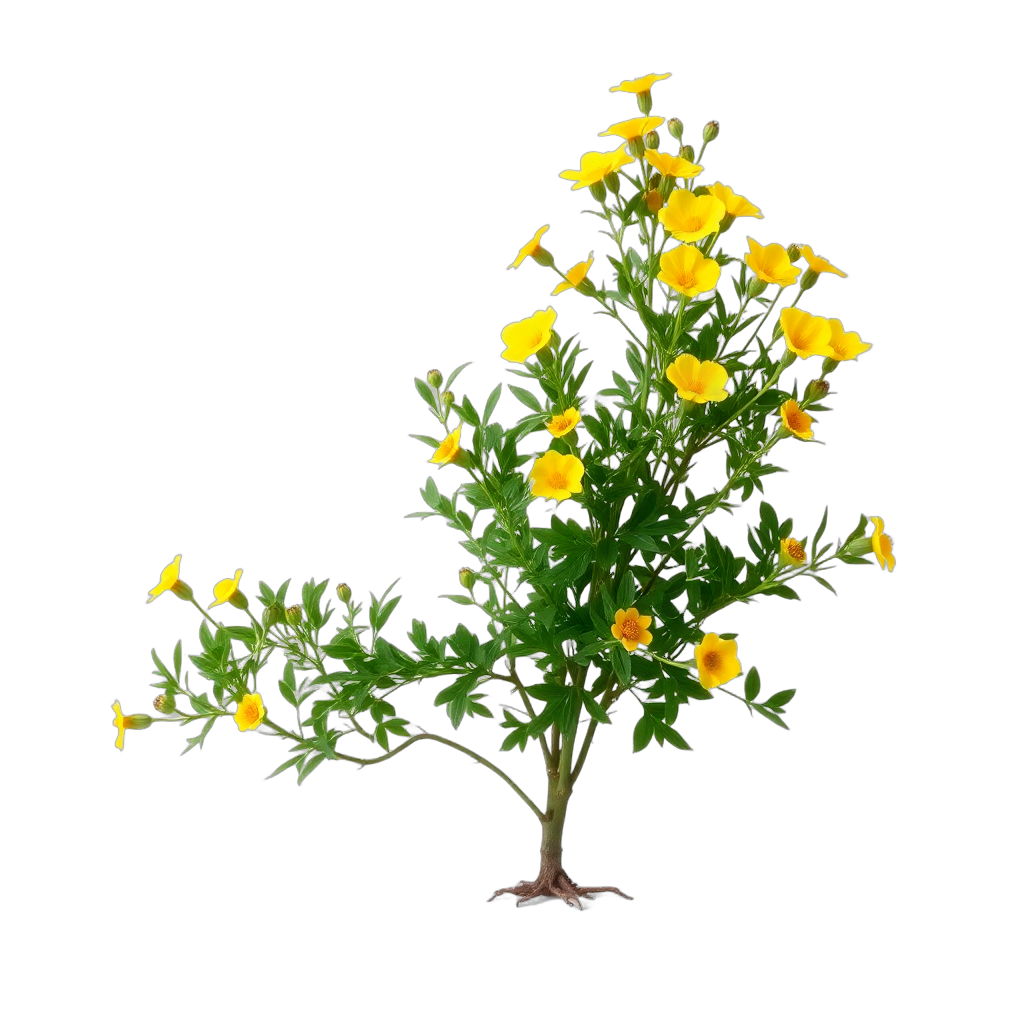
Dendromecon rigida
grows to 6 feet, yellow blooms in spring. Pollinator-friendly.
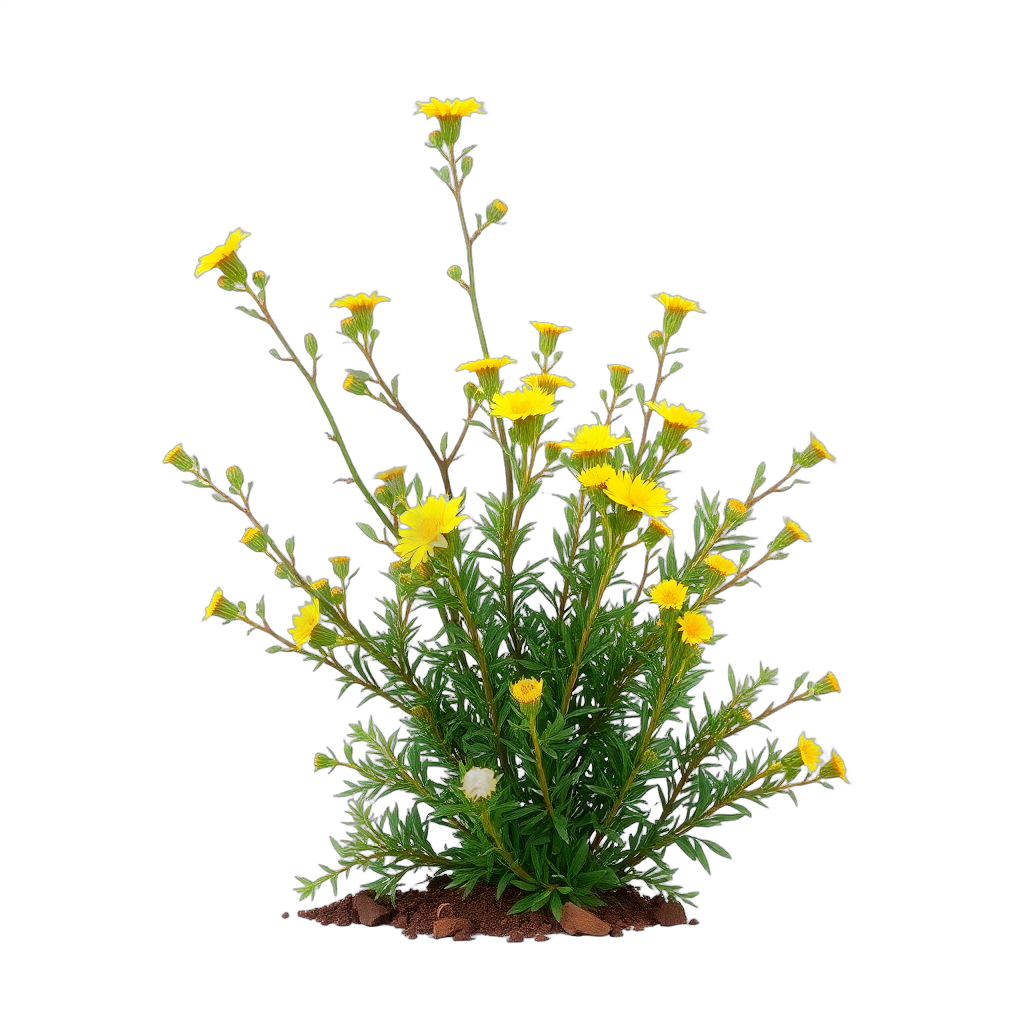
California Brittlebush
Encelia californica
grows to 4 feet, yellow blooms in spring. Attracts butterflies.
Featured Grasses & Groundcovers for Mediterranean Gardens
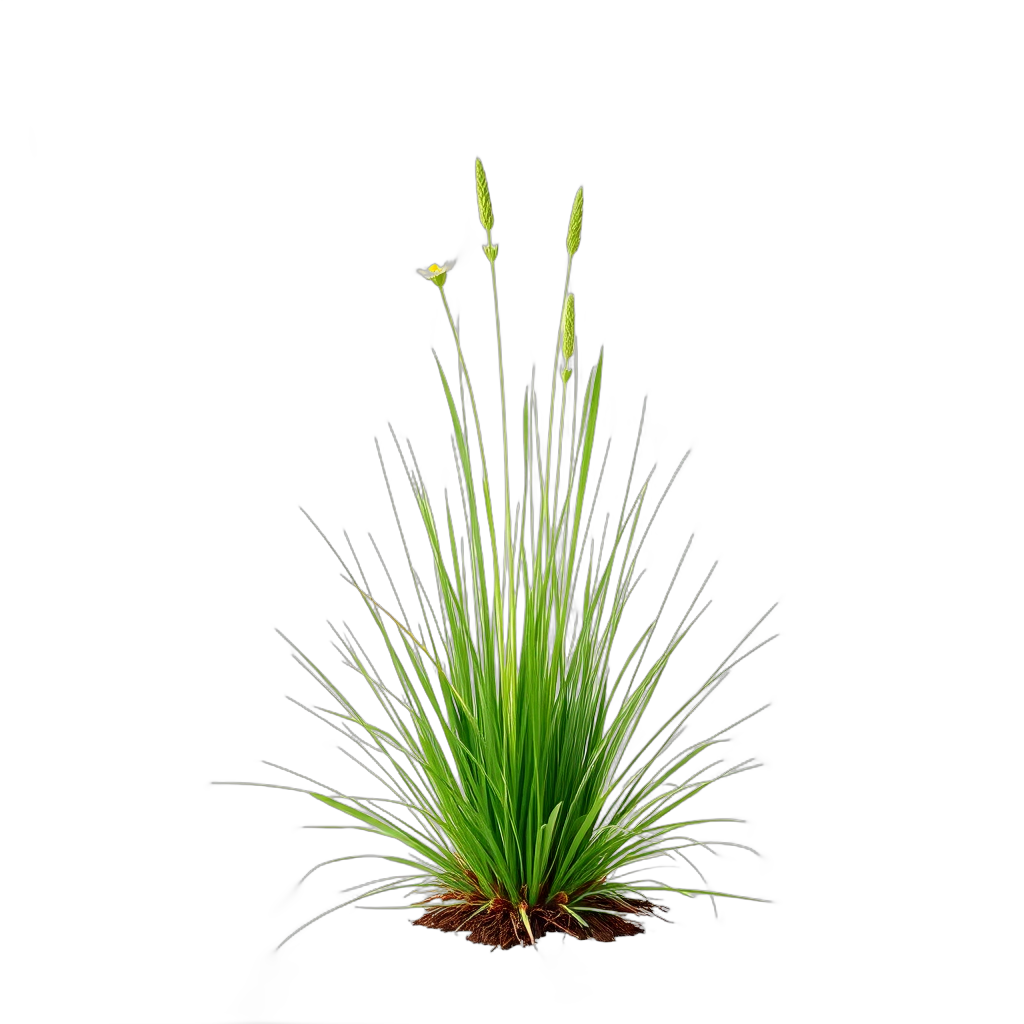
California Brome
Bromus carinatus
low-growing ground cover, blooms in spring. Yellow fall color.
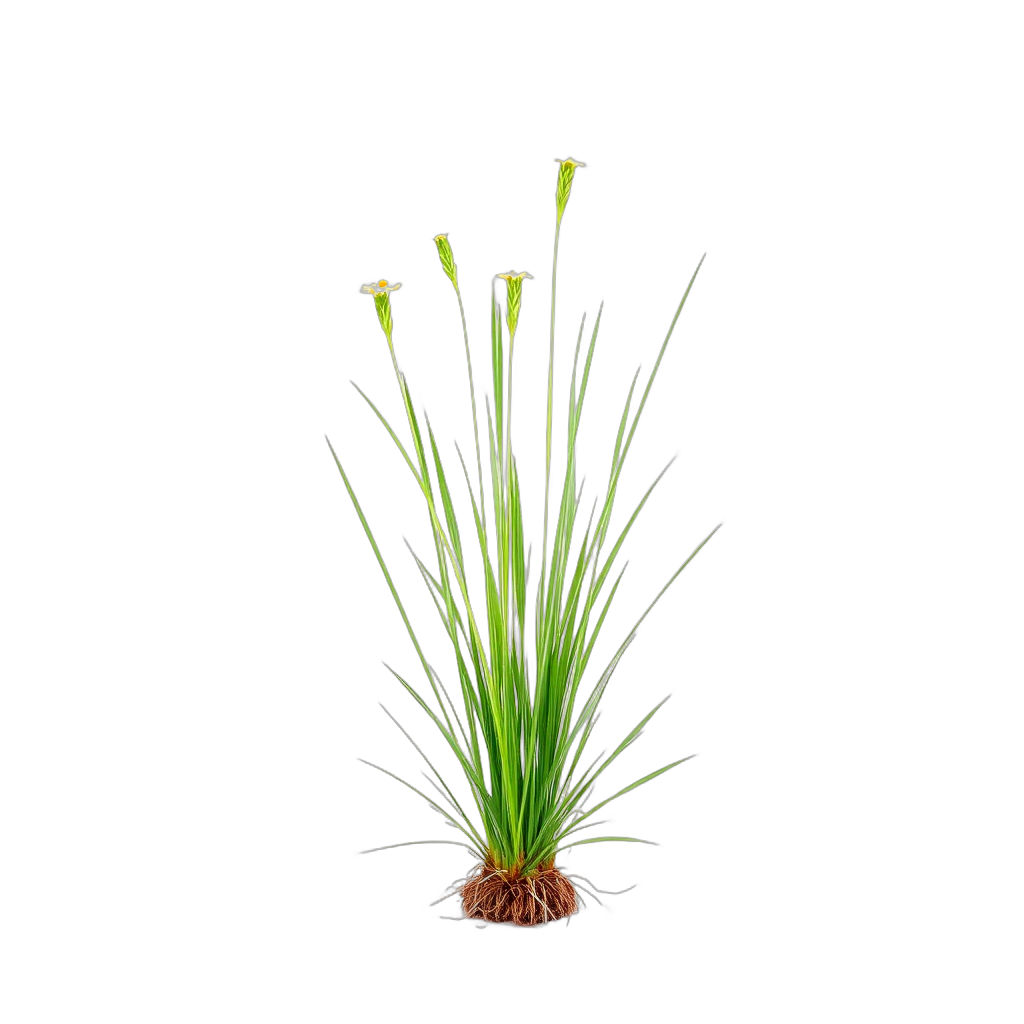
California Melic
Melica californica
low-growing ground cover, blooms in spring.
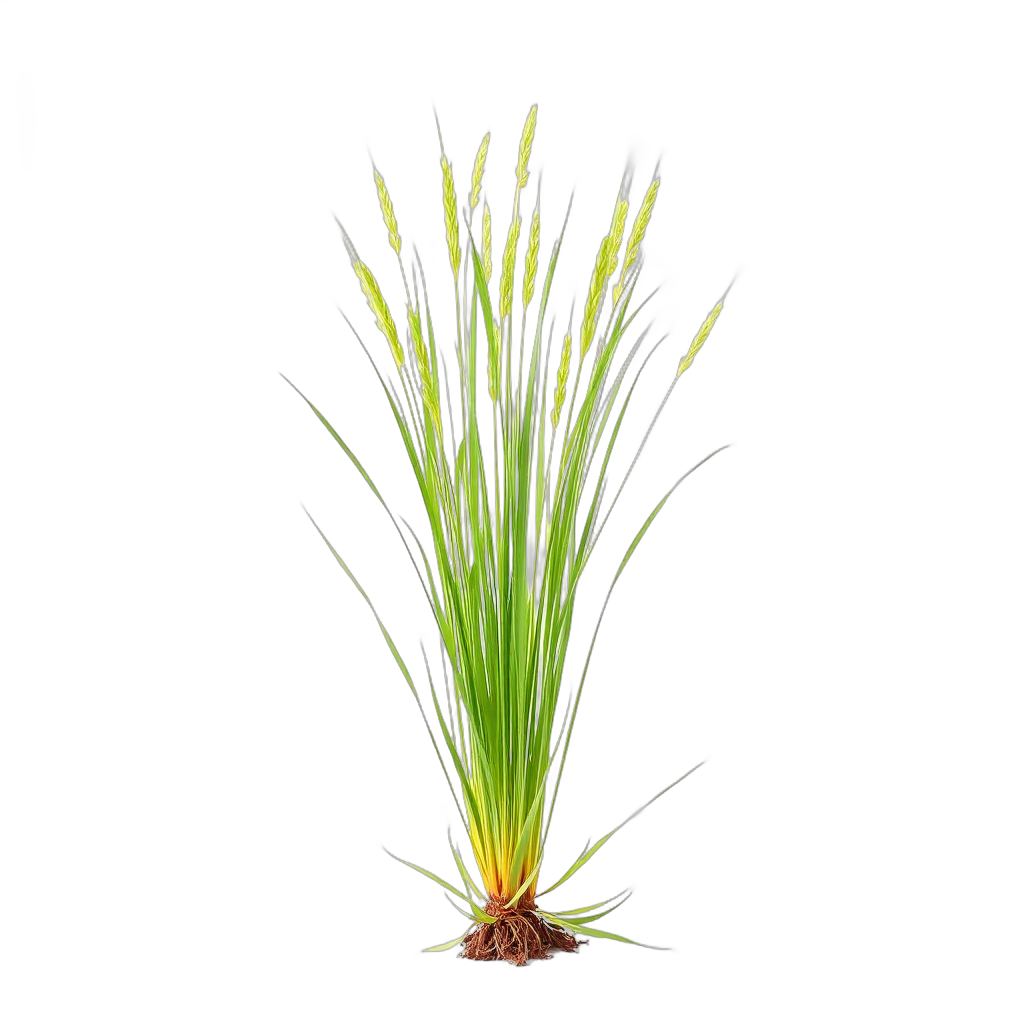
California Oatgrass
Danthonia californica
low-growing ground cover, blooms in spring. Yellow fall color.
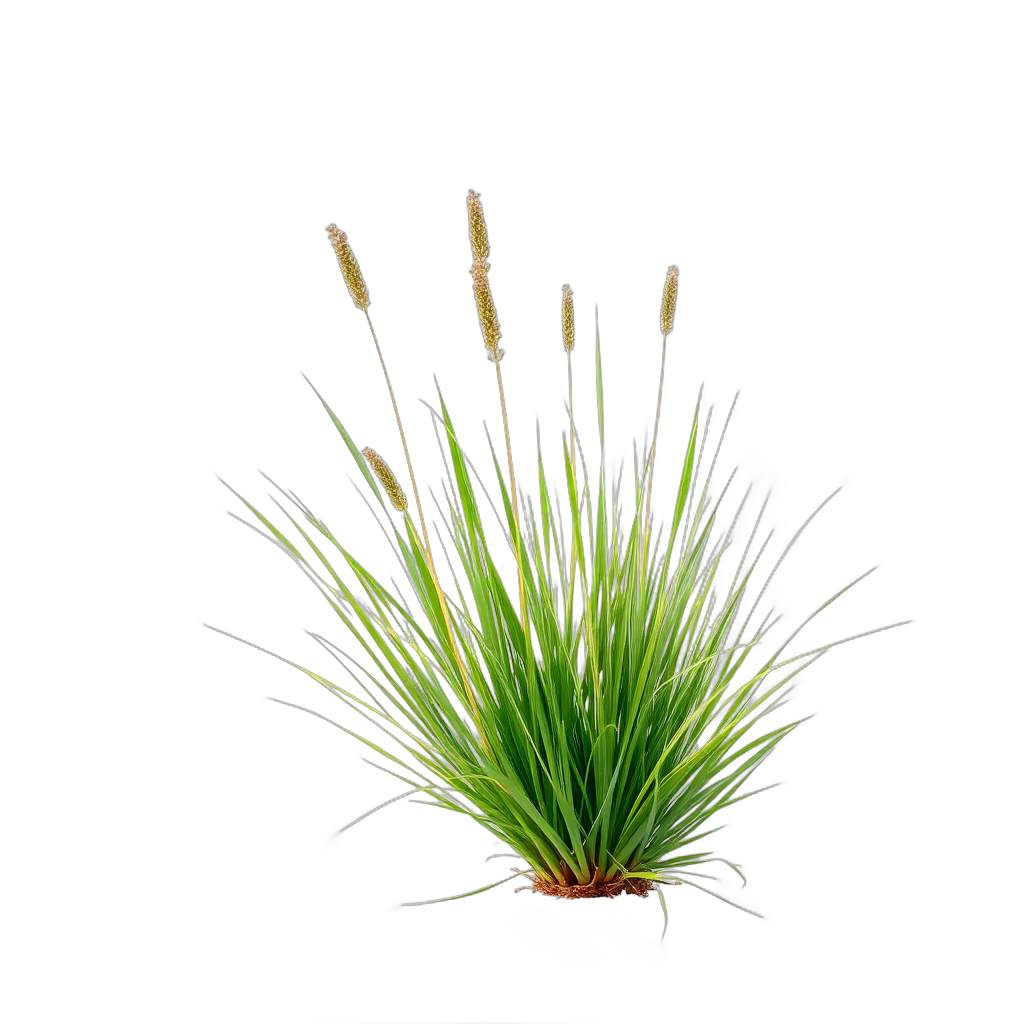
Deer Grass
Muhlenbergia rigens
grows to 3 feet, yellow blooms in fall. Evergreen year-round.
Featured Flowers & Perennials for Mediterranean Gardens
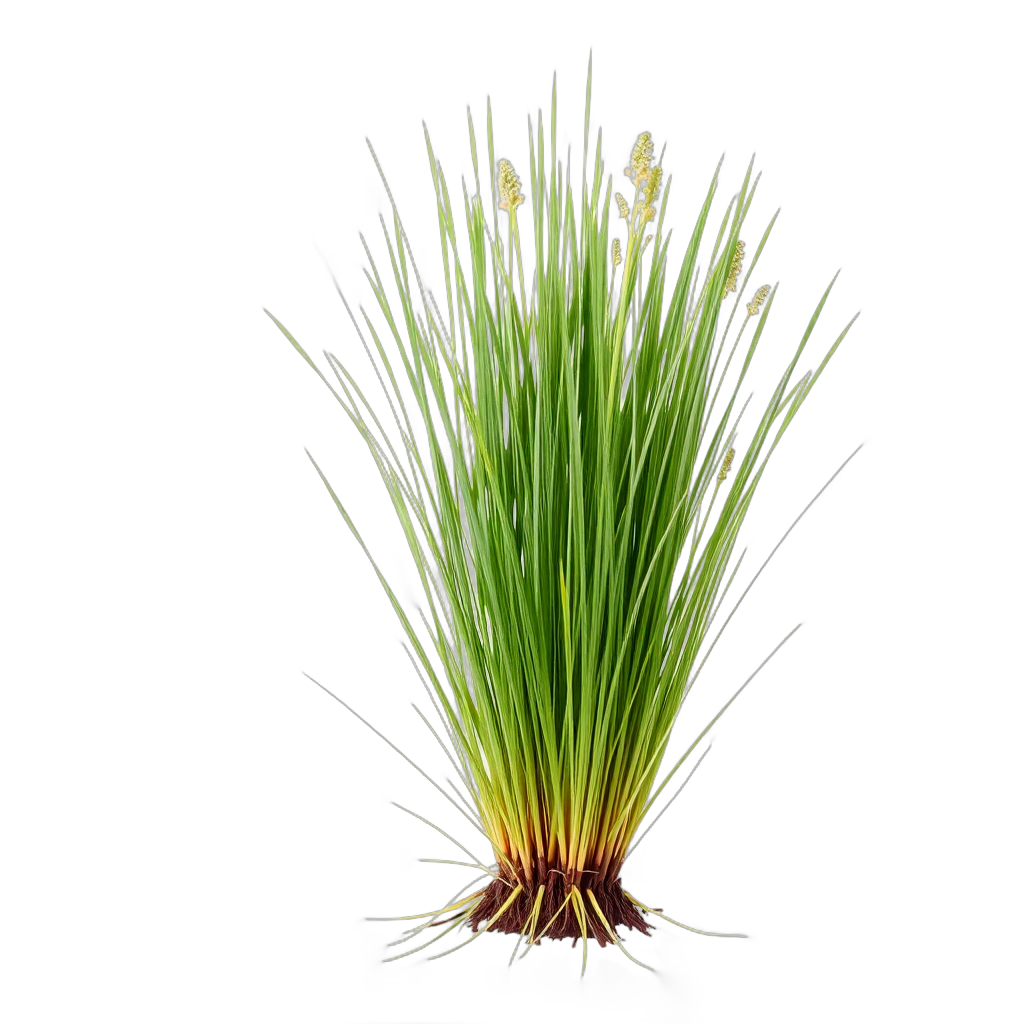
California Gray Rush
Juncus patens
low-growing ground cover, blooms in summer. Evergreen year-round.
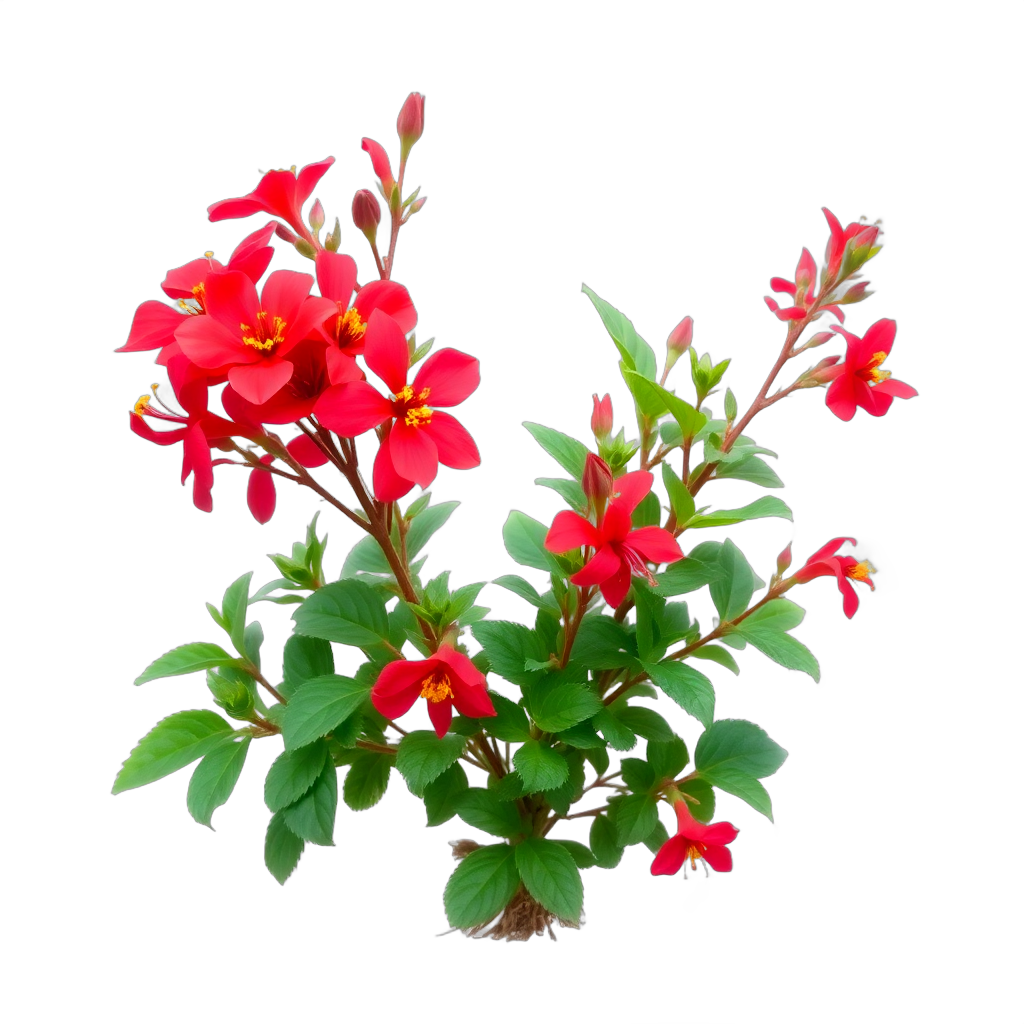
California Fuchsia
Zauschneria californica
low-growing ground cover, red blooms in fall. Attracts hummingbirds.
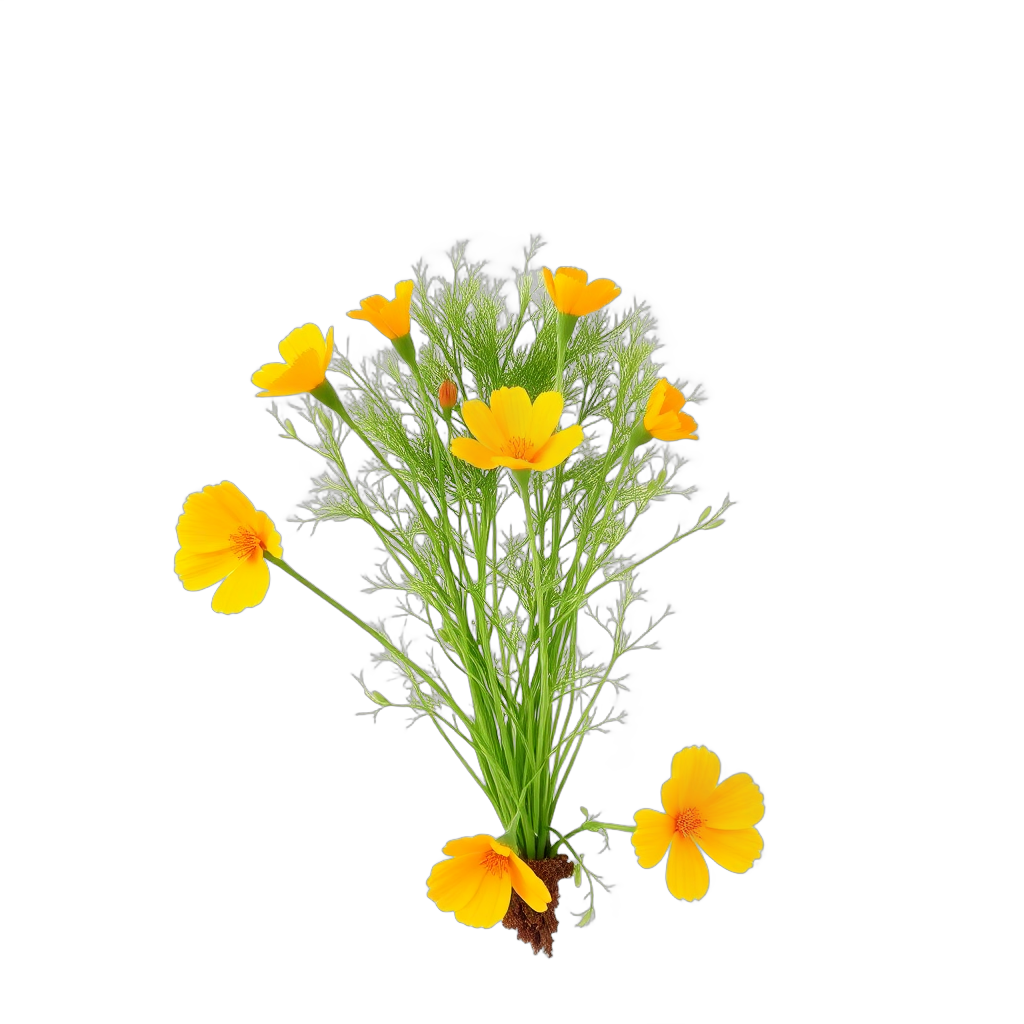
California Poppy
Eschscholzia californica
low-growing ground cover, orange blooms in spring.
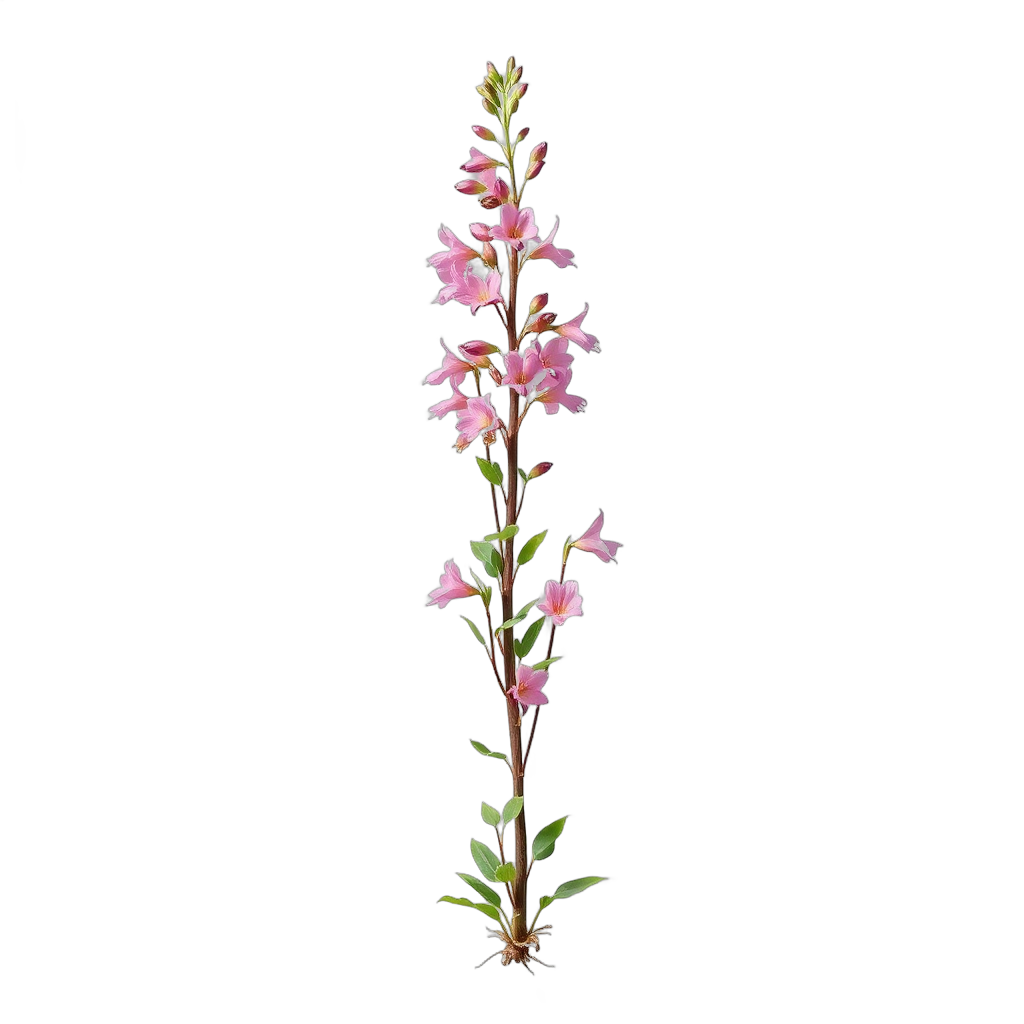
Foothill Penstemon
Penstemon heterophyllus
low-growing ground cover, blue blooms in spring. Attracts hummingbirds.
Zone and sun checks come from our database — confirm with your local nursery before you buy.
Bloom Calendar for Concord
spring
California Poppy, Foothill Penstemon, Foothill Sedgesummer
California Gray Rush, Black Sage, California Buckwheatfall
California Fuchsia, Deer Grasswinter
Limited bloomsDesign Tips for Concord (Zone 9b)
- Raise every bed of lavender, rosemary, cistus and santolina 8–12 inches above Concord's valley clay and top-dress with gravel; winter wet kills these plants here, not summer heat.
- Turn the drip off from December to March in an average rain year; Concord's roughly 18 inches of rain falls in those months and established Mediterranean shrubs need nothing extra.
- Plant citrus in a large pot or against a south wall and keep frost cloth ready; Concord gets only a handful of frost nights a year, but a 24°F night can still burn Meyer lemon leaves.
- Skip bougainvillea in low spots near the creeks and on the valley floor, where cold air pools; use Hardenbergia 'Happy Wanderer' or star jasmine for the wall instead.
- Use Olea 'Swan Hill' rather than a fruiting olive near patios and paving; fallen fruit stains concrete and attracts mess.
- Apply for the CCWD Lawn to Garden rebate before you start; a gravel-mulched Mediterranean garden easily meets its 50 percent plant cover and 2-inch mulch rules.
- Visit the Ruth Bancroft Garden in Walnut Creek before planting to see mature sizes; many people plant rosemary and cistus too close together and are pruning them within three years.
Where to Source Plants in Concord
Skip the big-box stores. These independent Concord nurseries specialize in the plants that make mediterranean gardens thrive in Zone 9b.
Ruth Bancroft Garden & Nursery
Walnut Creek (Bancroft Road, just over the Concord line)
Nonprofit dry garden with a nursery selling waterwise plants from 2-inch pots to 15-gallon: California natives, succulents, cacti, trees and a large range of Protea, Leucadendron, Grevillea and Banksia
Orchard Nursery
Lafayette (Mt. Diablo Boulevard)
Family-owned nursery open since 1946, with a rose list, fruit trees and edibles, succulents and cacti, and a broad general plant yard
East Bay Nursery
Berkeley (San Pablo Avenue)
Long-running Bay Area nursery that picks roses, fruit trees and citrus for proven local performance, with bulk soil amendments, mulches and top dressings for clay gardens
The Dry Garden Nursery
North Oakland (Shattuck Avenue)
Drought-tolerant, rare and unusual plants: agaves, aloes, architectural specimens and dry-climate trees, plus xeriscape design advice
Mediterranean Landscaping Costs in Concord
| Project Scope | Estimated Cost |
|---|---|
| Front-yard Mediterranean conversion (turf removal, raised beds, gravel, olive, lavender, 500–600 sqft) | $14,000 – $27,000 |
| Flagstone or decomposed granite entry walk (150–300 sqft) | $5,000 – $14,000 |
| Terracotta-tone paver terrace on a compacted base (300–450 sqft) | $15,000 – $36,000 |
| Heavy timber pergola with grape planting (12 x 16 ft) | $10,000 – $26,000 |
| Specimen multi-trunk fruitless olive, 24-inch box, planted | $900 – $2,500 |
| Cast-stone wall fountain with recirculating pump, installed | $2,500 – $9,000 |
| AI visualization (ProScapeAI) | Free to start |
Estimates based on Concord, CA-area contractor rates as of 2026. Actual costs vary by site conditions, materials, and contractor.
Concord Climate & Growing Zone
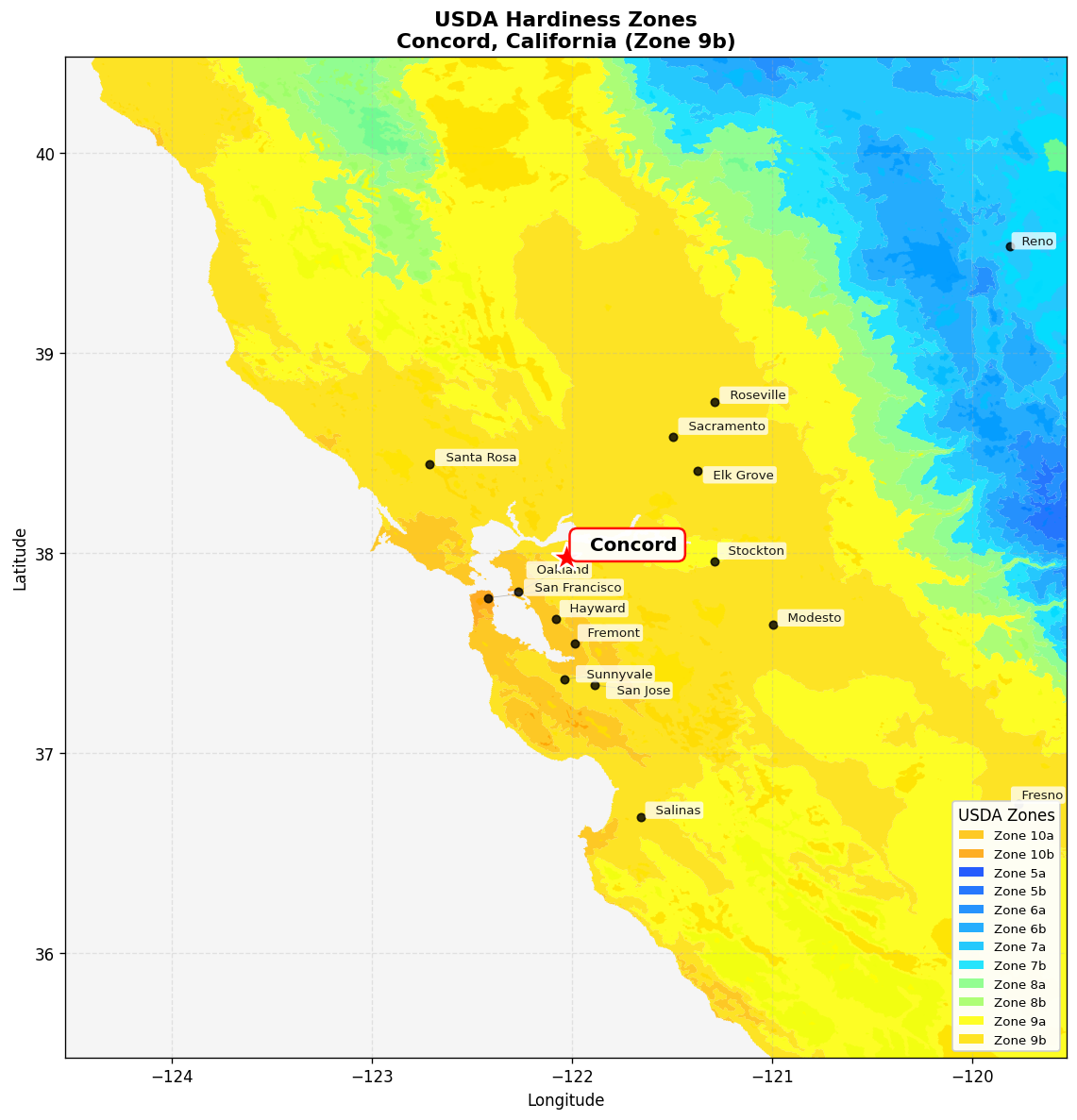
USDA Zone 9b
Hardiness zone for Concord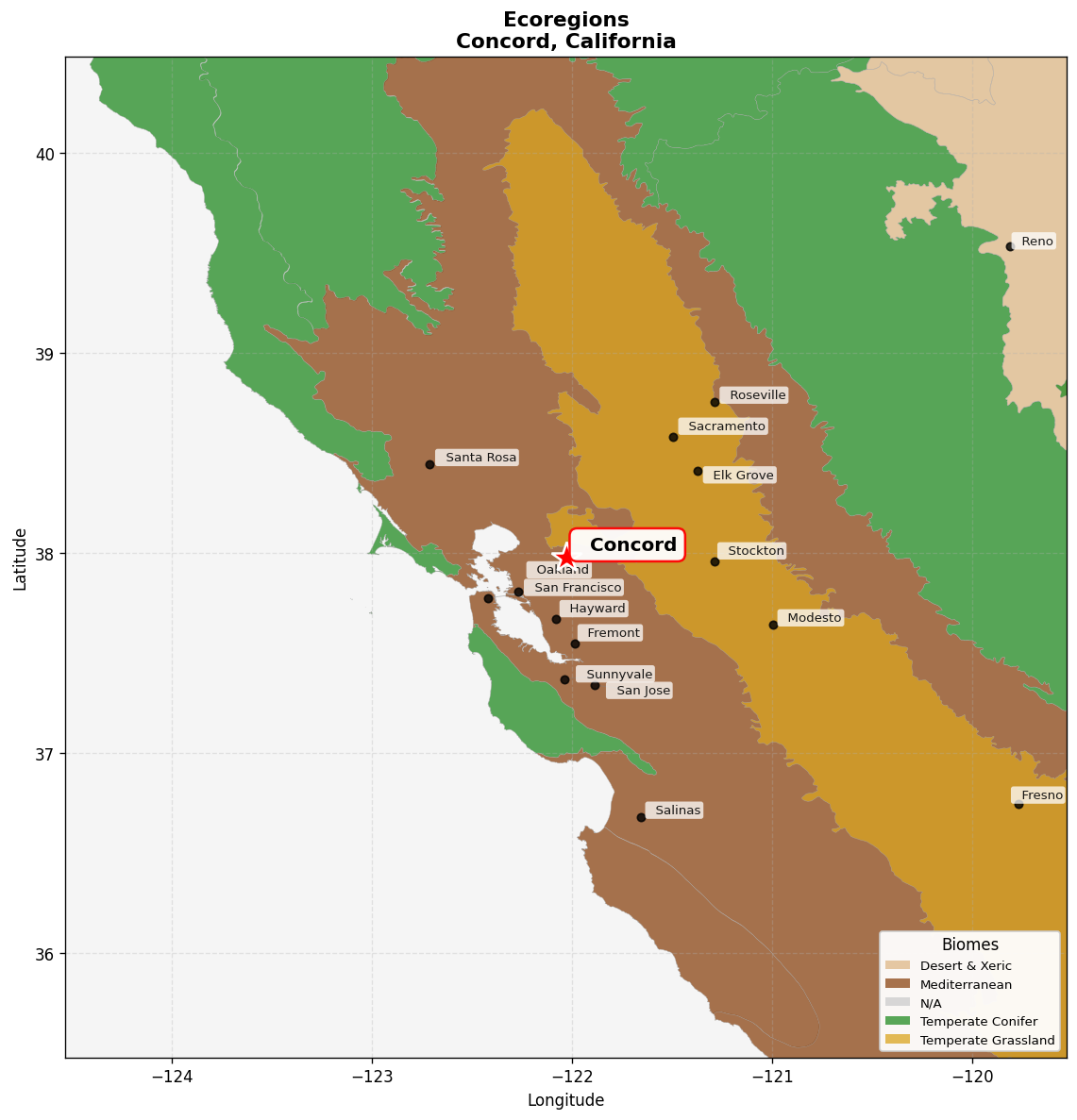
California interior chaparral and woodlands
Native ecoregionFrequently Asked Questions
How much does a Mediterranean garden cost in Concord?
A front-yard Mediterranean conversion on a typical 500–600 square foot Concord lot (turf removal, raised beds, gravel, a flagstone path, an olive, lavender and rosemary) runs about $14,000 to $27,000 installed, roughly $24 to $44 per square foot. A back terrace with a pergola, pavers and fruit trees lands between $40,000 and $95,000. A specimen 24-inch box multi-trunk olive alone can run $900 to $2,500 planted. The Contra Costa Water District Lawn to Garden rebate returns $1 per square foot of lawn replaced, up to $2,000.
Will bougainvillea and citrus survive a Concord winter?
Citrus usually will. Concord averages fewer than four frost nights a year, and Citrus × meyeri 'Improved Meyer' handles the mid-20s with a frost cloth on the coldest nights. Bougainvillea is less certain: it is damaged below about 30°F, and the record low here is 24°F. Plant it against a warm south wall on slightly raised ground, or use Hardenbergia violacea 'Happy Wanderer' for a frost-hardy purple wall.
Which olive trees are best for a Concord garden?
For a garden tree without messy fruit, Olea europaea 'Swan Hill' is the standard choice and is sold as nearly fruitless and low in pollen. Olea 'Little Ollie' is a shrub-sized olive for hedges and pots. Both handle Concord's 90°F summers and the occasional mid-20s night. Plant them on a slight mound so the roots are not sitting in wet clay through February.
How much water does a Mediterranean garden need in Concord?
Very little once established. In the first summer, water new plants deeply on drip once or twice a week. From the second year, 'Grosso' lavender, 'Tuscan Blue' rosemary, Cistus and Phlomis need a deep soak every two to three weeks from June to September, and nothing from December to March. Citrus, figs and pomegranates want more, so put them on their own valve.
When should I plant a Mediterranean garden in Concord?
October to early December is best: warm soil, cooler air and the first rains get roots going before summer. Planting can continue through March because Concord's ground does not freeze. Avoid June to September, when Concord's 90°F afternoons stress anything without an established root system.
Do I need a permit or rebate approval for a Mediterranean garden in Concord?
Planting and gravel do not usually need a permit, but retaining walls, a pergola attached to the house, electrical work for a fountain, and fences near the street may involve City of Concord rules, and many newer subdivisions have HOA design review. California's Model Water Efficient Landscape Ordinance applies to new landscapes of 500 square feet or more and to permitted rehabilitations of 2,500 square feet or more. For the CCWD rebate, get the district's Notice to Proceed before removing the lawn; projects already underway do not qualify.
Why do lavender and rosemary die in Concord gardens?
Almost always from wet winter roots in clay, not from heat or drought. Concord's valley-floor clay holds water from December to March, and gray-leaved plants like Lavandula 'Grosso', Santolina and Cistus rot at the crown. Build beds 8–12 inches above grade, mix in coarse gravel, top-dress with gravel instead of bark, and turn the drip off when the rains start.