4 English Cottage Garden Ideas for Albany, NY | Zone 6a Borders
Native plants from the Northeast US Coastal forests (Zone 6a) — Humid continental (hot summer) climate
For a cottage garden in Albany, NY, a zone 6a city with a humid continental (hot summer) climate, start with Rosa 'John Cabot', Nepeta × faassenii 'Walker's Low' and Geranium 'Rozanne', the plants this guide's first design is built on.
Why Cottage/English Gardens in Albany?
Albany has the houses a cottage garden asks for. The brick rowhouses of Center Square and Hudson/Park, the Victorian porches of Pine Hills and the Mansion neighborhood, and the 1920s Colonials of Buckingham Pond and Westland Hills all sit close to the sidewalk, which means a deep border and a gate read straight from the street. The style also suits small city lots: a 300 square foot front garden planted generously looks intentional, and you do not have to mow any of it.
Zone 6a means winter lows of about -5 to 0°F, roughly 40 inches of precipitation a year and 60 or more inches of snow. That is a bigger problem for the English classics than the cold itself. Last frost lands around the first week of May and the first fall frost around mid-October, so the season is about 160 days. Tender roses die to the ground. The ones that work are the hardy shrub and climbing types: Rosa 'Winnipeg Parks', Rosa 'William Baffin', Rosa 'John Cabot' and Rosa 'Darlow's Enigma', plus the Canadian Explorer and Parkland series. Lavandula angustifolia 'Hidcote' and 'Munstead' survive here only in a raised, gritty, windswept bed; Lavandula × intermedia 'Phenomenal' is the better bet. Delphinium elatum 'Blue Bird' will last a few seasons if it is staked and fed.
Soil changes block by block. Much of the city sits on old glacial lake bed, which means dense clay that stays wet in March and cracks in August, while the edge toward the Pine Bush is sandy and acidic. Frost depth is 42 inches, so footings for a pergola or a brick path base need to respect that, and a path laid on sand with no stone base will heave. Soil pH on the clay is often near neutral, which suits roses and lavender, but test it first. Build borders up 6 inches with compost and grit rather than digging holes into clay. Road salt is the other local fact: along the curb and near the stoop, favor salt-tolerant plants such as Nepeta × faassenii 'Walker's Low', Perovskia atriplicifolia 'Little Spire' and Rosa rugosa 'Hansa' instead of tender perennials.
Deer pressure is real in Loudonville, Slingerlands and Delmar and lighter in the dense city. In historic districts such as Center Square and Hudson/Park, exterior work visible from the street can need review, so confirm fence and gate plans with the City of Albany's building and planning offices before you order anything.
4 Cottage/English Design Ideas for Albany
AI-generated image
The Brick Rowhouse Front Garden
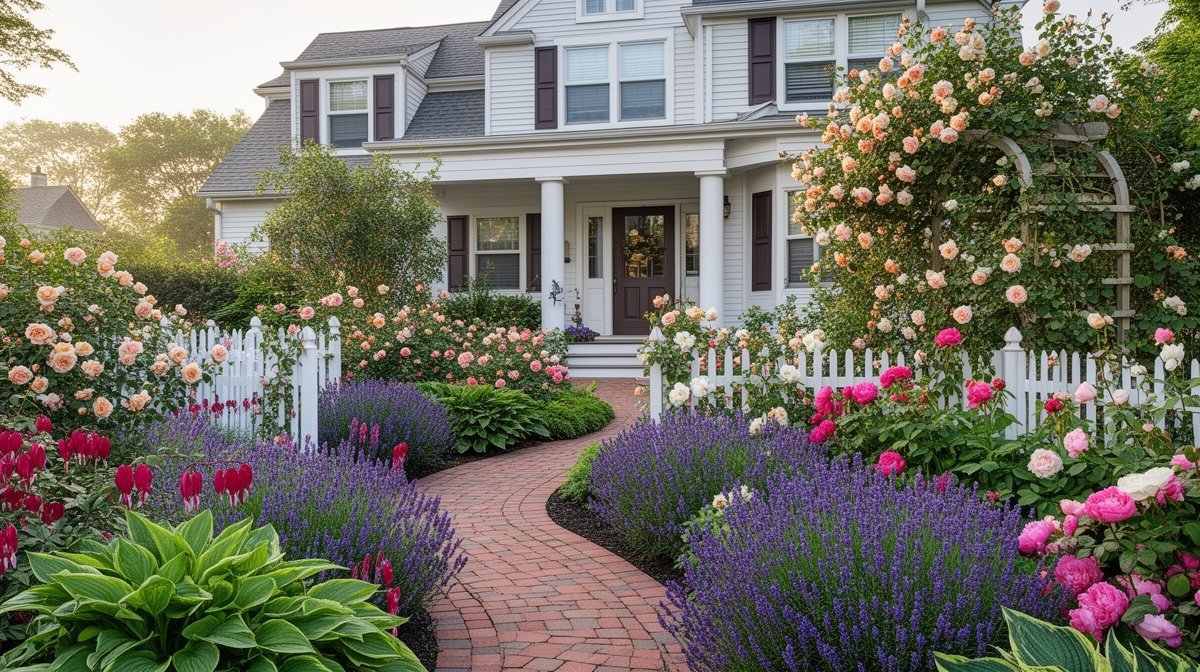
$24–48/sqftA 12-foot-deep front strip behind a black iron rail, planted from the stoop to the fence in three layers. Climbing roses cover a trellis on the party wall, catmint spills onto the sidewalk edge, and a clay-brick path runs from the gate to the steps. The garden gets full afternoon sun on a south-facing block.
Try this on your yard: The Brick Rowhouse Front GardenAI-generated image
The Pine Hills Porch Border
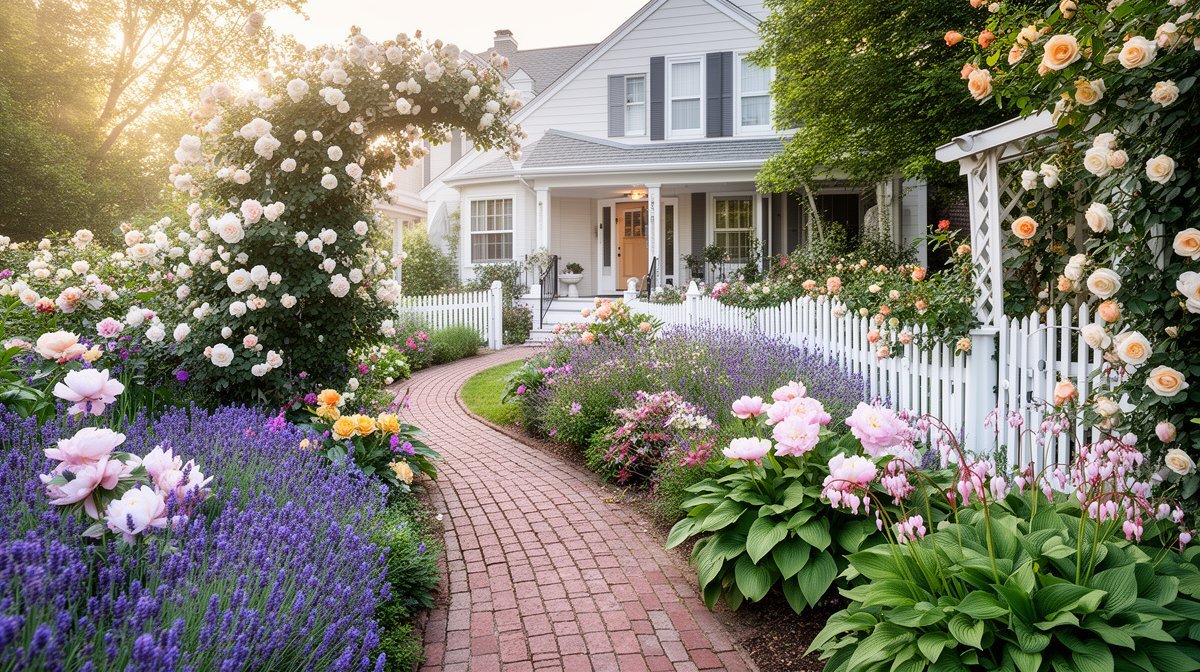
$26–52/sqftA deep Victorian porch with turned posts is edged by a border that grows to waist height by July. Hydrangea and peonies fill the shaded side of the steps, while a white picket fence holds Rosa 'Winnipeg Parks' and tall phlox against the sunny side. A flagstone walk bends once so the planting is seen from the swing.
Try this on your yard: The Pine Hills Porch BorderAI-generated image
The Colonial Rose Fence
$22–45/sqftA white picket fence runs the full frontage of a brick Colonial, with a gate arch carrying a hardy climbing rose. Behind the fence, a lavender ribbon and clipped boxwood balls frame the walk, and a mature maple on the left shades the lawn while the rose bed gets full sun to dry foliage by mid-morning.
Try this on your yard: The Colonial Rose FenceAI-generated image
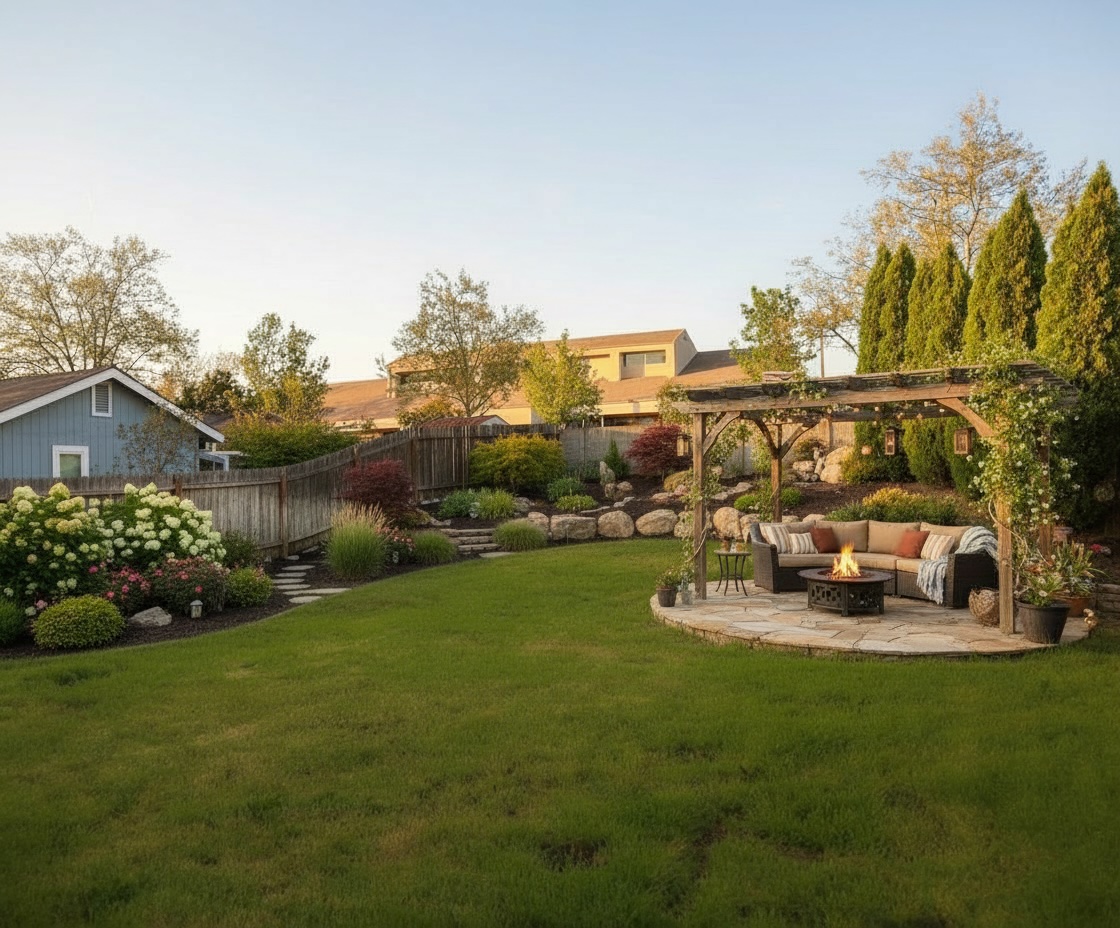
The Back Garden Tea Circle
$28–55/sqftA round bluestone terrace in the middle of a back lawn, ringed by borders and a cedar arbor draped in clematis. The sun falls across the circle from late morning until early evening, so the borders stack tall delphinium and foxglove at the back, catmint and hardy geraniums in the middle, and low lady's mantle at the front. A bistro table and two chairs are the only furniture.
Try this on your yard: The Back Garden Tea CircleSee how a cottage/english garden looks on YOUR property
Upload a photo of your Albany yard and visualize your dream garden in seconds.
Try ProScapeAI Free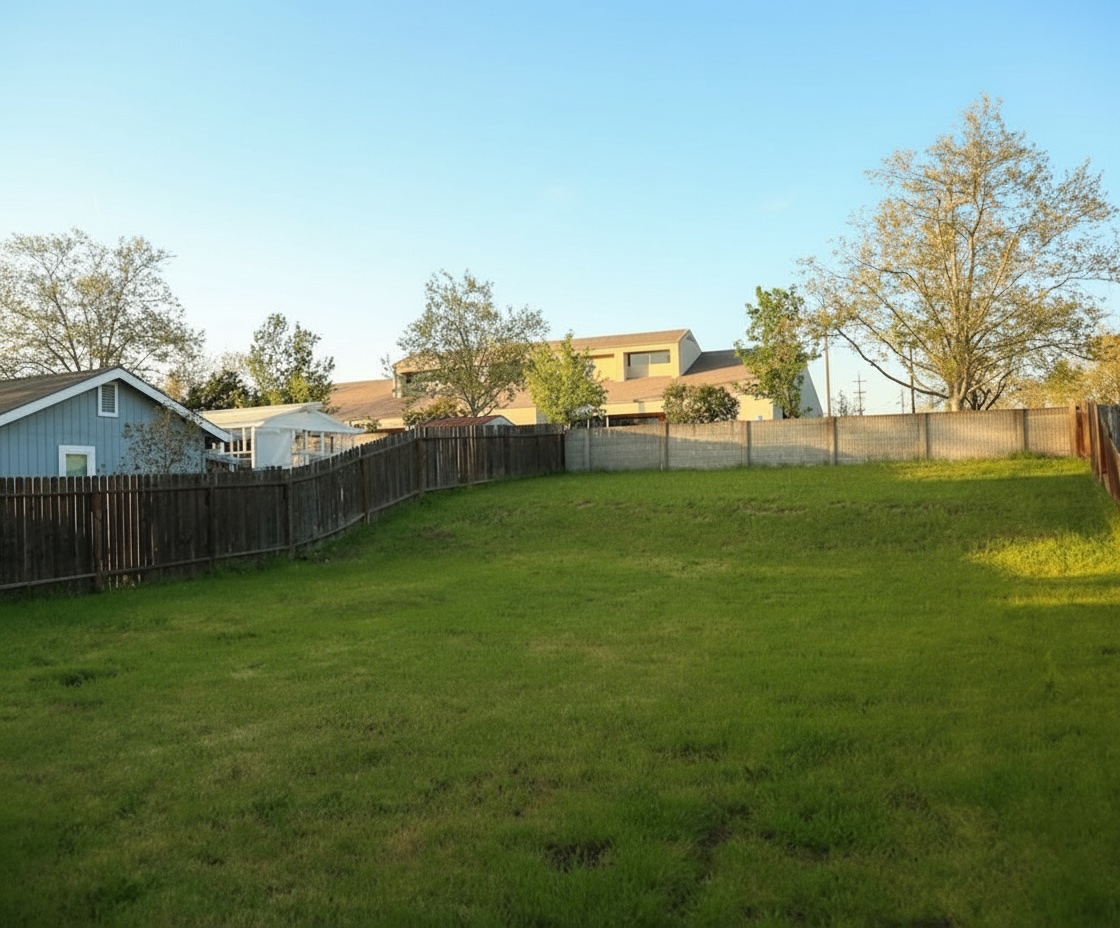
AI-generated image
Featured Trees & Shrubs for Cottage/English Gardens
Browse all 181 plants for Albany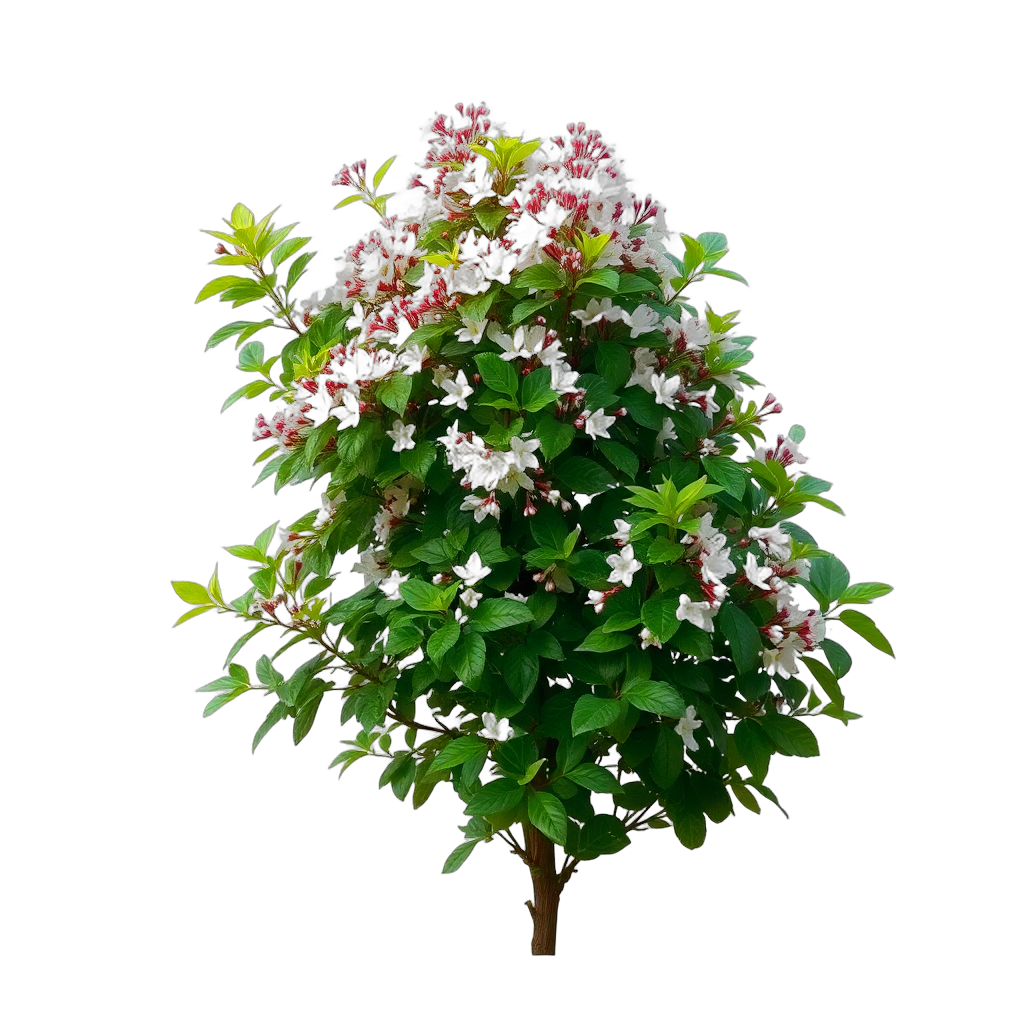
Arrowwood Viburnum
Viburnum dentatum
medium-sized at 10 feet, white blooms in spring. Pollinator-friendly.
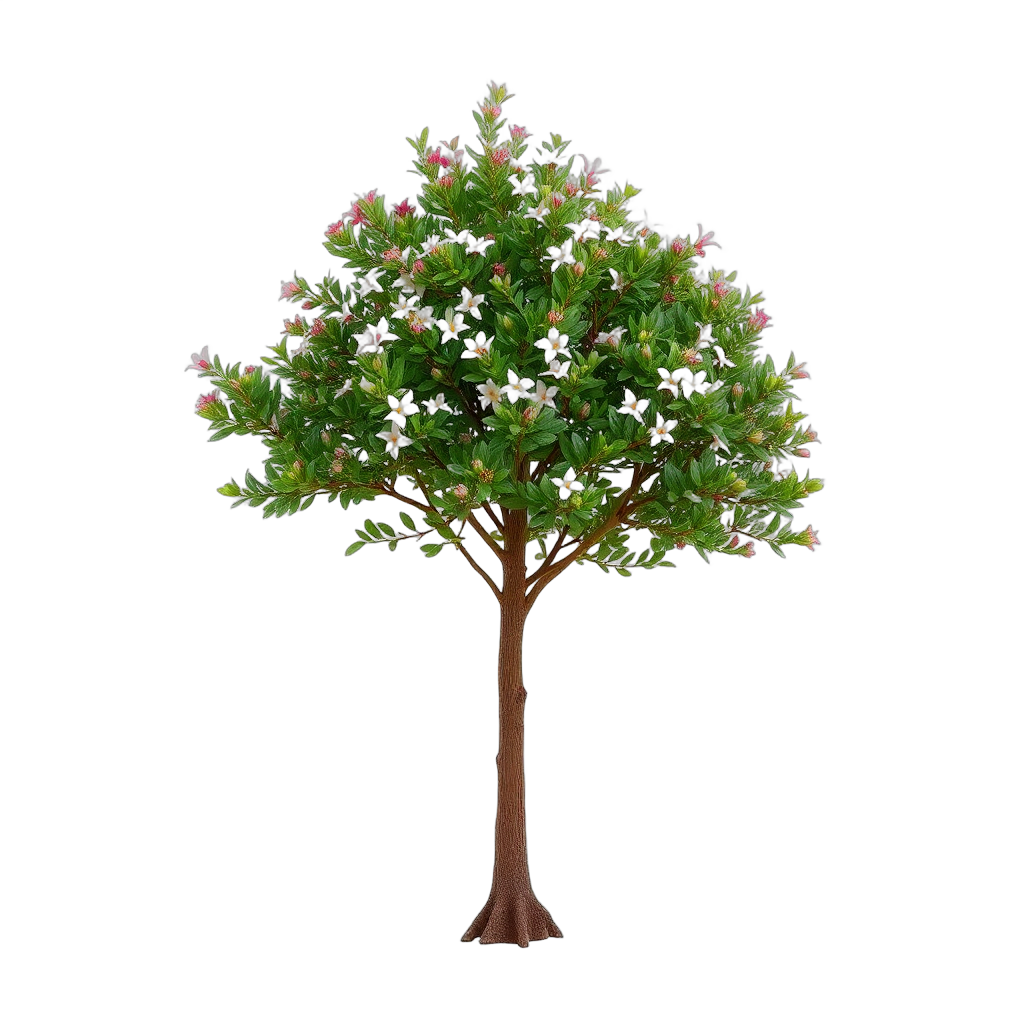
Coastal Leucothoe
Leucothoe axillaris
grows to 3 feet, white blooms in spring. Evergreen year-round.
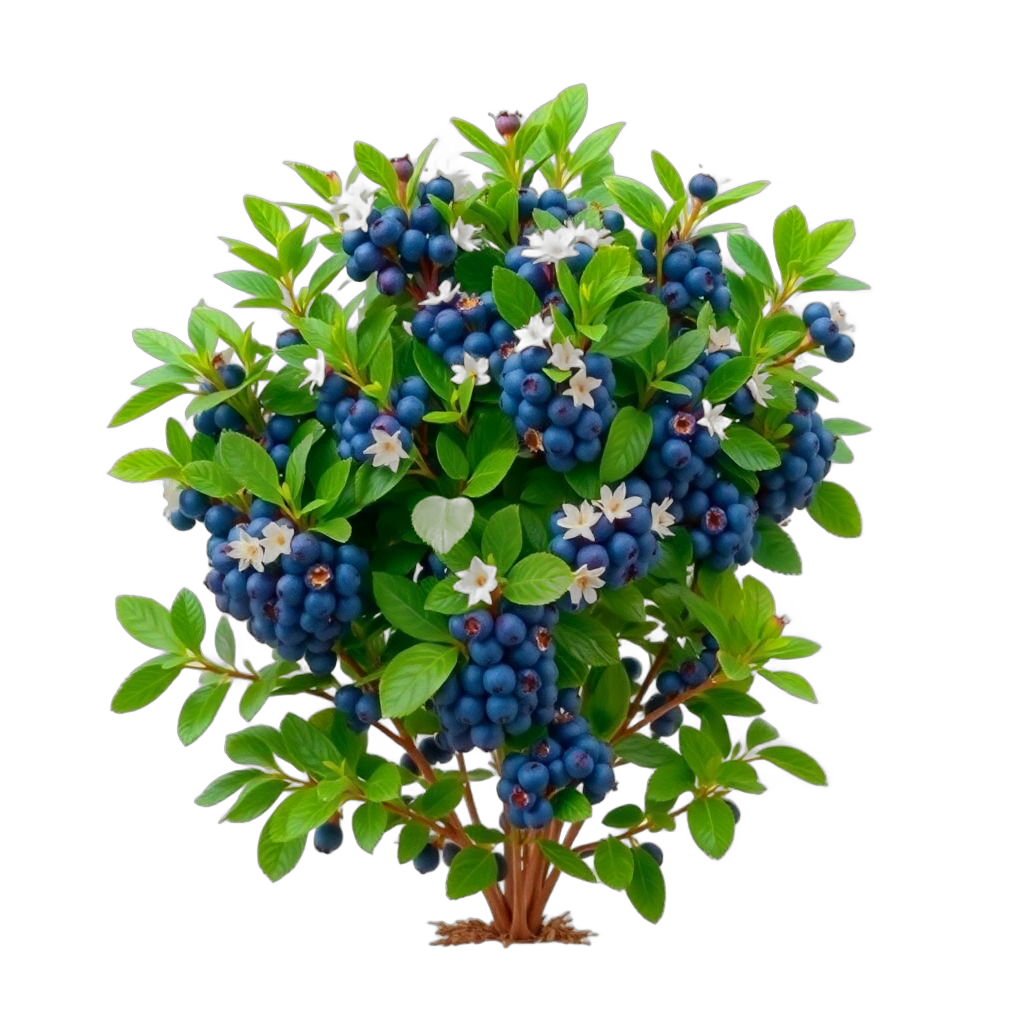
Highbush Blueberry
Vaccinium corymbosum
medium-sized at 7 feet, white blooms in spring. Attracts butterflies.

Inkberry
Ilex glabra
medium-sized at 8 feet, white blooms in spring. Pollinator-friendly.
Featured Grasses & Groundcovers for Cottage/English Gardens
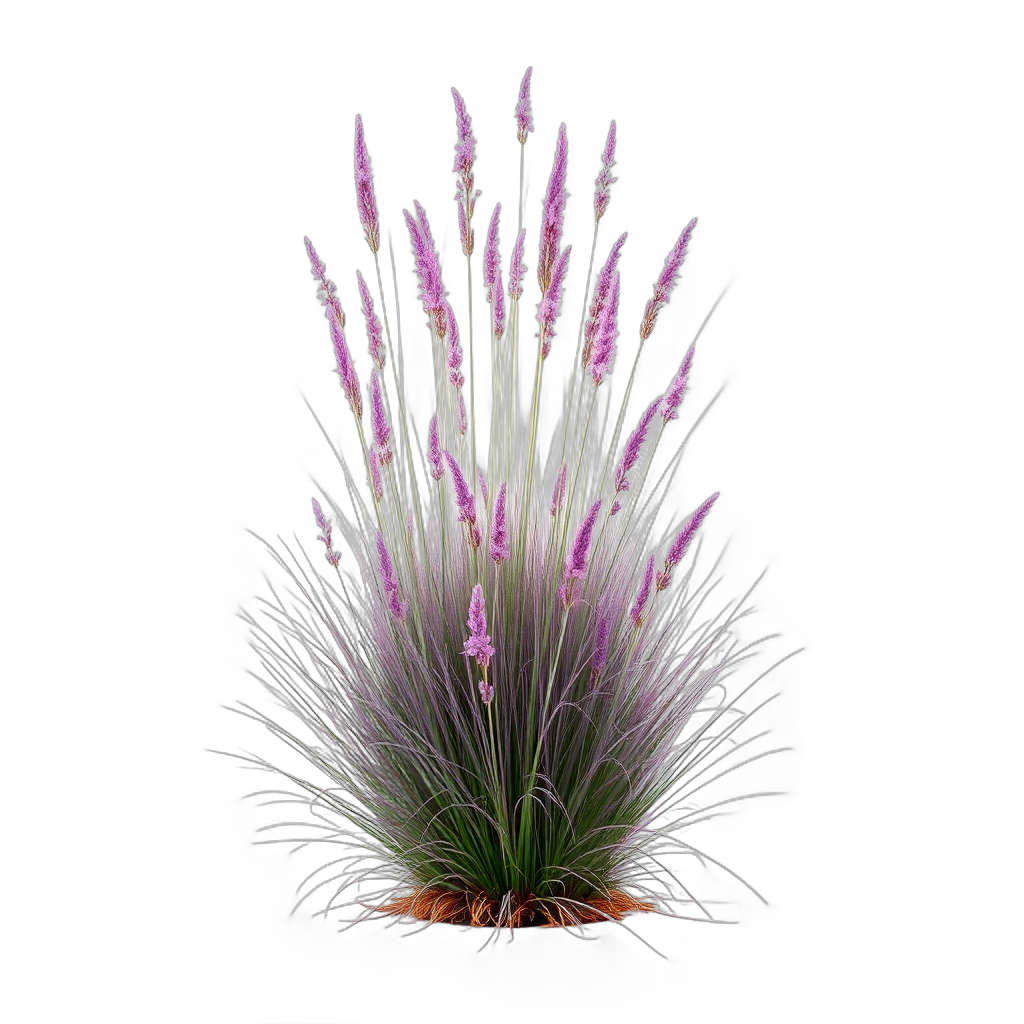
Purple Love Grass
Eragrostis spectabilis
low-growing ground cover, purple blooms in fall. Orange fall color.
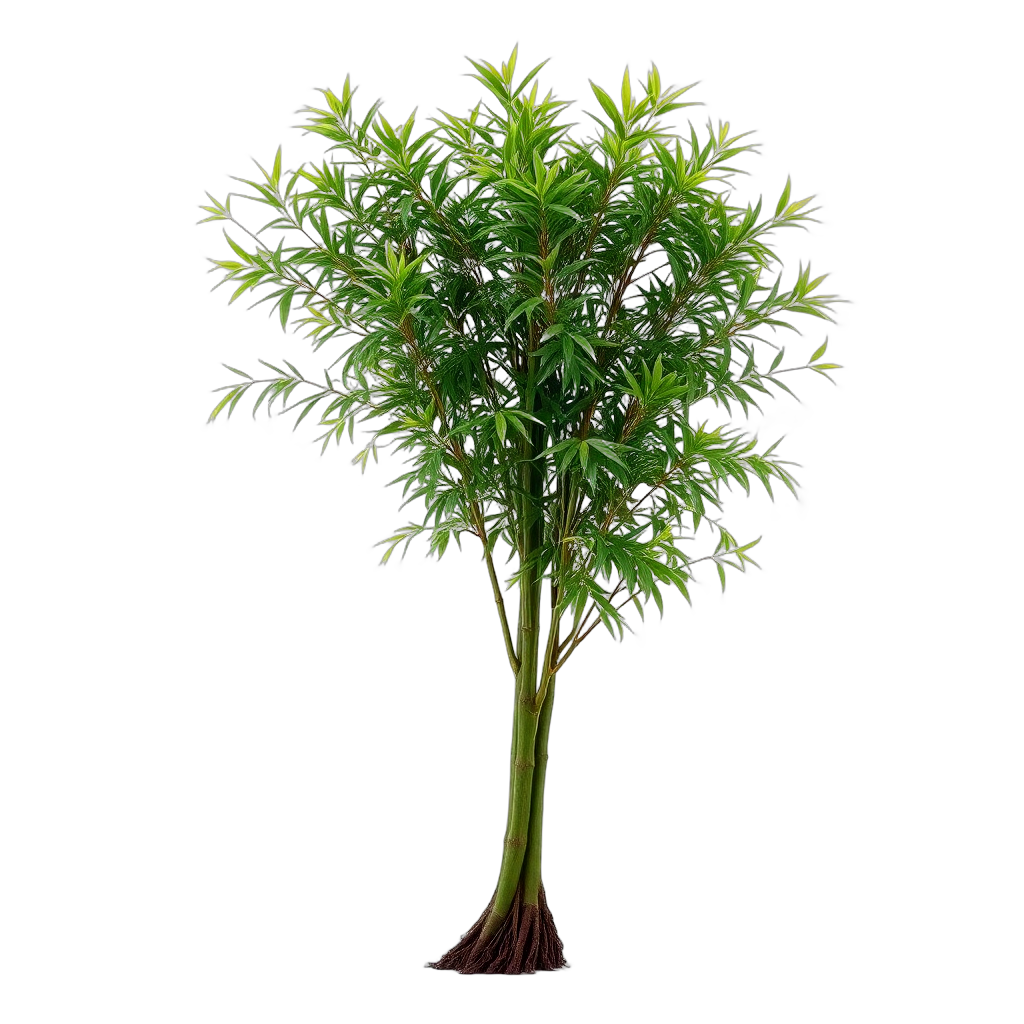
Broad-leaf Bamboo
Sasa palmata
medium-sized at 7 feet, blooms in none. Evergreen year-round.
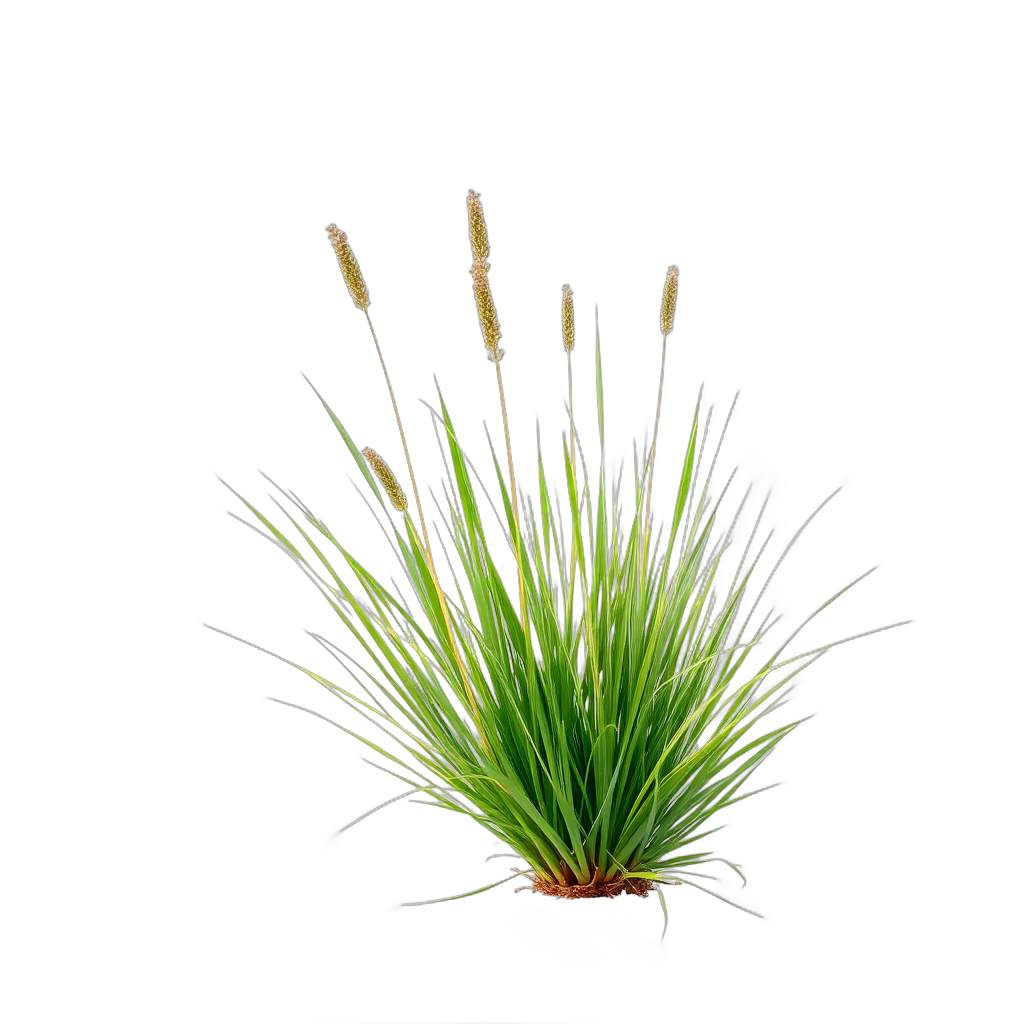
Deer Grass
Muhlenbergia rigens
grows to 3 feet, yellow blooms in fall. Evergreen year-round.
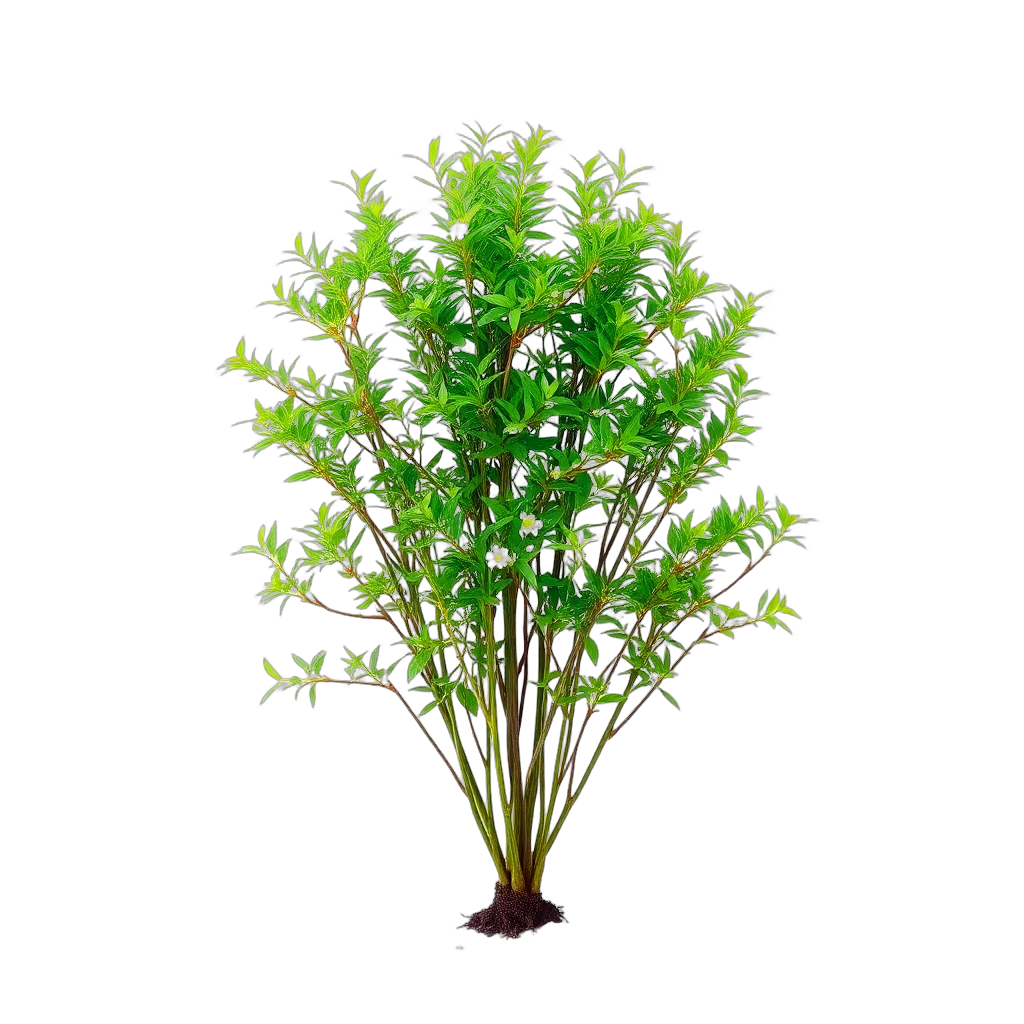
Dwarf Fernleaf Bamboo
Pleioblastus distichus
low-growing ground cover, blooms in none. Evergreen year-round.
Featured Flowers & Perennials for Cottage/English Gardens
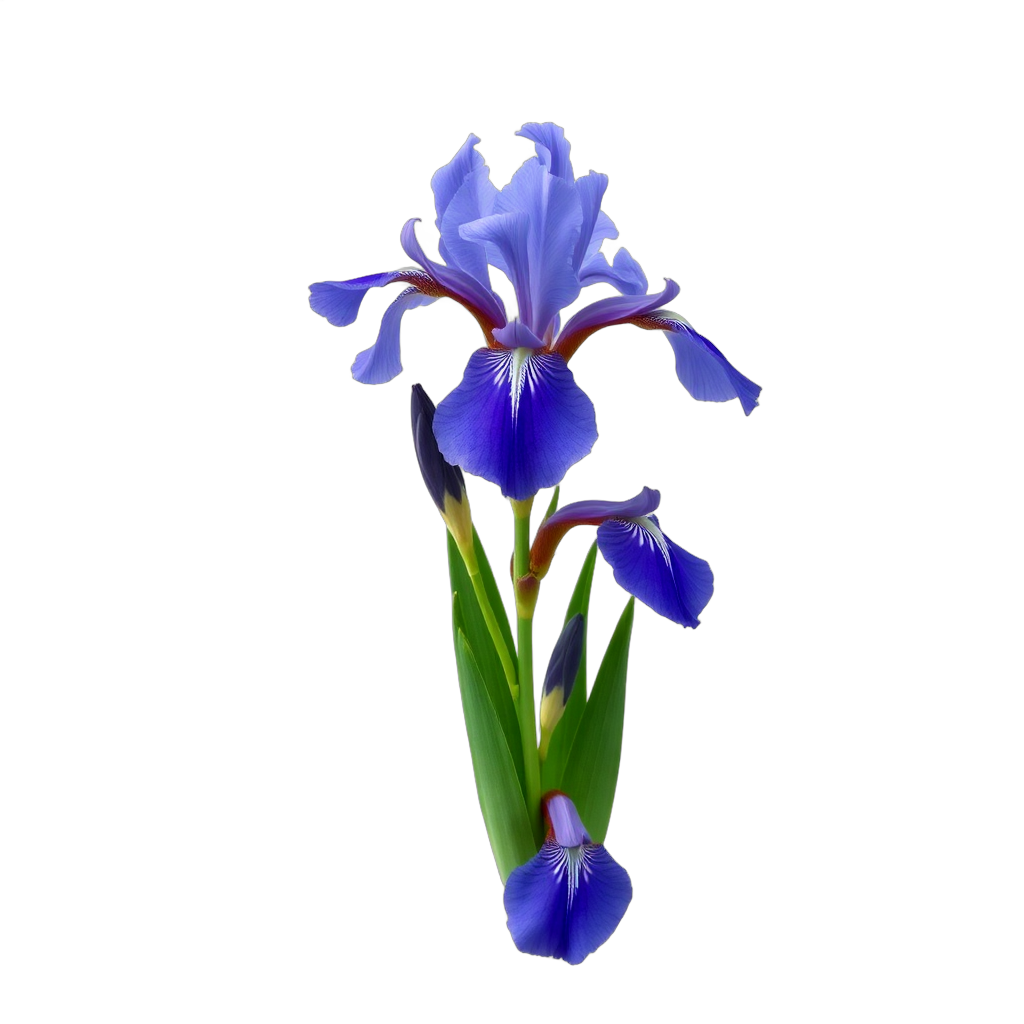
Blue Flag Iris
Iris versicolor
low-growing ground cover, purple blooms in spring. Attracts butterflies.

New York Ironweed
Vernonia noveboracensis
grows to 6 feet, purple blooms in fall. Attracts butterflies.
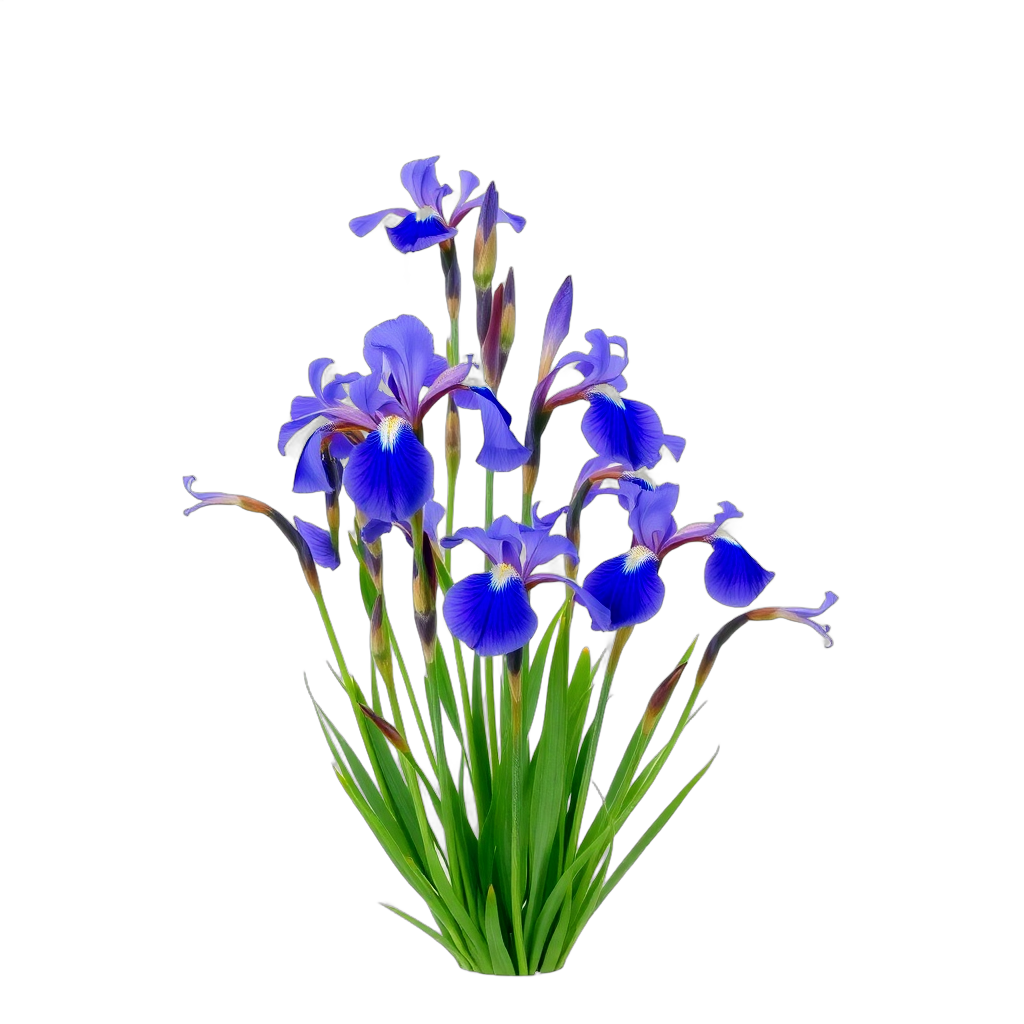
Southern Blue Flag
Iris virginica
low-growing ground cover, blue blooms in spring. Attracts butterflies.

Eastern Prickly Pear
Opuntia humifusa
low-growing ground cover, yellow blooms in summer. Attracts butterflies.
Zone and sun checks come from our database — confirm with your local nursery before you buy.
Bloom Calendar for Albany
spring
Blue Flag Iris, Southern Blue Flag, Arrowwood Viburnumsummer
Ruby Spice Summersweet, Summersweet, Eastern Prickly Pearfall
New York Ironweed, Purple Love Grasswinter
Limited bloomsDesign Tips for Albany (Zone 6a)
- Treat Zone 6a winters as the plant filter: pick Rosa 'William Baffin' and Rosa 'John Cabot' over tender English roses, and expect true delphinium to last two or three seasons rather than ten
- Raise borders 6 inches with compost and grit on glacial-lake clay: Albany's dense soil holds March meltwater around the crowns, and wet crowns kill more lavender and roses than cold does
- Lay brick and bluestone paths on a compacted stone base rather than on sand alone: with a 42-inch frost depth, a thin base heaves in the first winter
- Plant Nepeta 'Walker's Low', Rosa rugosa 'Hansa' and Perovskia 'Little Spire' along the curb, since road salt browns tender perennials within a season
- Choose Lavandula × intermedia 'Phenomenal' and give it a windswept, gravel-mulched bed in full sun, because Hidcote and Munstead often rot in wet springs
- Keep the bloom going past June with Phlox 'David', Echinacea 'PowWow Wild Berry', Hydrangea arborescens 'Annabelle' and Sedum 'Autumn Joy', since the first fall frost arrives around mid-October
- If you live in Center Square or Hudson/Park, check the City's historic district review requirements before building a fence or gate that faces the street
Where to Source Plants in Albany
Skip the big-box stores. These independent Albany nurseries specialize in the plants that make cottage/english gardens thrive in Zone 6a.
Gade Farm
Guilderland / Altamont (about 10 miles west of Albany)
Family farm with a garden center selling native plants, perennials, herbs, vegetable and fruit plants, plus mulch and topsoil
Landis Arboretum
Esperance (about 25 miles west of Albany)
Nonprofit arboretum with curated plant collections and a Native Plants Trail Tour; holds plant sales (check its Plant Sales page for dates) and is a good place to see mature cultivars before buying
Cottage/English Landscaping Cost Ranges
| Project Scope | Estimated Cost |
|---|---|
| Brick or bluestone walkway on a compacted base (100–200 sqft) | $2,000–$7,600 |
| Dry-laid bluestone seating circle (200–300 sqft) | $5,000–$9,600 |
| Picket fence, 4 ft tall (60 linear ft) | $1,500–$2,400 |
| AI visualization (ProScapeAI) | Free to start |
National average installed ranges for 2026 from our landscaping price list (Homewyse and other published sources). Prices in Albany, NY vary with site, materials and contractor, so get two or three local quotes.
Albany Climate & Growing Zone
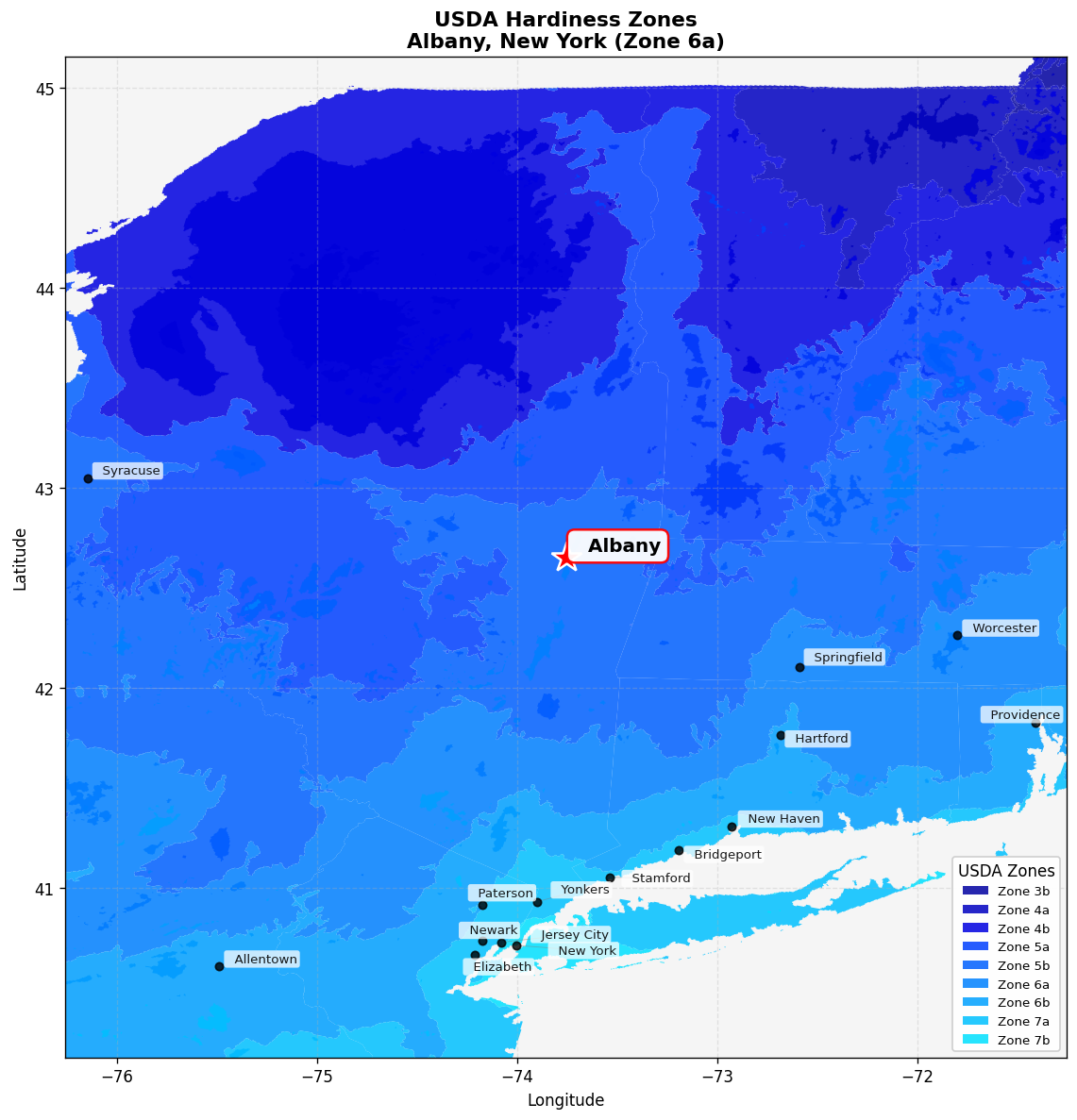
USDA Zone 6a
Hardiness zone for Albany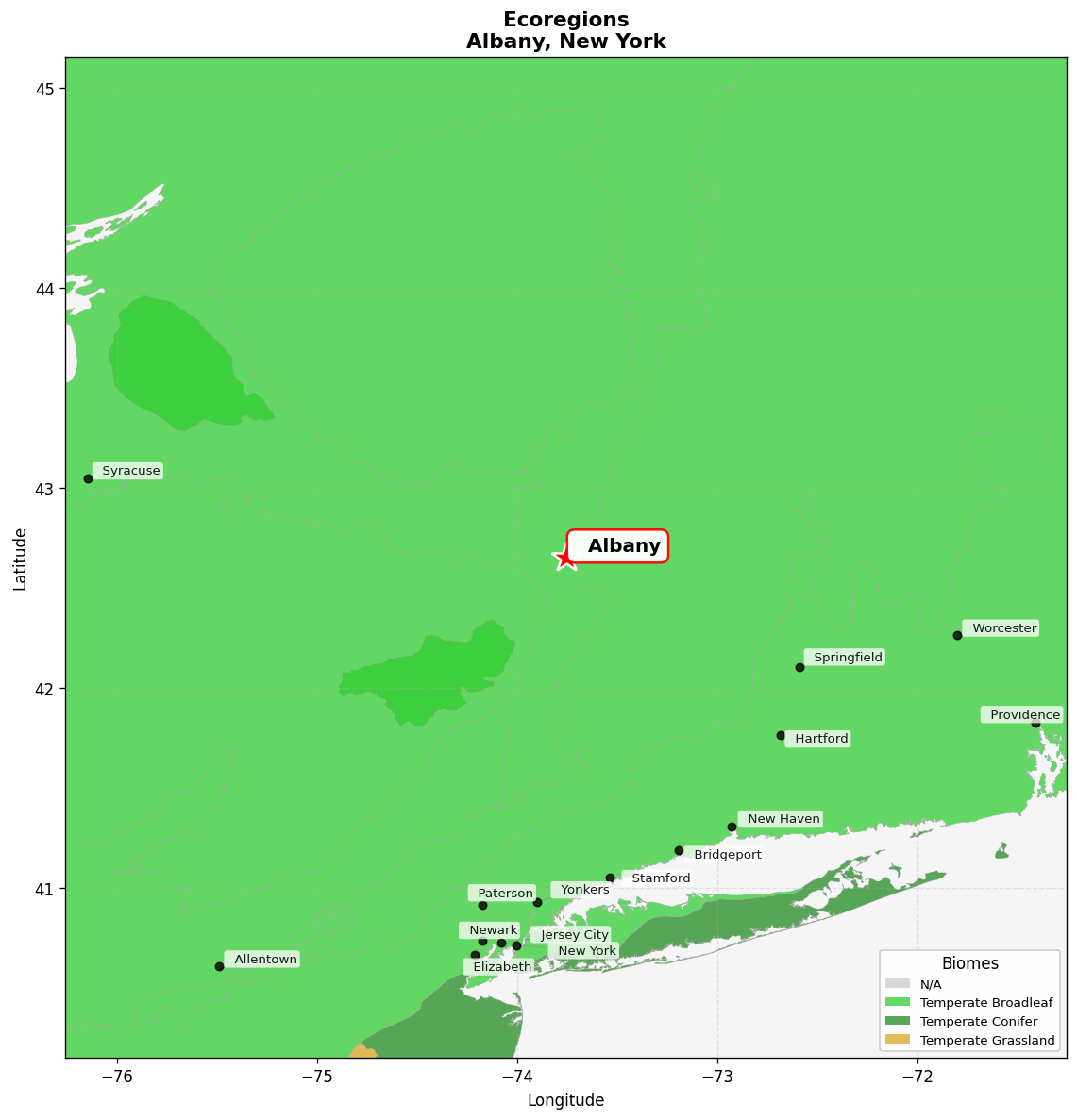
Northeast US Coastal forests
Native ecoregionFrequently Asked Questions
How much does a cottage garden cost in Albany, NY?
Costs vary with yard size, materials and local labor, so get two or three local quotes before you commit. Get two or three local quotes, since prices swing with season and site access Brick or bluestone walks usually run $20–38 per square foot installed..
How much maintenance does a cottage garden need in Albany's climate?
Expect weekly attention from late May to September: deadheading roses and phlox, staking delphinium, and cutting back catmint after its first flush. Winters are the quiet half. Mulch 2–3 inches after the ground freezes, cut hardy shrub roses back lightly in April once growth shows, and leave seedheads of Echinacea standing for birds. Hardy climbing roses need no winter wrapping, which is why the Canadian types are worth choosing.
When is the best time to plant a cottage garden in Albany?
Plant perennials from mid-May, after the last frost around the first week of May, until mid-September. Fall planting from late August to early October works well because the clay is workable and roots grow into a cold winter. Bare-root roses go in as soon as soil thaws in April. Avoid planting into soggy clay in March, which compacts it and rots crowns.
Do I need a permit or approval for a fence or patio in Albany?
Fences, patios and anything changing drainage can need a permit, and properties in historic districts such as Center Square and Hudson/Park may need review for work visible from the street. Rules and fees change, so check with the City of Albany's building and planning offices before you buy materials. Suburban towns like Guilderland, Bethlehem and Colonie have their own rules.
Which cottage garden plants survive Albany's winters?
With lows near -5 to 0°F, choose proven hardy plants. Rosa 'William Baffin', Rosa 'John Cabot', Rosa 'Winnipeg Parks', Paeonia lactiflora 'Sarah Bernhardt', Phlox paniculata 'David', Nepeta 'Walker's Low' and Salvia nemorosa 'Caradonna' all hold up. True English Austin roses need winter protection and often die back to the snow line. Lavandula angustifolia 'Hidcote' is marginal; Lavandula × intermedia 'Phenomenal' is the safer choice.
What about road salt and city soil in Albany?
Plants within 4 feet of a curb or salted walk take a beating. Use Nepeta 'Walker's Low', Rosa rugosa 'Hansa' and Perovskia 'Little Spire' there, and keep tender plants such as delphinium away from the street side. In city clay, raise the bed 6 inches with compost and grit so that spring meltwater drains away from the crowns.
Will deer eat a cottage garden in Albany?
In Loudonville, Slingerlands, Delmar and other suburban pockets, yes. Hosta, tulips and roses go first. Lean on deer-resistant picks: Nepeta 'Walker's Low', Salvia 'Caradonna', Alchemilla mollis, Digitalis × mertonensis, Allium 'Millenium' and Lavandula × intermedia 'Phenomenal'. Dense city blocks like Center Square see far less browsing.