4 Cottage Garden Ideas for New York City
Native plants from the Northeast US Coastal forests (Zone 7b) — Humid continental (hot summer) climate
Why Cottage/English Gardens in New York?
Here's the part most gardening guides get wrong: New York City's climate is genuinely well-suited for English cottage gardens — far more so than most of California or the American Southwest. Traditional cottage gardens were born in Britain's humid, rainy summers, and NYC's summers deliver exactly that: regular rainfall, high humidity, and temperatures that rarely exceed 90°F for extended stretches. Roses, foxgloves, delphiniums, and lavender don't have to fight for moisture the way they do in Sacramento or Phoenix. The real challenges in NYC are at the other end of the calendar — Zone 7b winters that push to 20°F and the urban reality of small lots, shaded brownstone backyards, and limited planting depth over concrete.
The neighborhoods that make the strongest case for cottage-style gardens are exactly the ones you'd expect. Ditmas Park's Victorian homes in Brooklyn — with their generous front porches and substantial front yards — are natural canvases for rose arbors and perennial borders. Park Slope and Cobble Hill brownstones have rear gardens that, while narrow, receive good southern light and reward vertical planting on fences and walls. Fort Greene, Clinton Hill, and Prospect Heights offer a mix of townhouse gardens and community-facing stoops where cottage plantings spill beautifully onto the street. In Queens, Forest Hills and Jackson Heights have Tudor and Colonial-era homes with front yards that feel almost suburban — perfect for the full rose-arch-and-picket-fence treatment.
Winter preparation is the skill that separates a thriving NYC cottage garden from a disappointing one. Most established shrub roses, lavender, and perennials handle Zone 7b without any help, but climbing roses on arches and tender perennials benefit from light mulching and cane protection before December. The bigger advantage is what NYC's summer humidity does that western cities can't replicate: it keeps cottage plants lush through July and August without supplemental irrigation, supports the thick, tumbling growth habit that makes cottage gardens so visually distinctive, and allows roses to rebloom prolifically from June through October. The humidity that New Yorkers complain about in August is exactly what your garden is enjoying.
4 Cottage/English Design Ideas for New York
AI-generated image
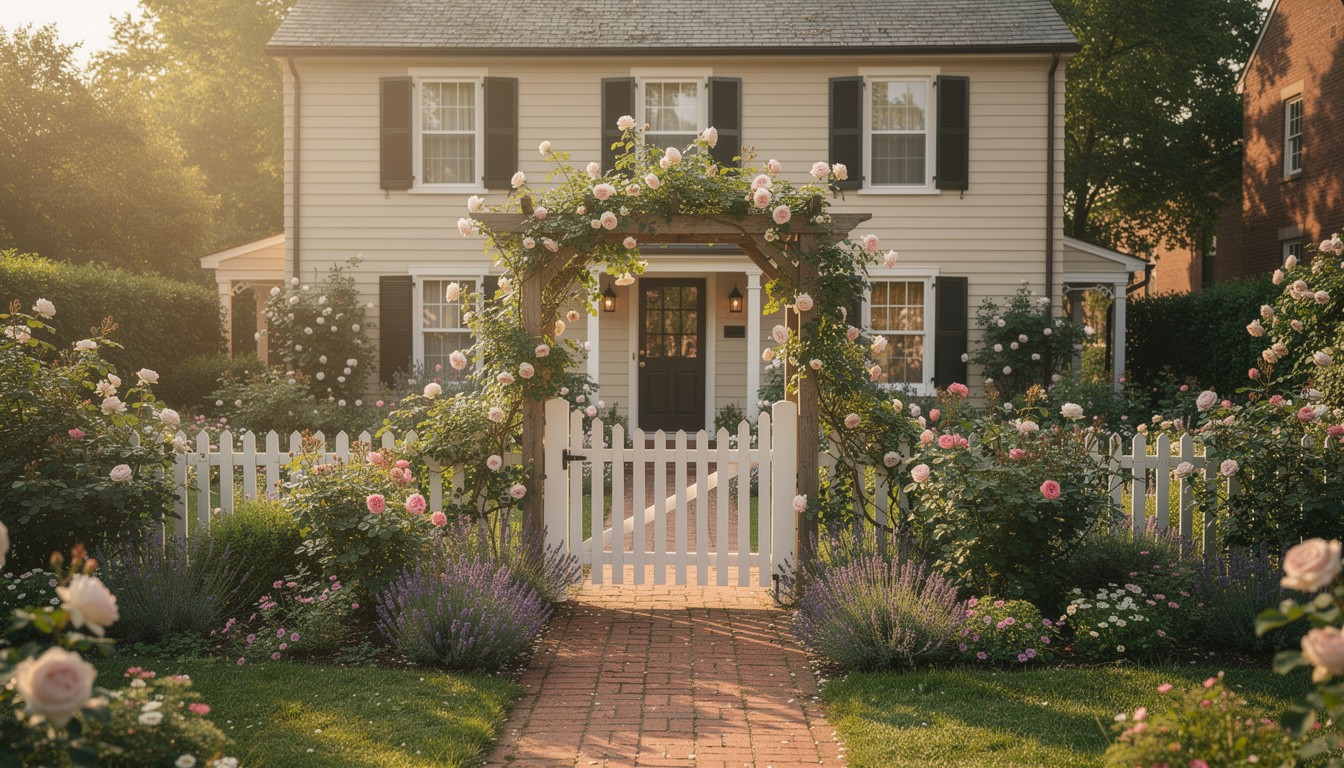
The Rose Gate Entry
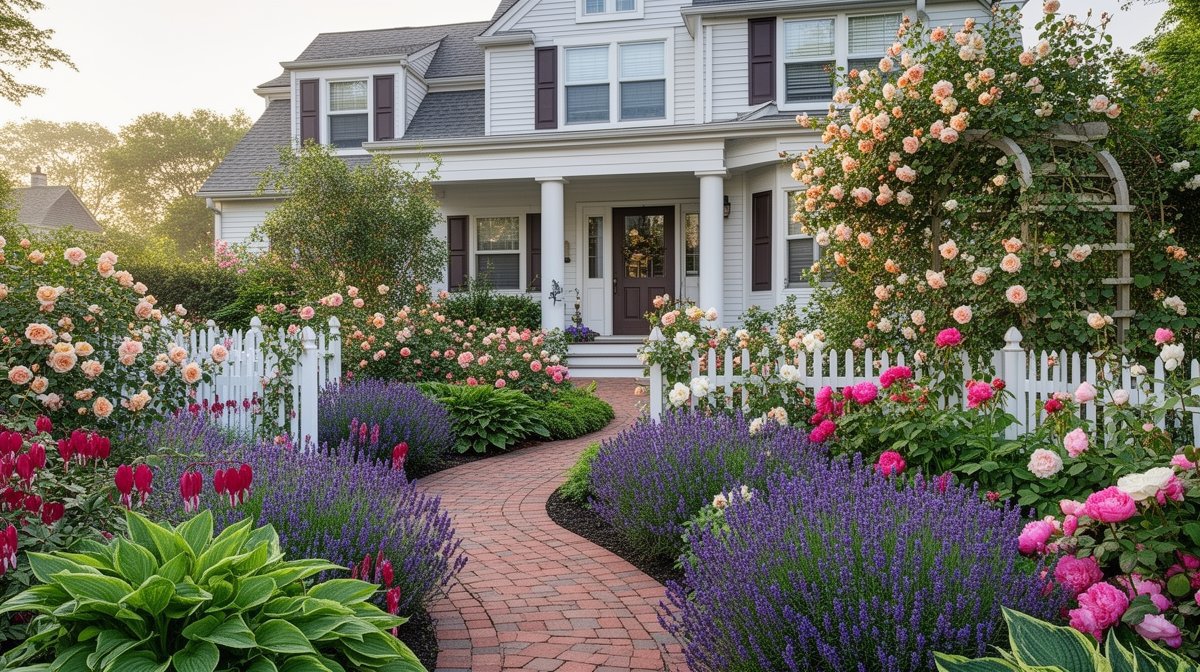
$10–20/sqftA white picket fence with a climbing rose arch over the gate transforms a Queens or Brooklyn front yard into a pure cottage storybook: brick pathway leading to the door, lavender borders flanking both sides, and pink roses cascading over the arch in golden late-afternoon light. In NYC this design reads best on Ditmas Park Victorians and Colonial-style homes in Forest Hills or Jackson Heights where there’s enough front yard depth to let the planting breathe. Choose climbing roses proven for Zone 7b: ‘New Dawn’, ‘Fourth of July’, or ‘American Pillar’ all reliably return after NYC winters. The white picket fence and rose arch combination is the design that instantly signals ‘cottage garden’ from the street — warm, inviting, and unmistakably residential.
AI-generated image
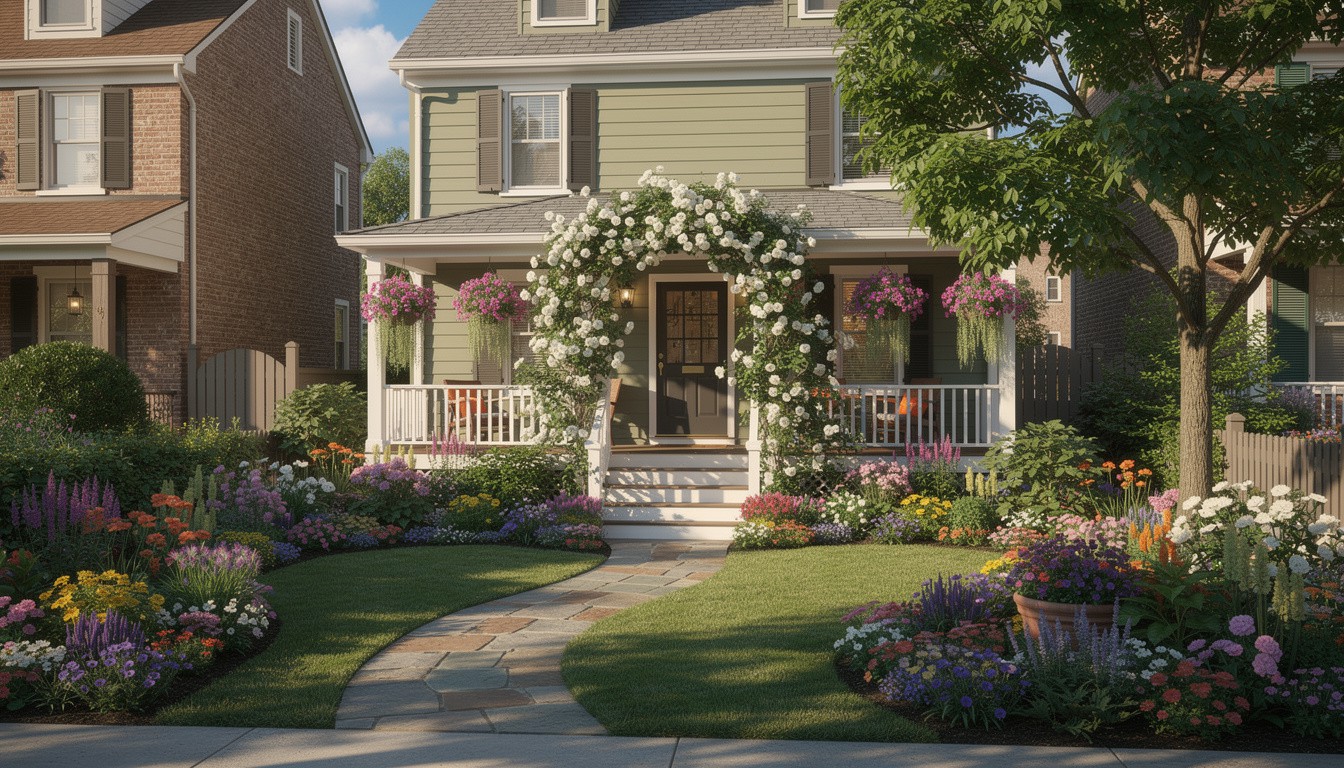
The Perennial Arbor Cottage Front
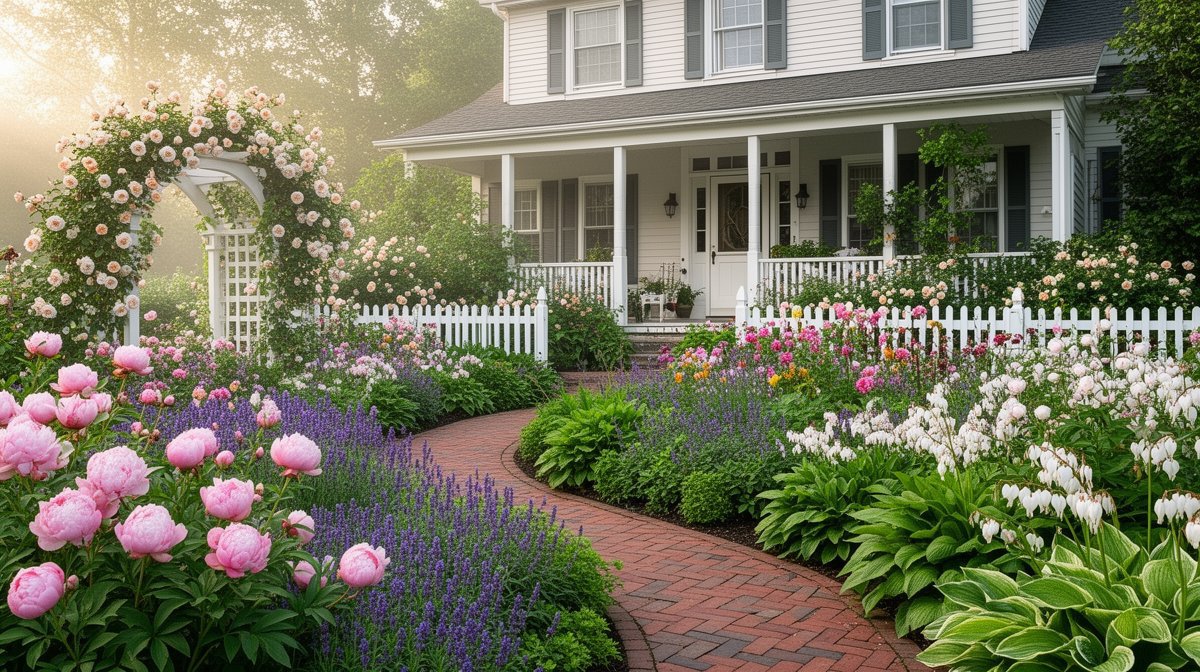
$14–26/sqftA climbing rose arbor over the front porch frames the entry while dense mixed perennial borders — delphiniums, foxgloves, phlox, and coneflowers in a riot of purple, pink, and white — fill both sides of a stepping stone path to the door. Hanging flower baskets on the porch add vertical color at eye level, and a mature shade tree grounds the whole composition. This design suits the moderate front yards of Park Slope and Brooklyn Heights brownstones and Prospect Heights townhouses. NYC’s summer humidity is a genuine asset here: the perennials stay lush and keep blooming through August without the relentless irrigation the same planting would require in California.
AI-generated image
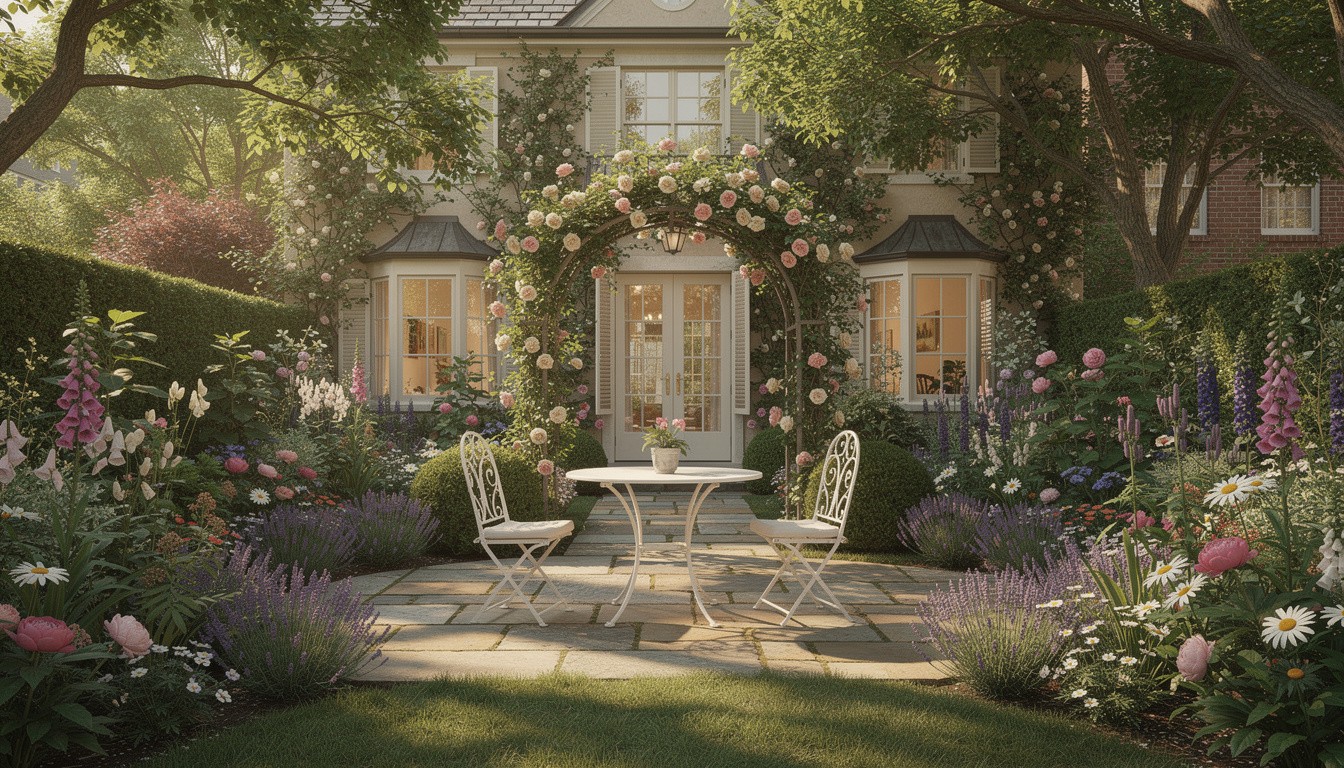
The Cottage Terrace Garden
$18–32/sqftA rose arbor serves as the focal point of a brownstone backyard, with wrought-iron bistro chairs tucked beneath it on a flagstone terrace while foxgloves, delphiniums, and lavender bloom in the surrounding beds beneath mature canopy trees. The arbor provides vertical scale that makes a tight NYC backyard feel designed and intentional — exactly the trick these small spaces need. Zone 7b is excellent for this planting: delphiniums and foxgloves perform here far better than in hotter, drier climates, and the enclosed brownstone backyard’s brick walls create a sheltered microclimate that extends bloom time. This is where Brooklyn homeowners actually spend their summers.

AI-generated image
The White Pergola Rose Garden
$22–45/sqftA white pergola draped in climbing roses provides the dining anchor for a full brownstone backyard transformation, with a rose arch as a secondary focal point and a stone bird fountain as the garden’s centerpiece. Dense white and pink rose borders rim the space on all sides, and the warm brownstone or brick wall in the background provides instant privacy. This is the full English-feeling NYC backyard — intimate, lush, and formal enough to feel like a destination. NYC’s summer humidity keeps rose borders thick and blooming far longer than in drier climates, and the brick walls act as heat sinks that extend the growing season well into October.
See how a cottage/english garden looks on YOUR property
Upload a photo of your New York yard and visualize your dream garden in seconds.
Try ProScapeAI Free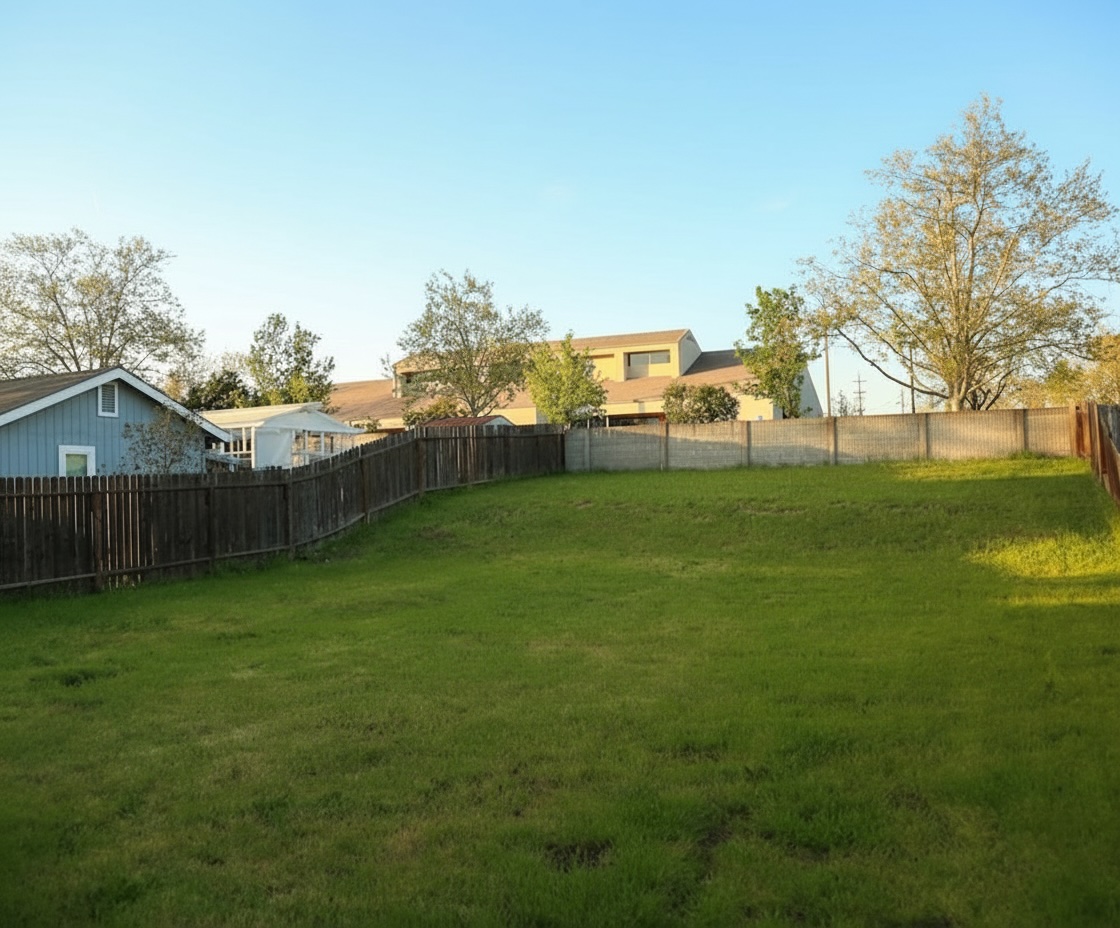
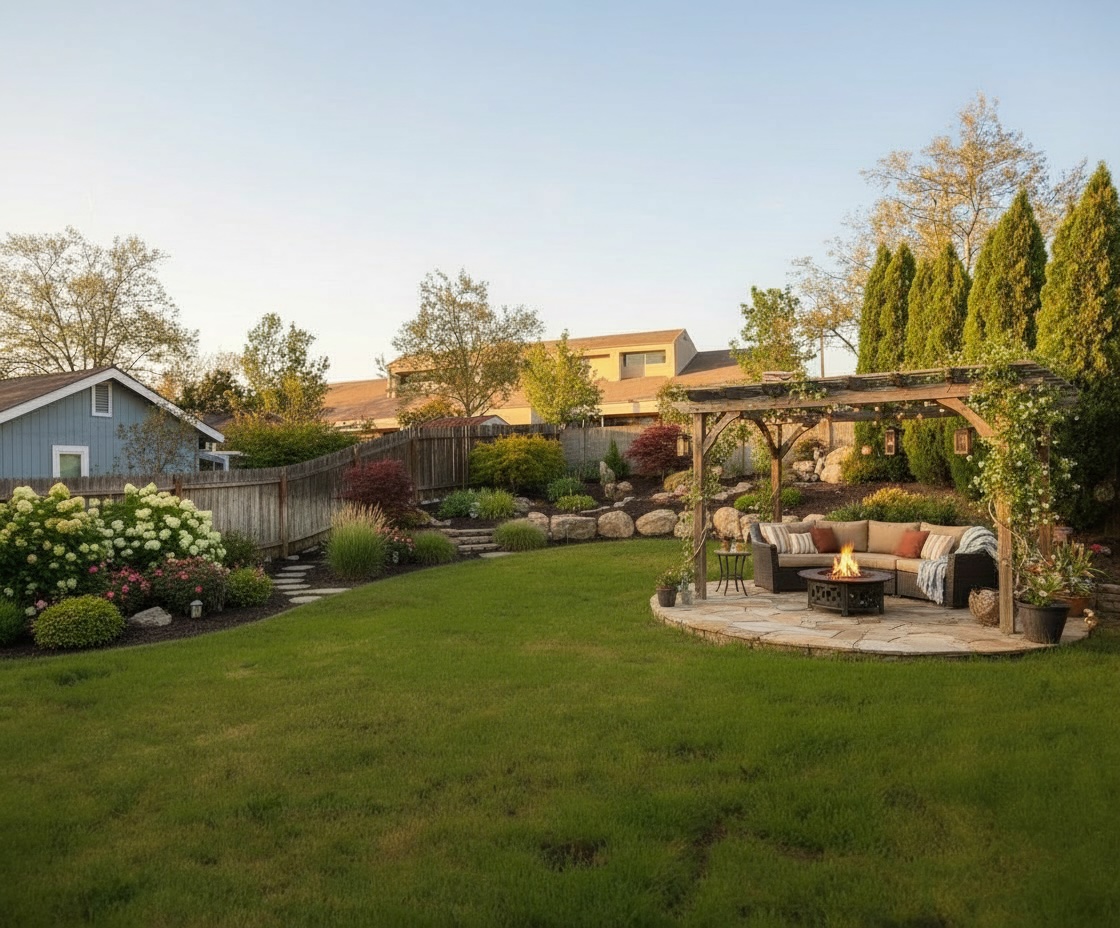
AI-generated image
Featured Trees & Shrubs for Cottage/English Gardens
Browse all 181 plants for New York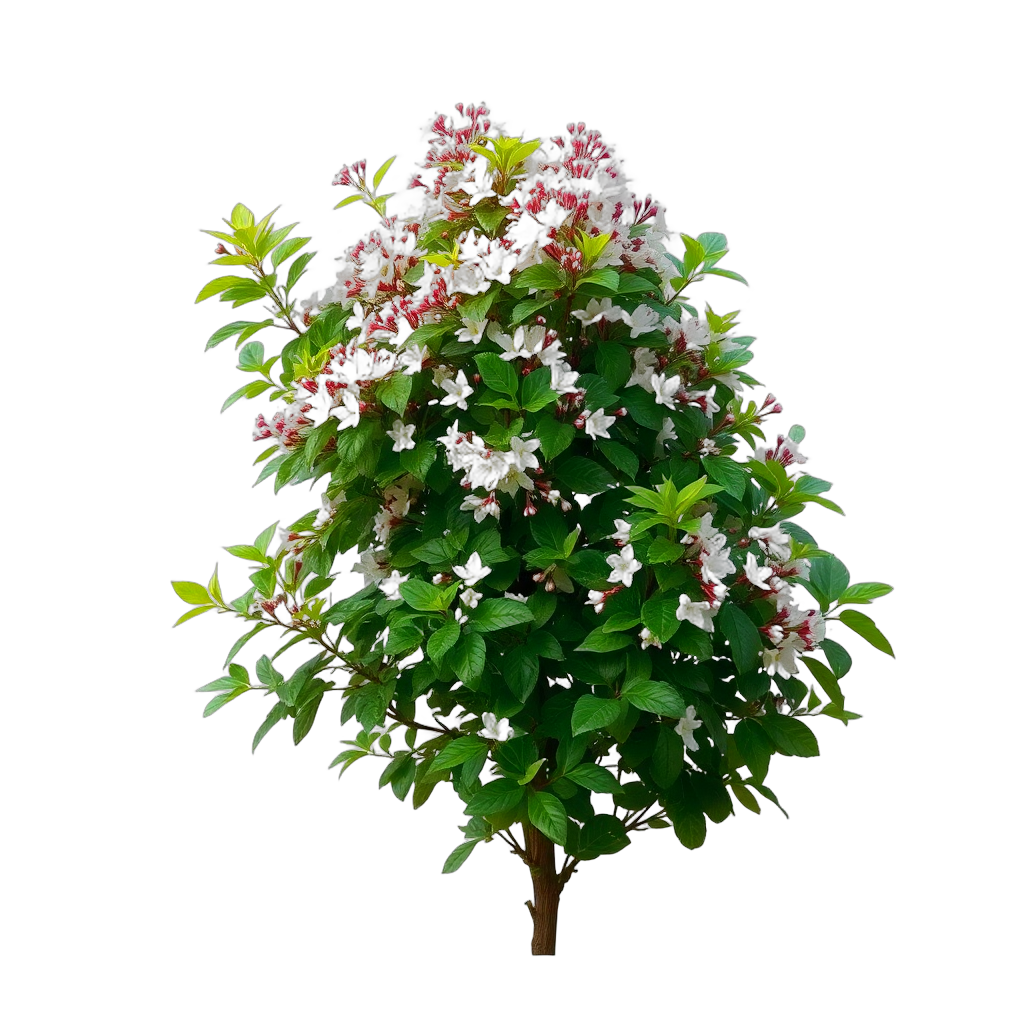
Arrowwood Viburnum
Viburnum dentatum
medium-sized at 10 feet, white blooms in spring. Pollinator-friendly.

Coastal Leucothoe
Leucothoe axillaris
grows to 3 feet, white blooms in spring. Evergreen year-round.
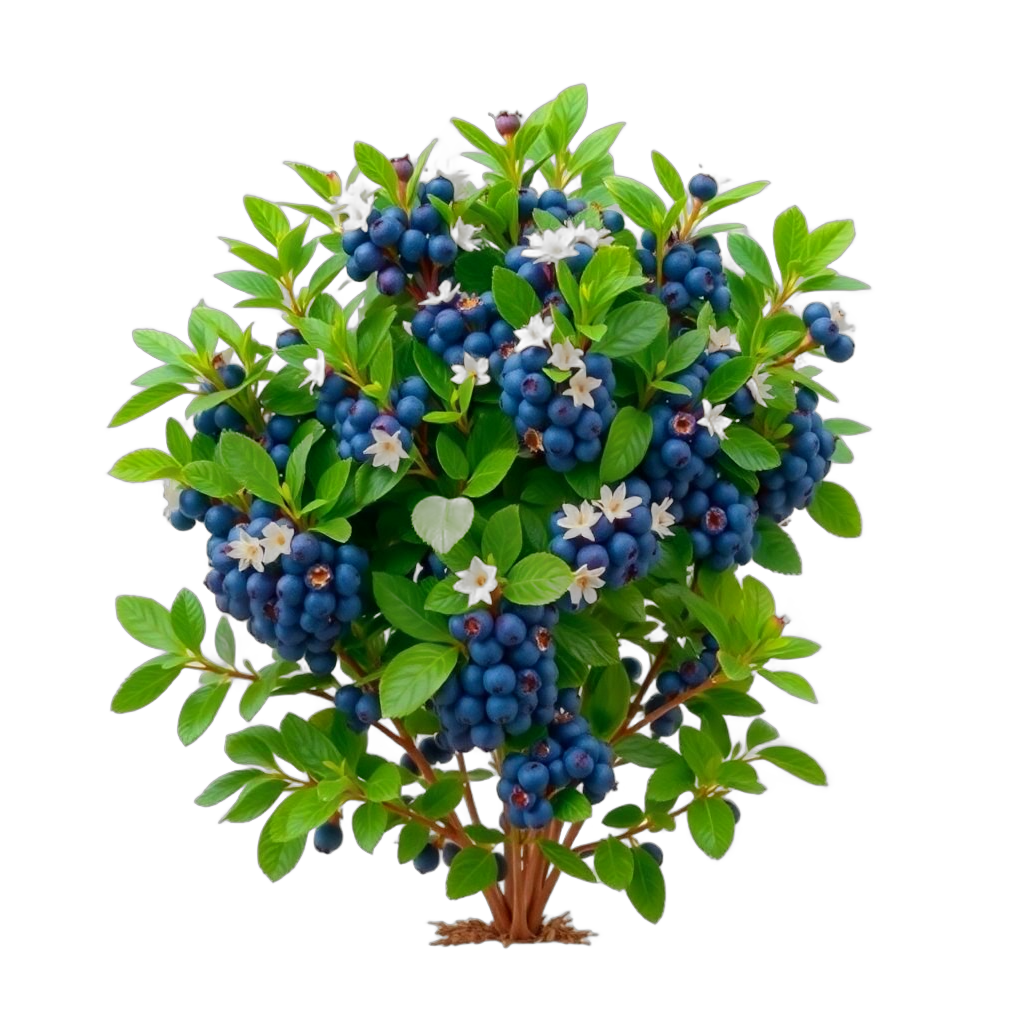
Highbush Blueberry
Vaccinium corymbosum
medium-sized at 7 feet, white blooms in spring. Attracts butterflies.

Inkberry
Ilex glabra
medium-sized at 8 feet, white blooms in spring. Pollinator-friendly.
Featured Grasses & Groundcovers for Cottage/English Gardens
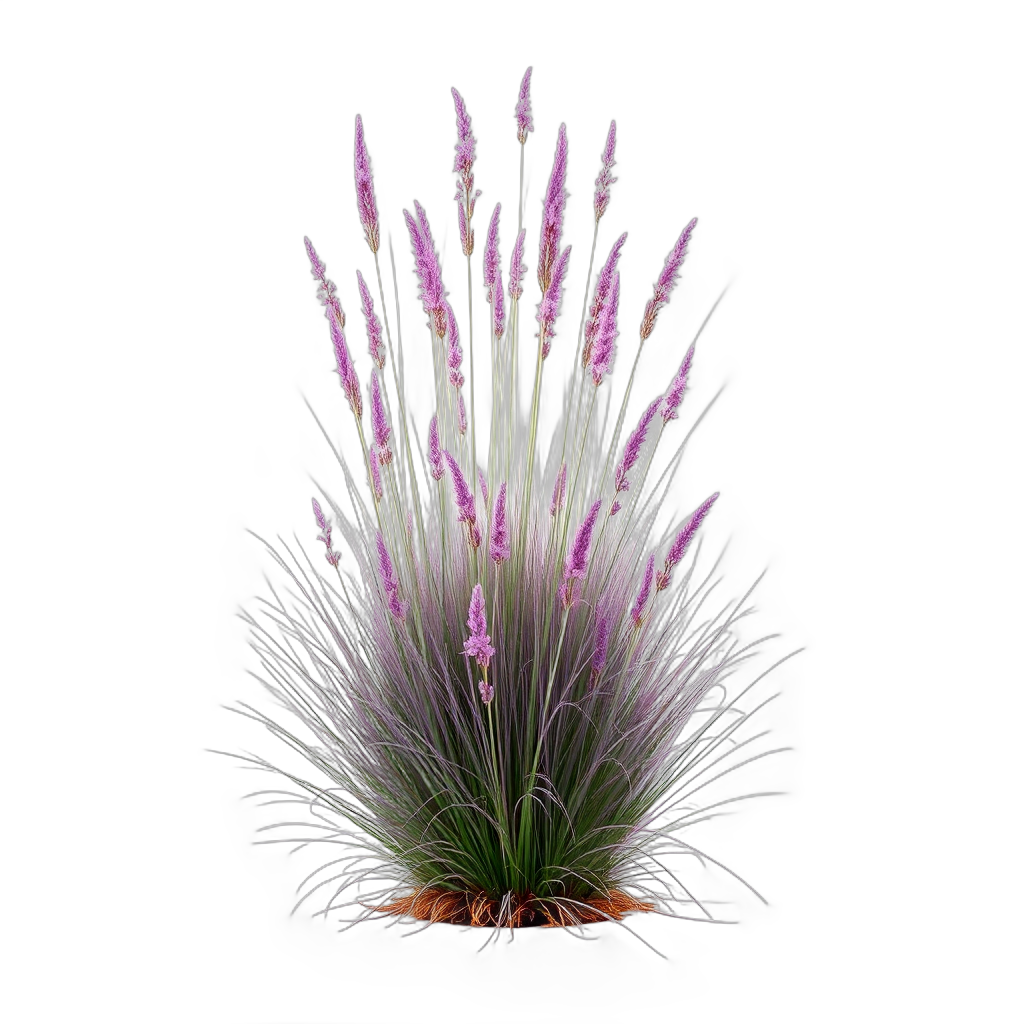
Purple Love Grass
Eragrostis spectabilis
low-growing ground cover, purple blooms in fall. Orange fall color.
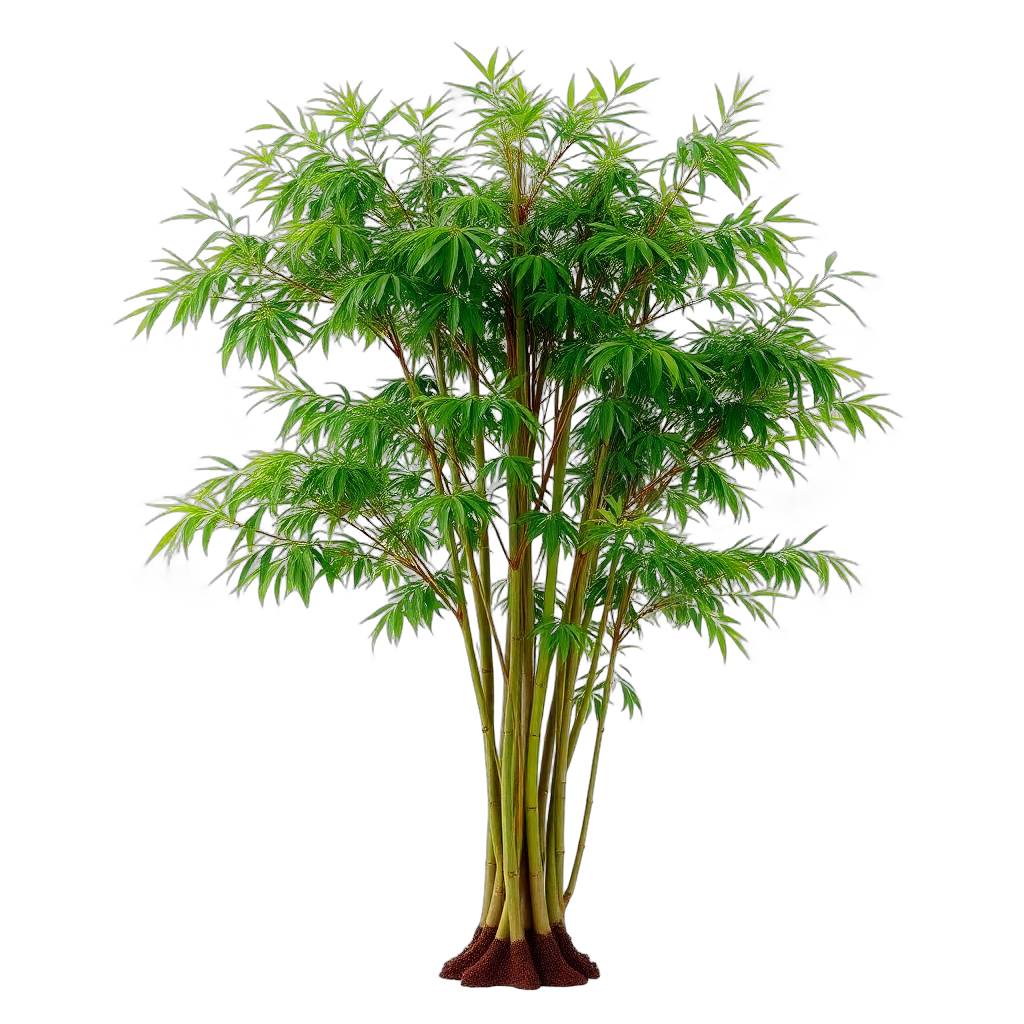
Arrow Bamboo
Pseudosasa japonica
medium-sized at 15 feet, blooms in none. Evergreen year-round.
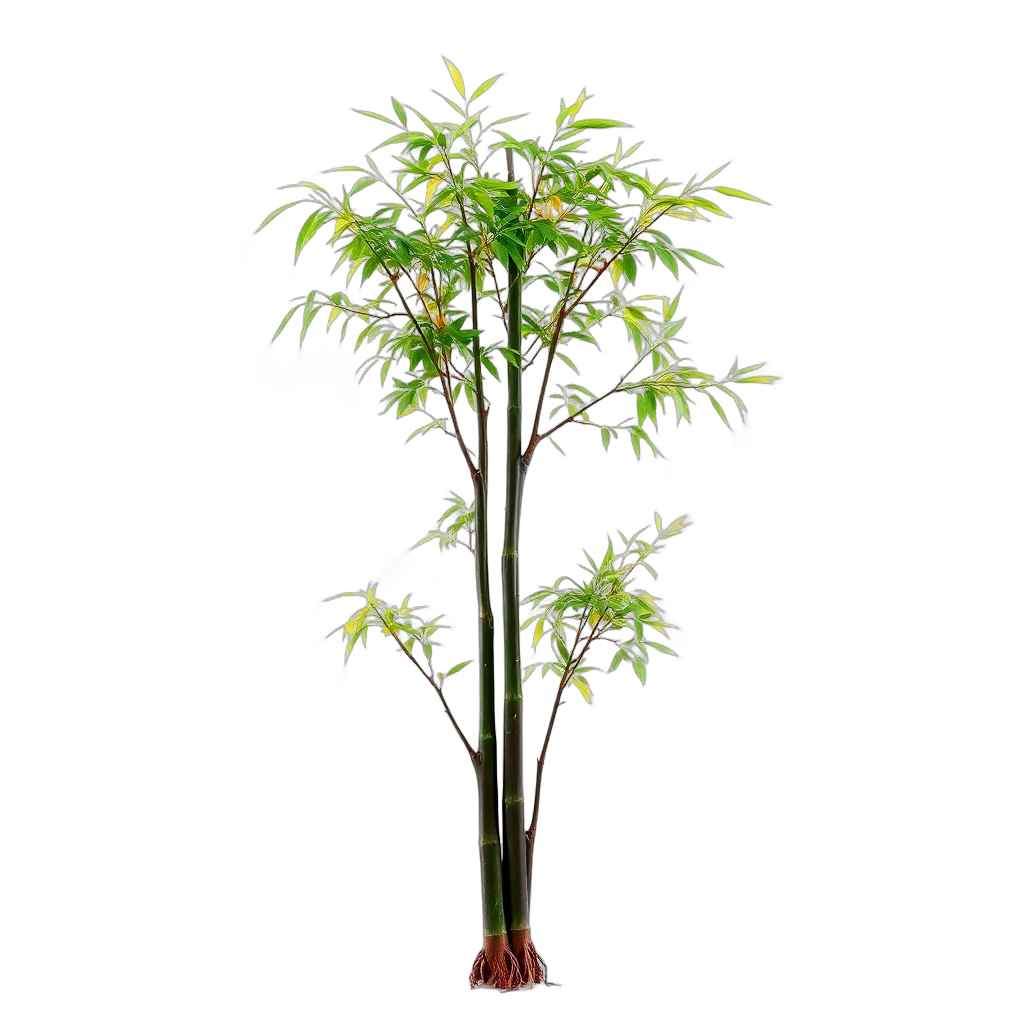
Black Bamboo
Phyllostachys nigra
reaches 25 feet tall, blooms in none. Evergreen year-round.
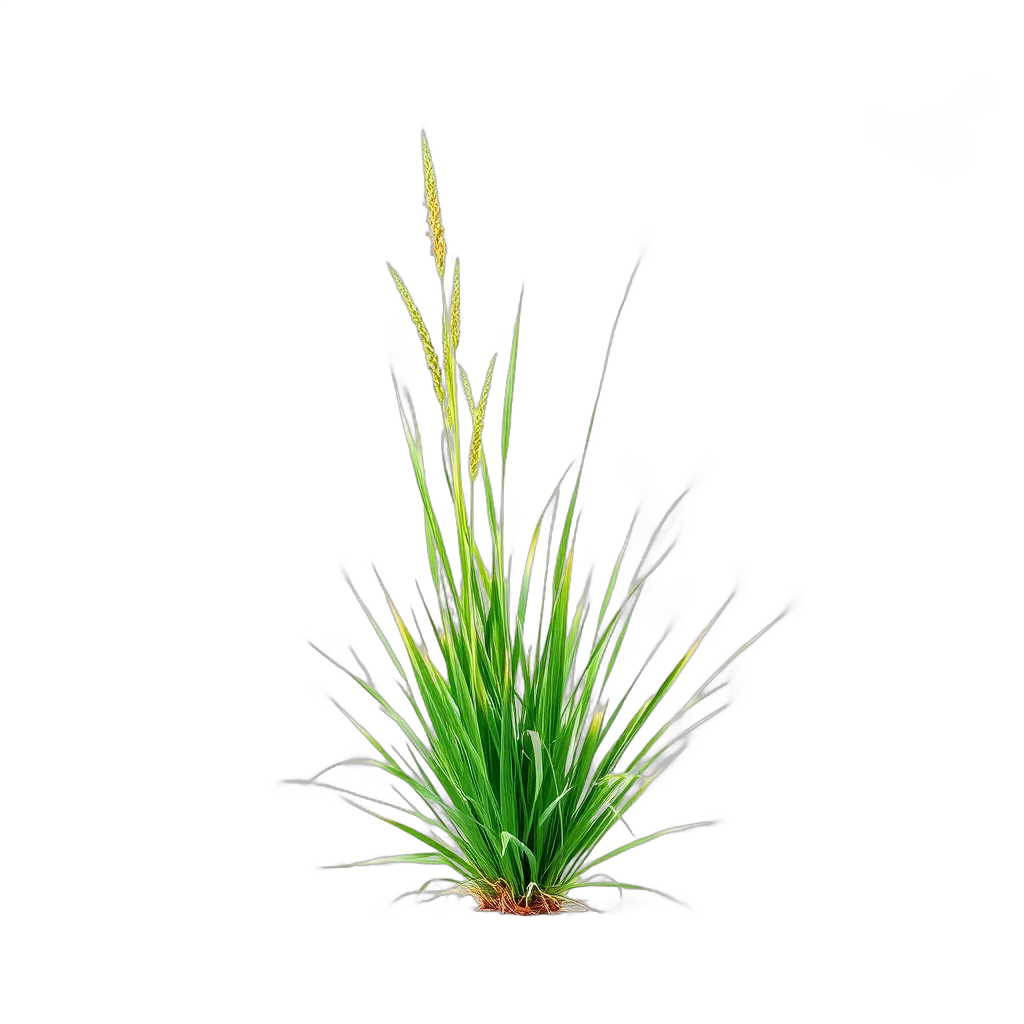
Bull Grass
Muhlenbergia emersleyi
grows to 4 feet, purple blooms in fall. Yellow fall color.
Featured Flowers & Perennials for Cottage/English Gardens
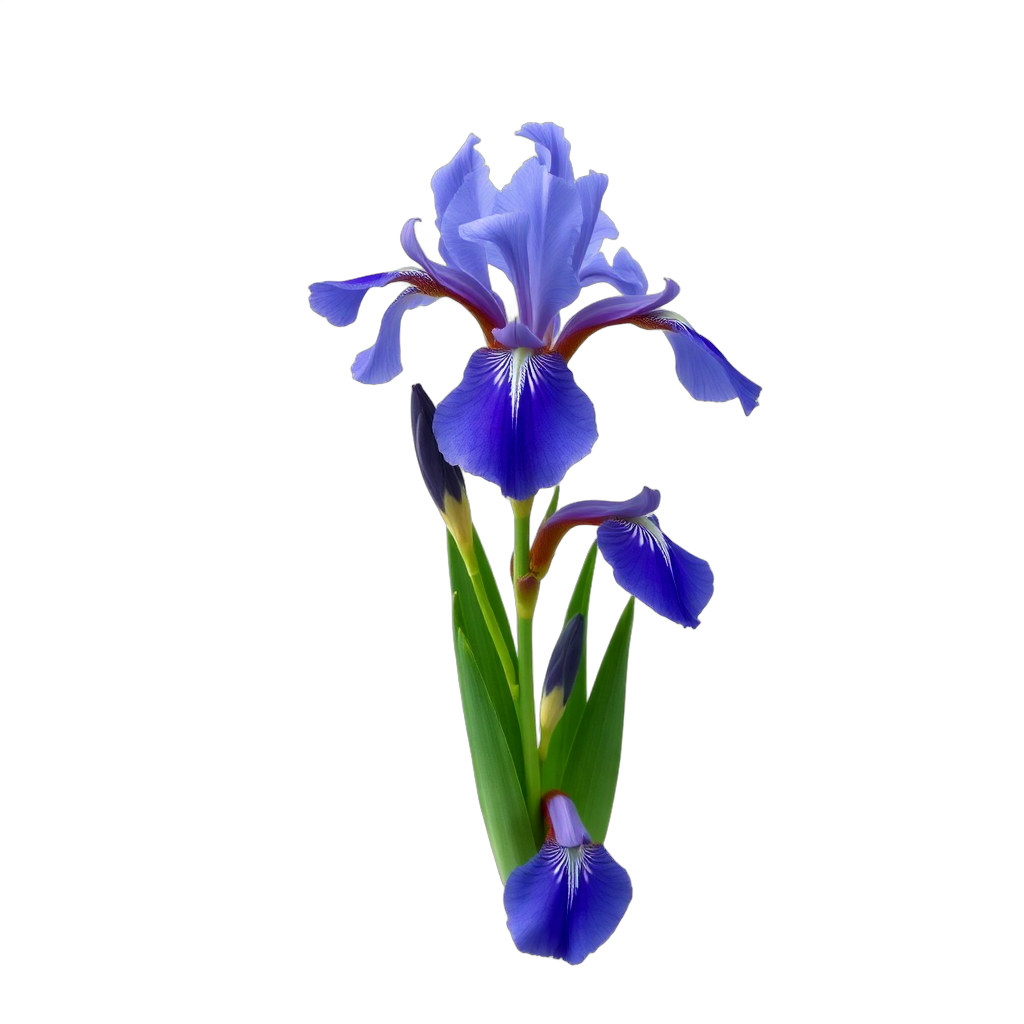
Blue Flag Iris
Iris versicolor
low-growing ground cover, purple blooms in spring. Attracts butterflies.

New York Ironweed
Vernonia noveboracensis
grows to 6 feet, purple blooms in fall. Attracts butterflies.
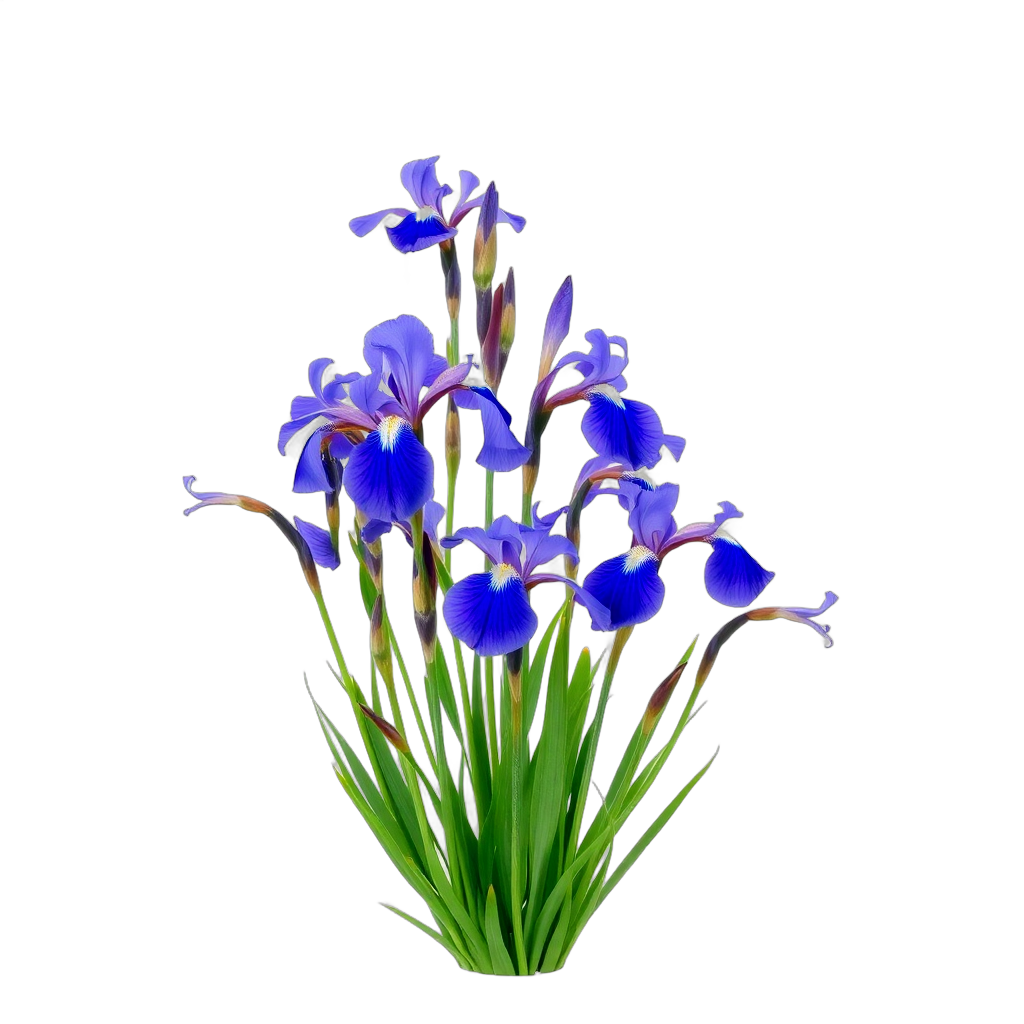
Southern Blue Flag
Iris virginica
low-growing ground cover, blue blooms in spring. Attracts butterflies.

Eastern Prickly Pear
Opuntia humifusa
low-growing ground cover, yellow blooms in summer. Attracts butterflies.
Zone and sun checks come from our database — confirm with your local nursery before you buy.
Bloom Calendar for New York
spring
Blue Flag Iris, Southern Blue Flag, Arrowwood Viburnumsummer
Ruby Spice Summersweet, Summersweet, Eastern Prickly Pearfall
New York Ironweed, Purple Love Grasswinter
Limited bloomsDesign Tips for New York (Zone 7b)
- NYC's summer humidity is your secret weapon — embrace it. Roses, foxgloves, delphiniums, and astilbe all thrive in humid conditions and will bloom more prolifically in a NYC July than they would in a dry western climate with the same temperatures
- In Zone 7b, most cottage perennials and shrub roses are reliably cold-hardy — focus winter prep on climbing roses (bundle canes loosely, mulch the crown) and any marginally hardy exotics, not your core plant palette
- Design vertically for small NYC lots: rose arches, wall trellises on brownstone fences, and pergolas multiply your planting surface without consuming the limited ground area
- Choose disease-resistant rose varieties for NYC's humid summers — 'New Dawn', 'Knock Out', 'Bonica', and 'Iceberg' resist black spot far better than hybrid teas and require no fungicide program
- In Ditmas Park and Forest Hills where front yards are generous, the full English treatment works — rose arch over the gate, lavender-flanked brick path, mixed perennial borders. In tighter Brooklyn brownstone blocks, focus the cottage investment in the backyard where you can control the space
- Amend soil deeply (18–24 inches) or build raised beds over compacted urban fill — cottage perennials are heavy feeders and NYC's underlying urban soil is often poor, compacted, or rubble-filled under a thin topsoil layer
Where to Source Plants in New York
Skip the big-box stores. These independent New York nurseries specialize in the plants that make cottage/english gardens thrive in Zone 7b.
Natty Garden
Prospect Heights, Brooklyn
Native plants, ornamental grasses, drought-tolerant shrubs, urban container gardening
Newtown Native Nursery
Greenpoint, Brooklyn
Locally-sourced native plants, pollinator-friendly perennials
Cottage/English Landscaping Costs in New York
| Project Scope | Estimated Cost |
|---|---|
| Rose arch + picket fence cottage entry (front yard) | $8,000 – $20,000 |
| Full cottage front yard redesign (300–500 sqft) | $12,000 – $25,000 |
| Brownstone backyard cottage terrace with arbor + planting | $22,000 – $55,000 |
| White pergola + rose garden full backyard transformation | $32,000 – $75,000 |
| Flagstone or bluestone pathway (NYC labor rates) | $25 – $45/sqft installed |
| AI visualization with ProScapeAI | Free to start |
Estimates based on New York, NY-area contractor rates as of 2026. Actual costs vary by site conditions, materials, and contractor.
New York Climate & Growing Zone
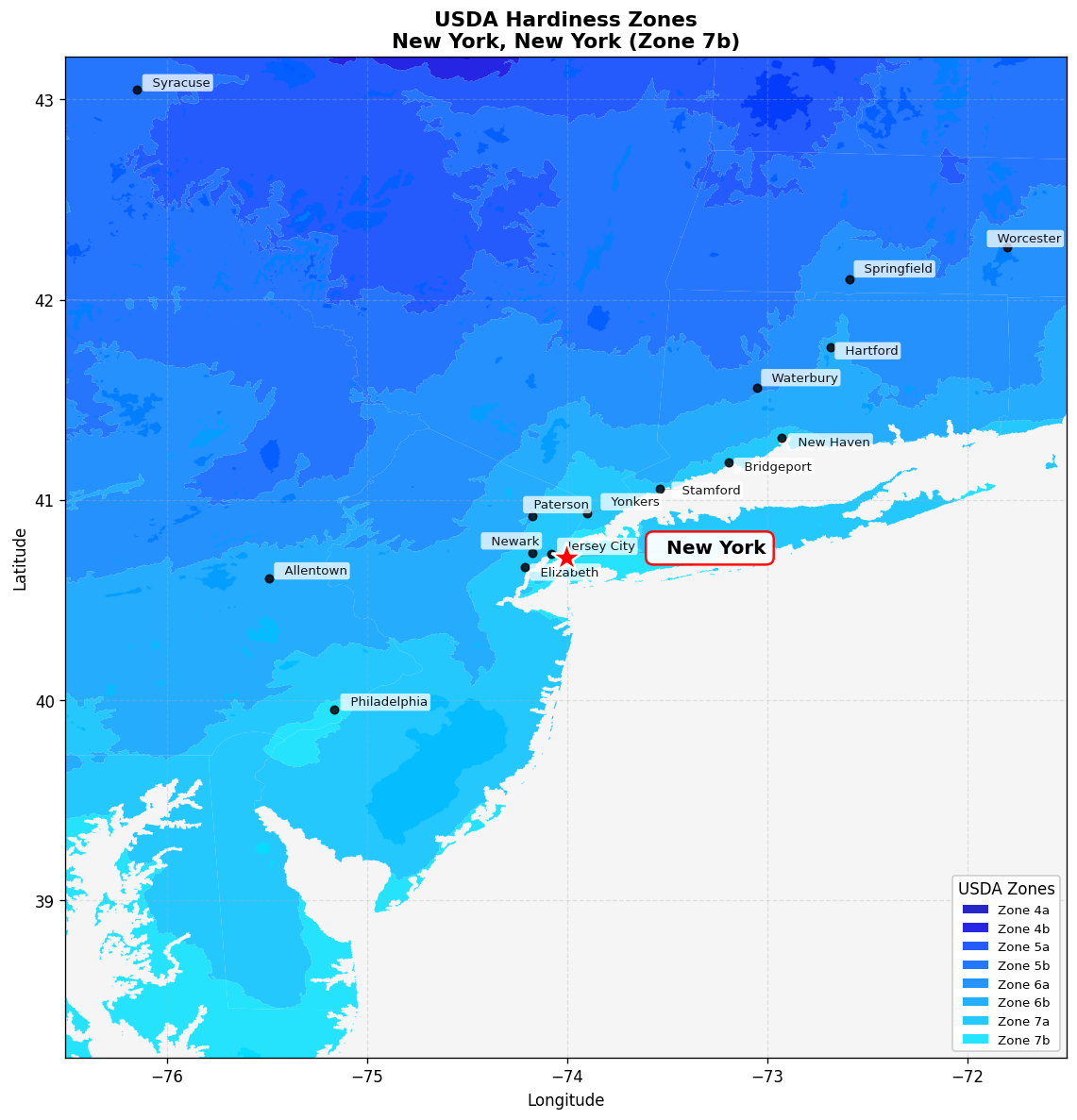
USDA Zone 7b
Hardiness zone for New York
Northeast US Coastal forests
Native ecoregionFrequently Asked Questions
Do cottage gardens actually work in NYC winters? What survives Zone 7b?
Yes — Zone 7b (minimum 5–10°F, typical winters bottoming out around 20°F) is well within the cold hardiness range of most cottage garden staples. Established lavender, salvia, catmint, coneflower, delphiniums, foxgloves (biennial but self-seeds reliably), astilbe, and most shrub roses come back every year without any protection. Climbing roses on arches benefit from light cane bundling and mulching at the base before December. The bigger winter risk in NYC is wet, poorly draining soil heaving roots — ensure good drainage in raised or amended beds.
What are the best roses for a NYC cottage garden in Zone 7b?
Proven Zone 7b performers for NYC: 'New Dawn' and 'American Pillar' for climbing arches and arbors (both cold-hardy and prolific bloomers), 'Bonica' and 'Knock Out' shrub roses for low-maintenance borders, 'Iceberg' floribunda for white flower mass, 'Cecile Brunner' for the classic small pink cottage rose look, and 'Eden' (Pierre de Ronsard) for the lush, cupped English rose appearance on fences. Avoid tender climbers without Zone 7b rating on north-facing exposures — they may die back severely in harsh winters.
How do you design a cottage garden on a small NYC brownstone backyard lot?
Think vertically first: rose arches, wall-mounted trellises, and pergolas multiply your planting surface without consuming floor space. Keep one paved or flagstone area for furniture (8–10 sqft minimum) and dedicate the perimeter to deep planted borders (18–24 inches of soil depth minimum — add raised beds over concrete if needed). A single focal point — a rose arch, bird bath, or ornamental bench — gives the garden structure. Resist the urge to over-plant with too many species; five or six well-chosen cottage plants in repetition reads as intentional and lush.
Is NYC's humidity actually good or bad for cottage gardens?
Mostly good, with one caveat. The regular summer rainfall and high humidity in NYC keeps cottage perennials lush and blooming through July and August without supplemental irrigation — a major advantage over dry western climates where the same plants need 1–2 inches of water per week from a hose. Roses especially respond to humidity with thicker foliage and more prolific reblooming. The caveat: high humidity can increase fungal diseases like black spot on roses. Choose disease-resistant varieties (Knock Out, Bonica, New Dawn) and ensure good air circulation in dense plantings.
When should I plant and prep my NYC cottage garden for winter?
Fall (October–early November) is ideal for planting perennials, roses, and spring bulbs — mild temperatures and natural rainfall handle establishment. Before the first hard freeze (usually mid-November in NYC), mulch rose crowns with 3–4 inches of shredded bark, bundle the canes of climbing roses loosely if they're on an exposed north-facing structure, and cut back dead foliage on perennials or leave seed heads for birds and winter interest. In spring, pull back mulch gradually as temperatures stabilize above freezing in late March.
How much does a cottage garden cost in NYC compared to other cities?
NYC carries a significant labor premium — expect 30–50% higher installation costs than national averages. A simple rose arch entry with perennial borders runs $8,000–18,000 for a typical Brooklyn front yard. A full backyard cottage garden with pergola, arbor, and planting typically runs $25,000–60,000 depending on scope and existing conditions. Materials (stone, hardwood arbors, wrought iron) cost similarly to other cities; the premium is in skilled labor. The good news: cottage perennials are long-lived, and an established NYC cottage garden needs minimal replacement planting after year two.