4 Desert Garden Ideas for Albuquerque, NM | Xeriscape for the Colorado Plateau
Native plants from the Colorado Plateau shrublands (Zone 7b) — Cold semi-arid climate
Why Desert/Xeriscape Gardens in Albuquerque?
Albuquerque's Colorado Plateau shrubland ecoregion is a world apart from the low-desert Sonoran. At 5,300 feet, winters bring hard freezes (to 5°F), winds howl in spring, and the summer sun at high altitude has an intensity that surprises newcomers. The native plants here — chamisa, Apache plume, four-wing saltbush, blue grama, penstemon — evolved under exactly these conditions and are the most honest foundation for a truly sustainable Albuquerque yard. This is high-desert xeriscape, not just drought-tolerant landscaping.
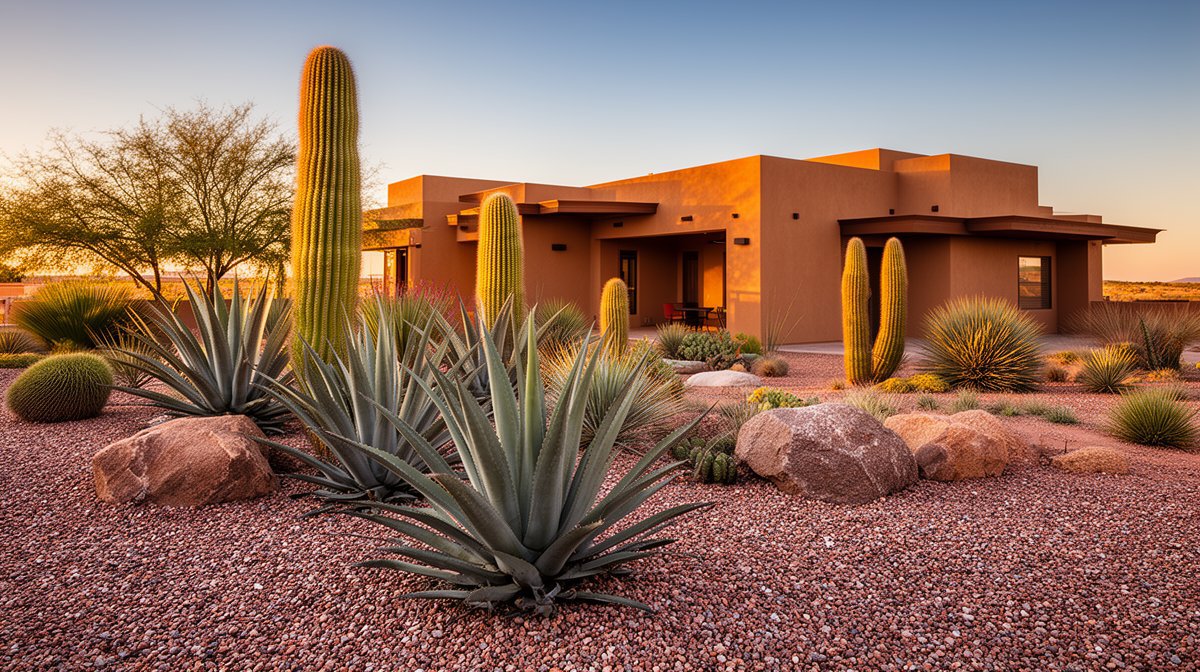
The natural landscape around Albuquerque is spectacular: the Rio Grande bosque with its cottonwood galleries and river cobble, the chamisa-covered mesas glowing gold every September, the pinon-juniper foothills climbing toward the Sandias. A desert garden in Albuquerque draws on this rich regional vocabulary — warm earth-tone gravels, river rock dry washes, native shrubs in naturalistic masses, and the occasional specimen agave or yucca for architectural drama. Neighborhoods like the North Valley, Old Town, and the West Mesa have yards that do this well, connecting home to landscape in a way that feels rooted and authentic.
Water conservation is the defining issue for Albuquerque's long-term future. The city draws heavily from the Rio Grande and an aquifer that has dropped measurably in recent decades. ABCWUA's turf removal rebate and tiered water pricing both push toward xeriscape. A well-designed native desert garden can sustain itself on natural rainfall alone after 2–3 establishment years, eliminating outdoor water bills entirely — while looking more beautiful and more regionally authentic than any lawn.
4 Desert/Xeriscape Design Ideas for Albuquerque
AI-generated image
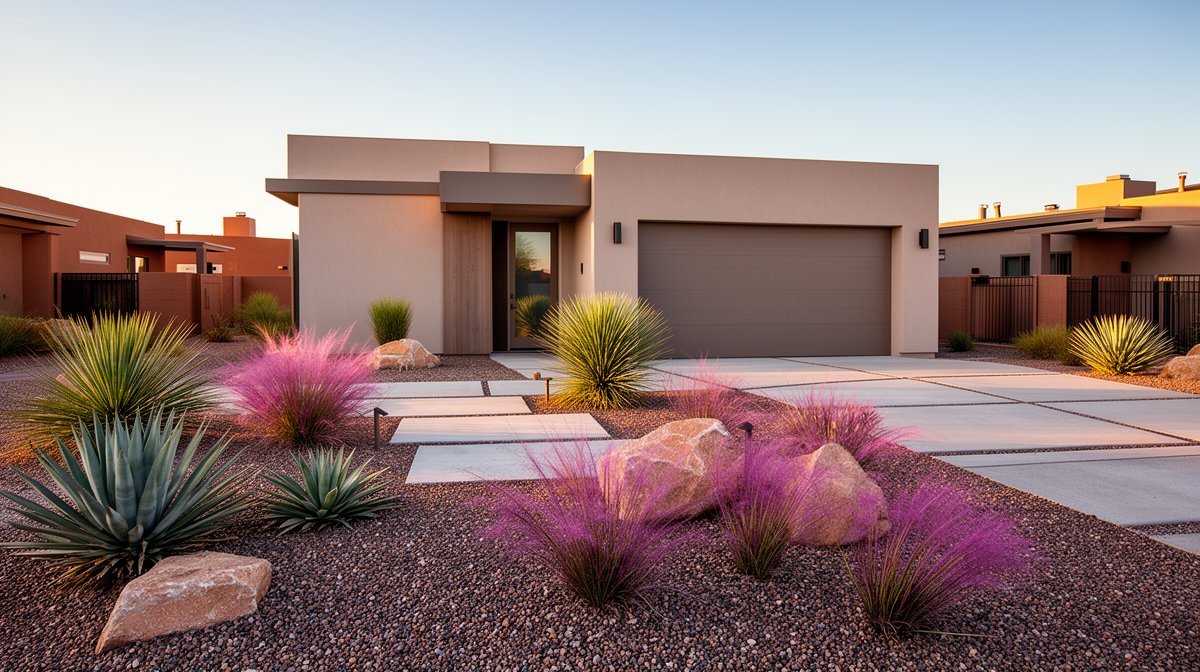
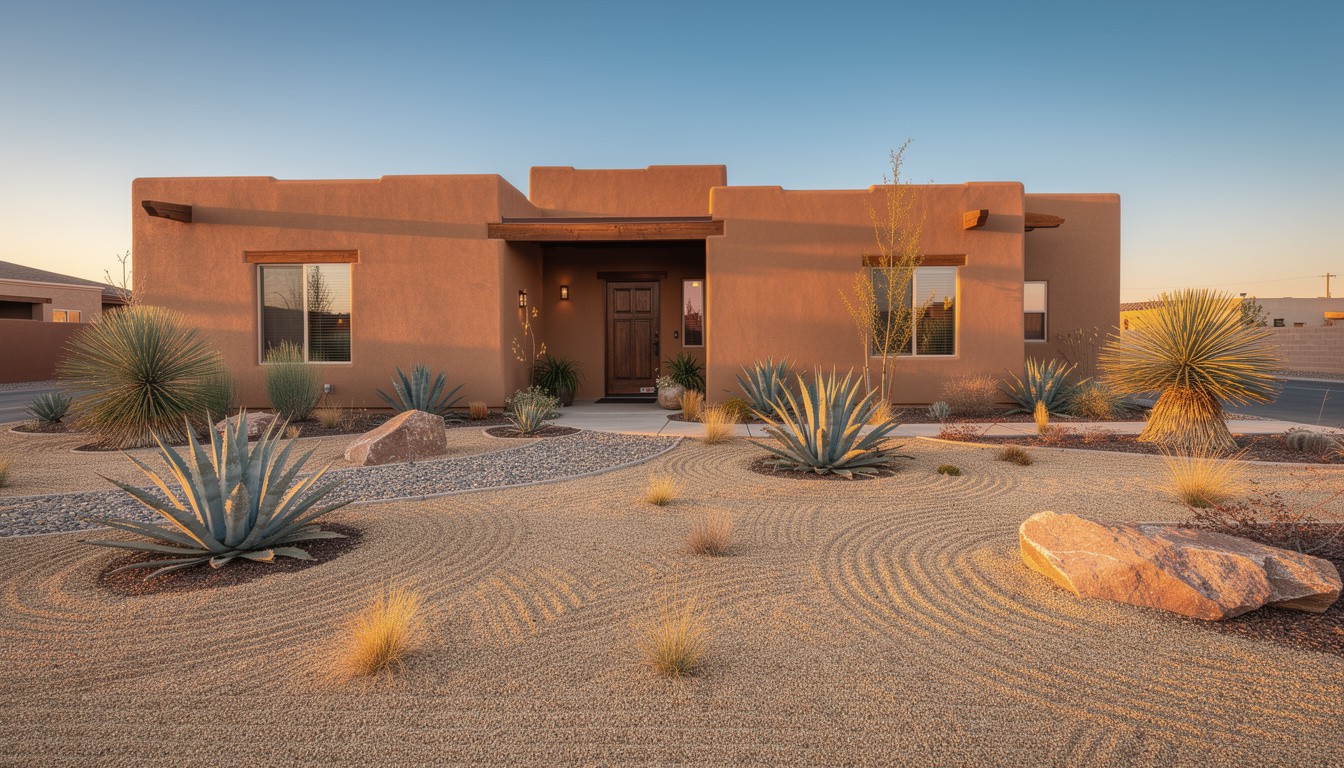
The Raked Gravel Agave Garden
$8–15/sqftA terracotta-toned pueblo home faces a front yard of fine raked sand-colored gravel, with bold agave specimens as the sculptural anchors and yucca adding vertical accents. Large boulders ground the composition while the clean lines of the raked gravel surface create a meditative, minimalist quality. Pure high-desert xeriscape — no irrigation required after establishment.
AI-generated image
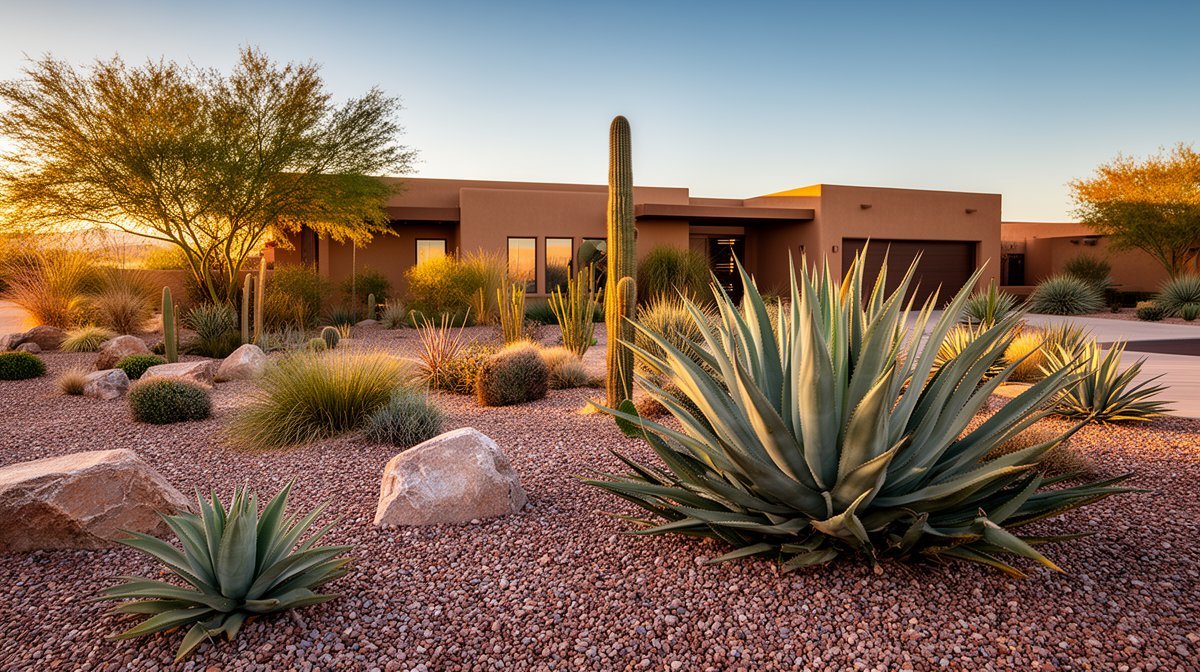
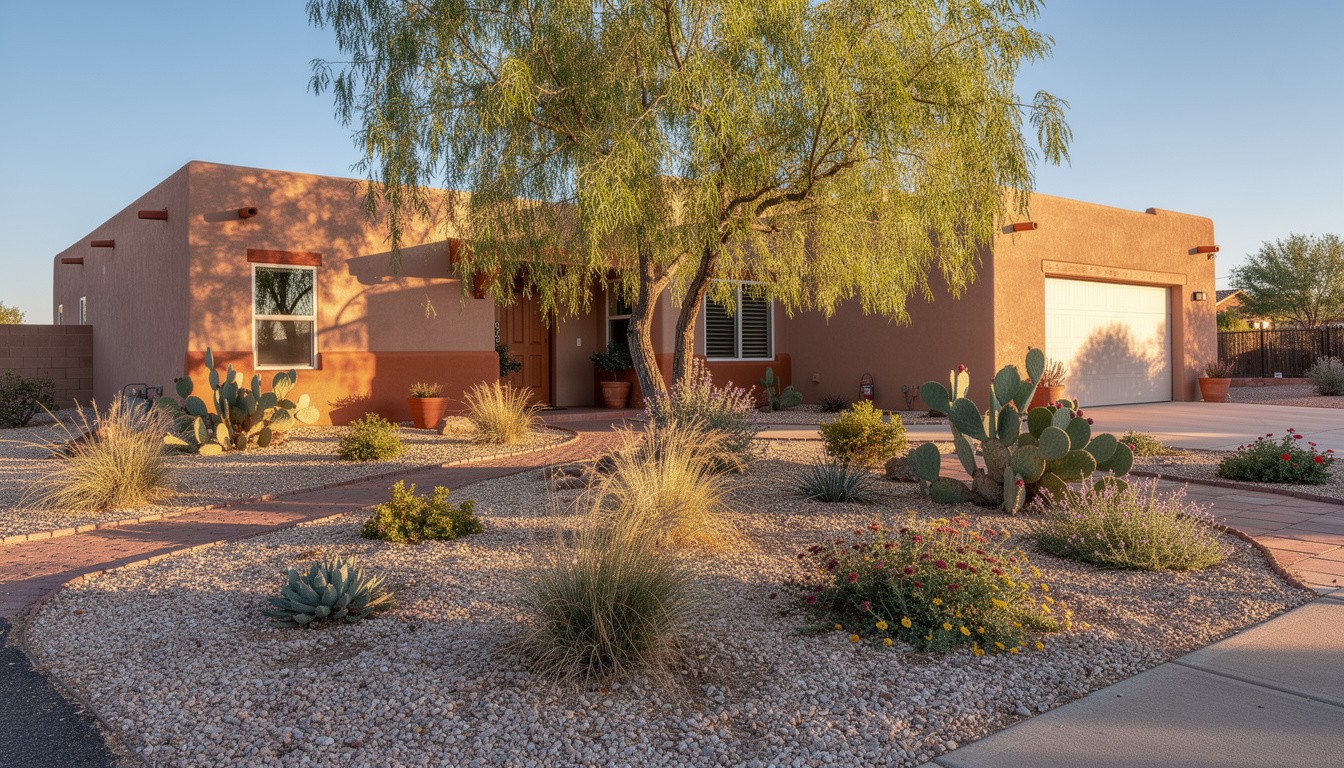
The Desert Willow and Cactus Garden
$10–18/sqftA desert willow anchors the center of this xeriscape front yard, its weeping form providing filtered shade over a ground plane of warm pea gravel punctuated by prickly pear cactus, low agave, and colorful flowering shrubs. A curving concrete path winds through the composition to the front door. The desert willow in bloom — covered in orchid-like pink flowers in summer — stops traffic on any street.
AI-generated image
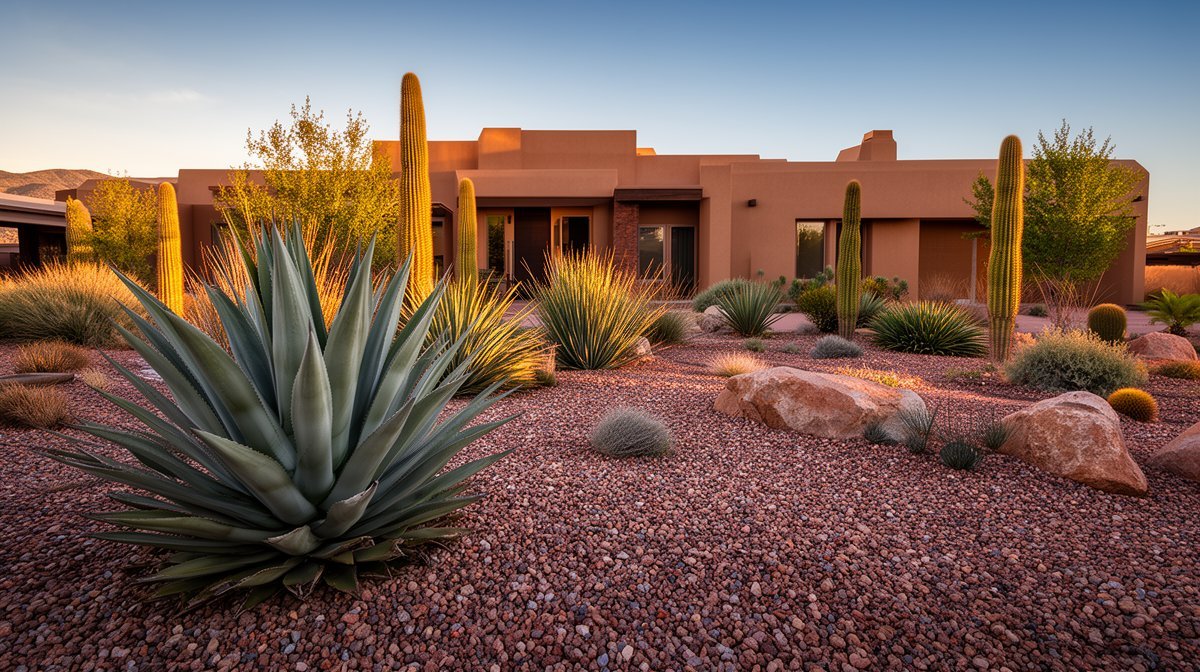
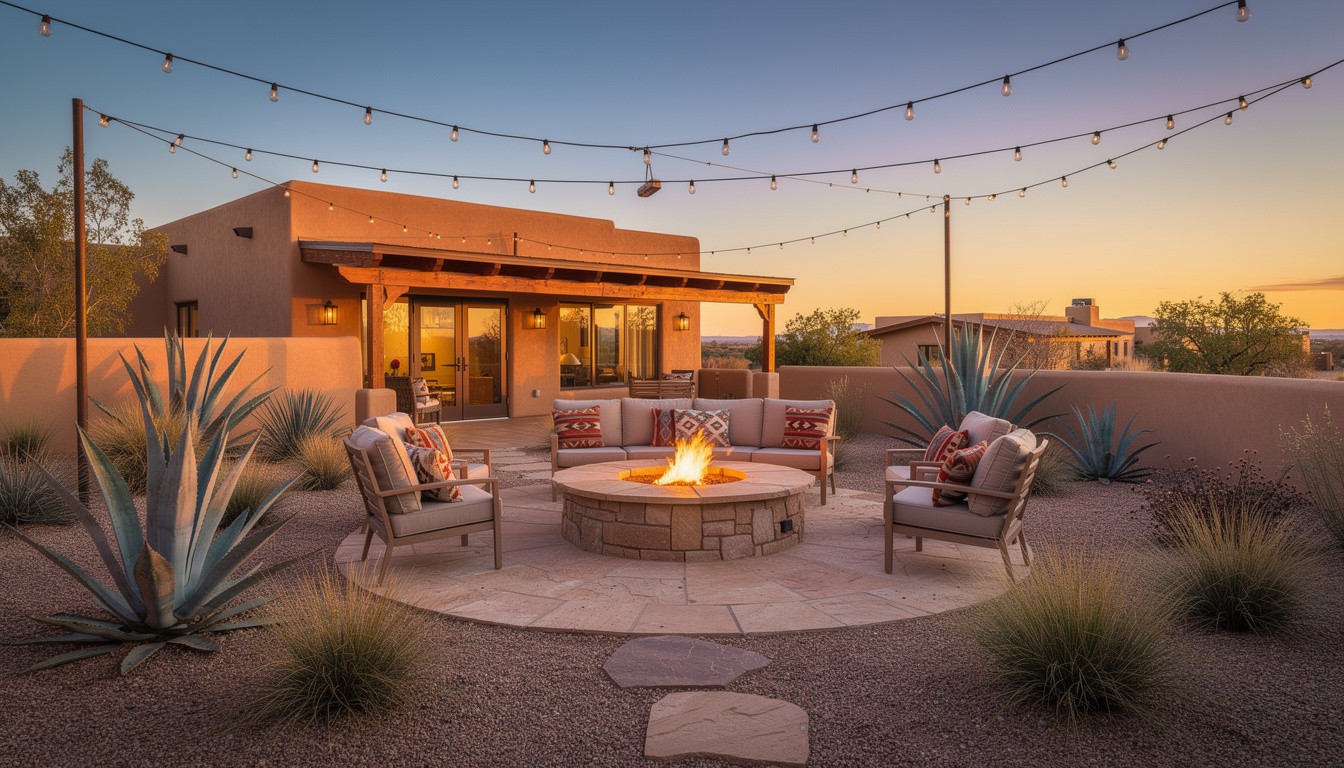
The Courtyard Fire Circle
$20–40/sqftA circular flagstone fire pit area surrounded by low lounge chairs sits at the center of a gravel-and-agave patio space, framed by a wood pergola strung with bistro lights. Large agave specimens flank the seating area while ornamental grasses soften the perimeter. The terracotta stucco home glows warm at dusk as the fire catches — this is Albuquerque outdoor living.
AI-generated image
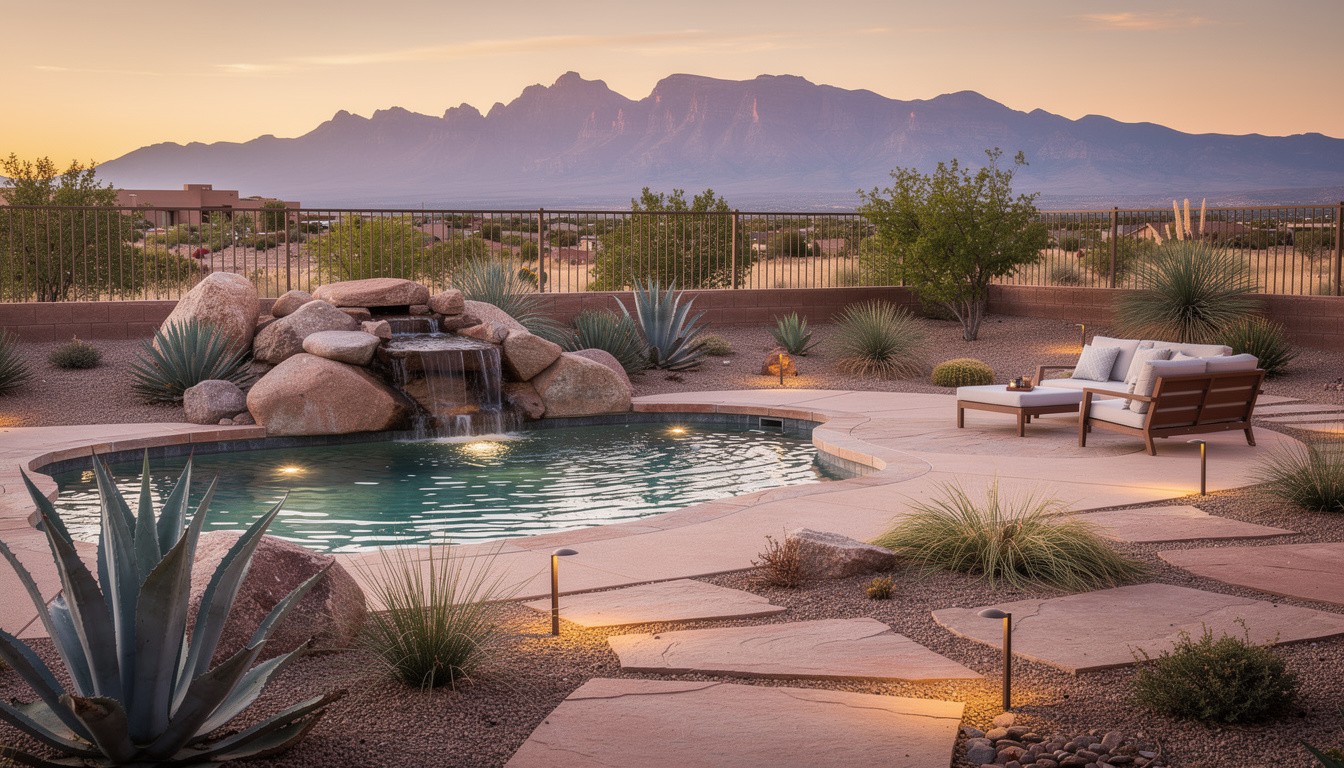
The Mountain View Pool and Xeriscape
$60–120/sqftA freeform pool with a boulder waterfall feature occupies one end of a broad concrete patio, with a built-in gas fire feature and lounge seating at the other. Agave, ornamental grasses, and flowering desert shrubs in crushed gravel beds frame the entire space. The Organ Mountains or Sandia Mountains create a dramatic distant backdrop. Desert xeriscape meets resort-level pool design.
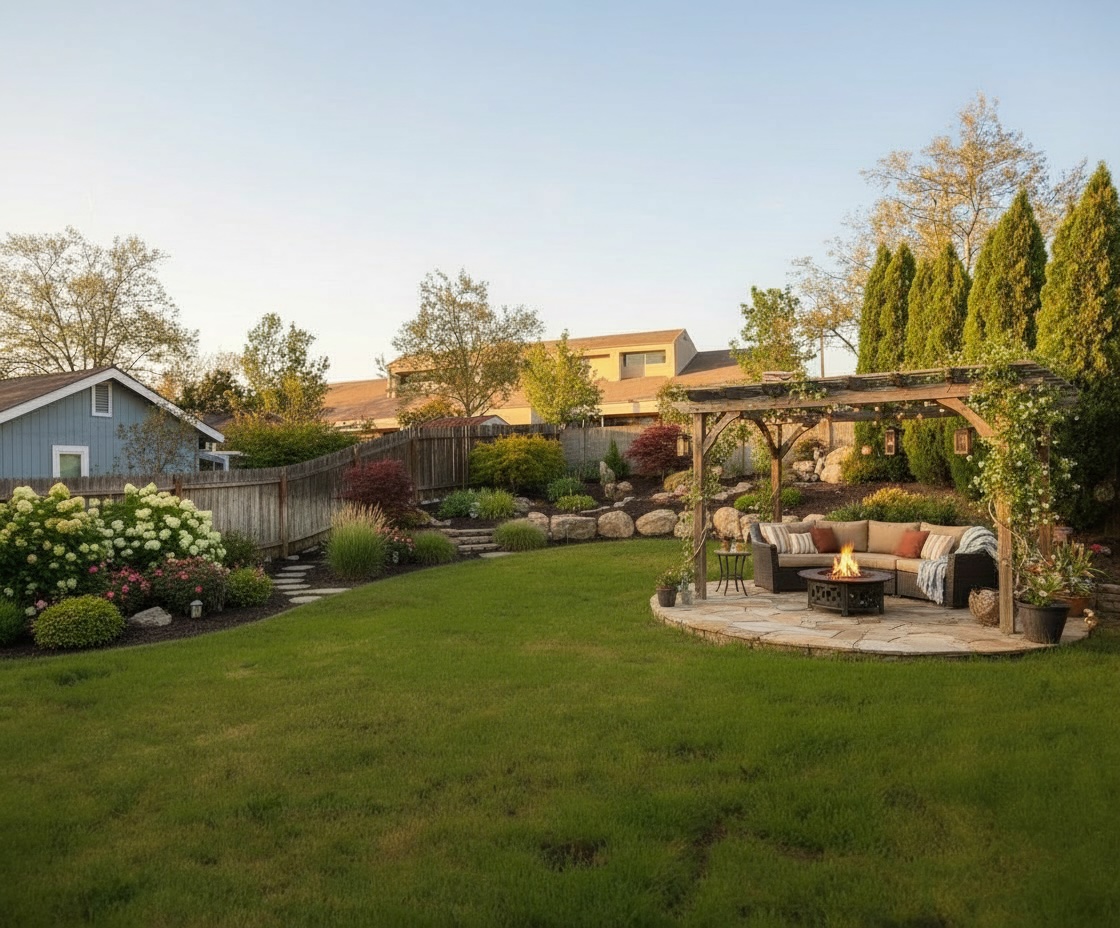
See how a desert/xeriscape garden looks on YOUR property
Upload a photo of your Albuquerque yard and visualize your dream garden in seconds.
Try ProScapeAI Free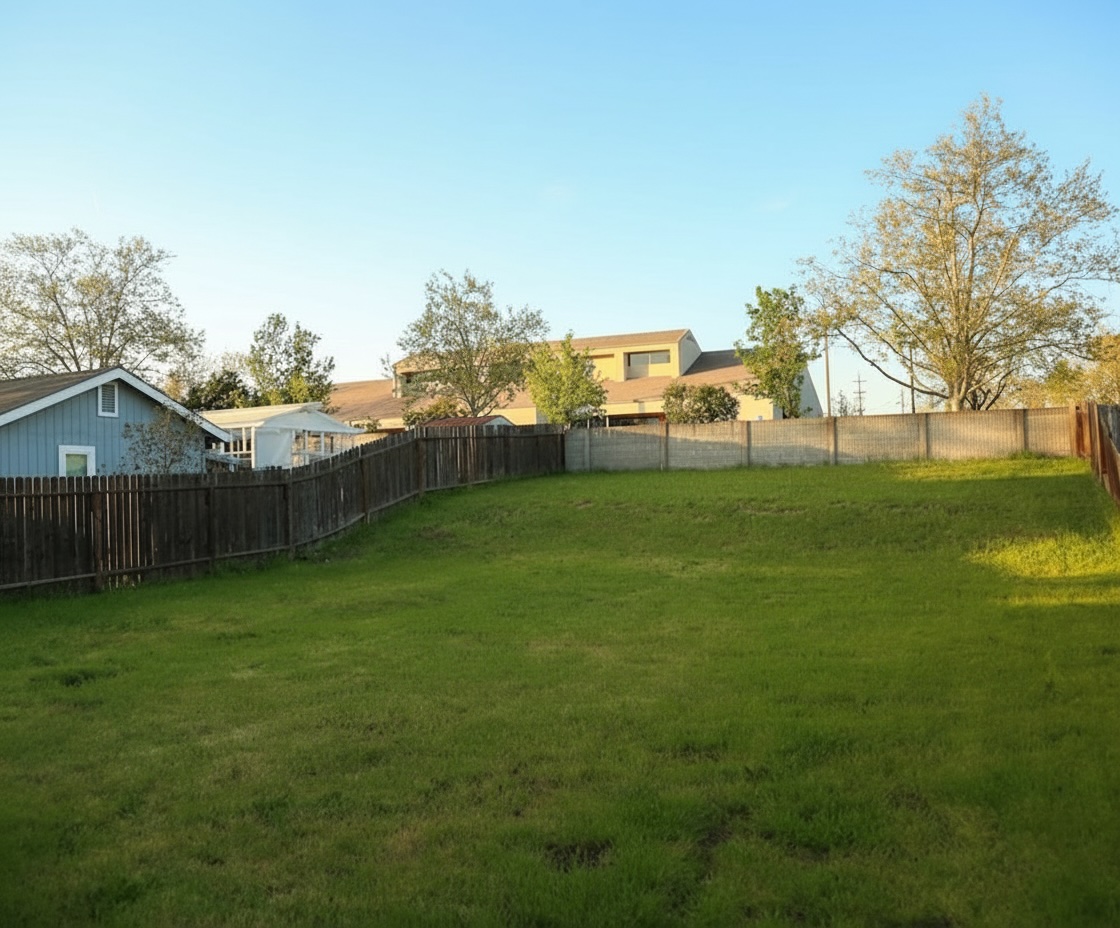
AI-generated image
Featured Trees & Shrubs for Desert/Xeriscape Gardens
Browse all 160 plants for Albuquerque
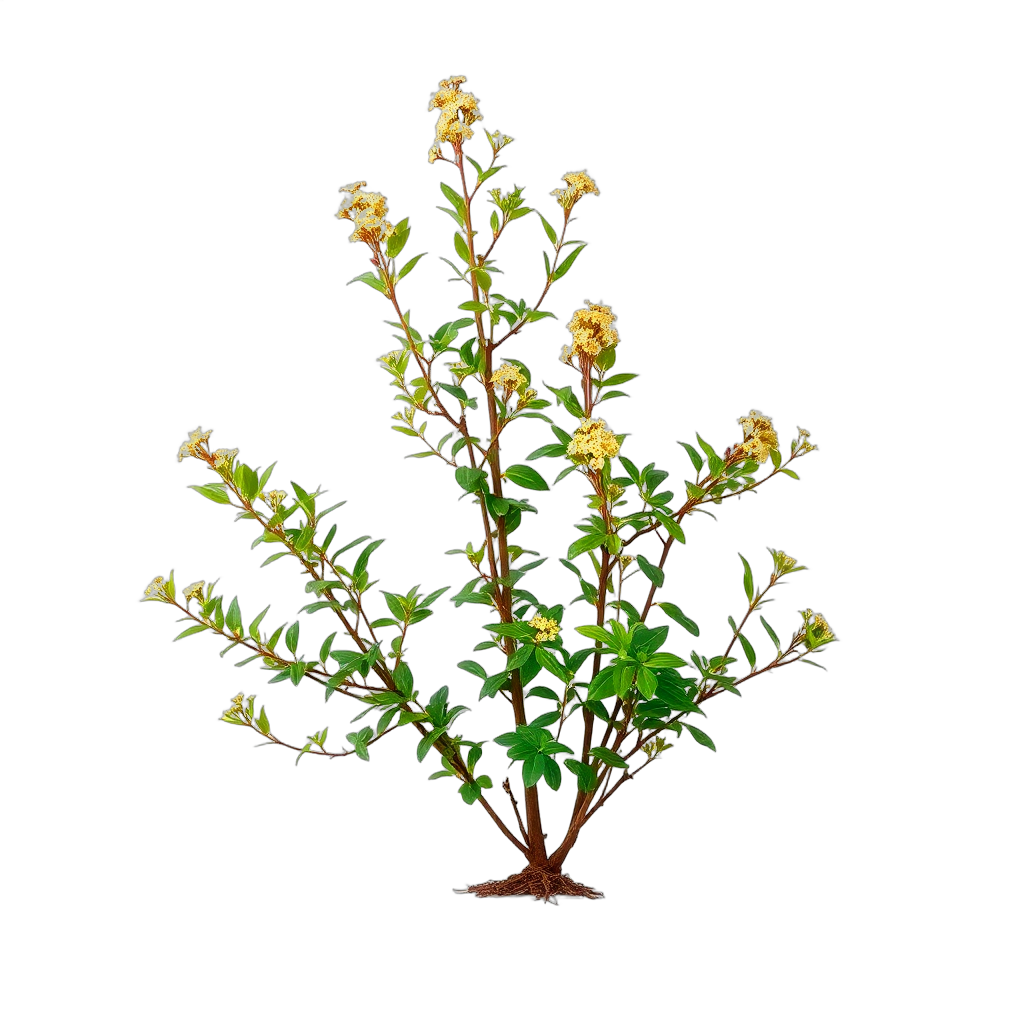
Apache Plume
Fallugia paradoxa
grows to 6 feet, white blooms in summer. Attracts butterflies.
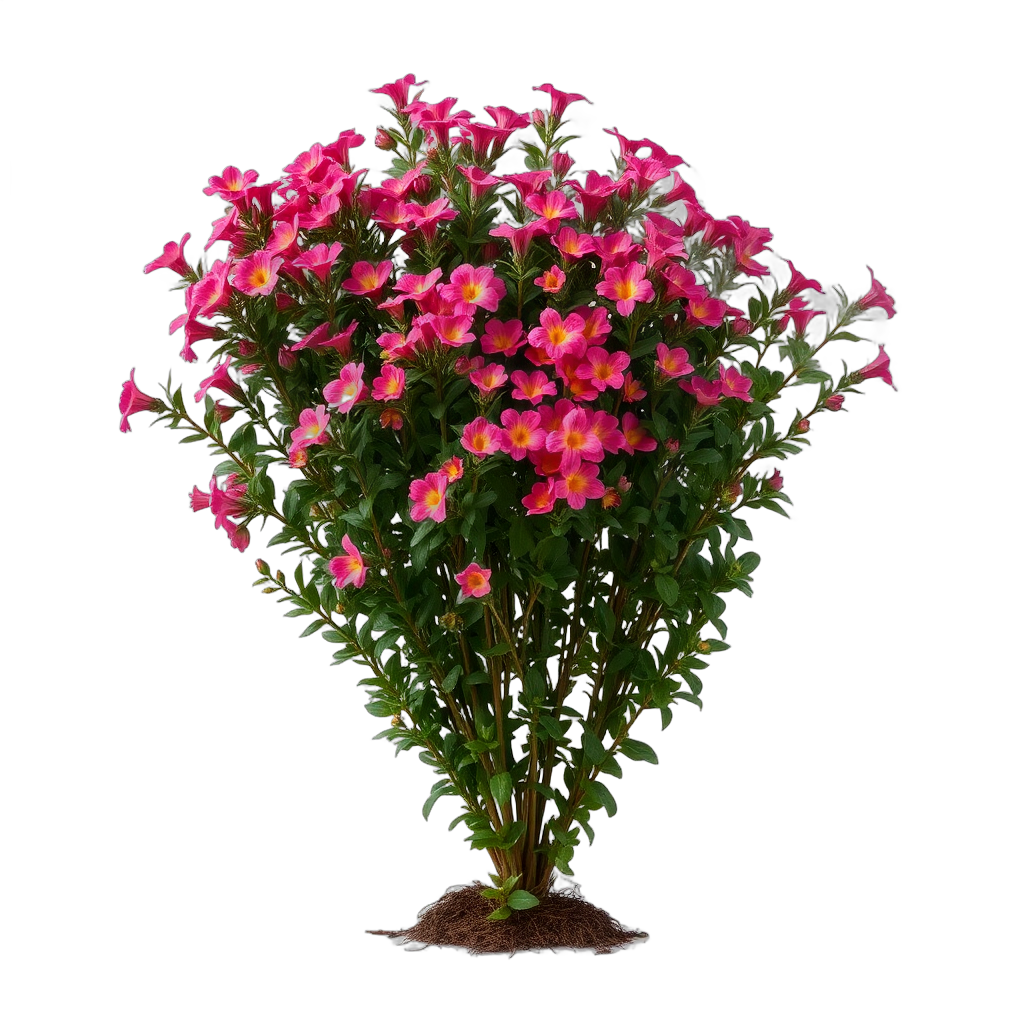
Cliff Fendlerbush
Fendlera rupicola
grows to 5 feet, white blooms in spring. Pollinator-friendly.
Cliffrose
Purshia mexicana
medium-sized at 8 feet, yellow blooms in spring. Attracts butterflies.
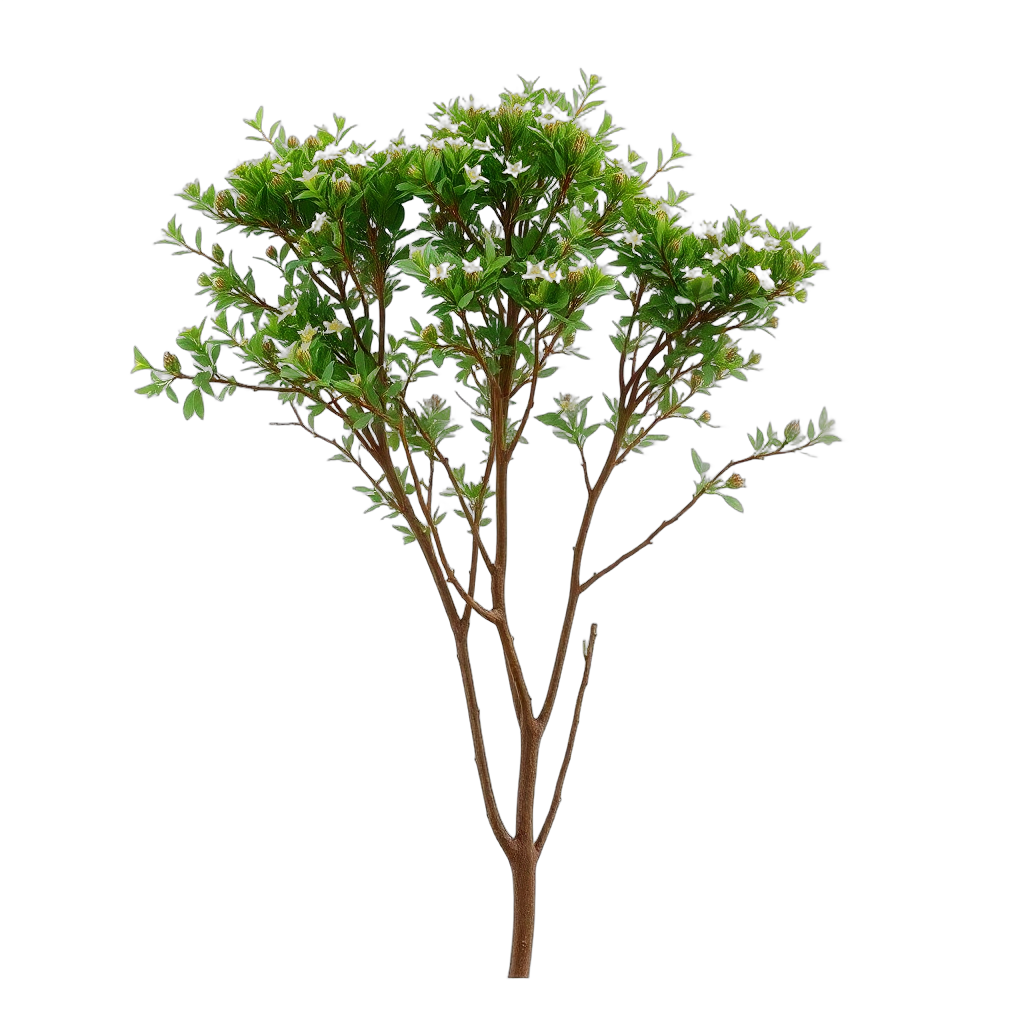
New Mexico Privet
Forestiera neomexicana
medium-sized at 10 feet, blooms in spring. Pollinator-friendly.
Featured Grasses & Groundcovers for Desert/Xeriscape Gardens
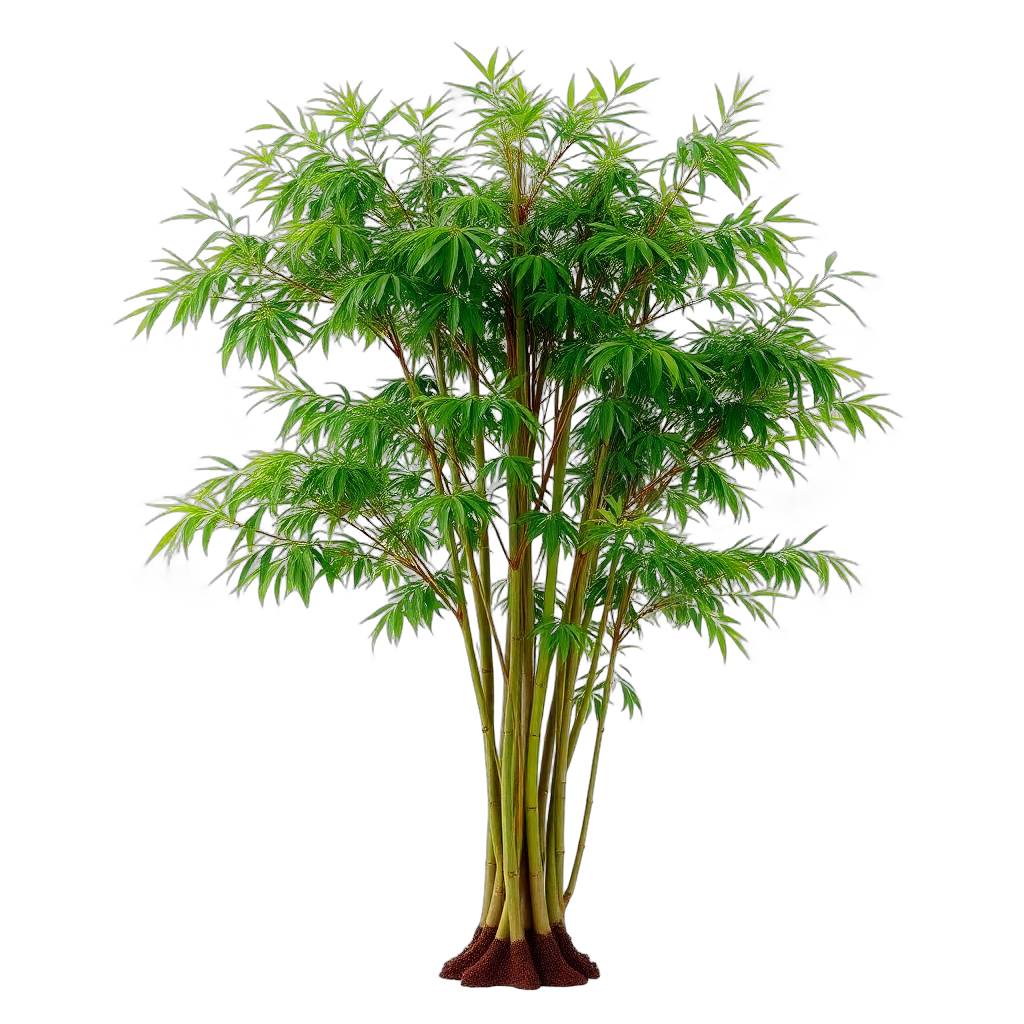
Arrow Bamboo
Pseudosasa japonica
medium-sized at 15 feet, blooms in none. Evergreen year-round.
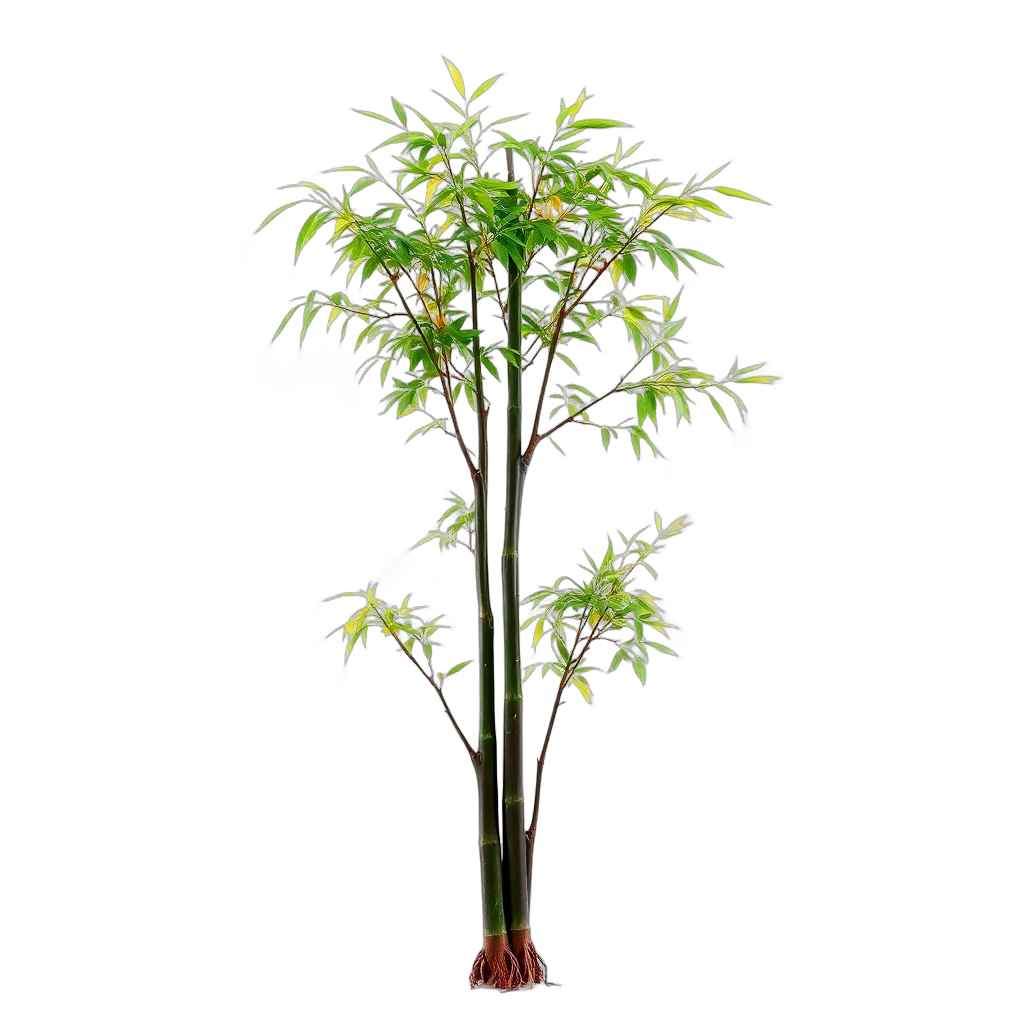
Black Bamboo
Phyllostachys nigra
reaches 25 feet tall, blooms in none. Evergreen year-round.
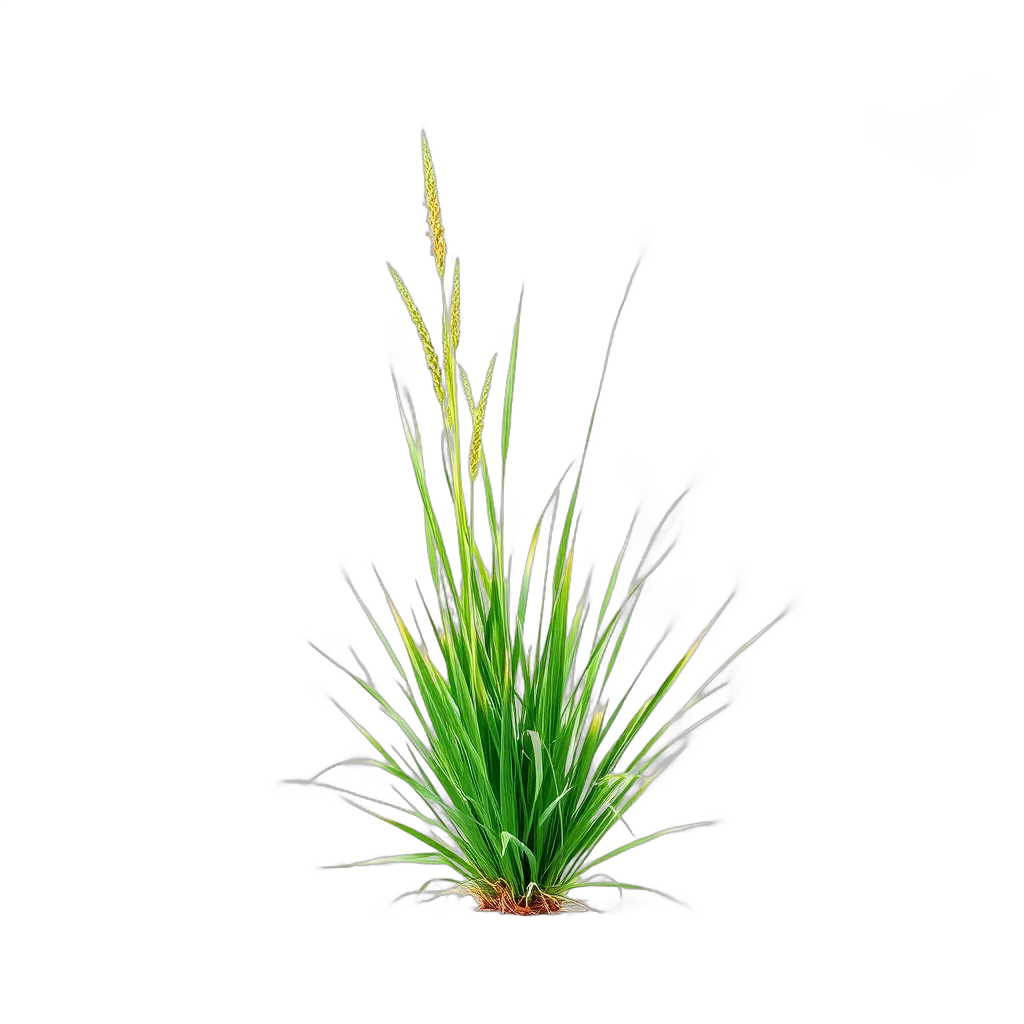
Bull Grass
Muhlenbergia emersleyi
grows to 4 feet, purple blooms in fall. Yellow fall color.
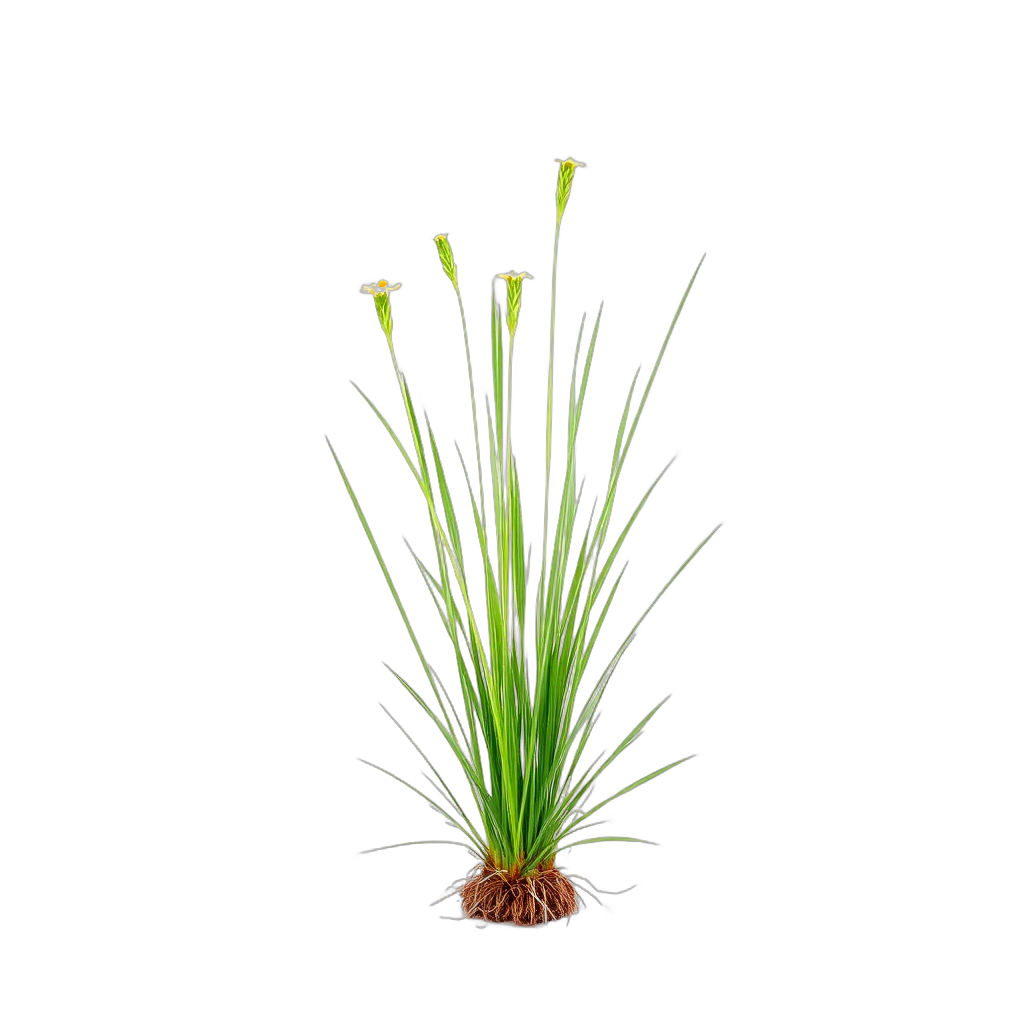
California Melic
Melica californica
low-growing ground cover, blooms in spring.
Featured Flowers & Perennials for Desert/Xeriscape Gardens
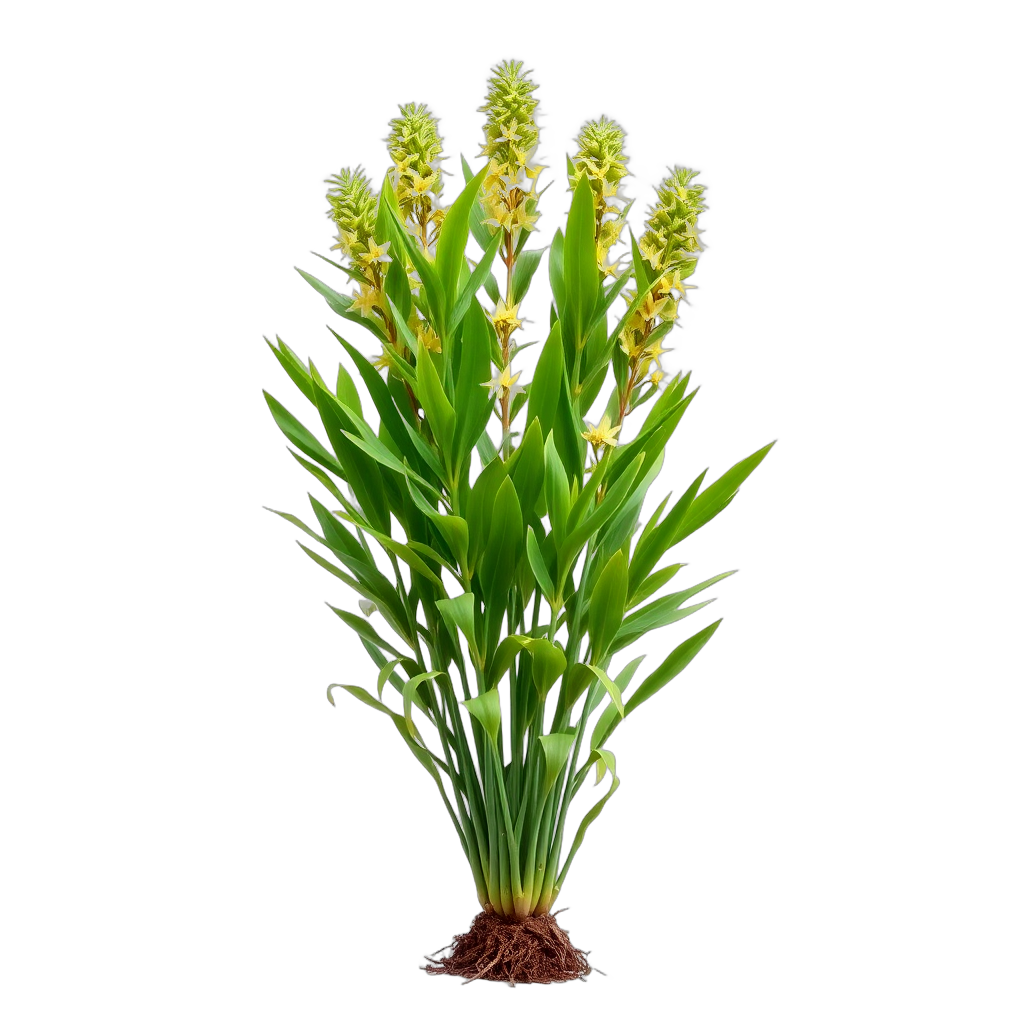
Banana Yucca
Yucca baccata
low-growing ground cover, white blooms in spring. Attracts hummingbirds.
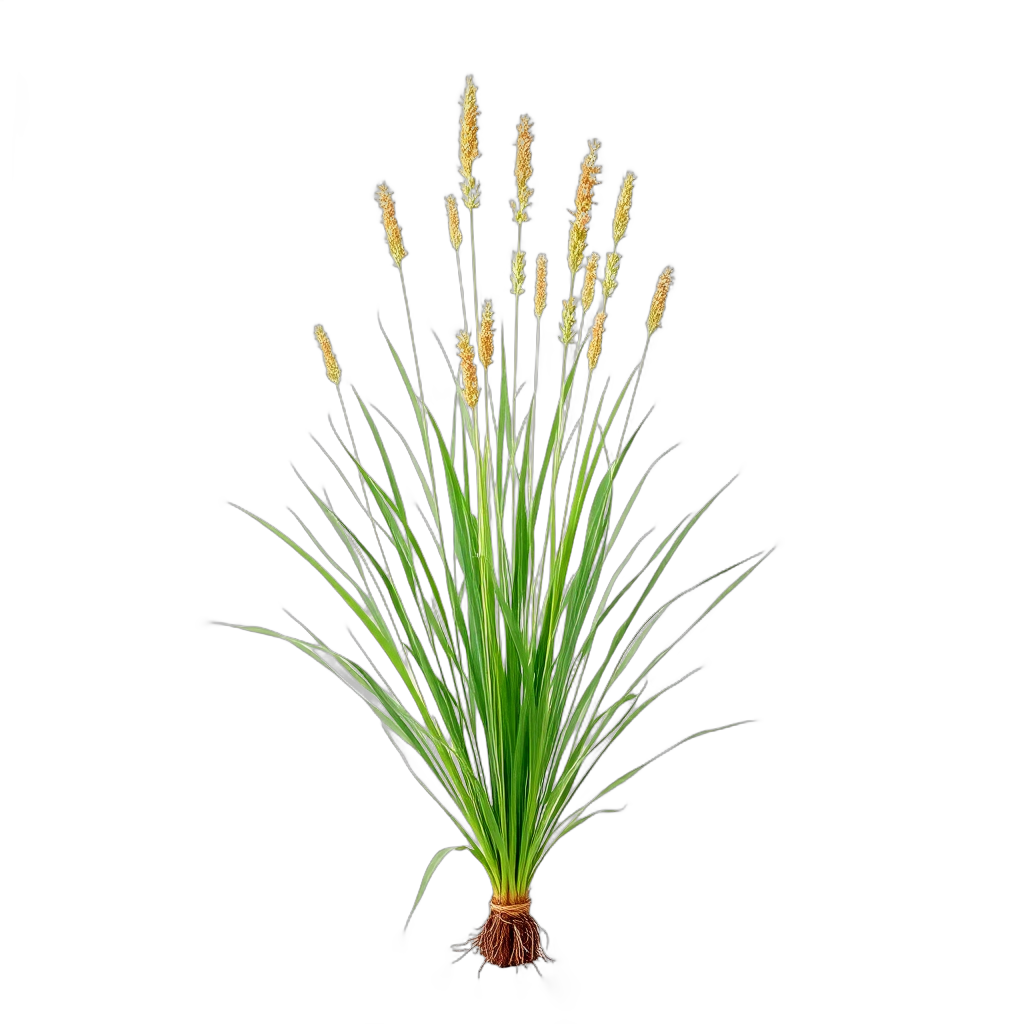
Beargrass
Nolina microcarpa
low-growing ground cover, white blooms in summer. Evergreen year-round.

Water Fern
Azolla filiculoides
low-growing ground cover, blooms in none. Red fall color.
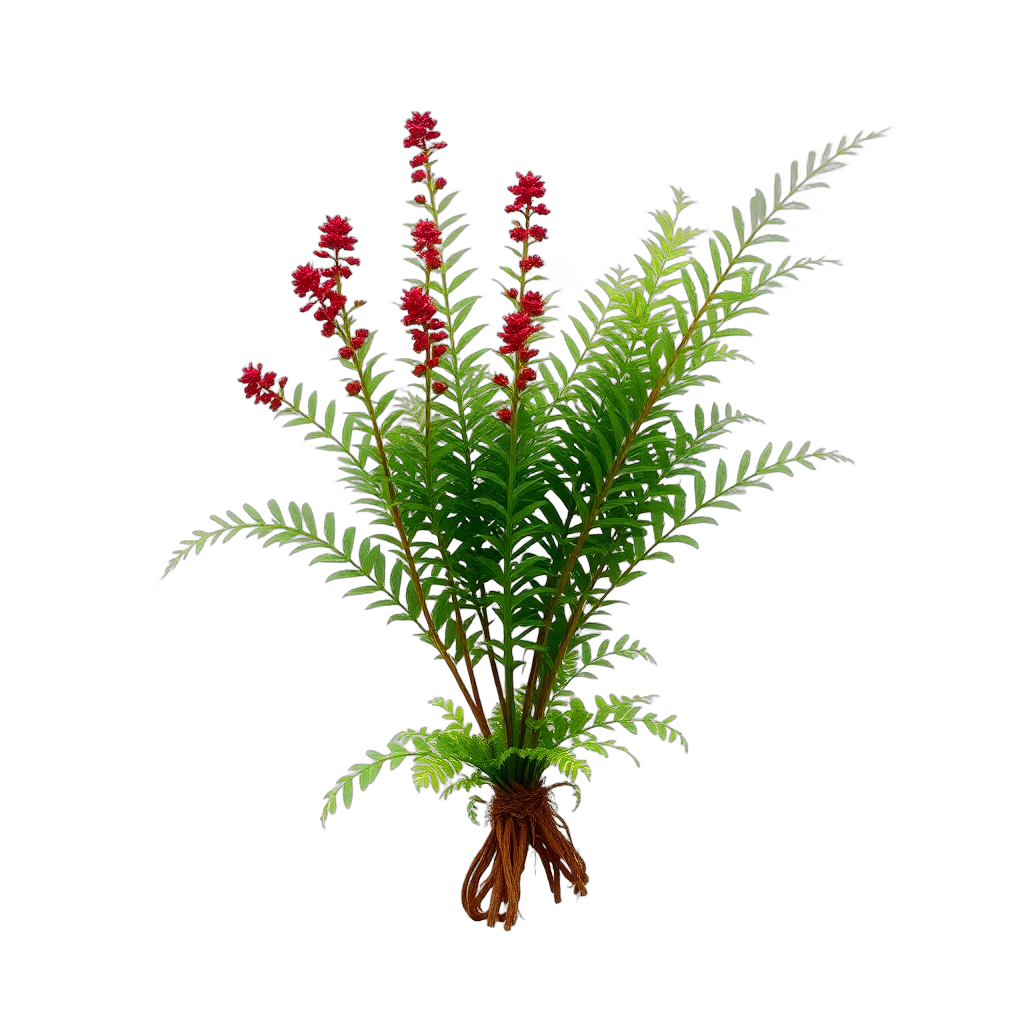
Holly Fern
Cyrtomium falcatum
low-growing ground cover, blooms in none. Evergreen year-round.
Zone and sun checks come from our database — confirm with your local nursery before you buy.
Bloom Calendar for Albuquerque
spring
Banana Yucca, Cliff Fendlerbush, Cliffrosesummer
Beargrass, Apache Plume, Angel's Fishing Rodfall
Rubber Rabbitbrush, Anise Sagewinter
Limited bloomsDesign Tips for Albuquerque (Zone 7b)
- Plant chamisa and Apache plume in masses of 3–5 rather than as singles — mass plantings read as designed and create the dramatic seasonal color that makes Albuquerque's high-desert landscapes so distinctive
- Break through caliche hardpan when planting trees — use a jackhammer or rented auger to create a planting pocket at least 24 inches deep to allow proper root establishment and drainage
- Use DG in the 3/8" minus size for Albuquerque yards — the spring winds (20–35 mph regular) blow fine DG away, while the slightly coarser size stays put and still reads beautifully
- Install a dry arroyo drainage feature on the low side of your lot before monsoon season — Albuquerque's July–August storms can dump an inch of rain in 30 minutes and caliche soils shed water fast
- Choose cold-hardy agave species (Agave parryi, Agave neomexicana) rather than tender Sonoran varieties — Zone 7b winters with lows to 5°F will kill unprotected Agave americana during hard freezes
- Apply for the ABCWUA turf removal rebate before you start work and document the existing turf with dated photos — the $1.50/sqft rebate requires before photos and the paperwork is straightforward
Where to Source Plants in Albuquerque
Skip the big-box stores. These independent Albuquerque nurseries specialize in the plants that make desert/xeriscape gardens thrive in Zone 7b.
Plants of the Southwest
Agua Fria / Near Westside
The definitive source for native New Mexico plants, seeds, grasses, and wildflowers since 1976
Osuna Nursery
Northeast Heights
Full-service nursery specializing in xeriscape, native, and Zone 7 drought-adapted plants
Agua Fria Nursery
Santa Fe (widely used by ABQ landscapers)
Native and drought-adapted perennials, ornamental grasses, shrubs for high desert
Desert Survivors Nursery
Tucson (ships to NM, trusted source for cold-hardy desert plants)
Native Sonoran and high-desert cacti, agave, yucca — many cold-hardy to Zone 7
Rio Grande Wholesale Nursery
Rio Rancho / North Albuquerque
Native trees, shrubs, ornamental grasses — wholesale and retail
Desert/Xeriscape Landscaping Costs in Albuquerque
| Project Scope | Estimated Cost |
|---|---|
| Front yard native xeriscape conversion (400–600 sqft) | $4,000 – $9,000 |
| Full backyard desert redesign with patio | $14,000 – $40,000 |
| Turf removal + gravel + native plants (per sqft) | $3 – $8/sqft |
| Dry arroyo / drainage feature installation | $1,500 – $5,000 |
| Large agave or specimen yucca (installed) | $150 – $500 per plant |
| ABCWUA turf removal rebate (up to) | $3.00/sqft credit |
| AI visualization with ProScapeAI | Free to start |
Estimates based on Albuquerque, NM-area contractor rates as of 2026. Actual costs vary by site conditions, materials, and contractor.
Albuquerque Climate & Growing Zone
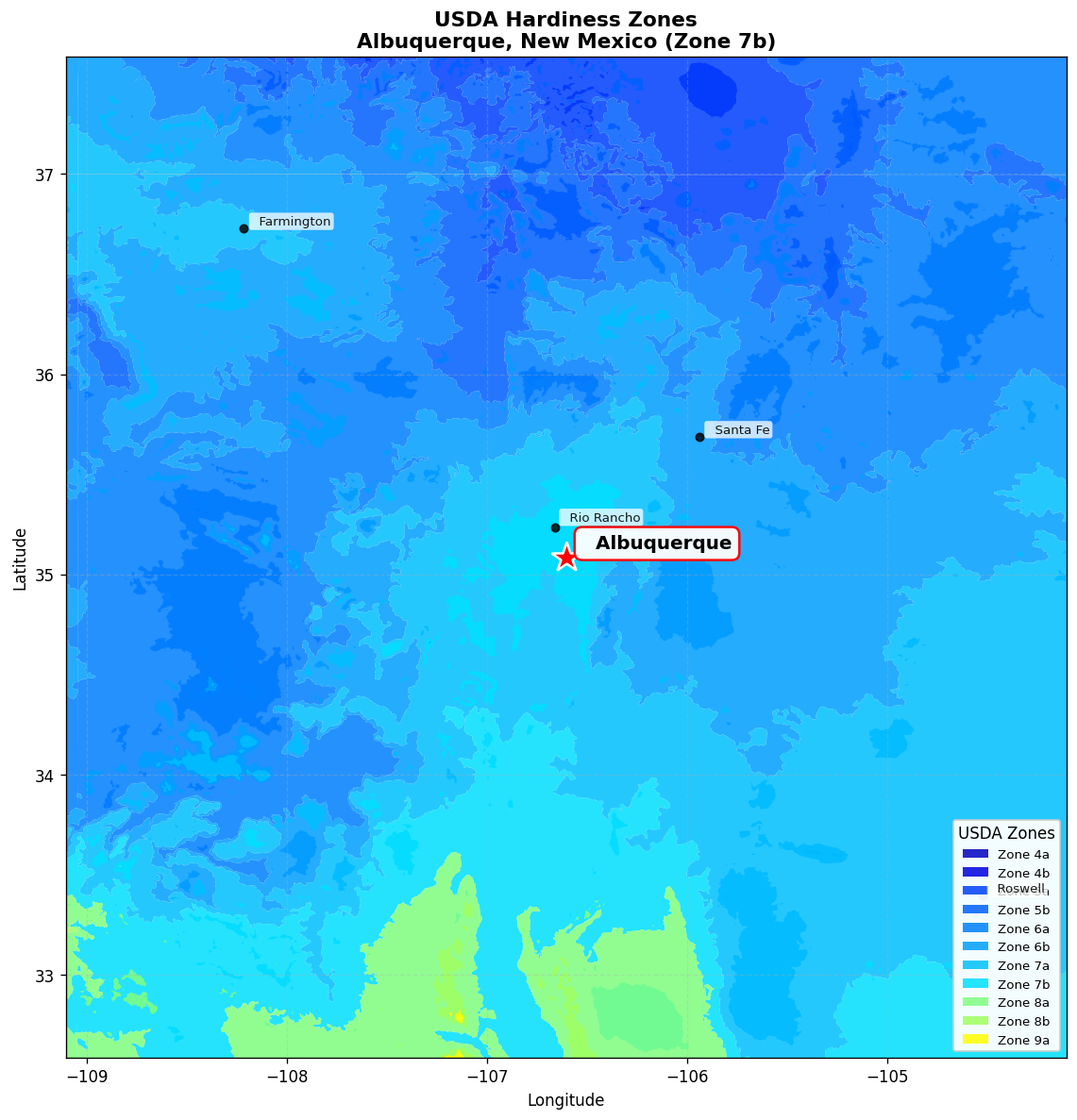
USDA Zone 7b
Hardiness zone for Albuquerque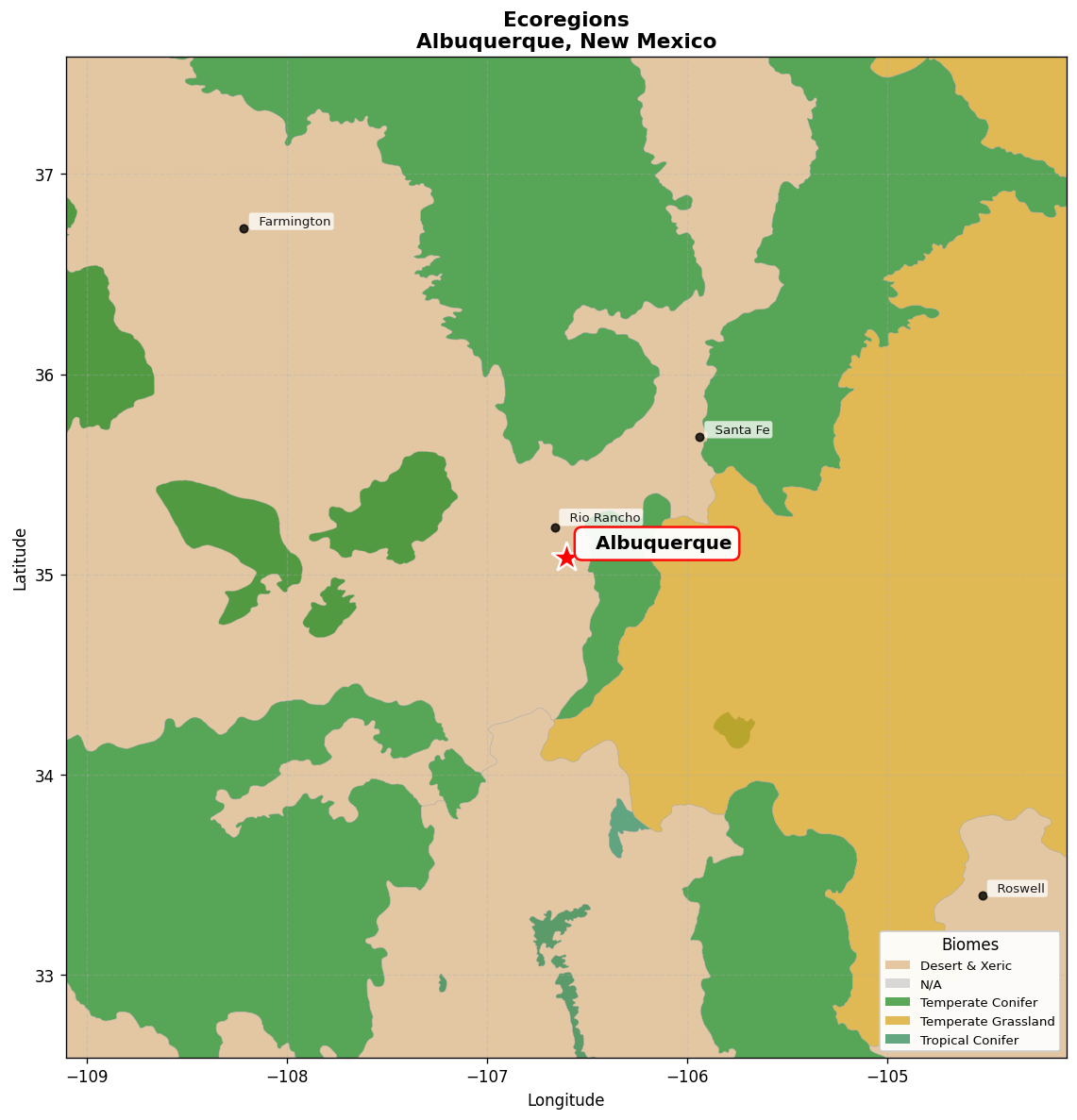
Colorado Plateau shrublands
Native ecoregionFrequently Asked Questions
What native plants are best for Albuquerque's high desert climate?
Albuquerque's Zone 7b high-desert conditions favor plants evolved on the Colorado Plateau and surrounding ecoregions. Top performers: chamisa (rabbitbrush) for fall color, Apache plume for spring flowers and feathery seeds, blue grama grass for texture and drought tolerance, penstemon for hummingbirds, desert marigold for continuous bloom, four-wing saltbush for screening, autumn sage for color from spring through fall, Agave parryi for structural drama, and pinon pine for evergreen structure. New Mexico State University Extension and the New Mexico Native Plant Society publish Albuquerque-specific plant guides with full cultivation notes.
How do I handle Albuquerque's caliche soil when landscaping?
Caliche — a hardpan layer of calcium carbonate common in Albuquerque soils — blocks drainage and root growth. When encountered (typically 6–24 inches down), you have two options: break through it with a jackhammer or auger to create planting pockets, or build raised beds above it. For planting trees and large shrubs, punch through caliche completely. For DG and gravel ground covers, caliche actually helps prevent settling and weed intrusion. Test your soil before starting a major project — caliche depth varies widely across Albuquerque, from shallow near the West Mesa to deeper in the North Valley.
Is the ABCWUA turf removal rebate still available?
Yes — the Albuquerque Bernalillo County Water Utility Authority (ABCWUA) offers a turf removal rebate for residential customers replacing qualifying turf grass with Xeriscape landscaping. The rebate is $1.50 per square foot removed, up to $450 per household per year. Requirements include: turf must be removed (not just left to die), replacement must be xeriscape-appropriate, and before/after documentation is required. The utility also offers a free landscape assessment to help plan your xeriscape project. Call ABCWUA at 505-768-2500 or visit their website to apply before removing any turf.
How do Albuquerque's spring winds affect landscaping choices?
March through May in Albuquerque brings sustained winds of 20–35 mph with gusts to 60 mph, making this one of the windiest metropolitan areas in the country. Wind affects landscaping in several ways: light mulches and fine DG blow away, newly planted specimens need staking for 1–2 years, and large broadleaf trees can suffer significant breakage. Choose wind-adapted natives (chamisa, Apache plume, four-wing saltbush, blue grama) that flex rather than break. Avoid tall, narrow shade structures without wind bracing. Use heavier crushed gravel (3/8" minus) rather than fine DG in exposed areas. Windbreak plantings of native juniper on the west and northwest sides significantly improve the microclimate.
Can I grow cacti in Albuquerque given the cold winters?
Absolutely — several spectacular cacti are native to the Albuquerque area and fully hardy through Zone 7b winters. Prickly pear (Opuntia humifusa and Opuntia macrorhiza) survive to −40°F and bloom bright yellow. Claret cup (Echinocereus triglochidiatus) produces stunning red flowers and tolerates hard freezes. Pincushion cacti (Escobaria) are small and fully hardy. Plains prickly pear is widespread on the West Mesa. What won't work: saguaro (Zone 9+), barrel cactus in open exposure (marginally hardy), and most Sonoran desert species. Agave parryi and Agave neomexicana are the go-to large succulents for Zone 7b.
What are the best trees for an Albuquerque xeriscape?
For true xeriscape in Albuquerque, focus on New Mexico natives: desert willow (Chilopsis linearis) for fast growth and showy flowers, one-seed juniper for evergreen structure and wildlife value, pinon pine for the iconic high-desert silhouette, and narrowleaf cottonwood near drainage areas. For a slightly larger scale, New Mexico olive (Forestiera pubescens) is a versatile native small tree. Non-native but excellent performers: Afghan pine (heat and cold tolerant), Arizona cypress, and Afghan pine. Avoid water-heavy trees like ash, silver maple, and ornamental pear — they're expensive to maintain and inappropriate for Albuquerque's water budget.